Joined October 2014
- Tweets 30,794
- Following 1,399
- Followers 883
- Likes 94,285
2,409 Photos and videos





Jun 13
Such a perfect film. Dad took my brother and me to see it in the cinema. I'd have been around nine. I can still recall the screams of the audience at some of the scenes.
Jun 13

JAWS (1975) is so cinematic it’s ridiculous, and the shot from the top of Quint’s crow’s nest is a perfect example. A simple angle that turns the open ocean into something vast, beautiful, and deeply unsettling.
7
NormanCharles retweeted

Jun 13
JAWS (1975) is so cinematic it’s ridiculous, and the shot from the top of Quint’s crow’s nest is a perfect example. A simple angle that turns the open ocean into something vast, beautiful, and deeply unsettling.
53
239
3,852
397,938
NormanCharles retweeted

FOLLOW THE COUNTRY CODE: I adore this cool, jazzy early 70s PIF, with its swinging soundtrack and gorgeous UAP-style visuals. A miniature work of art!
14
62
342
15,672
NormanCharles retweeted

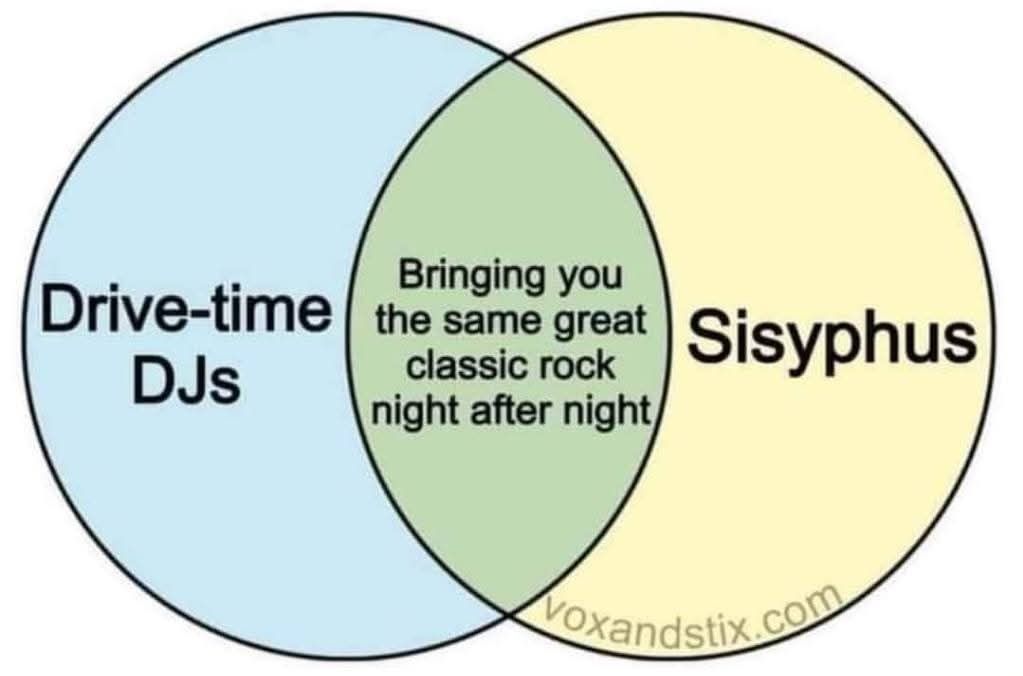
Absolute banger
31
1,152
9,816
209,610
NormanCharles retweeted

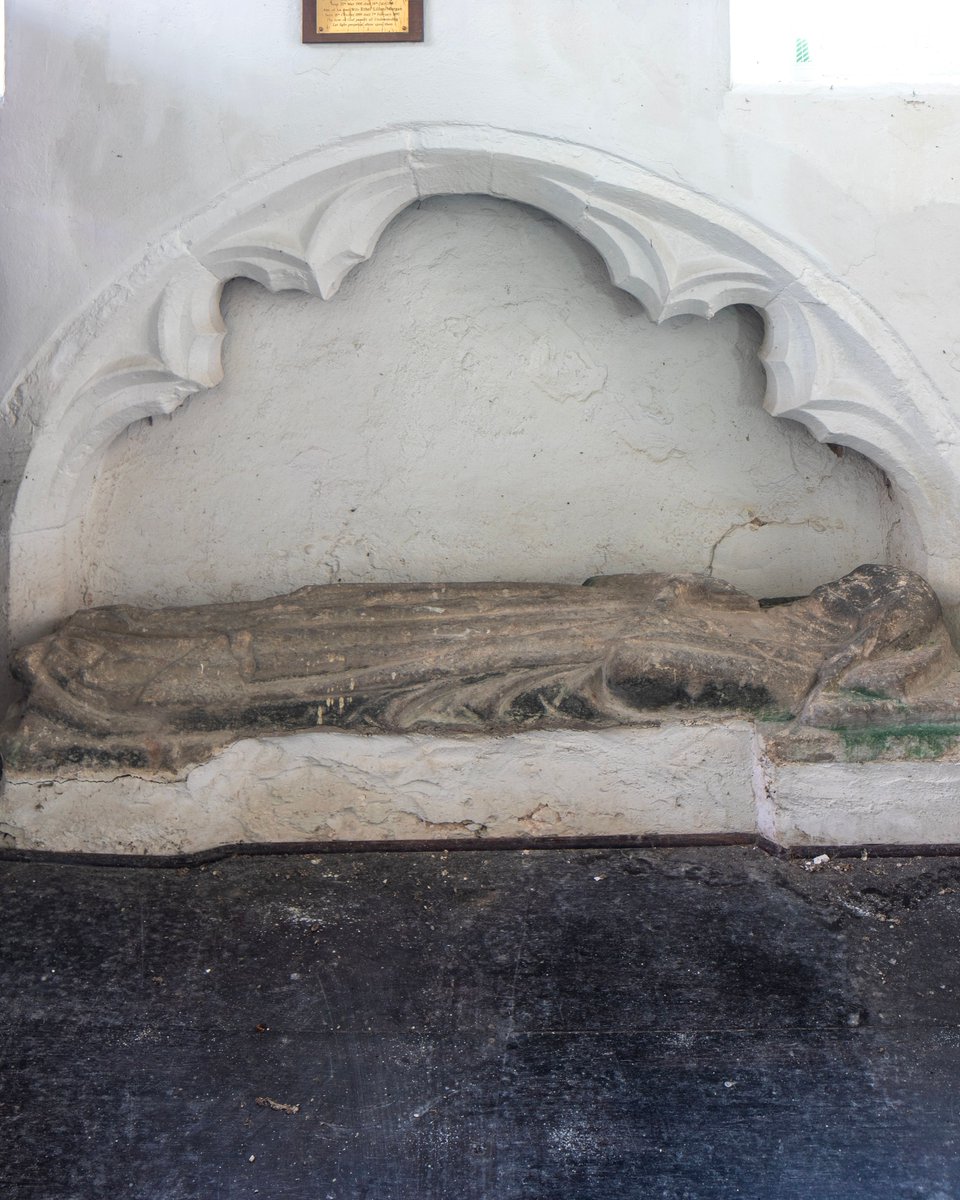
A medieval effigy lies on the floor, beneath a simple Gothic canopy, inside St Decumanus's, Rhoscrowther. The name of the person that this effigy commemorates is unknown, having been lost to history. However, we can speculate…
1/8
1
15
136
6,093
NormanCharles retweeted

Jun 6
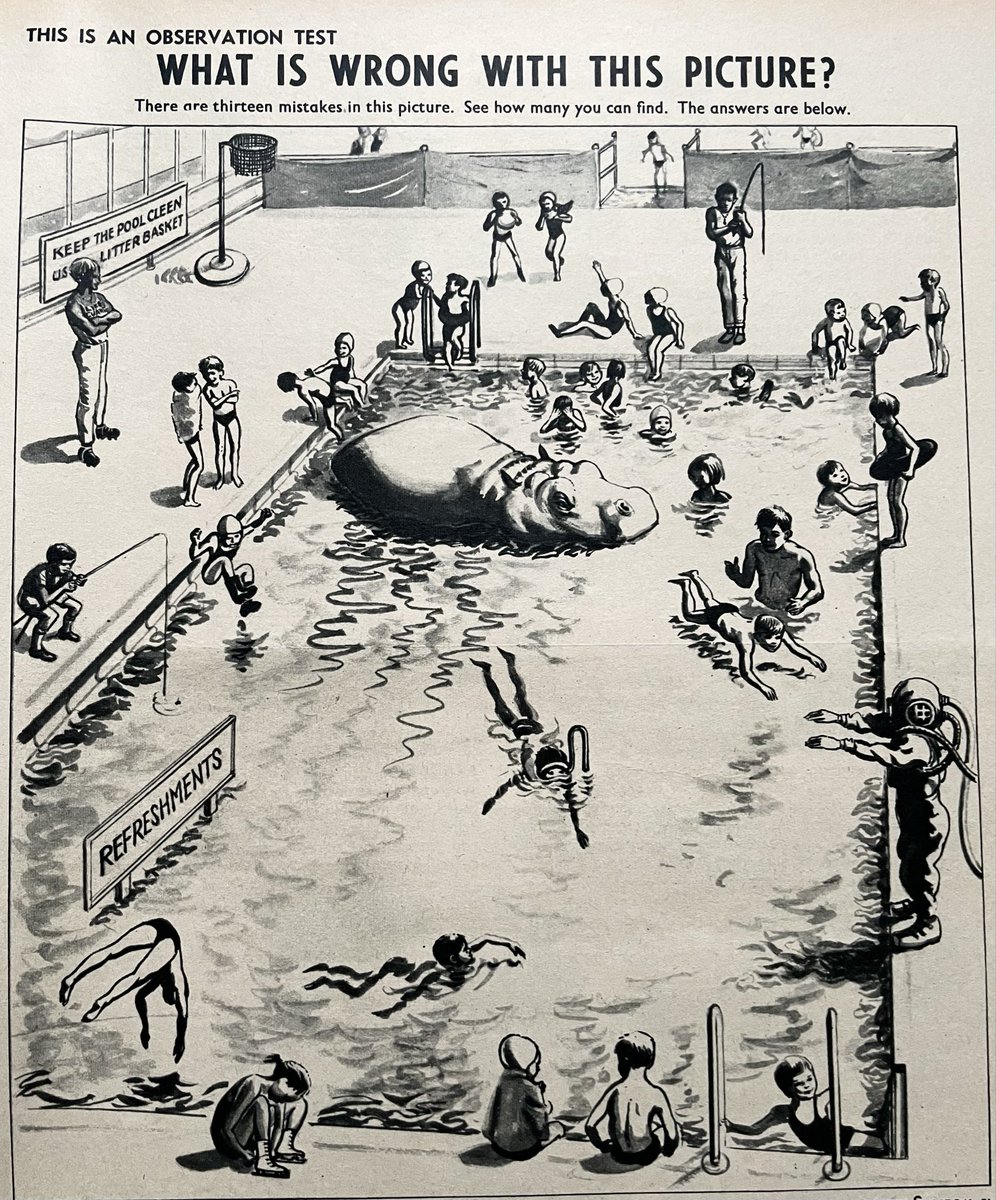
An observation test for your inner 8-year-old.
Can you spot the 13 mistakes in the picture?
From Treasure magazine, 1965
Official answers coming soon
(Even if you don’t reply, could you please ‘like’ or share this one?)
59
194
933
32,201
NormanCharles retweeted

Jun 5
Sad to hear Anthony Head has passed away.
The Gold Blend “will they, won’t they” ad campaign was a cultural phenomenon, an ongoing saga that lasted for 6 years, captivating audiences of 30 million. The inevitable kiss even made front page news. A landmark TV moment.
RIP Anthony
159
1,216
9,942
414,821
NormanCharles retweeted

May 28
It's been decades since Rainbow finished on ITV. We've had massive scientific advancements in so many different areas of life, and yet there is still no explanation for why Bungle used to walk around bollock-naked all day long but then go to bed in pyjamas.
57
140
1,569
86,847


May 28
I'm getting flashbacks just looking at this picture.

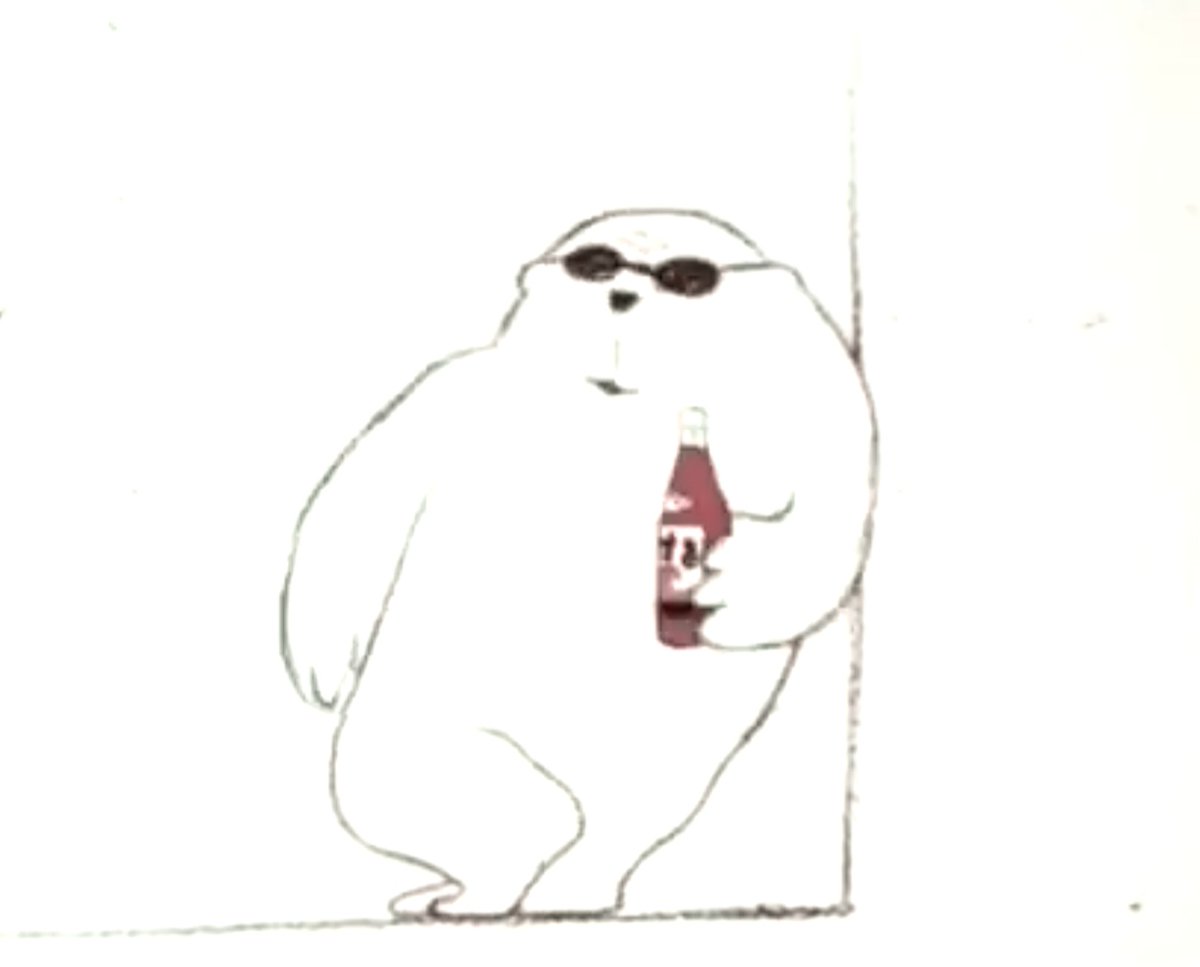
My dad's sole contribution to domestic affairs was to once a year make us all an "American Cream Soda." As we happily slurped, and marvelled at his culinary skills, my mother would look on with narrowed eyes.

1
33
NormanCharles retweeted
May 21
I don't care if Pearl and Dean had nothing to do with the movie I want to hear the music before movies again.
30
48
988
41,456
NormanCharles retweeted
RIP the great Micheal Keating. The heart and soul of Blake's 7, he played cowardly con-man Vila Restal (my favourite character) with a beautifully world-weary charm, and perfect comic timing. He and Paul Darrow's Avon made one of the all-time great double acts.
42
188
1,570
73,002
May 21
Up there with killer fridges, quicksand, and the Bermuda Triangle.

1
61
May 20
RT @Lulamaybelle: Snoopy gesturing “f u” in a road rage incident has me crying laughing.
3,301
May 15
I have always said that if you find yourself in central Cardiff, look up!
20 Jun 2022

As you continue to head towards the castle end of QS you will see a Starbucks then cast your eyes upwards.
The building is made of Portland stone and there is and art deco style elephant head that was seen all across the UK on branches of Montague Burton in the 1930s.

2
45
NormanCharles retweeted

May 14
Farewell Alan Rothwell...
4
28
188
10,680
May 13
I just looked it up and it sold 100,000 copies!

2
33
May 10
Such was life in the age of the fish paste sandwich.

Most underrated Beatles song? Singalongabeatles by Max Bygraves! Torture! Even the audience looks like they're nodding off!
1
9
NormanCharles retweeted

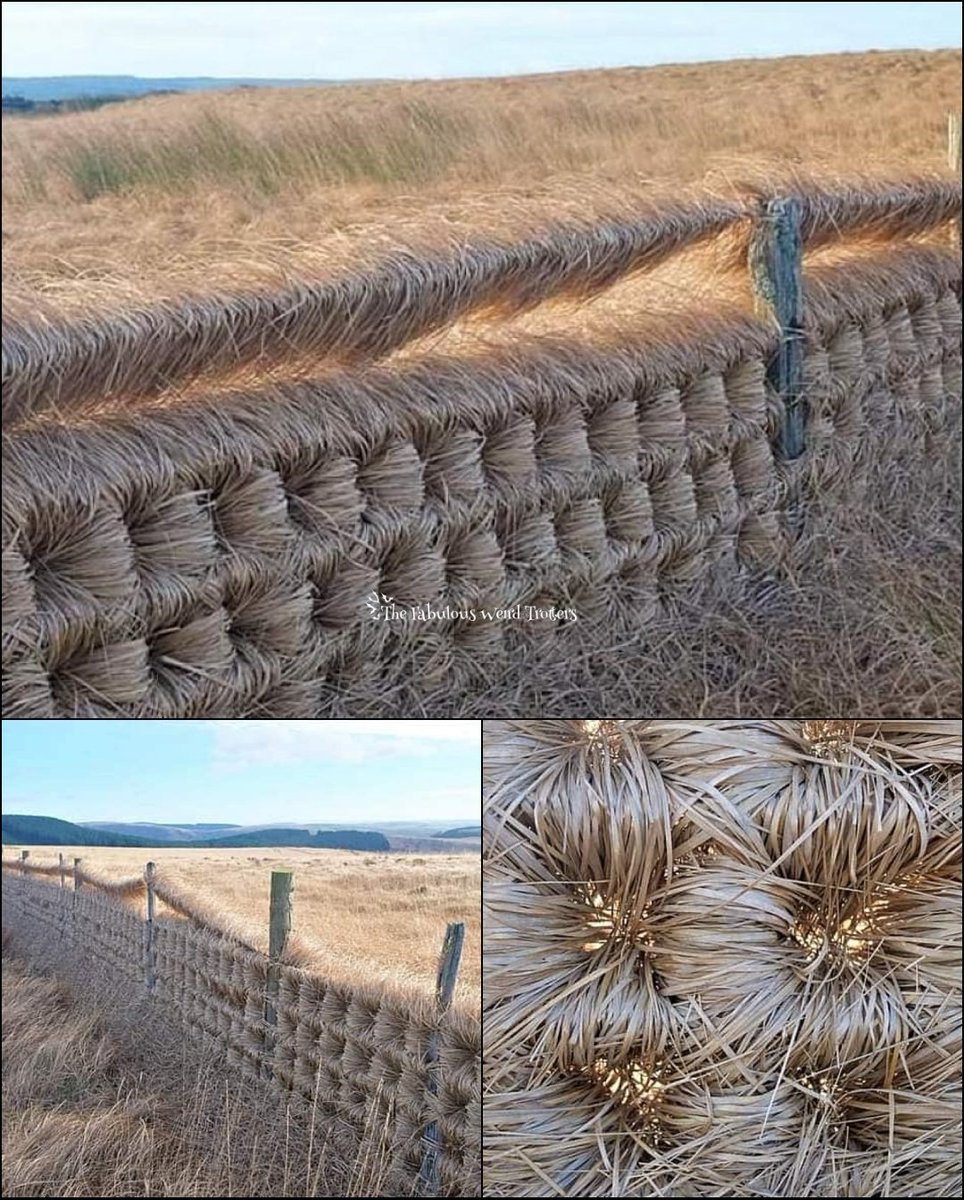
The Wind-Woven Fence of Maesteg
Following the destructive path of Storm Arwen, a mundane wire fence on a hilltop above Maesteg, Wales, was transformed into an accidental masterpiece of environmental art. High-velocity winds stripped dry Molinia grass—commonly known as purple moor grass—from the surrounding landscape and drove it with such force that the blades became intricately interlaced within the wire mesh. The result is a dense, golden tapestry that mimics the deliberate work of a master basket weaver, stretching across the summit as a visual record of the storm’s intensity and direction.
This phenomenon, often referred to locally as a "molinia fence," occurs when the specific aerodynamic properties of dried grass meet a steady, powerful gale. The grass is not merely blown against the fence but is threaded through it, creating a windbreak so thick it can eventually act like a sail, putting immense structural pressure on the fence posts. For the residents of the Llynfi Valley, these golden walls serve as a fleeting reminder of the sheer power of the Welsh elements, standing as a natural installation that remains until the next shift in weather begins to unravel the weave.
36
473
1,777
36,409
NormanCharles retweeted

May 8
The next Welsh Government should follow suit and release all the files about the Black Nun of Llangrannog.

The Pentagon has released what it described as 'never-before-seen' files on UFOs.
🔗 trib.al/7pOIy2q
29
167
1,795
66,981