
To new fellow followers, no inboxes please, you are overcrowding my DM and making me miss patriots DMs.
Joined April 2010
- Tweets 72,421
- Following 12,797
- Followers 14,476
- Likes 216,316
2,286 Photos and videos









MoAfrikaBorwa🇿🇦 retweeted

17h
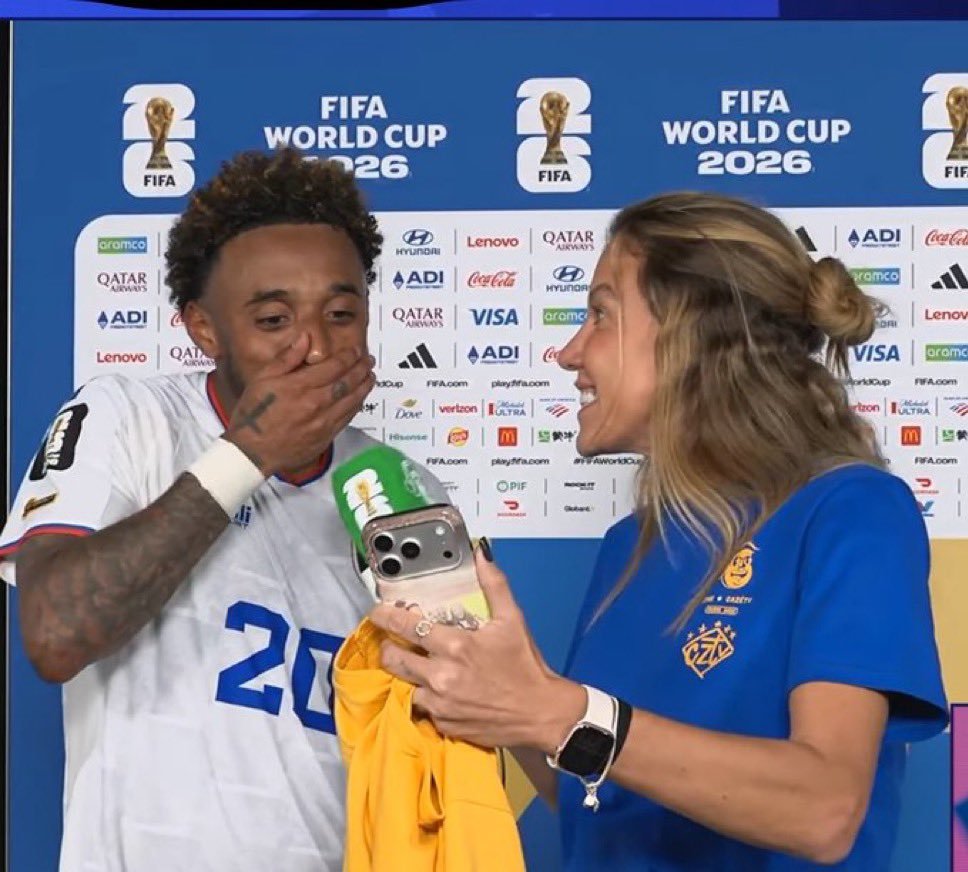
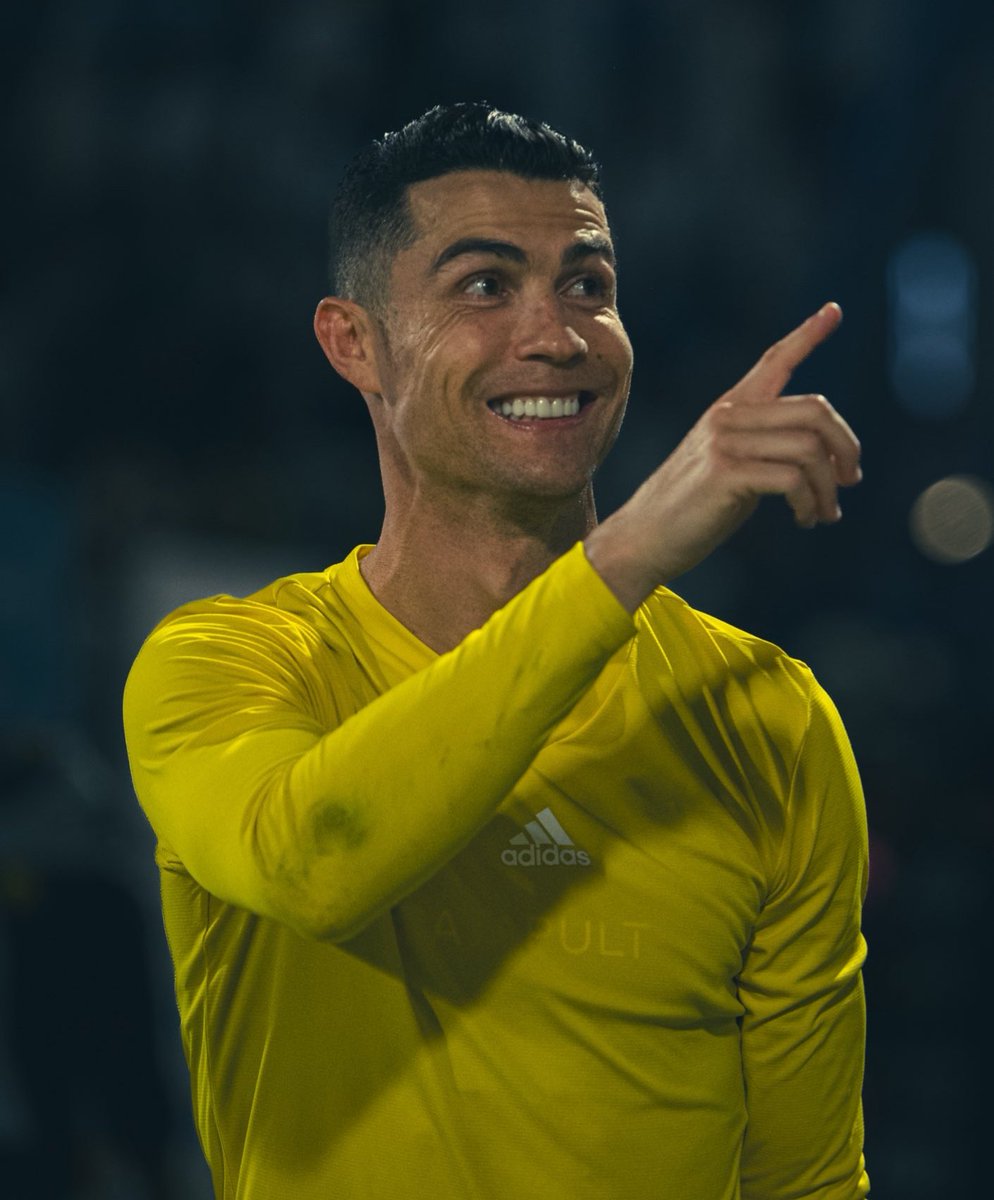
🚨🇨🇻 Cape Verde captain Ryan Mendes: "Cristiano Ronaldo called us and congratulated for the amazing performance."
134
1,998
51,033
645,477
MoAfrikaBorwa🇿🇦 retweeted

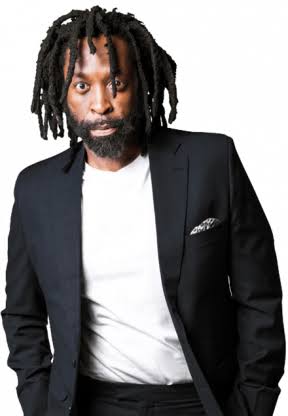
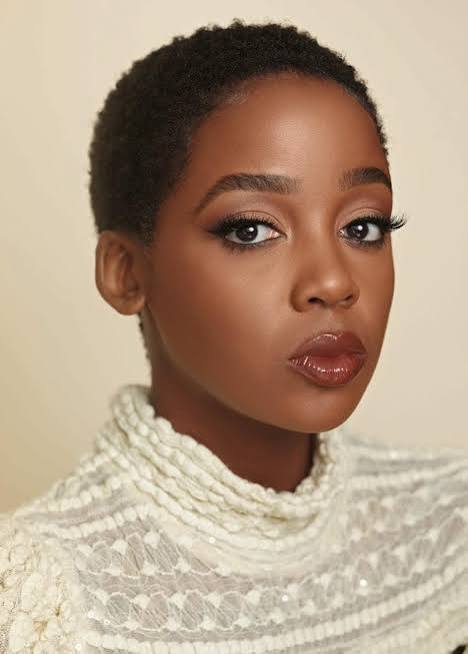
Dj SBU must be really bad, the way Thuso Mbedu is angry after rumours that they dating, I would cry 😂😂😂😂
88
79
923
70,910


MoAfrikaBorwa🇿🇦 retweeted

17h
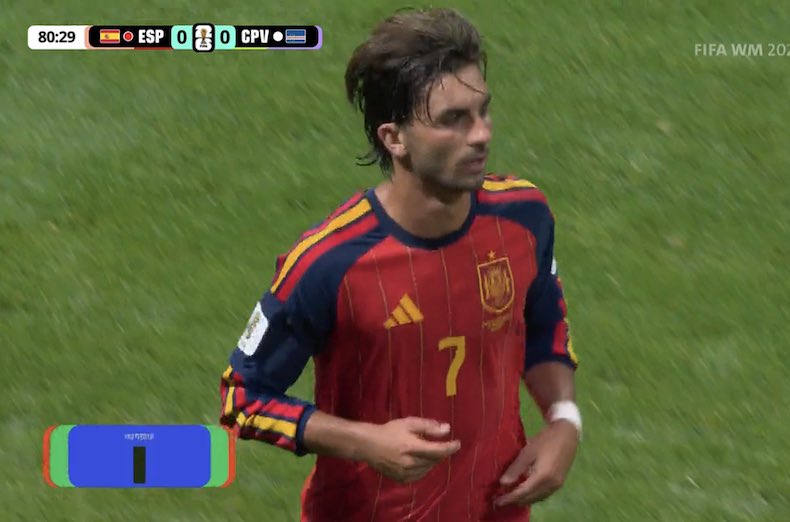
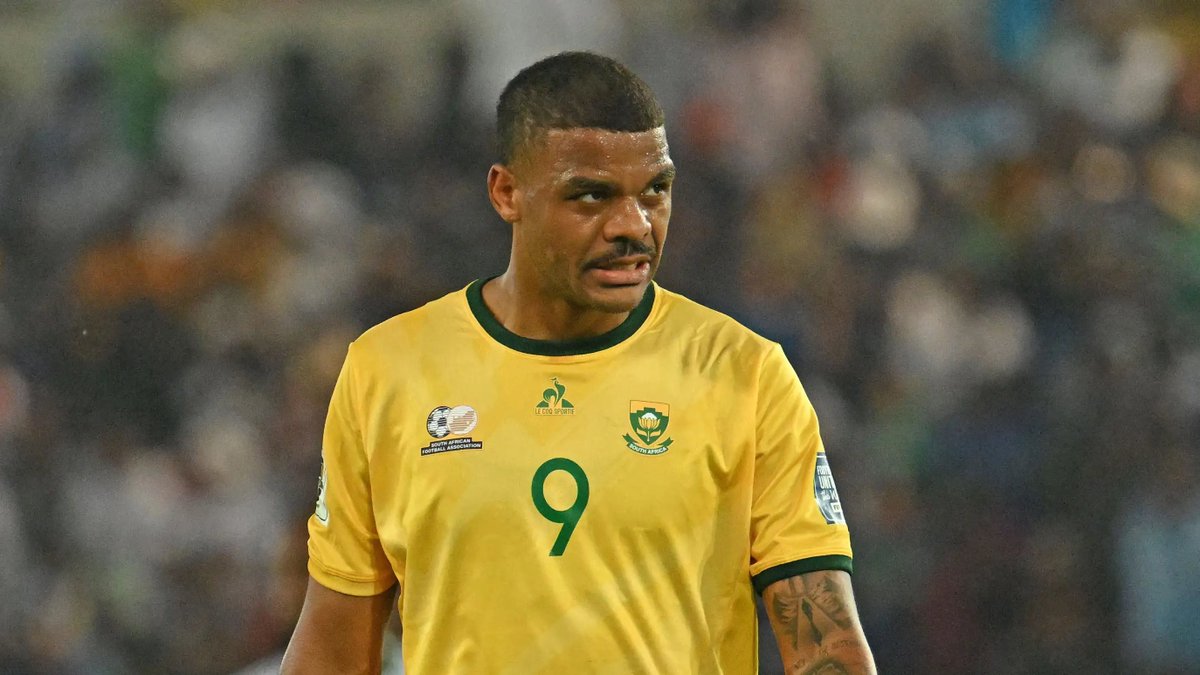
Goals in the World Cup:
Spain - 0
South Africa - 0
Not a good start but the football giants will be back 👏🇿🇦🇪🇸
137
664
8,149
84,076
MoAfrikaBorwa🇿🇦 retweeted

I’ve watched North African teams play against European sides, and they don’t do that thing of diving, shouting at referees, and constantly stopping play. 😂
11
69
399
7,237
MoAfrikaBorwa🇿🇦 retweeted

Tell that artist to drop their booking fee,we will book them for our birthdays. They can come and twerk in our backyards.We are busy fixing the country
Asidlali la.
Jun 15

“Majority of South African artists who perform in other African countries are seeing their gigs getting cancelled. One artist reached out to me and said all her gigs were cancelled.”
~ South Africa 🇿🇦 Justice Minister, Mmamoloko Kubayi
22
120
570
10,750
MoAfrikaBorwa🇿🇦 retweeted

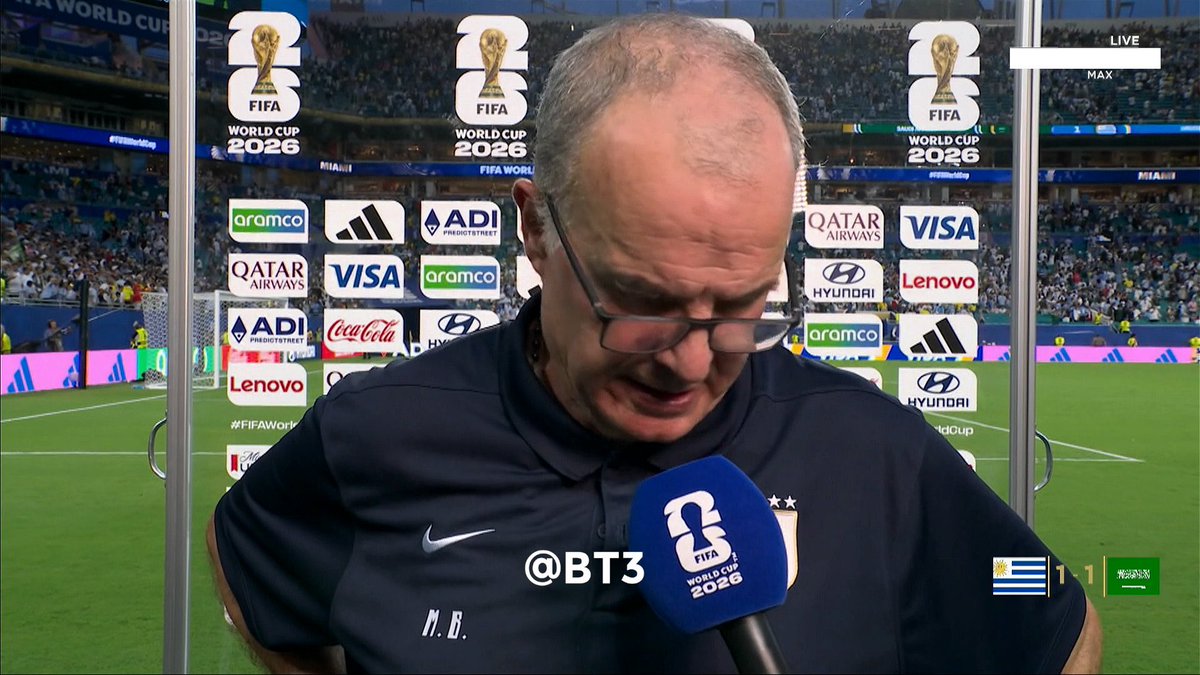
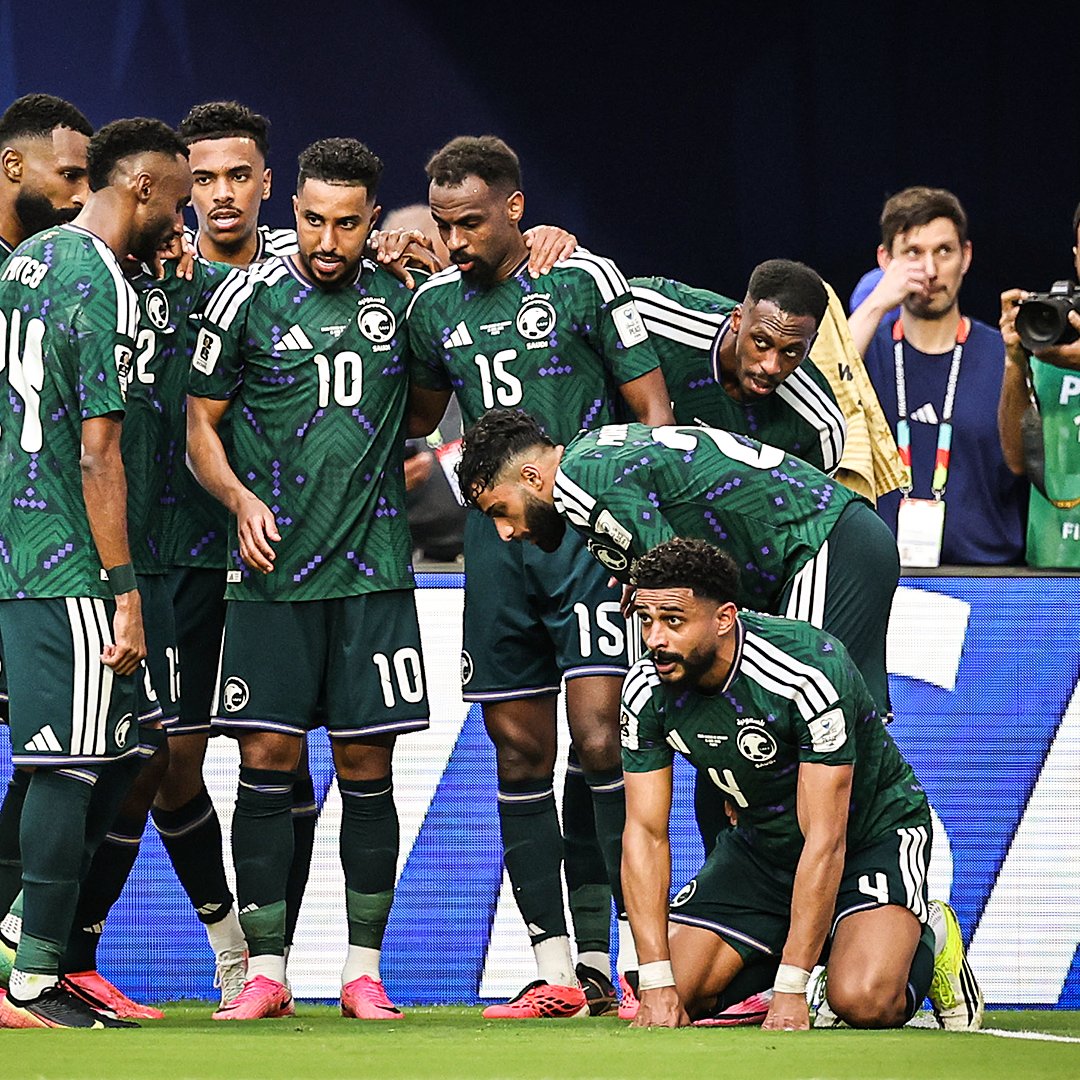
🚨 Uruguay coach Marcelo Bielsa:
"Ronaldo changed Saudi Football, they play like prime Brazil now."
121
1,904
32,461
757,984
MoAfrikaBorwa🇿🇦 retweeted

17h
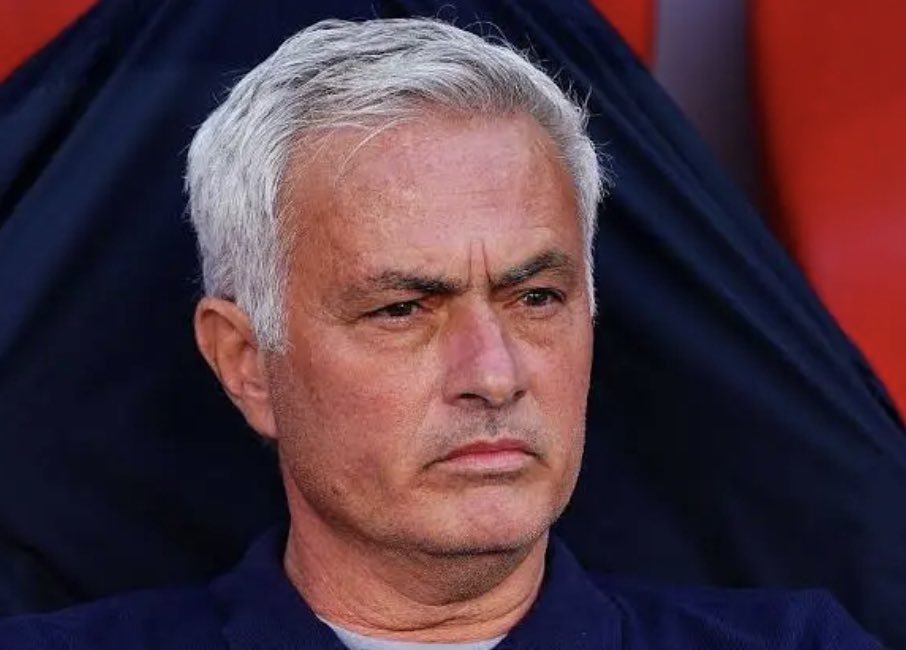
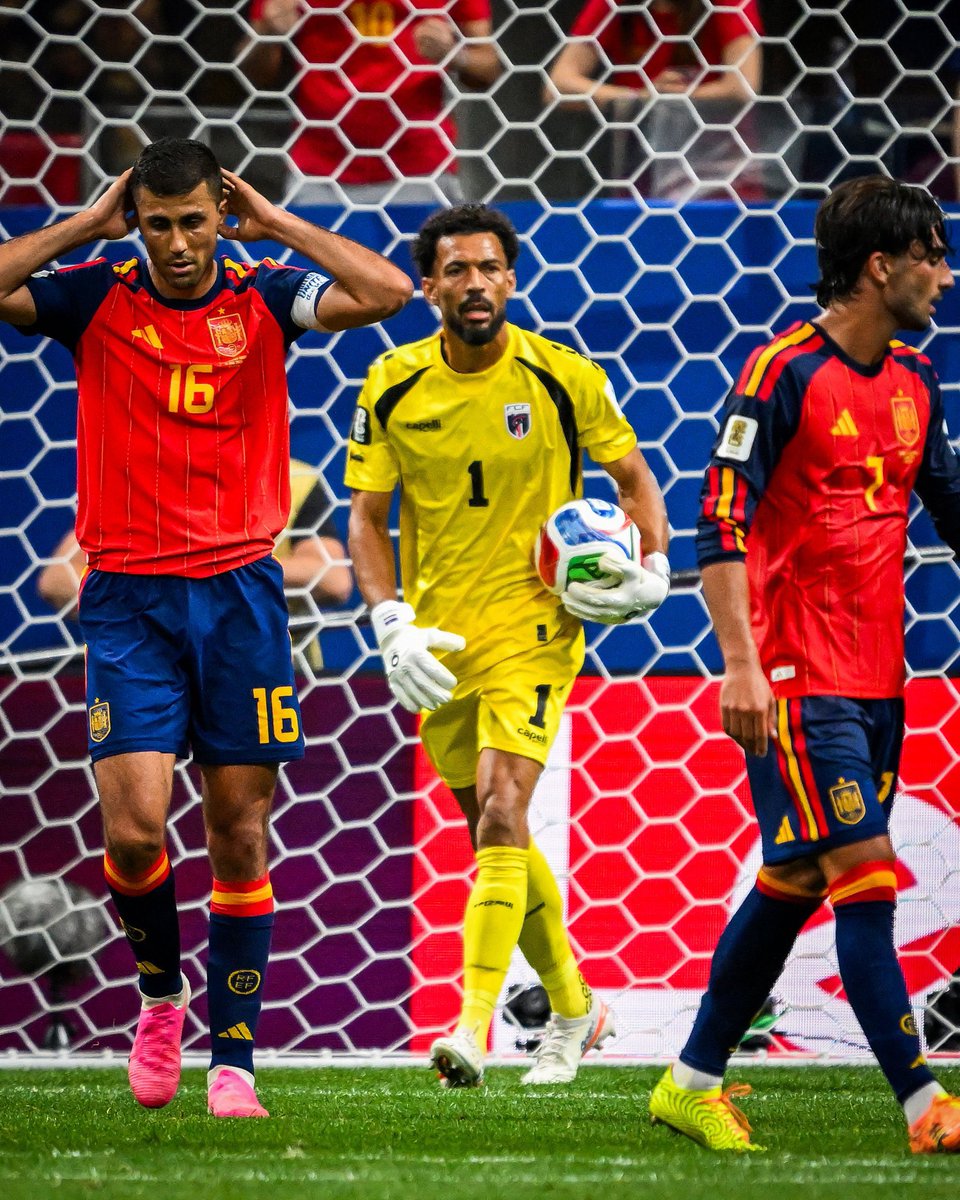
🚨📢| Mourinho: Spain’s Barca Obsession Will Cost Them – Cape Verde Proved It
“That’s exactly what happens when you call up a team full of Barcelona players.
A nation that shows up at the World Cup every four years, thinking they’re untouchable… and they can’t even beat a ‘weak’ Cape Verde side?
Listen, this is the wake-up call.
We all need to be very, very scared of the African teams in this World Cup. They are ready. They are hungry. And they don’t care about your club badges.”
191
799
4,996
222,668
MoAfrikaBorwa🇿🇦 retweeted

Benching Yamal and Williams? 😭😂 De la Fuente is moving like Hugo Broos with a Spanish passport 🇪🇸.😂😂😂😂😂😂😂
34
147
1,070
22,020
MoAfrikaBorwa🇿🇦 retweeted

Face him!!! Tell him to stop lying because he’s obviously doing it on purpose
10
93
660
10,877
MoAfrikaBorwa🇿🇦 retweeted

14h
Seeing other African nations going pound for pound against highly ranked European nations fuels my anger for Hugo Broos.
18
99
656
7,040
MoAfrikaBorwa🇿🇦 retweeted

The more I think about it, celebrities are sellout they need to be canceled until they show patriotism
Jun 15
“Majority of South African artists who perform in other African countries are seeing their gigs getting cancelled. One artist reached out to me and said all her gigs were cancelled.”
~ South Africa 🇿🇦 Justice Minister, Mmamoloko Kubayi
10
110
524
5,640

MoAfrikaBorwa🇿🇦 retweeted

This is the same Cape Verde Bafana knocked out of AFCON!???
HUGO BROOS HAS BLOOD ON HIS HANDS!
35
639
5,125
91,930
MoAfrikaBorwa🇿🇦 retweeted

18h
You don't get to cry 'ubuntu' when you have a private doctor on speed dial. Ubuntu died the moment you decided poor South Africans must carry burdens you will never touch
8
239
750
5,798
MoAfrikaBorwa🇿🇦 retweeted

Jun 15
I would have expected a more balanced report from a journalist.
Portraying the Malawians solely as victims of South Africans’ “anti-immigrant” stance, while omitting that they are in the country illegally, is dishonest reporting.
For months, we have voiced legitimate concerns that large numbers of foreigners are exploiting SA’s porous borders, entering illegally, and putting strain on our already limited resources and infrastructure. The presence of over 7000 Malawians in Durban alone, with most of the women carrying babies or being pregnant, strongly illustrates this strain.
Importantly, this figure represents just ONE nationality in ONE city.
Given SA’s status as the world’s most unequal society with the highest unemployment rates, any honest analysis would acknowledge that this situation validates South Africans’ concerns. It also highlights the urgent need for Africans across the continent to hold their own governments accountable and fight for better conditions in their countries, just as South Africans are doing.
Jun 15

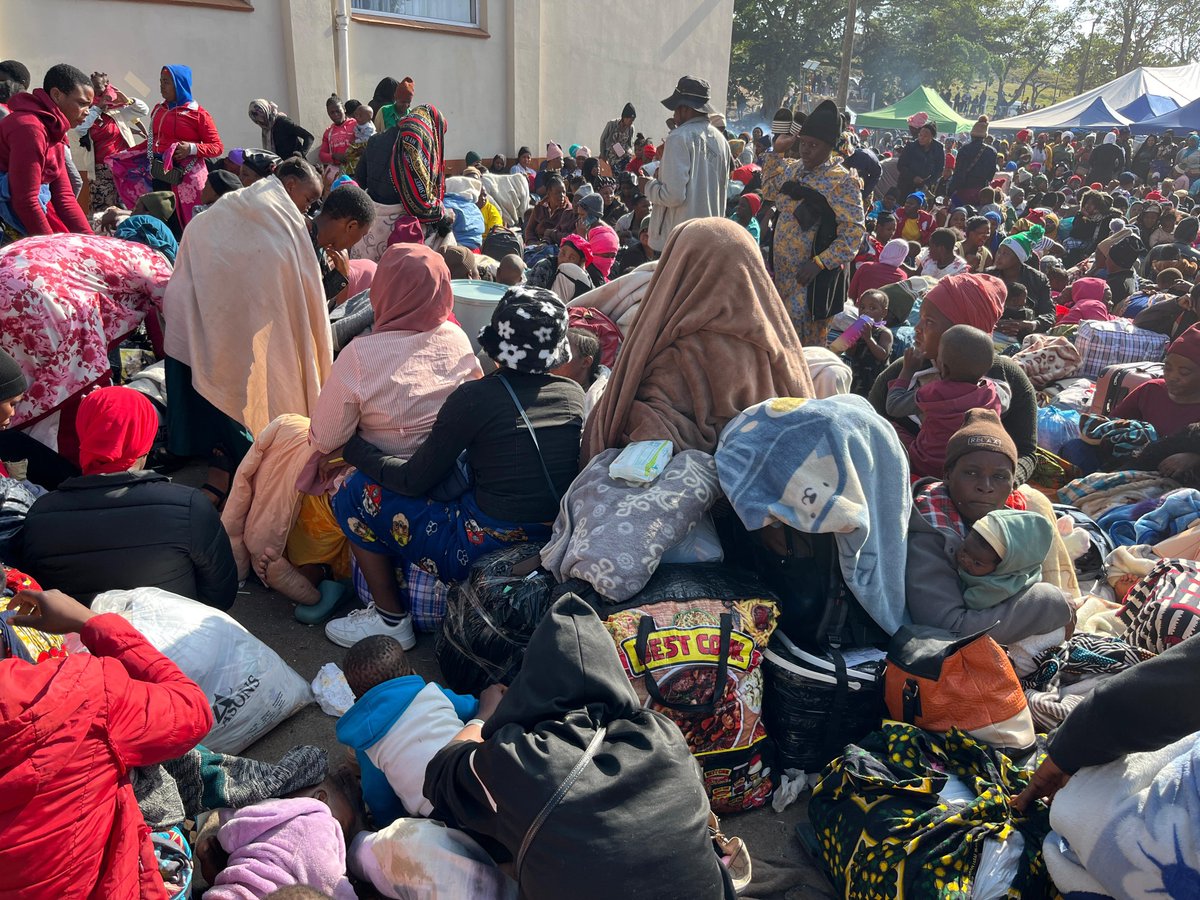
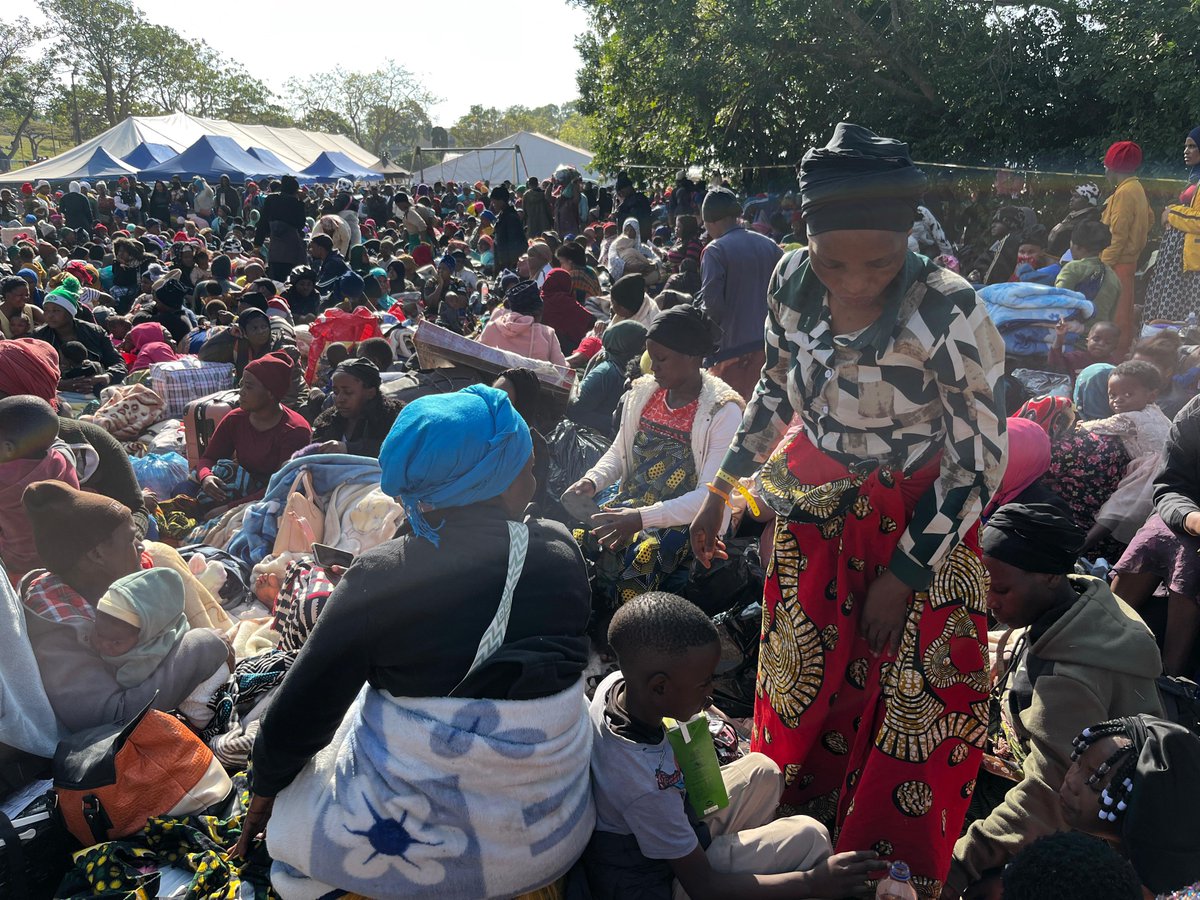
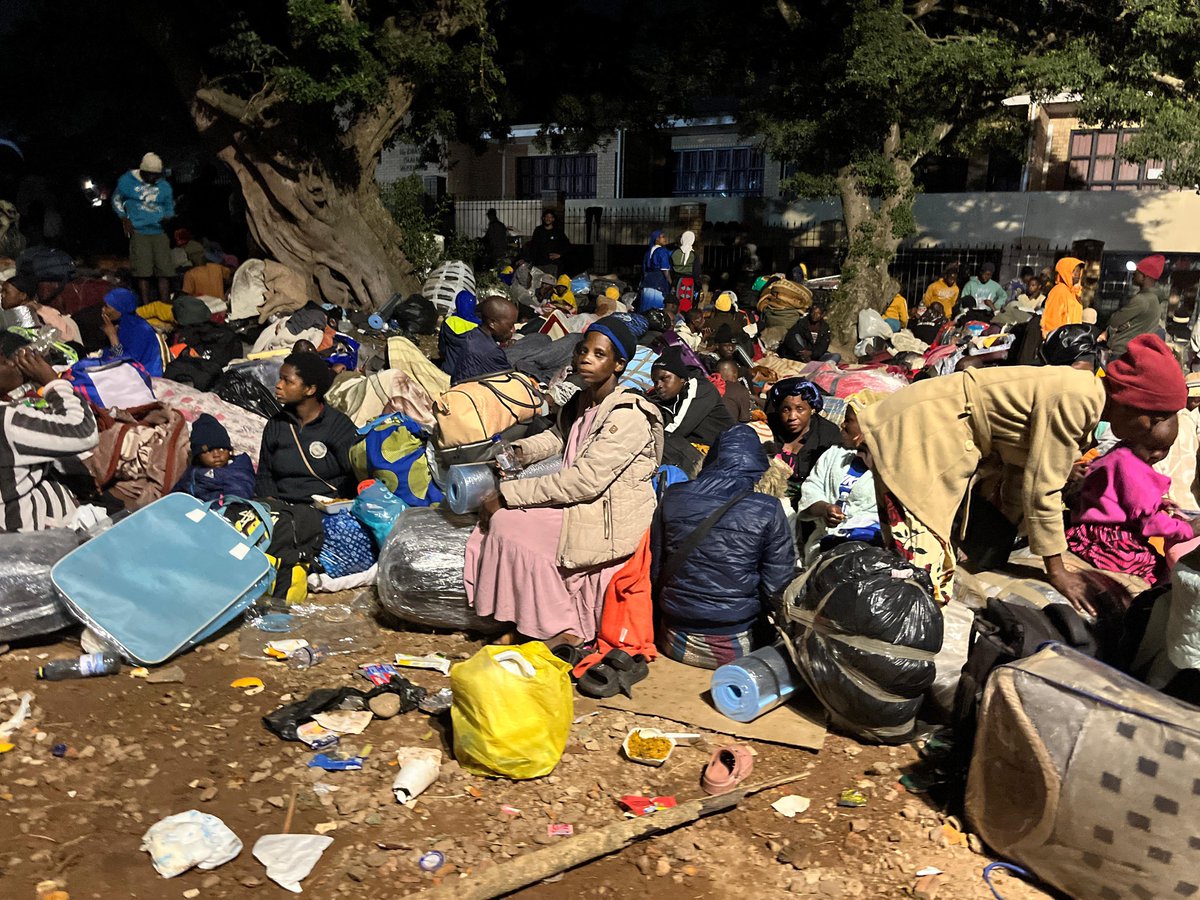
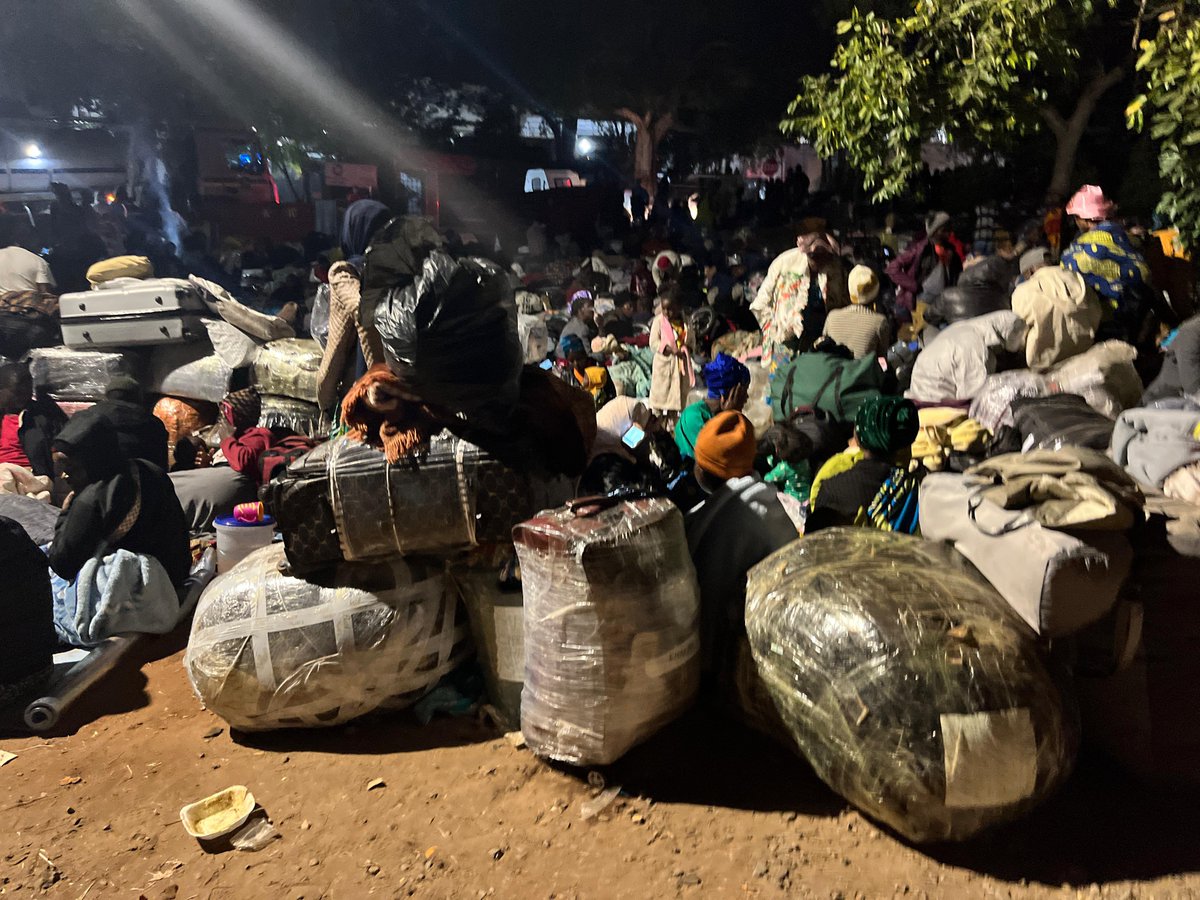
A humanitarian crisis is brewing involving Malawian migrants in South Africa. More than 7,000 Malawian nationals are currently sheltering at Sherwood Hall in Durban, waiting for a way home.
Many fled after anti-migrant attacks, abandoning homes, jobs, and possessions. Others are leaving out of fear, uncertain whether it is safe to remain. Many families are sleeping in overcrowded conditions, relying on sporadic assistance while hoping for repatriation.
Only eight buses have been sent so far, leaving thousands stranded. They have now reportedly been told that no additional funds are available for their repatriation and that those who cannot be transported may be taken to Lindela.
Lindela Repatriation Centre, located near Krugersdorp in Gauteng, is South Africa’s main holding facility for undocumented foreign nationals awaiting deportation or repatriation to their home countries.
Behind every number is a human story. Mothers worried about their children, fathers who have lost everything, elderly people with nowhere to go, and young people facing an uncertain future.
Migration debates often focus on politics, borders, and statistics. But this is ultimately a humanitarian issue. Regardless of nationality, no one should be left stranded, vulnerable, and without hope.
The governments of both South Africa and Malawi, together with humanitarian organisations, need to urgently address this situation and ensure that those wishing to return home can do so safely and with dignity.
As thousands of vulnerable Malawians wait in uncertainty for assistance and repatriation, President Arthur Peter Mutharika is currently in South Africa for a routine medical check-up, a contrast that m raises questions among many about government priorities and the capacity of African states to care for their citizens both at home and abroad.
8
132
373
15,903
MoAfrikaBorwa🇿🇦 retweeted

After the 30th we really need to get rid of the current government. They are beyond evil and love acting oblivious
@GovernmentZA why are you acting like you can’t see half of the people asking @Stellarated where is the 500 million spaza shop funds ?
@deptoflabour why are you posting generated ai videos instead of hiring unemployed people who qualify for that ?
@CyrilRamaphosa you are a BS of a president . @MYANC evil political party. That loves looting taxpayers money
12
221
603
4,856
MoAfrikaBorwa🇿🇦 retweeted

South Africans 🇿🇦 we need to stand together AND reject the abuse by @sarstax
Nothing justifies almost 50% of our salaries being stolen by these government with very little to show off in our communities!!
#TaxRevoltSA
116
1,396
3,786
49,457
MoAfrikaBorwa🇿🇦 retweeted
Guys, you see Al Ahly best players cooking for Egypt meanwhile our best players are watching from the bench?😔😭
8
86
698
10,636
MoAfrikaBorwa🇿🇦 retweeted

The whole continent is shocked that we do not fear our government and politicians. This is so strange to them as they are scared of their leaders. In SA, we fear no leader and we believe that the 'people shall govern' is more than just a mantra.
17
236
692
6,538