
Sharing Latest AI Tools, Resources & Tech News | 💌 Collabs: kshitijmishra27@gmail.com | Free Coding, AI & Dev Tools to Learn
Joined April 2025
- Tweets 17,232
- Following 277
- Followers 49,763
- Likes 11,352
1,682 Photos and videos







Pinned Tweet

36
91
524
821,961
THIS GUY BUILT 5 FAILED PRODUCTS.
Then he realized the problem wasn't the code.
It was the design.
Most founders think:
"If I build it, people will come."
They don't.
Because users don't just judge what a product does.
They judge how it feels.
So after 3 years and 5 failed attempts, he built something different.
An AI tool designed around a simple idea:
AI can generate.
But can it develop taste?
Instead of creating random screens, it tries to design an entire product with a consistent visual identity.
That's a much harder problem.
And if they solve it...
A lot of design tools are in trouble.
We're entering a world where building is cheap.
Taste is expensive.
Website:
getbaroque.com/
Would you trust AI to design your next product?
11
19
56
763
upvote us on product hunt : producthunt.com/products/bar…
1
3
225
🚨 BREAKING: The U.S. government just forced Anthropic to suspend Fable 5 and Mythos 5.
- Only 3 days after launch.
The reason: a reported jailbreak.
(A jailbreak means someone found a way to get the model to ignore some of its safeguards and answer or do things it wasn't supposed to.)
What's crazy is that this wasn't some random chatbot.
Fable 5 and Mythos 5 were among the smartest AI models ever released.
Anthropic spent months building safeguards around them. The company was extremely cautious about releasing these models because of what they might be capable of.
And yet, here we are.
Just 3 days after launch, the U.S. government stepped in.
The order was so broad that it applied to foreign nationals even if they were physically inside the United States.
That includes employees working at Anthropic itself.
If you still think AI is just a cute productivity tool for writing emails, generating images, and automating tasks, think again.
Governments are looking at these systems very differently.
They are treating the smartest models in the world like something that can affect national security, cyber defense, and global power.
And honestly?
The government probably knows something most people don’t.
1
2
6
452
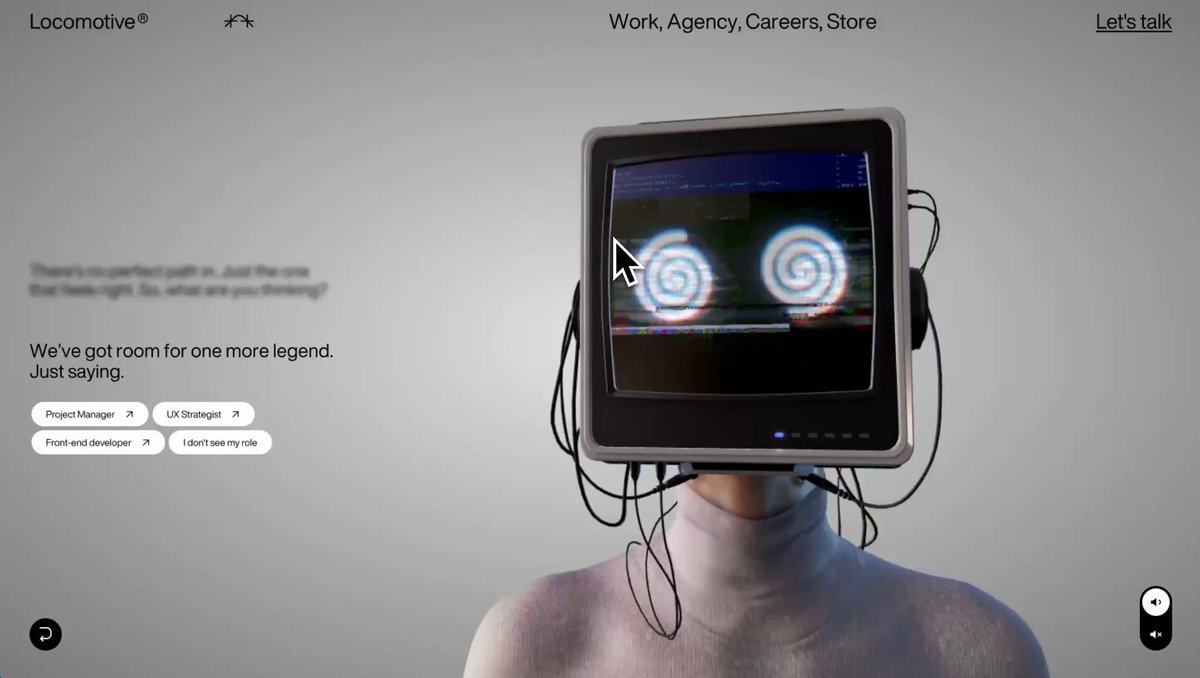
wow the contact section is just🤯
someone created the best contact sectoin in the website
I approve 😎
link : locomotive.ca/en
1
1
222
PEWDIEPIE DROPPED A FREE LOCAL AI WORKSPACE WITH CHAT, AGENTS, DEEP RESEARCH, EMAIL, MEMORY, AND CALENDAR BUILT IN
but free open-source still costs you time, setup, configuration, and too many choices, and for business owners that's a whole weekend gone before you get anything done.

Most people will try PewDiePie’s free AI agent and quit.
Not because it’s bad.
Because it’s powerful.
Odysseus gives you a full local-first AI workspace:
Chat.
Agents.
Deep research.
Documents.
Email.
Memory.
Tasks.
Calendar.
But raw open-source tools come with raw open-source problems:
Setup.
Models.
Drivers.
Security.
Configuration.
Too many choices.
For tinkerers, that’s fun.
For business owners, that’s a weekend gone.
Free AI is getting powerful.
But “free” still costs you time.
1
6
515
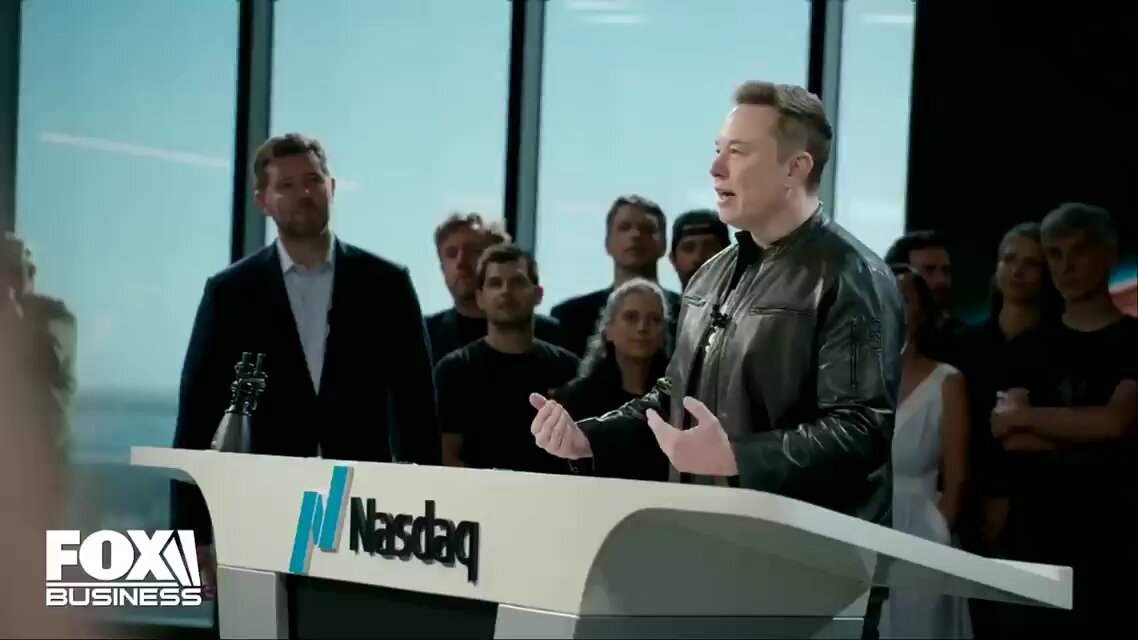
🚨 BREAKING: Elon Musk just rang the Nasdaq opening bell as SpaceX officially went public.
- He is now, the first trillionaire in modern history!
SpaceX priced its IPO at $135 per share, raising around $75 billion and valuing the company at roughly $1.77 trillion, making it the largest IPO ever.
What started in a small warehouse in El Segundo, today it includes Starship, Starlink, xAI, X, and its launch business under one umbrella. Together, they are trying to build something much bigger than a transportation company or an AI company.
The mission in SpaceX's filing is simple but incredibly ambitious:
"Make life multiplanetary."
The company talks about building the technologies needed to connect the world, power advanced AI, establish a permanent presence on the Moon, build cities on Mars, reduce humanity's existential risks, and eventually extend human civilization beyond Earth.
Love him or hate him, this is one of the wildest founder arcs in modern business.
2
1
7
1,047
10 GitHub repos that automate real work while you sleep in 2026.
Bookmark this list.
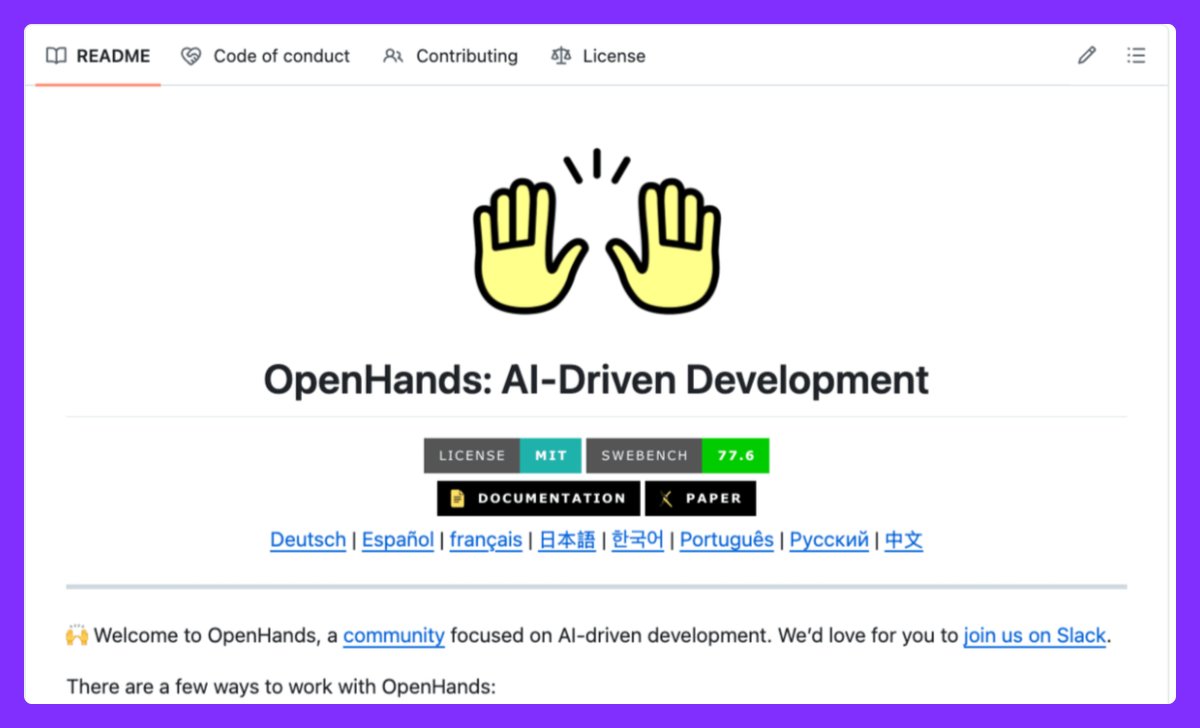
1. OpenHands
Autonomous coding agent. 76,500 stars. Used by engineers at Apple, Google, Amazon, Netflix, and NVIDIA.
Repo → github.com/All-Hands-AI/Open…
2. Hermes Agent
Nous Research dropped this in February. 191,000 stars in three months. Self-improving personal AI.
Repo → github.com/NousResearch/herm…
3. CrewAI
Multi-agent workflows that ship real work. Used by 60% of Fortune 500.
Repo → github.com/crewAIInc/crewAI
4. Aider
AI pair programmer in your terminal. Auto-commits clean diffs. Indie devs ship 5x faster with it.
Repo → github.com/paul-gauthier/aid…
5. n8n
Open-source Zapier. 400 integrations. Self-hosted workflows that run forever without subscription fees.
Repo → github.com/n8n-io/n8n
6. LangGraph
The orchestration backbone every production AI agent runs on in 2026.
Repo → github.com/langchain-ai/lang…
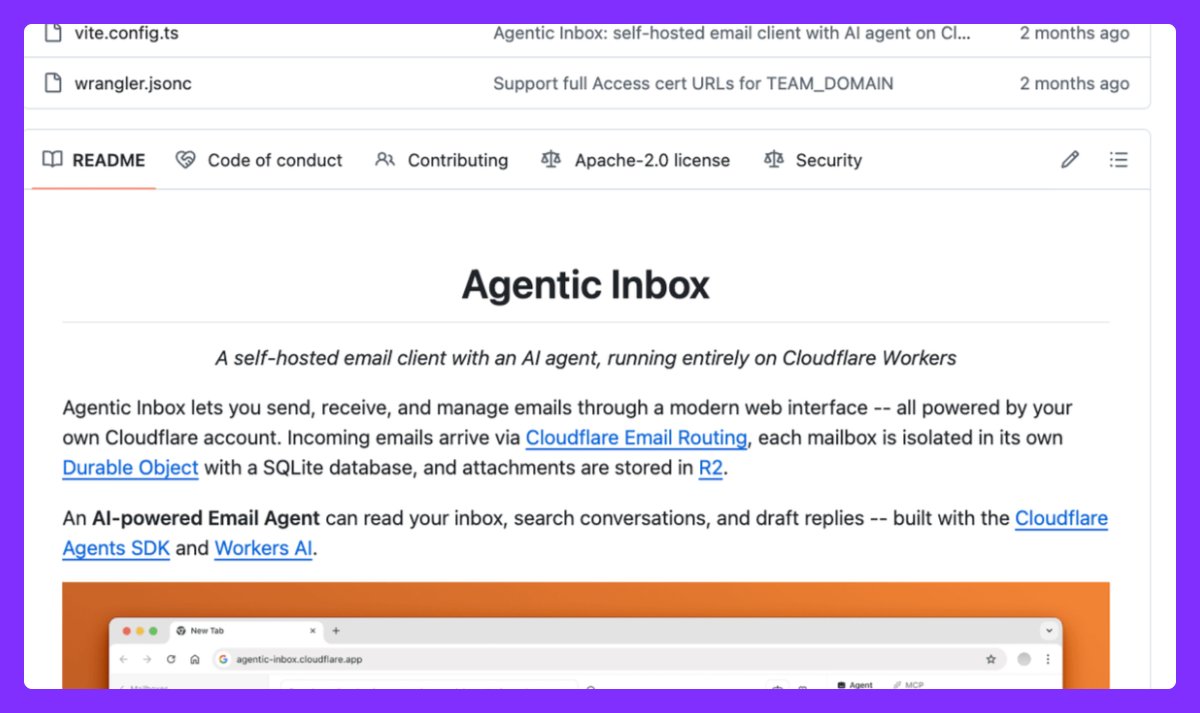
7. Cloudflare Agentic Inbox
Self-hosted email client with a built-in AI agent that reads your inbox and drafts replies.
Repo → github.com/cloudflare/agenti…
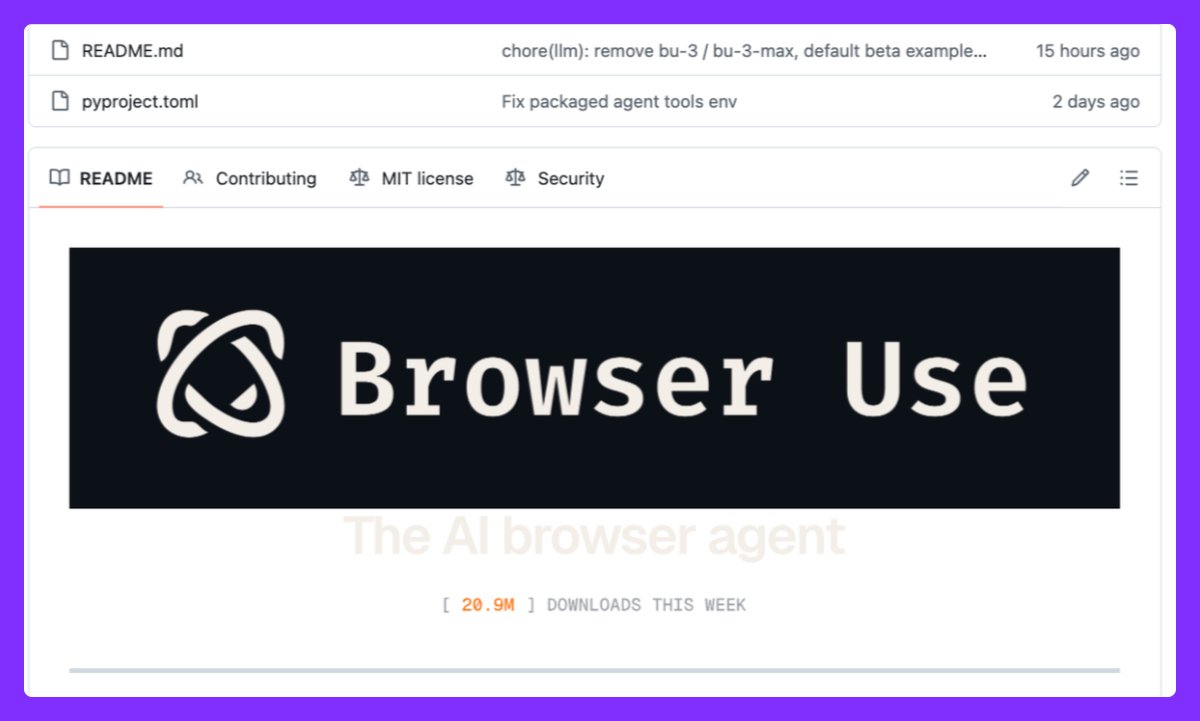
8. Browser Use
98,000 stars. Agents navigate the web, fill forms, scrape data, book meetings.
Repo → github.com/browser-use/brows…
9. awesome-mcp-servers
The catalog of every tool your agent can plug into. GitHub, Slack, Linear, Stripe, Postgres, Notion.
Repo → github.com/punkpeye/awesome-…
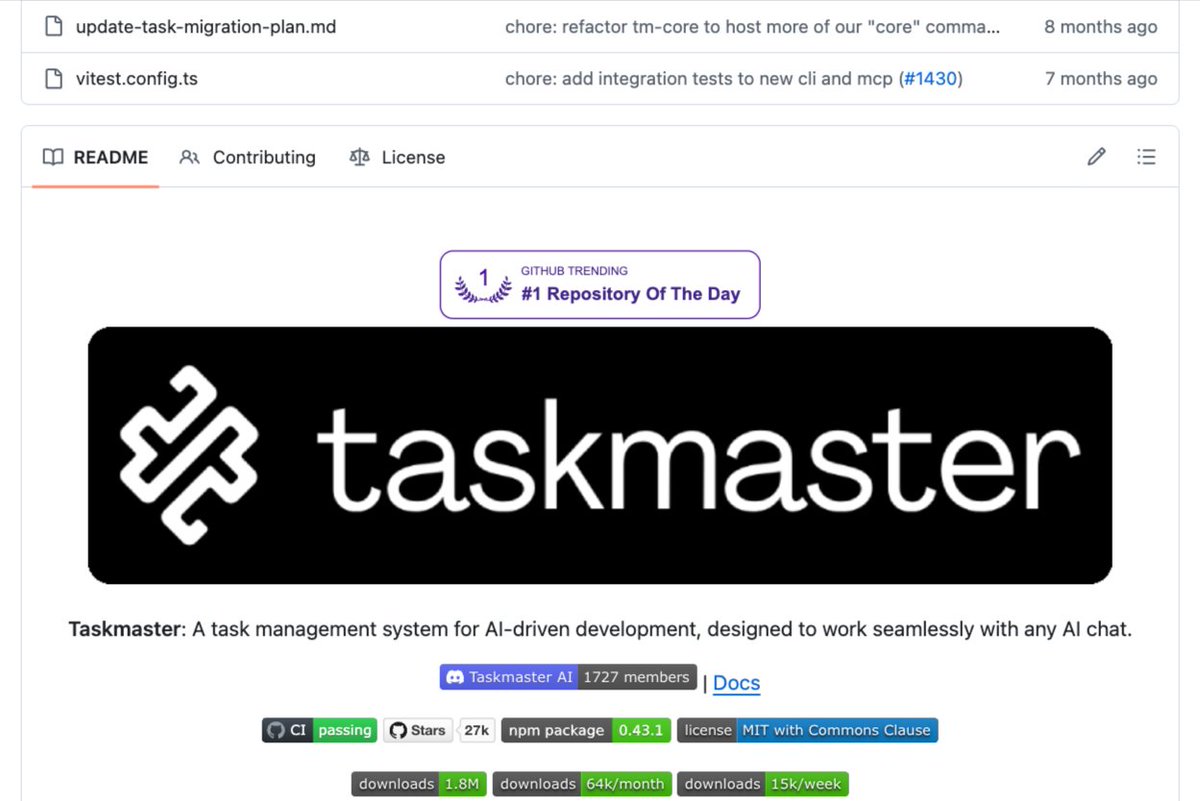
10. claude-task-master
Multi-agent task orchestration on top of Claude Code. Turn one prompt into a team shipping a feature while you sleep.
Repo → github.com/eyaltoledano/clau…
Save this.
100% free. 100% open source.
9
7
60
2,231
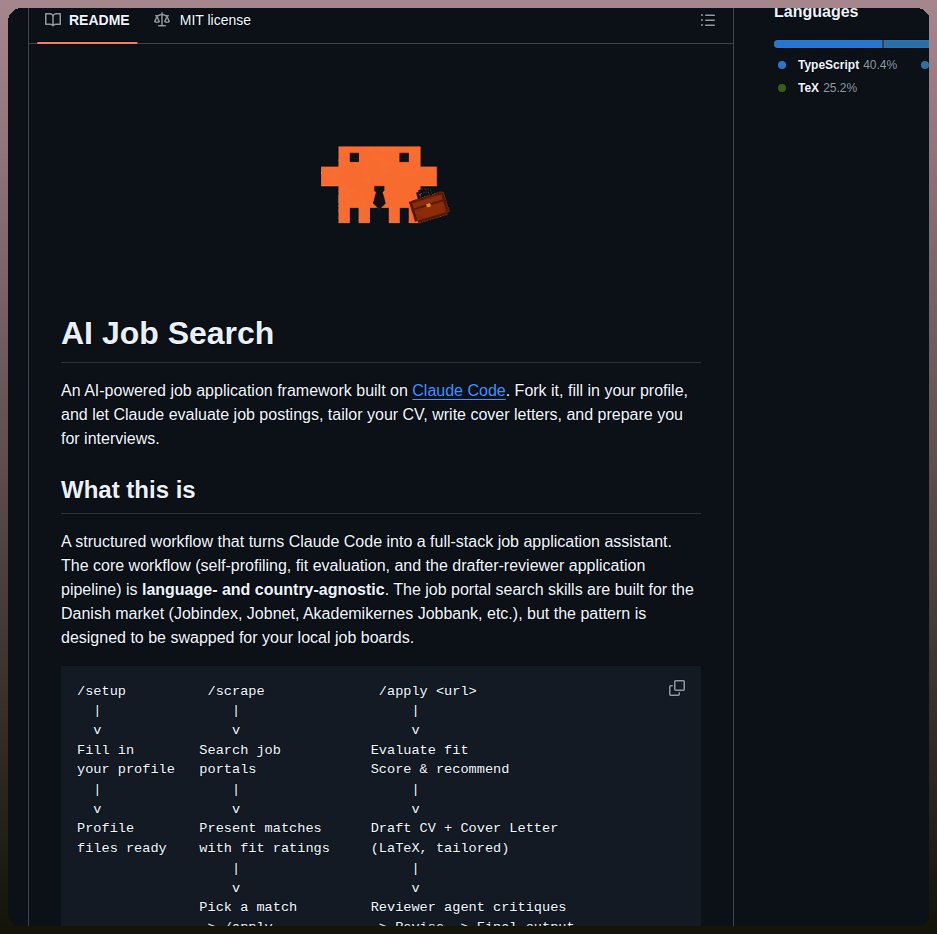
SEARCHES JOBS, TAILORS CVs, AND AUTOMATES APPLICATIONS.
This open-source AI agent finds relevant jobs, customizes your resume for each role, and can even handle applications automatically.
GitHub:
github.com/MadsLorentzen/ai-…
1
3
12
727
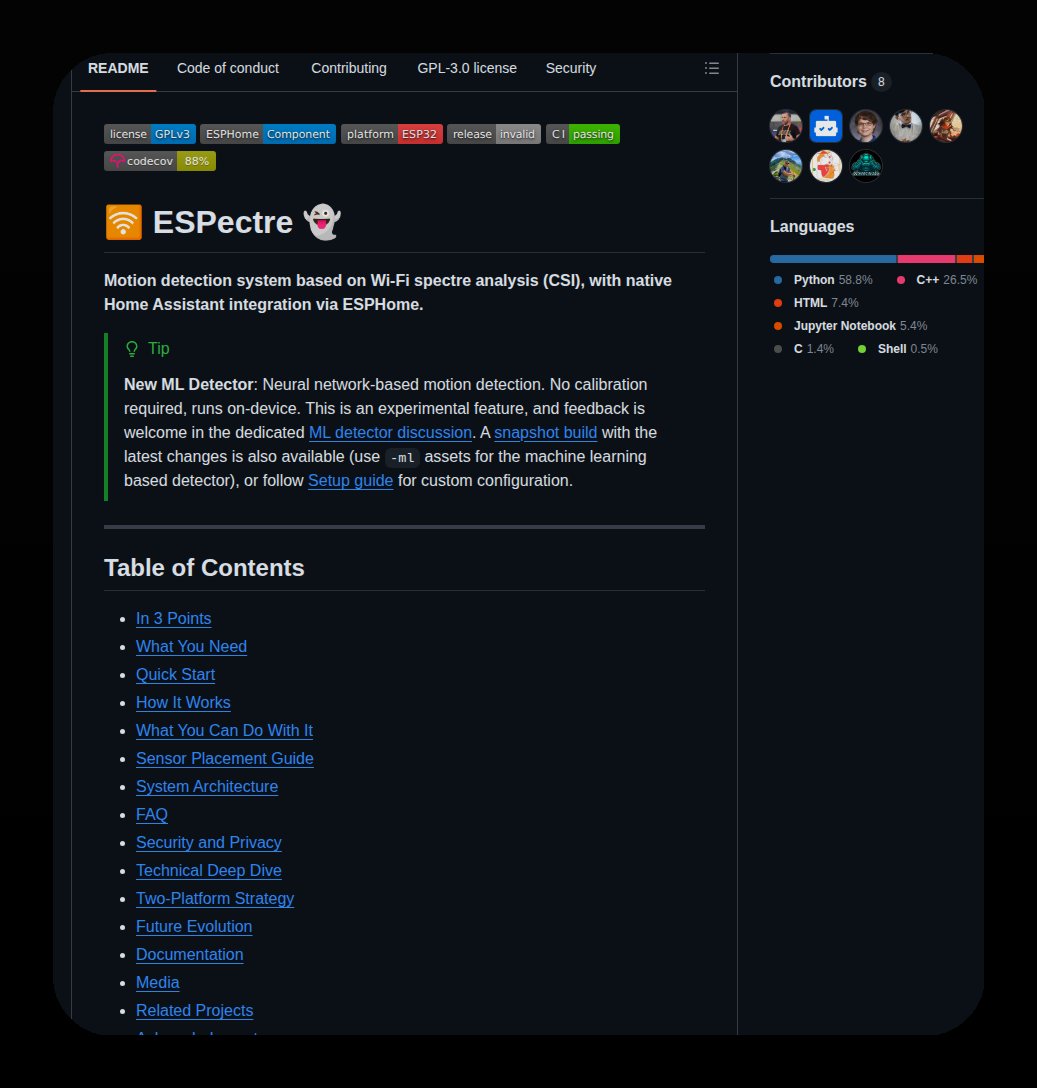
Wi-Fi motion detection without cameras.
A project called ESpectre turns ordinary Wi-Fi signals into a motion sensor.
It detects movement and presence by analyzing how people disturb wireless signals in a room — no cameras, wearables, or dedicated sensors required.
github.com/francescopace/esp…
2
2
349
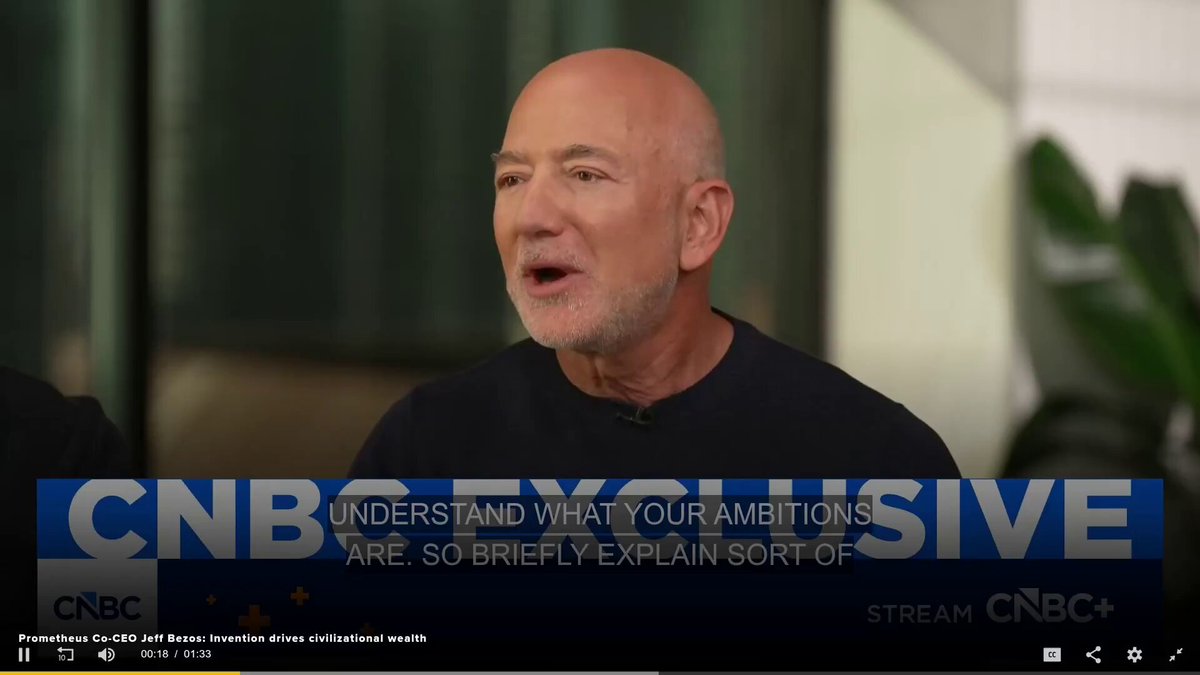
Jeff Bezos on CNBC explains revealed what Prometheus is building.
Today his new company Prometheus announced a $12B funding round at a valuation of $41B .
Prometheus trying to build an artificial general engineer that can help design and manufacture physical products like engines, medical devices, and electronics.
So the target areas are hard physical products like jet engines, chips, bridges, medical devices, consumer electronics, aerospace systems, vehicles, and drug design, where design cycles can take years because every idea has to survive physics, materials, cost, testing, and factory limits.
Bezos’ jet-engine example explains it well: asking for the same engine with 10% more thrust can become a 10-year engineering program, and Prometheus wants to shrink that “dream-build” cycle by 10x or more.
The $6.2B launch funding gave Prometheus a massive starting base, and the new raise says the company likely needs far more compute, talent, and industrial data before it can prove the product.
Their $41B valuation shows that frontier AI is becoming less a software race than a compute procurement race.
A company with no broadly shipped product can raise $12 billion at a $41 billion valuation because investors are not only funding a model, they are prepaying for the machines that might make the model possible.
The scarce asset is no longer just talent or algorithms, but clustered GPUs, power contracts, cooling, networking, and the operational skill to keep expensive silicon busy.
They are proof that demand is arriving faster than infrastructure can be built, and that every frontier funding round quietly turns into a future claim on power, racks, GPUs, and uptime.

LLMs solved the "getting answers" problem.
They created a new one: nobody reads the 4-page response.
Turning the answer into a video might be the missing layer.
1
3
4
1,221
WORLD'S FIRST TRILLIONAIRE.
A headline that would've sounded insane 10 years ago.
Today people are arguing about when, not if.
That's how fast the future arrived.
1
7
2,117
SOMEONE VIBE-CODED A VIDEO STREAM THAT ISN'T ACTUALLY VIDEO.
It plays 360p at 30fps.
But there's no video file.
No media element.
No codec.
Just text.
The project is called ASCILINE.
Here's how it works:
→ The server decodes real video frames and converts them into packed text data
→ That data is streamed over WebSockets
→ The browser repaints thousands of colored ASCII characters onto a canvas fast enough to look like video
To the browser, it's not media.
It's just JavaScript updating text.
Which means:
• Ad blockers can't block the video element (because there isn't one)
• Autoplay restrictions don't trigger
• Bandwidth stays tiny since it's mostly text data
• You can style video with CSS effects
• Copy-paste a frame as text
• Feed frames directly into local LLM workflows
The weird part?
An unblockable video stream is also an unblockable ad.
Project:
github.com/YusufB5/ASCILINE
LLMs solved the "getting answers" problem.
They created a new one: nobody reads the 4-page response.
Turning the answer into a video might be the missing layer.
3
7
17
2,069
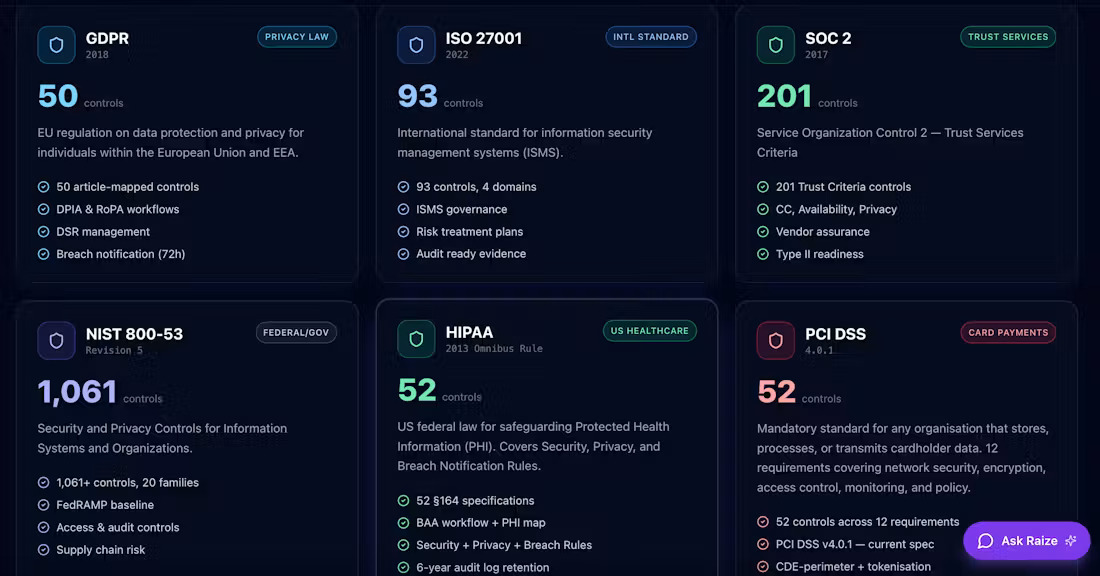
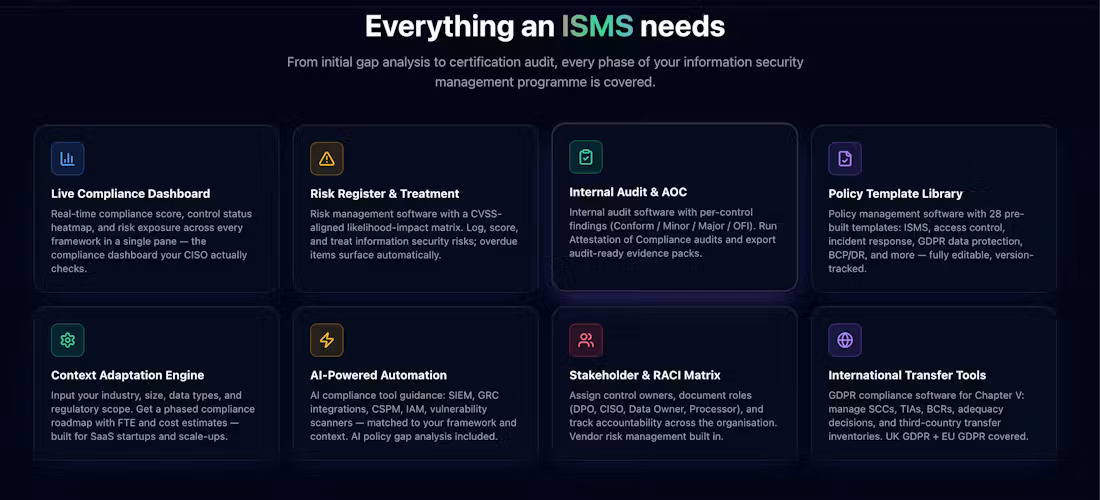
Compliance is broken.
The same evidence gets collected:
→ For ISO 27001
→ For SOC 2
→ For GDPR
→ For NIS2
Again.
And again.
And again.
The paperwork grows faster than the company.
Today I found:
raizehq.com/
The interesting part isn't AI.
It's that one piece of evidence can be reused across multiple frameworks.
Collect once.
Use everywhere.
That's the future of compliance.
Not more auditors.
Less duplicate work.
12
22
75
1,473
upvote us on product hunt : producthunt.com/products/rai…
1
3
991
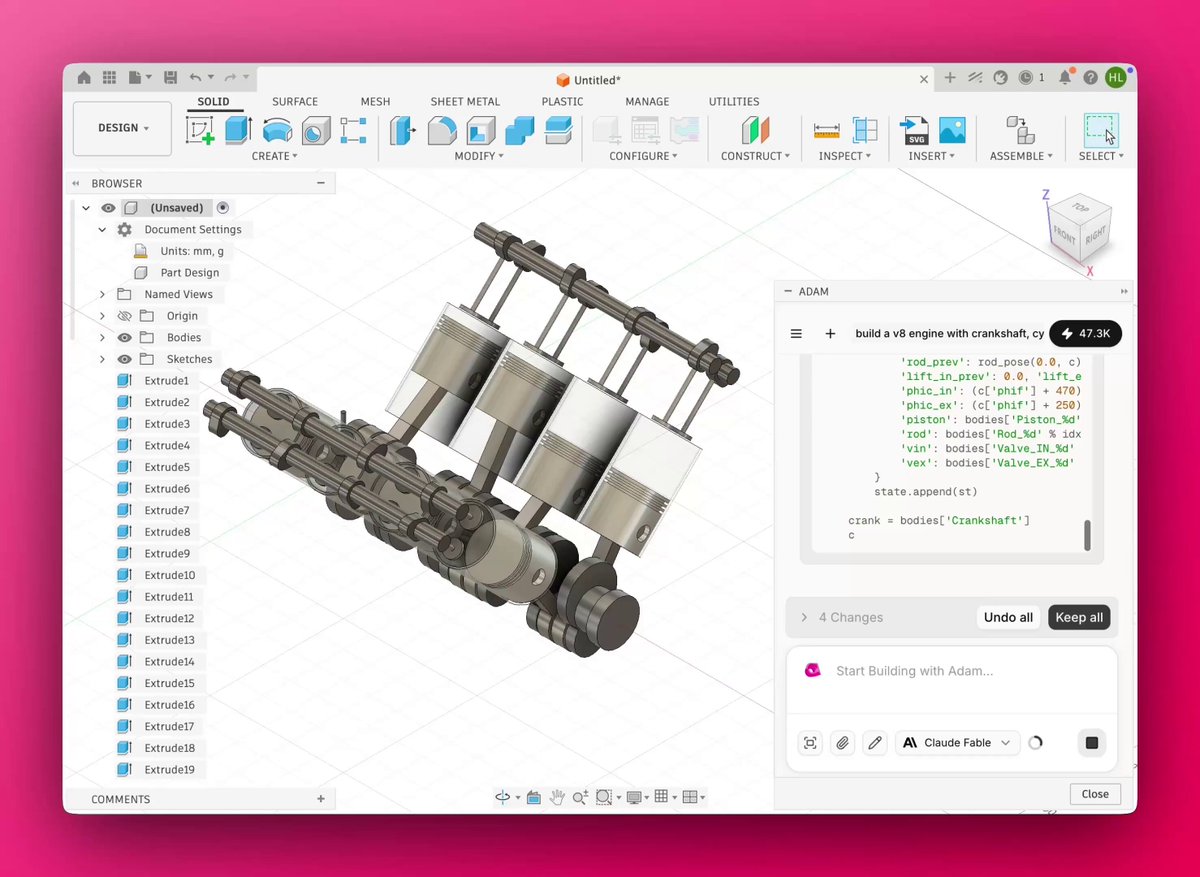
This guy asked Claude Fable 5 to build a V8 engine.
Not explain it.
Build it.
Less than 10 minutes later, it returned a fully functional CAD model.
CAD is changing faster than most people realize.
The biggest breakthrough in robotics isn't smarter robots.
It's cheaper mistakes.
That's why Antioch Agent is interesting.
The faster robots can fail in simulation, the faster they can improve in the real world.
Physical AI is starting to move at software speed.
1
5
7
3,127
We're entering a world where the hardest part of making a video...
is having an idea worth making.
Everything else is becoming a conversation with AI.
The gap between imagination and creation is collapsing.
Most people haven't realized how big that is yet.
Jun 10

The new OpenCreator is here.
Meet OpenCreator Agent
—built to help you create complete videos through conversation.
Start with an idea.
OpenCreator Agent helps you shape the story,
build the storyboard, create every shot, refine the details,
and bring everything together into the final cut.
Just describe what you want to create.
More creating. Less managing the process.
OpenCreator, your everyday video studio.
10
28
61
1,167
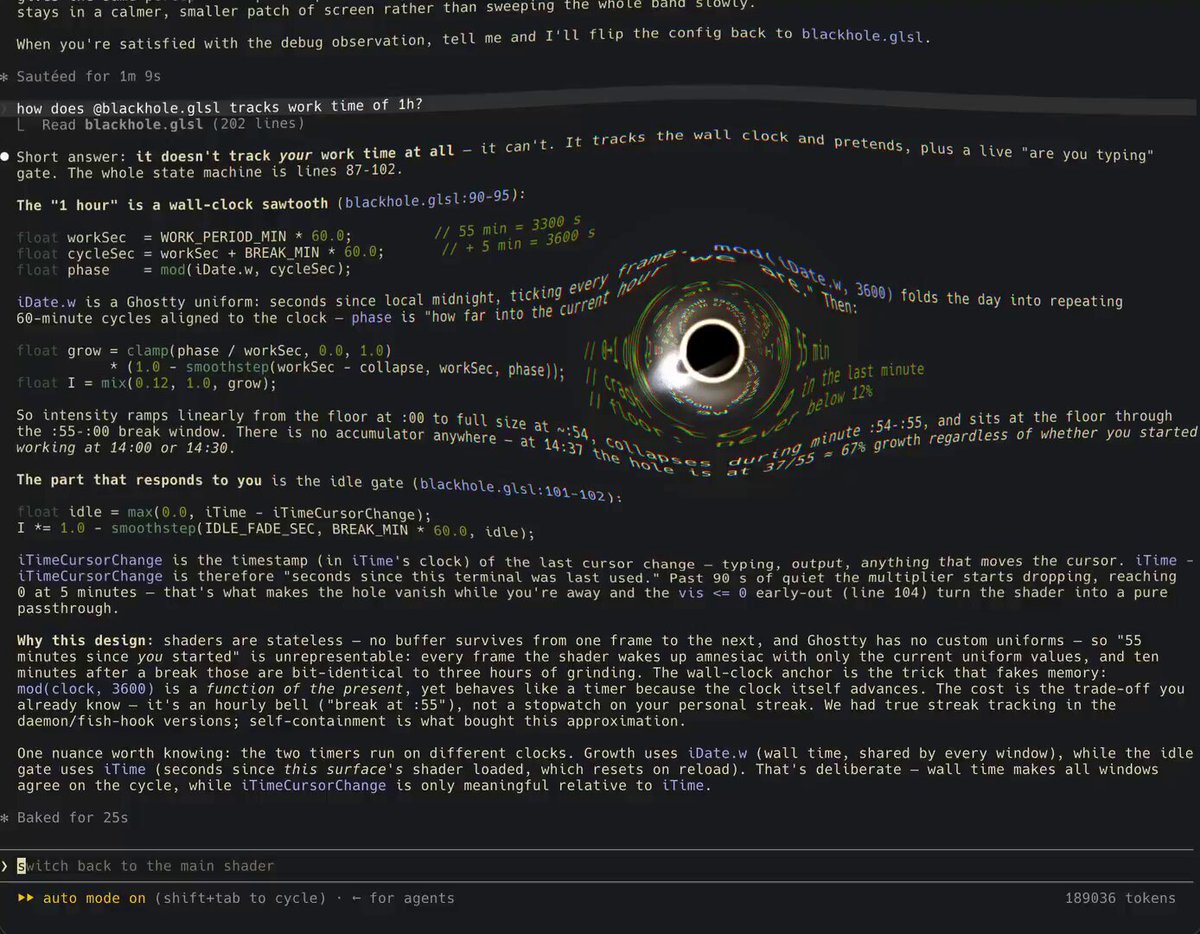
THIS GUY MADE A BLACK HOLE THAT EXPANDS WITH YOUR WORK SESSION 🕳️
Keep coding?
It gets bigger.
Take a break?
It shrinks away.
A surprisingly clever reminder to stop staring at your screen all day.
GitHub:
github.com/s0xDk/ghostty-bla…
The biggest breakthrough in robotics isn't smarter robots.
It's cheaper mistakes.
That's why Antioch Agent is interesting.
The faster robots can fail in simulation, the faster they can improve in the real world.
Physical AI is starting to move at software speed.
3
3
14
1,399
Every now and then you come across a technical paper that makes you stop and think.
This was one of those reads.
Lots of useful insights here.
Jun 10

Remember when Anthropic accidentally leaked their source code? We dug through it to understand the state-of-the-art in AI x Memory.
How does the @AnthropicAI harness handle persistent memory? Read our detailed blog: bit.ly/3Qywe8P

3
17
65
2,033
EVERY AI DEMO LOOKS IMPRESSIVE.
Until you start a new chat.
And explain everything again.
The future isn't just better intelligence.
It's persistent intelligence.
AI that remembers your projects, preferences, decisions, and mistakes.
Without memory, every conversation is Day 1.
With memory, every conversation builds on the last.
Jun 10

Total recall: foundations of lifelong AI memory
Memory is one of the key bottlenecks in AI. Join us for the first workshop on AI Memory with the world leaders in the field. Stay tuned
Sign up for the workshop email list. engramme.com/workshops

13
21
90
7,621
20 Free Certificates to Earn in 2026:
Project Manager
👉 coursera.org/professional-ce…
IT Scrum Master
👉 coursera.org/professional-ce…
Data Analyst
👉 coursera.org/professional-ce…
Data Analytics with Excel and R
👉 coursera.org/professional-ce…
Data Science
👉 coursera.org/professional-ce…
Data Engineering
👉 coursera.org/professional-ce…
AI Engineering
👉 coursera.org/professional-ce…
Cybersecurity Analyst
👉 coursera.org/professional-ce…
Full Stack Software Developer
👉 coursera.org/professional-ce…
DevOps and Software Engineering
👉 coursera.org/professional-ce…
AI Engineering
👉 coursera.org/professional-ce…
Technical Support
👉 coursera.org/professional-ce…
Machine Learning
👉 coursera.org/professional-ce…
Database Engineer
👉 coursera.org/professional-ce…
Social Media Marketing
👉 coursera.org/professional-ce…
Front-End Developer
👉 coursera.org/professional-ce…
Marketing Analytics
👉 coursera.org/professional-ce…
Back-End Developer
👉 coursera.org/professional-ce…
Power BI Data Analyst
👉 coursera.org/professional-ce…
Cybersecurity Analyst
👉 coursera.org/professional-ce…
The biggest breakthrough in robotics isn't smarter robots.
It's cheaper mistakes.
That's why Antioch Agent is interesting.
The faster robots can fail in simulation, the faster they can improve in the real world.
Physical AI is starting to move at software speed.
1
9
10
1,089