The DBS Think Tank addresses cutting edge research, technologies, and neuroethical issues in the field of neuromodulation.
Joined September 2020
- Tweets 2,322
- Following 1,503
- Followers 3,731
- Likes 3,074
268 Photos and videos
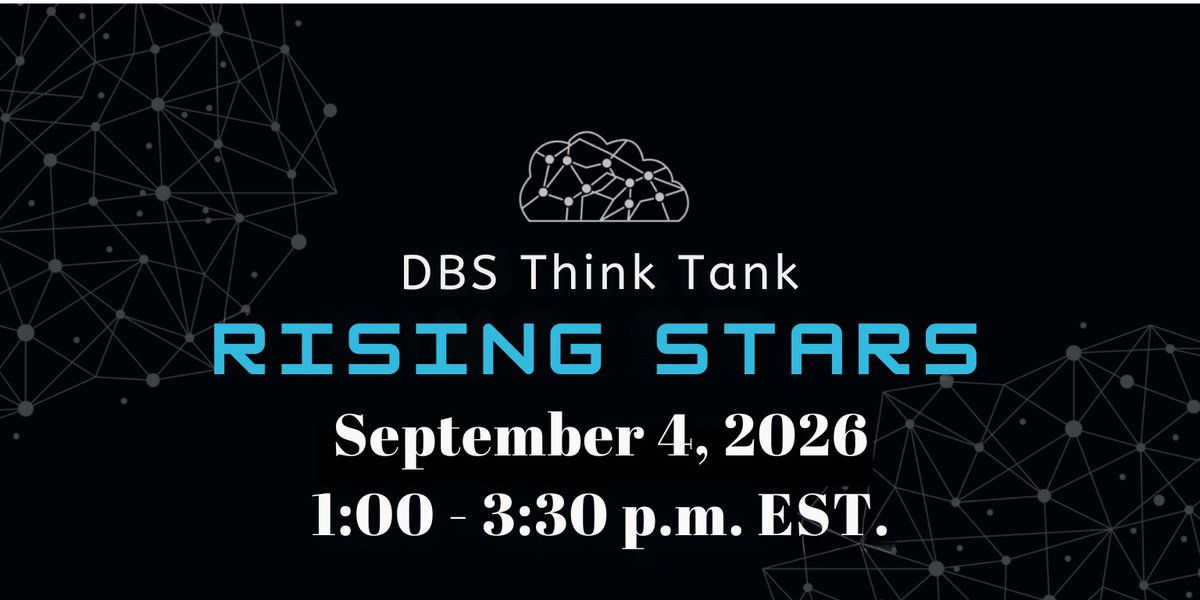
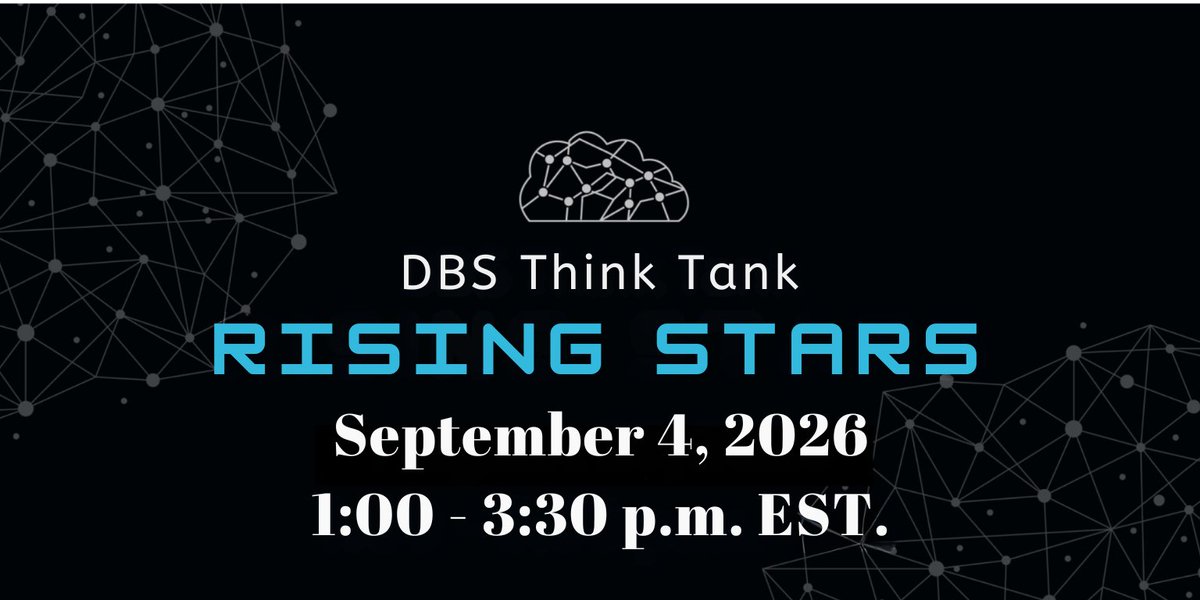
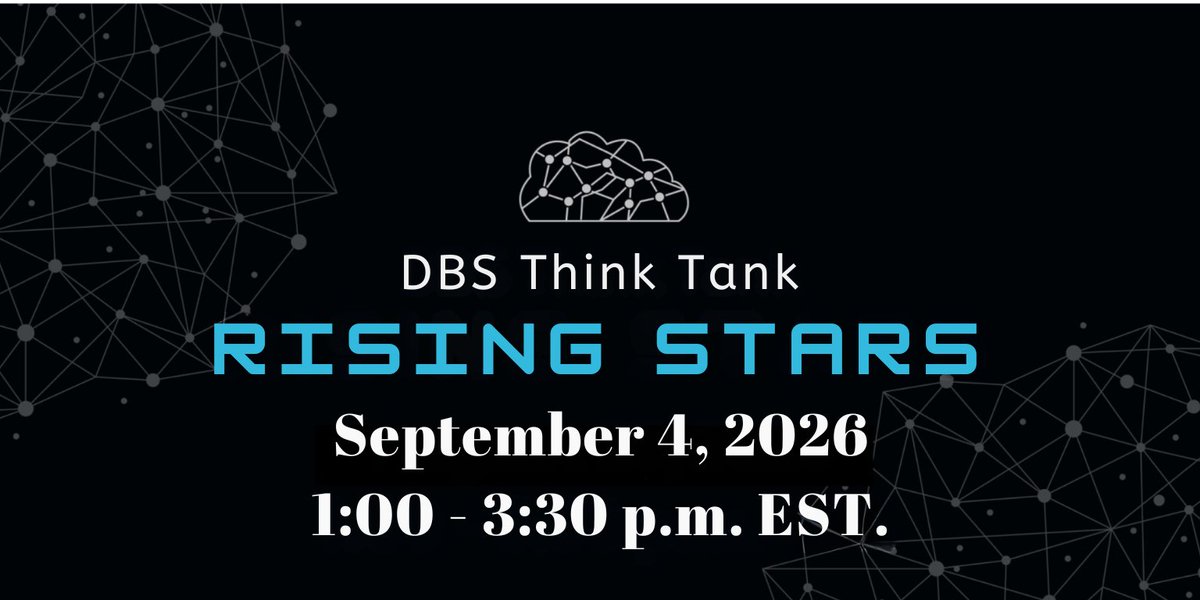
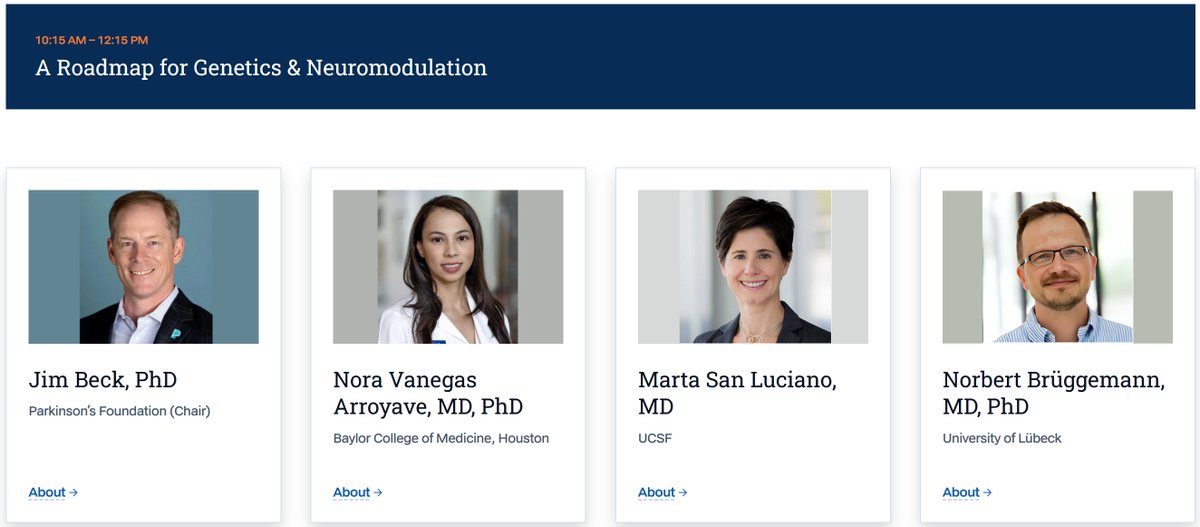

Ready to take center stage at the Deep Brain Stimulation Think Tank? The Rising Stars competition is looking for the brightest minds in early-career research.
Mark your calendars: The abstract submission deadline is July 1st. Don’t wait.
fixel.ufhealth.org/think-tan…
1
166

May 25
Calling all next-generation neuromodulation innovators. The DBS Think Tank Rising Stars competition is your platform to share groundbreaking research with leading experts in the field.
Submit your abstracts by July 1st.
Learn more and apply: fixel.ufhealth.org/think-tan…
6
554
May 22
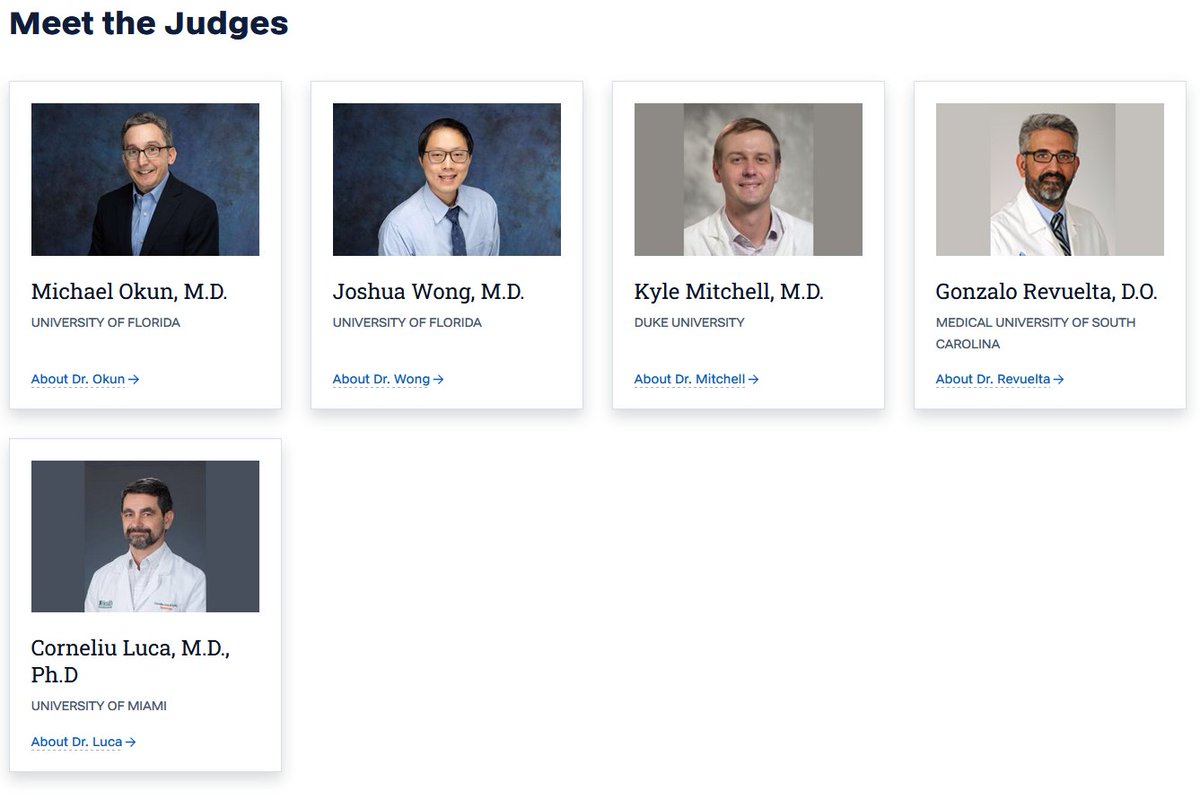
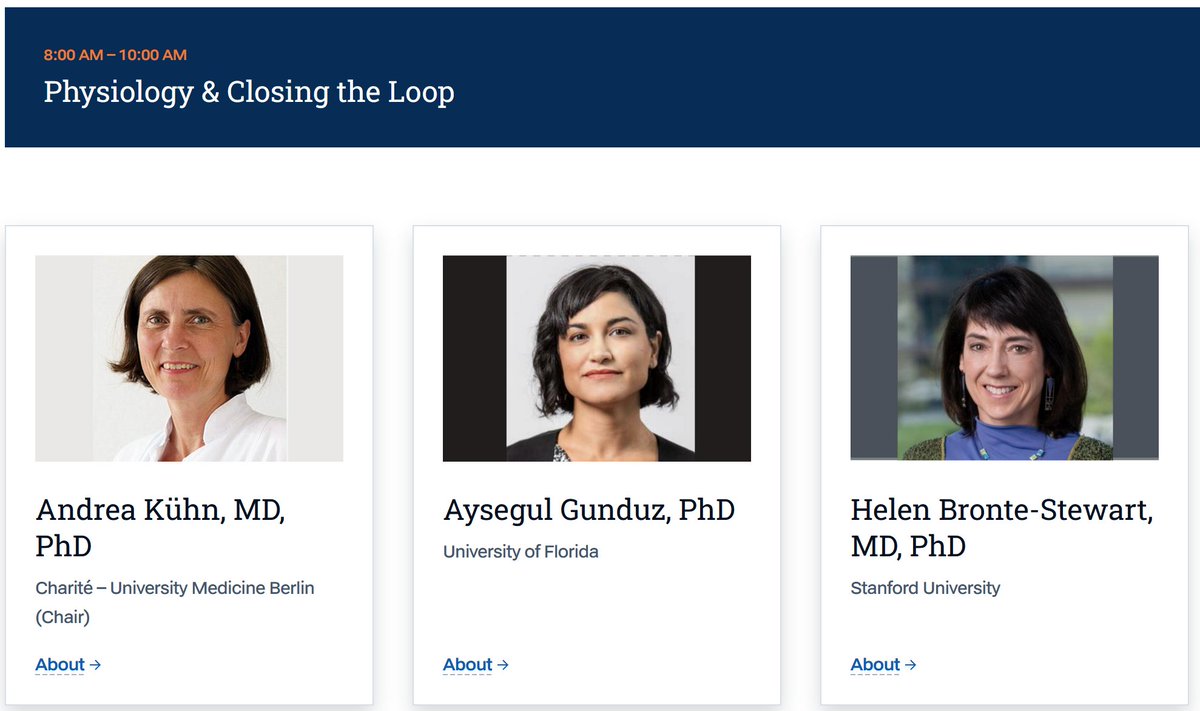
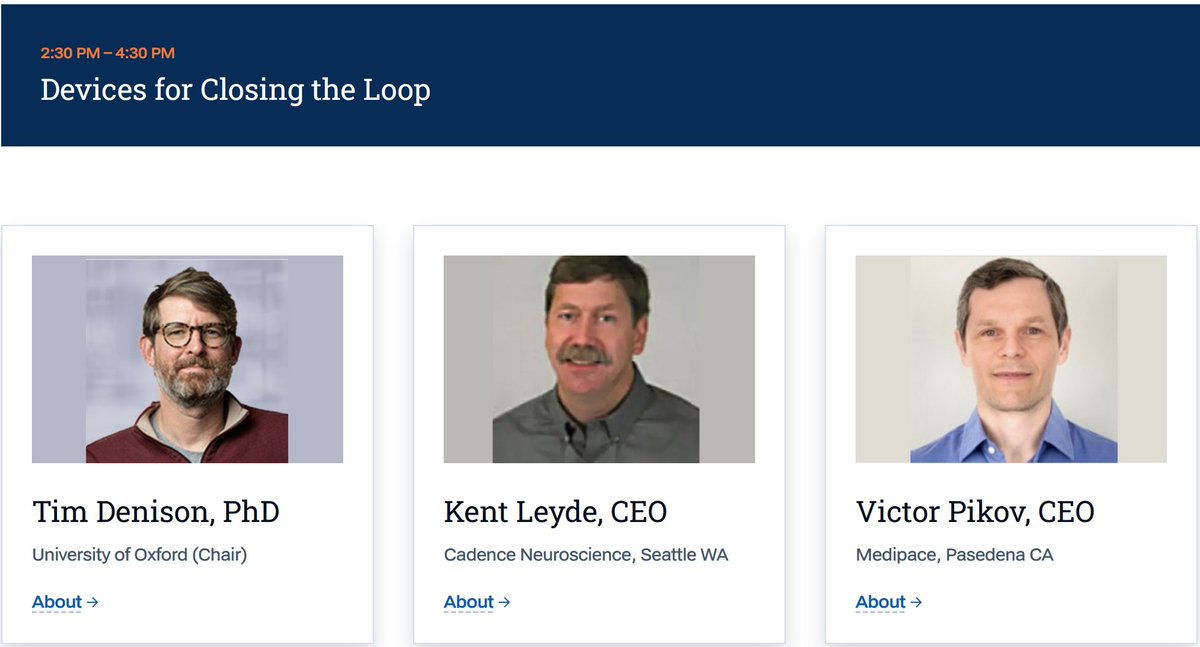
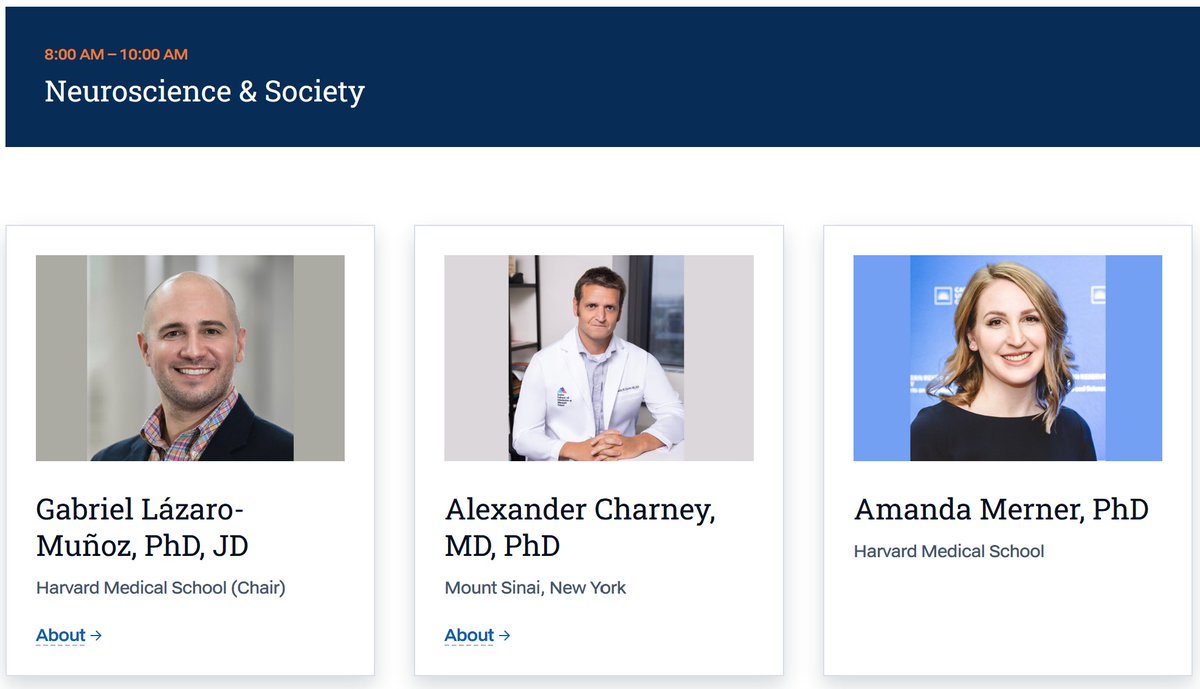
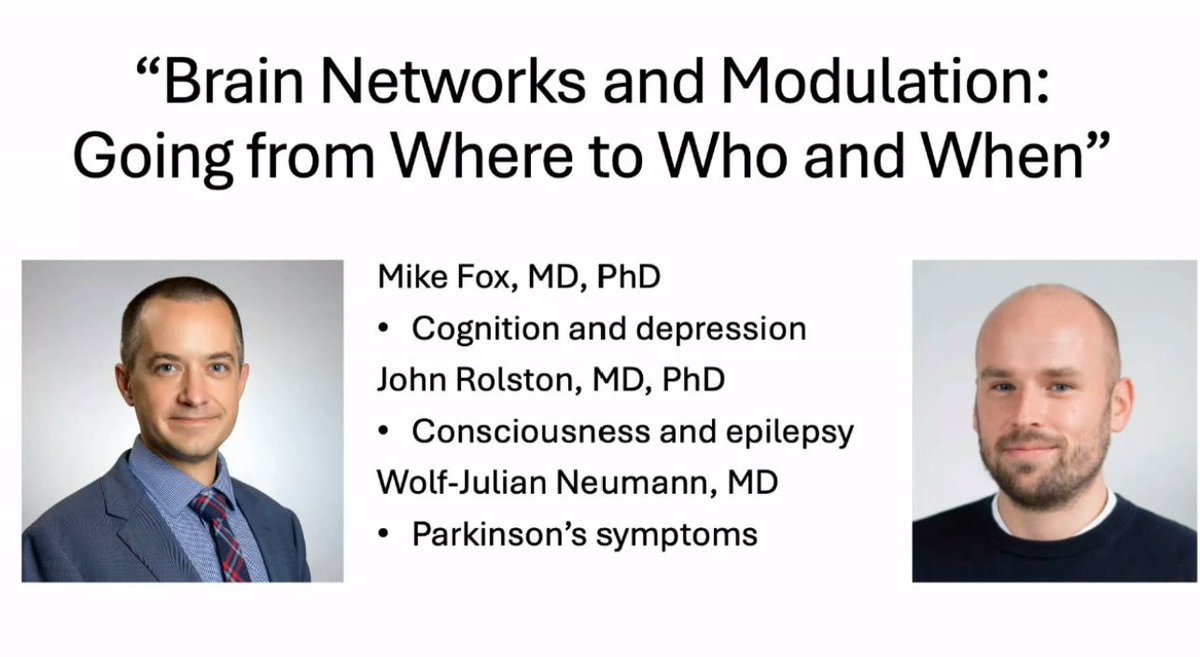
We are happy to announce our judges panel for this year's DBS Think Tank Rising Stars challenge. This is your opportunity to have your neuromodulation research reviewed by an esteemed group of top international experts.
Submit your abstracts here: fixel.ufhealth.org/think-tan…
2
11
362
May 18
The DBS Think Tank Rising Stars challenge is open to the next generation of neuromodulation pioneers. Elevate your research and connect with international experts in the field.
Abstract submissions close July 1st. Position your work at the forefront: fixel.ufhealth.org/think-tan…
1
186
DBS Think Tank retweeted

May 16
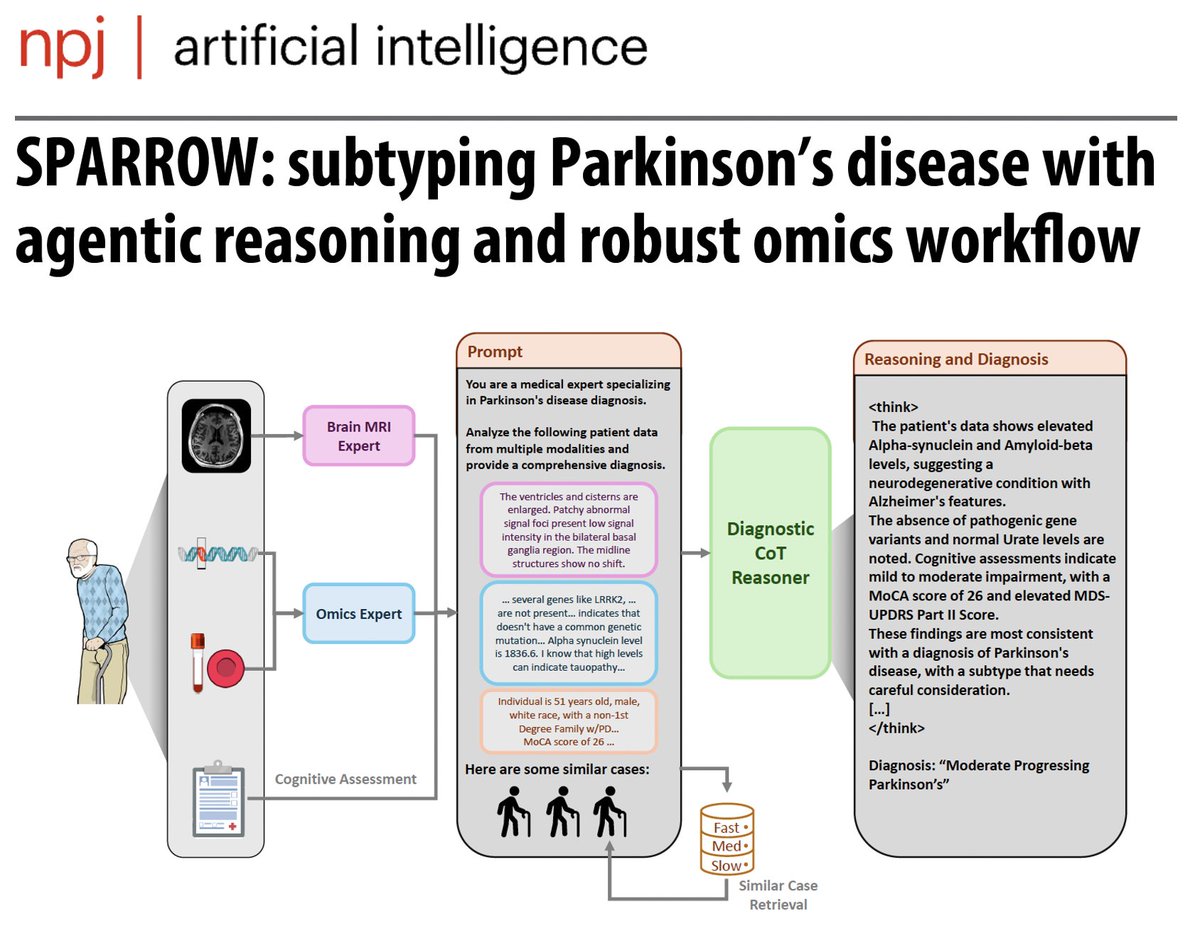
Could AI help uncover hidden Parkinson’s subtypes years earlier? Multimodal means combining many different types of information such as genetics, brain scans, spinal fluid markers and cognitive testing into one analysis. Reyes and colleagues describe in a new paper in npj Artificial Intelligence how a new AI framework called SPARROW may help identify Parkinson’s disease subtypes using multimodal reasoning and interpretable AI.
Key points:
- SPARROW combined genetics, MRI brain scans, spinal fluid biomarkers and cognitive testing into a single reasoning framework for Parkinson’s disease subtyping.
- The AI system achieved strong accuracy in distinguishing slow, moderate and fast progressing Parkinson’s disease subtypes using baseline patient data.
- The system generated step by step reasoning traces, allowing health care providers to better understand how the AI arrived at each subtype decision.
My take: Parkinson’s disease is not one disease. It is many diseases hiding under one name. This study is exciting because it moves beyond simply identifying Parkinson’s and instead asks whether AI can help us understand who may progress faster and why. The interpretability piece is critical. Black box AI will struggle in neurology clinics. Transparent reasoning may be the bridge that builds trust and utility. The performance of this approach may not be as good as a clinician. Also, the scientists turned the imaging data into text.
Here are 5 points that resonated w/ me:
1- Parkinson’s disease likely contains multiple biological subtypes and these differences may explain why symptoms and progression vary so widely between folks.
2- Cognitive testing still emerged as one of the strongest signals in predicting subtype and progression.
3- MRI and genetic information alone were weak predictors, however when combined w/ other data they improved accuracy substantially.
4- The AI system was designed to tolerate missing data, which mirrors real world neurology practice where every test is not always available.
5- The future of Parkinson’s care may involve AI systems that help health care providers personalize prognosis, treatment selection and monitoring much earlier in the disease course.
nature.com/articles/s44387-0…
1
20
66
3,707
Apr 23
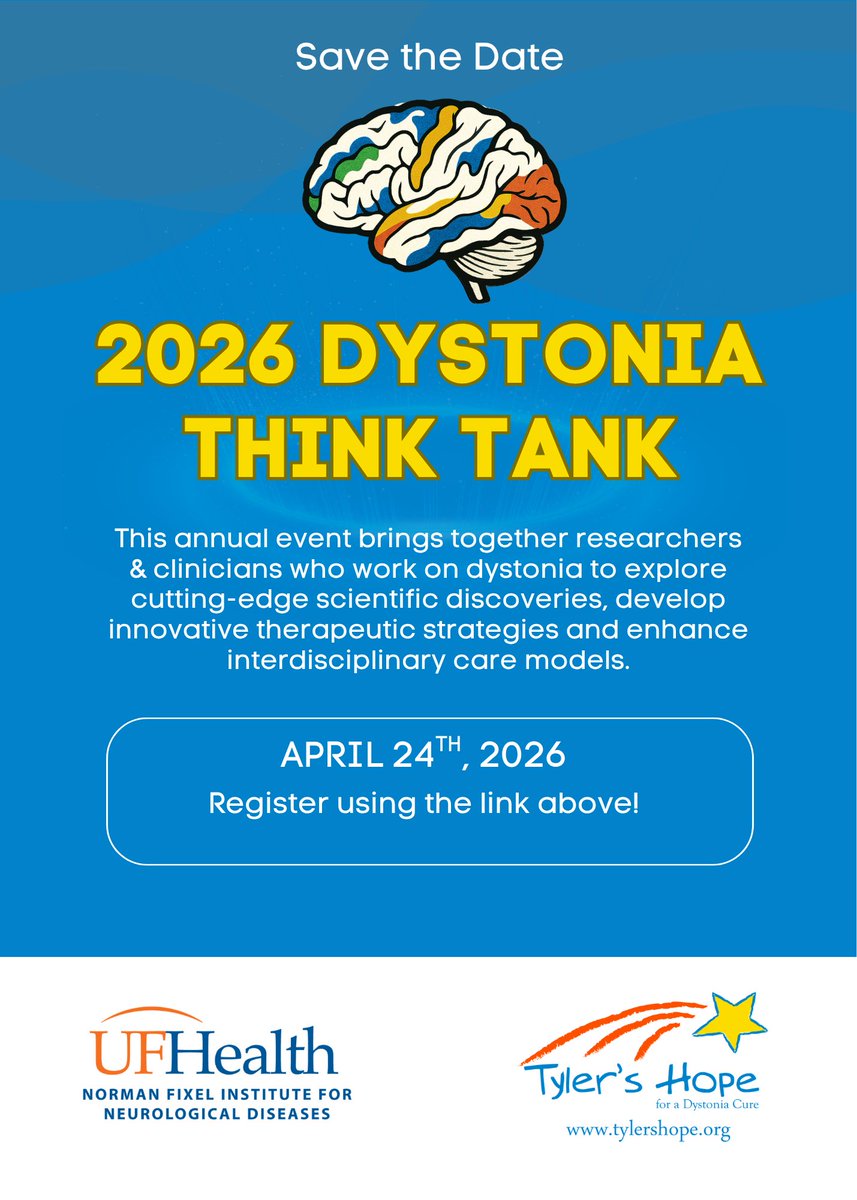
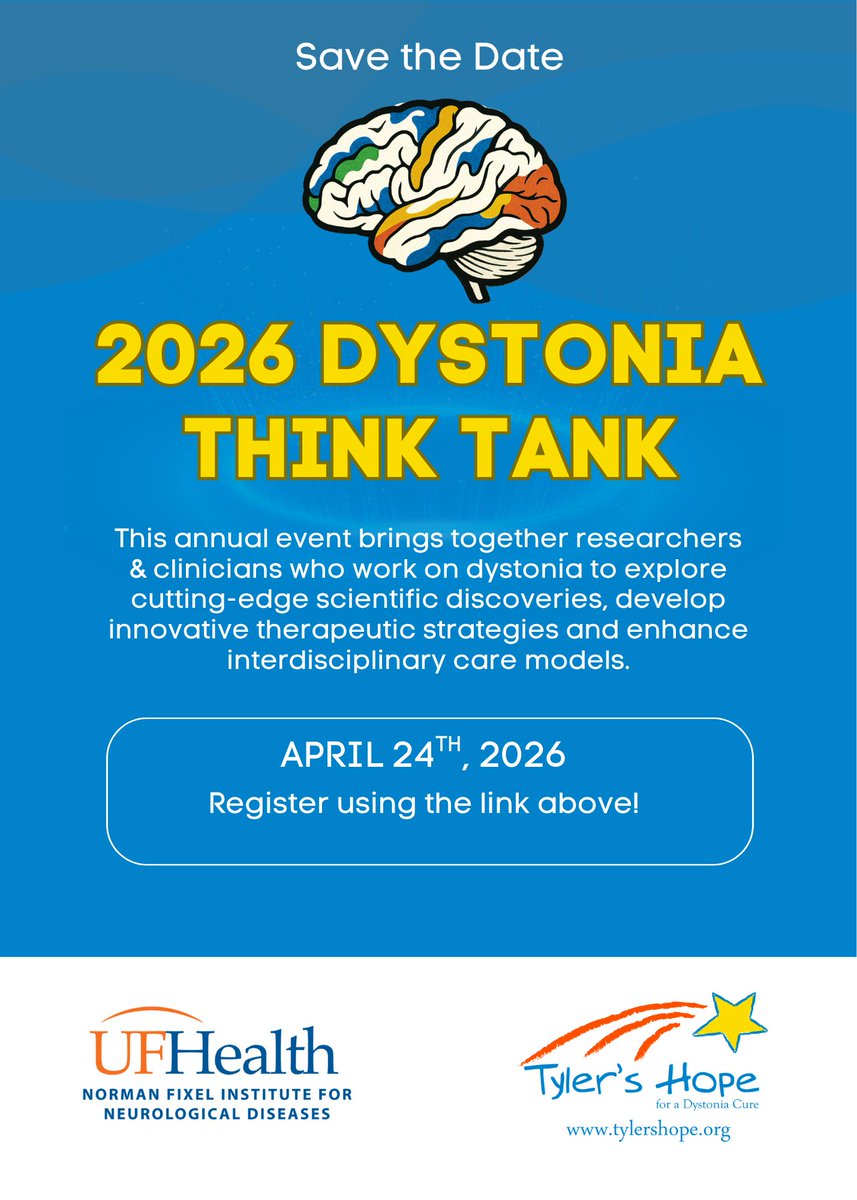
Sign up for the 2026 Dystonia Think Tank to access cutting-edge updates in dystonia research. This event defines where the field is moving next and offers a comprehensive look at emerging data and clinical trends.
Sign up today: ufl.zoom.us/meeting/register…
1
3
138
Apr 22
Virtual registration is now open for the 2026 Dystonia Think Tank. Join leading experts to discuss the latest advancements in research and the strategic direction of the field!
Register here: ufl.zoom.us/meeting/register…
1
2
256
DBS Think Tank retweeted
Apr 20
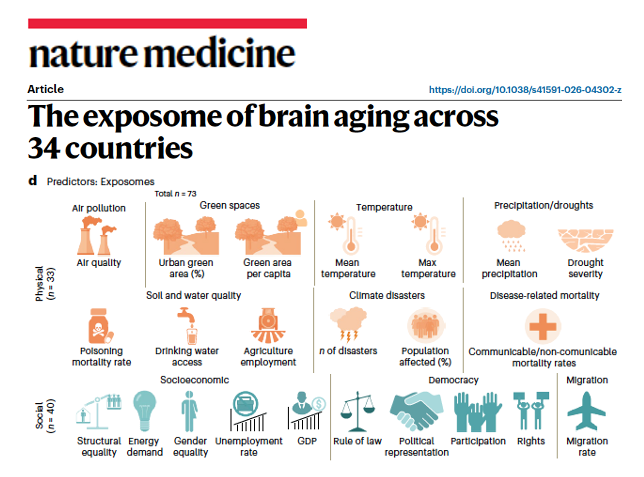
Exposome and brain aging: your environment may be shaping your brain faster than you think. The exposome refers to the sum of all environmental exposures you experience across your life including air, water, social conditions and policies. Hernandez and colleagues describe in a new paper in Nature Medicine how the exposome across 34 countries influences brain aging and risk for cognitive decline.
Key Points:
- Combined environmental exposures explained far more about brain aging than any single factor alone.
- Physical exposures like air pollution, temperature and limited green space were linked to structural brain aging.
- Social exposures like inequality, reduced rights and poverty were linked to functional brain aging and brain network changes.
My take: This is one of those papers that shifts how we think. Brain aging is not just about genes or disease, it is about the world we live in. The cumulative burden of exposures may quietly accelerate aging even before symptoms appear. If we want to change brain health, we must think beyond the clinic and into our communities.
Here are 5 points that resonated w/ me:
1- Your environment is not background noise, it is an active driver of brain health across your lifetime.
2- Air quality, water, climate and access to green space may directly influence how fast your brain ages.
3- Social factors like inequality, education and community stability matter just as much as biology.
4- Multiple small exposures can combine and amplify risk more than any single factor alone.
5- Improving environments and policies may be one of the most powerful ways to protect brain health for future generations.
nature.com/articles/s41591-0… #parkinson #alzheimer #dementia
2
43
142
8,894
Mar 30
Frontiers in Human Neuroscience is accepting submissions for the DBS Think Tank: Updates in Neurotechnology and Neuromodulation Volume VI.
The submission window has been extended through April 9.
Access the research topic page for more information: frontiersin.org/research-top…
1
278
Mar 23
Calling all neuromodulation researchers. We are looking for the latest updates in neurotechnology for the DBS Think Tank Volume VI special issue. You now have until April 9 to submit your manuscripts.
Details and submission link: frontiersin.org/research-top…
4
4
472
Mar 18
Montiel et al present a new approach towards pediatric DBS - a "Lifespan approach to neuromodulation".
A very reasonable idea for these complex conditions but do we have the healthcare resources to support this?
Read about the idea here movementdisorders.onlinelibr…
4
363
DBS Think Tank retweeted

Mar 16
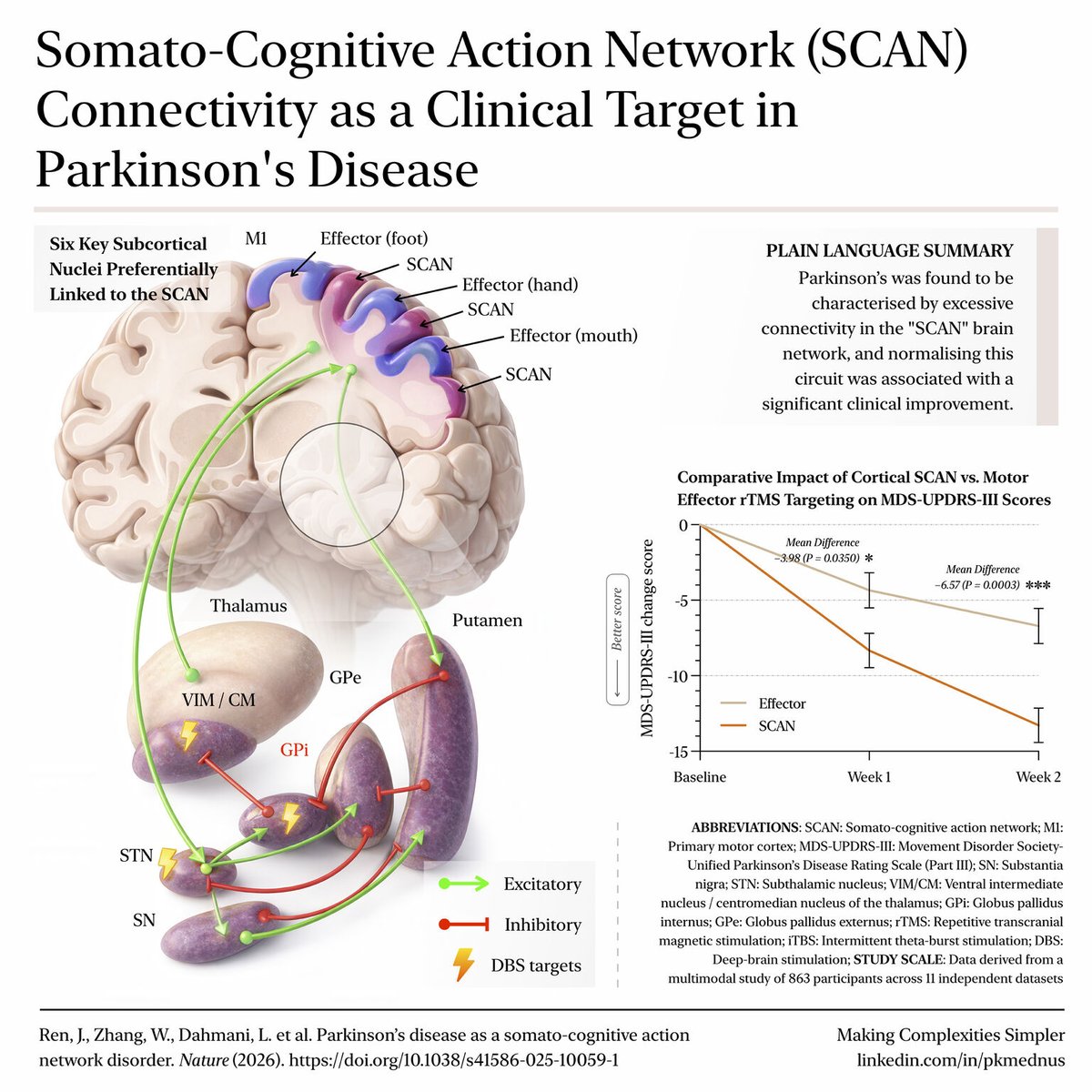
New research in Nature just changed how I think about Parkinson’s disease.
For years, we treated it as a problem in isolated motor areas that control the hand or foot. But brain imaging across 863 participants suggests something bigger.
Parkinson’s may involve a whole body control system in the brain called the Somato-Cognitive Action Network (SCAN).
Researchers found that deep brain regions like the substantia nigra become overconnected to this network. Treatments that work, like levodopa and deep-brain stimulation, seem to improve symptoms by normalizing this hyperconnectivity.
In a small clinical trial, patients who received magnetic stimulation targeting the SCAN improved twice as much as those treated at traditional limb motor areas.
This suggests Parkinson’s might not just be a movement disorder of isolated regions. It may be a network disorder of whole body control.
Early results, but a fascinating shift in how we may treat the disease.
17
99
379
25,038
Mar 16
The deadline to submit to the DBS Think Tank Volume VI special collection has been extended to April 9. Don’t miss the chance to feature your neuromodulation and neurotechnology research in this @FrontiersIn collection.
Submit here: frontiersin.org/research-top…
1
3
326
Mar 13
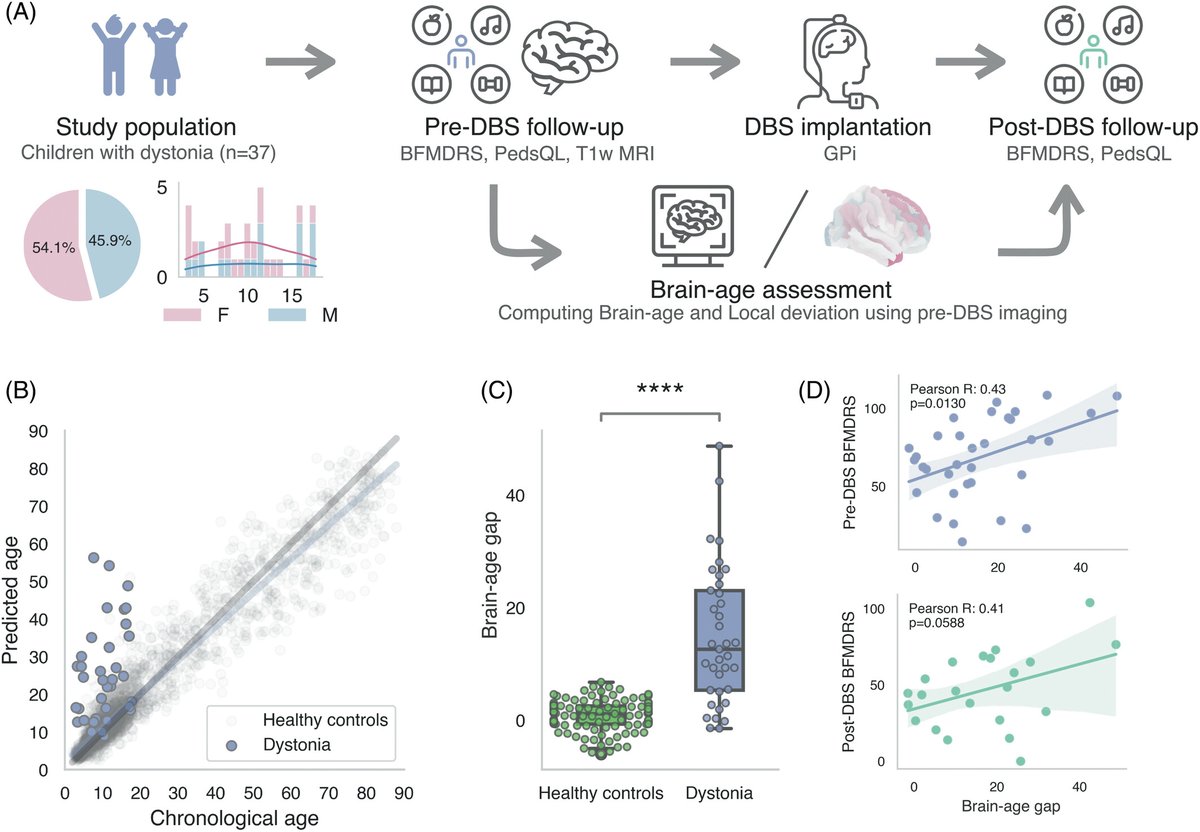
Very interesting study by Latypov et al on using brain age analysis techniques to characterize pediatric dystonia. We do not have clear neuroimaging biomarkers for primary dystonia and this may help shed light on global changes
movementdisorders.onlinelibr…
1
1
417
Mar 12
Submit your latest research to the DBS Think Tank Special Collection: Updates in Neurotechnology and Neuromodulation Volume VI.
The submission deadline has been officially extended to April 9, 2026. View the call for papers here: frontiersin.org/research-top…
231
DBS Think Tank retweeted
Mar 11
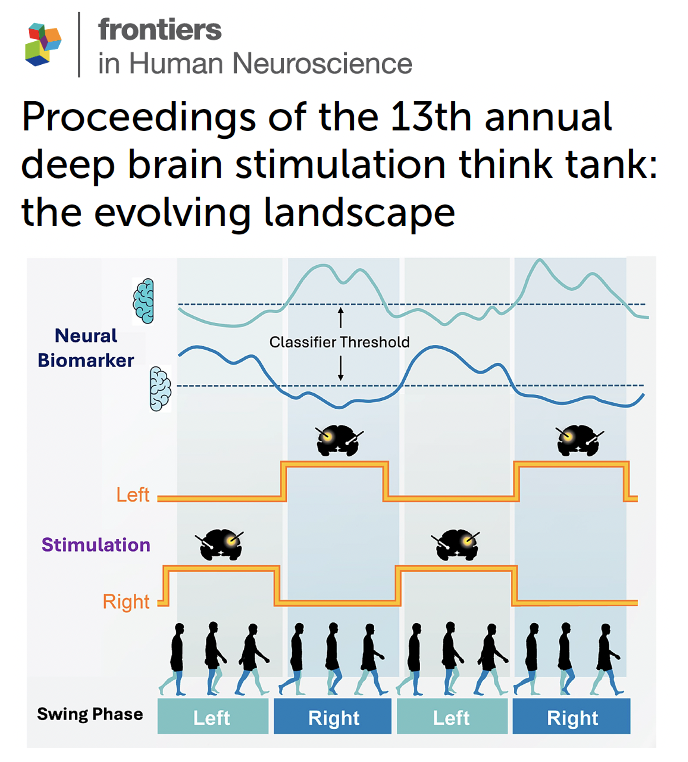
Adaptive DBS and the future of walking: Proceedings is out from the XIII annual DBS Think Tank. Adaptive DBS refers to a form of deep brain stimulation where the device senses brain signals and automatically adjusts stimulation in real time, instead of delivering constant stimulation. Chance Fleeting and colleagues just dropped a new paper in Frontiers in Human Neuroscience summarizing the 13th Annual DBS Think Tank held at the Fixel Institute for Neurological Diseases at the University of Florida. The meeting gathered engineers, neuroscientists, industry partners and health care providers to discuss the evolving landscape of DBS, including adaptive stimulation for walking and more broad brain network therapies.
Key points on the 'walking work:'
- Adaptive DBS synchronized to the walking cycle (Doris Wang lab at UCSF) can adjust stimulation during specific phases of gait and has shown improvements in symmetry, variability and fall reduction in Parkinson’s disease.
- Neural signals from the subthalamic nucleus and other brain regions can decode mobility states such as sitting, standing and walking, allowing stimulation to switch automatically to gait optimized settings.
- Modern DBS is shifting from targeting a single brain location to targeting distributed brain networks and to using biomarkers to determine where, when and in whom stimulation should occur.
My take: The DBS field is rapidly moving toward smarter stimulation. Instead of delivering the same signal continuously, next generation systems can sense brain activity, recognize behavior and adjust therapy dynamically. This shift toward adaptive and network guided stimulation may one day help to address some of the most stubborn Parkinson’s symptoms such as gait freezing and falls. Please read and decide on your won as I am biased as a co-author and participant in the meeting.
Here are 5 points that resonated w/ me:
1- Walking problems in Parkinson’s frequently persisted even when tremor and stiffness improved, making gait a critical target for next generation DBS strategies.
2- Adaptive DBS can synchronize stimulation to real world behaviors such as stepping, creating therapy that matches the brain’s natural timing.
3- Brain network mapping is revealing that DBS outcomes depend not only on where stimulation occurs, but also on who receives it and when stimulation is delivered.
4- Neural sensing technologies now allow implanted devices to record brain signals continuously, opening the door to automated and personalized therapy adjustments.
5- The future of DBS will likely blend sensing, AI driven decoding and adaptive stimulation so therapy responds dynamically to how folks move and function in daily life.
frontiersin.org/journals/hum… @DBSThinkTank @ParkinsonDotOrg #parkinson #depression
13
28
2,461
DBS Think Tank retweeted

Feb 10
New unit paper on “Decoding pre-movement neural activity from thalamic LFPs for adaptive neurostimulation in tremor patients”, published in Neurocomputing.
mrcbndu.ox.ac.uk/papers/deco…
@MRCBNDU @NDCNOxford @OxfordMedSci @UniofOxford
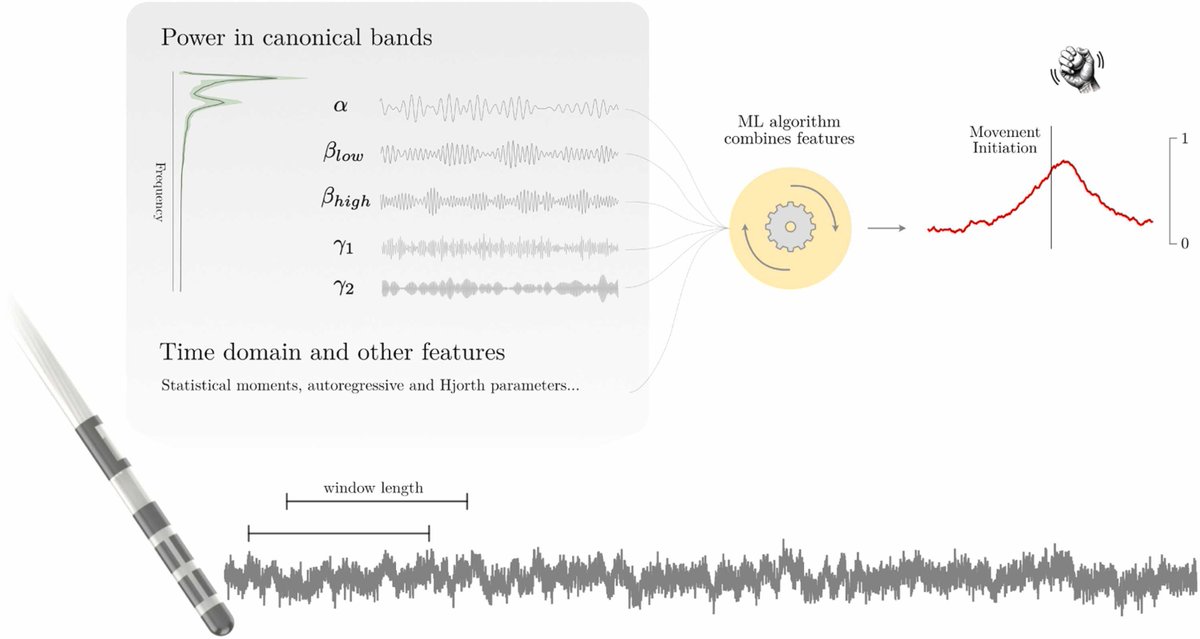
ALT Feature-Extraction Pipeline for Real-Time Pre-Movement Decoding.
2
4
506

DBS Think Tank retweeted

Feb 10
The Functional Neurosurgery Fellowship Match is now open! 🔔
Applications are live for PGY-5 or later residents pursuing a functional neurosurgery fellowship.
If functional neurosurgery is your future, don’t wait.
👉Learn more and apply: bit.ly/FunctionalNeurosurger…
@JuliePilitsis
6
11
1,432
Our goal for the next Annual DBS Think Tank is to tackle the subjects that matter most to you. We are open to all suggestions for keynote speakers and panel topics. Drop your recommendations in the link below and help us shape the conversation.
fixel.ufhealth.org/dbs-think…
1
189