
DeFi | AI | Innovation
Joined February 2023
- Tweets 4,561
- Following 502
- Followers 589
- Likes 15,914
447 Photos and videos









DD2 retweeted

We've got a secret society of Ducks hell-bent on dominating Web3 and now...Las Vegas.
The @MallardOrder is coming to Rare Evo 2026!
The Order takes over The ARIA this July 28-31.

6
13
36
1,844

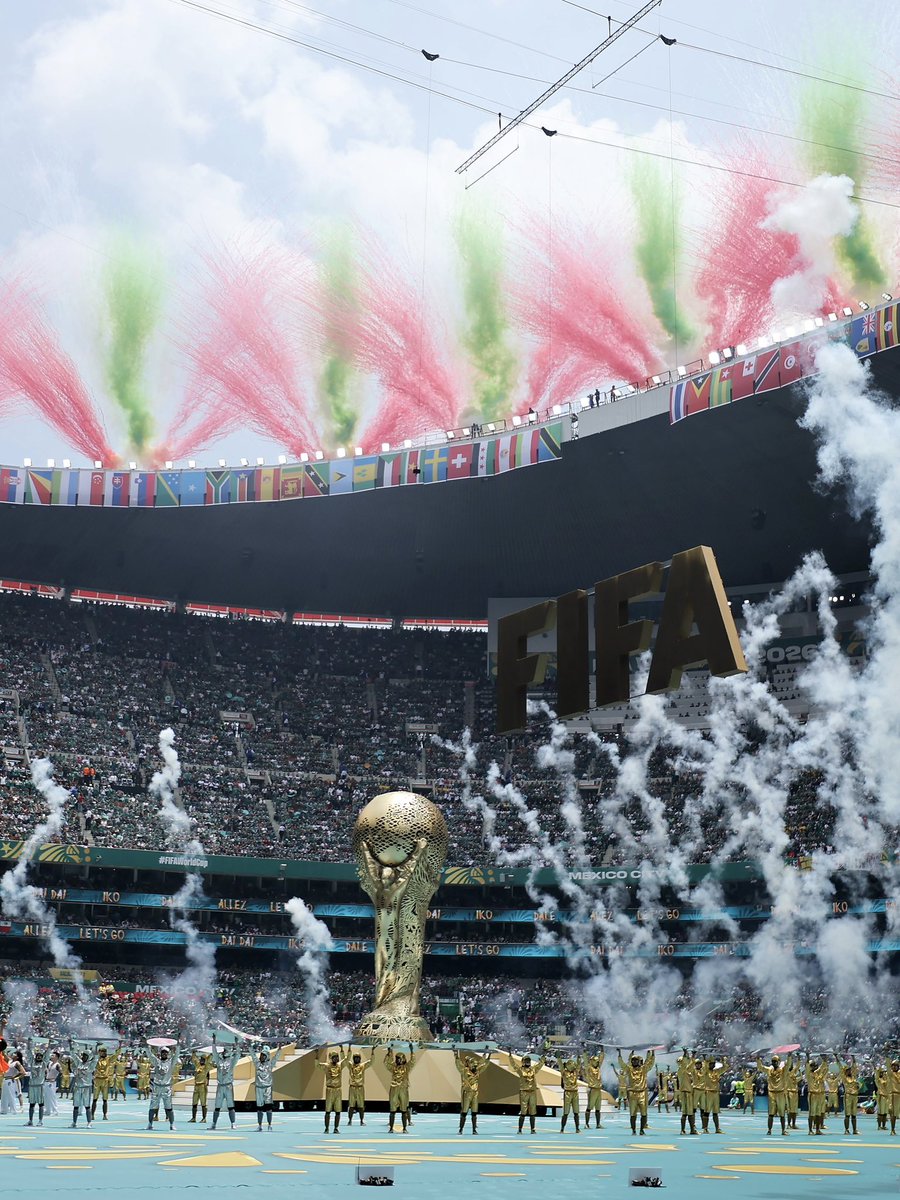
Day 1. The World Cup is in the books, and what a day.
The football will come. But today was about something bigger than the game itself.
It was about the Azteca.
Magnificent, timeless, and alive with history. A stadium built for occasions like this, where every sound seems to echo through generations. Some places are venues, the Azteca is part of football’s soul. Long may it remain exactly as it is.
It was about the people, too. The beautiful sight of Korean supporters being embraced by Mexican fans once again, a friendship that has become one of football’s most heartwarming traditions. The affection is genuine, the connection real. In a tournament that brings the world together, moments like these remind us why we love it.
There was a magic in the air today. Not because everything was perfect, but because the story has finally begun. The World Cup is here, and with it comes that feeling no other sporting event can truly replicate.
Now Day 1 belongs to history. The torch passes on to Canada and the United States to continue this remarkable journey.
Savour every moment. World Cups pass quickly, but the memories last forever.
21
DD2 retweeted

Jun 11
We have @RareEvo today on Cardano Over Coffee!
We are looking forward to learning more about their proposal and the fun we will be having at Rare this year!
Join us for a deep dive with the Rare team - @RareRandCorp @D3vryn @RareNetworkWeb3
Let’s gooo!
x.com/i/spaces/1aJbddLQbpeKX
1
8
10
373

DD2 retweeted

Jun 11
Cardano needs more liquidity.
While Cardano DEXs may look similar on the surface, the economics behind them are very different. The core problem is that many DEX tokens launched at inflated FDVs, got crushed, and made it extremely difficult to attract new LPs into the ecosystem.
DEX tokens are supposed to be incentives for liquidity providers. But legacy DEX tokens that have suffered major drawdowns are not strong incentives for new LPs. A DEX token should not just be something to farm and sell. It should be something worth holding.
So how is CSWAP different?
We launched at a low FDV by design $5M vs. $1B in the case of legacy DEXs. Most of our token is locked by holders, and CSWAP provides 100% revenue share to token stakers and farmers. We were advised by a crypto hedge fund manager to use this revenue share model because it better aligns the token with protocol growth.
Our DEX token is a yield-bearing, growth-aligned asset, not an inflationary dump token. That design reduces sell pressure, keeps the token healthier, supports competitive APRs, and creates a stronger experience for LPs, builders, and new users.
That’s why more teams are reaching out to get their pools added.
If your team is providing liquidity elsewhere, consider migrating some of it to CSWAP. Liquidity providers in more mature DeFi ecosystems go where returns are strongest. Cardano needs more of that behavior if we want a healthy, organic DeFi ecosystem that can attract new capital.
CSWAP economics were designed for growth, not short-term profit at the expense of users. If you care about your project’s profitability and Cardano’s ability to attract liquidity, it may be time to rethink your LP strategy.
Let’s start making smart financial decisions on Cardano. This starts with moving ecosystem liquidity to CSWAP Dex.
5
28
58
951
DD2 retweeted

Jun 9
Cardano is down bad right now. I remember when I entered the ecosystem, the community was thriving. It was cheering on projects that had aspirations for bigger things. Now we all quit because we’re told it’s over? That ain’t our style.
Don’t be a quitter…show me your favorite projects still building and let’s show em some love!! Tokens…NFTs…Influencers…
Tag and show some love…
Gotta show love to my @MallardOrder community, my @Betski community and @Jellycubes_nft community!


52
50
70
1,184
DD2 retweeted

Jun 5
What matters long term is not short-term market sentiment, but whether an ecosystem continues to build meaningful infrastructure and attract real adoption.
Cardano today has:
Decentralized Governance operating at scale through CIP-1694 and on-chain voting
One of the strongest open-source communities in the industry, with contributors building across research, protocol development, tooling, and applications worldwide
Institutional Transparency anchored directly on-chain, where governance actions, treasury activity, and ecosystem operations are publicly verifiable
Growing DeFi initiatives including
Bifrost by Fluid Tokens
Pogun by IOG
Sundial Protocol
Charms
BTC Karma
Expanding RWA and digital identity infrastructure through projects like Veridian and tokenization initiatives across multiple regions
Global public/private sector collaborations spanning education, telecommunications, digital identity, and blockchain infrastructure
Examples of transparent on-chain activity already visible today include:
DRep registrations and governance actions
Treasury withdrawals and constitutional committee activity
Ecosystem and partner network activity
Native asset issuance and RWA directly on London Stock Exchange
20.000 farmers in India combining satellite data, identity, education and industry
Everything verifiable. Everything auditable. Built in public.
The work continues.
92
240
1,167
36,057
DD2 retweeted

Jun 4
Join DRMZ Web3 @DRMZ_Web3 @rod_drmz @CardanoChilli - A Cardano Stake Pool, for an exciting FIFA World Cup 2026 Prediction Market Watch Party featuring Colombia 🇨🇴 vs Portugal 🇵🇹 on Saturday, June 27th in San Diego 🏄♂️
Even though the markets are down, the vibes are way up for the upcoming World Cup! ⚽️ Whether you’re a dedicated $ADA holder, an active crypto user, or simply curious about soccer, cryptocurrency, staking rewards, or Bodega’s prediction markets, this event is for you.
Come enjoy the match, connect with the community, enjoy free food & beverage, and join in the live prediction market action.
RSVP here: Luma Event Link (luma.com/jqaiavkc?tk=a9ZpZg)
Special thanks to our sponsors and partners for making this event possible:
@BodegaCardano @standwithcrypto @solarious_us @MidnightNtwrk @Cardano_CF @MS_NFTy @Red_Pill_Rick @jsamatov @badmoney619 @MONROE_XIV
We can’t wait to see you there! ⚽️
#StandWithCrypto #StakeWithDRMZ #FIFAWorldCup2026 #Cardano #BodegaPredictionMarket #SanDiego #Crypto #ADA #FIFA #colombia #portugal #CR7
6
61
27
4,761

DD2 retweeted

Jun 4
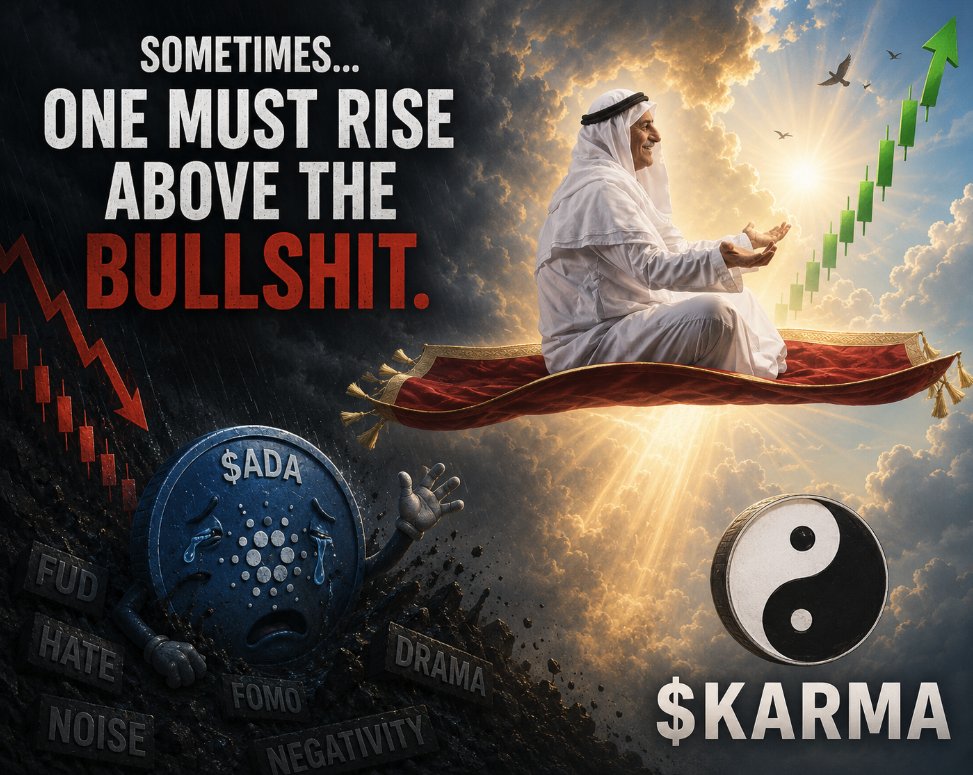
Cardano needs good $KARMA more than ever.
It might be time to elevate your portfolio....
1
12
37
740
DD2 retweeted
May 24
This might be the biggest thing to happen on Cardano in a very long time...
Grab some $KARMA on cswap.trade if you want to be a part of it.
May 24

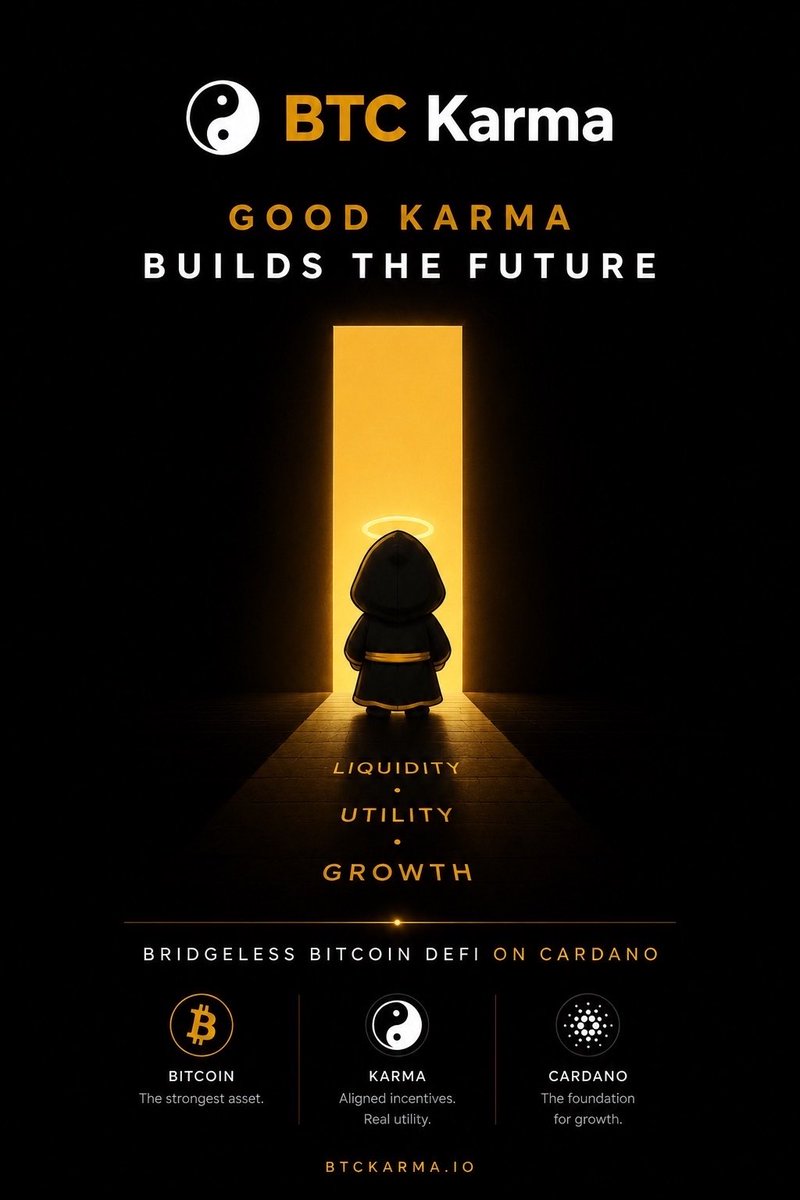
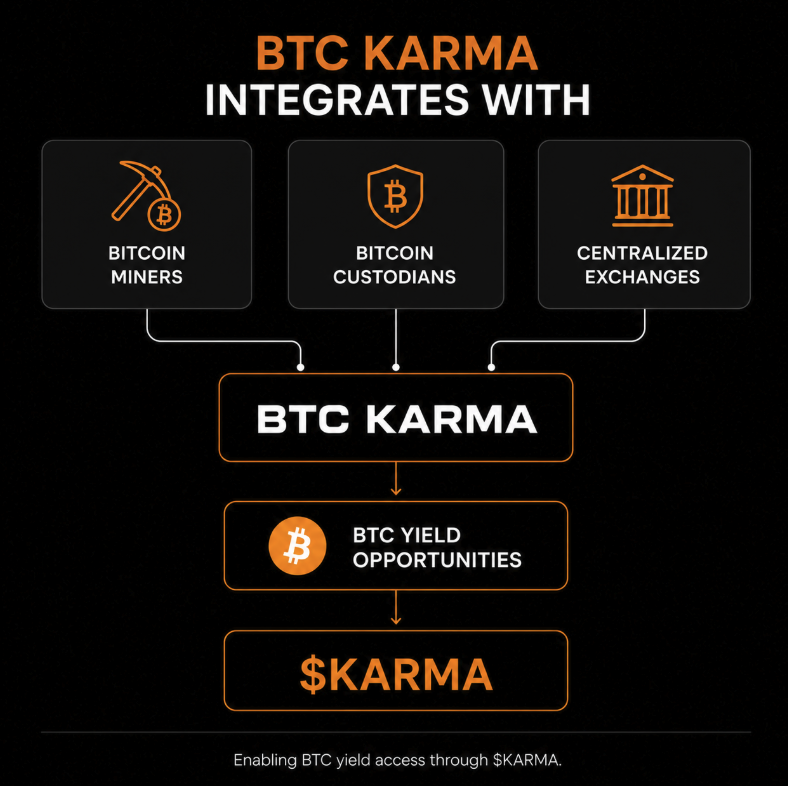
The largest Bitcoin holders in crypto are also the most yield constrained.
BTC Karma is designed for integration with:
🪙 Bitcoin Miners
🪙 Bitcoin Custodians
🪙 Centralized Exchanges
Enabling $BTC yield access through $KARMA.
BTC Staking goes live this week on Cardano.
4
16
40
1,294
The longer I watch Cardano governance, the more I wonder whether we are confusing participation with expertise.
Decentralization is important. So is competence.
Why is it controversial to want experienced, professionally proven people to guide decisions that affect a multi billion dollar ecosystem?
1
3
76
DD2 retweeted
I'm taking a break. TTYL
1,280
229
3,199
1,156,315

DD2 retweeted
Jun 2
For years I've been heavily focused on the price of $ADA.
As a Cardano-native project, $ADA has been our bread and butter.
But as we stand on the cusp of launching @btc_karma, I'm starting to see a much broader future for our team, community, and ecosystem.
A future that includes:
$BTC
$ADA
$CSWAP
$KARMA
And soon, real-world assets.
What excites me most isn't any single token.
It's the realization that we're building an ecosystem where value can be created and captured across multiple products, communities, and asset classes all while leveraging the security and infrastructure of Cardano.
@btc_karma brings Bitcoin into the picture.
Our upcoming RWA platform will pair appreciating assets with Cardano stable coins and create opportunities for Bitcoin holders to participate in yield generating real world assets through the BTC Karma ecosystem.
Each of these assets has a place in our vision:
• $CSWAP
• $BTC
• $ADA
• $KARMA
• $NIGHT
• RWAs
• $USDM
• $USDA
• $USDCx
And with nearly 1M ADA in protocol-owned liquidity supporting projects across Cardano, we're continuing to invest in the growth of the ecosystem while expanding beyond a single narrative.
These days, I find myself thinking less about the price of ADA and what the founding entities are doing, and more about the products we're building.
Less about reacting to market forces.
More in control of our own future.
That's what I'm most excited about. 💚
7
31
148
3,868
DD2 retweeted
May 31
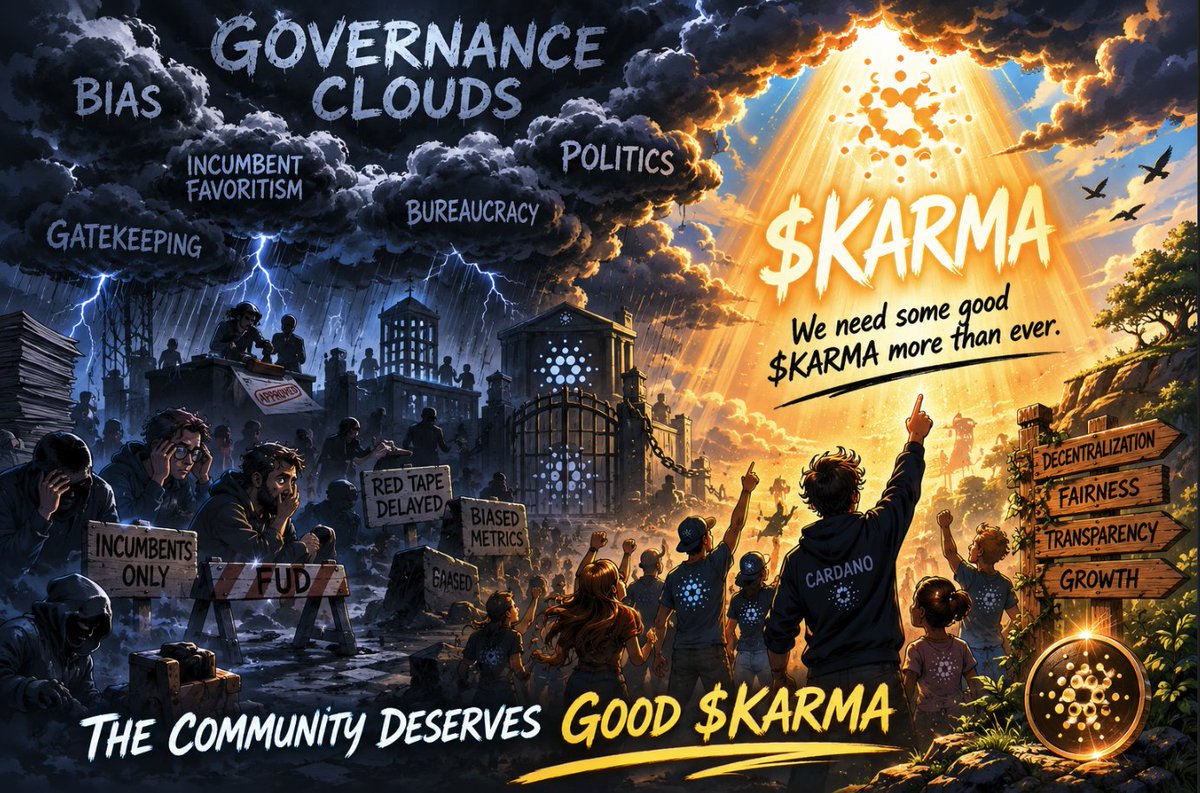
Let's not forget that Cardano would be nothing without the community.
The community deserves good $KARMA.
We'll be spreading good $KARMA next week with incoming Bitcoin TVL and then later...a massive airdrop program for Cardano ecosystem participants.
We see you fam. 💚
4
20
70
1,157
DD2 retweeted
May 30
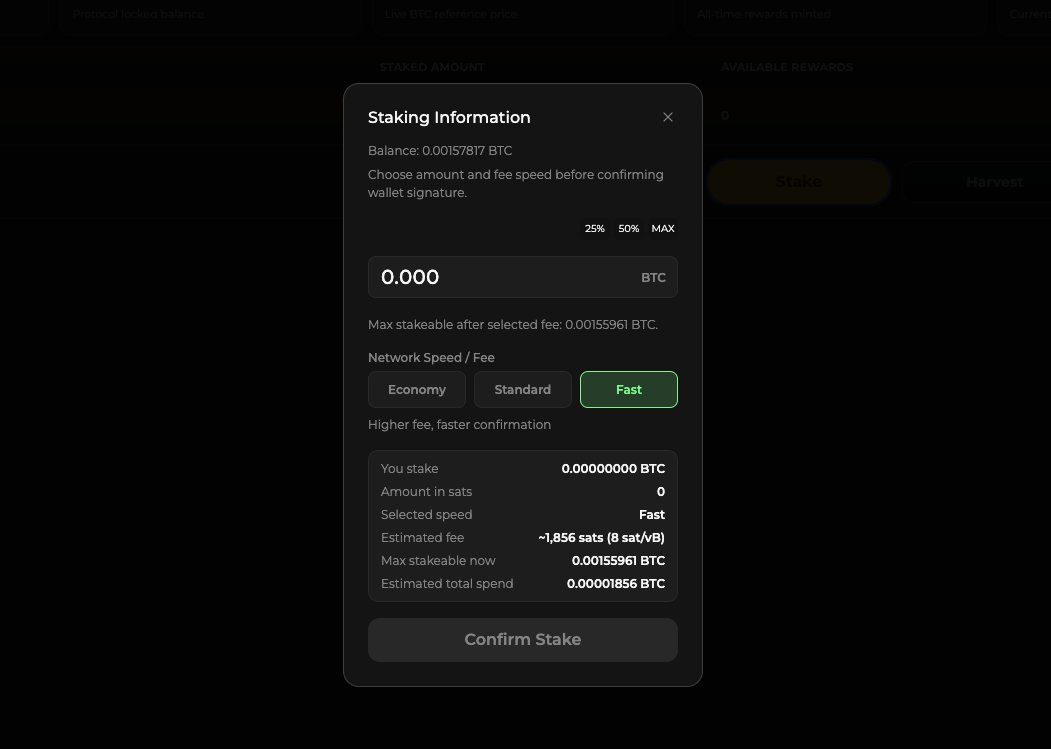
Has Bitcoin DeFi ever seen UI this clean?🫧
Putting your $BTC to work on @btc_karma is fast and easy.
Launch is imminent.
There will be a two week bootstrapping period, before reward distribution.
You can get a head start by grabbing some $KARMA on cswap.trade.
8
33
78
1,908