Dyspraxia DCD America is a nonprofit organization that raises awareness, provides support and advocates for those impacted by Dyspraxia/DCD in the United States
Joined March 2023
- Tweets 415
- Following 0
- Followers 47
- Likes 0
414 Photos and videos
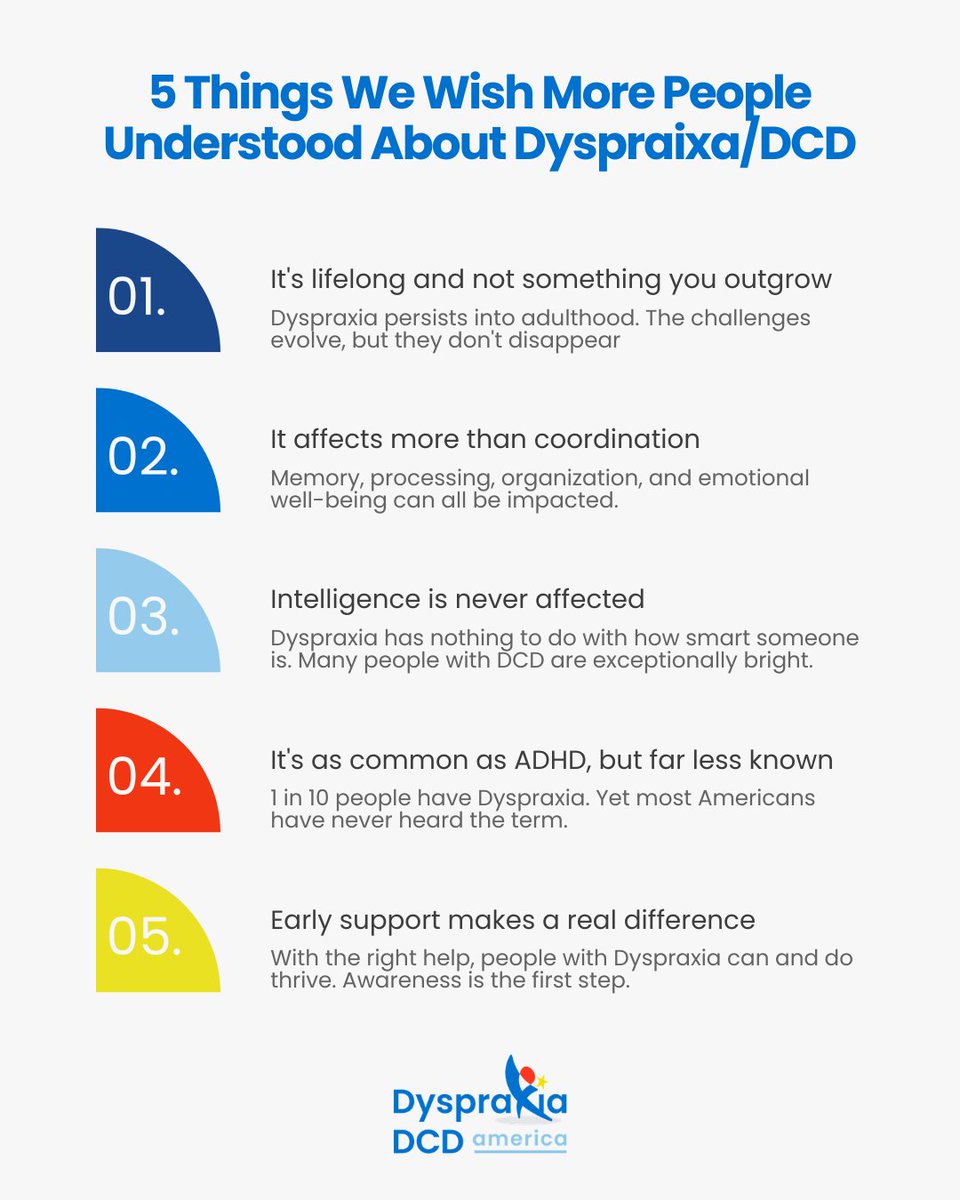
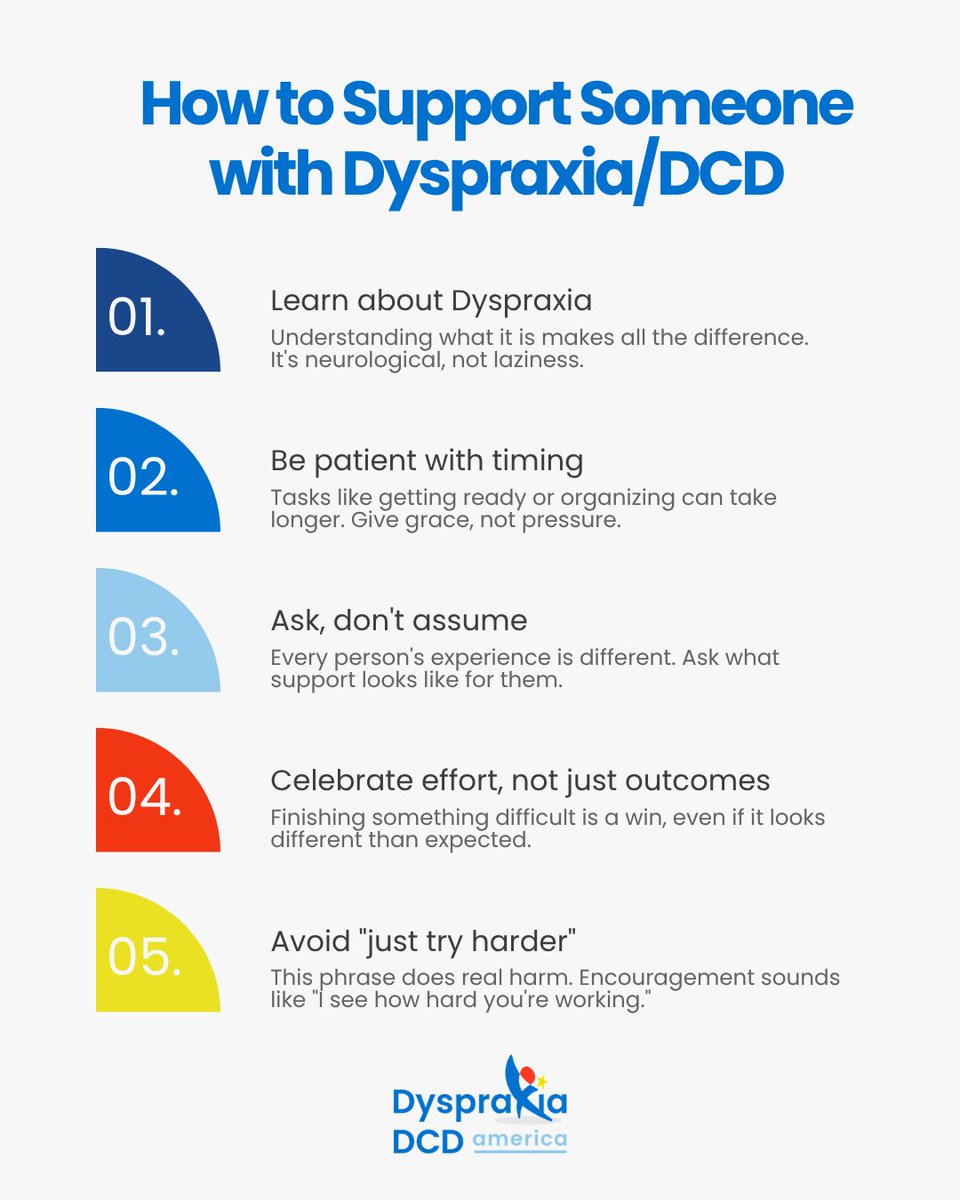
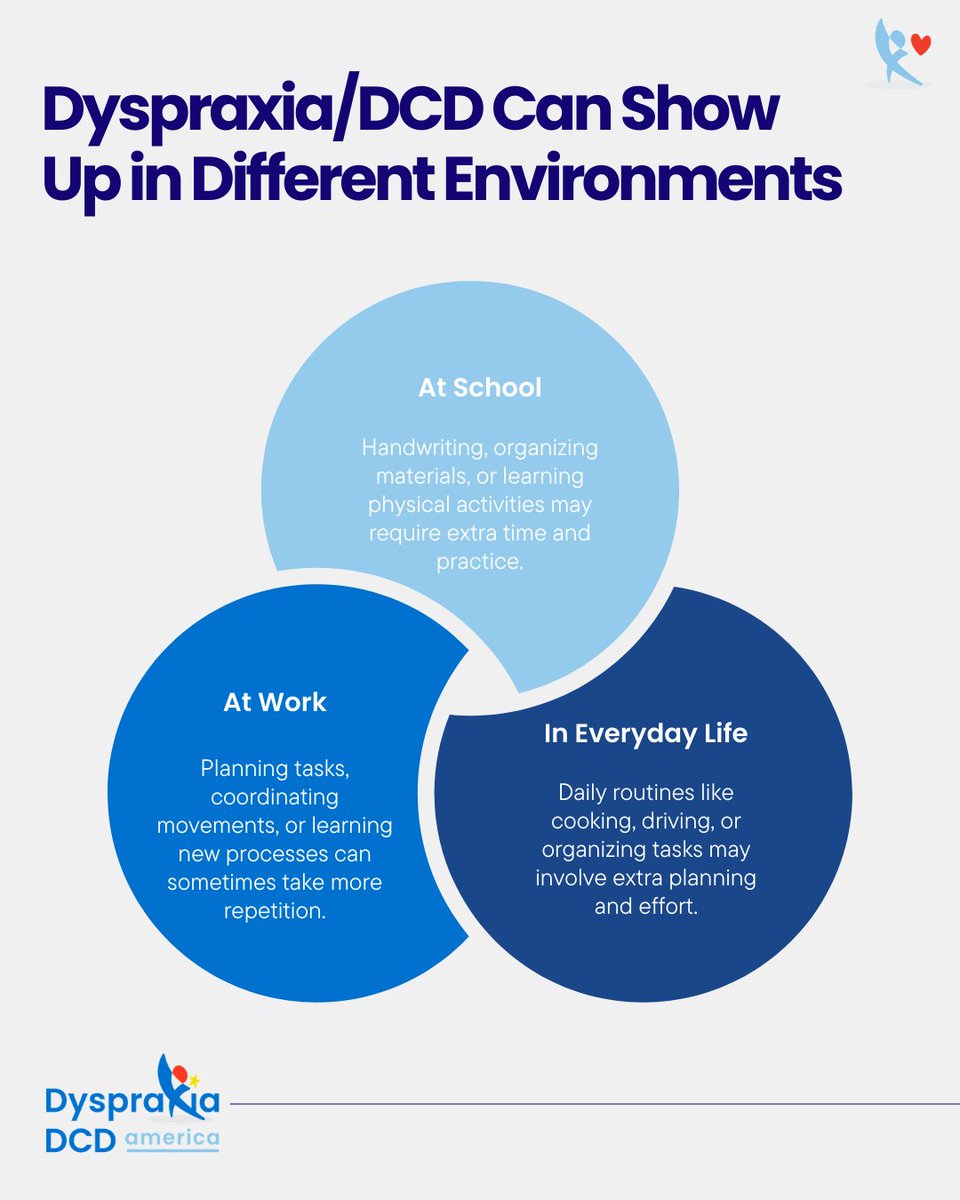
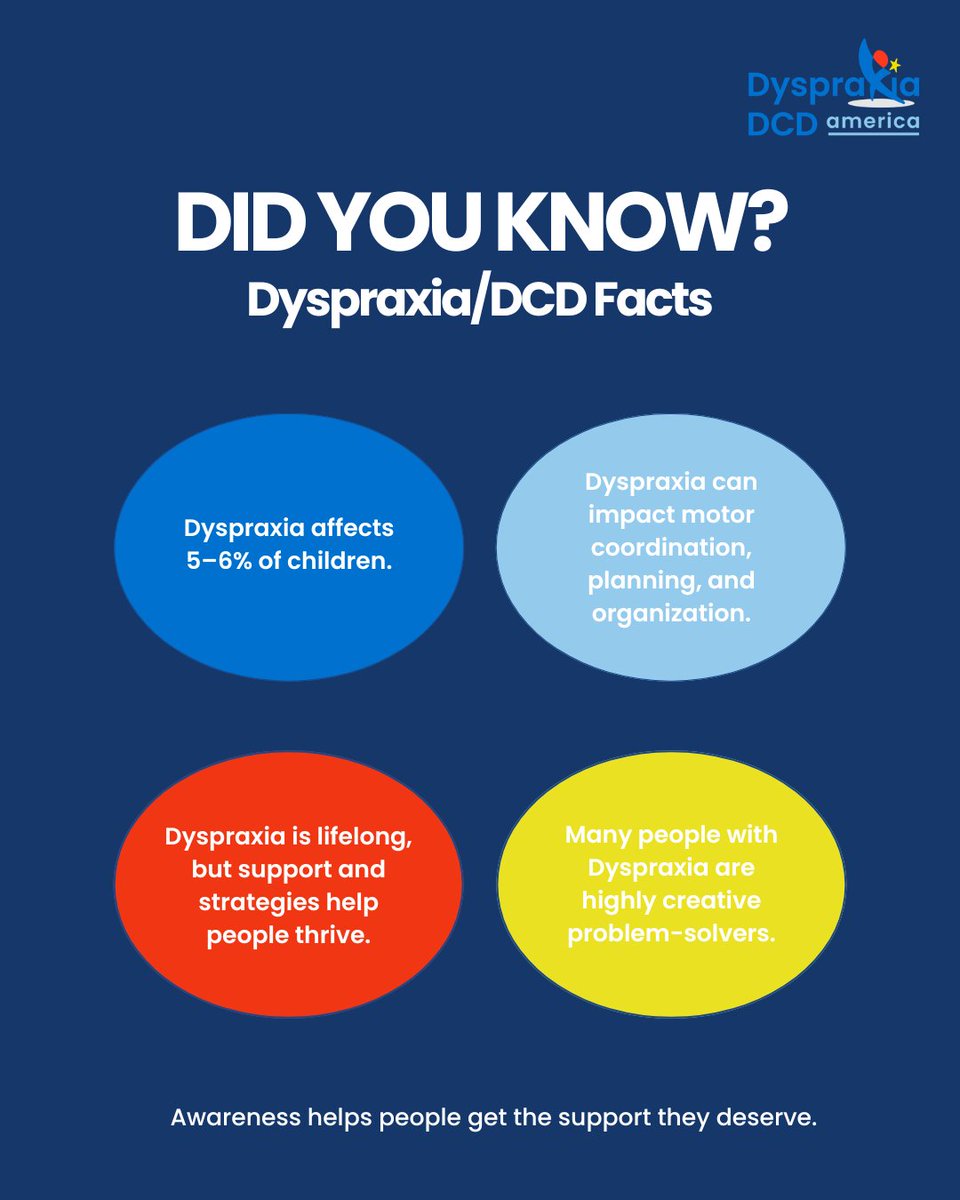
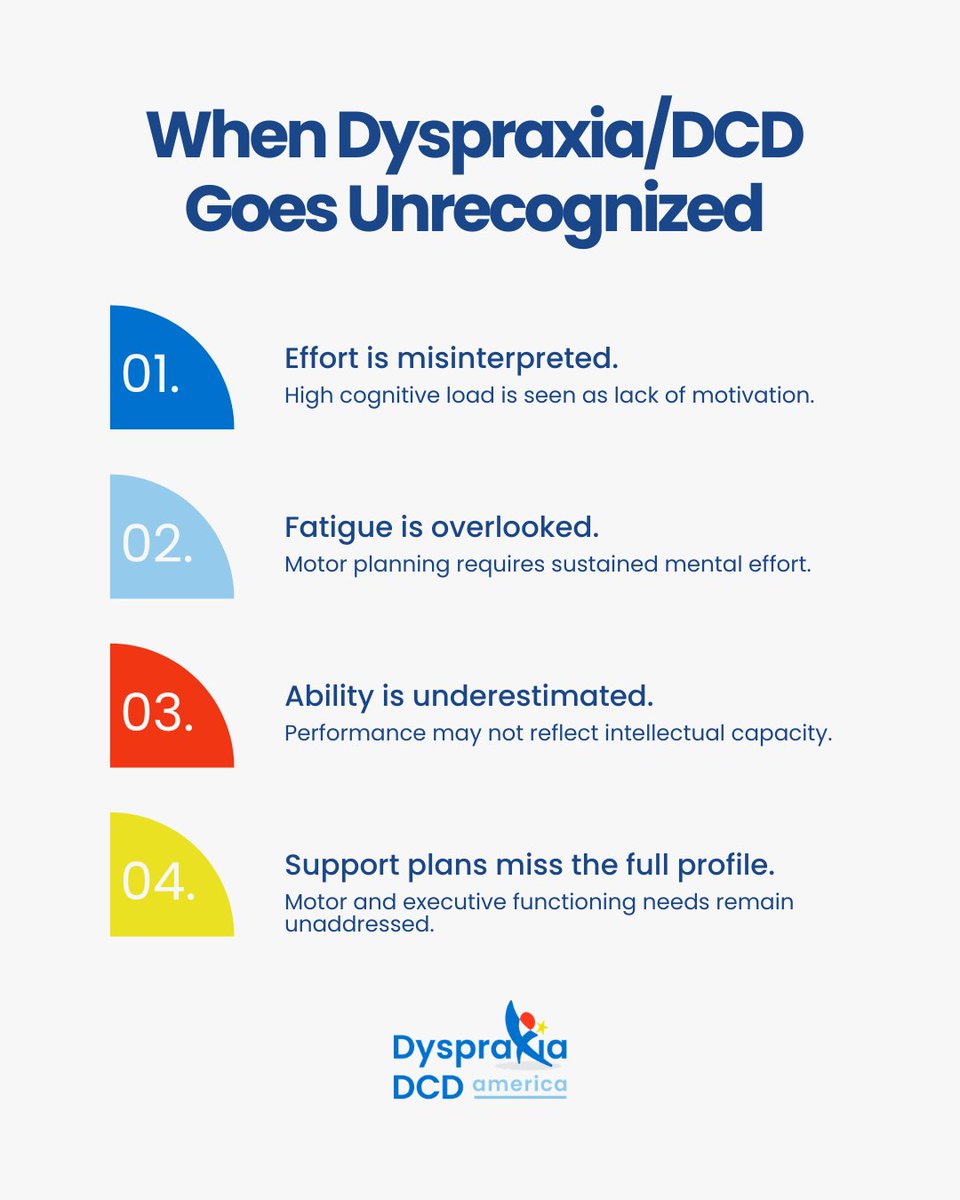
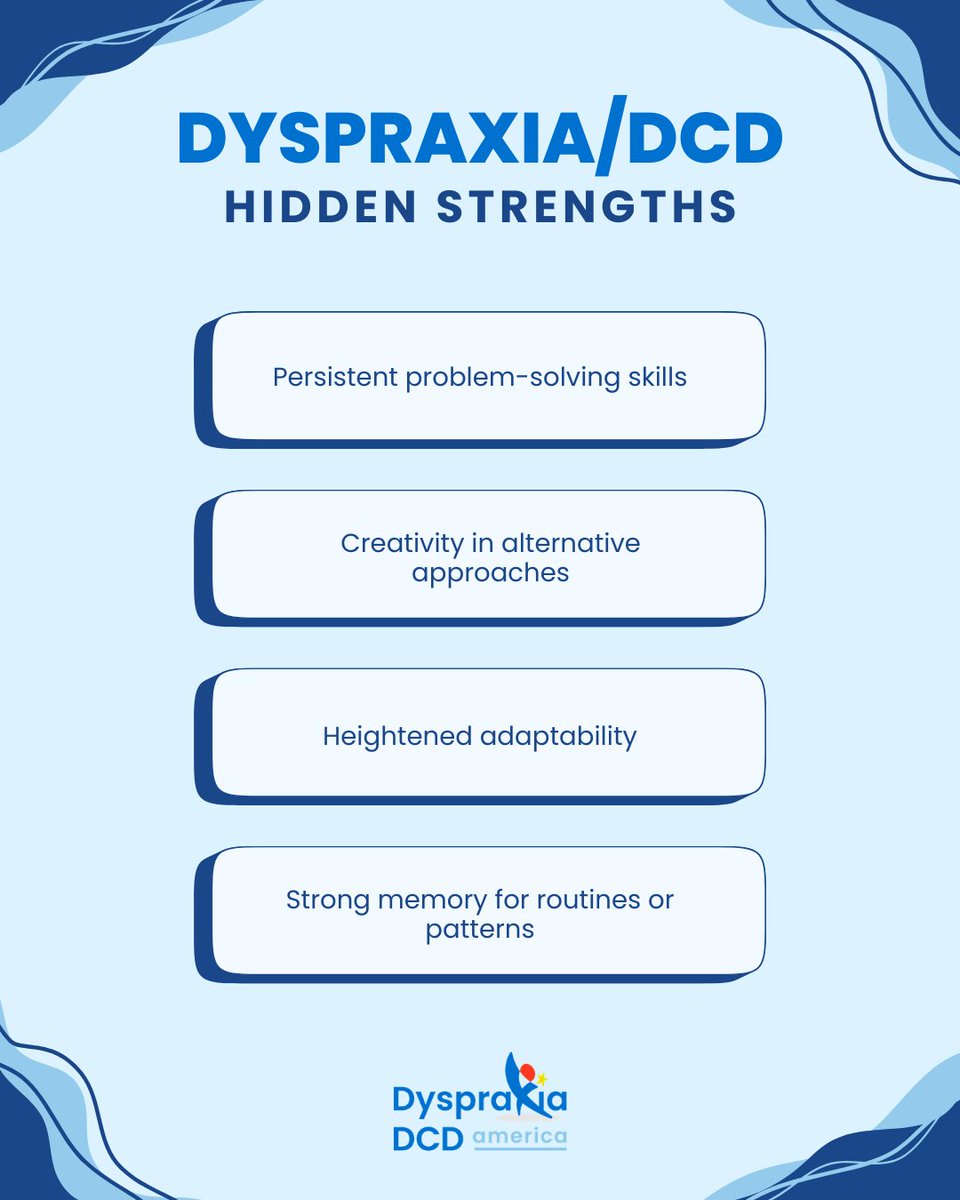

These are 5 things that we wish everyone knew. Because awareness isn't just information, it's the difference between a child feeling supported and feeling alone.
#Dyspraxia
7
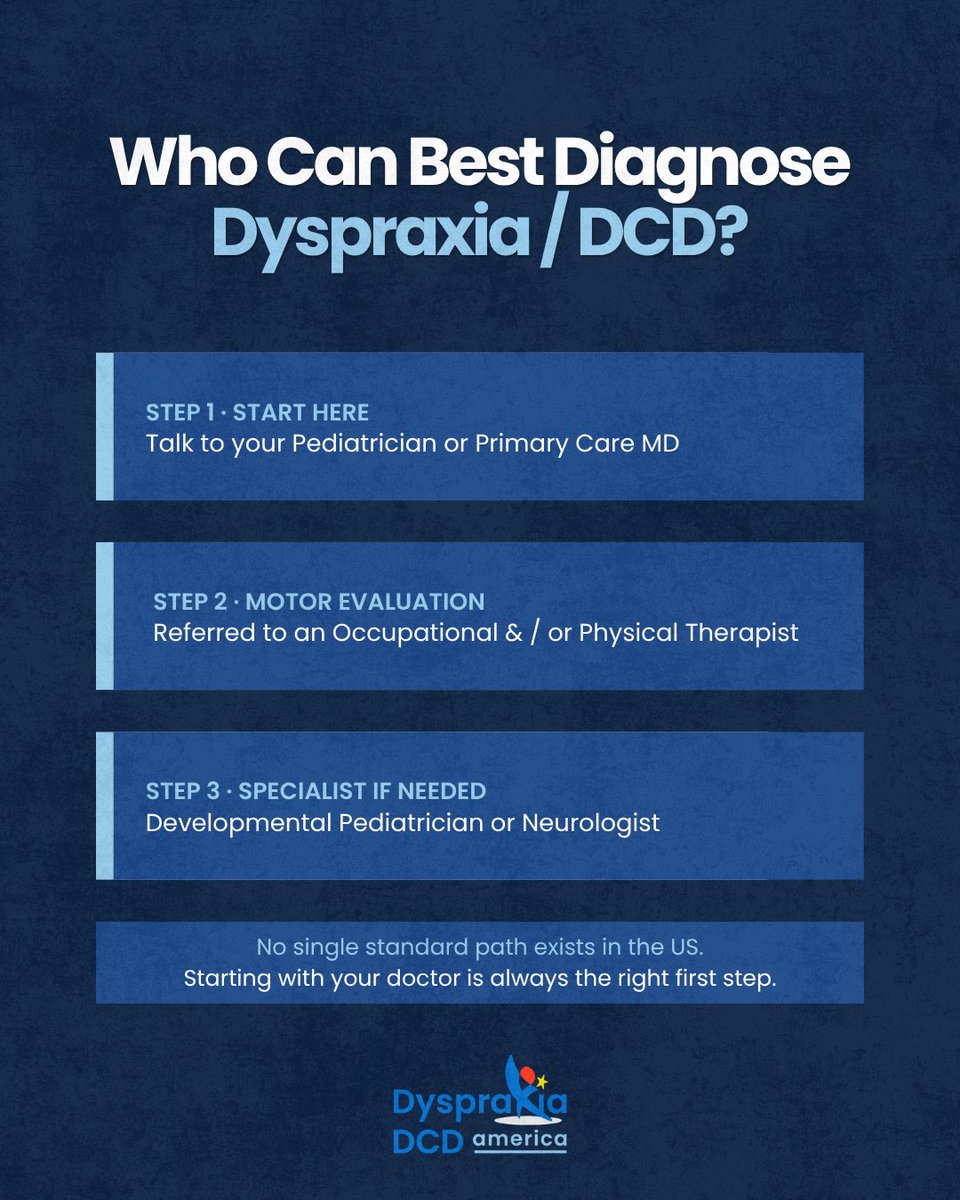
In the United States, there's no single established path to a Dyspraxia/DCD diagnosis, but here's where to start:
#Dyspraxia #Diagnosis #HiddenDisability #Neurodiversity #DyspraxiaAwareness
11
Dyspraxia/DCD affects movement, coordination, and so much more — from writing and getting dressed, to processing information and managing daily tasks. It looks different in every person, at every age.
Help us illuminate the invisible.
#Dyspraxia
5
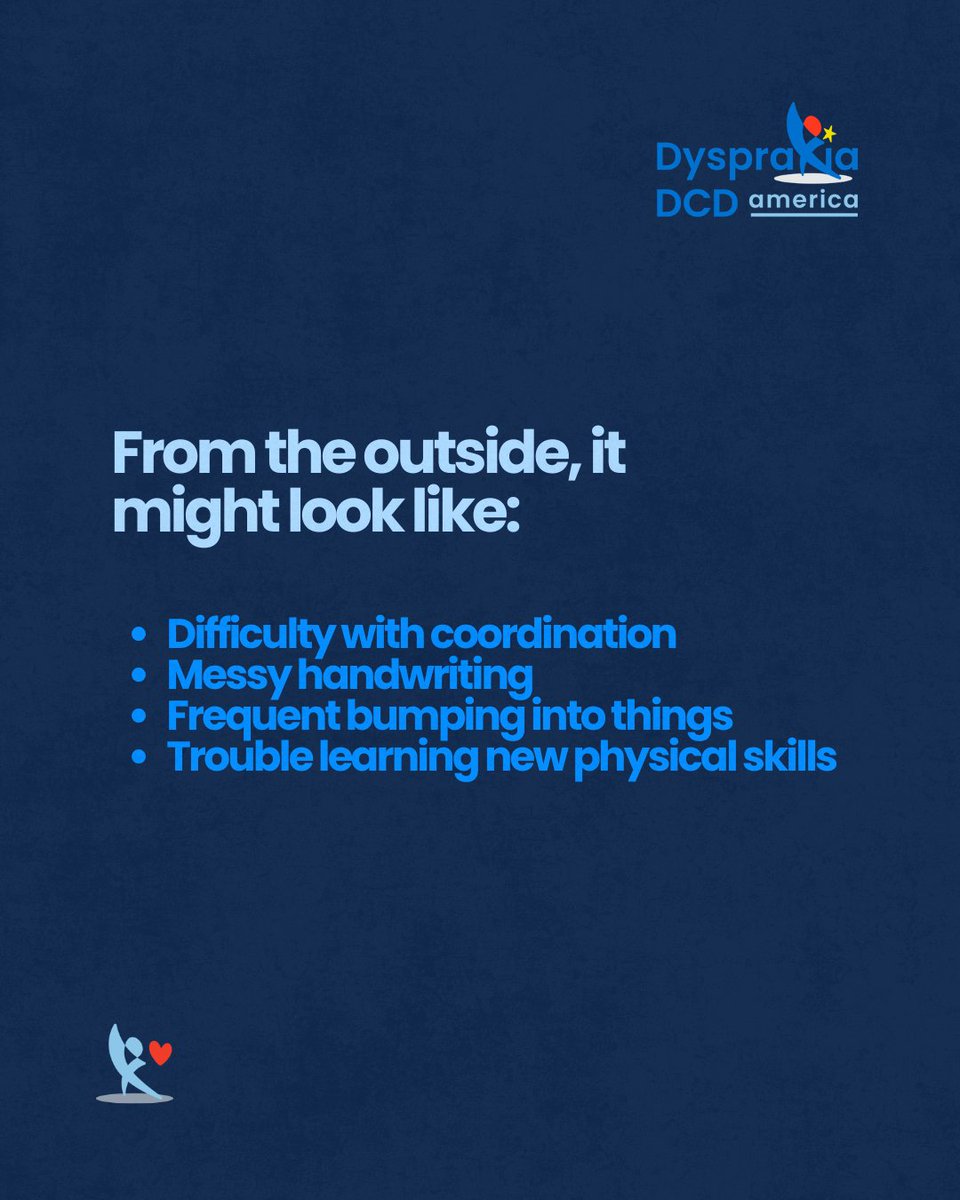
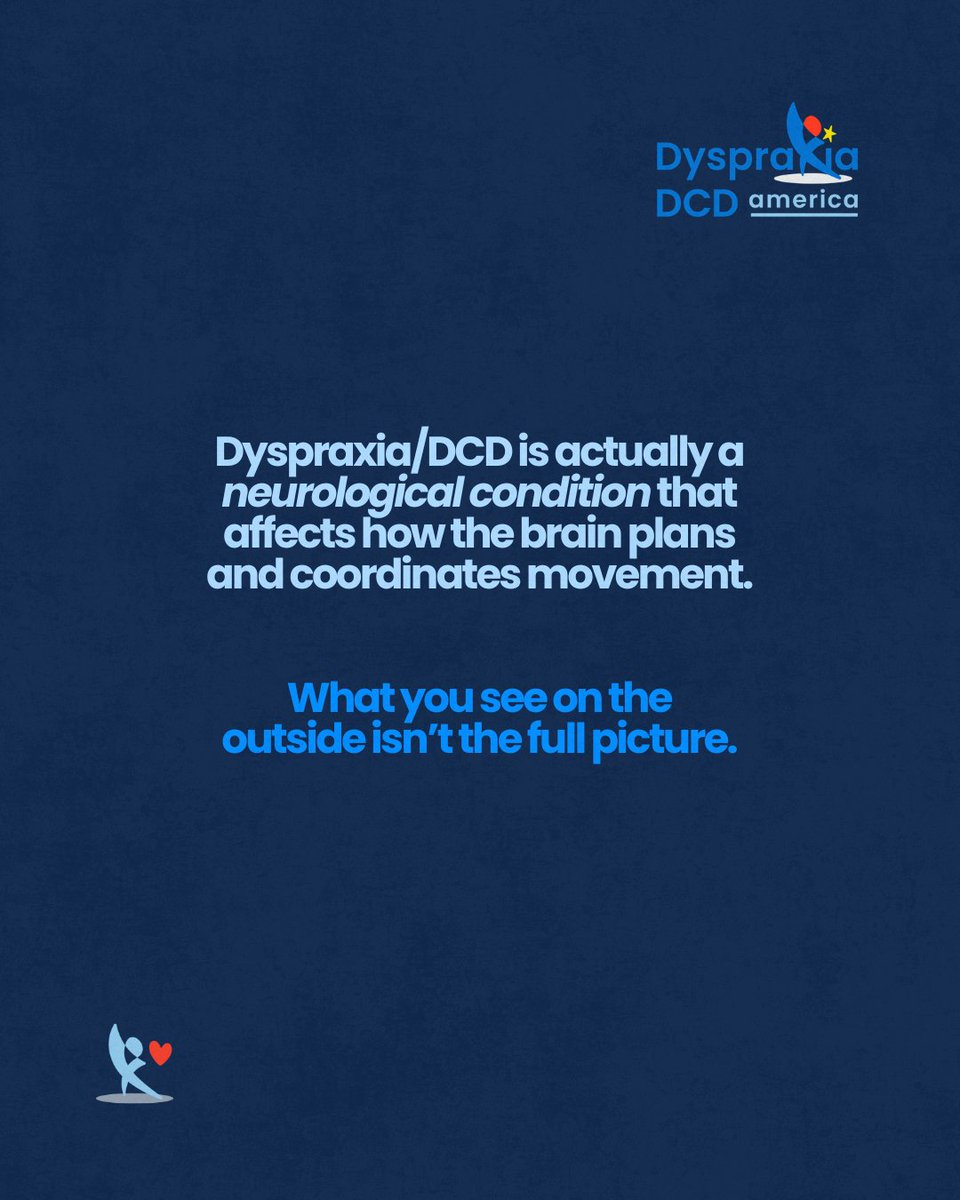
Dyspraxia, also known as Developmental Coordination Disorder (DCD), is often misunderstood because many of its signs can look like everyday clumsiness or poor coordination from the outside.
What you see on the outside is not always the full picture.
#Dyspraxia
4
Living with Dyspraxia/DCD means navigating a world that wasn't designed for the way your brain works.
You are not behind. You are not broken. You are doing something incredibly hard, and you deserve to be seen for that.
#Dyspraxia
7
If someone you love has Dyspraxia/DCD, you don't have to have all the answers. You just have to show up.
Here are 5 simple but meaningful ways to support them. Save this and share it with someone who could use it.
#Dyspraxia #DCDAwareness #NeurodivergentSupport #DCDSupport
10
For many people, Dyspraxia/DCD can show up in different environments — at school, at work, and in everyday routines.
Tasks that involve coordination, organization, or learning new physical skills may require extra time and practice.
#Dyspraxia
8
Some challenges aren’t immediately visible. What we see on the outside isn’t always the full story.
#Dyspraxia
10
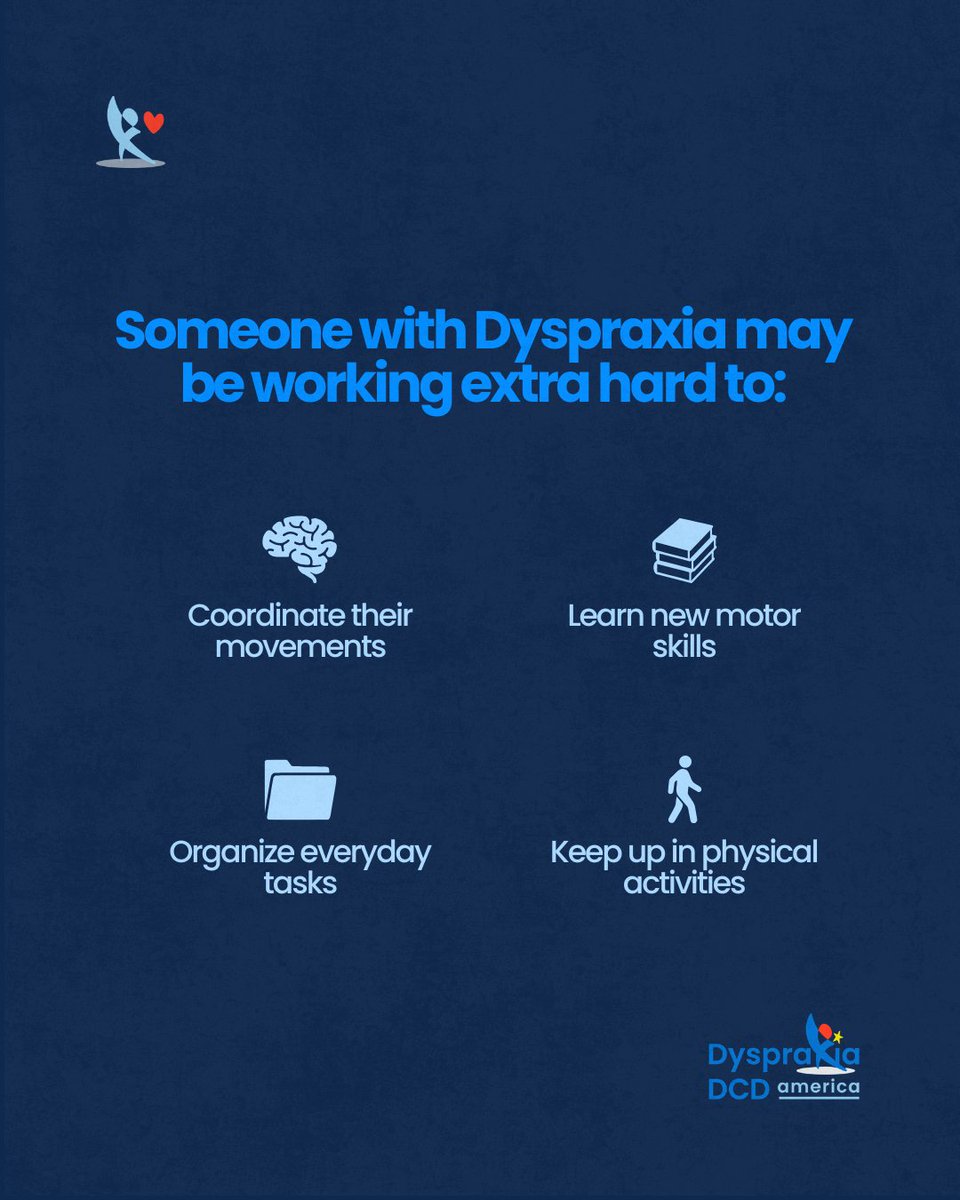
For people with Dyspraxia/DCD, everyday tasks may require extra planning and coordination. With the right support in place, those tasks can become much more manageable.
#Dyspraxia
11
When people understand Dyspraxia/DCD, it becomes easier to create environments where individuals can succeed at school, work, and everyday life.
#Dyspraxia #DCD #Neurodiversity #DisabilityEducation #DyspraxiaAwareness
11
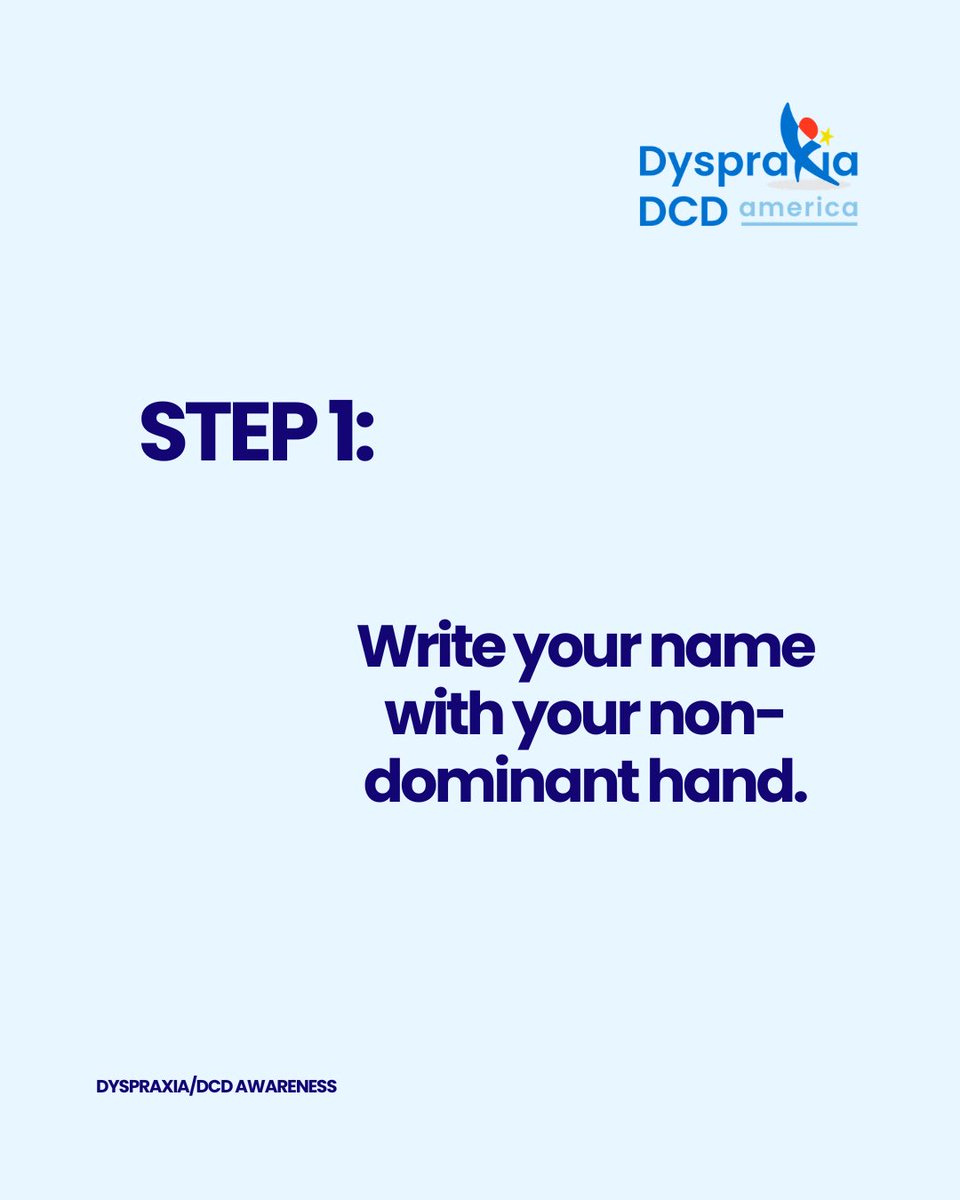
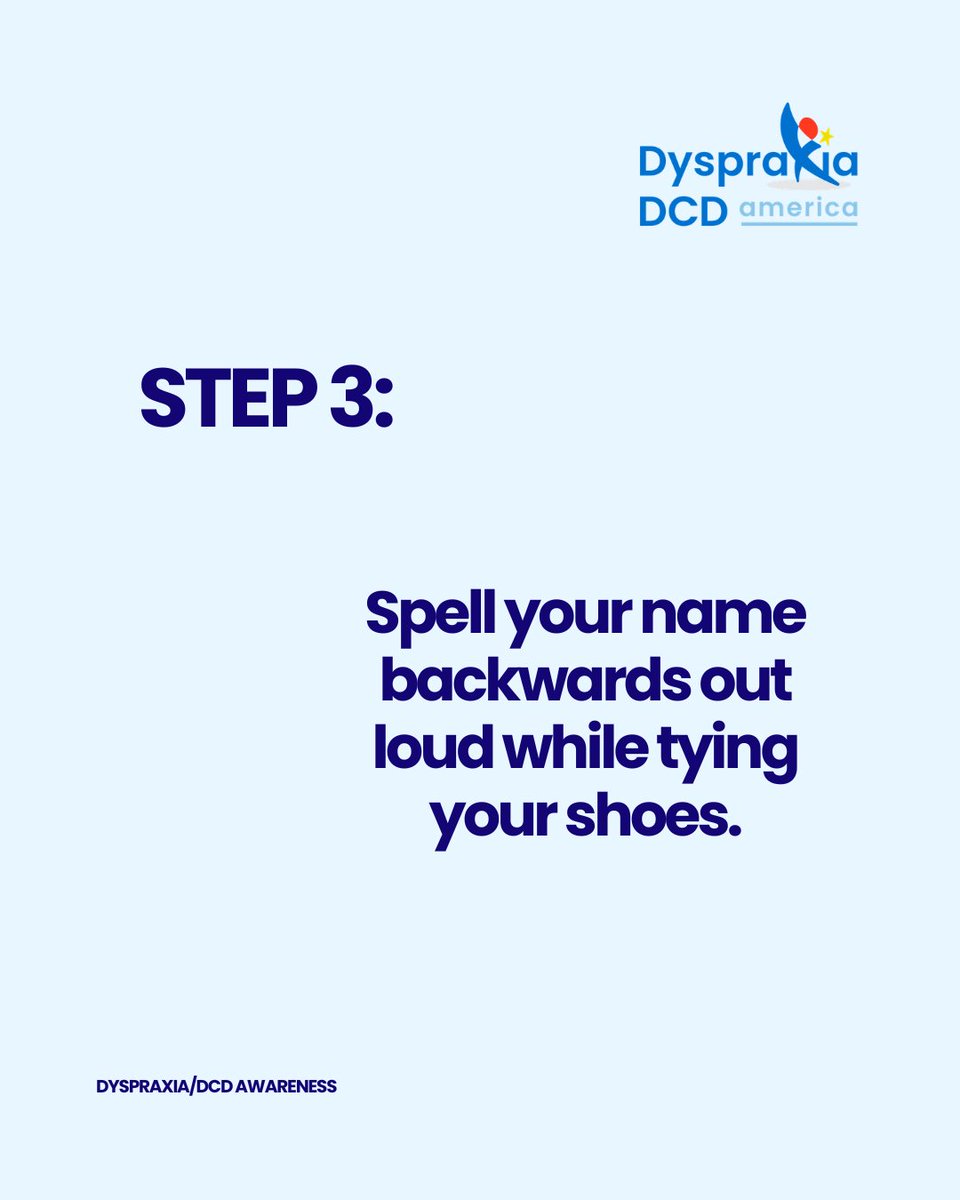
Did your brain need a moment to coordinate everything?
For people with Dyspraxia/DCD, that extra processing can happen during everyday tasks like handwriting, getting dressed, or coordinating movements.
A small glimpse into what their brain manages daily.
#Dyspraxia

6
Unrecognized Dyspraxia (DCD) has a cumulative impact.
Misinterpretation delays support. Delayed support alters outcomes.
Accurate recognition matters.
#Dyspraxia #EducationAdvocacy
8
When hidden strengths are recognized and supported, individuals with Dyspraxia can thrive in ways that go far beyond what’s visible.
Support that aligns with these strengths — whether in the classroom, at home, or in therapy — transforms potential into achievement.
#Dyspraxia
10
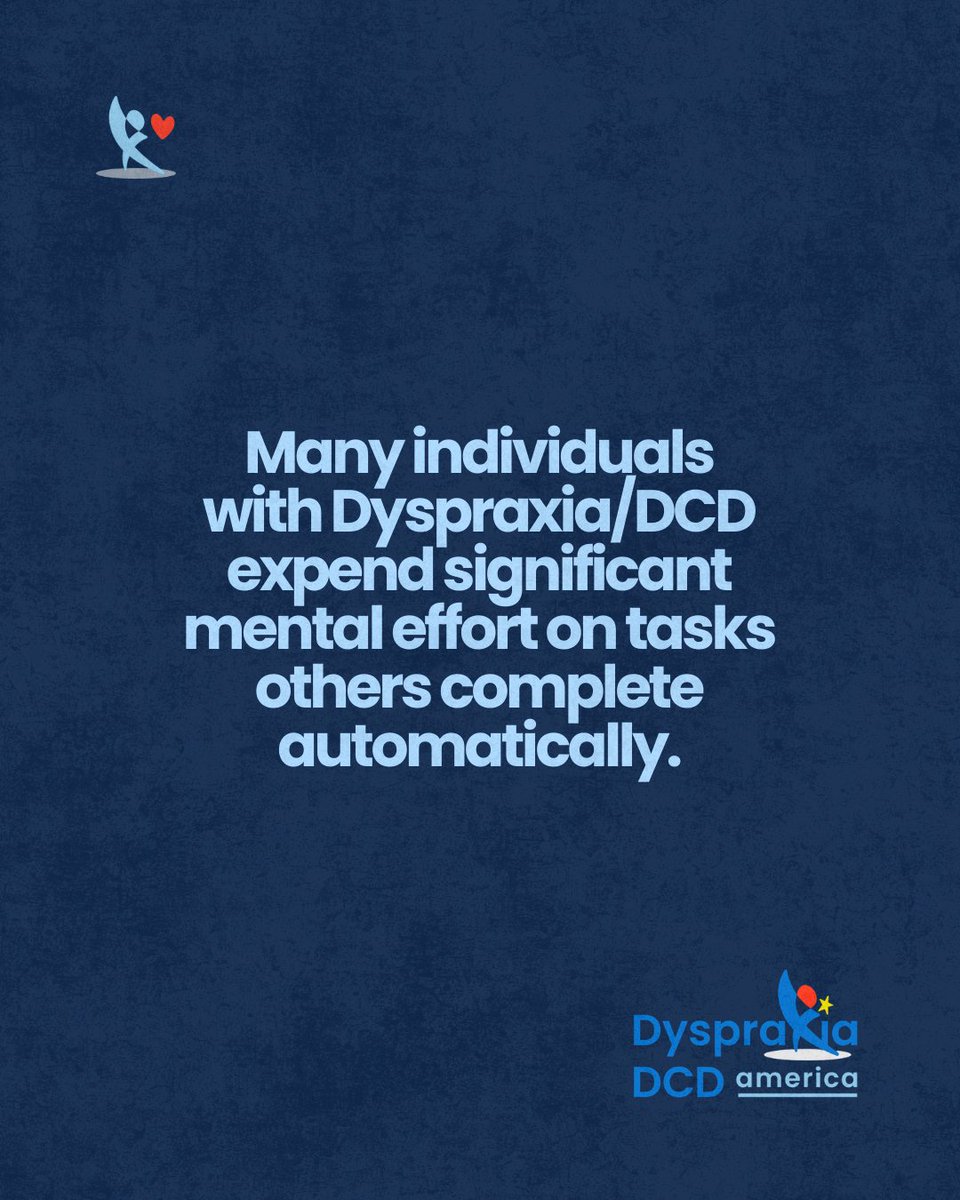
Many individuals with Dyspraxia/DCD expend significant mental effort on tasks others complete automatically.
Understanding the hidden demands of Dyspraxia/DCD allows educators, clinicians, and families to interpret performance more accurately and provide informed support.
5
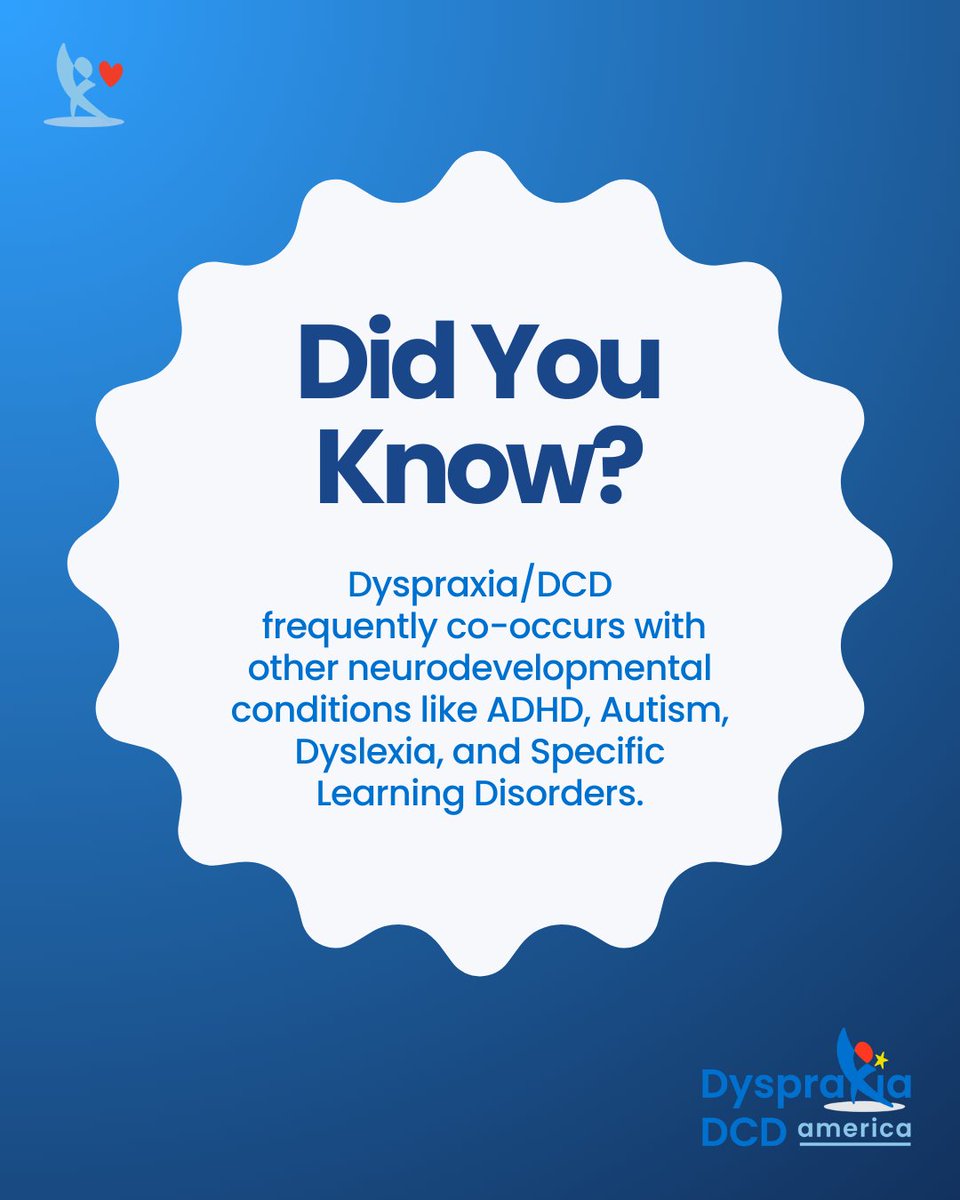
Dyspraxia/DCD often co-occurs with ADHD, Autism, Dyslexia & other learning differences.
When motor coordination and executive functioning challenges are overlooked, kids may struggle academically & socially without the right support.
#Dyspraxia #Neurodevelopment #Inclusion
1
17
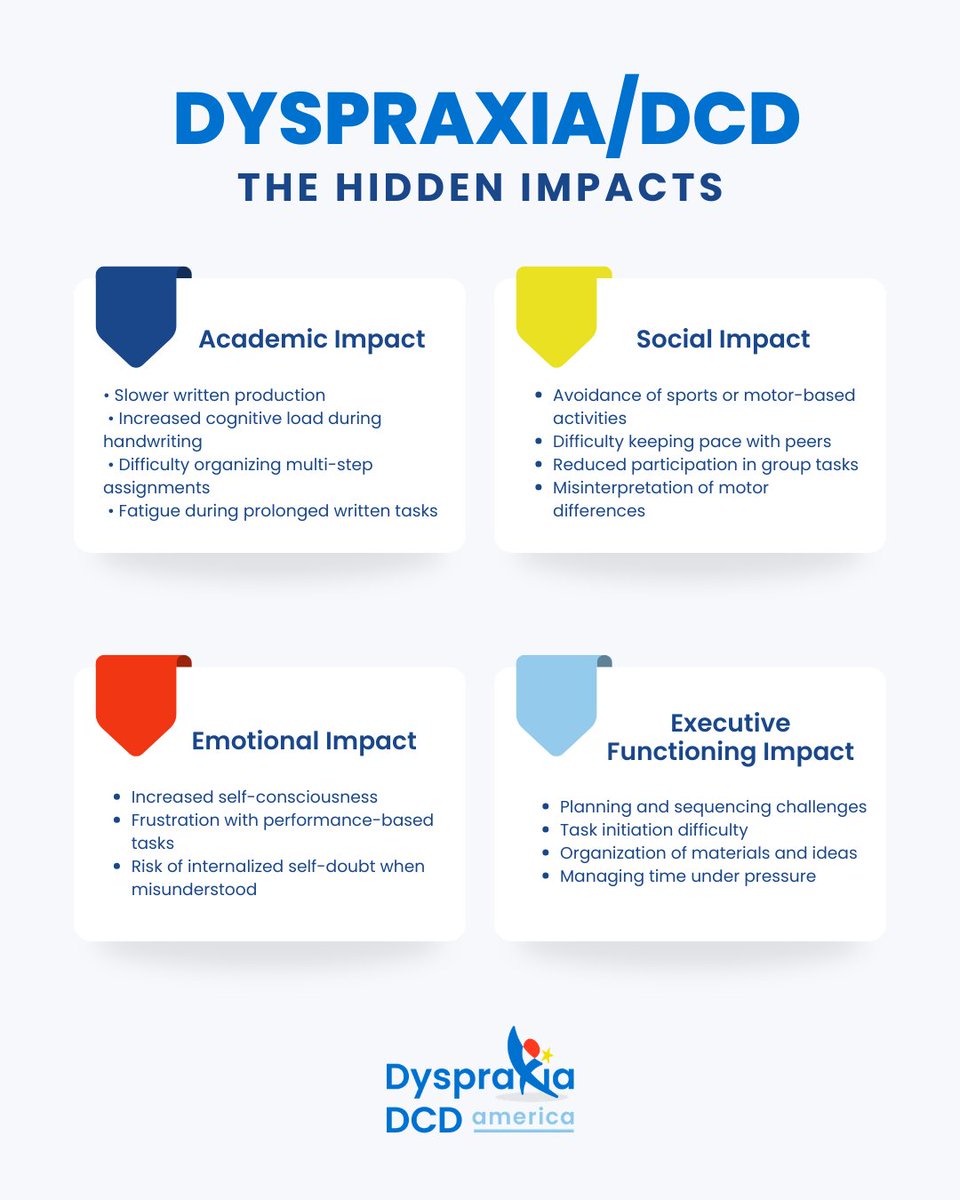
Dyspraxia/DCD is often described as a motor coordination condition. However, its impact can extend beyond physical coordination alone.
Understanding these broader implications is essential.
#Dyspraxia #Neurodevelopment
5
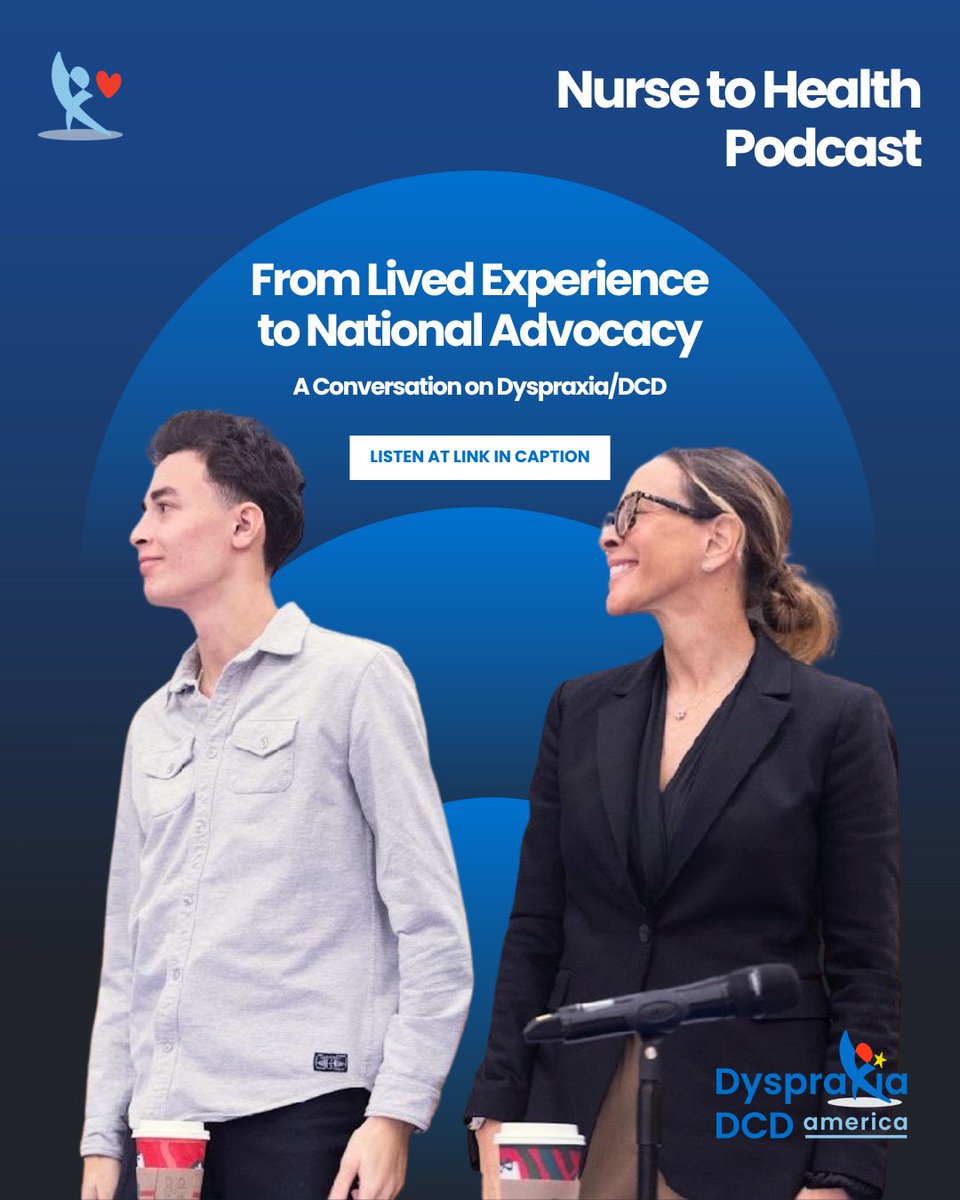
Danielle Rosenberg, Founder of Dyspraxia DCD America, joins the Nurse to Health podcast with her son Gabe to discuss living with Dyspraxia/ DCD and how lived experience grew into national advocacy.
Listen: podcasts.apple.com/us/podcas…
#Dyspraxia #DCD #Neurodevelopment
17
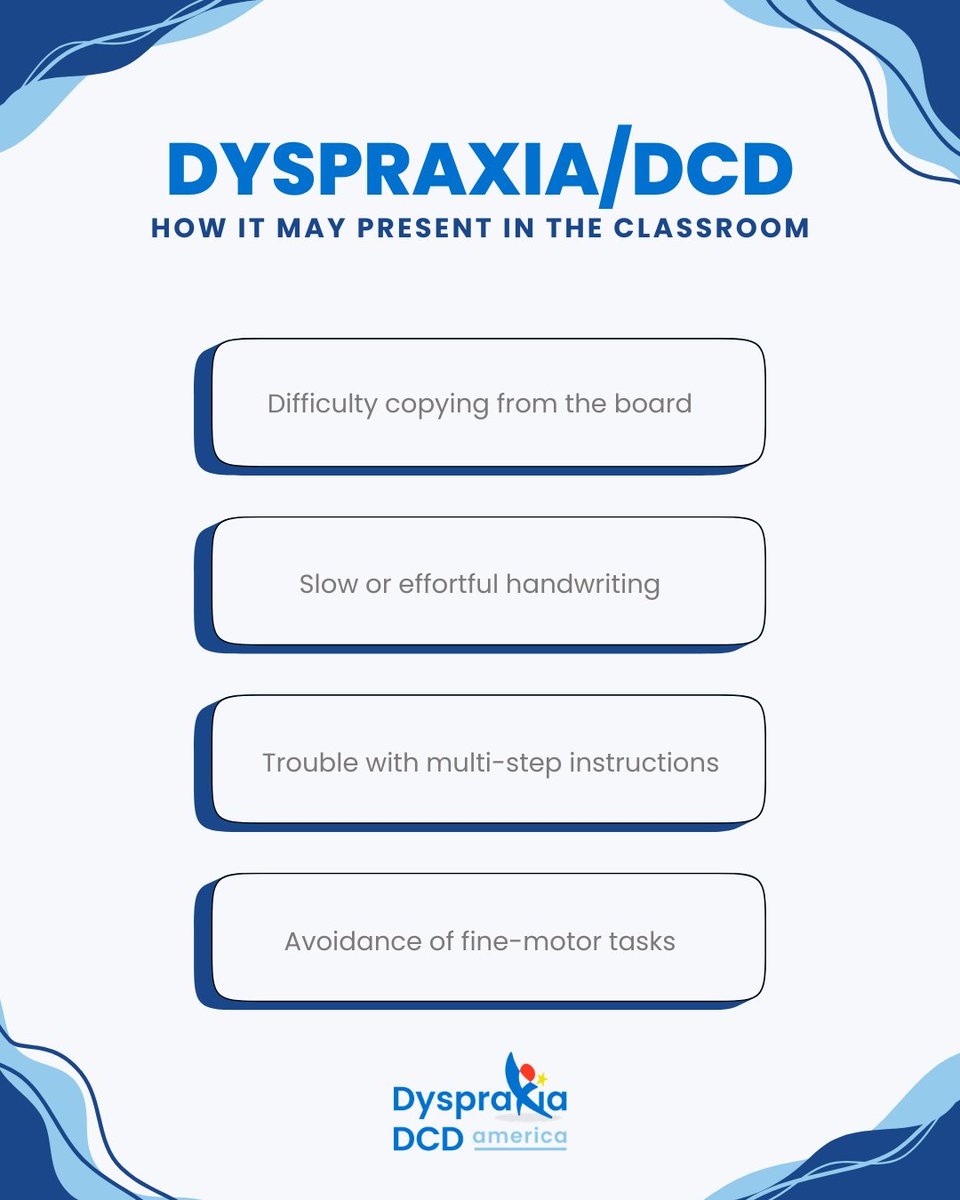
Dyspraxia/DCD is often first noticed at school.
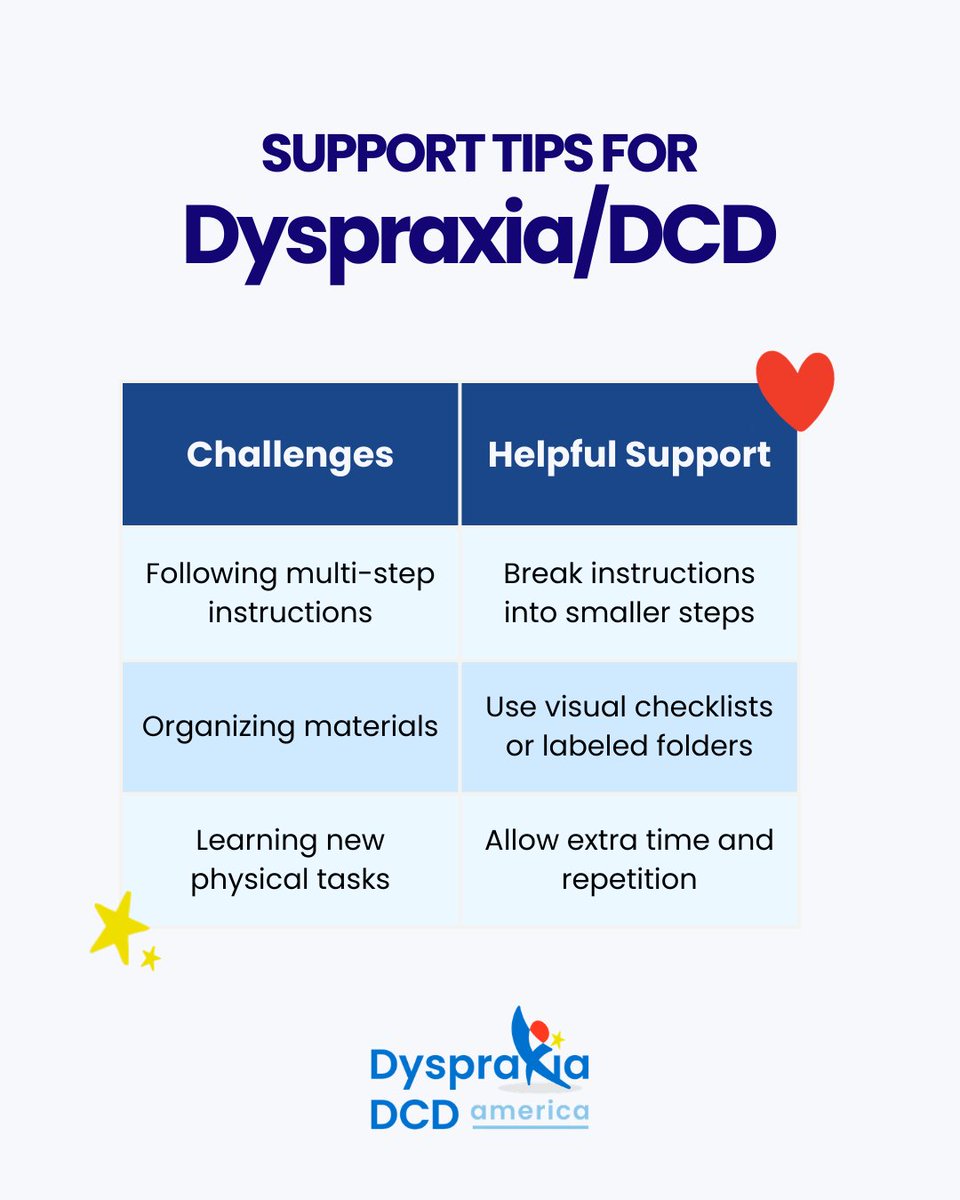
It can look like slow handwriting, trouble copying from the board, or difficulty following multi-step instructions.
Early recognition means earlier support — and better long-term outcomes.
#Dyspraxia #Education #Neurodiversity
7
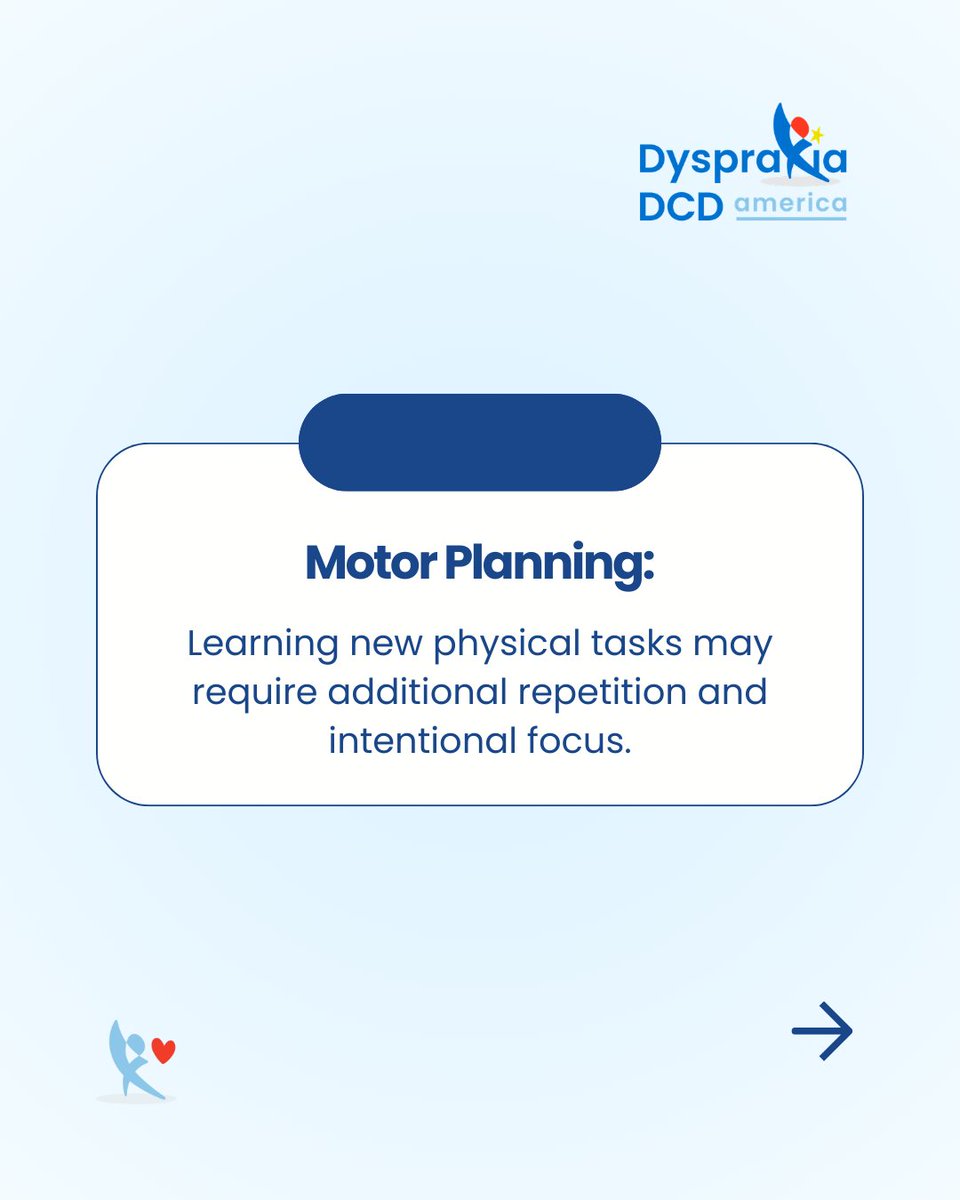
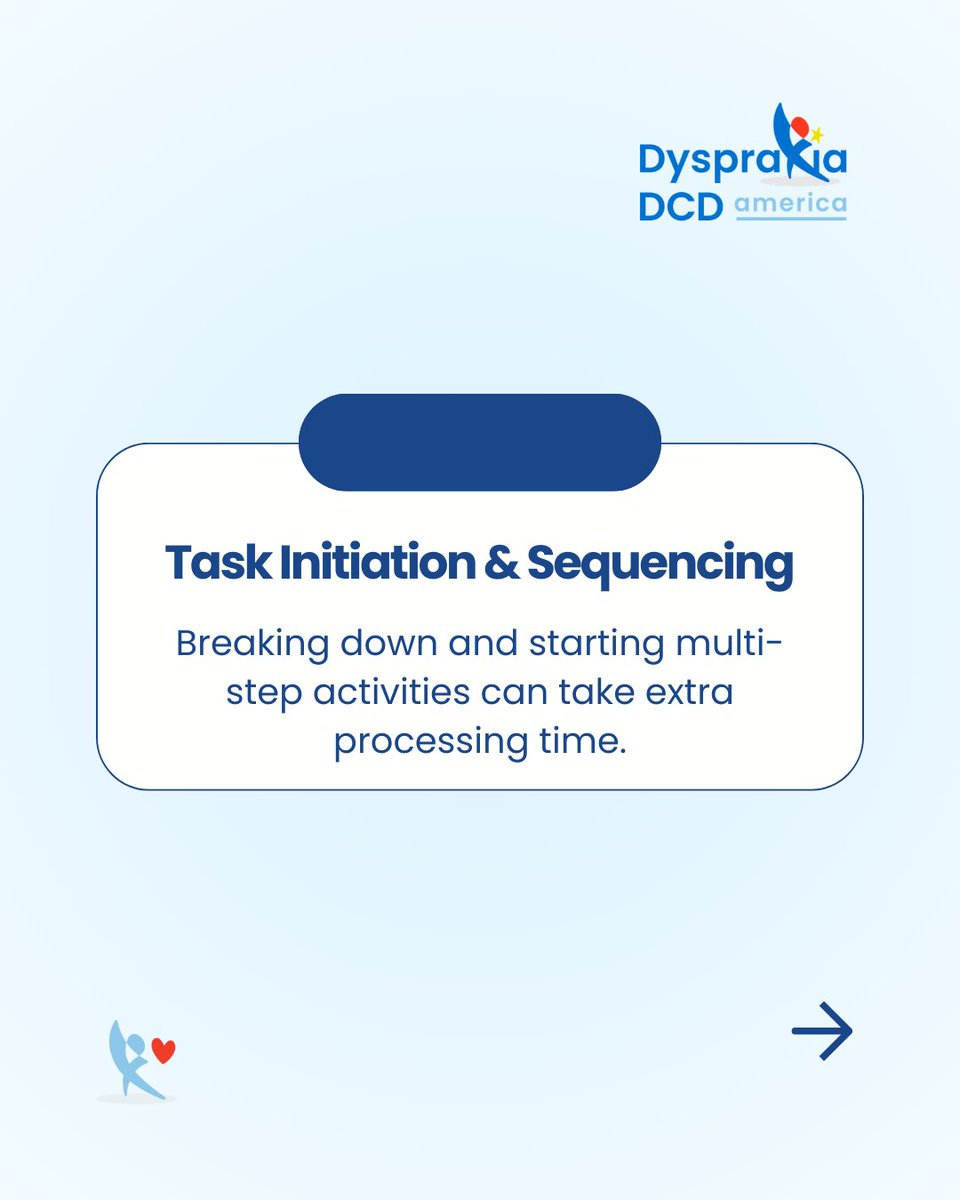
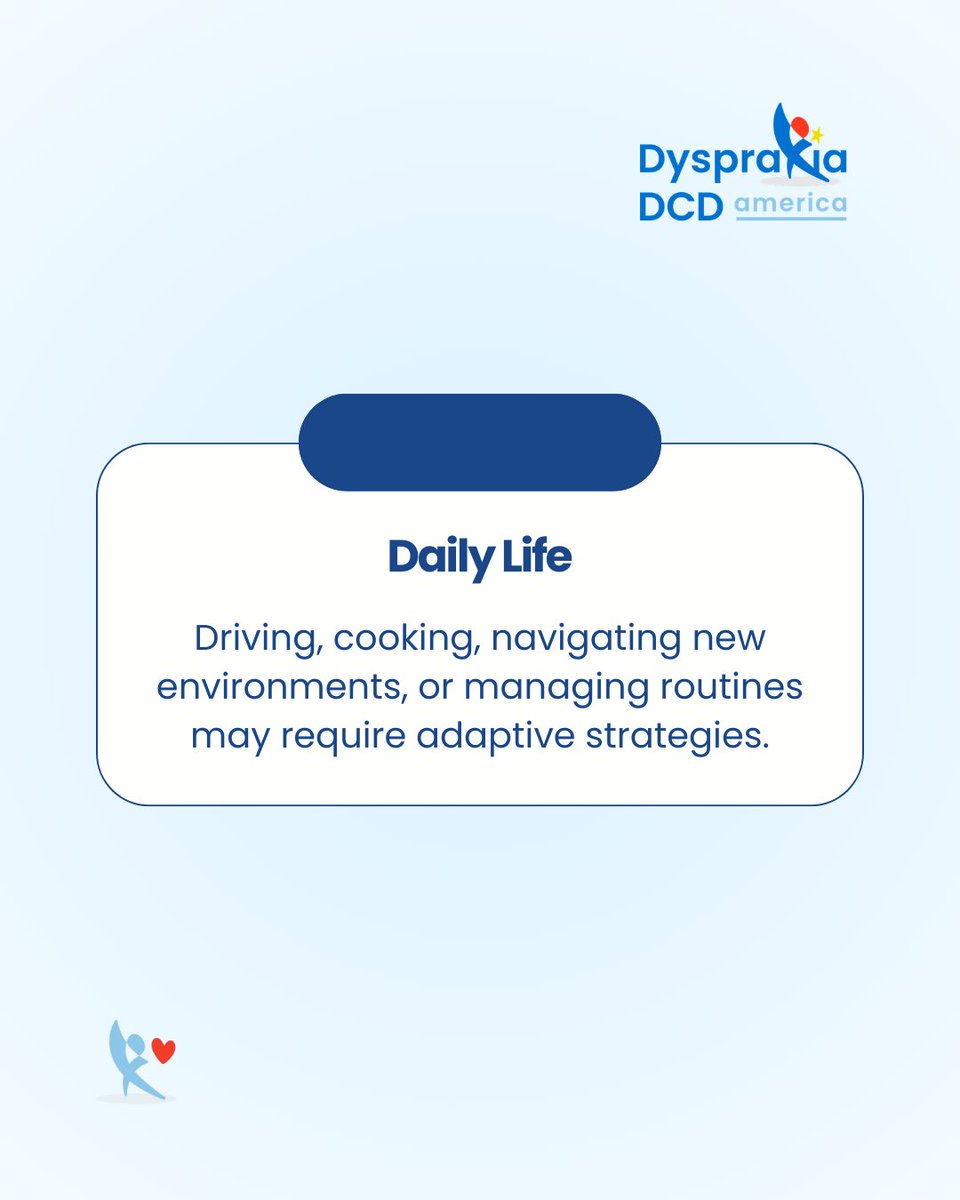
Dyspraxia/DCD isn’t just about coordination.
Motor planning also affects starting tasks, sequencing steps, and managing school, work, and daily life.
Seeing the full picture helps set fair expectations and provide the right support.
#Dyspraxia #Neurodiversity #Accessibility
13
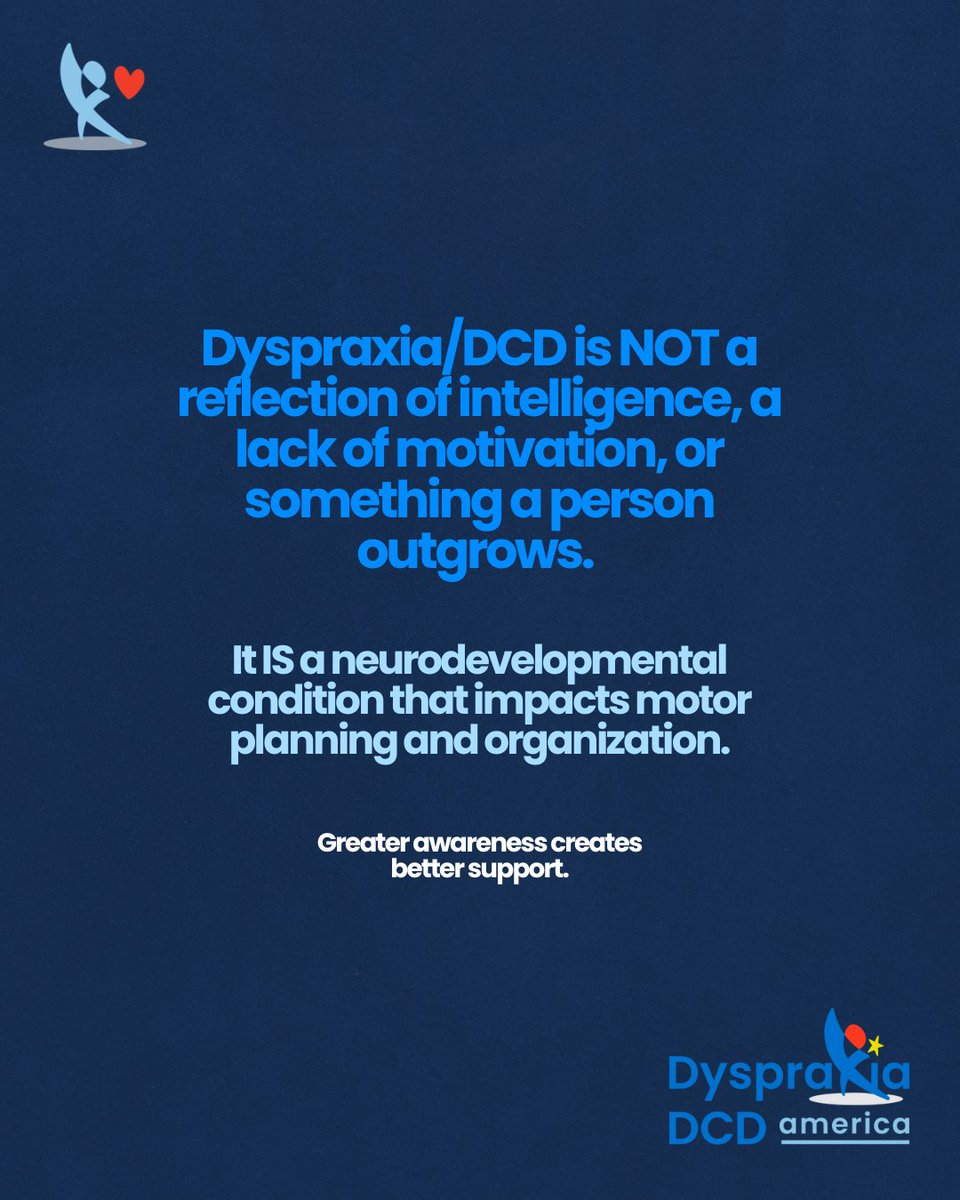
Dyspraxia/DCD is often misunderstood.
Many are labeled lazy or unmotivated — when their brains simply process motor planning and coordination differently.
Awareness leads to earlier identification, better support, and real opportunity.
#Dyspraxia #Neurodiversity
10