
@AtlanticCouncil's Digital Forensic Research Lab. Cultivating a global network of digital forensic analysts (#DigitalSherlocks) to combat disinformation.
Joined April 2016
- Tweets 13,917
- Following 774
- Followers 52,206
- Likes 5,843
1,795 Photos and videos





DFRLab - @dfrlab.bsky.social retweeted

Who will finance the future of global connectivity?
Join us for the launch of a new report examining how the US & its allies can expand digital infrastructure, close the digital divide, & compete with China's Digital Silk Road.
🗓 June 16 | 11:30 AM ET
bit.ly/4v759c4
3
2
679
DFRLab - @dfrlab.bsky.social retweeted

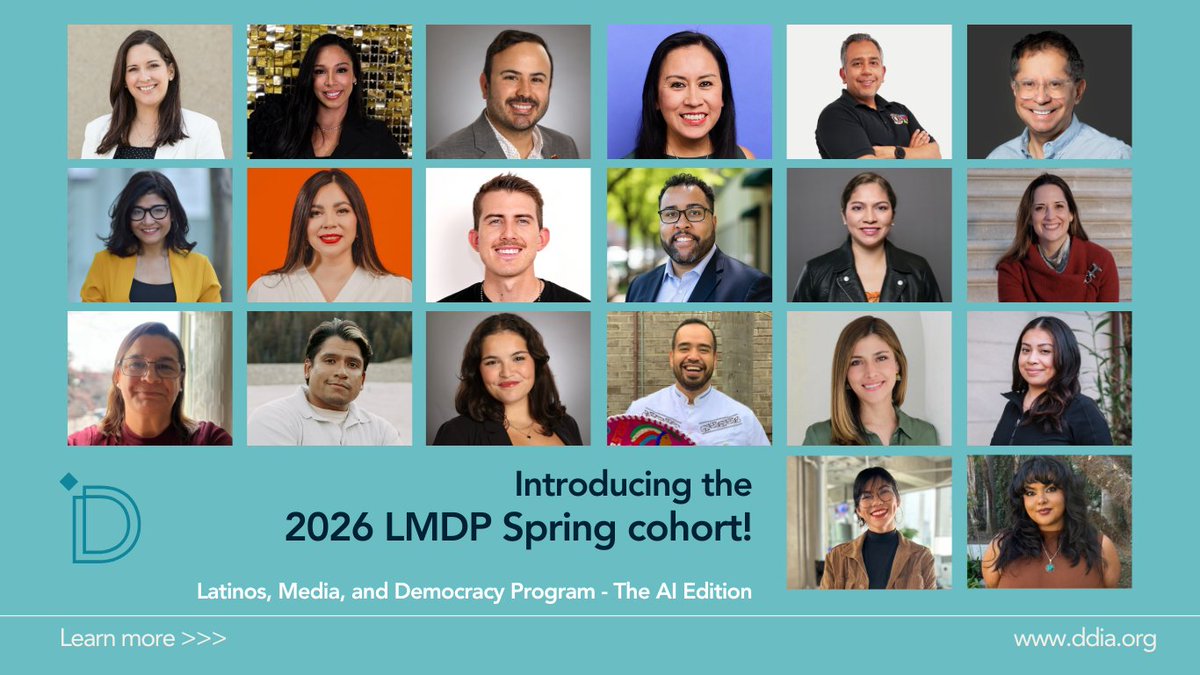
Come get trained up on all things counter-misinformation, responsible use of AI, and voting and media consumption trends w/ DDIA and @AtlanticCouncil @DFRLab from August-October. Apply for the Fall cohort of LMDP by Sunday, July 5! We have 20 slots! airtable.com/apppKWNcRDngzaF…
1
3
3
284
DFRLab - @dfrlab.bsky.social retweeted

Jun 9
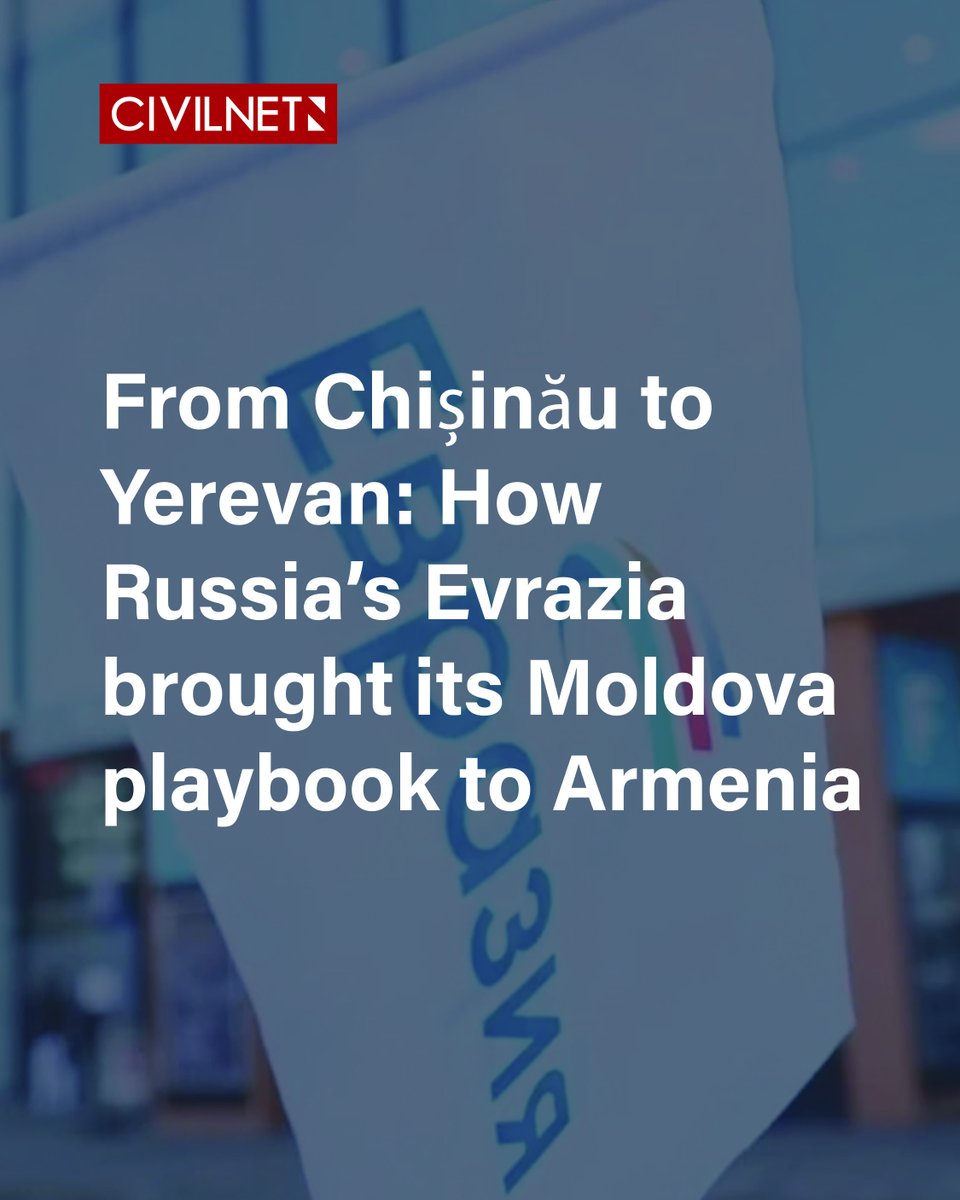
In the run-up to Armenia’s June 7 parliamentary elections, the Russian organization the Evrazia Foundation has continued to operate freely in the country, despite being under U.S., EU, and UK sanctions and having a history of interfering in electoral processes.
Operating under the guise of humanitarian programs and educational initiatives, Evrazia positions itself abroad as a tool of Kremlin influence.
The organization runs media schools, camps, forums, and social assistance programs, yet in various countries its activities have been linked to influencing electoral processes, covert fundraising, and destabilizing actions directed against democratic institutions.
This joint investigation by CivilNet and DFRLab shows how, ahead of parliamentary elections, Evrazia is replicating in Armenia the model of electoral interference it employed in Moldova.
In cooperation with a representative of a pro-Russian political force in Armenia, Evrazia launched an online petition platform aimed at rallying Armenians around a religious issue, while also including political and electoral demands in the petition. It has not been possible to independently verify the authenticity of the number of signatories claimed by the platform.
Through its platform, Evrazia also organizes gatherings near Armenian churches in Armenia and abroad. In addition, the organization’s representatives have openly offered to pay for plane tickets for Armenians living in Russia to bring them to Armenia and ensure their participation in the elections, repeating the tactic used in Moldova ahead of the 2024 elections.
In September 2024, the U.S. Department of the Treasury’s Office of Foreign Assets Control (OFAC) added Evrazia to the Specially Designated Nationals (SDN) list, citing the organization’s participation in “Russia’s covert global influence operations.”
In October 2024, the European Union imposed sanctions on Evrazia for actions aimed at destabilizing Moldova. In April 2025, the United Kingdom took the same step for acting on behalf of sanctioned Moldovan oligarch Ilan Shor.
An NGO in name, an instrument of influence in essence
Evrazia carries out cultural, educational, and professional programs in countries that Moscow considers its “near abroad.” These include youth programs, teacher training, journalism grants, business missions, and cultural projects, serving as tools of Russian soft power.
The organization openly presents itself as a counterweight to Western initiatives—USAID (USAID), the Konrad Adenauer Foundation, and the Open Society Foundations. At the “Evrazia: A Territory of Traditional Values” conference held in Moscow in April 2026, Russian Foreign Ministry spokesperson Maria Zakharova said that over its two years of activity, the organization had mobilized 120,000 participants in forty countries.
Evrazia opened an Armenian branch in June 2024. It supports eleven Russian-language centers operating in Yerevan and offers courses in robotics, animation, and financial literacy. The organization also launched a media school whose lecturers include figures linked to the Russian state propaganda machine. It also organizes cultural trips and, within these programs, sends young people to the “Artek” camp in Crimea. Initiatives include competitions on Russian history and performances about World War II, aligned with Kremlin narratives.
In Moldova, security services viewed similar programs as part of Evrazia’s influence infrastructure, through which the organization built networks for voter mobilization, influence, and disinformation.
Read more on civilnet.am/en
3
9
24
2,314
Ahead of Armenia's June 7 elections, a new investigation from the DFRLab & @CivilNetTV finds that Evrazia, a Russian org sanctioned by the US, EU, and UK, has been replicating its Moldovan election interference model.
bit.ly/4abdjYk
1
4
5
715
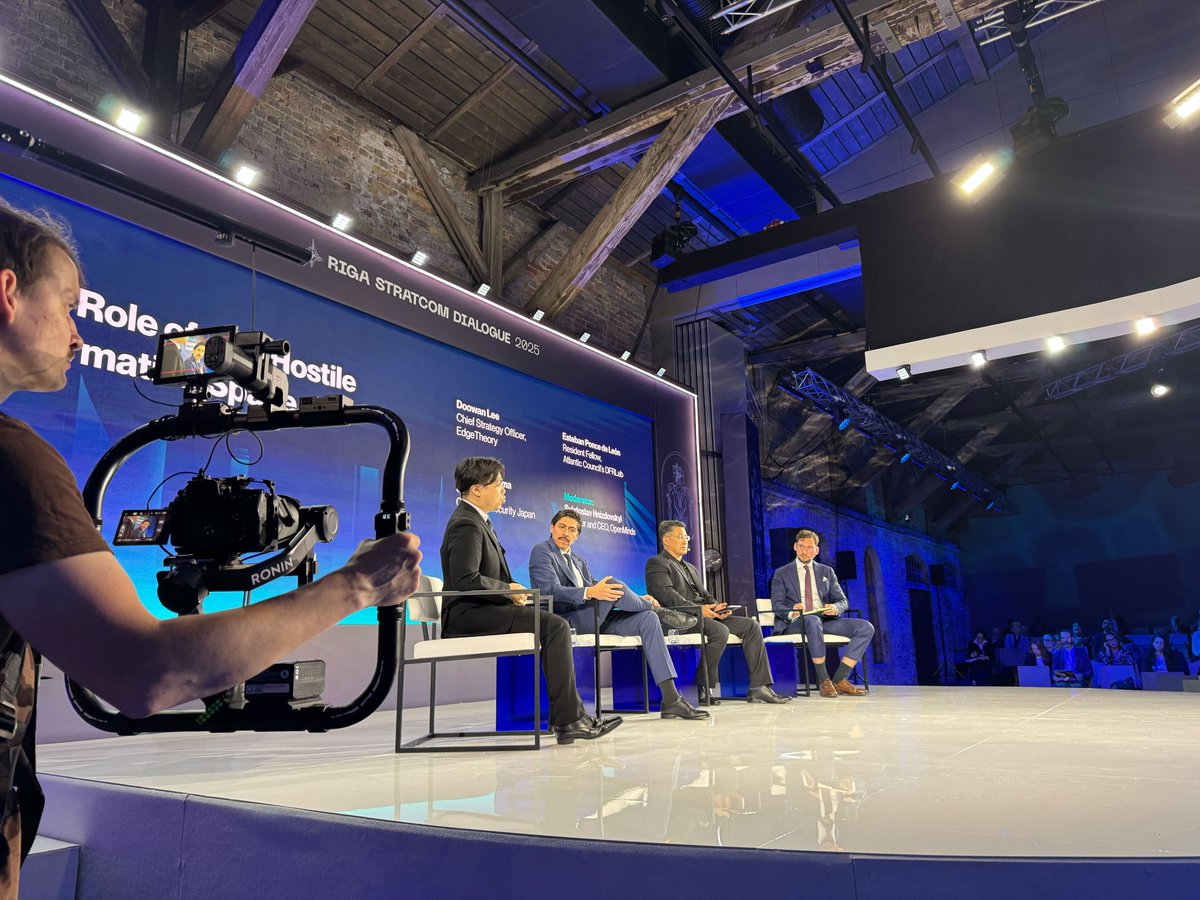
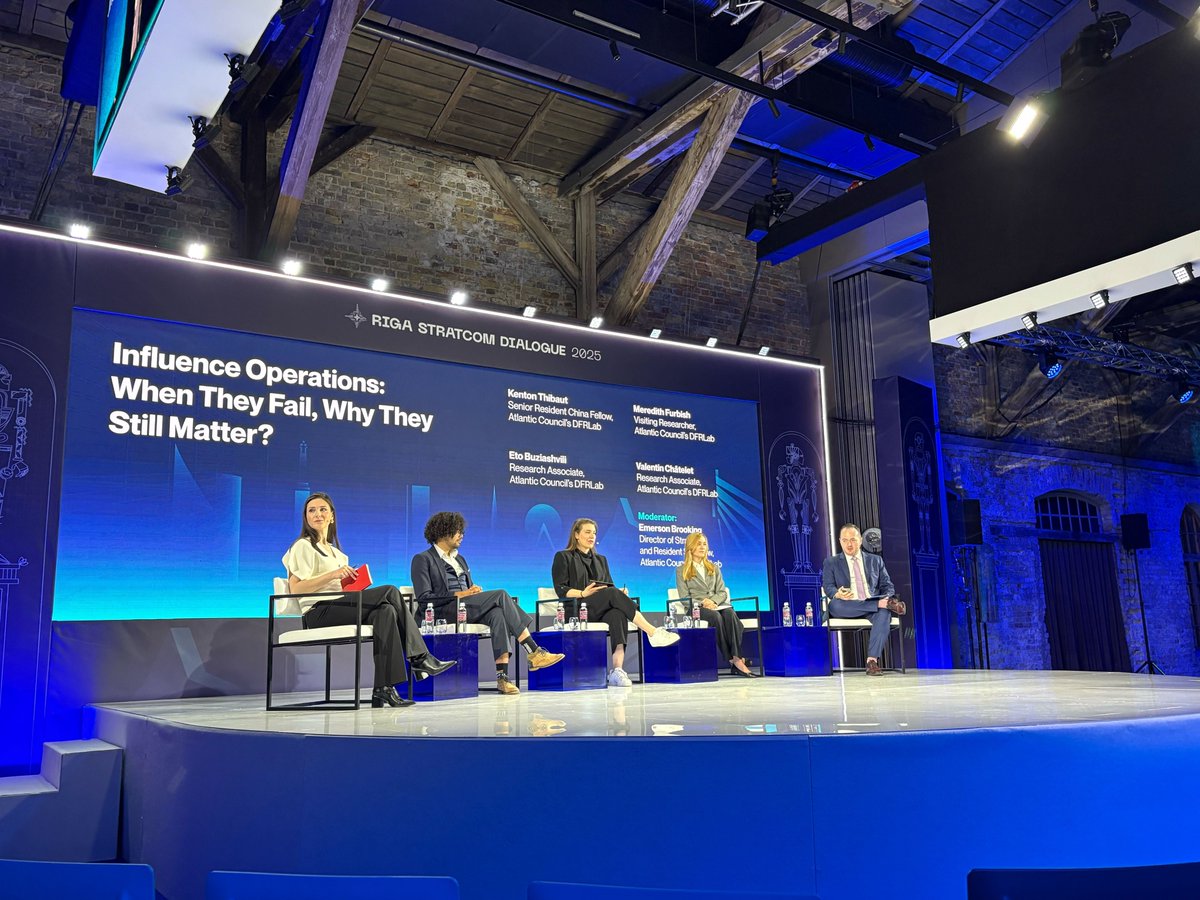
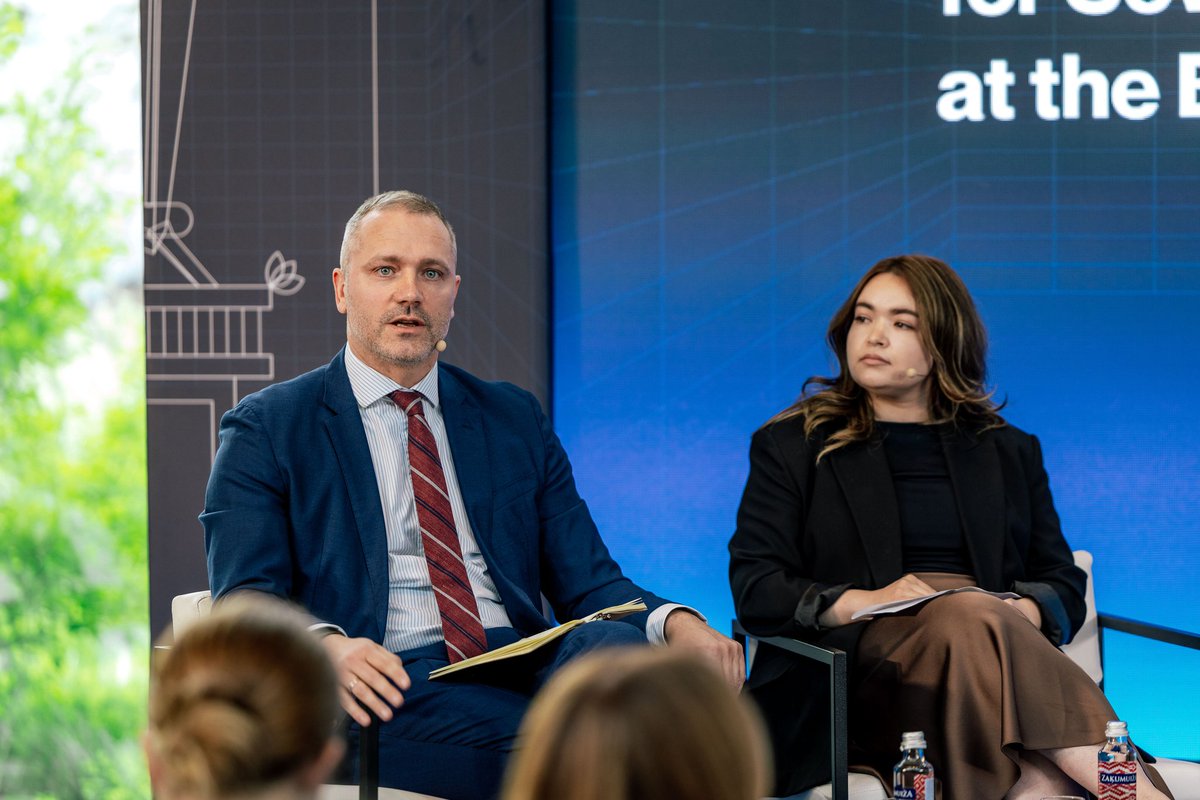
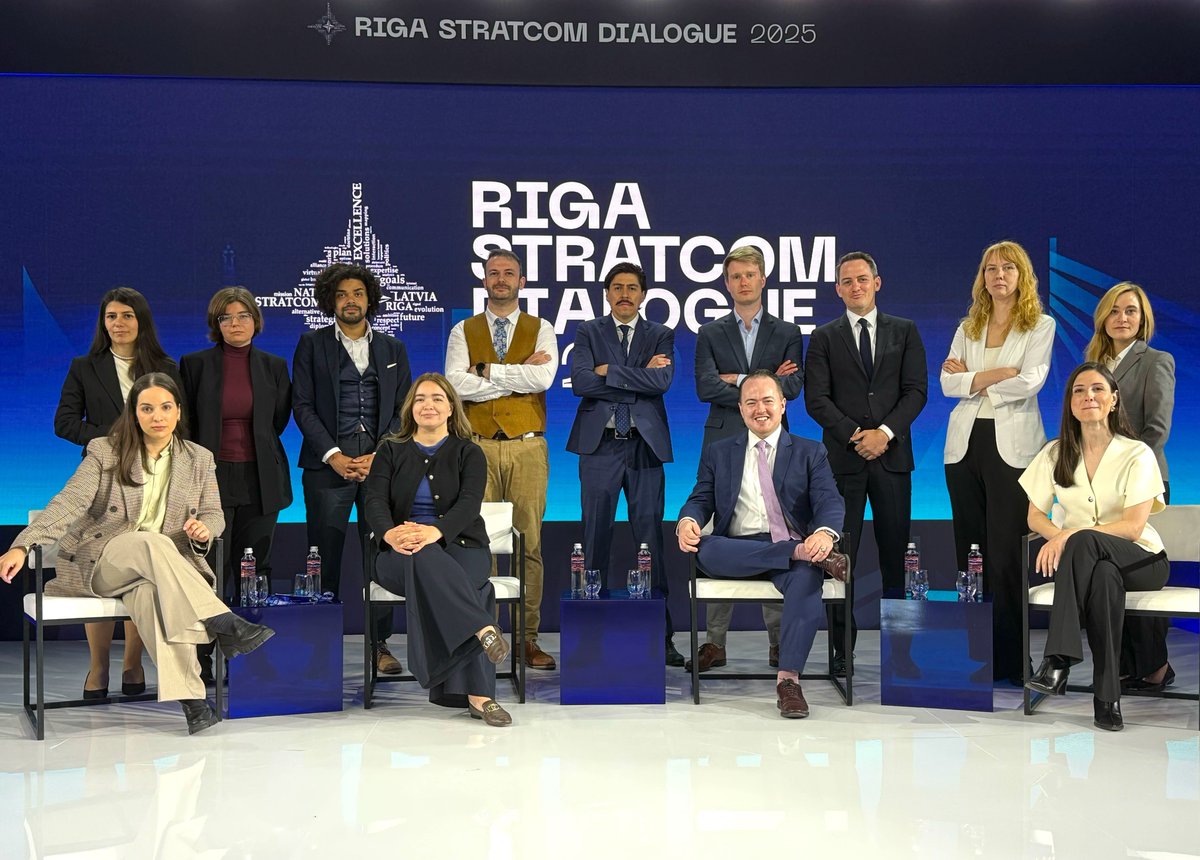
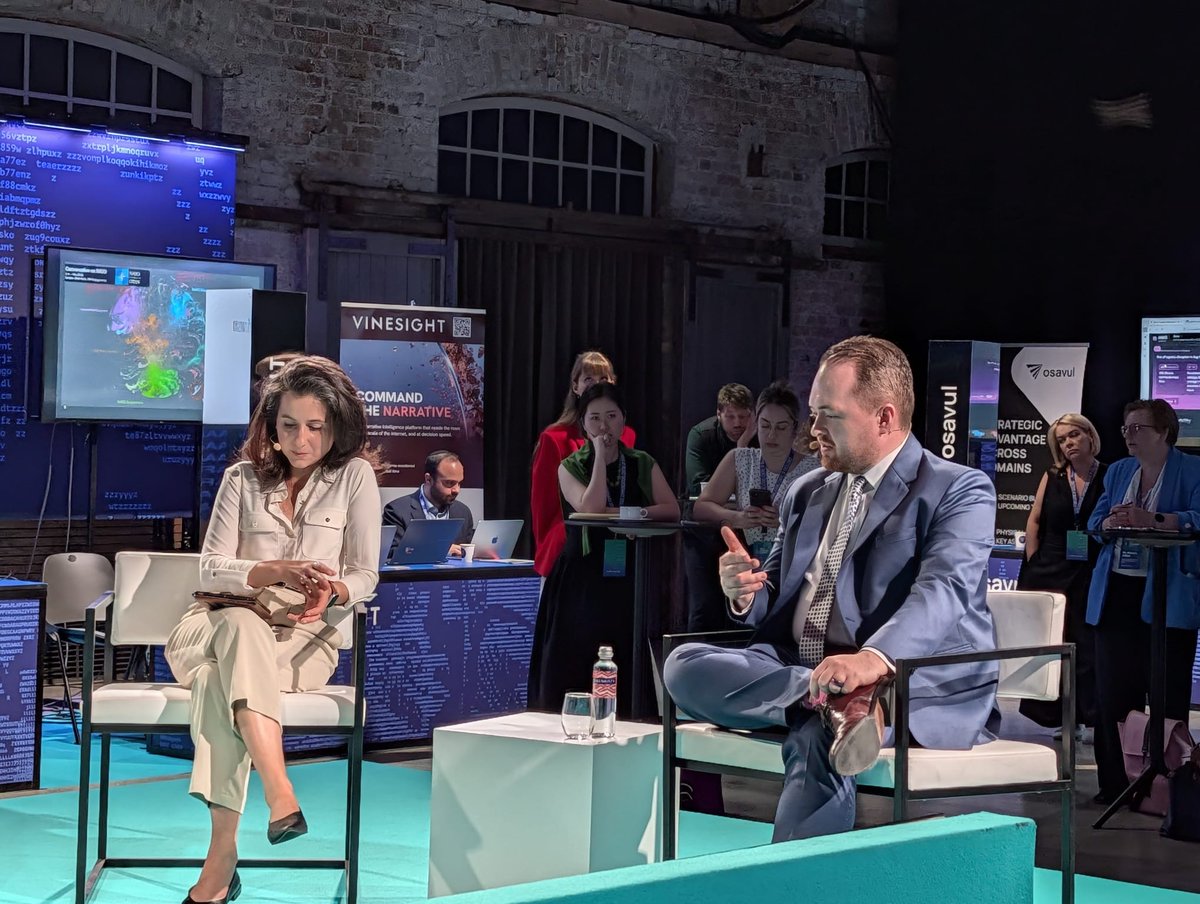
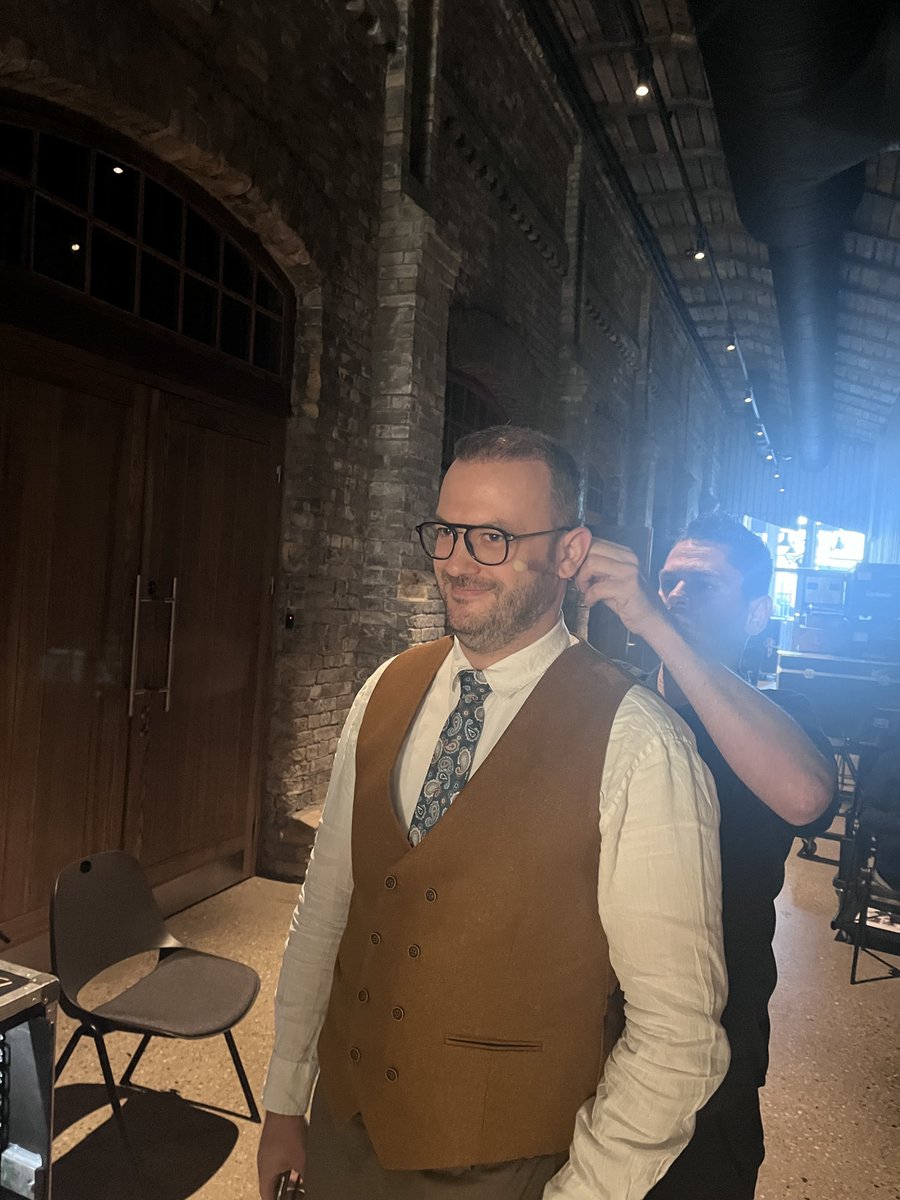
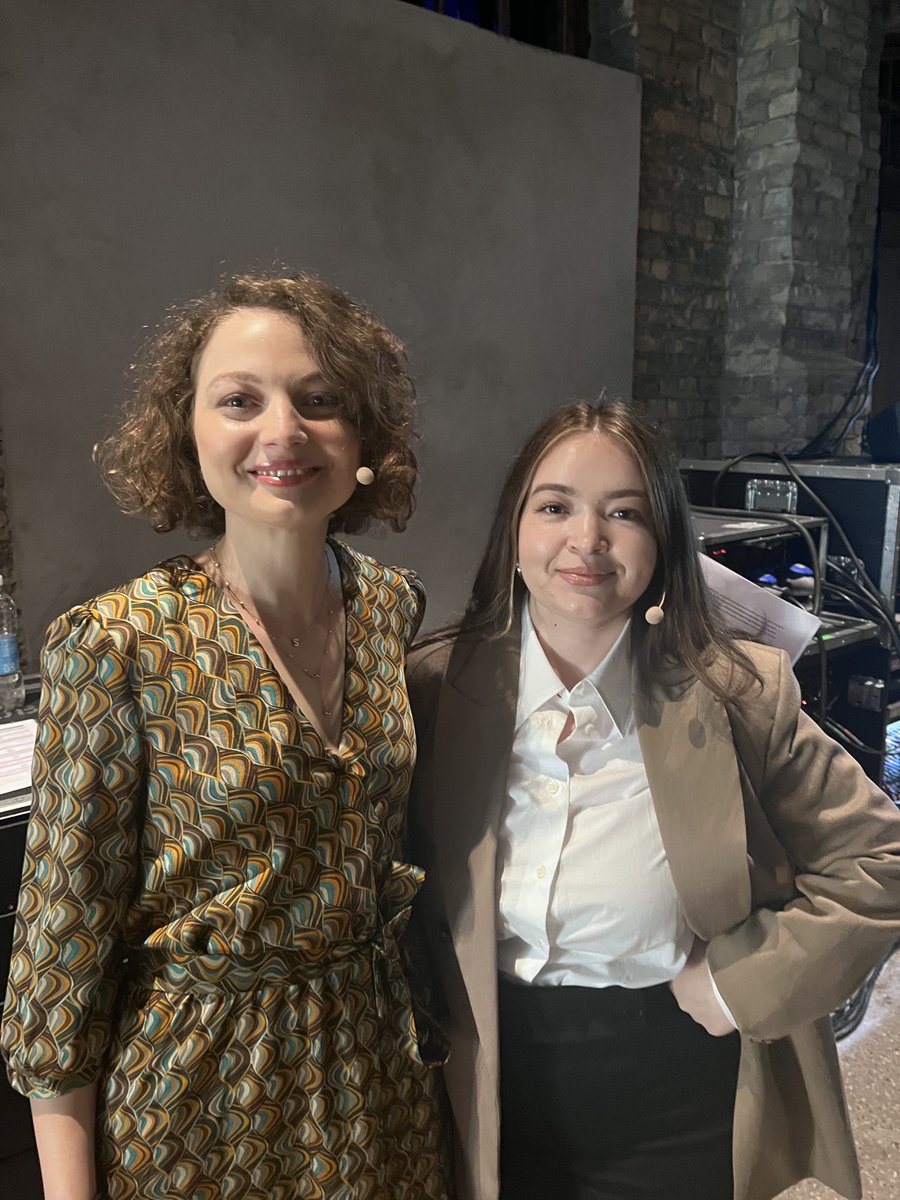
If you attended #RigaStratComDialogue this week, there's a good chance you ran into a DFRLaber. From disrupting information threats to exploring AI’s impact on strategic communications, our team was all over the agenda. Check out some of our fav memories 👇
6
597
DFRLab - @dfrlab.bsky.social retweeted

Jun 4
Ms. @SGelava, Associate Director for Research, @DFRLab at the #RigaStratComDialogue:
"Naming and shaming‼️, analysis for #disinformation operations - this process is slow, but #exposing the malign actors is still very important".
4
11
810
RT @RobertaSBraga: APPLY for LMDP! @DDIAmericas and @DFRLab are now accepting applications for the LMDP 2026 Fall Cohort, an 8-week, no-cos…
2
DFRLab - @dfrlab.bsky.social retweeted
Jun 4
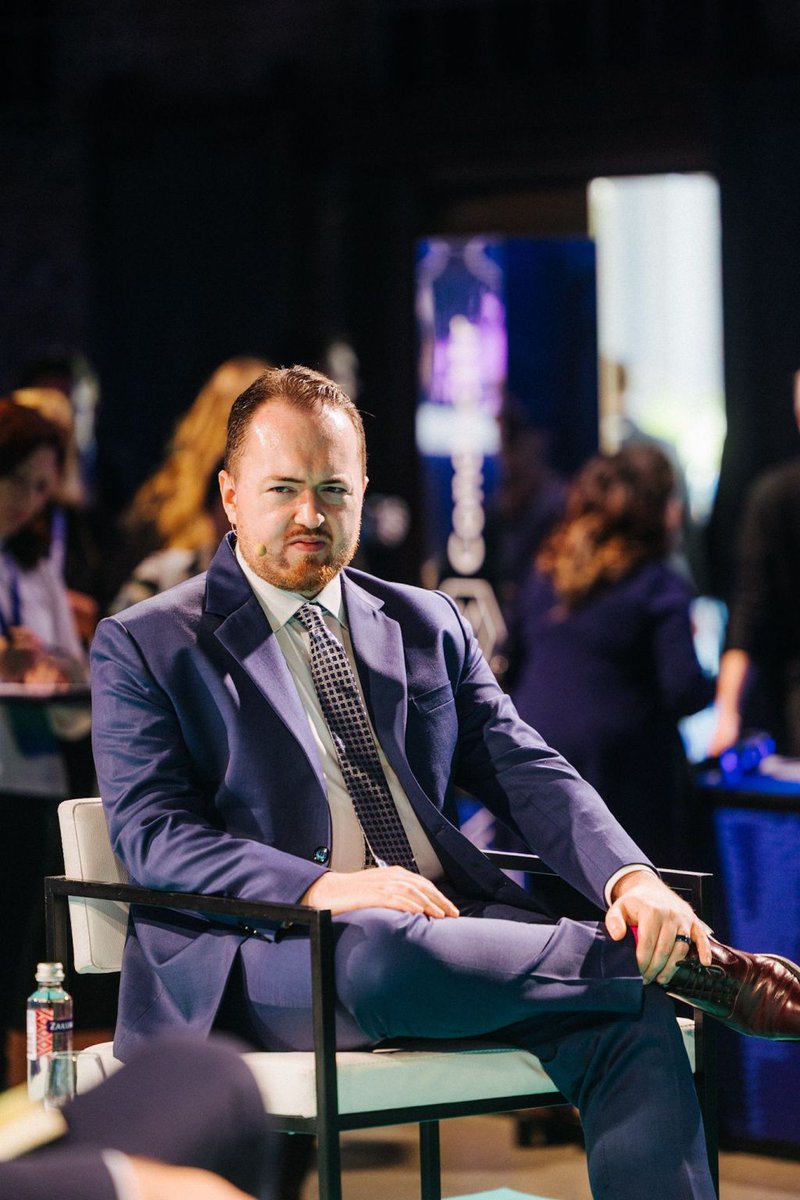
Mr. @etbrooking, Director of Strategy and Resident Sr. Fellow, @AtlanticCouncil's @DFRLab:
"#AI tools make campaigns so costless, even if not as effective, it changes calculation".
#RigaStratComDialogue
2
6
1,441
DFRLab - @dfrlab.bsky.social retweeted

Apr 28
⚠️El Gobierno de Venezuela ha tenido hackers a su disposición para violar derechos humanos ⚠️
Si quieres saber un poco más mira este video y revisa el informe "Los vigilantes en la mira", de @conexionsegura y @DFRLab
vesinfiltro.org/noticias/vig…
⬆️
26
24
1,512
DFRLab - @dfrlab.bsky.social retweeted

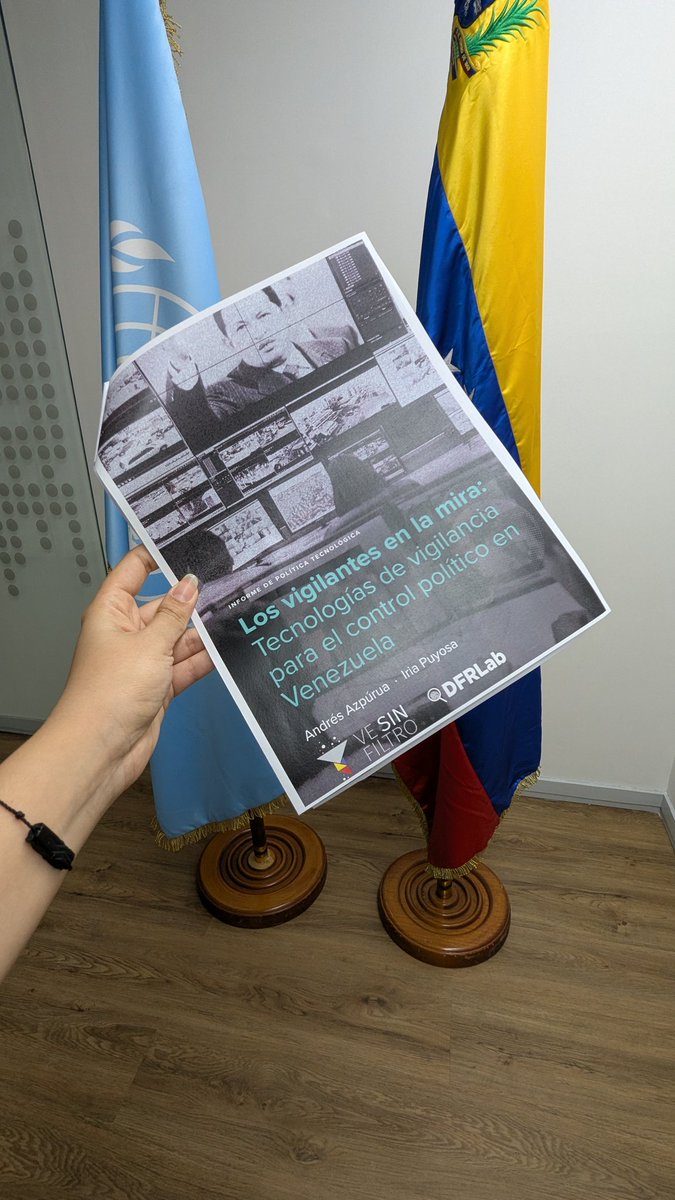
🔵 Entregamos el informe "Los Vigilantes en la Mira" ante la representación en Venezuela de la Oficina del Alto Comisionado de Derechos Humanos de la ONU, en Caracas.
En esta investigación, elaborada en conjunto con @dfrlab, se revela un análisis detallado de las tecnologías de vigilancia que han sido usadas durante el Gobierno de Nicolás Maduro y que continúan aún hoy bajo la administración de Delcy Rodriguez: monitoreo en video, interceptación de telecomunicaciones, ciberpatrullaje y ciberataques.
Buscamos que estos hallazgos técnicos sirvan de sustento para los informes especiales sobre #DerechosHumanos que se desprenden de esta oficina, considerando los riesgos y el impacto que las prácticas documentadas generan sobre el derecho a la privacidad, a la libertad de expresión, a la libertad de asociación y a la participación política.
Te invitamos a leer la investigación completa, entender cómo operan estos mecanismos y ayudarnos a difundir la verdad sobre la censura y vigilancia en 🇻🇪.
Descarga el informe aquí:
⬇️
🔗 vesinfiltro.org/noticias/vig…
13
16
2,240
DFRLab - @dfrlab.bsky.social retweeted
Kicking off LMDP 2026! DDIA welcomed to DC this week the Spring cohort of journalists, content creators, and civil society leaders committed to strengthening a healthier information ecosystem for Latino communities. Follow along as we dive into the program over the next 8 weeks!
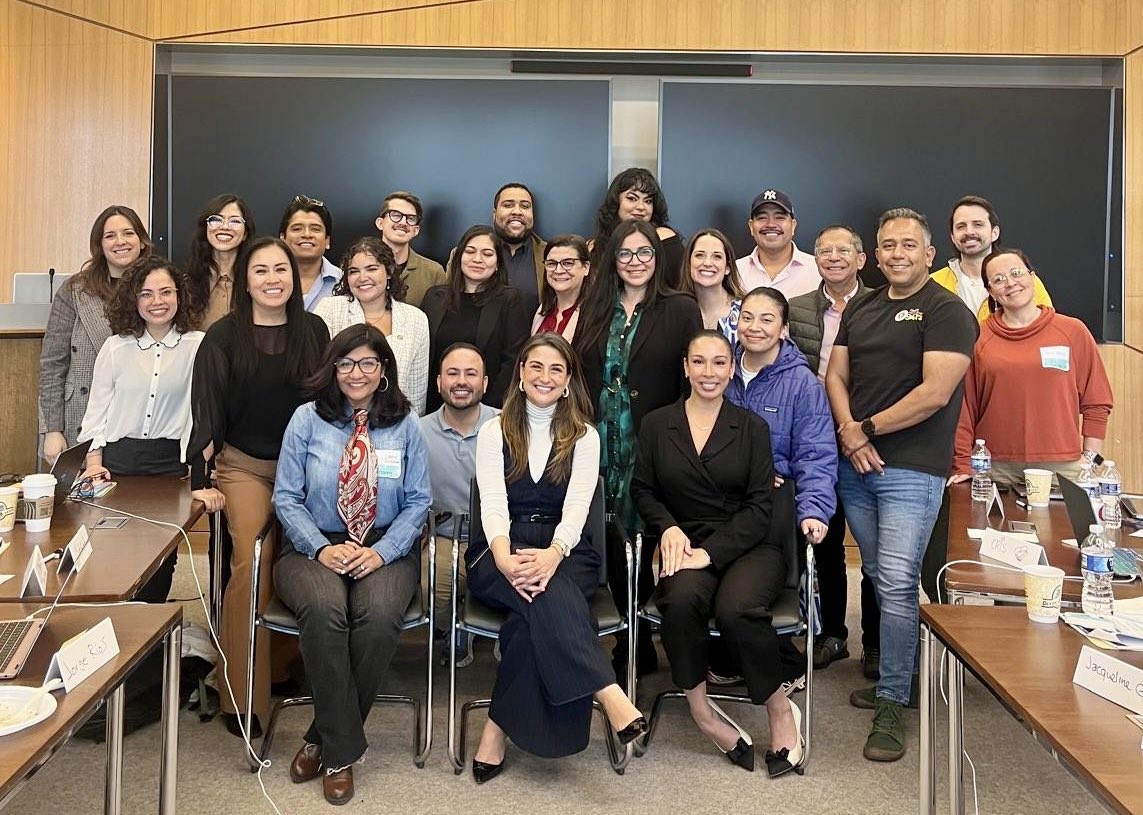
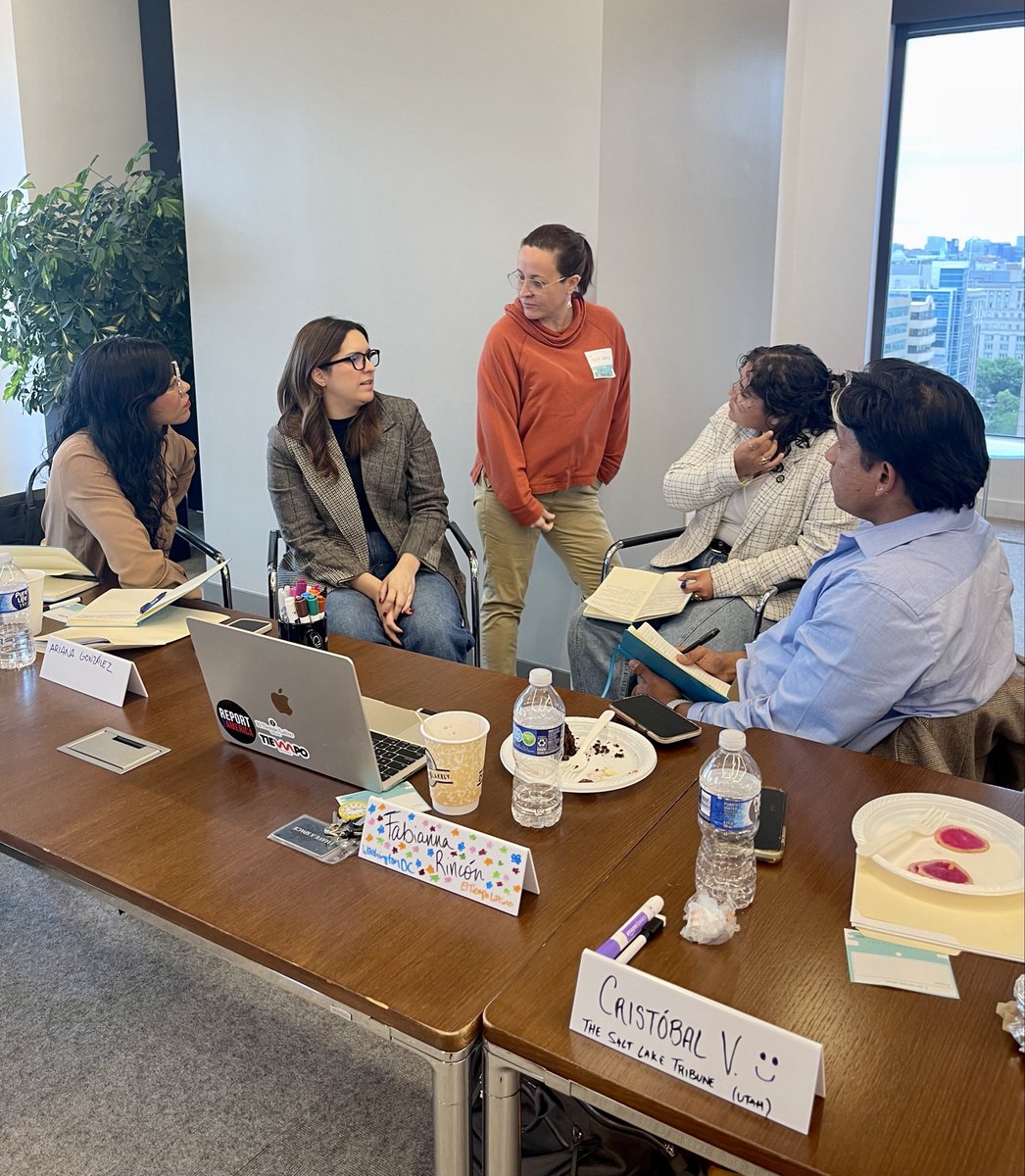
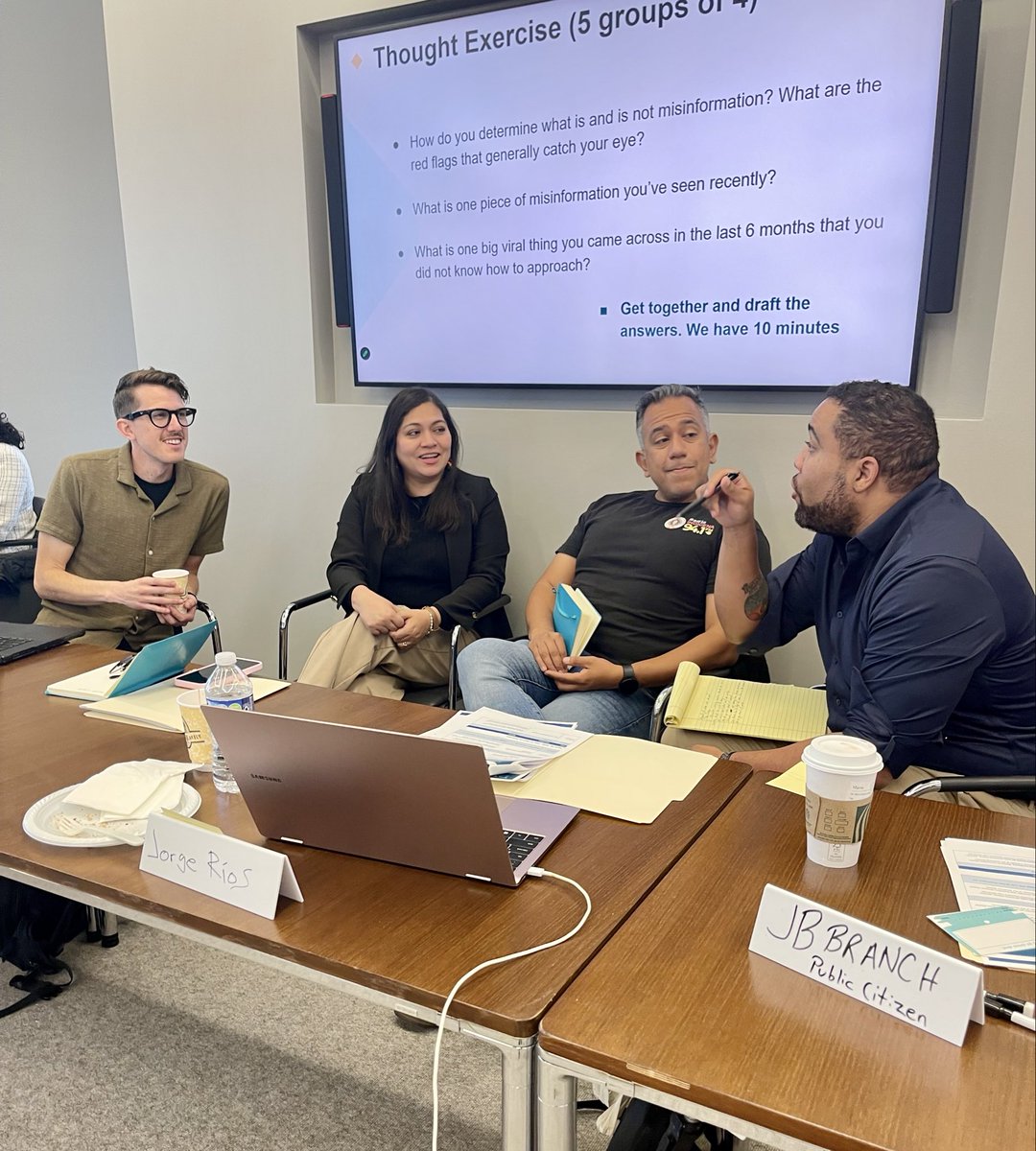
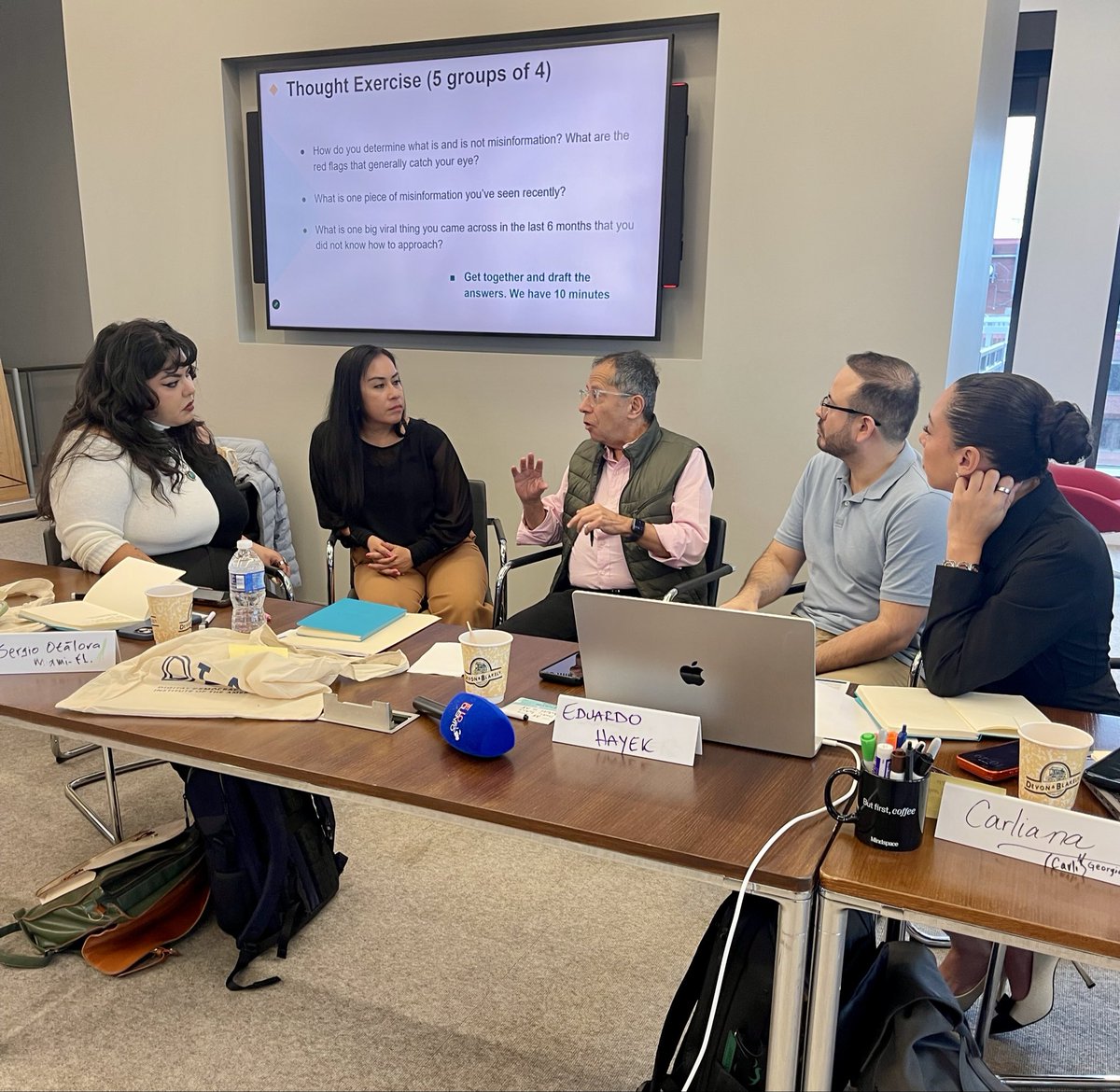
2
3
553
DFRLab - @dfrlab.bsky.social retweeted
Apr 15
A 100 días de la captura de Nicolás Maduro, "el extenso aparato de vigilancia tecnológica continúa operando".
En esta nota de @boonbar se ofrecen detalles del estudio 'Los vigilantes en la mira', hecho en conjunto con @DFRLab del @AtlanticCouncil.
Lee más ⬇️
Apr 13

A 100 días de la caída de Nicolás Maduro, los venezolanos siguen esperando la transición a la democracia. Miran con escepticismo algunos gestos de apertura del gobierno interino tutelado por EE UU, a la vez que siguen sorteando las restricciones a los derechos informativos y digitales. es.wired.com/articulos/venez…
27
31
2,144
DFRLab - @dfrlab.bsky.social retweeted

Apr 14
LIVE NOW | Paul Garnett, Carlos Rey-Moreno, and Alessandra Lustrati join Jochai Ben-Avie to discuss how democratic countries can leverage their strengths to scale digital connectivity. x.com/i/broadcasts/1dxYljXmz…
2
6
1,728
🚨DEADLINE EXTENDED 🚨
Good news: There's more time to apply to our 2026 cohort! We've extended the Digital Sherlocks deadline to 21 April @ 23:59 ET.
Apply now: bit.ly/47JLw02
4
23
2,884
DFRLab - @dfrlab.bsky.social retweeted
If you’re working in journalism, research, or civil society and trying to make sense of what’s happening online...Digital Sherlocks is for you.
Applications for our 2026 cohort close soon.
Apply now: bit.ly/47JLw02
7
21
3,094
#ICYMI: Applications are due April 14th @ 23:59 ET 🚨
🔗bit.ly/47JLw02

Applications are now open for Digital Sherlocks 2026 🕵️♀️
Join a global cohort learning how to investigate online information, track influence operations, and strengthen information integrity.
🗓 Apply by April 14
🔗 bit.ly/47JLw02
4
23
4,976
DFRLab - @dfrlab.bsky.social retweeted

Applications are now open for Digital Sherlocks 2026, a free, online program from the @DFRLab
Join a global cohort learning how to investigate online information, track influence operations, and strengthen information integrity.
🗓 Apply by April 14
🔗 form.jotform.com/26063350081…
30
72
5,557
DFRLab - @dfrlab.bsky.social retweeted
🚨 La vigilancia no siempre está frente a ti
El informe “Los vigilantes en la mira”, de #ConexiónSegura y @dfrlab, revela el uso de drones para monitorear protestas y seguir a personas en tiempo real. Son equipos con capacidad de zoom avanzado que permiten identificar rostros y rastrear movimientos con precisión.
Para conocer el contenido completo del informe, visita vesinfiltro.org/noticias/vig…
16
19
2,469