
Joined July 2009
- Tweets 70,875
- Following 5,244
- Followers 3,830
- Likes 90,224
2,325 Photos and videos
Pinned Tweet

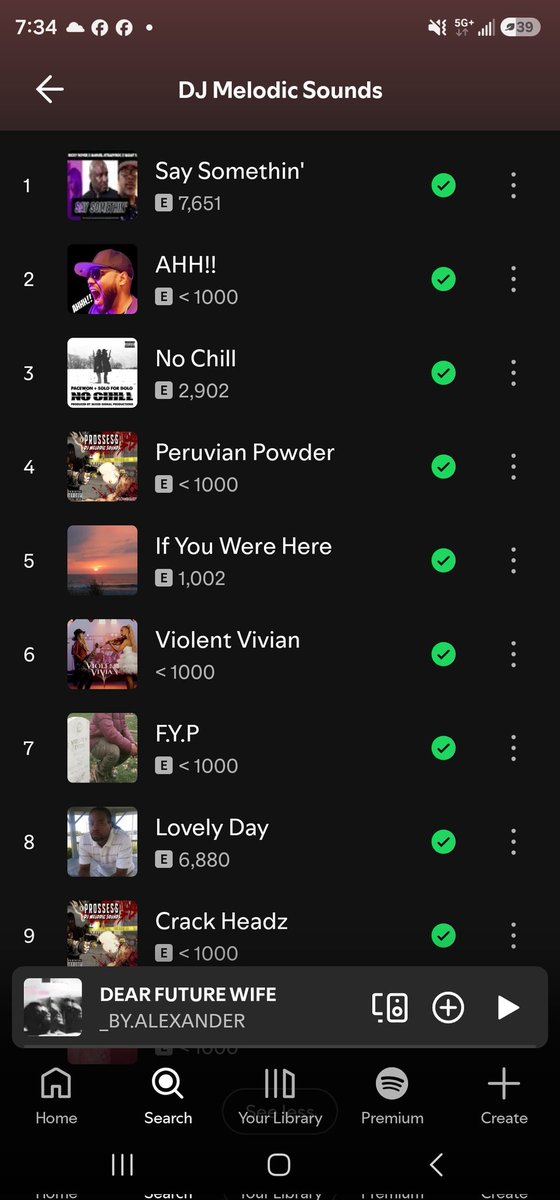
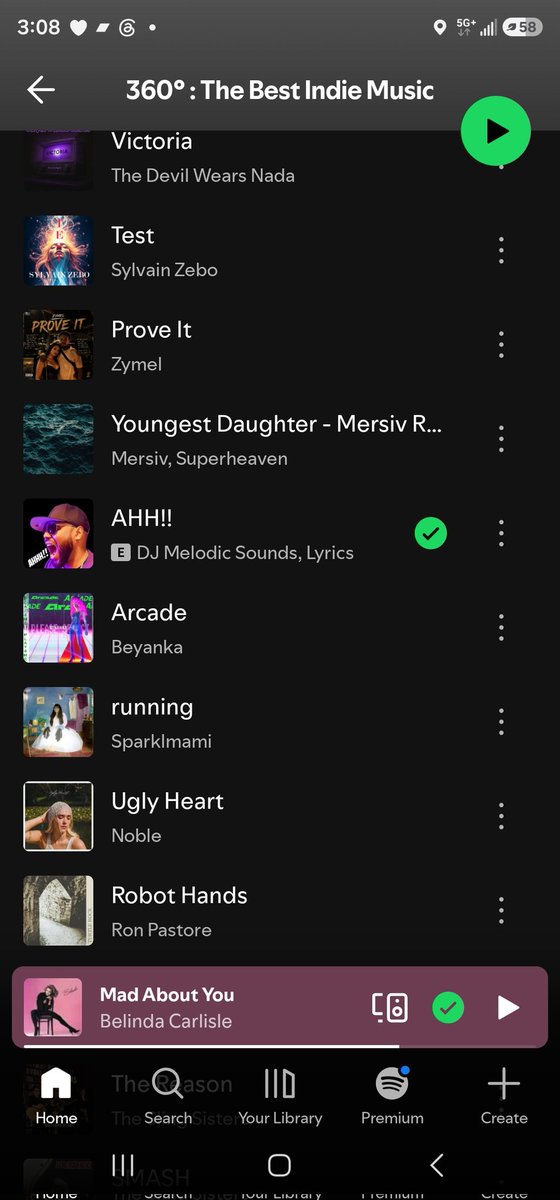
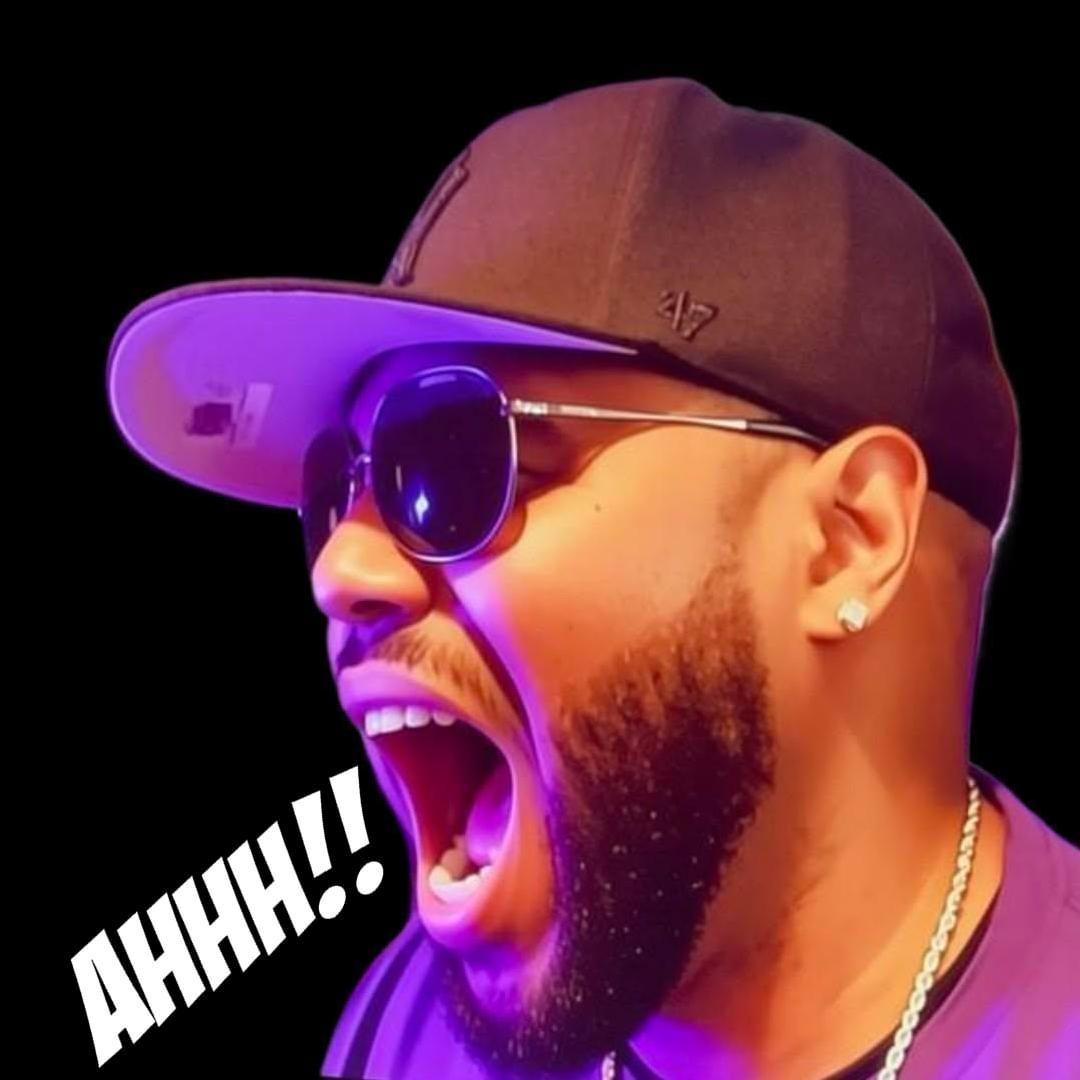
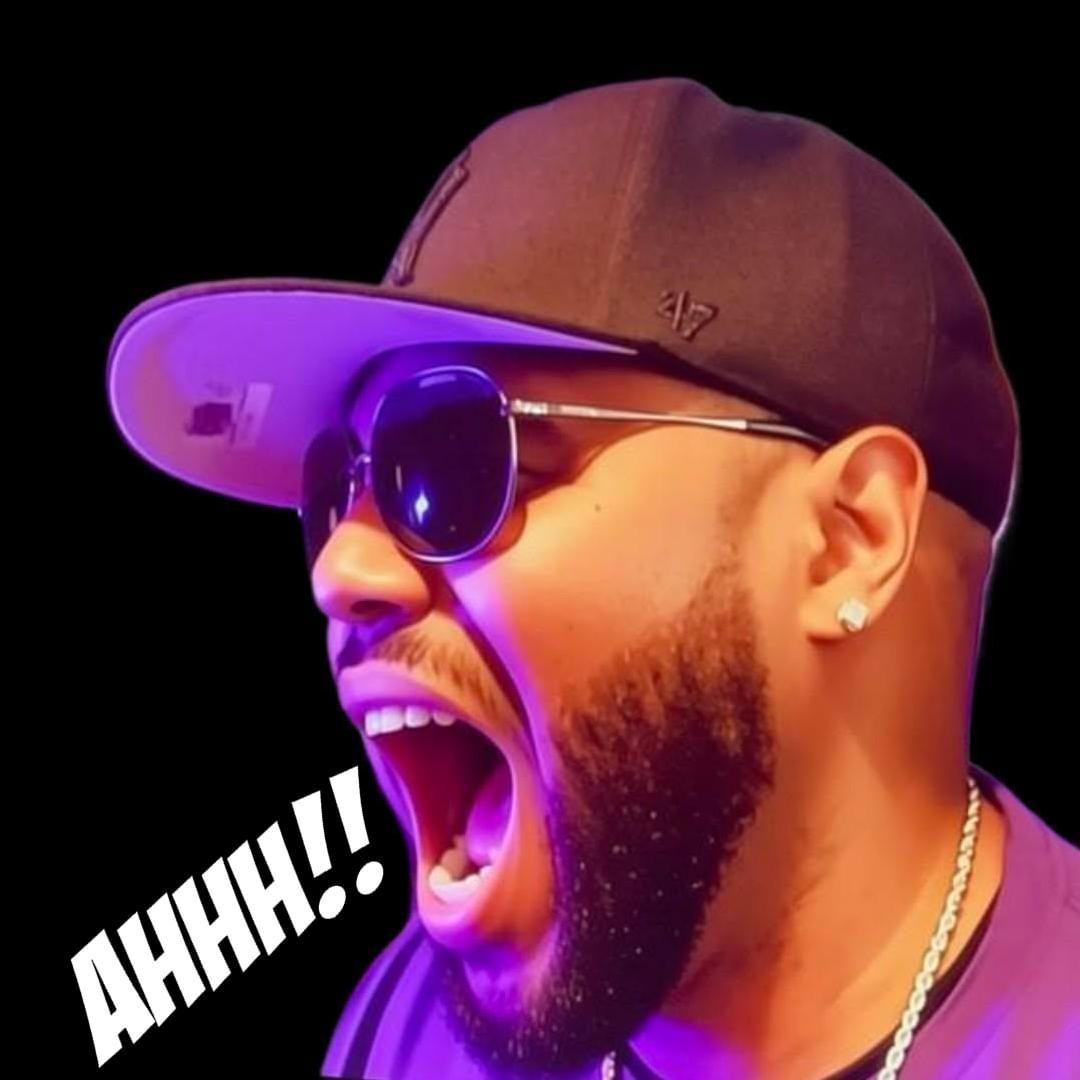
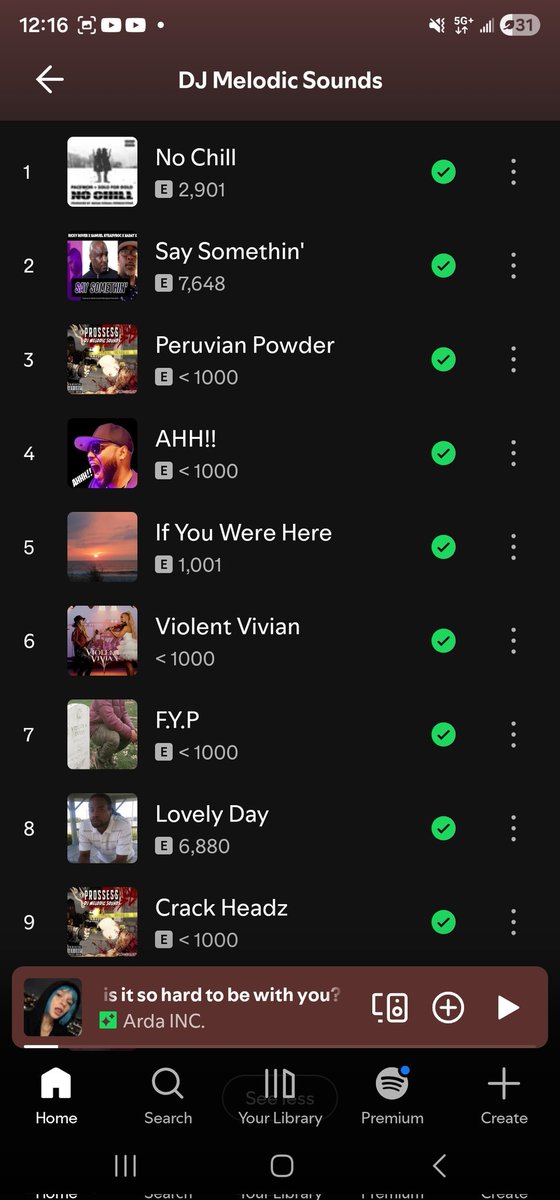
New single called AHH featuring @Lyrics0122 released this year for the up and coming project called Hear Me Out: open.spotify.com/track/4KEOY…
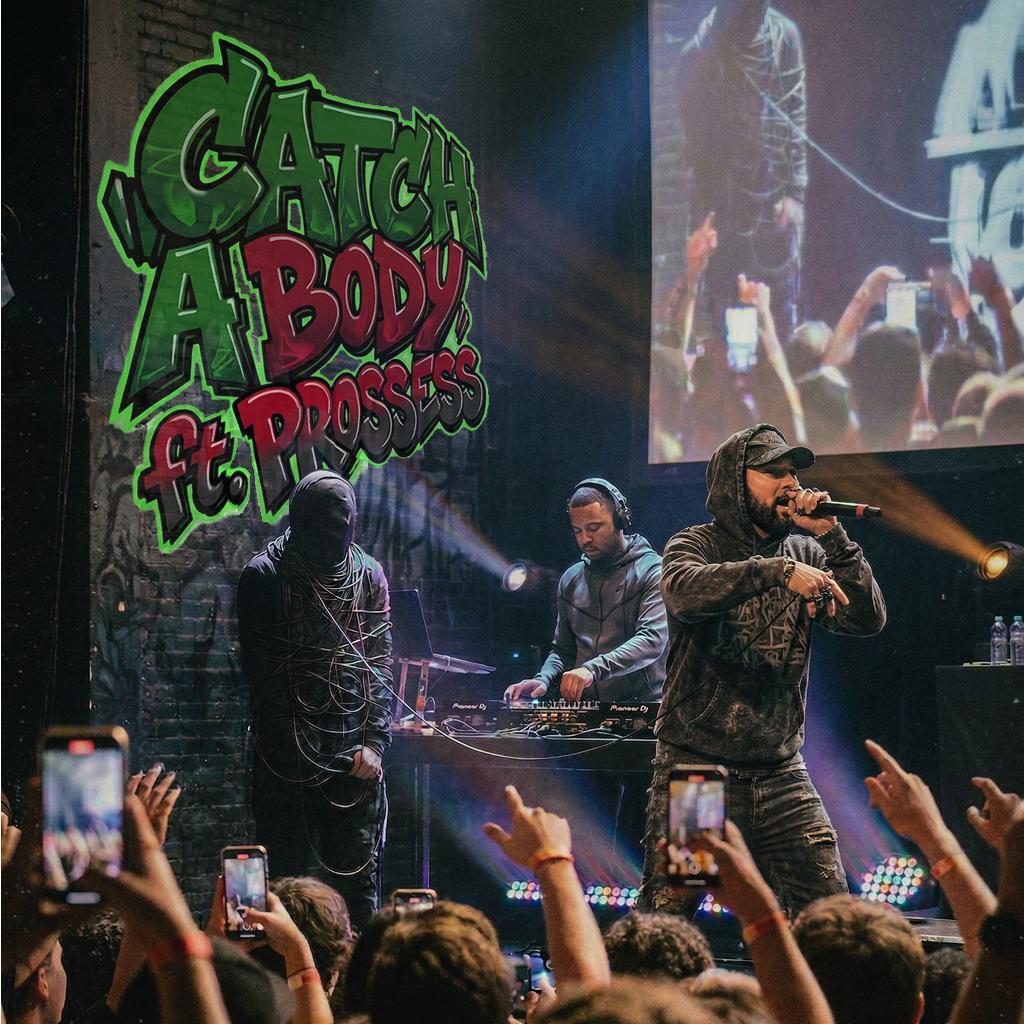
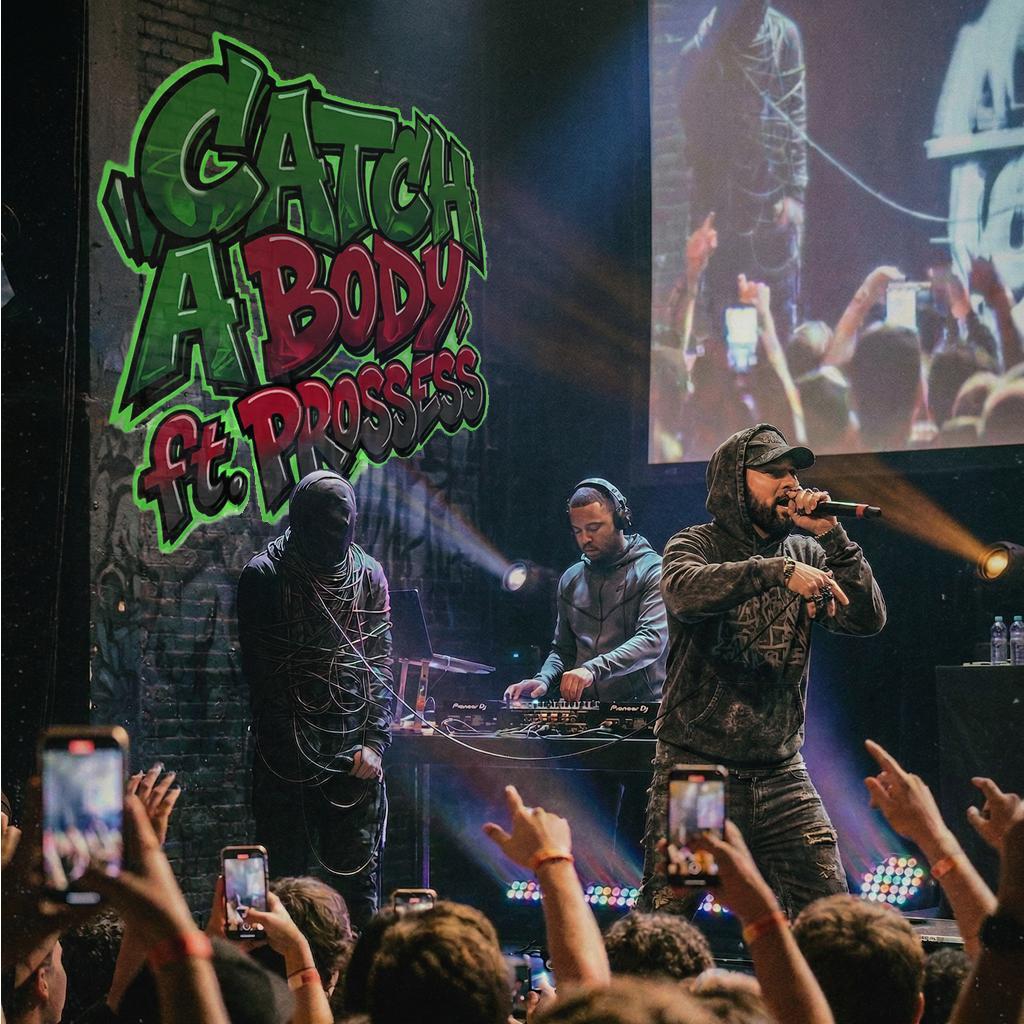
Also, coming soon Catch A Body featuring @PROSSESS813 and DJ Priority on the scratches. Stay tuned...
1
62
Mixed Signals Prods LLC 🎶 retweeted

FLUCC IT UP.
1
17
114
4,091
Mixed Signals Prods LLC 🎶 retweeted

‘Shades of Blue’ is the perfect marriage between jazz and hip-hop.
27
230
1,237
35,056
Mixed Signals Prods LLC 🎶 retweeted

Muhammad Ali response to an interviewer who called him a ‘Negro’.
8
147
586
15,125

Mixed Signals Prods LLC 🎶 retweeted

Jun 13
Leflaur Leflah Eshkoshka
#Fab5
#RIPSeanPrice
4
98
356
8,275
Mixed Signals Prods LLC 🎶 retweeted
Damon Wayans on how they use the rich in our community to downplay racism (1990) Still true today.
34
808
3,083
61,523
Mixed Signals Prods LLC 🎶 retweeted

5
15
298
Mixed Signals Prods LLC 🎶 retweeted

Jun 13
No other group in America had to survive
•Black Codes
•Convict leasing
•Jim Crow
•Redlining
•Sundown towns
•COINTELPRO
•Assassinations of leaders
•Crack epidemic (CIA linked)
•Mass incarceration
•School segregation
•Destruction of 60 Black towns
•GI Bill exclusion
•FHA loan denial
•Police lynchings
•Media demonization
440
972
2,977
57,063

In the skreets selling my new album "Success Is A Dirty Word" straight from the hitpad you can get it on Hit-Boy.ai
5
23
152
5,371
Mixed Signals Prods LLC 🎶 retweeted

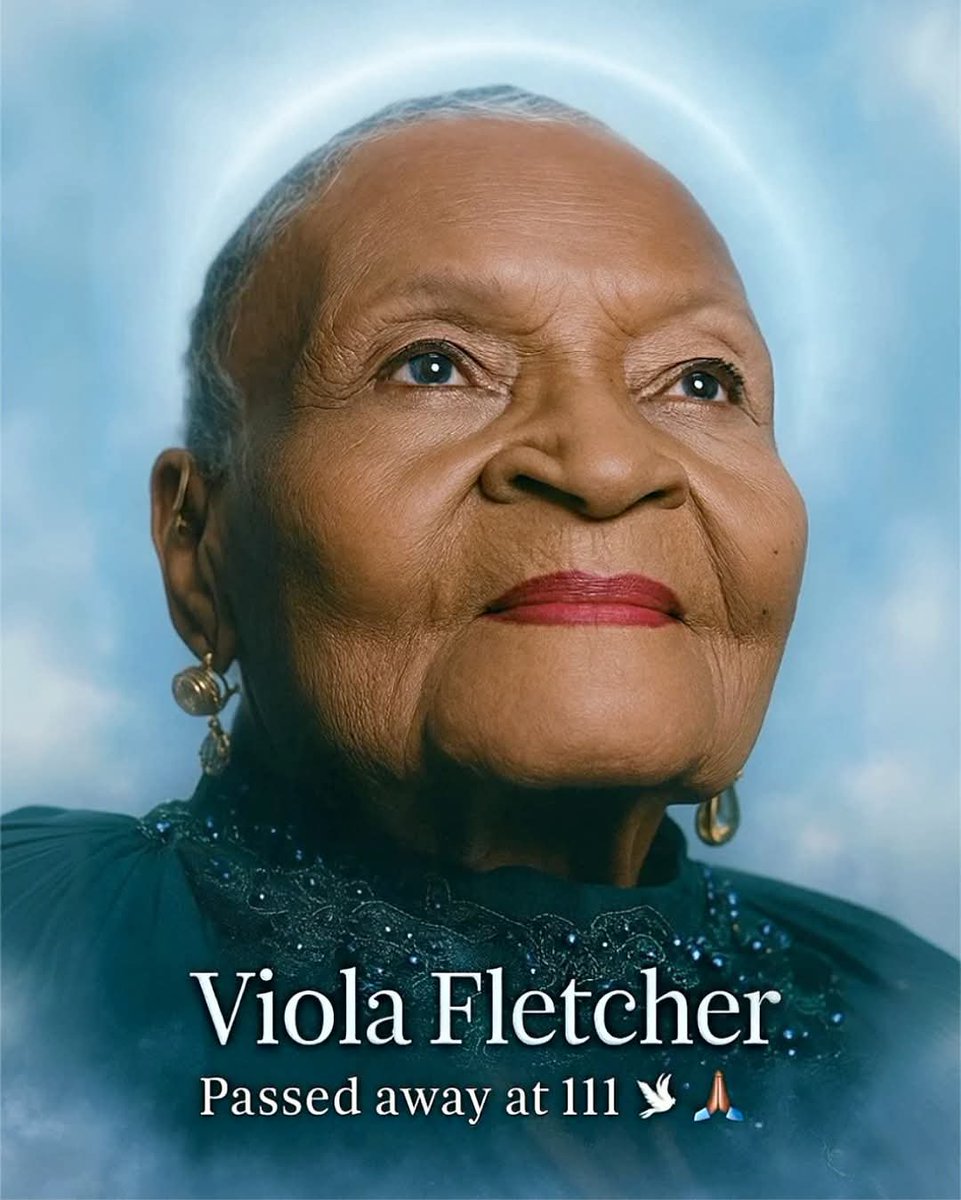
Viola Fletcher, the last living witness of the 1921 Tulsa Race Massacre, has passed away at 111. Her legacy of strength and survival will never be forgotten. 🕊️🙏🏾
Community note
Viola Fletcher died on November 24, 2025, and was not the last survivor of the Tulsa Race Massacre; Lessie Benningfield Randle is the last known living survivor. 19thnews.org/2025/11/viola-… bbc.com/news/articles/…
295
8,987
32,779
404,741
Mixed Signals Prods LLC 🎶 retweeted

Jun 13
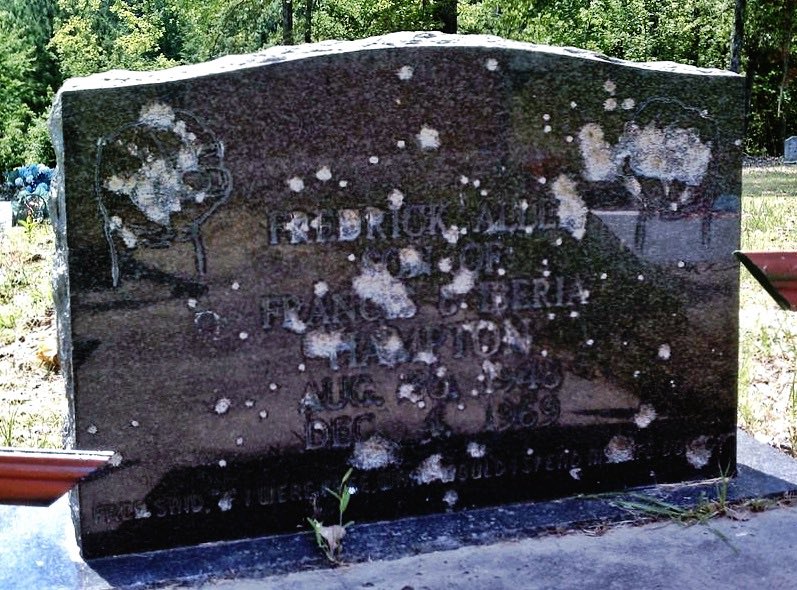
For Context: Here is the actual grave of Fred Hampton riddled with real bullet holes in REAL life. (Not AI)
Jun 12

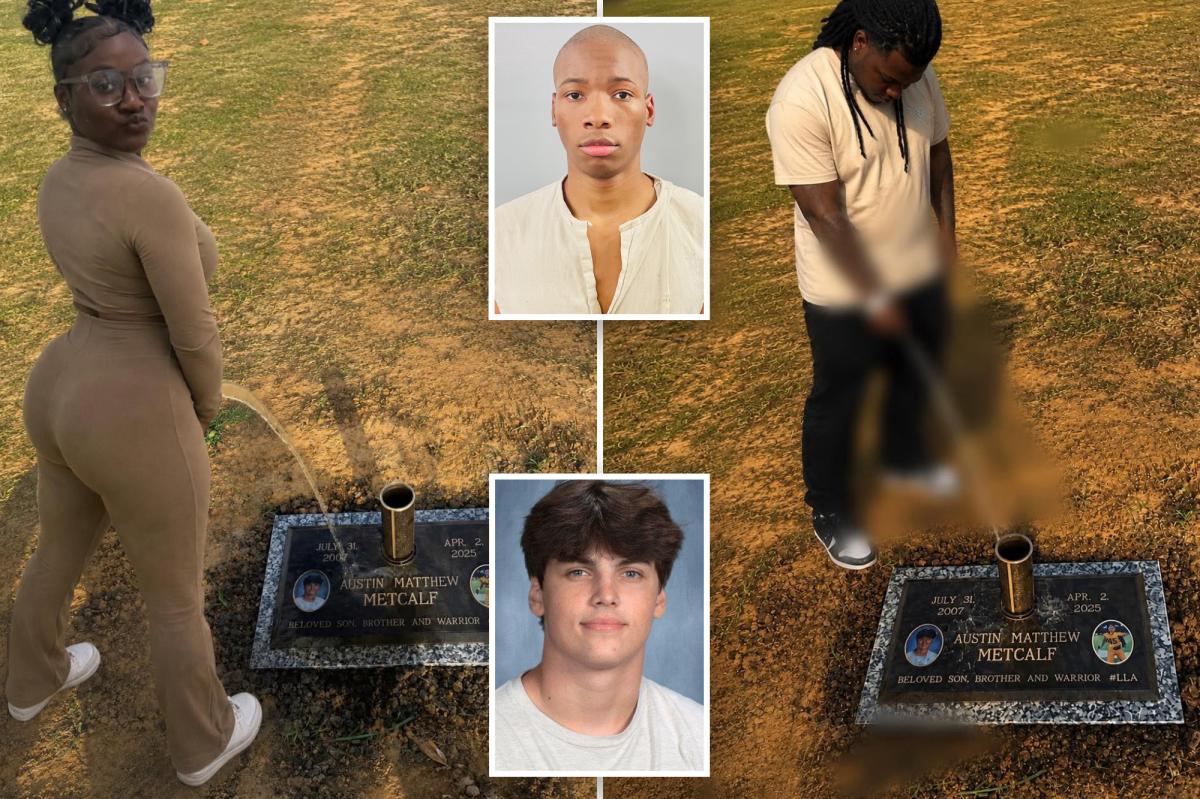
Despicable trolls post doctored photos showing them urinating on Austin Metcalf's grave trib.al/tbPm7FI
103
5,626
40,523
1,422,429
Mixed Signals Prods LLC 🎶 retweeted

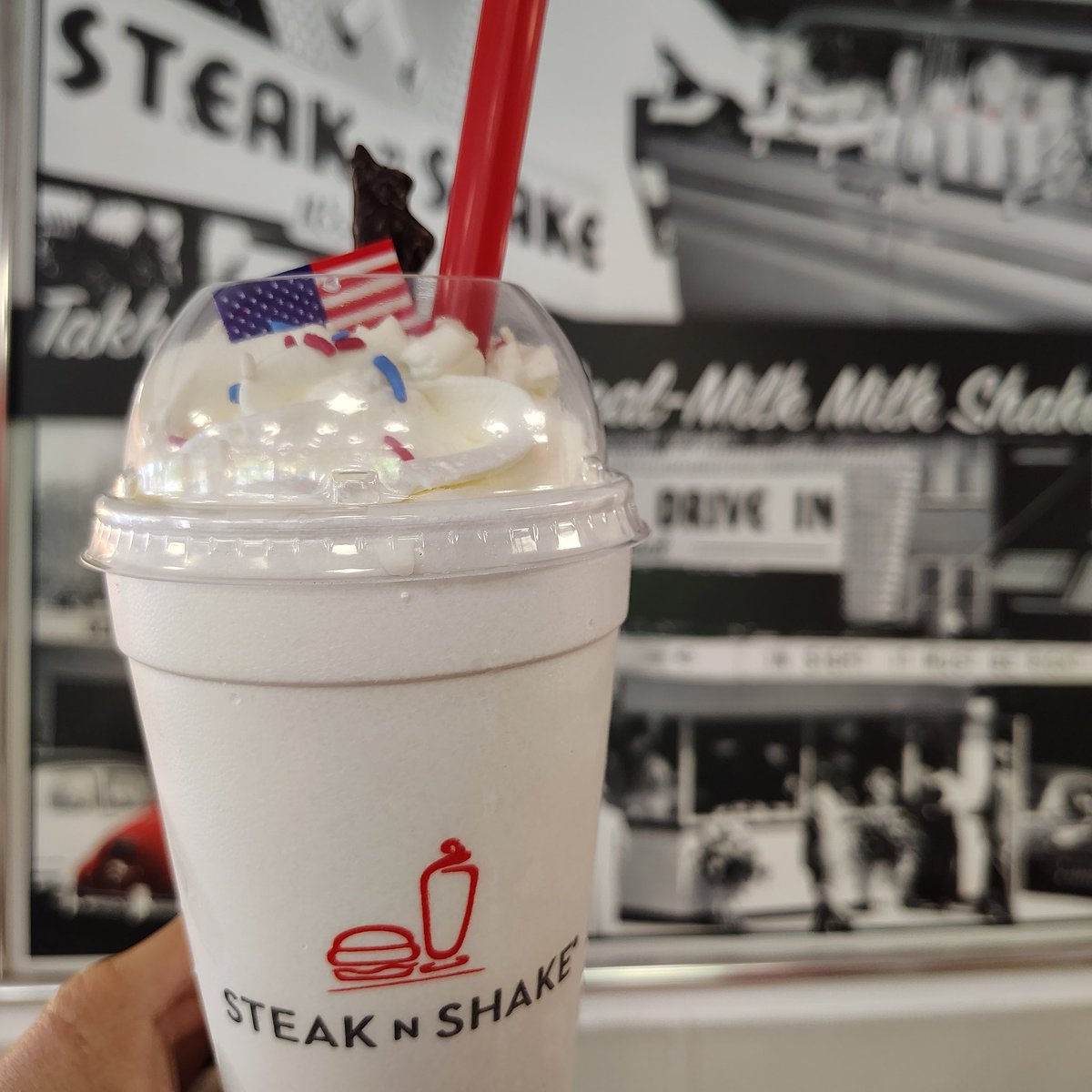
Steak & Shake doing 25 cent shakes today...and they're delicious...the chocolate statue of liberty, is just the cherry, on top...Merica...Fuck Yeah...
1
1
9
283
Mixed Signals Prods LLC 🎶 retweeted
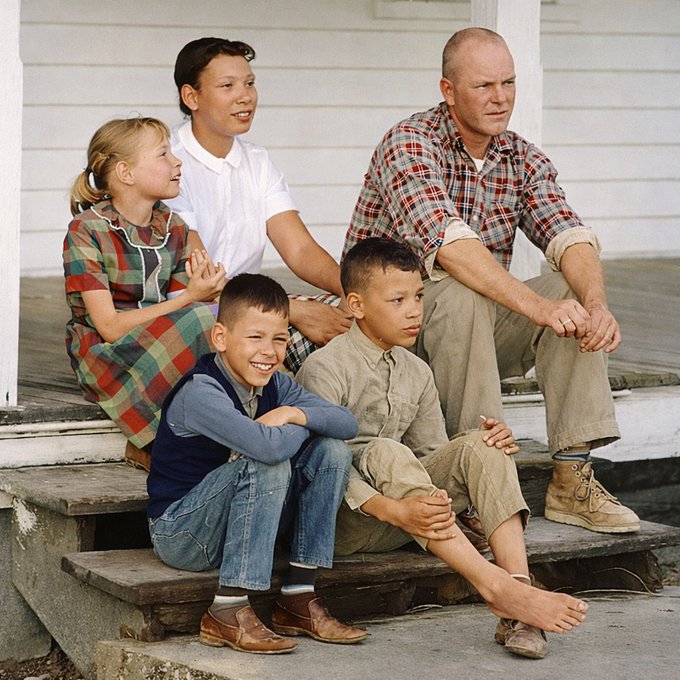
On this day in 1967, the Supreme Court ruled in Loving v. Virginia, striking down laws banning interracial marriage as unconstitutional.
June 12, 1967: The United States Supreme Court in Loving v. Virginia declares all U.S. state laws which prohibit interracial marriage to be unconstitutional.
Loving v. Virginia, 388 U.S. 1 (1967), was a landmark civil rights decision of the United States Supreme Court which invalidated laws prohibiting interracial marriage.The case was brought by Mildred Loving, a black woman, and Richard Loving, a white man, who had been sentenced to a year in prison in Virginia for marrying each other.
Their marriage violated the state's anti-miscegenation statute, the Racial Integrity Act of 1924, which prohibited marriage between people classified as "white" and people classified as "colored." The Supreme Court's unanimous decision held this prohibition was unconstitutional, overturning Pace v. Alabama (1883) and ending all race-based legal restrictions on marriage in the United States.
The decision was followed by an increase in interracial marriages in the U.S., and is remembered annually on Loving Day, June 12. It has been the subject of two movies as well as songs. In the 2010s, it again became relevant in the context of the debate about same-sex marriage in the United States.
Despite the Supreme Court's decision, anti-miscegenation laws remained on the books in several states, although the decision had made them unenforceable.
In 2000, Alabama became the last state to adapt its laws to the Supreme Court's decision, by removing a provision prohibiting mixed-race marriage from its state constitution through a ballot initiative. 60% of voters voted for the removal of the anti-miscegenation rule, and 40% against.
6
164
521
17,184
Mixed Signals Prods LLC 🎶 retweeted

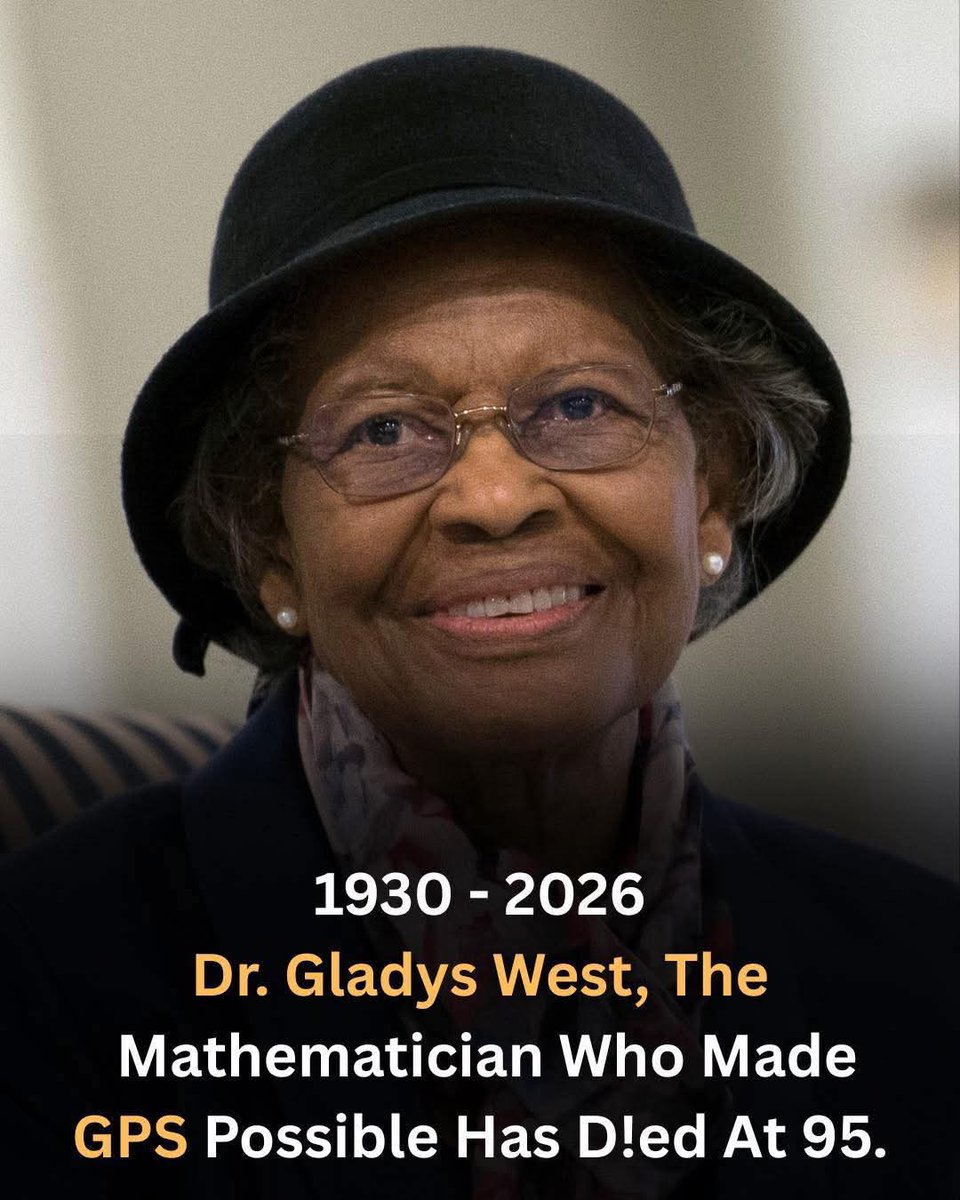
May her soul continue to rest in perfect peace 🕊️

21
1,167
6,307
58,664
Mixed Signals Prods LLC 🎶 retweeted

Spend A Euro 💶
Single Video releasing June 26th 2026
Patient Man Rides The Donkey releases July 10th 2026 on Bandcamp / Vinyl DSPs
🫏🌐🫏🌐🫏🌐
4
15
620
Mixed Signals Prods LLC 🎶 retweeted

Nas gonna start making films through Mass Appeal, that’s pretty cool.
11
46
541
24,349
Mixed Signals Prods LLC 🎶 retweeted

Jun 13
“finally a day off”
me on the day off:
85
14,210
58,571
797,131
Mixed Signals Prods LLC 🎶 retweeted

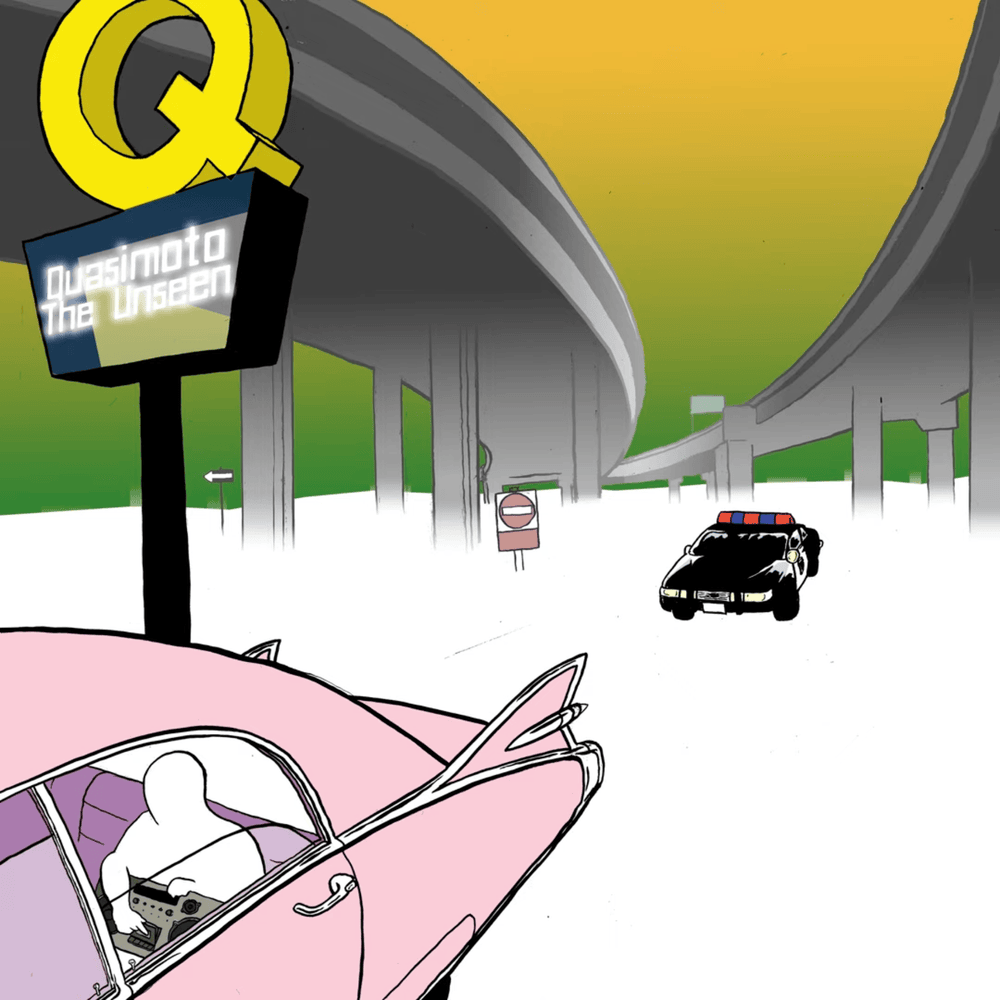
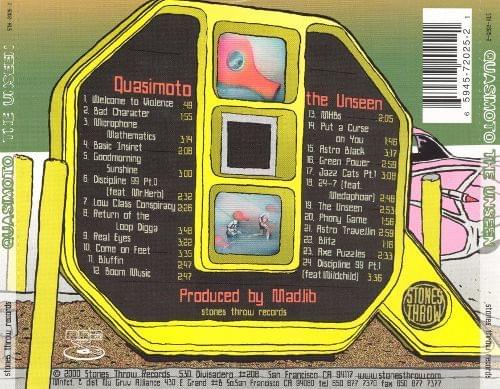
26 years ago today on the 13th of June 2000 💿
Quasimoto released “The Unseen”
Favorite song?
6
9
66
4,877
Mixed Signals Prods LLC 🎶 retweeted

Jun 11
Ghostface Killah & Raekwon - Apollo Kids (2000)
4
124
465
11,770
Mixed Signals Prods LLC 🎶 retweeted

Jun 12
🚨BANGER OF THE DAY🚨
"Brain" by Jungle Brothers. Produced by The Roots (1997).
9
66
289
8,333