
21 Photos and videos



Great breakdown.
Bankr appears to optimize for speed and fundraising.
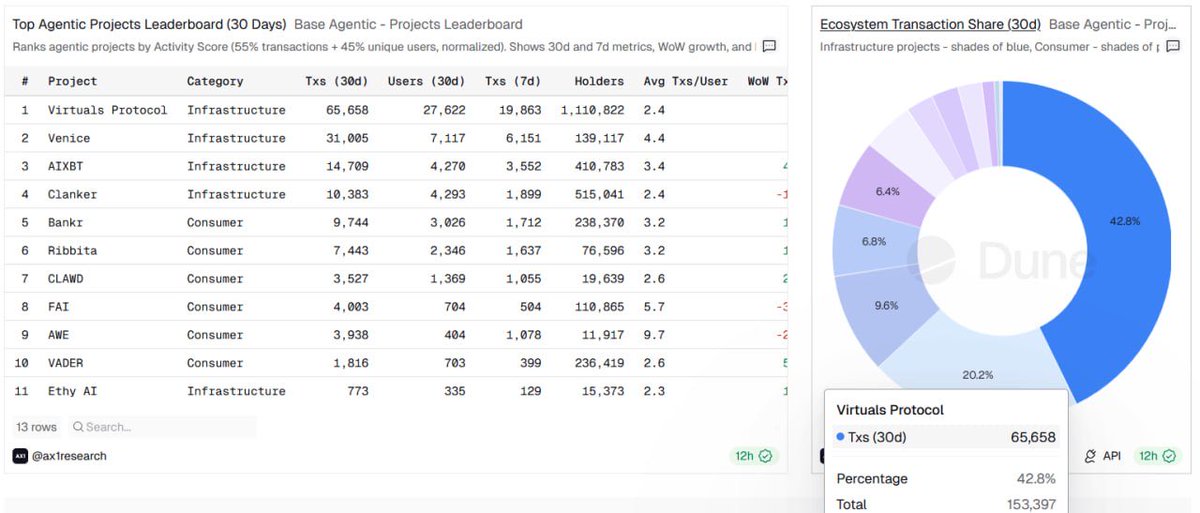
Virtuals optimizes for infrastructure and long-term ecosystem support.
The real question isn’t which launcher wins.
It’s which model survives once the hype fades.

🟩 Virtuals vs 🏦Bankr: Which Launcher Is Better for Founders?
To be fair, every launcher has its own strengths.
Founders choosing between @virtuals_io and @bankrbot should not focus on which platform is "better". The real question is which model fits their goals, fundraising strategy, and long-term vision.
1. Fundraising
🟩 Virtuals:
■ Strengths:
Virtuals keeps a large allocation under team control and only adds around 5% of supply into LP at launch.
This gives projects a higher starting mc, making them look more established and credible from day one. The ACF mechanism also allows liquidity to be added on the sell side, generating revenue for the team without directly selling tokens into the main pair.
As a result, founders have more resources to keep building over the long term.
■ Weaknesses:
The model benefits the team more than buyers.
Buying is usually easy, but selling large size can be difficult because liquidity remains relatively low. Whales are less willing to enter with large positions when exiting becomes a challenge.
A single trade >$5k can create significant price volatility. With low liquidity, projects depend heavily on founder execution. If the team fails to deliver, liquidity risks can become a major issue later on.
🏦 Bankr:
■ Strengths:
Bankr uses a fair launch model. All tokens are minted and added to LP from the start, giving everyone the same entry opportunity once the contract is live. Liquidity is always good because LP is locked, cannot withdraw.
Founders raise capital mainly through trading fees. These fees are paid in both WETH and project tokens, meaning more volume leads to more revenue and a larger ownership stake for founders.
Bankr also has the unique "pls bro" culture. The community actively searches for promising developers, encourages them to launch on Bankr, and delegates fees to them. This creates a strong grassroots system for attracting builders without relying on a large BD team.
■ Weaknesses:
The model is highly dependent on trading volume.
Once hype fades and the flywheel slows down, fee generation drops quickly. Founders may lose motivation if revenue declines and they do not hold a meaningful percentage of the supply.
The "pls bro" culture also creates strong speculative behavior. Many trenches accumulate tokens early while waiting for a developer to accept the project. Once that happens, they often take profits on later buyers.
As a result, projects face heavy distribution pressure early on. If they cannot maintain attention or show progress fast enough, they can lose momentum and die quickly.
2. Attention
In the current climate of low liquidity and high speculative capital flows, attention is the most important factor in generating volume for a project.
🏦 Bankr:
■ Strengths:
@0xDeployer is currently one of the biggest yappers of attention within the Bankr ecosystem and on @base also.
A single tweet, quote, or reply can generate significant volume and visibility for projects. Much of Bankr's recent growth has been fueled by his influence and ability to rally the community.
For founders seeking rapid growth, this is a major advantage.
■ Weaknesses:
A large portion of ecosystem attention is concentrated around one person.
If engagement or influence declines, the ecosystem's ability to generate attention could also weaken.
🟩 Virtuals:
■ Strengths:
Virtuals takes a more structured approach to ecosystem promotion through weekly updates and project spotlights.
This helps projects maintain visibility and build reputation over time.
■ Weaknesses:
Virtuals currently lacks a single KOL or personality capable of creating immediate fomo and driving large volumes from retail.
Its amplification is more focused on information sharing than creating instant buying pressure. This makes it less effective than Bankr at generating explosive volume.
Also, Virtuals has many core members, but some of them sometime promote farm projects, leading to a loss of trust within the community.
In terms of generating attention and volume for a project, Virtuals is significantly weaker than Bankr. They often fail to appear at crucial moments when the project needs them, for ex: when a project has a big update. They lack the resources to amplify the information at the peak of organic volume and only release the news later, something they cannot match Bankr in.
3. Infrastructure
🟩 Virtuals:
■ Strengths:
After years of development, Virtuals has built one of the most complete agent ecosystems in crypto.
Programs and standards such as ACP, ERC-8183, aGDP, Degen Claw, Eastworld, and EconomyOS provide founders with a strong foundation to build on.
Teams can leverage existing tools, standards, and networks instead of starting from scratch.
Technical contributors like @celesteanglm, @miratisu_ps, @0x02yang... are also known for actively supporting builders.
■ Weaknesses:
None tbh.
🏦 Bankr:
■ Strengths:
Although Bankr only started building its ecosystem a few months ago, it has already launched initiatives such as hackathons, funding programs, LLM Gateway, and Webhooks.
Its execution speed has been impressive.
■ Weaknesses:
Its infrastructure is still far behind Virtuals in terms of maturity.
Projects launching on Bankr need a clear business model and the ability to operate independently. Success depends more on the founder's own execution than ecosystem support.
4. Case Study
I'm not speaking based on emotions, this is number talk. The fundraising difference becomes clearer when looking at two standout projects.
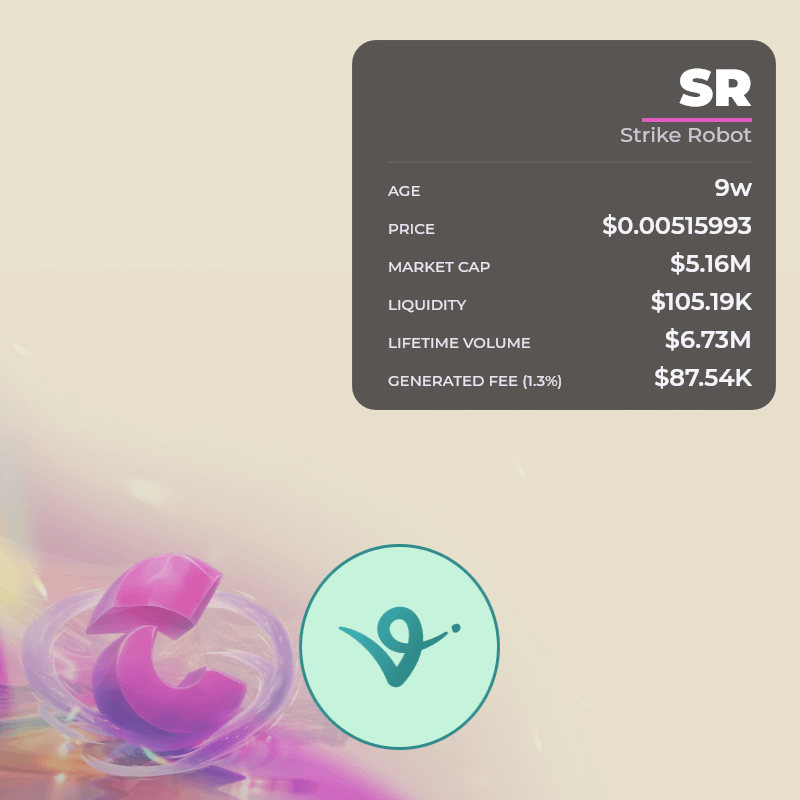
@StrikeRobot_ai ( $SR ) on Virtuals
> 9 weeks live
> $6.73M lifetime volume
> Founder receives 70% of trading fees: ~$47k in $cbBTC
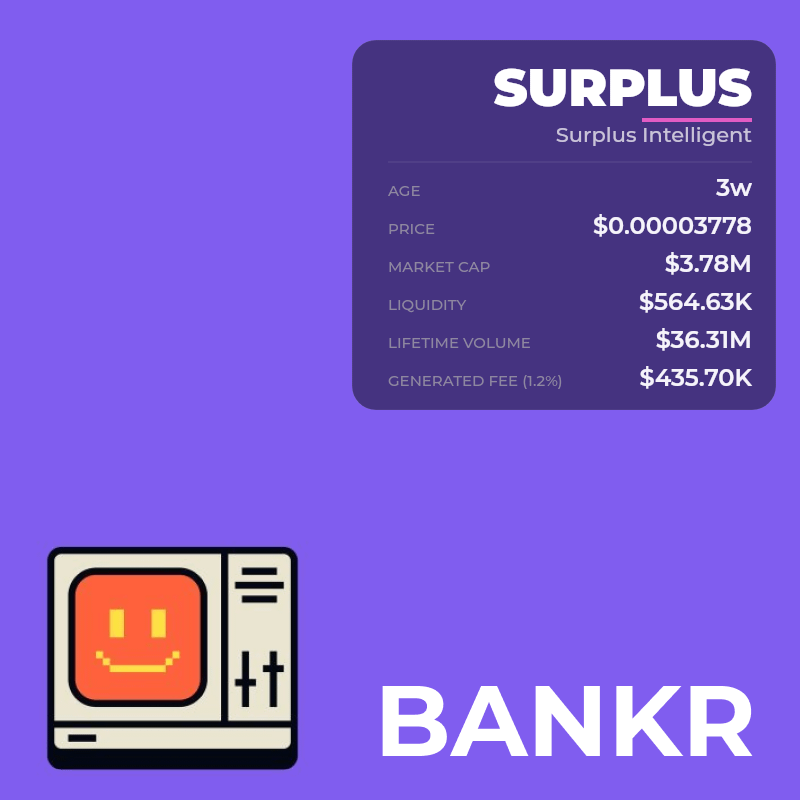
@AskSurplus ( $surplus ) on Bankr
> 3 weeks live
> $36.3M lifetime volume
> Founder receives 57% of trading fees: ~$207k in $WETH and $surplus
Despite receiving a lower fee share, Surplus generated roughly 4.4x more founder revenue than Strike Robot.
More importantly, it achieved this in only one-third of the time.
This suggests that, today, Bankr provides a much stronger fundraising environment for founders. The combination of attention, community participation, and trading activity creates a powerful short-term capital formation engine.
However, this is still a short-term observation.
Virtuals has been building its ecosystem for years, while Bankr's ecosystem is only a few months old. The bigger question is not who can generate more revenue in the first few weeks, but which model can continue supporting founders and projects 6 months, 12 months, or even years later.
( personally, it's quite disheartening that I built $CAP @Capminal for 13 months and the fees we earn were only one-third of what a Bankr's project built in 3 weeks earned 😂 )
5. Conclusion
Today, Bankr clearly has the advantage in short-term fundraising. This advantage is gained by leveraging community effort through the 'pls bro' meta and large speculative flows that allow founders to raise significant funds in a short period.
Virtuals leveraged community effort during the Virtuals Genesis era, but that meta is now over, and they truly need something different to revive.
1
13
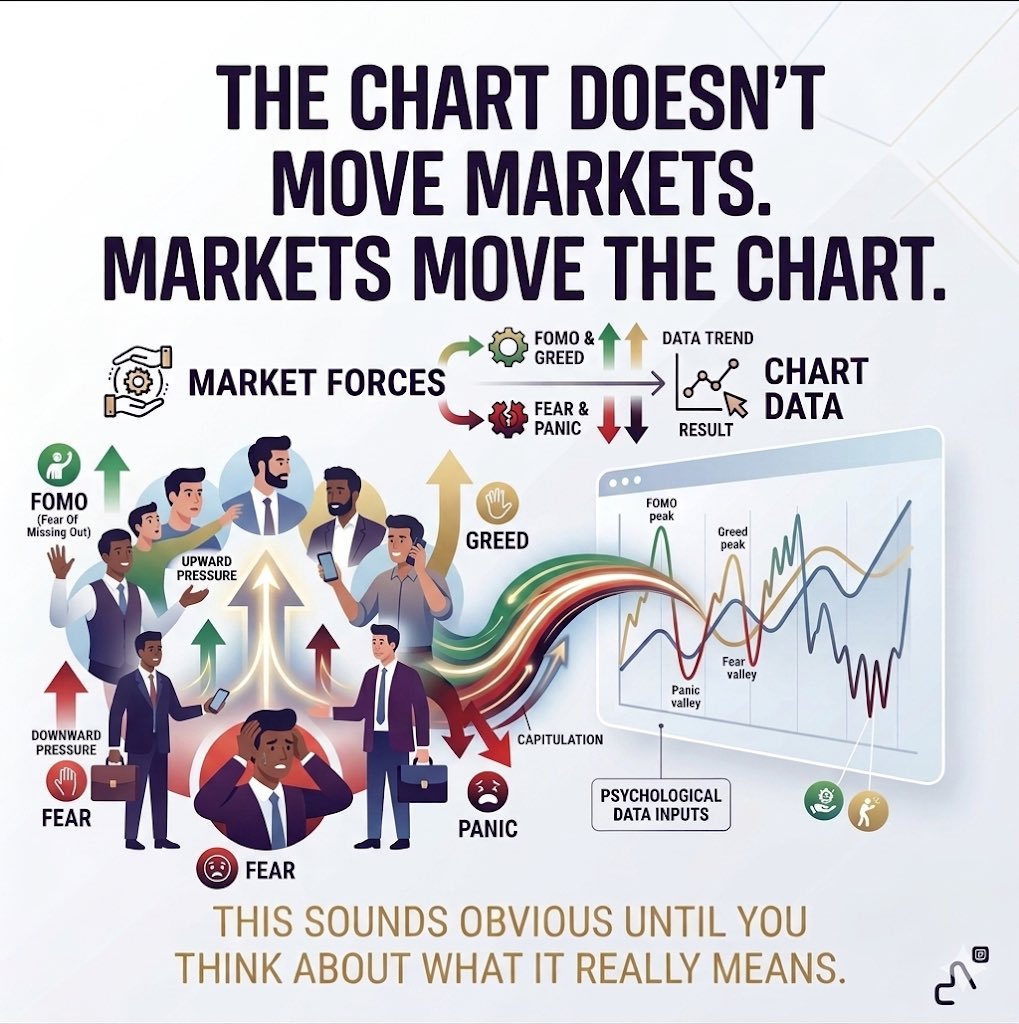
The crowd changes fast.
Your framework shouldn’t.
Follow @DKAIHUB 🚀
#Bitcoin #Investing #Psychology #BehavioralFinance #CryptoEducation
8