Human living in the United States.
Joined January 2011
- Tweets 2,772
- Following 273
- Followers 144
- Likes 2,401
175 Photos and videos
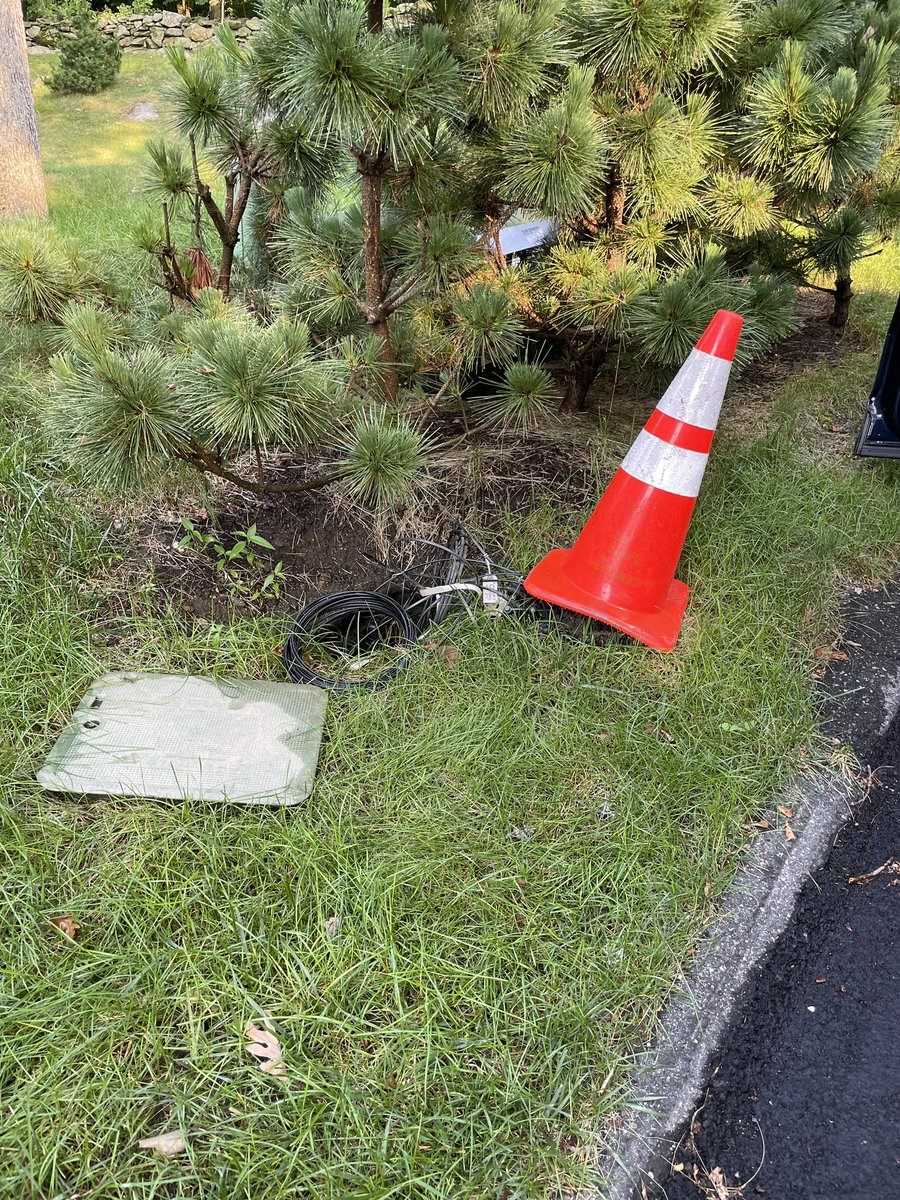

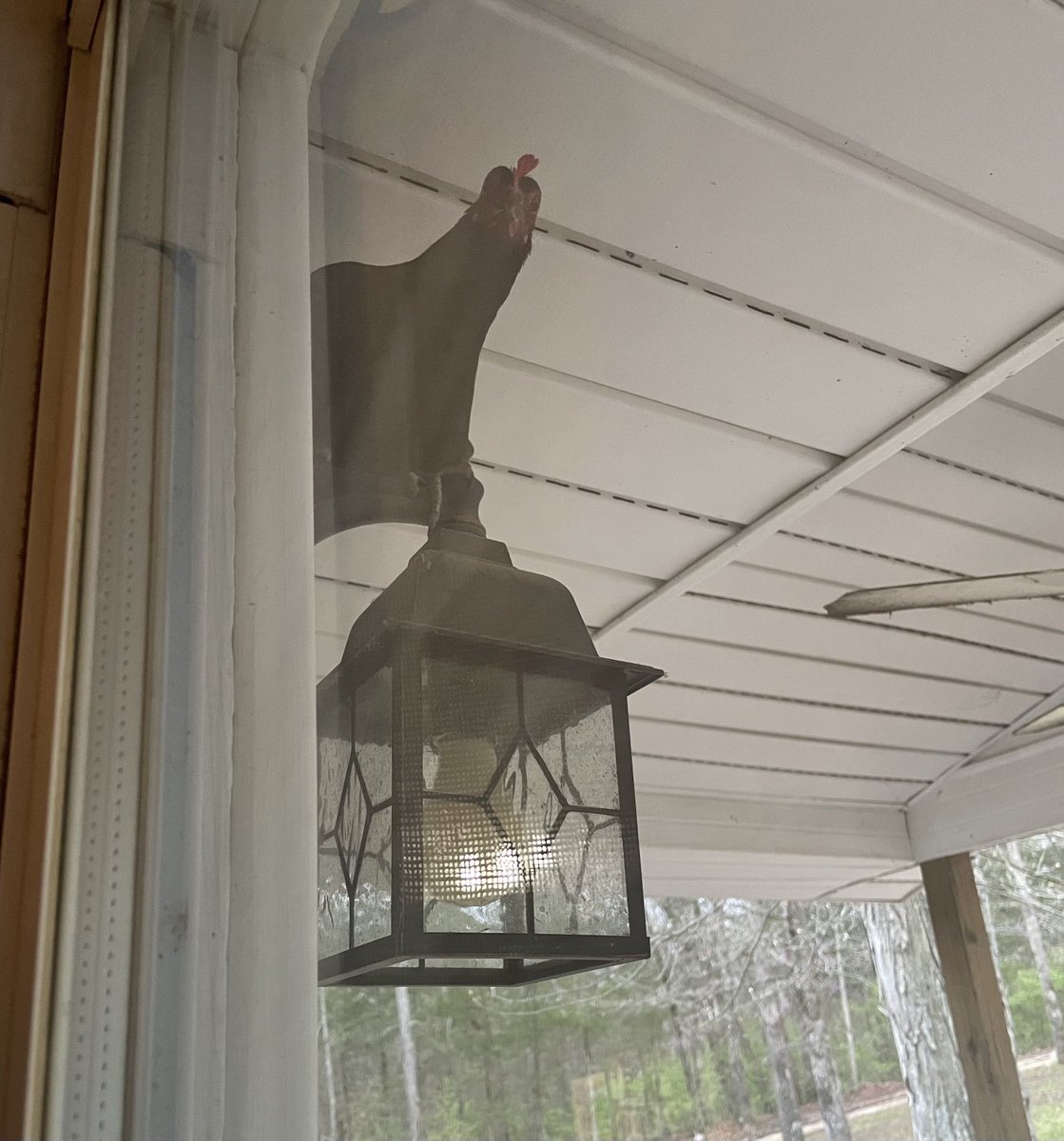


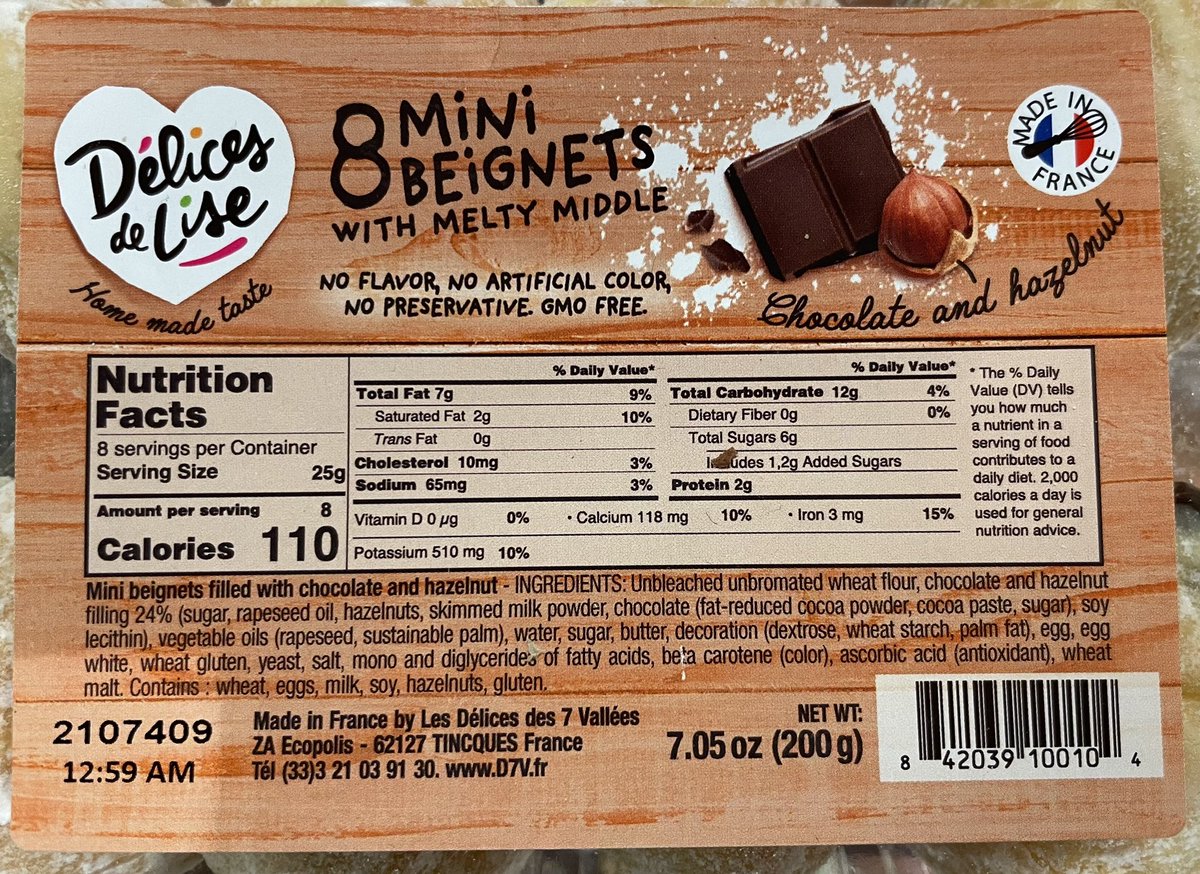


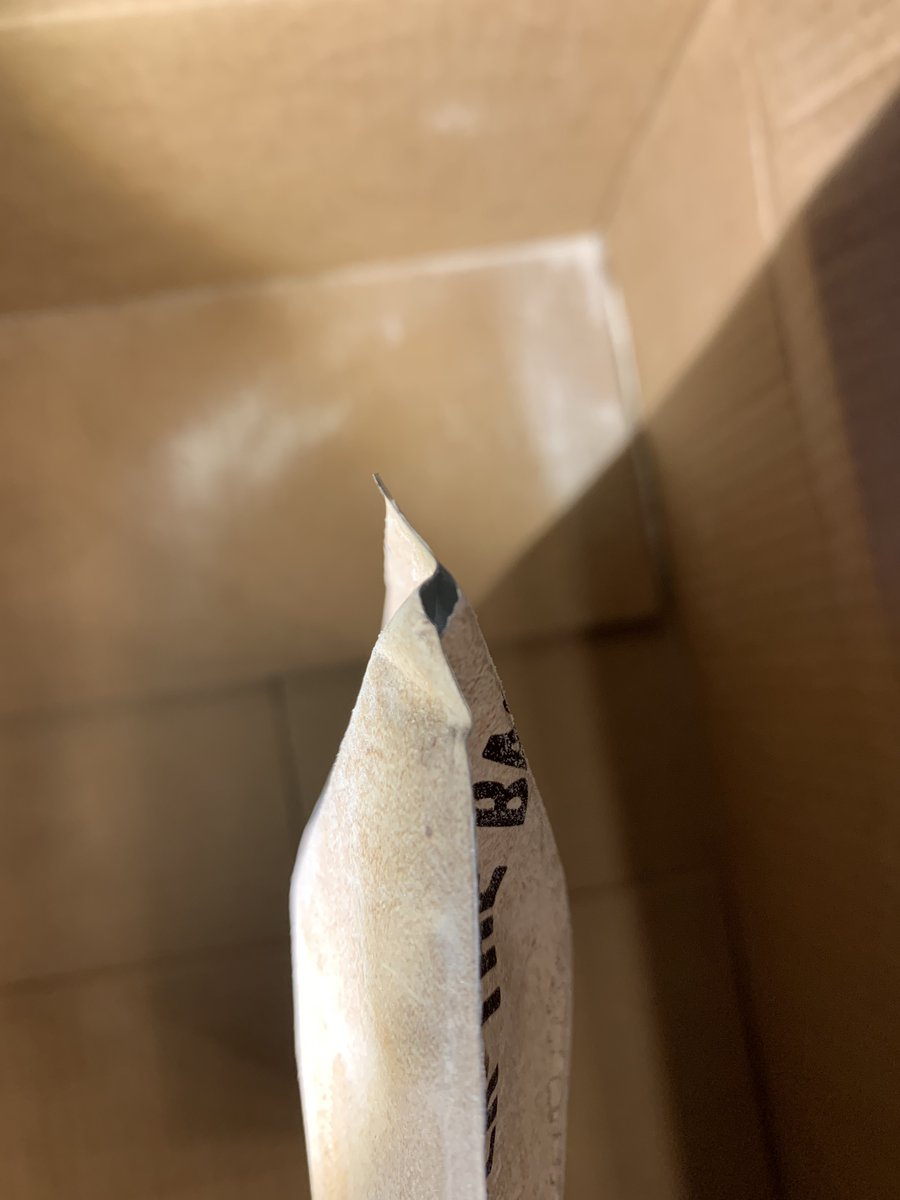

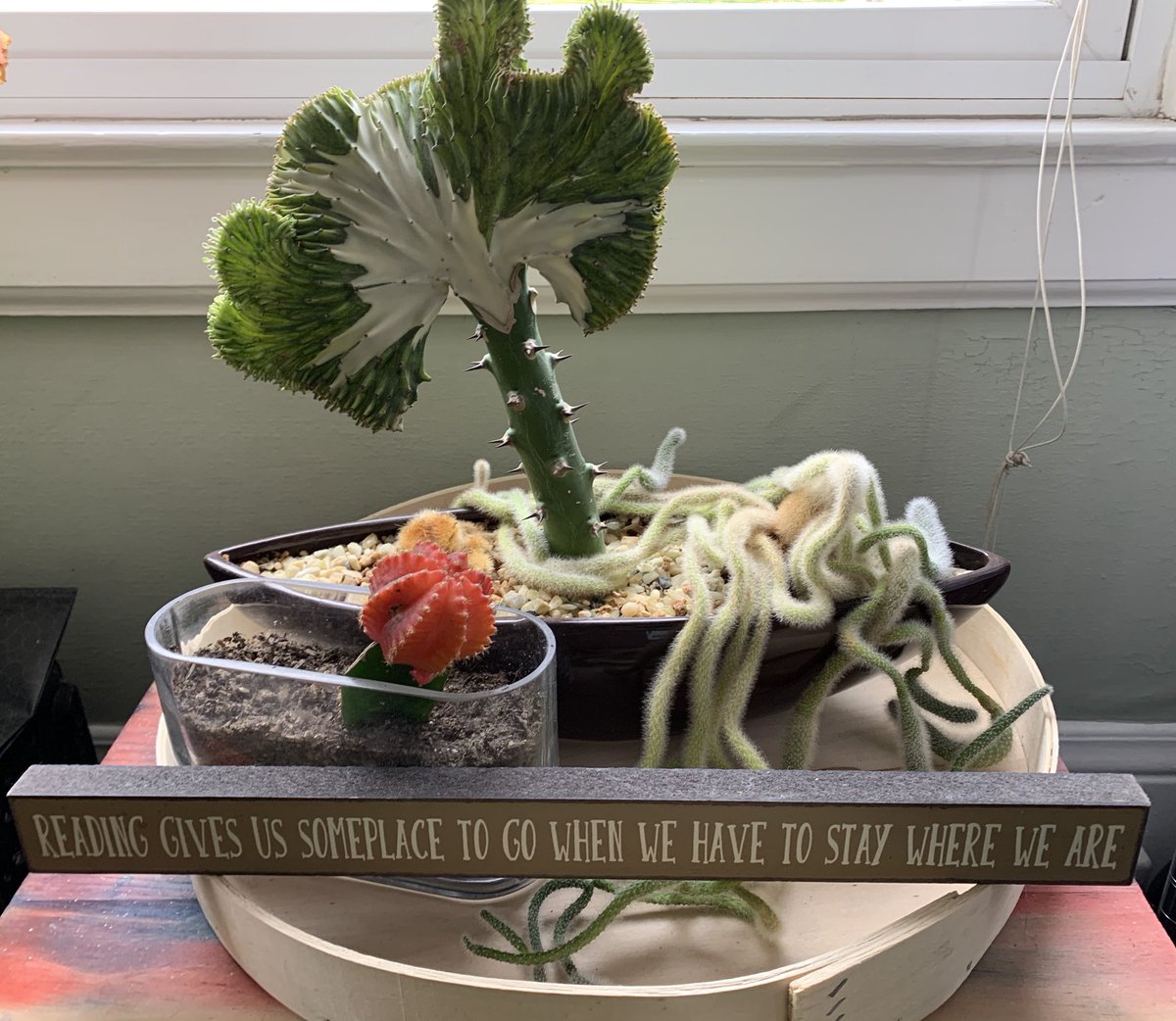
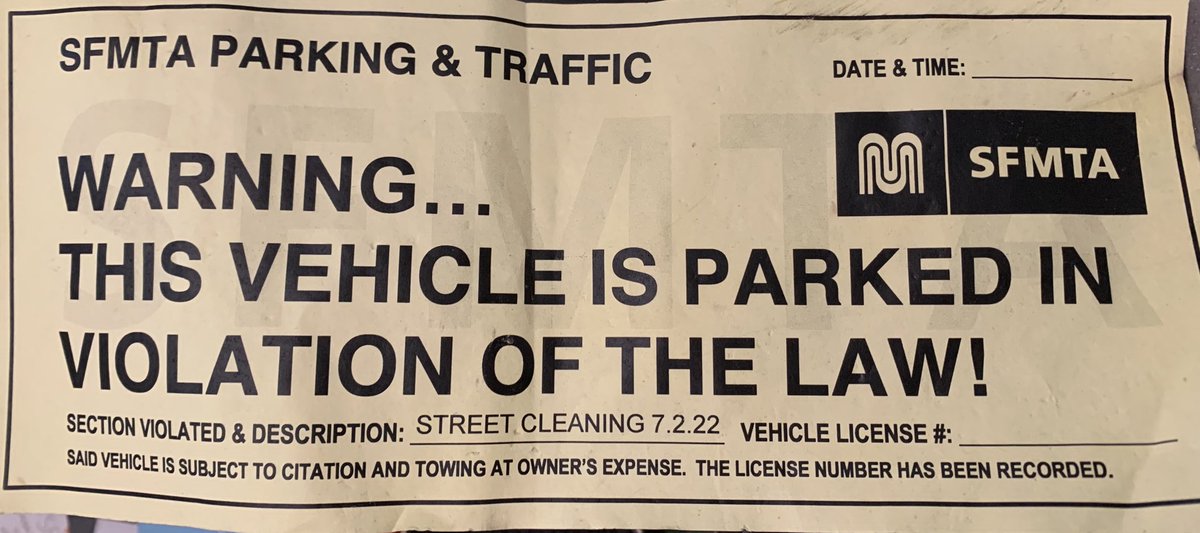


Disappointed with our brand-new freezer from @Frigidaire12—defective from day one. How many hoops do we have to jump through to get what we paid for: a NEW, working freezer? @ElectroluxUS @ElectroluxGroup
1
163
We have the queen size and love it but we're hoping to upgrade our bed to a king size and want to still have our @eightsleep, but it looks like the lift on the bed is not independent like the controls are. Is this something you're working on in the near future?
155

Trying to get some answers from @sothebysrealty HQ if possible. Had a bunch of documents sent to us via phone on day of closing at the attorney's office that we're not in agreement with.
75
I’m appalled by how many people were taking videos of a fight involving 2 young women in the subway corridors and did nothing to try to stop them. Then at least 6 armed police officers that were going to the hurt girl, told the other girl was right there, and didn’t even bother.
143
Need some actual help from Miele Service. We've been trying to get our freezer fixed since March 27, went from bad to worse two service visits in. We called right back after the 1st visit, waited 3 weeks for them to come back to "fix" it, now we have NO freezer & back to waiting!
1
276
Dina retweeted

29 Mar 2024
Our experiments are going very well, and @cadran_c is still building out our tight-knit team of doers: openai.com/careers/full-stac… & 🧵 for more
16 Jun 2023

2
10
2,701
Dina retweeted

28 Dec 2023
After observing a similar habit among highly creative people (Einstein, Mozart, da Vinci, etc), the neuroscientist Dr. Nancy Andreasen designed a brain-imaging study to understand the neural basis of this habit.
Essentially, these creative people all carved out time each day for...
“Free-floating periods of thought,” Andreasen writes in her book, “The Creating Brain: The Neuroscience of Genius.”
The mechanics of the habit differed from person to person.
Leonardo da Vinci, for example, would often sit in front of a painting “and simply think, sometimes for as long as a half day.”
Whereas Einstein had a wooden boat he called the “Tinef” (Yiddish for “piece of junk”) on which he liked to aimlessly drift wherever he could find a body of water. He had to be rescued by boaters or the Coast Guard so frequently that a friend eventually bought him an outboard motor for emergency use, but Einstein refused it.
“To the average person, being becalmed for hours might be a terrible trial,” the friend said. “To Einstein, this could simply provide more time to think.”
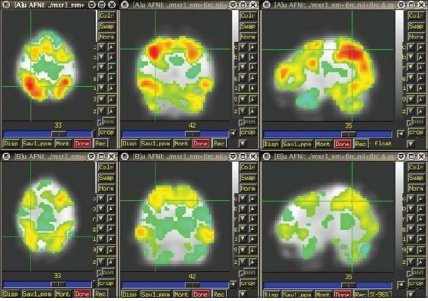
In any case, Dr. Andreasen conducted the first study of brain activity during these “free-floating periods of thought,” when the body is in a “resting state” and the mind is free of inputs, and therefore, free to wander.
“We found activations in multiple regions of the association cortex,” Dr. Andreasen wrote. “We were not [seeing] a passive silent brain during the ‘resting state,’ but rather a brain that was actively connecting thoughts and experiences.”
Essentially, Dr. Andreasen found that the brain defaults to creativity.
When the body is still and the mind is allowed to float freely, the brain engages in what she termed REST (“random episodic silent thinking”).
And during REST, Dr. Andreasen writes, the brain “uses its most human and complex parts...areas known to gather information and link it all together—in potentially novel ways.”
So whether it's sitting in front of painting in your office or on a piece of wood out at sea, if you want to be more creative, carve out time each day for “free-floating periods of thought.”
- - -
“Men of genius are sometimes producing most when they seem least to labor, for their minds are then occupied in the shaping of those conceptions to which they afterward give form.” — Leonardo da Vinci
Follow @bpoppenheimer for more content like this!
91
922
4,671
1,166,665
Trying to get some questions answered @HealthfirstNY and each time I call I get a different response. Trying to navigate your Medicare Advantage but this last call I was told I couldn't speak to someone there, I need to contact NY state of health. SERIOUSLY!?
252
Dina retweeted
16 Dec 2023
work for a place where you'd be happy to do literally any job just to help out <3
1
4
54
6,218
Dina retweeted
1 Dec 2023
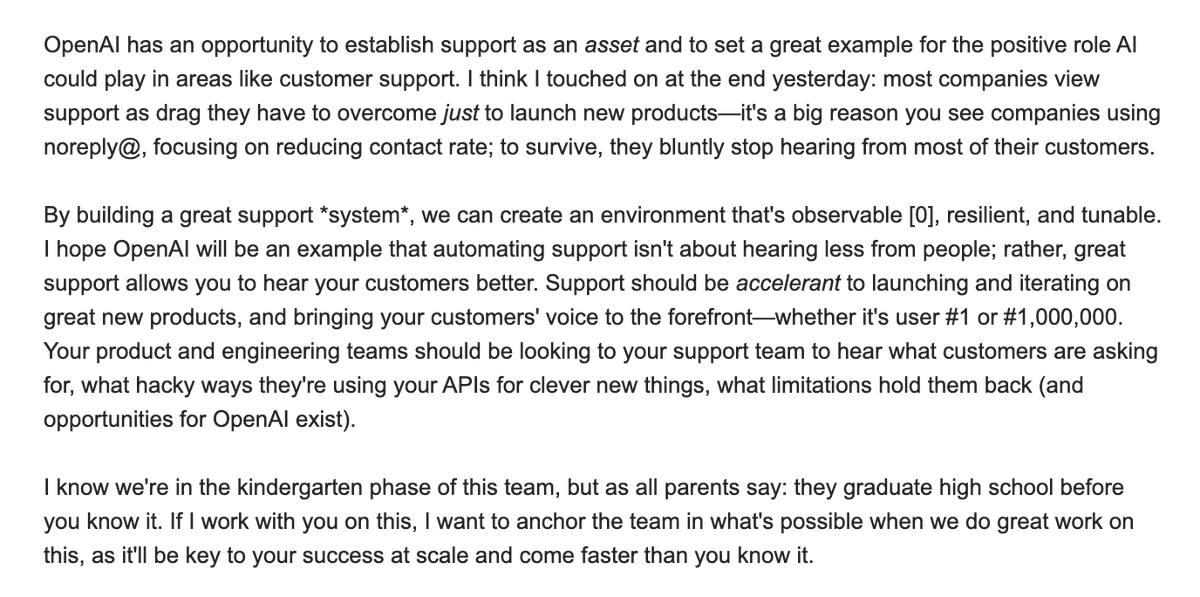
We're doing something different with support, and how we work, at OpenAI. Here's an excerpt from a note I sent @bradlightcap before joining:
If this resonates with you, I'd like to meet:
* User Ops: boards.greenhouse.io/openai/…
* Engineering: openai.com/careers/software-…
4
6
103
25,485