
Designed for deep sleep, personalized to you.
Joined April 2014
- Tweets 5,024
- Following 535
- Followers 63,257
- Likes 12,643
845 Photos and videos


Pinned Tweet

Apr 16
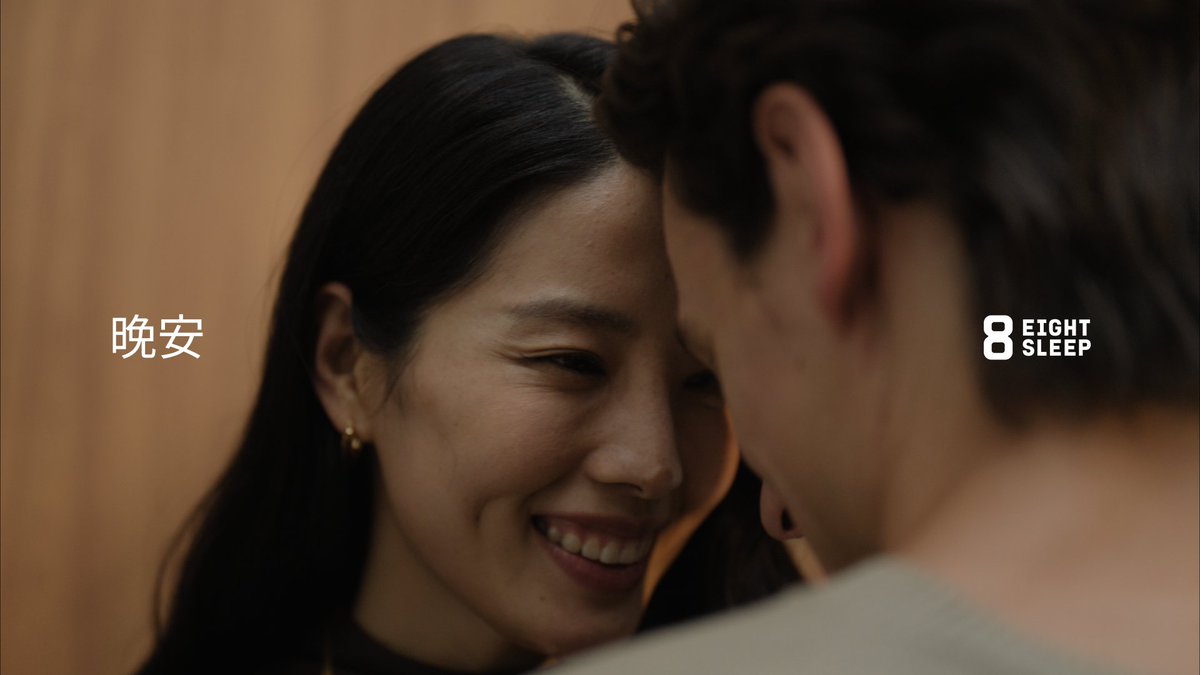
晚安,中国。Goodnight, China. 🌙
From San Francisco to Shanghai, the Pod is home.
Available now in China 🔗 Find out more at eightsleep.com/china
4
3
19
18,281
Jun 10
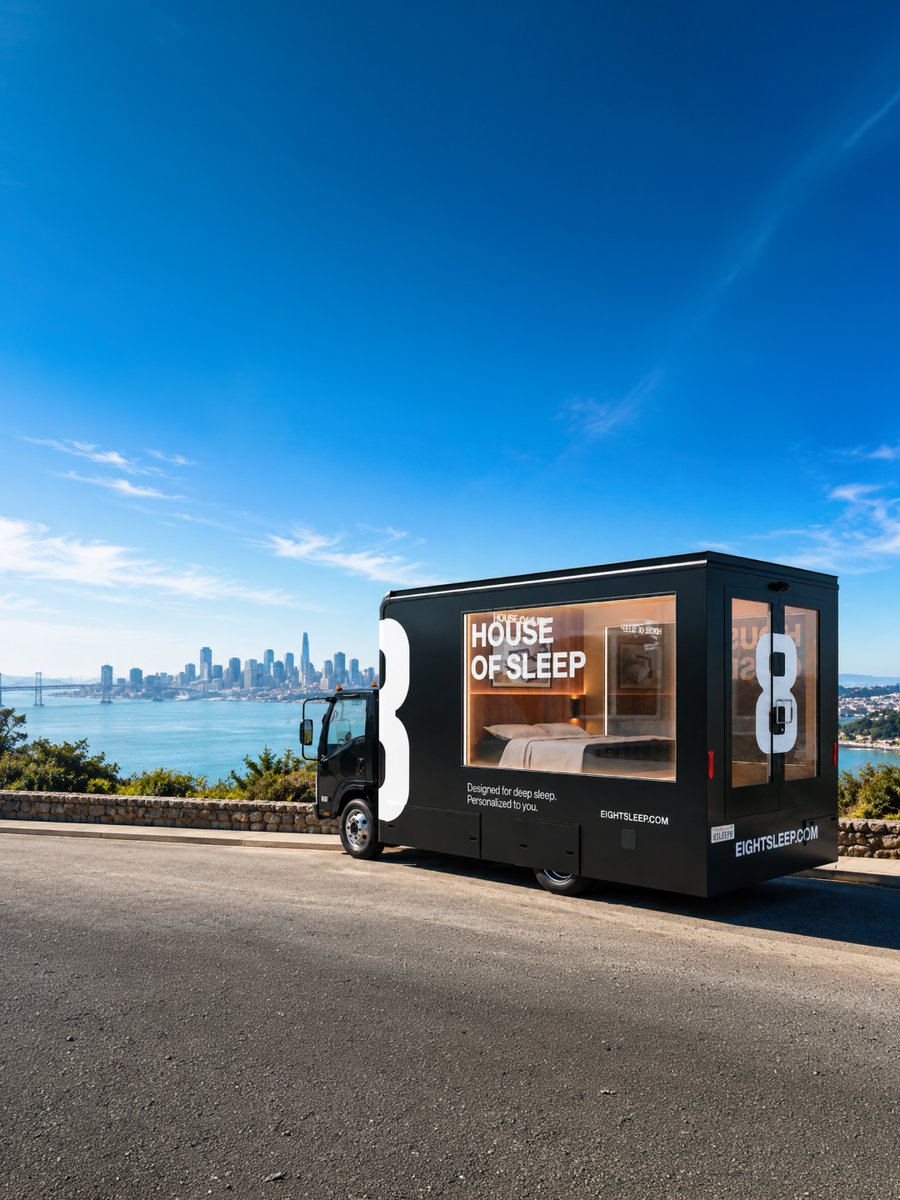
We couldn't pick one city. So we built a store that goes to all of them.
The House of Sleep is Eight Sleep's first experiential retail activation, a fully equipped Pod experience on wheels that drives to you, parks outside your driveway, office, or neighborhood. We pull up, you walk in, and you feel it for yourself.
Now live across the Bay Area.
Book your free demo at eightsleep.com/house-of-slee…

1
4
18
4,133
Jun 6
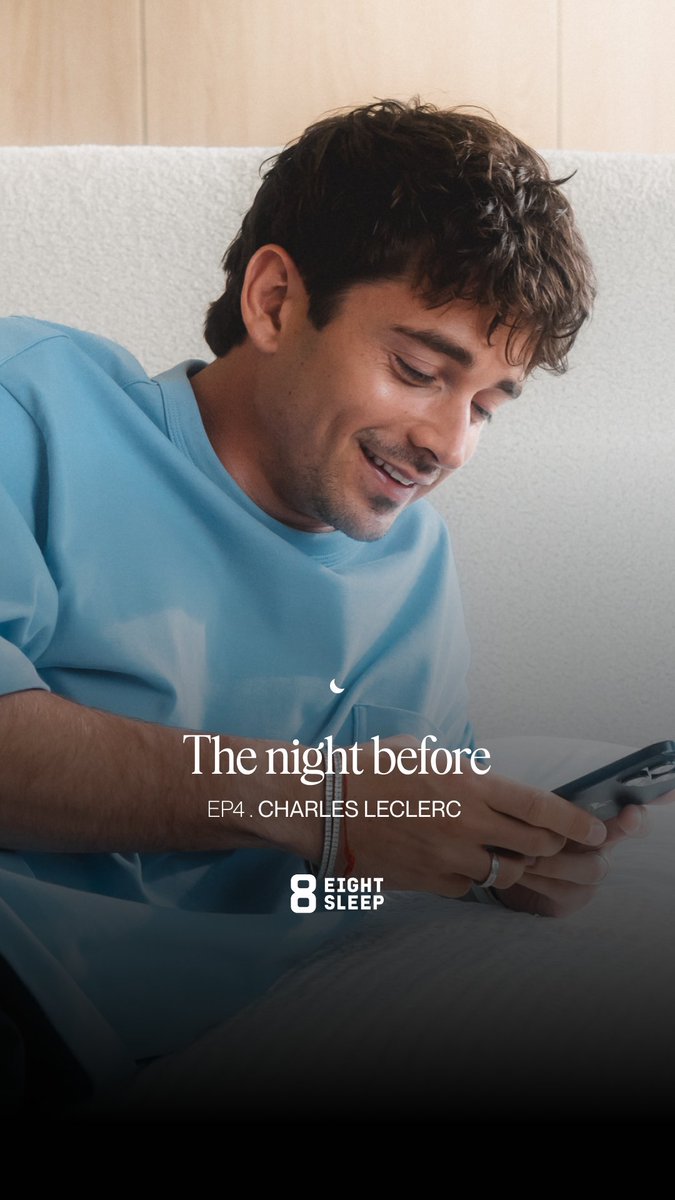
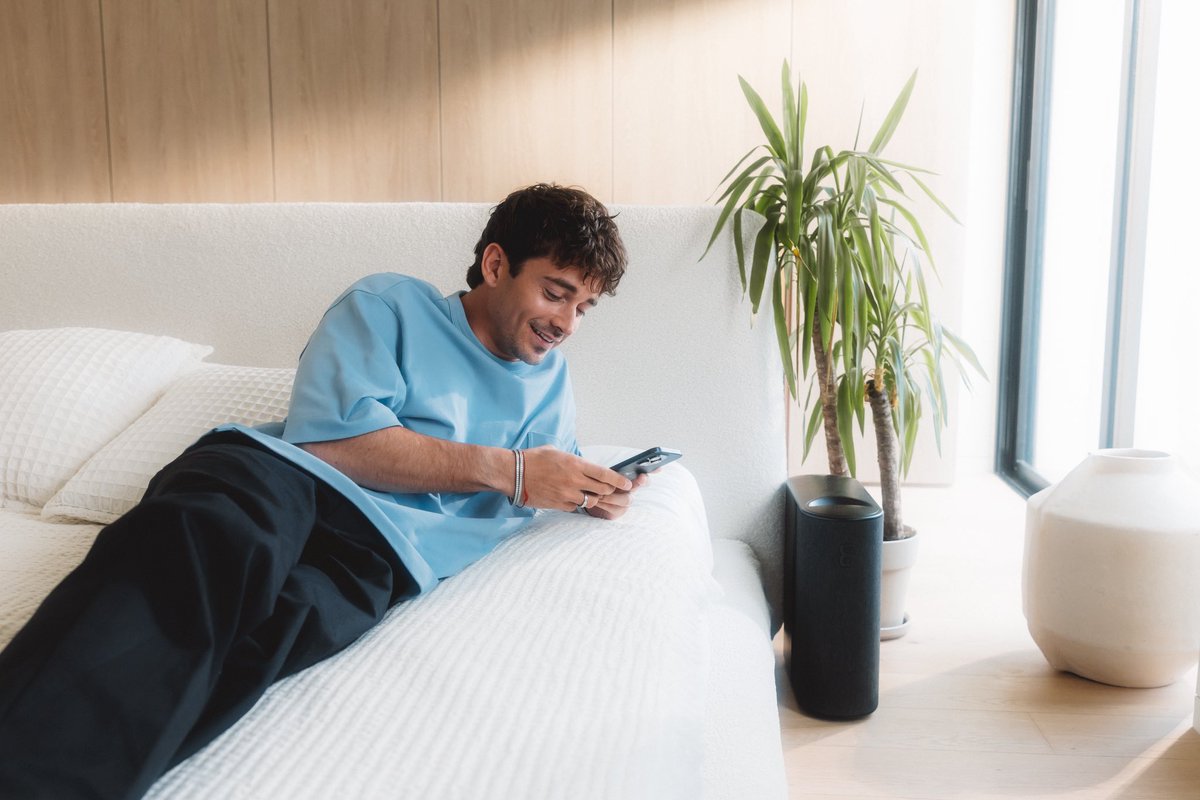
🎙️Ep. 4 The Night Before with @Charles_Leclerc "I always look at the data. You can learn a lot about your body just by looking at it after a night's sleep." Charles Leclerc checks his sleep data every morning. Not to obsess over it, but to understand it. Breathing techniques. Same bedtime. Same meal time. Because everything starts the night before.
2
18
110
5,794
Jun 5
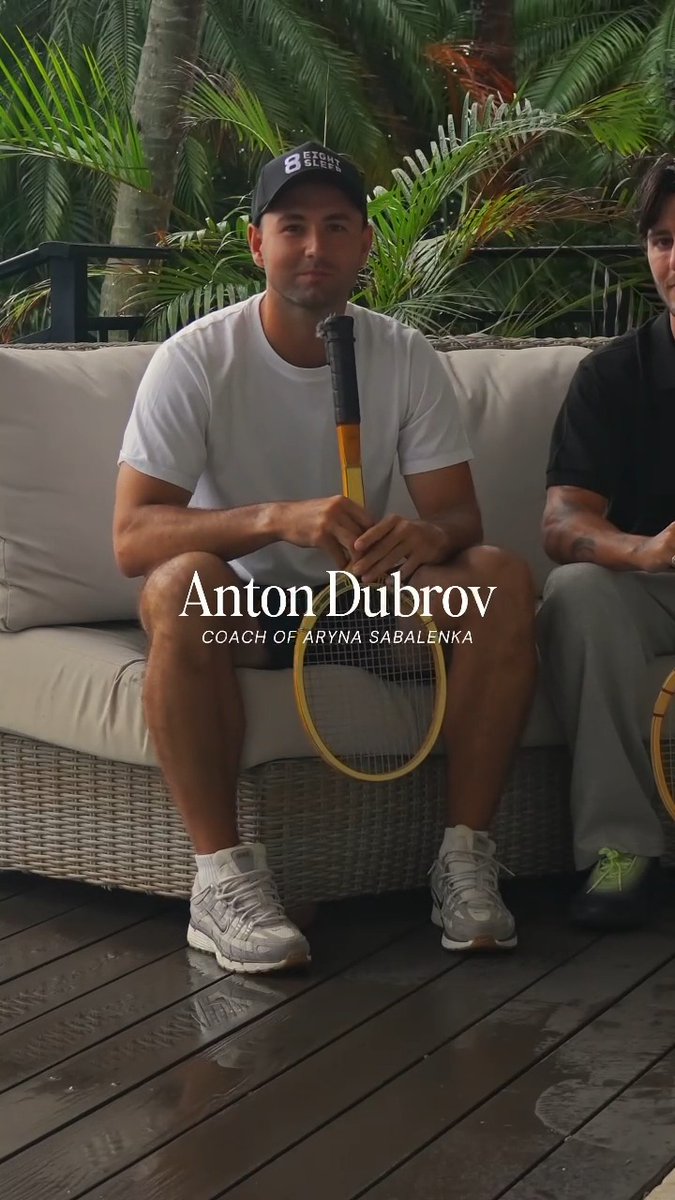
Inside the recovery philosophy of Aryna Sabalenka’s coach Anton Dubrov.
Read more at bit.ly/4xbmNwt
1
1
3
2,141
Eight Sleep retweeted

Jun 2
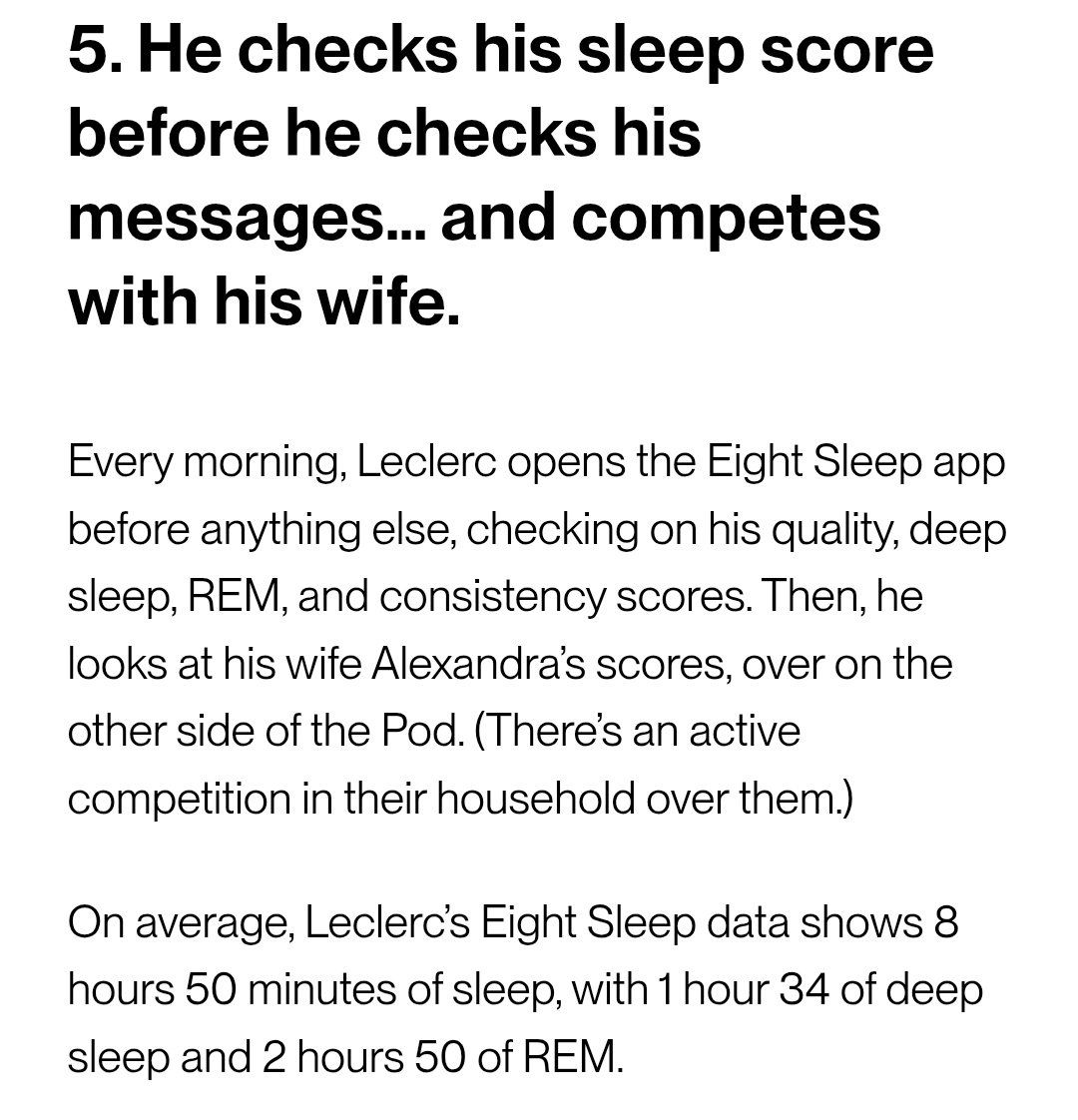
byeee charles and alexandra have a competition on who has the better sleep score 😭😭😭
15
200
4,191
132,859
Jun 2
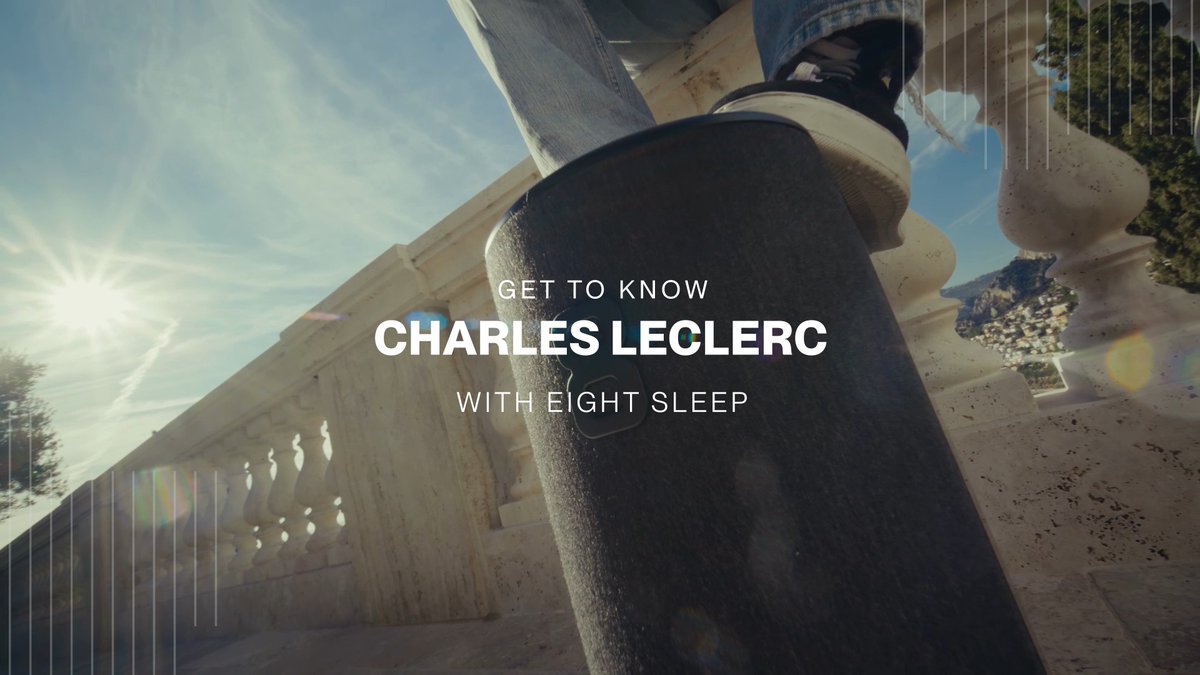
Chess. Piano. Guitar Hero. 12-hour nights. We spent a day with @Charles_Leclerc in Monaco, and what we found goes way beyond the track.
Read the full story at bit.ly/4x1Ks2x
4
157
1,582
187,095
May 27
Growing up in Argentina. Selling raffle tickets to fund padel tournaments. Sleeping in his car between matches. And even fishing.
This is Fede Chingotto. Unfiltered, for this second episode of Dreams.
1
2
6
1,959
May 27
eightsleep.com/dreams/federi…
Dreams is Eight Sleep's portrait series celebrating human potential by honoring the achievements and ambitions of extraordinary people across the planet.
1,543
May 25
What do the coaches of the world's best tennis players obsess over before @rolandgarros? It's not the serve. It's not the tactics. It's sleep.
1
6
2,192
May 12
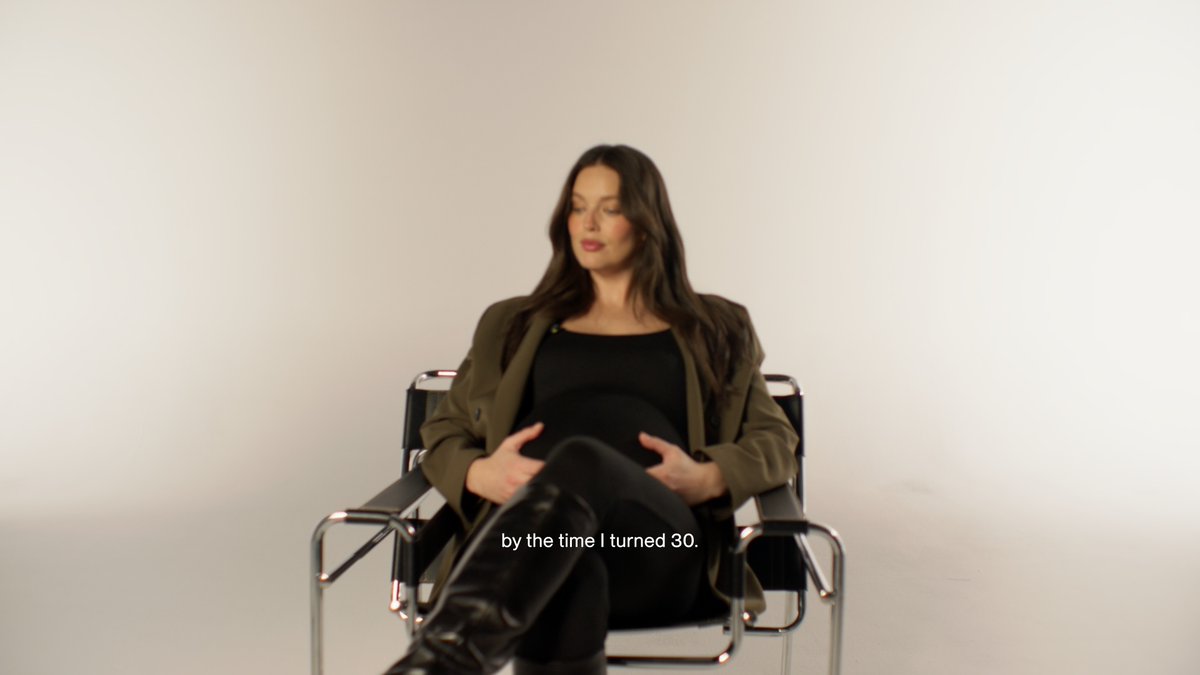
In the debut episode of “Dreams”, we sat down with model, entrepreneur, and mother Emily DiDonato for an honest conversation about ambition, identity, and what happens when you stop living someone else's dream.
Emily talks about being discovered at seventeen, the toll of a decade of red-eye flights and Fashion Week schedules, the transition from modeling to entrepreneurship, imposter syndrome, motherhood, and why, eight months pregnant with her third child, she still feels like the universe is making her dreams come true.
“Dreams” is Eight Sleep's new portrait series: intimate, long-form conversations with the people who refuse to stop reaching.
Watch Episode 01 now on bit.ly/4nsRgBV
Read more bit.ly/4nmg4eM
1
2
3
2,558
May 6
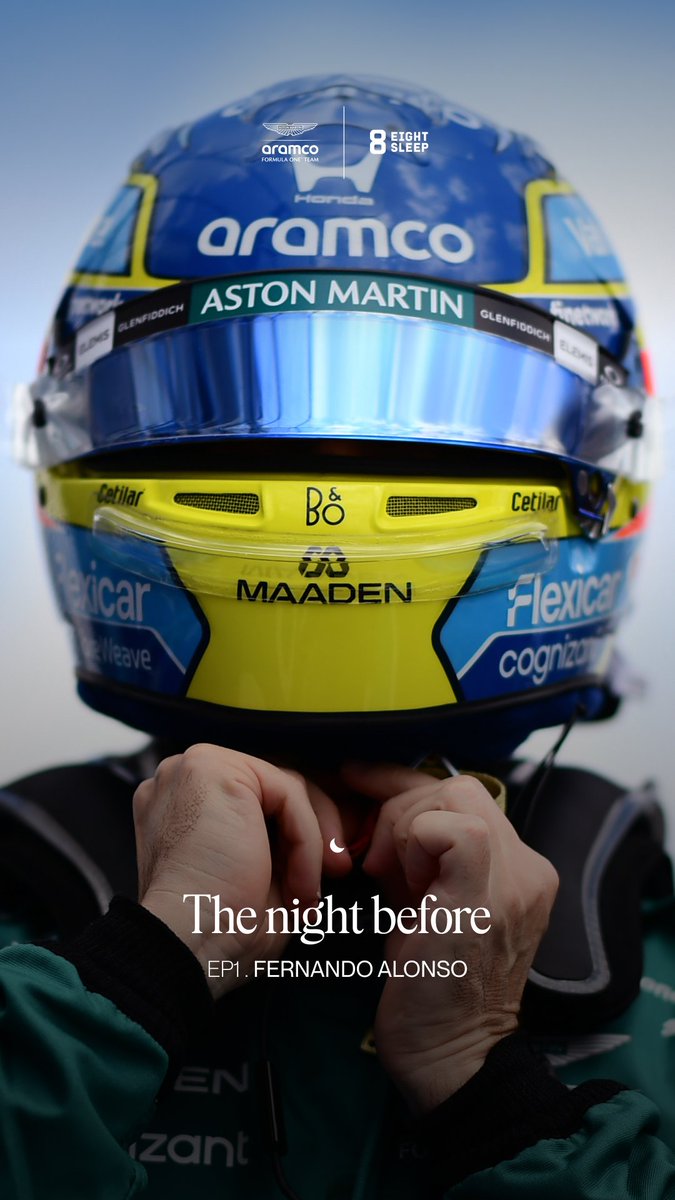
🎙️ Ep. 1 of The Night Before, because everything starts the night before. @alo_oficial breaks down his pre-race ritual: what he eats, how he winds down, and how he sleeps before one of the most demanding races on the planet.
@AstonMartinF1 x @eightsleep
1
1
7
2,291
May 5
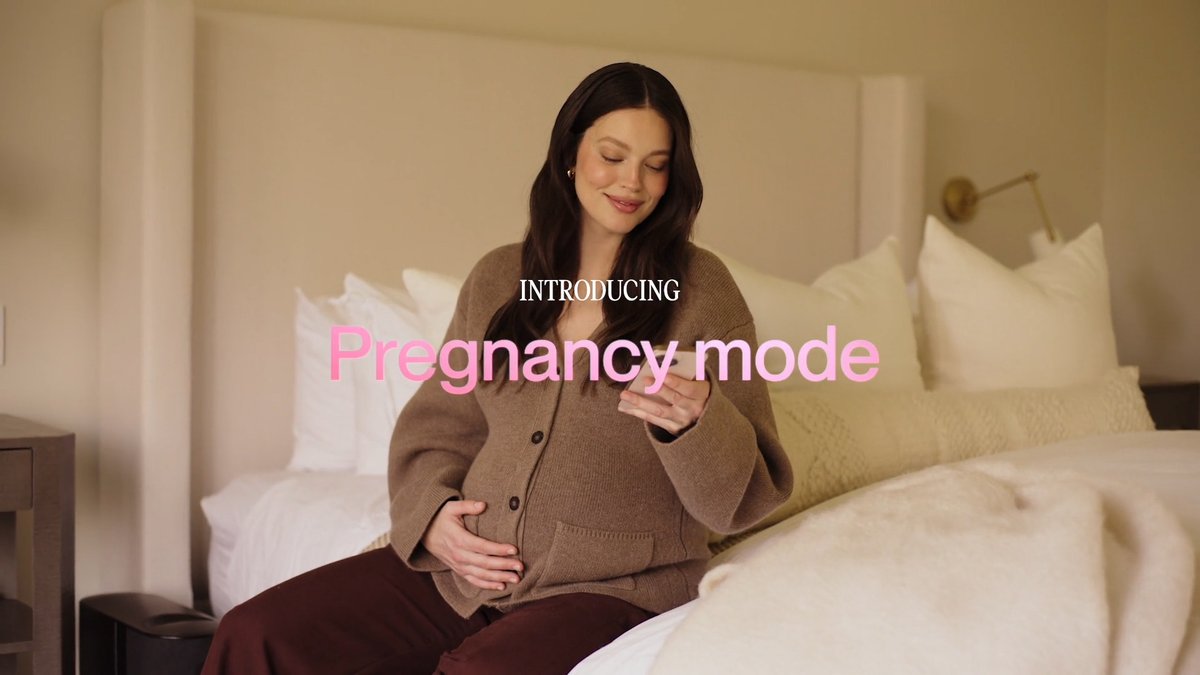
Introducing Pregnancy mode
Your body in pregnancy changes by the week. Body feels hotter. HRV drops. Resting heart rate shifts.
Seeing the data isn't enough. We believe technology should act on it. So we built it that way.
Pregnancy mode cools your Pod progressively as your body feels warmer, in step with your pregnancy stage and through 24 weeks postpartum. It also recalibrates your in-app benchmarks for HRV, breathing rate, and resting heart rate to pregnancy-expected ranges.
Trained on 45,000 nights of sleep data from pregnant women. The largest research foundation of its kind.
Rolling out May 10 on the Eight Sleep app
14
2
202
183,787
Apr 30
At the highest level, you can’t leave a single night to chance. Make deep sleep your competitive advantage.
@eightsleep 🔗 @AstonMartinF1
1
8
2,279

Apr 25
Who cannot wait for the action to be back? @charles_leclerc breaks down exactly how he trains and recovers.
Not downtime. Part of the plan. 🤍
1
7
3,335
Apr 23
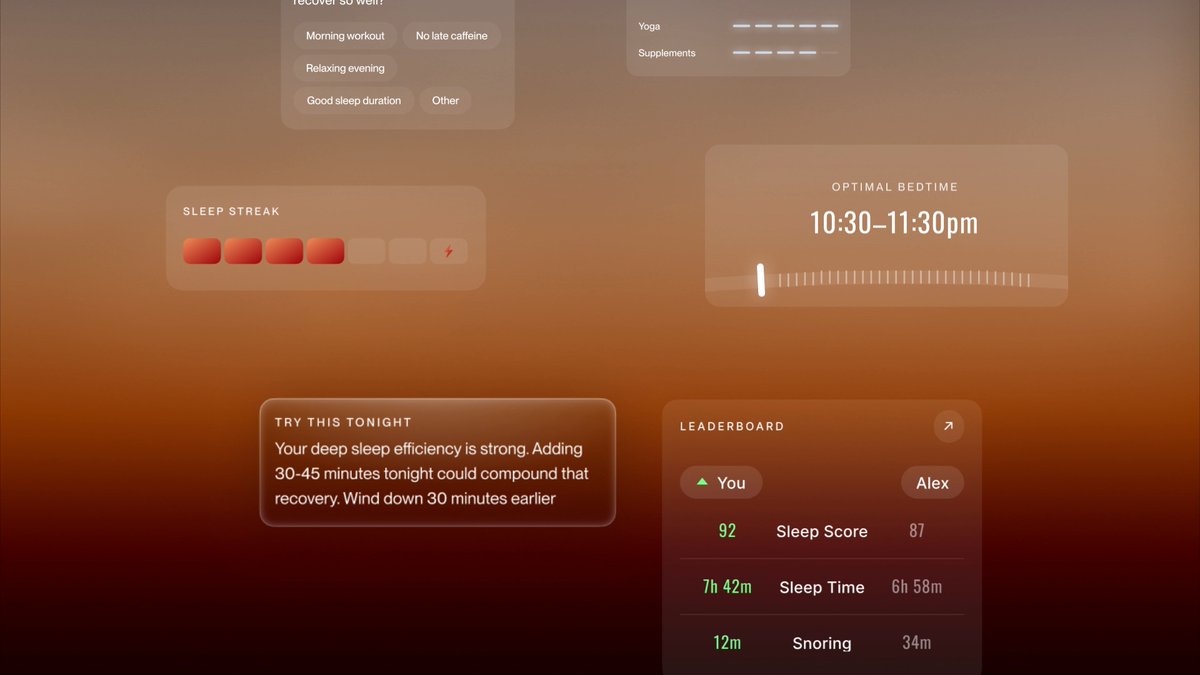
Today we are launching Autopilot 4.0, a new generation of Autopilot that acts as a sleep agent.
Autopilot 4.0 uses data from your day and night to predict how you’re likely to sleep, automatically adjust your sleep environment through the Pod, and explain what happened by morning in plain language.
This is the next step in what makes Eight Sleep different.
We do not just surface data or generate sleep insights. We use that data to actively respond through the sleep environment itself.
Members can connect Apple Health or Health Connect, or tag events directly in the app, giving the sleep agent more context from workouts, activity, stress, alcohol, meals, and other daily inputs. That context helps it predict what may happen during the night and make the right adjustments before and throughout sleep.
Autopilot 4.0 is built on more than one billion hours of sleep data and is now available in the Eight Sleep app.
5
5
54
217,571
Apr 22
The work doesn’t stop. Neither does the recovery. Make deep sleep your competitive advantage.
@eightsleep 🔗 @AstonMartinF1
1
1
3,390
Eight Sleep retweeted

.@eightsleep is at FIBO Cologne with the best brands in fitness and performance.
Sleep is still the most underrated advantage, but not for long.
3
3
24
8,995
Apr 7
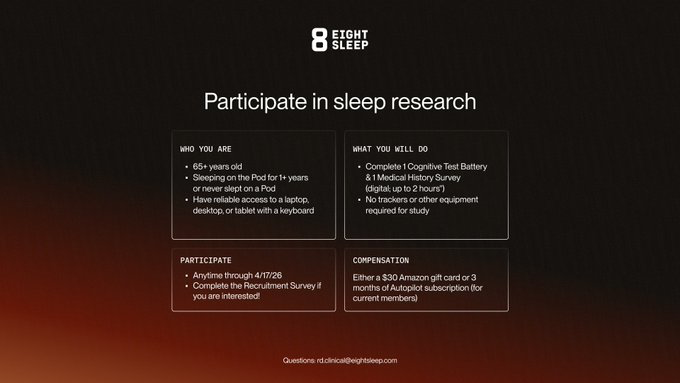
Eight Sleep Labs: Participate in Sleep Research
We're conducting a study on sleep and cognition, and we're looking for individuals aged 65 years to participate.
What you'll do:
Complete 1 digital Cognitive Test Battery 1 Medical History Survey (up to 2 hours total)
No trackers or other equipment required to participate
Who can join:
Adults 65 years old
Have been using a Pod for at least 1 year
Reliable access to a laptop, desktop, or tablet with a keyboard
Compensation: Earn up to $30 (Amazon gift card) or 3 months of Autopilot subscription (for current members) for total study completion
Interested? You can participate anytime through 4/17/26 Just complete the survey to get started –> bit.ly/4bEAnzM
1
7
6,132
Apr 3
Dr. James Pennebaker at UT Austin has spent years studying what happens when stressed people write.
The findings are physical: lower heart rate, lower blood pressure, fewer visits to the health center. One study with college students showed that six months of expressive writing led to less frequent use of pain relievers.
Stress doesn’t just live in the mind. It shows up as muscle tension, elevated cortisol, disrupted circadian rhythm, and degraded sleep architecture. Externalizing it: on paper, out loud, with someone you trust, interrupts the cycle.
Pair that with the fundamentals: consistent bedtime, daily movement, no alcohol before bed (it blocks REM), and a cool sleep environment.
The best tools for stress-related sleep problems aren’t complicated. They’re consistent. And the Pod handles the temperature piece so you can focus on the rest.
1
8
4,579