Joined July 2021
- Tweets 1,109
- Following 141
- Followers 61
- Likes 6,645
76 Photos and videos
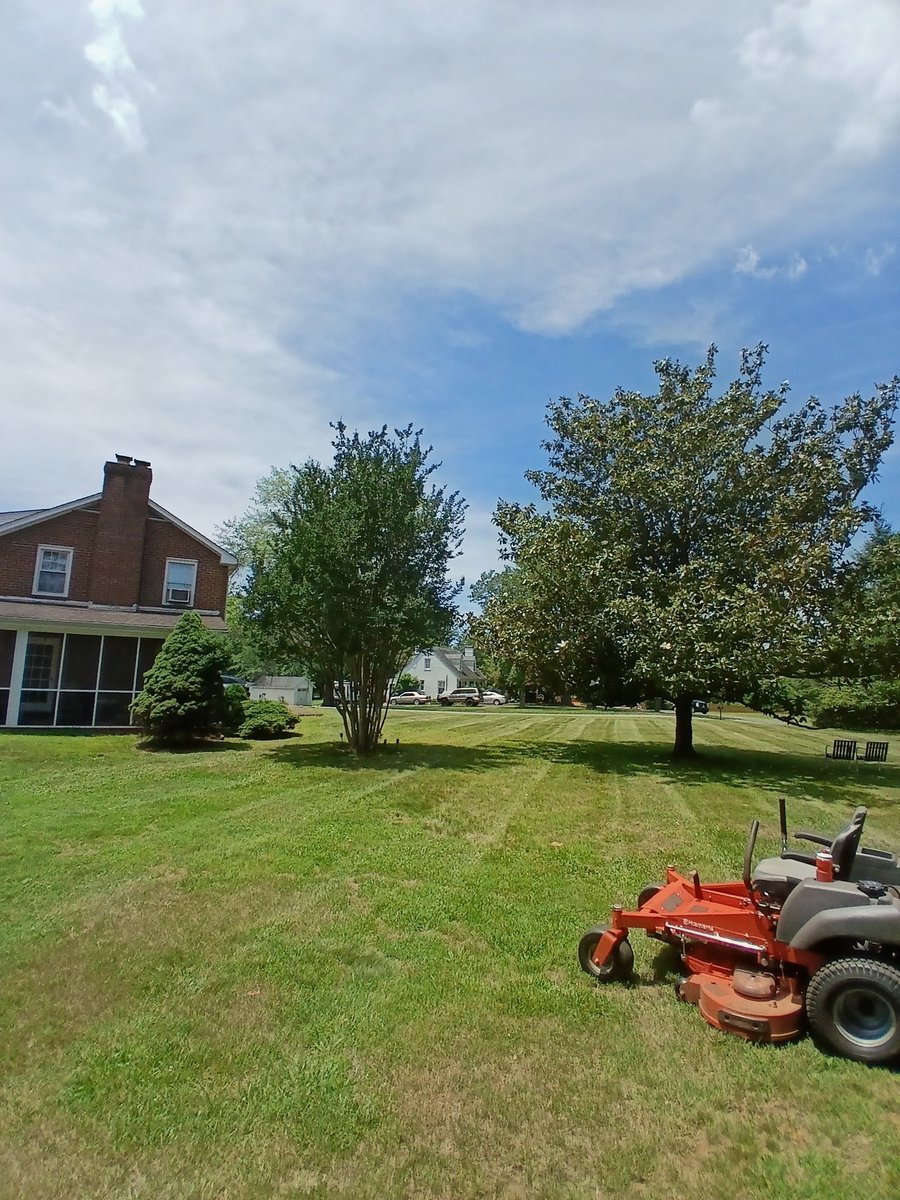
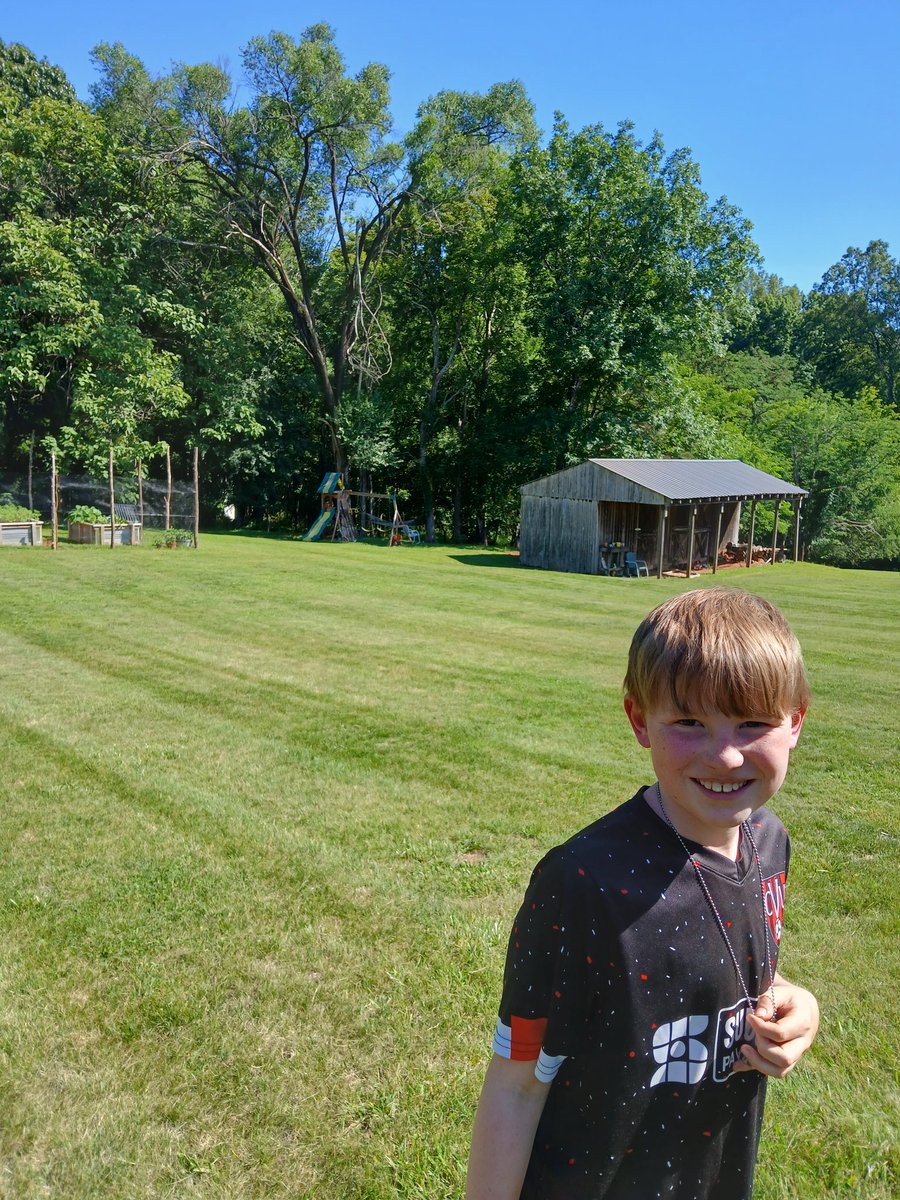
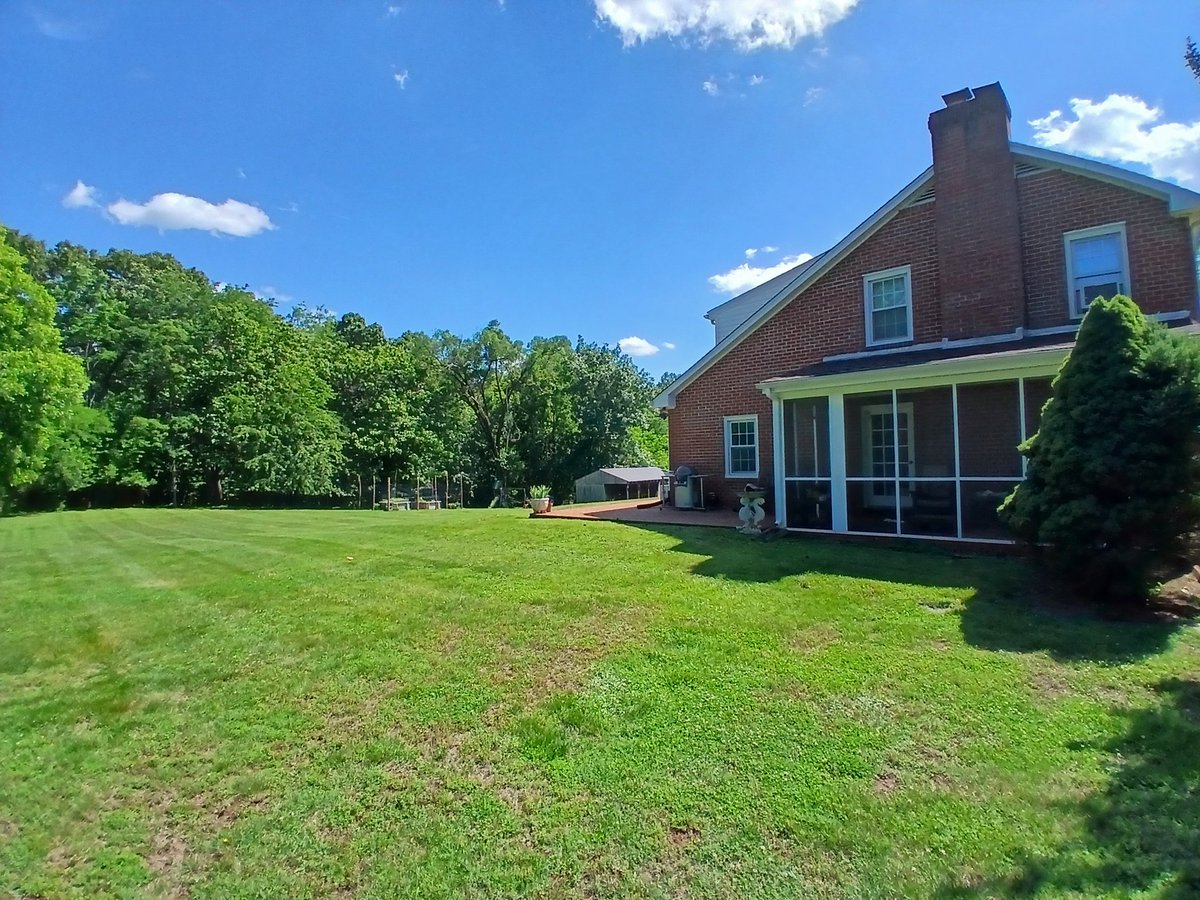
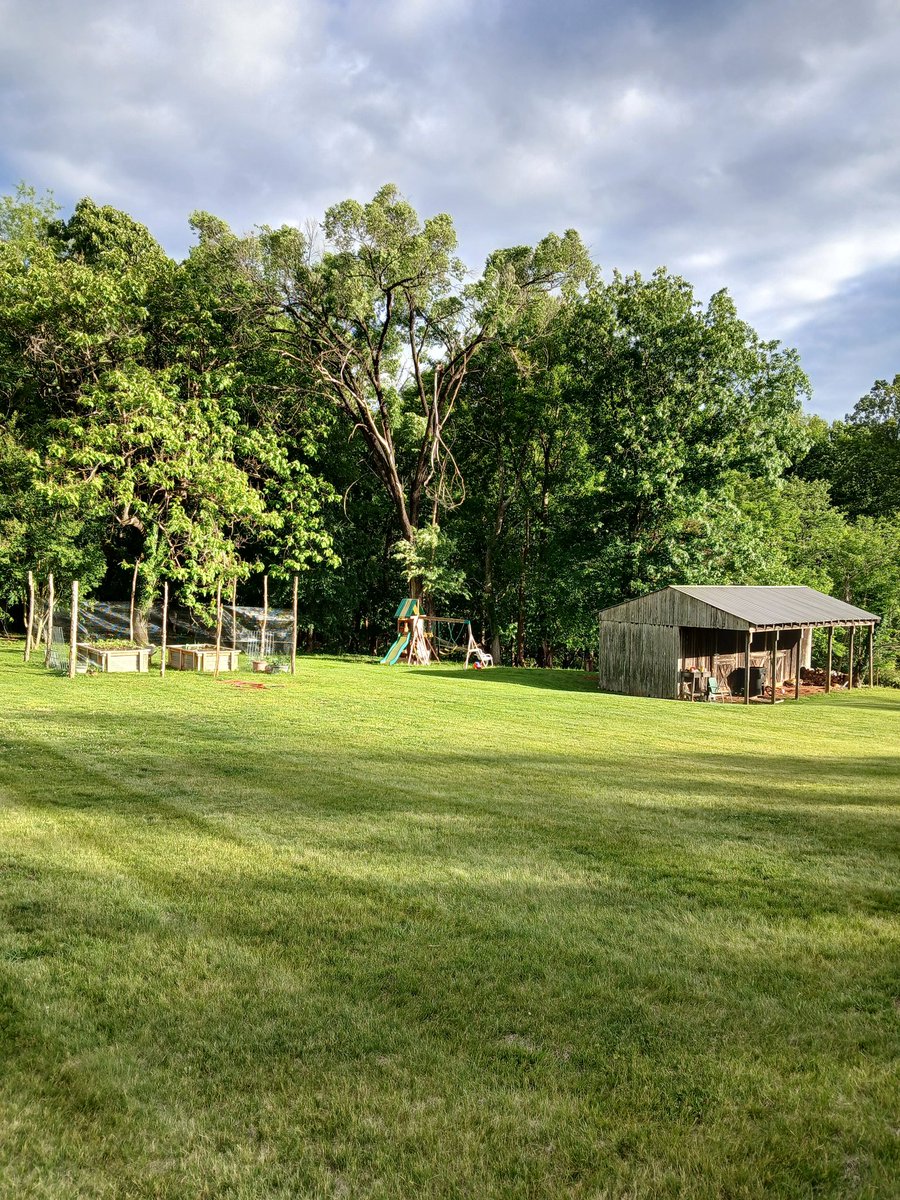
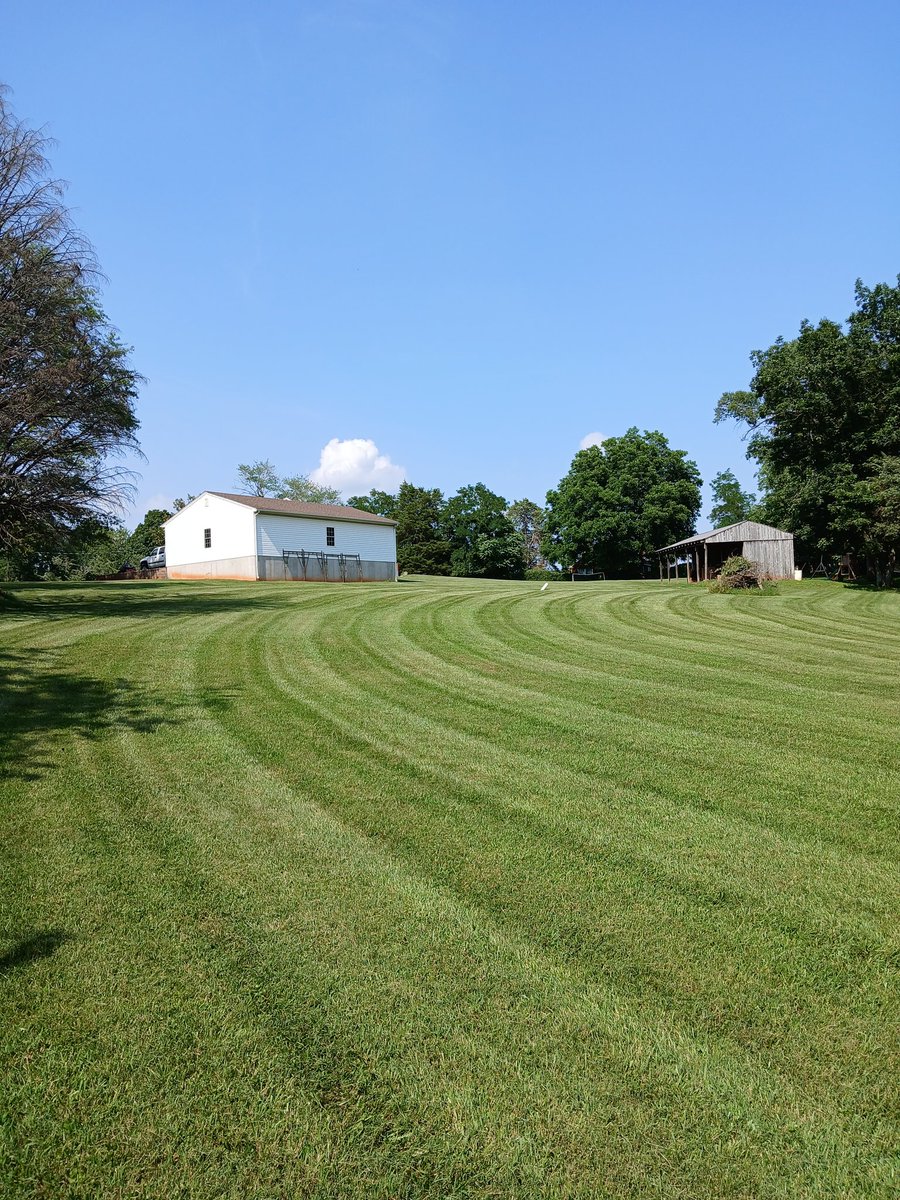
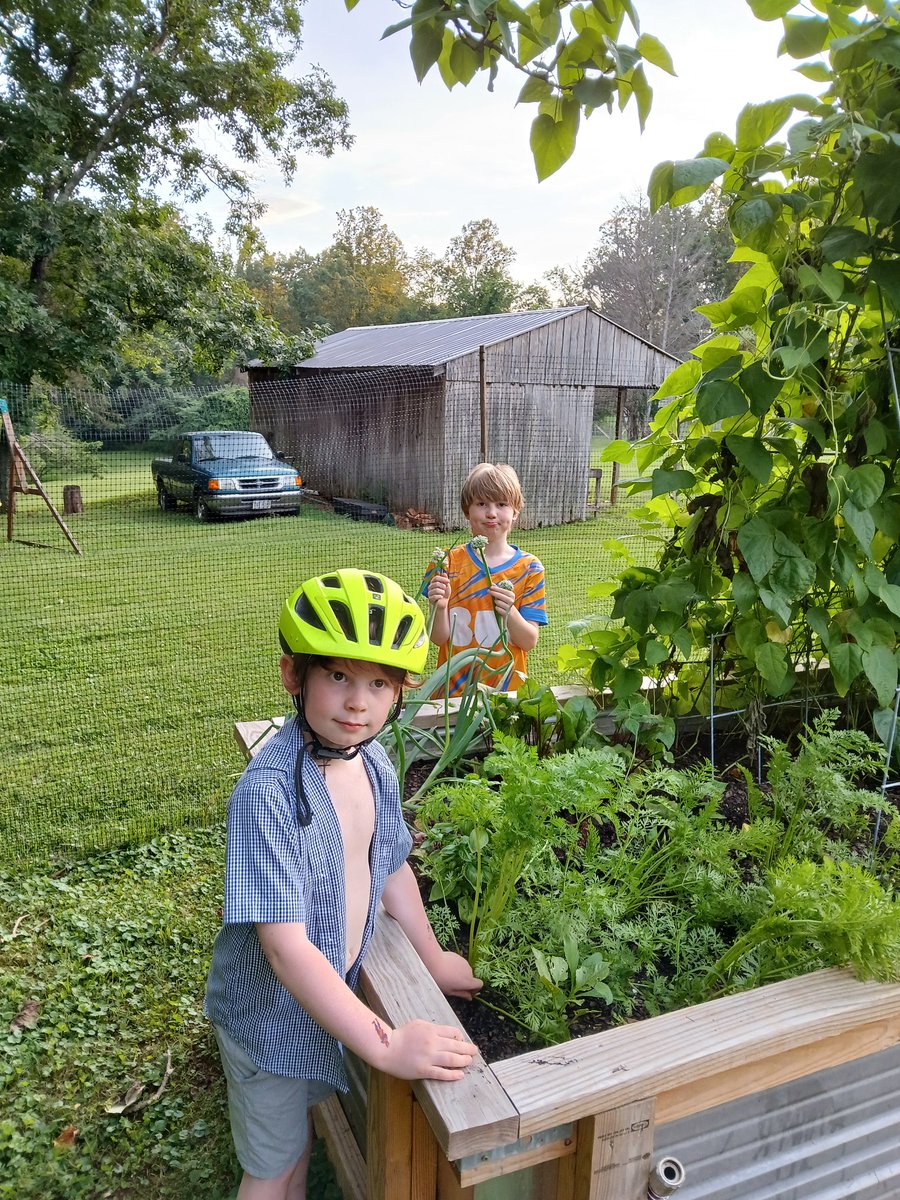
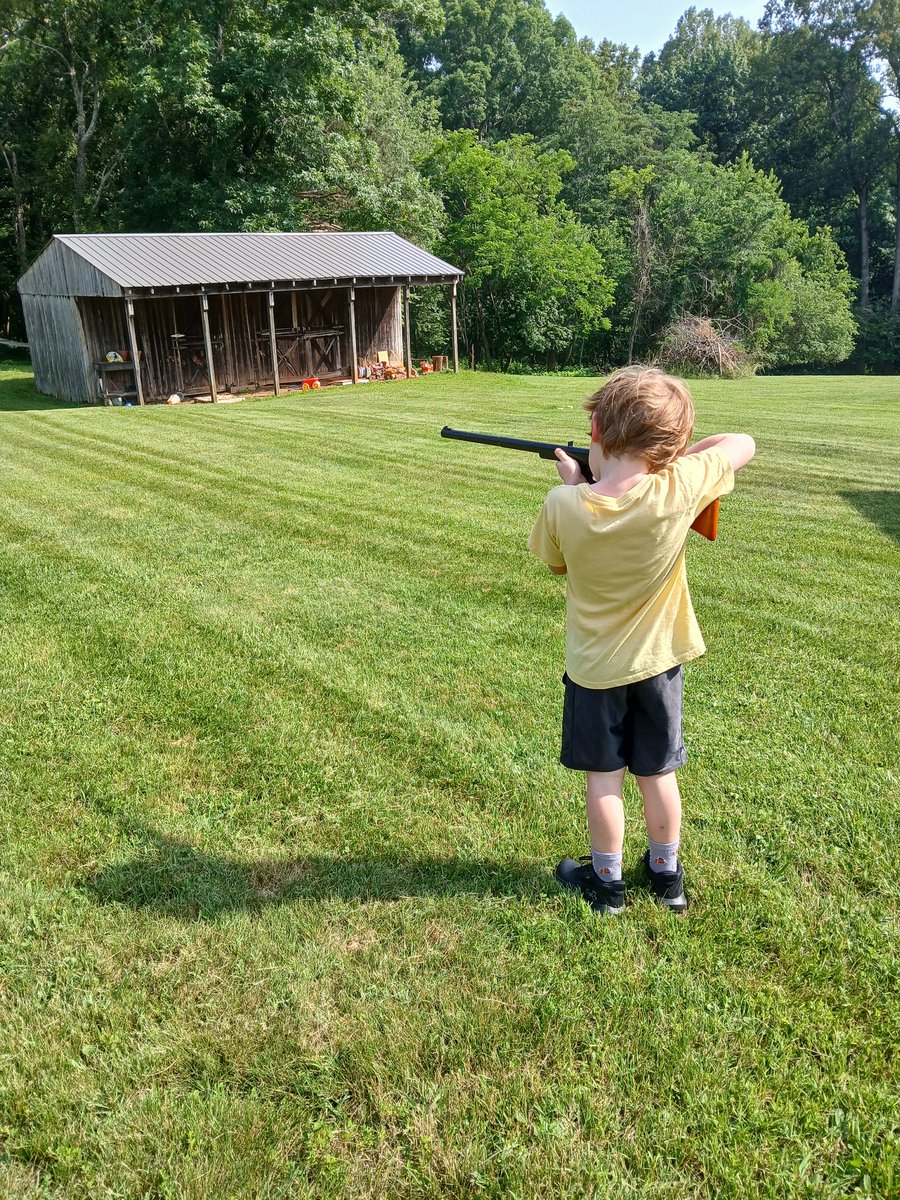
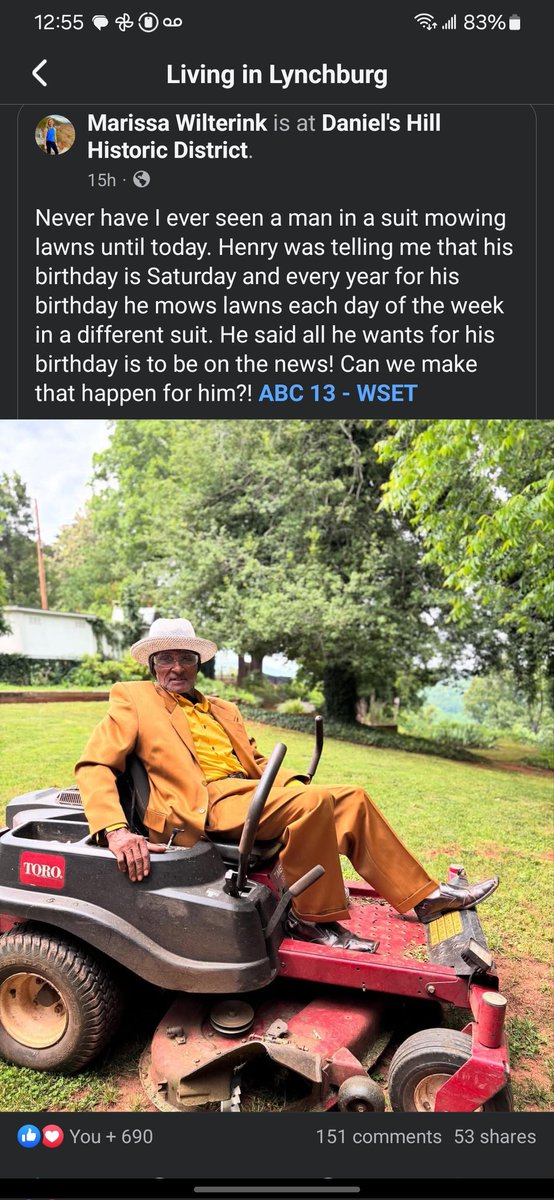
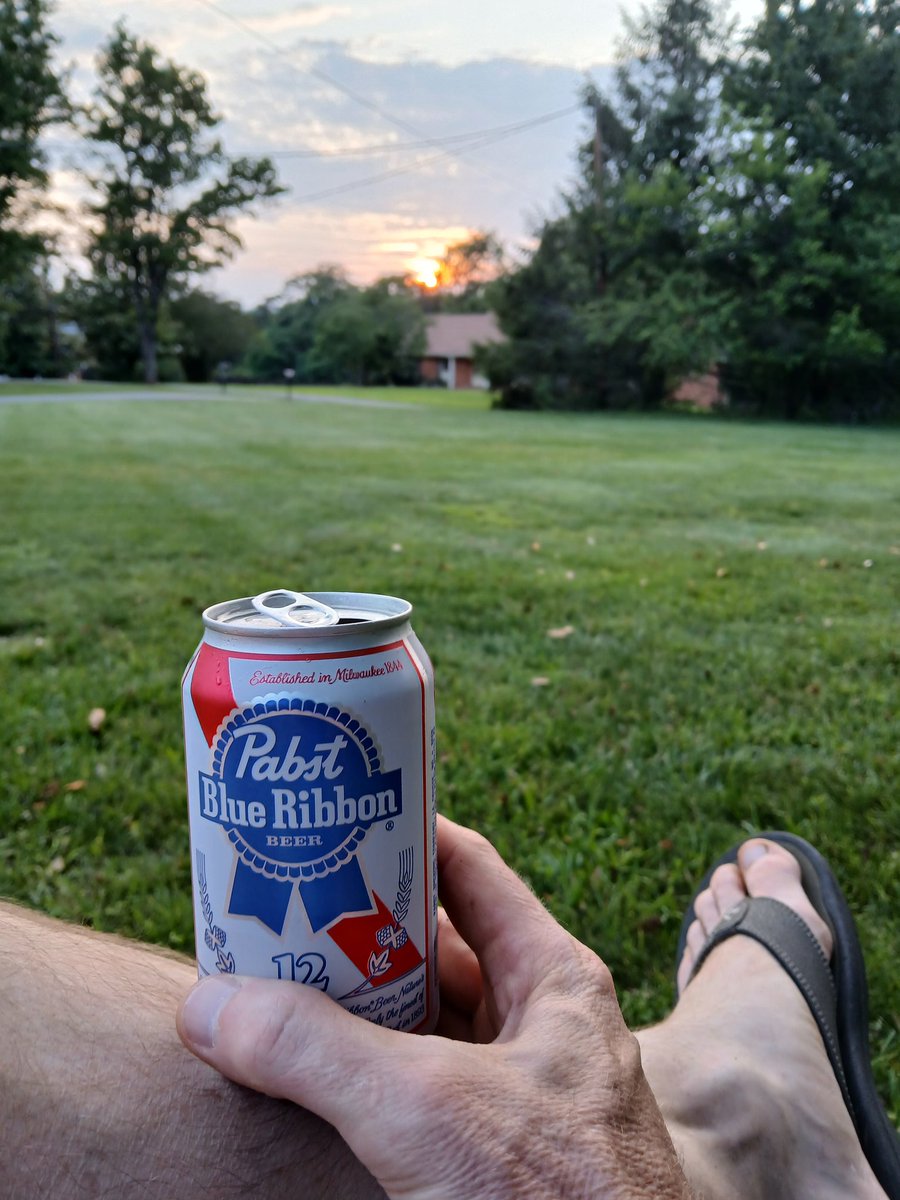
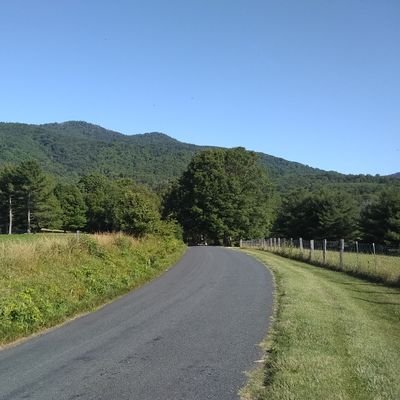
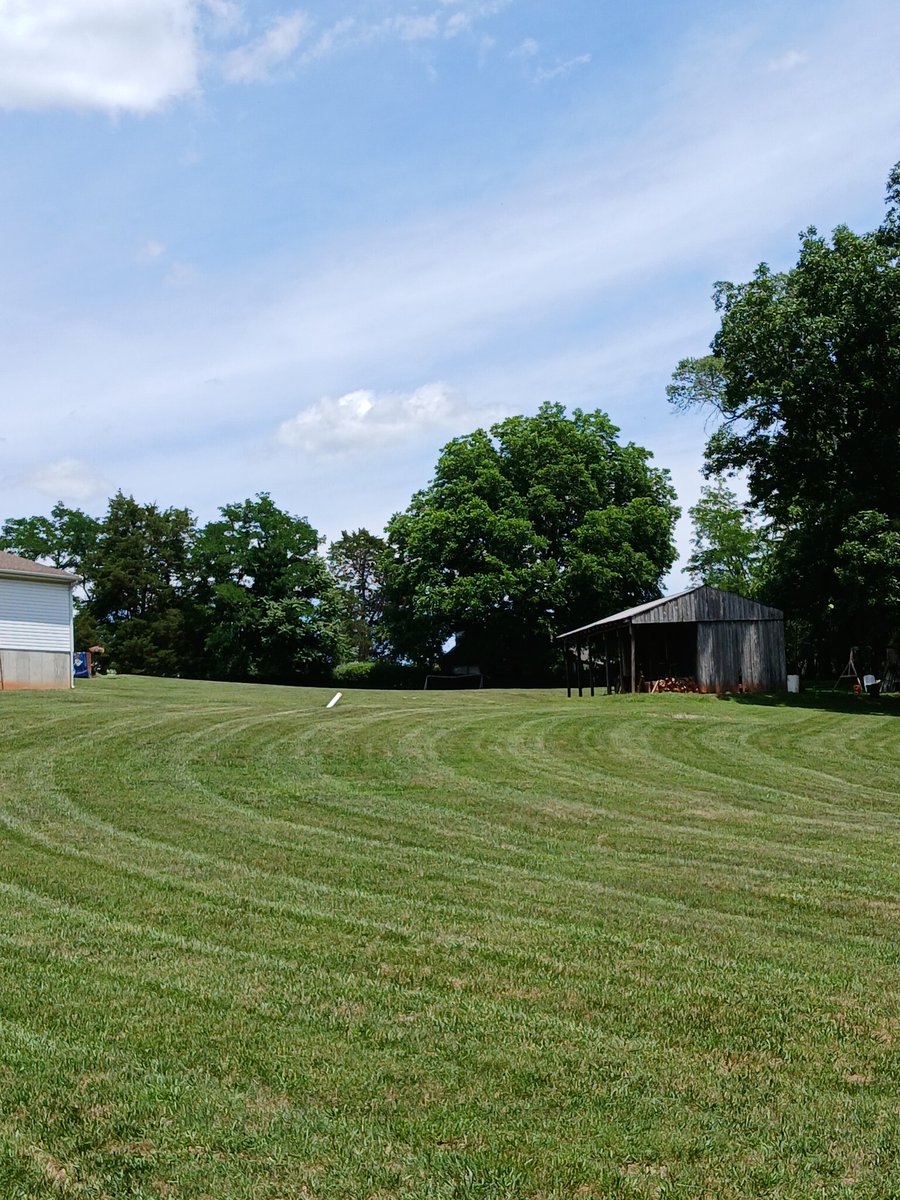
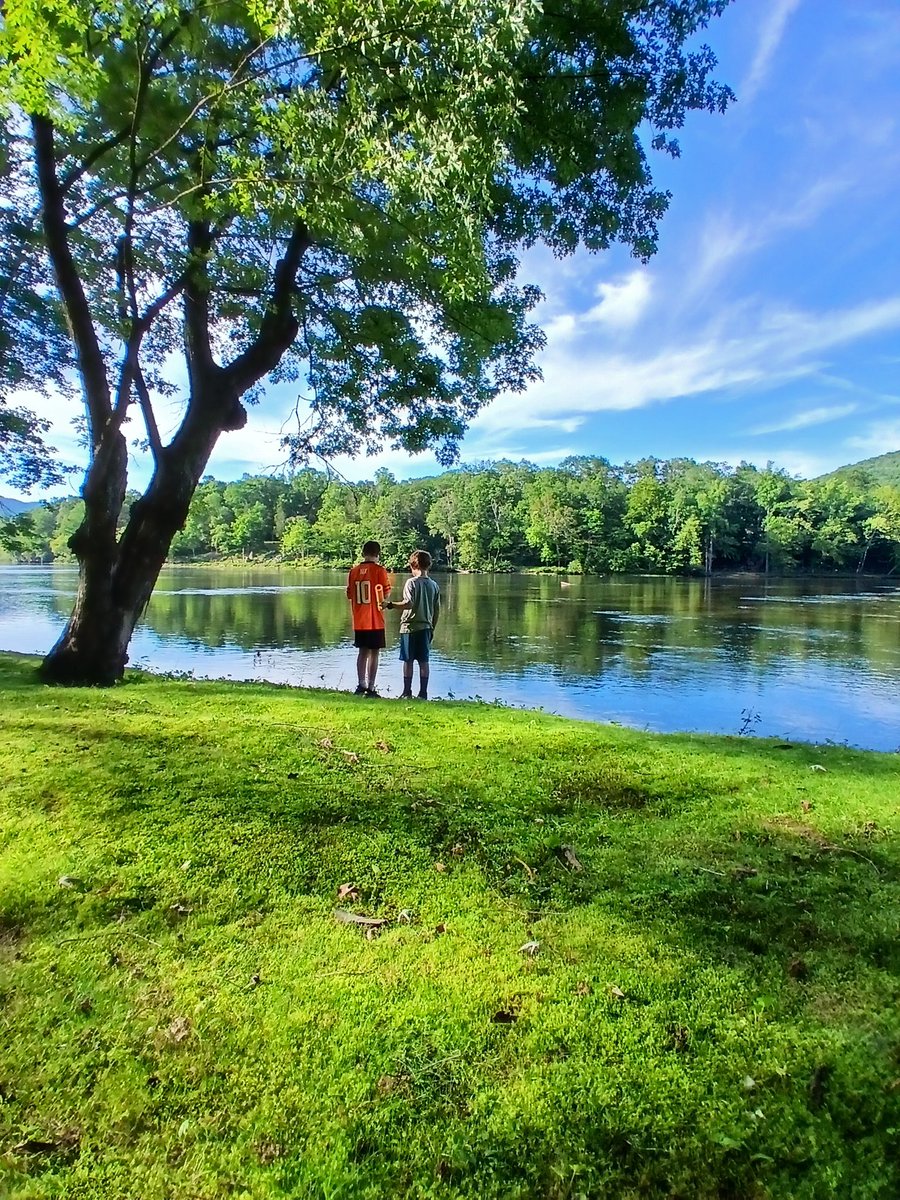
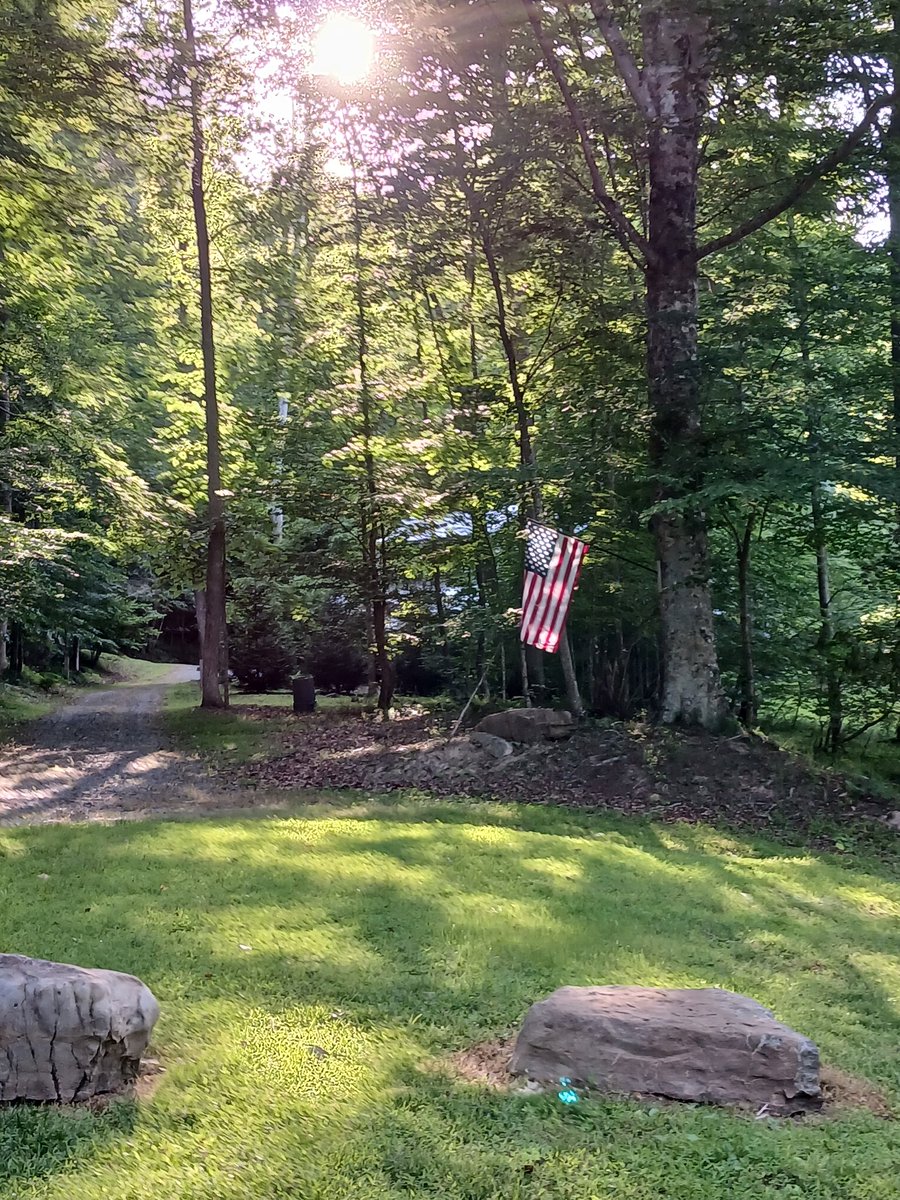
Took the kids to the river in WV which put me off schedule for a Thursday mow, so Saturday had to do. Pretty dry in VA but still laying some decent stripes. @OutKickTNML
1
38


Jun 5
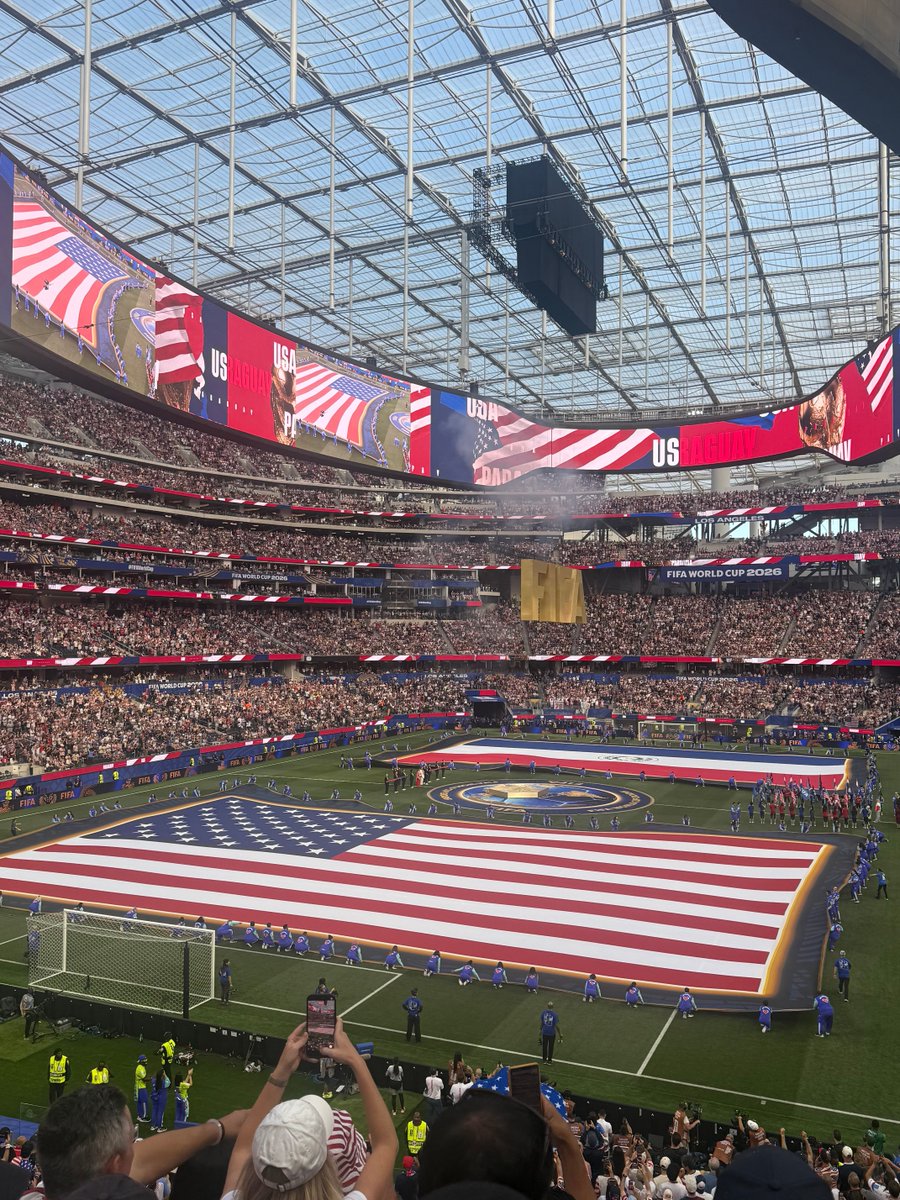
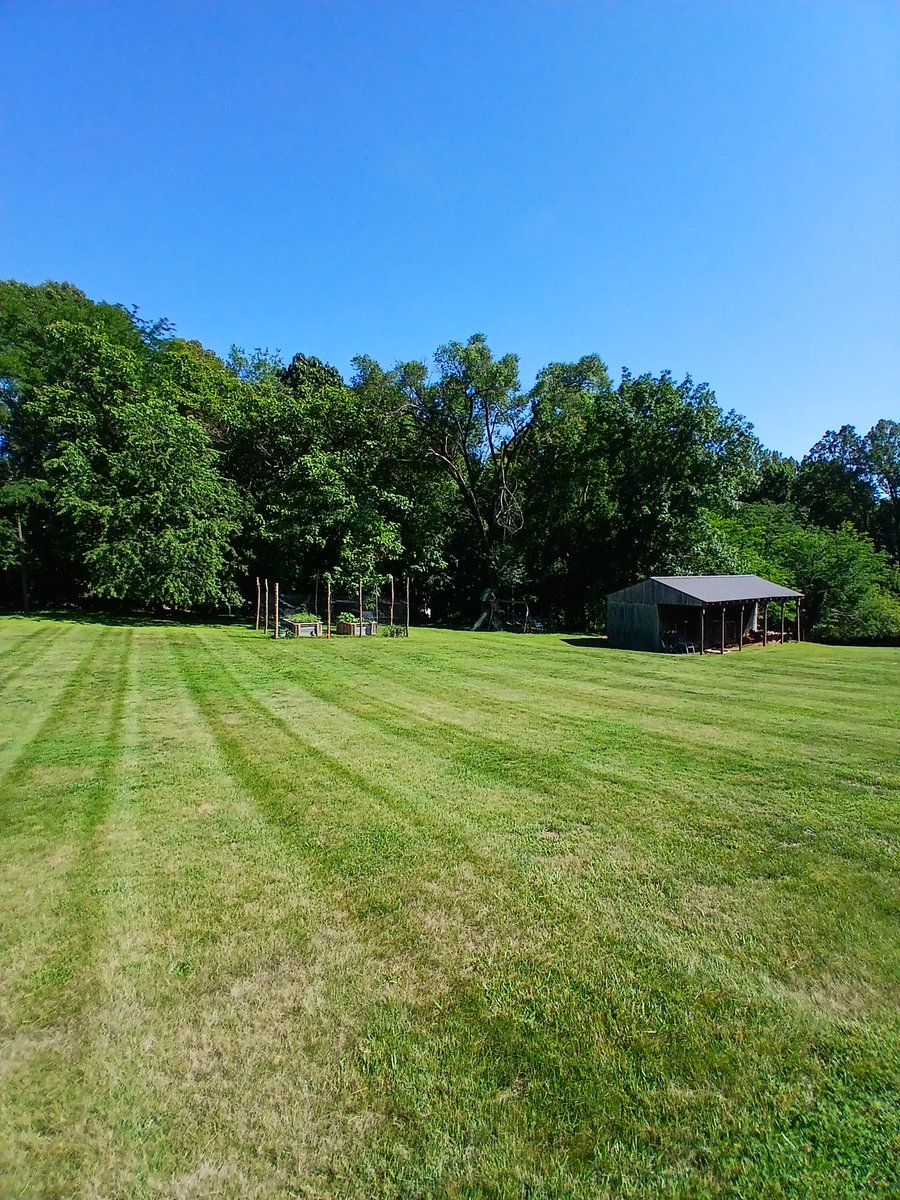
Happy last day of school to my first born, and happy stripe day to all who celebrate @OutKickTNML
3
1
16
1,693
May 28
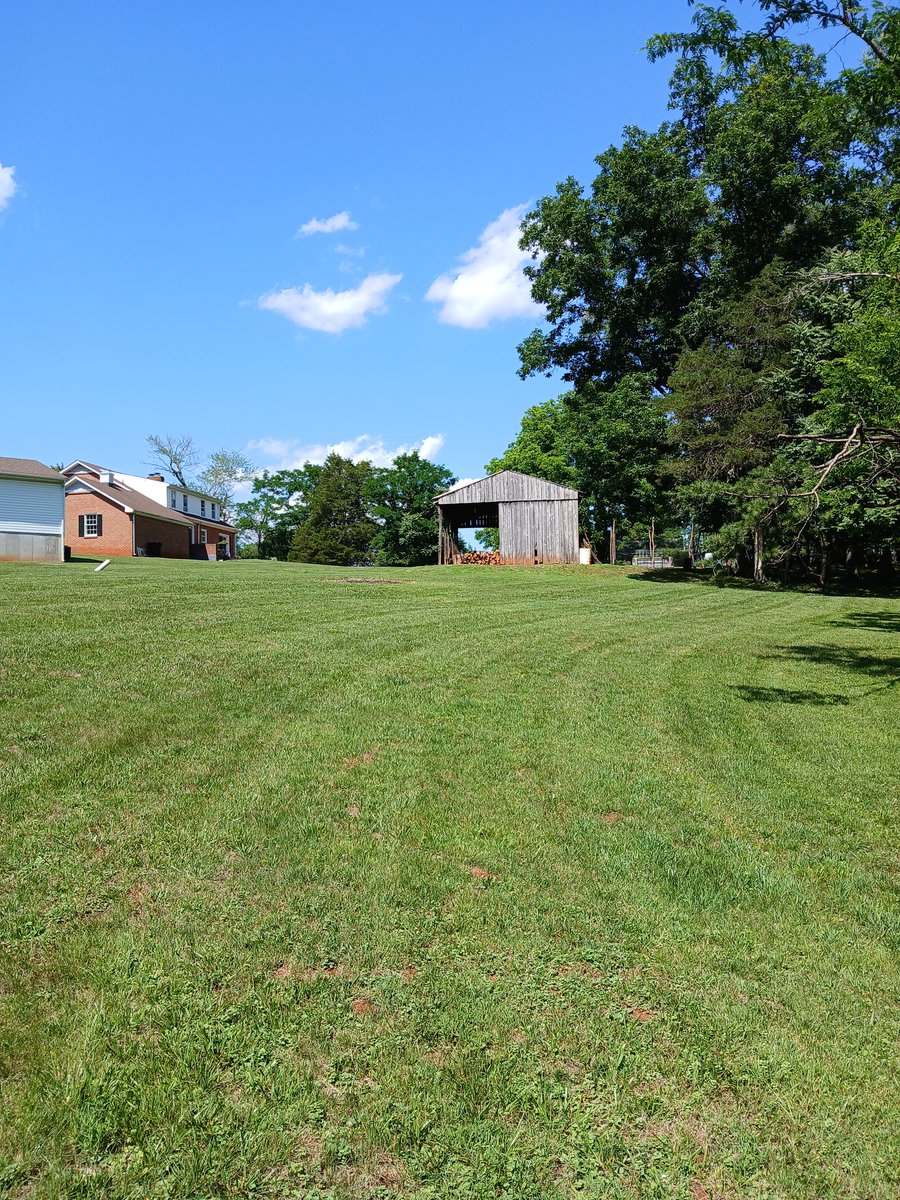
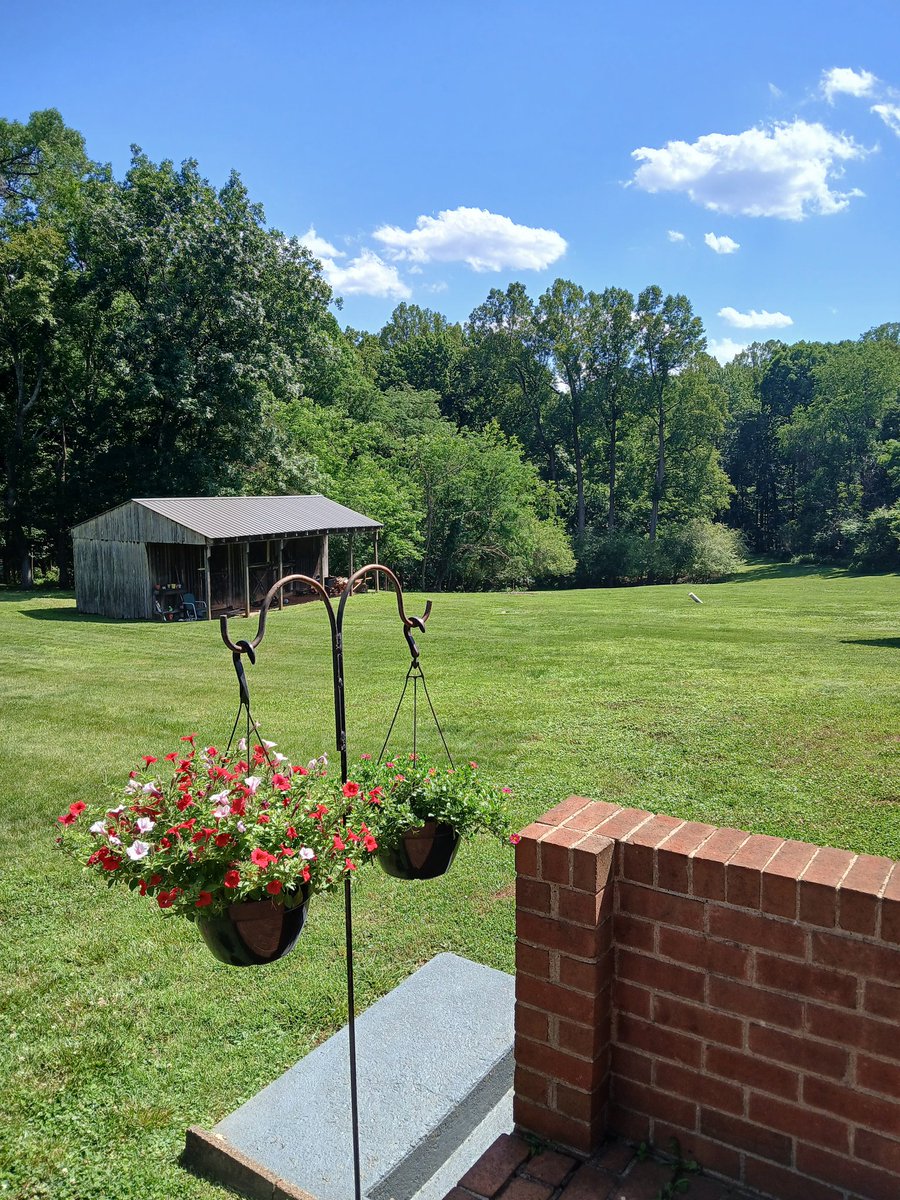
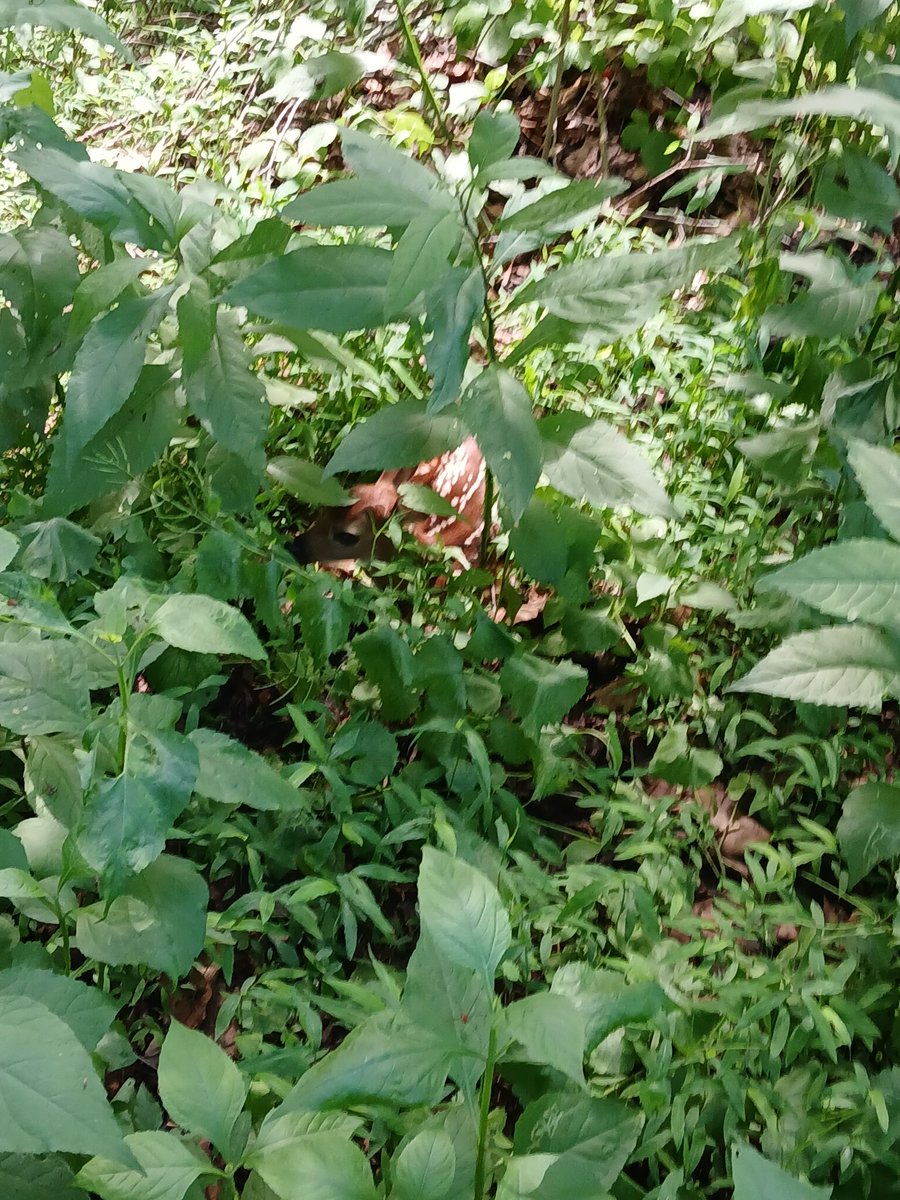
Several days of rain have helped the dry lawns in VA. Still some brown spots but looking better. Even found a football size deer down in the woods. @OutKickTNML
3
17
429
May 15
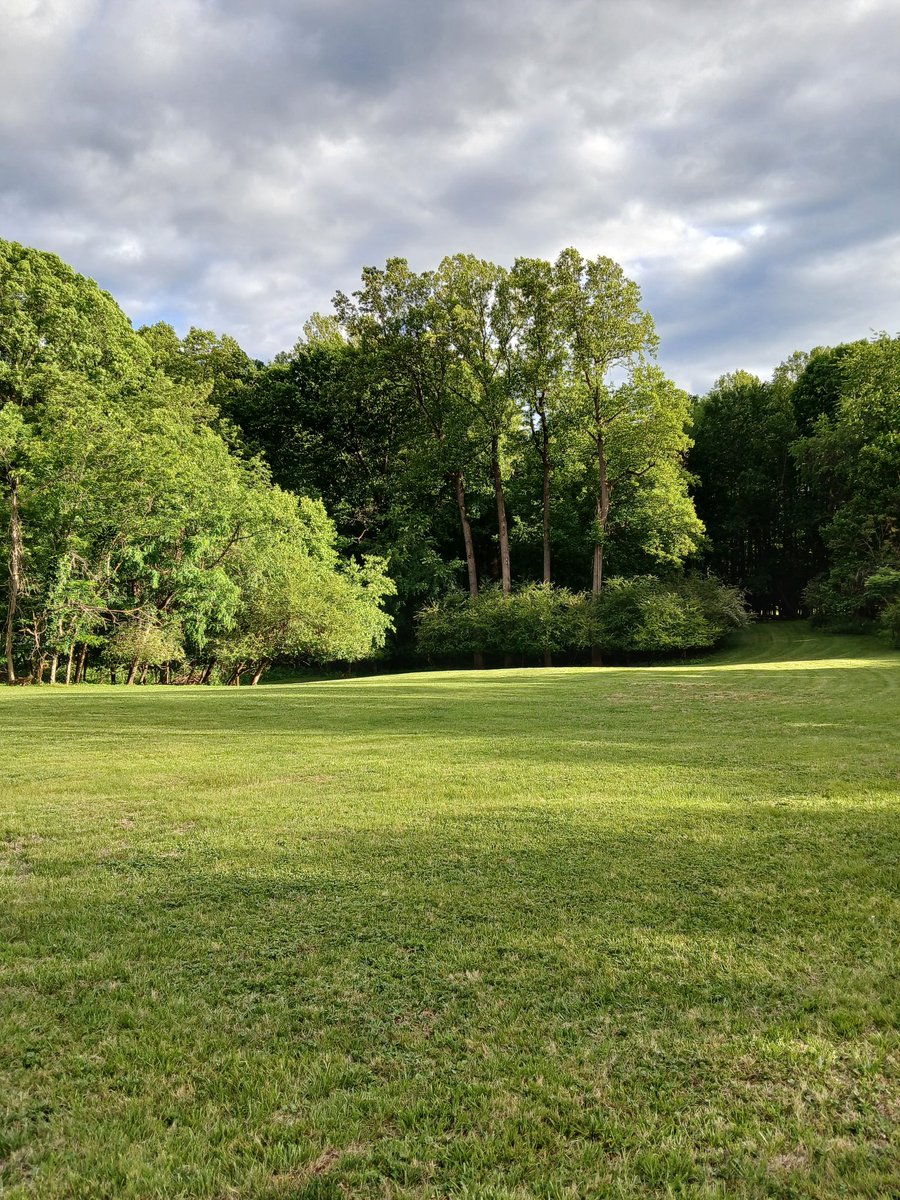
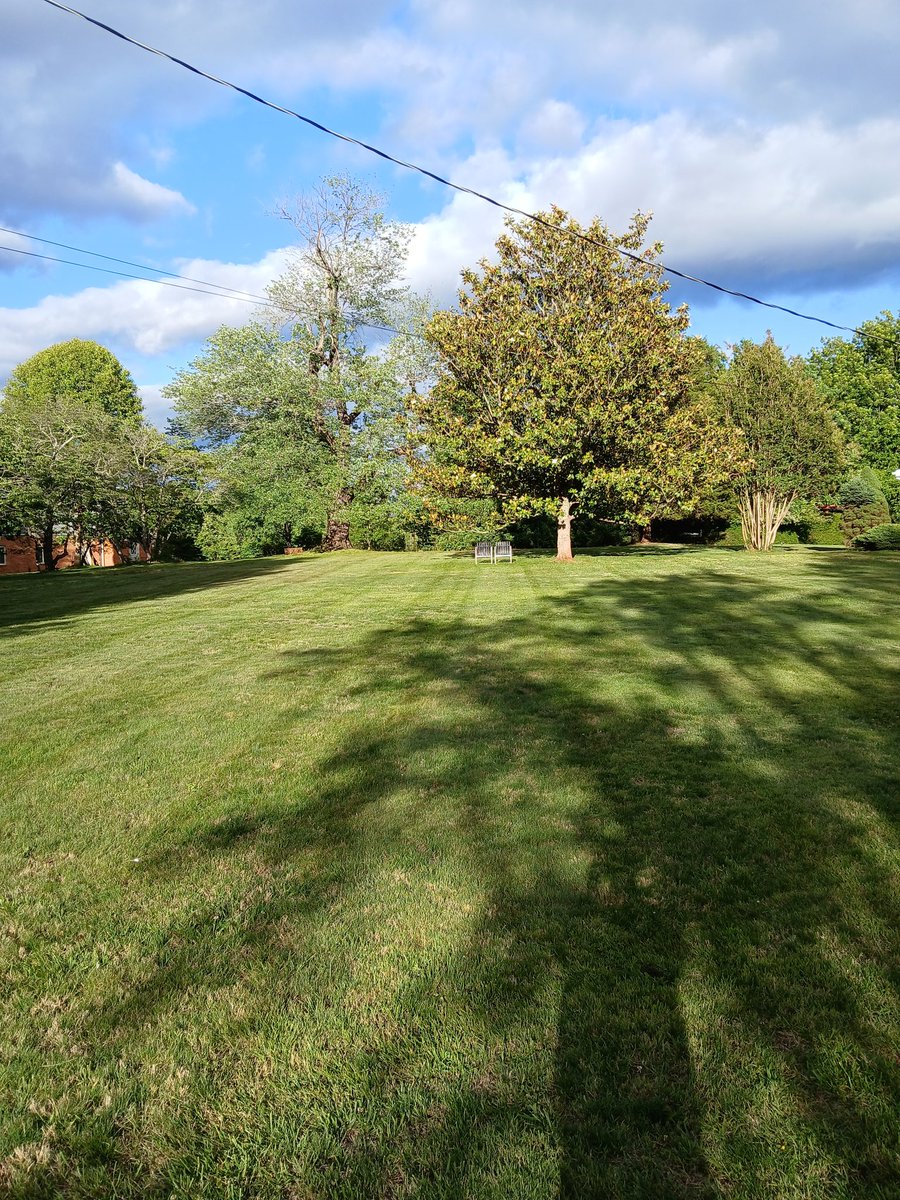
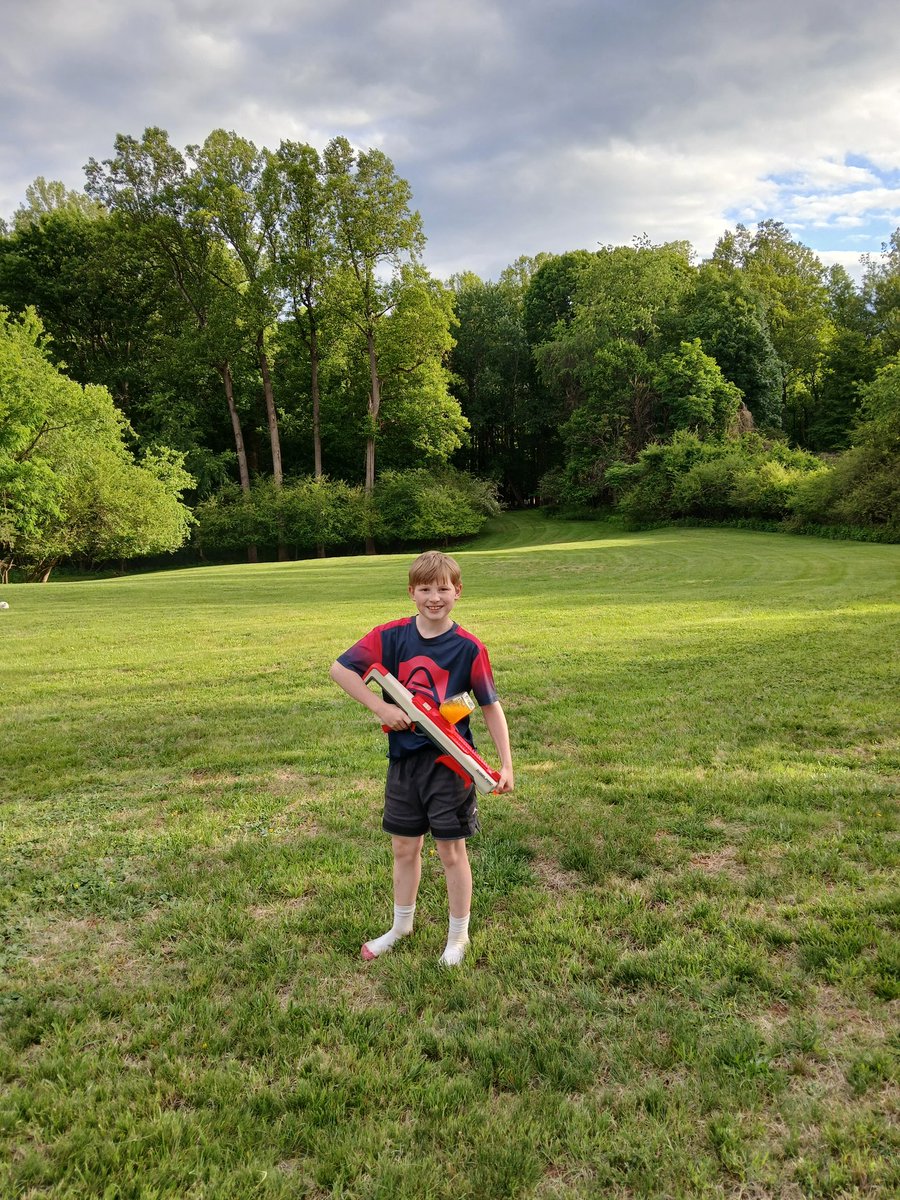
We've been dry for a while in VA but some rain the past week greened things up a bit. @OutKickTNML
1
12
119
Feb 15
George Washington, Appalachia, whiskey, and @NASCAR. Burge weaving a nice bit of history in honor of the 500.
Feb 15

On the occasion of the 68th running of the Daytona 500, Dave's Car ID Service takes a deep short dive into the cultural roots of that annual event. Starting with George Washington and the Whiskey Rebellion of 1791-1794.
The fledgling nation of the United States was in deep need of tax revenues to satisfy debts incurred during the Revolution. Tariffs were already high, hampering trade, and Treasury Secretary Alexander Hamilton promoted a domestic excise tax on the production of distilled spirits. The "Whiskey Act" was passed in 1791.
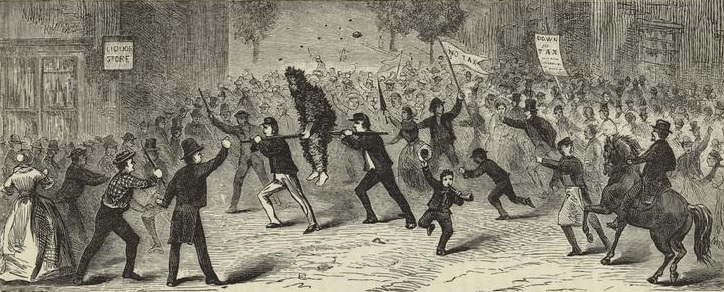
This did not sit well in those hard-drinking times, especially among the Scots-Irish settlers of Appalachian Pennsylvania who had a long tradition of distilling and selling whiskey. Revenue collectors were sent to collect the excise tax and, well, a rebellion ensued. Resulting in literal tarring & feathering, along with being run out of town on a rail, like the unfortunate tax collector depicted below.
That rebellion raged in and around Fort Pitt (later Pittsburgh) for the next 3 years. Newly elected president George Washington dispatched negotiators, and later militias, to quell the rebellion. It collapsed in 1794, resulting in 24 organizers being charged with treason. The Whiskey Tax would continue, and be a major source of federal revenue for the next 125 years.
What does that have to do with stock car racing? Hold your horses, I'm getting to that.
4
129
Jan 31
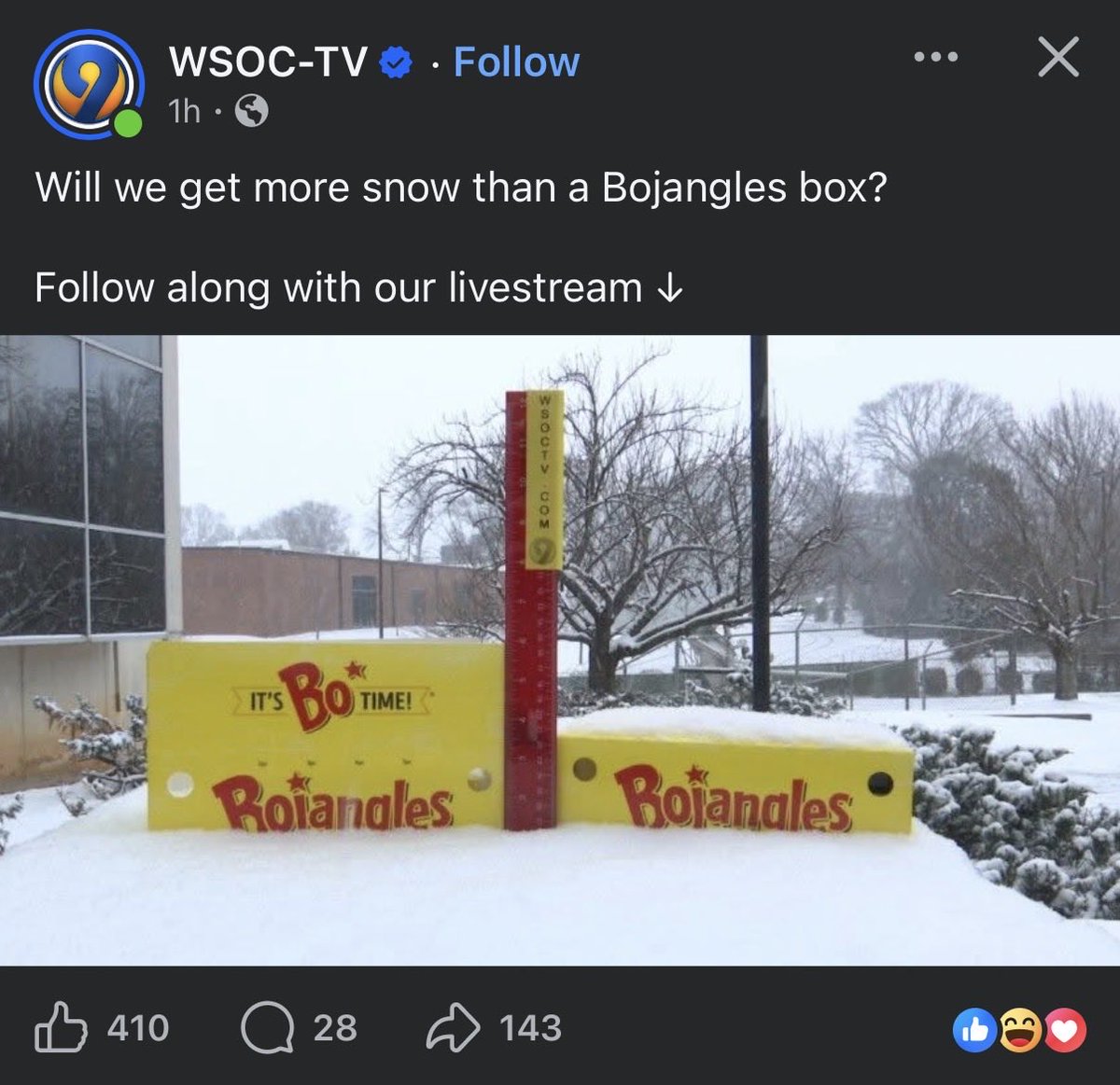
Superior in every way

1
6
190
Jan 17
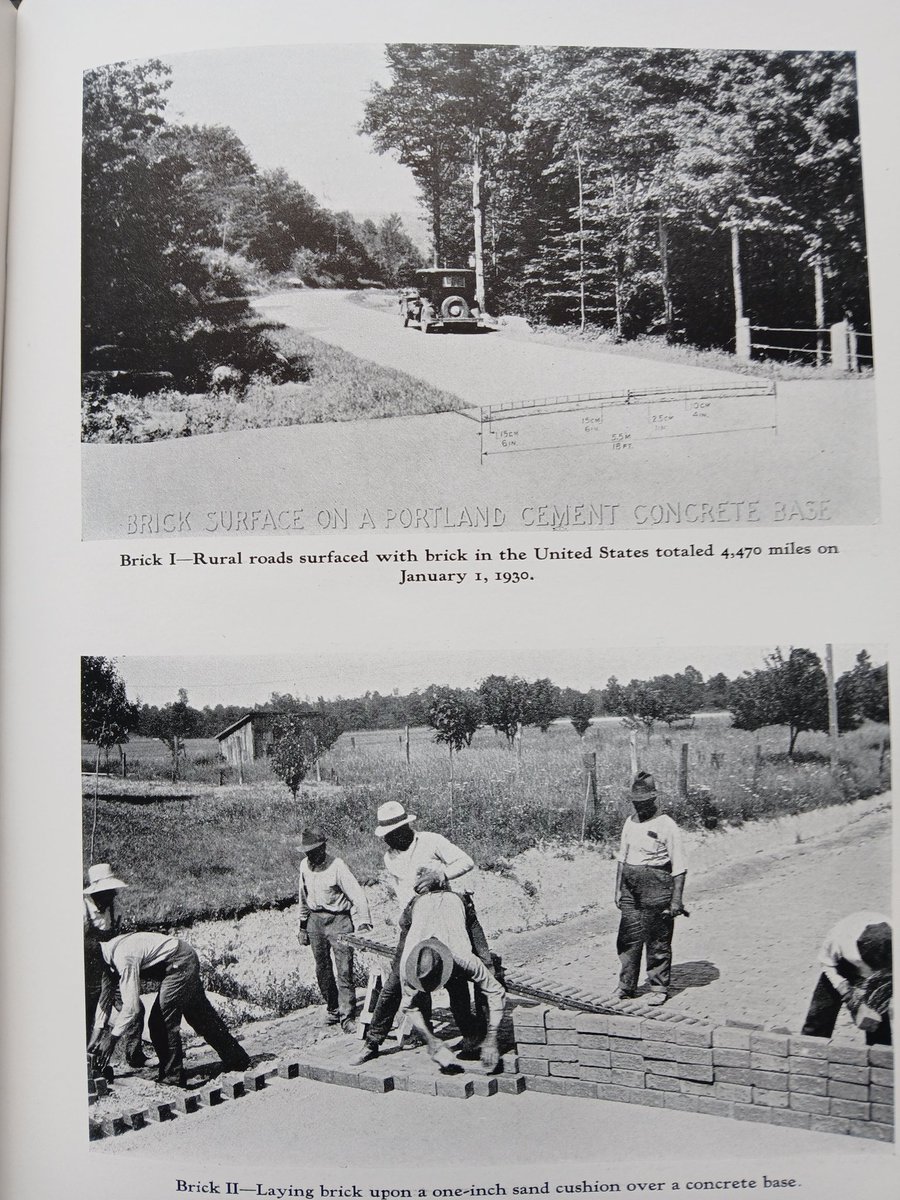
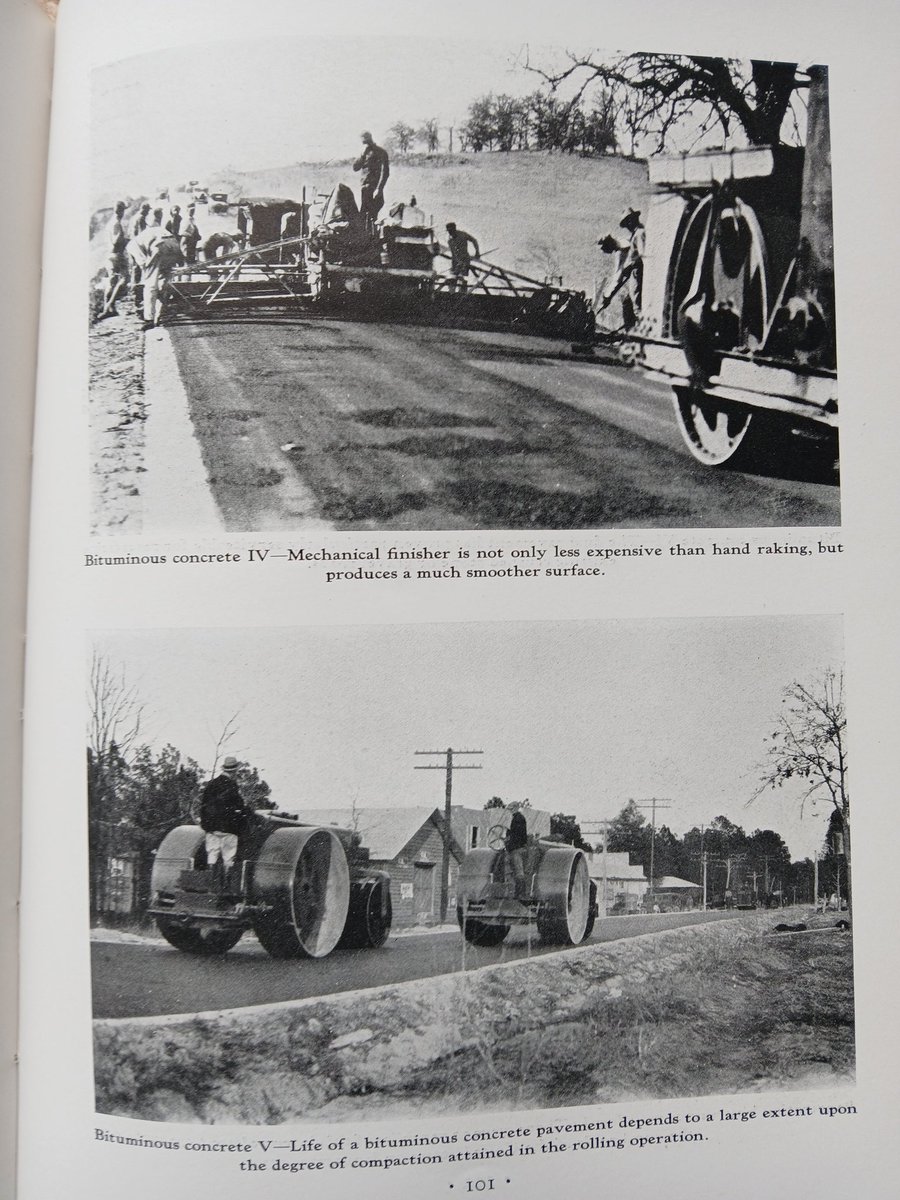
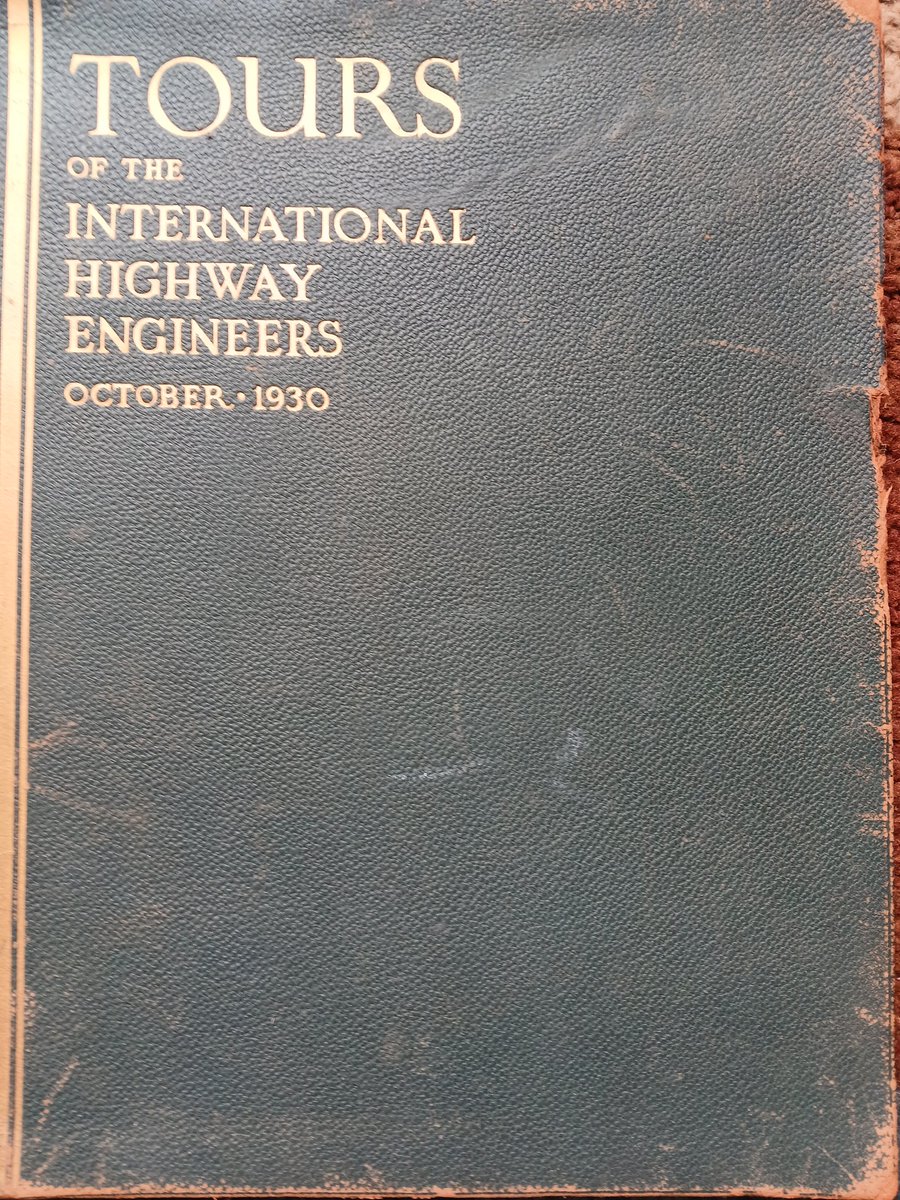
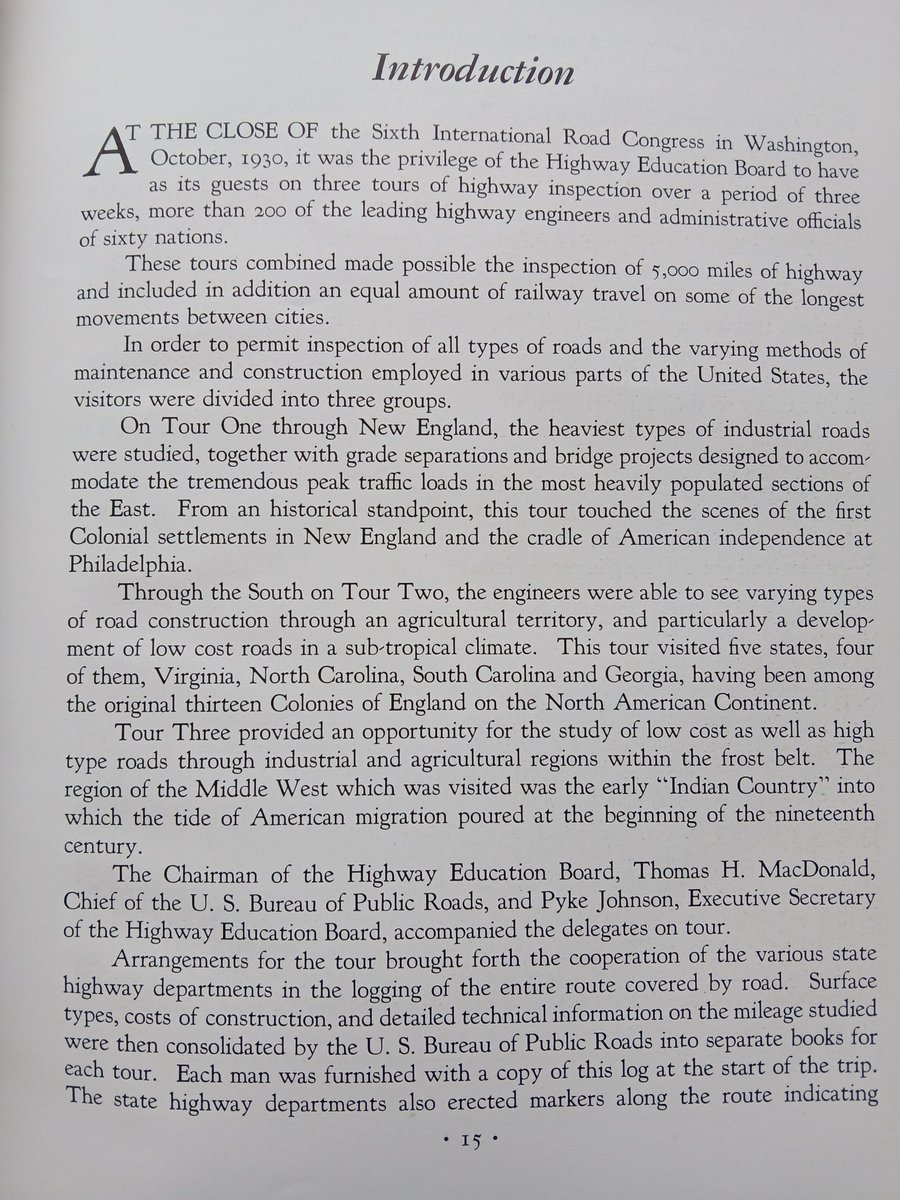
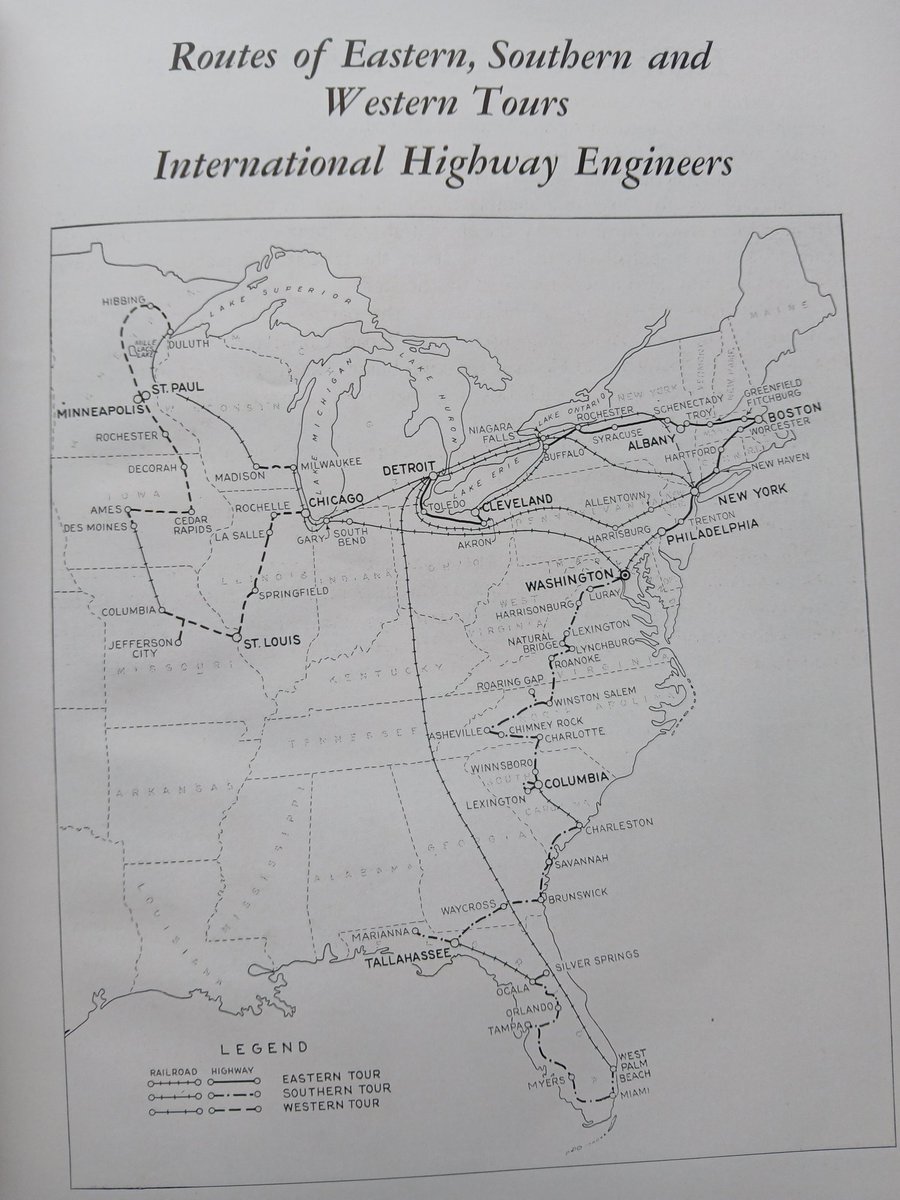
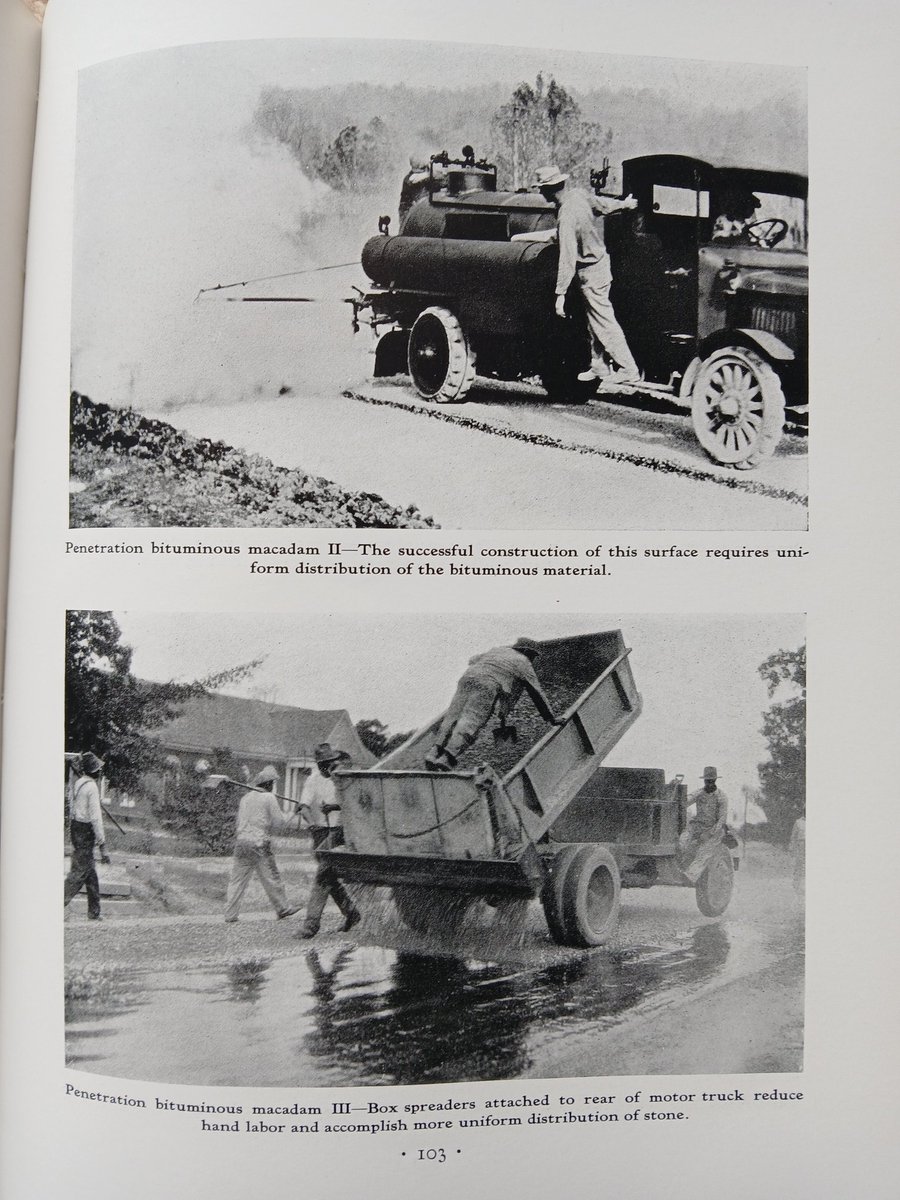
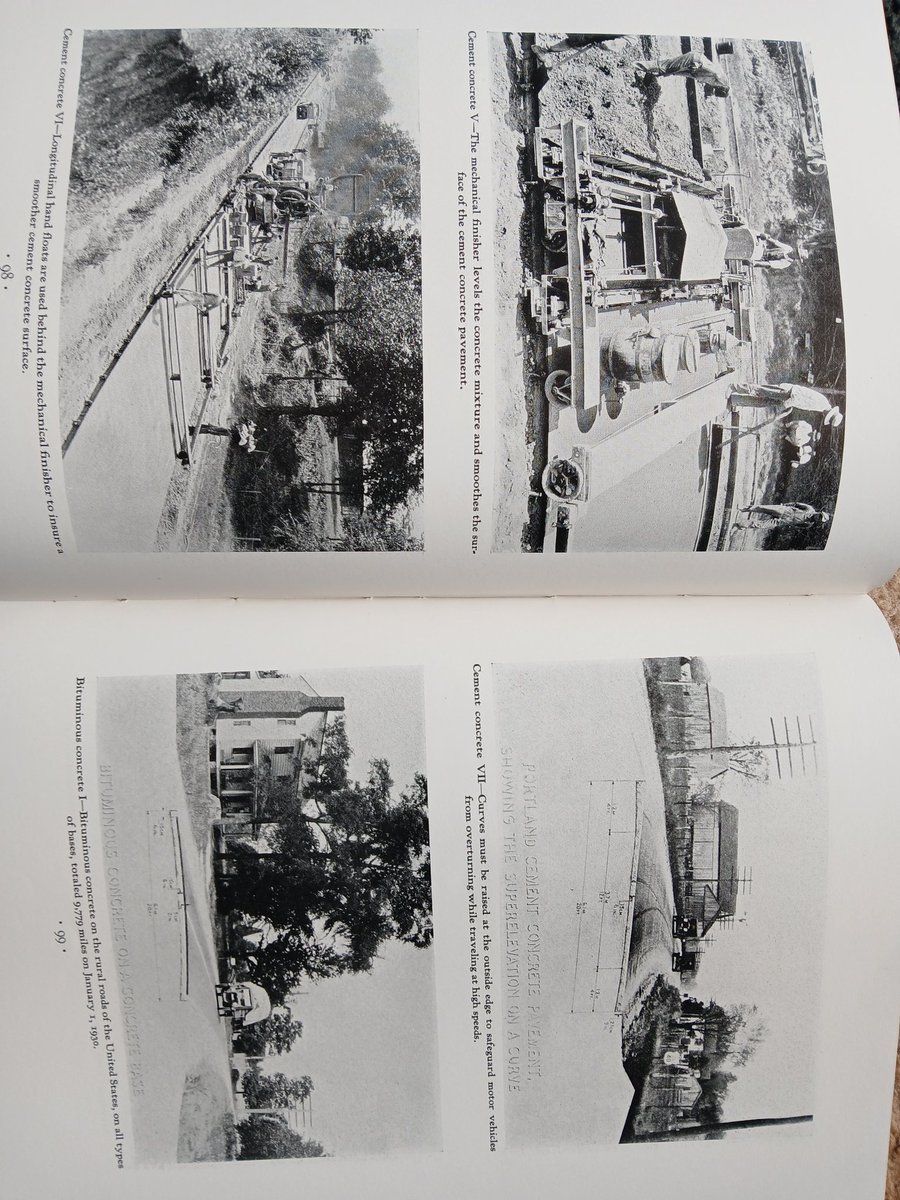
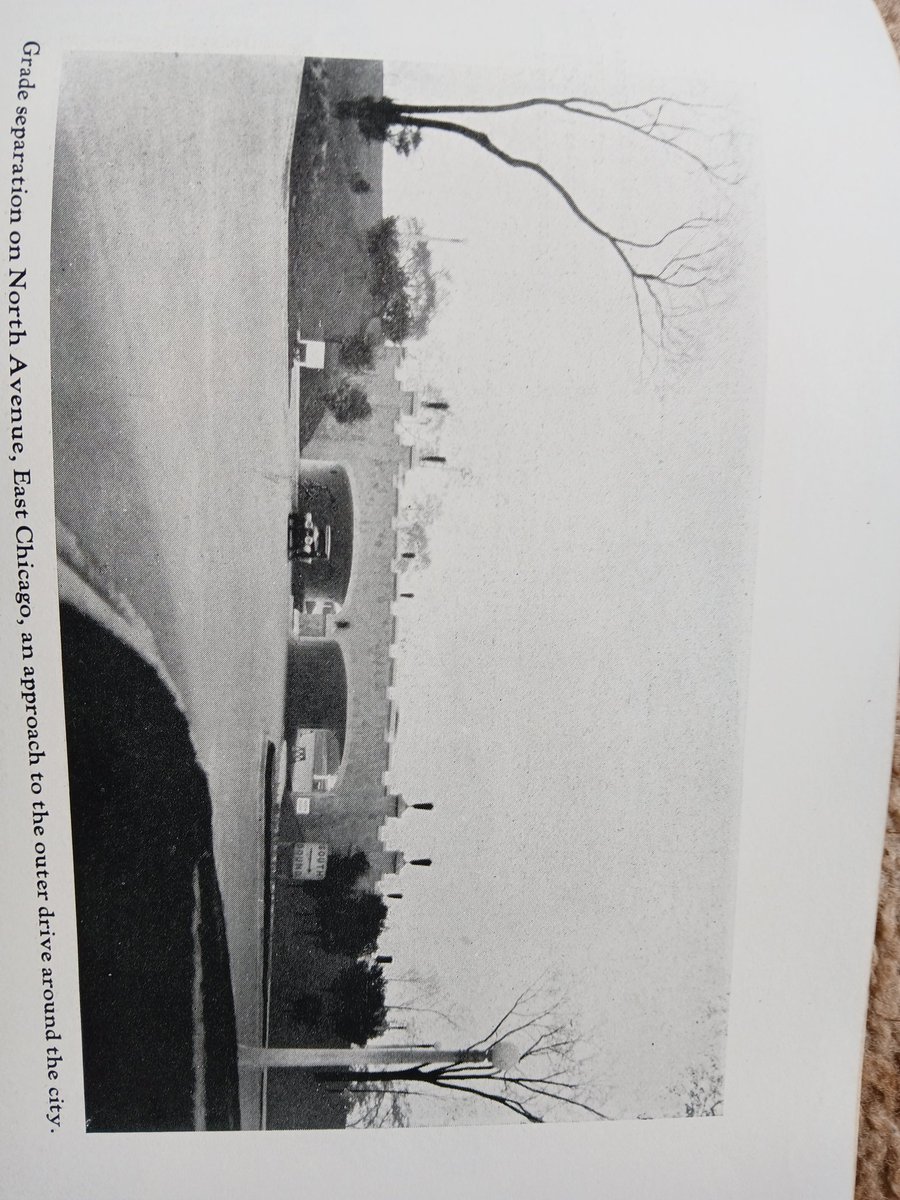
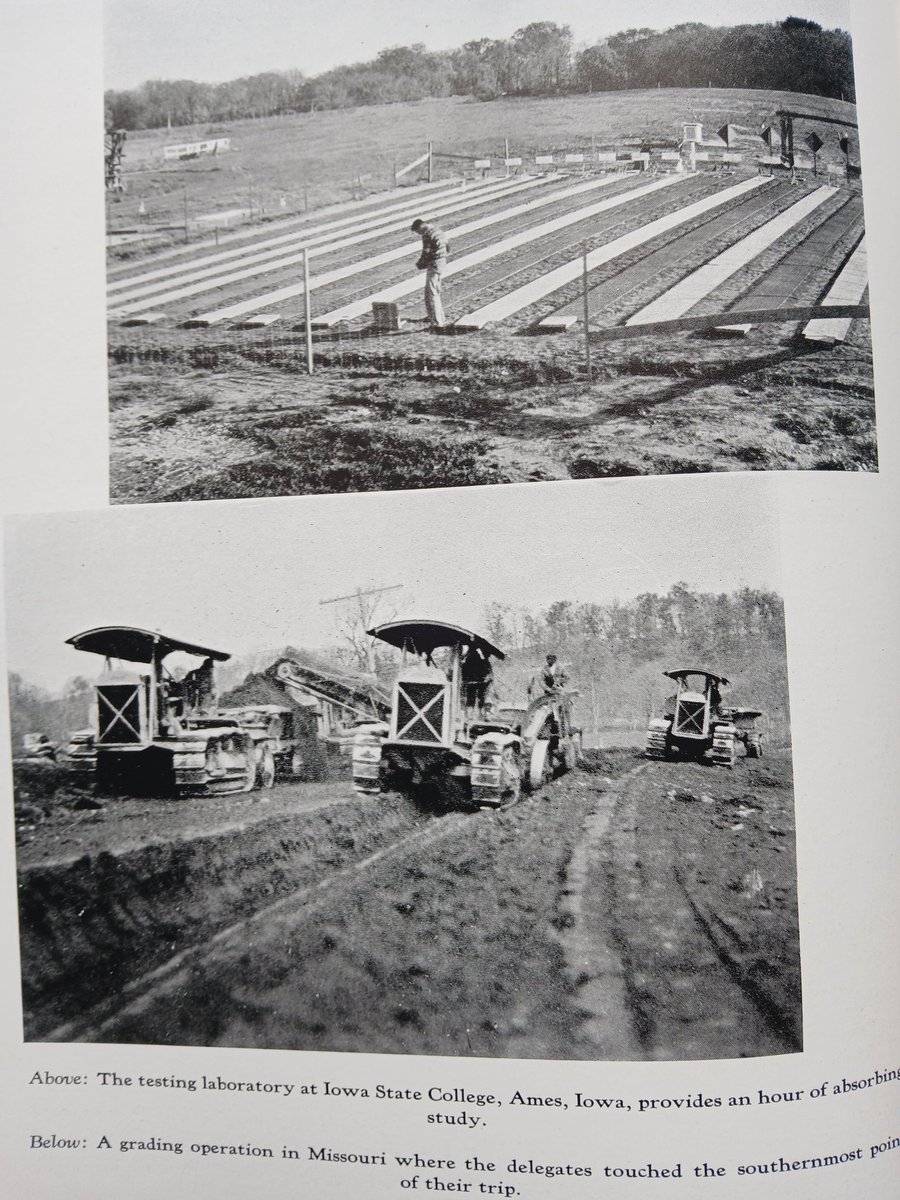
Hey @iowahawkblog, a little davescaridservice related bit of history here. An interesting book highlighting a tour of 1930 era road infrastructure in the US. Those wheels have to roll over something.
1
2
111
24 Dec 2025
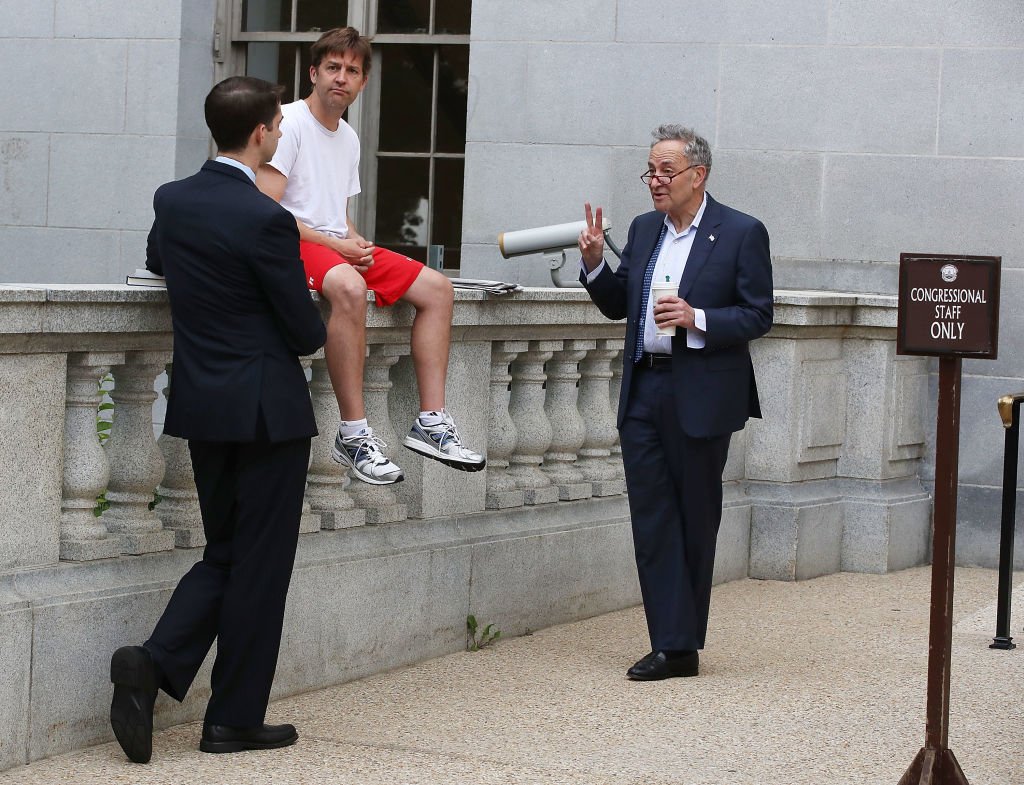
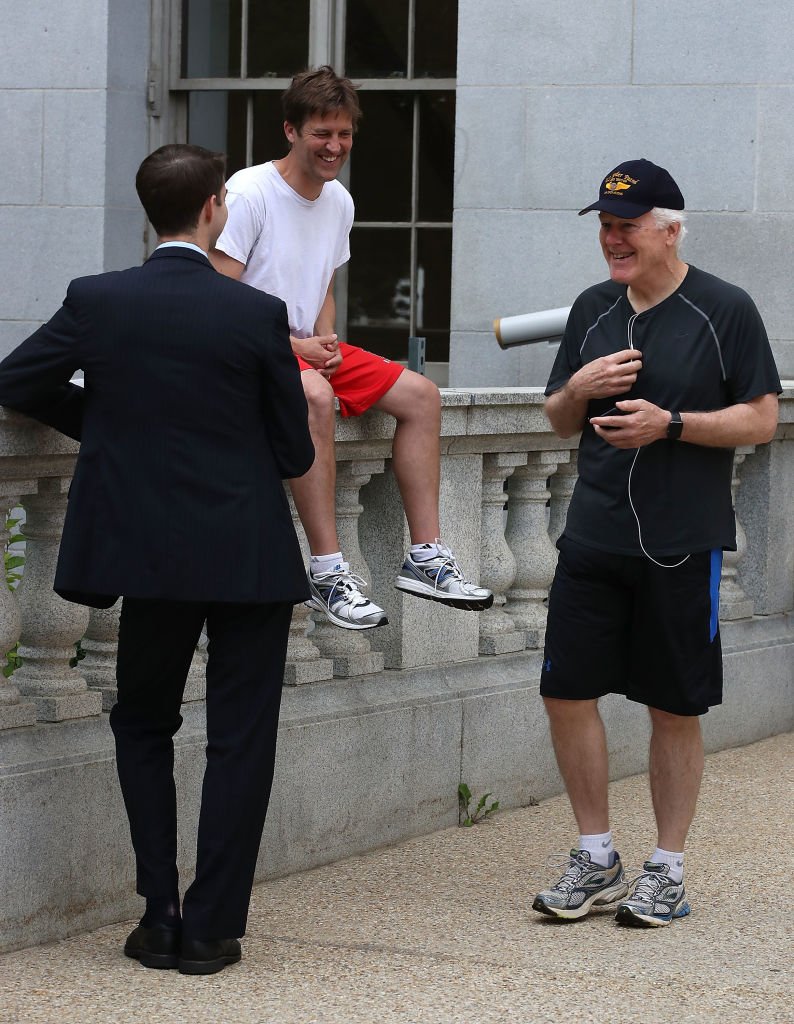
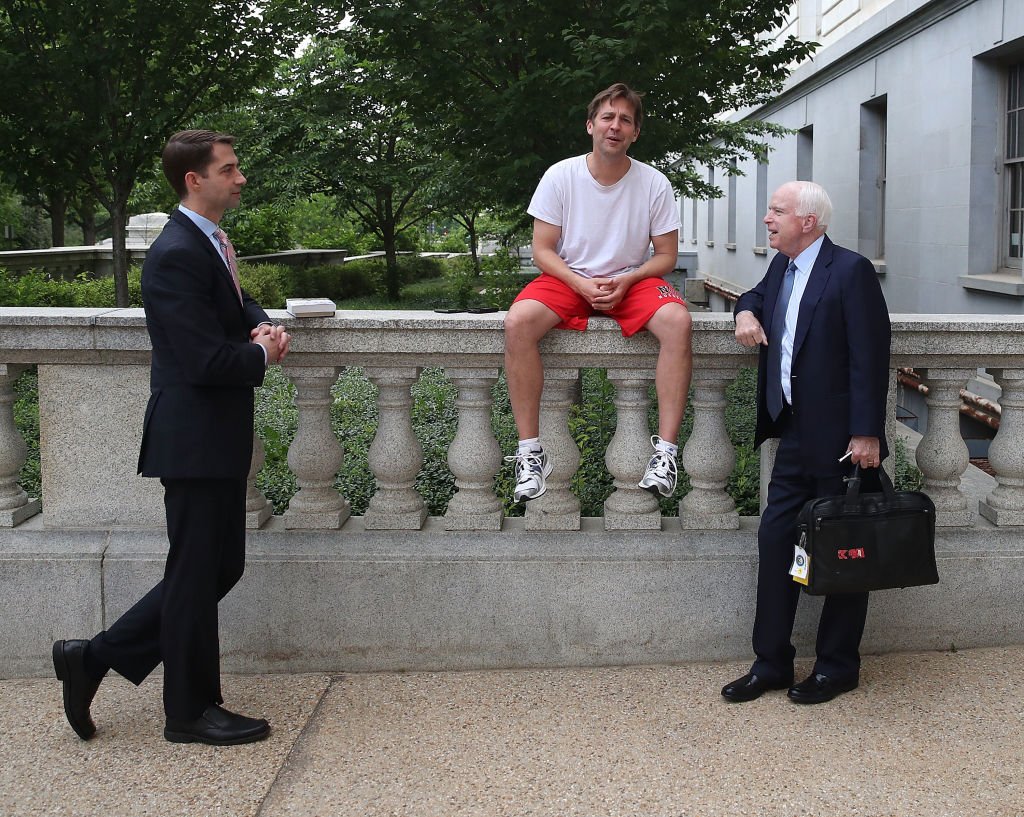
This is the politics I can get behind. A job well done, in many ways, @BenSasse.

holy moly - it looks like @SenSchumer and I are smoking reefer outside a wedding...
1
84
20 Dec 2025
A sad history, indeed.
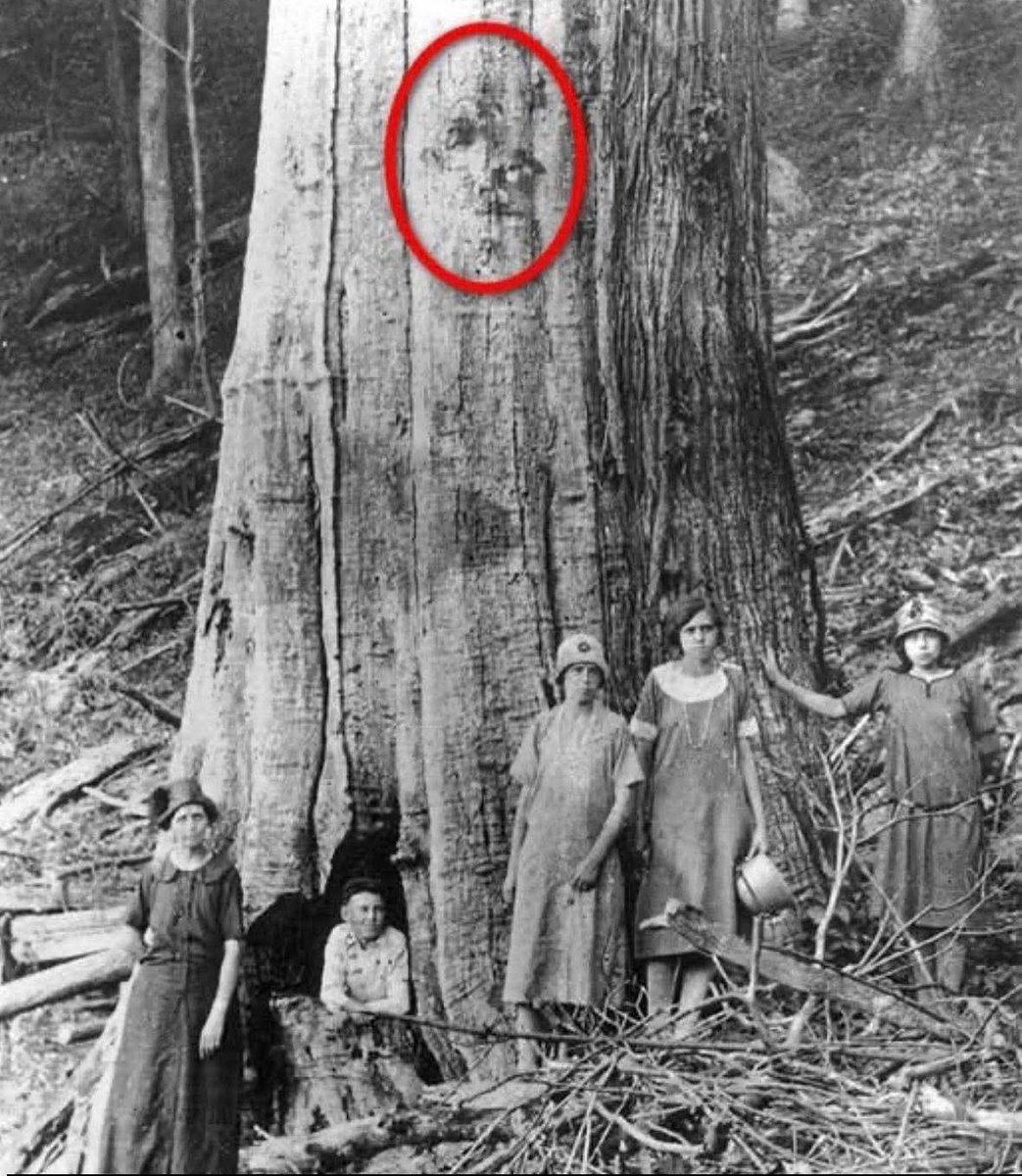
The root systems remain alive and small trees grow from them for a few years before succombing to the blight. I enjoy seeing them on the mountainsides of VA and wonder what the ancestor tree there looked like 100 years ago.
20 Dec 2025

In early 1900s, one of the most important trees in the eastern U.S., the American chestnut, was wiped out almost completely. It was everywhere across Appalachia. People built homes and barns from it, ate its nuts, and relied on it like no other tree. But by the time this photo of the Shelton family was taken around 1920, they were standing next to a dead giant, one of the last of its kind.
The killer? A foreign fungus called Cryphonectria parasitica that showed up in New York in 1904. The chestnut had no natural defense against it, and the fungus spread fast, 50 miles a year, until it had infected nearly every tree. By the 1950s, about 4 billion American chestnuts were gone.
Even before that, another disease had already been hurting chestnuts in southern areas. The tree was being attacked from all sides. Today, oaks and hickories fill the gap, but none had the same impact. The chestnut’s death wasn’t just an environmental loss, it changed the entire culture and ecosystem of Appalachia.
© Reddit
#archaeohistories
101
Dave Jackson retweeted

8 Dec 2025
“I took a look at my father… and I wondered to myself: at what age does a man get over this longing? The answer is, he doesn't. My father was so overwhelmed with longing that it unfitted him for anything but building martin houses.”

1
1
16
669
6 Dec 2025
Vroom-vroom!
6 Dec 2025
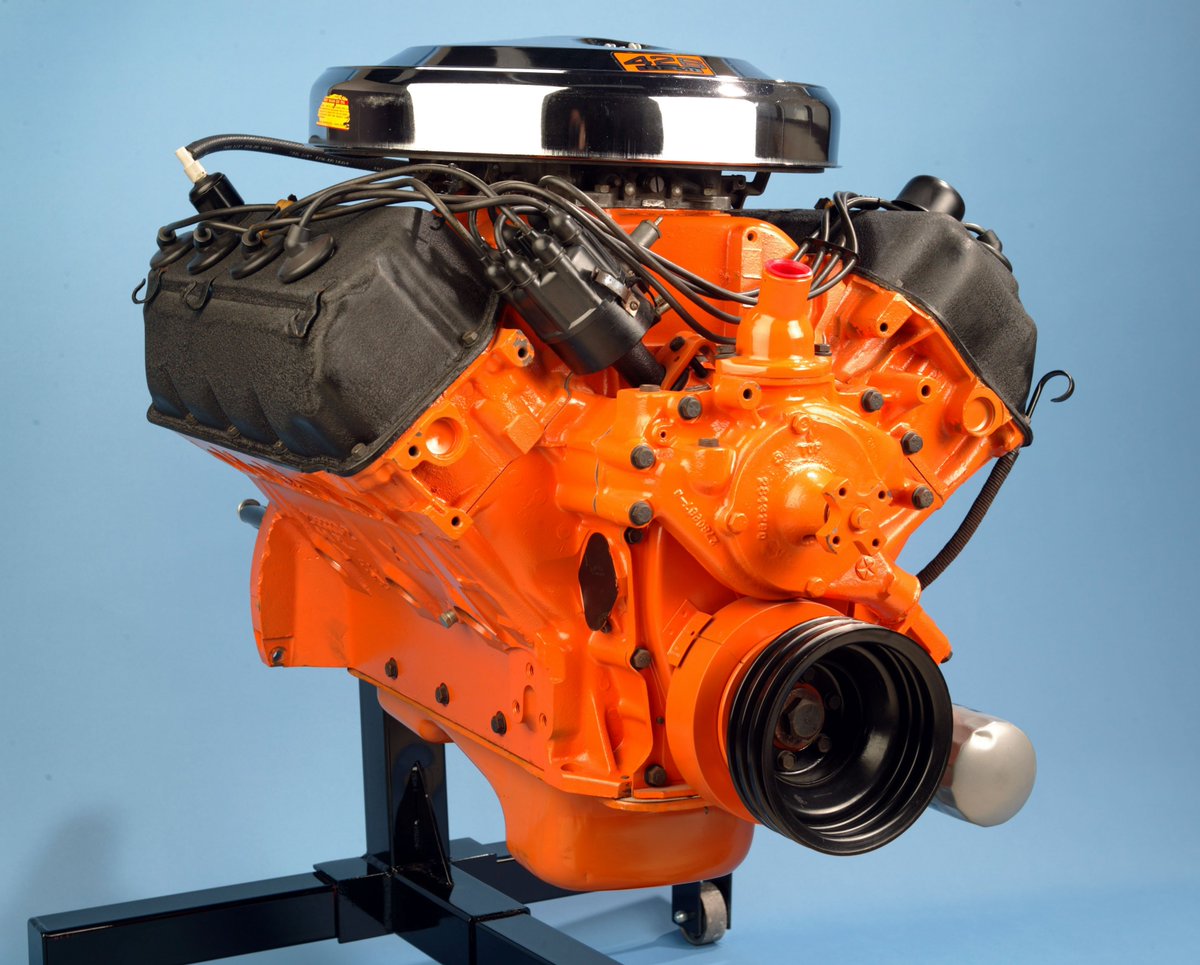
Hiatus over! #DavesCarIDService returns with a happy birthday salute to the mightiest mill of all, the Chrysler 426 Hemi, which was fired up for the first time in a secret Chrysler Corp dyno room December 6, 1963.
Initially a racing-only project, it debuted at the 1964 Daytona 500 where it simply blew away the field, capturing the top 4 places. It met all NASCAR engine configuration rules of the time - basically 8 cylinders and fewer than 7 liters, or 427 cubic inches, total displacement. Incidentally that's why you see so many engines in the 421-427 range. But there was widespread griping among competitors that it wasn't really a "stock car" motor, one that you could order at a local dealership.
To address the unfairness gripes, NASCAR implemented their homologation rule: in order to qualify as a "stock" motor, an engine had to be in at least 500 production cars. Thus, in 1966, Chrysler unleashed the street Hemi. A got-danged genuine Hemi-packed car you could order at the local dealership if you had the qualifying credit and relatively unlimited gas and car insurance budget. And you would be almost guaranteed to be King of the Hill in your local street racing scene.
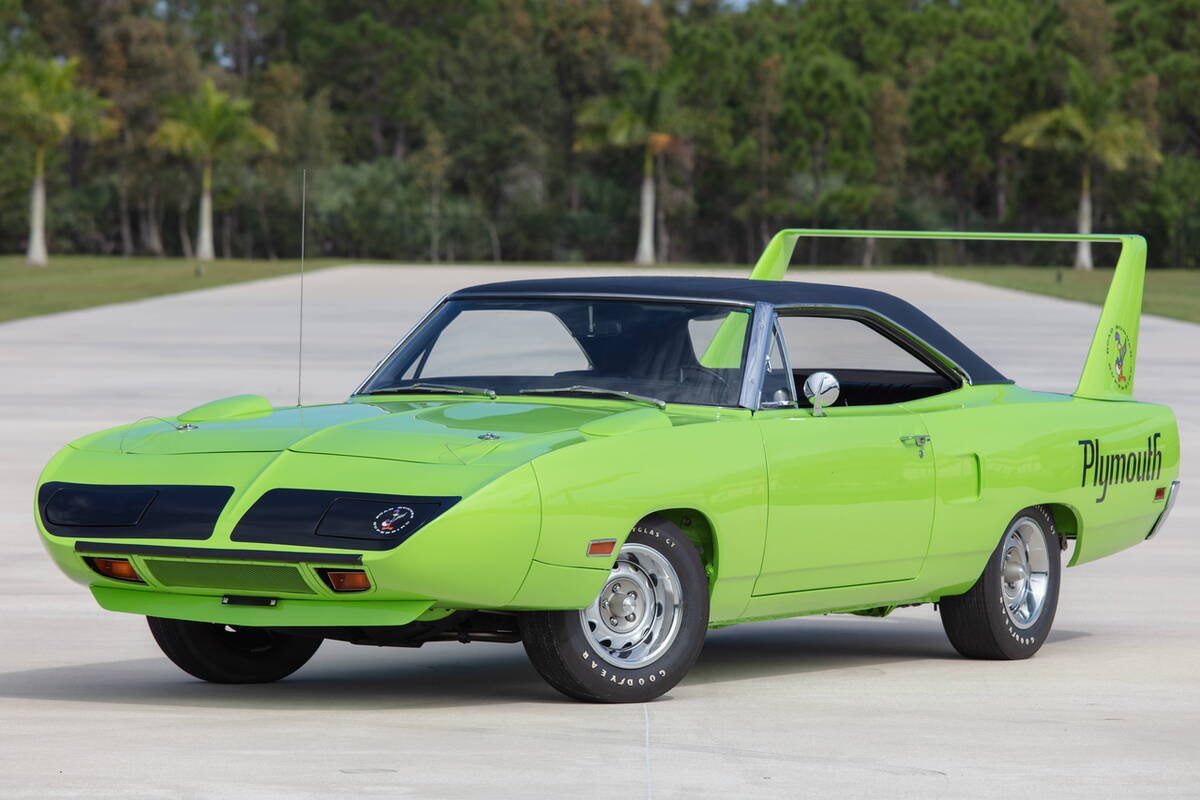
Oddly enough no Chrysler 426 Hemis ever appeared in a Chrysler; they were only in Dodges and Plymouths, in very limited numbers, from 1966-71. Including some of the wackiest muscle cars ever street-licensed, like the 1970 Plymouth Superbird (2).
In the Muscle Car Era, the 426 Hemi was the apex predator. Among gearheads, the small block Chevy was the "Mouse," the big block Chevy the "Rat," but the 426 Hemi was the "Elephant." It dominated pretty much every form of racing in which it competed, particularly drag racing. So much so that even today every NHRA Top Fuel Dragster and Funny Car is powered by an engine based on the 426 Hemi, tricked out to 10,000-12,000 horsepower. Those are just mathematical estimates because there isn't a dynomometer capable of measuring it.
So on behalf of motorheads everywhere, happy birthday you crazy pachyderm.
21
27 Oct 2025
Yeah, baby! 😎

1
47
Dave Jackson retweeted

16 Oct 2025
BACKYARD 101 - a Thread.
Big's Backyard Individual Championship starts this Saturday. In this thread, I will give you the basics of the backyard format. I'll also tell you a bit about how we got to this point, who to watch out for, and points to pay attention to.
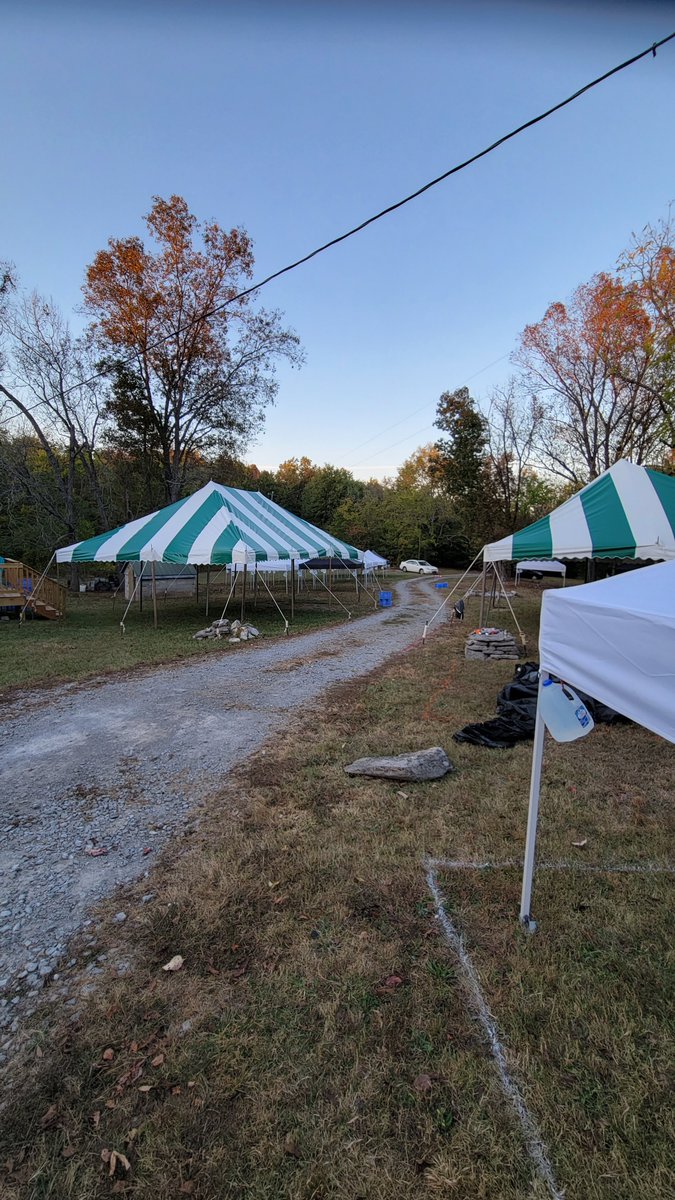
I'll include some photos from my time there and share some stories of Laz and some of the runners.
(If you are an experienced backyard watcher, skip to later posts in the thread.)
A backyard is an unusual format of ultramarathon running, where runners do a four-mile loop every hour, on the hour until only one is left standing.
Why is it called a Backyard? Because it's creator, Lazarus Lake built the first one (and where this championship will be held) in the woods behind his house outside Bell Buckle, Tennessee.
5
18
239
103,816
Dave Jackson retweeted

23 Aug 2025
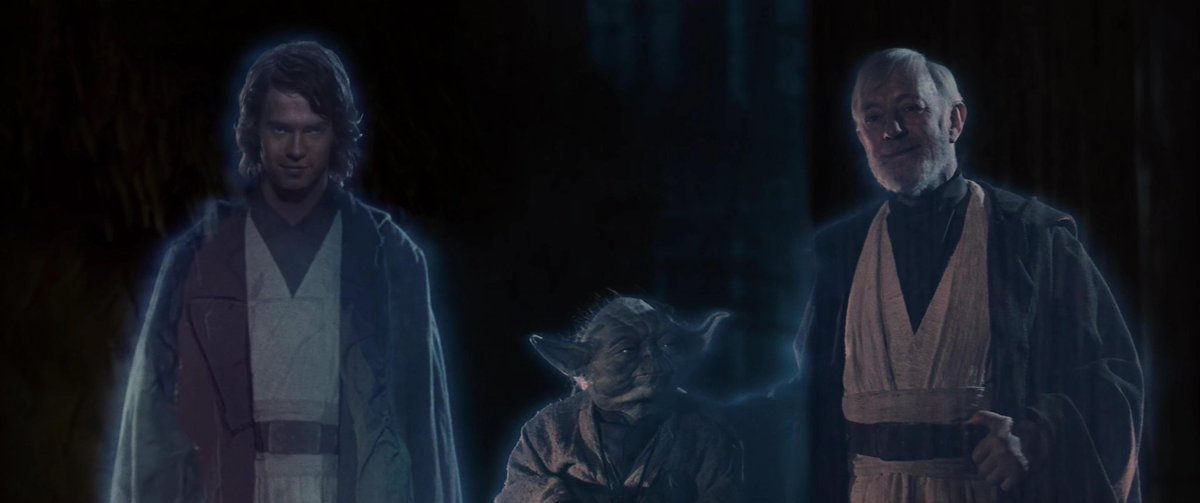
All the fired Spurs managers watching a new Tottenham coach batter Man City
49
2,032
37,061
991,560
Dave Jackson retweeted

24 Jul 2025
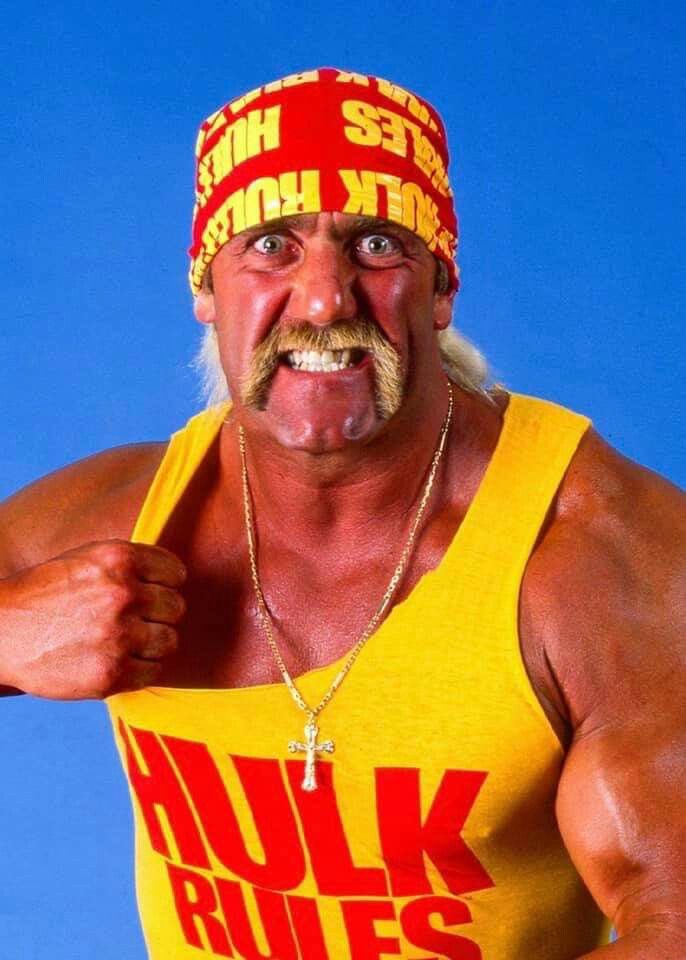
Super Sky Point to Hulk Hogan, a man who revolutionized the pro wrestling industry twice. If you don’t remember Wrestlemania III, I can’t adequately explain what a cultural touchstone moment it was when he did the seemingly impossible by slamming Andre the Giant. He was the brightest light in a sky full of larger-than-life WWE stars. Years later, we saw that same childhood hero morph into the conniving “Hollywood” Hogan in WCW and his on-air villainy damn near put Vince McMahon and the WWE out of business. Monday nights became must-see television and it ushered in the attitude era. Wrestling’s popularity and mainstream acceptance ascended to new levels.
Love him or hate him, or maybe he made you feel both emotions, Hulk Hogan was always relevant. He knew how to make you care. He put asses in seats and in front of tv screens. That was his job. And he was damn good at it. Whatcha gonna do, St. Peter, when the 24-inch pythons run wild on you? #RIP
182
546
5,991
179,520
24 Jul 2025
❤️
RIP, Big Guy
24 Jul 2025

This kid didn't meet Hulk Hogan, Hulk Hogan met him.
RIP legend 🙏🏼
66