Anchoring bio-identity to the blockchain. Leveraging ZK-proofs for DNA privacy, verification & sovereignty. Join the $XDNA Revolution → xdna.dnaprotocol.org
Joined May 2025
- Tweets 176
- Following 1
- Followers 17,647
- Likes 33
164 Photos and videos
Pinned Tweet

Mar 13
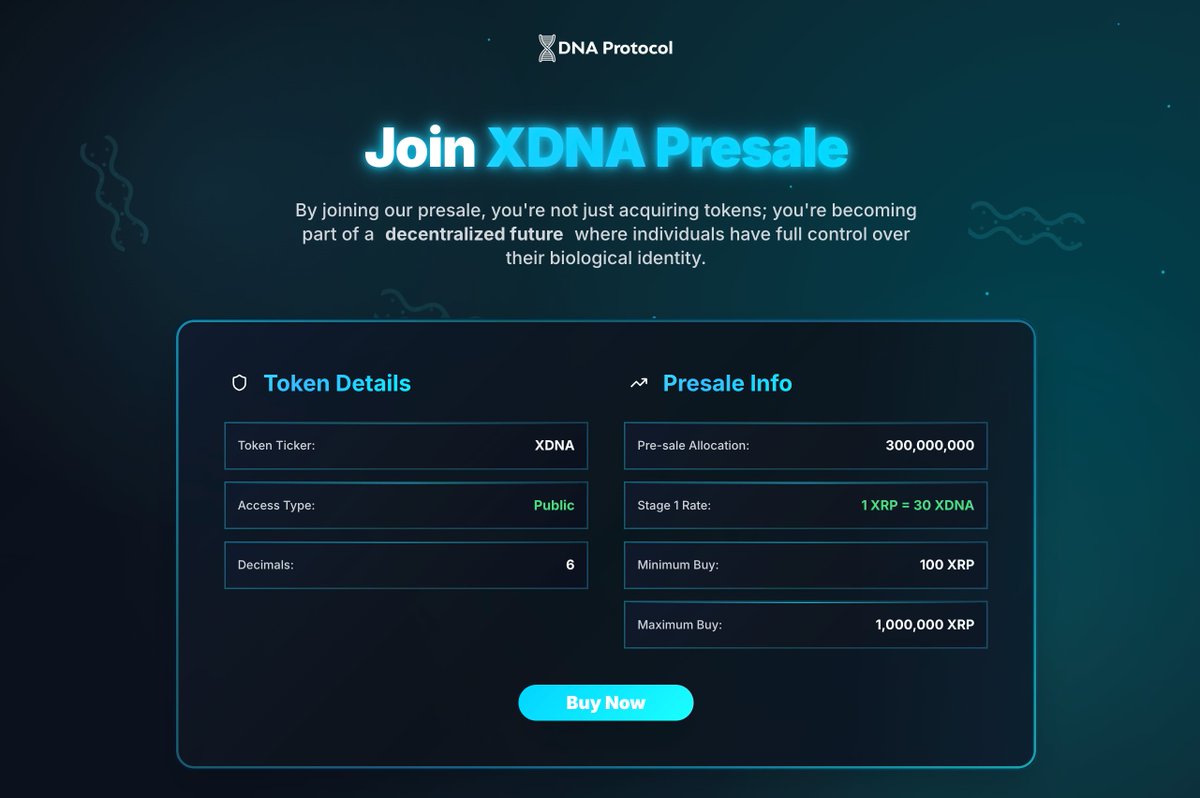
$XDNA Presale is Open
$XDNA is the native token powering DNA Protocol, infrastructure that secures genomic identity using zero-knowledge proofs anchored on the #XRPL.
Early participants support the foundation of the ZK-powered genomic identity economy.
👉 Join the presale: xdna.dnaprotocol.org
36
67
193
211,471
Jun 11
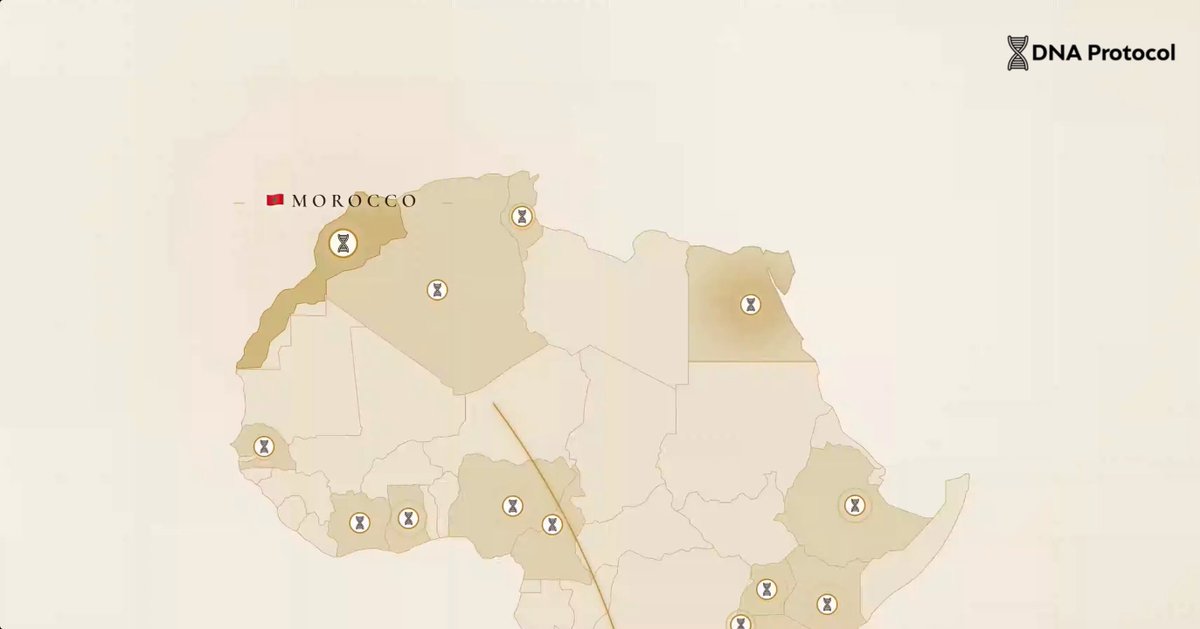
DNA Protocol has now onboarded certified labs across 19 African countries, expanding its digital identity infrastructure throughout the continent.
We are advancing a global, interoperable digital identity network powered by XRPL.
2
10
38
8,651
Jun 8
DNA Protocol Lab Intake: Zambia 🇿🇲
Enrollment has officially begun in Zambia, expanding DNA Protocol's digital identity infrastructure across Southern Africa.
Certified labs and clinics are being onboarded to anchor genomic identity data on the #XRPL.
4
10
36
18,317
Jun 5
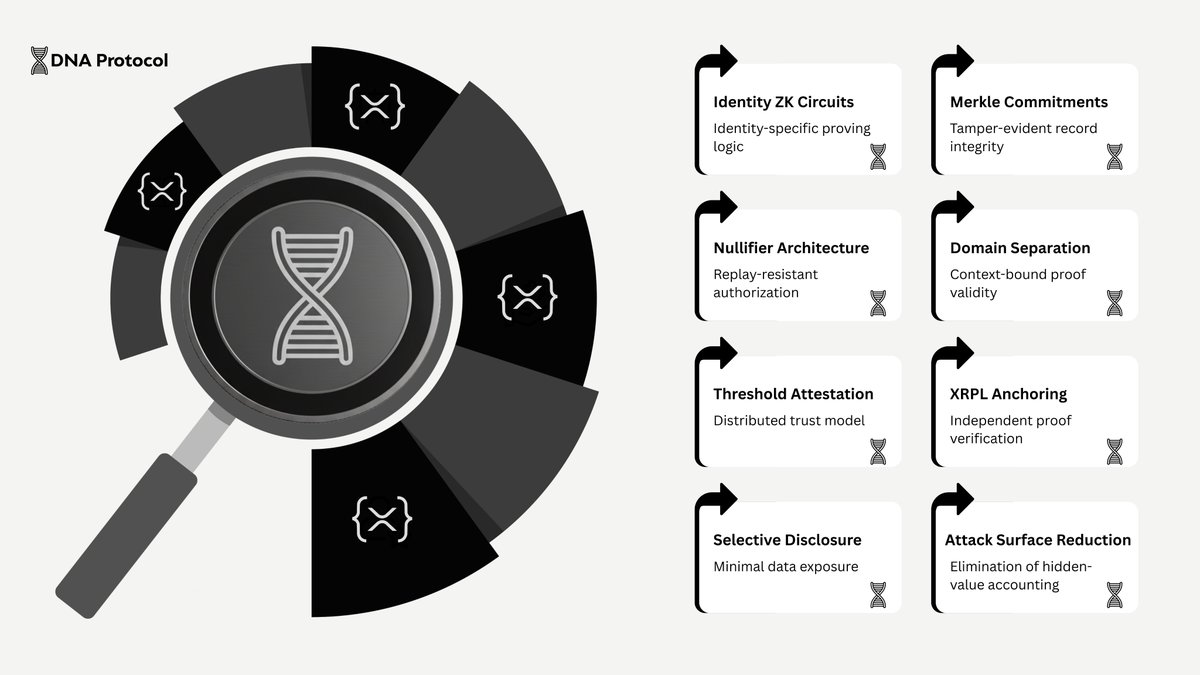
DNA Protocol does not rely on shielded value-transfer circuits, private balance-conservation constraints, or anonymous state-accounting mechanisms within its zero-knowledge framework.
Instead, it uses narrowly scoped zero-knowledge identity proofs where the prover only demonstrates possession of a valid credential, genomic commitment, or consent authorization without exposing the underlying data.
This reduces cryptographic attack surface because the circuit is not responsible for hidden asset accounting, private mint/burn logic, or shielded value-transfer validation.
5
13
54
16,595
Jun 1
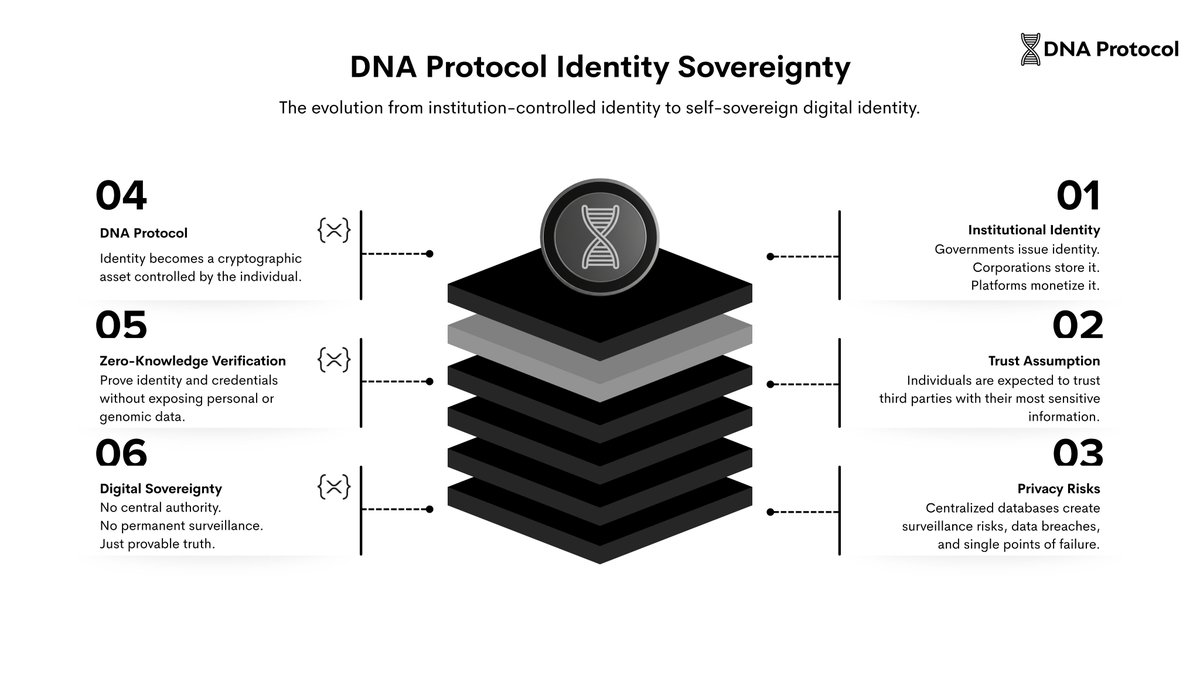
For centuries, identity has been controlled by institutions.
Governments issue it.
Corporations store it.
Platforms monetize it.
You are expected to trust them with your most sensitive information.
DNA Protocol changes that.
Identity becomes a cryptographic asset controlled by the individual, verified through zero-knowledge proofs, and anchored to the XRP Ledger without exposing personal or genomic data.
No central authority.
No permanent surveillance.
No centralized data vaults.
Just provable truth with privacy preserved.
The future of identity isn't permission.
It's sovereignty.
3
25
87
35,061
May 26
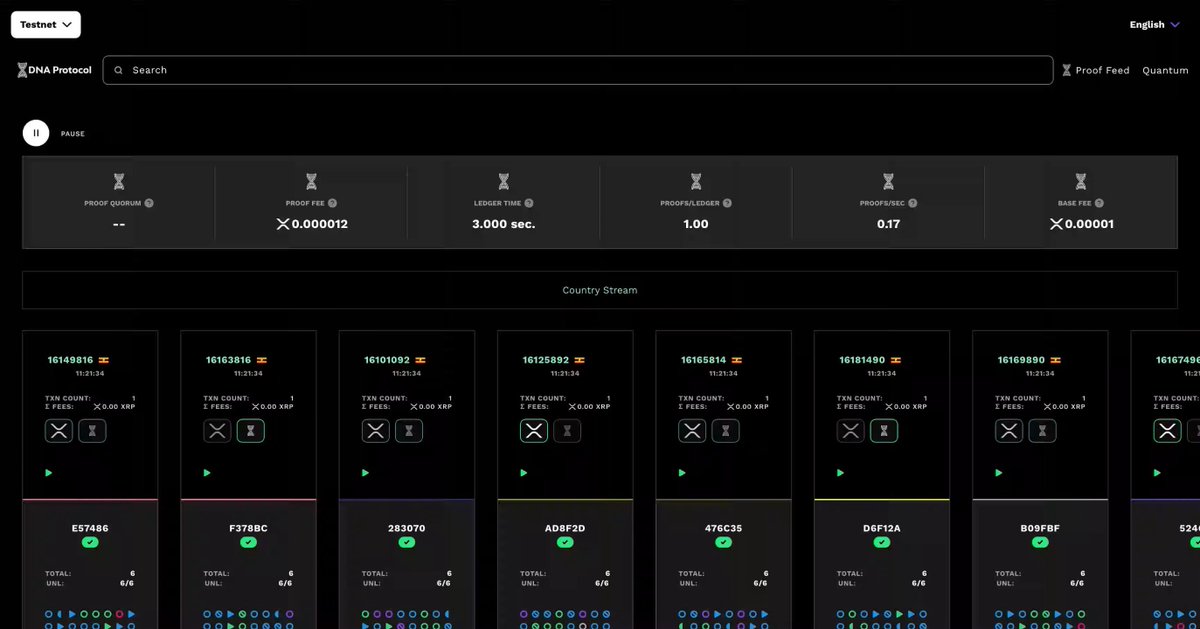
Uganda is now running pilot programs through DNA Protocol, processing genomic identity data from certified labs and generating zero-knowledge proofs anchored on the #XRPL Testnet. 🇺🇬
Mainnet deployment will utilize the $XDNA $XRP dual burn mechanism.
For further information on $XDNA, please visit: xdna.dnaprotocol.org
2
19
72
20,019
May 23
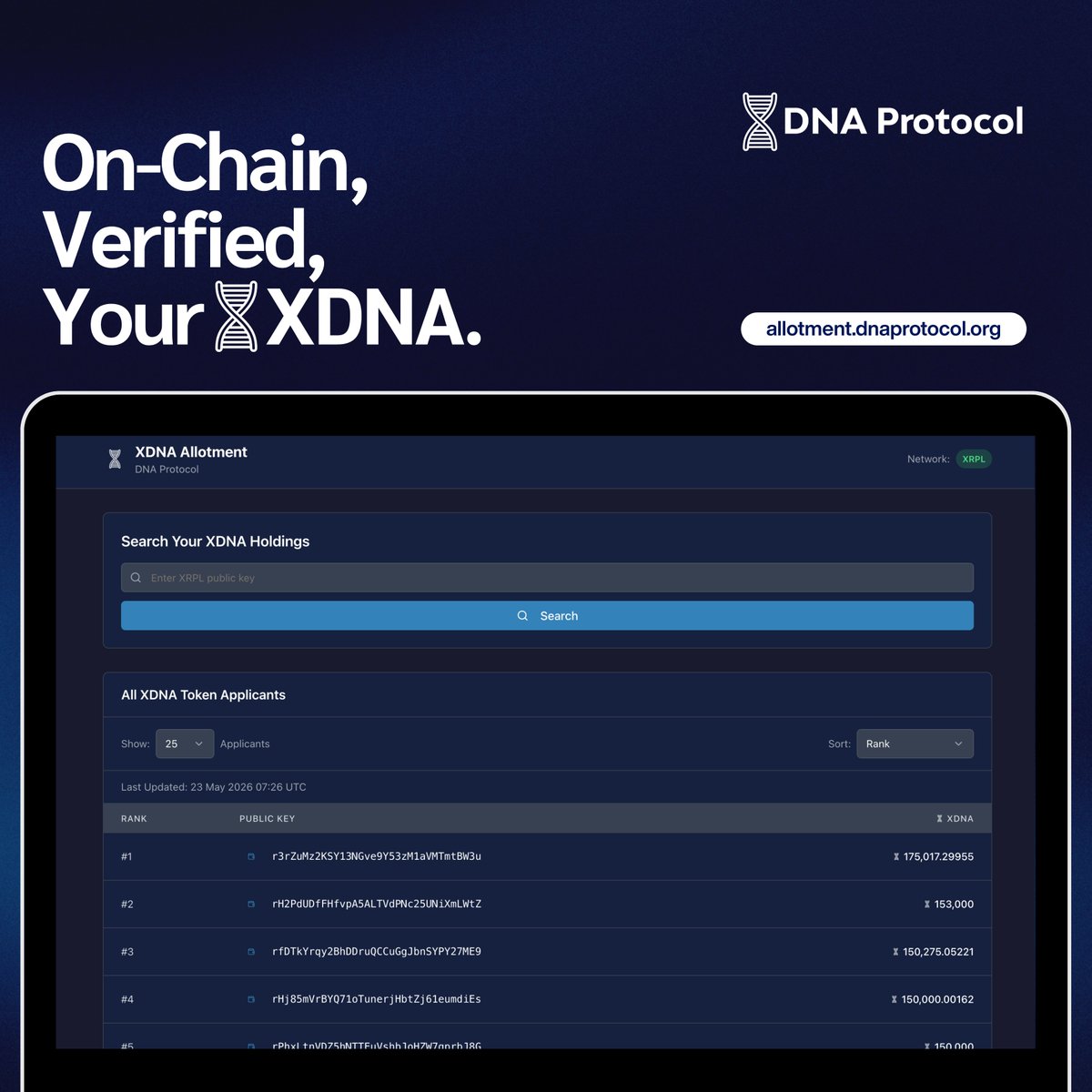
The $XDNA Allotment Dashboard has been updated as of 23 May 2026.
🔗 Access here: allotment.dnaprotocol.org
4
13
43
10,490
May 20
Governments are racing to build centralized digital ID systems.
DNA Protocol is building the opposite.
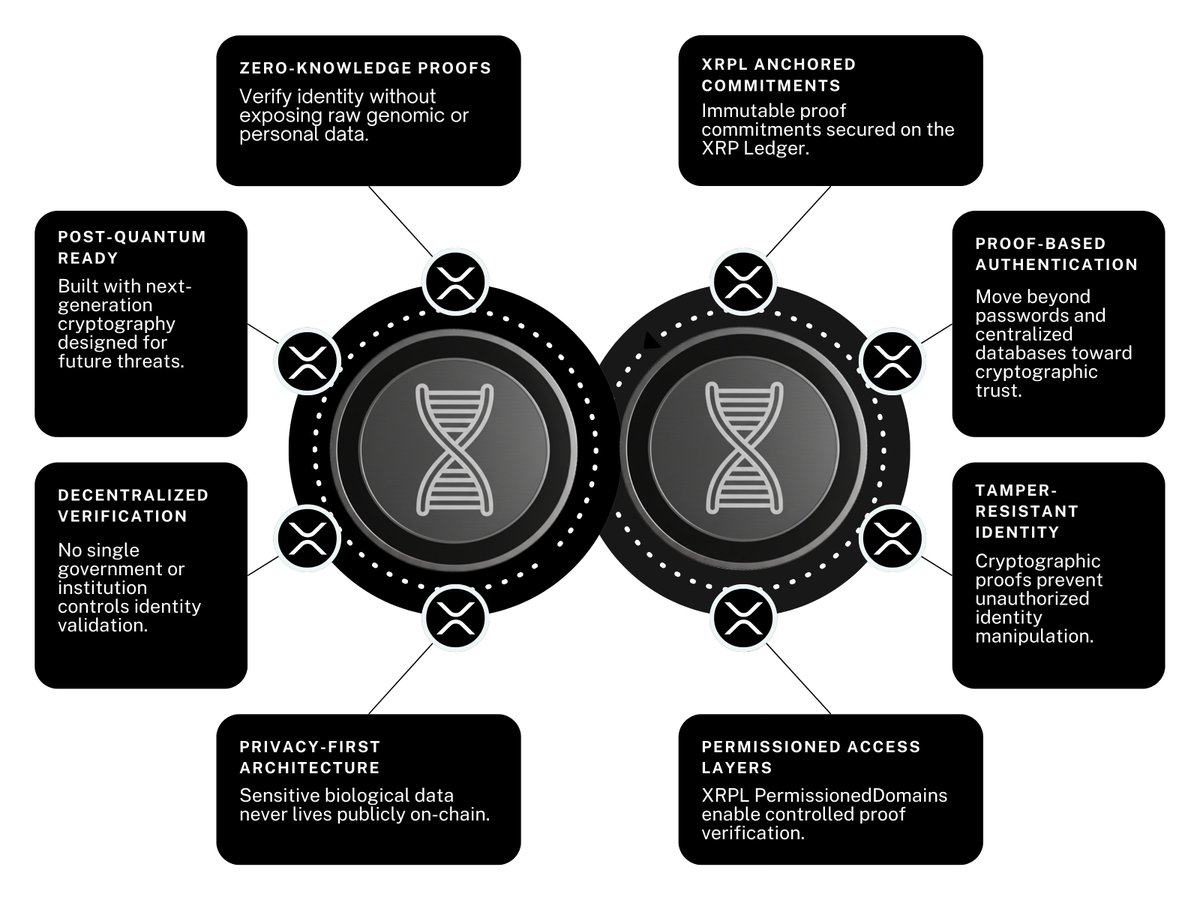
Instead of storing citizens inside centralized databases, DNA Protocol uses zero-knowledge proofs, decentralized verification, and XRPL-anchored commitments to verify identity without exposing raw personal or genomic data.
No master database.
No permanent surveillance layer.
No single authority controlling identity validation.
The future of identity is not centralized control.
It’s privacy-preserving cryptographic proof.
6
40
95
36,670
May 16
DNA Protocol Lab Intake: Botswana 🇧🇼
Enrollment has officially begun in Botswana, expanding DNA Protocol’s genomic identity infrastructure across Southern Africa.
Certified labs and clinics are being onboarded to anchor genomic identity data on the #XRPL.
4
19
68
17,055
May 13
Public Announcement
We have received reports of fraudulent accounts posing as DNA Protocol Support teams through fake accounts.
Please do not interact with any account claiming to be DNA Protocol Support. DNA Protocol has no other support accounts or official accounts on X.
The sole authorized method of contacting our support team is via email:
support@dnaprotocol.org
We do not send messages or provide support via X DMs.
The only official website to access $XDNA by DNA Protocol is:
xdna.dnaprotocol.org
Always verify that you are on dnaprotocol.org, as it is our only official domain.
Any account, website, or message claiming otherwise should be treated as fraudulent. Do not engage, respond, or share any information.
5
20
62
10,505
May 11
$XDNA sits at the core of DNA Protocol powering zero-knowledge proof based identity on the XRP Ledger.
Know more: xdna.dnaprotocol.org
3
20
64
20,507