Joined May 2018
- Tweets 437
- Following 514
- Followers 362
- Likes 799
70 Photos and videos







D. Rex Mitchell retweeted
A new model of skull function just dropped!
It describes the skull as an arch-bridge like structure that uses tensile elements to guide arcs of compressive stress between the biting teeth and jaw joints.
Written by me! 💀💀💀
#skull #science
onlinelibrary.wiley.com/shar…
1
56
D. Rex Mitchell retweeted

20 Nov 2025
A video covering our new published research on the tiny marsupial with an unusual talent 💀 #skull #science youtu.be/8H1rFsjgc38?si=raWg… via @YouTube
2
74
D. Rex Mitchell retweeted
20 Nov 2025
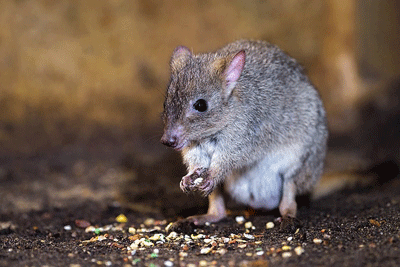
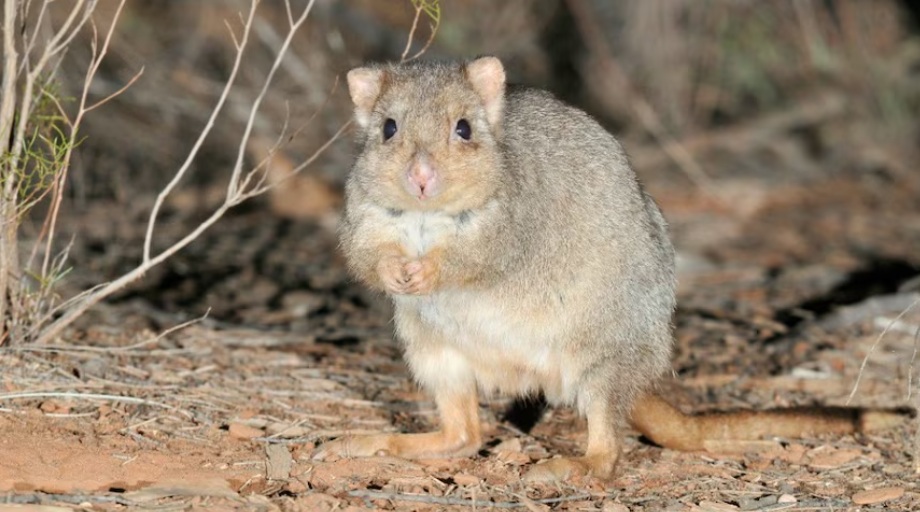
Our lab just published a cool paper on seed-cracking bettongs. Not just any seeds, but some of the hardest seeds out there! Two species in the same genus showing different adaptatiosn to hard biting. Very cool 💀💀🤓🤓 #skull #science academic.oup.com/zoolinnean/…
2
72
D. Rex Mitchell retweeted
16 Oct 2025
This was a fun little side project I worked on while doing placoderm biomechanics analysis with the Flinders Gogo team. To be presented at @CAVEPS_Palaeo 💀🤓
#Devonian #fossil #placoderm #paleontology
youtube.com/shorts/0NByEKZbL…
1
1
164
D. Rex Mitchell retweeted
11 Oct 2025
1
1
60
D. Rex Mitchell retweeted

28 Apr 2025
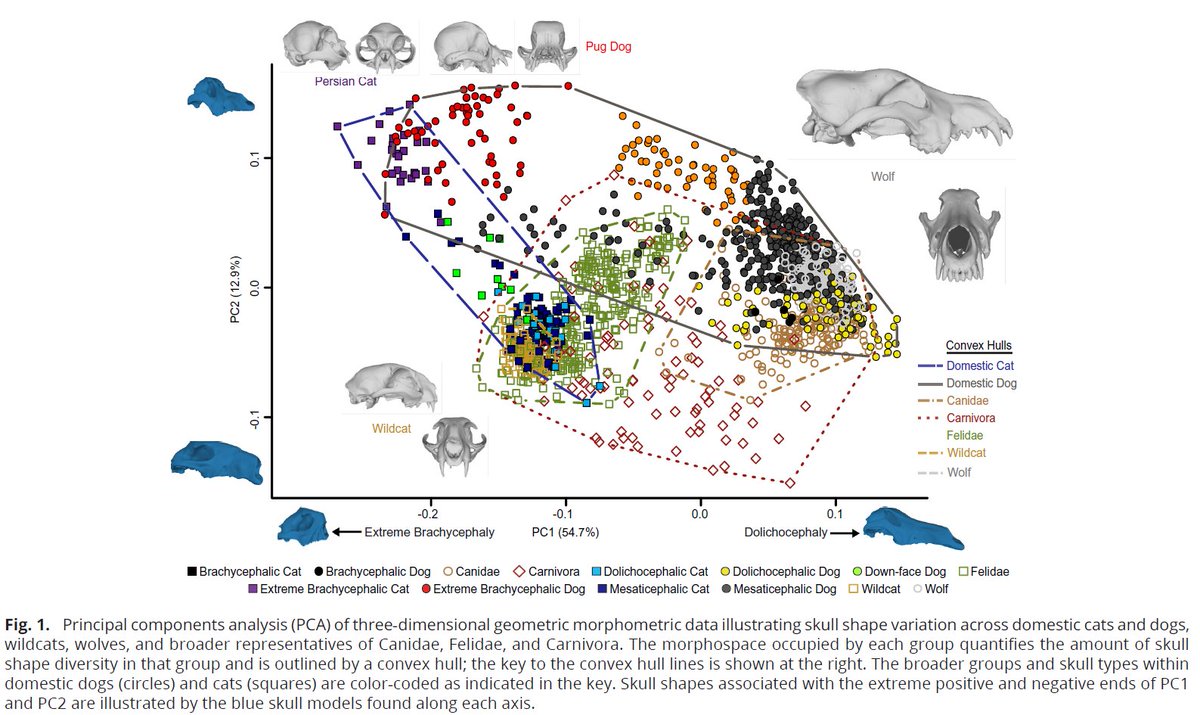
I only played a very small role in this @PNASNews article by @AbbyGraceDrake, @JLosos, et al., but it's cool, so please check it out! "Copy-cat evolution: Divergence and convergence within and between cat and dog breeds." doi.org/10.1073/pnas.2413780…
1
23
115
5,552
D. Rex Mitchell retweeted
28 Apr 2025
What if the Rancor in @starwars was a domesticated breed similar to a pug or a bulldog? In the latest video from The Skullywag Lab, I "un-pug" the Rancor to see what a wild, undomesticated Rancor ancestor might look like!
#skull #science #starwars
youtu.be/di40LOfgSoA?si=Ghlz…
2
1
302
D. Rex Mitchell retweeted
10 Apr 2025
New episode on ant and termite-eating animal skulls 💀💀💀
The feeding anatomy of these species is pretty bonkers tbh. Happy to finally explore it a bit
youtu.be/Qt2iqUwujhY?si=zHqY…
1
1
239
D. Rex Mitchell retweeted
25 Mar 2025
Just made this for The Skullywag Lab website I'm building
Come sit by the fire and enjoy some skulls 💀🤓
1
1
224
D. Rex Mitchell retweeted
21 Mar 2025
A new episode of Monster ID just dropped! This time, the lab identifies the Beast of Tenby 💀
youtu.be/Tr_yG9DoYJs?si=CxnG…
#skull #science
1
204
D. Rex Mitchell retweeted

Knowing what an animal eats can help biologists find it – especially when a species is as elusive as this one. @KarlVernes @DRexMitchell @WeisbeckerLab @FlindersUniNews @uninewengland theconversation.com/presumed…
3
3
1,027

26 Feb 2025
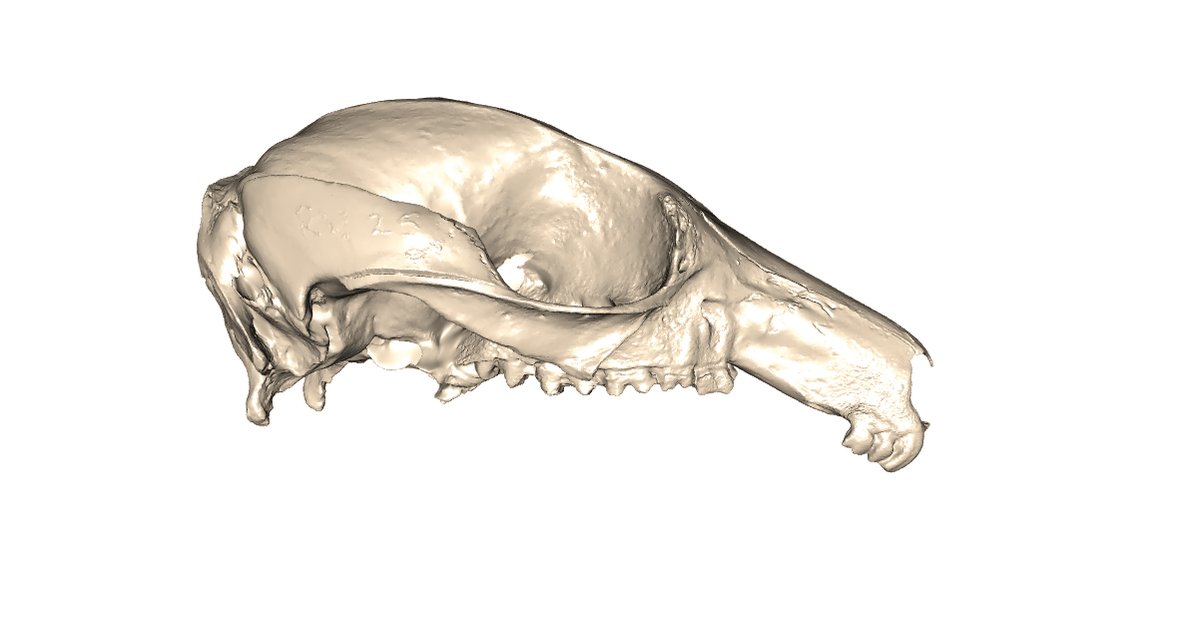
Some interesting findings from our new methods paper. We used the skull of the extinct desert rat-kangaroo as a case study and discovered some important details about its feeding habits @WeisbeckerLab @TheSkullywagLab
theconversation.com/presumed… via @ConversationEDU
3
5
198
25 Feb 2025
For any researchers that study skull function using comparative finite element analysis, our new paper presenting a framework for scaling muscle forces to adequately represent the hypothesis is extremely important
journals.biologists.com/jeb/…
2
3
191
D. Rex Mitchell retweeted

28 Oct 2024
@gessiejomez @DRexMitchell @CookeSiobhan
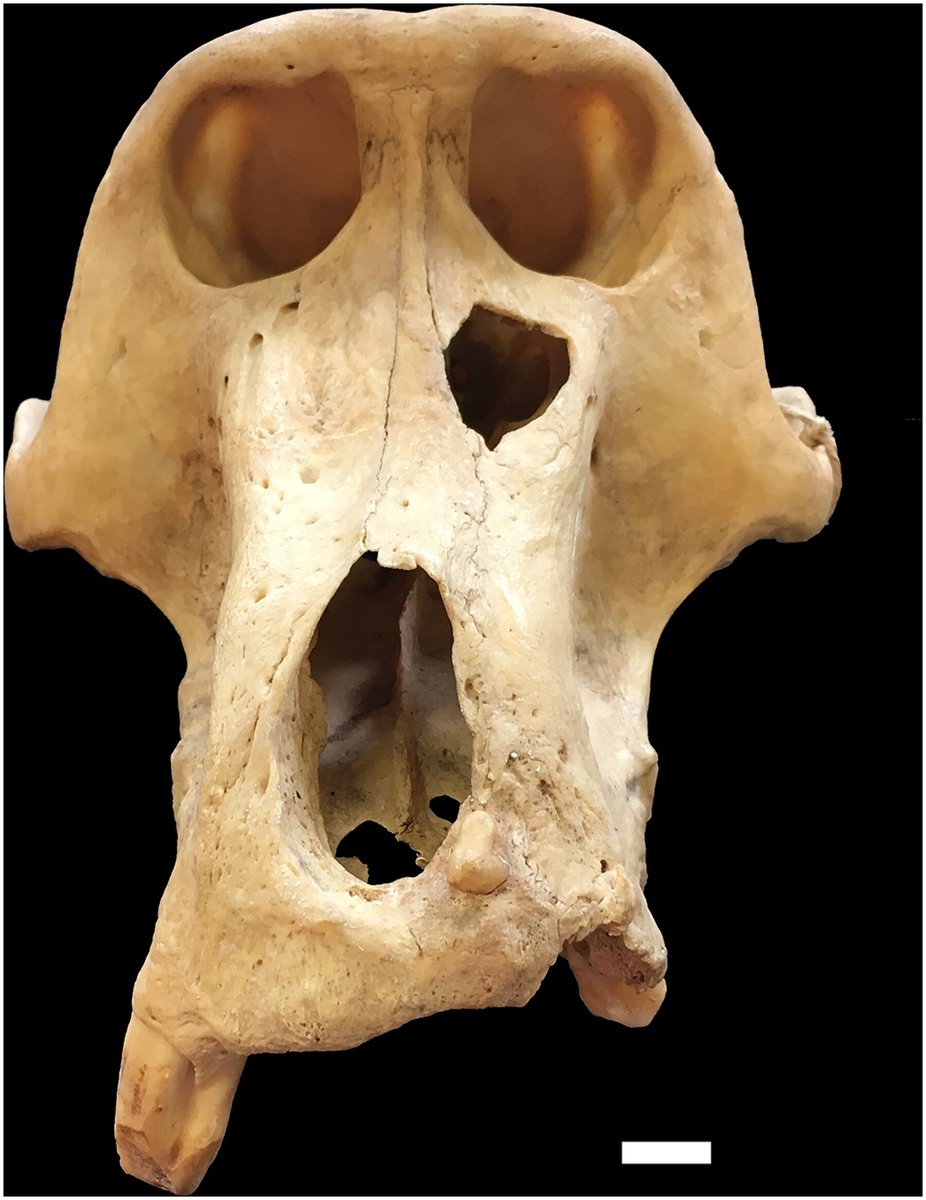
Questions on socioecology? Rare behaviors? Skeletal lesion analysis helps! #primates #primatology onlinelibrary.wiley.com/doi/…
1
1
208
D. Rex Mitchell retweeted
17 Sep 2024
New study!
Measaurements of deer skulls from 38 species (300 individuals) show that larger species have more diverse skull ecomorphology.
Author concludes that size imposes ecological constraints 💀🤓
mdpi.com/2948940 #mdpifossstud via @FossilsMDPI
#skull #science
1
208
D. Rex Mitchell retweeted
16 Sep 2024
New video dropped, where I turn myself into a giant - for science! 🤓💀
youtube.com/watch?v=lvvF6Jnq…
1
4
3
402
D. Rex Mitchell retweeted
7 Sep 2024
The latest video just dropped (link in bio).
We take a look at how missing teeth in the ancestors of the marsupial lion made evolution produce one of the most weird and powerful skulls known to science! 🤓💀
Artwork by Rudolph Hima,
Music by Max Brhon
1
3
3
391
D. Rex Mitchell retweeted
13 Aug 2024
Like rodents?
New video just dropped on their crazy skulls! 🐀🐁🐭🐹💀💀💀💀
youtu.be/G2Klf3lRSGI?si=mSmX…
1
2
1
259
D. Rex Mitchell retweeted

25 Jul 2024
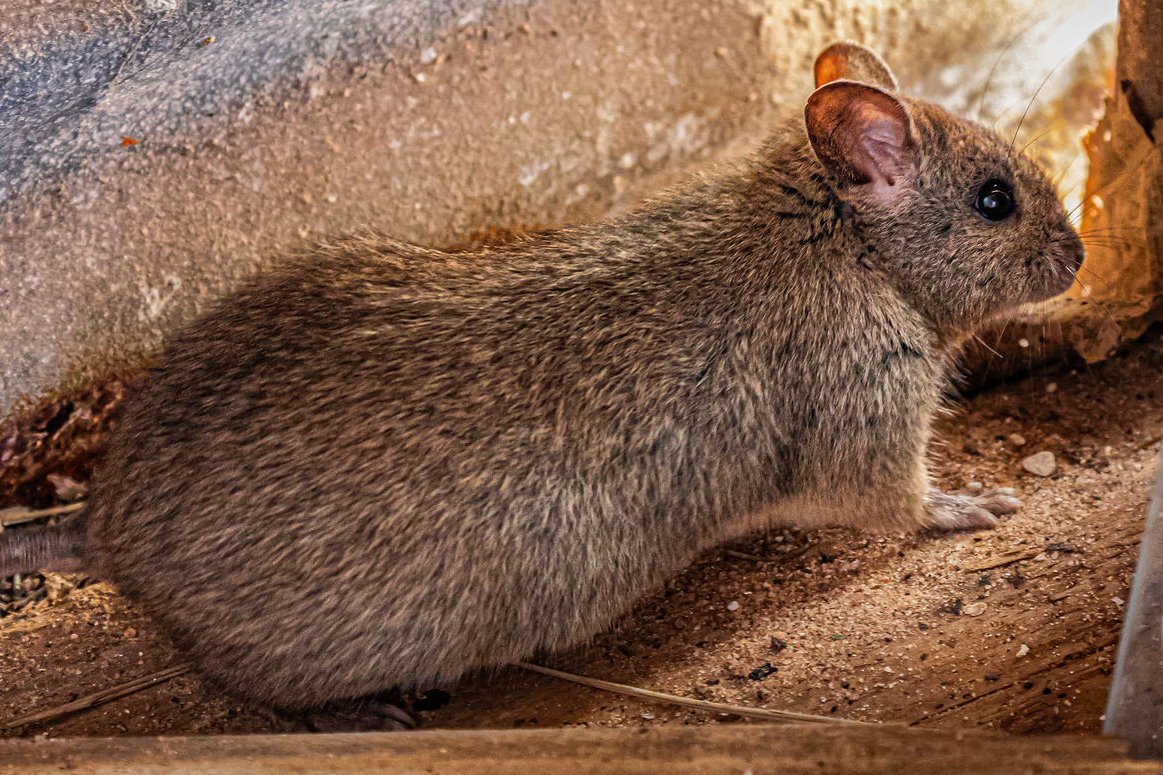
The boxthorn bed and breakfast? Our new paper, published in @CSIRO wildlife research shows that Stick nest rats preferentially eat invasive boxthorn rather than native vegetation on Australia’s Reevesby Island
publish.csiro.au/wr/Fulltext…
2
4
307