Joined February 2011
- Tweets 7,397
- Following 1,052
- Followers 4,207
- Likes 6,751
634 Photos and videos
Pinned Tweet

2 Aug 2020
ATTN Coaches:
In order to try to create tutorials that will help more coaches I have created a form where you can submit your idea for a SCT episode. When I create the sheet from your idea I will send you the sheet for free.
Submit an idea here: forms.gle/9zE6X1mmrDRLtiKs8
36
May 30
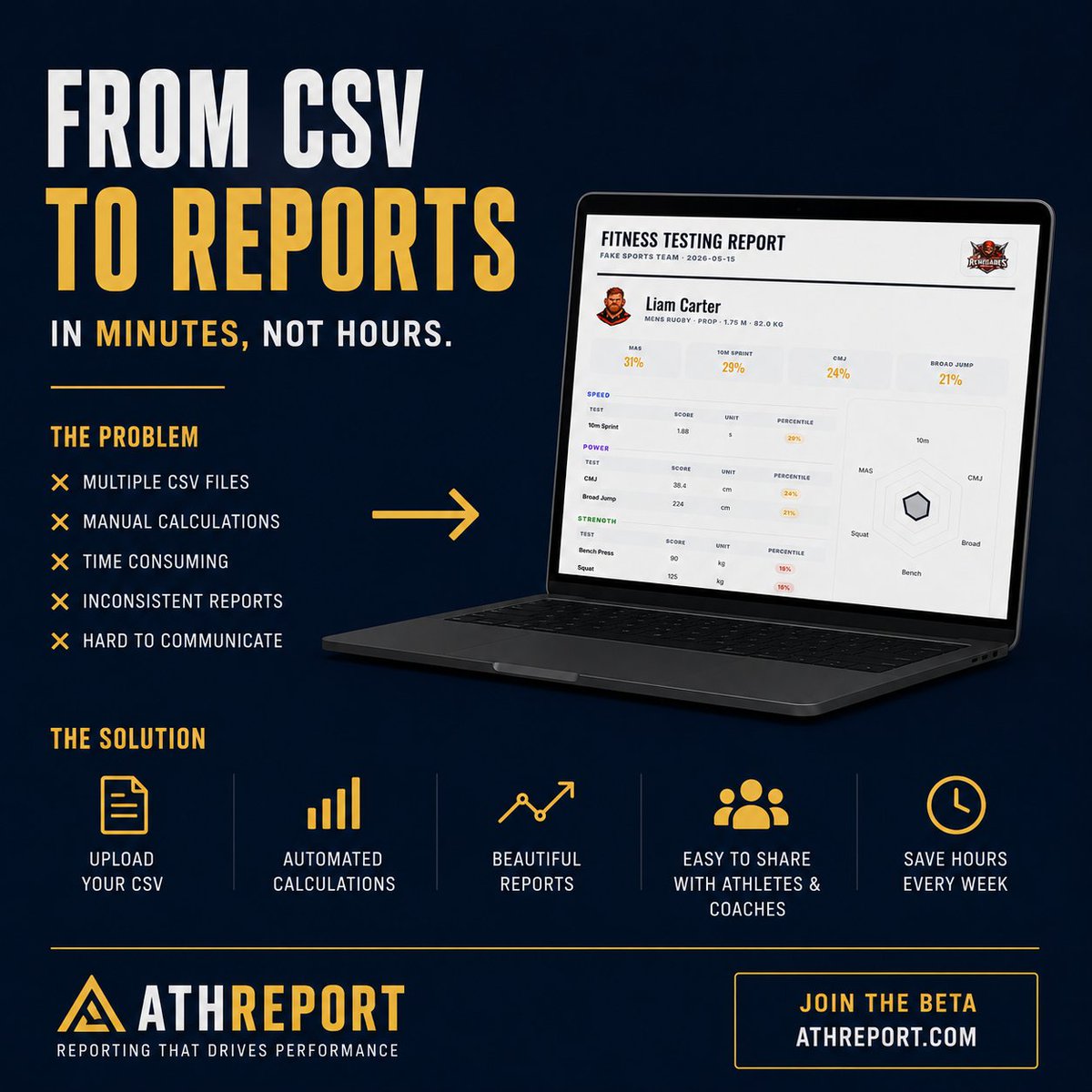
Something new ive created.. csv to report.
Pdf in minutes.
1
1
294
May 6
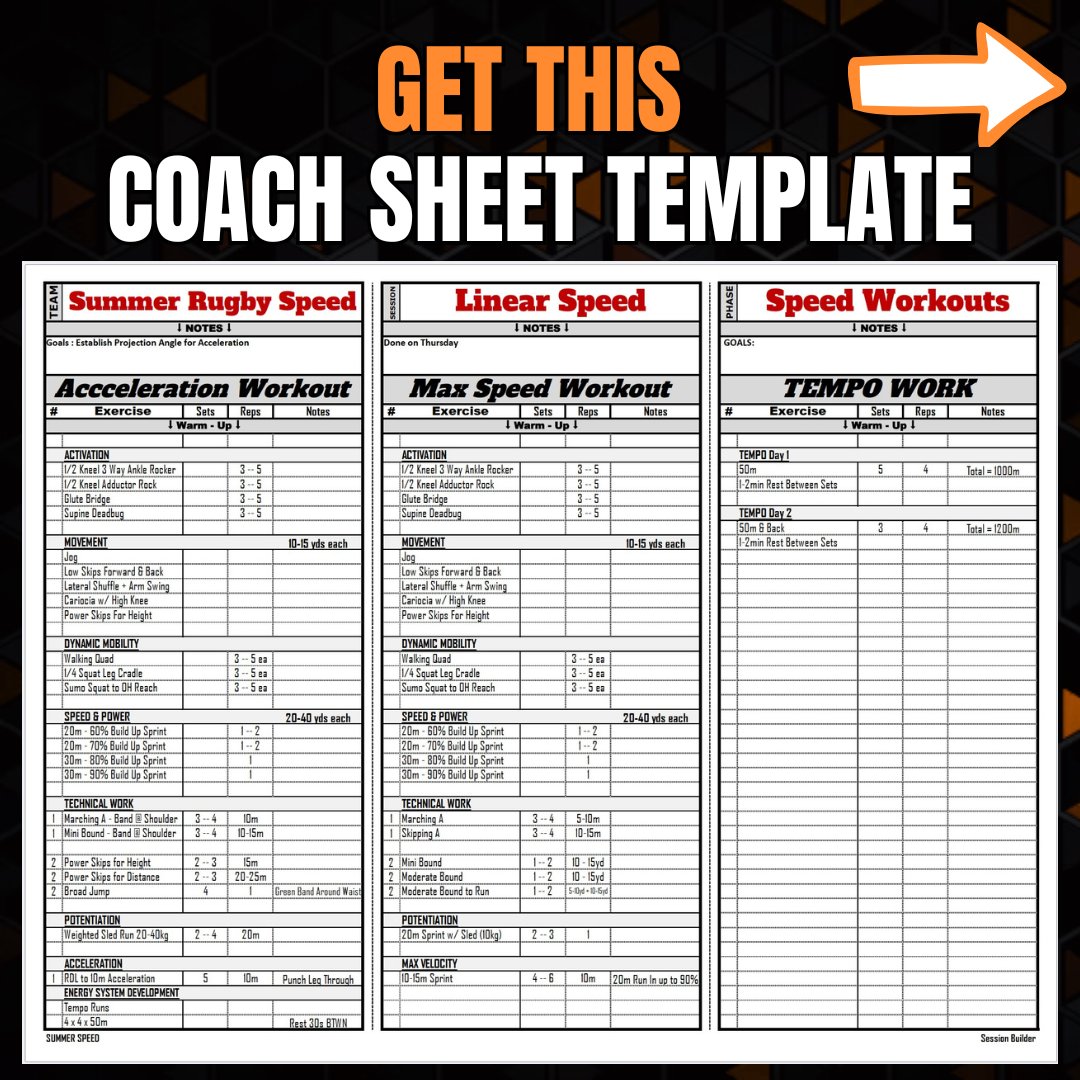
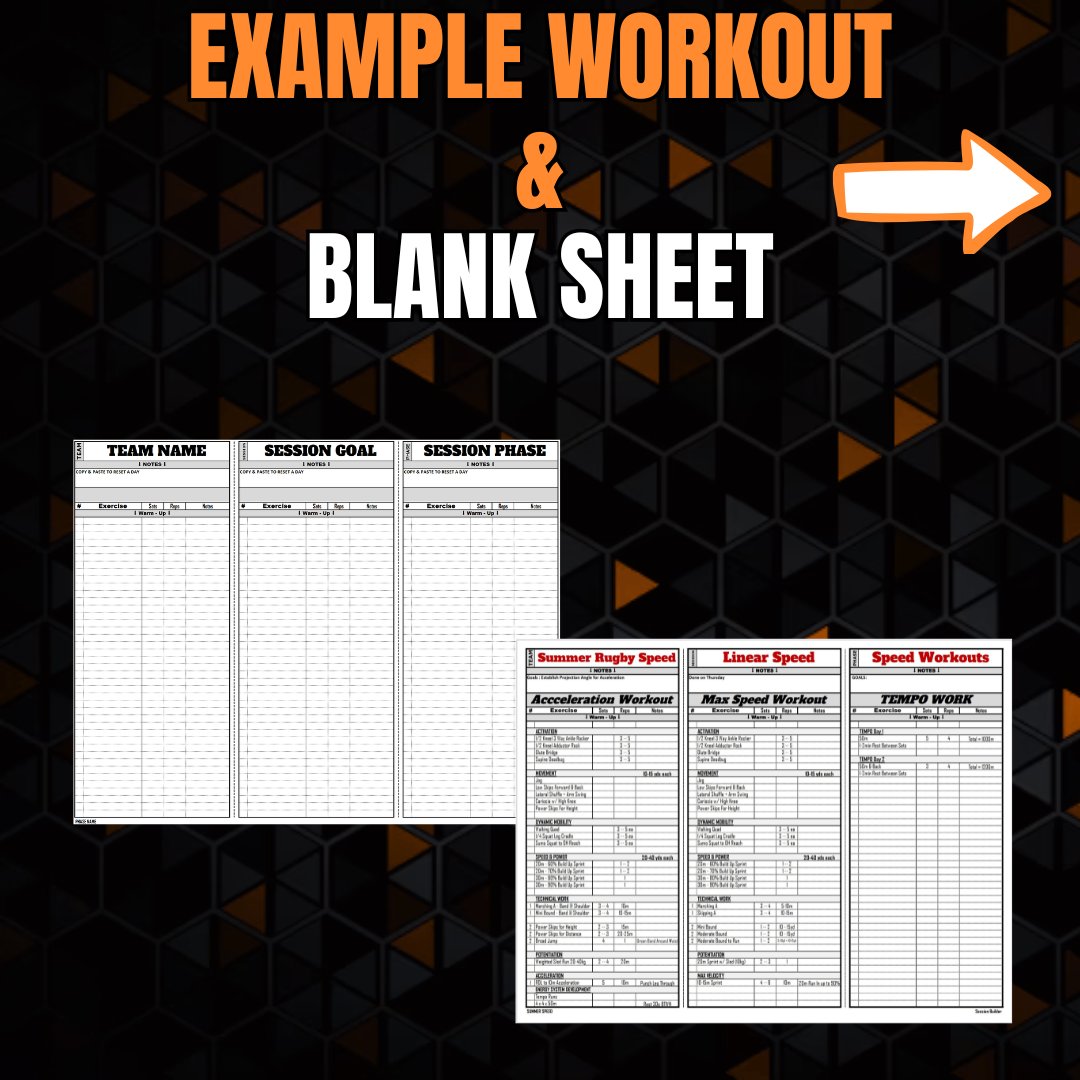
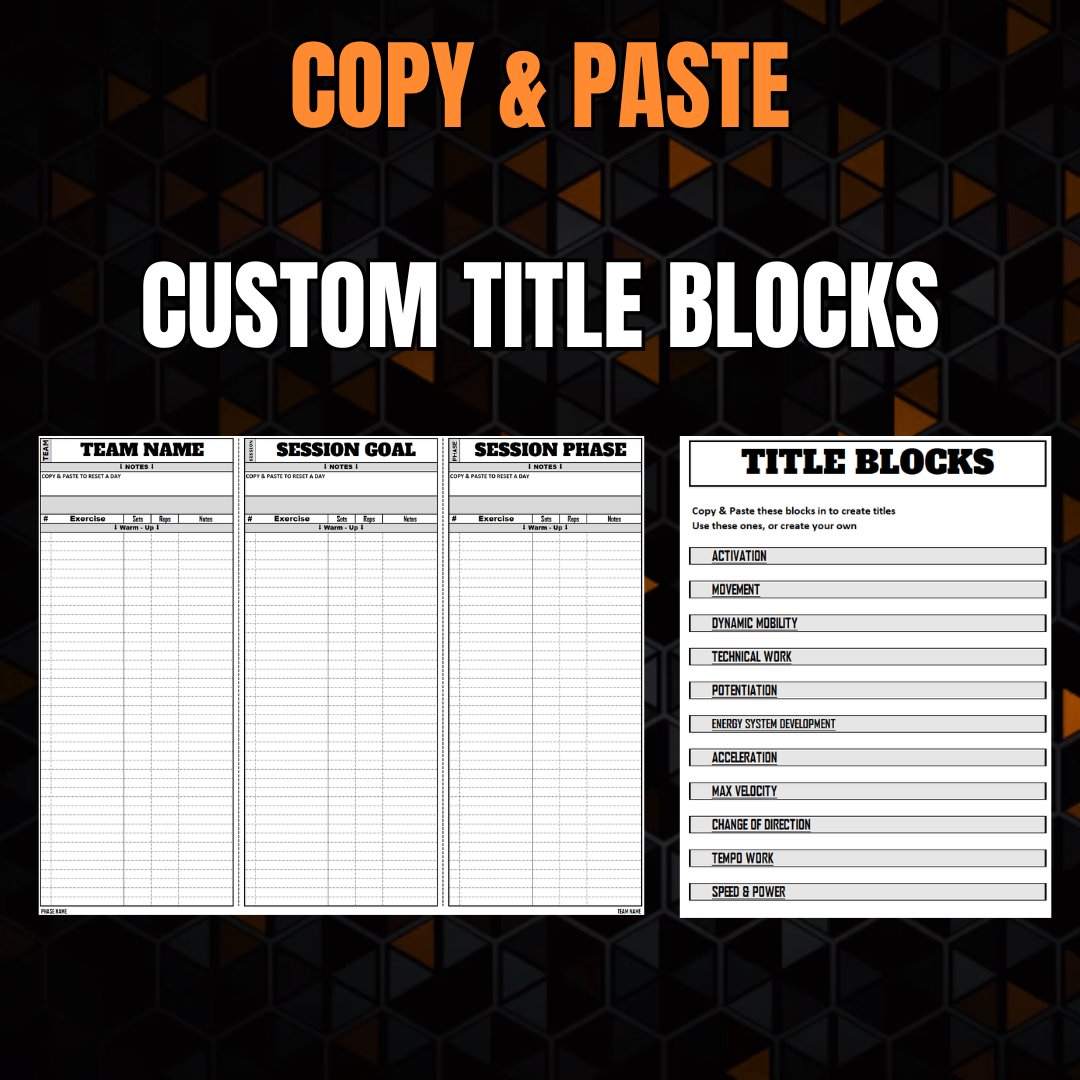
Check out this coach sheet I use to put my sessions on to keep everything organized.
Just 25$ cad
Link dsmstrength.com/product-page…
4
926
Mar 13
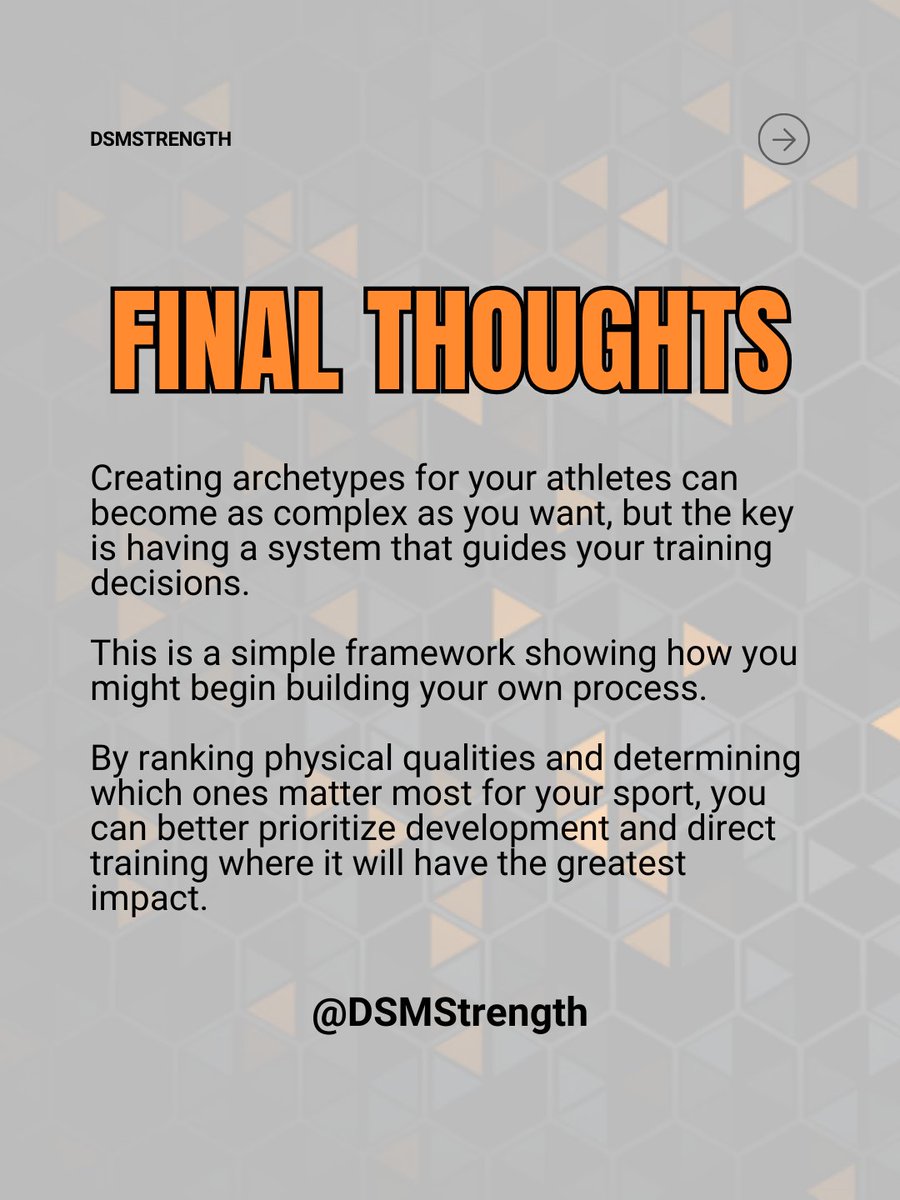
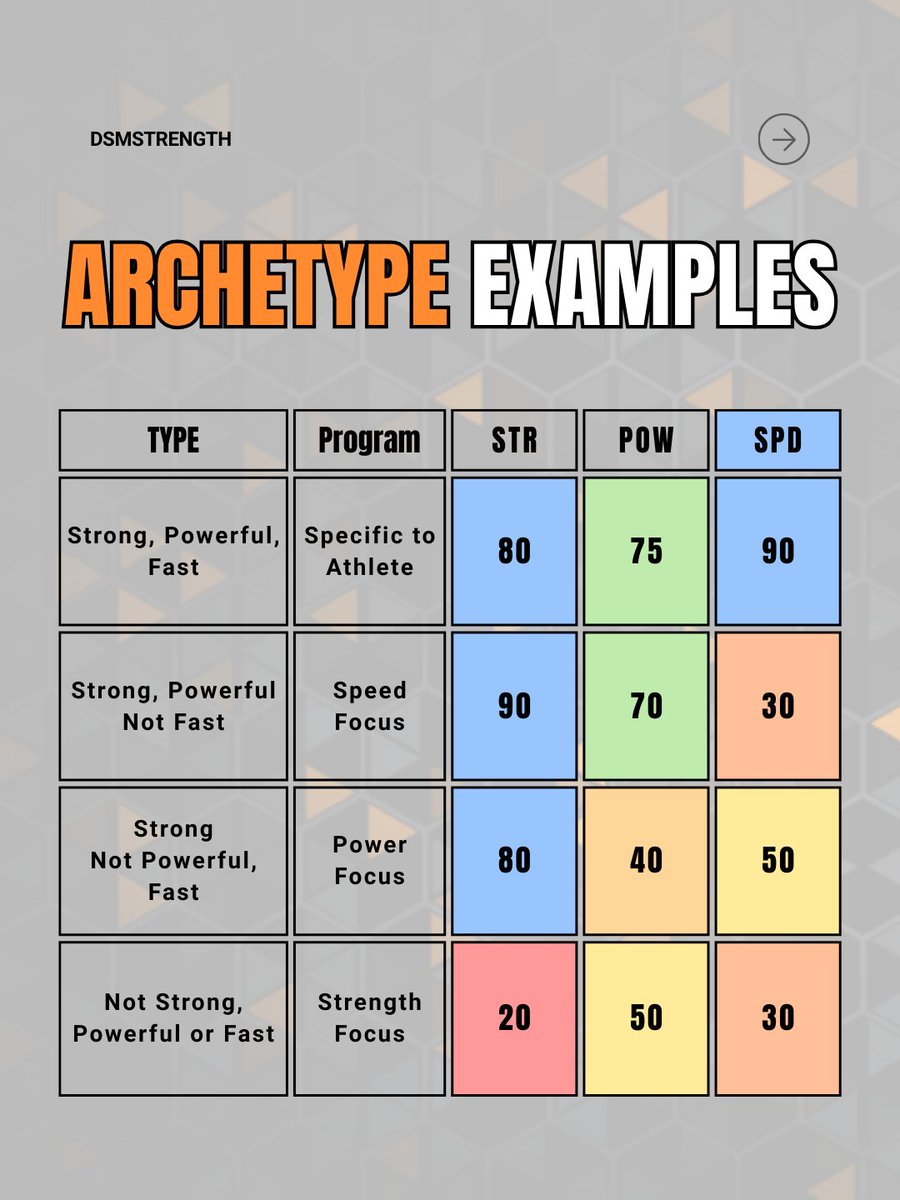
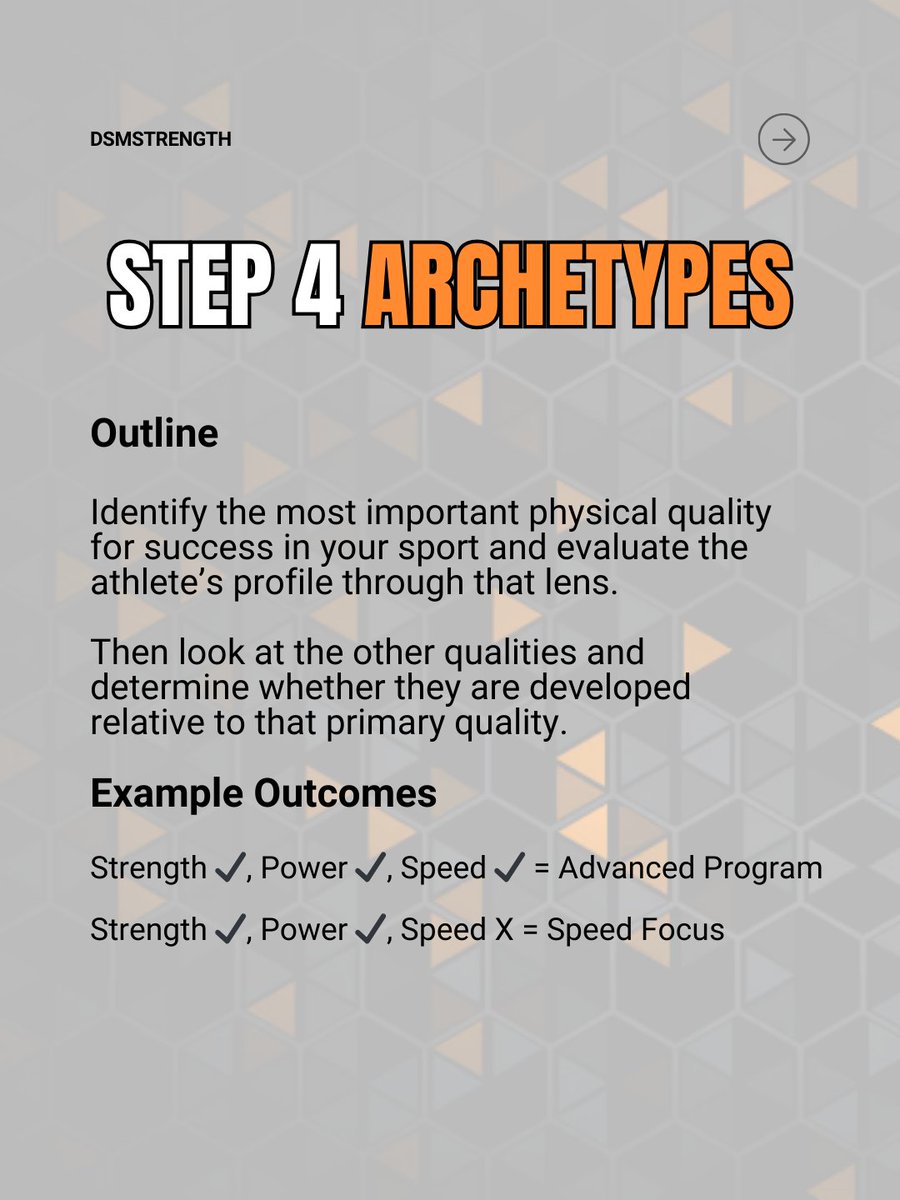
Don't know if threads are still a thing, but here is one on a process to archetype your athletes. Let me know what you think.
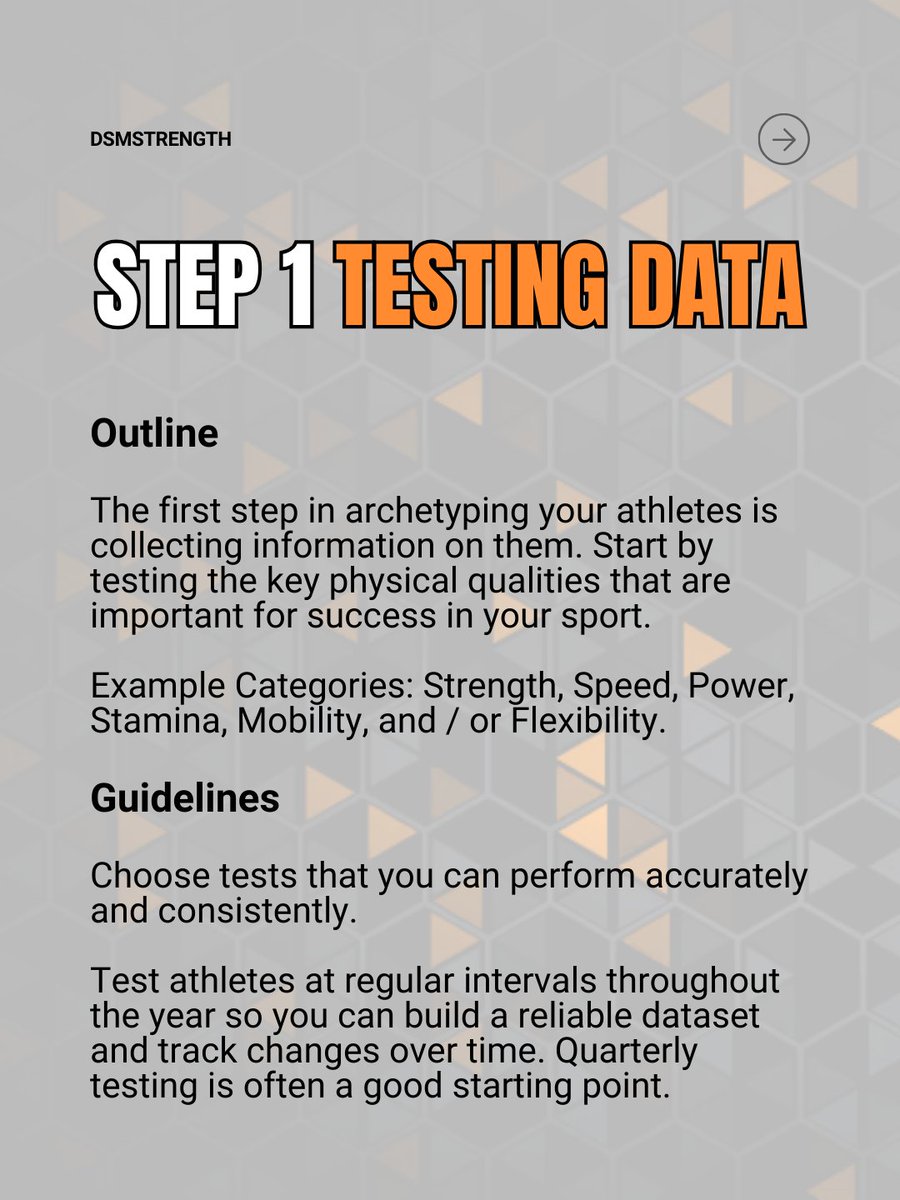
Archetyping / Bucketing is something that is talked about alot in S&C but often the buckets are vague, or not well defined.
The process doesn’t need to be complicated.
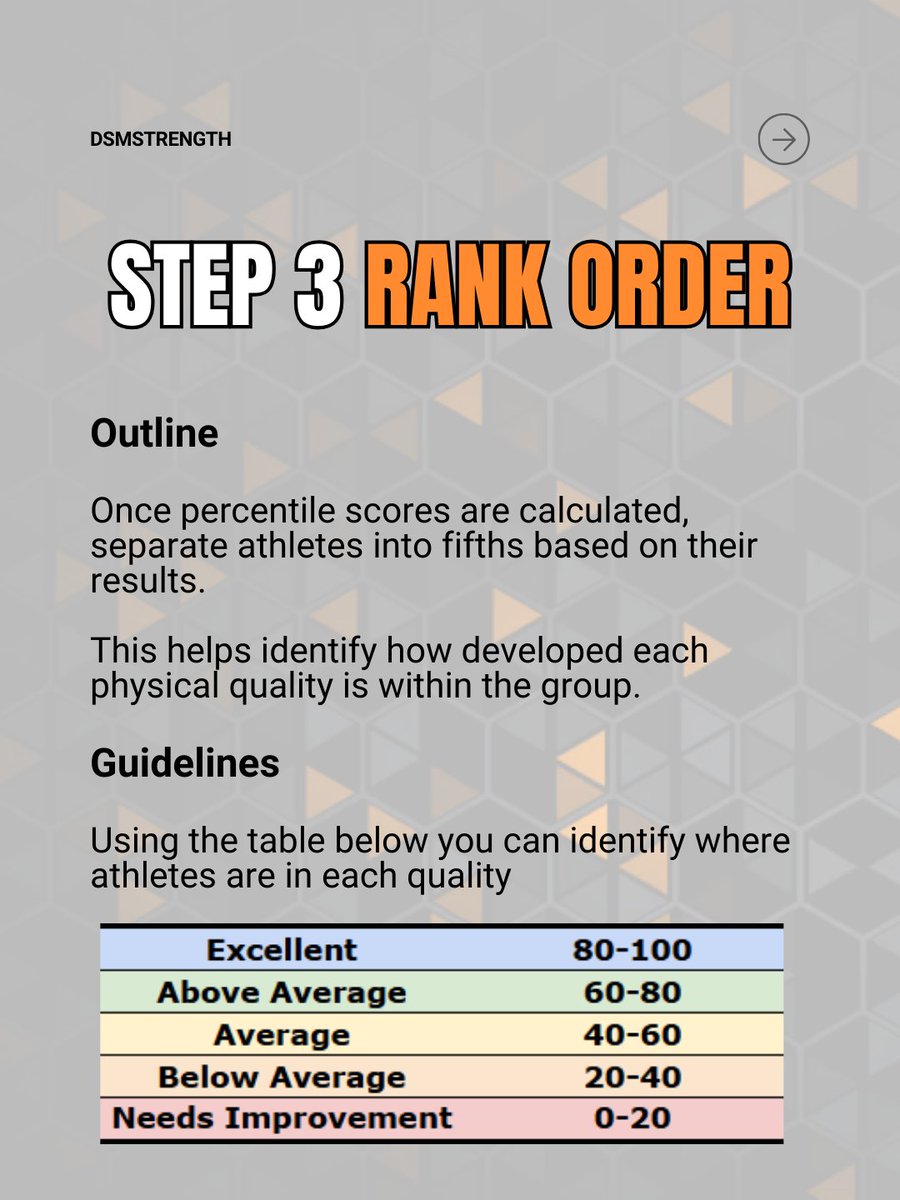
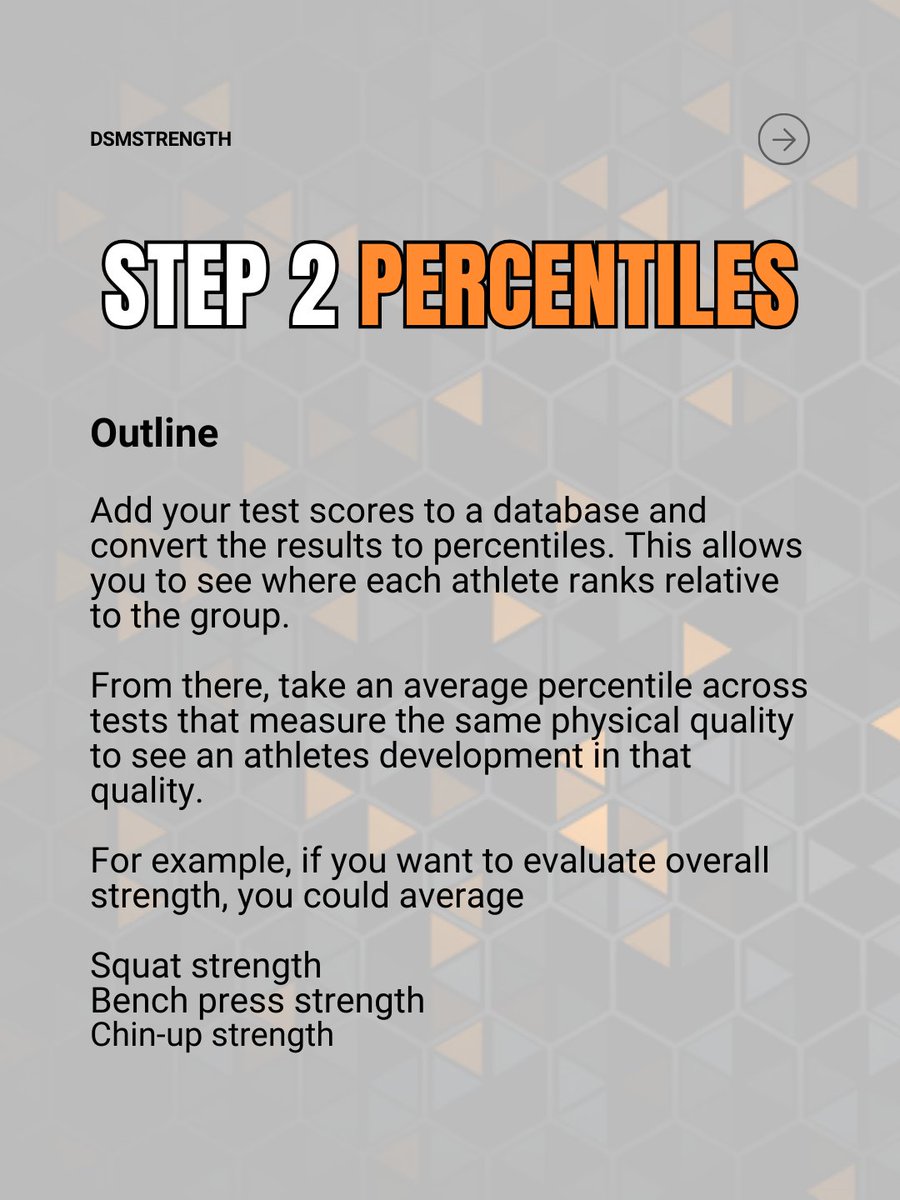
Start by collecting testing data on the physical qualities that matter in your sport. From there, convert results into percentiles so you can see where each athlete sits relative to the group.
Once you have that context, you can begin grouping tests into broader qualities like strength, power, or speed and averaging those percentiles to build a profile for each athlete.
From there the goal is simple. Identify the most important quality for your sport and evaluate the other qualities relative to it. If a supporting quality is underdeveloped, that becomes the training priority.
This type of model helps you align your decisions with the qualities your athlete needs.
3h
2
1
3
515
Mar 12
In large team settings, it can be difficult to make sure everyone is progressing appropriately.
On our main lifts, I’ll often use VBT or percentage based prescriptions to manage intensity. But outside of those key movements, athletes tend to load what is convenient, not what actually drives progress.
If that goes unchecked, you end up violating the principle of overload. The stress never truly increases. Athletes grab whatever is on the rack or the closest dumbbells, and the program stalls.
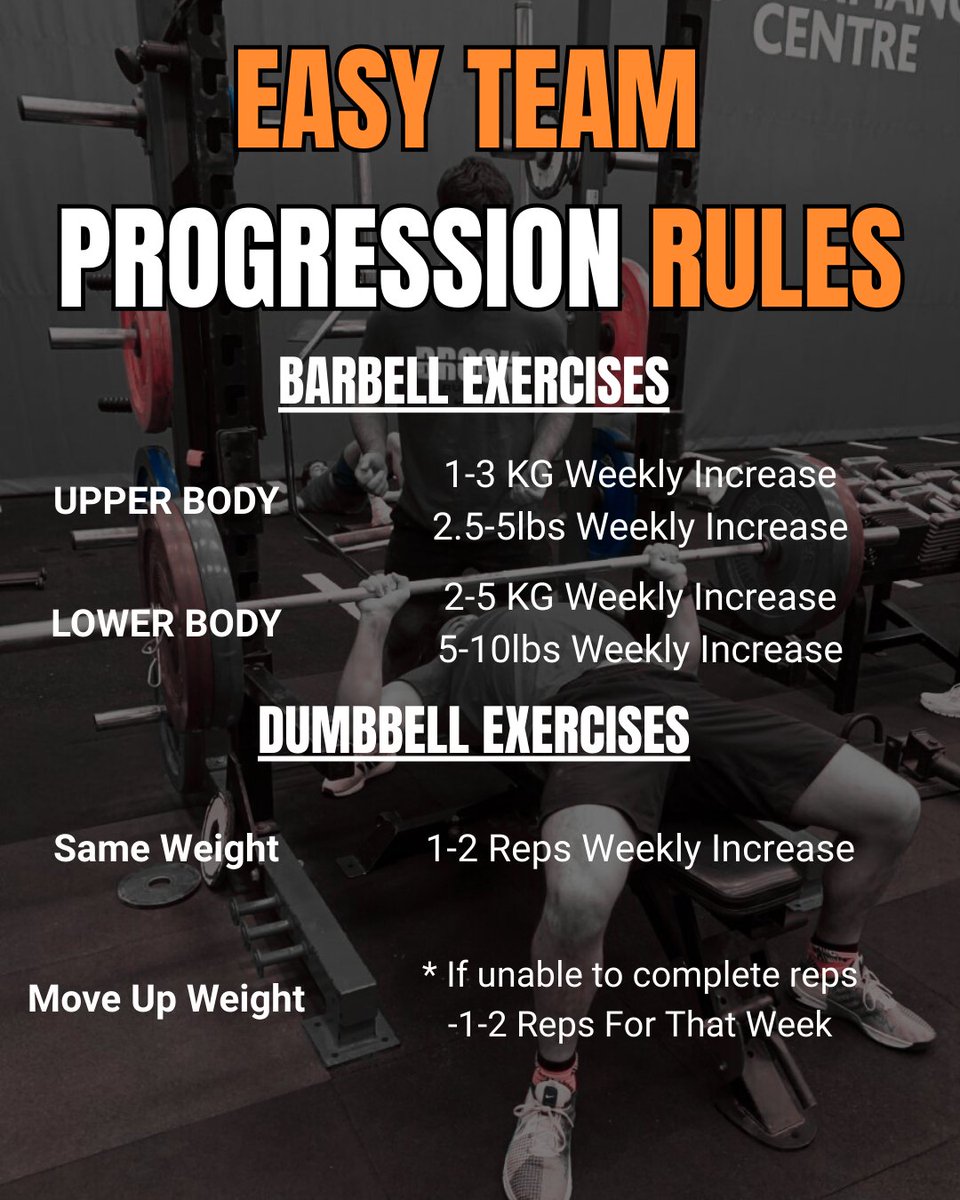
To combat that, I implement simple progression rules that are standardized across the team.
For barbell movements
• Upper body: increase 1–3 kg per week
• Lower body: increase 2–5 kg per week
These increases apply to all working sets unless we are deliberately deloading or targeting a specific adaptation.
For dumbbell movements, the jumps between weights can be large. So instead of forcing load increases, we progress reps.
If an athlete stays at the same dumbbell, they add 1–2 reps the following week. If they stay again, they add another 1–2.
If they move up in weight but cannot hit the prescribed reps, they can reduce the target by 1–2 reps that week and then build back up from there.
Example of a same-weight progression:
Week 1: 3x6
Week 2: 3x8
Week 3: 3x10
These rules have worked really well with teams I have trained. I encourage you to try them with your athletes.
1
2
572
Dave McDowell retweeted

Mar 5
RPE isn’t just something you collect.
• Plan the workload
• Listen to the athletes
• Adjust when feedback doesn’t match the intent
@RockDaisyAMS Inside the Numbers
🎙️ Full episode: tinyurl.com/2put9be8
Thanks to Coach McDowell for joining the podcast 🙌
@DSMStrength @BrockBadgers
Search @RockDaisyAMS on
📺 YouTube
🎵 Spotify
🍏 Apple podcast
#InsideTheNumbers #RockDaisyAMS #WorkoutBuilder
1
203
Dave McDowell retweeted

17 Dec 2025
Years of work is finally finished and put into a system.
VBT doesn’t have to be complex.
Here’s my system:
clhstrength.com/vbt-playbook
4
17
75
67,012
24 Nov 2025
Do any coaches out there use rolling toolboxes or similar to transport their gear to and from fields and gyms?
I have OVR, Arenagear, and various tablets, tripods etc that I would like a good mobile solution for?
If you have one could you post pictures?
368
18 Sep 2025
Does anyone know of any remote opportunities in Sports Science, Applied Sports Science, or Sports Analytics?
Internships
Education
Jobs
1
648
Dave McDowell retweeted
11 Sep 2025
🎙️ @RockDaisyAMS Inside the Numbers podcast
What’s a Z-Score & why does it matter?
Big thanks to @clh_strength & @DSMStrength for catching up and breaking down how Z-Scores help standardize performance data — making it easier to compare athletes & spot trends.
YoutTube▶️ tinyurl.com/35ytvmf3
Listen: search @RockDaisyAMS on
📺 YouTube
🎵 Spotify
🍏 Apple podcast
@RMcKeefery
#InsideTheNumbers #RockDaisyAMS #WorkoutBuilder #AthleteManagement #StrengthCoach #StrengthAndConditioning
2
2
1,004
27 Aug 2025
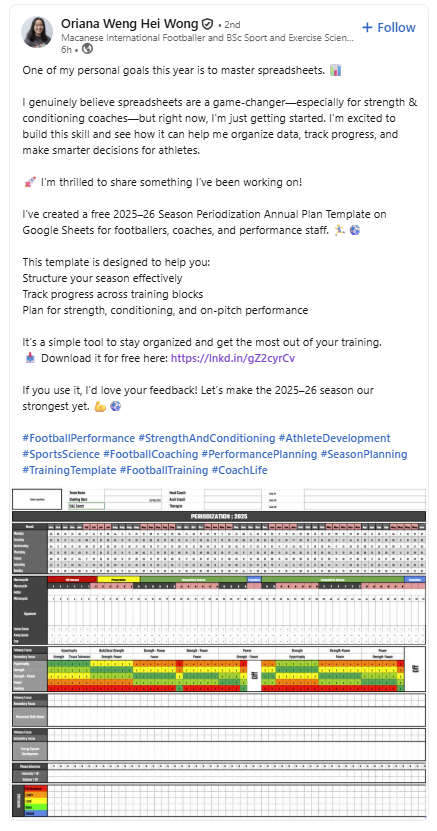
Was made aware today of someone trying to pass off my work as their own today on linkedin. See post below.
If you want this template you can make one for free here: youtube.com/playlist?list=PL…
Or I offer it for sale here: dsmstrength.com/shop
As always thank you for support
2
11
1,450
4 Aug 2025
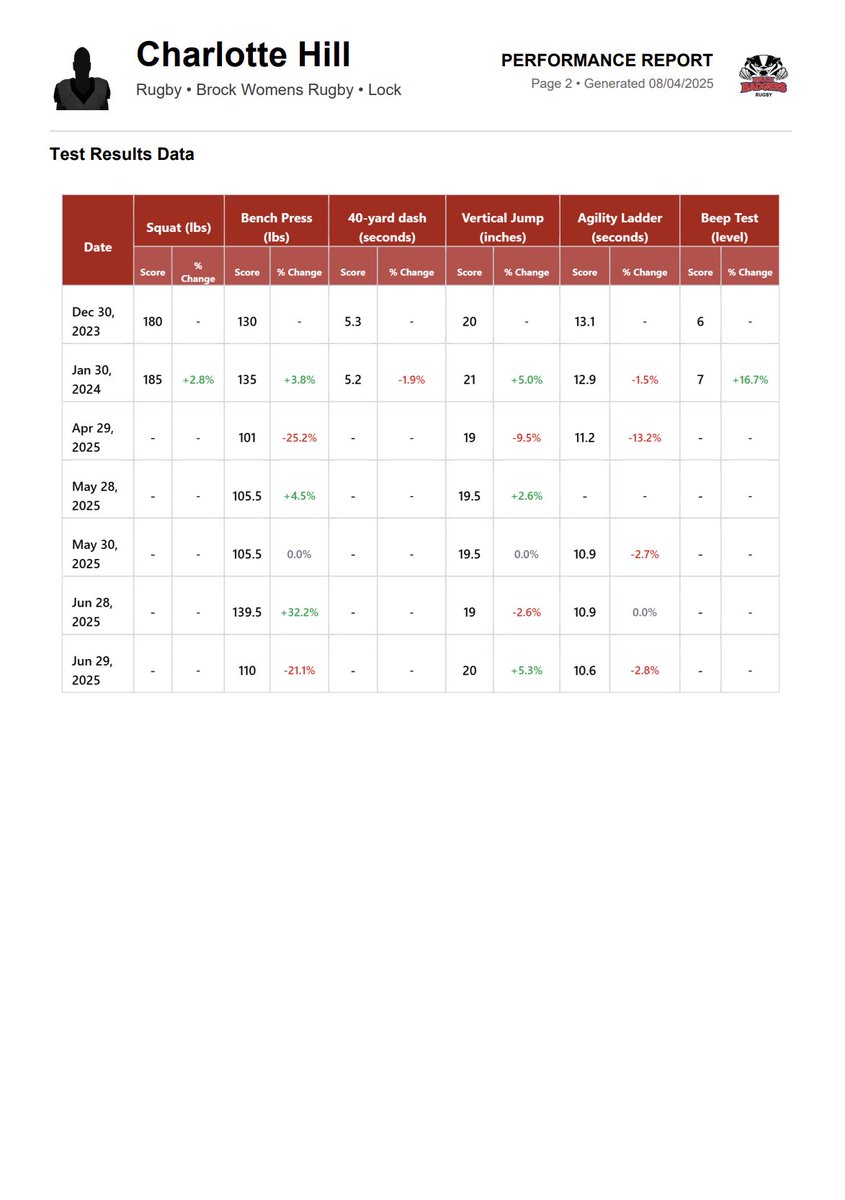
🚨 New Service Available
Performance Reports Service
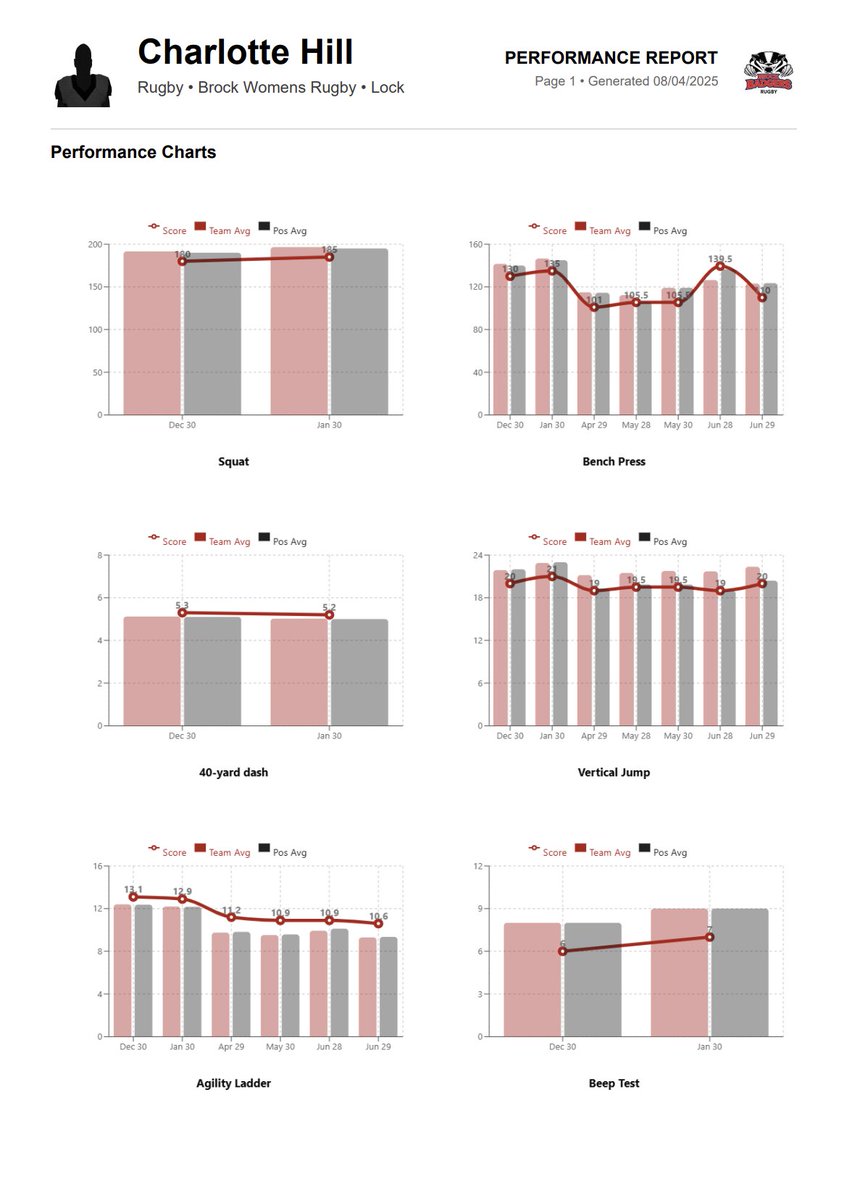
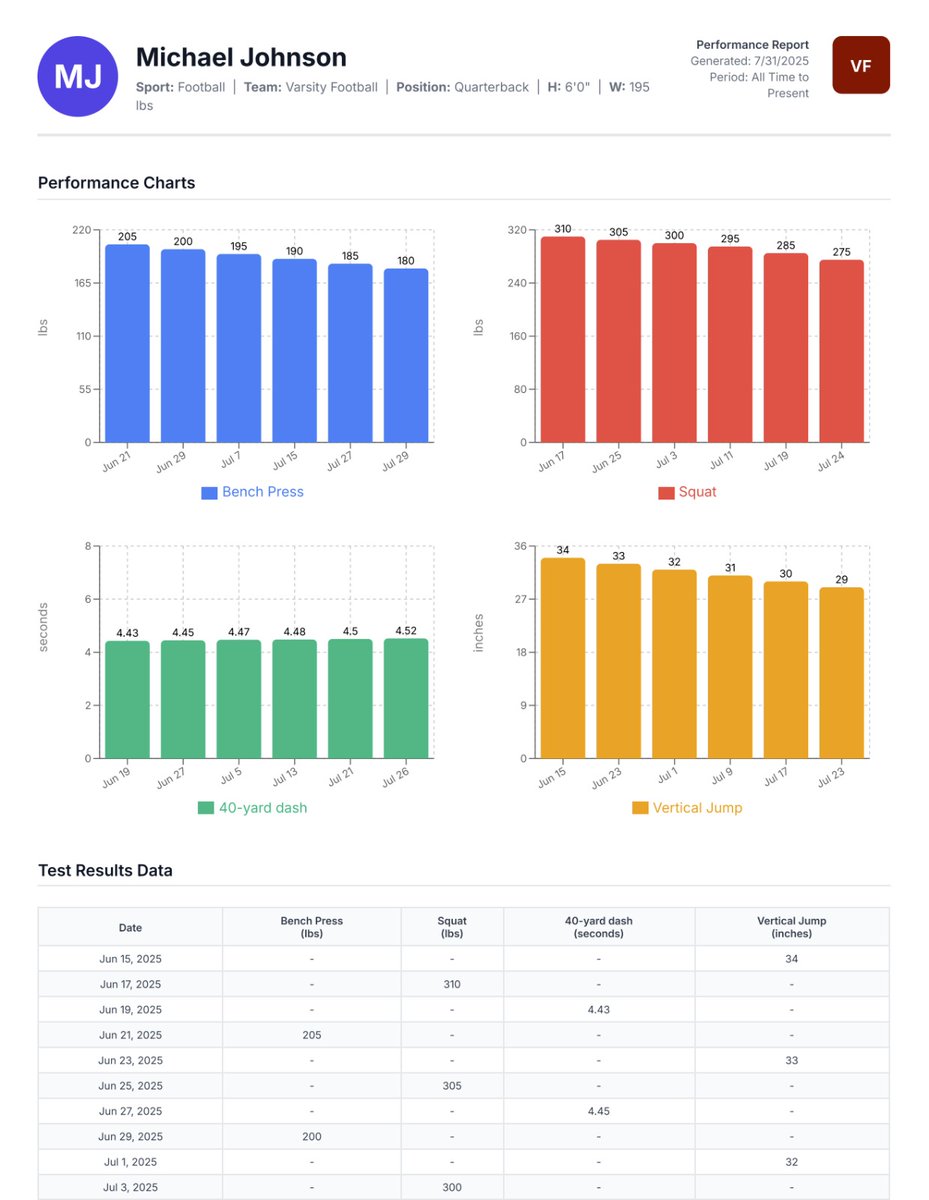
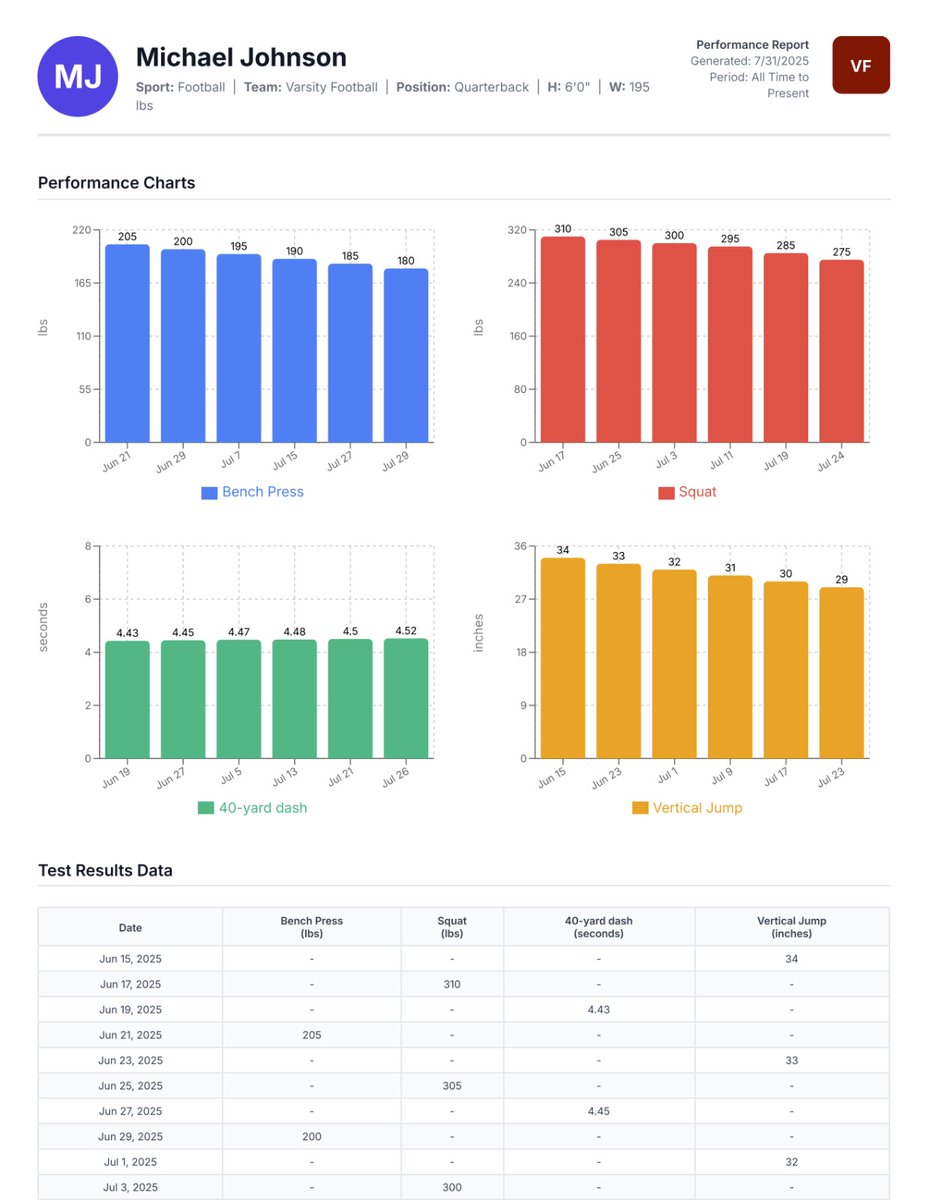
I will do custom performance reports with team colors, logos, athletes for you like the ones shown. Up to 6 tests with position, team averages and % change over time.
Large and Small team prices
DM for details.
3
12
1,414
1 Aug 2025
Working on something new.
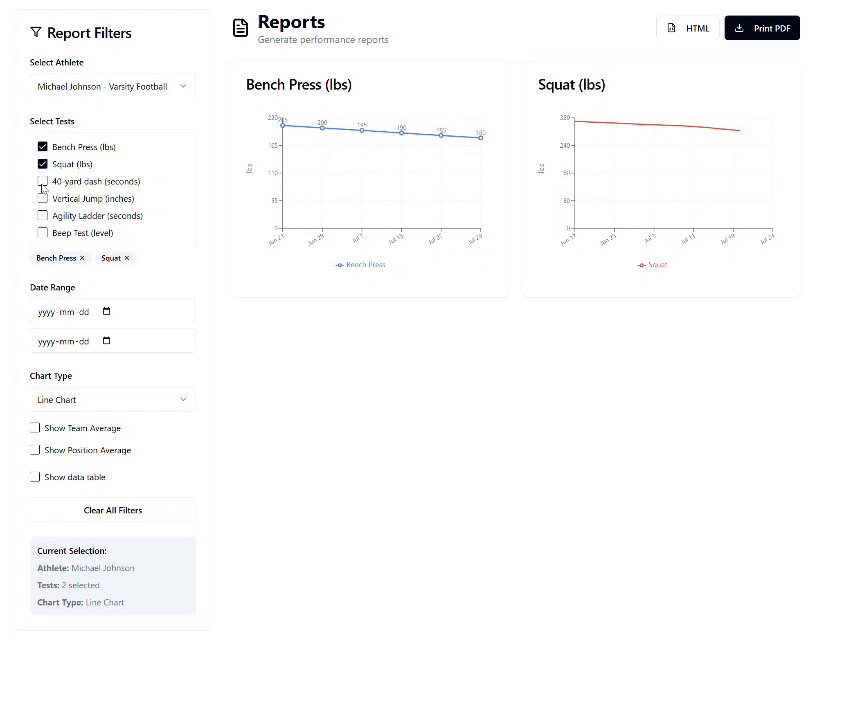
Full Software solution to simplify athlete report creation.
Bulk upload data, 1 click pdf export or print. Manage multiple athletes, teams, tests.
Is this something you would want? Would a subscription model be appropriate?
8
13
1,610