
Day trading ad budgets 🥱 - Ecom operator sharing what works (and doesn’t)
Joined December 2024
- Tweets 4,054
- Following 484
- Followers 14,143
- Likes 4,062
148 Photos and videos

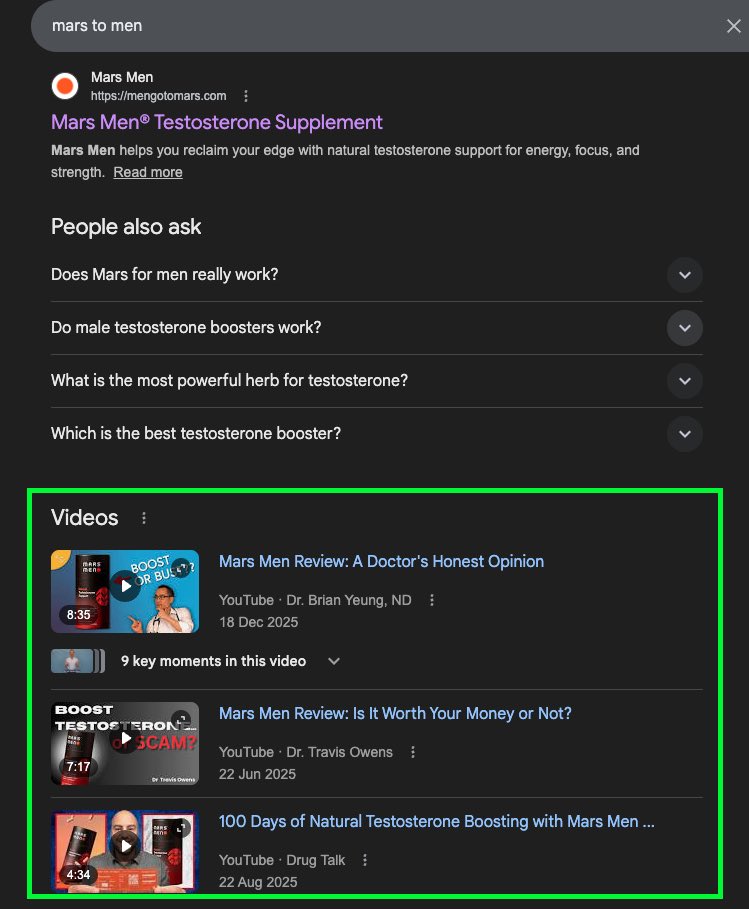
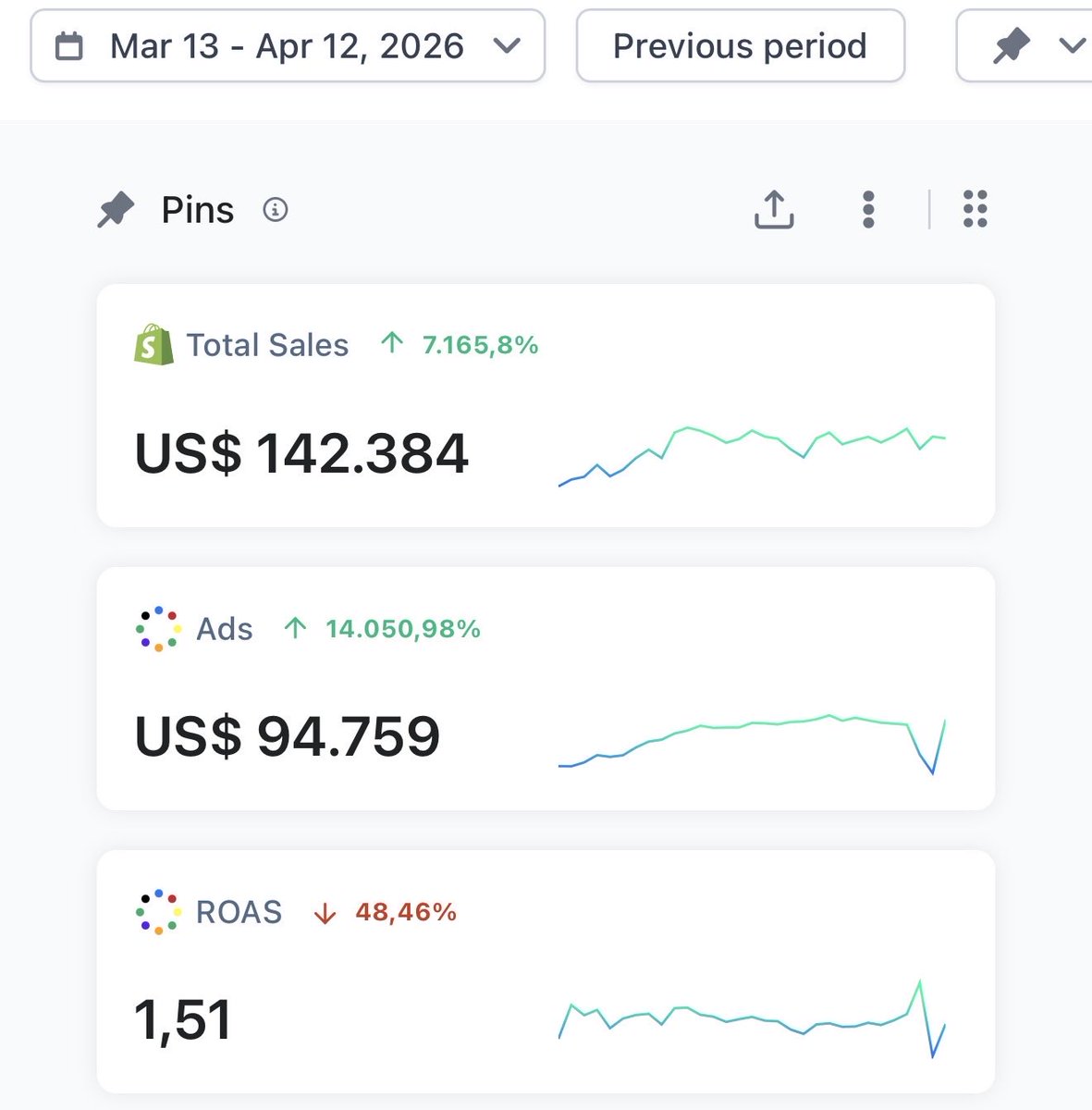

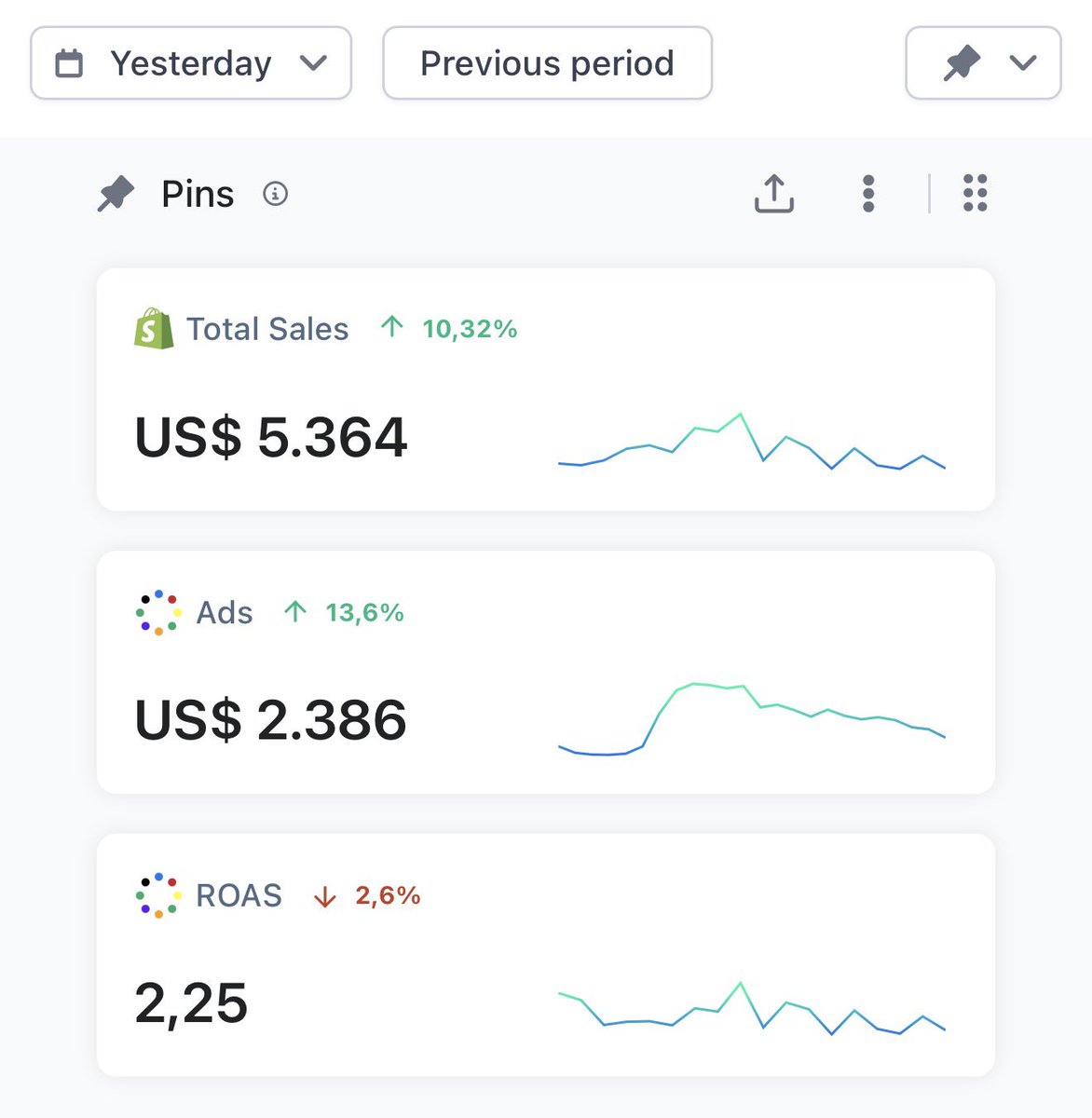
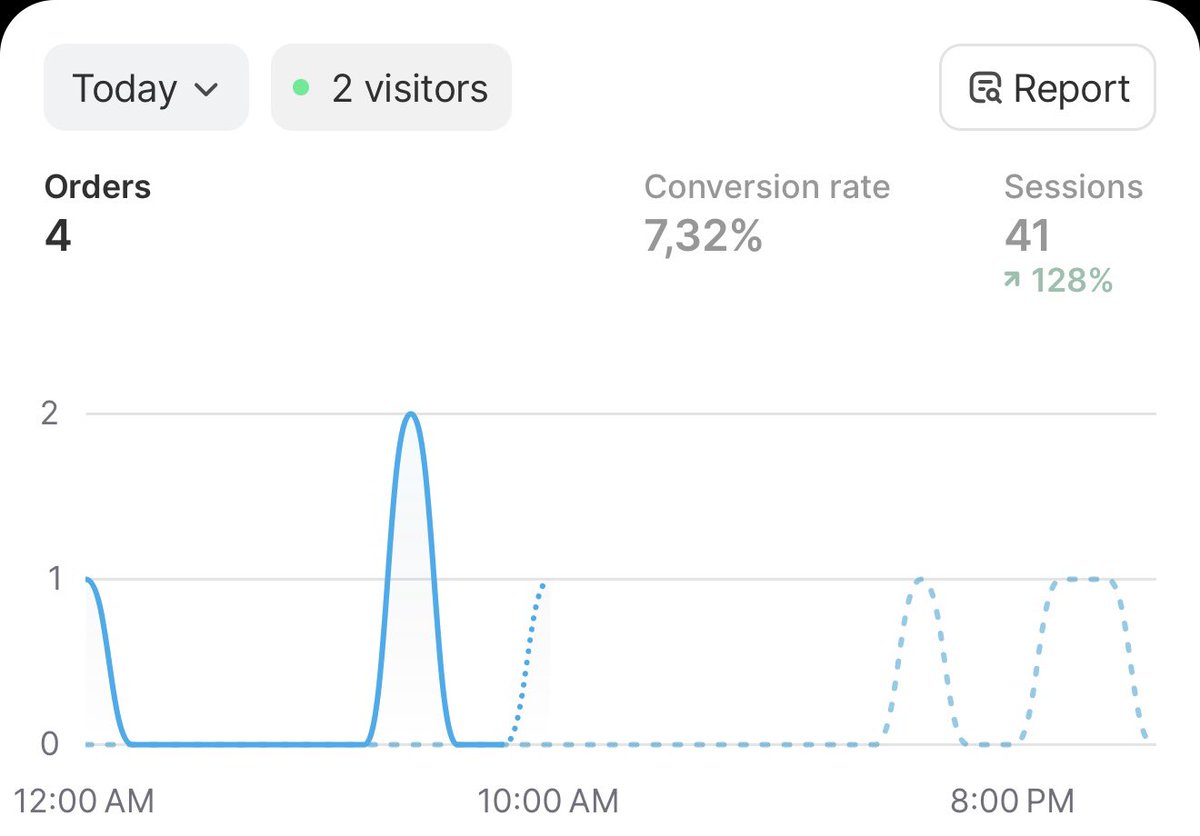

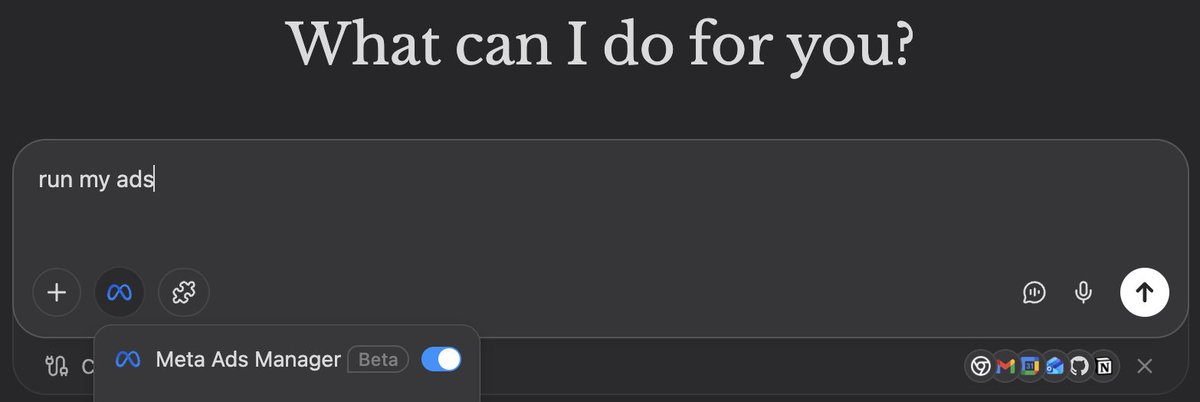
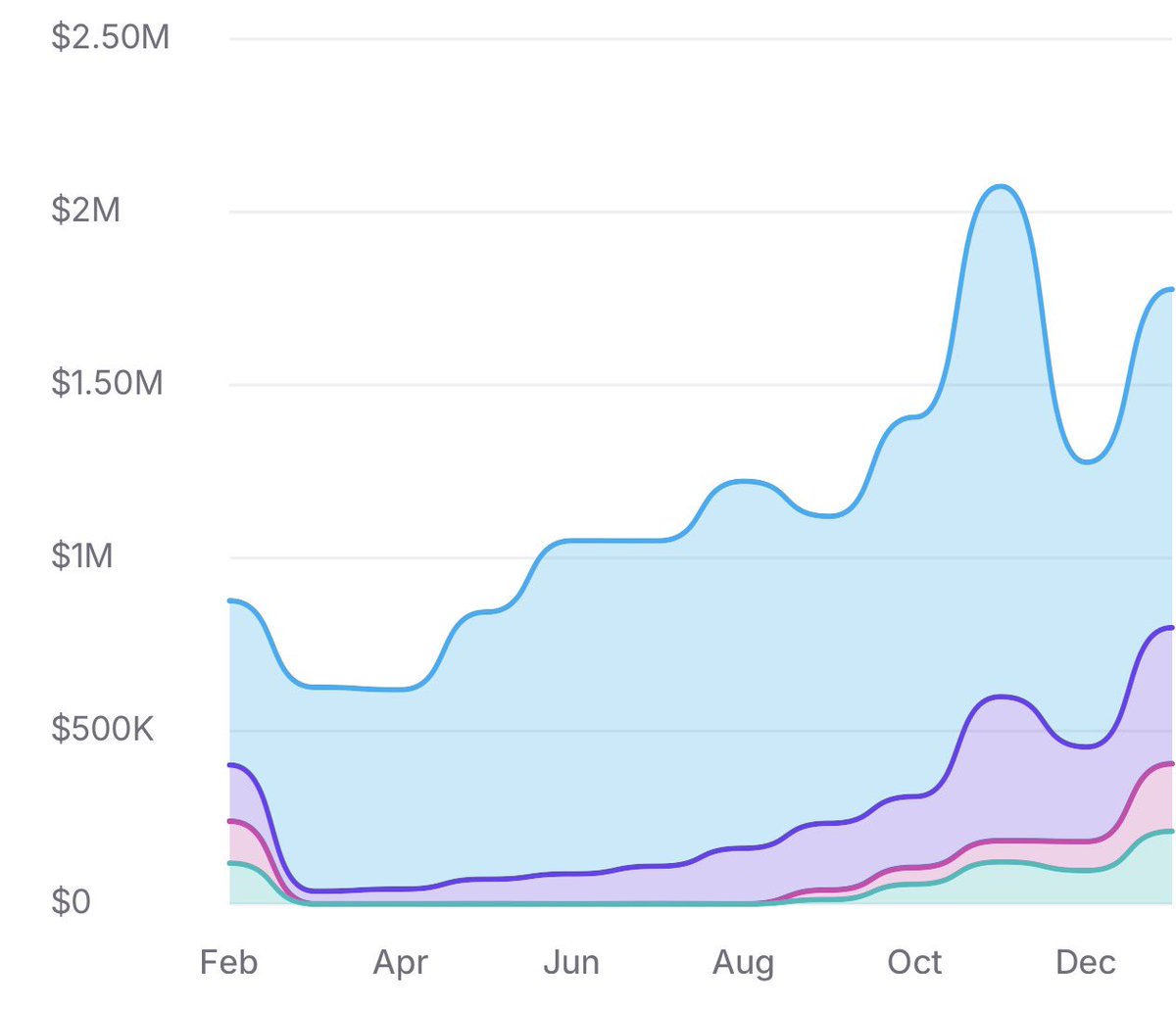




You just gotta learn how to count the cards

@Meta seems more like a casino than an ad platform.
Seems like the house is winning more than giving payouts.
4
52
8,420
I’m not a Google guy, but pmax sounds like the most retarded Google setup to run…
May 21

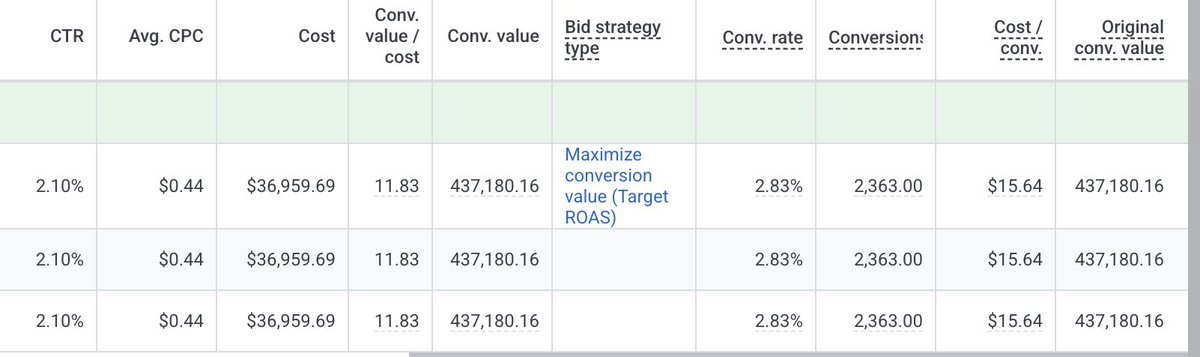
I love Google man, set a single pmax campaign up once and haven’t touched it since
9
83
28,592
It’s not that hard to not get banned from Shopify payments.
Just ship the product, don’t promise what you can’t deliver on, offer (good) customer service, and if you run subs make sure customers can cancel them without going trough some crazy flow.
Honestly makes your life easier (and more fun 😃) not having to deal with payment processing issues and beeing able to focus on growth.
May 19

Read more about our approach here: shopify.com/blog/shopify-pay…
17
2
154
21,184
One of the best feelings in the world:
Help someone out > they implement your advice > it works.
This guy dmed me almost a year ago asking for advice.
I helped him out a bit, did one consulting call, and we stayed in touch.
Now 10 months later he hit his first 10K day.
I need to be clear:
This result is NOT because of me.
It's because of his hard work, effort, curiosity, consistency and beeing able to use common sense (a lot of you out here don’t use it enough)
But it's cool to see that the people who are curious enough to ask, humble enough to learn, and consistent enough to put in the work almost always make it.
15
1
146
7,281
wake up, skip brekkie, drink a coffee, smoke a ciggy, lock-in, scale
May 19

any tips on how scale to those number
5
1
85
10,670
Meta is doing perfectly fine.
And we don’t run any AI doctor or AI UGC.
Most of the topspenders are AI animation ads and yapper style VSLs.
May 19

Only the killers are still doing well. Don't see any of my ad accounts having down turns. Too many ecom bros making AI doctor ads, AI UGC and crushing the old ecom dawgs that haven't really caught on with what is working with creatives and landers 🤣 they're still making hi-fi bof ads, basic offer statics and screenshots of customer reviews in 2026. R.I.P
13
2
214
49,098
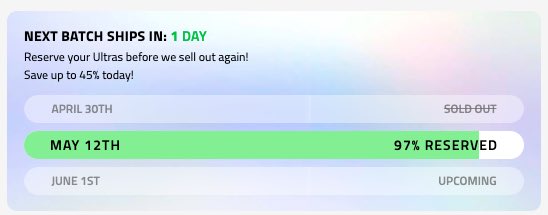
Keep running and use it to your advantage, here’s an example.
Switch “1 day” to when you actually ship.
May 11

Would you guys keep running ads to a preorder page when out of stock?
Or is this just going to fuck the pixel data?
13
6
181
23,918
This doesn’t work as simply as “increase AOV and keep CAC low.”
Sounds great in theory, I’ve almost never seen it work in practice.
In most cases, when you increase AOV, your CAC also rises.
Yes, higher AOV can decrease your payback period, which is great.
But it also has tradeoffs when scaling, as your audience size gets smaller at higher aovs
This is why you can’t look at metrics in isolation.
Not saying you’re doing that here, but it’s a critical reminder.

Everyone talks about CAC:LTV. Almost no one operationalizes it.
And actually it's not just CAC vs. LTV. It's really...
→ First purchase contribution margin
→ Payback period
→ LTV Margin / CAC ratio
Figuring out the math is one thing. (Comment below and I'll drop a quick tool you can use.)
But figuring out how to actually move these numbers is another.
You've got 3 levers:
1. 𝐚𝐌𝐄𝐑: Hyper focus on new AOV and CAC efficiency. Get customers to spend more on the first purchase while keeping CAC low. More dollars in your pocket, same ad spend out.
2. 𝐂𝐨𝐬𝐭 𝐬𝐭𝐫𝐮𝐜𝐭𝐮𝐫𝐞: Closely tied to the above. Price testing and bundling improve margins. Negotiating lower COGs or reducing shipping does too. Every dollar saved here improves first purchase contribution without touching ad spend.
3. 𝐋𝐓𝐕 The hardest to move, but the highest ceiling. Some of your LTV potential is baked into your product. But the first 90 days after purchase? That's your marketing window.
Focus acquisition on products with the best LTV potential and build lifecycle flows around those cohorts.
There is a clear strategy behind every number. The hard part isn't the math. It's aligning and prioritizing your team to execute on all three levers at the same time, at the highest level.
Do that? You've got a real formula for scale 🚀
12
2
62
12,542
Stop only showing reviews from your own site
Add screenshots of your amazon reviews, facebook comments, reddit threads where they talk about you to your products pages, pre sell pages and ads
Consumers are getting smarter an know on-site reviews can be manipulated.
They trust third-party (or look like third party😉) reviews way more
12
5
177
11,845
Been really focused on increasing revenue per session this year and it backfired hard.
We did a lot of CRO work and offer testing and were able to increase our AOV significantly, which also increased our RPS.
But here’s what also happened:
Our CAC rose a lot in the same period.
Our frequency went up, because there are just fewer people who can buy at higher price points.
And (I think) Meta started optimizing for people who spend more, which made the addressable audience even smaller.
This made it harder to scale.
I haven’t seen many people talk about this dynamic, but it’s a good reminder that it’s dangerous to look at metrics in isolation.
When doing CRO work, optimizing RPS alone is fundamentally flawed (most CRO agencies won’t tell you this) - because your CAC rises at the same time and your addressable market shrinks.
You need to look at the whole system.
34
6
238
37,121
Asked my email agency to answer this:
It depends on your product type - there’s no ideal number of emails and campaigns
You should focus on identifying the doubts people have and how you can motivate them to keep using the product consistently.
It’s also important to manage expectations so customers are more likely to return over time.
Some essential emails to include in your post-purchase flow:
- Social proof (you made the right decision)
- Why we started (personal message from founder)
- How’s it going? (check-in email)
- Answering FAQs
- Review request
- Winback (motivate them to buy again after X days)
The key is understanding your customer journey and placing these emails where they make sense based on when people typically have questions, see results, or need a reminder
Apr 13

Could you give some insights on post-purchase flows for retention, like how many, how often, how long after first purchase etc.
4
2
67
11,507
1 month in
Hit 6 figs which is nice but nothing impressive yet
Also having some stock and product issues
Good signs:
First retention orders are already coming in, don't even have post-purchase flows set up 🤦♂️
That gave us conviction to lower our target nc roas and scale at break-even now
Will wait for 3 months to get better LTV data before dropping efficiency targets further
Also found a new offer that performs better, will continue testing this as this is one of the biggest levers
Next up to scale further:
- 10x on the angles, formats and lp’s that are already working
- Add middle and bottom of funnel ads - missing this right now
- Setup proper flows in Klaviyo
- Launch Google Ads

10 days in
Scaling steadily and first order profitable
2 angles performing really well
Next up to scale further:
- Make more creative around those 2 angles
- Build dedicated LPs for each angle (right now all traffic goes to 1 generic LP)
- Test different offers (gonna test 2 new offers against the current one - which is a simple bundle stack)
31
1
186
18,175
I get offered saas partnership deals every week
If I accepted them all, I'd have made over 100K by now just putting out some posts
For all saas founders: just build the best product possible and don't have crazy pricing
I'll shill you for free if your product is actually good and I’m using it
12
1
90
20,989
- scale budgets
- launch better and more ads
- make congruent lp’s for your top spenders
- test your offer
- dial in retention
Mar 30

Hello,my brand has been stuck at a $2–3K/day ceiling for the past month and a half. What are the key strategies to finally break through and scale higher?
I’m sure a lot of ecom founders are stuck at this same stage.Appreciate you.bro
3
1
102
10,817
I always try to have my min spends beeing max 50% of my cbo budget.
So for example:
If cbo budget is 300 and I have 3 adsets with 50 min spend and I want to add a new adset, I’d up the cbo budget to 400 and add the new adset with 50 min spend
Mar 30

Do you up budget when you add new adsets? Even if you don't use min spend?
3
58
10,300