7,227 Photos and videos












Pinned Tweet
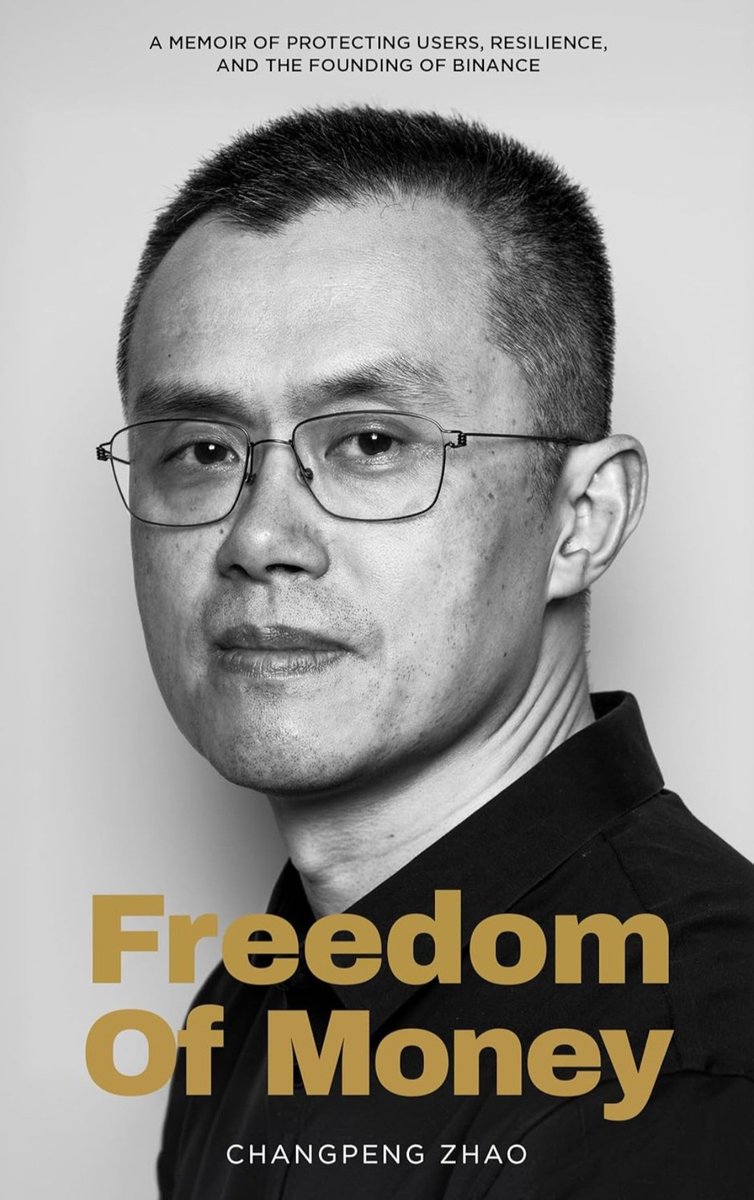
GIVEAWAY: 10 Kindle Books! I'm giving away 10 copies of CZ @CZ_binance
new Kindle book “Freedom of Money” (1 per winner)! Book pictured aboveTo enter:
• Like Repost this post
• Follow me
• Leave a positive comment
• Use the hashtag #FREEDOMOFMONEY Extra rules:
• Account must be at least 1 month old
• No cash or cryptocurrency exchange for the book — it’s a free giveaway only
• Winners will be picked fairly and randomly by Grok AI (transparent & verifiable draw) Giveaway ends April 17, 2026. Winners will be announced here and must DM me their email address to receive the Kindle book. Follow me — I may do more giveaways later! Good luck everyone! Let’s spread freedom #FREEDOMOFMONEY
4
3
9
746
Claudio Borquez #Bitcoin retweeted

And this is exactly how you lose younger male voters, actually a lot more than that demographic.
Send in police to haul off an actual American UFC Champion because he used his 1st amendment and criticized Israel.

Sean Strickland just got SWARMED by cops and hauled away after sneaking into the UFC White House event 😳💀
1,140
2,623
18,818
405,469
Claudio Borquez #Bitcoin retweeted

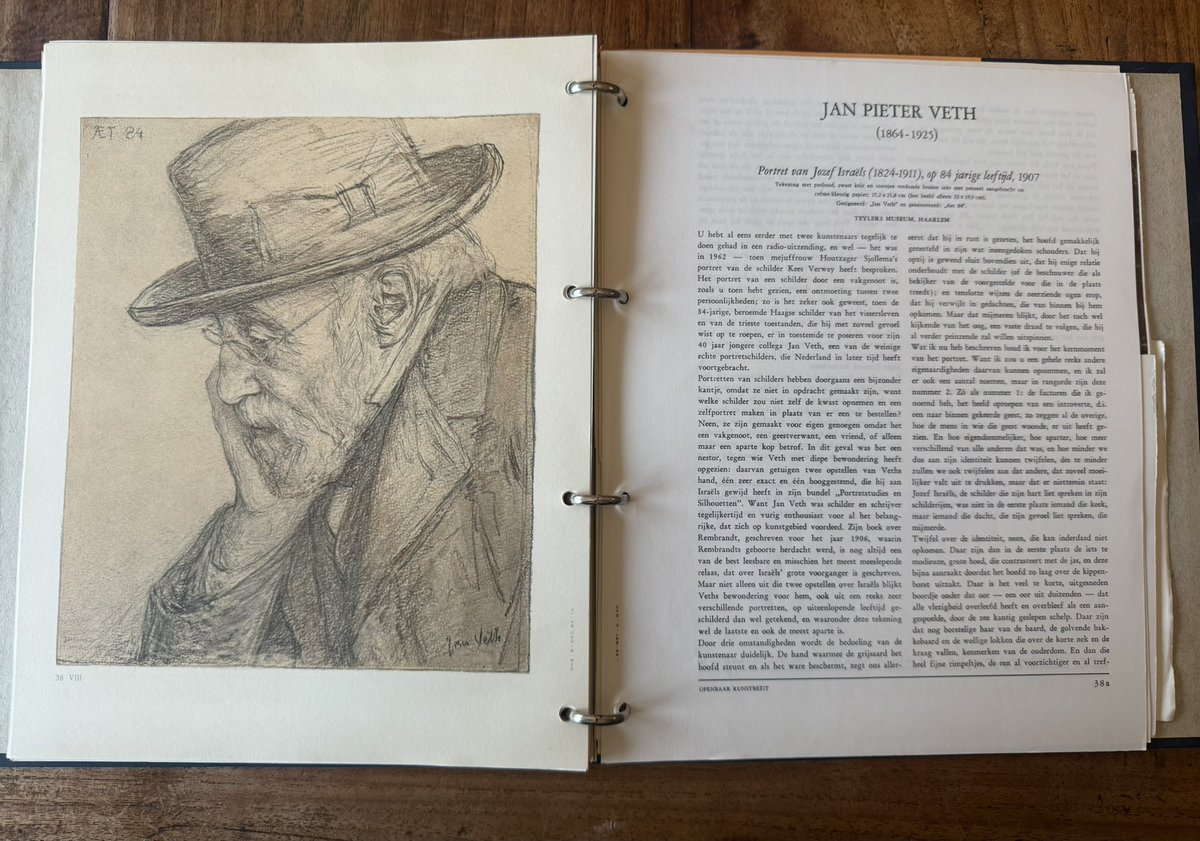
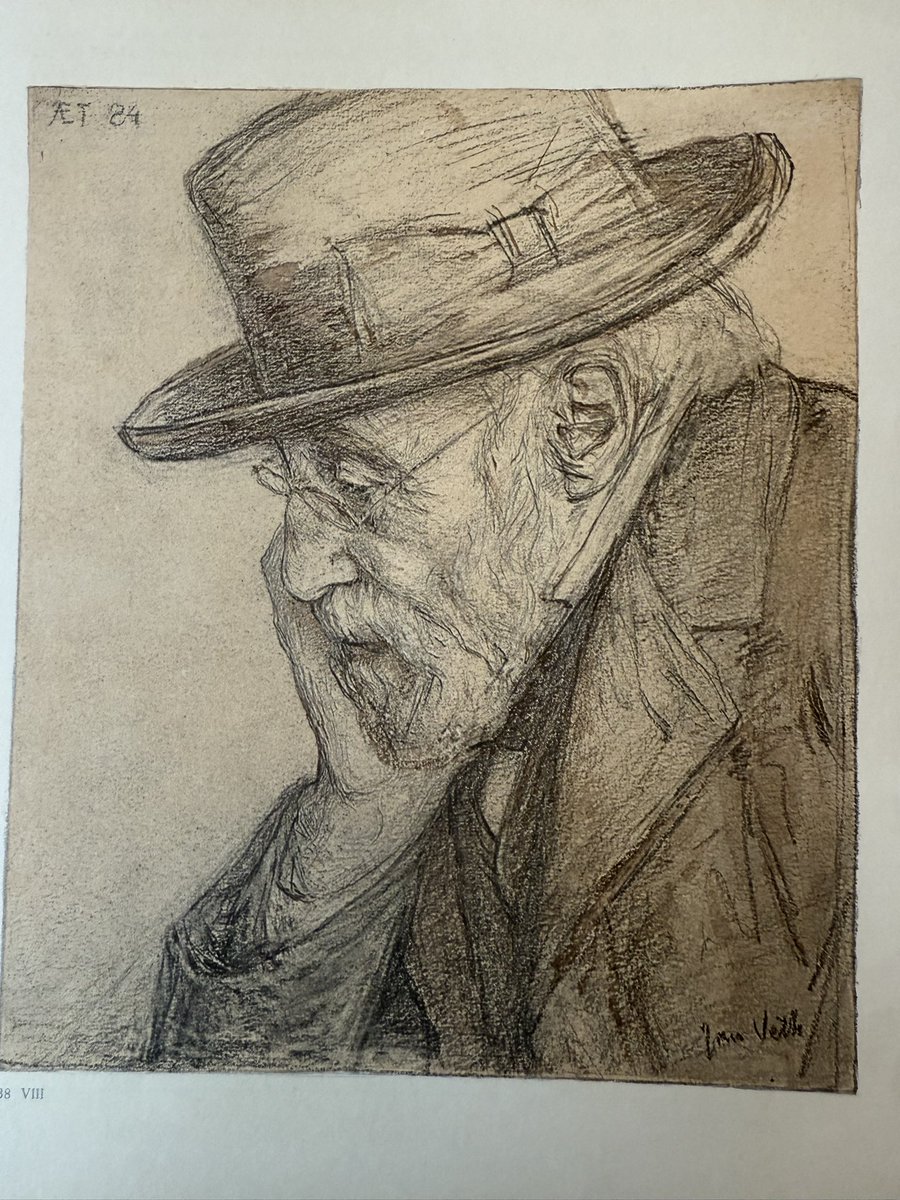
553 👉 Dailyartpiece
Jan Pieter Veth (18 May 1864, Dordrecht – 1 July 1925, Amsterdam) was a versatile and influential Dutch artist, known primarily as a portrait painter, but also as a poet, art critic, printmaker (etcher and lithographer), and university lecturer.
Background and Education
Born in Dordrecht to a wealthy, artistic family (his mother descended from the painter family Van Strij), Veth studied at the Rijksakademie van Beeldende Kunsten in Amsterdam. He was part of the St. Luke group with fellow students and later worked with the painter Anton Mauve in Laren. He married Anna Dorothea Dirks in 1888, and they had five children. He lived in places like Bussum before returning to Amsterdam later in life.
Artistic Style and Career
Veth is especially noted for his carefully observed, realistic portraits with a muted palette. He painted many prominent contemporaries, including:
•Max Liebermann
•Lambertus Zijl
•Frank van der Goes
•Antoon Derkinderen
•Scientists and intellectuals such as Christiaan Eijkman, Jacobus Kapteyn, Hendrik Lorentz, Pieter Zeeman, and Abraham Kuyper
He also created landscapes and was an accomplished printmaker. His work emphasized psychological insight and realism, bringing models to life in striking and touching ways.
Beyond painting, Veth was deeply involved in the Dutch art world around 1900. He belonged to the Movement of 1880 (Tachtigers) as a poet, publishing in De Nieuwe Gids. He designed book covers (e.g., for his friend Frederik van Eeden’s De Kleine Johannes), advancing book art in the Netherlands. As an art critic, he was a key voice—among the first in the Netherlands to recognize Vincent van Gogh’s talent—and he championed artists like Breitner and Jan Toorop. He was also a pioneer in historical monument conservation and helped establish institutions like the Rembrandt House Museum.
In 1906, he became Professor Extraordinary in History of Art and Aesthetics at the Rijksakademie in Amsterdam. He was elected a member of the Royal Netherlands Academy of Arts and Sciences in 1923.
Legacy
Veth died in Amsterdam in 1925. A major retrospective, Jan Veth’s Eye: Painter and critic around 1900, was held at the Dordrechts Museum, highlighting his portraits, printmaking, criticism, and broader cultural impact. His thoughtful, detailed observations of people and art left a lasting mark on Dutch cultural history.
Art 👉 portrait of Jozef Israels

552 👉 Dailyartpiece
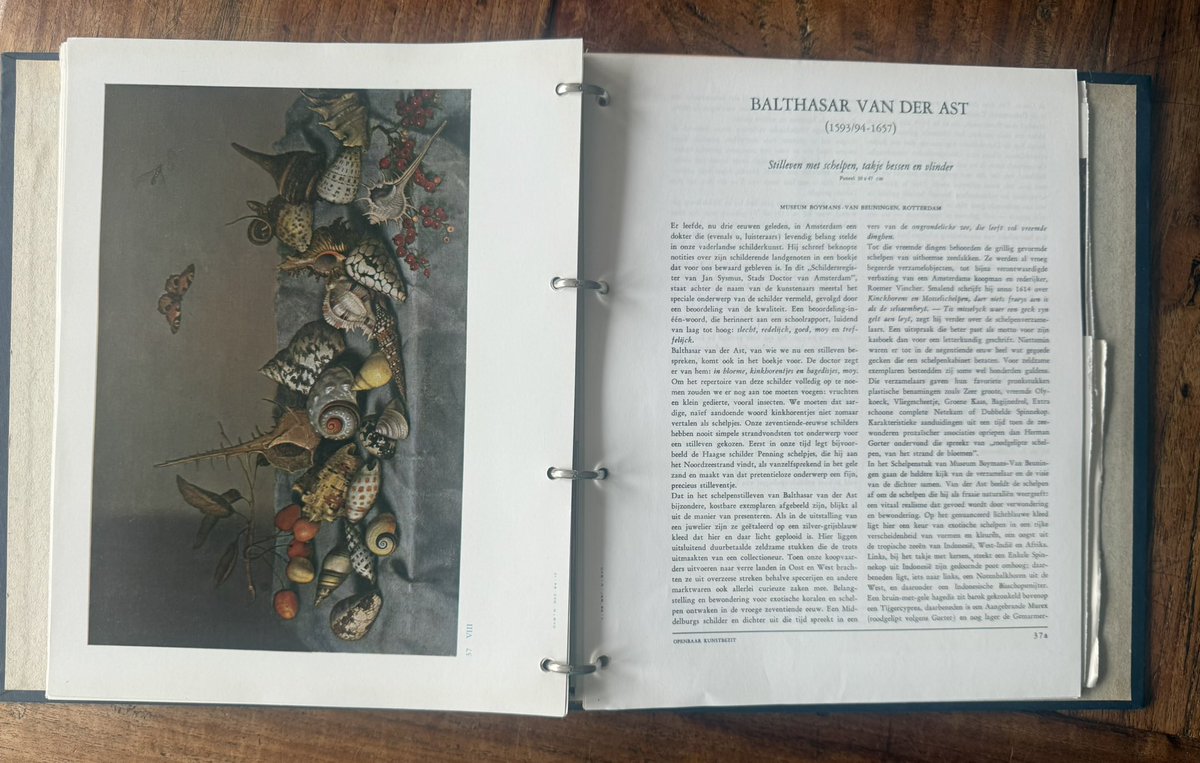
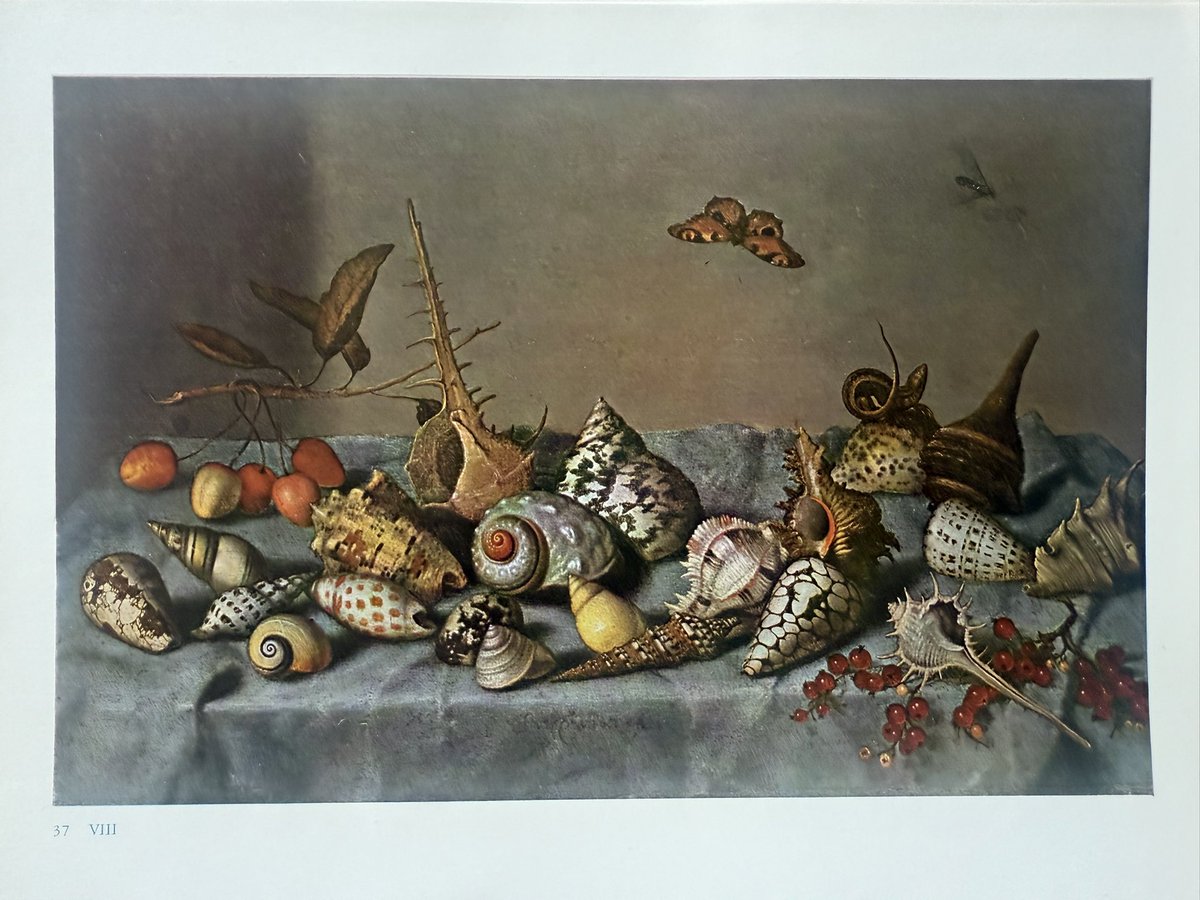
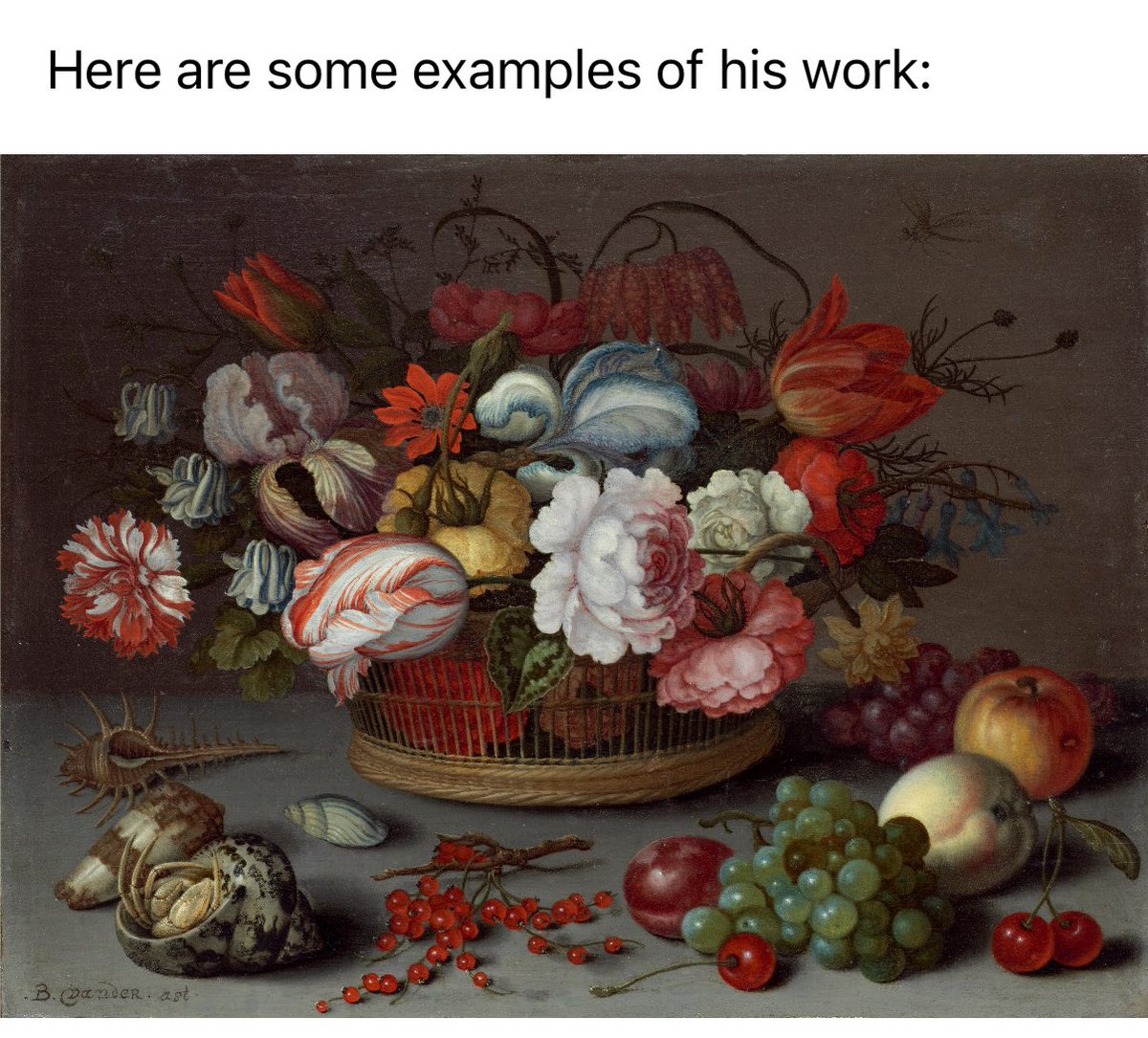
Balthasar van der Ast (1593/1594 – 7 March 1657) was a prominent Dutch Golden Age painter specializing in still lifes, particularly of flowers, fruit, shells, insects, and lizards. He is often regarded as a pioneer in the genre of shell still life painting.
Early Life and Training
Born in Middelburg in the province of Zeeland (Dutch Republic), van der Ast came from a prosperous merchant family. He was orphaned young after his father’s death in 1609. He then lived with his older sister Maria and her husband, the influential still-life painter Ambrosius Bosschaert the Elder, who became his teacher and major influence.
Bosschaert’s precise technique and symmetrical compositions are evident in van der Ast’s early works. Around 1615–1616, he likely moved with Bosschaert to places like Bergen op Zoom and Utrecht. In Utrecht, he was further influenced by Roelandt Savery, whose softer tonality and interest in exotic elements (including shells and insects from his own garden) shaped van der Ast’s evolving style. He registered as a master painter in Utrecht’s Guild of Saint Luke in 1619.
Later in life, he settled in Delft, where he lived until his death in 1657. He taught notable pupils, including Jan Davidsz. de Heem.
Artistic Style and Themes
Van der Ast’s paintings blend the vibrant, detailed floral precision of Bosschaert with Savery’s more atmospheric and tonal approach. Key characteristics include:
•Detailed still lifes — Bouquets of flowers (often tulips, roses, carnations), fruits in various stages of ripeness (symbolizing the transience of life), exotic shells, insects, and small creatures like lizards or butterflies.
•Symbolism — Common vanitas elements (e.g., wilting flowers, insects) reflecting the fleeting nature of beauty and life.
•Composition — Often arranged on tables or in baskets/vases, with careful attention to light, texture, and realism. He frequently included rare or exotic items popular during the Dutch Golden Age’s trade era.
An Amsterdam doctor once summarized his oeuvre poetically: “In flowers, shells and lizards, beautiful.”
Notable Works
Some of his well-known paintings include:
•Basket of Flowers and Basket of Fruits (c. 1622, National Gallery of Art, Washington, D.C.)
•Fruit Still Life with Shells and Tulip (1620, Mauritshuis, The Hague)
•Vase with a Single Tulip (1625, Mauritshuis)
•Chinese Vase with Flowers, Shells and Insects (1628, Thyssen-Bornemisza Museum, Madrid)
•Flowers in a Vase with Shells and Insects (c. 1628, National Gallery, London)
•Still Life with Shells (1640, Museum Boijmans Van Beuningen, Rotterdam)
Legacy
Van der Ast contributed significantly to the development of Dutch still-life painting during the Golden Age. His works are held in major museums worldwide, including the Mauritshuis, National Gallery of Art, and others. Though not as widely known today as some contemporaries, his meticulous observation of nature and innovative inclusion of shells helped expand the still-life genre.
His paintings remain prized for their technical brilliance, vibrant colors, and evocative symbolism.
Art 👉 Stilleven met schelpen, takje bessen en vlinder
1
4
94
Claudio Borquez #Bitcoin retweeted

somebody find him for me so we can help him get back on his feet

A cab driver was left speechless and can no longer make a living after Knicks fans destroyed his car 💔💔
118
1,773
15,544
628,285

Claudio Borquez #Bitcoin retweeted
Kaz, how are you winning over agents who still aren't sold on Opendoor?
I Dm you about one here in California
1
1
50
Claudio Borquez #Bitcoin retweeted

Jun 13
A cab driver was left speechless and can no longer make a living after Knicks fans destroyed his car 💔💔
2,772
8,693
132,660
10,000,629
Claudio Borquez #Bitcoin retweeted
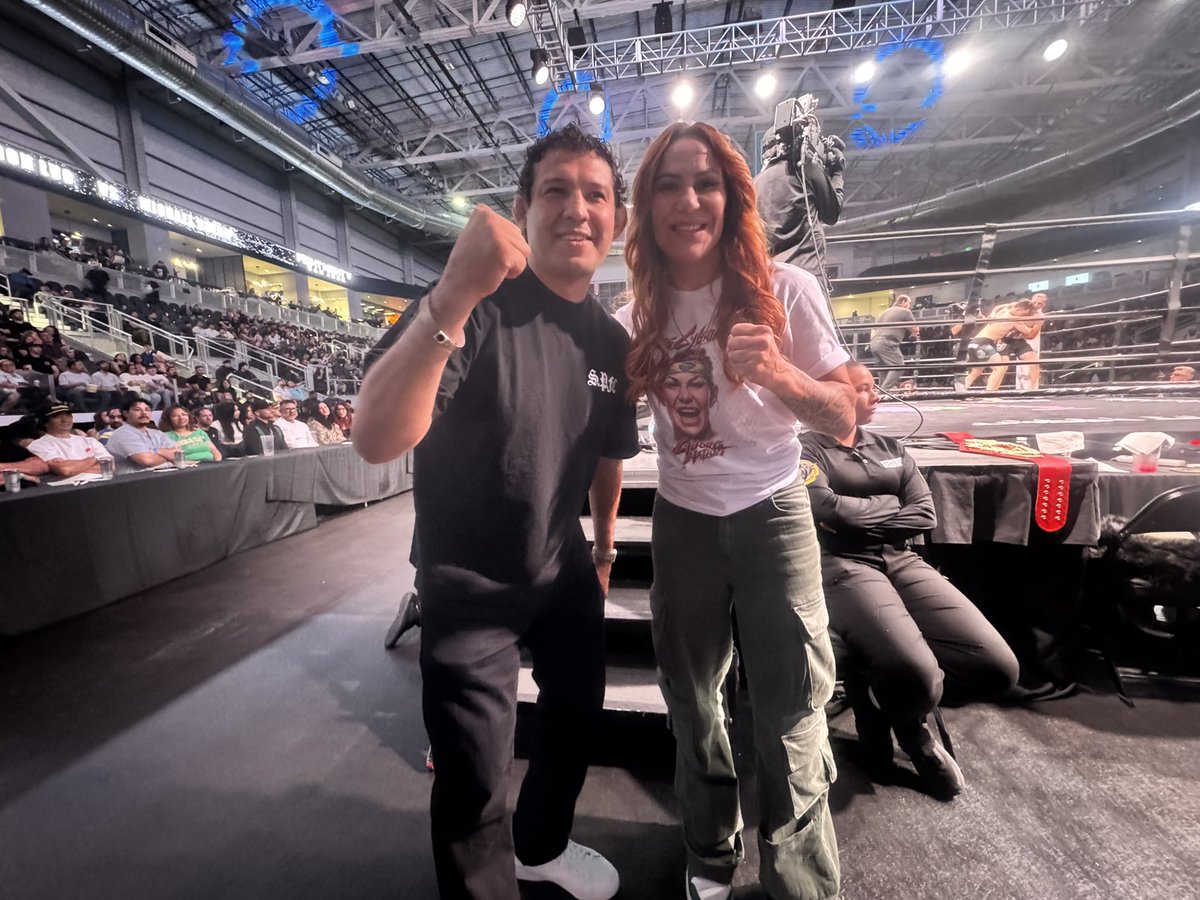
Big night of fights in San Jose 🔥
Love what @GilbertMelendez is building with @ScottCoker
2
20
1,043
Claudio Borquez #Bitcoin retweeted

15h
@serc1n is family.
@normiesART are family.
@NFCsummit is family.
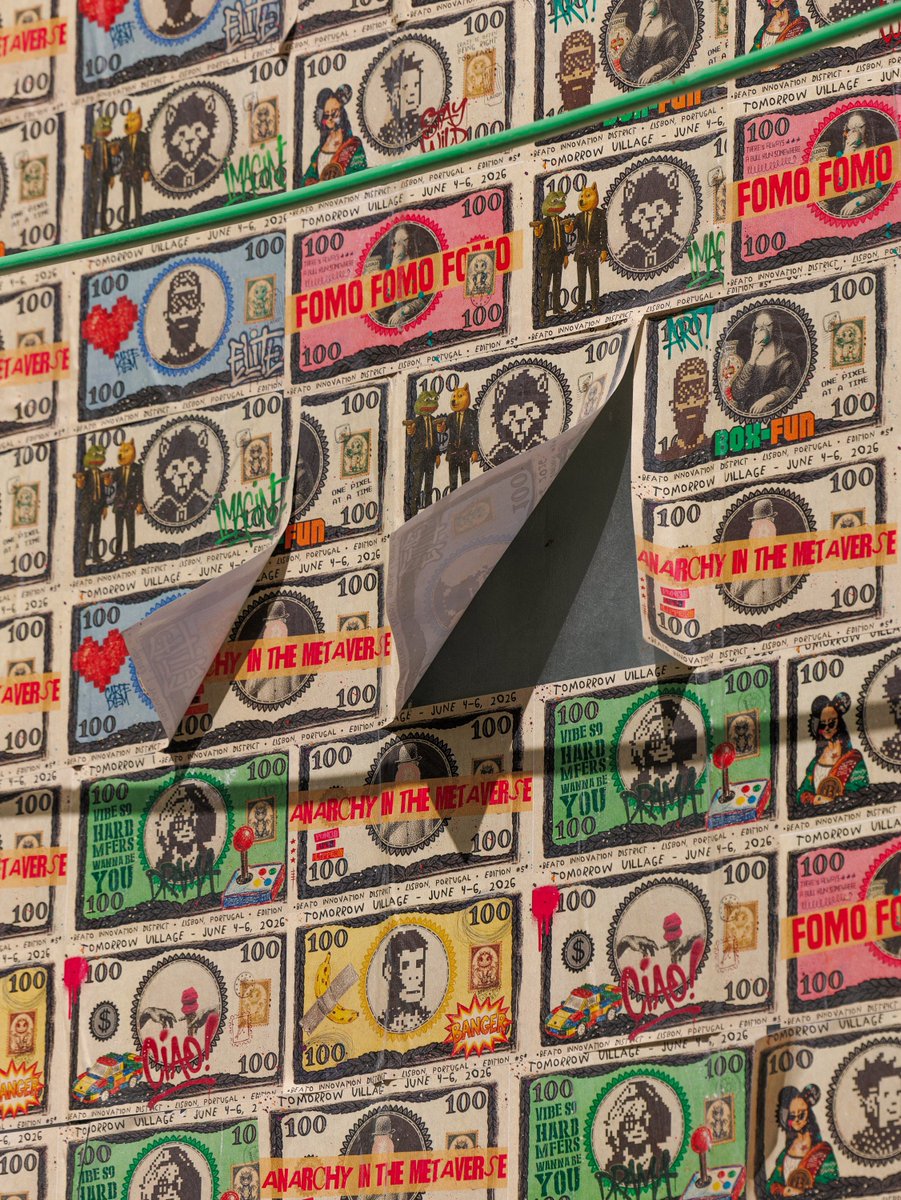
We are building for us and for generations to come. 🫡
And we are freaking doing it with style.

Normies x @Richi0118
We created ticket artwork together, we put those all around the @NFCsummit venue.
Building IRL, building on-chain.
4
5
23
388

Claudio Borquez #Bitcoin retweeted
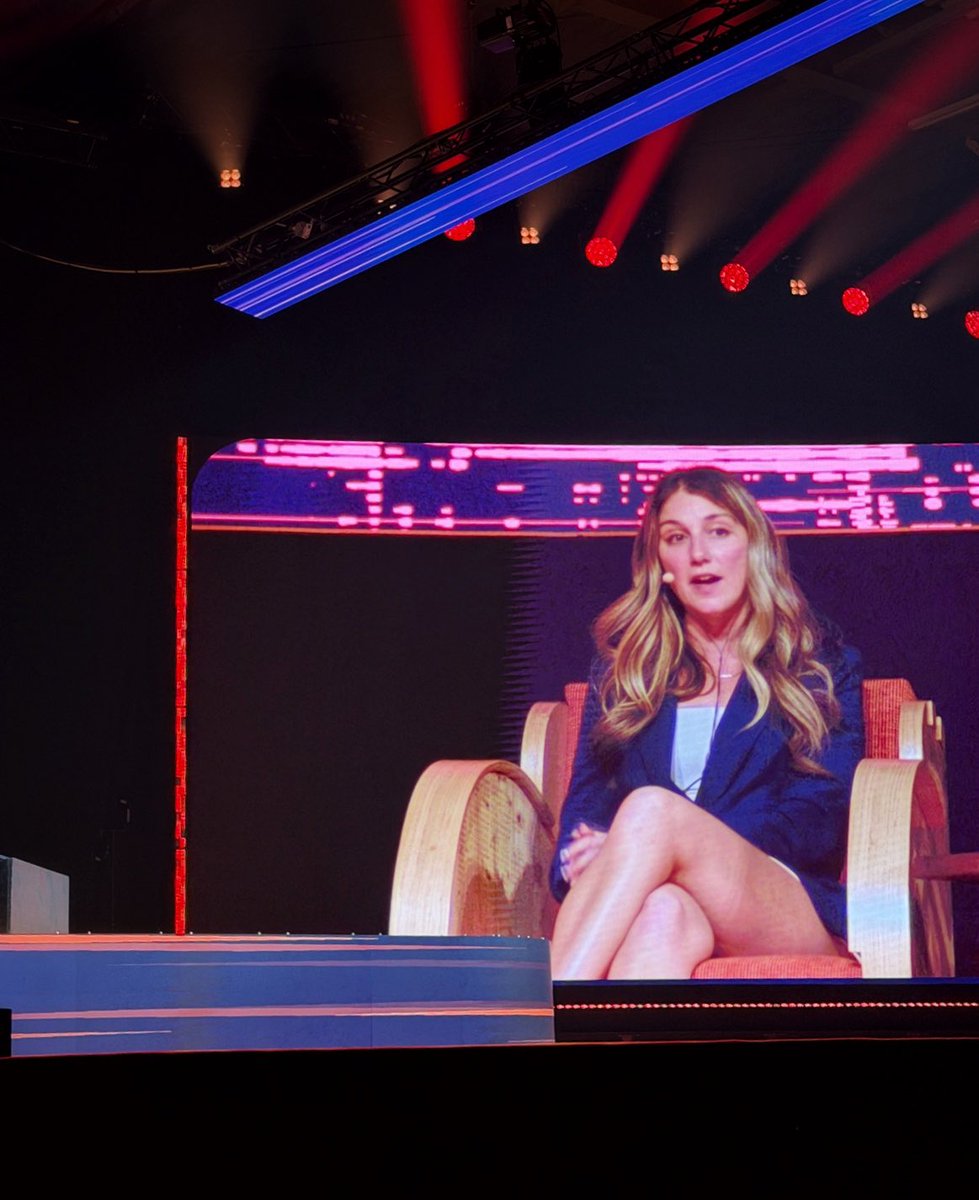
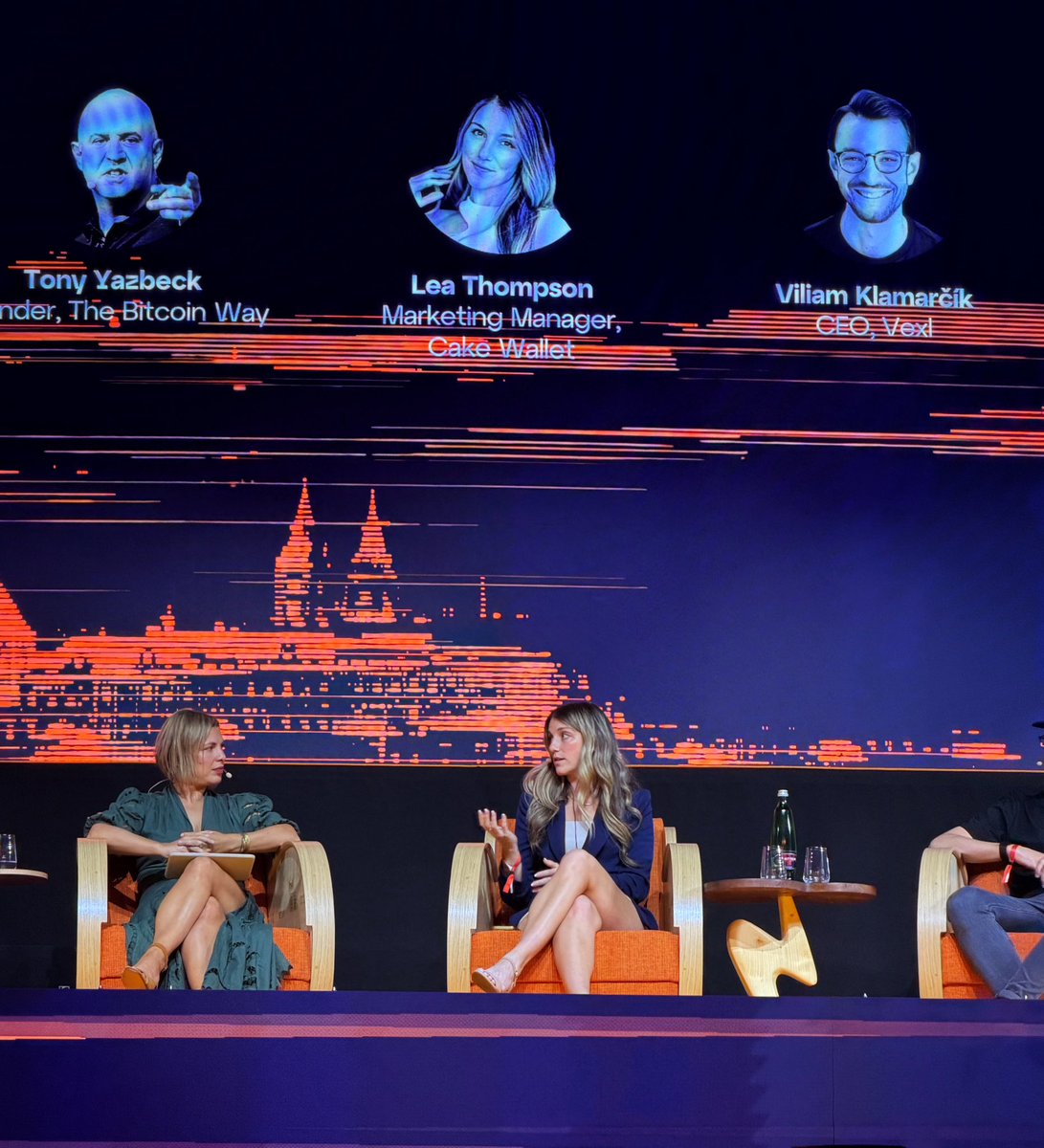
Surveillance is expanding, but so are the tools for freedom.
Honored to be on the main stage at @BTCPrague for this important conversation about financial sovereignty!
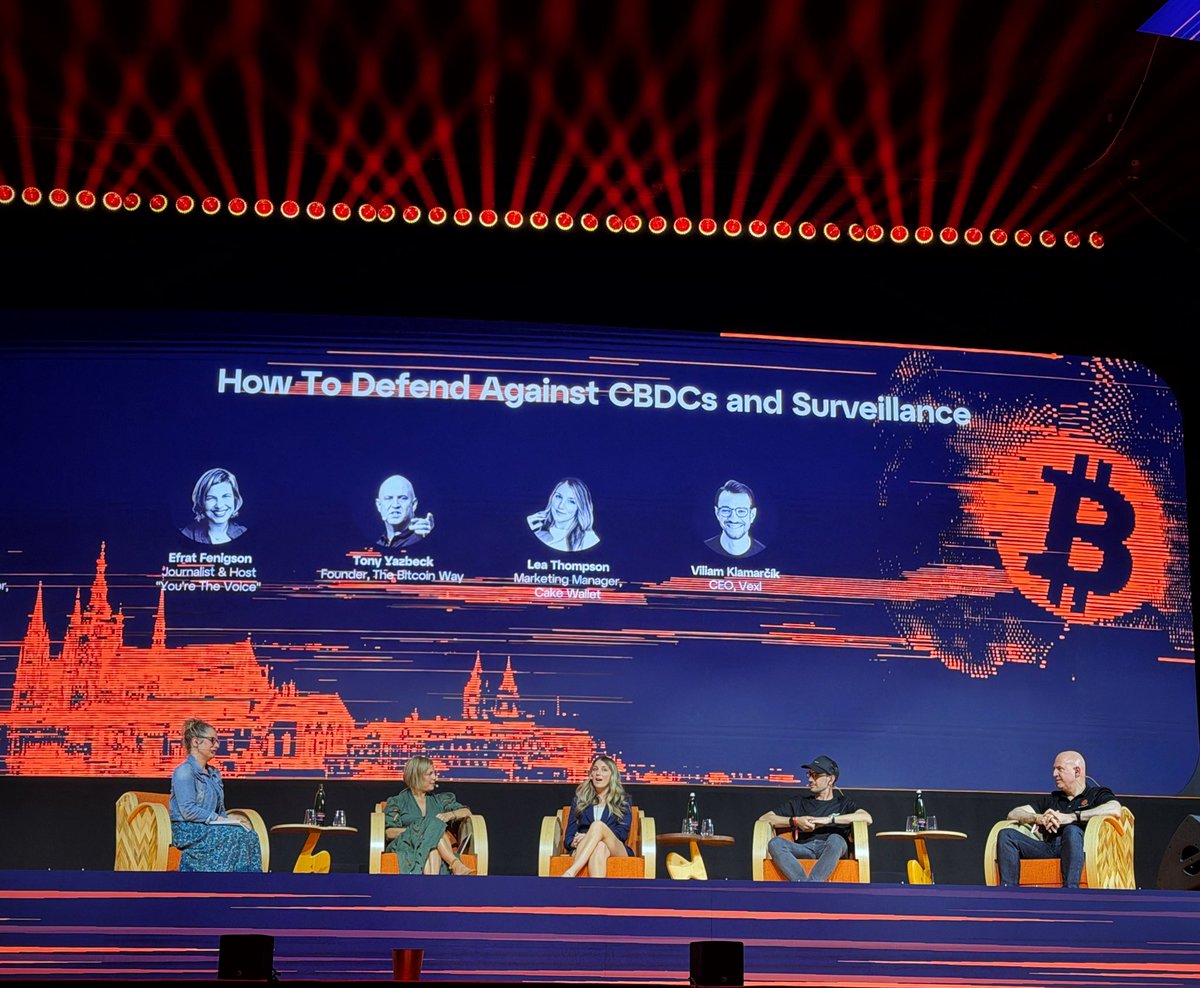
7
8
119
3,959
Claudio Borquez #Bitcoin retweeted

At NFC, people would stand in front of the drawings for a while and eventually ask:
"Wait... are all these pieces connected?"
When I told them every line was drawn by hand, the confusion grew.
Because this isnt a collection.
They were looking at fragments of the same world.🧵
10
9
52
1,289
Claudio Borquez #Bitcoin retweeted

Jun 13
TERMINAL GAINS (4k) , 1/1 on @SuperRare !
Selected artwork for the BIT/BITCOIN HISTORY´s book by Smashtoshi. You know your magic internet money’s being taken seriously when Bloomberg adds it to its financial Terminal. In April 2014 the once-unthinkable happened when BTC made the grade, jostling for screen space alongside stocks, bonds, and equities. There was no going back now. There is no single “made it” moment that defines the point at which Bitcoin broke into mainstream finance. But there were a series of milestones that inched BTC closer to the centre of the global financial system. And one of the seemingly smallest, yet most symbolic, came when Bitcoin made it to the desk of Wall Street traders. Bloomberg Professional Services is a comprehensive platform that provides financial professionals and enterprises with high-quality market data, news, research, and analytics. Its best-known product is Bloomberg Terminal, which serves as the core interface that enables users to monitor markets, perform analysis, and execute trades. In 2013 it was – and still is – the go-to tool for global financial traders, providing a window into the world’s ever-shifting markets. With more than 320,000 subscribers, Bloomberg Professional Services was a prime shop window – but getting in there could be determined by one entity only: Bloomberg. A Window on the World Bitcoin’s eventual admission into the Bloomberg club arrived on April 30, 2014. Five years on from the network’s inception, BTC became the first digital currency to get the institutional treatment as it was slotted into Bloomberg Professional Services, joining such established assets as gold, stocks, and Forex. While the achievement was, in the eyes of Bitcoin’s passionate community, long overdue, the timing was nevertheless intriguing. On the one hand, Bitcoin had been battering its way into public consciousness for the past two years, attracting a combination of curiosity and consternation among politicians, regulators, and Wall Street titans, many of whom didn’t take kindly to this unorthodox new financial asset that had “nothing backing it.” On the other hand, Bitcoin had just been buffeted by the collapse of Mt. Gox, whose liquidation proceedings commenced the very month that Bloomberg gave it the green light. Yes, Bitcoin was new, exciting, and unlike any other asset that had gone before. But the exchange that accounted for 70% of its trading volume had just collapsed and the price was tanking. While Bloomberg had no interest in propping up Bitcoin, its Terminal listing injected a shot of adrenaline into the highly volatile market. Regardless of where the price of BTC was headed next, it was a signal that the digital currency was now very much on the radar of professional traders. They didn’t need Bloomberg’s endorsement to trade it, but its inclusion provided a highly visible reminder that the digital asset was out there and tradable around the clock. Bloomberg’s decision to add BTC price data may have been easier to settle upon than the decision of which source to use as its frame of reference. In the event, it went for U.S. exchange Kraken, a decision that its CEO Jesse Powell attributed to his company's relentless focus on building a “stable and compliant cryptocurrency exchange,” concluding that Bloomberg likely “chose to go with people who would be around, who weren't going to be facing either regulatory or criminal problems.” On its terminal, Bloomberg assigned Bitcoin the ticker symbol XBT. While the universal symbol was BTC, XBT aligned with ISO 4217, the international standard that governs the three-letter currency codes used in global banking. It was a designation that’s stuck. While Bitcoin today is still widely referred to as BTC, in institutional markets it’s XBT. Bitcoin’s ticker might have split, but the world was now united in its fascination with watching the digital currency’s every move.
3
5
12
289
Claudio Borquez #Bitcoin retweeted

Jun 13
I know her from btc. 2025 she is a very smart person a go getter.
1
4
67
Claudio Borquez #Bitcoin retweeted

Jun 13
Great to run into Miss El Salvador (@MissBitcoin_) here in Prague! 🇸🇻🇨🇿
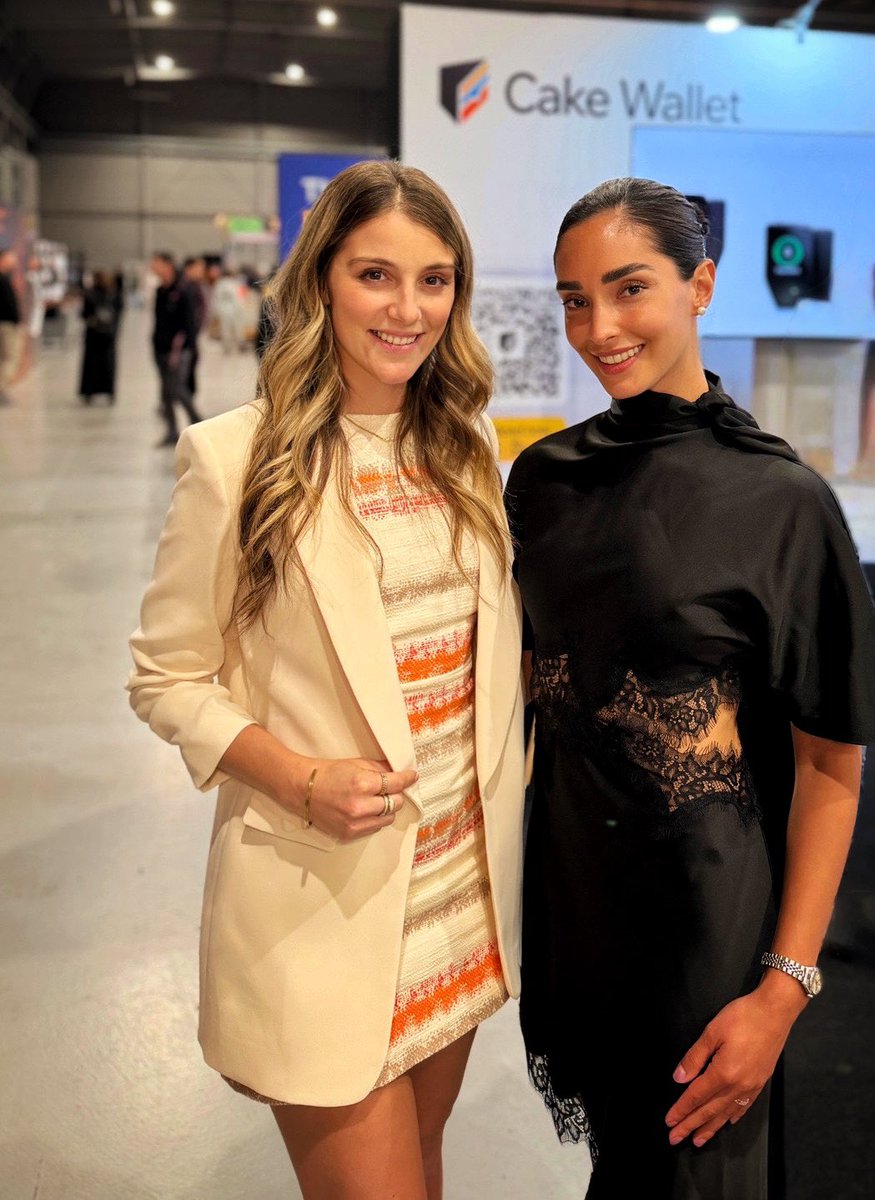
27
11
251
10,764
Claudio Borquez #Bitcoin retweeted

Jun 12
Portugal has always been the place to connect us.
NO REGRATS 😂❤️
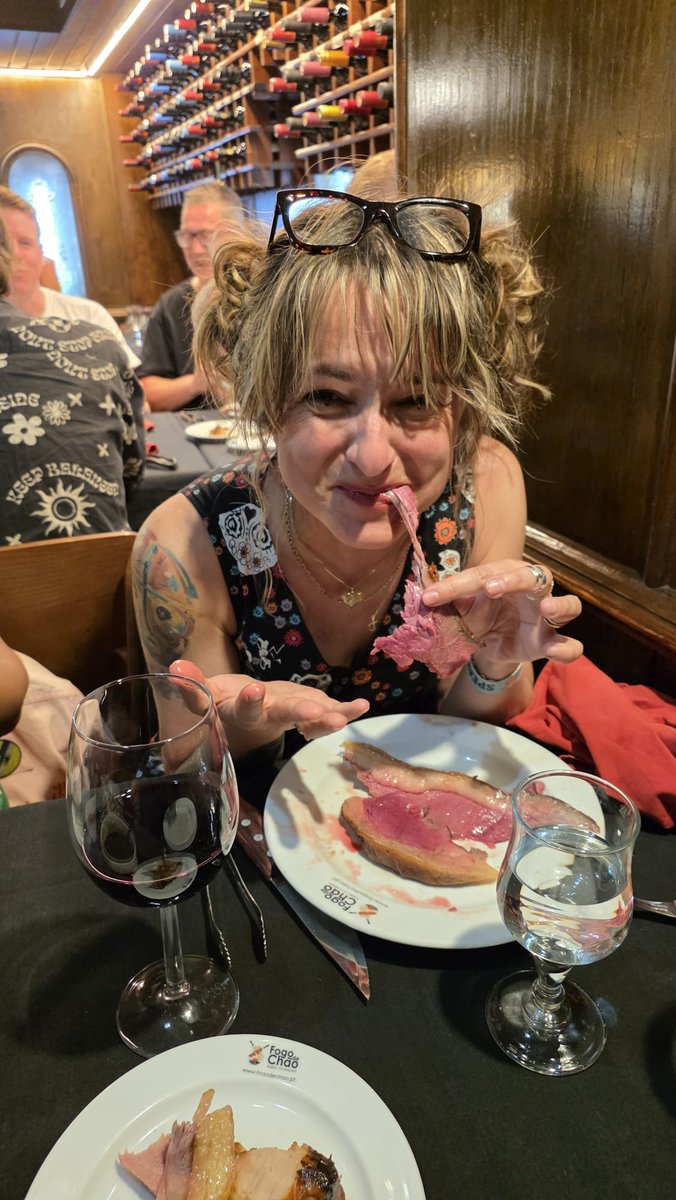
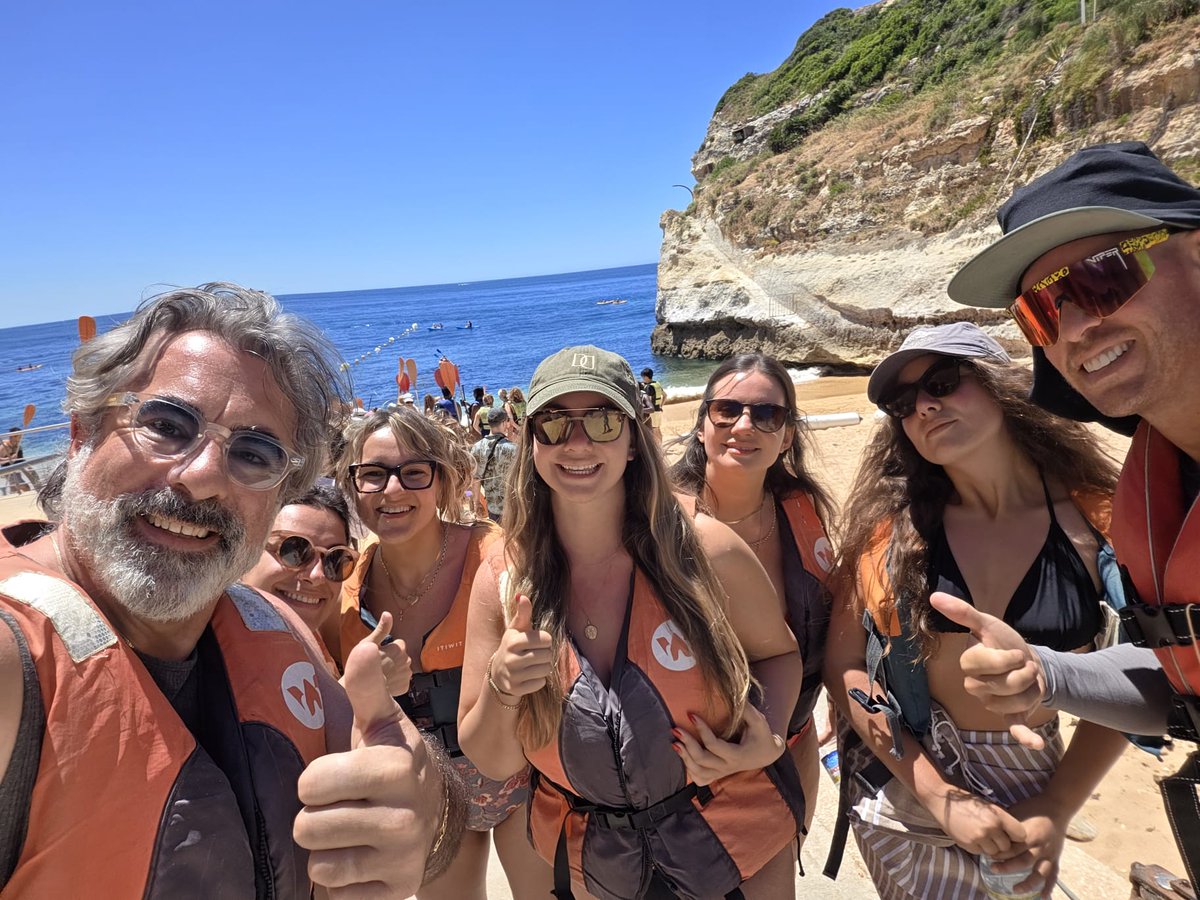
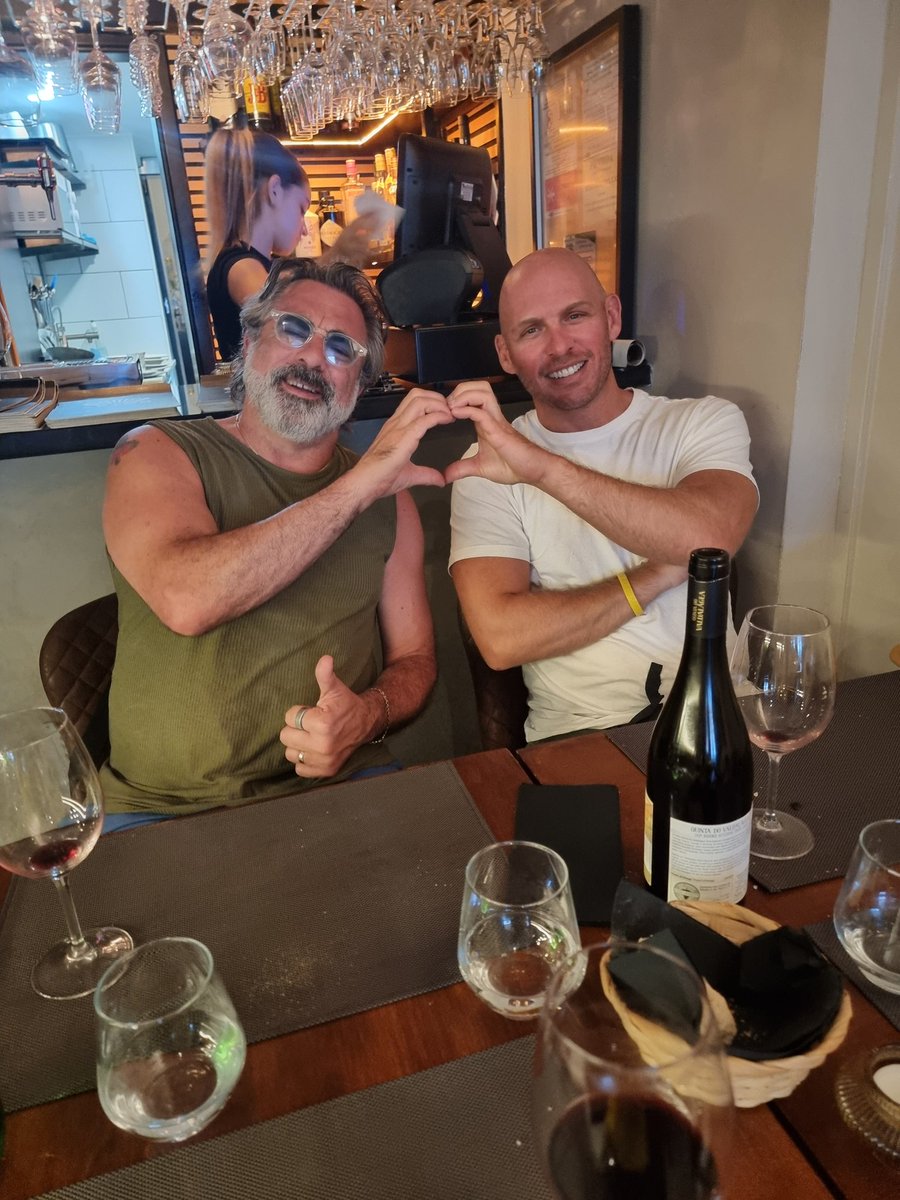
7
3
35
752
Claudio Borquez #Bitcoin retweeted
Jun 12
Welcome to the Crypto Minute… live from BTC Prague! ⏰🇨🇿
9
13
114
2,621
Claudio Borquez #Bitcoin retweeted

Jun 12
Cyborg X Rousey would have been a bigger fight.
Jun 11

#BoxOffice Report:
May 16: Intuit Dome
MVP: Rousey vs. Carano
Per CSAC:
Total receipts (on tickets): $2,215,621.41
Tickets Sold: 11,079
Exempt (Passes Turned in): 5,145
Capacity: 16,224
#RouseyCarano
4
1
11
1,590
Claudio Borquez #Bitcoin retweeted

Jun 12
GM ARTISTS
Want your work exhibited in NYC during @FIFAWorldCup ⚽️ 👀
More info 👇
@moments_agency_
@metasill
6
8
23
711