
78 Photos and videos









段子成真。
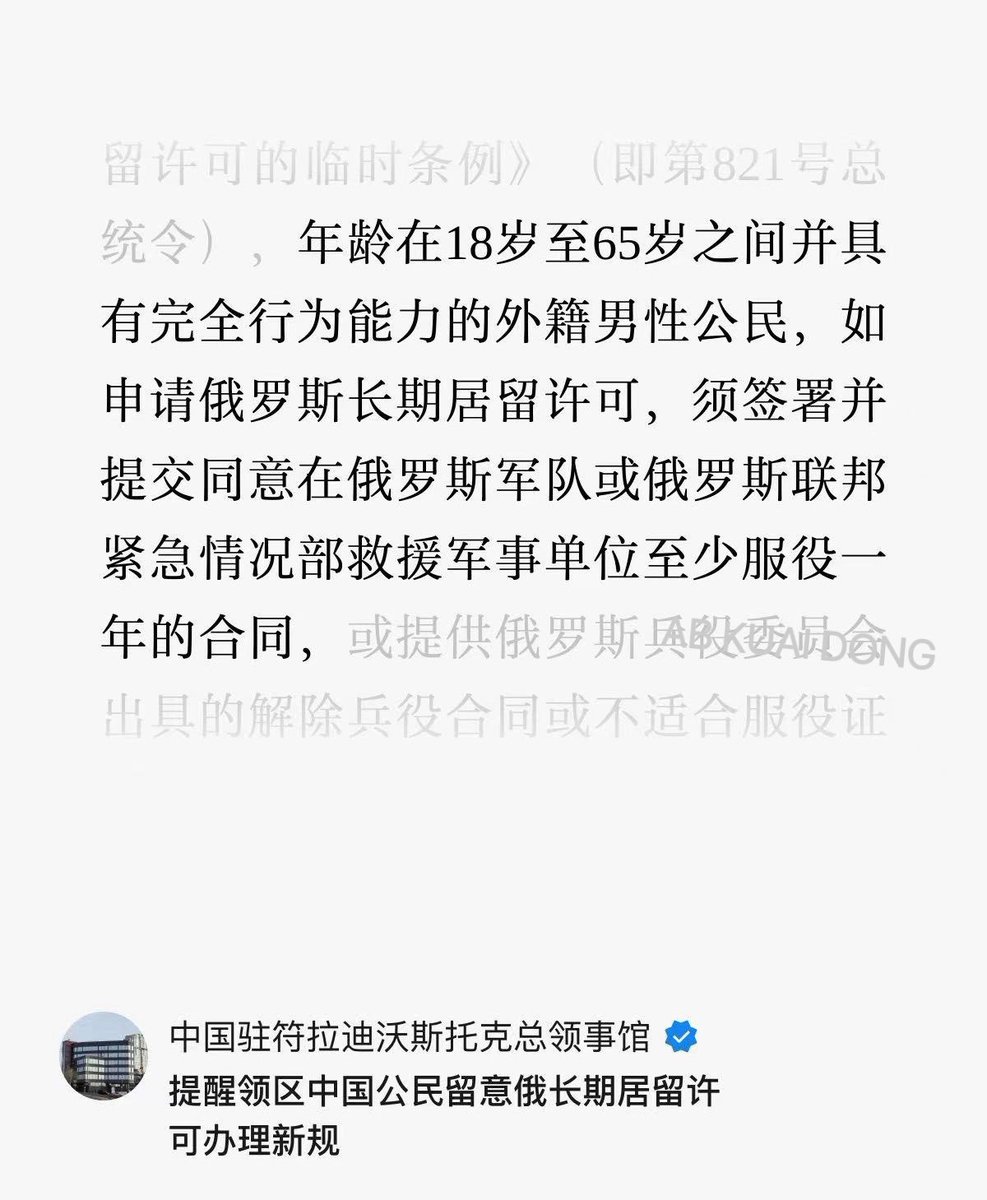
中国驻俄罗斯,符拉迪沃斯托克总领事馆公众号,发布提醒 计划移居俄罗斯的,需注意移居要可能被拉去服役的新规,结合自身实际情况审慎决定
Feb 25

以为是段子,没想到是真的。
中国驻俄罗斯,符拉迪沃斯托克总领事馆公众号,发布提醒。计划移居俄罗斯的,需注意移居要可能被拉去服役的新规,结合自身实际情况审慎决定。
2
145



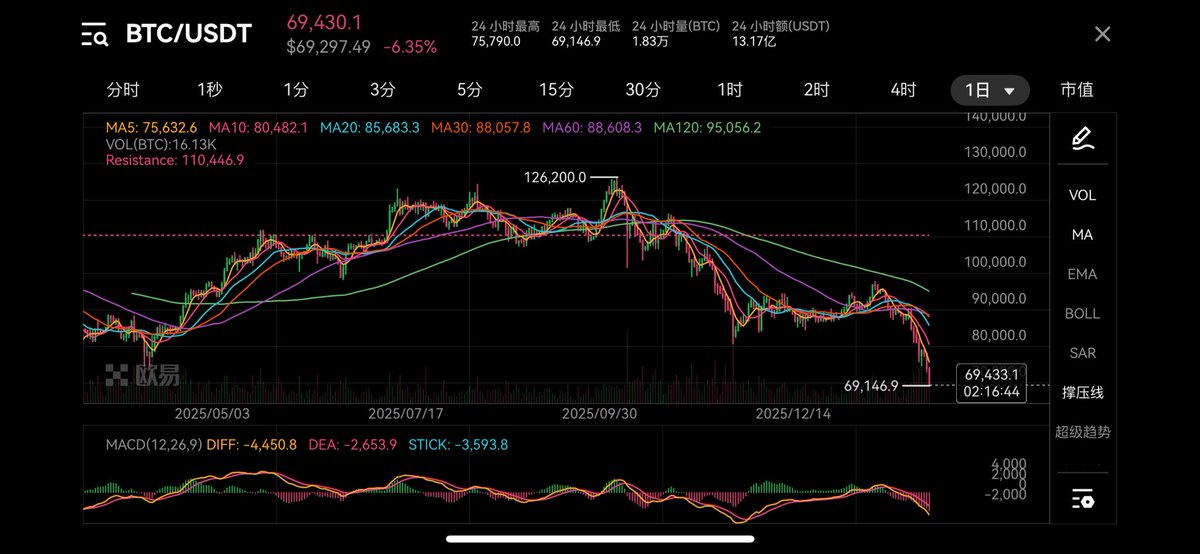
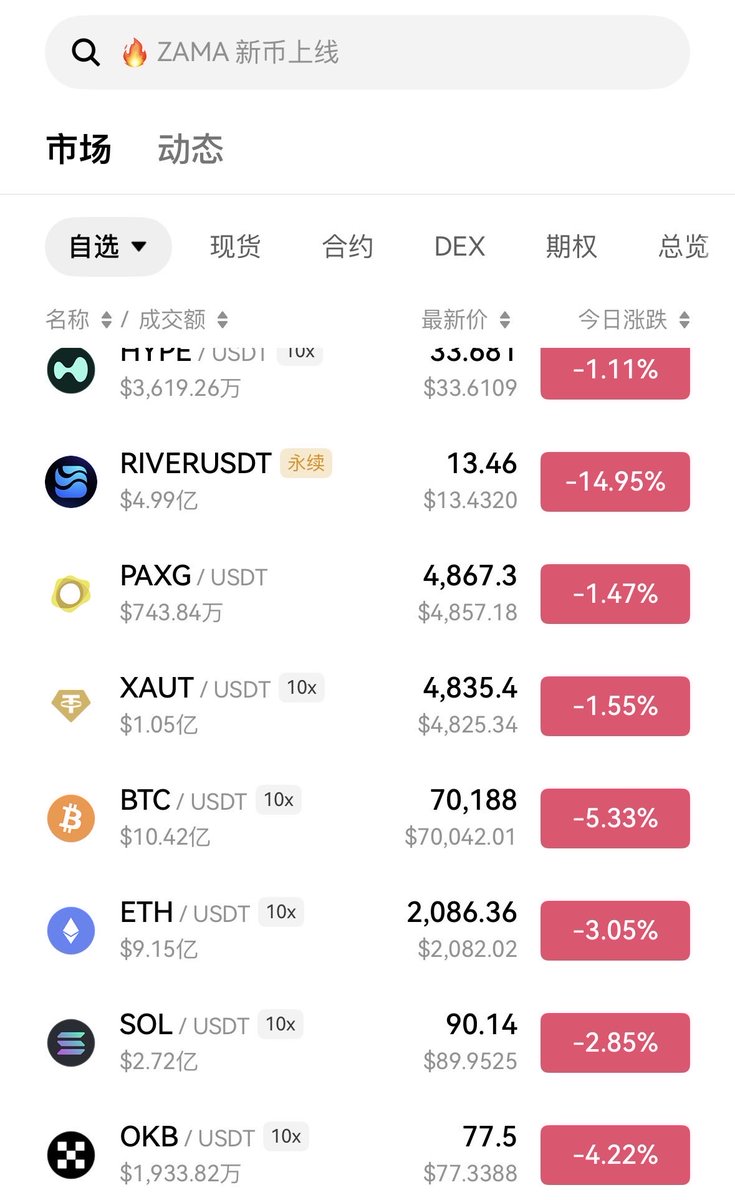
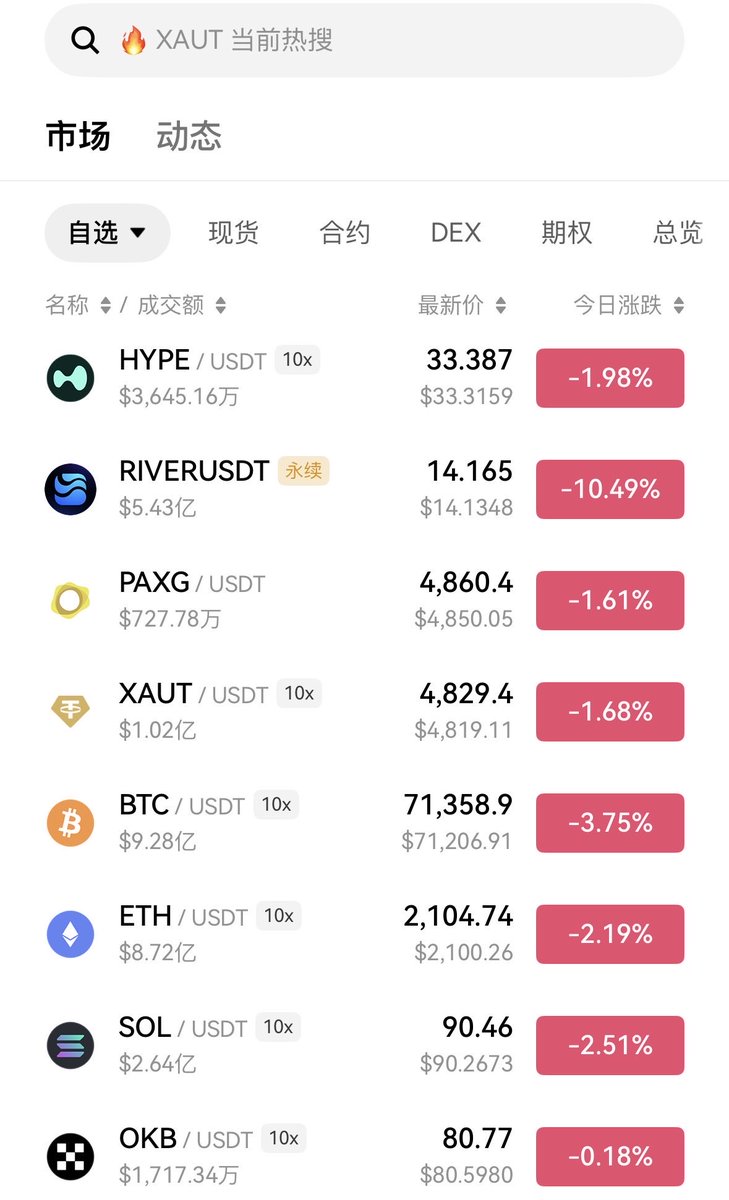
比特币这一波震荡,不是单纯的技术回调。
现在的市场核心有三条线:
第一,宏观预期在反复。
降息路径被推迟,美元维持强势,流动性并没有真正放松。
在这种环境下,所有风险资产都会承压,比特币也不例外。
第二,ETF 资金流开始分化。
前期的大规模净流入推动了价格上行,
但当增量放缓甚至阶段性流出时,价格自然回归真实买盘强度。
第三,链上杠杆在被清理。
永续合约资金费率回落,大量高倍多头被动平仓。
这不是趋势反转的信号,更像一次去泡沫。
很多人仍然在争论:
比特币到底是避险资产还是风险资产。
但从这轮表现看,它更像一个“流动性放大器”。
当全球资金愿意冒险时,它涨得最快;
当市场收缩时,它也被卖得最狠。
短期看,价格取决于两件事:
ETF是否重新出现持续净流入,
以及宏观是否给出明确的宽松信号。
中期看,比特币已经彻底进入传统金融的定价体系。
它不再只属于加密市场,而是嵌入全球流动性周期。
所以当前行情的本质,不是牛熊切换,
而是资金在重新定价风险。
真正需要观察的不是情绪,
而是流动性什么时候转向。
72
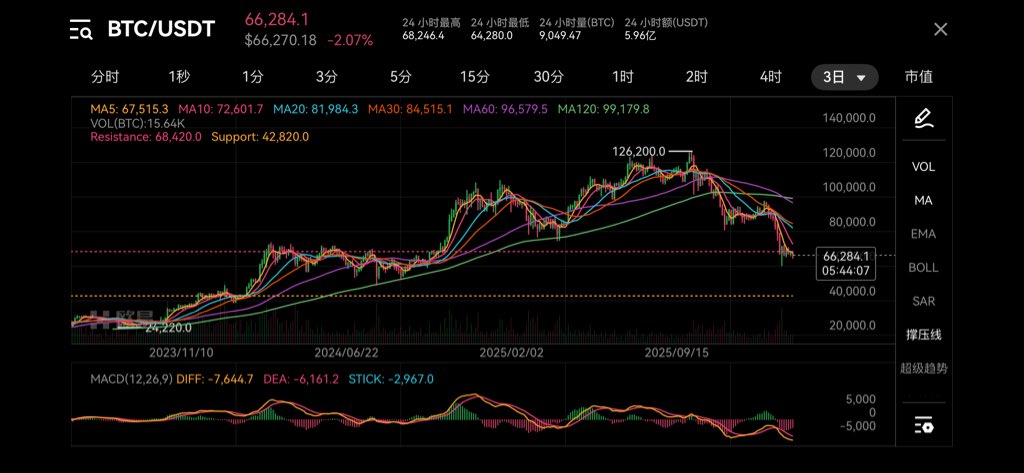
比特币从高点回落,市场再次陷入一个老问题:
它到底是避险资产,还是风险资产?
这轮下跌的关键,并不在于价格本身,而在于——
比特币正在经历一次系统性的“叙事真空”。
过去几年,比特币被反复包装过三次:
第一次,它是反央行、反体系的加密原生资产;
第二次,它被塑造成抗通胀的“数字黄金”;
第三次,在 ETF 通过后,它又被当作机构资金参与的主流风险资产。
但现实是,这三套叙事在关键时刻都未能成立。
通胀高企时,比特币没有跑赢黄金;
科技股回调时,比特币跌得更快;
宏观避险情绪升温时,比特币并未成为资金的首选去处。
问题不在于比特币“失败了”,
而在于市场一直试图用单一身份去定义一个高度复杂的资产。
ETF 的出现,让比特币第一次真正进入传统金融的定价体系。
结果是,它开始被用同一套风险模型、流动性逻辑、杠杆结构来对待。
当流动性收缩、风险偏好下降,比特币自然会被抛售。
这并不神秘,也不阴谋。
真正值得关注的是:
在叙事退潮之后,比特币是否还能依靠自身属性存活。
如果一个资产只能在被讲故事时上涨,
那它本质上只是投机品。
如果在没有故事、没有光环、没有情绪加持的情况下,
仍然有人愿意长期持有、结算、使用、储值,
那它才算真正进入成熟阶段。
当前的下跌,更多是一场“去幻觉”的过程。
对短线是痛苦的,
但对长期结构,未必是坏事。
2
1
96
Bitcoin’s pullback has reignited an old debate:
Is it a safe haven, or just another risk asset?
This cycle isn’t really about price.
It’s about Bitcoin entering a narrative vacuum.
Over the years, Bitcoin has worn several identities:
First, a cypherpunk rebellion against central banks.
Then, “digital gold” as an inflation hedge.
More recently, a mainstream institutional asset after ETF approval.
But under stress, none of these narratives held consistently.
During high inflation, Bitcoin failed to outperform gold.
When tech stocks corrected, Bitcoin fell harder.
When risk-off sentiment dominated, capital didn’t rotate into BTC as a safe haven.
This doesn’t mean Bitcoin failed.
It means the market kept forcing a single identity onto a fundamentally complex asset.
ETFs pulled Bitcoin fully into the traditional financial pricing system.
Once inside, it began behaving like everything else subject to liquidity cycles, leverage, and risk models.
When liquidity tightens and risk appetite fades, Bitcoin gets sold.
That’s not manipulation. It’s mechanics.
The real question now is different:
Can Bitcoin survive without a narrative?
If an asset only rises when stories are strong, it’s speculation.
If it retains holders and utility when stories fade, it’s maturing.
This drawdown feels less like collapse,
and more like disillusionment.
Painful in the short term,
but possibly necessary for long-term clarity.
2
60