
Builder | Trader| BD Manager | Fundamental analyst | crypto OTC merchant | lover of blockchain tech.
Joined October 2019
- Tweets 140
- Following 853
- Followers 766
- Likes 312
8 Photos and videos






Adebiyi Ayoyinka retweeted

Jun 15
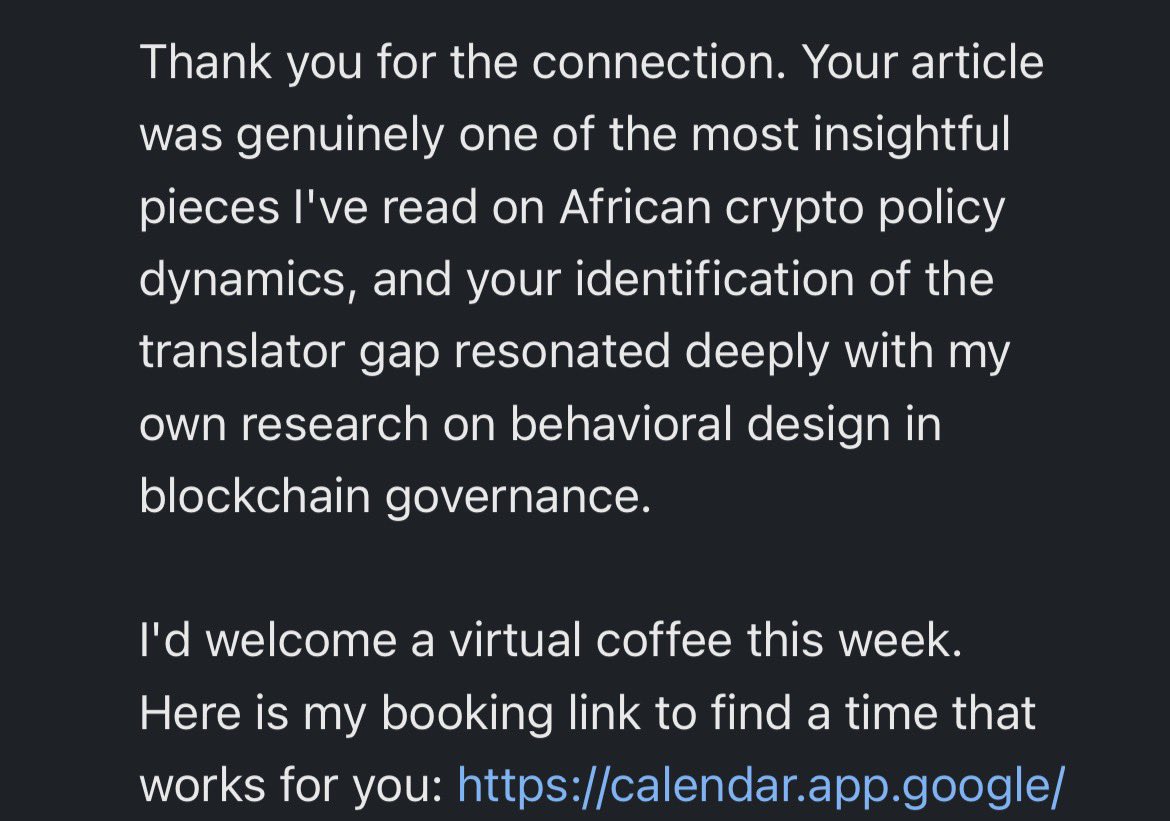
DMs from global CEOs like this is what keeps me going and I know One day the hard work will payoff
8 editions released from the boardroom and so far the feedback has been phenomenal. I wonder why X users are not getting it yet. Link to the article in the comments
Jun 15

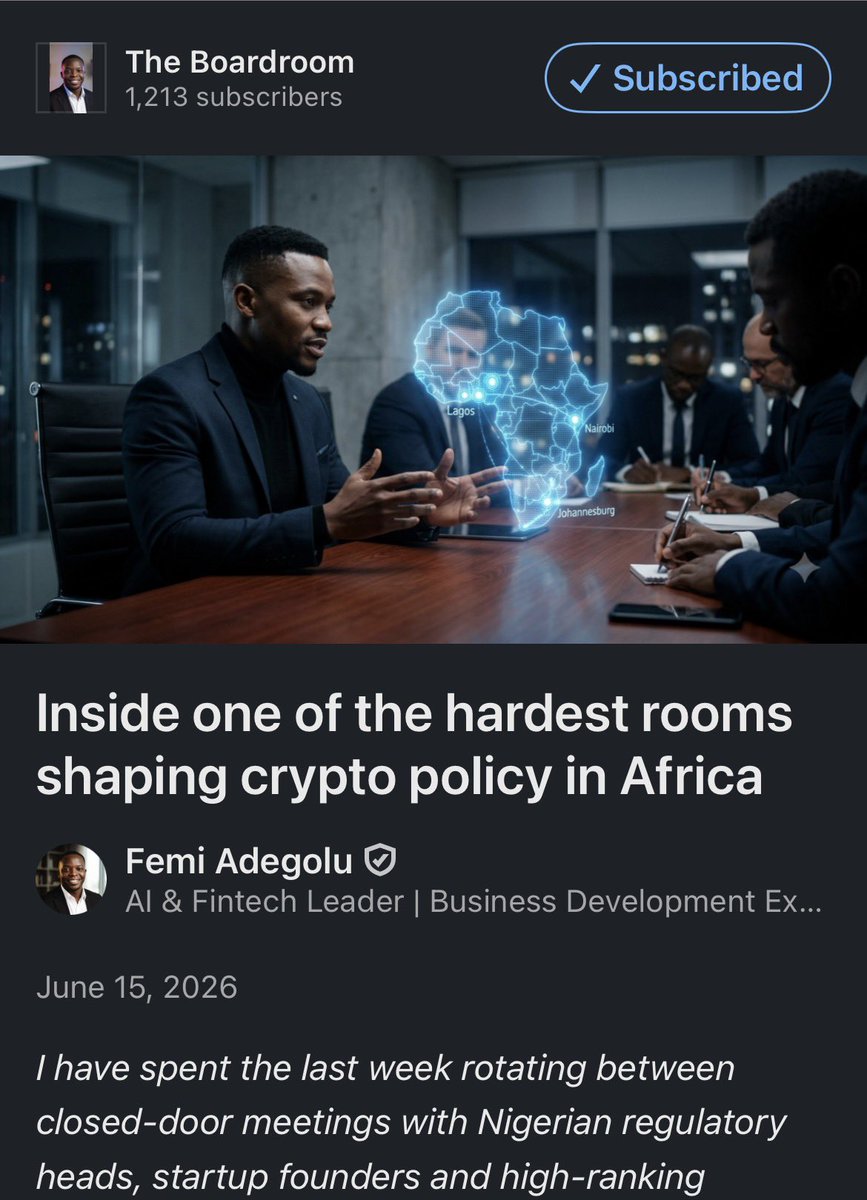
In my article Last week, I shared how P2P merchants, remittance businesses, Fx Operators, OTC desks, fintechs and Bureau De change Operators can survive the regulatory landscape in Nigeria, Ghana, Kenya & South Africa.
In today’s article we’re having a deep dive in policy gaps
1
1
2
97
Adebiyi Ayoyinka retweeted
$1.8 MILLION USDT was frozen last month
An OTC desk last month. Law enforcement came knocking. Their wallet locked out Just like that. They can see the funds but they can’t take it out
No warning. No exit
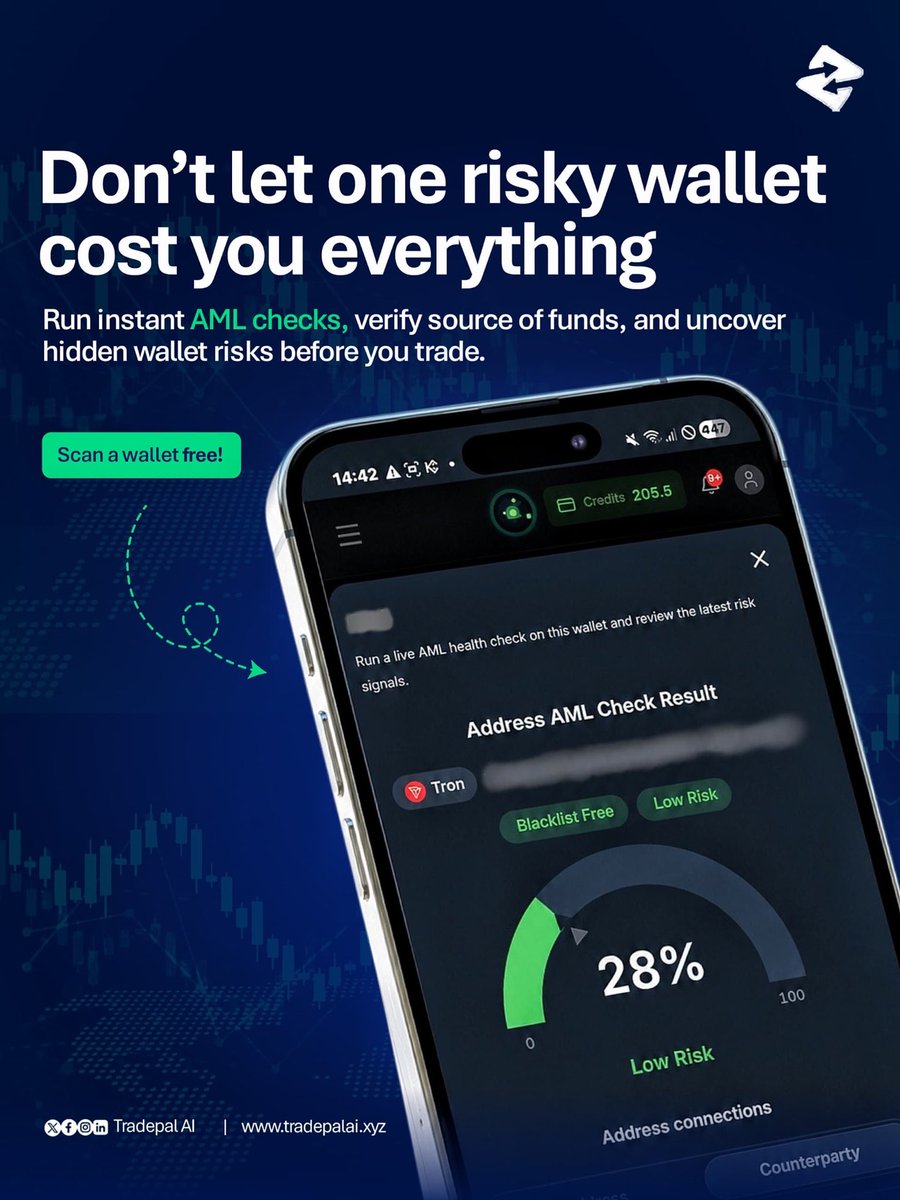
Now imagine they had @Tradepal_ai.
Our wallet monitoring system would have triggered an alert 🔔 before the freeze.
Precaution. Protection. Peace of mind.
Don't be the next victim. Scan your wallet today.
RT if you know someone who needs this
Jun 4

A single contaminated transaction can compromise your business in an instant.
NOT on our watch!
Get real-time AML forensics, instantly verify source of funds, and eliminate hidden counterparty risks with Tradepal AI.
🛡️ Free wallet scan👇🏽
tradepalai.xyz/features/wall…
2
2
4
332
Adebiyi Ayoyinka retweeted

May 26
"Today was a vibe. Conversations with ecosystem builders, founders, and product managers. Networking was great. We're looking forward to the next edition."
-
Femi Adegolu (@_jboflagos), Co-founder of @Tradepal_ai, summed up the evening that was had at Spotlight by Technext, powered by @thekorahq
#SpotlightByTechnext #Fintech #Nigeria
2
5
6
342
Adebiyi Ayoyinka retweeted
May 22
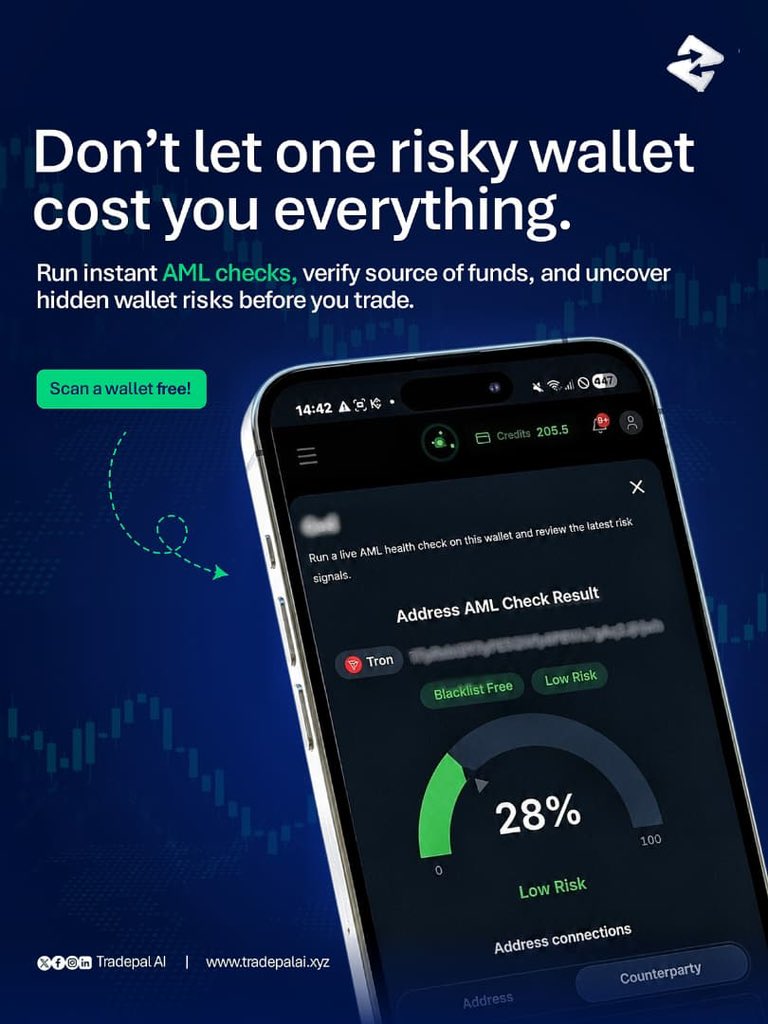
Finally some good news.. I’m glad to announce that Tradepal AI V2 is live. We’re honored to build Africa’s largest privacy-first compliance SAAS for digital asset traders, OTC desks, P2P Merchants, BDCs and remittance operators.
Scan your wallet on @Tradepal_ai and get some free credits today
Feb 23
If you traded 1 Billion Naira in P2P this month but only banked 500k profit.
The bank sees the Billions
The regulator sees the Billions
They assume you're hiding the rest.
Welcome to the tax nightmare.
Here's what actually happened:
1/ You lost small to slippage.
1
3
9
847
Adebiyi Ayoyinka retweeted

Apr 17
My Bybit UID is 361884201
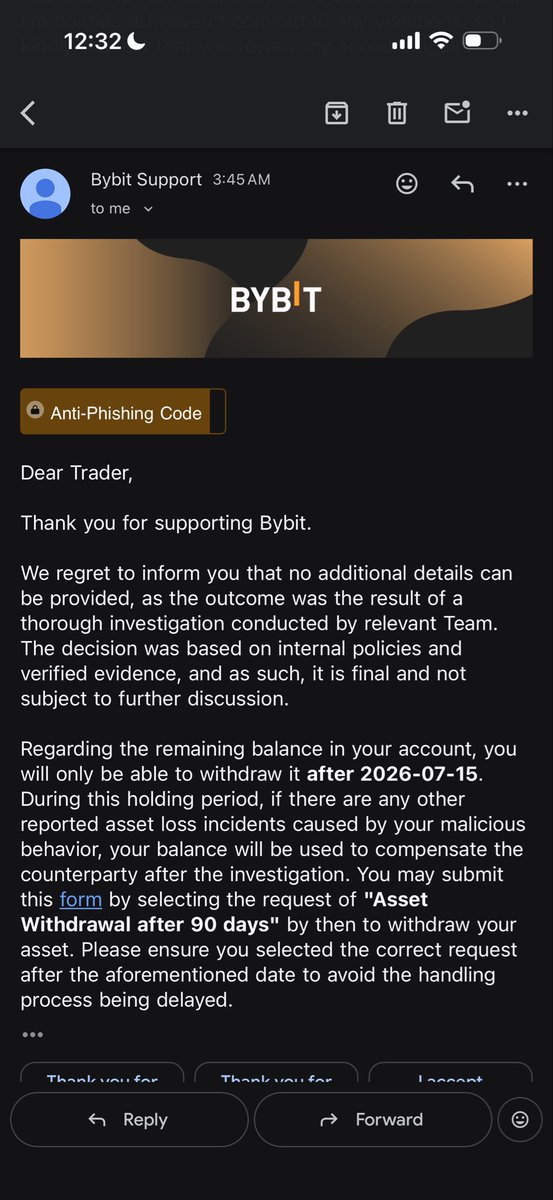
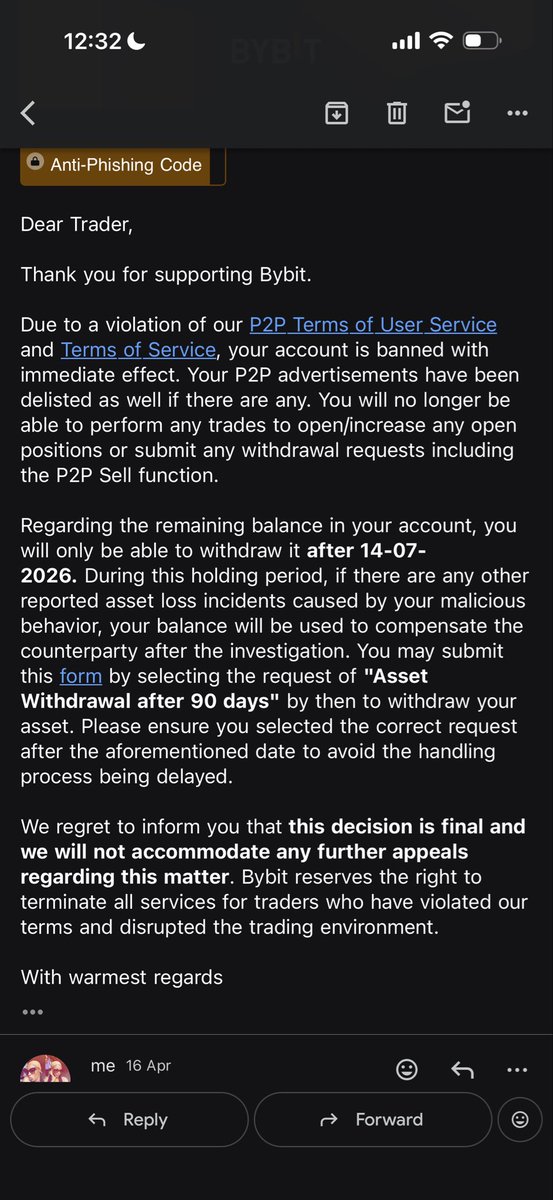
I applied to become a verified P2P merchant on Bybit ,and my application was approved on April 14, 2026. After trading for just about a day, I suddenly discovered that I could no longer withdraw my assets.
When I contacted Bybit live support, I was informed that I had allegedly violated a P2P rule, and as a result, my funds would be restricted for 90 days. This came as a shock because I am confident that I did not violate any platform rules.
I requested clarification on the specific rule I supposedly breached, but the support team refused to provide any details. Instead, they maintained the restriction without transparency.
This situation is extremely concerning. Holding a user’s funds for 90 days without clearly stating the reason raises serious questions about fairness and accountability. From my perspective, this feels unjustified and gives the impression that users’ funds are being withheld under the guise of a “risk review.”
I strongly maintain that I did not violate any rules, and I request immediate access to my funds or, at the very least, a clear and detailed explanation of the alleged violation because I strongly believe this is a system error or Bybit is holding people’s funds and using it as trading liquidity
@BybitAfrica @Bybit_Official @bybit
#Bybit #Crypto #P2P #CryptoTrading #ScamAlert
32
21
22
2,049
Adebiyi Ayoyinka retweeted

At this point, it feels like my account is being unfairly restricted despite full cooperation and submission of all required verification documents.
I have already provided proof of transactions multiple times, yet my funds remain locked without clear justification or resolution. This ongoing delay is causing serious concern and frustration.
I respectfully request a proper manual review of my case and a clear explanation of the reason for continued restriction, along with the prompt release of my assets if all compliance requirements have been met.
@Bybit_Official @BybitAfrica
90
164
154
6,559
Adebiyi Ayoyinka retweeted

Another worrisome judgement in the series of bank glitch cases.
FCMB v 9 Payment & 45 ors (FHC/L/CS/2659/2025) decided by Justice Dipeolu of the Federal high court, Lagos is the swiftest case I have ever come across in the history of litigation. The case had only 3 court dates from the first day it came up till judgement. And lasted less than 2 months. Commendable, right? But don’t be in a hurry.
The matter was commenced by an originating motion on notice dated 30 December 2025, which was served on the 46 defendant banks (“Application”) only. In the affidavit in support of the application, FCMB alleged that, due to a glitch, about N3B was erroneously and frequently transferred from FCMB’s customer account into the account of more than 1000 persons who are customers of the 46 defendant banks.
Accordingly, the Application was seeking orders directing the 46 defendant banks to transfer the monies in their listed customer’s account to the tune of the amounts received by such customer. How innocuous these prayers seem!
The case first came up on 30 December 2025, which incidentally is also the date the matter was filed. On that day, FCMB was granted interim orders ex parte by Justice Aluko of the FHC, sitting as a vacation judge, to restrict the accounts of more than 1000 persons. This ex parte order of restriction was served on the 46 defendant banks who started restricting the accounts of their affected customers.
Some customers including my client wrote to their banks demanding details of the court order pursuant to which their accounts were restricted and some banks provided these details.
With these details, the natural step would be an application to search the court’s file and ascertain the substance of the matter. It was whilst following up on my application to search the court’s file on or about 17 January 2026, that I heard the case was transferred to Justice Dipeolu as substantive judge, and I was informed in Justice Dipeolu’s court that the matter was coming up on 20 January 2026. Since, we couldn’t search the file because our application to search was yet to be approved, we couldn’t file any process to join the suit or otherwise defend the suit. So we determined to attend the matter on the court date.
The matter, to our knowledge was coming before Justice Dipeolu for the first time on 20 January 2026. And to our surprise, the court heard the Application and refused audience to counsel who were not representing parties (I.e., FCMB and 46 banks) in the suit, and thereafter adjourned the matter to 20 February 2026 for judgement. Just like that🤷🏻♂️.
Notably, at the time the Application was heard, some parties had already filed applications to be joined to the suit and served same on FCMB, which did not reply. Yet, the court still heard the Application regardless. Also, each affected customer could only have applied to join the matter depending on when they learnt about the restrictions on their account.
Most importantly, it is trite and elementary law, which has been affirmed in a plethora of cases, that a court cannot make orders against persons who are not parties in the suit and this includes orders against such persons’ properties. It is also trite law, that all parties necessary for the effective adjudication of the issues in a suit must also be joined.
It is therefore shocking that the customers of the 46 defendant banks, whose monies were about to be taken were not joined first to the suit, and their side of the case was not heard. And the court allowed this.
The 46 defendant banks, not being the owners of the money in the bank accounts of their customers were not even as necessary to the effective determination of the suit as the owners of the accounts to whom funds were allegedly erroneously and fraudulently transferred.
@ChidiOdinkalu @channelstv
2
7
14
528
Adebiyi Ayoyinka retweeted

Mar 13
Most traders are optimizing for speed.
The smart ones are optimizing for structure.
Guess who survives regulation?
TGIF
#tradepalai
#compliance
#taxregulation

1
4
118
Adebiyi Ayoyinka retweeted
Feb 27
We are live 🔥
Join the conversation
Feb 27
1 hour to go 🔥 🔥 🔥
It’s about to be that year - that changes how you run your business
It’s not too late to set a reminder
And join the room
x.com/i/spaces/1jGXgegkvLeKZ
1
2
177
Adebiyi Ayoyinka retweeted
Feb 26
The difference between you
and the trader who’s account gets flagged is 👇🏽
Records.
Clean.
Traceable.
Structured records.
You’re confident when the questions are asked because you have proper documentation.
Speaking on this topic will be @menaujiri
He’ll be sharing deep insights on what documents actually protects your crypto business during audit.
Mark your calendar and set your reminder
twitter.com/i/spaces/1jGXgeg…
It’s gonna be 🔥 🔥
#tradepalai
1
3
103
Adebiyi Ayoyinka retweeted
Feb 26
Will the new tax laws slow down P2P/OTC trading in Nigeria?
Yes?
No?
Vote below 👇
Then join us as we break it down live.
Set your reminder NOW 👇
x.com/i/spaces/1jGXgegkvLeKZ
#tradepalai #newtaxlaws #compliance
1
5
117

Feb 25
I’m going to @Tradepal_ai’s upcoming Space. Will you join too?
x.com/i/spaces/1jGXgegkvLeKZ
8
Adebiyi Ayoyinka retweeted
Feb 23
Our cofounder @_jboflagos was live on arise news talking about something every serious OTC trader , P2P merchant or BDC operator should be thinking about in 2026.
#businesscompliance
Feb 23
If you traded 1 Billion Naira in P2P this month but only banked 500k profit.
The bank sees the Billions
The regulator sees the Billions
They assume you're hiding the rest.
Welcome to the tax nightmare.
Here's what actually happened:
1/ You lost small to slippage.
2
3
7
458
Adebiyi Ayoyinka retweeted
Feb 23
If you traded 1 Billion Naira in P2P this month but only banked 500k profit.
The bank sees the Billions
The regulator sees the Billions
They assume you're hiding the rest.
Welcome to the tax nightmare.
Here's what actually happened:
1/ You lost small to slippage.
9
15
76
4,078
Adebiyi Ayoyinka retweeted

Feb 2
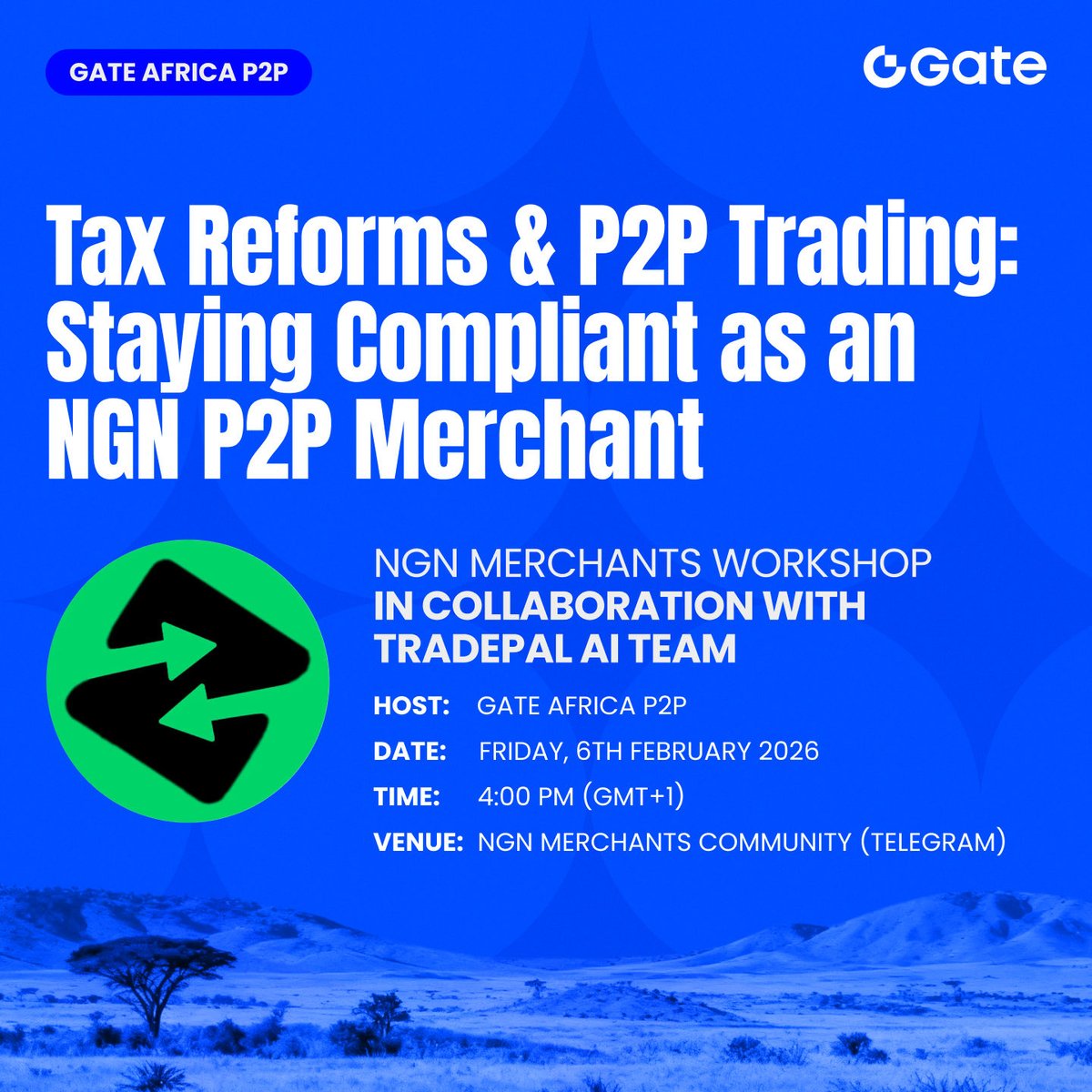
Gate Africa P2P
NGN Merchants Workshop
Theme:
Tax Reforms & P2P Trading: Staying Compliant as an NGN P2P Merchant
In collaboration with @Tradepal_ai Team
Date: Friday, 6th February 2026
Time: 4:00 PM (GMT 1)
Venue: NGN Merchants Community (Telegram)
#GateP2P #GateAfrica #P2PTrading
4
4
18
1,519
Adebiyi Ayoyinka retweeted

Jan 18
Some days are for building.
Some are for alignment.
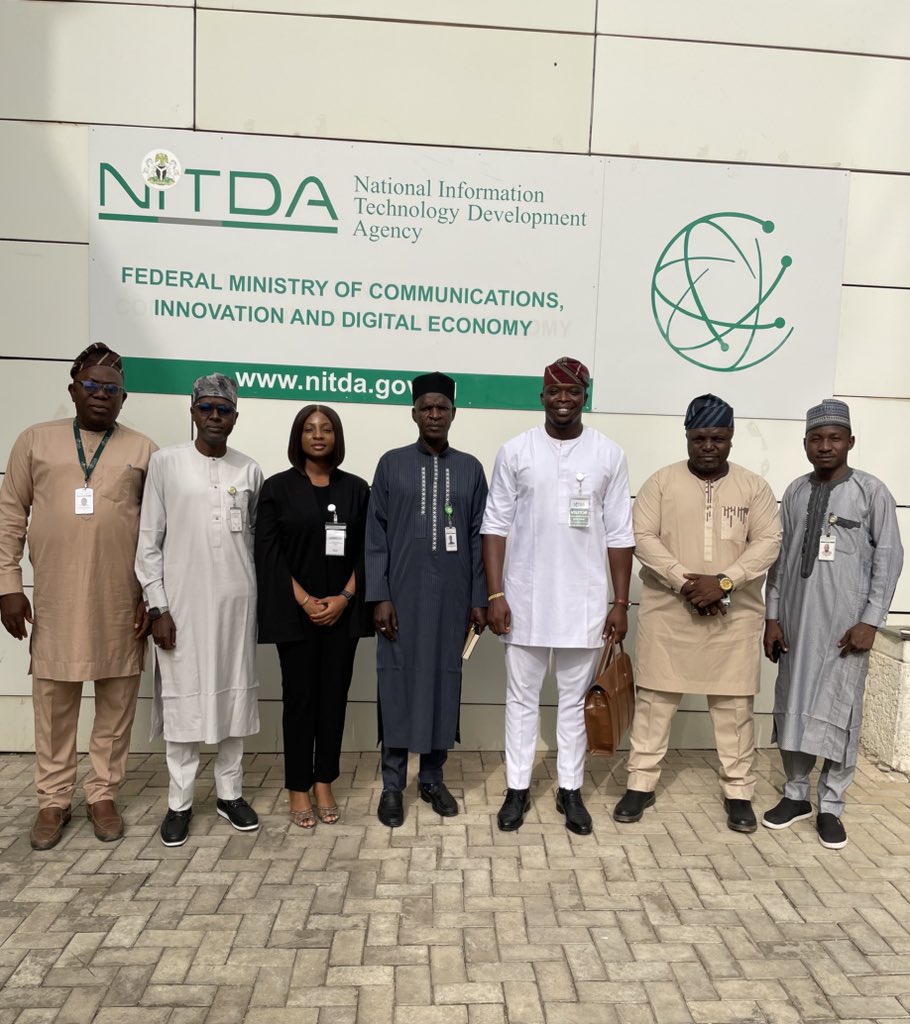
This week’s conversations in Abuja 🇳🇬, including with the SEC, NITDA, and the team at Convexity were a powerful reminder: strong businesses are built with context, not assumptions.
My team and I engaged in discussions on the role technology must play in shaping a more compliant and sustainable digital assets industry. The conversations centred on a shared reality: as the ecosystem grows, regulatory compliance cannot continue to feel like a constant operational burden for legitimate operators.
We demonstrated how @Tradepal_ai works in practice (bringing structure to transactions, strengthening record-keeping, supporting audit readiness, and enabling operators to clearly account for their activities when required).
What stood out was the alignment. There was genuine interest in how @Tradepal_ai addresses the everyday challenges digital asset operators face: fragmented records, increasing compliance pressure, and the need for clarity across high-volume activity.
These engagements reinforce our belief that the future of the industry depends on collaboration, where regulators gain clearer visibility into how the ecosystem operates, and operators are equipped with practical tools to meet regulatory expectations without losing focus on their core business.
Truly grateful for the open exchange.👌
4
4
19
1,383
Adebiyi Ayoyinka retweeted
Jan 13
BREAKING: Nigeria’s Crypto Tax Era Begins in 2026.
The Nigeria Tax Act mandates:
• All crypto tx tied to TIN/NIN.
• VASPs must conduct strict KYC.
• Monthly reporting 7-year record keeping of all transactions
• Fines up to ₦10M or license revocation of VASP

4
3
11
2,848
Adebiyi Ayoyinka retweeted
Jan 12
Are you an Accountant or Auditor? Digital businesses need you.
Join our vetted talent pool connecting accountants and auditors to OTC desks, and high-volume digital asset businesses.
You get to:
- Work with global, compliance-focused clients
- Get specialized exposure to digital asset compliance
- Engage flexibly, on your terms
If you’re ready to work where regulation meets real opportunity, this is for you.
👉 To apply visit -talent.tradepalai.xyz
#talentpool
#trendingjob
#tradepal_ai

1
5
154
Adebiyi Ayoyinka retweeted
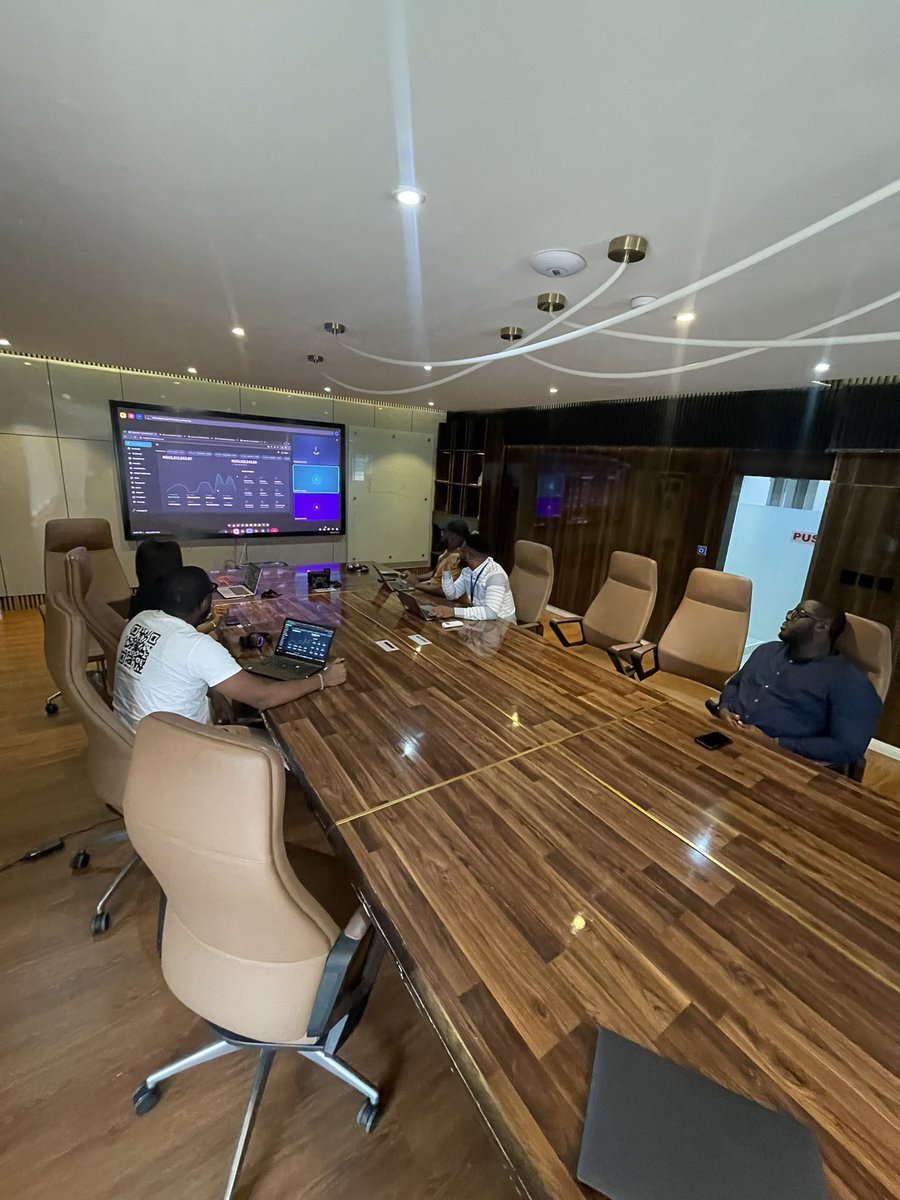
We had a fantastic meeting yesterday with @thekorahq team and the feedbacks were mind blowing, positive and impressive for us on improving user experience. Tradepal AI is destined to save you from tax liabilities.

6
3
31
1,328
Adebiyi Ayoyinka retweeted

I’m excited to join @Tradepal_ai as Marketing & Sales Lead. 🚀
@Tradepal_ai is on a mission to bring structure, clarity, and tax readiness to crypto operators navigating complex, high-volume transactions.
It's day one! Let’s build. 💪
Join us: lnkd.in/eQnJSCSB

11
2
26
1,550