
Author of Kingdom of the Clock, Grotesque Tenderness, The God of Doors | Contributing Editor @newversereview | devoted husband of @emilyasbjorn
Joined March 2014
- Tweets 8,355
- Following 2,530
- Followers 1,859
- Likes 16,932
1,042 Photos and videos




Pinned Tweet

9 Apr 2025
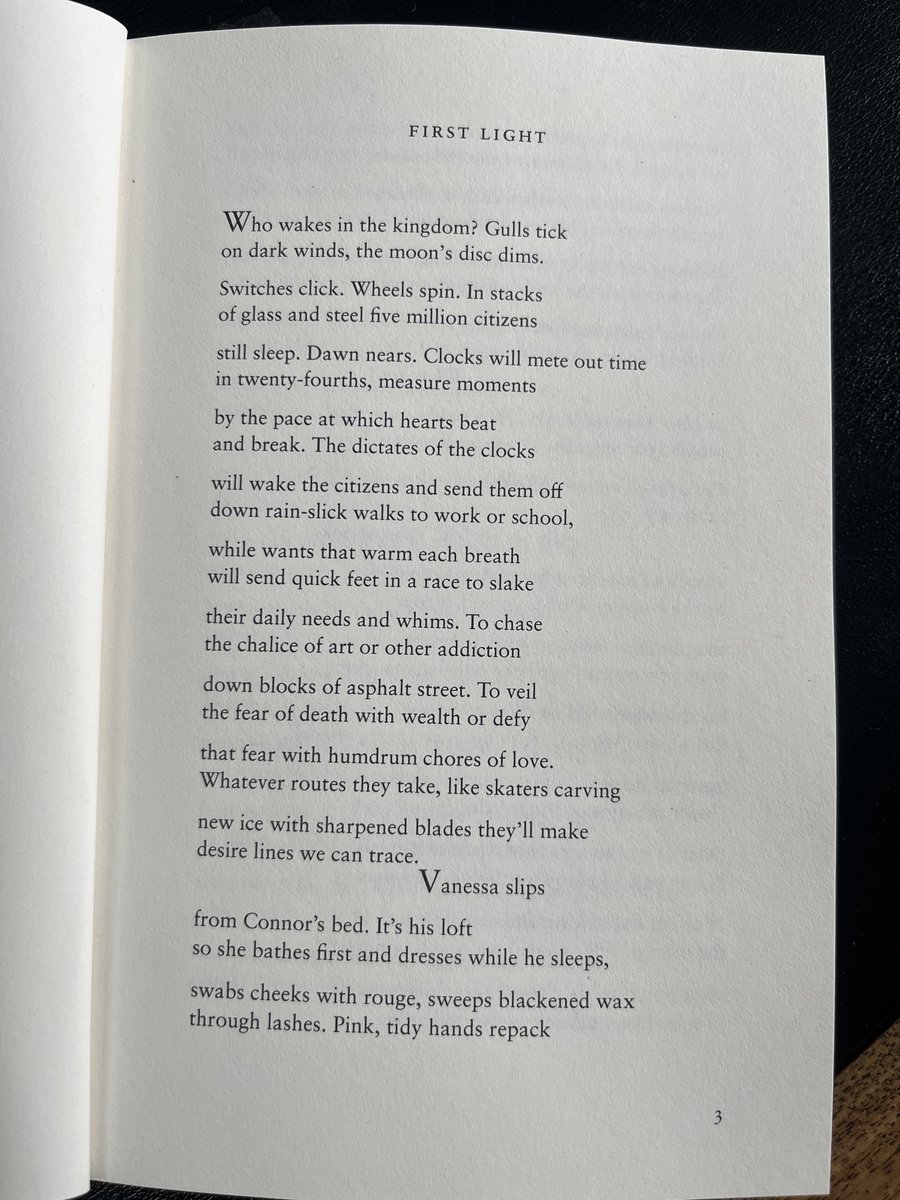
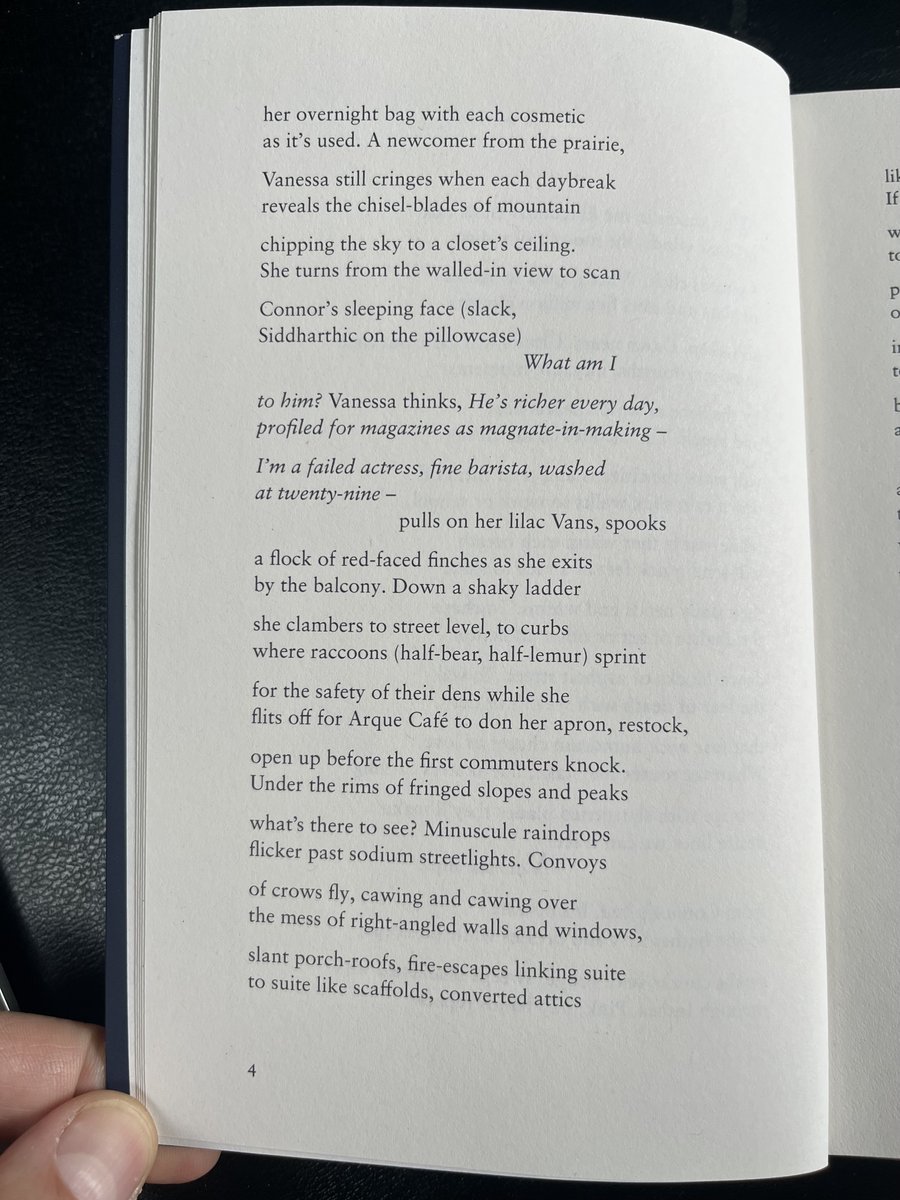
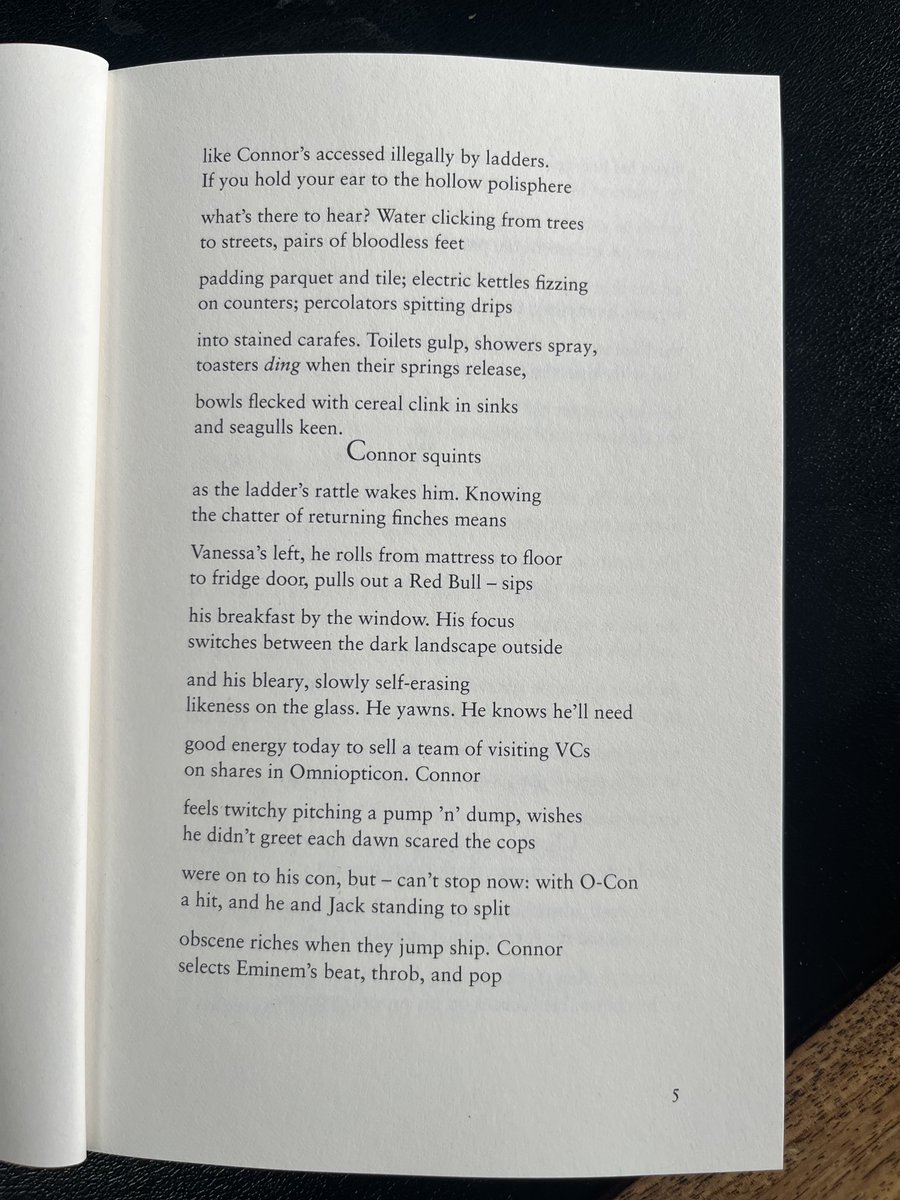
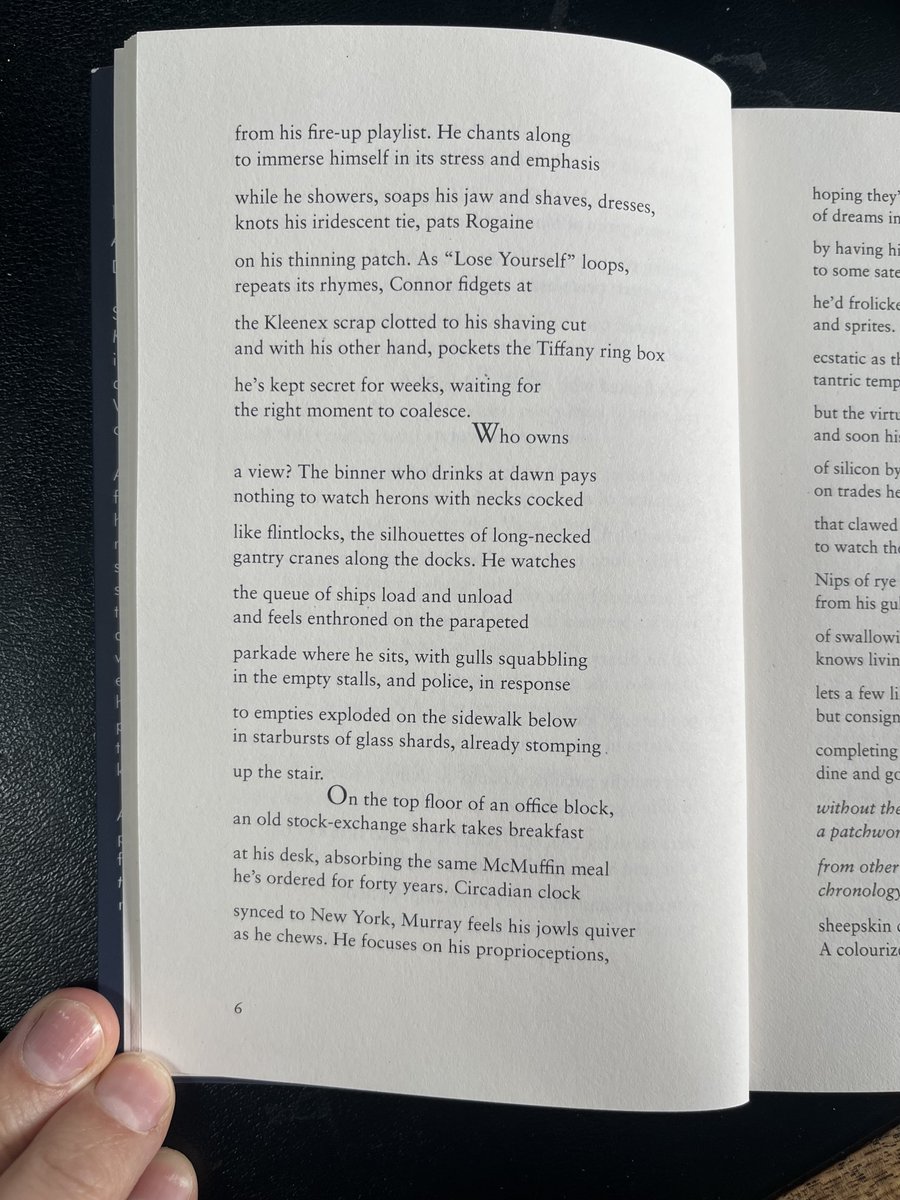
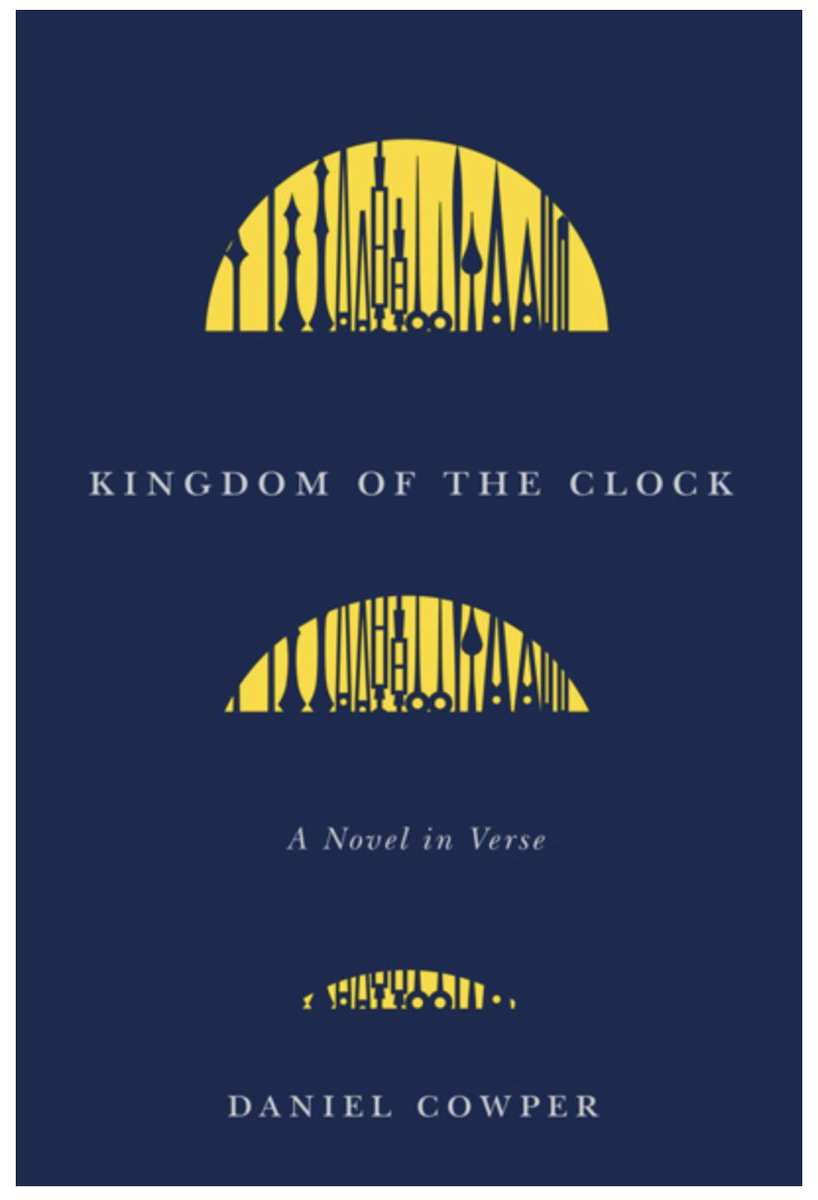
Kingdom of the Clock, my novel in verse about contemporary urban living, is finally for sale.
The first pages are attached for curious cats; for those worthies who want to read on, go to the library, send me a DM, or: amazon.com/Kingdom-Clock-Nov…
7 Jan 2025

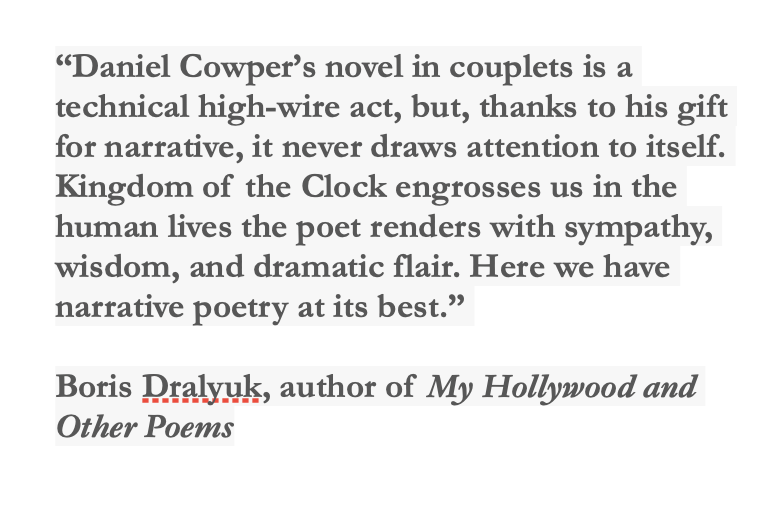
Publishing poetry is like tossing a rose in the Grand Canyon and waiting for the echo, they say - but a blurb is like an echo heard before you let go!
What echo? The kind words of the wonderful poet, translator, editor, and scholar, 👑 @BorisDralyuk for Kingdom of the Clock!
9
19
71
7,840
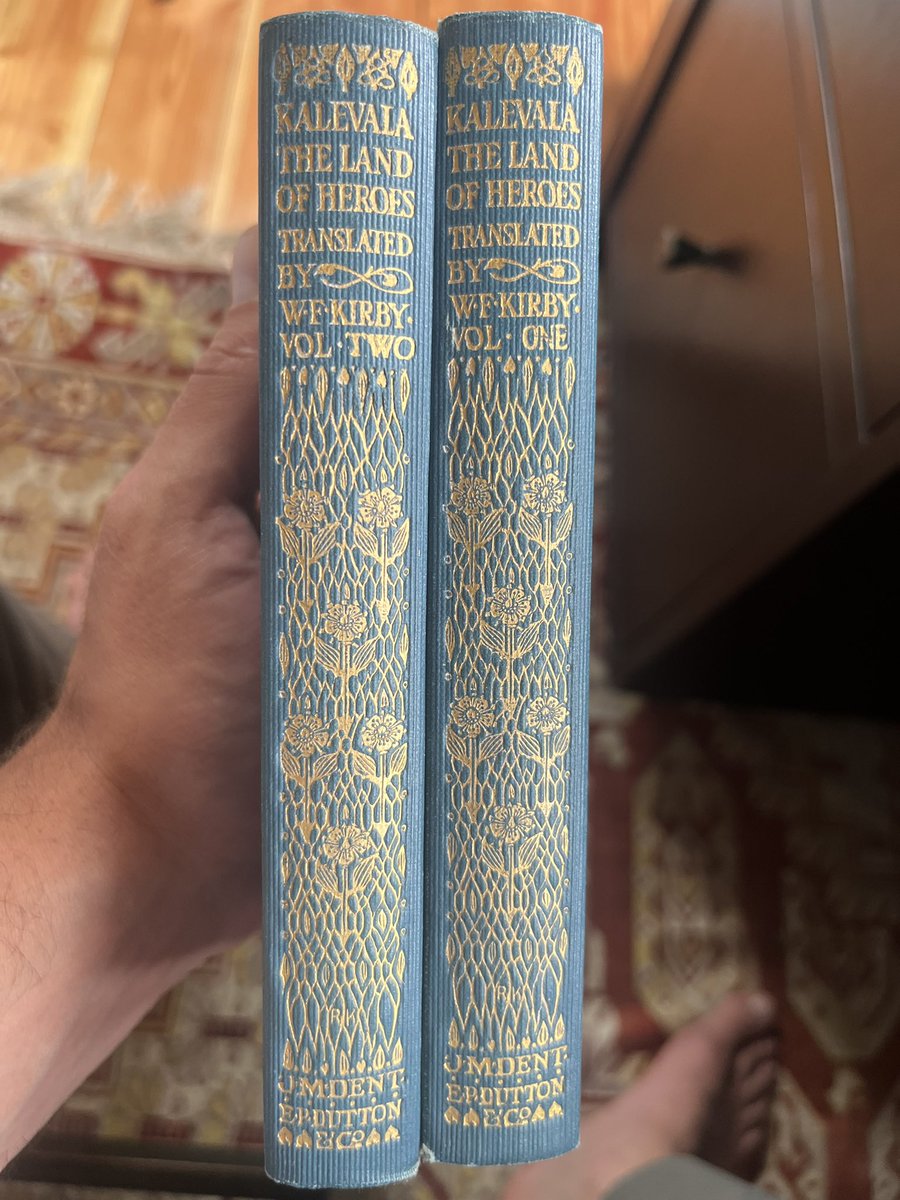
You can still buy the original issue of Everymans; they aren’t expensive, they’ll last forever, and look like this. Oh, and sometimes you find old stamps in them to use as bookmarks.
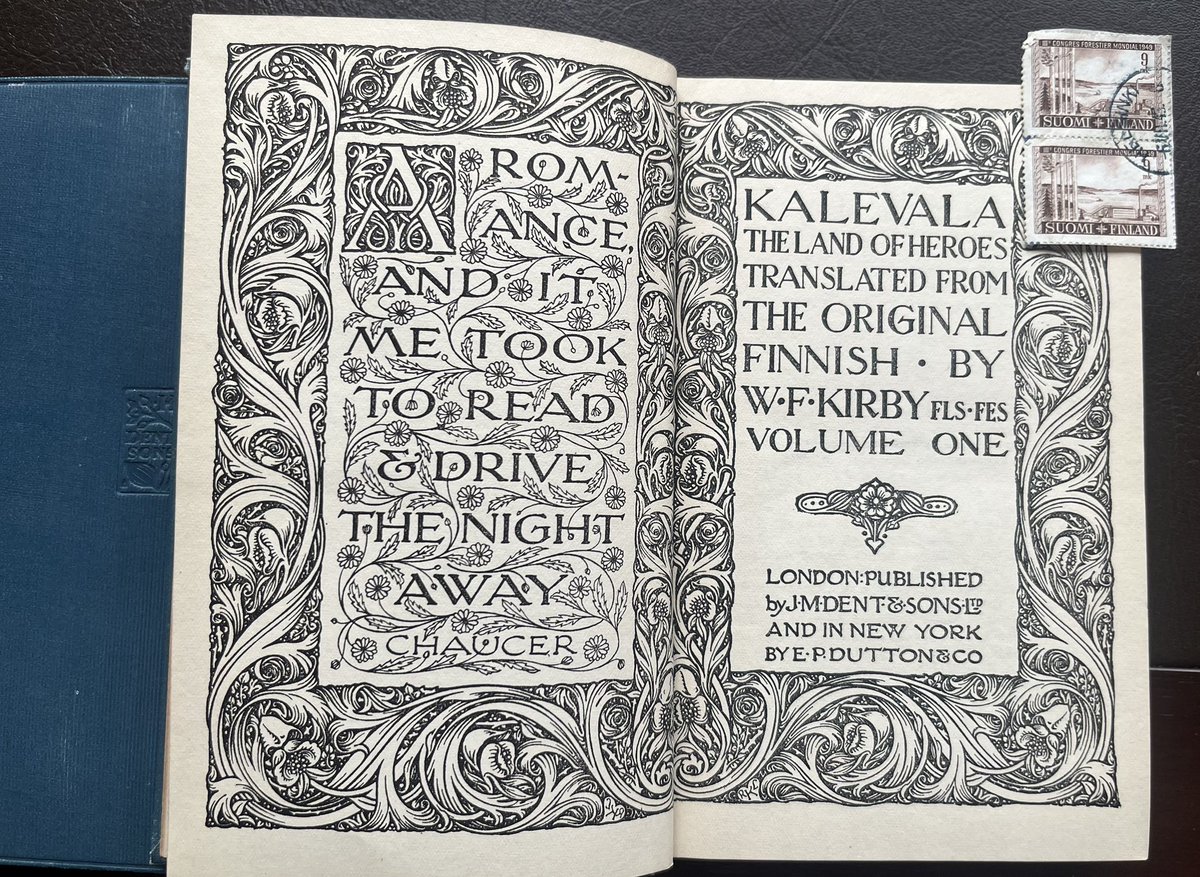
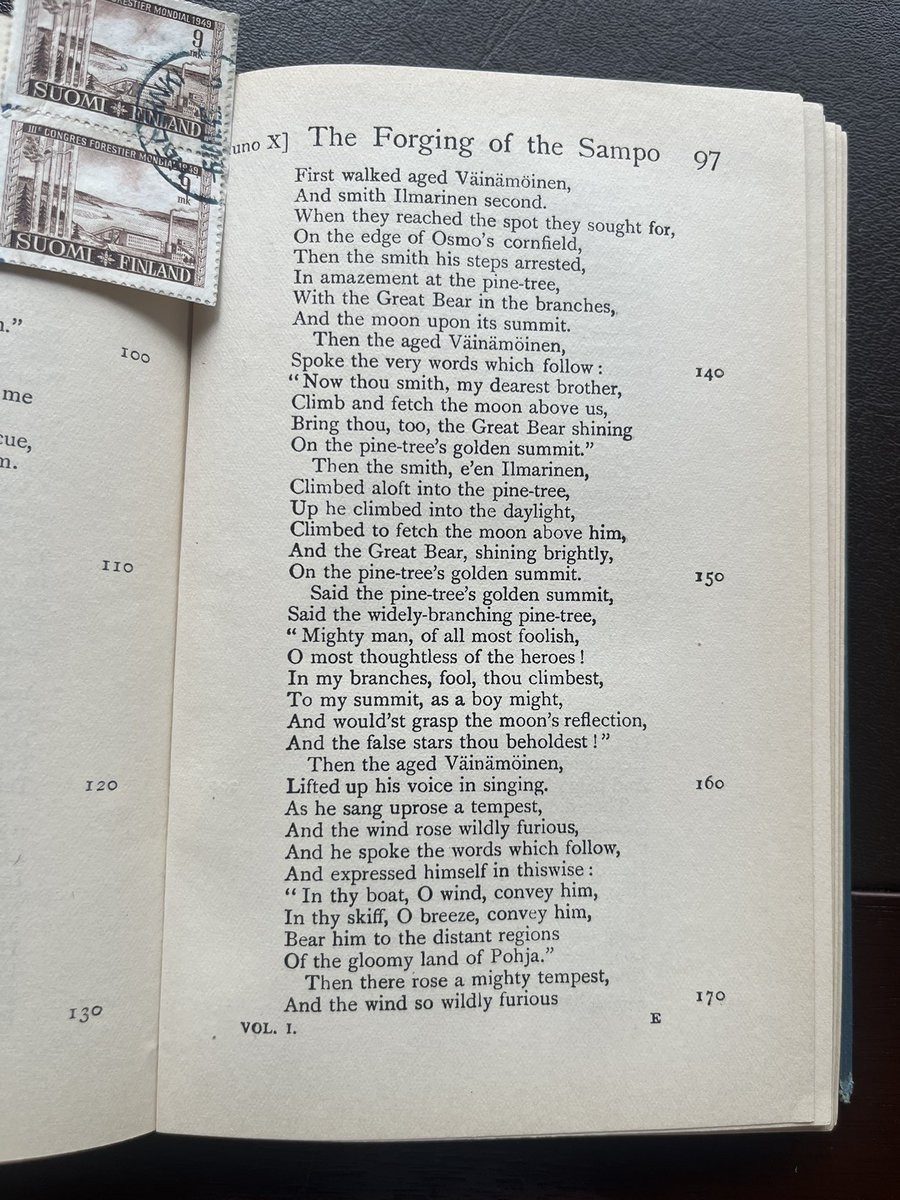

In September 1969, Elizabeth Taylor acquired a full set of the Everyman Library (1,000 volumes) as a gift for Richard Burton. He would later write, “I shall browse in that place for the rest of my life. They will take up one wall of the room … a fantastic reference library with the index in my head.”
2
27
971
Daniel Cowper retweeted

Jun 10
NO COUNTRY FOR OLD MEN suppressed Remington 11-87 popcorn dispenser

Jun 9

You've just been put in charge of coming up with a popcorn bucket for a classic film. GO.
I'll start. Goodfellas Cadillac trunk.
77
2,104
32,907
1,023,245
A great instance of art with regional references but universal resonance.
youtube.com/watch?v=jbdyqgiY…

76
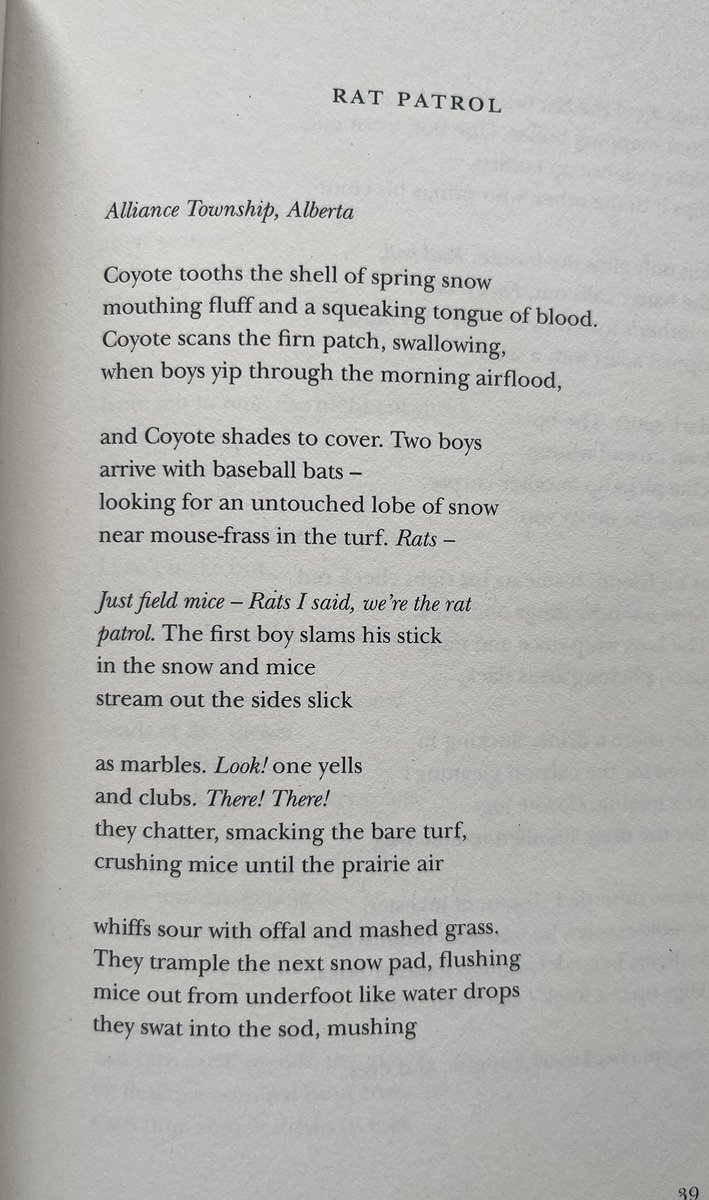
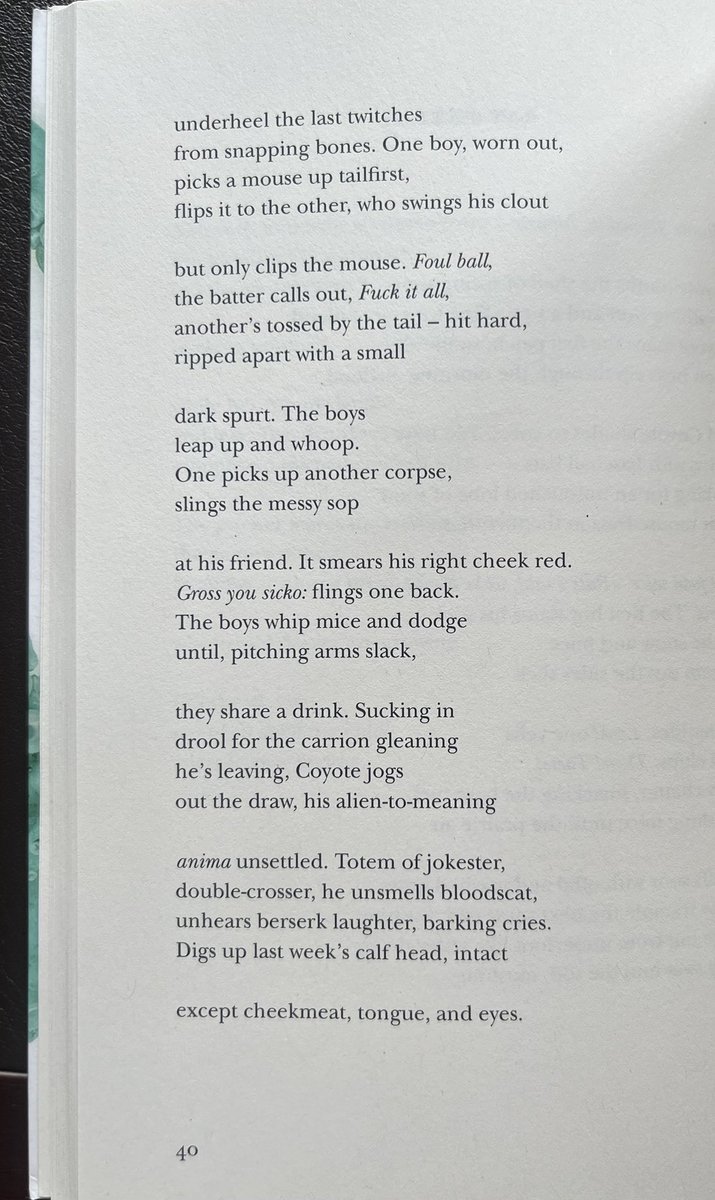
My dad is from Alberta, and I wrote a poem retelling his childhood story about how he and his friends pretended to be the Rat Patrol.
To be clear: my dad is a paragon; any comments to the contrary and I’ll throw dead mice at you.

Alberta is the only large, human-inhabited place on Earth that is completely rat-free. This Canadian province kept rats at bay before they had a chance to spread, in the 1950s. They took the task of keeping themselves rat-free so seriously, that they literally established a rat control zone at the time. Alberta also introduced a law so that ‘every person and municipality’ was obliged to destroy rats they found.
Alberta continues to be rat-free through the persistence of inhabitants who are committed to preserve what they inherited!
1
68
John Masefield is one of those poets who will give you such an intense and specific pleasure you want to carry it around inside you forever.

Love this poem--so musical, and one I have by heart:
1
1
2
228
Daniel Cowper retweeted

Jason Guriel wants to replace the ideological gatekeeper with the literary gatekeeper:
thewalrus.ca/bring-back-the-…
(thx Micah)
1
4
11
467
Jun 14
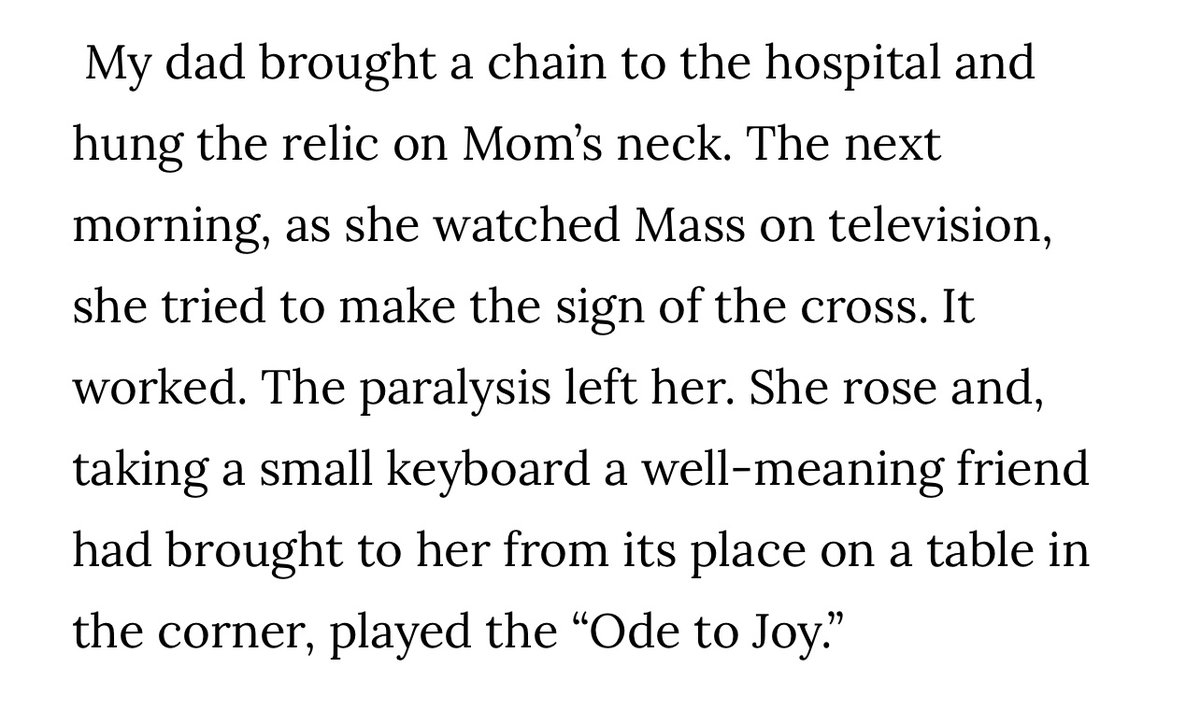
"I have watched her walk the strange fault lines of the self, drawn between the claims of the miracle and the strictures of life... Having been claimed by the miracle, why do I not allow myself to rest always in the miracle?"

Yesterday marked 25 years since this moment. Thanks to @DappledThings1 for sharing the story.
2
117
Daniel Cowper retweeted

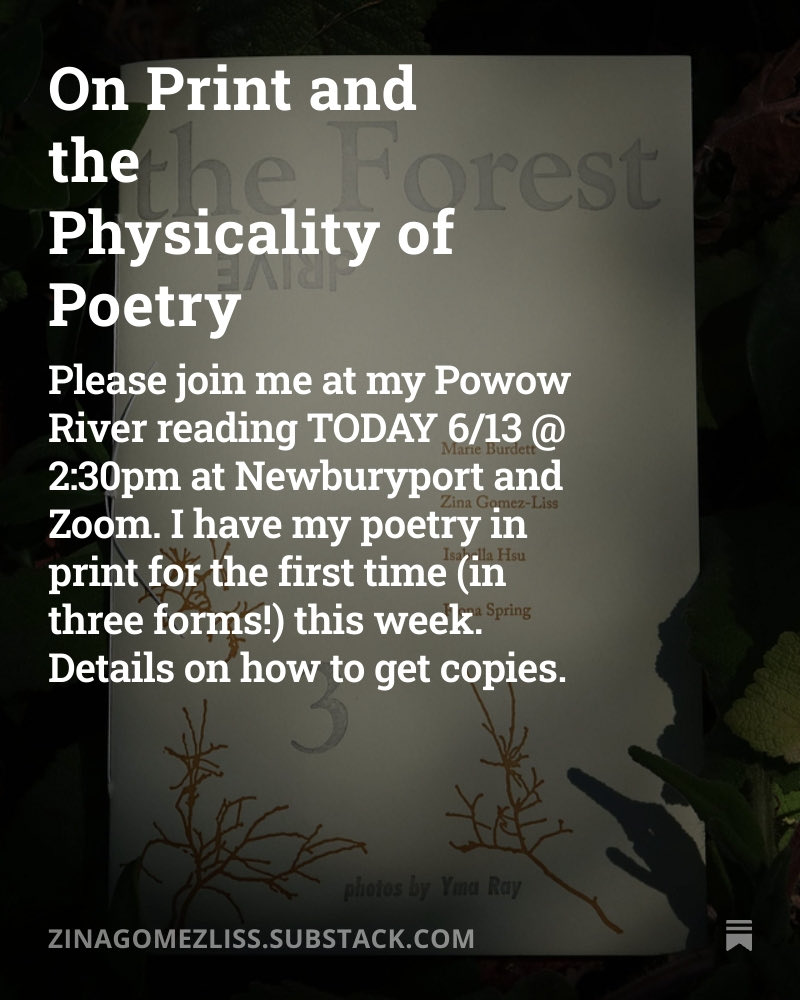
I am reading today for the Powow River Poets! See 🔗 in comments for the Zoom info and how to purchase publications online. Thank you again to @NimrodJournal, @BainbridgePress and @lettresauvage. And thank you Rhina Espaillat and the Powows for this invitation to read! ❤️
1
5
10
357
Daniel Cowper retweeted

NVR Deputy Editor @Zina_GomezLiss will read with James Najarian tomorrow afternoon for the Powow River Poets Reading Series. Here's the zoom link!
us02web.zoom.us/j/8746005869…
4
8
167
Jun 11
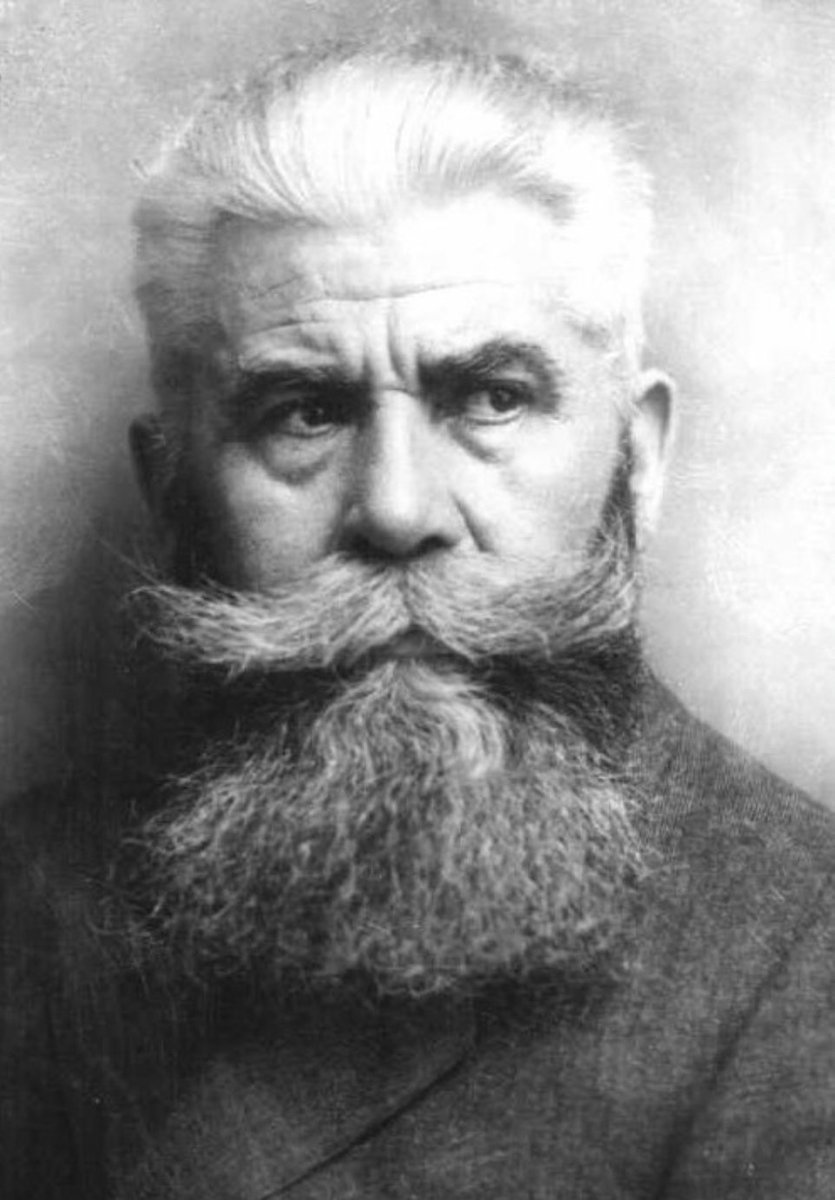
There should be a German word for the satisfaction one receives when the man who had a dream that cosmological processes were all based on the universe being full of ice (and subsequently dedicated himself to promoting that notion) looked exactly like you'd think:
2
106
Jun 10
After St. Cuthbert went swimming by his lonesome each night, the Lord would send affectionate otters to cuddle him dry before he went back to bed.
It is beyond mortal imagination to postulate a higher state of blessedness.
Jun 10

I’m delighted by David Bentley Hart’s fondness for otters. 🦦
2
4
571
Jun 10
One of the 20th Century's greatest poets, who I think has been neglected in large part due to general aversion to her personality. I myself find her very loveable.
youtube.com/watch?v=Q5l3UPlO…
4
186
Jun 10
I am spending time with Horace today, and I am not sure that there is any better balm for the agitated soul.

Samuel Johnson translating Horace:
tinyurl.com/5yd86xsh
1
1
6
382
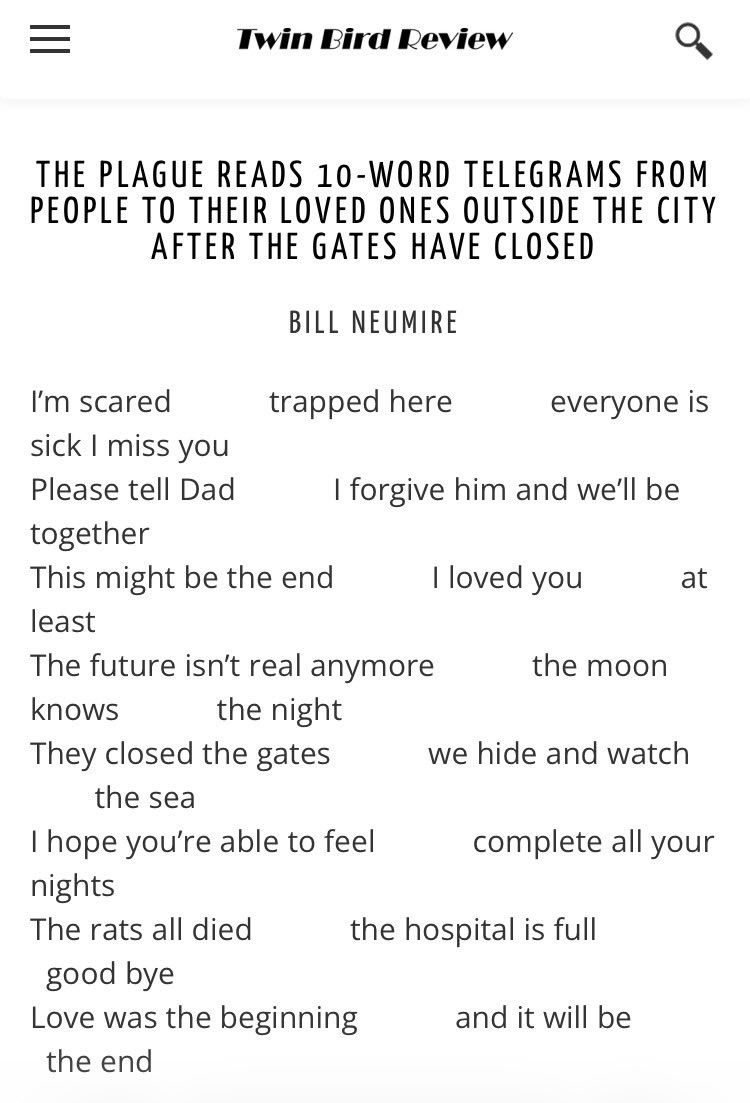
Beautiful, sad new poem from Bill Neumire.

1
1
9
563
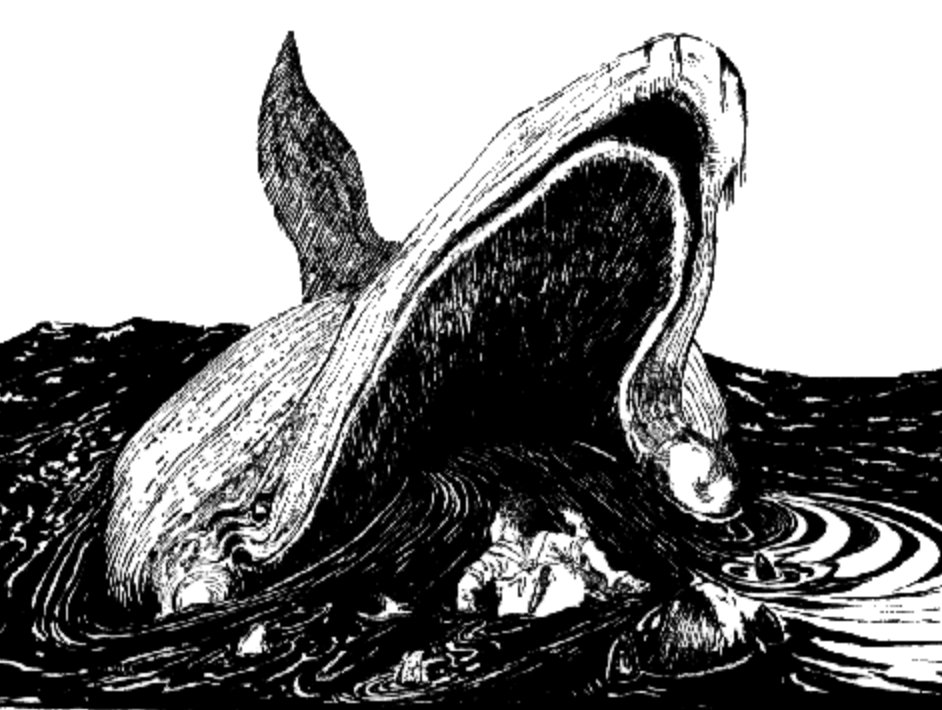
SPOILERS: "he stumped and he jumped and he thumped and he bumped, and he pranced and he danced, and he banged and he clanged, and he hit and he bit, and he leaped and he creeped, and he prowled and he howled, and he hopped and he dropped... and the Whale felt most unhappy indeed"
Jun 9


2
125
I need to buy a Latin English dictionary. I would like it to be an attractive object that is pleasant to use, with a solid binding. It need not be new. Could anyone offer a recommendation?
108
Out of curiosity, who do I know who was at Comment’s Understory conference in DC? My dad got back from it and said there were lots of poets but he was vague on names.
1
123
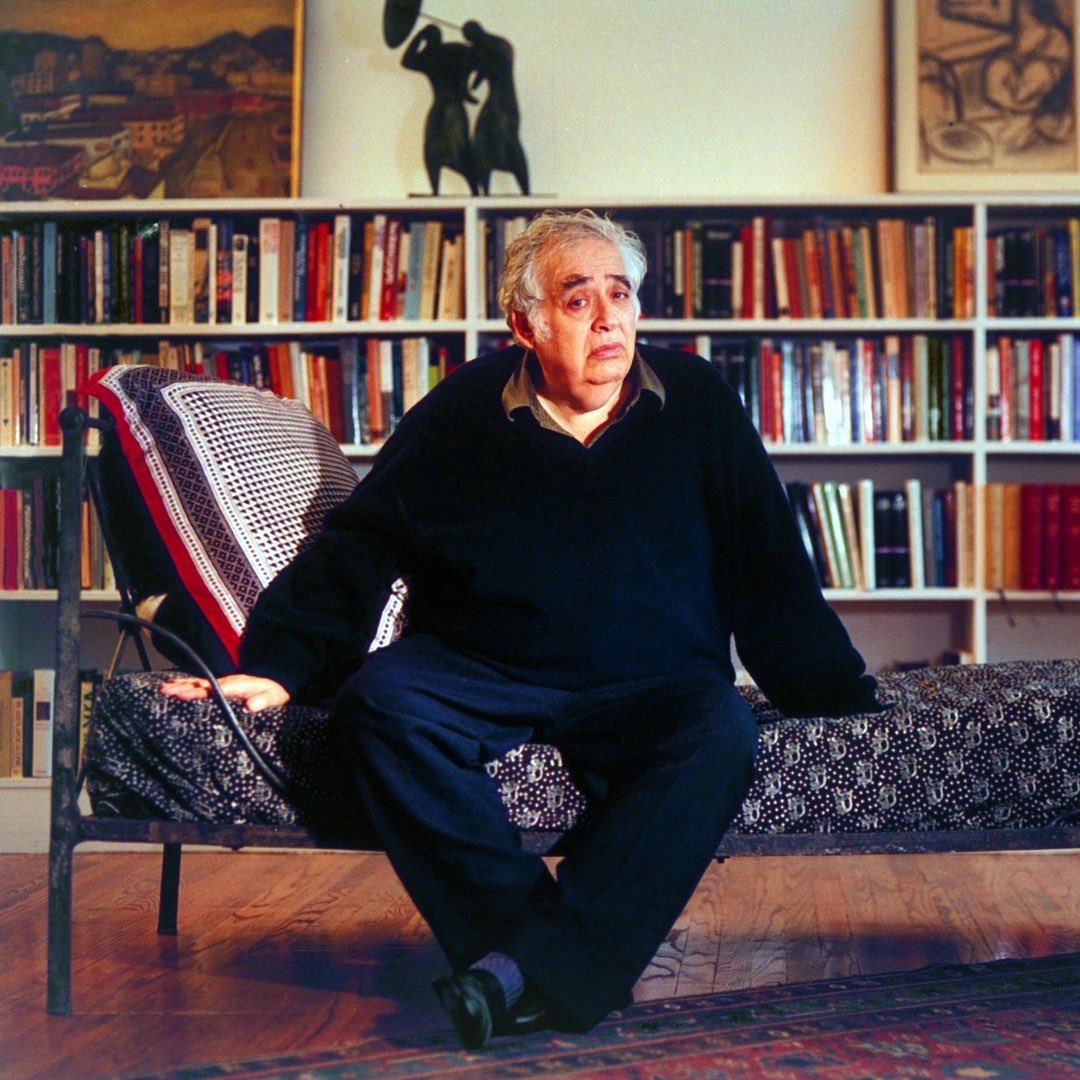
The passage Bloom quotes as exemplifying Tolkien’s defects is one that I can hardly come to without shedding a manly tear. It is a moment of exaltation and joy amid suffering and grief; Tolkien’s prose nurses these intense emotions unconventionally but masterfully.
Jun 4
Alas, no.
“The Lord of the Rings seems to be inflated, overwritten, tendentious, and moralistic in the extreme. Is it not a giant Period Piece? …
But there is still the burden of Tolkien’s style: stiff, false archaic, overwrought, and finally a real hindrance in Volume III, The Return of the King, which I have had trouble rereading. At seventy-seven, I may just be too old, but here is The Return of the King, opened pretty much at random:
‘At the doors of the Houses many were already gathered to see Aragorn, and they followed after him; and when at last he had supped, men came and prayed that he would heal their kinsmen or their friends whose lives were in peril through hurt or wound, or who lay under the Black Shadow. And Aragorn arose and went out, and he sent for the sons of Elrond, and together they labored far into the night. And word went through the city: “The King is come again indeed.” And they named him Elfstone, because of the green stone that he wore, and so the name which it was foretold at his birth that he should bear was chosen for him by his own people.’
I am not able to understand how a skilled and mature reader can absorb about fifteen hundred pages of this quaint stuff. Why ‘hurt or wound’; are they not the same? What justifies the heavy King James Bible influence upon this style? Sometimes, reading Tolkien, I am reminded of the Book of Mormon. Tolkien met a need, particularly in the early days of the counterculture in the later 1960s. Whether he is an author for the duration of the twenty-first century seems to me open to some doubt.”
—Harold Bloom, J.R.R. Tolkien’s The Lord of the Rings
2
1
14
1,602
Diggers beat the Brewers 12-2.
Diggers now 7-2, 1 tie, best record in the league.
1
4
88