
Just a random guy on the Internet. Ocassional troll (May God forgive me). Catholic Conservative. God is always first!
Joined November 2025
- Tweets 1,899
- Following 602
- Followers 246
- Likes 6,316
32 Photos and videos






I agree with this. However, we must always first and foremost show with our lives and testimony that God exists. If we right away go and defend out points but attack, insult, and call people retard without showing why our way of life is better, then we wouldnkot be any better than the progressives or evil we ate trying to champion against.
Hence why sometimes, though I know some things are wrong, I am prudent on who to answer and who I do not. Not all fights have to be fought right away. Sometimes prudence is needed, and testimonies have to be given to change people's lives. Otherwise what are our words for? Will calling for blood, asking death sentences and accountability change the hearts of people? Consequences, yes, but convertions, not even a tiny bit. First seek the kingdom of God, and then everything else will come, and once we truly find God within us, he will give us the wisdom and eloquence to fight evil.

If you get outraged at every little thing you see online with the same intensity no matter the controversy, you have zero real beliefs or convictions.
You're an NPC programmed to outrage on command for virtue signaling. Real anger is proportional to the evil. Equal fury for minor slights and atrocities means you're not a serious person.
Stop being a controlled sheep.
6

Jun 11
Funny thing is, in Latin America, it is very common for people to call one another with what Americans would consider Slurs, even within friends. Though wokeness has reached many parts of Latin America (sadly) many others still don't care and keep the name calling. But usually is not to insult, is just something that people use, sometimes to play and tease one another, or just to their closest friends.
I was shocked when I saw that many people in the US easily get offended for even the smallest names ever, not even slurs, while in places like Latin America, is quite common.
Jun 10
Growing up, my Mexican friends used to always call me chino
I would respond with Mexican cuss words
Good times before political correctness and wokeness ruined everything
43
Jun 11
I see a lot of people talking about FAFO and wishing the worst upon others and all that. But I have not seen anyone (or mostly anyone) announcing repentance and truth in Christ, not even within the Christian circle.
Yes, actions have consequences, I absolutely agree with all of that, to defend life, to rejoice in justice, to aim for the betterment of society, control of borders, etc. However, everyone is just letting their inner anger and hatred speak rather than using discernment and speaking with truth, but also helping educate people of the love of God, of repentance, to show that the world is better without their bad actions.
Because yes, the crazy liberals and ideologies are destroying society and it needs to be fought. But our side by using anger, feelings, and lack of doscernment instead of truth and signs of faith to fight will end up creating a vicious cycle, in which we end up radicalized, and not any better than the people we try to champion against. Discernment and wisdoma re always key. We are better than them then let's show it!
1
21
Dannyzerk retweeted

Jun 10
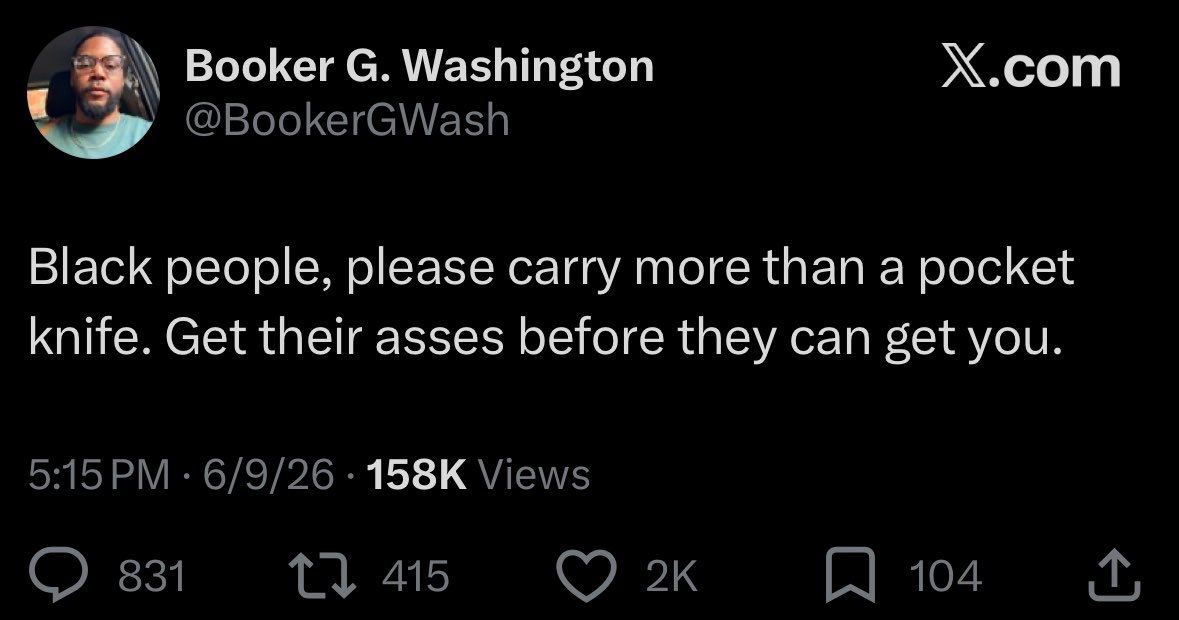
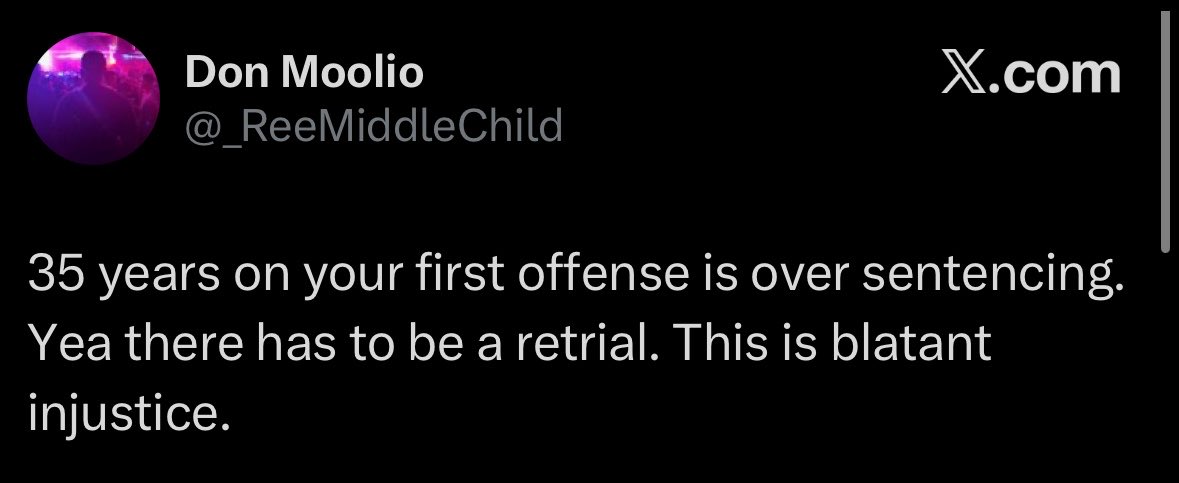
whats wild is this wasnt even like a “cop kills black guy” thing where there *might* be some debate about the police or whatever it’s just straight up a black kid stabbed a white kid and they’re losing their minds that he’s going to prison over murder. fascinating.


763
2,921
36,754
486,382
Jun 10
Sadly people get radicalized because at the end of the day, they let their feelings take over rather than using proper wisdom and understanding on what to do.
Liberals will double and triple down on their ideals thinking that their ideologies are freedom when in reality it destroys society. Conservatives without a true moral (and I mean truly moral) backbone will then demand justice and fight back but using the wrong strategies, usually ending up in fighting against one another. Then it becomes a vicious cycle of who is right or wrong.
It has been happening in the US since Clinton and in other parts of the wolrd you can see the extremes of both sides. Sadly humans are humans, and ( I say this as I know Shoe isCatholic like myself) without a true Christian understanding of things, people will just want to enforce their own version of justice.
Jun 10

if you look around at everything happening and your conclusion as to why people are becoming more radicalized is still some shit like “andrew tate” and “podcasters” you should be wearing a helmet 24/7
70
May 16
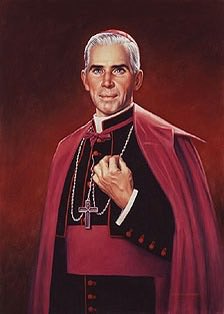
Reverend Fulton Sheen was a great man. He brought many to Christ and showed the road to him. Though he taught what righteous justice was, especially during the time of communism, he also taught what true mercy was and also intercession of even those who harm us to bring them closer to God.
He is highly respected even among many protestant denominations. Be careful Lizzie, you may not want to open a giant can of worms like your friend did with video games and men.
May 16

Fulton sheen was an antichrist.
Fulton Sheen, Treasure In Clay, 1980, pg. 148: “The good Hindu, the good Buddhist, the good Confucianist, the good Moslem are all saved by Christ and not by Buddhism or Islam or Confucianism but through their sacraments, their prayers, their asceticism, their morality and their good life.”
Mother Theresa said the same thing. She was an antichrist too.
John 14:6 has entered the chat.
1
1
6
674
Dannyzerk retweeted

May 10
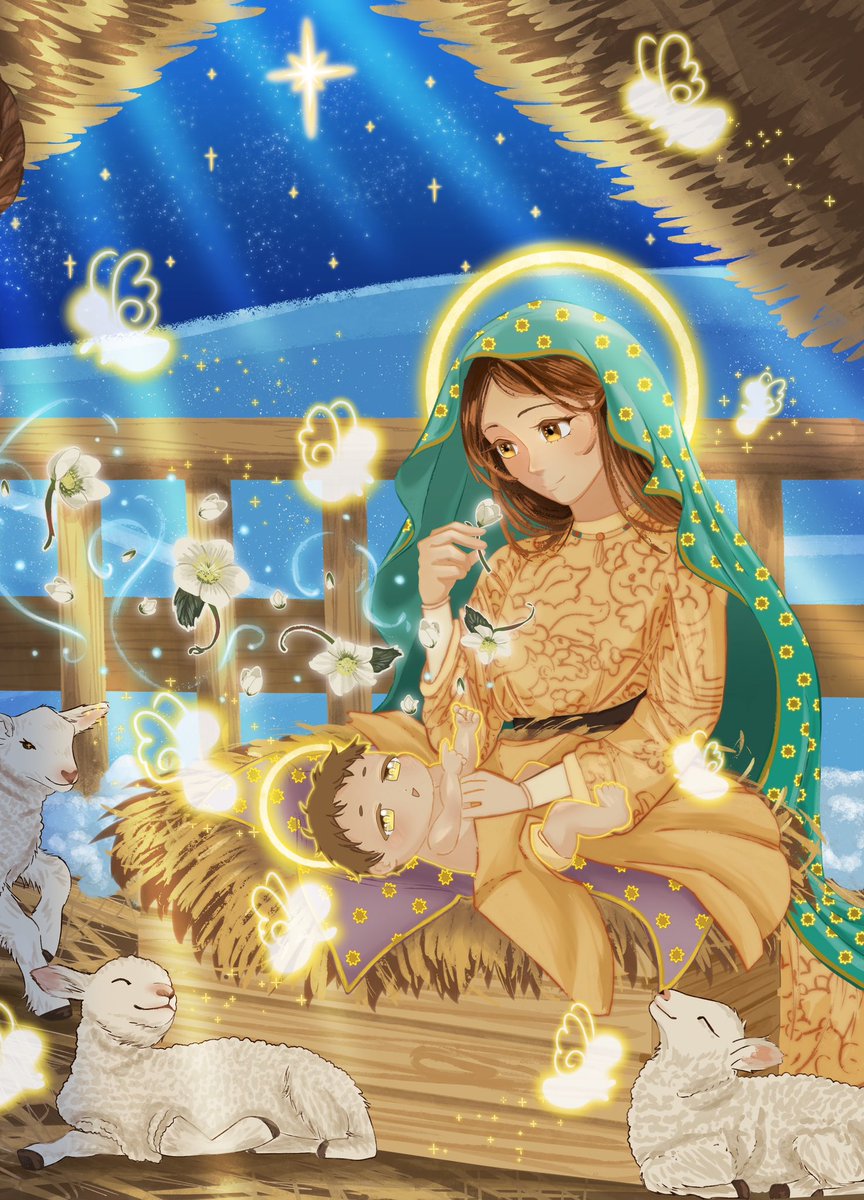
Happy Mother’s Day ❤️🔥 Go to mass!
3
215
1,688
12,552
May 10
Happy Mother's Day to all moms everywhere. As Mary, our mother, said yes to God with faith and gave birth to Christ our savior, may all mothers around the world be that beacon and sign of faith in the home and the light of Christ to the family. May your day be filled with blessings now and always!!!
2
47
May 5
There are many couples that enjoy playing videogames together, or with the children, or just one of them, whether the man or the woman. That is alright, I do not see any wrong in it.
As long as it does not become an addiction and takes over your priorities or makes you fall into immorality, then it its what it is a hobby. To generalize all women on this take is a bit ridiculous and unnecessary.
May 4

I know this is unpopular, but it will always be unattractive for a grown man to play video games.
Some women might be understanding or pretend like they don’t care that you spend hours playing, but they do.
It is extremely unattractive to women and will never not be. 🤷🏼♀️
1
65
Dannyzerk retweeted

Apr 24
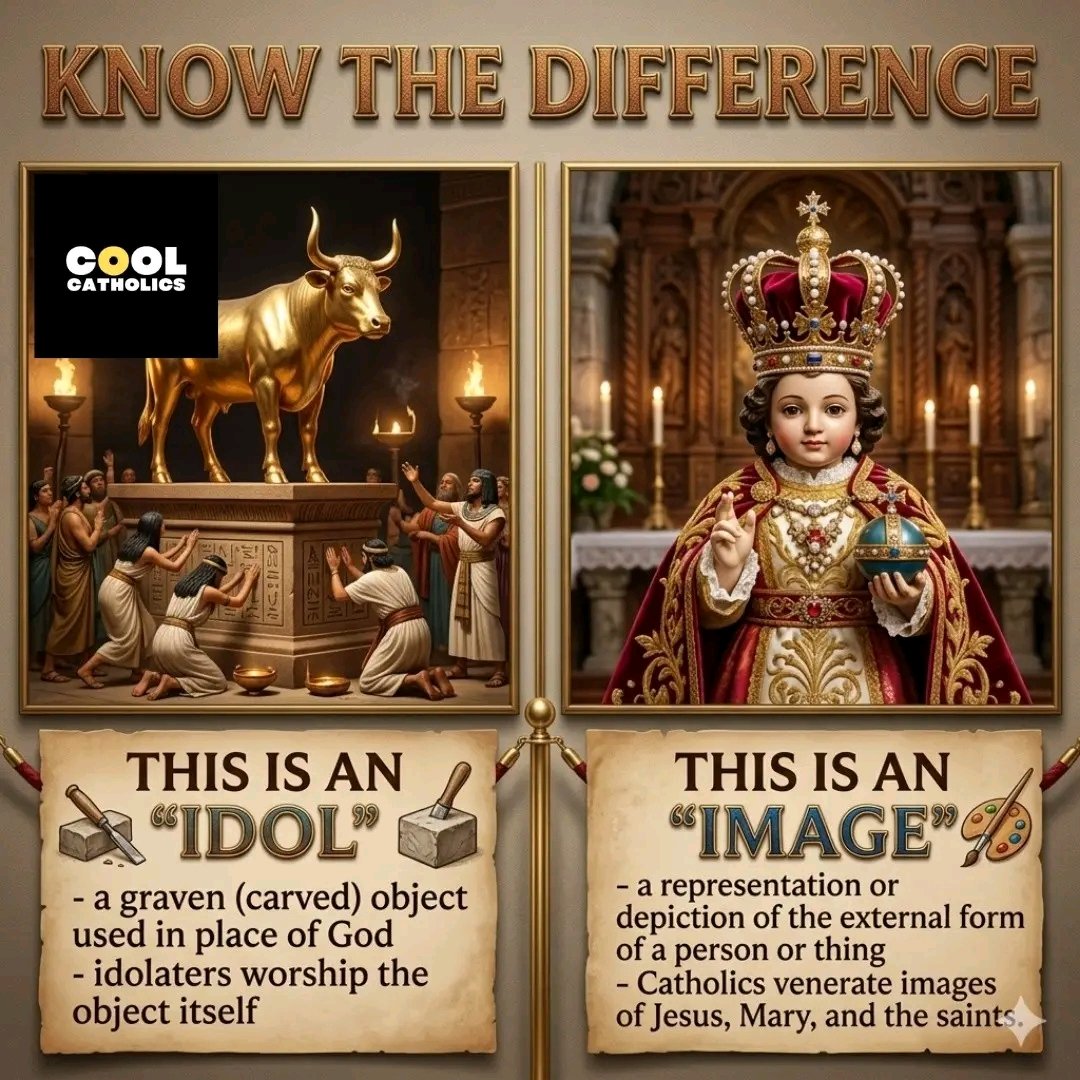
A frequent claim is that Catholics “worship idols” because of statues and images. But this misunderstanding comes from not distinguishing between idolatry and sacred representation.
What Is an Idol?
In Scripture, an idol is not just an image—it is something treated as a god.
St. Paul makes this clear:
«“We know that an idol has no real existence… and that there is no God but one.” (1 Corinthians 8:4)»
In other words, idols are false gods, empty and without true power. Worshiping them is turning away from the one true God.
What About Catholic Images?
Catholic images are not treated as gods. They are reminders—visual aids that point us to real persons:
- Jesus Christ
- The saints
- The events of salvation history
When Catholics kneel before a statue, they are not worshiping the object. They are honoring the person it represents—just as one might kiss a photo of a loved one without worshiping the paper.
Biblical Precedent for Sacred Images
God Himself commanded the use of sacred images:
- The cherubim on the Ark of the Covenant (Exodus 25:18–20)
- The bronze serpent lifted by Moses (Numbers 21:8–9)
Clearly, not all images are idols. The difference lies in how they are used.
The Key Distinction
- Idolatry = Worshiping something as God that is not God
- Veneration = Honoring what represents God or His work
Catholics give worship (latria) to God alone.
Images receive only honor, never adoration.
Conclusion
St. Paul reminds us that idols are nothing—they have no real existence. Catholic images, on the other hand, point to something very real: the Incarnation of Christ and the communion of saints.
The problem is not images.
The problem is mistaking them for gods.
Catholics don’t worship statues.
We worship the living God—and use images to lift our minds and hearts to Him.
-CoolCatholics
17
5
28
932
Dannyzerk retweeted

Apr 23
Pope Leo XIV has refuted one of the most common lies against him, namely the idea that he supports open borders:
'I believe that a State has the right to regulate its borders. I am not saying that everyone must be allowed to enter without order'
29
118
458
8,592



Apr 20
Exactly this! Could not have said it better!
Sadly, nowadays the problem is many are so radicozed and set in the beliefs and following propaganda so much, that they do not think anymore. Either people that have no idea how Christianity operates hide under its wing just to attack the governing authority, or on the other hand people that idolize the governing authority hide under its wings to criticize the Church.
I reality both have to work in unity. Separation of Church and State does not mean do not work in communion. Is like St. John Paul II said "Gaith needs reason, and reason needs faith." Both work in communion.

There is a way past the absurd and deeply divisive “war” between the President and the Pope, which has been enthusiastically ginned up by the press. And it is indicated in the Catechism of the Catholic Church, paragraph 2309 to be precise. After laying out the various criteria for determining a just war—proportionality, last resort, declaration by a competent authority, reasonable hope of success, etc.—the Catechism points out that “the evaluation of these conditions for moral legitimacy belongs to the prudential judgment of those who have responsibility for the common good.” The assumption is that the just war principles function, to use the technical term, as heuristic devices, designed to guide the practical decision-making of those civil authorities who have to adjudicate matters of war and peace.
The role of the Church, therefore, is to call for peace and to urge that any conflict be strictly circumscribed by the moral constraints of the just war criteria. But it is not the role of the Church to evaluate whether a particular war is just or unjust. That appraisal belongs to the civil authorities, who, one presumes, have requisite knowledge of conditions on the ground. So, is the war in question truly the last resort? Is there really a balance between the good to be attained and the destruction caused by the war? Are combatants and non-combatants being properly distinguished in the waging of the conflict? Do the belligerents have right intention? Is there a reasonable hope of success? The posing of those questions—indeed the insistence upon their moral relevance—belongs rightly to the Church, but the answering of them belongs to the civil authorities.
The Pope has said, on numerous occasions, that he is not a politician and that his role is not the determination of any nation's foreign policy. But he has just as clearly said that he will continue to speak for peace and for moral constraint. In making both of these claims, he is operating perfectly within the framework of paragraph 2309 of the Catechism. If we understand that the Pope and the President have qualitatively different roles to play in the determination of moral action in regard to war, we can, I hope, extricate ourselves from the completely unhelpful narrative of “Pope vs. President.”
2
48
Dannyzerk retweeted

Apr 18
Pope Leo XIV:
“Please be careful not to use political categories to speak about faith, to speak about the Church. The Church doesn’t belong to any political party; rather, she helps form your conscience.” ❤️🔥✝️🕊️
133
507
3,118
42,912
Apr 18
"Do not accept anything as truth that lacks love. Do not accept anything as love which lacks truth. One without the other is a destrucrive lie."
- St. Teresa Benedicta of the Cross
1
24
Dannyzerk retweeted

Apr 15
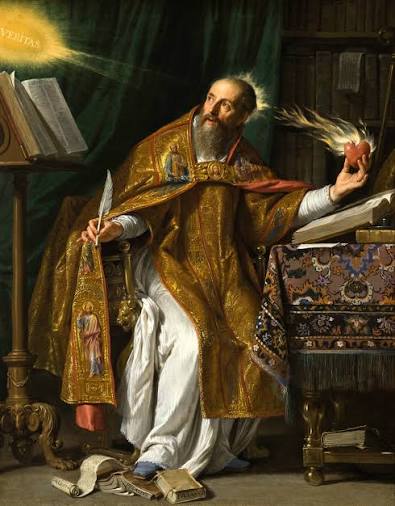
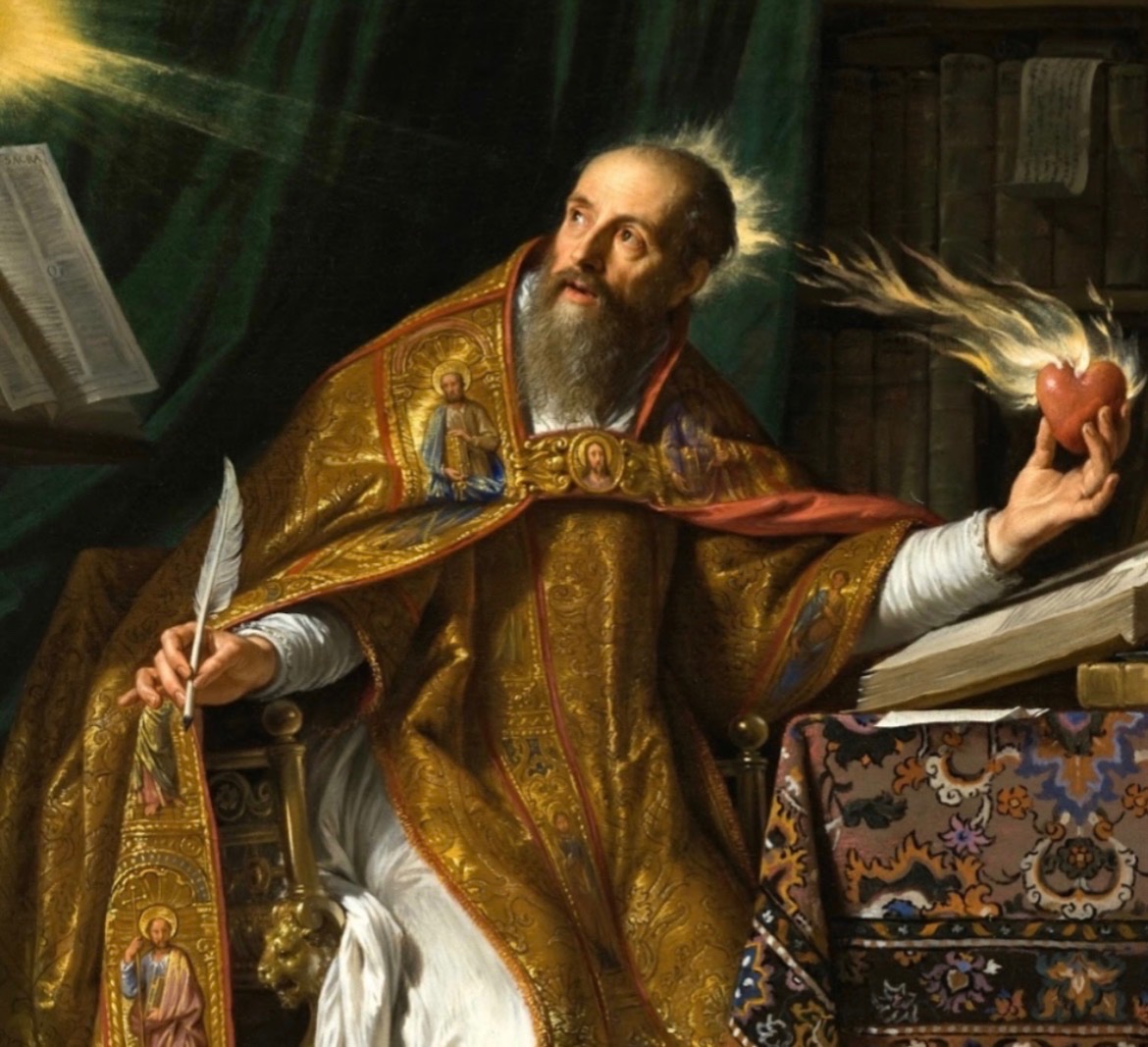
"It was pride that changed angels into devils."
-St. Augustine
45
911
7,148
73,592
Apr 6
I congratulate Rubius for handling this very well. Some people would have not had the patience amd punch Rakai tbh. He behaved like an idiot and should be banned from future Mr. Beast events.

RaKai hit the Fortnite "Take The L" dance on El Rubius after eliminating him from the MrBeast event 😭
1
4
359