Philosopher & A̶s̶s̶o̶c̶i̶a̶t̶e̶ ̶D̶e̶a̶n̶ @UNC School for Civic Life & Leadership. Ethics, religion, & politics. Academic freedom. RT≠endorse; opinions own
Joined July 2020
- Tweets 2,675
- Following 301
- Followers 13,190
- Likes 10,193
448 Photos and videos

Pinned Tweet

18 Aug 2023
I’ve been off this platform almost entirely.
That’s because three months ago, I almost died.
I’ve wrestled with what to say or whether to say anything at all. But what happened has so profoundly impacted my family & me that silence would be false.
243
405
4,424
1,256,008
Jun 11
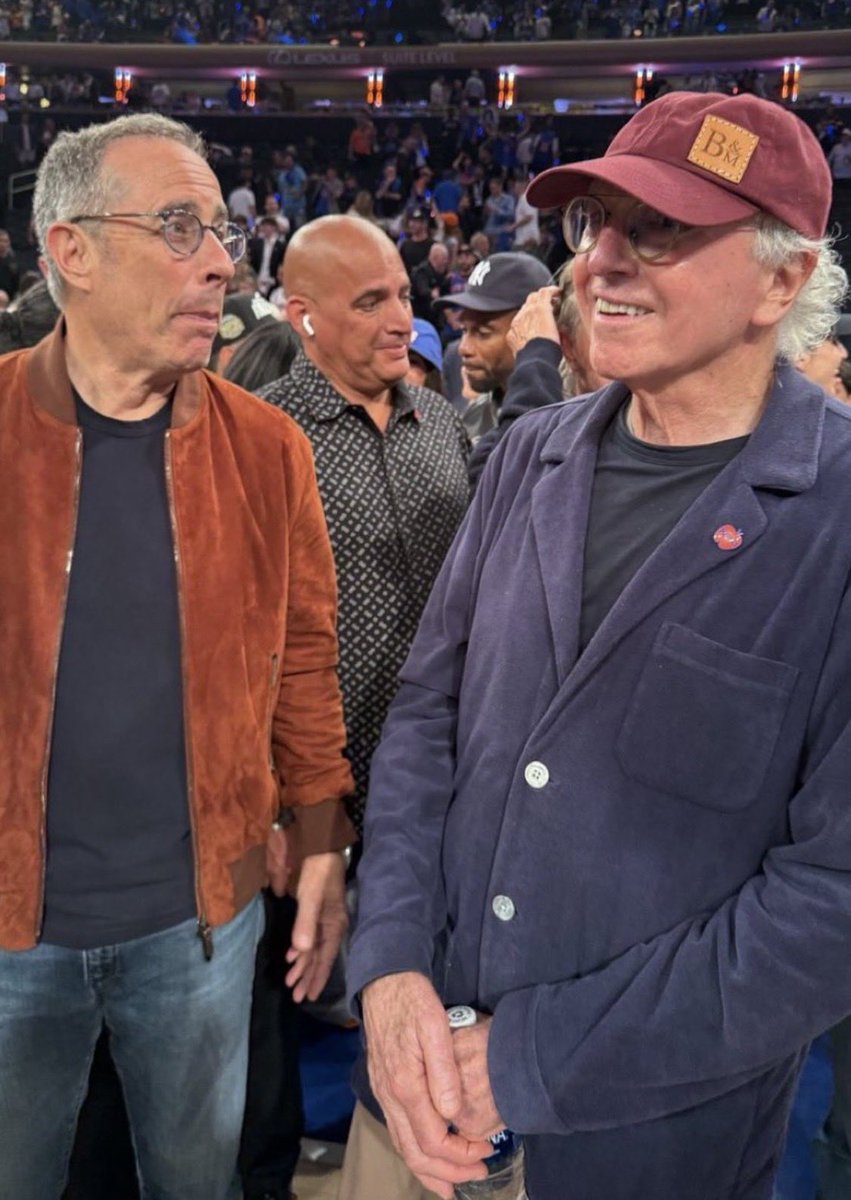
JS: Winning on a missed shot! That’s might be the most Knicks thing ever. They finally find a way to score that involves not making the basket!
LD: I don’t like it. A miss with a happy ending? That sends a terrible message. It’s pure anarchy. And believe me it won’t stop here.
2
602
Jun 8
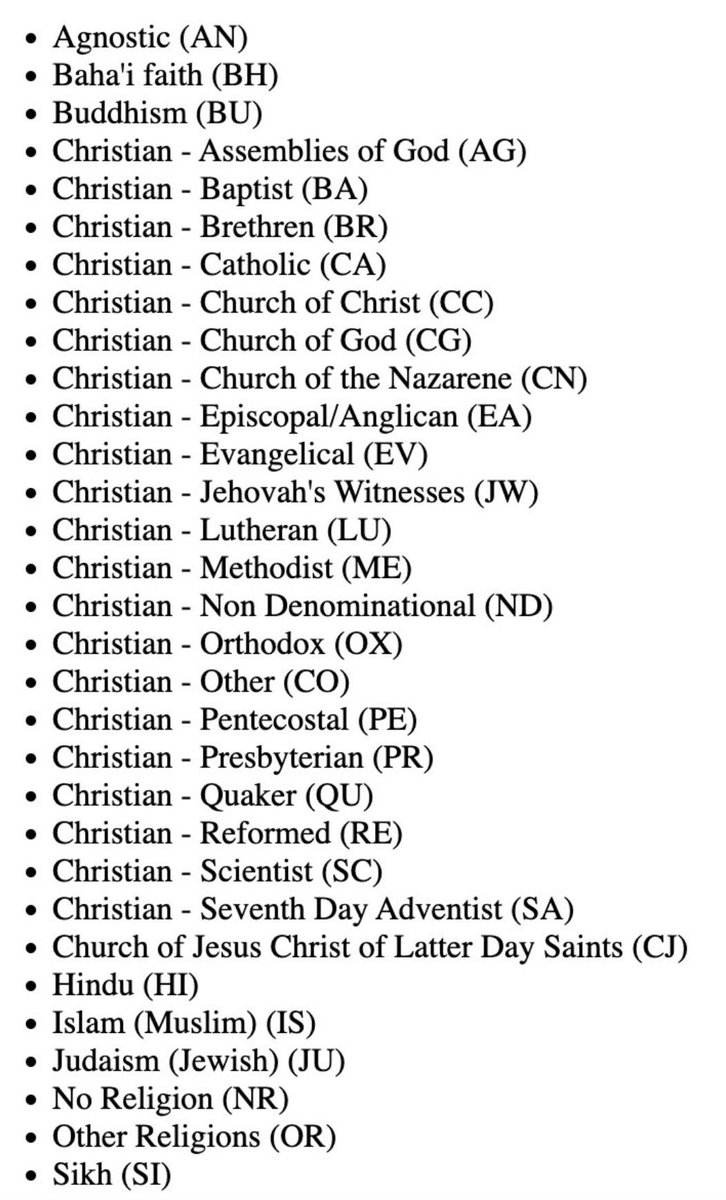
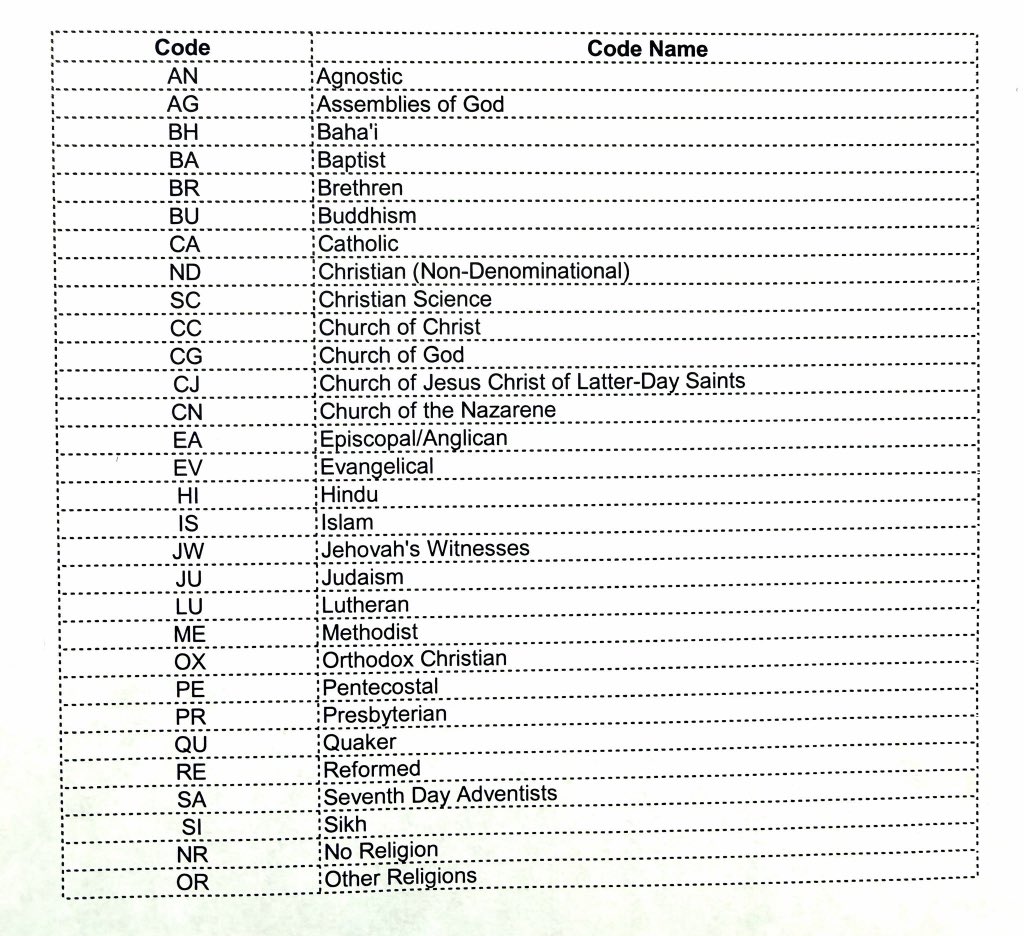
Unbelievable. In response to Mike Lee, the Pentagon has revised its belief coding-system yet again!
Below is the updated Religious Affiliation Code ("RAC") list:
3
528
Jun 8
Three things can be true:
1. "The Church of Jesus Christ of Latter Day Saints" is not a Christian church.
2. Many Mormons may, in God's grace, be Christians. This could be due to their not believing some things LDS teaches & believing things it doesn't, and/or sheer divine mercy.
2
10
989
Jun 8
3. As an important & vitally distinct matter, many LDS adherents are wonderful people, & LDS folks generally deserve to be treated with due dignity & respect... And disputing their theological claims, including about whether their church is Christian, does not violate that norm.
1
7
487
Jun 8
Finally, I'm leaving as an open question & as somewhat ambiguous matter here the relation between 'being a Christian' & 'salvation,' and I'm not making a claim about anyone's ultimate destiny.
6
423
Jun 8
This list still 'adjudicates theological debates' just as much as before. For instance, grouping all Presbyterians (PCUSA vs PCA) over against all Lutherans, even as PCUSA treats ELCA Lutherans as far closer than PCA, says the denominations themselves are *wrong* about theology.

Last week, a proposed list of simplified faith codes was released to the media. The Pentagon list included redundant and unnecessary labeling, and the mistake has been fixed.
The goal of this effort is to simplify a previously out-of-control “belief” coding system that had ballooned to over 200 codes.
In order to clarify the work of chaplains, and simplify the work of commanders, the Pentagon has consolidated and simplified the list to roughly thirty codes — using the previously used labels for faiths.
The Pentagon’s job is not to adjudicate theological debates, but instead to ensure sincerely-held faith is respected and encouraged in our ranks.
Below is the updated Religious Affiliation Codes (RAC) list:
1
1
4
2,099
Jun 8
This list takes a stand on controversial theological topics, siding against many denominations themselves: It treats the differences b/w mainline & evangelical denoms as less significant/relevant than b/w reformation-era divisions. That's theologically & pastorally significant.
1
631
Jun 8
This list is no less theologically controversial than the last. Grouping the Episcopal Church & Anglican Church in North America in one Episcopal/Anglican category is no more 'neutral' or non-theological than separating that group from 'Lutheran' or saying LDS is not Christian.
218
David Decosimo retweeted
Jun 8
For a detailed explanation of my argument here & defense against alternatives, see this article, especially the sections “Dialectical, Democratic Religious Freedom” & “Religious Freedom and Neutrality Worth Having.”
cambridge.org/core/journals/…
2
1
598
David Decosimo retweeted
Jun 8
*Any* line-drawing, not only between denominations but between eligions, requires some degree of governmental entanglement in theology, which some (wrongly, imo) see as contrary to the establishment clause.
The only way to make a list like this is to get entangled in theology. For example, the decision to group mainliners & evangelicals together (PCUSA & PCA) while maintaining the distinction b/w Lutheranism & Presbyterianism, represents very highly contestable theological judgments.
The government is saying one set of theological issues matter but not another. But the PCUSA & the ECLA are in full communion, whereas the PCUSA & PCA are not & do not even recognize one another’s ordination, which matters for chaplaincy!
Some degree of government entanglement in theological contests is inevitable. But that entanglement can be more or less principled & evenhanded & *that* is what the EC can most reasonably be taken to require.
The upshot is that categorizing Mormons as a distinct group from Christians is not *in itself* any more problematic with respect the establishment clause than any other decision on the list. The question becomes ‘Does this reflect a principled, reasonable, evenhanded theological judgment consistent with the others on the list?’ For my part, while I think LDS is clearly not a Christian church or denomination, it does seem inconsistent not to include them while including other non-Christian sects on the ‘Christian’ list.
2
1
7
717
Jun 4
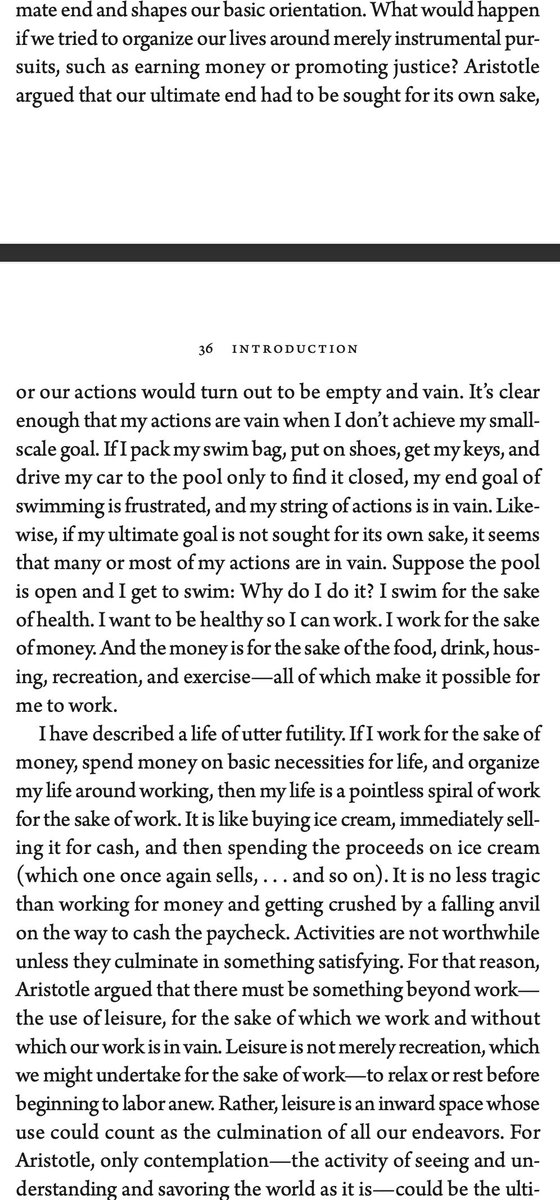
What is the meaning & goal of a human life? Of my life? What's happiness & how do we get it? Justice? Freedom? How do we understand loss, suffering, & grief? What's beauty?
Yes, when it comes to bare survival STEM 'wins.' But the humanities are about what makes life worth living.

I would like to know what these goods are. The ones I can think of are patently less valuable than the “goods” produced by the sciences. Obviously humanities are valuable experientially but let’s not pretend research in humanities (and much of social science) is on equal footing
4
8
1,406
Jun 4
The idea that the goods humanities deliver are 'patently less valuable' than the goods of science reflects an empty, shallow, unsatisfying, & finally unlivable vision of life. We are more than brute beasts for whom all that matters is food, shelter, longevity, & doomscrolling.
6
559
Jun 3
We aren’t confused. “Results” aren’t the only thing that matters. There have always been norms & constraints in the practice of scholarship. Violation of some of these remove someone from the guild. Quite a few uses of AI in scholarship should be seen as just such violations.
Jun 3

I'm increasingly convinced that a lot of smart academics are confused about AI because most of their worst experiences with it come from the classroom. But professors play two roles and are also supposed to spread knowledge.
In class, we test whether students learned something themselves. Sure, test them and do oral exams. That's what I'm planning to do as well. But in journals, we should publish true, original, important claims, whether AI-assisted or not.
3
3
42
6,348
Jun 3
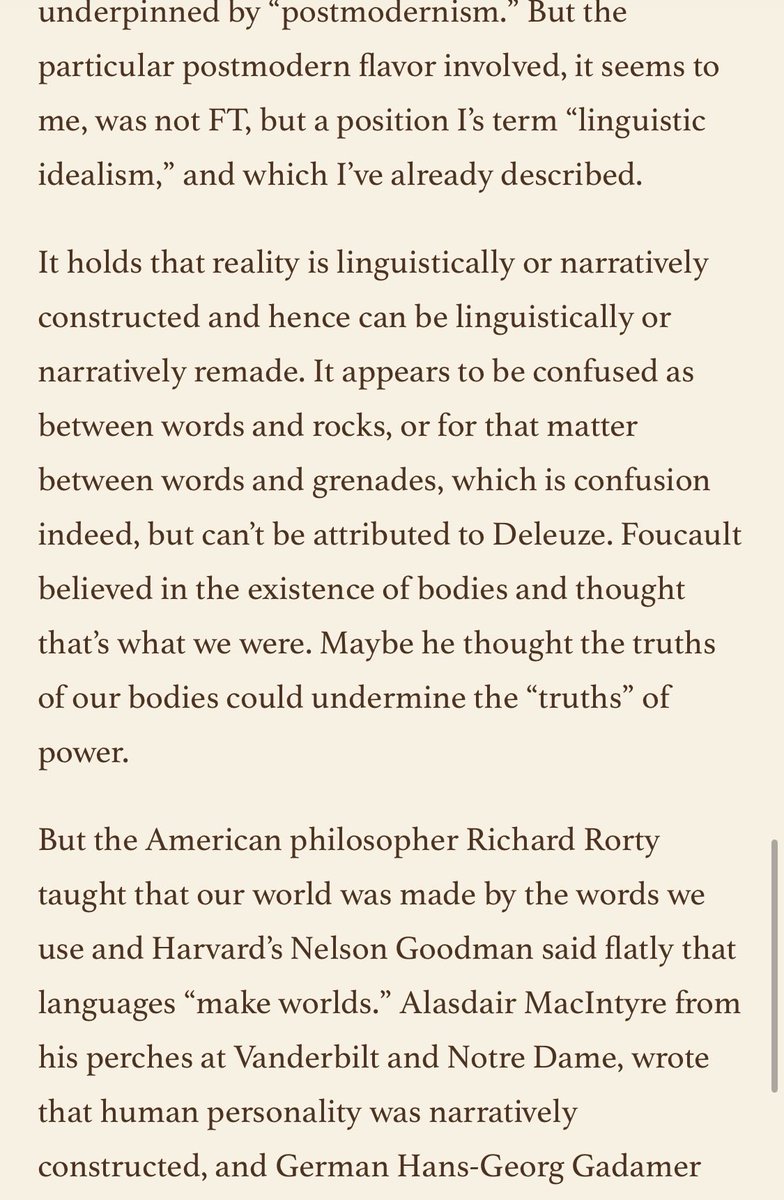
To be sure, there are fields, especially in medicine & the sciences, where advancement & results are almost the only thing that matters. Heavy use of AI in scholarship in such fields may make sense, for what we care about is the delivery of a product or result.
3
1
8
1,053
Jun 3
But many fields are not like that & never have been. The goods they deliver are not quantifiable or practical but humanistic - yet no less valuable. What we rightly care about in them would be effaced or destroyed by heavy use of AI. Academia’s distortions can blind us to this.
1
10
557
Jun 3
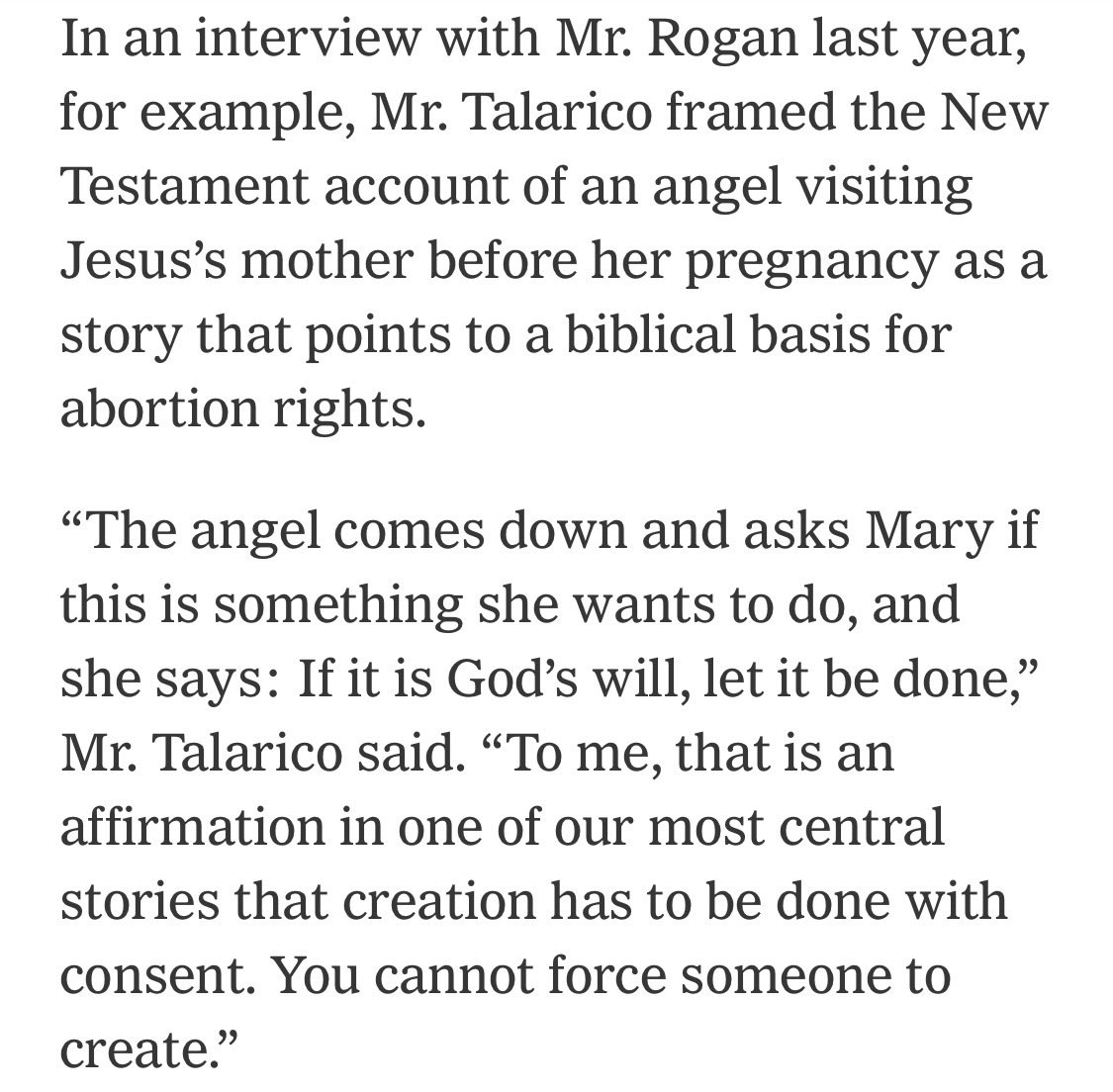
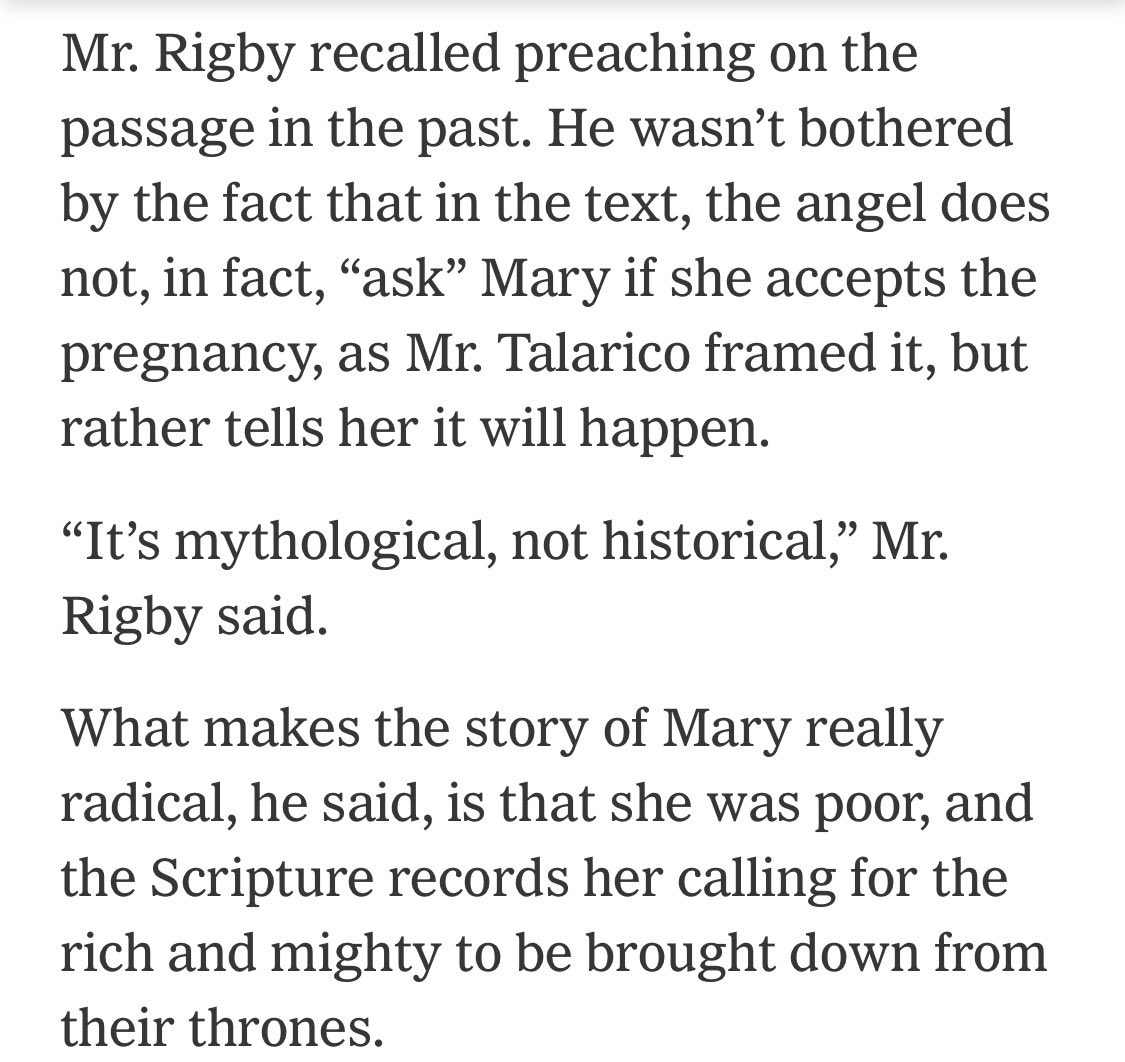
James Talarico’s Millenial flavor of ‘progressive’ Christianity & his pastor Jim Rigby’s Boomer flavor. The case of the Annunciation:
3
1
5
1,200
Jun 3
Rigby’s vehement rejection and condemnation of the word ‘Lord’ to name God as sexist, white, etc. is such a throw back to BU School of Theology circa 2015. So many familiar tropes. nytimes.com/2026/06/01/us/po…
4
655
May 28
Scholars, theologians, & priests take note. This is not how to build a case against using AI to do your thinking & writing for you. It commits itself to & presupposes some of the worst premises of our era.
May 28

I was at a conference recently and was asked whether I would get AI to write my sermons for me. ‘Obviously not,’ I said, ‘because I get my dopamine from the challenge of piecing together an argument using scripture, the world, theology & and preaching them to my flock’.
3
1
4
6,863
Jun 2
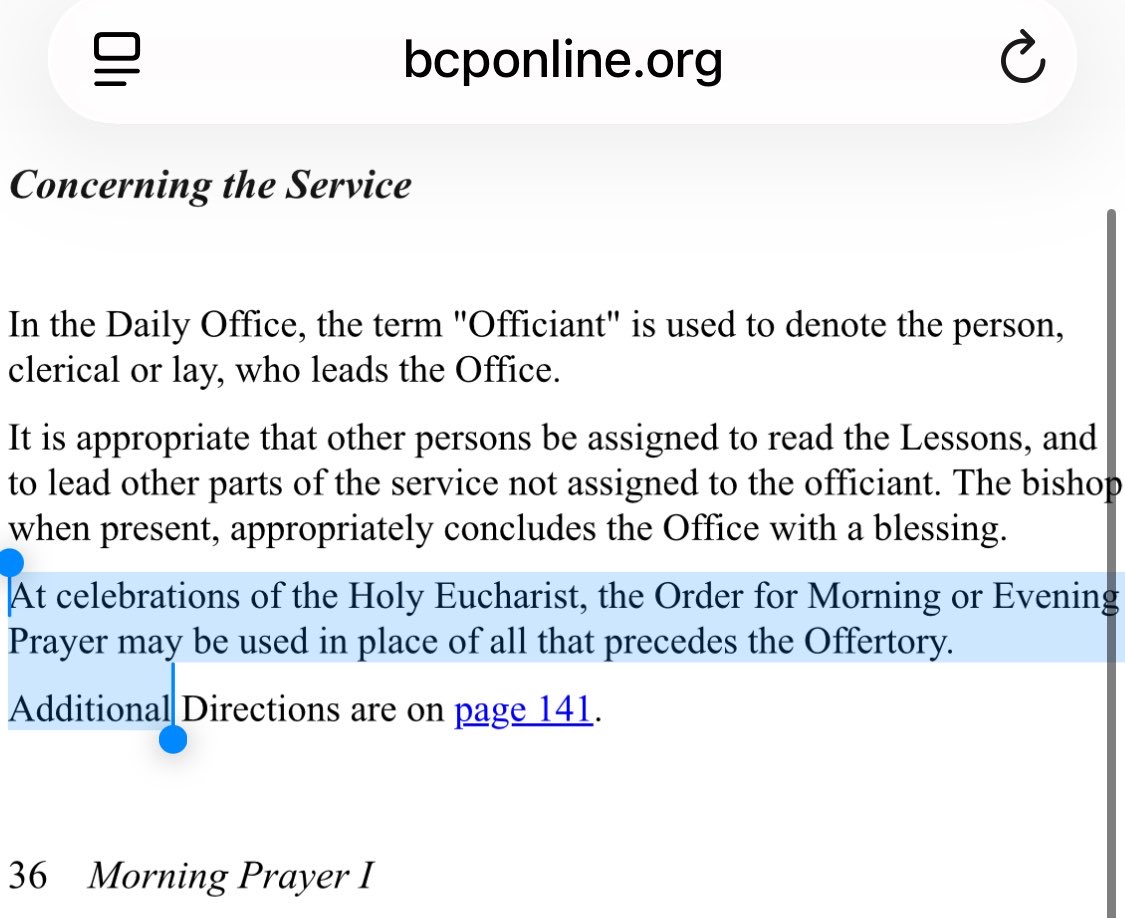
Q: "Why not have a robot celebrate Eucharist?"
A: "Because I get my dopamine by doing it myself."
Everyone can see why this is a bad & damaging answer. The concepts & language we use to describe the world & ourselves matter, esp before the challenge of AI.
x.com/DavidDecosimo/status/2…
Jun 1

It is extremely difficult to understand how someone who cares deeply about liturgy & whose vocation it is to do so would not also care at least as much about how we describe & imagine our worship, lives, & ministry - for that too is no less essential to the vocation.
1
361
Jun 2
It is an act of both justice & love to maximally stigmatize being ‘friends’ or in a ‘relationship’ with an AI.
At the same time, we need to work for a society where such a thing would never be tempting in the first place.
5
20
1,031