Doctor en Ecología, cabrero aficionado, aita, de nuevo ciclista y ahora alcalde del valle de Ollo y Presidente de la Mancomunidad de la Comarca de Pamplona
Joined January 2019
- Tweets 7,636
- Following 760
- Followers 867
- Likes 8,041
854 Photos and videos




Jun 12
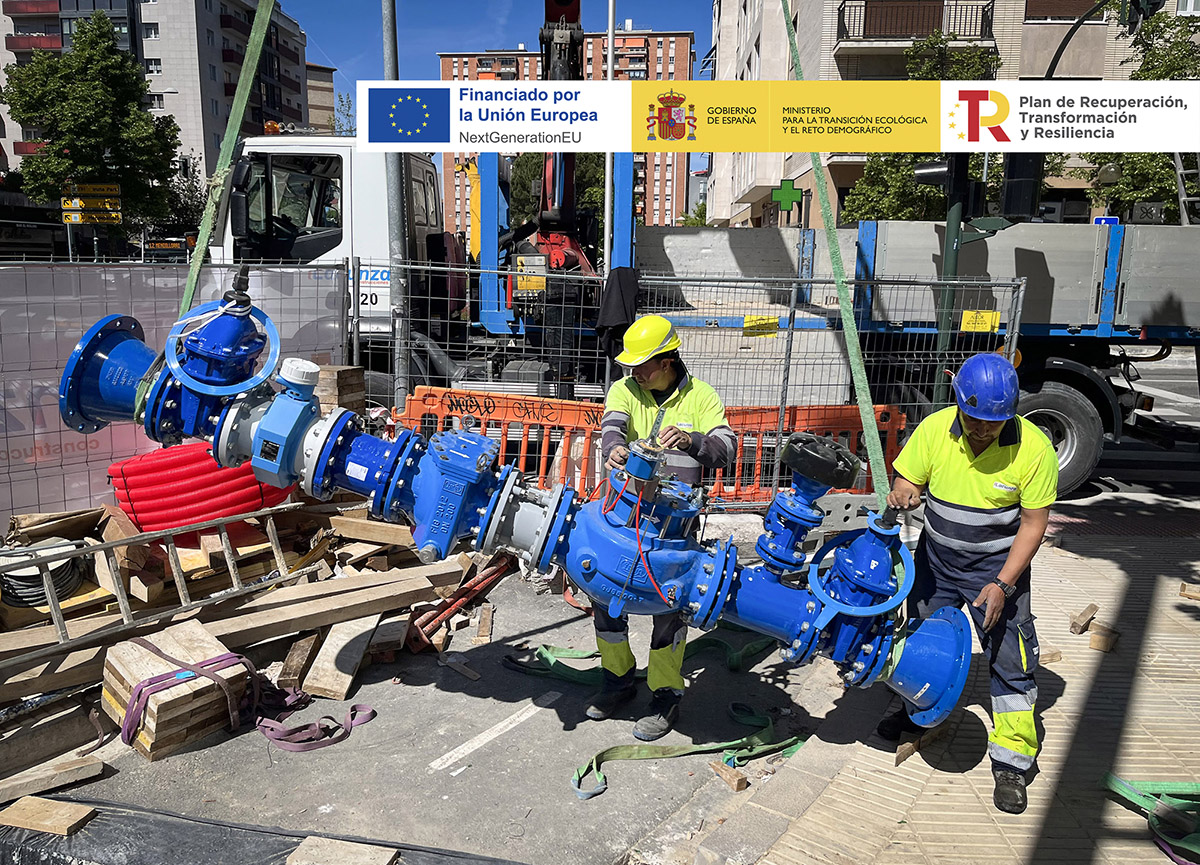
En esto se gastan muchos € de proyectos europeos que cuesta mucho sacar adelante..

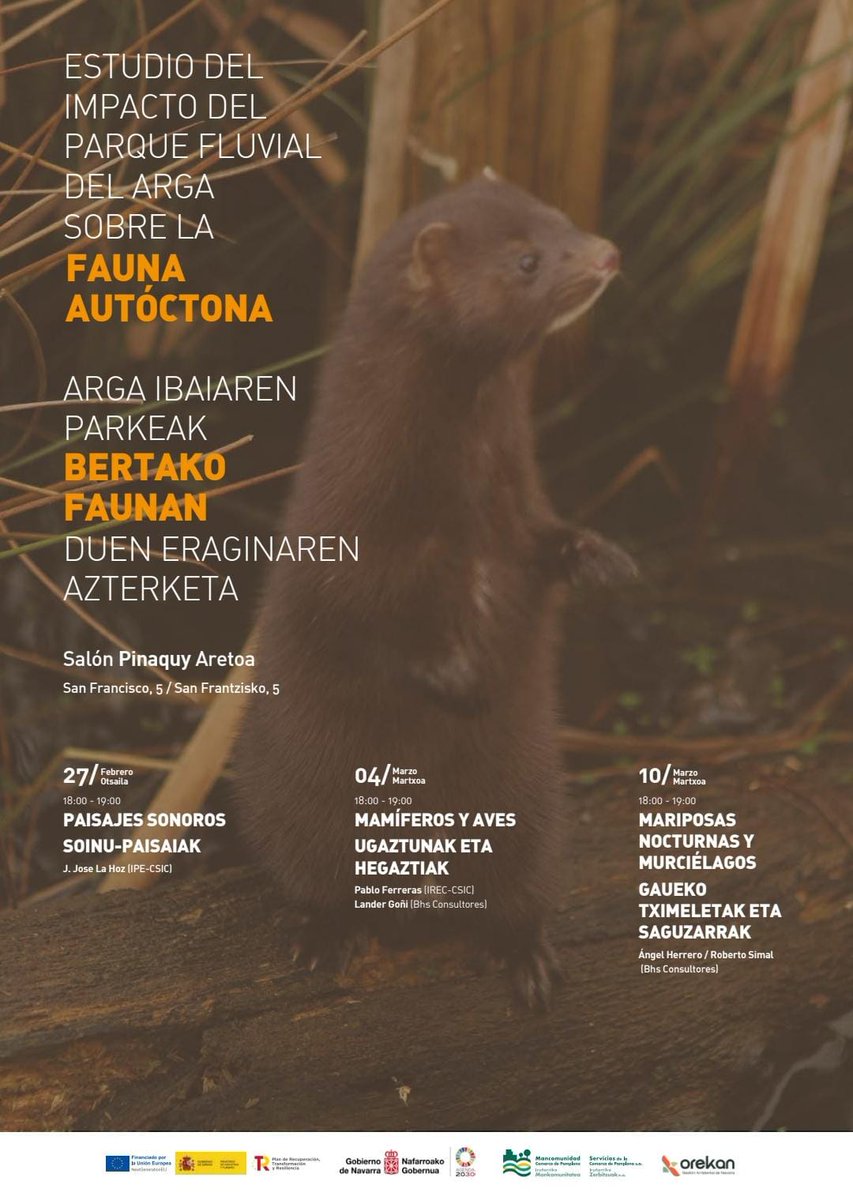
Treinta nuevas válvulas para regular la presión del agua de abastecimiento.
La reducción de presión prolonga la vida útil de las conducciones y aminora el riesgo de fugas de agua en la red.
mcp.es/agua/noticias/treinta…
1
41
Muy interesante. A traves de telelectura de contadores y IA se pueden detectar situaciones de riesgo en personas vulnerables

Desde @AEOPAS creemos que es fundamental visibilizar iniciativas que demuestran que la gestión pública del agua también puede convertirse en una herramienta de protección social, innovación y cuidado de las personas. El agua no solo garantiza un servicio esencial, también puede ayudar a detectar situaciones de vulnerabilidad, combatir la soledad no deseada y mejorar la atención a personas mayores, dependientes o en riesgo de exclusión.
Proyectos como el que recoge esta información reflejan cómo la tecnología y la sensibilidad social pueden caminar juntas para construir comunidades más humanas, inclusivas y comprometidas con quienes más apoyo necesitan. La transformación digital cobra todo su sentido cuando se pone al servicio de la dignidad y del bienestar de las personas.
Gracias a @josemaguilera por dar visibilidad a esta realidad y por acercar a la ciudadanía ejemplos de innovación social vinculados al ciclo integral del agua. Y gracias también a ABC Andalucía y ABC de Sevilla por abrir espacio a iniciativas que ponen a las personas en el centro.
📰 El contador de agua como escudo social para el cuidado de personas vulnerables
@ABC_Sevilla @abcdesevilla
#AEOPAS #AguaPública #EscudoSocial #InnovaciónSocial #PersonasVulnerables #GestiónPúblicaDelAgua #Andalucía #DerechoHumanoAlAgua
1
2
3
274
May 26
.. Y el río Udarbe podrá seguir siendo un río en verano.. 🐟🐟🪿🍃🩳
La MCP pone en marcha la configuración estival de suministro de agua.
Hasta noviembre se dejará de utilizar agua de Arteta para abastecer a la Comarca.
mcp.es/agua/noticias/la-mcp-…
162
May 17
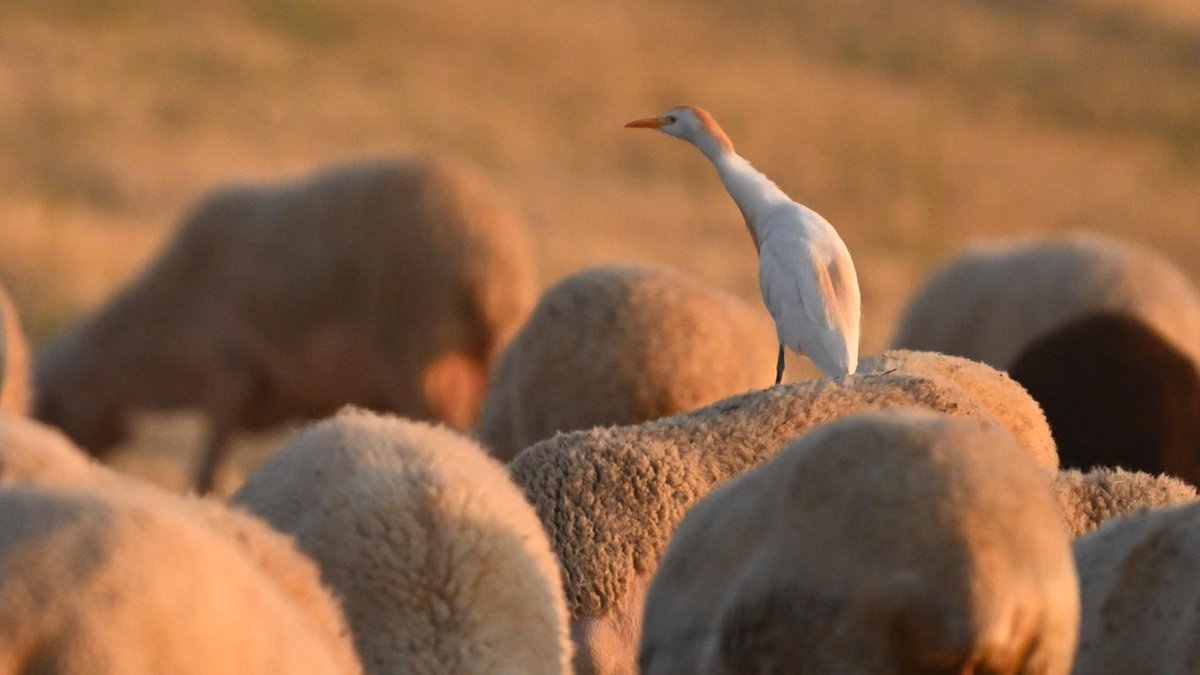
Muy interesante trabajo

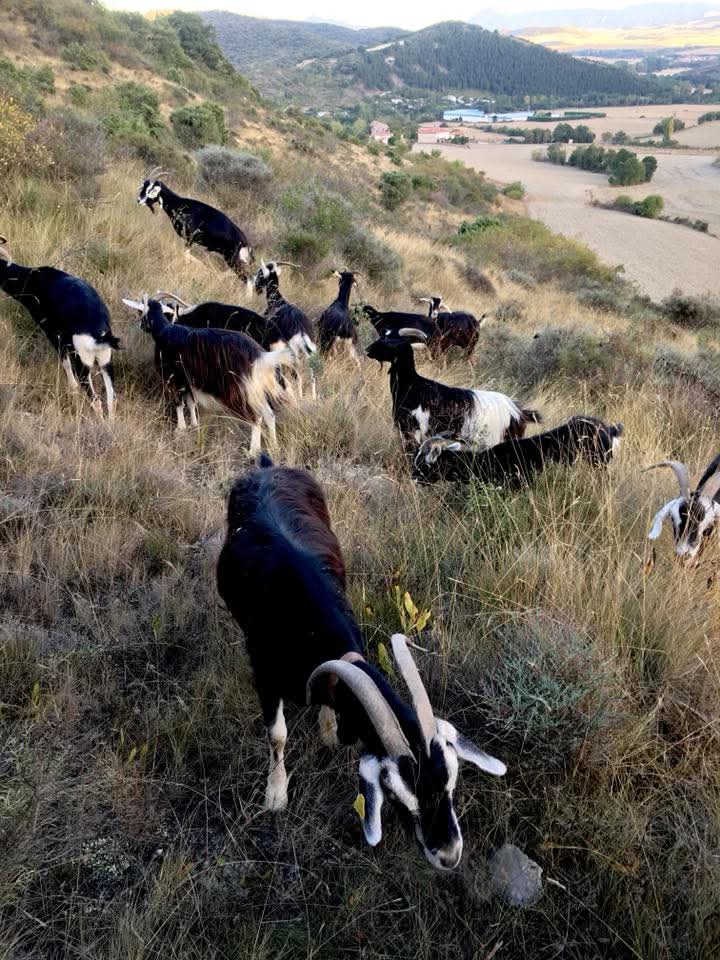
Los sistemas ganaderos tradicionales contribuyen salud ambiental al fomentar la biodiversidad y mitigar el riesgo de enfermedades. Los rumiantes en extensivo reducen las oportunidades de transmisión de patógenos en la interfaz entre la fauna, el ganado y las personas.
1
265
May 15
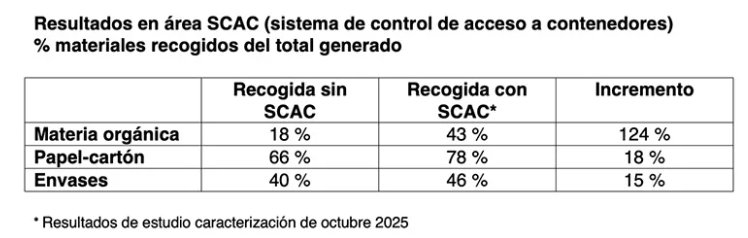
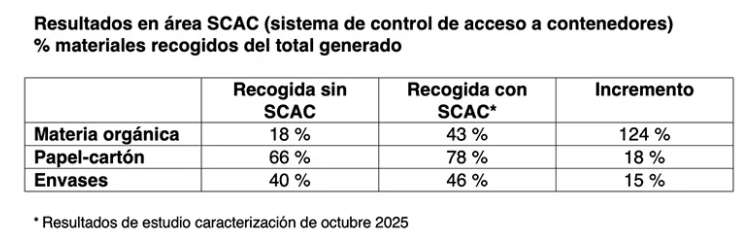
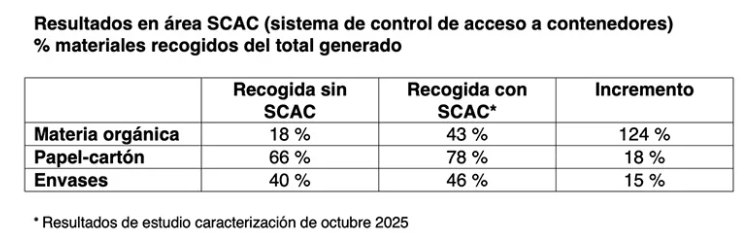
El estimulo está ligado a las tarjetas domiciliadas que anonimizamos tras batalla judicial. Es el único sitio dónde ha habido esa saña
Hoy ya bonificamos el compostaje y pronto lo haremos con la gente que participe con las tarjetas, Emaús, puntos limpios, etc.. ya falta menos

"Hace unos días recibí la factura del agua y los residuos y, aunque uno está curado de espanto con esto de las facturas, ya a primera vista me llamó la atención lo elevado de la cifra". Factura, por Jorge Nagore ✍️@JorgeNagoreF noticiasdenavarra.com/opinio…
243
David Campion retweeted

May 13
We have a carbon tunnel vision problem in food policy. New paper out today.
The short version: when GHG emissions become the only lens for evaluating food systems, we end up with policies that look climate-smart on a spreadsheet and fail in the real world.
A few of the things that get lost when CO₂e/kg is the only metric:
Nutrition. A large recent intervention trial found participants on the low-emission diet had greater inadequacies in B2, B6, B12, iodine, calcium, zinc, and selenium. Pregnant and lactating women are especially exposed on iron. Any policy that trades modest emissions cuts for worse nutrition in vulnerable groups isn't a sustainability policy—it's a sustainability failure.
Scale. Livestock in the West contributes 2.6% of global anthropogenic GHGs. A meat-reducing Westerner saves 1–6% on their total footprint. Diet is not the dominant climate lever in high-income countries. Housing, transport, and digital infrastructure are.
Carbon accounting. Biogenic methane from ruminants behaves differently in the atmosphere than fossil CO₂. Treating them as interchangeable under GWP100 misallocates mitigation effort. Stable ruminant herds don't add warming the way new fossil emissions do.
Land. Grasslands store 10–30% of global terrestrial soil organic carbon, often deeper and more fire-resilient than forest stocks. Well-managed grazing can sequester carbon while producing food. Tree-centric afforestation, when ill-conceived, can backfire—biodiversity loss, wildfire risk, even net warming from albedo effects in some contexts.
The path forward isn't defending the status quo of industrial livestock—the paper is explicit that reform is urgent and desirable. It's building policy on metrics that actually map to climate goals, account for nutrition, and respect regional context.
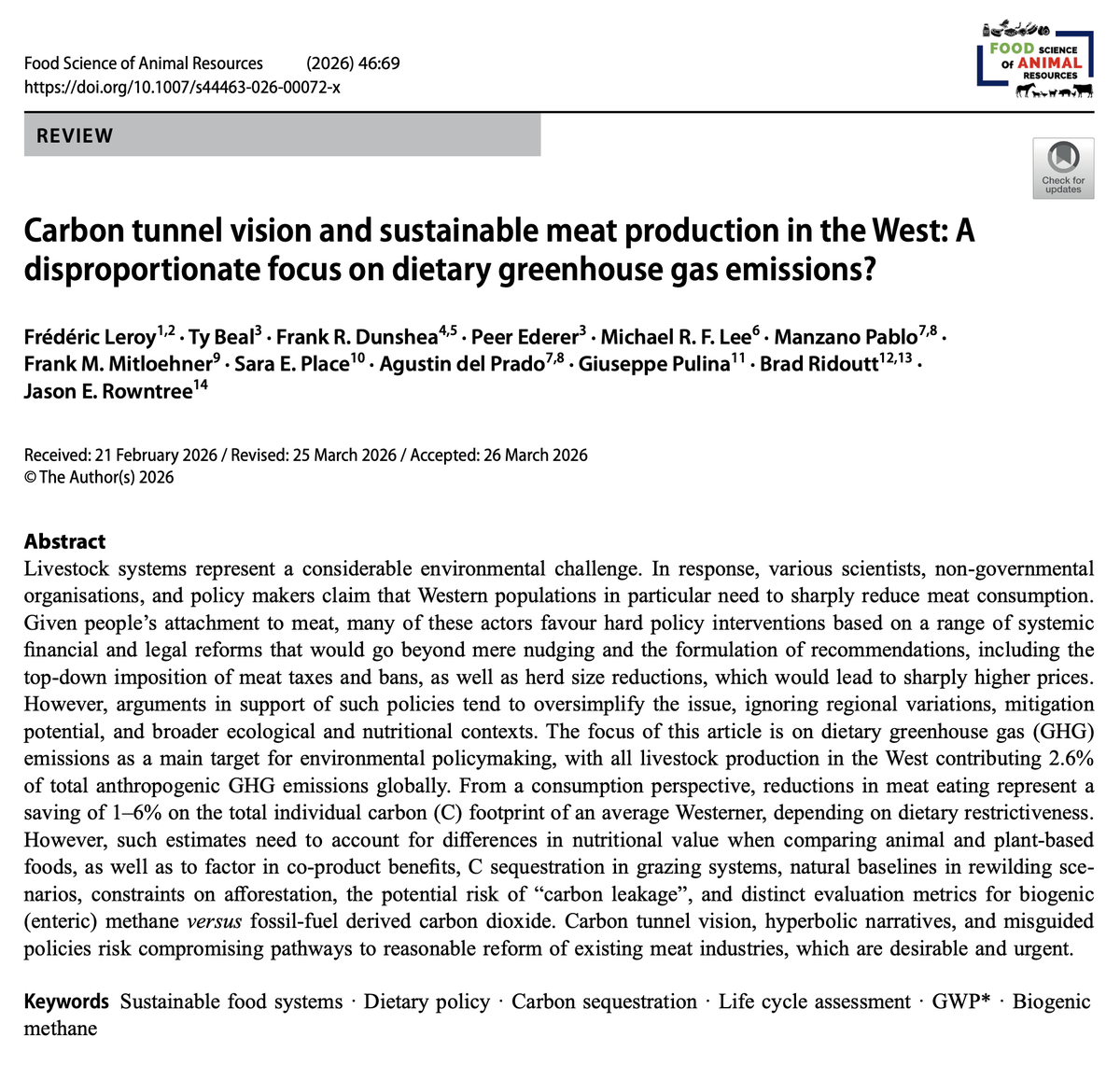
ALT Screenshot of the title page of a 2026 scientific review paper titled "Carbon tunnel vision and sustainable meat production in the West: A disproportionate focus on dietary greenhouse gas emissions?" published in the journal Food Science of Animal Resources.
13
32
86
10,355
May 11
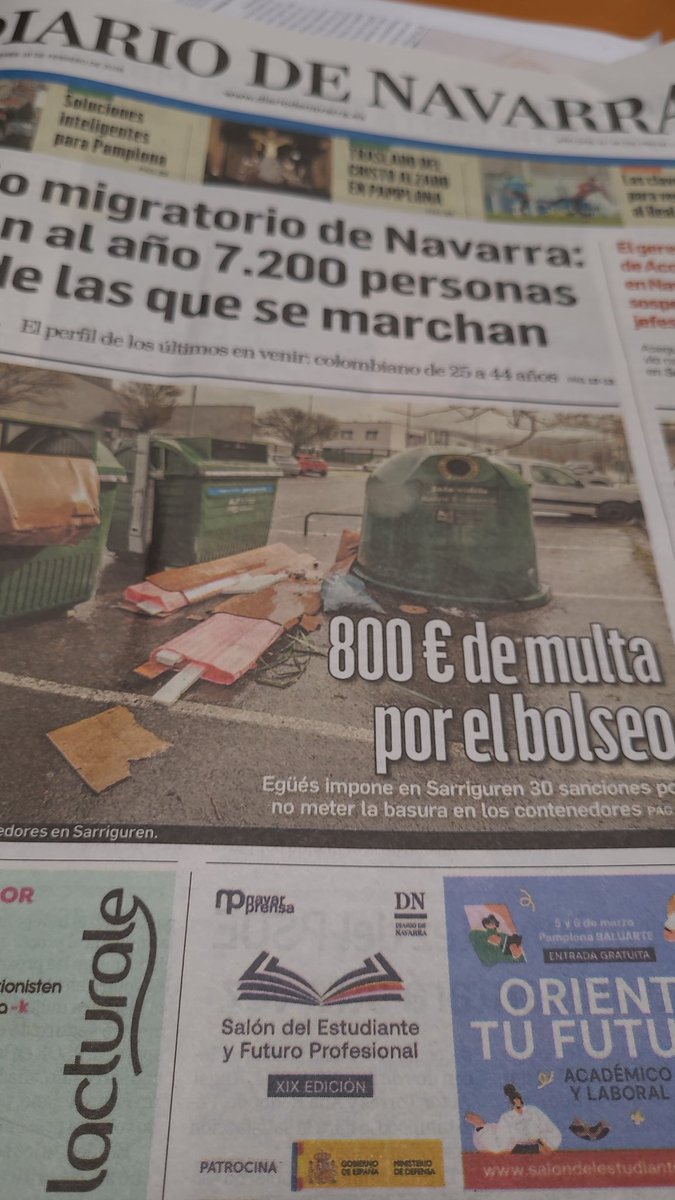
Bruselas afirma que "el problema real es la gente que saca las bolsas fuera del horario establecido, no las cierra bien o deja muebles o enseres abandonados en las aceras"
Da igual el sistema , siempre es el incivismo. Y hay que concienciar y perseguir
elpais.com/internacional/202…
3
118
La UE debería considerar inaceptable que sus alimentos dependan de:
- Gas fósil (para fertilizantes) que no posee en su territorio
- Rutas marítimas que no controla y
- Proveedores externos
Acertado análisis..---->
transicionagroecologica.subs…
81
Seguimos
Karbono-neutraltasunerako estrategia berrikusi du IMk 2026-2030 aldirako.
Trantsizio Ekologikorako Ministerioaren ‘Kalkulatzen dut, murrizten dut eta konpentsatzen dut’ zigilua jaso du erakundeak zazpigarren urtez jarraian.
mcp.es/eu/mankomunitatea/alb…

161
Apr 29
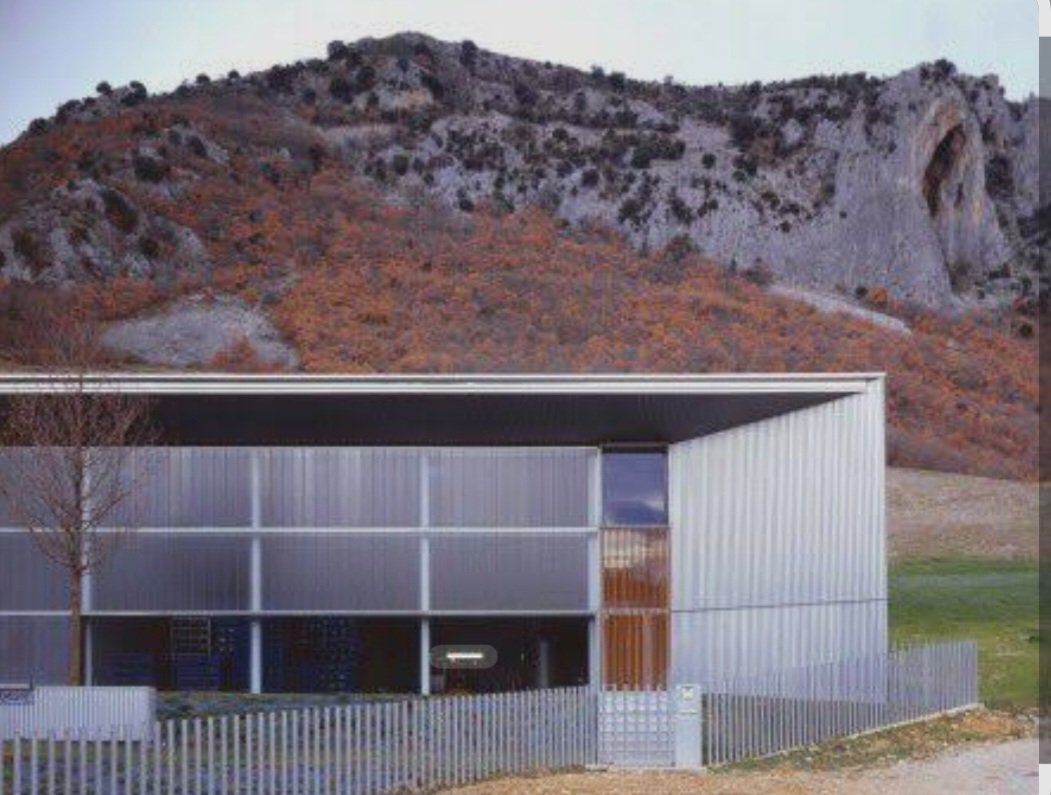
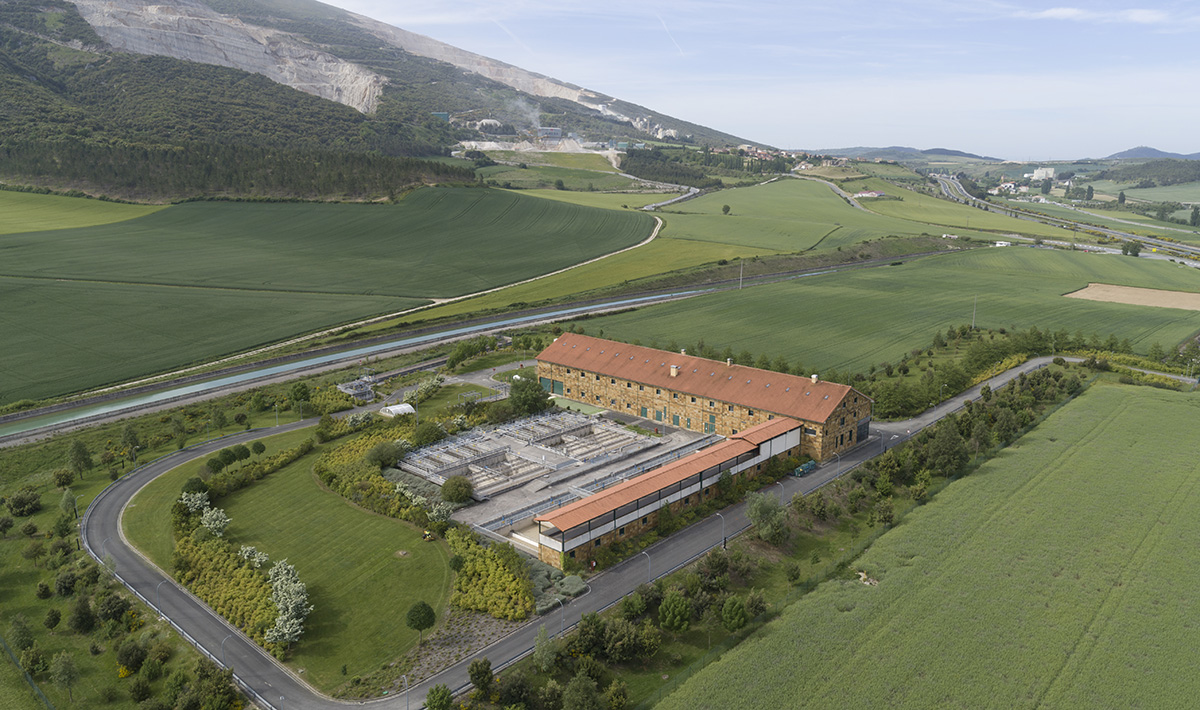
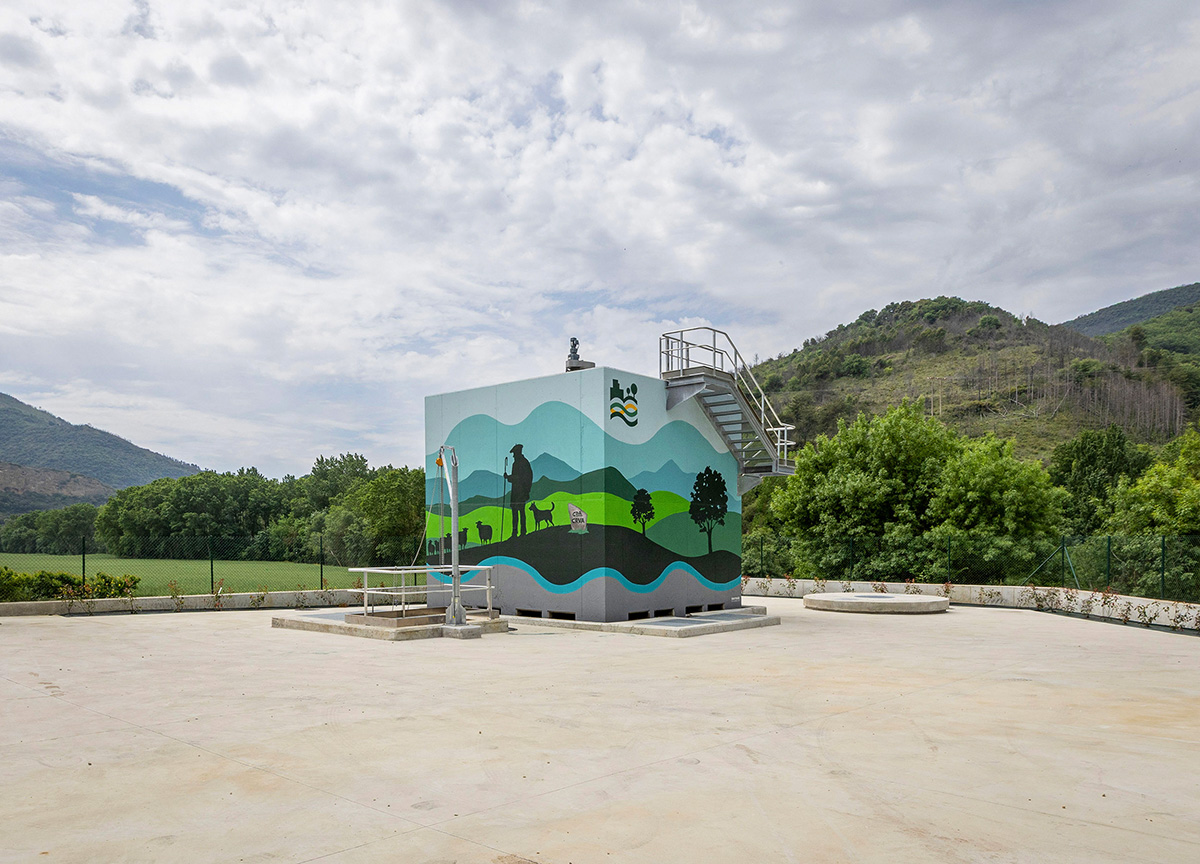
Y además con una estetica bien chula, de homenaje a pastores y a la cañada
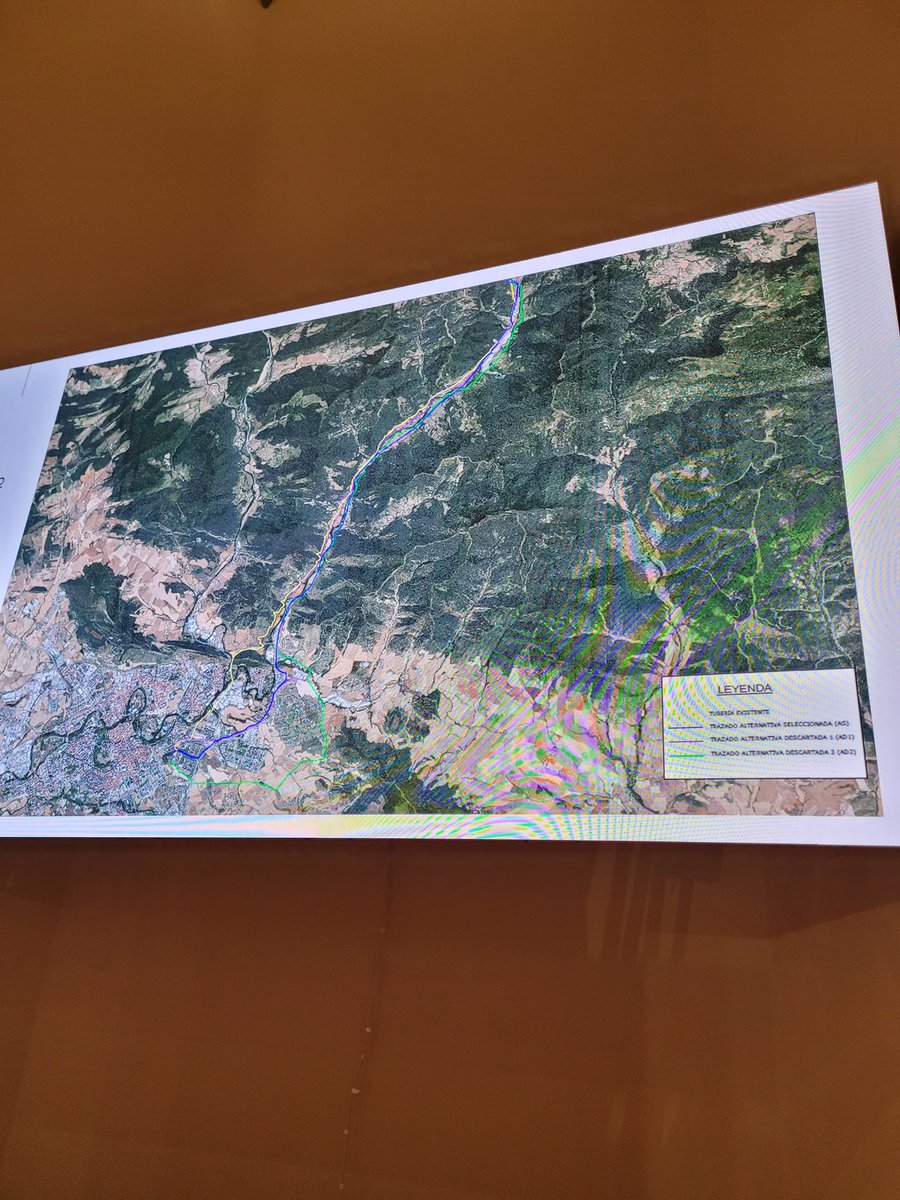
La MCP presenta el sistema de depuración de aguas residuales de Belascoáin.
Cuenta con una estación depuradora de aguas residuales con tratamiento biológico.
mcp.es/agua/noticias/la-mcp-…
1
292
Apr 19
Bastante de acuerdo
Apr 19

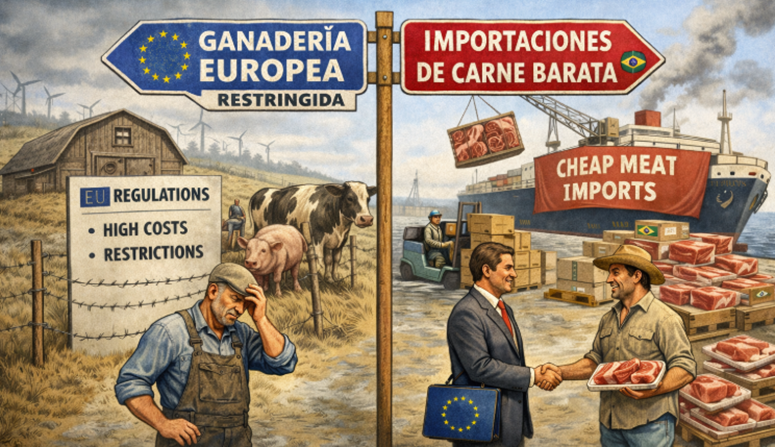
1 Estamos cometiendo un error estratégico de primer orden: sustituir ganado local por carne importada. No es solo economía. Es territorio, fuego, biodiversidad y control del sistema alimentario.
Europa prohíbe, regula y encarece su ganadería… y luego importa carne de fuera para sustituirla. Si parece incoherente, es porque lo es.
1
133
David Campion retweeted

Apr 15
📽️🎙️En #HoyporHoyNavarra con el presidente de la Mancomunidad de la Comarca de Pamplona, David Campión @MCP_info @DavidJCampion
Mirando a las campañas para evitar el bolseo
Entrevista completa en sernavarra.com
1
184
Apr 12
Guau, vaya carrerón
Apr 12

Aquí tienen la crónica sobre una Roubaix histórica. La del desempeño salvaje de Tadej, la de Mathieu disfrazado de Superman, la de Wout van Aert exorcizando desgracias. Una tarde preciosa. Lean, comenten y compartan, por favor
elconfidencial.com/deportes/…
1
1
113
Un medio con en el que no había trabajado aun!
soydenavarra.es/pamplona-com…
141
No es lo que producimos, sino el sistema. 🐄🍉🥒🐽
theconversation.com/tonelada…
1
110
Mar 30
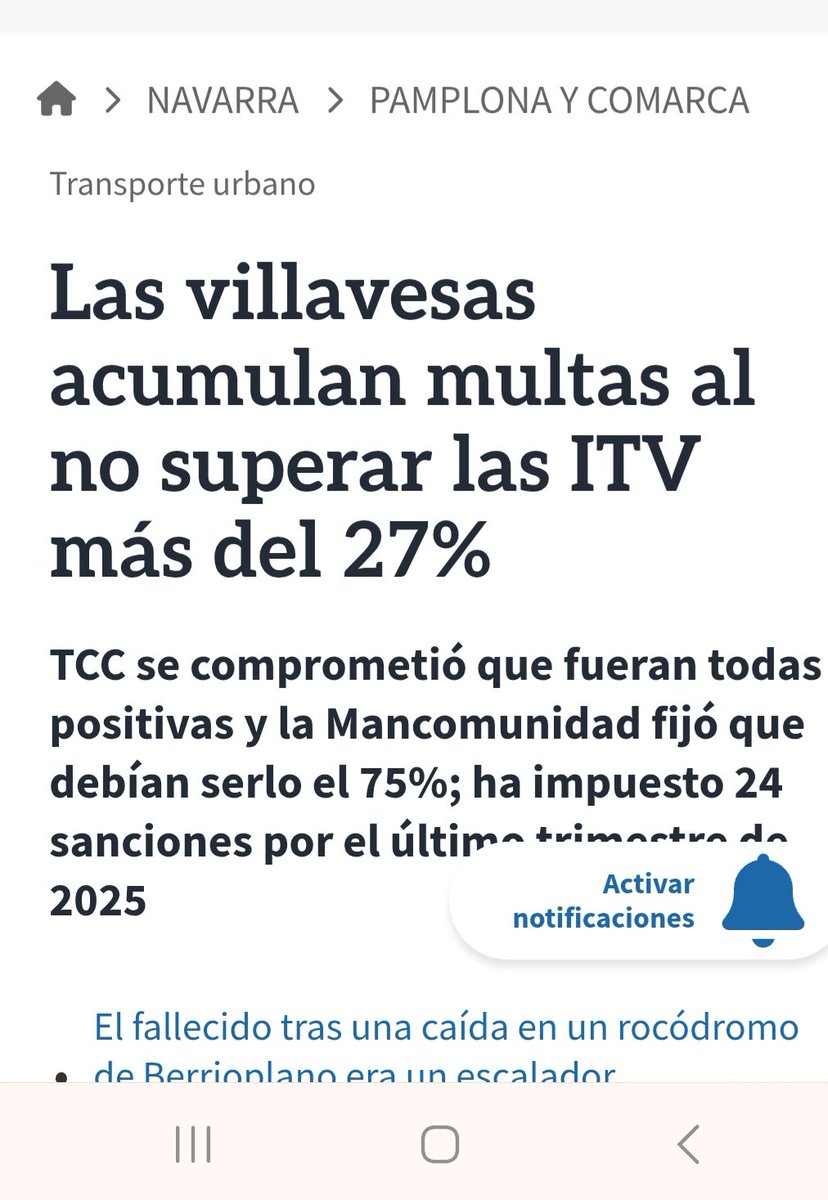
Lo comprometido es deuda.
Trabajo compartido entre MCP, TCC y plantilla
noticiasdenavarra.com/navarr…
163
Mar 29
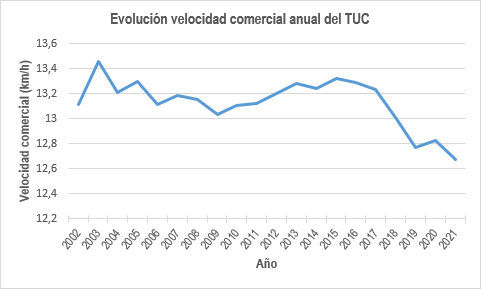
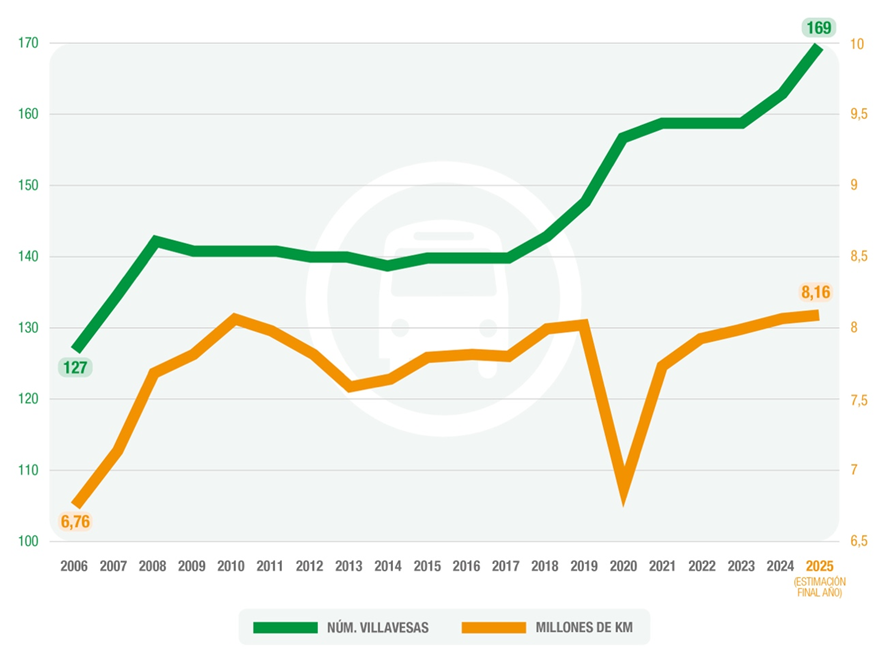
1000 coches MÁS cada año en Pamplona.
Y aun hay quién se pregunta porqué el #transportepublico va cada vez más despacio.
noticiasdenavarra.com/pamplo…
9
5
9
1,201

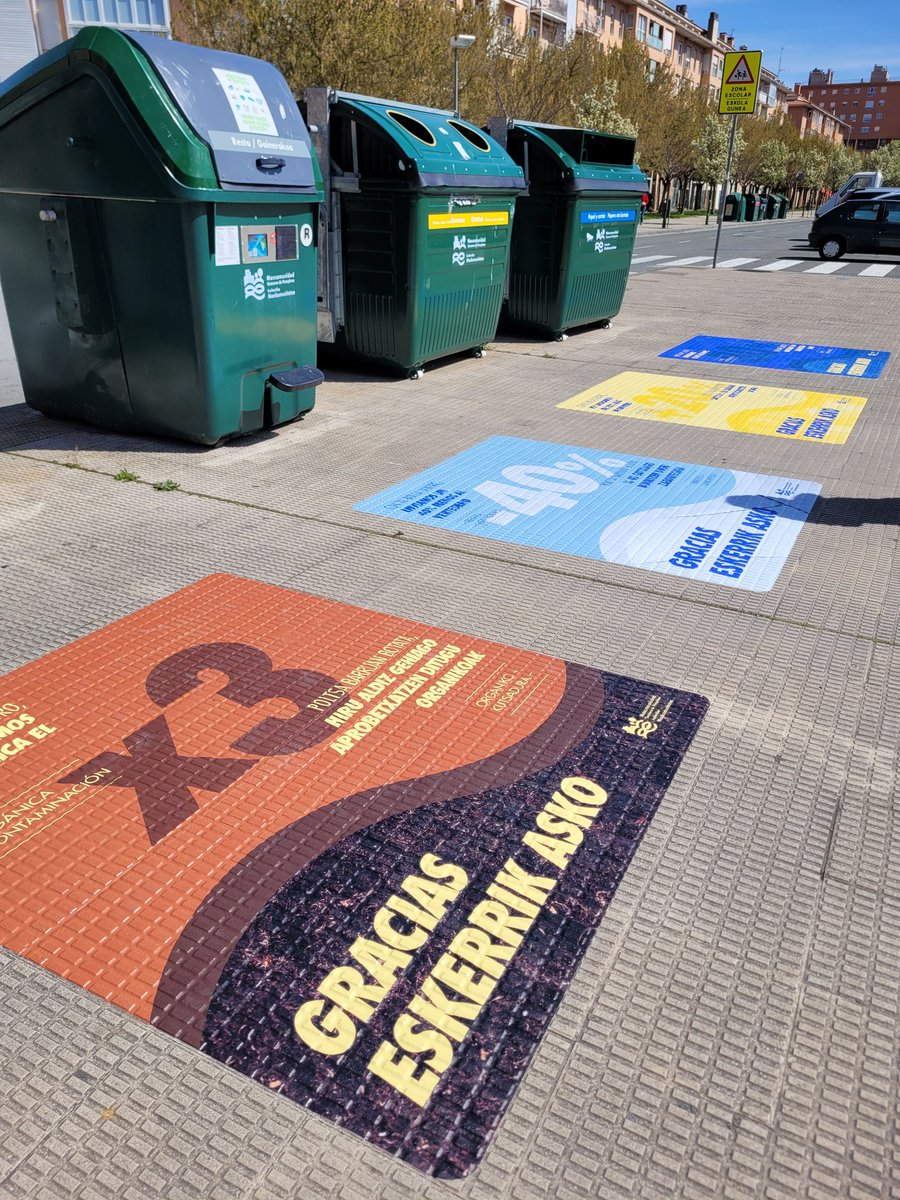
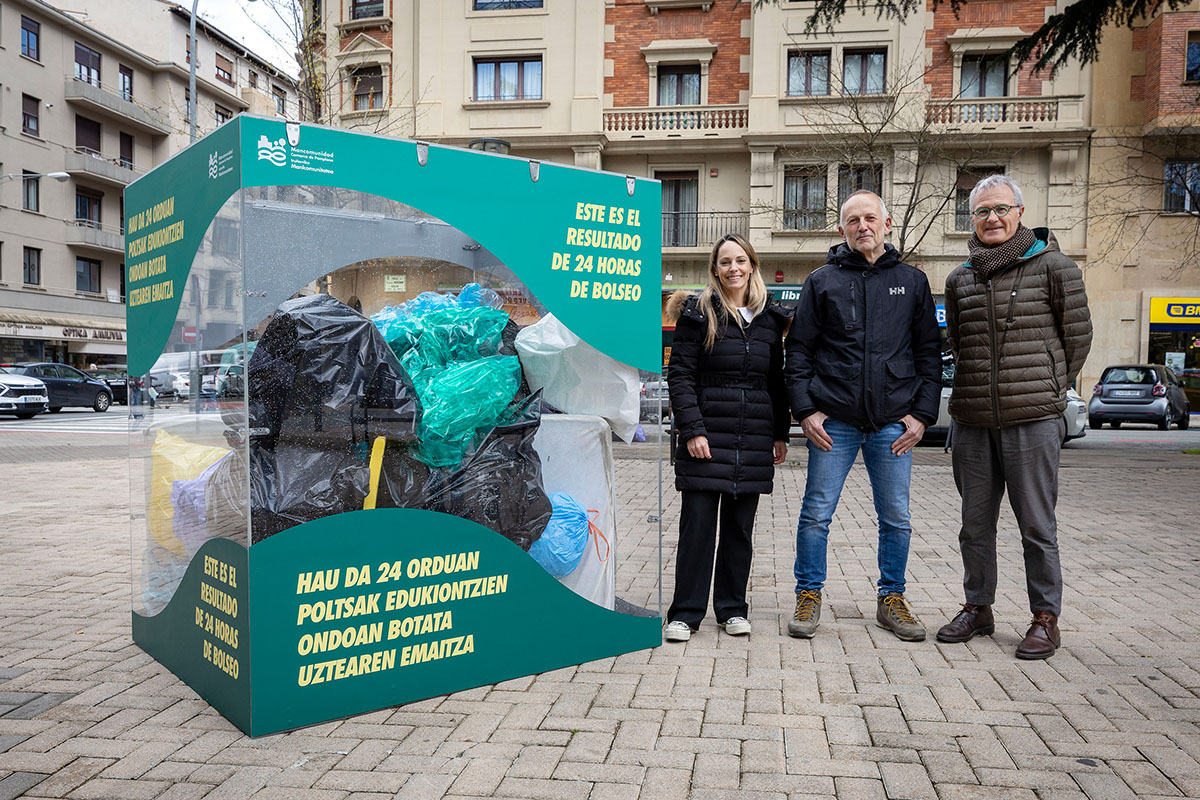
La Mancomunidad pone en marcha un conjunto de acciones para combatir el bolseo.
Las medidas se realizarán a lo largo del año en coordinación con ayuntamientos de la Comarca.
mcp.es/residuos/noticias/la-…
2
1
2
213