
Joined June 2009
- Tweets 1,086
- Following 260
- Followers 237
- Likes 93,751
145 Photos and videos




Pinned Tweet

23 Feb 2023
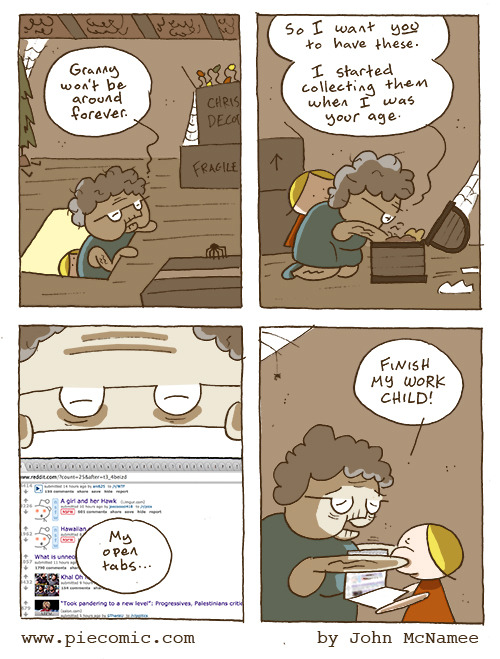
🧵 on Web Browser #UX: #TooManyTabs
𝗗𝗼 𝘆𝗼𝘂 𝗵𝗮𝘃𝗲 𝘁𝗼𝗼 𝗺𝗮𝗻𝘆 𝘁𝗮𝗯𝘀 𝗼𝗽𝗲𝗻?
Years ago, I discovered the solution!
No browser on the market has truly solved this problem.
Part 1: What’s the problem?
Part 2: The solution!
Part 3: Flow Browser
20 Sep 2022

1. Flow Browser (thesis project): The zoomable Web browser that automatically organizes your tasks.
This is the latest in my quest to redesign Web browsers (and computers in general).
medium.com/david-regev-on-ux…
2
1
11
5,766
Looking at the replies, it seems like many people are ignorant of the fact that non-Ashkenazzi kids wear a ṭalleth¹ from an early age. Why wait?
Also, a “טלית קטן” [sic] is not a valid substitute: it’s too small to fulfill the obligation.² That also means that “על מצות ציצית” is a ברכה לבטלה for another reason (other than being made up).
All that said, there’s no obligation of ציצִת unless you’re wearing a 4-cornered garment (even for women³). And there’s no obligation to wear such a garment, even while praying. It’s just a nice custom.
¹ x.com/DavidRegev/status/1680…
² sefaria.org/Menachot.40b.13
³ This is the Sages’ view. See sefaria.org/Tosefta_Kiddushi… and parallel Talmudic passages.

Hear me out: Ashkenazi Orthodox Jewish men should get a Tallis once they hit a certain age like 30, regardless of their marital status. Why keep delaying the mitzvah? Plus it must feel awkward being one of the only guys in shul without one.
2
10
1,712
David Regev · דָּוִ֖דֿ רֶֽגֶֿבֿ retweeted
1. 𝕏 = { 𝑥 ∣ 𝑥 = 𝑥 } (“𝕏 is the set of all things”)
2. Let 𝑅 = { 𝑥 ∈ 𝕏 | 𝑥 ∉ 𝑥 }
3. 𝑅 ∈ 𝑅 ⟺ 𝑅 ∉ 𝑅 (Russell’s Paradox)
4. ∄𝕏
In other words, 𝕏 doesn’t exist. Thanks a lot, Elon!

1
4
141
David Regev · דָּוִ֖דֿ רֶֽגֶֿבֿ retweeted

Jun 2
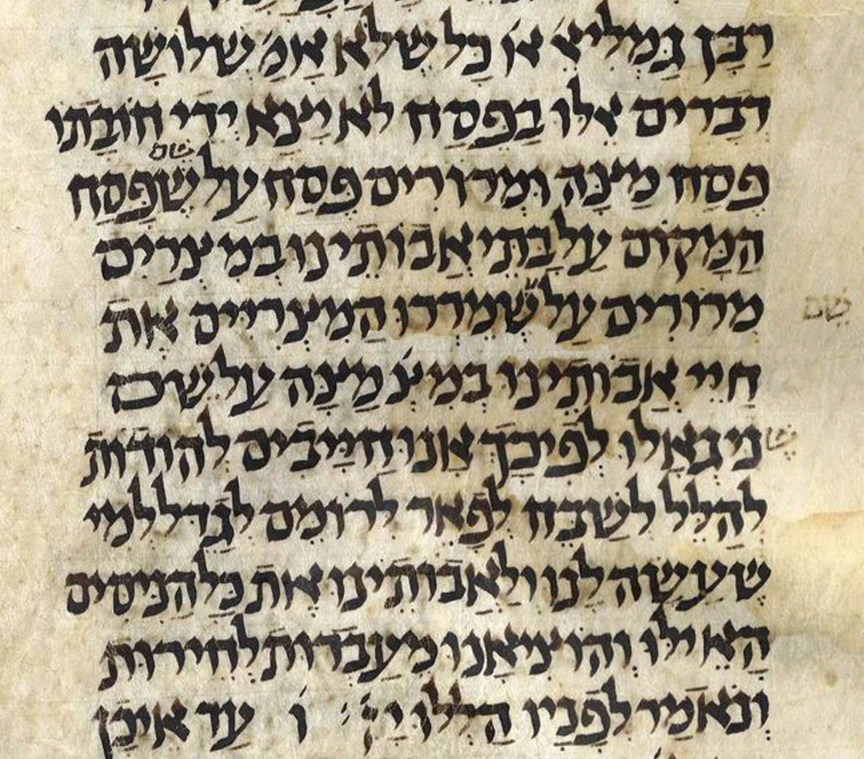
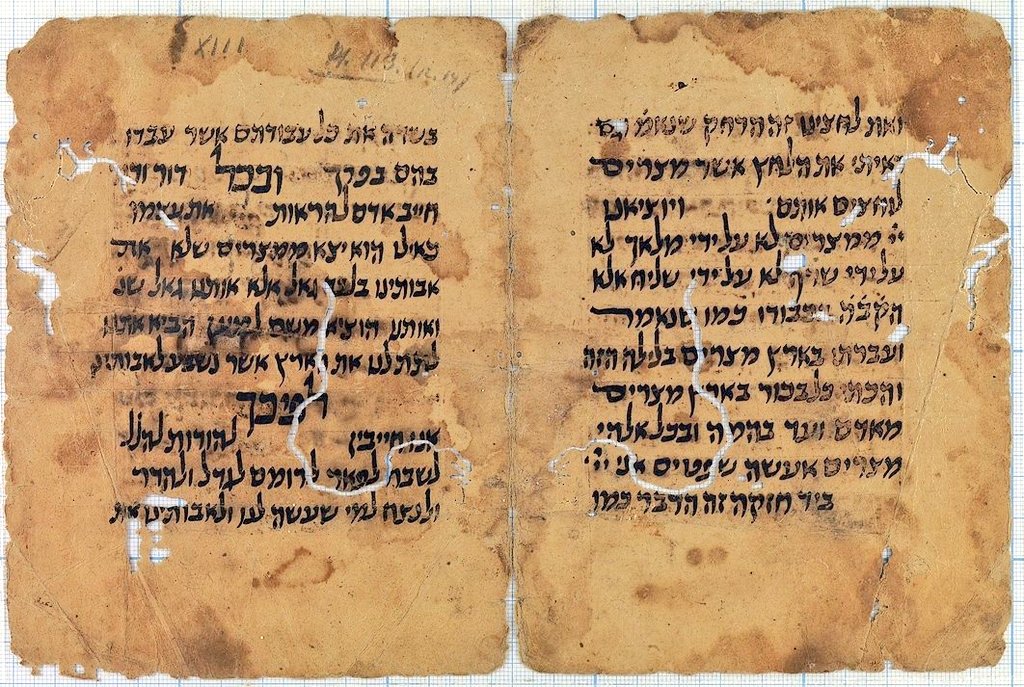
Cairo Geniza Gems #3
Pages from one of the most important Jewish texts that isn't the Tanach, Mishna, or Talmud, found in the Cairo Genizah (9th-19th centuries CE).
Can you identify it? 📜
(Answer in the ALT of the picture.)
10
15
72
2,499
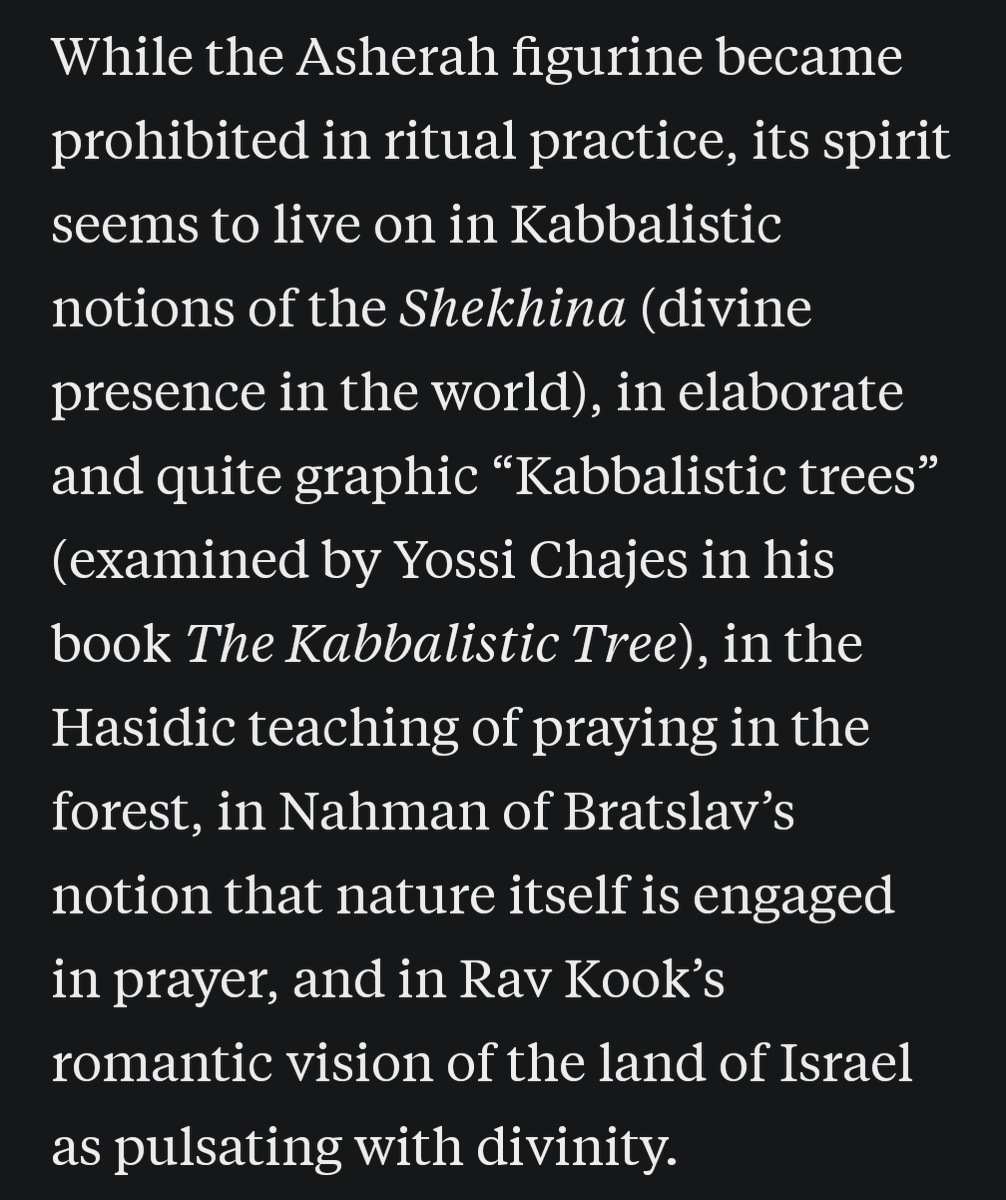
Using “Qabbalah” to justify literal idolatry…who could have predicted that‽
Jun 1

4
5
999
Is the institution of בעל קִריה valid?
Nowadays, being called to the Torah generally means that you recite two blessings but someone else reads the Torah as your proxy. You basically do nothing—yet everyone congratulates you!
I was recently asked on here about this. I’ve also been meaning to write about it for a while, as it gets to the core of what public Torah-reading is all about.
This thread is essentially my responsum.
10
15
3,257
An update on the meaning of “מקרין”:
x.com/DavidRegev/status/2049…
Finally! You made a very good textual point that I somehow missed.
מִי שֶׁהָיָה עֶבֶד אוֹ אִשָּׁה אוֹ קָטָן מַקְרִין אוֹתוֹ, עוֹנֶה אַחֲרֵיהֶן מַה שֶּׁהֵן אוֹמְרִין, וּתְהִי לוֹ מְאֵרָה. אִם הָיָה גָדוֹל מַקְרֵא אוֹתוֹ, עוֹנֶה אַחֲרָיו הַלְלוּיָהּ:
We clearly see that “מַקְרֵא” here means that someone answers הללו־יה. As to whether that can mean that someone says absolutely nothing, I’d need to see clear evidence.
At this point, I would say that מקרין is at best inconclusive, though I would lean towards saying that it means that you answer something. The Geonic responsum thought like me. Either way, my other points about the comparison to Bikkurim still stand (as well as the Rosh’s rejection of the comparison).
Yoshiyahu? Please explain.
1
82
Addenda:
In the Mishnah with the first-fruits recitation, I claimed that “מַקרין/ם” must mean “dictate”, and so the person bringing the first fruits must also respond, rather than merely listen. I argued this by analyzing the use of the word elsewhere.
This was completely unnecessary, as the Mishnah’s exegetical source (preserved in the Siphré) is actually explicit:
מִכָּן אָמְרוּ: בָּרִאשׁוֹנָה כָּל מִי שֶׁהוּא יוֹדֵעַ לִקְרוֹת קוֹרֵא, וְשֶׁאֵינוֹ יוֹדֵעַ לִקְרוֹת מַקְרִים אוֹתוֹ. נִמְנְעוּ מִלְּהָבִיא. הִתְקִינוּ שֶׁיְּהוּ מַקְרִים אֶת הַיּוֹדֵעַ וְאֶת מִי שֶׁאֵינוֹ יוֹדֵעַ. סָמְכוּ עַל הַמִּקְרָא: וְעָנִ֨יתָ, אֵין עֲנִיָּה אֶלָּא מִפִּי אֲחֵרִים.
sefaria.org/Sifrei_Devarim.3…
Basically, “וְעָנִ֨יתָ וְאָמַרְתָּ֜” is now being reinterpreted as “you shall answer and you shall say”. In other words, it’s a recitation that is a response to someone else dictating.
This makes it clear that the recitation of the first fruits is not done by listening alone but by responding.
This confirms that the Mishnah indeed disagrees with Philo. As for who was historically right, I don’t know!
36
Similarly, when discussing the concept of שומע כעונה, I argued that an oral response is implied. What I missed is that, if you search for the term “שמע ולא ענה”, you get a much more exhaustive list of sources for this concept:
sefaria.org/search?q=ש%…
For one, here’s the original Tannaitic source, which appears in its entirety only in the Palestinian Talmud:
שָׁמַע וְלֹא עָנָה יָצָא. עָנָה וְלֹא שָׁמַע לֹא יָצָא.
sefaria.org/Jerusalem_Talmud… & sefaria.org/Jerusalem_Talmud…
This formulation already makes it clear that a response is necessary for שומע כעונה.
Moreover, the vast majority of the cases where this concept is used refer to hallel (which has a response, if you do it correctly, as Yemenites do). Two texts use it in the context of “Three Blessings”, a.k.a. ברכּת המזון (which also has a response, if you do it correctly).
There is only one text that uses it in a different context: Josiah is said to have read a text even though he merely heard Shaphan reading it. This may sound like recitation is not necessary, but it’s important to remember that this is merely one rabbi’s attempt to find a biblical source for a legal precept. The actual usage of the precept, along with the explicit wording in the original Tannaitic source, shows that a response really is necessary.
1
37
The application of שומע כעונה in the context of ברכּת המזון is a reminder that the common practice is mistaken in a manner similar to how Torah reading is generally done: just like reciting two blessings without actually reading the Torah is basically doing nothing, reciting two lines for זמון and nothing else is also basically doing nothing.
The Sages didn’t institute זמון—and emphasize that it should be done when three people eat together but not fewer—all for two lines. The whole point is that those lines are an invitation for everyone to listen to the one person reciting ברכּת המזון for everyone else.
Ironically, in this situation, you actually are supposed to let someone else recite a text for you, because the Sages actually instituted that—the opposite of Torah reading.
24
💯%👇
Qaddish has less to do with mourning than the coo of a mourning dove.
Having mourners recite it is based on medieval non-Jewish German beliefs about purgatory. It is not based on halakhah or the theology/ies of the Sages—they couldn’t even agree on the nature of the World to Come!
By the way, performing acts “לעלוי נשמת” has the same issue. It’s ridiculous and won’t help the dead.
See also: thetorah.com/article/the-sub…
May 25

1/7
Kaddish is the prayer Jews say for the dead.
But the Mourner's Kaddish never mentions death.
Not the deceased. Not the soul. Not the afterlife. Not grief, not loss, not the bereaved.
The entire prayer is praise of God's name. 🧵
1
4
696
Also:
One note: the original text was probably Hebrew. Parts of it appear in a very small number of places in rabbinic literature. For example:
וּמִנַּיִן לָאוֹמְרִים ״יְהֵא שְׁמוֹ הַגָּדוֹל מְבוֹרָךְ״ שֶׁעוֹנִים אַחֲרֵיהֶם ״לְעוֹלָם וּלְעוֹלְמֵי עוֹלָמִים״, שֶׁנֶּאֱמַר: הָבוּ גֹדֶל לֵאלֹהֵינוּ.
sefaria.org/Sifrei_Devarim.3…
68
משנה: בַּעֲצֶרֶת ״שִׁבְעָ֥ה שָׁבֻעֹ֖ת״.
sefaria.org.il/Mishnah_Megil…
Note how there’s nothing about reading the Decalogue on שבועות. We read a passage that’s actually about שבועות.
תוספתא: בעצרת ״שבעה שבועות״, ויש אומ׳ ״בחדש השלישי״.
sefaria.org.il/Tosefta_Megil…
So, there was a minority opinion to read the Decalogue instead. This view was so fringe that the Tosephta doesn’t even name its holder and the Mishnah completely leaves it out!
Meanwhile, hundreds of miles away and many centuries later:
תלמוד בבלי: וְהָאִידָּנָא דְּאִיכָּא תְּרֵי יוֹמֵי, עָבְדִינַן כְּתַרְוַיְיהוֹ וְאִיפְכָּא.
sefaria.org.il/Megillah.31a.…
From what I can tell, it looks like the Babylonians brought back the sectarian view (as seen in Jubilees) equating שבועות with the Sinai theophany.
Local Orthodox Rabbis today:
Come to hear the ten commandments on שבועות! Bring your children! Stay up all night studying the Torah! But don’t worry about falling asleep, because you’ll be standing up to hear this very important reading!
(Insert Maimonidean statement about sick people in Baghdad.)
2
166
Based on my amateur research, snakes and scorpions do not deposit venom in the water that they drink.
Assuming that this was the true reason for the decree against uncovered liquids, this is probably one of those decrees that should be abolished or updated when the Great Court is reestablished in the future.
May 10

It is forbidden to drink water, wine, and milk that was left uncovered for the amount of time it would take for a snake to emerge, drink, and return to its hole.
#DafYomi 10a
3
1
975
David Regev · דָּוִ֖דֿ רֶֽגֶֿבֿ retweeted

May 7
Don't worry, your Israeli mom says it's kosher. 🤣
Credit: zeya_comedy
16
22
305
28,098
David Regev · דָּוִ֖דֿ רֶֽגֶֿבֿ retweeted

May 5
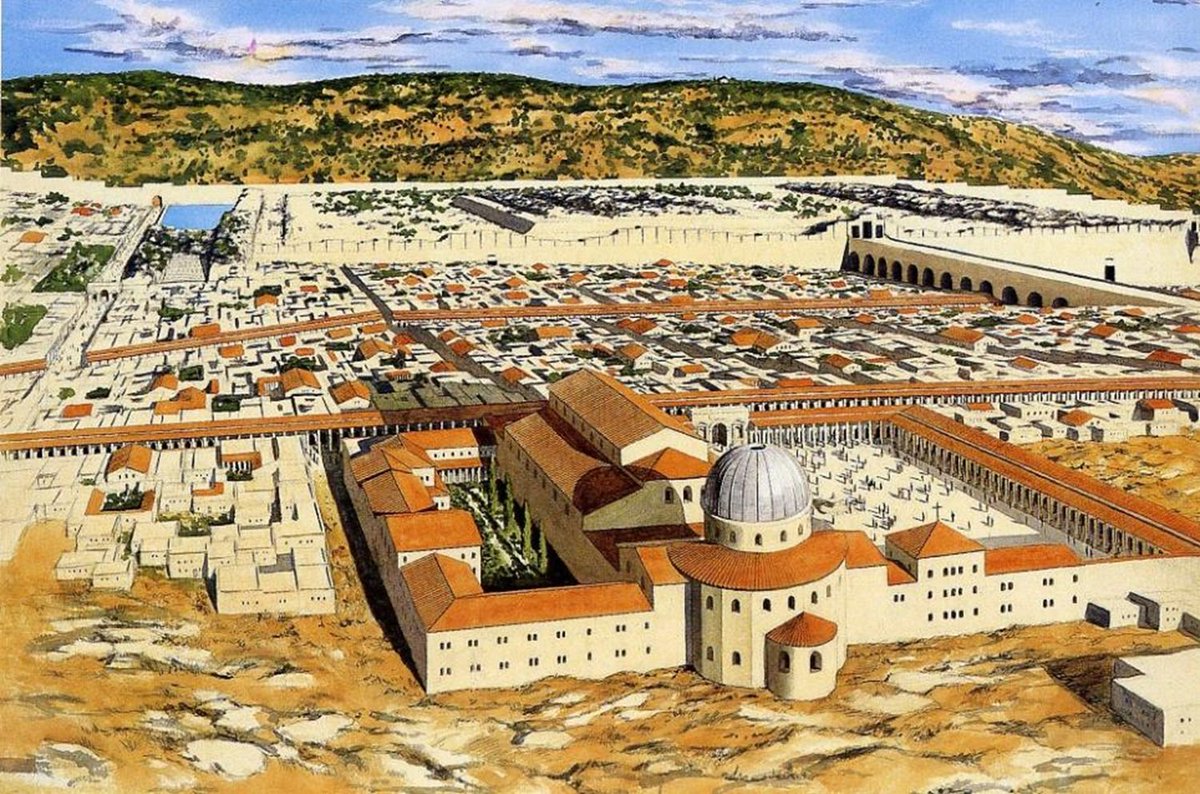
On this day, 18 Iyar 363 CE, a great earthquake rocked the Levant.
Countless people were killed, and buildings collapsed.
Among the structures destroyed—so it seems—was the Third Jewish Temple, then under construction in Jerusalem at the order of the Roman emperor Julian (“the Apostate”).
The anniversary of the tragedy—so it seems—was marked by Jews through an annual fast day.
Wishing a meaningful day to all those who commemorate it.
9 May 2023

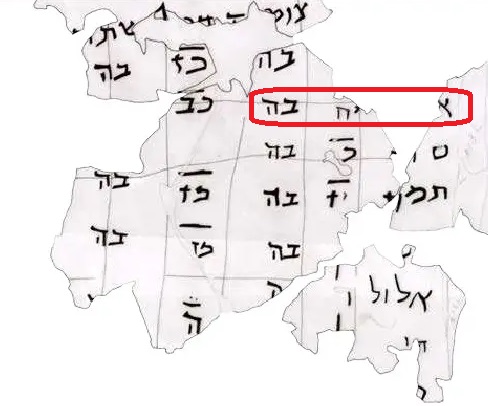
Today is the 18th of Iyar according to the Jewish calendar, which is widely celebrated as a minor holiday called “Lag Ba‘Omer” #LagBaomer
It seems, however, that the date was originally commemorated as a fast day and a day of mourning.
A🧵1/7
5
8
65
6,150
רִבִּי שמעון *בן* יוחי
The “בר” should’ve been a red flag to anyone who’s ever read Tannaitic literature.
6
1
15
3,907