
A nonpartisan project based out of @FAScientists working to develop & implement innovative and actionable ideas in science and technology policy.
Joined October 2019
- Tweets 1,809
- Following 336
- Followers 2,045
- Likes 1,309
33 Photos and videos



Pinned Tweet

5 Dec 2022
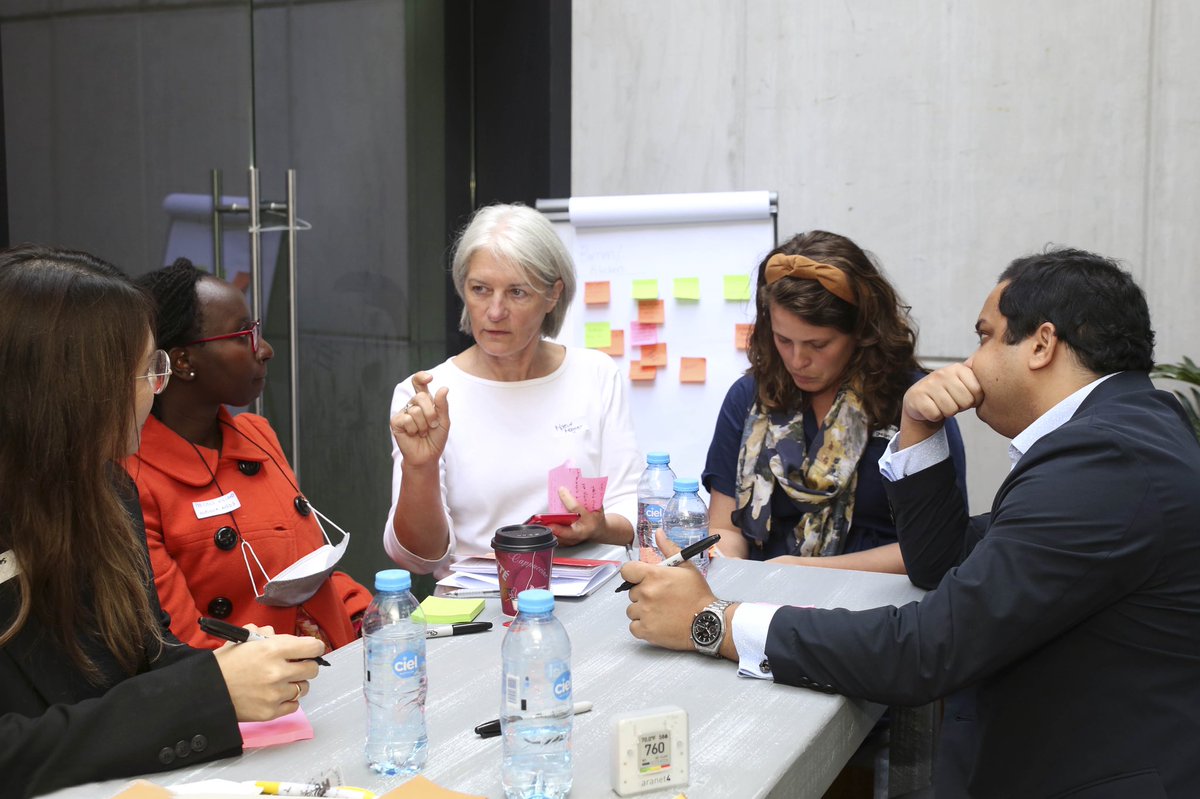
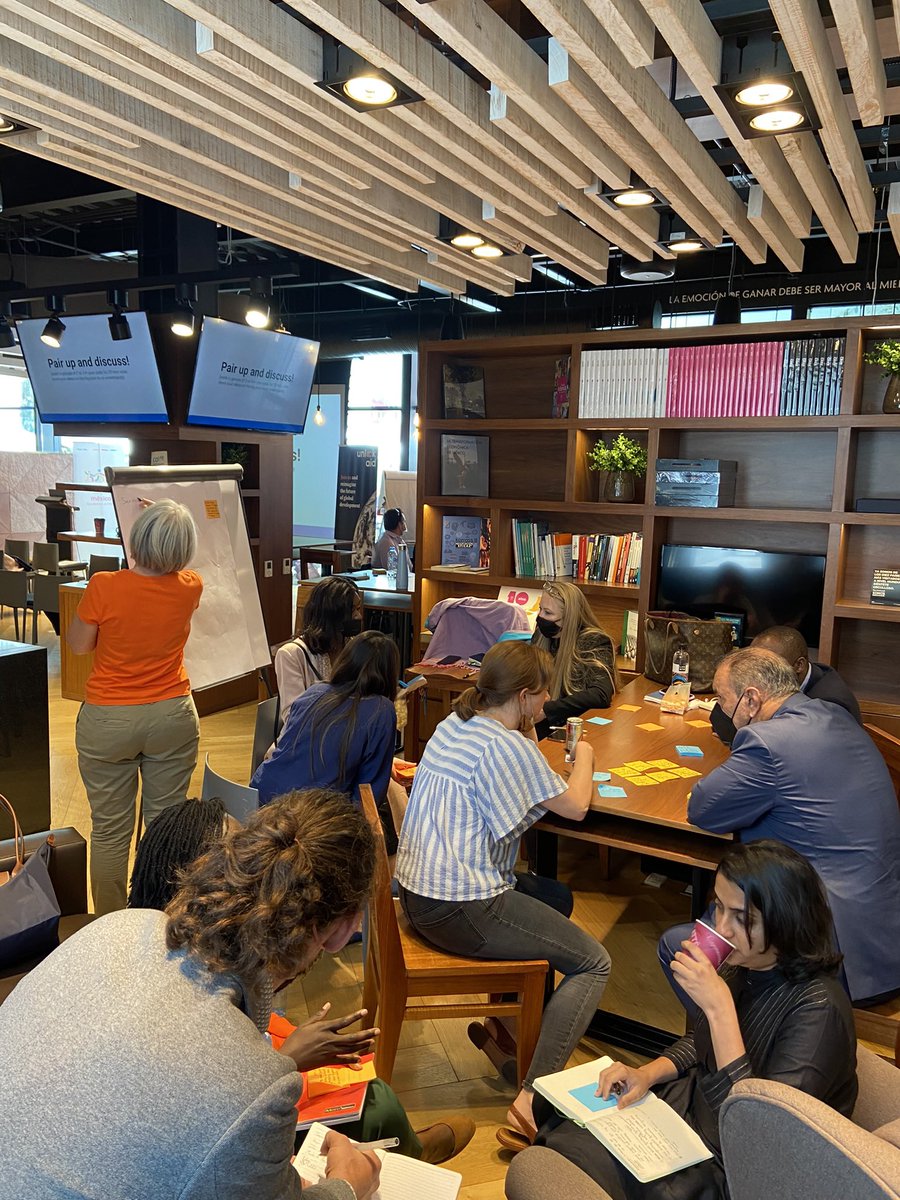
Crucial policies are too often set by the same few people talking to each other. Our Science Policy x Equity Accelerator will break that cycle. Join us, @FAScientists, and @TheNext100 to get underrepresented voices in climate and health policy heard 🧵
dayoneproject.org/accelerato…
1
7
9
29 Jun 2023
As biotechnology advances, consumers face a myriad of new ingredients and labels to parse through at the supermarket. The USDA should clarify these labels to improve customer knowledge.
fas.org/publication/protecti…
1
2
314
26 Jun 2023
Preventing opioid relapse and overdose post-release can prevent recidivism, and improve an individual’s life after time in jail. However, cost, accessibility, and distribution barriers to MOUDs make solving this facet of the opioid epidemic difficult.
fas.org/publication/health-c…
278
20 Jun 2023
Our current models for simulating wildfire cannot reproduce the extreme fire behavior and rapid ecosystem change that is becoming more common. Developing next-generation models will be necessary for both fire suppression and management planning.
fas.org/publication/next-gen…
1
239
16 Jun 2023
In the U.S., more and more people are being exposed to wildfire smoke—27 times more people are experiencing extreme smoke days than a decade ago. For just 4% of our current annual wildfire spending, we can stop preventable smoke-emergency deaths.
fas.org/publication/save-liv…
250
15 Jun 2023
As the largest science funder in the world, the U.S. federal government provides enormous potential to expand the number of FROs that get launched over the next decade to accelerate scientific progress.
fas.org/publication/focused-…
2
6
596
15 Jun 2023
Historically, U.S. investment in transportation has focused on expanding and developing highways. As a result, 45% of Americans do not have access to reliable and safe public transportation. Public-private partnerships can fix that.
fas.org/publication/collabor…
167
9 Jun 2023
Building a semiconductor workforce and ecosystem is hard, but well worth the effort. Endless Frontier Fellow Ryan Buscaglia sits down with BRIDG to discuss the Economic Development Administration award Osceola County, Florida won.
fas.org/publication/packagin…
170
8 Jun 2023
The $350B space industry could grow to more than $1 trillion by 2040, spurring international interest in harnessing space resources. But this interest brings a challenge: existing international agreements aren't prepared for business.
fas.org/publication/one-smal…
128
1 Jun 2023
Most U.S. biomanufacturing facilities are built to produce a specific product, making it difficult to repurpose them for alternative products, slowing down the growth of the bioeconomy and stifling competitiveness.
fas.org/publication/strength…
1
512
25 May 2023
Those who seek to scale promising ideas face a funding continuum filled with gaps, high-transaction costs, and unpredictable variability. Expanding the SBA's secondary market capacity can bridge the gaps and help entrepreneurs access the capital they need.
fas.org/publication/increasi…
145
22 May 2023
We need *65,000 miles* of pipeline to achieve net-zero by 2050; but the standards aren't currently up to the task. From Team @bakerhughesco, here is how composite pipes can help us go green🌱 while being green themselves.
fas.org/publication/building…
1
158
16 May 2023
Digital harassment has real-world consequences. So let's develop real-world solutions.
fas.org/publication/addressi…
147
15 May 2023
To support the development of an expansive and nimble biomanufacturing economy within the United States, federal agencies should ensure that the necessary inputs for creating biomanufactured products are as abundant and cost-effective as possible.
fas.org/publication/accelera…
1
182
10 May 2023
The United States has the highest rate of maternal health disparities among all developed countries. New technological breakthroughs can save countless lives -- but only if we ensure equity.
fas.org/publication/establis…
103
18 Apr 2023
By leveraging clinical trials and advance market commitments, the U.S. can use government cost savings to develop more affordable treatments that are currently not privately funded, explain @newzealandlaw and @nfiorenza @CrowdFundedCure
dayoneproject.org/ideas/leve…
3
6
847
12 Apr 2023
The gig economy is growing, but protections for gig workers are woefully lagging behind. The Biden-Harris Administration can promote racial equity and support low-wage BIPOC workers’ unionization efforts by creating a National Bargaining in Good Faith Fund
dayoneproject.org/ideas/supp…
2
254
6 Apr 2023
Now is the time for @USAID and @DFCgov to pilot new ways of working with the private sector that put countries on a path to high-impact, sustainable development that builds markets.
dayoneproject.org/ideas/scal…
2
5
731
4 Apr 2023
Now is the time to ensure lending models offered by private companies are fair and transparent.
dayoneproject.org/ideas/algo…
135
Day One Project retweeted

6 Mar 2023
21 million Americans are not connected to the internet, leaving them especially vulnerable during natural disasters, unable to access live-saving info.
Social justice, environmental justice, and climate justice are all digital justice. Read more >>
dayoneproject.org/ideas/usin…
1
3
3
669