DePIN Storage Layer with tokenized RWA storage capacity
Joined December 2017
- Tweets 2,193
- Following 50
- Followers 195,444
- Likes 1,076
882 Photos and videos

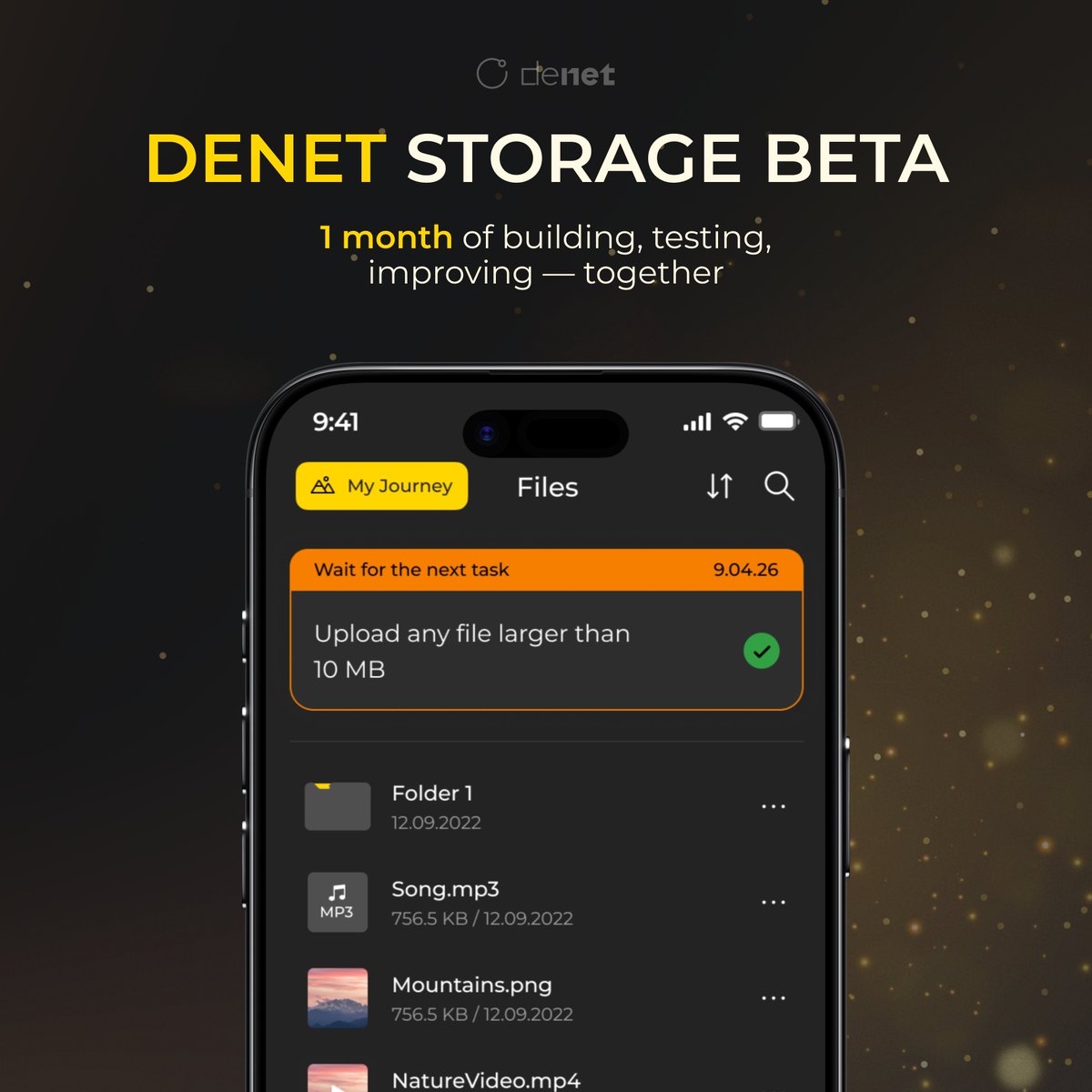



One Month of Storage Beta – Key Results 💪
We’ve successfully completed the first month of testing Storage with our users, and we have good news to share.
First, Beta Testers - you've received an extra 100 points for the first month of testing 🎉 Check the app now: links.denet.app/mobile?utm_s…
Second, the Beta is going well:
🔸 12 TB of data uploaded
🔸 35 Beta tasks completed
🔸 10,000 feedback submissions collected
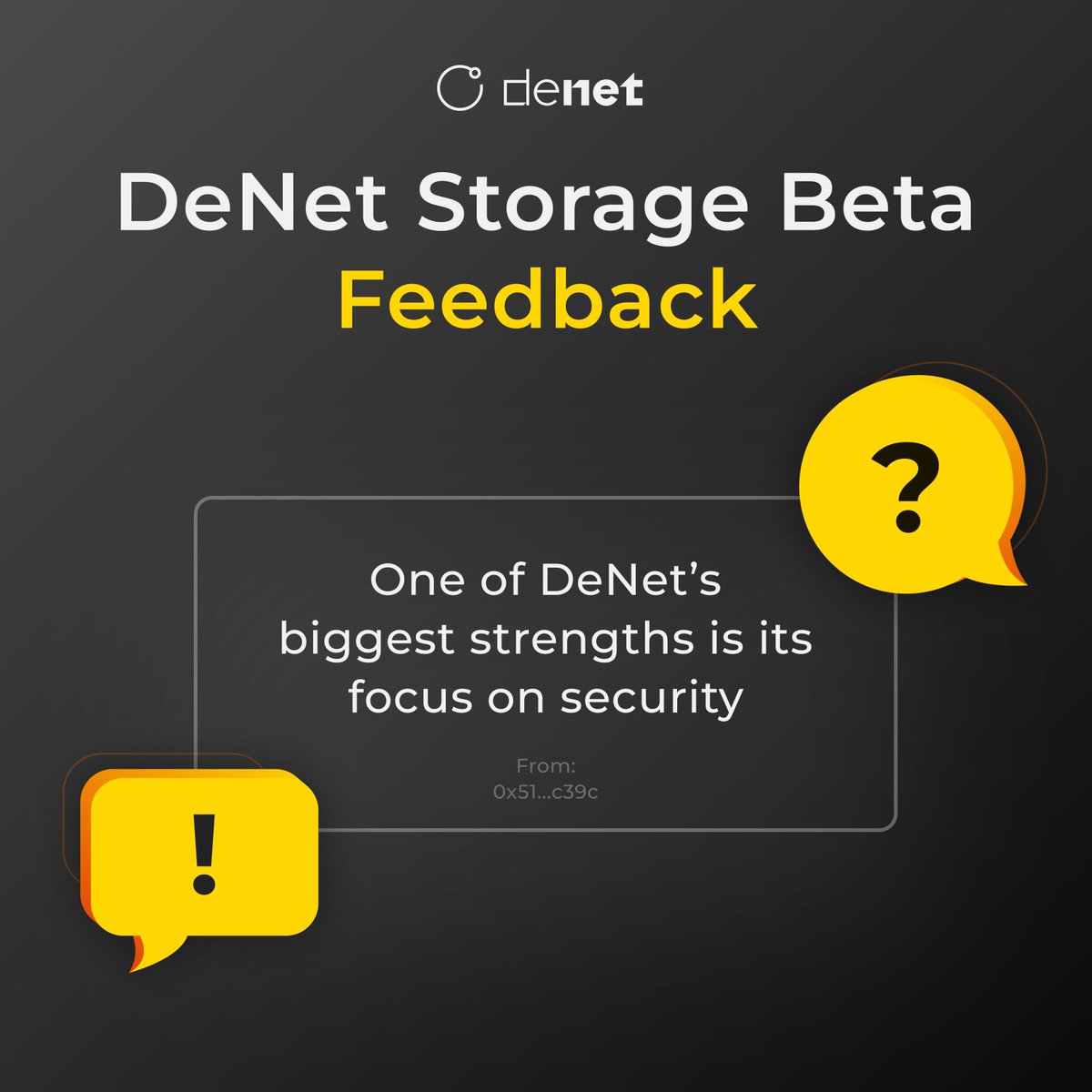
🔸 90% of participants named data security as the key advantage
The protocol is stable, core components perform reliably, and issues are resolved quickly. We remain on track for a public launch in July, when DeNet protocol v4 moves into full-scale production.
The work continues — and with the community behind us, secure and sovereign data storage for millions of users is getting closer every day 🚀
302
197
572
20,508
🗣 What Beta Testers Say About DeNet Storage
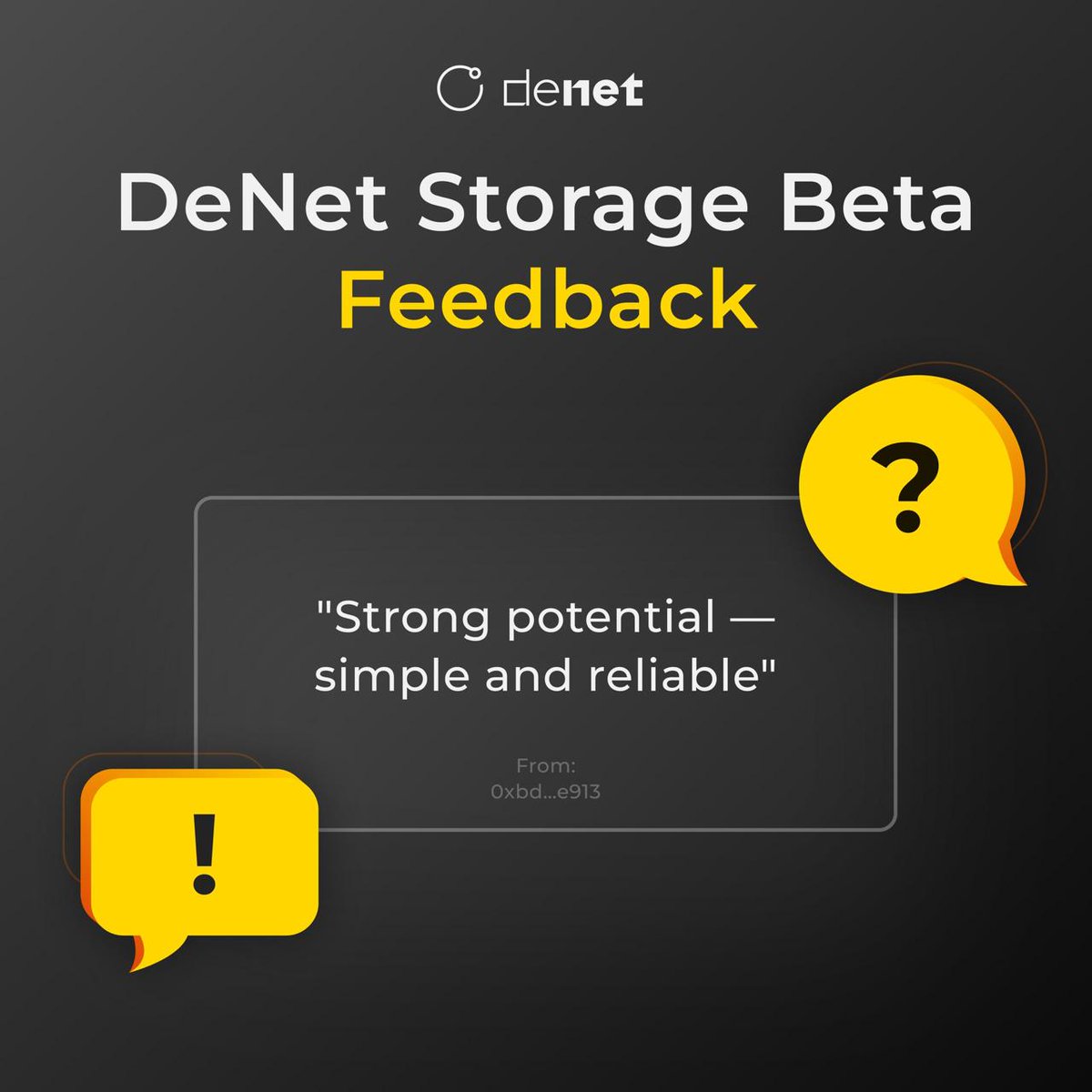
"I tested upload, download, delete, restore and file management carefully. The interface is clean and easy to use, navigation is smooth, and speeds are stable. I didn't find any major bugs. The project has strong potential and provides a simple and reliable decentralized storage experience."
— 0xbd…e913
Every feature has been tested in real-world conditions by our closed beta community.
🔗 Secure your storage before launch on the most favorable terms: mobile.denet.app/?utm_source…
49
50
267
5,672
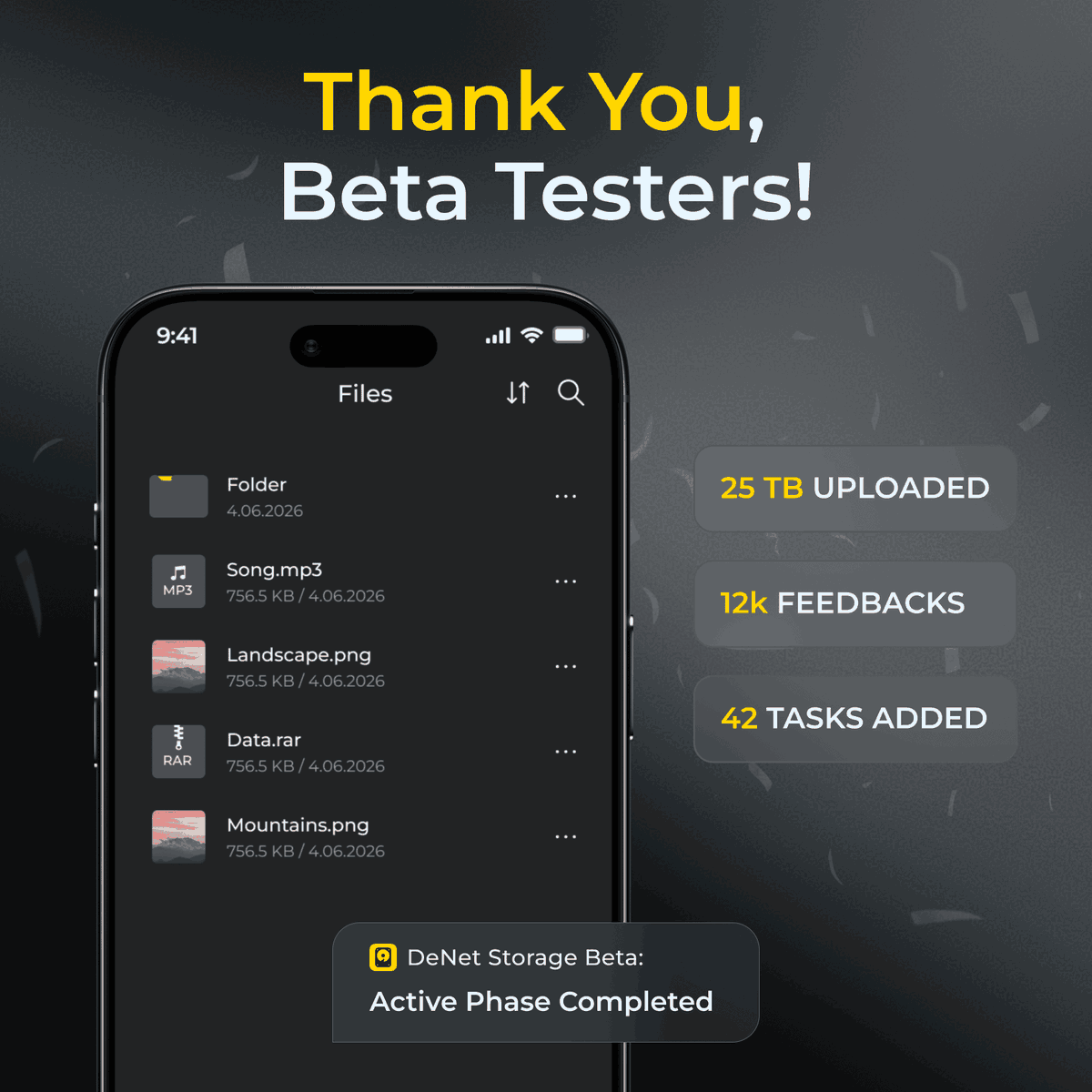
DeNet Storage Beta: Active Phase Complete ✅
The active phase of the Storage Beta has officially concluded.
🔸 25 TB of data uploaded
🔸 42 Beta tasks completed
🔸 12,000 feedback submissions collected
Additional tasks may still appear in the app as we validate specific features before launch, so keep notifications on and stay tuned 🔔
Right now, team is reviewing feedback, fixing bugs, and implementing new features ahead of the public launch of mobile storage in July.
Thanks to the Beta Testers, we've identified a number of important improvements - and we'll soon share some of the changes coming before launch.
The goal remains simple: enable millions of users to securely back up every photo, video, and file on their phones using decentralized storage. And you can now secure best storage pricing until the public launch.
🔗 Get Storage: mobile.denet.app/?utm_source…
70
84
397
8,363
All Distributor Course lessons are now live in DeNet Academy - including the final one: Data Security and Digital Sovereignty.
Our first students are now just one step away from entering the Distributor role.
What’s next: The exam and application process is launching soon. In the meantime, we recommend reviewing all course materials and completing your practical assignments.
Successful candidates will unlock a role within the growing decentralized storage ecosystem, with the potential to build a stable income stream.
This opportunity is currently exclusive to Watcher Nodes Stage 50. Not one yet? Make it your next milestone.
🔗 Go to the lesson: links.denet.app/mobile?utm_s…
70
79
413
9,020
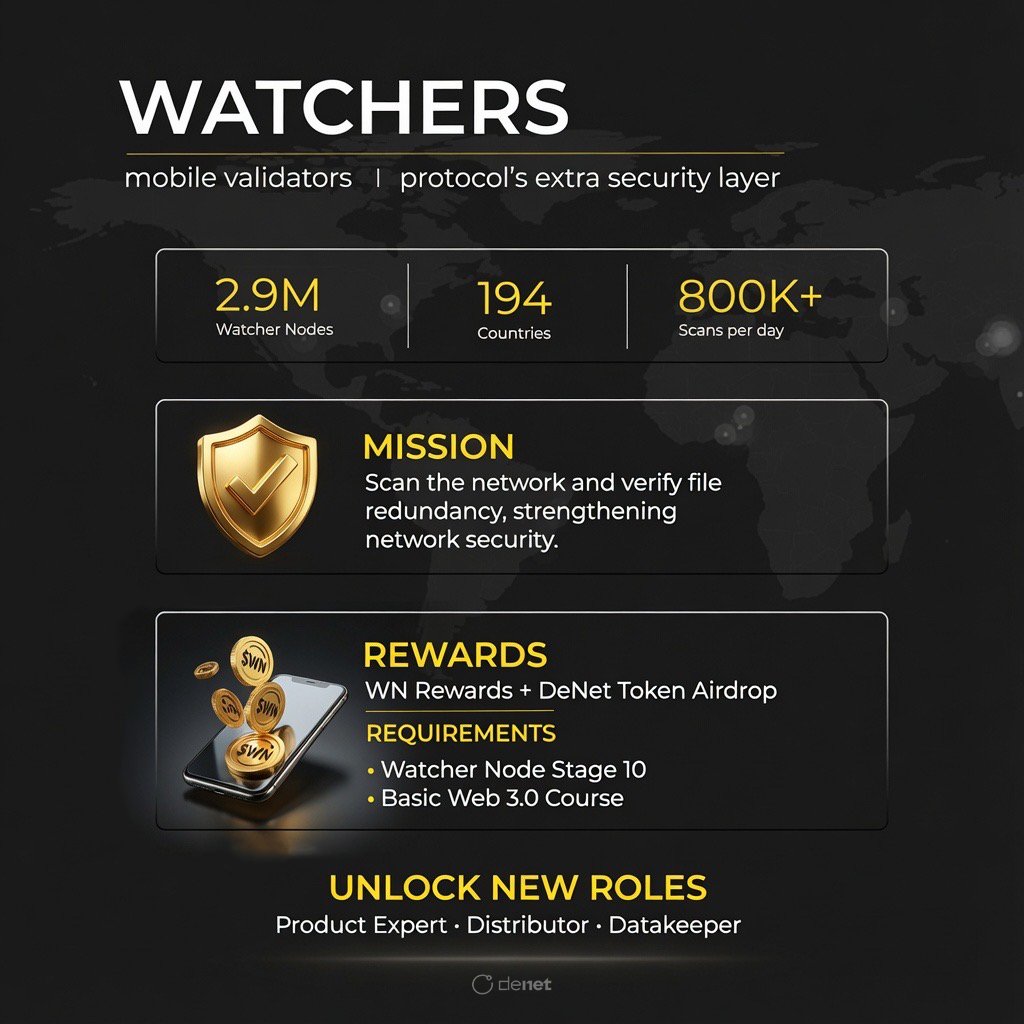
Watchers, look how far we've come.
🌍 Almost 3 million Watchers
🌍 194 countries
🌍 Over 800,000 scans every day
As DeNet Protocol prepares for its public launch in July, every scan matters more than ever. Watchers help strengthen the trust, security, and reliability of the network that powers decentralized storage and future ecosystem services.
Your $WN earnings reflect your contribution to the network and will help determine your participation in the upcoming DeNet token airdrop.
To qualify:
• Watcher Node — Stage 10
• Basic Web 3.0 Course completed
And this is just the beginning.
As the ecosystem grows, new opportunities continue to emerge across DeNet - from Product Expert and Distributor to Datakeeper and beyond.
🔗 Open the app, complete a scan, and be part of the next chapter of DeNet: links.denet.app/mobile?utm_s…
127
126
510
15,488
Join the New Economy.
The world is changing fast. AI is already reshaping how we work and earn, and by 2030, tens of millions of jobs could disappear — a clear signal to rethink your place in the new economy.
DeNet offers a practical path forward: become part of decentralized infrastructure and earn from your contribution. There's a role for every way you want to participate — Datakeeper, Watcher, Beta Tester, or Distributor.
👉 Explore the role system and find where you belong: medium.com/denetpro/the-foun…
The Distributor course is live right now. A new lesson just dropped: "The New Economy and Your Place in It" — what's changing and how to position yourself ahead of it.
👉 Start the lesson: links.denet.app/mobile?utm_s…
68
61
314
6,922
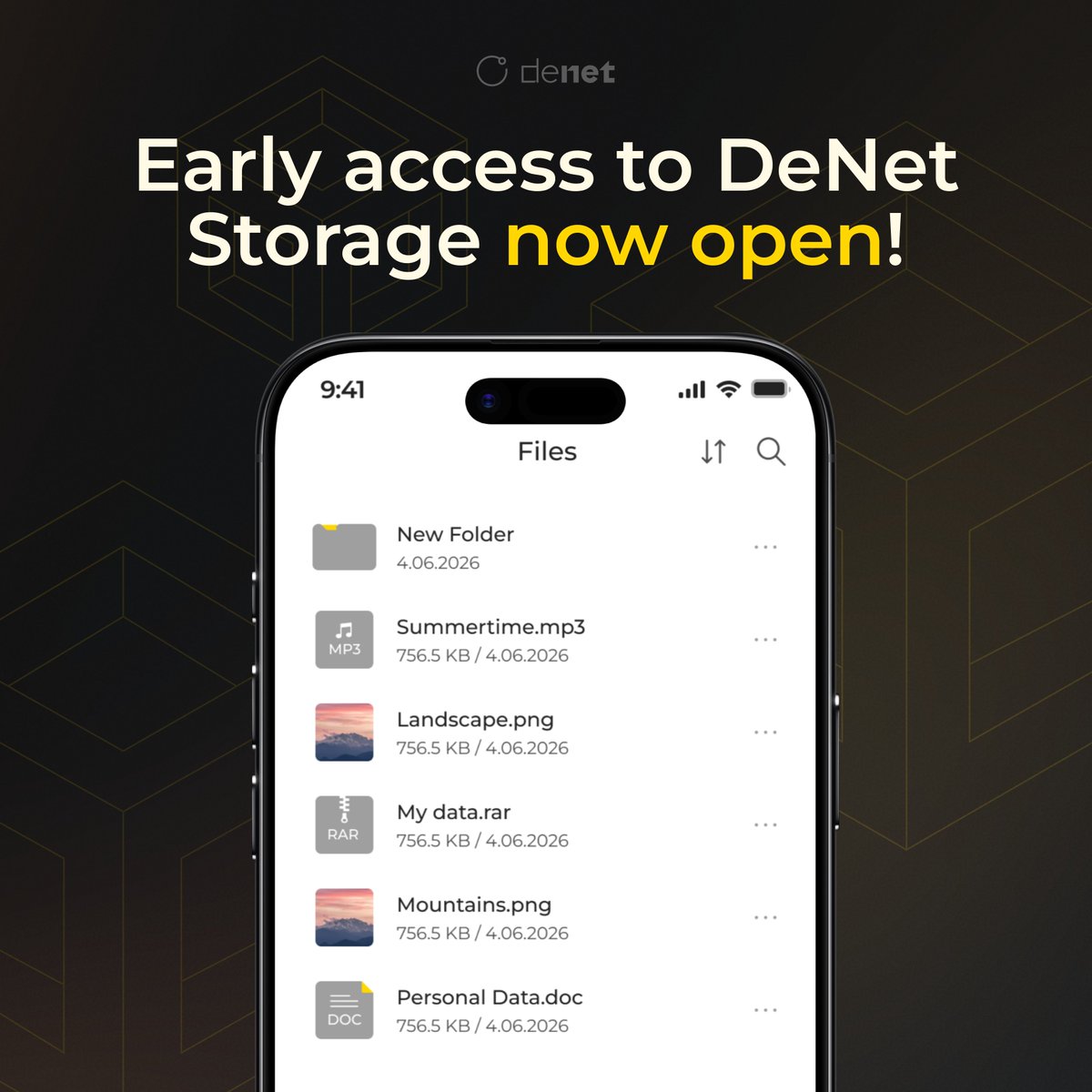
Early access to DeNet Storage is now open!
The wait is over.
For a limited time, storage plans are available with 25% reduced pricing before public launch of DeNet Storage on Protocol v4.
Own your storage.
Control your data.
Leave subscriptions behind.
Public storage launch comes later in July. Early access starts today.
🔗 Get Storage: mobile.denet.app/?utm_source…
48
57
272
7,329
Distributor Role: infrastructure that works for you
The first Distributors are about to go live. They’ll start building capital on the ecosystem’s backbone: the Datakeeper network.
Every Datakeeper you bring on board generates income for you for years:
• Commission on each license sale
• Ongoing share of the node's TBY turnover
It all starts with the basics: completing the Distributor course. A new lesson and assignment – “Datakeeper: A New Role in the Digital Future” – is ready for you now.
Complete them and move one step closer to becoming a Distributor.
📚 Take the lesson: links.denet.app/mobile?utm_s…
64
72
357
8,901
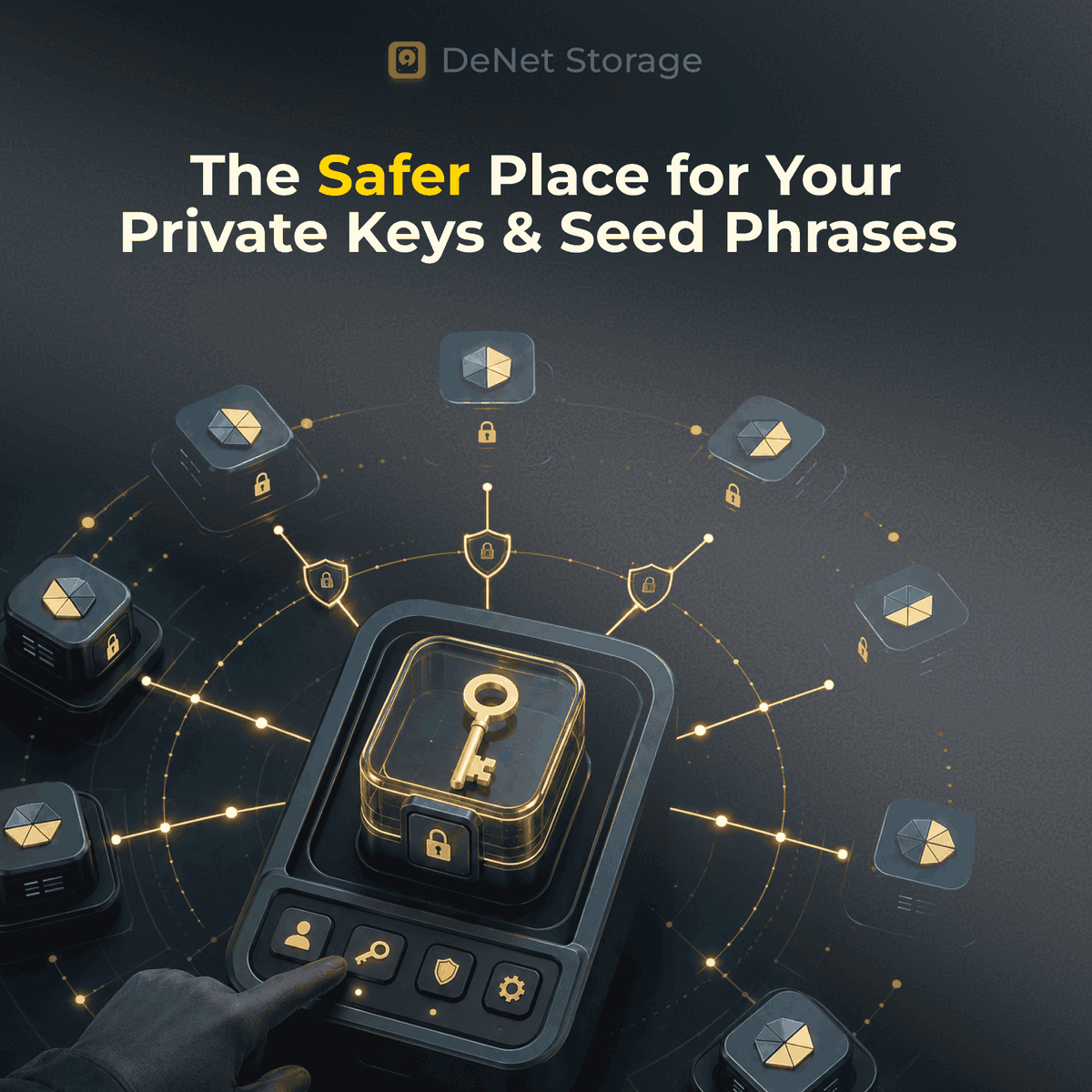
Your crypto is only as safe as your seed phrase.
And yet most people store it in notes or cloud drives - one breach, leak, or account compromise can put everything at risk.
That's exactly the problem DeNet was built to solve - storing what you can't afford to lose.
Private keys, seed phrases, and critical files are encrypted on your device with your key and distributed across a decentralized network of independent nodes.
Your data stays:
• Fully under your control. No third-party access - not Datakeepers, not even DeNet. Only you.
• Protected by decentralized architecture - no single point of failure.
Secure what actually protects your wealth.
🔗 Join waitlist for secure storage before the public launch: mobile.denet.app/?utm_source…
58
84
390
8,765
Evolution of Decentralization – new lesson in the Distributor course is live!
Discover how Web 3.0 evolved from a financial experiment into a driving force of a new industrial era - replacing intermediaries with code and paving the way for DeNet: infrastructure for a world where data is sovereign and secure.
🎓 Practice assignments are now included - designed to prepare the professionals who will help bring DeNet to the global stage.
• Available for submission until the end of the course
• Reviewed manually once all practices are submitted
• Required for your Distributor eligibility
🔗 Go to the lesson and complete your practices: links.denet.app/mobile?utm_s…
58
58
293
9,496
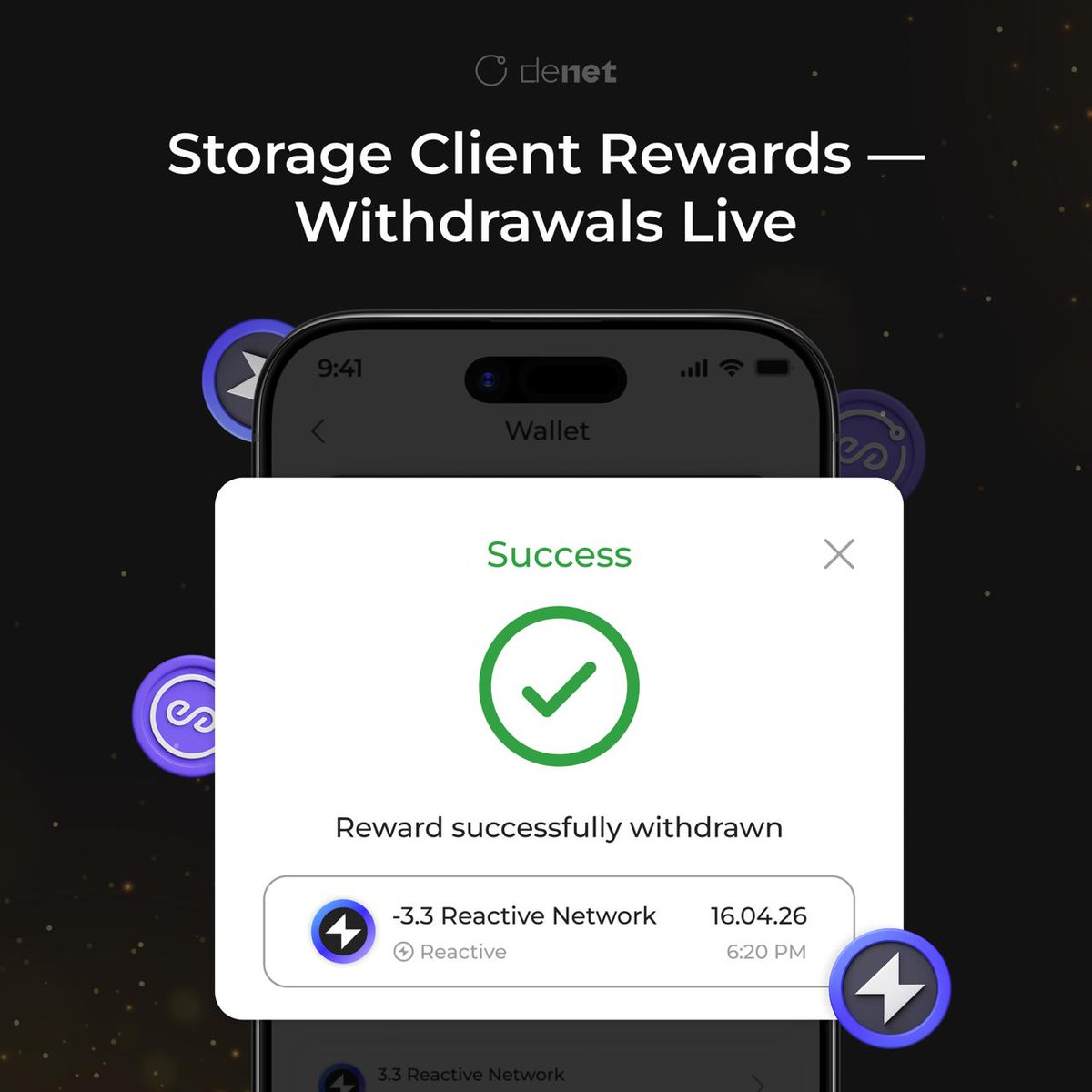
Rewards from DeNet Storage Clients are already being paid out!
Tokens earned from storage clients are being successfully withdrawn — and over 8,000 Watchers have already received them on their DeNet wallets.
This is a direct result of your activity in the network 🔥
Distributions are ongoing and will continue on a regular basis. If you’ve already claimed — your tokens are on the way.
How to access your Storage Client tokens
• Open your Watcher Node account settings → Security
• Copy your private key
• Import it into a wallet (e.g. MetaMask)
• Make sure the correct network and tokens are added so everything is visible.
Track your rewards
• Rewards from Reactive Network: reactscan.net/address/YOURDE…
• Rewards from peaq: peaq.subscan.io/account/YOUR…
Storage clients in DeNet are the source of earnings for roles across the ecosystem. Stay active and your rewards will scale as more storage load comes in.
🔗 Open DeNet App: links.denet.app/mobile?utm_s…
61
63
306
11,705
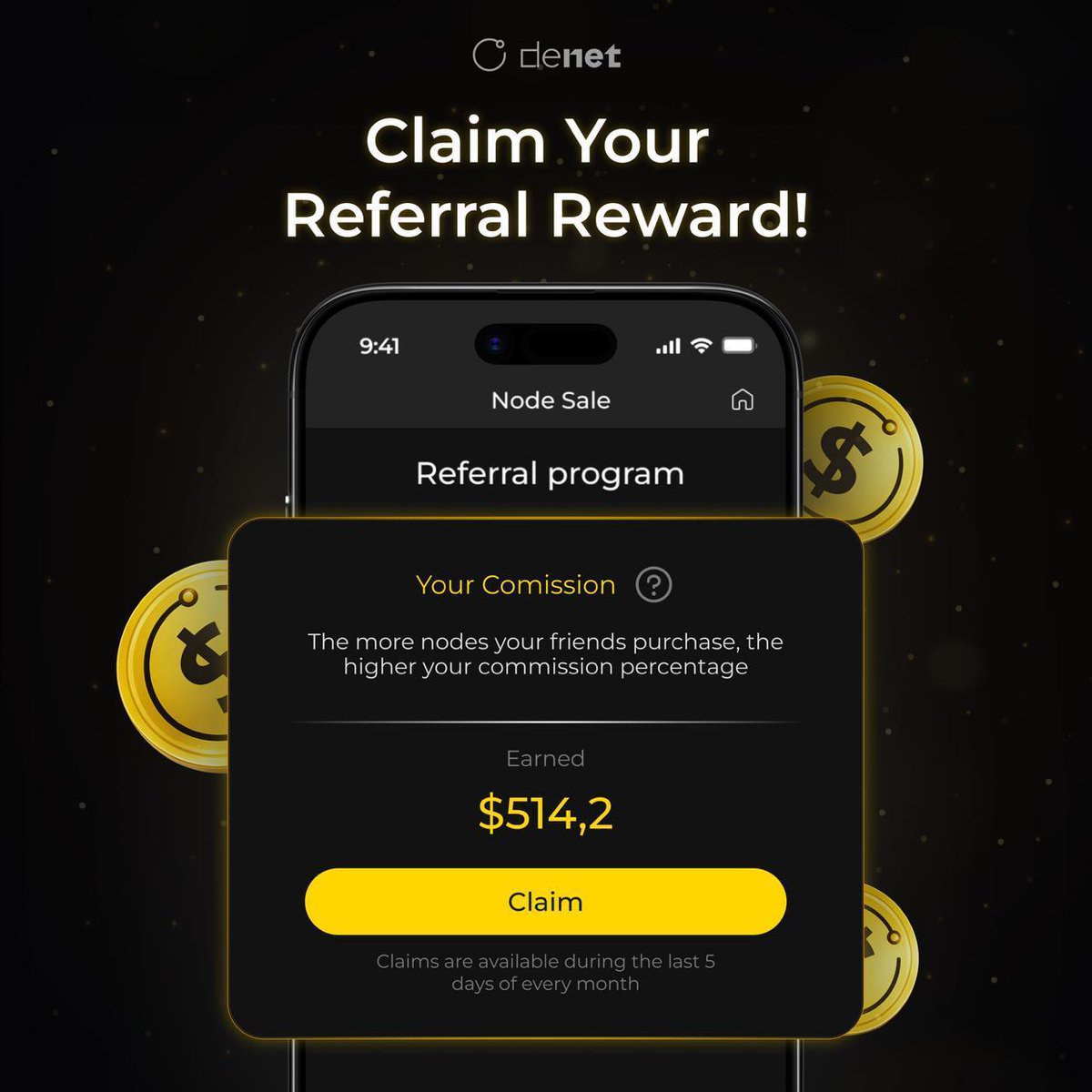
🔥 Referral Reward Claims Are Open!
If your friends purchased Datakeeper licenses, you can now claim your May referral rewards.
🗓 Claim Period: Open till June 1
💰 Payment: USDT on Polygon, sent to your connected wallet
📦 Distribution: Within 2 weeks after the claim period ends
Some users are already earning ~$550 for just 10 licenses through the referral program.
Want to build a stronger position in the ecosystem and earn more long-term? Become a Distributor:
• earn up to 50% commission from license sales
• build recurring income from your Datakeeper network performance
With the DeNet Storage public launch coming in July and users already actively testing the app, now is the best time to:
⚡ Become a Datakeeper and prepare your infrastructure for real user data storage: nodesale.denet.app/?utm_sour…
📚 Study for the Distributor role available for Watchers Stage 50: links.denet.app/mobile?utm_s…
50
49
275
10,196
Get DeNet Storage on the best terms before public launch!
Secure your photos, archives, work files, and wallet backups with confidence. DeNet Storage is built around your needs - with privacy, ownership, and security by design.
Join the waitlist to be notified the moment access opens and lock in early terms before they change: mobile.denet.app/?utm_source…
📌 Beta testers, you can already secure your storage today with exclusive conditions. See full details on Discord: discord.com/channels/9202057…
67
77
335
8,821
Another perspective from the DeNet Storage Beta participants 💭
“DeNet Storage Beta shows strong potential as an emerging decentralized storage platform focused on privacy, reliability, and Web3 integration. The platform delivers a clean and straightforward user experience, making decentralized storage feel far more accessible than many competing blockchain-based solutions. One of DeNet’s biggest strengths is its focus on security and distributed infrastructure. By spreading encrypted data across decentralized nodes instead of relying on a single centralized server, the platform offers improved resilience and better protection against downtime or data loss.”
As more users test DeNet in real-world conditions, one thing becomes clear: decentralized storage no longer has to feel complicated 🌍
Early access won’t stay open forever, join the waitlist to get secure storage at a special pre-launch price ⏳
Make sure to check your inbox and confirm your email afterward.
Special conditions for Beta Testers dropping tomorrow 🤫
🔗 Join the waitlist now: mobile.denet.app/?utm_source…
72
69
356
9,489
🚀 First steps toward the Distributor role!
Already explored what this role is about? If not, start with the article about Distributor Role: medium.com/denetpro/denet-in…
The new lesson World of Data is live — learn how the global data storage market really works, why it’s exploding, and where the opportunities are heading.
After this lesson you'll be able to talk about data infrastructure with confidence — and take it to market.
What's ahead: 4 more lessons, practical assignments, and a final exam. Complete the course to qualify as an official DeNet Distributor and build income around data infrastructure.
👉 Available for Watcher Nodes Stage 50 — Start Education: links.denet.app/mobile?utm_s…
174
139
544
13,201
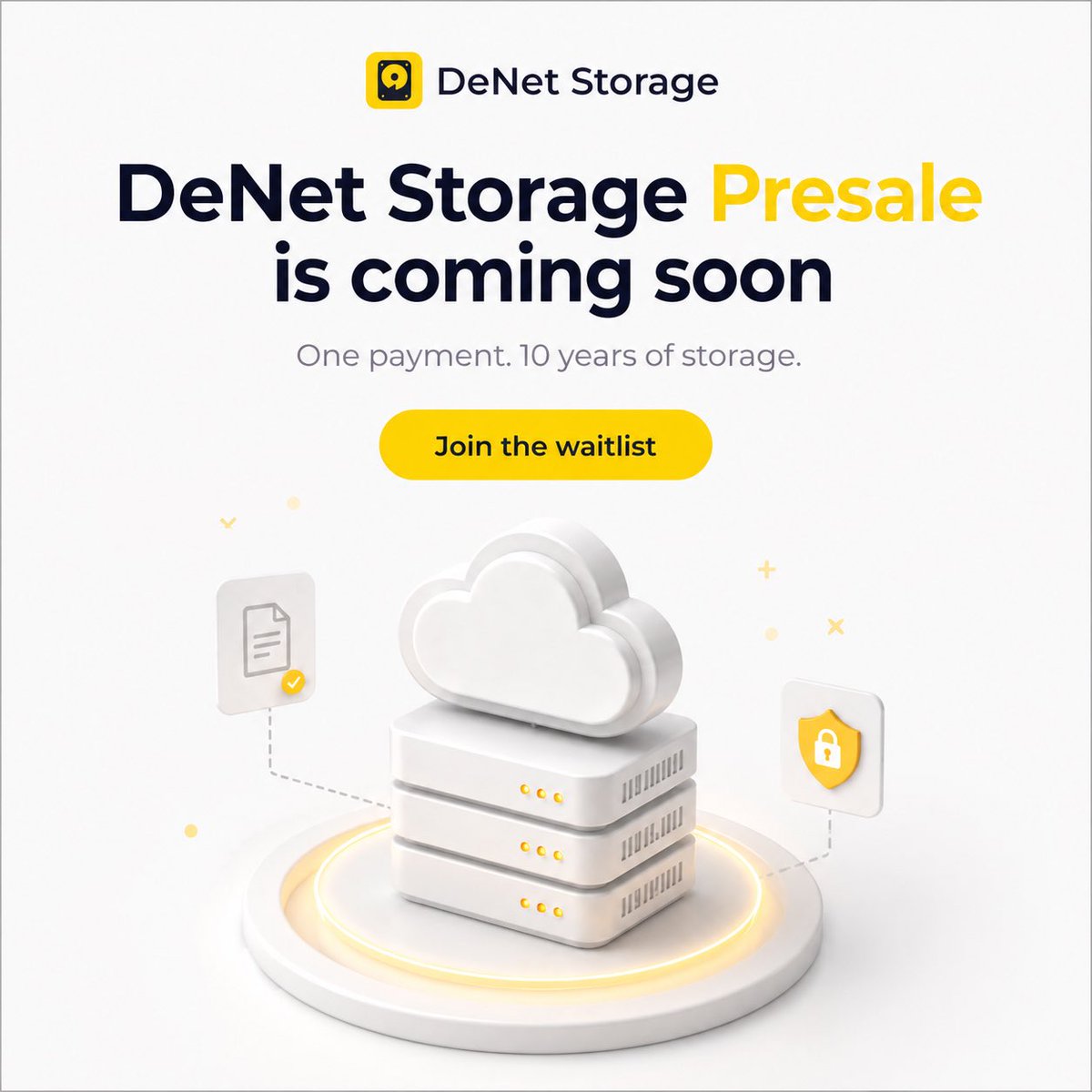
DeNet Storage Presale is coming soon 🚀
DeNet Storage beta testers are already actively testing the app and we’re moving toward the public launch.
The community has played a huge role in getting us here — so early supporters will receive special presale conditions before public launch.
One payment. 10 years of storage. Secure and sovereign data ownership
Reserve real storage capacity before public launch and keep control over your own data.
The waitlist is now open.
Early participants will get first access to the presale.
🔗 Join the waitlist: mobile.denet.app/?utm_source…
115
147
582
16,883
🔊 Hear the voice of DeNet community! 🔥
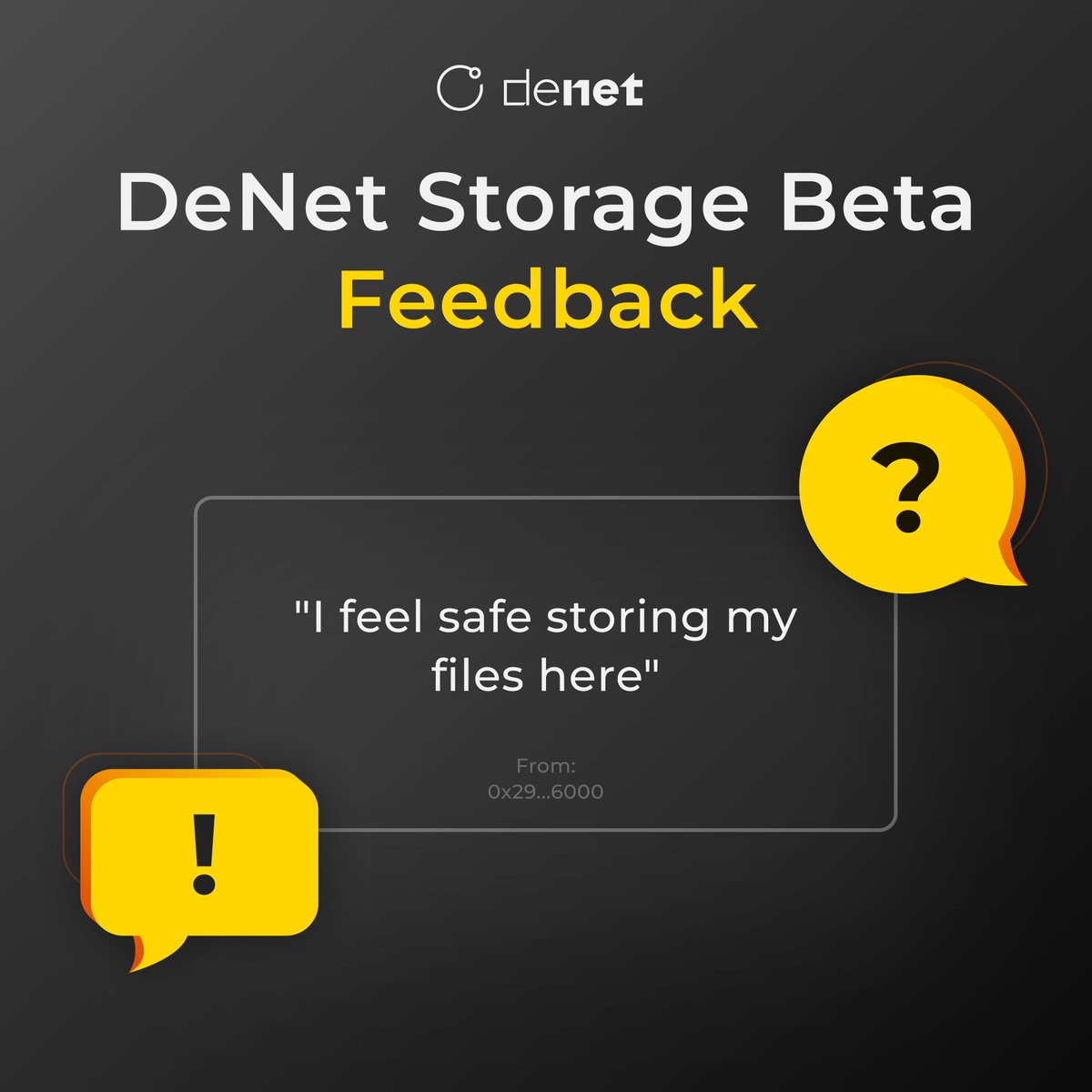
“User interface is very simple and easy to use, even for beginners. I feel safe storing my files here because of decentralized storage and end-to-end encryption. No personal info required — that’s a big win for privacy. Upload speed is fast, and auto-backup helps me save space on my phone. Overall, it's a great Web3 utility app.”
— 0x29...6000
Secure sovereign storage is now being actively tested in real conditions by a closed group of beta testers 🔐
90
111
515
12,608
✍️ Something we discussed this week was how blockchain is starting to influence infrastructure markets, especially in the context of the next industrial revolution.
We keep noticing that blockchain is still mostly perceived either as crypto transfers or as a place where “NFTs and data are stored.” But in practice, it’s becoming a coordination layer between participants without the need for a middleman.
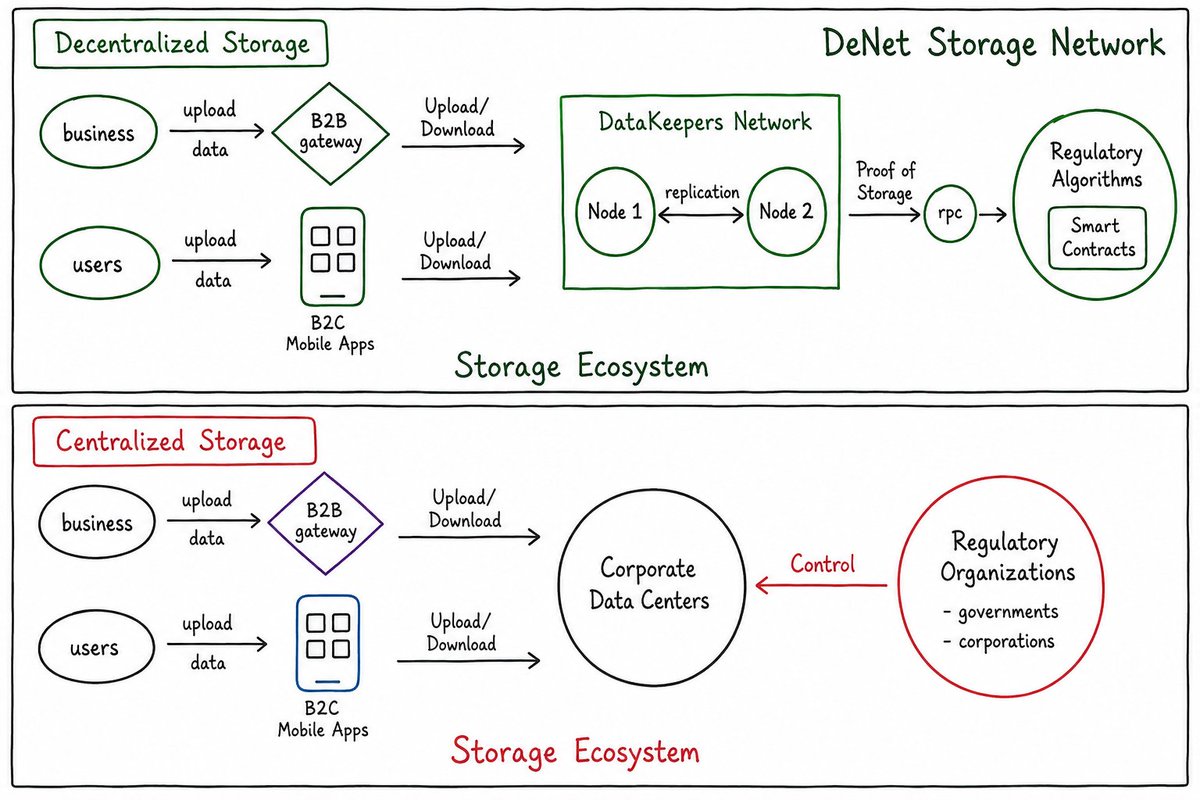
Tried mapping this directly onto the DeNet architecture through a simple sketch.
In a traditional cloud model, there’s always a third party between participants: the provider controls access, infrastructure, interaction rules, and ultimately the trust model itself.
In our architecture, these relationships are coordinated by the protocol through smart contracts.
Because of that, the interaction model itself starts to change:
• no dependency on a single participant,
• control over data stays entirely with the client,
• scaling across countries and jurisdictions becomes simpler,
• interactions between parties become faster.
Overall, it’s much more interesting than just “storing data on blockchain” 😉
Blockchain is only one of the coordination and verification layers inside a much larger system.
97
126
499
12,780