
Joined February 2015
- Tweets 1,299
- Following 190
- Followers 80
- Likes 423
721 Photos and videos


18 Sep 2024
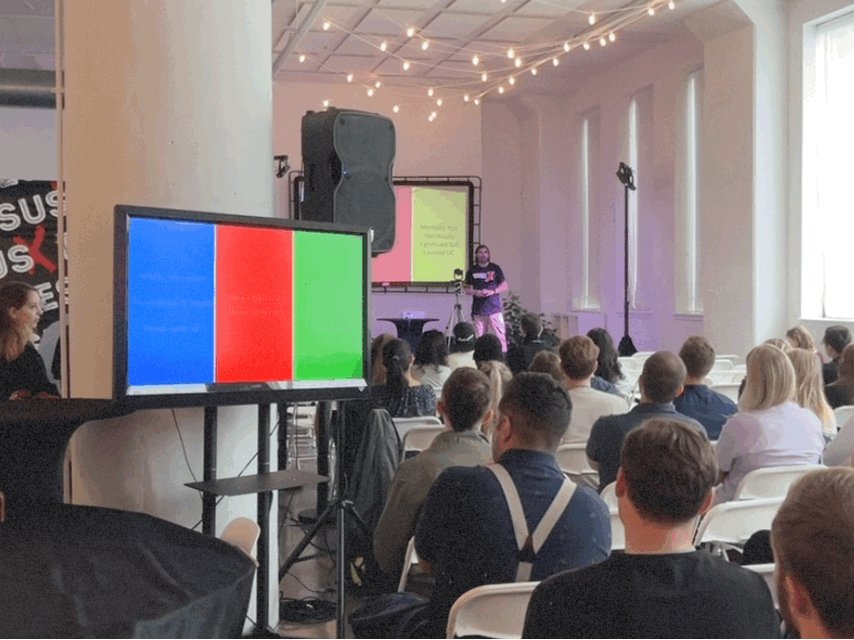
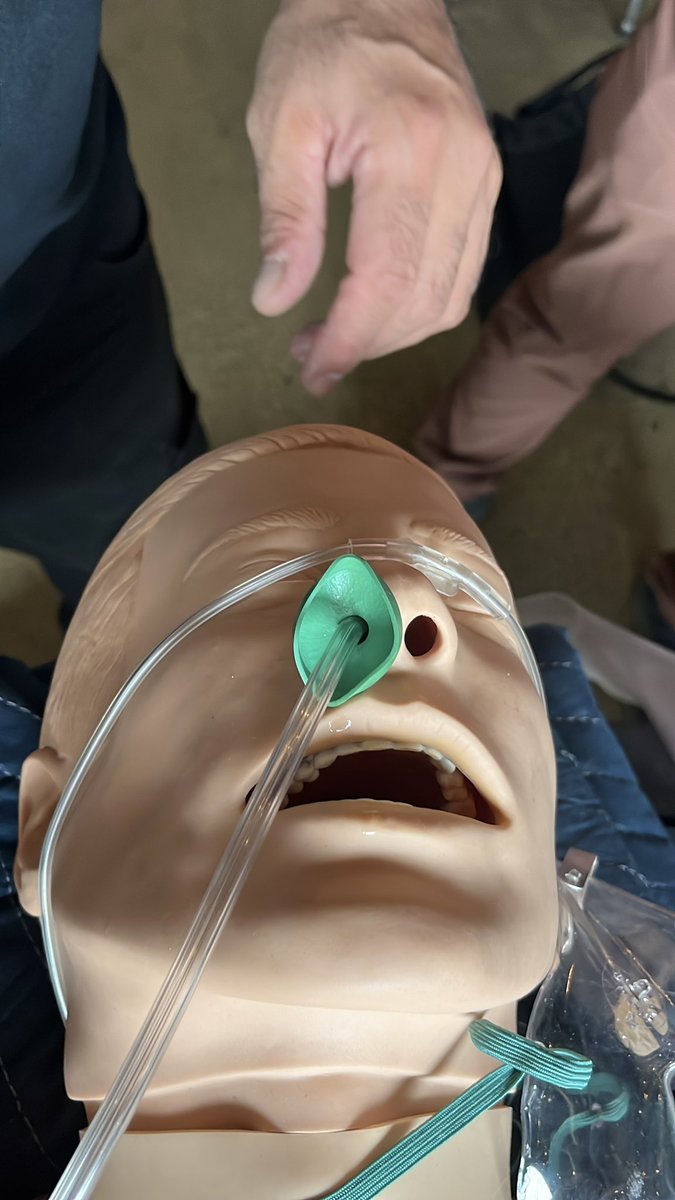
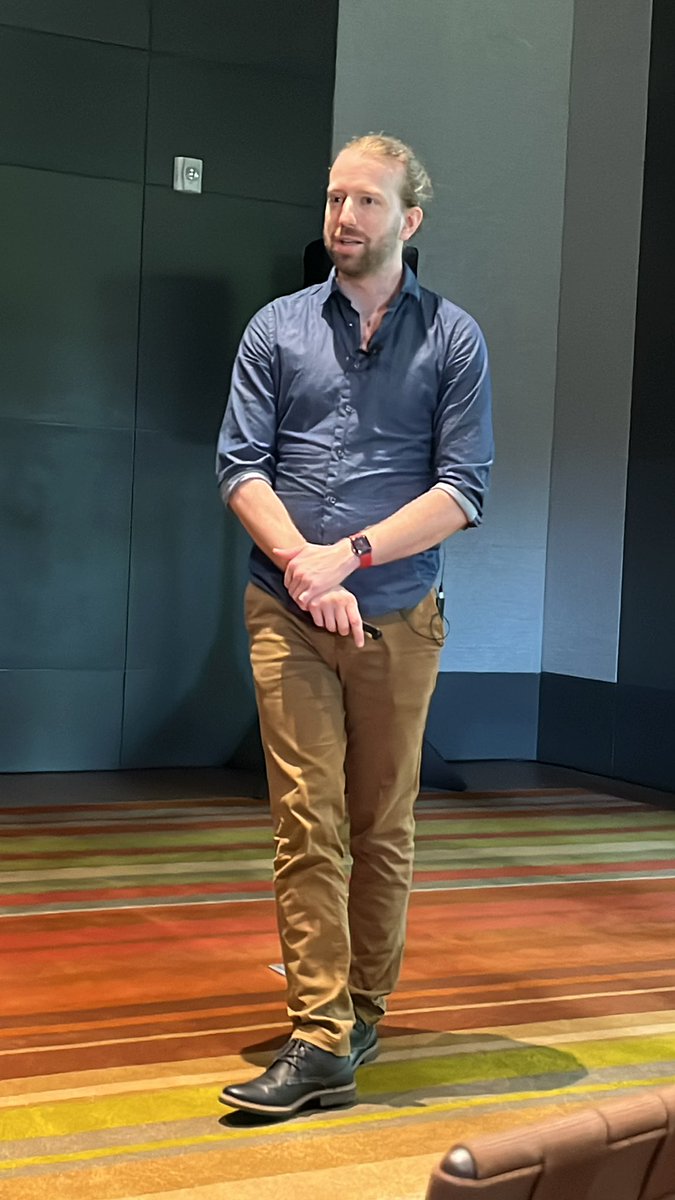
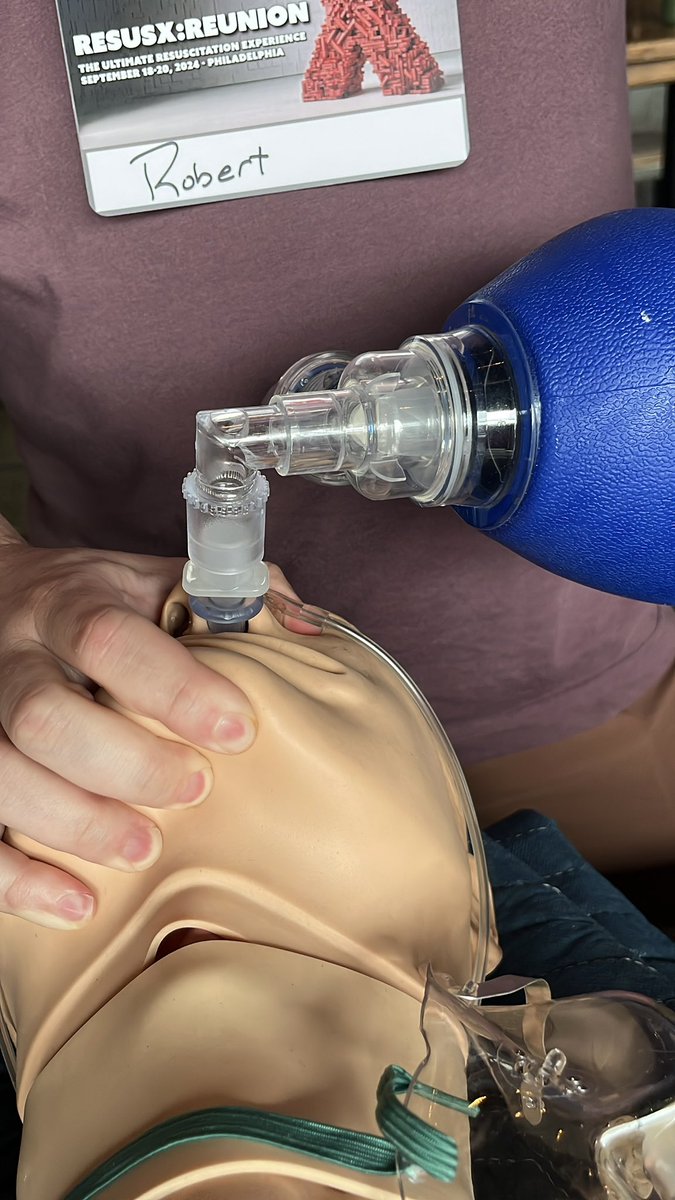
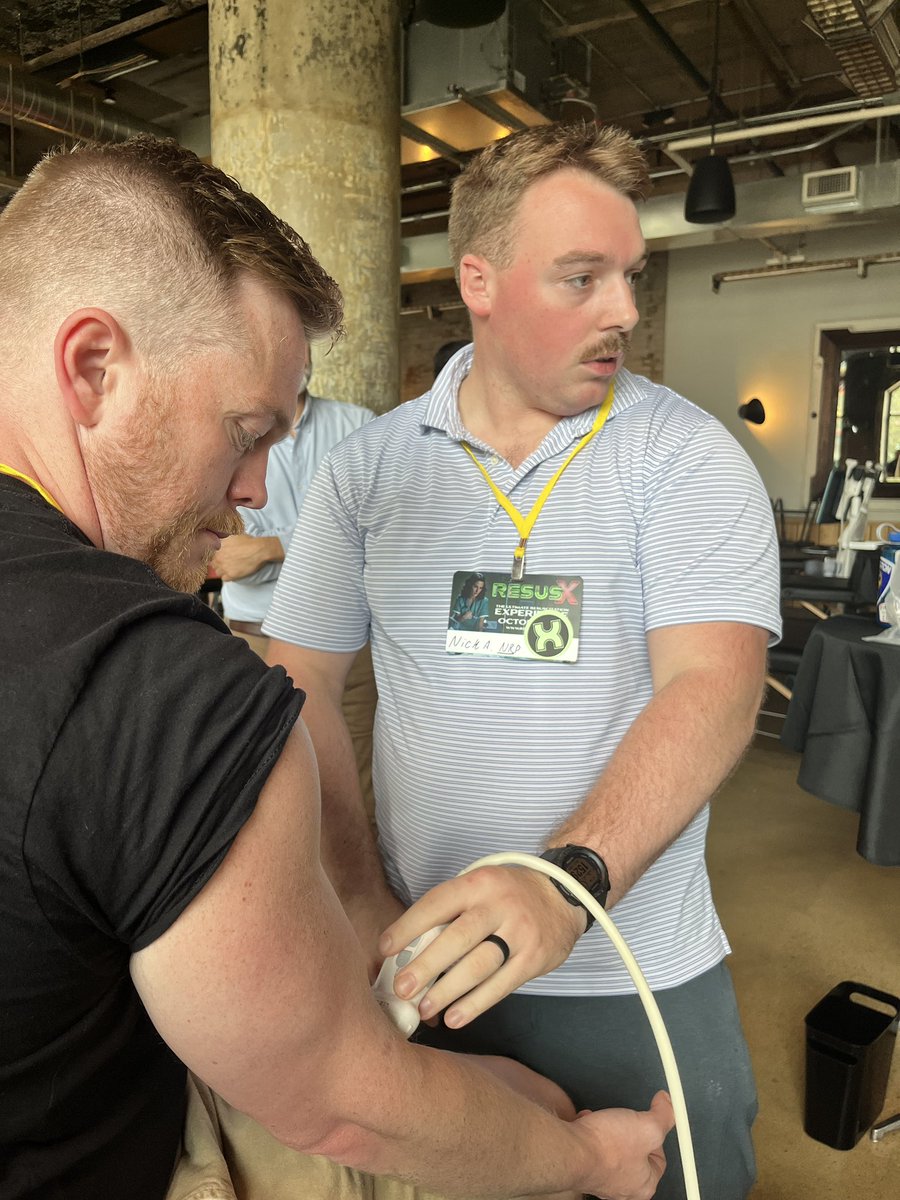
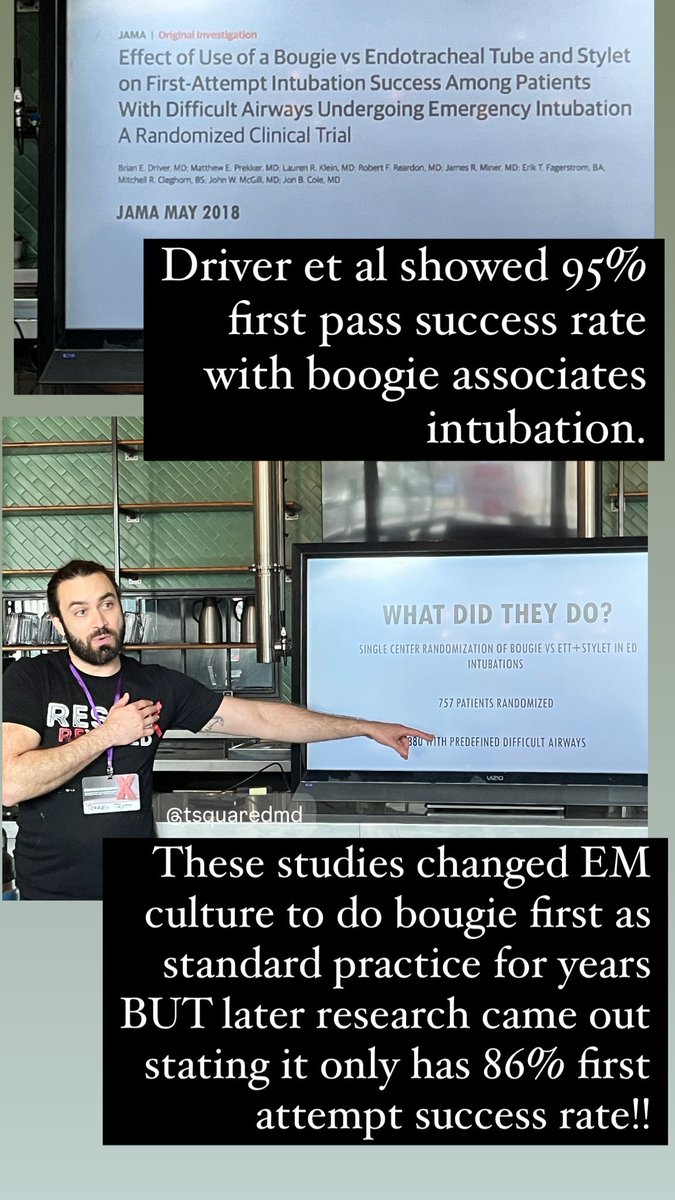
So much excitement this week at #resusxreunion2024
Just concluded the amazing workshops and now to the time for the full conference!
31
Dr Dee Sanchez retweeted

12 Jan 2024
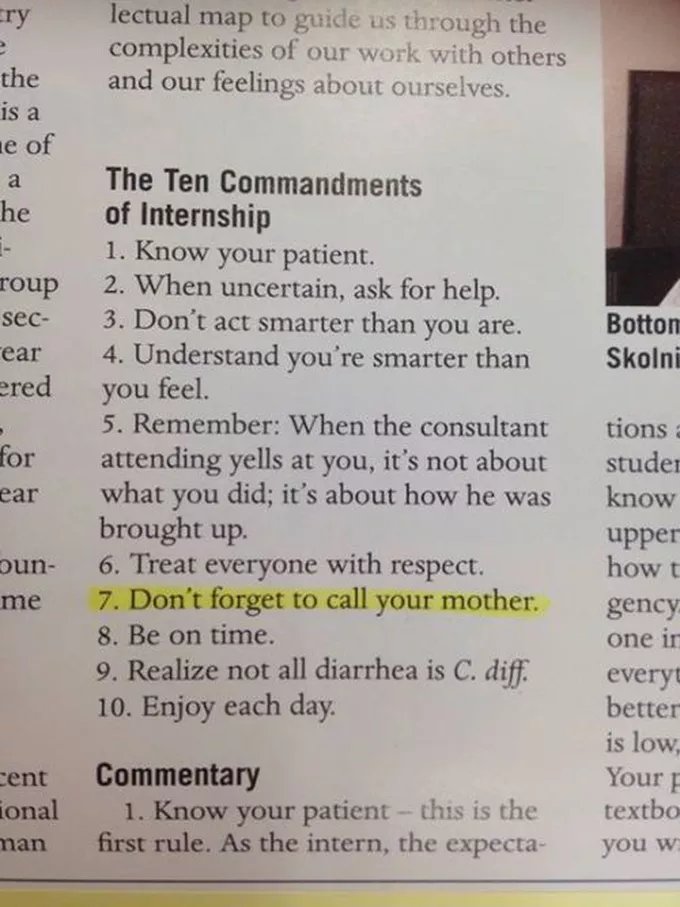
The Ten Commandments of Internship. What would you add?
36
605
2,669
244,562
12 Jan 2024
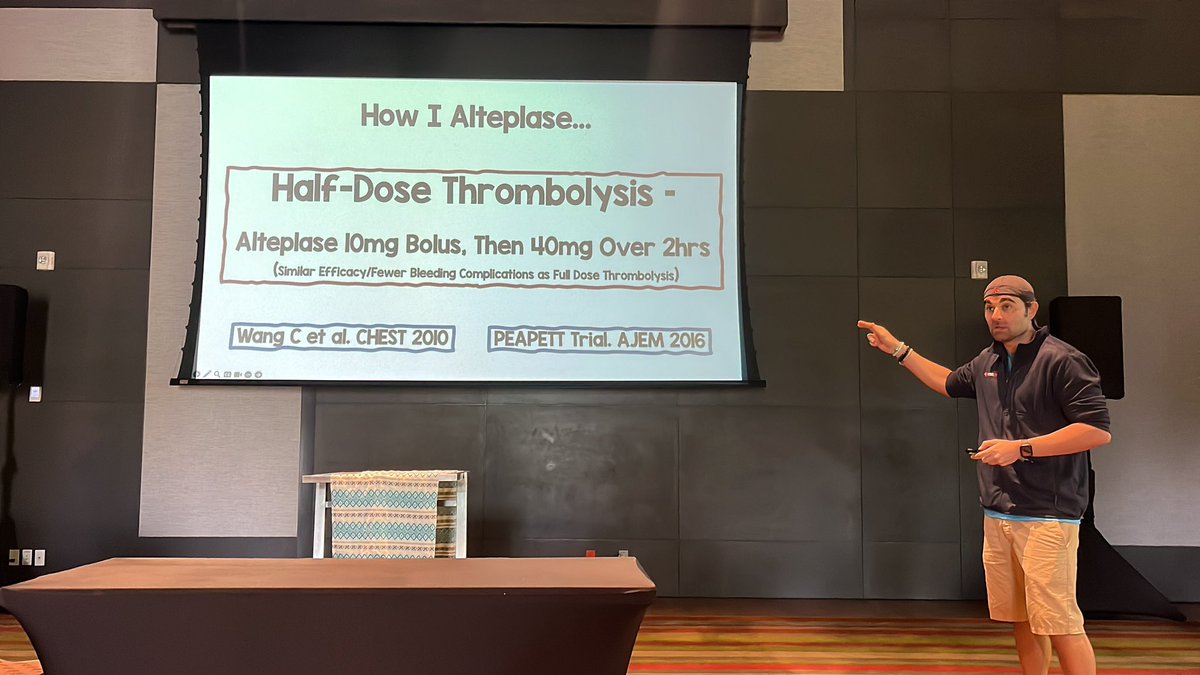
In PE how to alteplase:
@srrezaie plan of action is to give 10mg bolus then 40mg over 2 hours. The idea is to HALF-DOSE your thrombolysis.
Thus if you are giving 100mg now then give half dose (ie. 50) @srrezaie #resusfest
1
88
12 Jan 2024
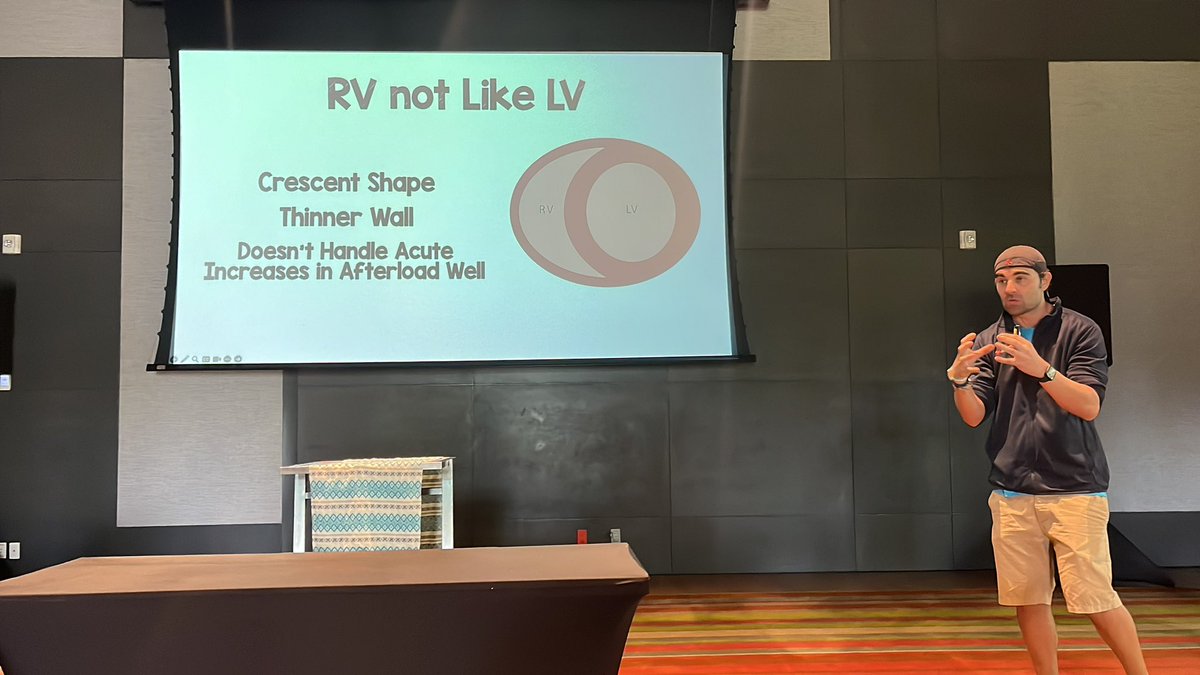
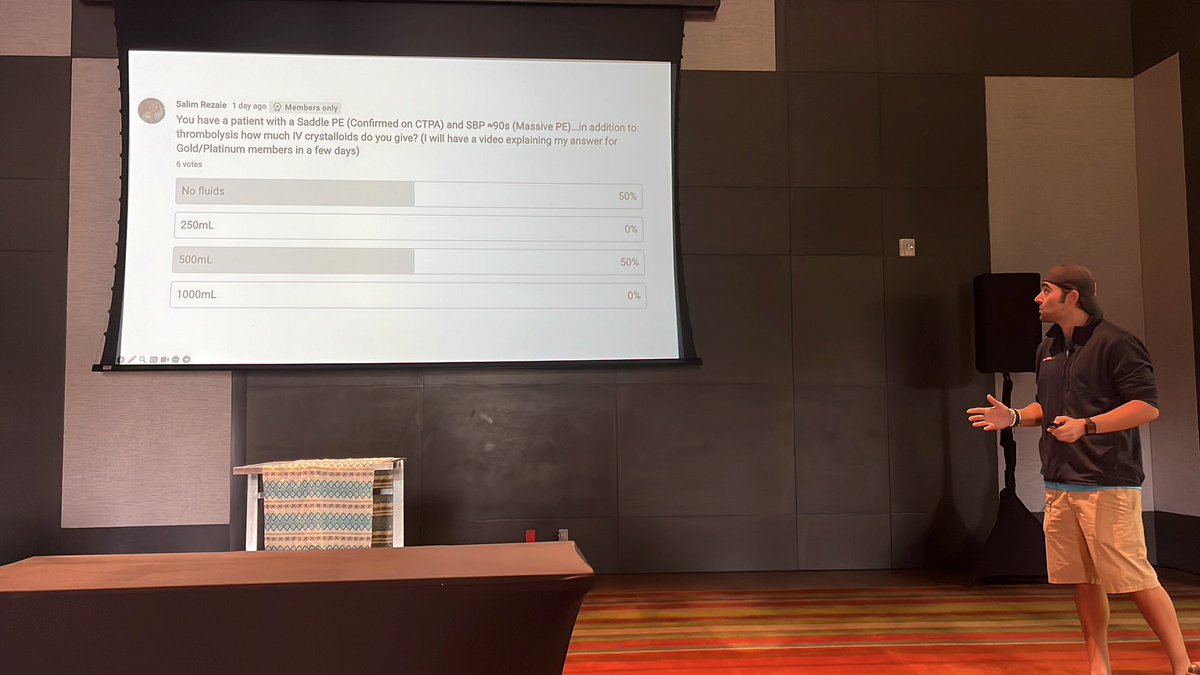
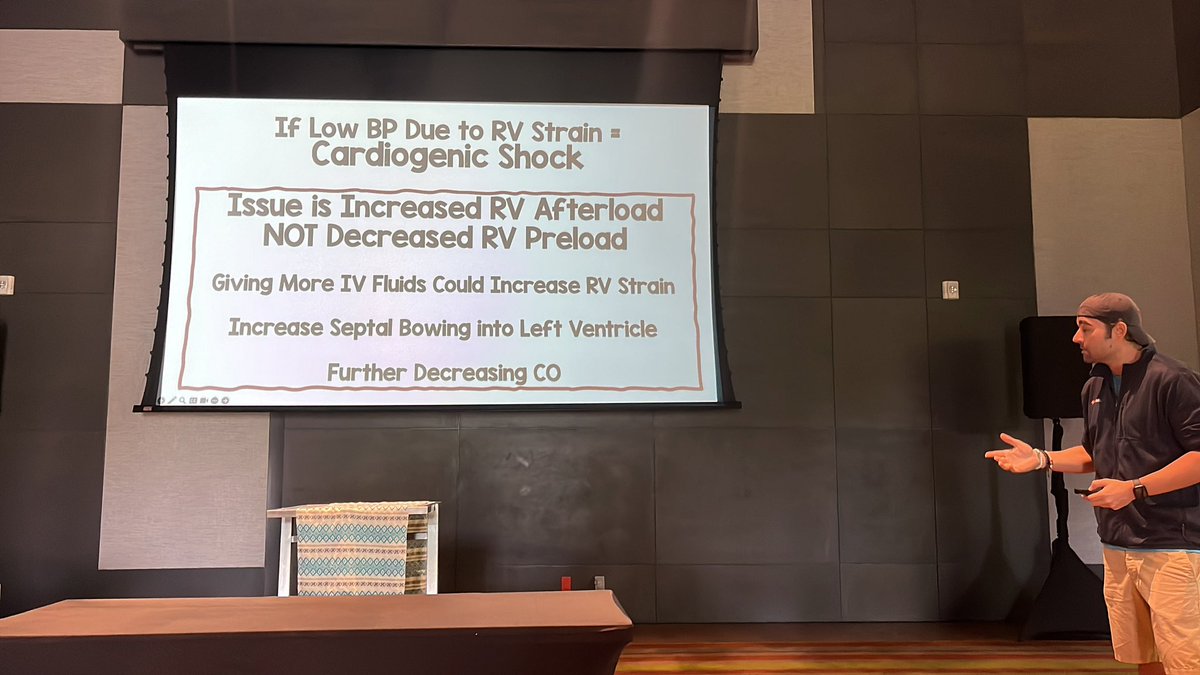
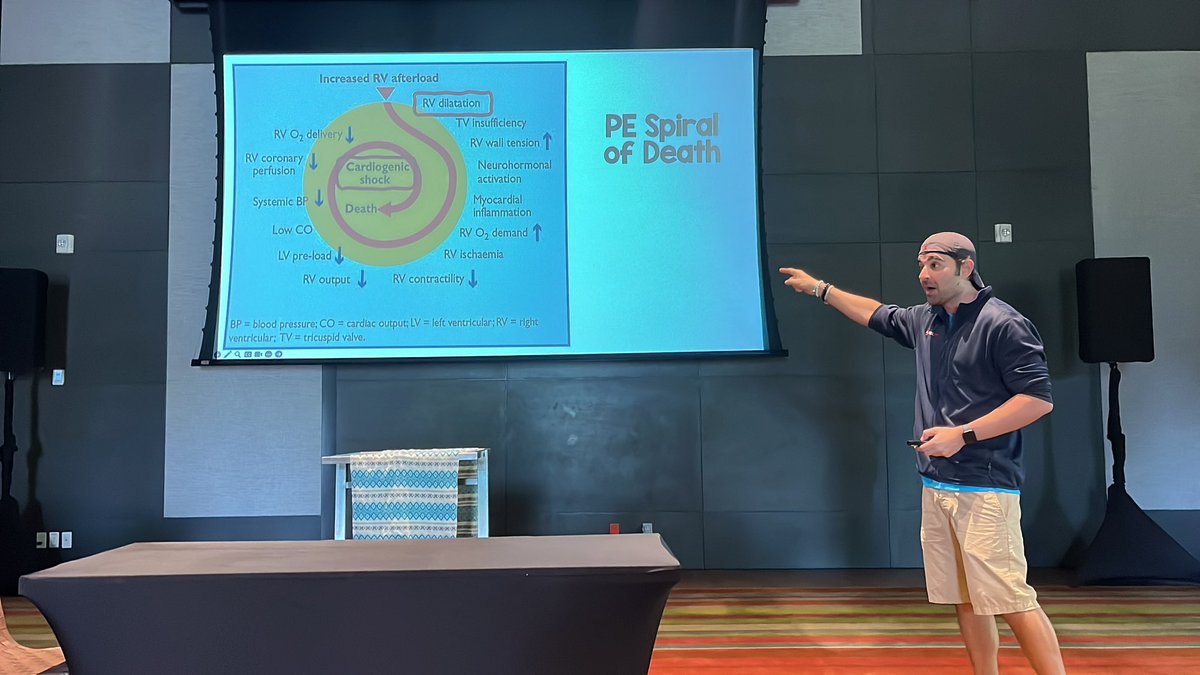
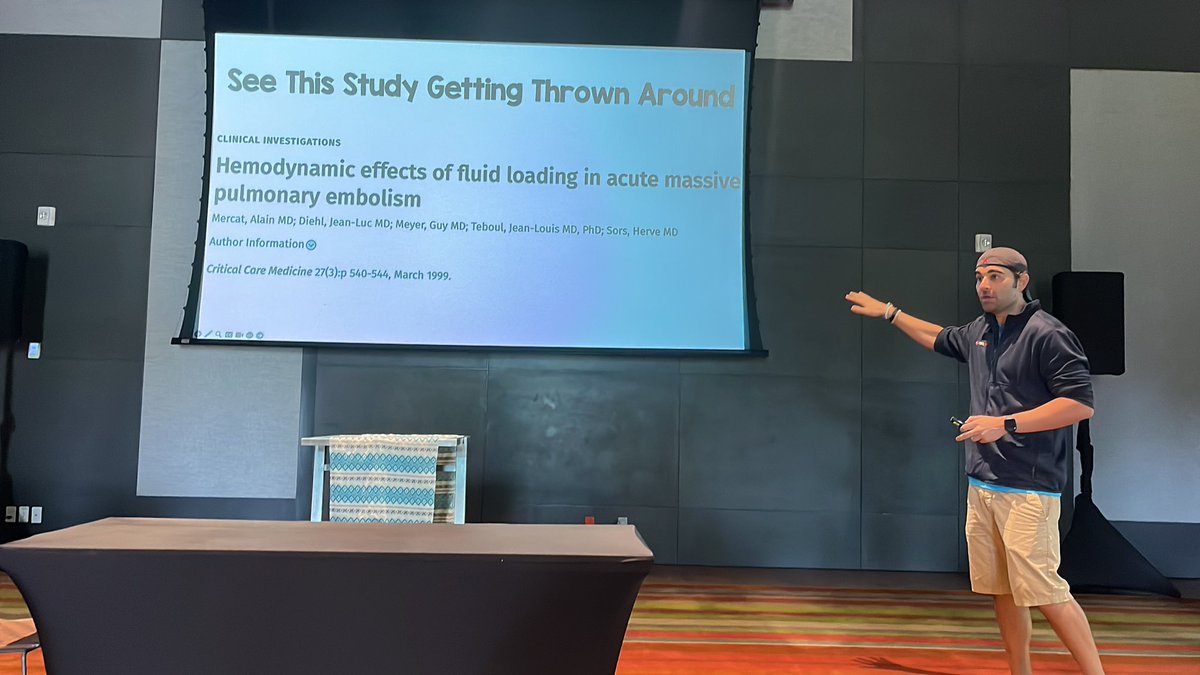
PE is an afterload problem. Hypotension with tachy = cardiogenic shock due to RV strain/failure. Thus giving fluids won’t fix PE spiral of death. PPL who think fluids of 500ml for PE are WRONG. only study of support was in 1999 & not on for massive PE. @srrezaie #resusfest
4
14
2,658
12 Jan 2024
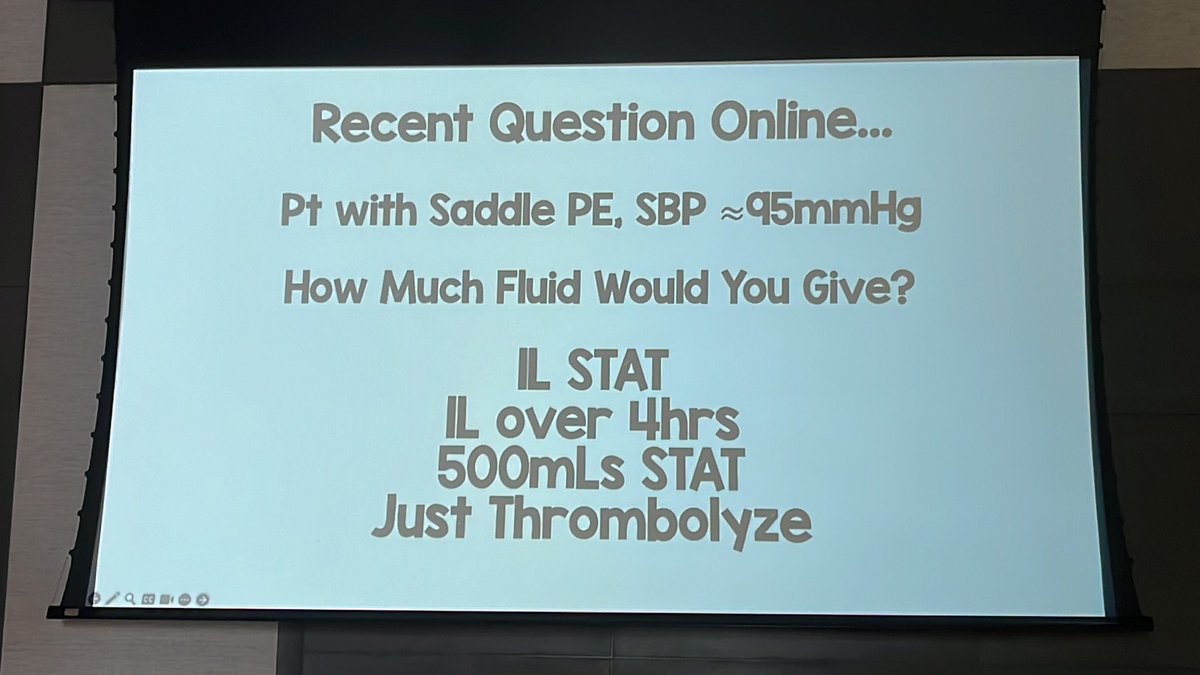
In massive pulmonary embolism, should we give fluids or not?
Being covered today by @srrezaie at #resusfest
73
12 Jan 2024
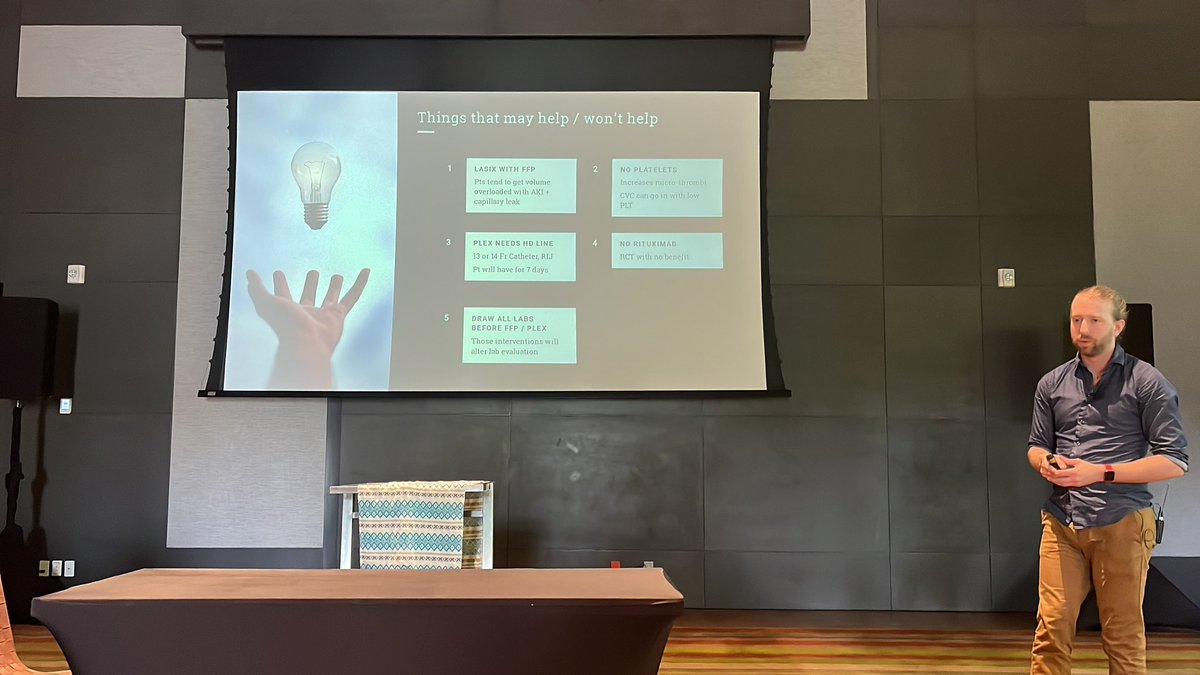
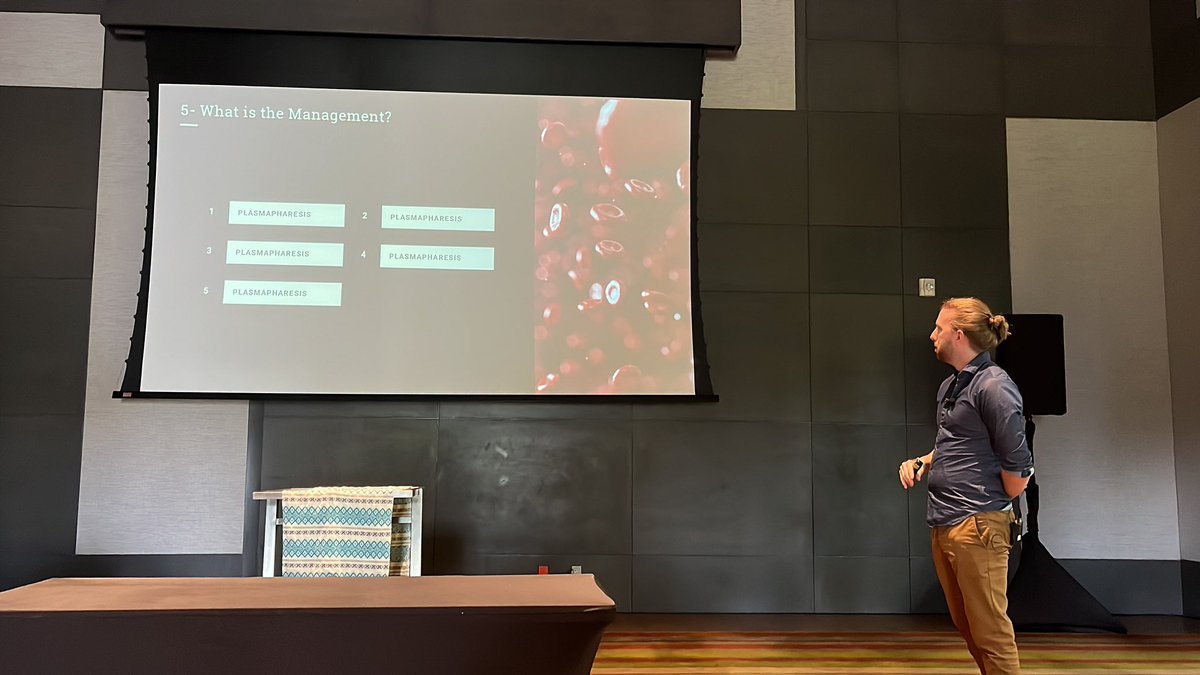
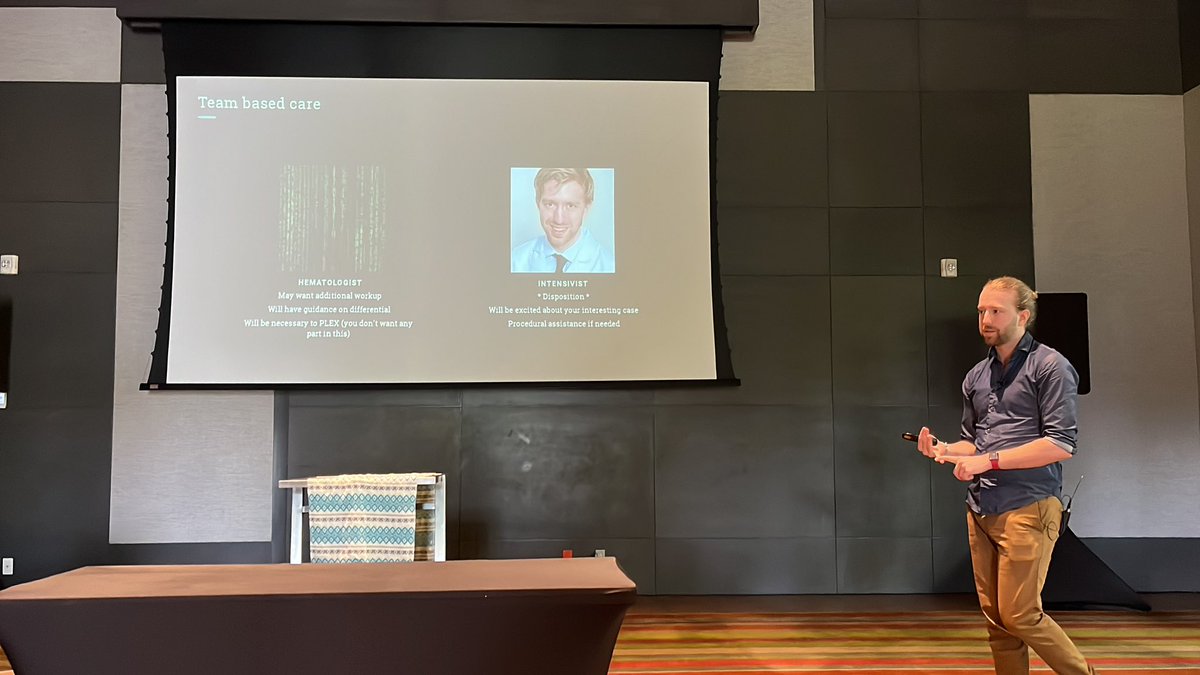
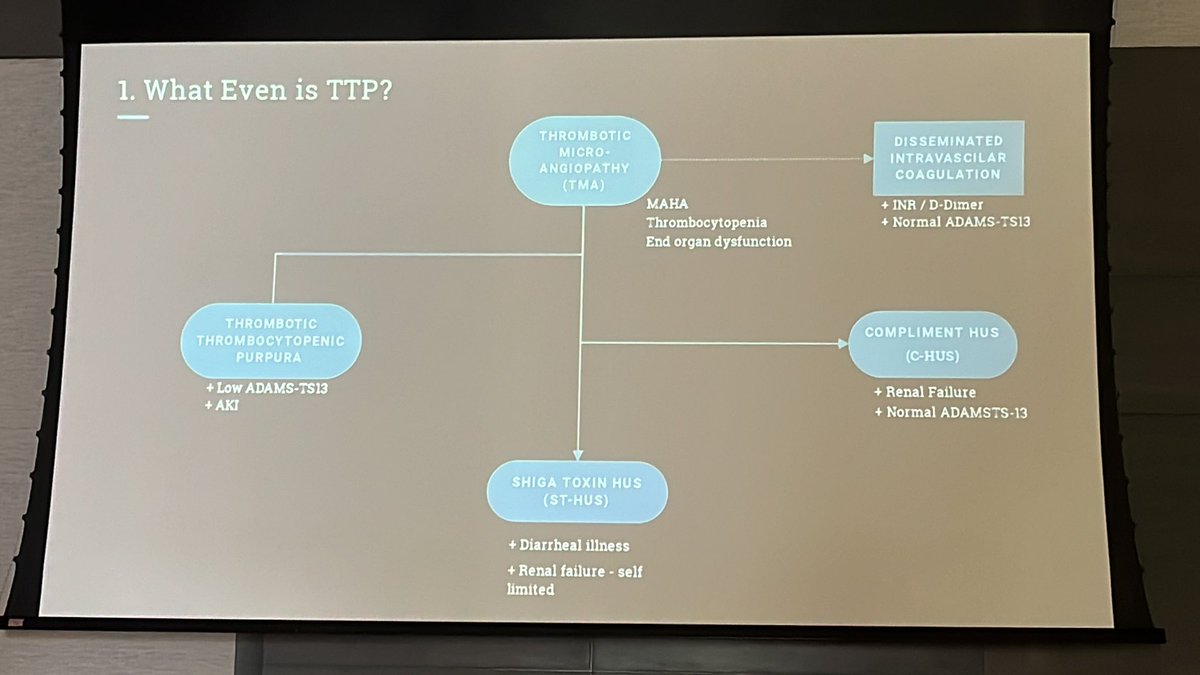
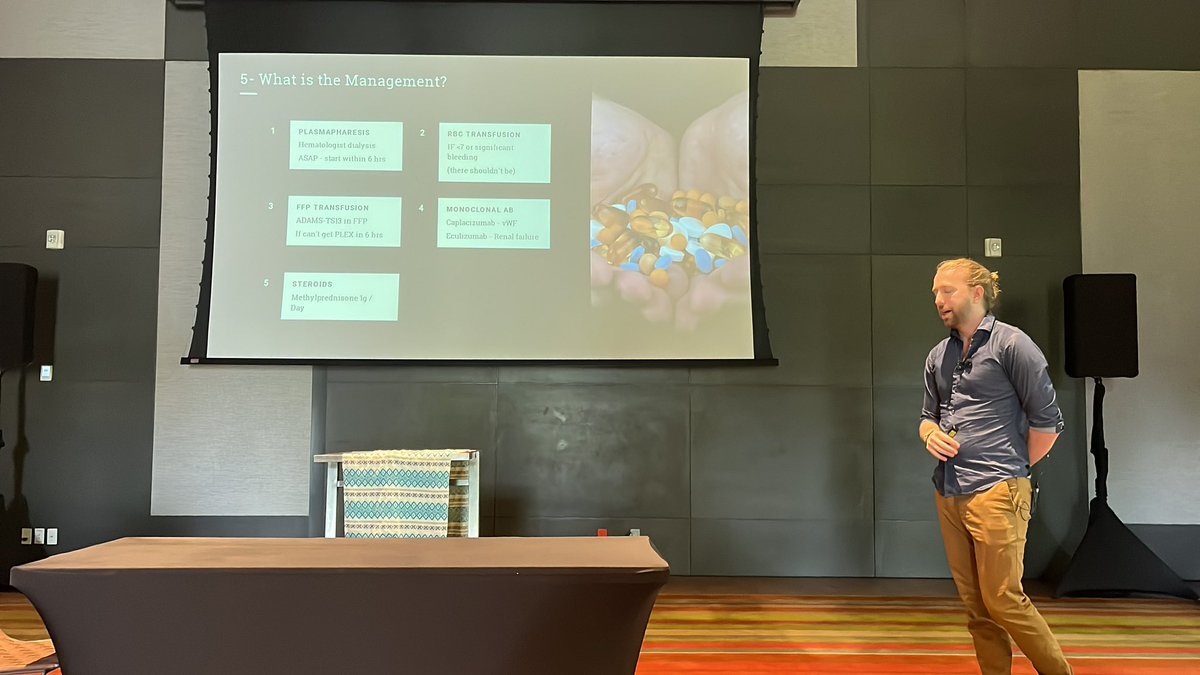
How do you manage TTP? -
1. Plasmapharesis
2. Plasmapharesis
3. Plasmapharesis
4. Plasmapharesis
5. Plasmapharesis
Jk you can also use steroids, FFP/RBC transfusion, or monoclonal AB. @gagestuntz #resusfest
1
55
12 Jan 2024
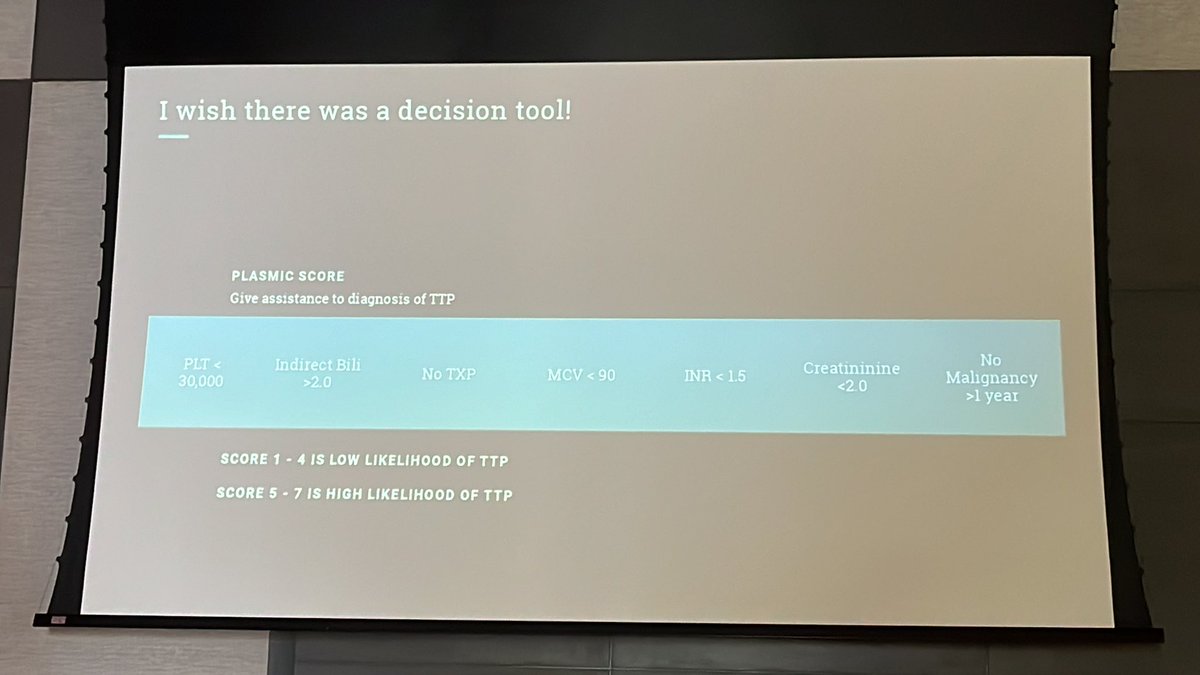
When trying to diagnose TTP feel free to use the plasmid score as a clinical decision tool. Keep in mind that it is not a validated score. @gagestuntz #resusfest
37
12 Jan 2024
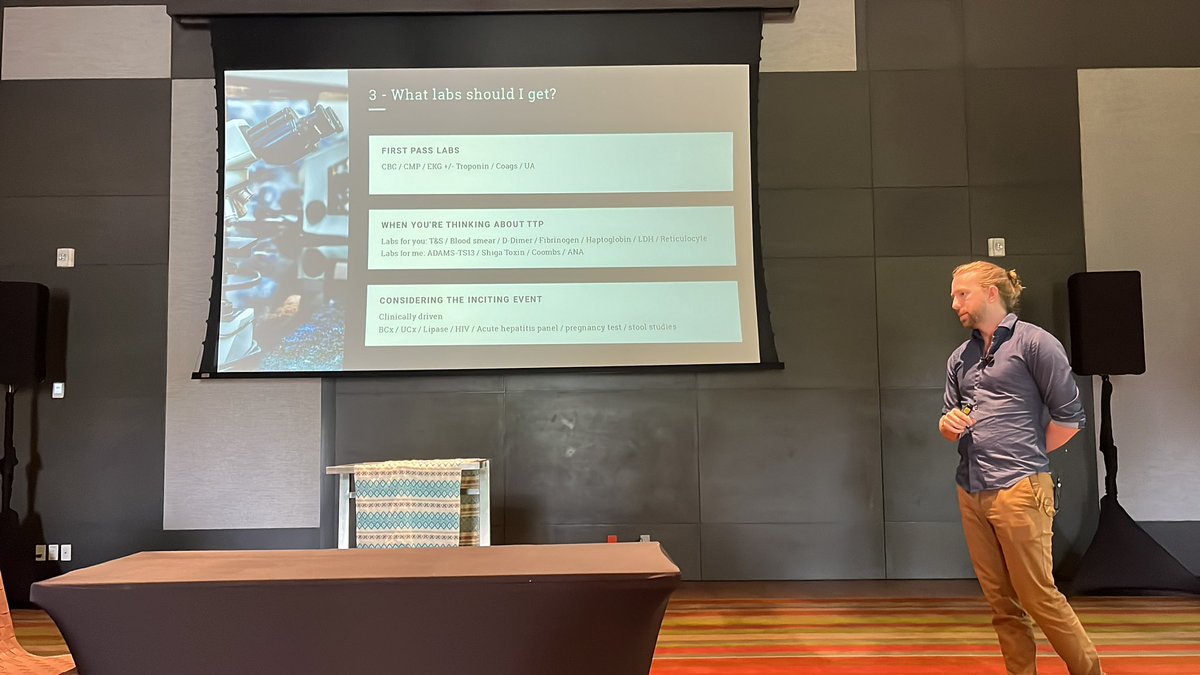
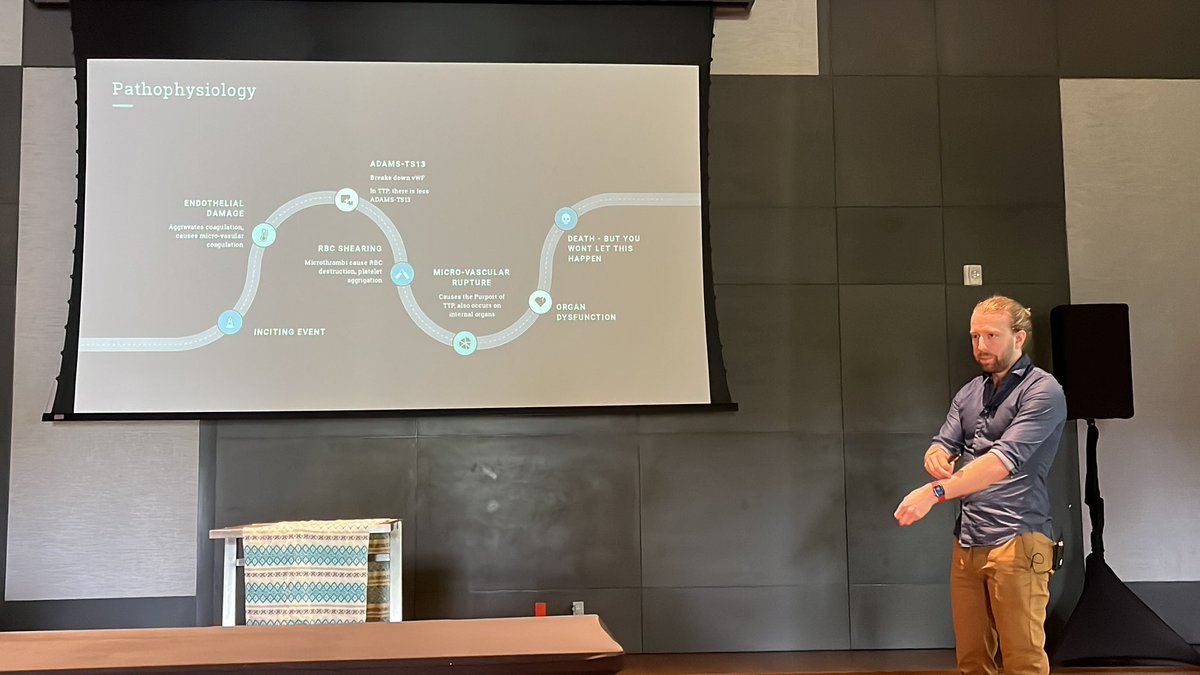
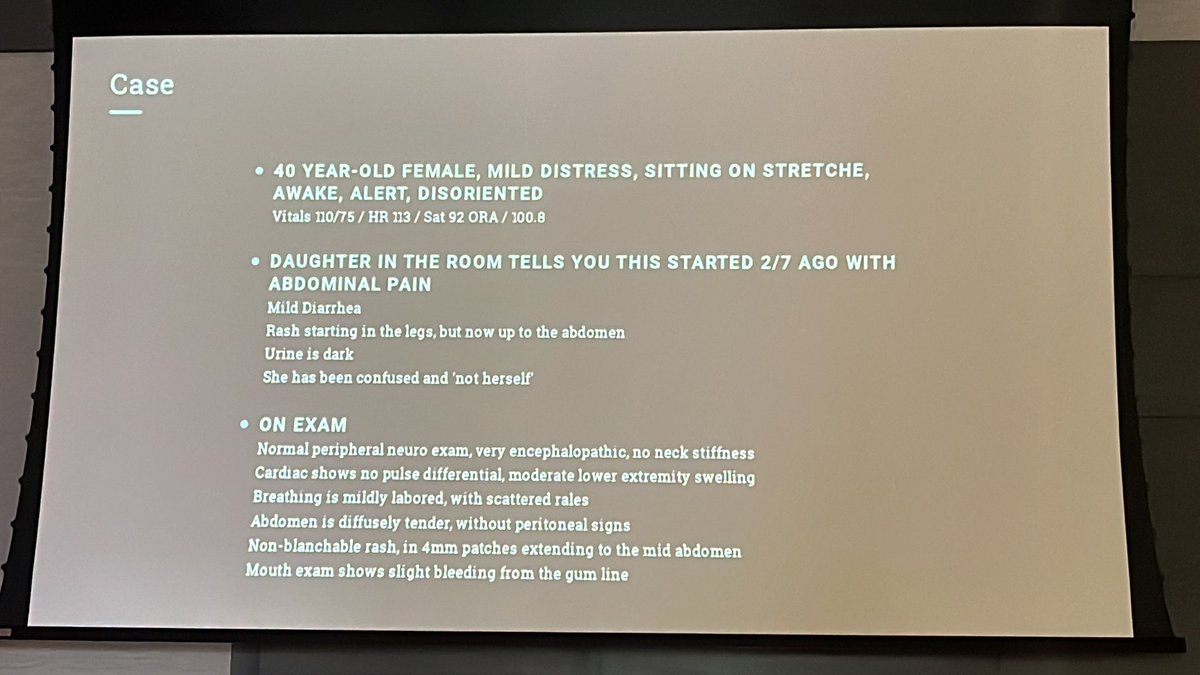
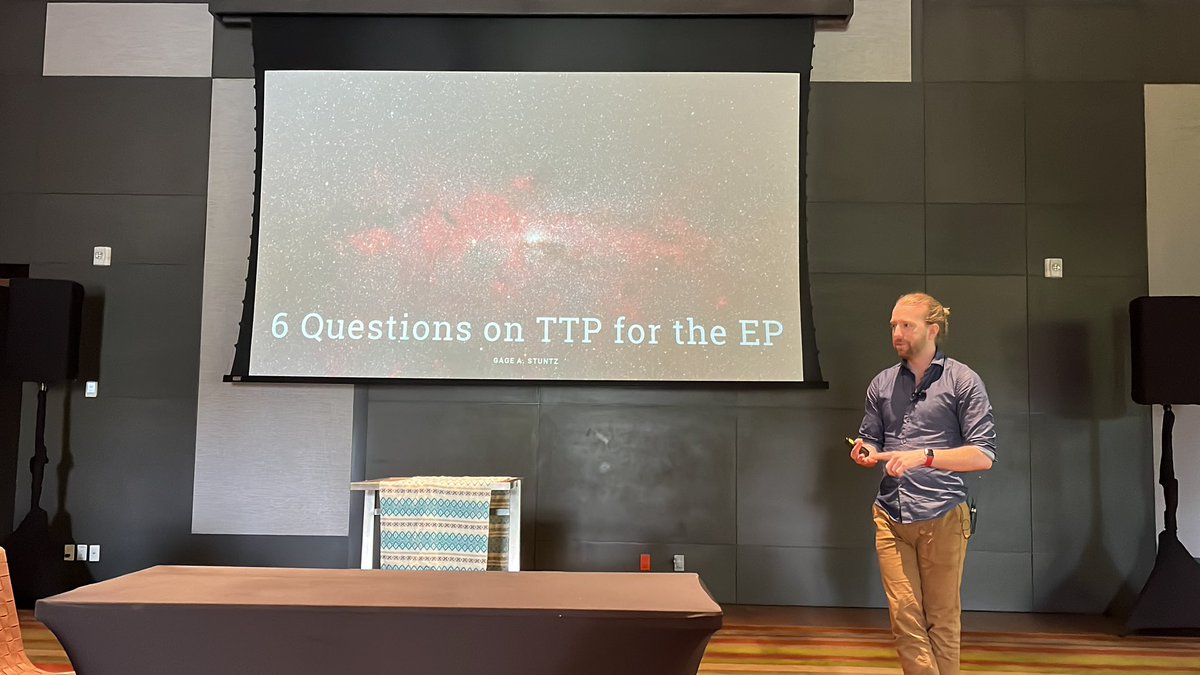
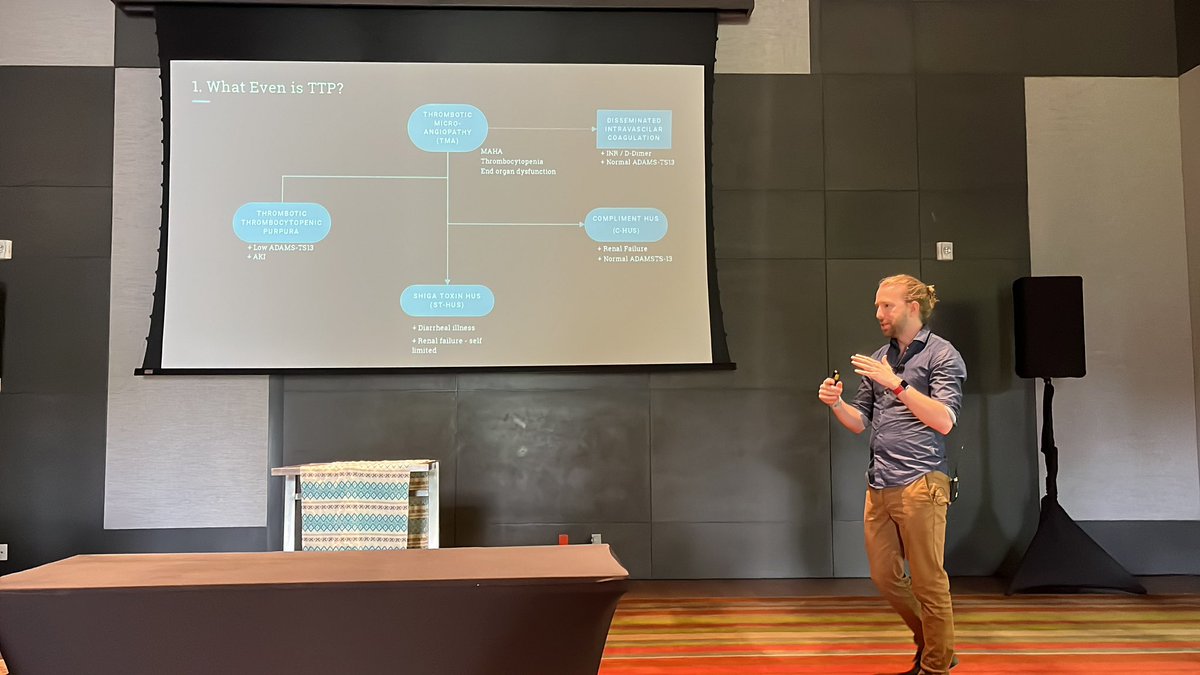
Case discussion with @gagestuntz at #resusfest. Diagnosis = Thrombotic thrombocytopenic purpura (TTP).
49
12 Jan 2024
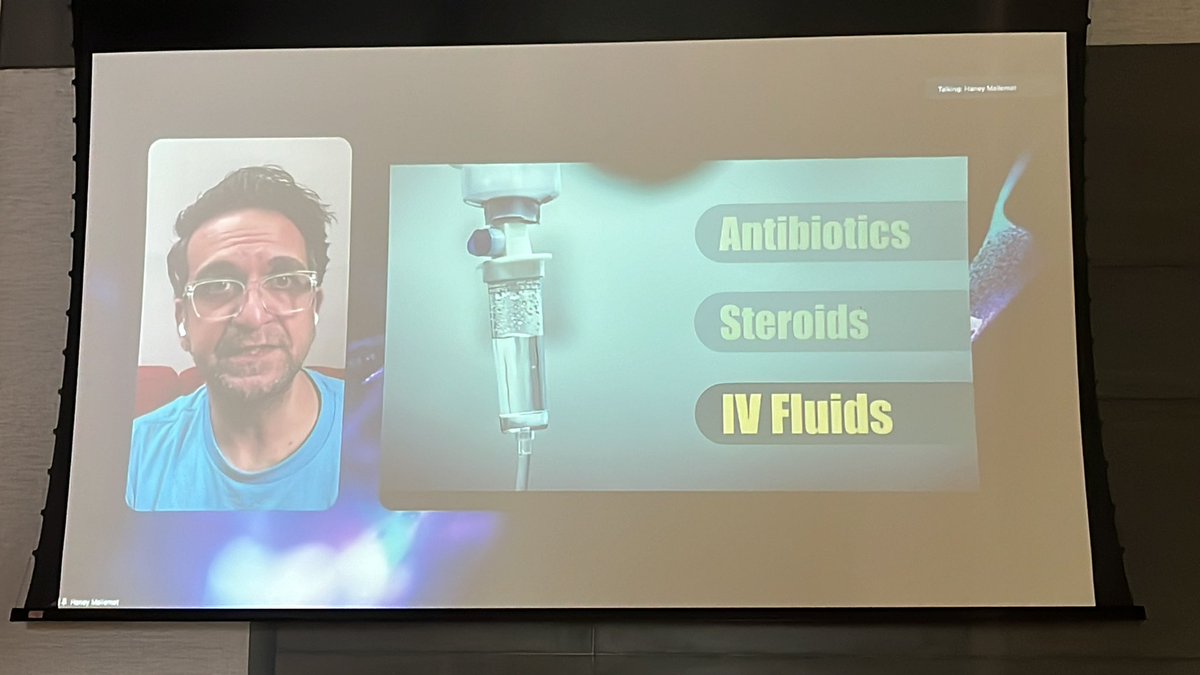
In the event PT needs more time in ED after ROSC:
➡️preserve neuro fx; monitor EEG.
➡️ poor data to support empiric ABX, instead start steroids.
➡️Maint. fluids not needed & can cause harm due to excess fluid in the interstitium.@CriticalCareNow
42
12 Jan 2024
45min post-ROSC:
➡️focus on fine-tuning tx to max survival by fine-tuning airway management, access, and optimizing MAP (goal is 65).
➡️Adjust vent settings to a tidal volume consistent with PT ideal body weight.
➡️Use vasopressors to maintain MAP at goal. @CriticalCareNow
1
43
12 Jan 2024
After ROSC has been achieved do a team debrief. It is crucial to take at least 5 mins to discuss with the entire team what went well, what can be done better, and address any lingering thoughts regarding the case. @CriticalCareNow #resusfest
37
12 Jan 2024
Airway management after ROSC: ⭐️hemodynamics is more important; focus on airway mgt after hemodynamic stability has been achieved.
⭐️consider swapping out SGAs/EGAs to a formal ETT
@CriticalCareNow #resusfest
34
12 Jan 2024
After ROSC,
➡️Transition vasopressor to a formal drip
➡️Continue an antiarrhythmic infusion
➡️Consider analgesia and sedation
@CriticalCareNow #resusfest
36
12 Jan 2024
After ROSC, order:
➡️lactate levels
➡️arterial blood gas (ABG) with “shock panel” (which is also known as ABG )
➡️tox panel. Look for acetaminophen and salicylates, esp if a cause or the arrest has not been determined
➡️ blood cultures
@CriticalCareNow #resusfest
1
85
12 Jan 2024
Diagnosing ischemia: Aggressively seek STEMI & STEMI equiv by obtaining serial EKGs. Cardiac echo will aid in finding cardiac abnormalities contributing to the arrest. Consult cardio early for mech support (ie ECMO & cardiac catheterization) @CritiCareNow #resusfest
48
12 Jan 2024
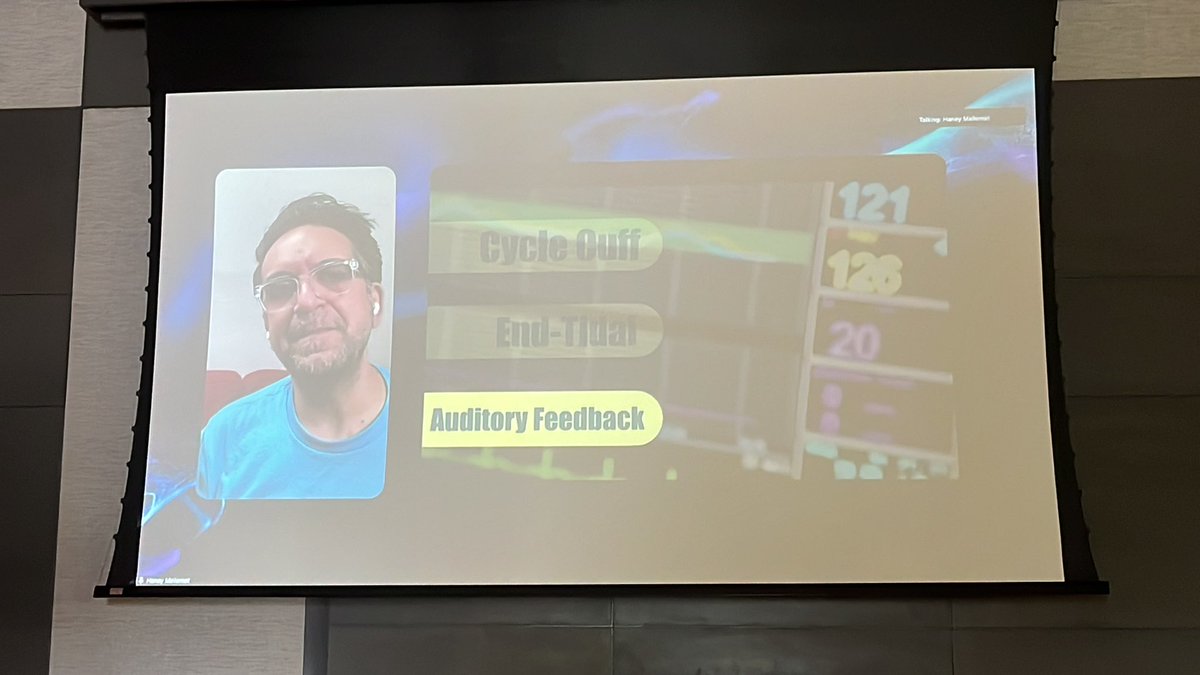
Assess end-tidal CO2; when CO2 drops below 30 mmHg, there is an increased risk for rearrest. Use auditory feedback to your advantage by setting the pulse oximeter on the auditory setting and listening for tone and frequency changes. @CriticalCareNow #resusfest
36
12 Jan 2024
Mallemat recommends cycling the BP cuff every 1-2 minutes to monitor for hypotension (in the absence of an arterial line). @CriticalCareNow #resusfest
43
12 Jan 2024
The period immediately following ROSC holds the highest potential for rearrest. Therefore, our main goal during this time is to stabilize the patient in order to avoid cardiac arrest. @CriticalCareNow #resusfest
37
12 Jan 2024
So excited for @CriticalCareNow surprise live call into #resusfest!! He will be presenting on what to do after we got ROSC!
36
12 Jan 2024
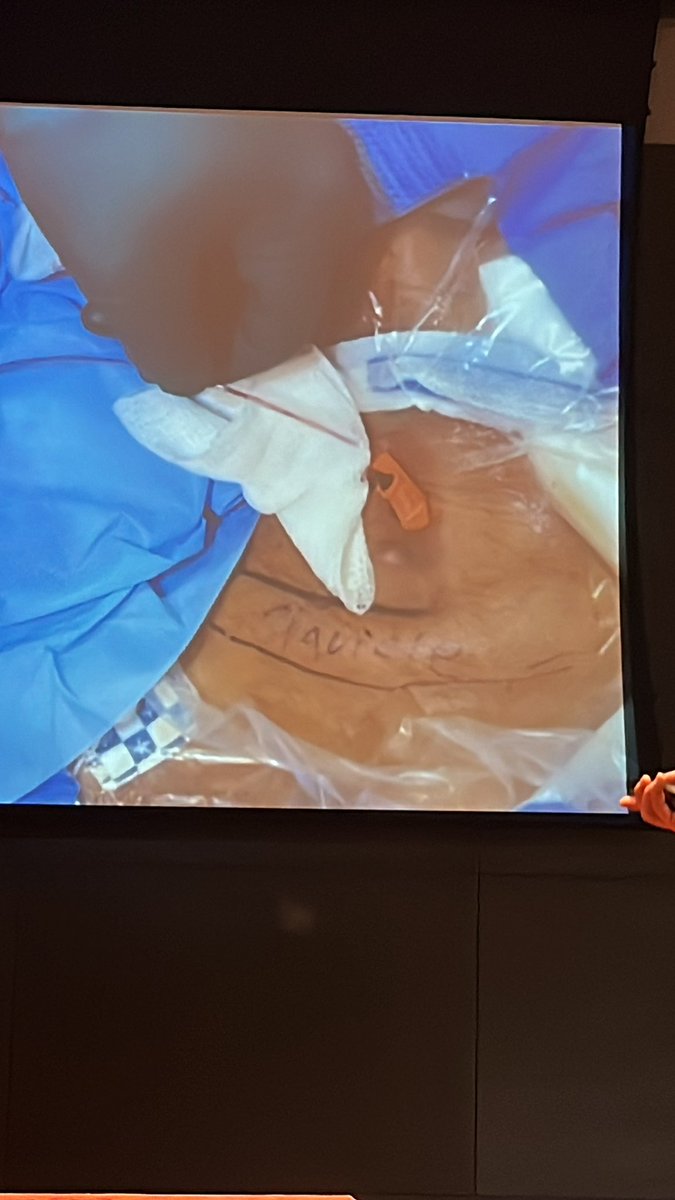
To prevent thrombosis use the Tunneling Technique: catheter thru tunnel created by 13G angiogram off label. #resusfest @thevascularguy1
397