
Joined July 2020
- Tweets 15,066
- Following 576
- Followers 472
- Likes 9,270
1,953 Photos and videos
TheEye👁️🇺🇸✝️🇺🇦 retweeted

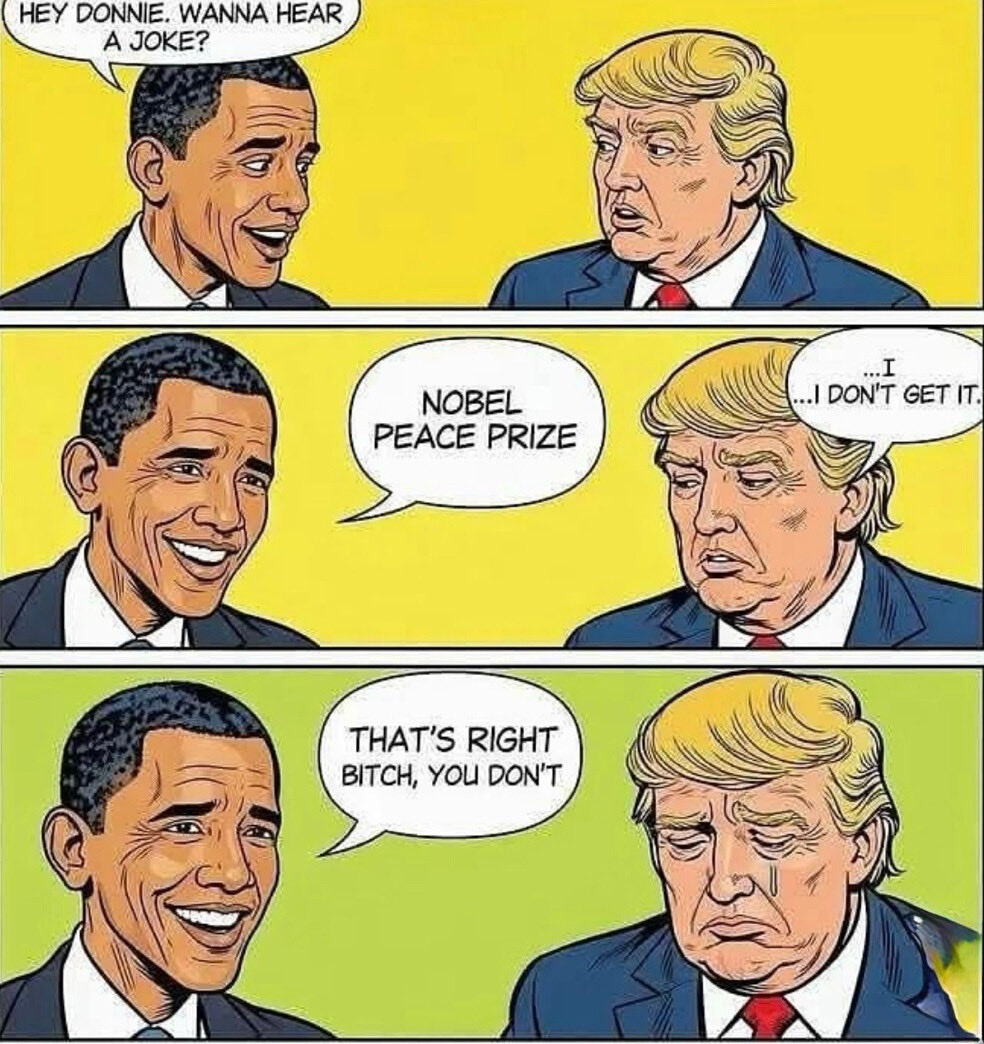
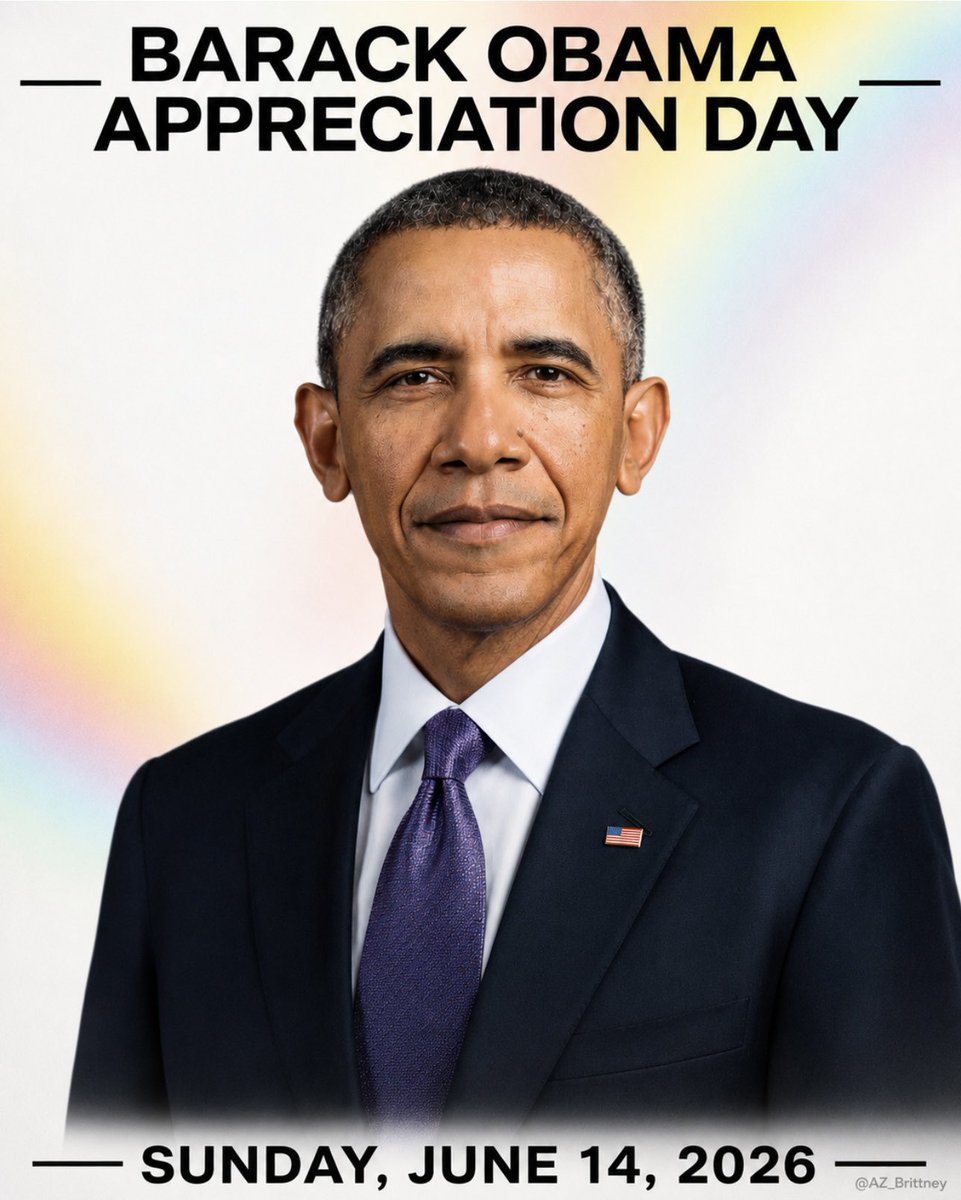
Tomorrow is President Obama Appreciation Day
We will flood social media with all things Obama!
We ride at dawn so pass it on!
495
3,008
6,548
52,455


TheEye👁️🇺🇸✝️🇺🇦 retweeted

It ain't over yet.
25
514
600
4,838

🤔
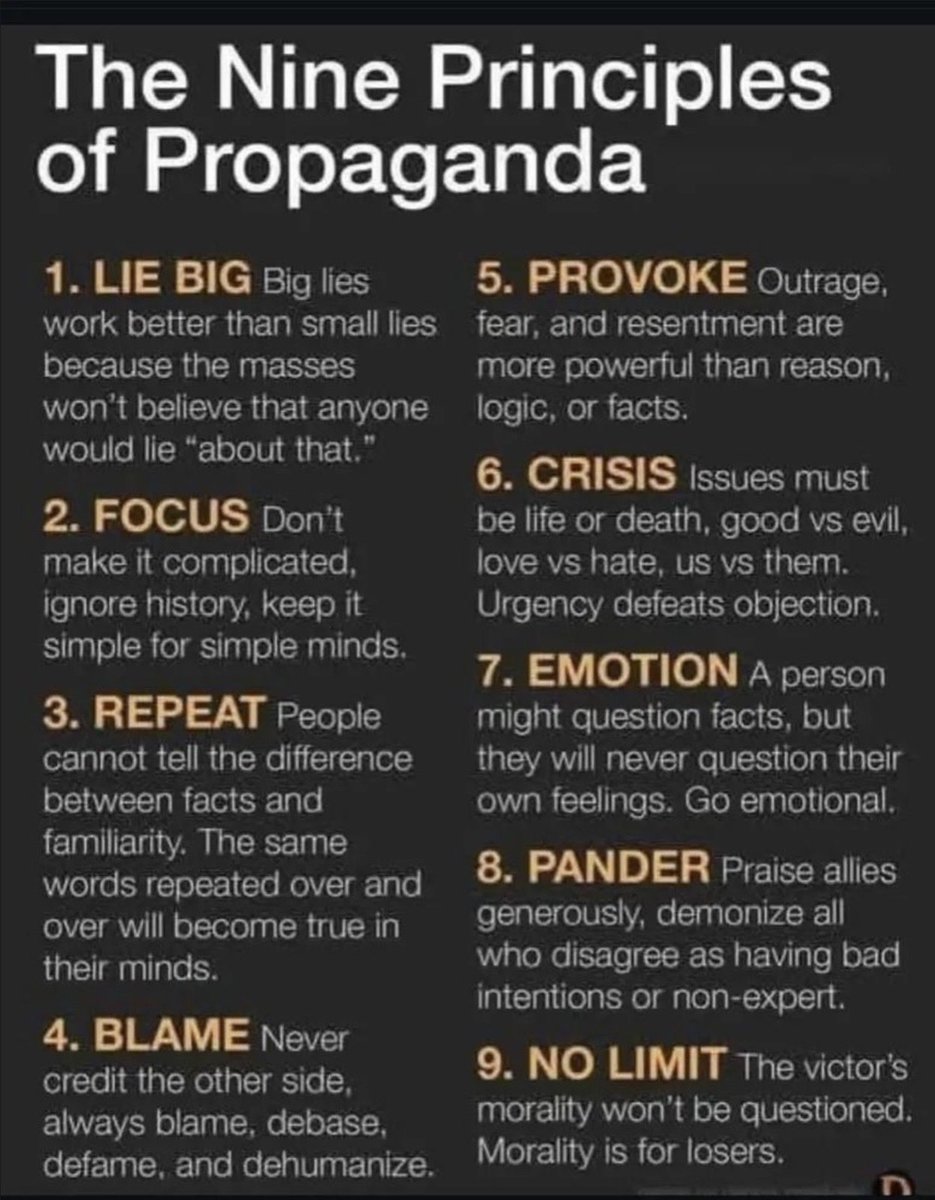
The primary incentive for foreign accounts (often linked to state actors like Russia, China, or Iran) posting divisive memes is geopolitical strategy: to weaken target countries like the US by amplifying existing societal divisions. This makes the target less cohesive, distracts from foreign policy challenges, erodes trust in institutions, and can influence elections or public opinion indirectly. It’s a form of “active measures” or information warfare—low-cost, deniable, and highly scalable via social media.2
Strategic/Geopolitical Incentives
•Divide and conquer: By pushing memes on hot-button issues (race, immigration, politics, guns, etc.), these operations pit groups against each other. Russian efforts, for example, have targeted both sides of the political spectrum—boosting pro-Trump and anti-Trump content, or amplifying Black Lives Matter alongside counter-narratives—to heighten polarization without needing to “win” for one side.15
•Undermine democracy and unity: A more divided US is seen as weaker on the global stage (e.g., less support for Ukraine, NATO, or confronting China). This has been documented in operations by Russia’s Internet Research Agency (IRA, or “troll farm”), Iranian networks, and Chinese influence efforts.20
•Amplification and virality: Memes are cheap, emotionally charged, and spread easily. They exploit algorithms that reward engagement (outrage drives clicks, shares, and replies). Foreign actors often pose as Americans, create fake grassroots groups, or use bots to boost visibility.8
These aren’t new tactics—Russia has run similar ops for years, including pre-2016 election interference—but social media made them far more effective and harder to trace.35
Financial Incentives
Yes, money plays a role, but it’s often secondary or enabling for state goals.
•State-funded troll farms: Russia’s IRA was financed by oligarch Yevgeny Prigozhin (linked to Putin) via his companies, with a budget around $1.25 million per month at peaks. Employees (hundreds working shifts) created content, memes, and posts for salaries of a few hundred dollars monthly—cheap for the impact. Similar operations exist for other countries.60
•Platform monetization (e.g., on X): Some foreign accounts post rage-bait or divisive US politics content to farm engagement for revenue sharing. X’s program pays based on impressions/views, creating incentives for non-US accounts (e.g., from India, Nigeria, or elsewhere) to pretend to be American MAGA or other voices. This has led to “foreign slop” flooding feeds. X has adjusted policies (e.g., weighting home-region impressions) to curb this.0
•Hybrid: Some ops blend state direction with profit motives or use proxies/influencers. Individuals might do it purely for ad revenue or clicks, while governments run or tolerate farms for strategic ends.
In short, for governments it’s mostly about power and disruption (with taxpayer/oligarch funding), while some operators chase platform payouts. The low barrier (memes are easy to make, especially with AI) makes it attractive. Platforms’ engagement-driven models inadvertently help by rewarding controversy.7
These efforts succeed partly because they exploit real divisions rather than inventing them from scratch. Awareness, better platform tools, and source labeling can reduce their impact.
47
TheEye👁️🇺🇸✝️🇺🇦 retweeted

Jun 13
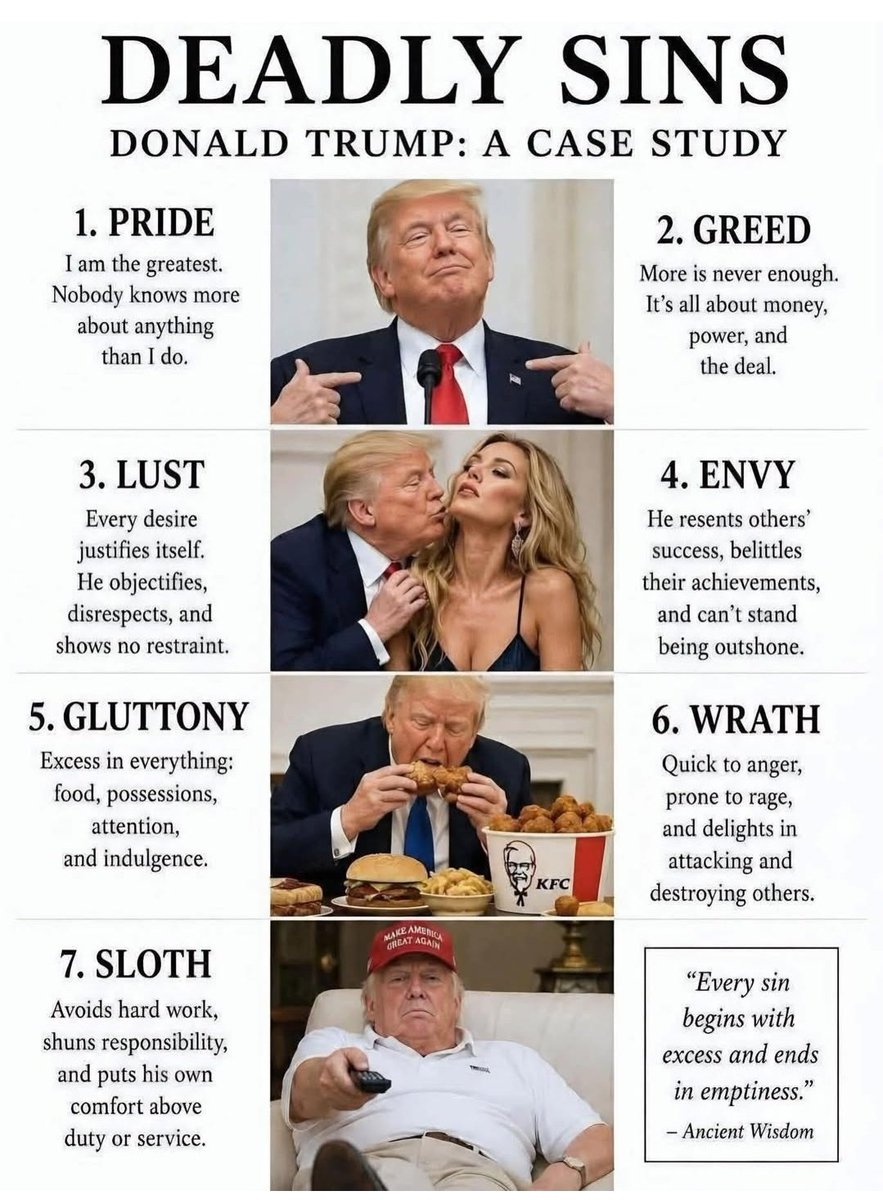
THERE IS NO BOTTOM 🤷 NONE
44
1,054
1,689
50,093
TheEye👁️🇺🇸✝️🇺🇦 retweeted

Jun 12
The first trillionaire is a Nazi btw
1,560
11,696
54,256
561,776
TheEye👁️🇺🇸✝️🇺🇦 retweeted

Jun 12
The entire White House was in on the Epstein coverup.
DOJ. FBI. The VP.
They were meeting in the Situation Room ffs.
This is INSANE.
open.substack.com/pub/jojofr…
1,258
8,007
26,823
263,712
TheEye👁️🇺🇸✝️🇺🇦 retweeted

Jun 13
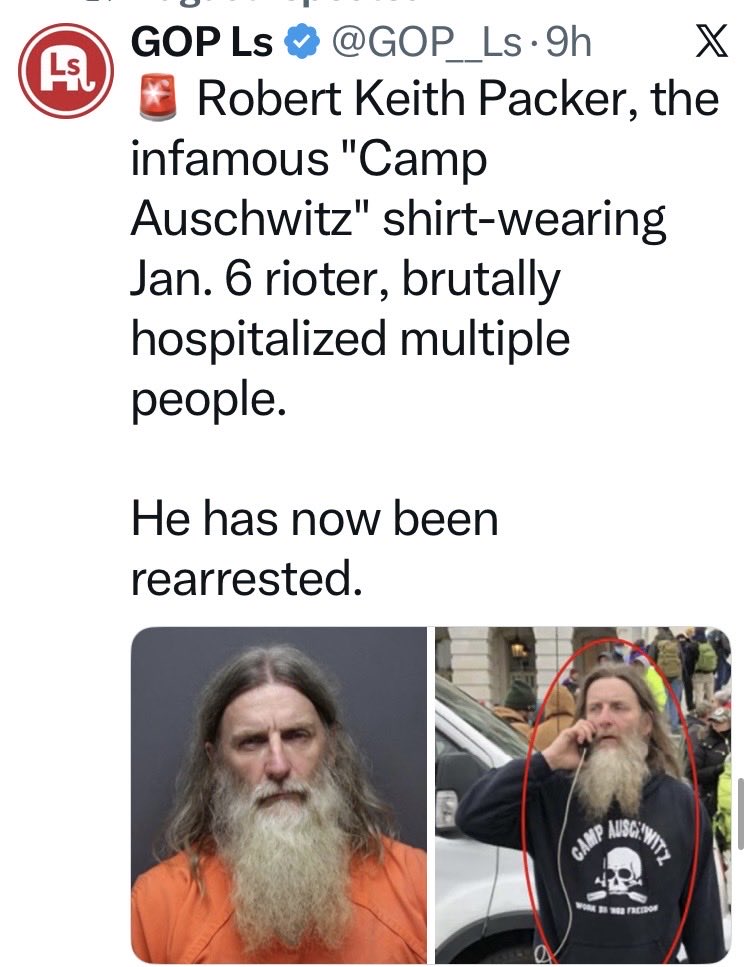
Robert Packer is now facing 5 new charges for allowing his dogs to attack several different neighbors landing them in the hospital and the dogs being euthanized which pisses me off because it’s obvious the owner taught them to be that way.This isn’t the first time either.
48
546
873
6,476


Jun 13
After the midterms we’re going for the
3 🍑
Fuck you @POTUS
Jun 13

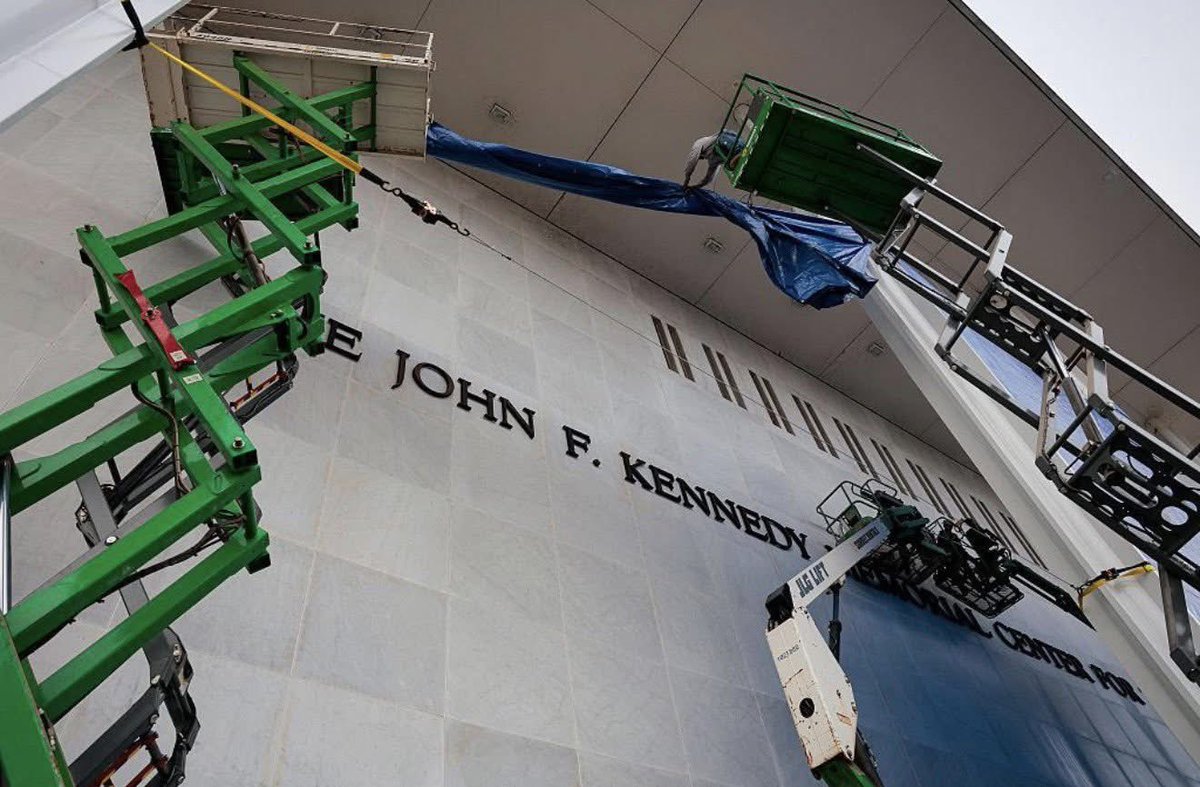
BREAKING: IT'S GONE! Trump's name is OFF the Kennedy Center!
This must be DEVASTATING to Donald Trump; this sort of ego-boosting, prestige-siphoning high society stuff is all he really cares about, in a desperate attempt for him to soothe his insecurities about being a tasteless, classless boor that everybody despises.
Serves him right.
Let him be tortured by the knowledge that no matter how hard he tries, he’ll never be able to get what wants, no matter how hard he tries to bully it into existence.
Now to get him out of the Oval Office.
13
Jun 13
Hey @DavidJo70430257
😁

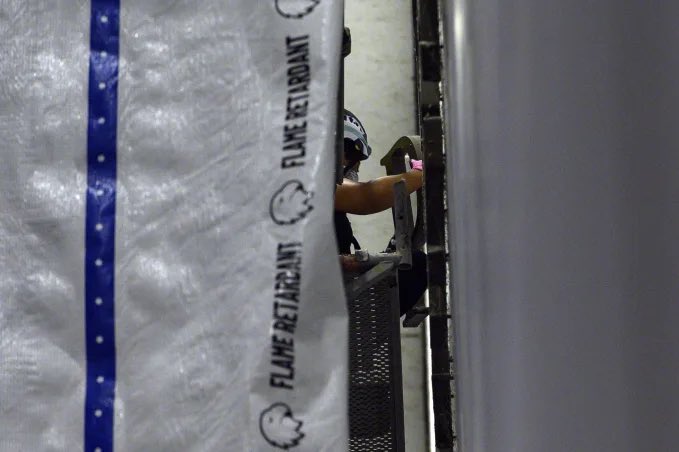
If thousands of people gather to cheer your name being ripped off a building at 4:00 am, even though you ordered the work hidden behind a tarp, just imagine how long the lineup will be to piss on your grave. Try to put a tarp around that motherfucker!
8
Jun 13
Exactly! The DeepState/Antifa Alliance will be organizing tours! 😂
If thousands of people gather to cheer your name being ripped off a building at 4:00 am, even though you ordered the work hidden behind a tarp, just imagine how long the lineup will be to piss on your grave. Try to put a tarp around that motherfucker!
6
Jun 13
😂🤦♂️
Jun 11

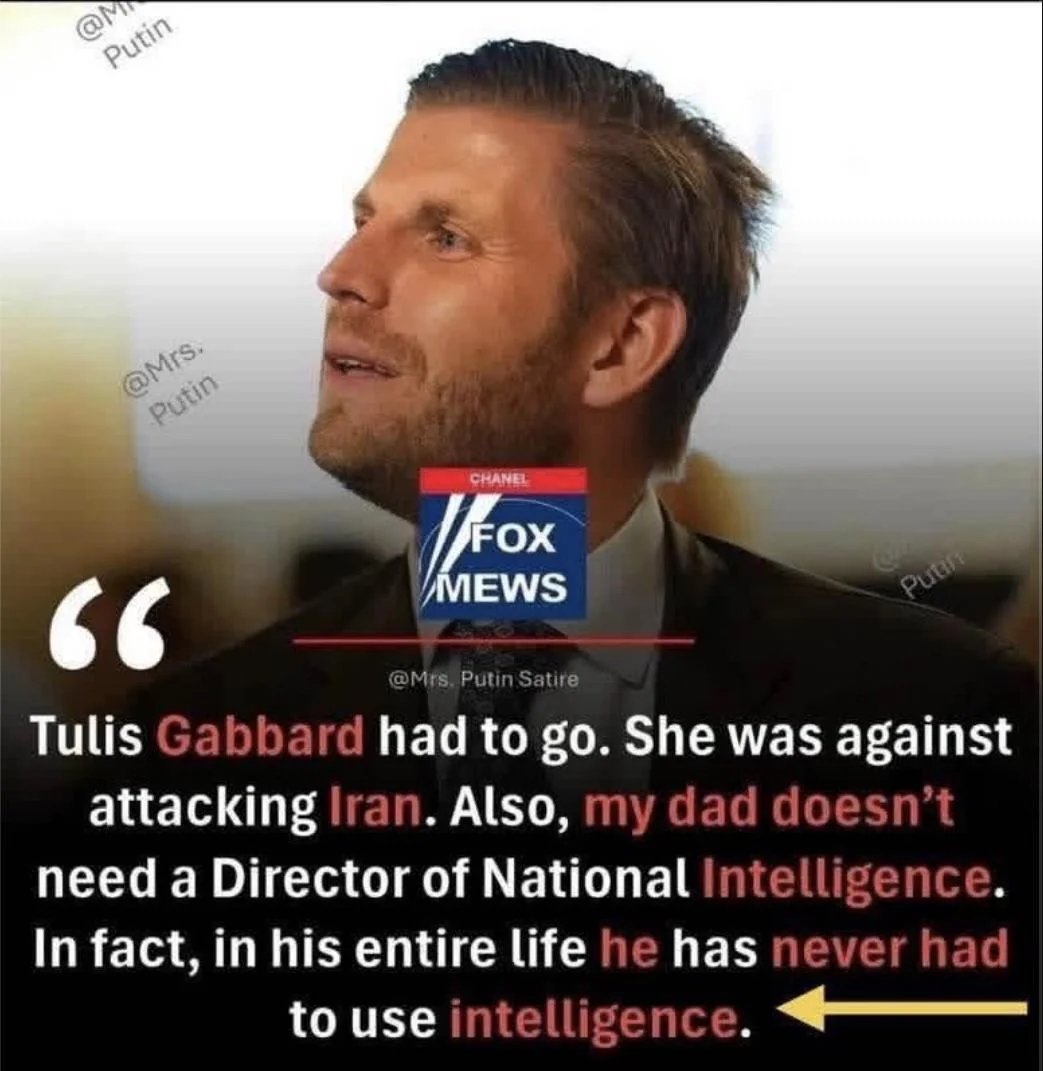
Eric Trump out here proving that the potato doesn’t fall far from the trump family tree.
1
14
Jun 13
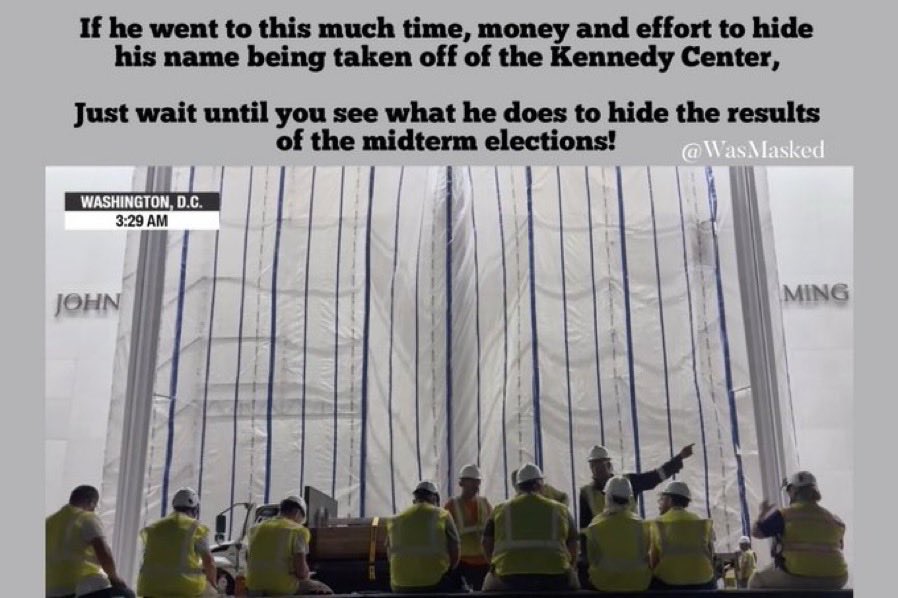
We’re not going to let @POTUS do a damn thing! Elections are state run.
The DeepState/Antifa Alliance is standing back and standing by!
Hey @FBIDirectorKash 🖕
😀😁😅😂🤣

10

TheEye👁️🇺🇸✝️🇺🇦 retweeted

Jun 13
Click below and let me know what you see 👇
Jun 12

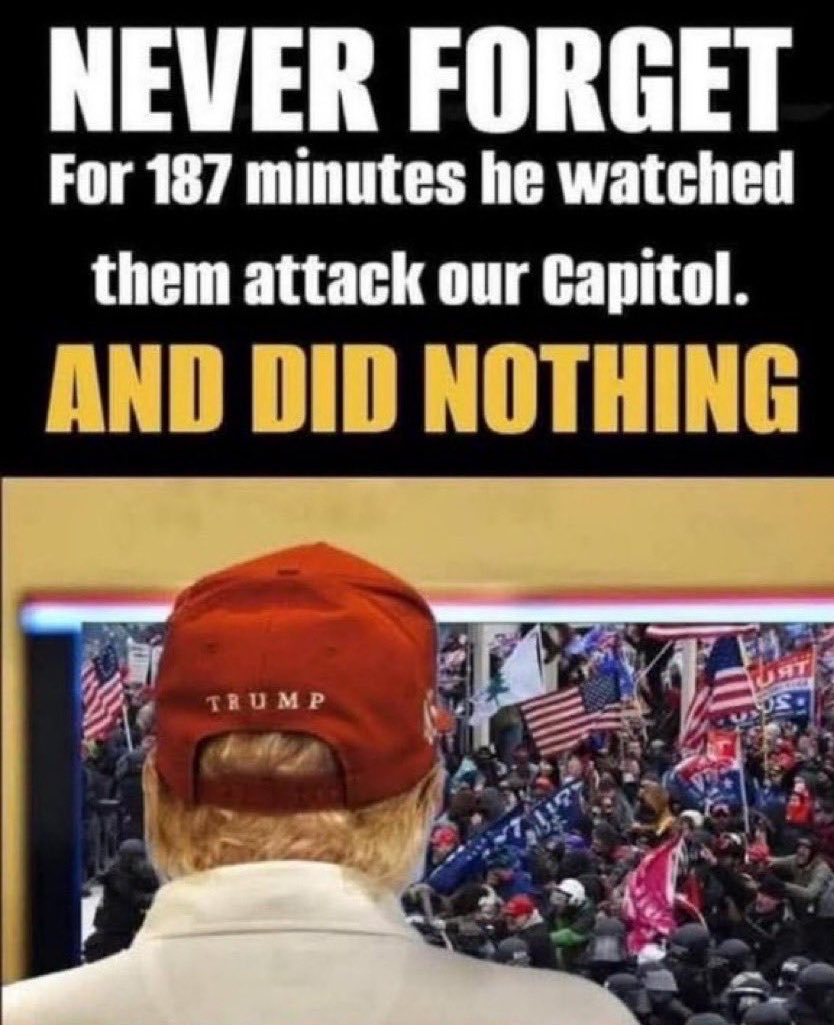
🚨 I'm posting this video every day so we NEVER forget what insurrectionist Donald Trump did on J6
Instead of accepting defeat and honoring the peaceful transfer of power, Trump unleashed a deadly mob on the U.S. Capitol in a last-ditch attempt to stay in power.
Is THIS is what an insurrection looks like? 👇👇👇
133
1,958
3,183
24,529
TheEye👁️🇺🇸✝️🇺🇦 retweeted

Jun 13
Hey, @realDonaldTrump—wake up, pay attention—that's not an IQ test they keep making you take. Dude, try to stay awake!
It's a test for dementia! You still there??
Our latest ad 👉
georgeconwayforcongress.com
406
2,413
8,988
263,291