
Investing in foundational-tech @bluehillvc | Entrepreneur | Arsenal are Champions | Chess | Chennai Bangalore
Joined November 2009
- Tweets 3,149
- Following 480
- Followers 283
- Likes 58,235
110 Photos and videos




Pinned Tweet

Apr 23
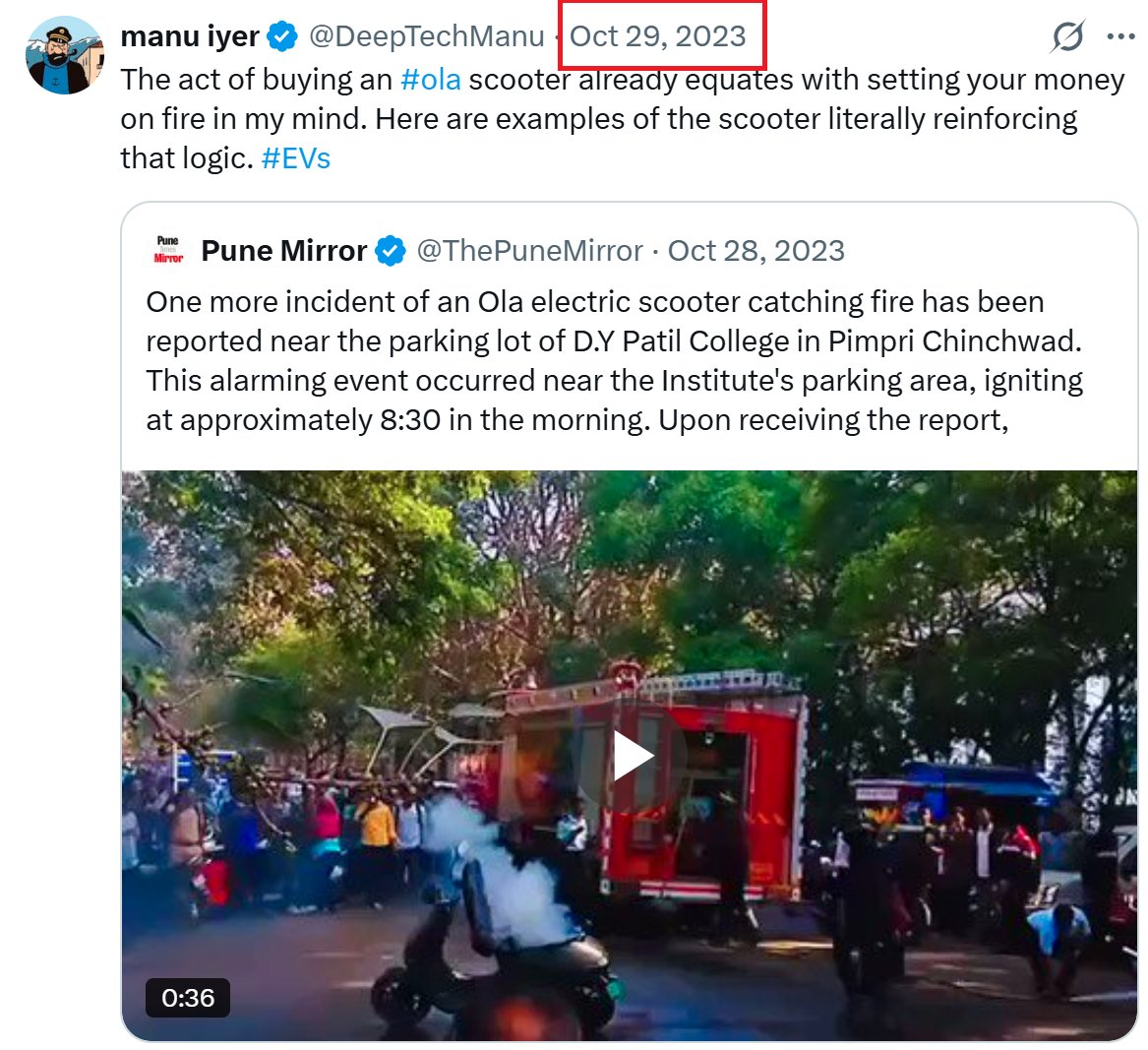
@autocarindiamag Autocar India: Ola Roadster X is the worst made-in-India bike we have tested.
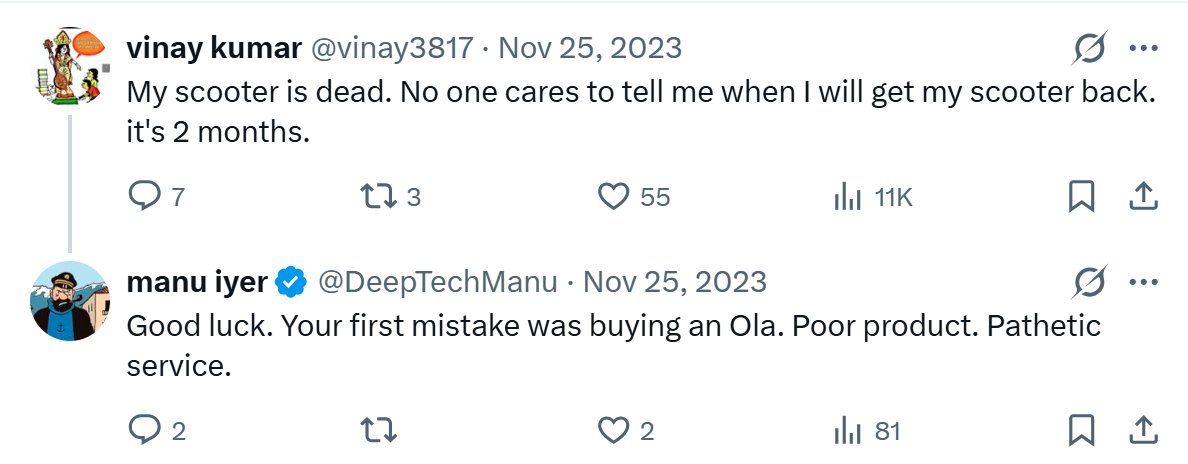
As someone who’s been calling out @OlaElectric's poor quality for years, Autocar’s brutal review of their ‘groundbreaking’ Roadster X is no surprise at all.
It is not trivial to build an EV motorbike. What passes off as an EV “motorbike” in India today, is just a scooter platform with a bigger motor and motorbike aesthetics.
True motorbikes need ground-up engineering on powertrain, thermals, safety, charging architecture. That bar is much higher than most expect.
@RapteeEnergy has built and homologated a high-voltage EV motorbike from scratch with a custom built 240V drive-train which can fast charge (DC) on CCS2 public chargers. Take a test drive today and learn more!
Disclaimer: I am an investor in Raptee. But have been calling out Ola from before I was an investor in Raptee.
1
5
954
Jun 7
Big positive tailwind for Defence Tech startups. Defence ministry has increased the financial procurement powers for the rank of army commanders and above quite significantly. The cap for army commanders is now Rs.100cr from the earlier Rs.30cr. The primary drivers here are to improve indigenization and speed to deploy the latest technologies. @BluehillVC
2
5
96
May 31
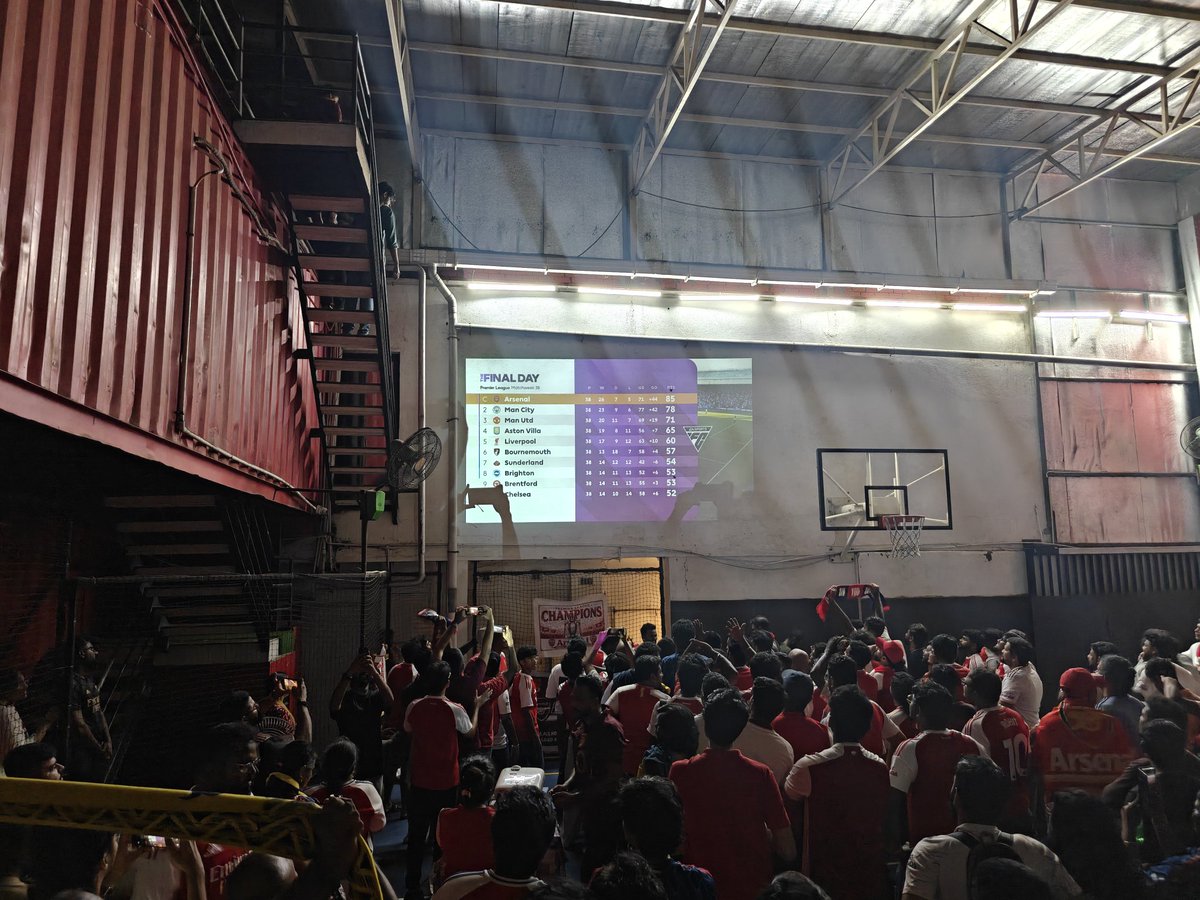
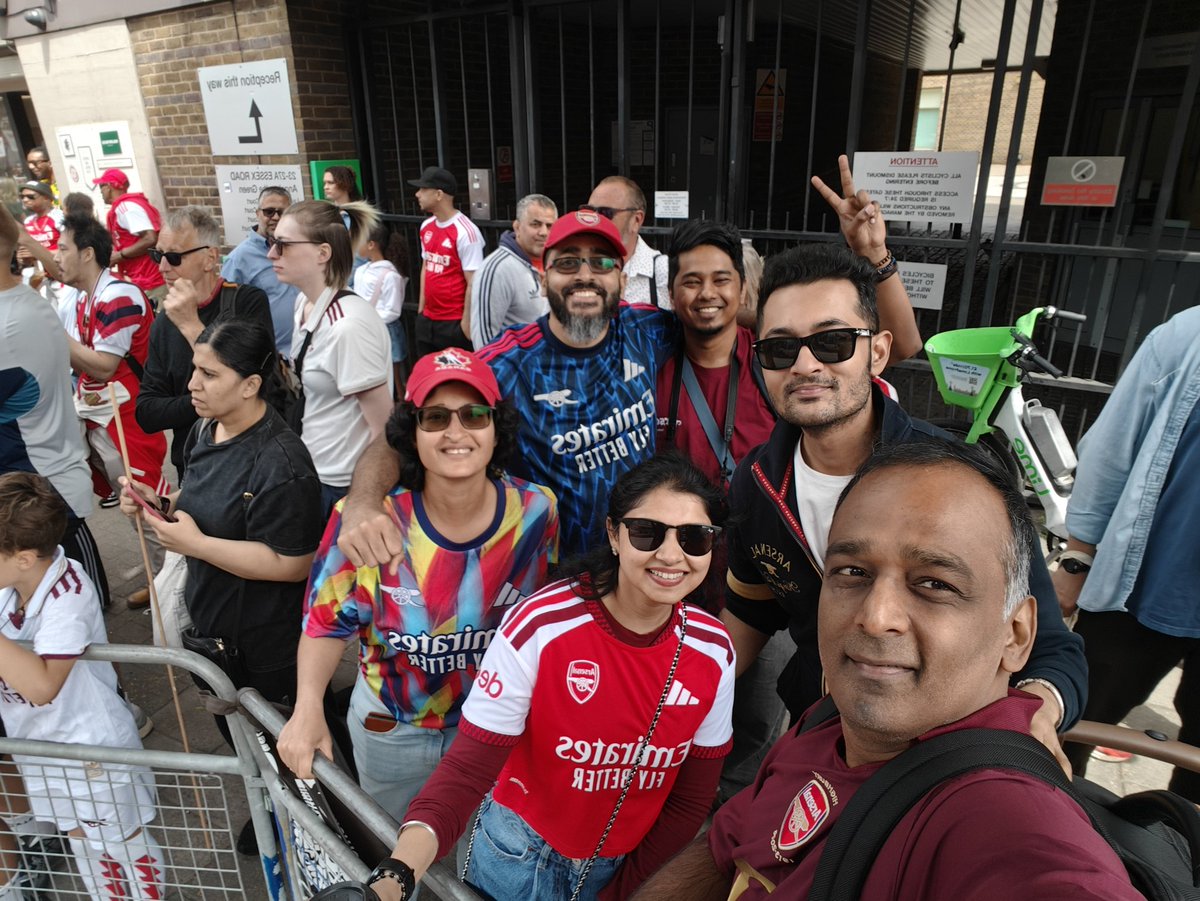
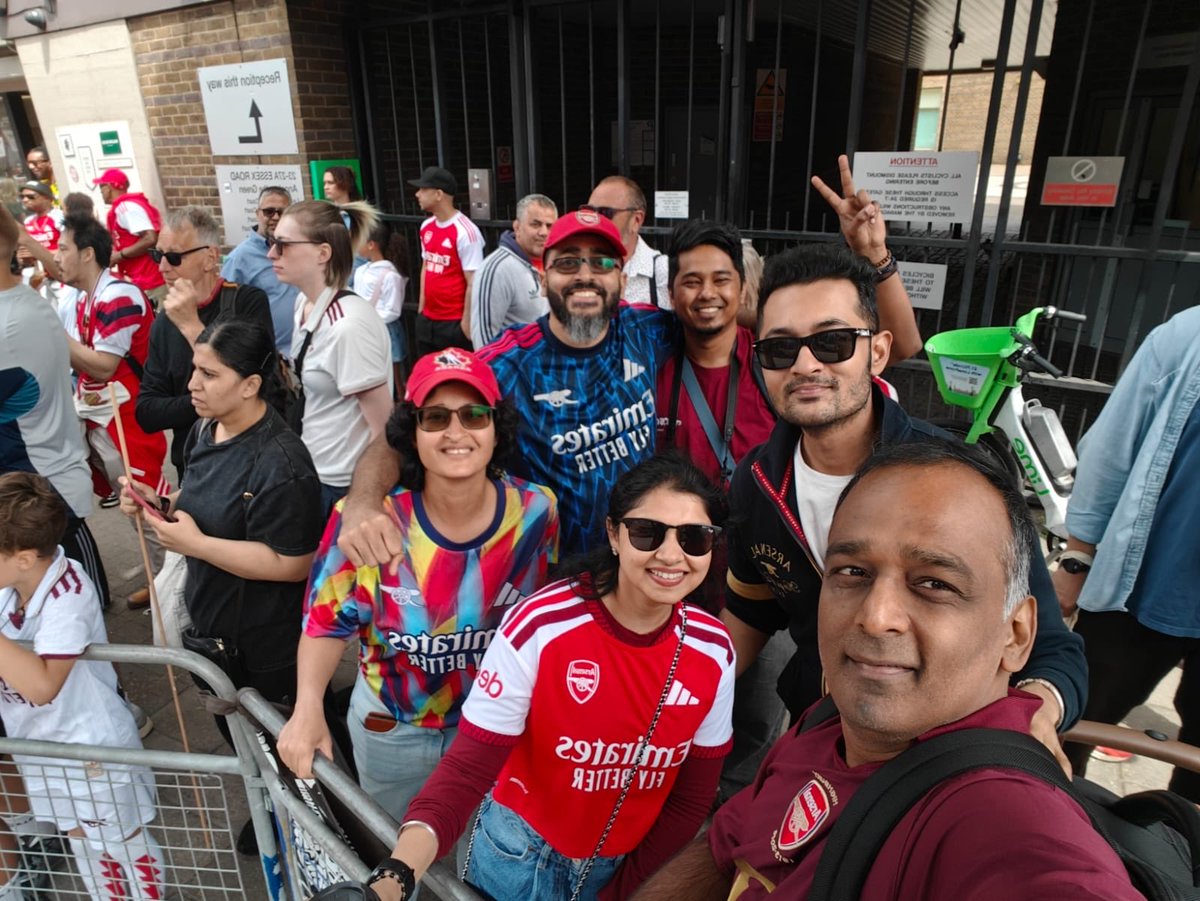
We made the trip from Chennai to North London. For the parade. 14 hour flight in and we weren't the craziest ones - there were fans who'd flown in from Sydney.
What a turnout. What energy. The 5 hour wait on the streets was nothing; we've waited 22 years.
One-year-old baby to 80-year-old grandpa, all drenched in Arsenal colours.
Maniacal. Magical. Monumental.
North London Forever. ❤️🤍 #COYG
@RohRamesh @vadalondon @Arsenal @ArsenalChennai

24
112
850
41,267
manu iyer retweeted

May 31


1
2
34
1,435
May 26
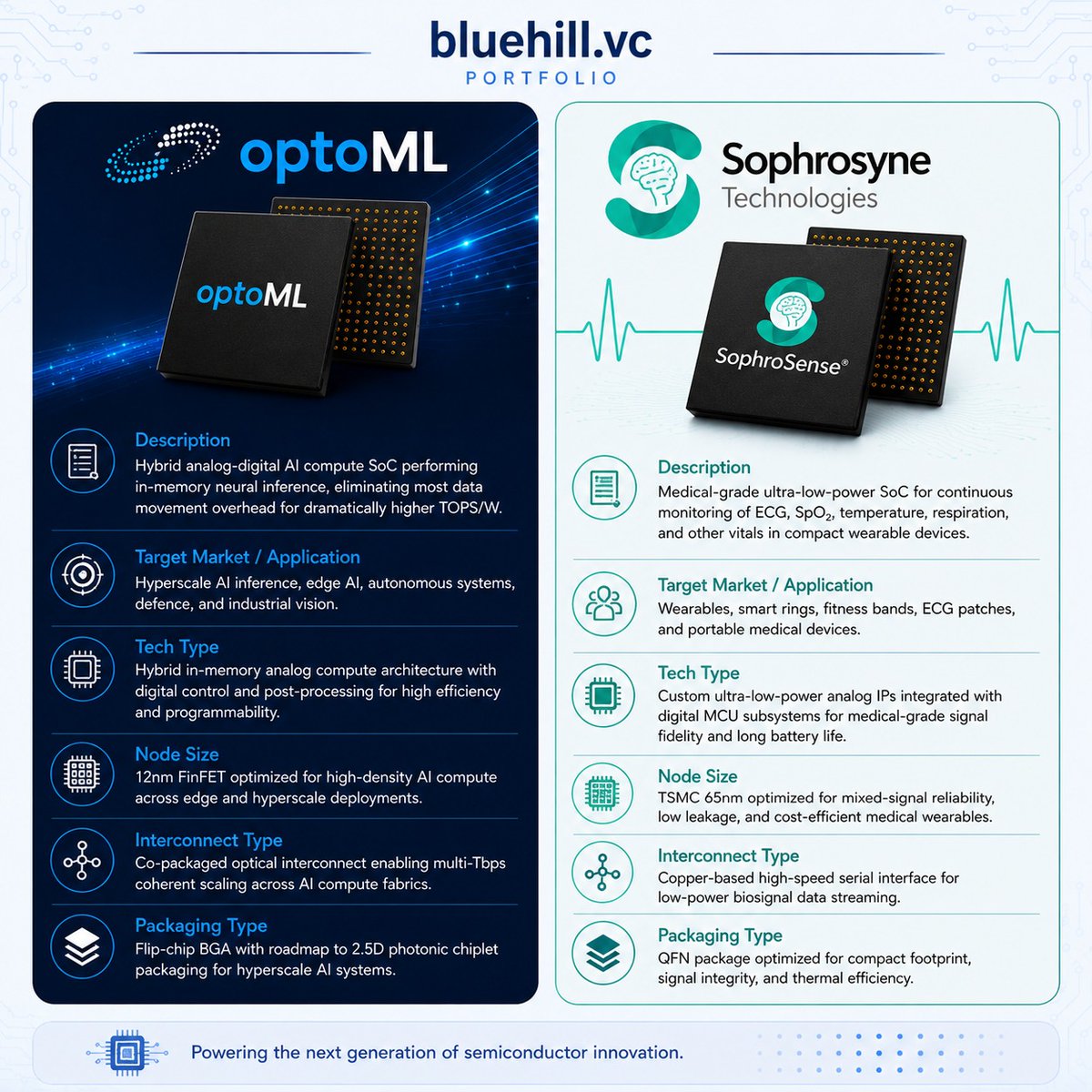
We had done 2 fabless semiconductor investments from the fund and both have managed to tapeout in record time. Both have taped out with TSMC. Here below is a summary of what both companies are building. Exciting times for investors in semiconductors!
@BluehillVC @SanketPanda10
2
6
370

May 16
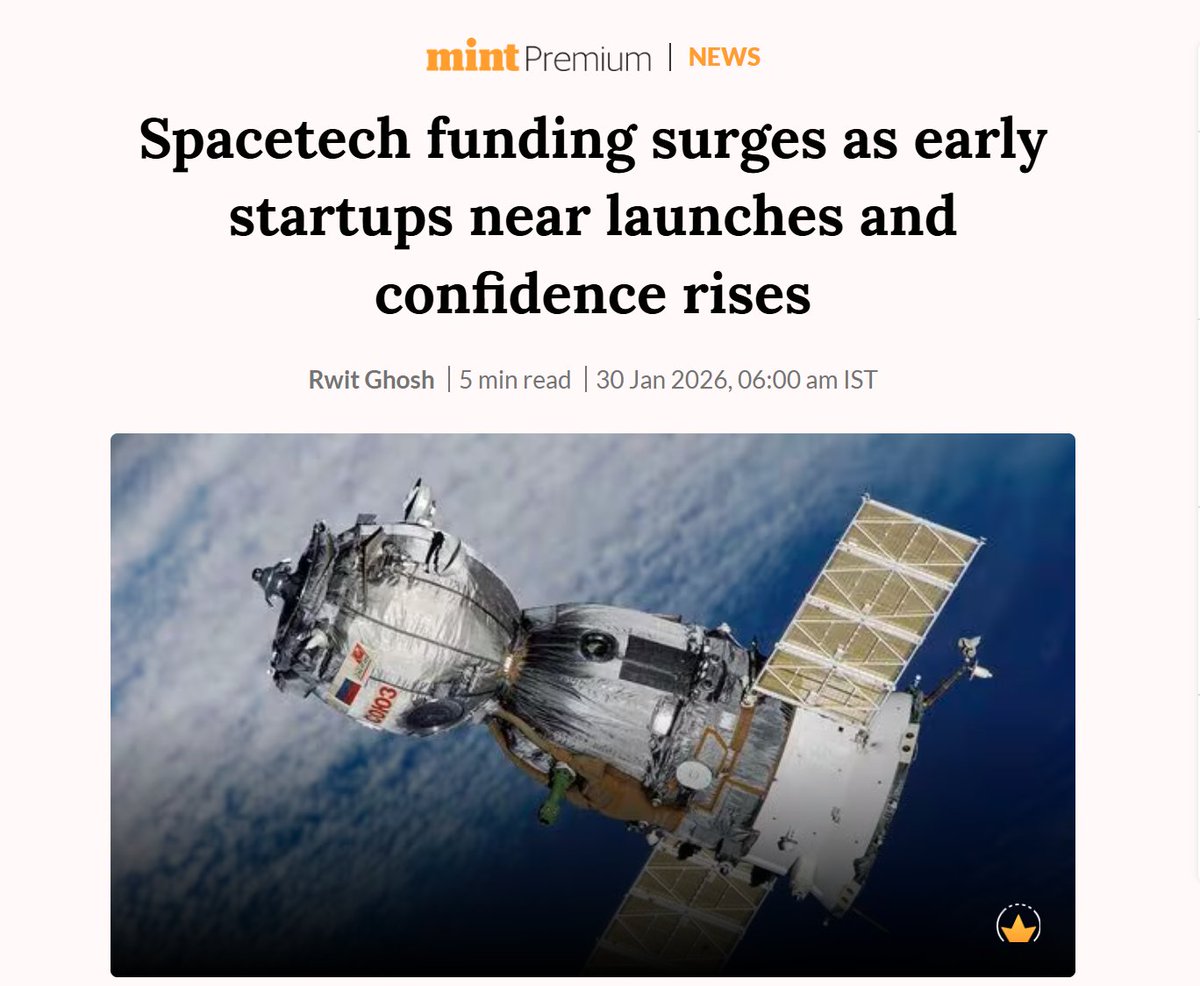
Glad to be quoted in this article on the prospect of Indian Startups building data centres in space.

🚨Why Indian startups are racing to build data centres in space
Each Indian startup is approaching the opportunity differently.
Pixxel's partnership with Sarvam AI is aimed at proving that sovereign AI workloads can run directly in orbit.
The Pathfinder satellite will initially host only a small number of GPUs – Blackwell or H200 class GPU –, but the larger goal is technological validation, Awais Ahmed, CEO and co founder of Pixxel said.
Ahmed said most of the real testing will begin only after launch. “Once it's in orbit, that's the real test,” he said.
Agnikul Cosmos, meanwhile, is taking a more infrastructure-led approach.
Rather than building the data centre itself, the company wants to offer its launch systems and patented upper-stage platforms as orbital hosting infrastructure.
Typically, rocket upper stages become debris after satellite deployment.
Agnikul wants to convert those upper stages into long-duration orbital platforms capable of hosting compute payloads.
“You can think of us as the real-estate provider for orbital data centres,” Srinath Ravichandran, Agnikul's CEO and co-founder told Moneycontrol.
The company eventually wants to support modular compute systems in the 10-100 kilowatt range, scaling toward one megawatt over time.
TakeMe2Space has perhaps laid out the most aggressive roadmap.
The startup plans to relaunch a 120-watt experimental satellite later this year after losing an earlier mission aboard a failed launch in January 2026.
That first system will carry around 40 terabytes of storage and act as a single-node orbital compute platform.
The next phase — targeted for 2027-28 — involves a five-kilowatt constellation architecture with optical inter-satellite connectivity.
By 2029, the company hopes to deploy a 50-kilowatt, 2.5-ton satellite carrying 400 petabytes of storage. For this, the startup is looking to raise a $55 million following a $5-million seed round in January 2o26.
TakeMe2Space founder Ronak Kumar Samantray said the company is targeting sectors such as BFSI and defence, and already has customers with signed letters of intent.
NeevCloud, on the other hand, is focusing more narrowly on inference infrastructure for specialised workloads.
The company plans to begin testing chips in orbit this year before scaling commercial deployments in 2027.
By @AihikS and @debanganaghosh4
moneycontrol.com/news/busine…
2
19
4,316
May 11
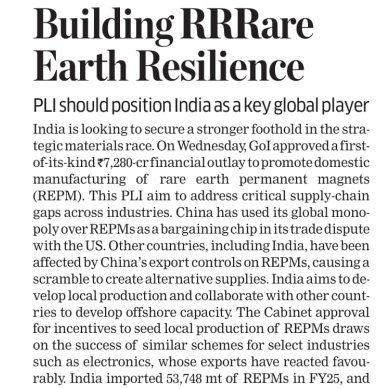
One of the many initiatives that the government of India is taking up is a financial outlay to promote domestic manufacturing of Rare Earth Permanent Magnets (REPM). REPMs are critical for many industries including EVs, Wind Turbines, Electronics, Defence & Aerospace.
GoI recently announced Rs.7280cr towards a scheme to support local supply chain formation in a critical space where import dependence is overwhelming. In fact Chinese export controls in this space has left domestic supply-chains scrambling, with close to 90% of our imports coming from China. India imported 53700 metric tons of REPMs in 2025 (an 88% YoY increase from 2024), and the scheme outlay is expected to establish capacity of only 6000 metric tons. There's a long way to go, but this is a good start.
@BluehillVC
1
3
147
manu iyer retweeted

Last week, my colleague @debanganaghosh4 travelled to Nashik to report on the crisis at TCS.
In under 48 hours, she accessed all 9 FIRs and spoke to the SIT head, public prosecutor, and defence lawyers.
Her @moneycontrolcom story, published today, raises tough questions.
TCS said it didn’t receive complaints via POSH (prevention of sexual harassment) channels. Per the FIRs, Ashwini Chainani, a delivery operations head who’s been with the company for over 20 years, dissuaded young women from filing complaints, even as she was part of the POSH committee.
When there was a complaint about Shafi Shaikh’s conduct by a woman employee in 2022, senior manager Nitin Kapoor merely shifted him to another department.
Kapoor also wrote several mails to Chainani about the lack of work ethic among the accused (tardiness, bullying, subpar work), but even those were seemingly ignored.
Many of the complainants are young employees from economically vulnerable backgrounds who, according to investigators, were hesitant to come forward earlier.
Another key gap: the identity and role of the Nashik unit’s HR leadership remain unclear.
According to the FIRs accessed, a common pattern of alleged harassment involved repeatedly asking women intrusive questions about their private lives, despite them not wanting to answer.
This included questions on whether they had physical relationships with their boyfriends, whether they were going on a honeymoon with their spouse, commenting on a woman with Polycystic Ovarian Disease (PCOD), and telling one of the complainants to work on her body and lose weight.
Public prosecutor Kiran Bendbhar, who is representing eight out of the nine complainants, told Moneycontrol that Ashwini Chainani was also, in fact, a part of the company’s Prevention of Sexual Harassment (POSH) committee, yet she failed to raise the complaints.
SIT’s Mitke said the victims were scared because none of the managers they had been verbally raising complaints with took any action.
This is a deeply reported piece that goes beyond headlines to examine what may have gone wrong inside a small unit of one of India’s largest companies.
moneycontrol.com/news/busine…
58
1,111
2,216
200,591
Apr 7
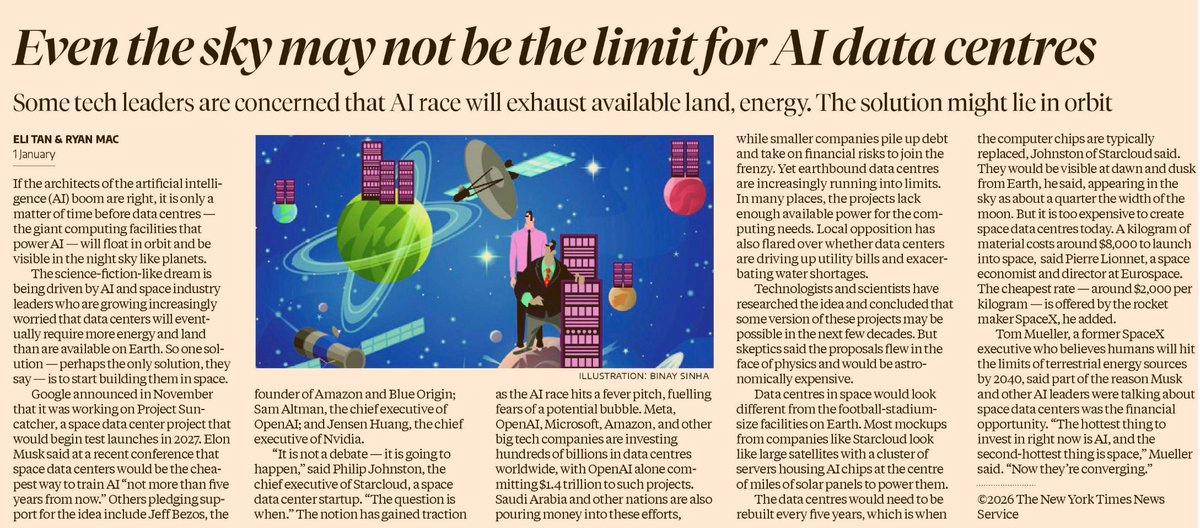
Data centres are massive drains on power and water and are increasingly constrained by geography. And the pace of new compute demand is outstripping visible terrestrial power build-outs. Local regulations and environmental considerations are additional constraints that need to be managed.
The next logical step? Move them to space.
In orbit, data centres can be modular, powered independently by solar panel arrays, and cooled via radiative heat dissipation into the cold vacuum of space (which is at -270 C). The @nytimes article below explores this idea which is now being pursued by multiple companies.
We at @BluehillVC are exploring multiple ideas along this value chain of space including power, compute & communication.
2
9
179
Mar 29
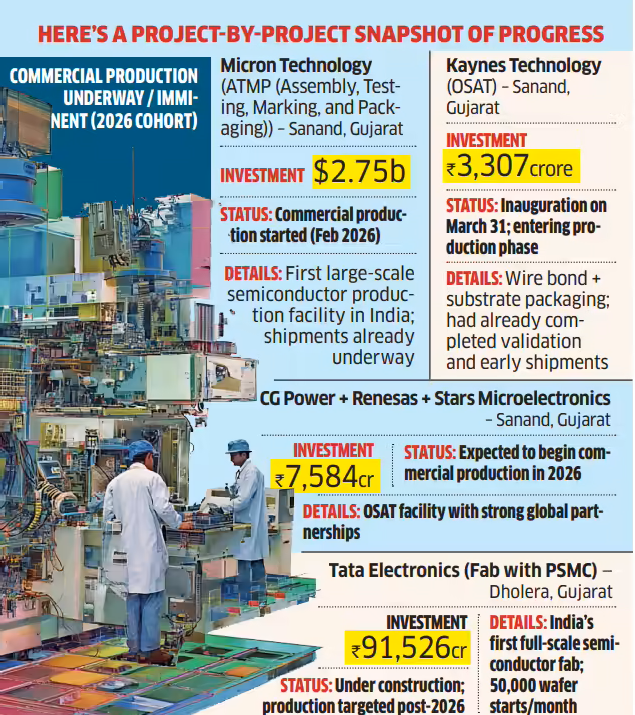
India Semiconductor Mission (ISM) 1.0 had approved 10 projects. Of that Micron's ATMP plant in Sanand was the first to go operational last month. This month, Kaynes' OSAT plant in Sanand will go live. By end of the year CG Power Renesas OSAT facility is also expected to go live.
The big one - Tata Electronics PSMC Fab targeting 50K wafer starts per month is expected to start production at 28nm node in the first quarter of 2027. Tata Electronics is also setting up their own OSAT expected to go live in Assam by end of the year.
Multiple smaller projects are in various stages of execution and the rollout of ISM 2.0 is also expected to bring more momentum to the sector.
Exciting times ahead for Semiconductors in India!
@BluehillVC
2
4
11
342
Mar 28
75% of AI energy is spent moving data, not compute.
That’s the real bottleneck.
Our latest investment, optoML, is changing this with analog in-memory compute optical interconnects.
Read more:
linkedin.com/feed/update/urn…
@BluehillVC
3
197
Mar 17
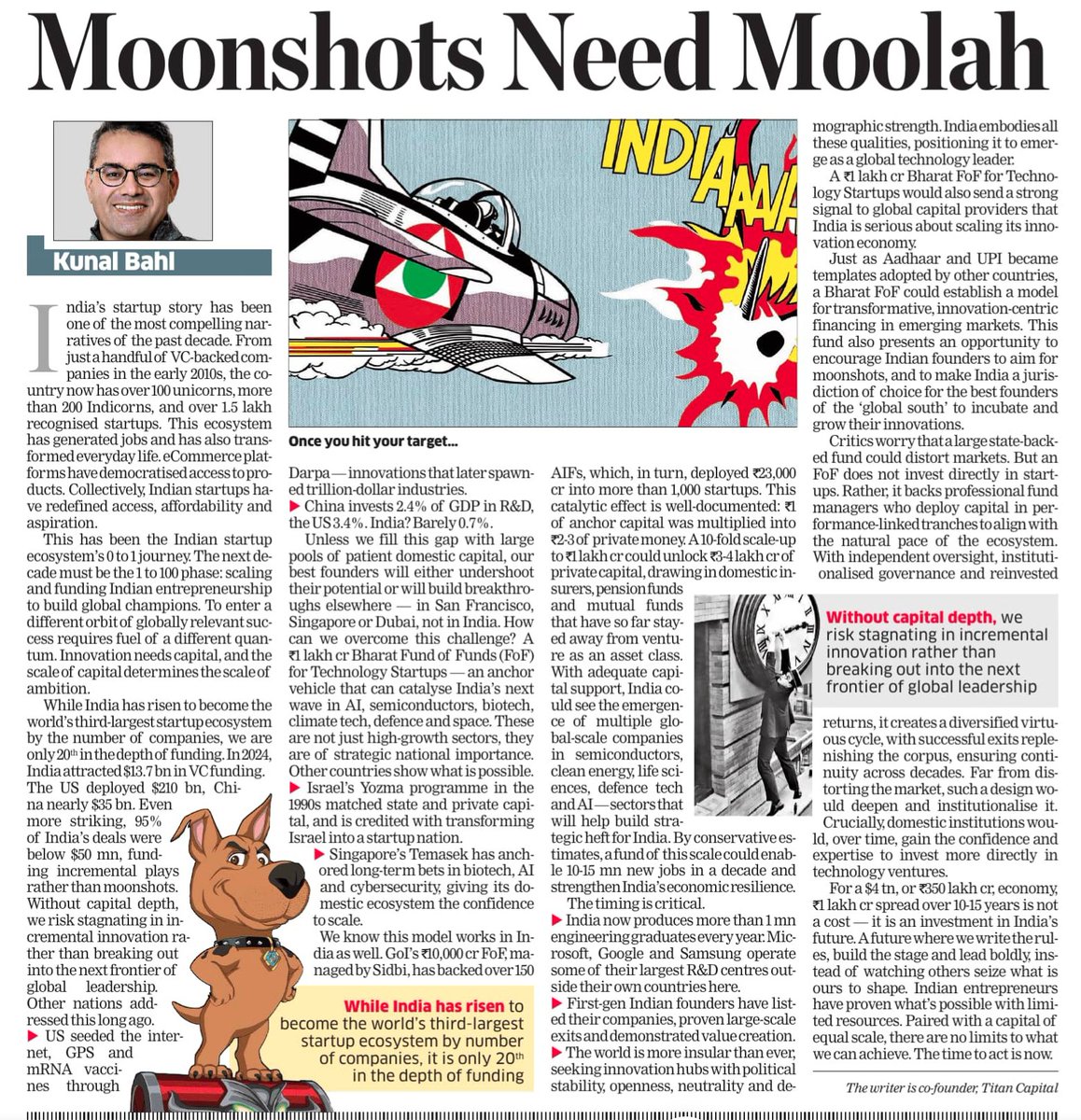
• India produces more than a million engineering graduates every year.
• India is home to some of the world's largest R&D Centres including those of Samsung, Google, Microsoft, GE, Rolls Royce, Qualcomm and many more.
• Geopolitically the world is as unstable as it has been in decades, which would engender a need to build sovereignty in defence, space, semiconductors, etc.
• Time is now to deploy serious money into these spaces.
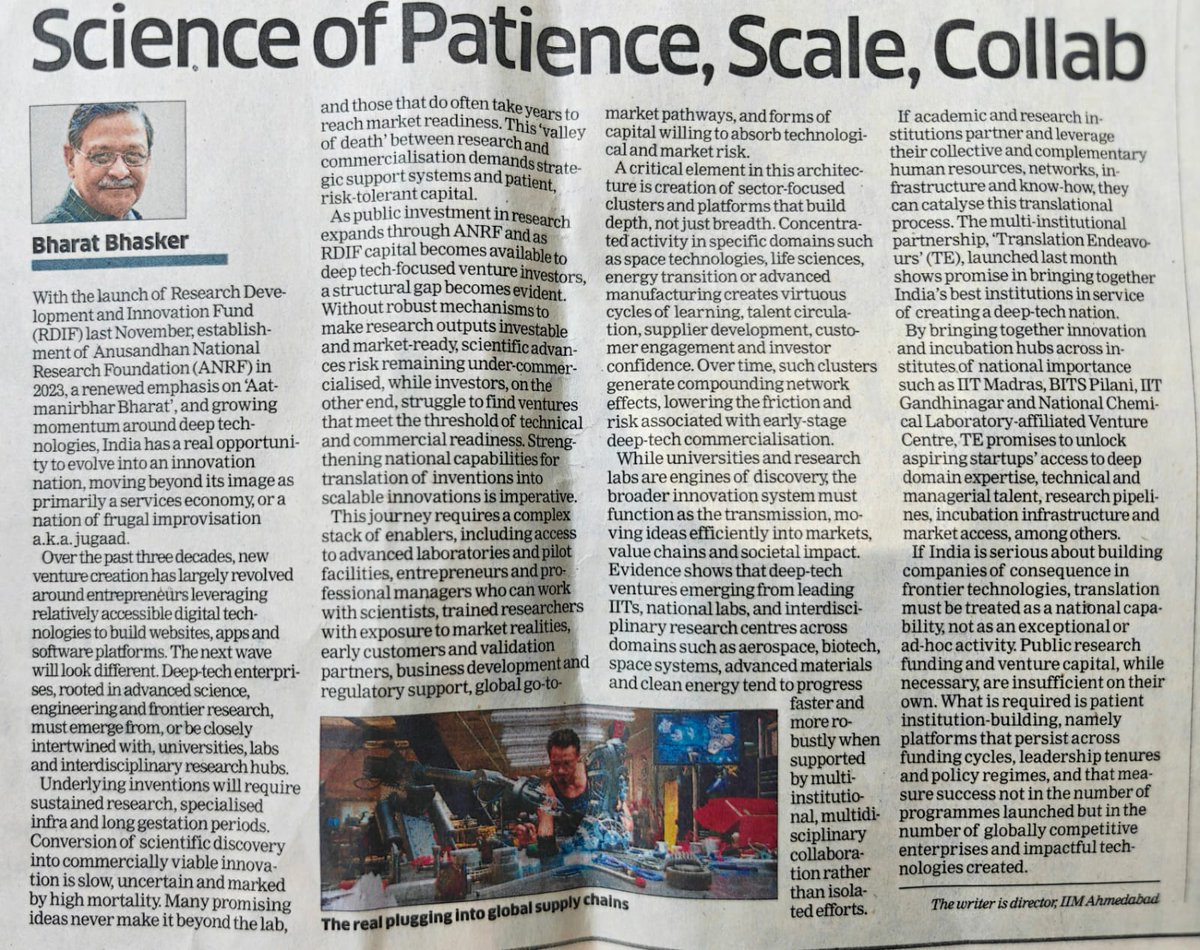
For example, large capital deployed through @sidbiofficial's FoF for Startups has been very successful in having a multiplicative effect on capital deployed downstream. SIDBI has iterated & learned over the years, and we now need to scale and extend the learnings to unlock both private and further government capital.
Moonshots do need Moolah as Kunal Bahl articulates in @EconomicTimes!
@BluehillVC
1
6
170
Mar 15
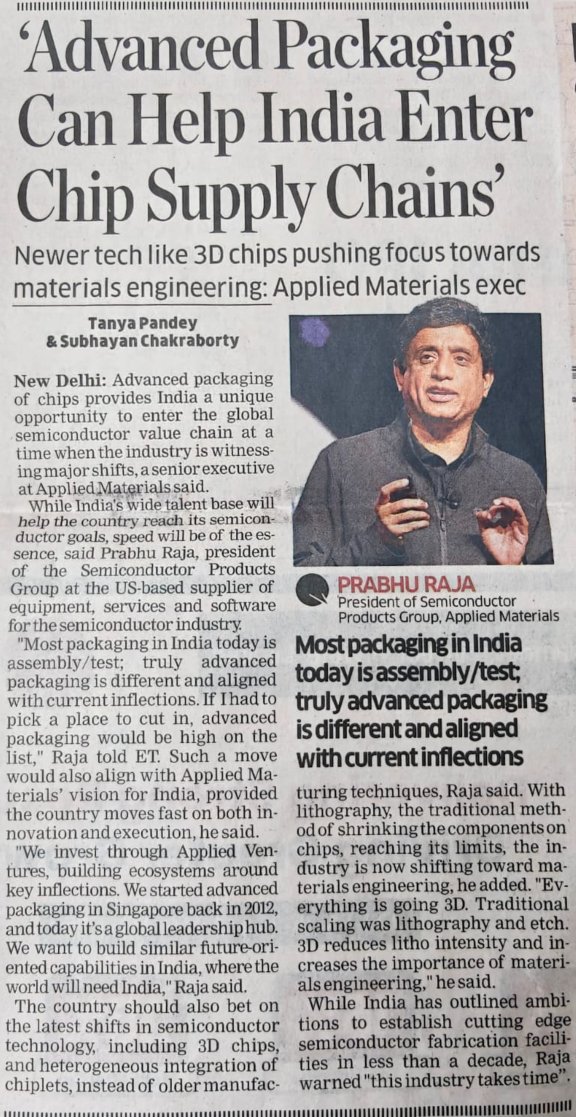
Advanced packaging is one of the most important developments in modern semiconductors. As the effect of Moore's law becomes more pronounced and traditional transistor scaling slows, the next domain to improve performance is by stacking chips vertically and integrating them more tightly through advanced packaging.
3D-packaging provides for multiple benefits including shorter signal paths, lower latency, higher bandwidth and better energy efficiency.
"Everything is going 3D. This increases the importance of material science". - Applied Materials President.
At @BluehillVC, we are investing across the semiconductor value chain, including in the material science part of the value chain.
2
2
9
239
Mar 14
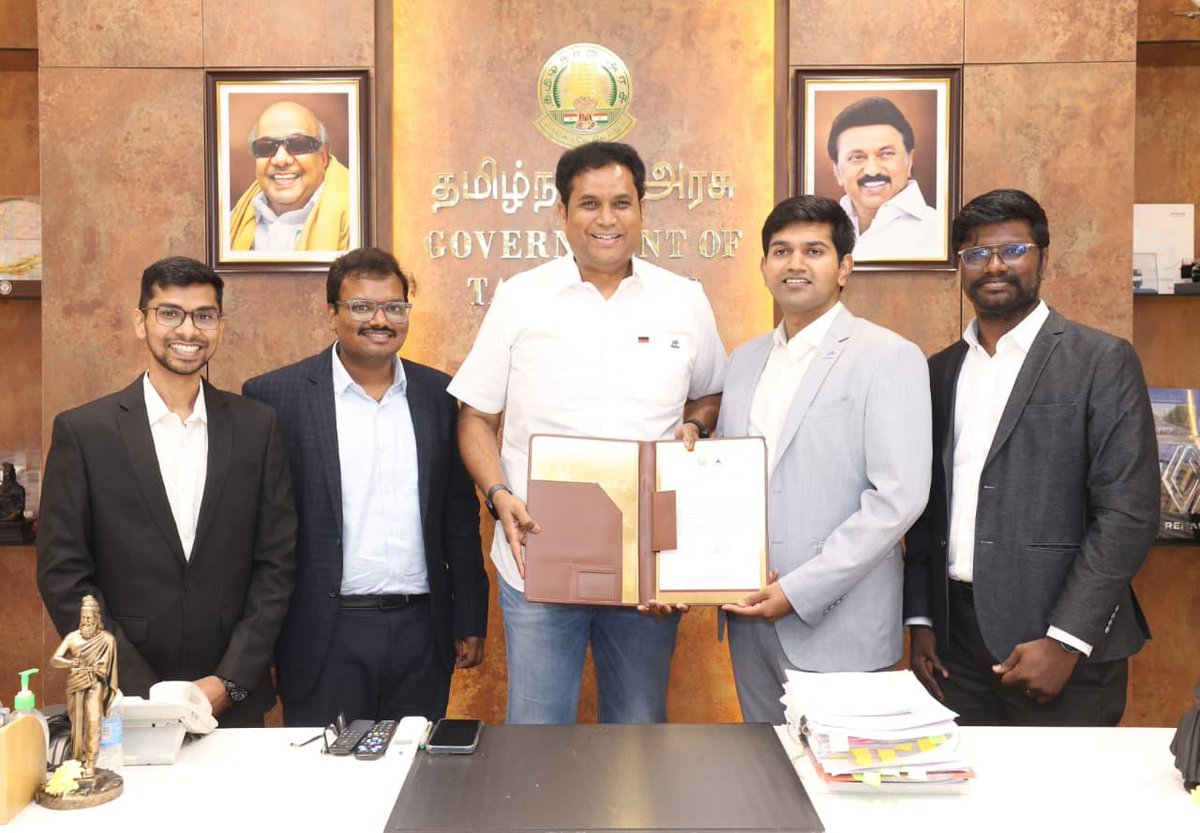
Congrats to the @RapteeEnergy team in raising INR 25Cr from Tamil Nadu Industrial Development Corporation (TIDCO). This is a solid validation of the the tech that Raptee has built and a strong show of support to local Tamil Nadu startups by the state government. This is the way! @TRBRajaa @TheStartupTN
Mar 14

Tamil Nadu Industrial Development Corporation (TIDCO) has invested ₹25 crore each in space tech start-up Agnikul Cosmos and electric mobility start-up Raptee Energy for a minority equity stake.
trib.al/6rZrTaV
1
2
14
552