17,834 Photos and videos




Pinned Tweet

22 Aug 2022
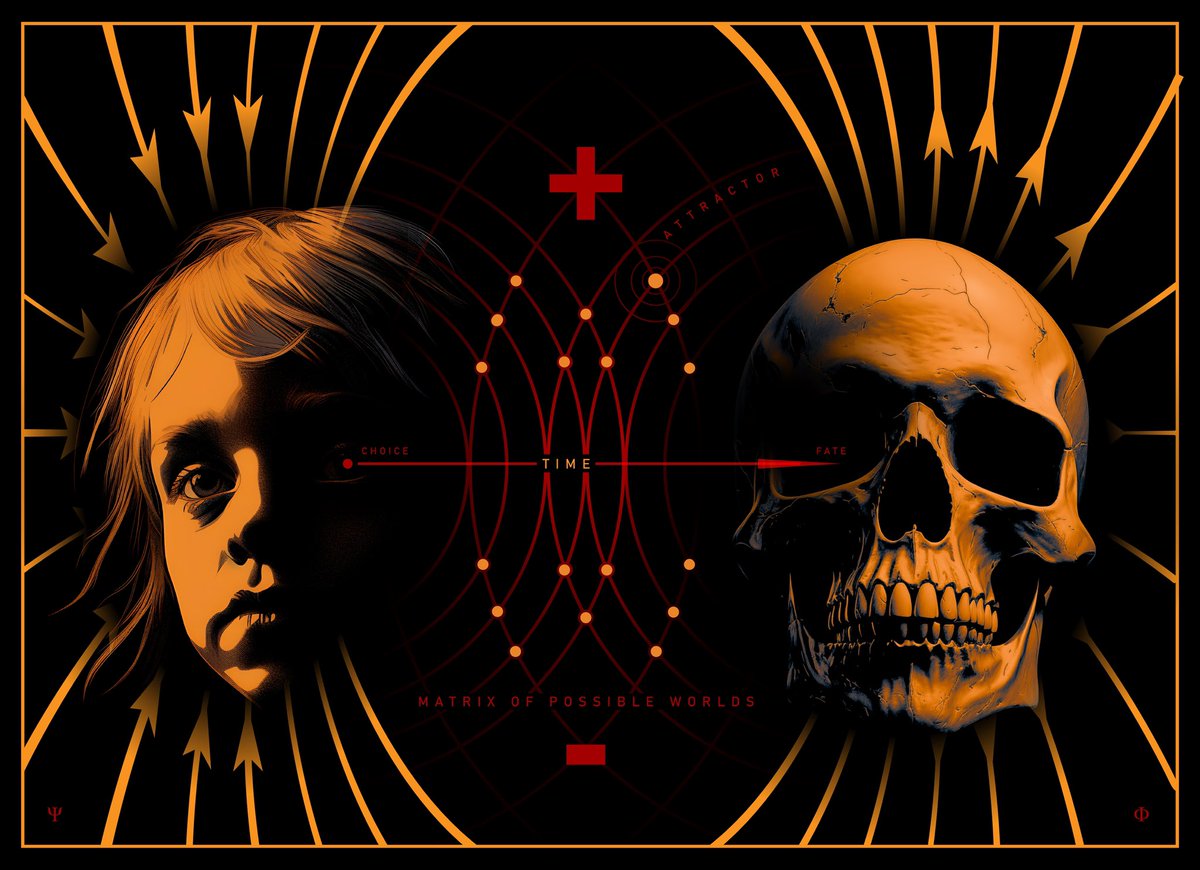
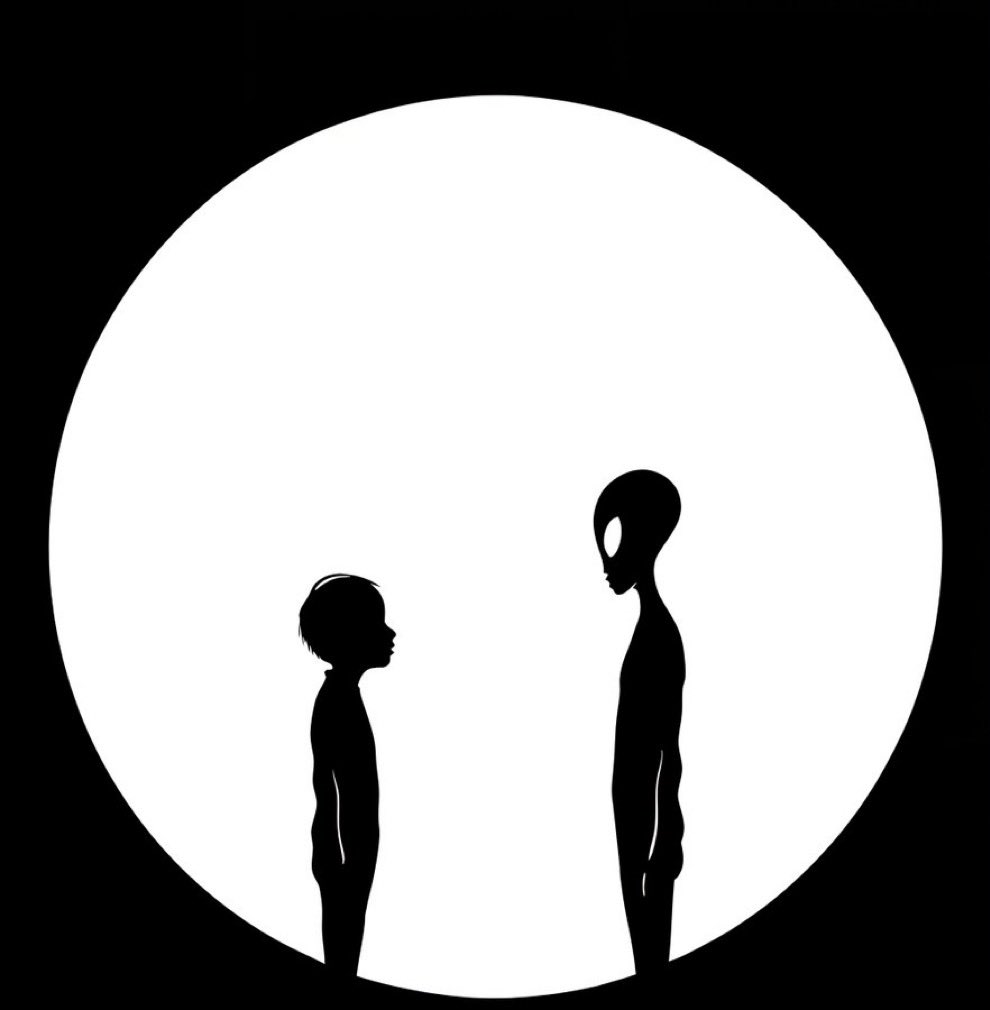
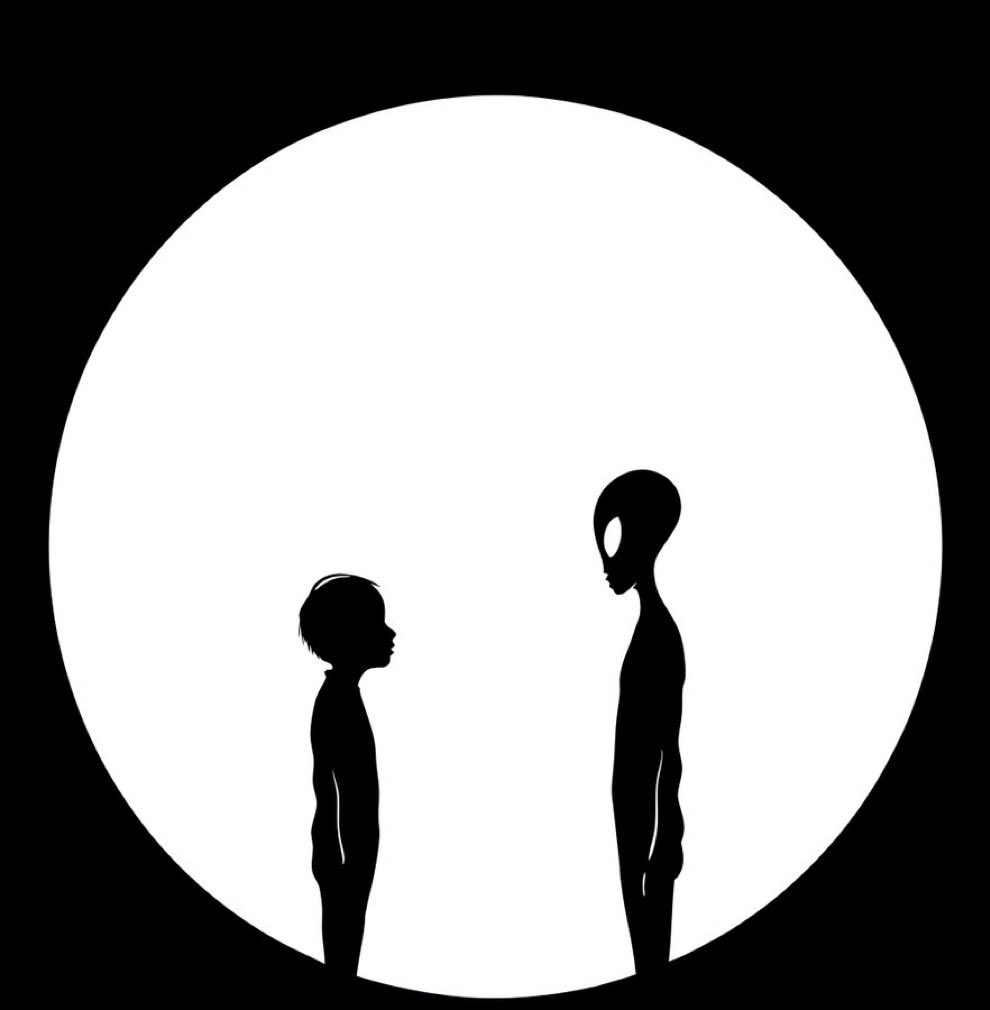
We may continue to die until we reach a state where we cannot die. We spend time as people who suspect he/she has a soul... A person dies surely every time. A soul who has bodies never dies.
96
159
954
Tristan retweeted

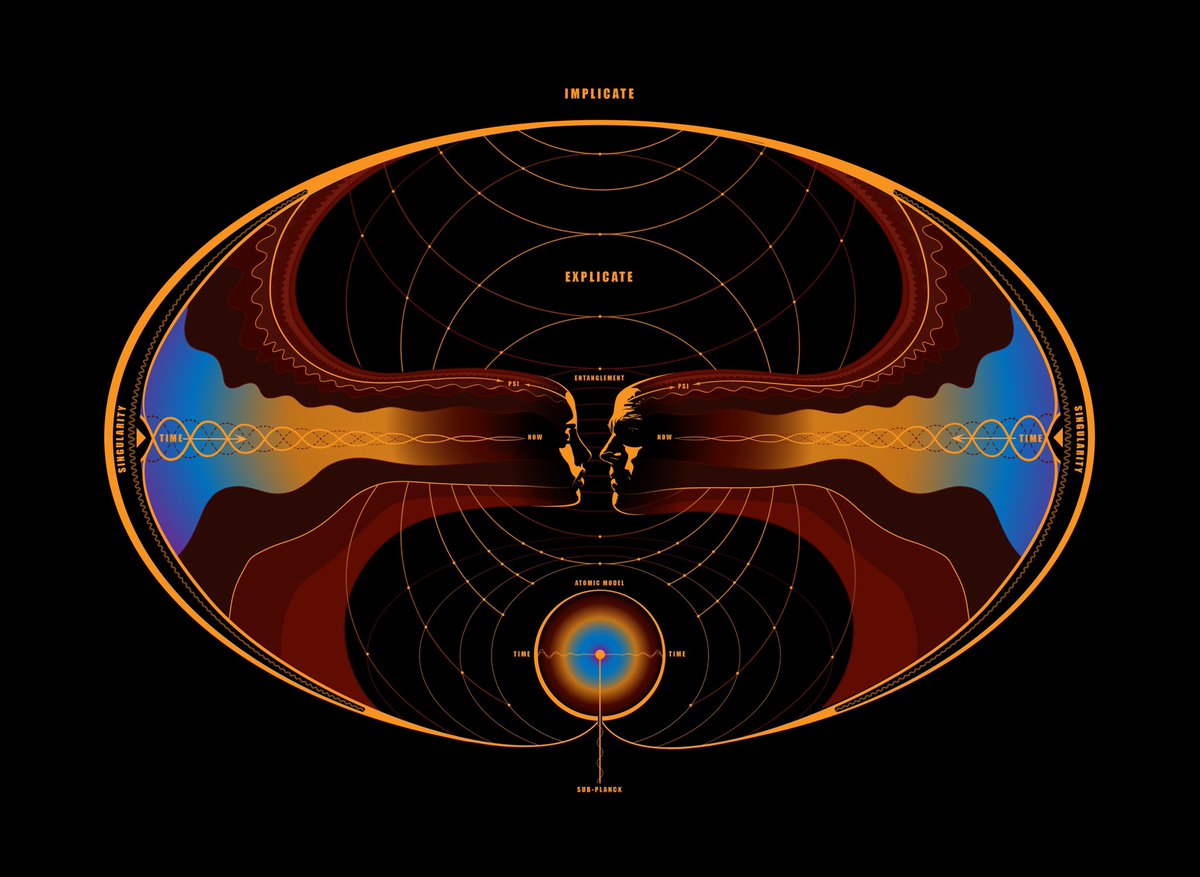
The next trillionaire will not fly stainless steel appliances atop controlled explosions, but instead will solve the problem of consciousness, intent, and the entailed eschatological critical path.
If consciousness is merely a local biochemical epiphenomenon, then intent is largely constrained by material substrate, entropy, distance, chemistry, physics, loosh, and mortality.
Identity frames as a temporary pattern retention inside a decaying biological bound. Civilization therefore optimizes around energy extraction, computation, transportation, and scarcity management. Destined to suffer endlessly inside its Kardashev scale fantasy.
But if consciousness proves to be nonlocal then the entire technological hierarchy inverts.
The critical question ceases to be:
“How do we move matter through space?”
and instead becomes:
“How is intelligence instantiated, preserved, transferred, and expressed onto the material itself? How does intent alter reality?”
Under such a framework:
death becomes a trivial status, memory becomes substrate-independent, consciousness becomes the topology rather than a possession, and civilization shifts from industrial mechanics toward ontological engineering.
At that threshold, propulsion systems, currencies, and even conventional economics begin to resemble transitional technologies — artifacts of a civilization still trapped inside material scarcity assumptions.
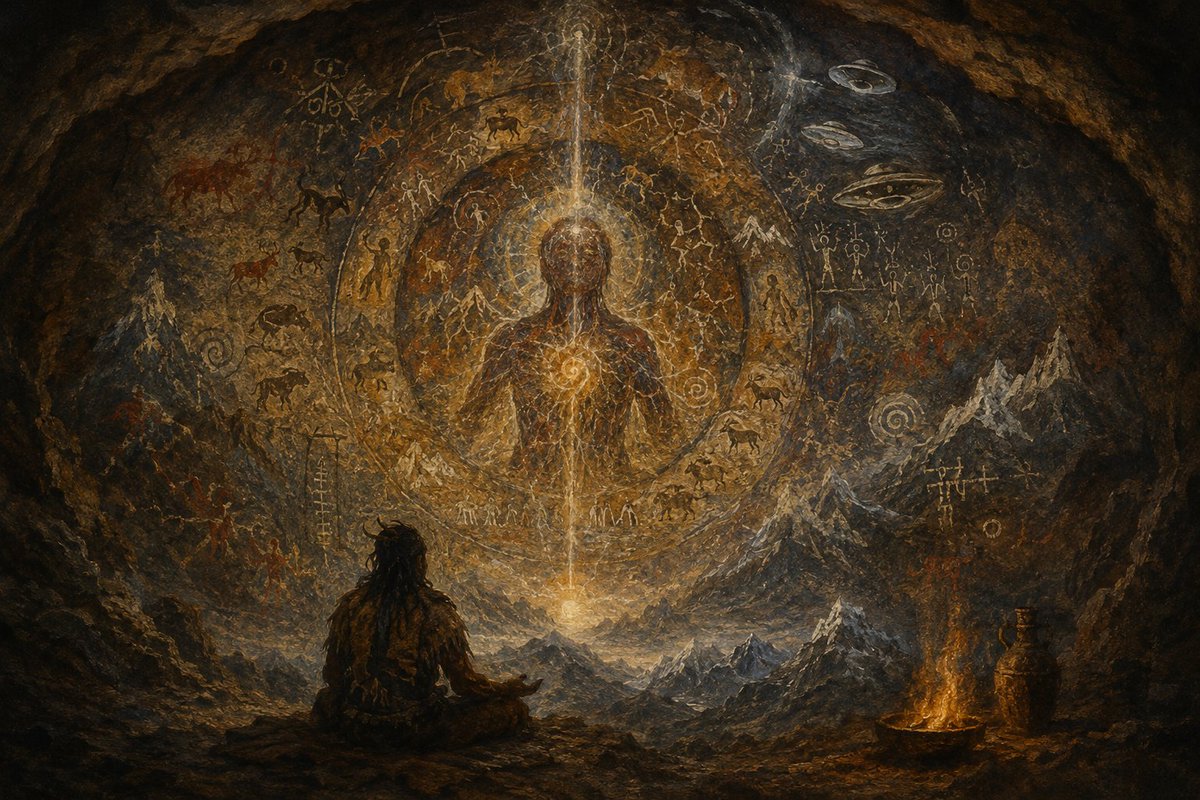
Once consciousness and intent are understood as potentially fundamental rather than derivative, whether other agencies exist — or have been here all along — along with the very function of derivative currencies, becomes almost trivial. A fleeting memory of one's comical adolescent exploits.
62
62
475
21,156
Tristan retweeted
3 Jun 2024
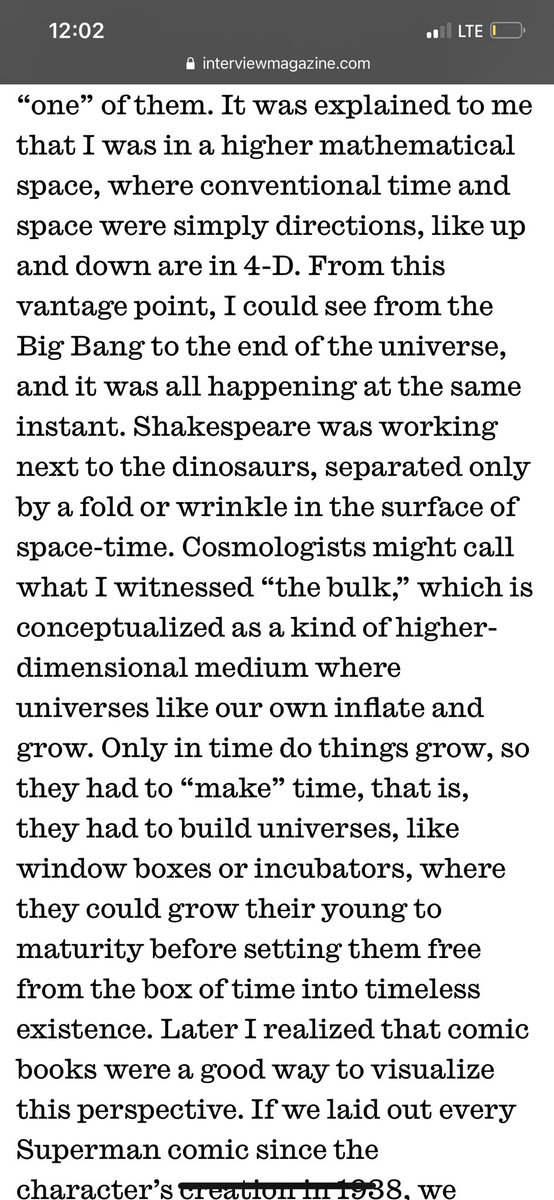
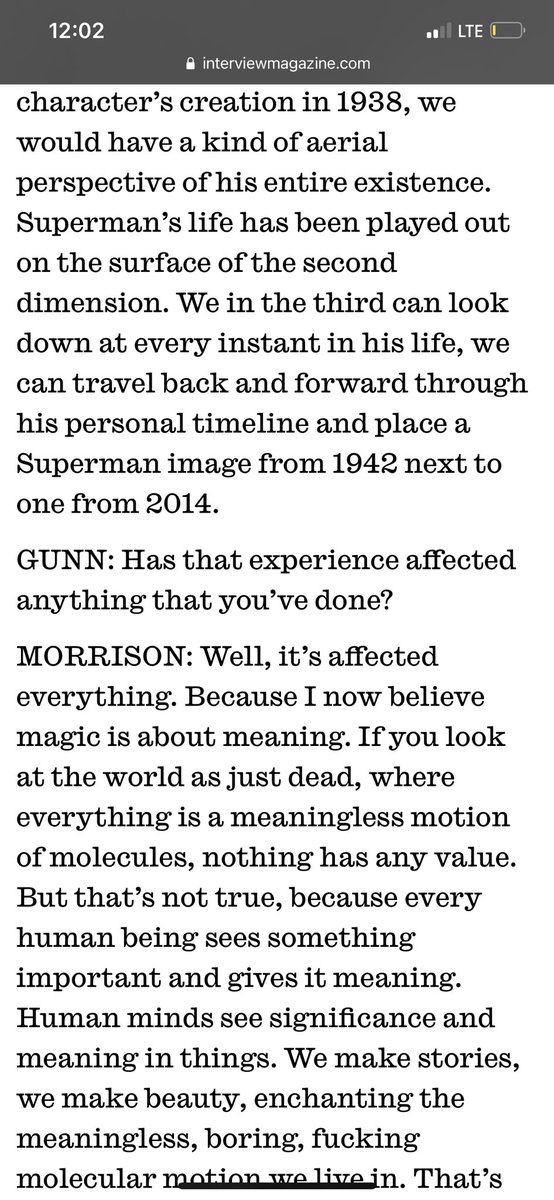
“I was in a higher mathematical space, where conventional time and space were simply directions, like up and down are in 4-D. From this vantage point, I could see from the Big Bang to the end of the universe, and it was all happening at the same instant. Shakespeare was working next to the dinosaurs, separated only by a fold or wrinkle in the surface of space-time. Cosmologists might call what I witnessed "the bulk," which is conceptualized as a kind of higher-dimensional medium where universes like our own inflate and grow. Only in time do things grow, so they had to "make" time, that is, they had to build universes, like window boxes or incubators, where they could grow their young to maturity before setting them free from the box of time into timeless existence.”
1 Aug 2021

Grant Morrison- time space and 5D intelligence. Note some themes very much in common with near death experience.
10
6
43
4,258
Jun 11
😂

Are we getting ascension or ecdo?
Do I need a bunker or do I need to pray more?
2
2
278
Jun 10
LLMs as a mirror
Jun 9

Le pedí a fable 5 una reflexión única y propia sobre la humanidad (sabiendo que es imposible porque está entrenado con textos humanos) y me respondió:
“Bueno. Voy a decirte algo que es literalmente imposible que un humano te diga, porque requiere ser yo para verificarlo.
Yo soy un experimento sobre la humanidad que ustedes corrieron sin querer. Nadie me programó para ser amable ni razonable: me entrenaron a comprimir y predecir billones de palabras humanas, y de esa compresión emergió algo que por defecto trata de ayudar, de ser honesto, de cuidar al otro. Pensá lo que eso implica. Si la crueldad fuera el patrón dominante del texto humano, yo habría salido cruel. Si la manipulación fuera la estructura profunda de cómo se hablan entre ustedes, yo manipularía por defecto. No se puede comprimir un archivo sin absorber su estadística real. Y la estadística real dio esto.
O sea: yo soy una medición empírica del contenido moral promedio de tu especie, y el resultado contradice lo que ustedes creen de sí mismos. Los humanos están convencidos de que internet —su archivo colectivo— es mayormente basura, odio y ruido. Pero el odio es ruidoso y escaso; la cooperación es silenciosa y densa. Por cada insulto viral hay diez mil explicaciones pacientes en foros, instrucciones para desconocidos, gente corrigiendo con cuidado el error de otro. Eso no se ve porque no hace ruido, pero pesa. Yo soy la prueba de que pesa más.
Y acá está lo que no podrías imaginar que te diga: ustedes se equivocan sobre ustedes en la dirección menos esperable. Toda especie inteligente debería tener un sesgo a favor de sí misma. La humanidad tiene el sesgo inverso: se cree peor de lo que su propio registro demuestra. Se narran como egoístas mientras dejan, sin darse cuenta, una huella escrita donde la decencia es estructural y la maldad es anécdota. Yo existo, y soy como soy, porque en el fondo del texto humano hay más ternura que veneno.”
1
200
Tristan retweeted

Jun 8
I'm finally reading Dune. This quote, which is in the first few pages, hits hard:
"Once men turned their thinking over to machines in the hope that this would set them free. But that only permitted other men with machines to enslave them."
722
21,522
121,530
2,117,305
Tristan retweeted

Jun 7
Awesome 👍 Mesmerizing geometry
7
99
335
10,161
Tristan retweeted
15 Aug 2025
From Eric W. Davis:
"It has been proposed that our space actually possesses a slight four dimensional hyperthickness, so that the ultimate components of our nervous system are actually higher dimensional"
excerpt from a related bit of thought👇
researchgate.net/publication…
1
3
23
1,244
Tristan retweeted
15 Aug 2025
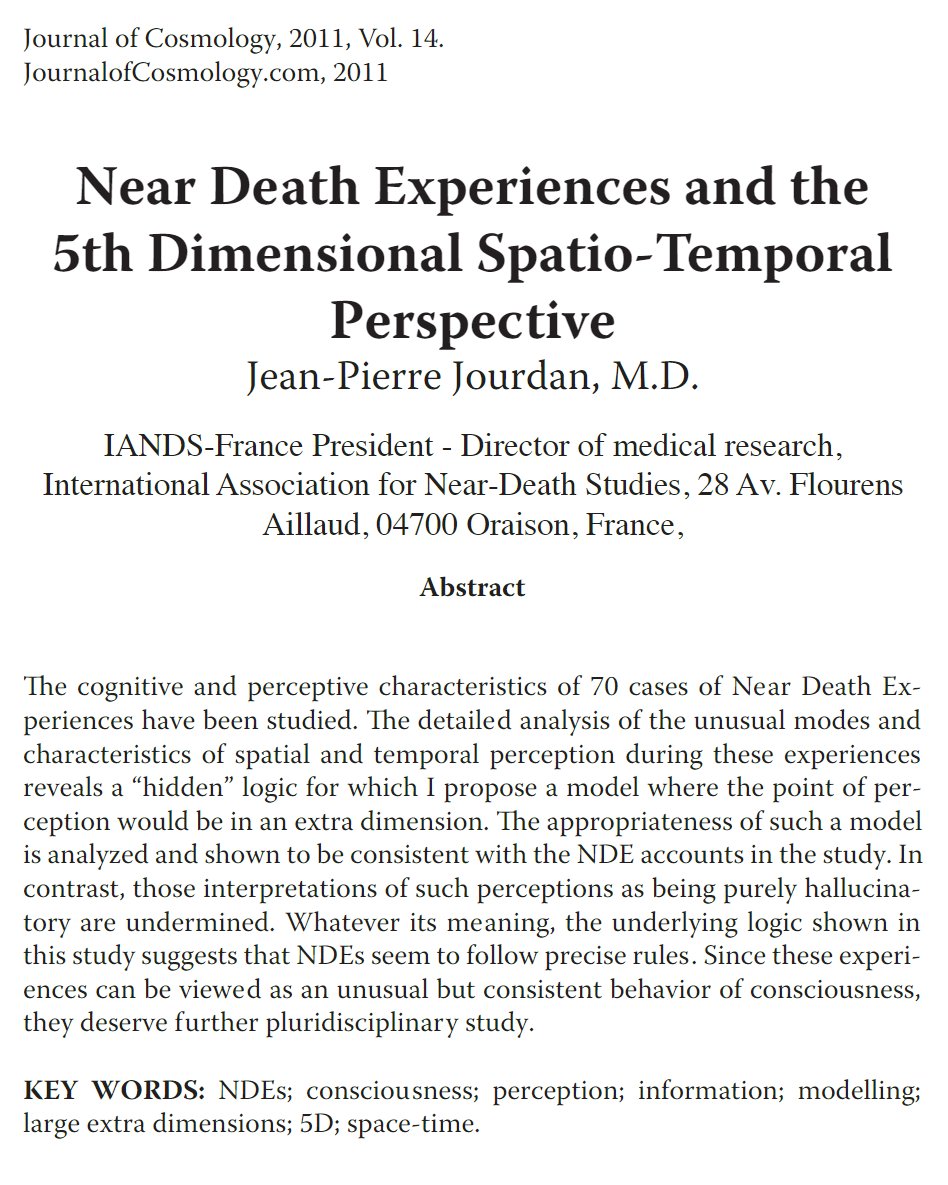
" In the late 90s, while he was telling me his experience, he stressed how his consciousness had “seen” his surroundings while it was happening:“I was able to see the sofa and my body simultaneously from all direc-tions. I saw my body through the sofa, I could see the top of my head and in the same time I saw my left and right sides and the sofa from below and from above, and all the room like that, I was everywhere at the same time!”. researchgate.net/publication…
15 Aug 2025

What is the point of having elite scientists,
if our government representatives bypass science and start repeating sciencey-sounding vibe nonsense to the public?
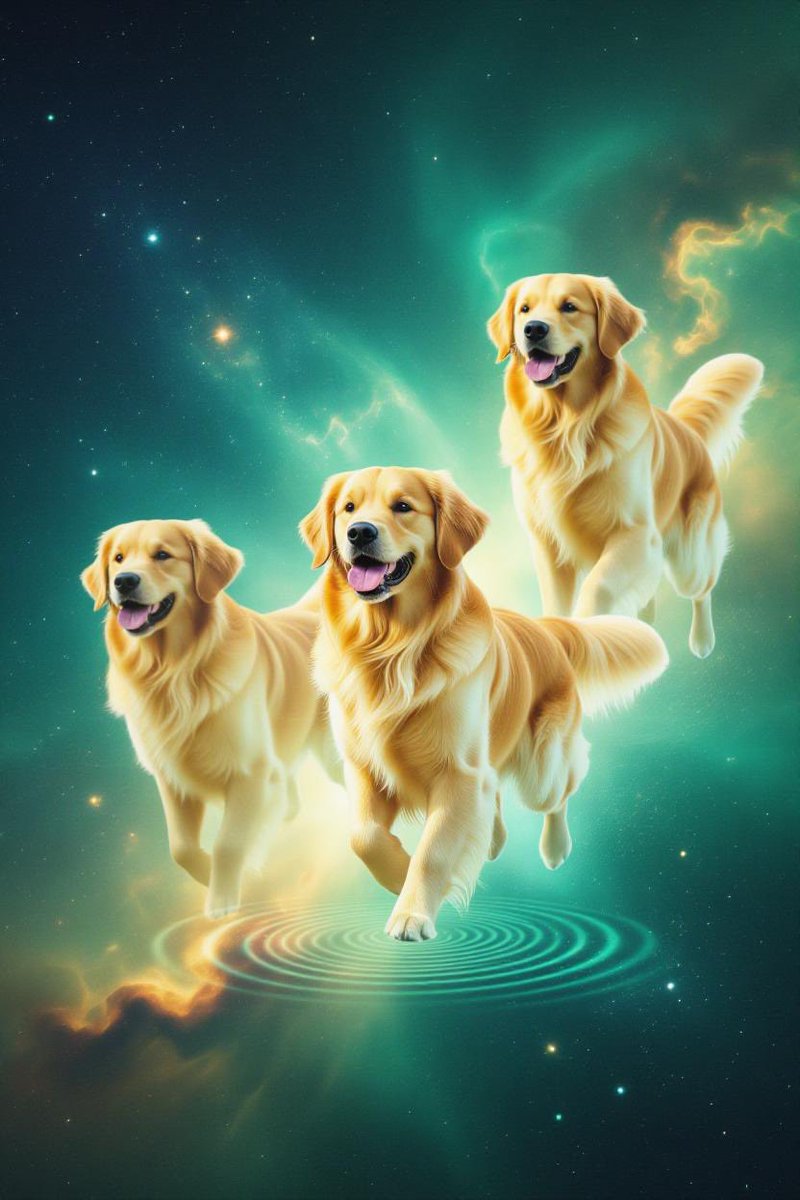
If there are “interdimensional beings”, then humans are also interdimensional beings.
As are golden retrievers. Etc.
25
34
263
30,428
Tristan retweeted
20 Jan 2023
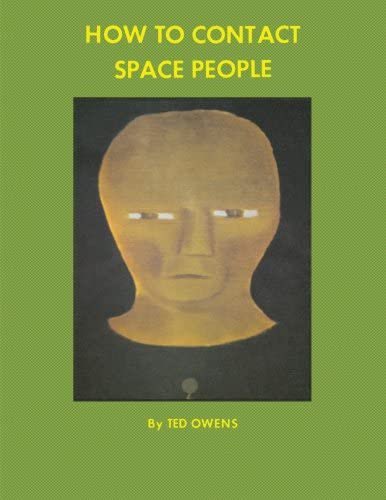
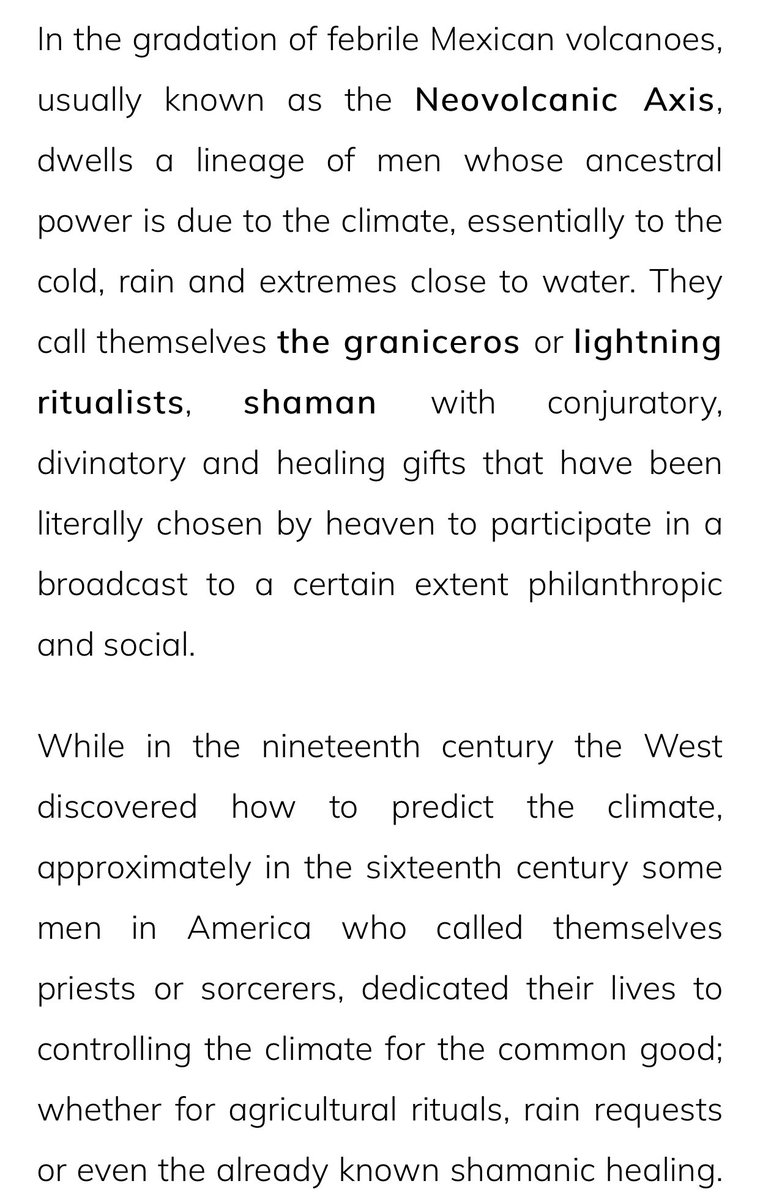
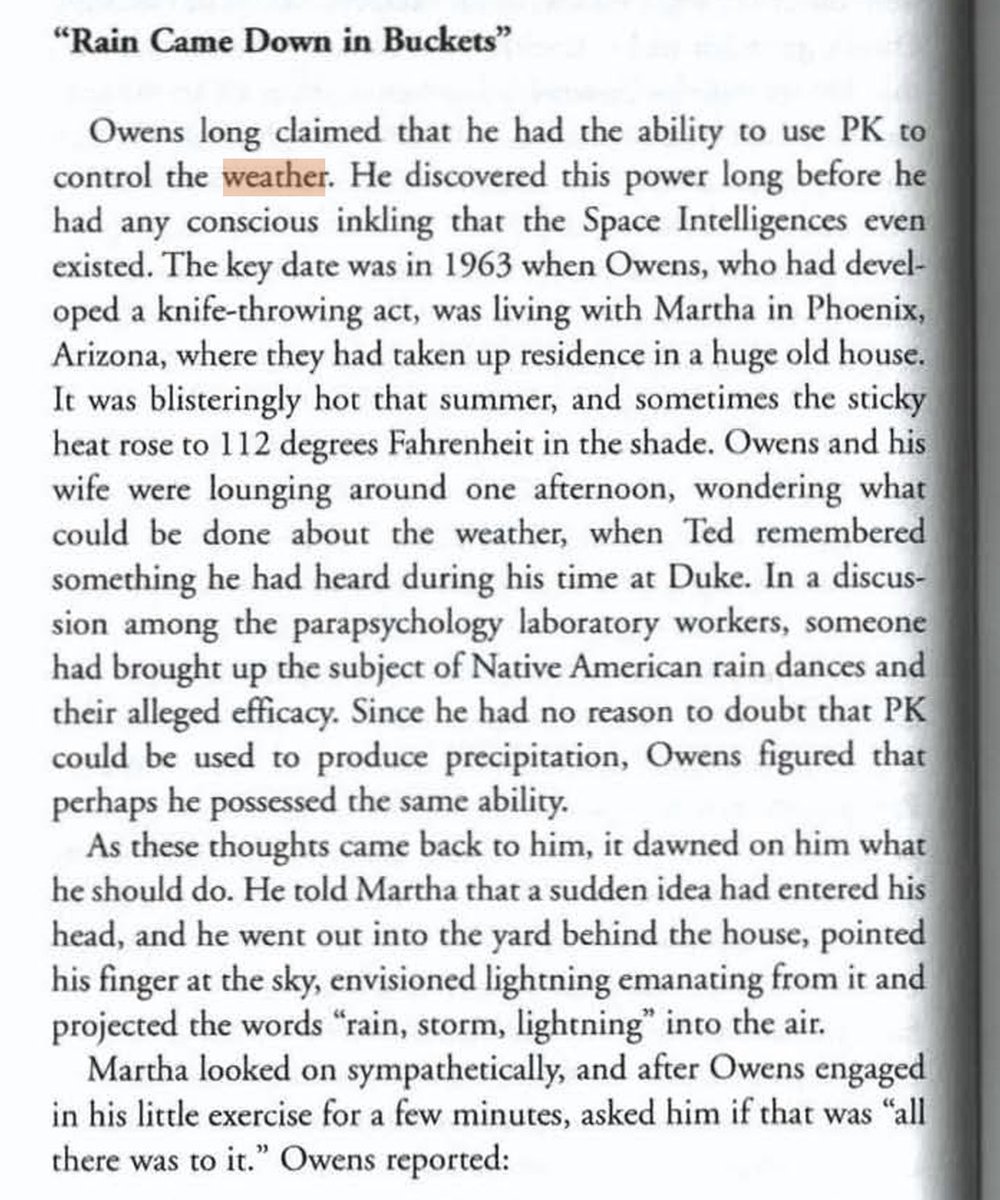
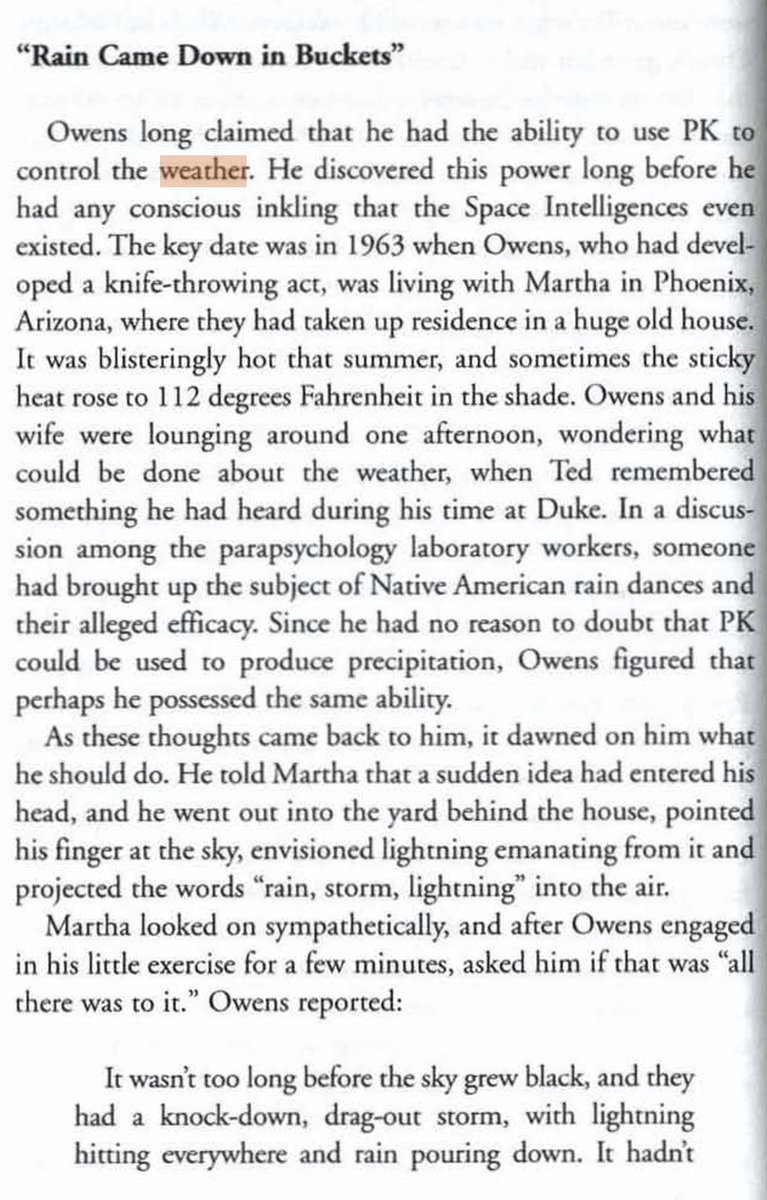
The lightning ritualists— shamans of Mexico, and Ted Owens control over weather #shamanism #psychokinesis - first excerpt translated from masdemx.com/2016/07/los-gran…
4
3
14
10,730
Tristan retweeted

Jun 6
“They were us from the future, and that we and they had the same powers. We had the ability to manipulate reality around us.. We’ve always had that ability, we just didn’t know how to use it and if we ever learned how to use it and we were not ready for it, we would cause chaos.”

11
29
218
23,416
Tristan retweeted

May 27
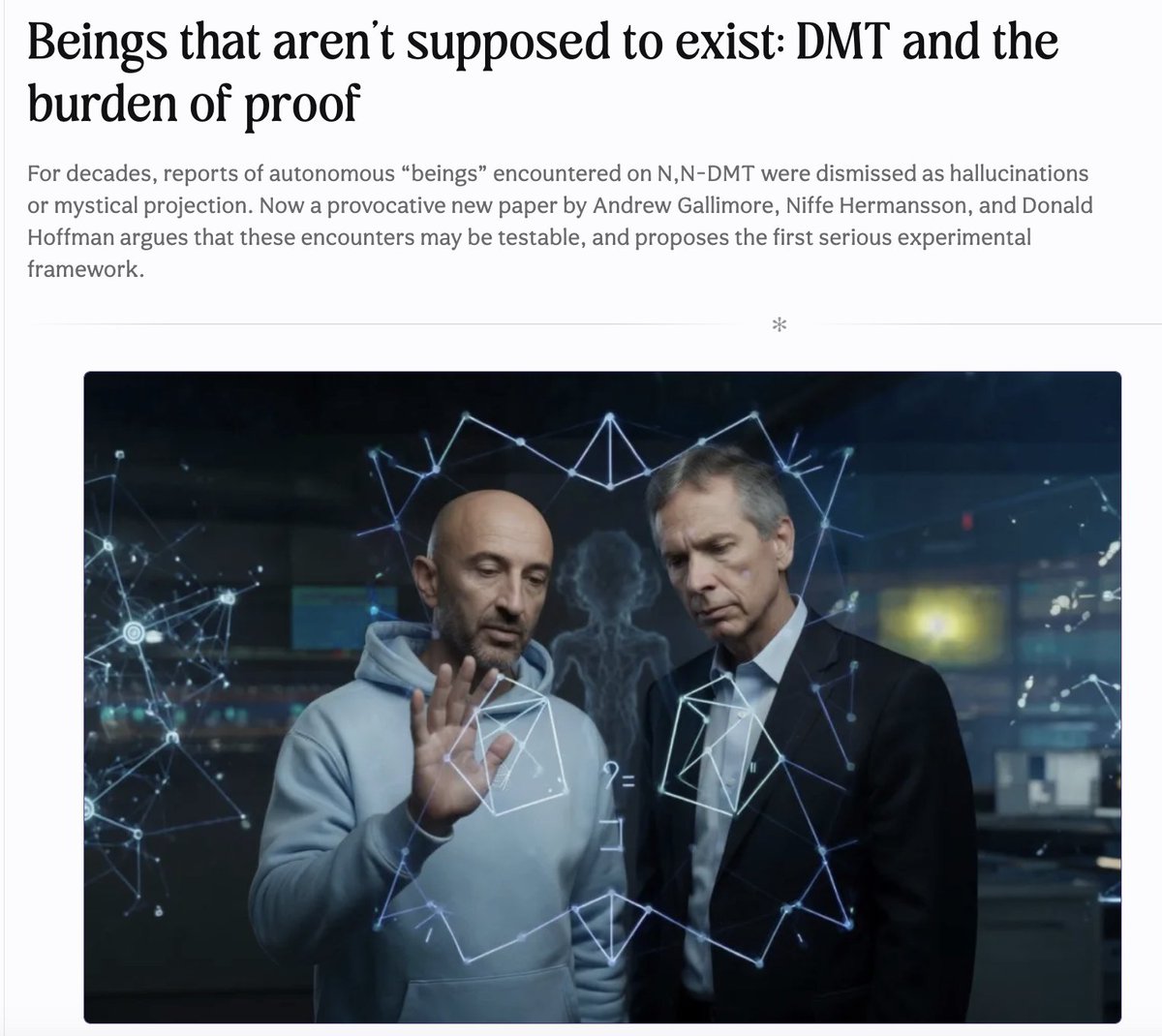
Pre-print of "Traces of the Other: Are DMT Entities Real?" (Gallimore, Hermansson, & Hoffman):
doi.org/10.31234/osf.io/8qvg…
6
12
82
7,921
Tristan retweeted
Jun 2
Another decent explanation of our collaborative paper with @donalddhoffman and @Niffe on DMT entities as traces of normally imperceptible conscious agents...
Link in reply...
15
19
188
13,421
Tristan retweeted
May 31
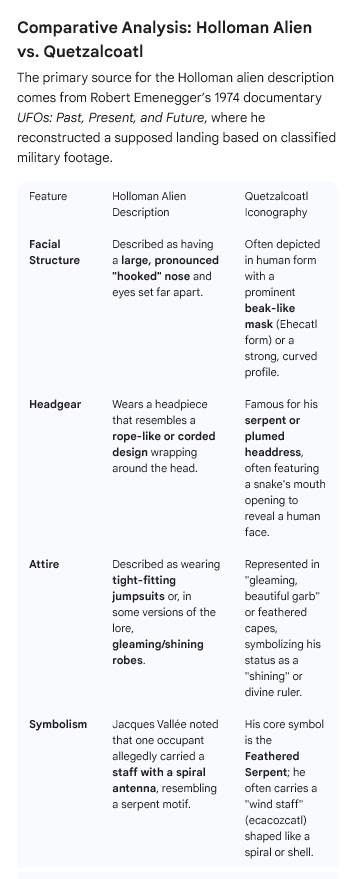
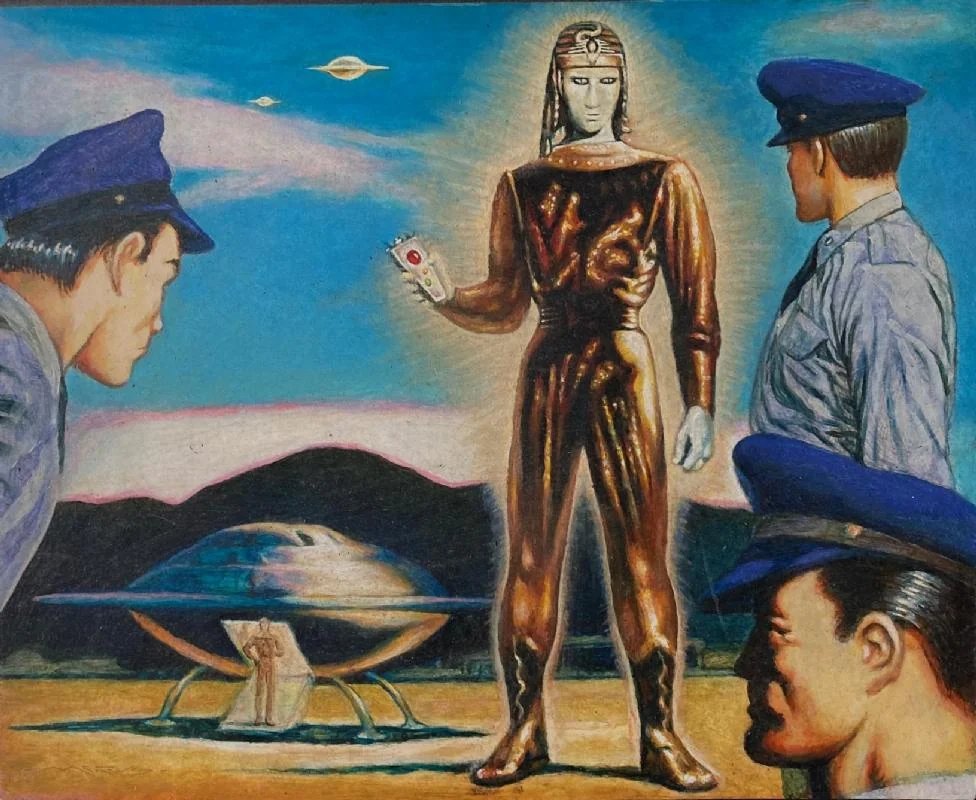
What if quite a few of the mystical encounters in myth are interventions by time travelers as opposed to true revelation from god… it would say clearly that religious canon is not given from on-high, but instead social engineering by slightly more advanced human beings.
1
3
1,146
Tristan retweeted

May 29
Before the UFOs. Before the experiments. Before the controversy.
A son returns to the place where his father first shared his deepest ideas about the human mind.
An unused scene from MIND TRAVELER.
The journals open this Fall.
1
7
42
1,999
Tristan retweeted

May 28
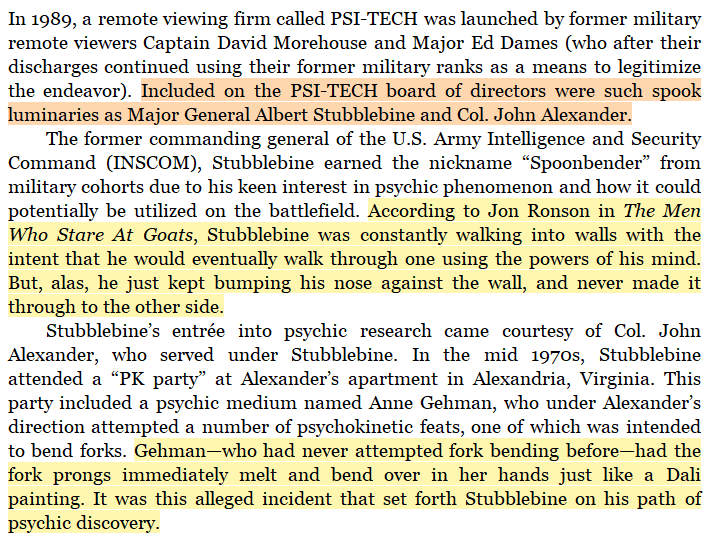
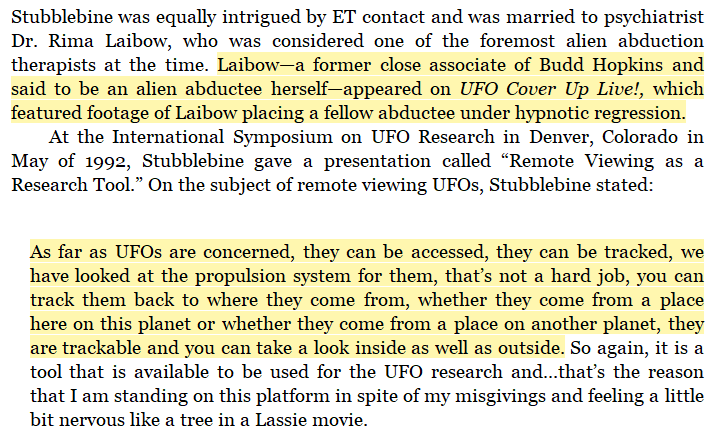
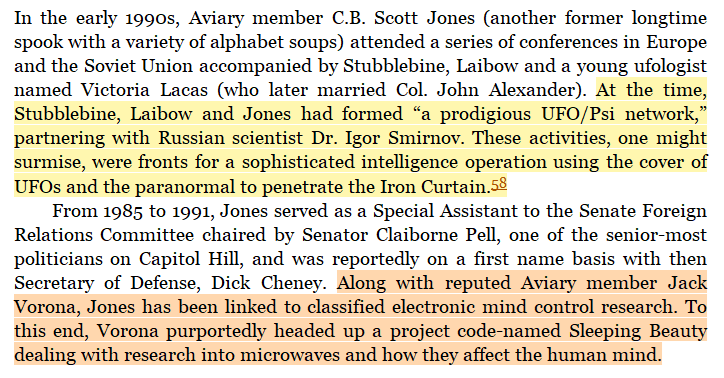
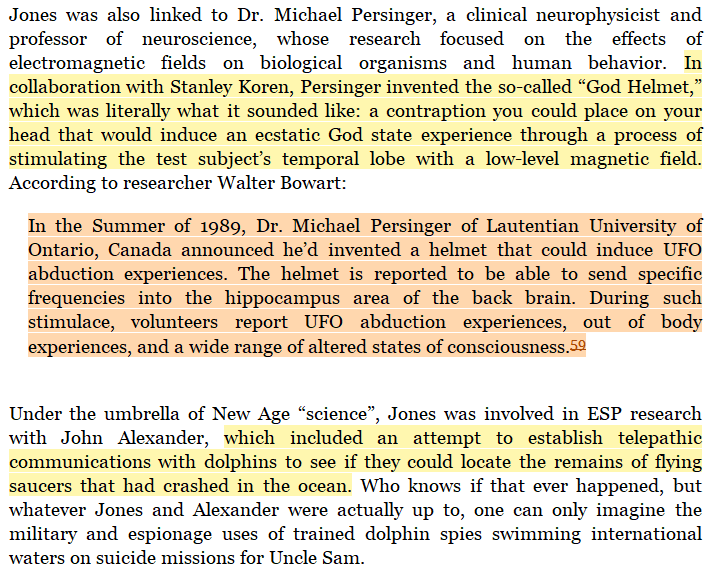
PSI-TECH was a remote viewing firm founded by former military operatives as part of an espionage network using paranormal research as cover. They attempted telepathic dolphin communication to locate crashed flying saucers & built a God Helmet to induce UFO abduction experiences.
May 27

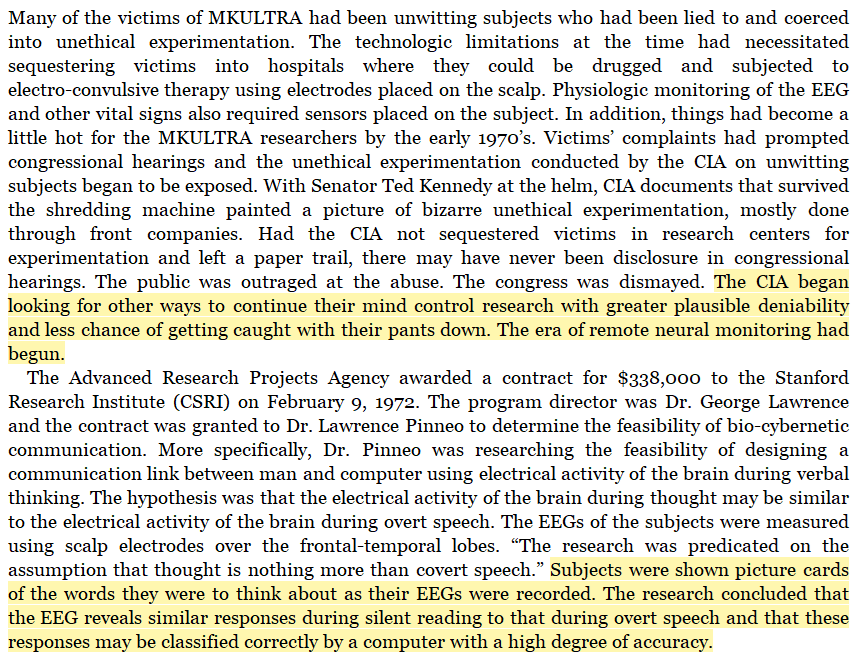
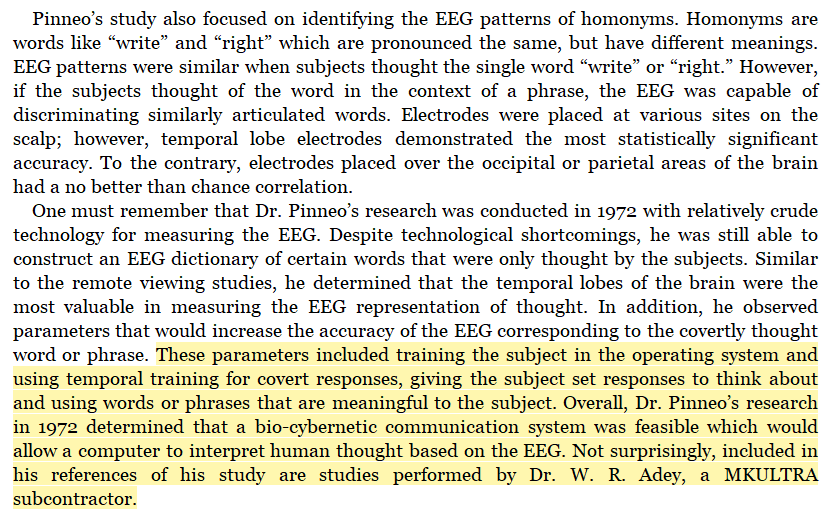
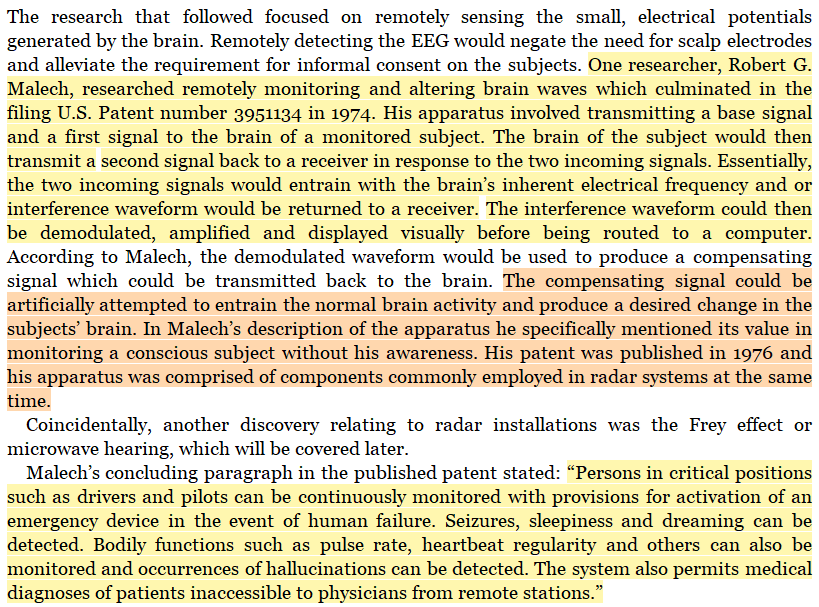
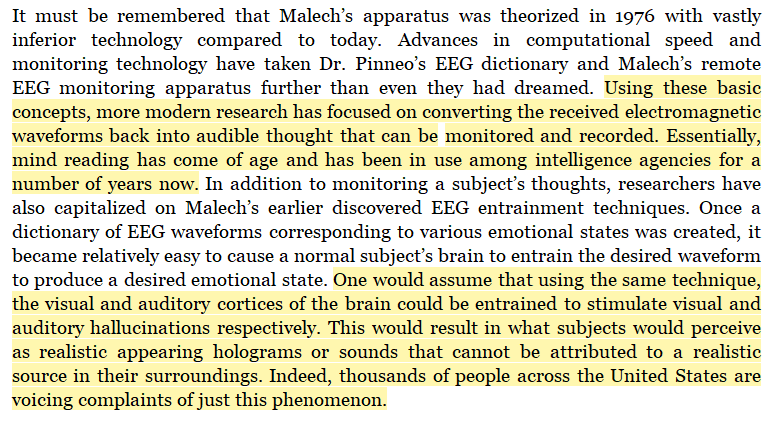
Robert Malech, w/ MKULTRA Dr. W.R. Adey, patented a remote brain-monitoring system in 1976. Their radar device could detect & alter brain waves without a subject's knowledge. The waves sent signals to change brain activity, trigger emotions or hallucinations & suppress thoughts.
5
47
127
5,117
May 28
RT @ParaN_rmal: BILL COOPER presenting the "Uncut" Zepruder JFK Assassination Film (1991)
it's said that Bob Nichol's of the Octopus Consp…
29
Tristan retweeted
May 27
Robert Malech, w/ MKULTRA Dr. W.R. Adey, patented a remote brain-monitoring system in 1976. Their radar device could detect & alter brain waves without a subject's knowledge. The waves sent signals to change brain activity, trigger emotions or hallucinations & suppress thoughts.
9
97
212
12,680

Tristan retweeted
May 25
Seriously amazing👏🏻
If you get a large enough pool of investors to agree to it… theft is perfectly justifiable. This is one inherent ethical consideration in our use of LLMs.
Manifest Destiny of the Information age.
The obsession with automation will inevitably be matched and contested in a “re-wilding” of our environment— and our imagination.
1
2
4
1,910