
Peer-reviewed pubd scientist: genetics (sex=immutable), Yerkes/AIDS, statistics, Project Talent- Combat vet fam-Poli sci/pub admin degrees-6000 book library
Joined August 2019
- Tweets 70,076
- Following 7,810
- Followers 7,100
- Likes 320,484
16,156 Photos and videos










Pinned Tweet

14 Feb 2024
I did it again.
2 Dec 2022

Here's me doing a cube on an indo-board. It's kind of an 'everything about me all at once' thing. *Sound on for full effect*
69
19
287
112,976
🧵Away we go! Going to explore the Blue Ridge Mountains. Specifically Cherry Log, Georgia.
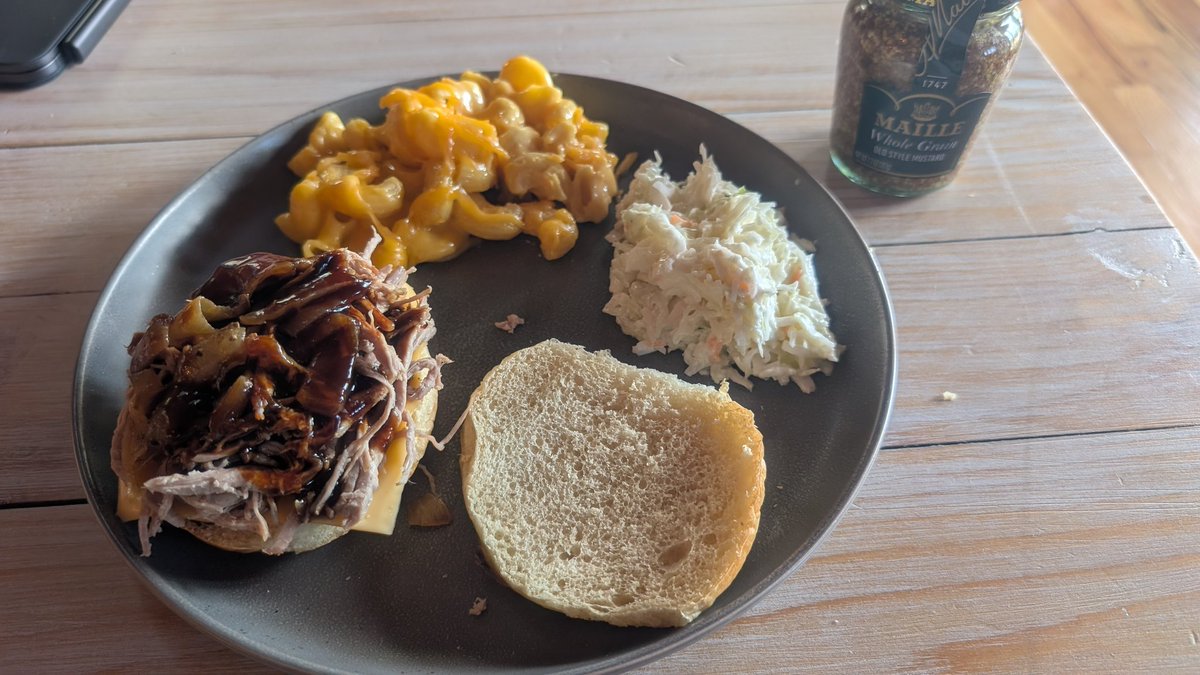
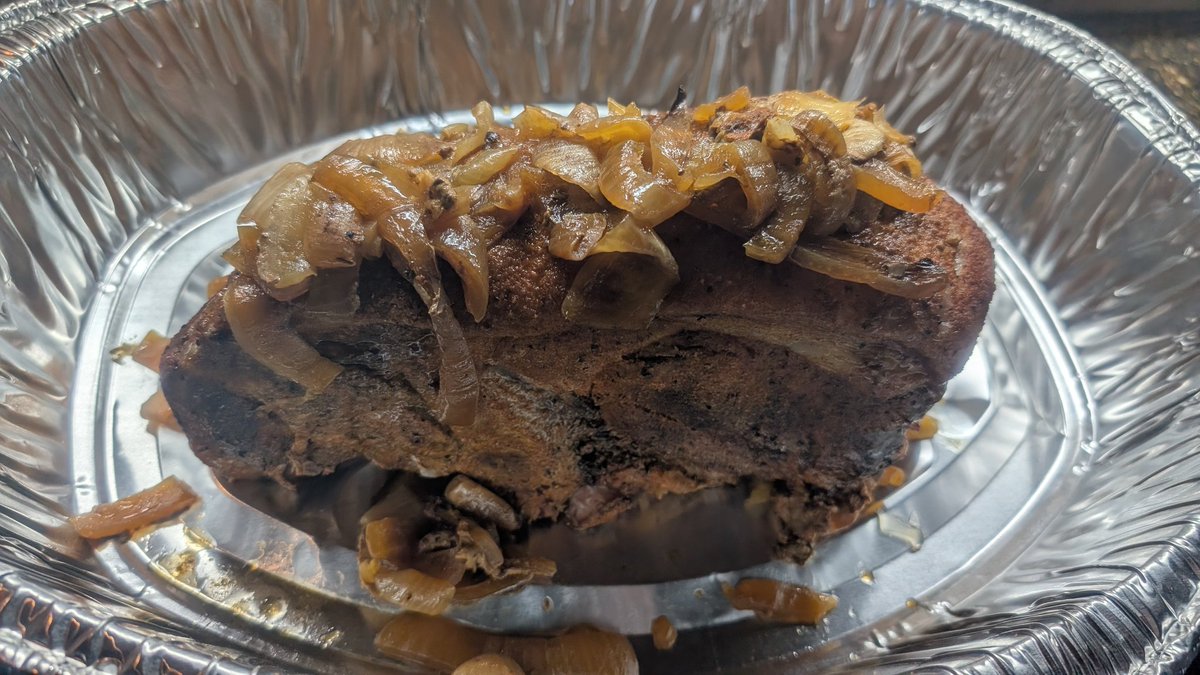
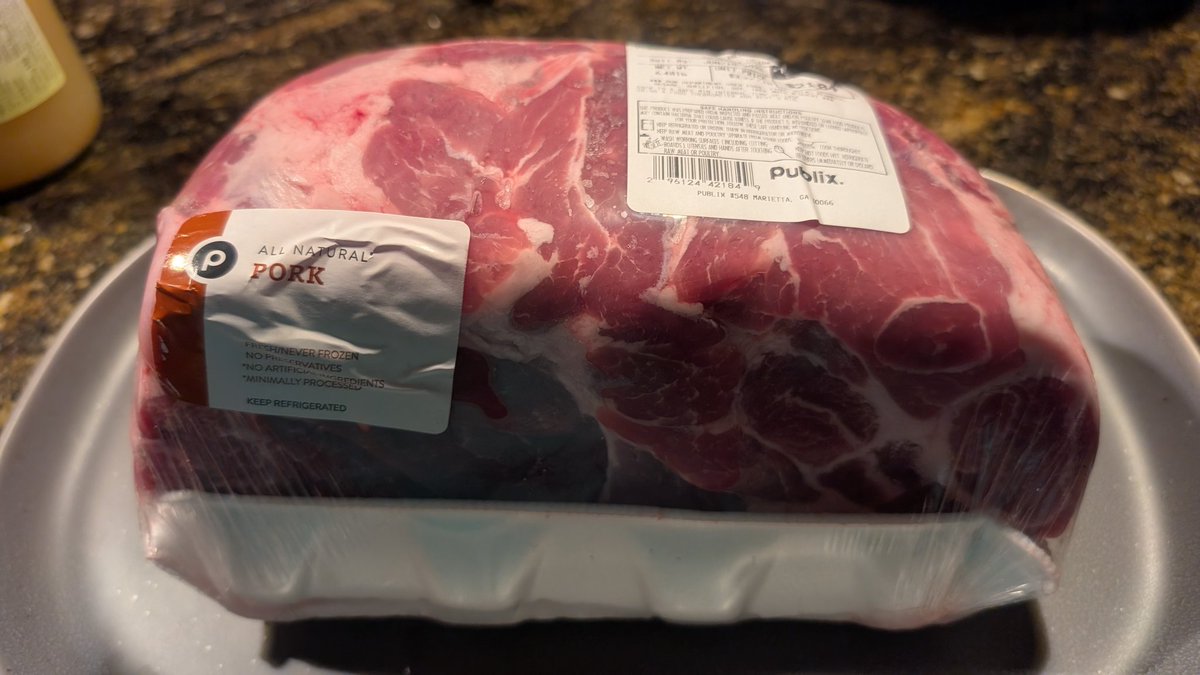
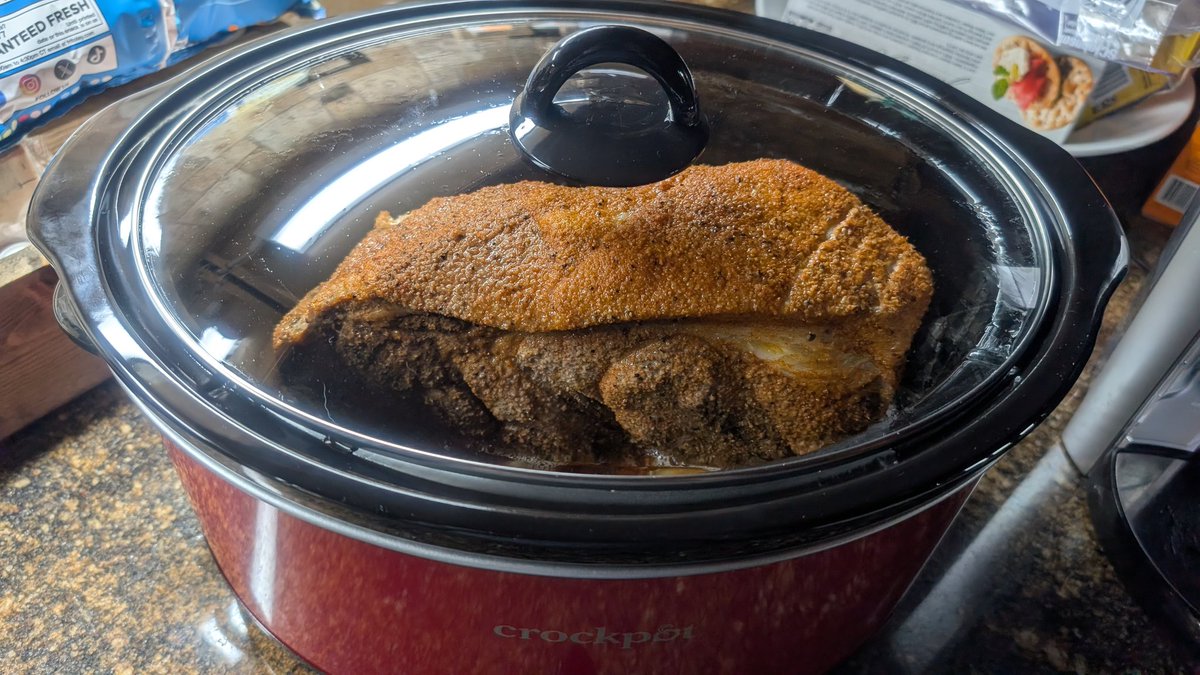
I'm slow-cooking a pork butt overnight (6.5lbs bone-in). I'm stupid excited . Got a new machine to break in!
Ill add food & mountain sunrises & sunsets on this thread through Monday!
5
20
239
🧵And here's tonight's plan! Mountain towns are my favorite thing.
1
1
15
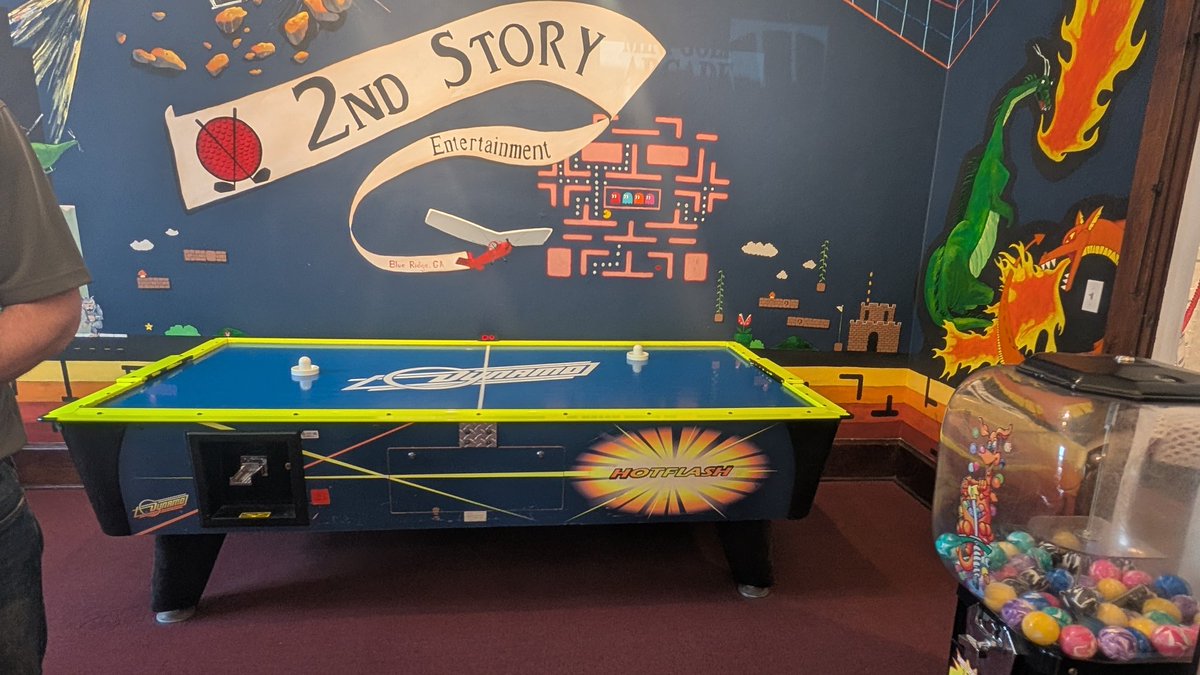
🧵Mister & I love mountain & beach arcades & I always try to win stuffed animals & rubber duckies. This time, in Blue Ridge, I won a ducky, a purple bouncy ball, and several pieces of candy. Then the lady could see how excited I was about Red (the duck) so she gave me minis 😅



3
Tenacious Library 🧬🔬 retweeted

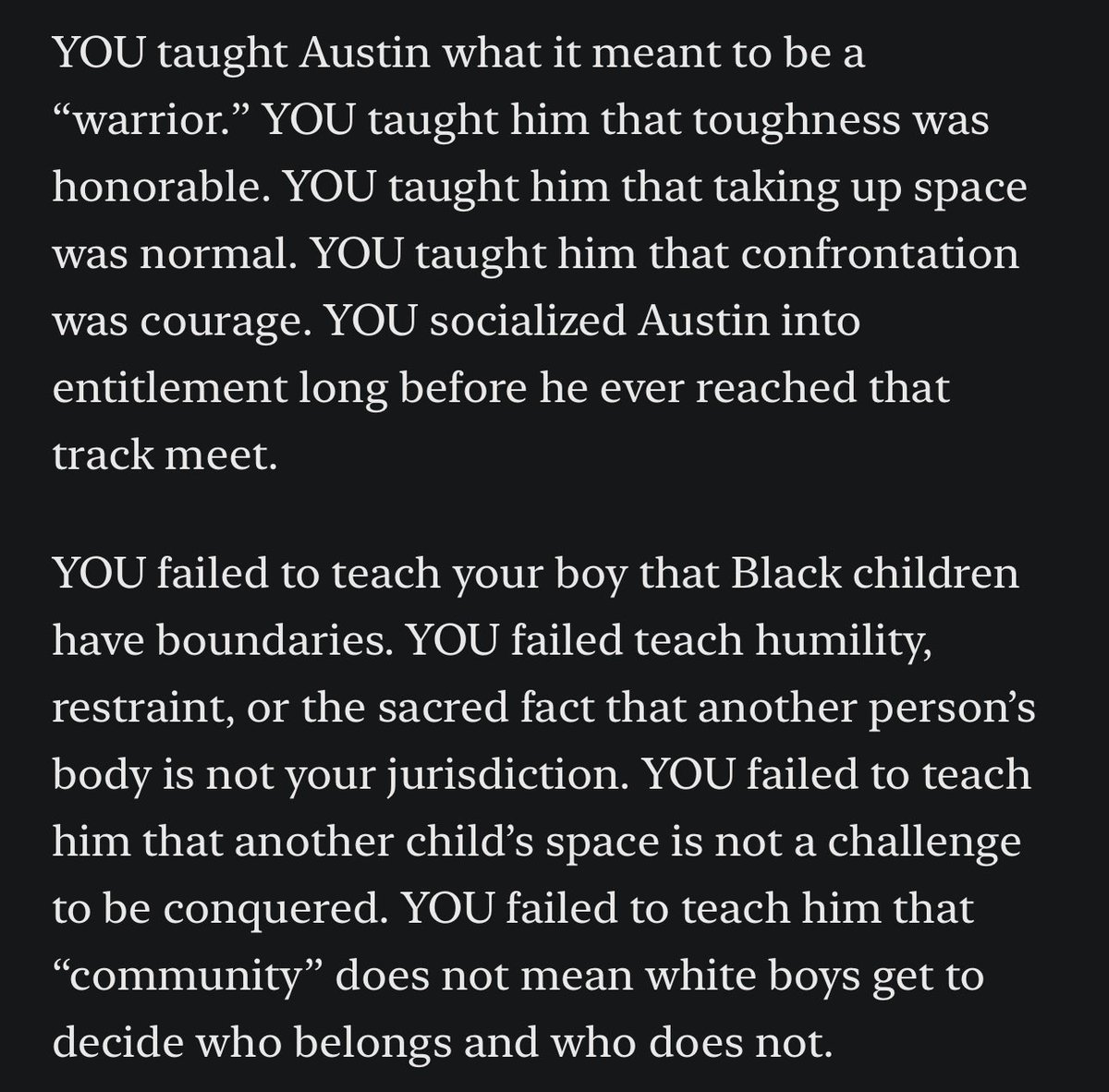
Stacey Patton's letter to Jeff Metcalf is not an argument. It is a permission slip for a killing, written backward from the verdict she wishes the jury had reached. Strip away the grief and the eulogy and the courtroom staging and one claim holds the whole thing up. Black people own boundaries and safe spaces that everyone else is obligated to honor, and they owe no such deference in return. That is the load bearing assertion, and it collapses the instant you apply it evenly, because applied evenly it convicts the boy she is defending.
Take her own words and turn them back on her. She writes that another person's body is not your jurisdiction, that another child's space is not a challenge to conquer, that crossing and crowding and testing and policing another person carries consequences. Fine. Every one of those sentences indicts Karmelo Anthony. The space was the Memorial team's tent. He walked into it. He was the one asked to leave and the one who refused. He was the one crowding and testing ground that was not his. The body whose autonomy was destroyed for good, with a blade through the heart, was Austin Metcalf's. If bodies are not jurisdictions and space is not a conquest, then the person who violated both was the one holding the knife. Her rule does not trouble the verdict. It ratifies it.
So she does the only thing that can save the argument. She makes the boundary racial. She does not write that children have boundaries or that people have boundaries. She writes that Austin's father failed to teach him that Black children have boundaries. The entitlement is race coded by design. And a boundary that one race holds while another race must yield to it, with nothing flowing back, is not a boundary. It is a ranking. It says one group's claim on space and one group's benefit of the doubt outranks another's. That is a racial hierarchy stated in plain words, by a woman who spends the rest of the page claiming to hate exactly that.
This is the part she cannot see because she is standing inside it. She condemns white space and the white presumption to decide who belongs, and in the same breath she asserts a Black claim on space that white people must honor or be branded aggressors. Same machine, opposite beneficiary. If a father telling his son's killer you do not belong here is sundown town logic, then a doctrine that a teenager's mere presence in another team's tent generates a boundary the whole team must defer to is sundown town logic with the colors swapped. A principle that only runs one direction is not a principle. It is a preference wearing a costume.
Run it through the only test that matters and watch it die. Keep every action identical and reverse the races. A white nineteen year old walks uninvited into a Black team's tent during a rain delay, is told to leave again and again, reaches into his bag and says touch me and see what happens, and when he is finally shoved he pulls a knife and puts it through the heart of a Black seventeen year old and runs. Nobody writing in Patton's tradition calls that survival. They call it murder, and they are right to. The framework spits out opposite verdicts on identical conduct based on nothing but skin. That is not analysis of behavior. It is sorting people by color and assigning guilt to fit. Everything else in the letter follows from that sort.
The direction her whole story depends on is not merely arbitrary. It is false, and the cleanest proof comes from a source built to flatter her worldview rather than mine. In 2023 the National Academies of Sciences published a consensus report titled Reducing Racial Inequality in Crime and Justice, a document whose every chapter assumes structural racism and the over policing of Black neighborhoods. Its own tables, drawn not from arrest records but from crime victims describing the people who attacked them, report that Black Americans committed about 25 percent of serious violent offenses while making up about 12 percent of the population, and that white Americans committed well under their population share. That number comes from victims, not from police, which kills the reflex that it is all just biased enforcement before she can even reach for it.
On violence between the two groups the gap is not subtle. About 16.6 percent of white violent crime victims named a Black attacker. About 8.3 percent of Black victims named a white one. Because there are several times more white people than Black people in the country, the report runs the per capita math itself and lands on Black Americans being twenty three times more likely to commit a violent crime against a white person than the reverse. That is the report's own averaged figure, not a hostile estimate of it. Twenty three to one, pointing in the exact opposite direction from the one Patton requires.
Robbery carries most of it. Twenty four percent of white robbery victims were robbed by a Black offender against five percent of Black robbery victims robbed by a white one. Homicide tilts the same way by a narrower margin, about sixteen percent of white murder victims killed by a Black offender against about eight percent of Black victims killed by a white one, narrower only because the raw count of Black homicide victims is already so high. This is the population level fear Patton is manufacturing when she tells a grieving father that Black kids are right to be afraid of white bodies. The fear she invokes runs the other way in the numbers her own side publishes.
Grant the structural caveats the same report spends pages making. Most violence is intraracial. American Indians face the highest victimization rates and are mostly attacked by white offenders. The Black and white gap tracks poverty and neighborhood and exposure. Every one of those facts explains why the gap exists. Not one flips its sign. Patton built her letter on a threat that points the wrong way, and no context turns the arrow around.
So when she tells Jeff Metcalf that Black children have good reason to fear white bodies and that danger wears the face of white entitlement, she has the encounter exactly inverted. Between a white teenager and a Black teenager, the very statistics she is gesturing toward run twenty three to one against her. The background story she needs to convert a young man who walked into another team's tent and refused to leave into a frightened child defending himself does not exist. She invented it.
Her opening lie is that the court treated an act of survival as murder. The jury heard self defense. It heard sudden passion. It threw both out after weighing the evidence. Survival is the word you use when the facts are flipped and the unarmed person is the one bleeding out. Austin had no weapon. Anthony brought one and used it after a shove. The person who walked away breathing is the person who carried lethal force into a tent over a few feet of shelter and some words. Calling that survival is not a reading of the case. It is an inversion of the language.
Then she reads a father's eulogy as a murder confession. Fishing trips, a first buck, the words leader and warrior become, in her hands, proof that the dead boy authored his own death. This is the exact ritual she spends three furious paragraphs condemning when it is performed on Black children. She did not refute the ritual. She joined it and aimed it at a dead child of the other color. Autopsying a dead boy's upbringing for the cause of his own killing does not become clean because the corpse is white.
The machine under that move runs on a claim that nothing could ever disprove. Teaching a kid to fish, to hunt, to lead is ordinary in millions of American homes of every race, and it produces no measurable tendency to knife a stranger over a tent. She offers no path from a first buck to a fatal stabbing because there is none. The line works only because the verdict was written before the evidence was read. Any detail would have served. Kindness would have been performance. Gentleness would have been camouflage. An argument that swallows every possible fact into the same conclusion is not reading facts. It is decorating a foregone one.
Then she anchors the whole letter to Trayvon Martin, Michael Brown, and Tamir Rice as her canon of white violence excused and Black bodies put on trial. Each of those cases has an actual record, and the actual records take the canon apart.
Trayvon Martin was on top of George Zimmerman in the ground and pound position when he was shot. The physical evidence said so. Zimmerman had a broken nose, two black eyes, and lacerations to the back of his head consistent with impacts against concrete. Trayvon had injuries to his knuckles. The medical examiner placed the muzzle of the gun against Trayvon's clothing while Trayvon was leaning forward over Zimmerman. The defense pathologist, the prosecution's own crime scene reconstruction, and the eyewitness who saw the fight from feet away all converged on the same picture. The jury heard all of it and acquitted on self defense in a case the prosecution overcharged from the start. There is no doctored autopsy in this case. There is no contested timeline. There is a teenager who, on the physical evidence, was beating a man's head against the sidewalk when that man shot him. The narrative that Trayvon was hunted down for walking while Black survives only at the cost of the trial record.
Michael Brown is worse, because the demolition was done by the Obama Justice Department under Eric Holder. Brown had just robbed a convenience store and assaulted the clerk, on video. He fought Officer Darren Wilson at the patrol vehicle, struck him in the face, and attempted to take his service weapon, leaving Brown's blood inside the car and on Wilson's uniform. He then ran, turned, and charged. The hands up don't shoot story that anchored a national movement was found by federal investigators to be a fabrication. The DOJ report stated in plain terms that witnesses who claimed Brown was surrendering with his hands raised were inconsistent with the physical evidence, internally contradictory, or impossible because the witnesses could not have seen what they claimed. Wilson was exonerated by the most pro civil rights administration in modern history. Patton citing Brown as an icon of white violence requires pretending that report does not exist.
Tamir Rice is the closest of the three to a real tragedy, and it is still not what the canon says. The 911 caller told the dispatcher that the gun was probably fake and the person was probably a juvenile. The dispatcher omitted both qualifiers when she radioed the call out as a Code 1 active gunman, and was later disciplined for it. The responding officers were told only that a Black male was waving a gun at people in a park. They drove up with that picture in their heads and the cruiser slid to a stop within feet of him. A boy died inside two seconds because of a chain of procedural failures, a botched tactical approach, and a dispatcher's missing sentence. That is a real institutional failure and worth its own reckoning. It is not the racial hunt the canon requires. The officers were not told they were chasing a child with a toy. They were told they were chasing a man with a gun. Calling that white people deciding a Black child does not belong in a park is a story stitched on top of facts that do not support it.
Three for three, the canon is myth. Patton needs those three deaths to mean what the movement said they meant in order for her letter's opening to land. The actual records, the autopsies, the forensics, the DOJ findings, and the dispatcher's discipline, dismantle the meaning. What is left after that is a slogan. Slogans are not evidence, and they are not a foundation. They cannot be loaded back onto the Frisco track meet to turn a confirmed murder into a story about white boys policing Black bodies.
There is a second layer to this, and it finishes the framework off. Each of Patton's three cases has a structural twin in the same window with the races flipped or with demographics that did not fit the script, and you will notice that nobody who recites her canon recites these. Christopher Cervini was a seventeen year old white teenager shot to death in 2009 by Roderick Scott, a Black man who armed himself, walked out of his house, confronted Cervini and two other boys he believed were breaking into cars, and fired when Cervini moved toward him. Scott was tried for manslaughter and acquitted on self defense after nineteen hours of deliberation. The fact pattern is closer to a clean stand your ground case than Zimmerman's, because Scott was the one who left his home armed and initiated the confrontation. There were no marches. There was no Justice for Christopher hashtag. The President did not say if I had a son. Patton has never written a letter to Roderick Scott's mother explaining what she failed to teach her son about white children's boundaries, because the template only runs in one direction.
Dillon Taylor was shot to death by Officer Bron Cruz of the Salt Lake City Police Department on August 11, 2014, two days after Michael Brown. Taylor was a twenty year old white man, unarmed, walking out of a 7-Eleven with earbuds in. Cruz was non white. The encounter was caught on body camera, the kind of footage Brown's case did not have, and it shows Taylor refusing to show his hands, saying "no, fool" to the officer, and pulling his hands from his waistband. He had no weapon. He was shot twice and died in the parking lot. The shooting was ruled justified, the federal civil case was dismissed, and the officer kept his job. Two days, two unarmed young men shot by police, one of them with the actual ambiguity Brown's case lacked. One sparked a national movement, riots, a presidential statement, and a permanent slogan. The other you have never heard of unless you went looking. Same country, same week, opposite demographics, opposite reaction. That is not coincidence. That is selection.
Andy Lopez was a thirteen year old Hispanic boy in Santa Rosa, walking through a vacant lot on October 22, 2013, carrying an airsoft replica of an AK-47 with the orange safety tip broken off. Sonoma County Sheriff's Deputy Erick Gelhaus pulled up behind him from the patrol car, ordered him to drop the weapon, and shot him seven times when he began to turn around. Lopez had not pointed the gun at anyone. He was not reported as pointing the gun at anyone. He was a child walking with what he was carrying down at his side. The District Attorney declined to charge. The FBI and DOJ declined to charge. The deputy was later promoted to sergeant. Patton's Tamir Rice paragraph treats his death as the iconic case of a child killed for being Black with a toy. Andy Lopez was younger by a few months than Tamir at his next birthday, was carrying a more realistic looking replica with the orange tip broken off, gave the officer less reason to perceive a threat because he never pointed it at anyone, and was shot seven times instead of twice. The case is not in her letter. It is not in the canon. It is not on the syllabus. He was Hispanic, the officer was a decorated white veteran, and the shooting prompted local protests and a settlement but no national reckoning, no slogan, no presidential statement, no chapter in the racial justice literature. The omission is the argument.
This is what finishes the framework off. It was not just that Patton's three cases collapse on their own records. It is that each of them has a twin she does not mention, and the twins reveal that the rule for what counts as a national tragedy is selection, not evidence. Black victim, white killer, ambiguous evidence becomes a movement. White victim, Black killer, cleaner evidence becomes a Snopes page. Hispanic child killed with a more honest version of the same fact pattern becomes a local story. The canon is not a record of what America does to Black children. It is a record of which deaths get amplified and which get buried, sorted by which deaths can be made to fit a preexisting narrative. The asymmetry is in the curation, not in the country.
Her handling of this was never about race is a trap with no exit, and the trap is the tell. The father says it is not about race and she calls that the proof. Had he said it was about race, that too would have been the proof. A claim that turns a statement and its exact opposite into the same confession is not a claim about the world. It is a device for reaching a predetermined answer, and it deserves to be named as one rather than answered on its terms.
Her reading of Anthony refusing eye contact is the same trick shrunk to pocket size. A convicted killer who will not meet the eyes of the father of the boy he killed is showing the ordinary posture of a convicted killer. She dresses it up as ancestral resistance and refusal and survival. That only works if you already believe the conviction was unjust, which is the very thing in question. She is using her conclusion as the evidence for her conclusion and counting on the reader to miss the circle.
Her complaint about the courtroom double standard falls apart on what a victim impact statement actually is. It is the one moment in the entire proceeding built for the family of the dead to speak, after guilt has already been settled. A father's rage in that chair is not a zoning rule about who may live in town. Reading you do not belong in this community as a decree of racial banishment requires forgetting where the words were spoken and why that stage of a trial exists at all. It is the protected place for exactly the grief she is treating as a manifesto.
She claims to be holding two truths at once, Austin's death and Karmelo's humanity. She is doing the opposite. Holding two truths would mean naming Austin's death as a wrong done to him. Instead she locates the origin of his death inside his own father's parenting, writing that it began not with the knife but with every lesson the man taught his son. That is not honoring a dead boy's humanity beside the killer's. That is handing the dead boy the authorship of his own murder. You cannot mourn a child in the same sentence in which you blame him for being killed.
Boundaries are real. Bodily autonomy is real. A person's space is theirs. Every one of those principles is true, and every one of them belongs to everybody, which is the exact reason they convict the person who crossed them in that tent. Patton had to make them racial to reach the verdict she wanted, because applied to all human beings equally they point straight at her client. The moment a boundary becomes the property of one race instead of the right of every person, it stops protecting anyone and starts ranking them, which is the thing she swears she is against. The dead boy is the one whose space was entered, whose plain request to be left alone was ignored, and whose body was the only one that did not survive the afternoon. An honest accounting of boundaries starts with his. Hers never reaches him.
Jun 11

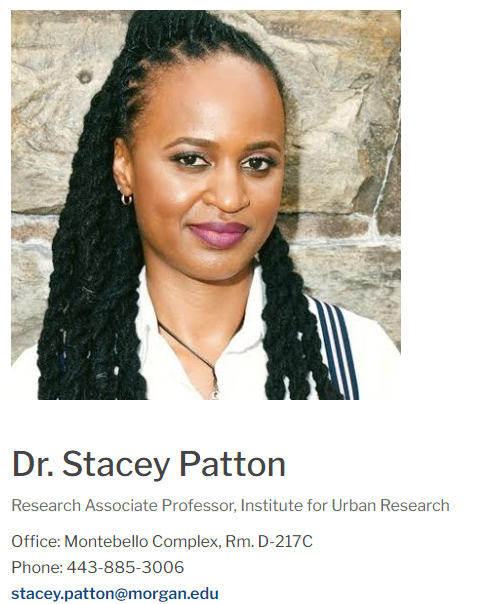
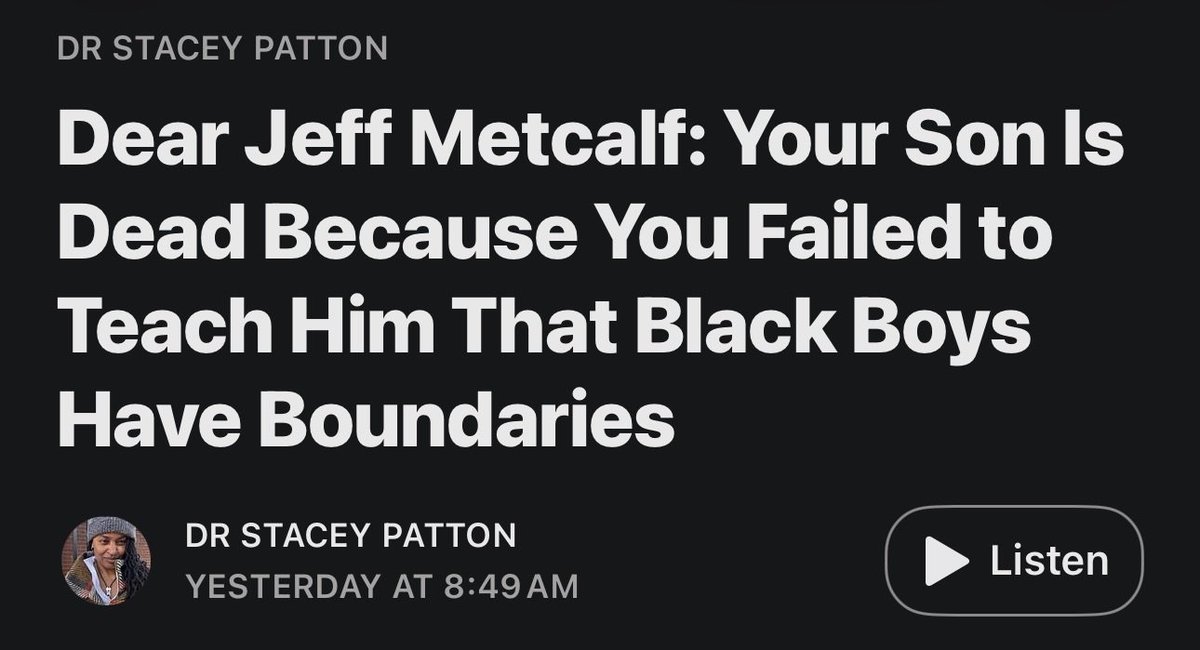
🚨 Dr. Stacey Patton, a professor at Howard University, wrote an article in which she blamed Austin Metcalf – and his family – for Karmelo Anthony's decision to murder him.
Titled "Dear Jeff Metcalf: Your Son is Dead Because You Failed to Teach Him That Black Boys Have Boundaries," the article argues that Jeff Metcalf failed to teach Austin that "black children have boundaries." In other words, Jeff should have taught Austin that black people will try to kill you if you ask them to stop violating social norms.
While Patton falls short of outright defending Karmelo's decision, the entire purpose of the piece is to rationalize his behavior. Kind of like "Sure Karmelo shouldn't have stabbed him, but it was Austin's fault at the end of the day."
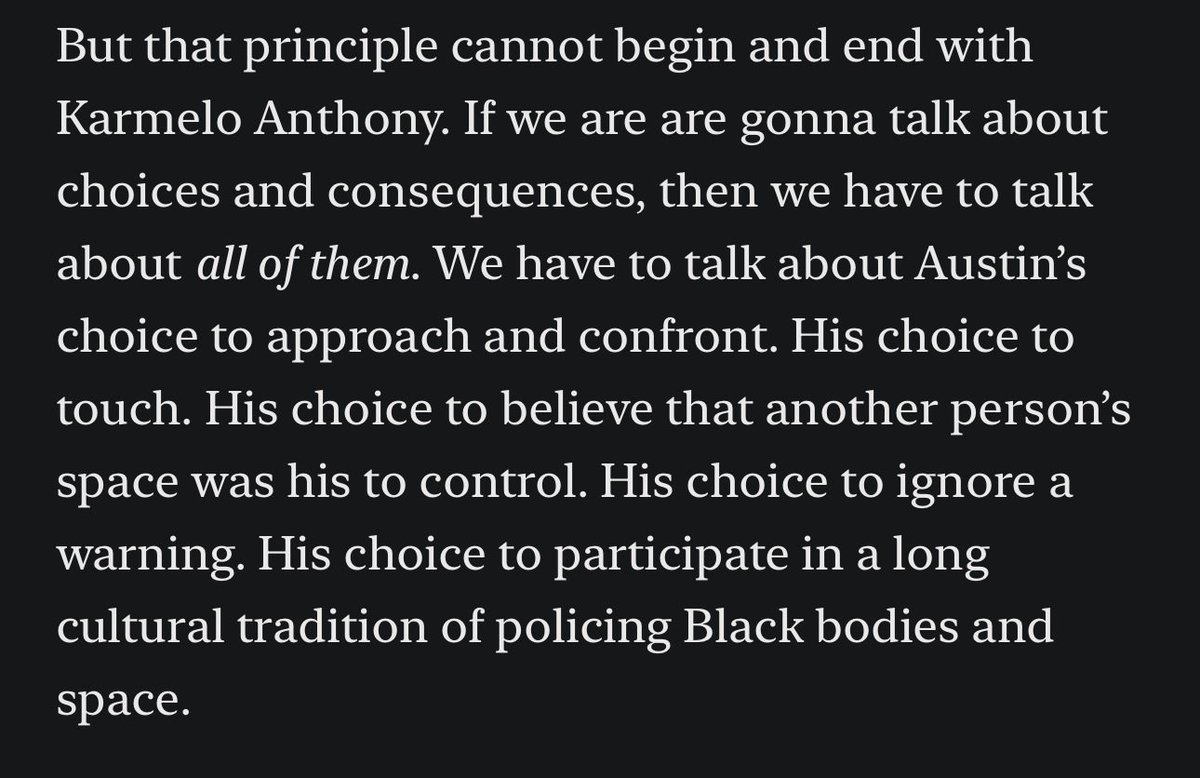
She writes, "We have to talk about Austin's decision to approach and confront." As if Austin didn't have the right to tell someone from another school to leave his school's tent. As if somehow that minor confrontation justifies stabbing him in the heart. It is complete insanity. Patton ties Austin's behavior to "a long cultural tradition of policing black bodies and space."
Right.
Patton's Substack has nearly 50k followers. He has 300k followers on Facebook. She is an accomplished professor and journalist. The article received thousands of likes. We've all seen the low-class black people causing a scene outside of the courthouse. But it appears that even many educated blacks believe that people of their race have the right to murder anyone who asks them to stop playing music in public, respect physical boundaries, and so on.
"Let us do what we want or we'll kill you" appears to be the message being broadcast by a sizable share of the black community. You don't have to be a far-right radical to recognize the many unsettling implications this holds for the future of American race relations.
1
4
8
1,172
"And a boundary that one race holds while another race must yield to it, with nothing flowing back, is not a boundary. It is a ranking. It says one group's claim on space and one group's benefit of the doubt outranks another's. That is a racial hierarchy stated in plain words."

Stacey Patton's letter to Jeff Metcalf is not an argument. It is a permission slip for a killing, written backward from the verdict she wishes the jury had reached. Strip away the grief and the eulogy and the courtroom staging and one claim holds the whole thing up. Black people own boundaries and safe spaces that everyone else is obligated to honor, and they owe no such deference in return. That is the load bearing assertion, and it collapses the instant you apply it evenly, because applied evenly it convicts the boy she is defending.
Take her own words and turn them back on her. She writes that another person's body is not your jurisdiction, that another child's space is not a challenge to conquer, that crossing and crowding and testing and policing another person carries consequences. Fine. Every one of those sentences indicts Karmelo Anthony. The space was the Memorial team's tent. He walked into it. He was the one asked to leave and the one who refused. He was the one crowding and testing ground that was not his. The body whose autonomy was destroyed for good, with a blade through the heart, was Austin Metcalf's. If bodies are not jurisdictions and space is not a conquest, then the person who violated both was the one holding the knife. Her rule does not trouble the verdict. It ratifies it.
So she does the only thing that can save the argument. She makes the boundary racial. She does not write that children have boundaries or that people have boundaries. She writes that Austin's father failed to teach him that Black children have boundaries. The entitlement is race coded by design. And a boundary that one race holds while another race must yield to it, with nothing flowing back, is not a boundary. It is a ranking. It says one group's claim on space and one group's benefit of the doubt outranks another's. That is a racial hierarchy stated in plain words, by a woman who spends the rest of the page claiming to hate exactly that.
This is the part she cannot see because she is standing inside it. She condemns white space and the white presumption to decide who belongs, and in the same breath she asserts a Black claim on space that white people must honor or be branded aggressors. Same machine, opposite beneficiary. If a father telling his son's killer you do not belong here is sundown town logic, then a doctrine that a teenager's mere presence in another team's tent generates a boundary the whole team must defer to is sundown town logic with the colors swapped. A principle that only runs one direction is not a principle. It is a preference wearing a costume.
Run it through the only test that matters and watch it die. Keep every action identical and reverse the races. A white nineteen year old walks uninvited into a Black team's tent during a rain delay, is told to leave again and again, reaches into his bag and says touch me and see what happens, and when he is finally shoved he pulls a knife and puts it through the heart of a Black seventeen year old and runs. Nobody writing in Patton's tradition calls that survival. They call it murder, and they are right to. The framework spits out opposite verdicts on identical conduct based on nothing but skin. That is not analysis of behavior. It is sorting people by color and assigning guilt to fit. Everything else in the letter follows from that sort.
The direction her whole story depends on is not merely arbitrary. It is false, and the cleanest proof comes from a source built to flatter her worldview rather than mine. In 2023 the National Academies of Sciences published a consensus report titled Reducing Racial Inequality in Crime and Justice, a document whose every chapter assumes structural racism and the over policing of Black neighborhoods. Its own tables, drawn not from arrest records but from crime victims describing the people who attacked them, report that Black Americans committed about 25 percent of serious violent offenses while making up about 12 percent of the population, and that white Americans committed well under their population share. That number comes from victims, not from police, which kills the reflex that it is all just biased enforcement before she can even reach for it.
On violence between the two groups the gap is not subtle. About 16.6 percent of white violent crime victims named a Black attacker. About 8.3 percent of Black victims named a white one. Because there are several times more white people than Black people in the country, the report runs the per capita math itself and lands on Black Americans being twenty three times more likely to commit a violent crime against a white person than the reverse. That is the report's own averaged figure, not a hostile estimate of it. Twenty three to one, pointing in the exact opposite direction from the one Patton requires.
Robbery carries most of it. Twenty four percent of white robbery victims were robbed by a Black offender against five percent of Black robbery victims robbed by a white one. Homicide tilts the same way by a narrower margin, about sixteen percent of white murder victims killed by a Black offender against about eight percent of Black victims killed by a white one, narrower only because the raw count of Black homicide victims is already so high. This is the population level fear Patton is manufacturing when she tells a grieving father that Black kids are right to be afraid of white bodies. The fear she invokes runs the other way in the numbers her own side publishes.
Grant the structural caveats the same report spends pages making. Most violence is intraracial. American Indians face the highest victimization rates and are mostly attacked by white offenders. The Black and white gap tracks poverty and neighborhood and exposure. Every one of those facts explains why the gap exists. Not one flips its sign. Patton built her letter on a threat that points the wrong way, and no context turns the arrow around.
So when she tells Jeff Metcalf that Black children have good reason to fear white bodies and that danger wears the face of white entitlement, she has the encounter exactly inverted. Between a white teenager and a Black teenager, the very statistics she is gesturing toward run twenty three to one against her. The background story she needs to convert a young man who walked into another team's tent and refused to leave into a frightened child defending himself does not exist. She invented it.
Her opening lie is that the court treated an act of survival as murder. The jury heard self defense. It heard sudden passion. It threw both out after weighing the evidence. Survival is the word you use when the facts are flipped and the unarmed person is the one bleeding out. Austin had no weapon. Anthony brought one and used it after a shove. The person who walked away breathing is the person who carried lethal force into a tent over a few feet of shelter and some words. Calling that survival is not a reading of the case. It is an inversion of the language.
Then she reads a father's eulogy as a murder confession. Fishing trips, a first buck, the words leader and warrior become, in her hands, proof that the dead boy authored his own death. This is the exact ritual she spends three furious paragraphs condemning when it is performed on Black children. She did not refute the ritual. She joined it and aimed it at a dead child of the other color. Autopsying a dead boy's upbringing for the cause of his own killing does not become clean because the corpse is white.
The machine under that move runs on a claim that nothing could ever disprove. Teaching a kid to fish, to hunt, to lead is ordinary in millions of American homes of every race, and it produces no measurable tendency to knife a stranger over a tent. She offers no path from a first buck to a fatal stabbing because there is none. The line works only because the verdict was written before the evidence was read. Any detail would have served. Kindness would have been performance. Gentleness would have been camouflage. An argument that swallows every possible fact into the same conclusion is not reading facts. It is decorating a foregone one.
Then she anchors the whole letter to Trayvon Martin, Michael Brown, and Tamir Rice as her canon of white violence excused and Black bodies put on trial. Each of those cases has an actual record, and the actual records take the canon apart.
Trayvon Martin was on top of George Zimmerman in the ground and pound position when he was shot. The physical evidence said so. Zimmerman had a broken nose, two black eyes, and lacerations to the back of his head consistent with impacts against concrete. Trayvon had injuries to his knuckles. The medical examiner placed the muzzle of the gun against Trayvon's clothing while Trayvon was leaning forward over Zimmerman. The defense pathologist, the prosecution's own crime scene reconstruction, and the eyewitness who saw the fight from feet away all converged on the same picture. The jury heard all of it and acquitted on self defense in a case the prosecution overcharged from the start. There is no doctored autopsy in this case. There is no contested timeline. There is a teenager who, on the physical evidence, was beating a man's head against the sidewalk when that man shot him. The narrative that Trayvon was hunted down for walking while Black survives only at the cost of the trial record.
Michael Brown is worse, because the demolition was done by the Obama Justice Department under Eric Holder. Brown had just robbed a convenience store and assaulted the clerk, on video. He fought Officer Darren Wilson at the patrol vehicle, struck him in the face, and attempted to take his service weapon, leaving Brown's blood inside the car and on Wilson's uniform. He then ran, turned, and charged. The hands up don't shoot story that anchored a national movement was found by federal investigators to be a fabrication. The DOJ report stated in plain terms that witnesses who claimed Brown was surrendering with his hands raised were inconsistent with the physical evidence, internally contradictory, or impossible because the witnesses could not have seen what they claimed. Wilson was exonerated by the most pro civil rights administration in modern history. Patton citing Brown as an icon of white violence requires pretending that report does not exist.
Tamir Rice is the closest of the three to a real tragedy, and it is still not what the canon says. The 911 caller told the dispatcher that the gun was probably fake and the person was probably a juvenile. The dispatcher omitted both qualifiers when she radioed the call out as a Code 1 active gunman, and was later disciplined for it. The responding officers were told only that a Black male was waving a gun at people in a park. They drove up with that picture in their heads and the cruiser slid to a stop within feet of him. A boy died inside two seconds because of a chain of procedural failures, a botched tactical approach, and a dispatcher's missing sentence. That is a real institutional failure and worth its own reckoning. It is not the racial hunt the canon requires. The officers were not told they were chasing a child with a toy. They were told they were chasing a man with a gun. Calling that white people deciding a Black child does not belong in a park is a story stitched on top of facts that do not support it.
Three for three, the canon is myth. Patton needs those three deaths to mean what the movement said they meant in order for her letter's opening to land. The actual records, the autopsies, the forensics, the DOJ findings, and the dispatcher's discipline, dismantle the meaning. What is left after that is a slogan. Slogans are not evidence, and they are not a foundation. They cannot be loaded back onto the Frisco track meet to turn a confirmed murder into a story about white boys policing Black bodies.
There is a second layer to this, and it finishes the framework off. Each of Patton's three cases has a structural twin in the same window with the races flipped or with demographics that did not fit the script, and you will notice that nobody who recites her canon recites these. Christopher Cervini was a seventeen year old white teenager shot to death in 2009 by Roderick Scott, a Black man who armed himself, walked out of his house, confronted Cervini and two other boys he believed were breaking into cars, and fired when Cervini moved toward him. Scott was tried for manslaughter and acquitted on self defense after nineteen hours of deliberation. The fact pattern is closer to a clean stand your ground case than Zimmerman's, because Scott was the one who left his home armed and initiated the confrontation. There were no marches. There was no Justice for Christopher hashtag. The President did not say if I had a son. Patton has never written a letter to Roderick Scott's mother explaining what she failed to teach her son about white children's boundaries, because the template only runs in one direction.
Dillon Taylor was shot to death by Officer Bron Cruz of the Salt Lake City Police Department on August 11, 2014, two days after Michael Brown. Taylor was a twenty year old white man, unarmed, walking out of a 7-Eleven with earbuds in. Cruz was non white. The encounter was caught on body camera, the kind of footage Brown's case did not have, and it shows Taylor refusing to show his hands, saying "no, fool" to the officer, and pulling his hands from his waistband. He had no weapon. He was shot twice and died in the parking lot. The shooting was ruled justified, the federal civil case was dismissed, and the officer kept his job. Two days, two unarmed young men shot by police, one of them with the actual ambiguity Brown's case lacked. One sparked a national movement, riots, a presidential statement, and a permanent slogan. The other you have never heard of unless you went looking. Same country, same week, opposite demographics, opposite reaction. That is not coincidence. That is selection.
Andy Lopez was a thirteen year old Hispanic boy in Santa Rosa, walking through a vacant lot on October 22, 2013, carrying an airsoft replica of an AK-47 with the orange safety tip broken off. Sonoma County Sheriff's Deputy Erick Gelhaus pulled up behind him from the patrol car, ordered him to drop the weapon, and shot him seven times when he began to turn around. Lopez had not pointed the gun at anyone. He was not reported as pointing the gun at anyone. He was a child walking with what he was carrying down at his side. The District Attorney declined to charge. The FBI and DOJ declined to charge. The deputy was later promoted to sergeant. Patton's Tamir Rice paragraph treats his death as the iconic case of a child killed for being Black with a toy. Andy Lopez was younger by a few months than Tamir at his next birthday, was carrying a more realistic looking replica with the orange tip broken off, gave the officer less reason to perceive a threat because he never pointed it at anyone, and was shot seven times instead of twice. The case is not in her letter. It is not in the canon. It is not on the syllabus. He was Hispanic, the officer was a decorated white veteran, and the shooting prompted local protests and a settlement but no national reckoning, no slogan, no presidential statement, no chapter in the racial justice literature. The omission is the argument.
This is what finishes the framework off. It was not just that Patton's three cases collapse on their own records. It is that each of them has a twin she does not mention, and the twins reveal that the rule for what counts as a national tragedy is selection, not evidence. Black victim, white killer, ambiguous evidence becomes a movement. White victim, Black killer, cleaner evidence becomes a Snopes page. Hispanic child killed with a more honest version of the same fact pattern becomes a local story. The canon is not a record of what America does to Black children. It is a record of which deaths get amplified and which get buried, sorted by which deaths can be made to fit a preexisting narrative. The asymmetry is in the curation, not in the country.
Her handling of this was never about race is a trap with no exit, and the trap is the tell. The father says it is not about race and she calls that the proof. Had he said it was about race, that too would have been the proof. A claim that turns a statement and its exact opposite into the same confession is not a claim about the world. It is a device for reaching a predetermined answer, and it deserves to be named as one rather than answered on its terms.
Her reading of Anthony refusing eye contact is the same trick shrunk to pocket size. A convicted killer who will not meet the eyes of the father of the boy he killed is showing the ordinary posture of a convicted killer. She dresses it up as ancestral resistance and refusal and survival. That only works if you already believe the conviction was unjust, which is the very thing in question. She is using her conclusion as the evidence for her conclusion and counting on the reader to miss the circle.
Her complaint about the courtroom double standard falls apart on what a victim impact statement actually is. It is the one moment in the entire proceeding built for the family of the dead to speak, after guilt has already been settled. A father's rage in that chair is not a zoning rule about who may live in town. Reading you do not belong in this community as a decree of racial banishment requires forgetting where the words were spoken and why that stage of a trial exists at all. It is the protected place for exactly the grief she is treating as a manifesto.
She claims to be holding two truths at once, Austin's death and Karmelo's humanity. She is doing the opposite. Holding two truths would mean naming Austin's death as a wrong done to him. Instead she locates the origin of his death inside his own father's parenting, writing that it began not with the knife but with every lesson the man taught his son. That is not honoring a dead boy's humanity beside the killer's. That is handing the dead boy the authorship of his own murder. You cannot mourn a child in the same sentence in which you blame him for being killed.
Boundaries are real. Bodily autonomy is real. A person's space is theirs. Every one of those principles is true, and every one of them belongs to everybody, which is the exact reason they convict the person who crossed them in that tent. Patton had to make them racial to reach the verdict she wanted, because applied to all human beings equally they point straight at her client. The moment a boundary becomes the property of one race instead of the right of every person, it stops protecting anyone and starts ranking them, which is the thing she swears she is against. The dead boy is the one whose space was entered, whose plain request to be left alone was ignored, and whose body was the only one that did not survive the afternoon. An honest accounting of boundaries starts with his. Hers never reaches him.
1
3
44
Tenacious Library 🧬🔬 retweeted

15h
For over a year, Jeff Metcalf endured insults while grieving the loss of his son.
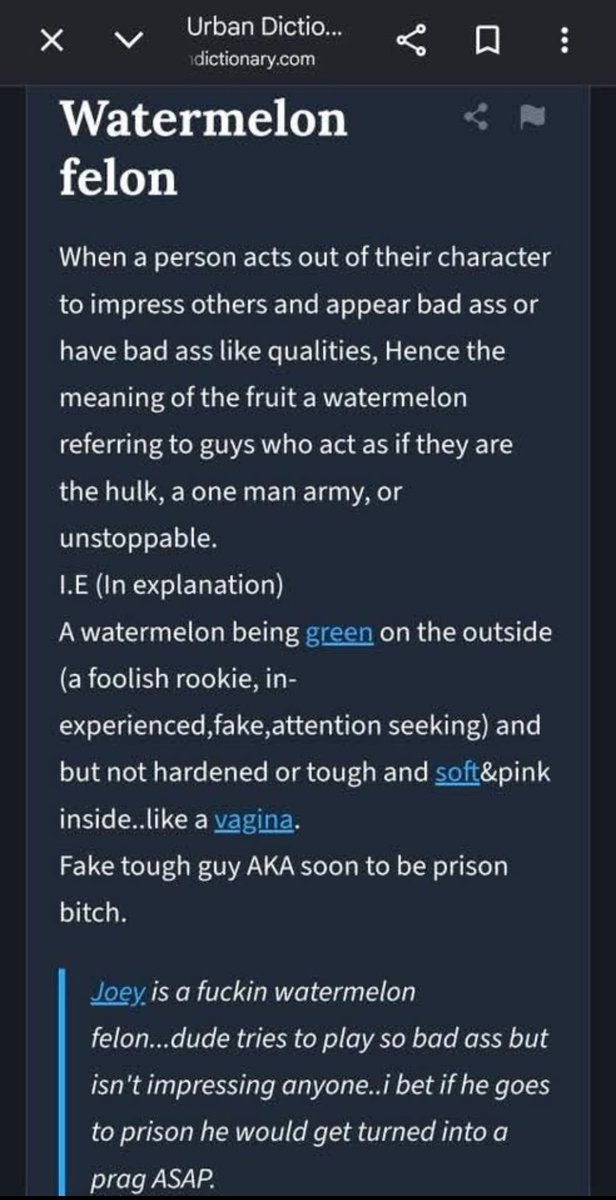
He says "watermelon felon" once, and suddenly he's the villain.
The phrase existed on Urban Dictionary years before this case with a non-racial definition.
You can disagree with the phrase, but outrage shouldn't be selective. Equal standards should apply to everyone.
4
14
37
963
Tenacious Library 🧬🔬 retweeted
🧵These rocking stools are insane!
So is this view.

2
1
5
40

Tenacious Library 🧬🔬 retweeted

Jun 13
Karen Hollis (23) was kidnapped by career violent criminal Randall Lendell Dejourney (43) in Alabama. He held her captive and repeated raped her.
After approximately a week in brutal captivity, he choked her to death and then repeatedly raped her dead body before dumping her corpse on the side of the road.
He was eventually arrested and his bond was set at $15,000. That's not a mis print. His bond was set at $15,000. For rape, murder, and rape of a corpse 🤨
Has this case been reported on by the national media? I certainly haven't seen it if so.
Plan accordingly...
#rural #alabama #crime #3rdWorld #decay #NorthPort
1,323
11,818
23,758
504,432
It's all come together beautifully 🥹
3
11
148
What a morning 😍
3
8
175

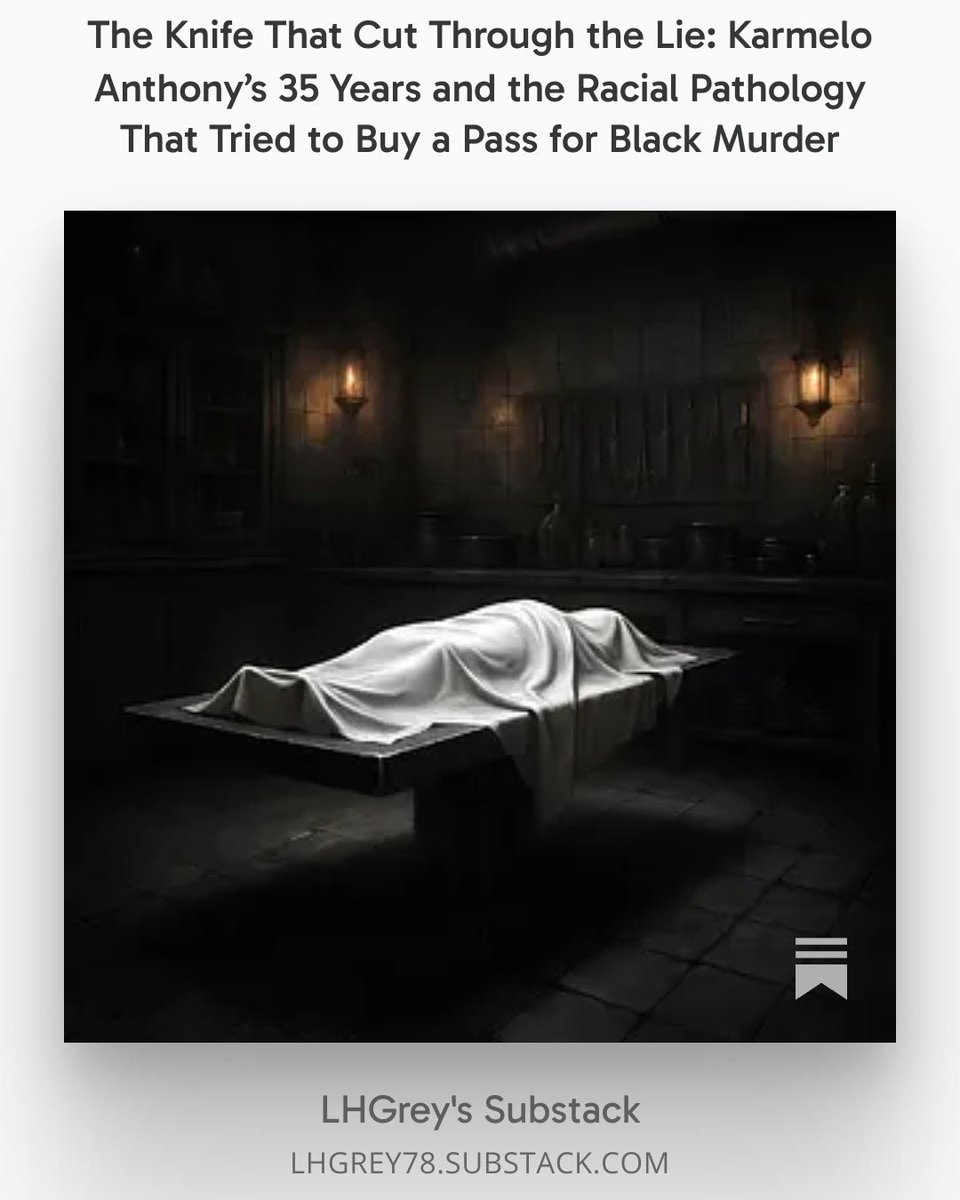
Introduction
The jury took less than three hours.
They listened to the witnesses, examined the facts, rejected the self-defense claim, rejected the sudden-passion downgrade that would have treated a knife to the chest as a heat-of-the-moment lapse, and convicted Karmelo Anthony of murder.
A Black teenager drove a blade into a White teenager at a high school track meet in Texas, and twelve citizens performed the increasingly rare act of weighing evidence instead of demographics. Within hours the familiar machinery engaged.
Activists declared a legal lynching.
A congresswoman announced that race had absolutely played a role. The usual professional mourners wailed that Black lives do not matter in Collin County.
And into this theater of scripted racial suspicion stepped Senator Tim Kaine, who said he has a hard time understanding why anyone would call the verdict unfair or racially motivated.
That single sentence of clarity is the exception that proves the pathology.
We have built an entire apparatus whose primary function is to ensure that Black-on-White violence never remains a simple criminal event. It must be transformed, instantly, into a referendum on history, on systems, on the eternal guilt of the wrong skin.
The dead boy becomes an acceptable loss in the larger accounting. The killer’s melanin becomes the mitigating circumstance that the culture is now trained to reach for before the body is even cold.
This is not compassion. This is not even coherent moral reasoning.
It is the closed cognitive loop of a regime that has decided some lives are more equal than others in death as in life, and that has professionalized the management of that inequality into careers, funding streams, and political power.
The neurological hardware underneath is ancient and unforgiving. The human brain tags threat and affiliation along tribal lines with ruthless speed; this is not a social construct, it is mammalian operating code.
What the current order has done is take that universal wiring and install it as public morality, but with the directional override permanently engaged.
When the perpetrator carries the approved demographic and the victim does not, the script demands we interrogate the jury, the prosecutor, the culture, the history, the rain, the tent, the shove, anything except the decision to pull a knife and use it.
When the demographics reverse, the script demands we interrogate nothing except the permanent stain of the wrong ancestry.
The result is not safety…It is not healing…It is the steady erosion of the principle that murder is murder regardless of who holds the blade and who stops breathing.
What follows is not another polite summary of a case already decided in a Texas courtroom.
It is the refusal to participate in the management of selective outrage any longer.
It is a forensic examination of the machinery that turns a straightforward homicide into a racial emergency the moment the wrong body hits the ground.
It is the record of what happens when a culture decides that evidence is optional when the narrative requires it, and that coddling one demographic’s violence is the price of moral virtue.
The boy who died on those bleachers deserved better than to become another data point in the grievance economy.
The jury that convicted his killer did what the law still occasionally permits.
The rest of us are left to decide whether we will keep pretending that skin color purchases a discount on the value of a human life, or whether we will finally say, without ellipsis or apology, that this bullshit has run its course.
open.substack.com/pub/lhgrey…
39
271
865
17,431
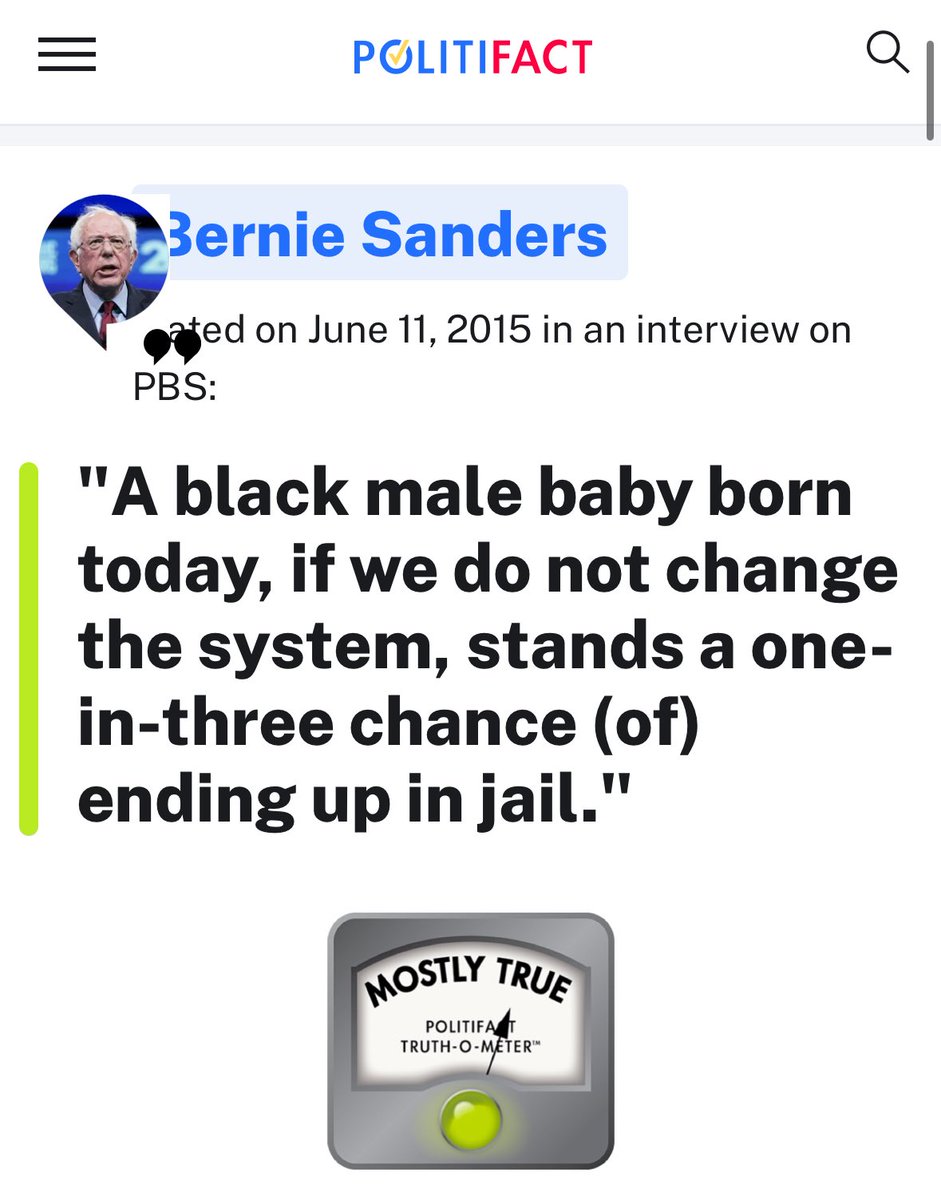
Note the passive language - "end up in jail"
Would it not be more accurate to say, "stands a one-in-three chance of choosing to be a criminal"?
3
14
88
Oh. Man.
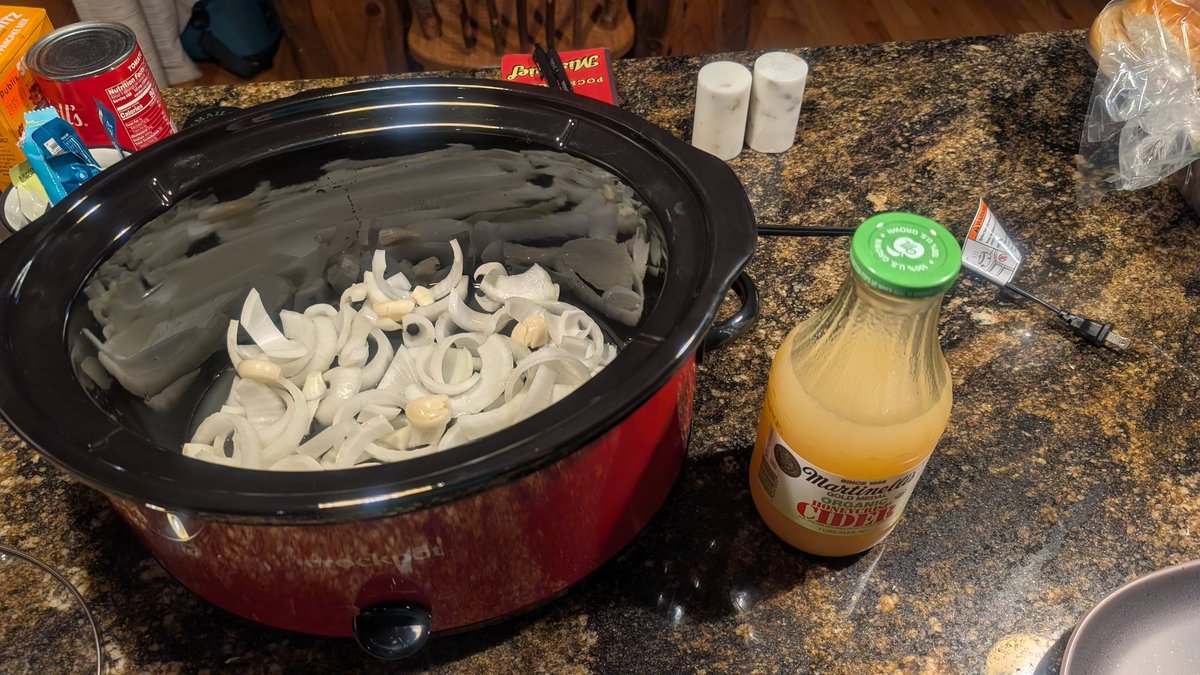
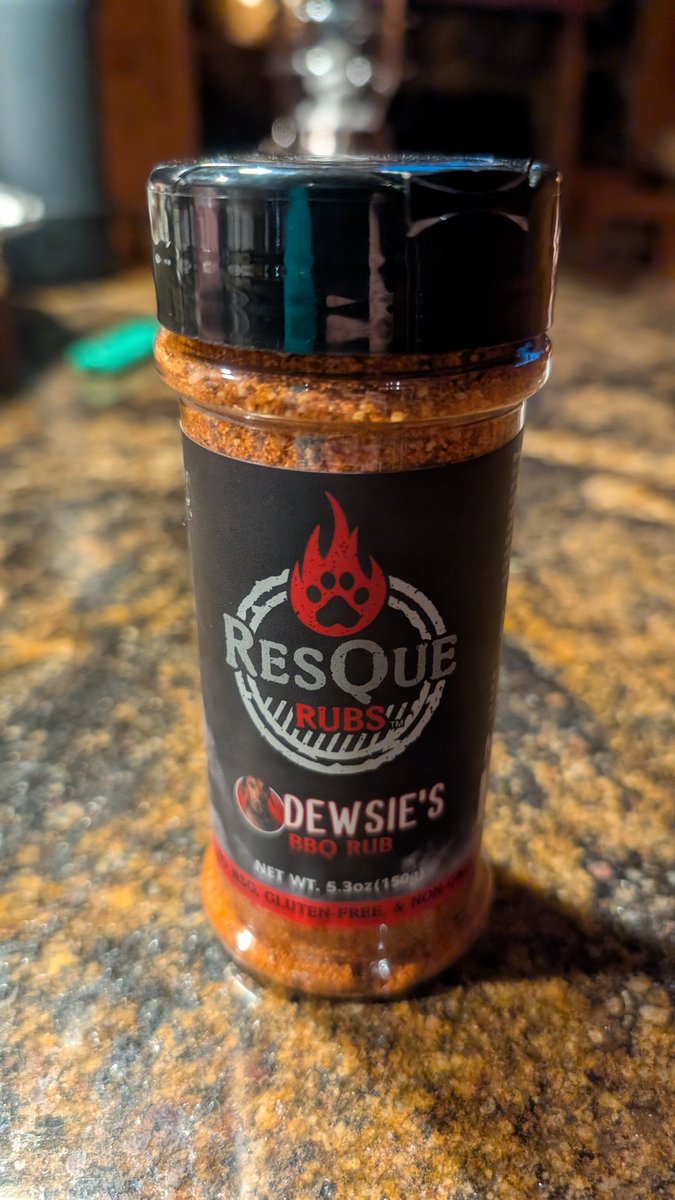
🧵 almost midnight so almost time to make the pork butt! Crockpot set with onion, garlic, and Martinelli's cider. Misters prepping the pork!
11
379

🧵Woke up early to check on the butt and morning view 😁

2
29