
Cracking the code of Solana DeFi — @kamino
Joined April 2021
- Tweets 4,783
- Following 1,126
- Followers 8,795
- Likes 18,965
458 Photos and videos

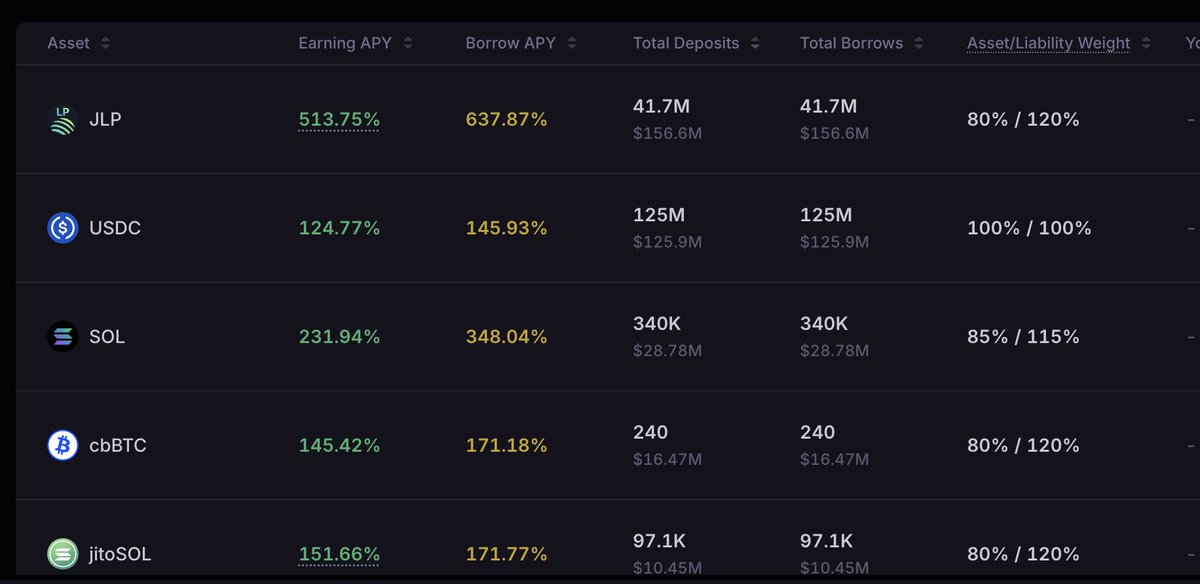


Pinned Tweet

9 Nov 2024
I've been through every Solana @colosseum radar hackathon applications so you don't have to.
...and the DeFi track was full of hidden gems.
Here's my top 7🧵
49
35
398
64,807


May 12
from someone who’s traded perps on @solana for years:
@PhoenixTrade has some of the tightest spreads i’ve ever seen on a CLOB.
the people fudding it have probably never traded perps on Solana, we've just improved 10x the UX in a few weeks.
still behind @HyperliquidX (obviously), but getting closer every day.
31
7
157
21,079
May 5
Never been more bullish than today on @onrefinance, in every single aspect.
> Yield: solana:5Y8NV33Vv7WbnLfq3zBcKSdYPrk7g2KoiQoe7M2tcxp5 has been paying 10% APY constantly for almost a year. Looping it on @kamino brings it to 15–20%. It’s been my biggest defi position recently.
> Narrative: RWAs are one of the only asset classes outperforming right now. Just look at @HyperliquidX top volume pairs or @kamino’s TVL.
> Traction: OnRe keeps pushing TVL highs every month despite current market conditions and just raised from big players like @FWDind and @Rockaway_X.
> Airdrop: High yield, solid traction, strong backers, and @onrefinance gives you a chance to be among the first token holders through its points system.
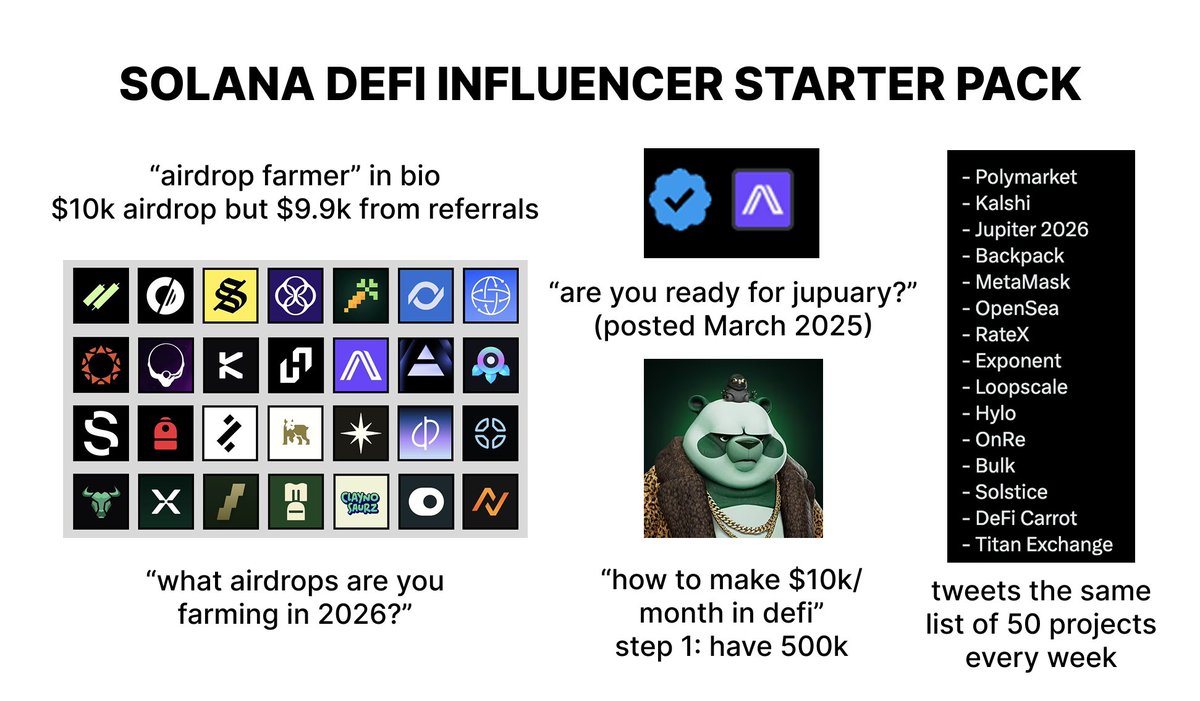
One of the only things worth farming in 2026 on @solana.
Note: I'm an angel investor in OnRe.
May 5

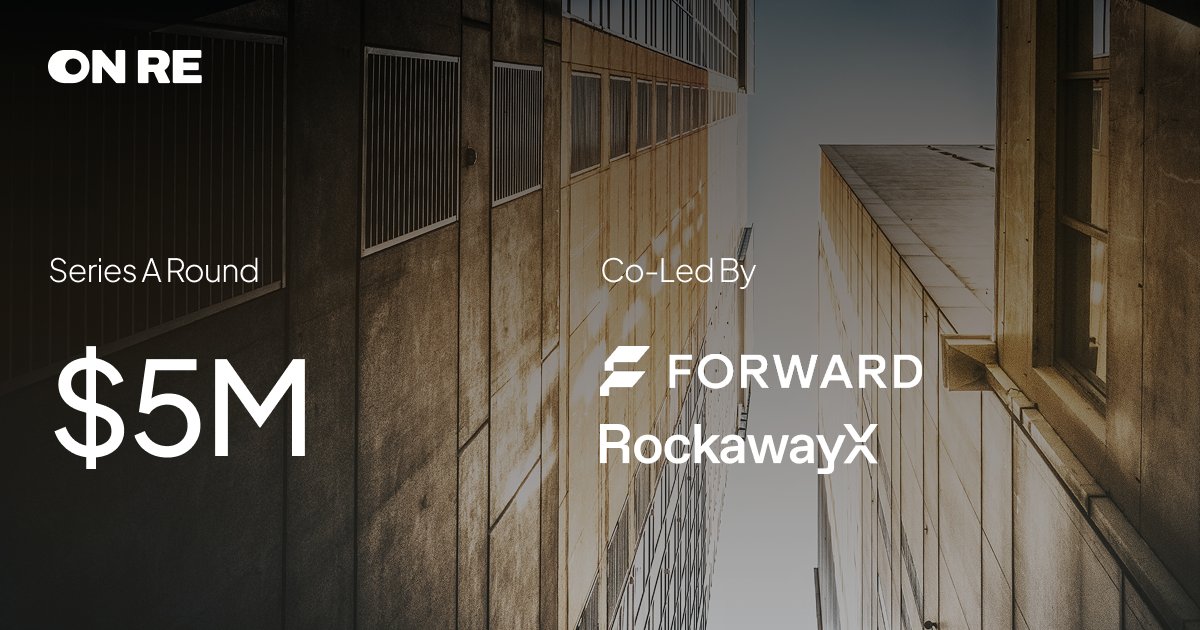
Today we’re announcing our $5 million Series A, co-led by @FWDind and @Rockaway_X.
With up to $25 million in additional deployment from Forward, OnRe enters its scaling phase as a capital partner to the global reinsurance market.
8
4
74
5,481

Apr 20
some stablecoin out there is 30% backed by brazilian credit card receivables.
most holders probably have no idea.
18
1
78
7,762
Apr 16
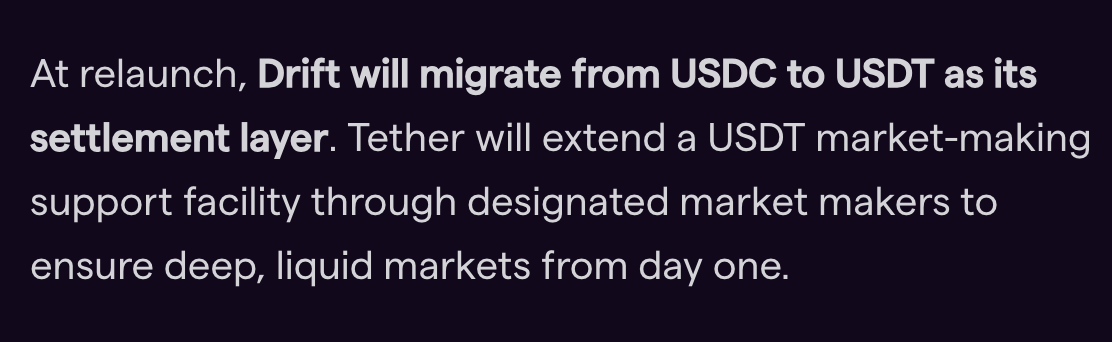
The backlash against @circle for not freezing USDC gave @tether the perfect chance to step in.
And Tether took it instantly, stepping in as the savior.
This feels like step 1 of a much bigger USDT takeover plan on @solana.

Tether Leads Support to the $150M Drift Recovery Plan, Stabilizes Relaunch as Drift Plans to Expand USD₮ Usage on Solana
Read more:
tether.io/news/tether-leads-…
11
7
150
9,133
Apr 16
that's a tether W right here.
Apr 16

[ ZOOMER ]
TETHER CONTRIBUTES UP TO $127.5M TO DRIFT FOLLOWING EXPLOIT FOR USER RECOVERY: BLOG
4
1
50
1,961
Apr 16
what?
Apr 16
[ ZOOMER ]
TETHER CONTRIBUTES UP TO $127.5M TO DRIFT FOLLOWING EXPLOIT FOR USER RECOVERY: BLOG
4
1
26
3,264
Solar ☀️ retweeted

Apr 11
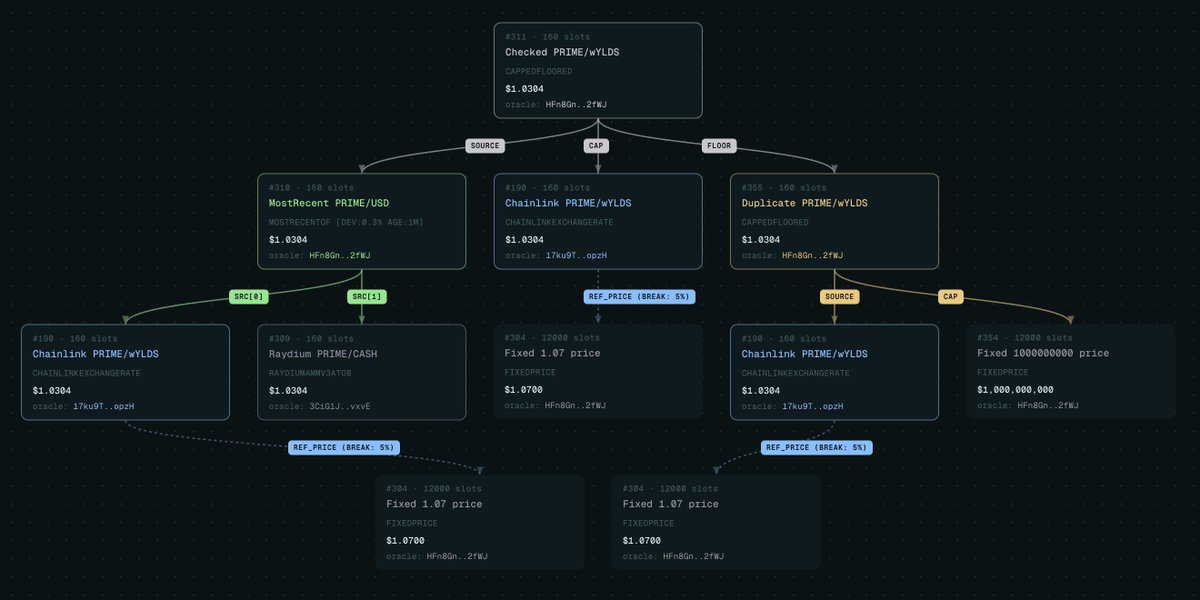
Oracle update on PRIME
* Priced at NAV, circuit breaking when deviates from DEX, from fixed range, from TWAP
* Over the past year, oracle infra has silently caught oracle provider failures, bad deviations, and saved multiple bad liquidations
* RWA pricing is 10x more complex than pricing bitcoin and is indistinguishable from risk management
Jan 20

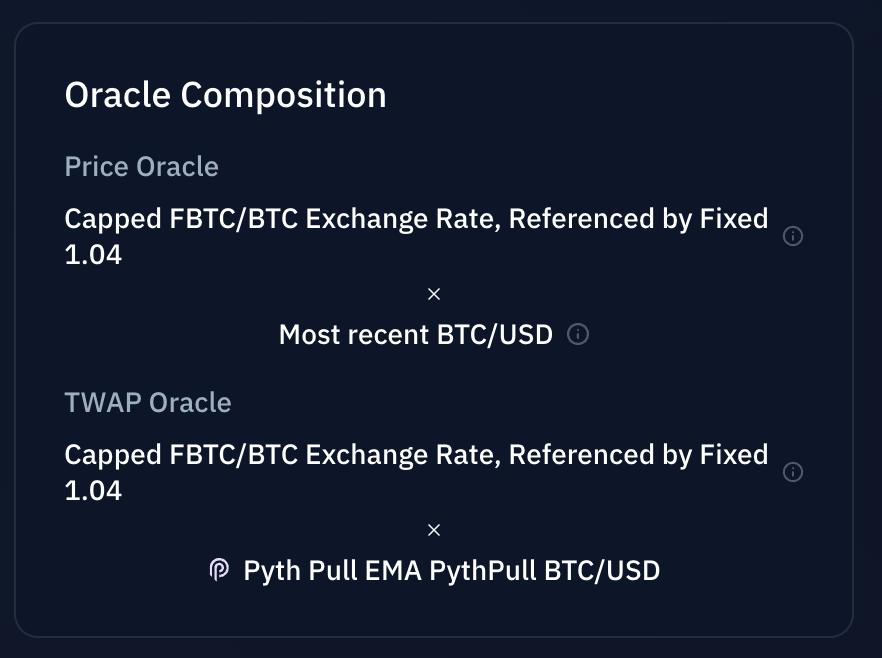
Together with FBTC release we also released an oracle composition section. This comes after almost a year long oracle infra upgrade process.
In this particular case, FBTC price is priced as:
Exchange Rate x MostRecentOf BTC/USD.
(a multiplication chain of two items)
1) FBTC exchange rate (typically at 1) is how much BTCs per FBTC, capped at 1, but with circuit breaker below 0.99.
- Capping the exchange rate at 1 allows for protection against various infinite mint attacks
- Circuit breaker at 0.99 ensures the oracle stops updating and forces the market in reduce only mode (can repay, and deposit, cannot borrow more or withdraw if still debt). Hitting his circuit breaker means something seriously wrong is happening and needs investigation.
2) MostRecentOf (aka Resilient) BTC is the most recent BTC/USD of Pyth Pull, Chainlink, Pyth Lazer. This oracle returns the earliest of these 3 sources as long as they are within 8% of each other and neither is older than 2 hours. The deviation tolerance should be chosen as the typical 2 hour (or whatever window you choose) volatility where two of 3 can be stale but be allowed to heal, while the third is ticking along, but is not too far from stale values.
- MostRecentOf (aka Resilient) has silently saved several issues over the past year where one oracle or another failed but the others worked fine, and also paused when some oracles were dislocated from each other. Extremely happy with this, we've been testing it for months.
Some other notes:
* In general I think we will see more kind of circuit breakers across oracles in DeFi. There are edge cases where a lot of judgement has to be involved but the market should be allowed to go in reduce only mode.
* With more RWAs and complicated assets coming on chain, oracle infra becomes more and more important but also more complex. Long gone are the days when you can just simply slap a vanilla oracle over an asset and be done.
* Testing oracles is a slow process as the failure is typically infrastructure related, rather than volatility related and they happen infrequently.
* A few more oracle infra upgrades being shipped which we will update soon.
6
12
88
17,812
Apr 10
Proud to be part of the very first @ownershipfm Roadshow.
Founders pitching live, Shark Tank-style, on @solana.
As a fellow futard and angel investor, this just made sense.
Apr 10

Announcing @DefiSolar from @kamino as our third Roadshow judge 🧑⚖️
One of the top minds of @Solana DeFi joins the panel
Catch us on X live on Friday from 7PM UTC / 12PM PT on X
7
1
54
3,255
Apr 9
Whitelisted Reserves is the kind of security feature most people would normally ignore.
Today, it matters more than ever.
It is a critical safeguard for lending vaults and just one piece of @kamino’s much broader security arsenal.
4
2
39
3,756
Solar ☀️ retweeted

Apr 6
The era of onchain routing on @solana has arrived.
DART is the world's first onchain router that dynamically re-optimizes your trade at the exact moment of execution.
Only on Titan.

52
62
489
95,183
Apr 1
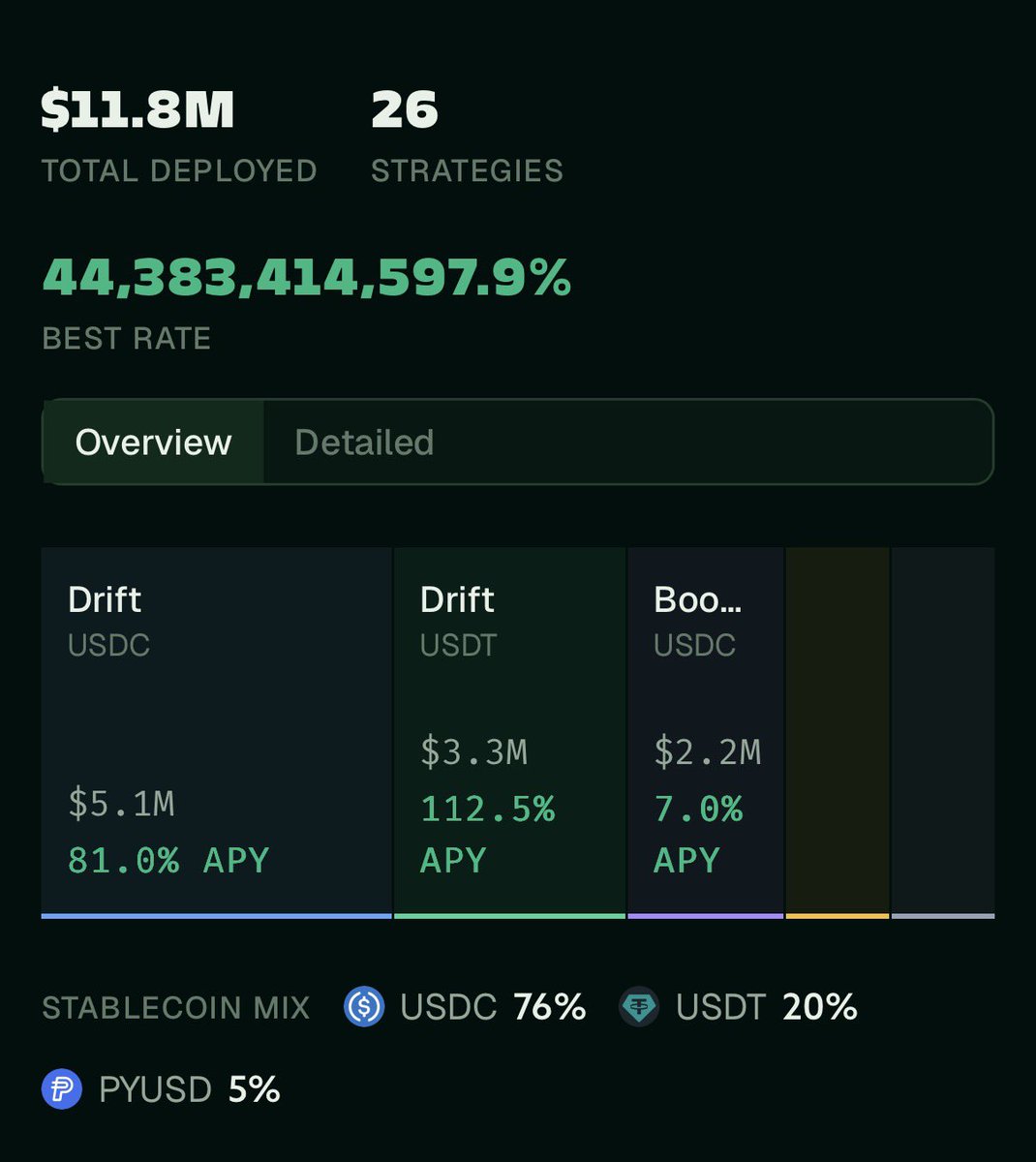
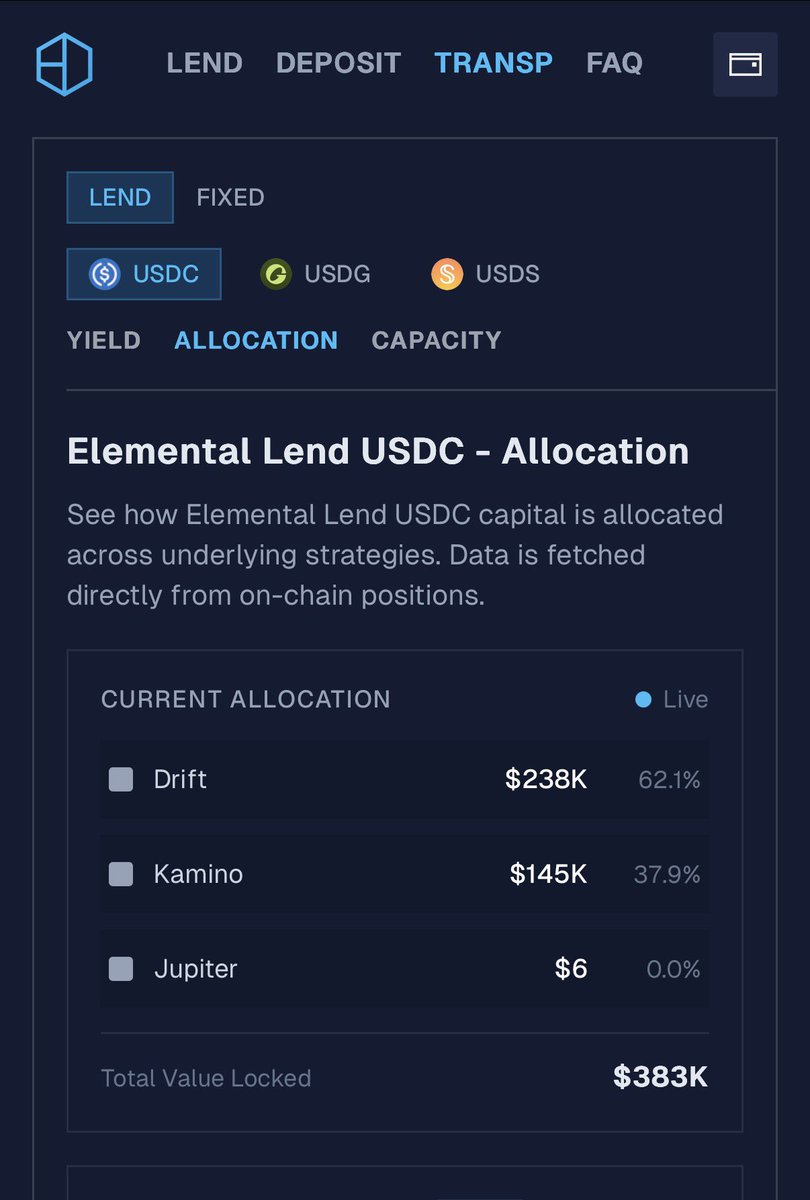
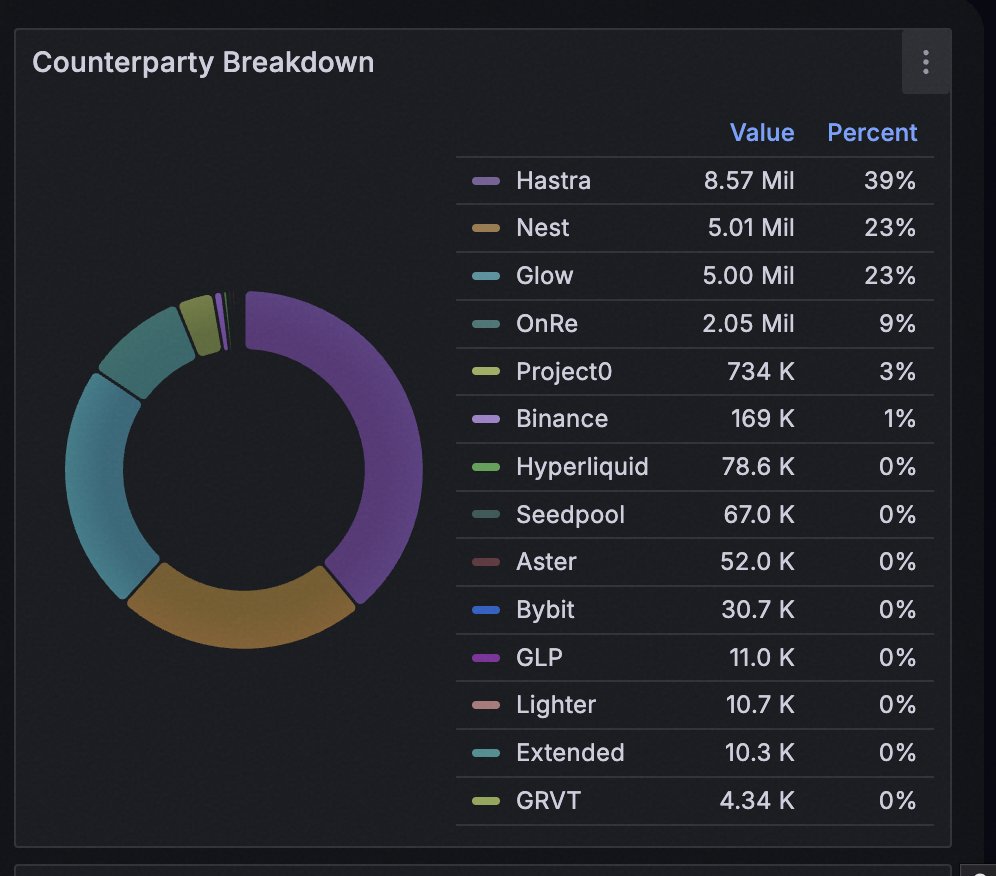
from the top of my mind, protocols that are exposed to @DriftProtocol:
- @TradeNeutral
- @elementaldefi
- @synatraxyz (maybe)
- @project0
- @ranger_finance vaults
if you deposited money in any delta neutral strategy protocol, they might have exposure to Drift.
42
23
181
35,194
Apr 1
Kamino can confirm that it has zero exposure to the Drift protocol compromise. Kamino users, across all products, including Vaults, Markets, and Multiply, are wholly unaffected.
1
2
929

Apr 1

1
1,198