
Web3 enthusiast || Content Writer || Ambassador|| Project Manager
Joined May 2025
- Tweets 602
- Following 1,281
- Followers 1,163
- Likes 588
479 Photos and videos


🌐 What Data Analysts Should Expect in 2026, Riding the AI Wave
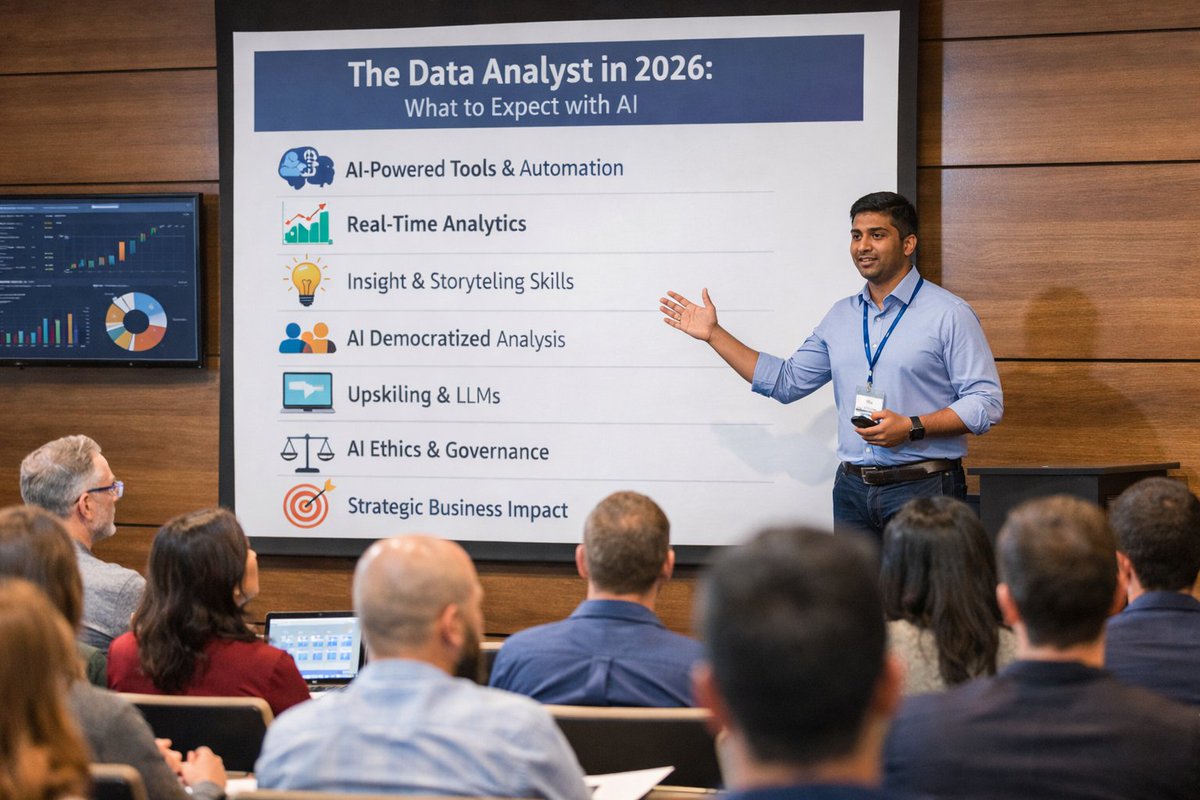
The role of a Data Analyst in 2026 is evolving faster than ever, and AI is at the heart of that transformation. Whether you’re just starting your career or planning your next growth move, here’s what you should expect and prepare for in this next phase of the data revolution.
1. AI Will Be Your Everyday Tool, Not Just an Add-On
Gone are the days when analysts spent most of their time on manual data cleaning and formatting. In 2026:
Generative AI tools will automate repetitive tasks like data cleansing, transformation, and even basic modeling.
Analysts will work alongside AI to interpret patterns, quality-check outputs, and refine models.
What this means for you:
Mastering AI-augmented workflows will be as important as knowing SQL or Excel.
🧠 2. Shift Toward Insight, Storytelling & Decision Support
As AI handles more of the heavy lifting, human analysts will:
Focus more on contextualizing insights
Translate data into business strategy
Communicate results to non-technical stakeholders through storytelling
In 2026, your value won’t be measured by how fast you run a script, but by how well you explain what the data means and what actions it suggests.
📊 3. Real-Time Analytics Becomes Mainstream
With IoT, streaming data platforms, and AI-powered dashboards, real-time analytics won’t be optional.
Expect to:
Monitor real-time KPIs
Detect anomalies instantly using AI alerts
Provide on-the-fly insights that influence decisions in minutes, not days
This requires fluency with both tools (like real-time dashboards) and model behavior in live environments.
🤖 4. AI Will Democratize Advanced Analysis
Tools will enable even non-analysts to generate dashboards and ask natural language questions.
But, and this is huge, domain knowledge and critical thinking reign supreme.
AI can generate answers, but it can also hallucinate or misinterpret. You’ll be the one who:
Validates AI results
Understands data lineage
Keeps ethics and bias in check
📈 5. Upskilling Isn’t Optional, It’s Expected
By 2026, the best candidates will have blended skills: ✔ SQL, Python, R
✔ Data visualization (Tableau, Power BI)
✔ AI model evaluation and interpretation
✔ Cloud platforms (AWS, GCP, Azure)
✔ Domain expertise in finance, healthcare, marketing, etc.
Plus: Comfort with Large Language Models (LLMs), generative analytics, and automated machine learning.
⚖️ 6. AI Trust & Governance Will Become a Core Competency
Organizations will demand accountability around AI outputs , especially for:
Bias and fairness
Data privacy
Explainability and compliance
As a data analyst, you’ll be expected to:
Audit AI model decisions
Document assumptions
Ensure responsible use of data and AI
🚀 7. Your Role Will Be More Strategic
Data analysts will become problem finders, not just problem solvers. Expectations include:
Identifying what questions to ask
Designing experiments and causal analysis
Partnering with product, finance, and leadership to shape outcomes
In short: you become a business driver, not just a report generator.
17
1
28
216
Today’s my birthday 🎉
And while I’m out celebrating, @IsleFinance is quietly compounding my yield in the background.
No charts to monitor, no positions to adjust, no stress, just automated growth doing what it does best.
It feels good knowing that even on my day off, my money is still working harder than ever.
That's how the story will be when you choose Isle Finance
A new age, a new year, and a smarter way to build wealth.
Here’s to growth, grace, and passive income.
#IsleFinance #DeFi #PassiveIncome

10
1
11
151
Why Choose Isle Finance Over and Over Again?
Because Isle Finance isn’t just another fintech platform you try once and forget.
It’s the kind of place you come back to because it actually makes your financial life easier.
It’s where speed, clarity, and real-world opportunity finally feel within reach.
Here’s what keeps people returning:
⚡ Zero waiting time
You know that frustration of “processing…” for minutes or hours?
Yeah, you won’t find that here.
With Isle Finance, money moves instantly. No queues. No slow approvals. Just action.
🔗 DeFi liquidity powering real businesses
This isn’t hype. It’s real funding for real companies powered by blockchain.
You get faster access to capital, fairer rates, and the peace of mind that everything is transparent.
🛡️ Smart-contract trust you can feel
No hidden conditions. No backend manipulations.
Just secure automated systems doing exactly what they’re coded to do every single time.
💸 Early Payment & PayFi solutions that actually solve cashflow problems
Waiting 30–90 days to get paid can choke growth.
Isle Finance lets you unlock your money early so your business can breathe, build, and scale at its own pace.
🌍 Real-time visibility
You can see every movement of your financing, live.
No guessing. No chasing support.
Just a clear view of your money from start to finish.
🚀 A seamless experience built for humans, not bankers
Clean. Fast. Intuitive.
You don’t need a finance degree or crypto background to use Isle Finance.
It just works smoothly, beautifully, and reliably.
At the end of the day…
Isle Finance gives you speed when you’re in a hurry, transparency when you need assurance, and financial freedom when opportunities show up.
And that’s why people choose it again and again.
Welcome to the mountain.
@IsleFinance

Why choose @IsleFinance? 🤔💬
Someone: “I’ve been hearing about Isle Finance… why are people choosing them?”
Me: “Simple. They solve REAL problems. Suppliers get paid faster, buyers get more time, and everything happens on-chain.”
Someone: “So… no more waiting months for invoice payments?”
Me: “Exactly. Their PayFi model gives instant or early payment once invoices are approved. No banks. No delays.”
Someone: “But is it safe?”
Me: “Backed by real-world assets, actual invoices. Not vibes. Not speculation.”
Someone: “And investors?”
Me: “They earn stable yields from real supply-chain activity ISLE token rewards. Solid combo.”
Someone: “The tech?”
Me: “Built on Hedera. Low fees. Speed. Transparency.”
Someone: “So basically… fast payments, real assets, stable yield, strong tech?”
Me: “That’s why people choose Isle Finance.”
#IsleFinance #PayFi #RWA #DeFi #SupplyChainFinance

6
1
9
335
Utibe retweeted

18 Nov 2025
💱 Fiat vs Crypto
If you’ve been looking for a simple, no-nonsense guide without complicated terminology, our new Blog post is exactly what you need.
Read it here ⬇️
bit.ly/3K6tpIW
9
4
24
1,245

Gate.io Candy Drop #109 is LIVE!
Grab your share of 200,000 $UAI free rewards for crypto lovers! 💥
Join now: gate.com/share/VVQXUGHAAW
🎯 Claim fast before it’s gone!
1
177
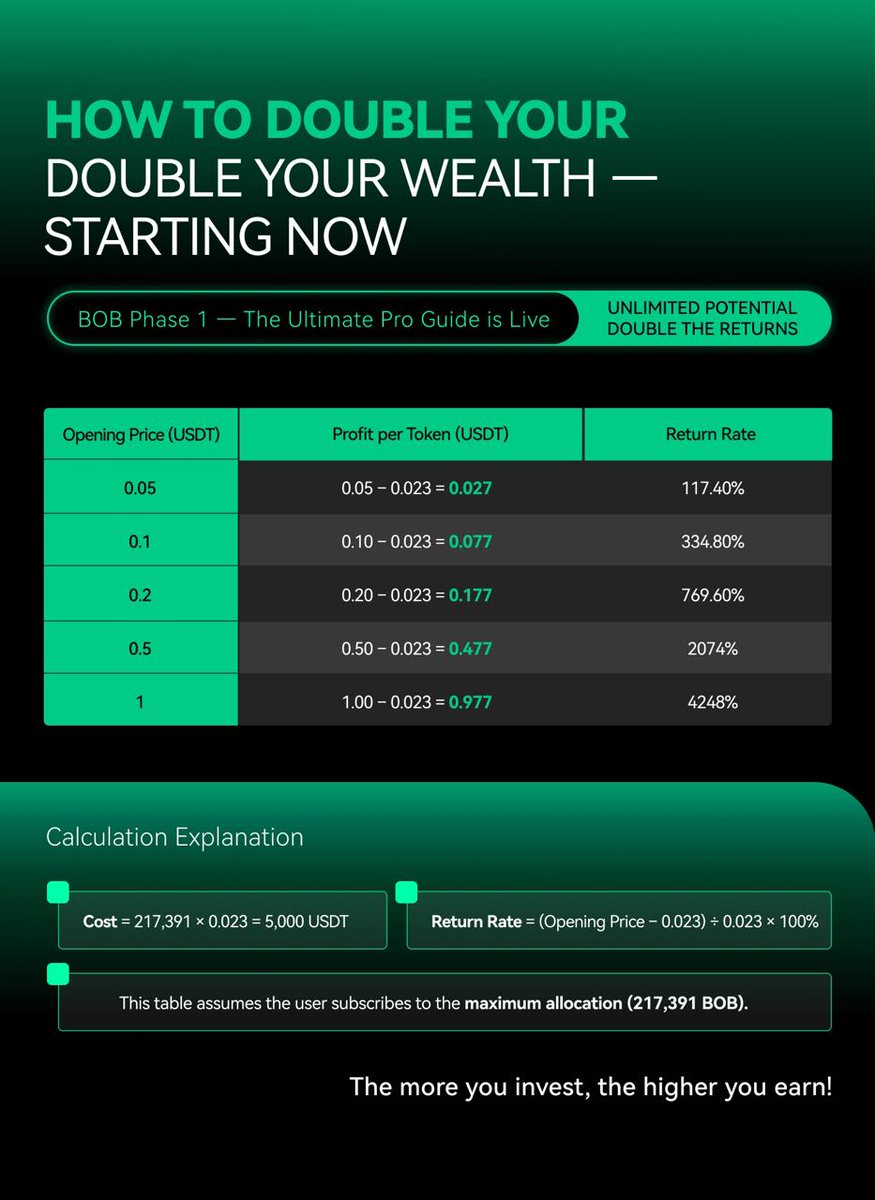
Double Your Wealth with BOB Phase 1!
Start your journey to financial freedom today, invest in BOB and watch your USDT grow with incredible returns up to 4248%!
The more you invest, the higher you earn.
gate.com/share/VVQXUGHAAW
#CryptoEarnings #BOBPhase1 #USDT #SmartInvesting
1
34
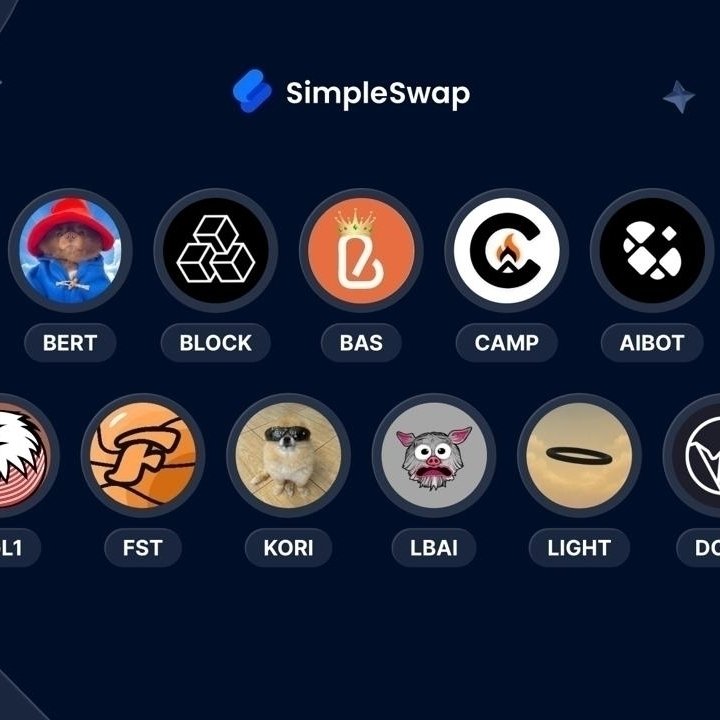
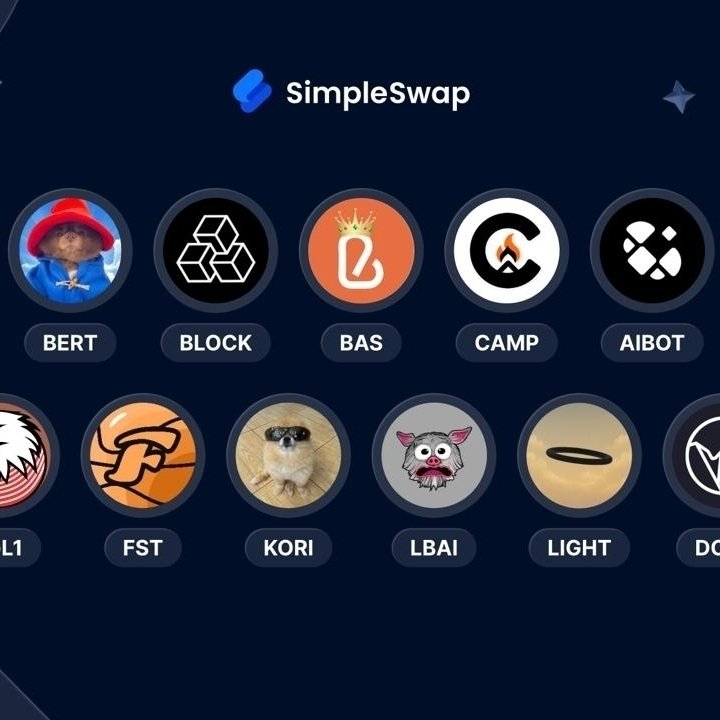
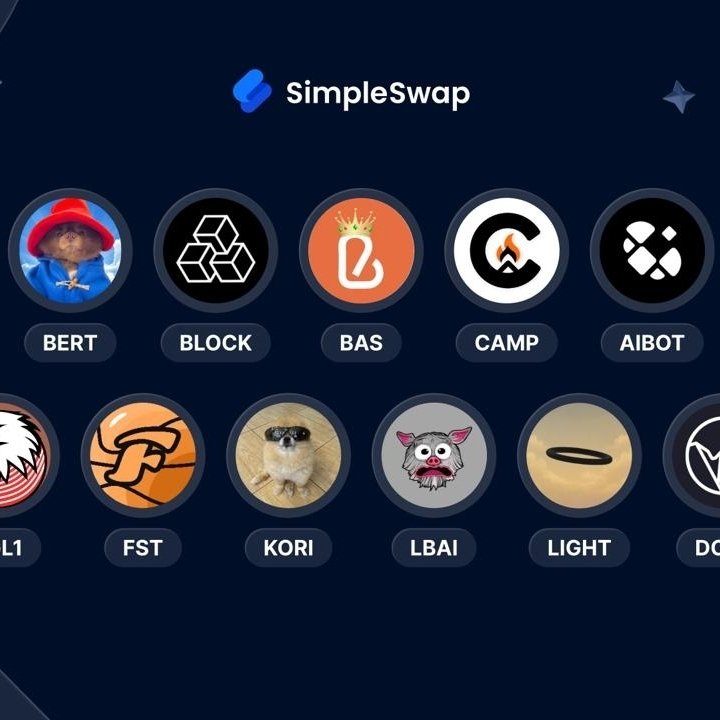
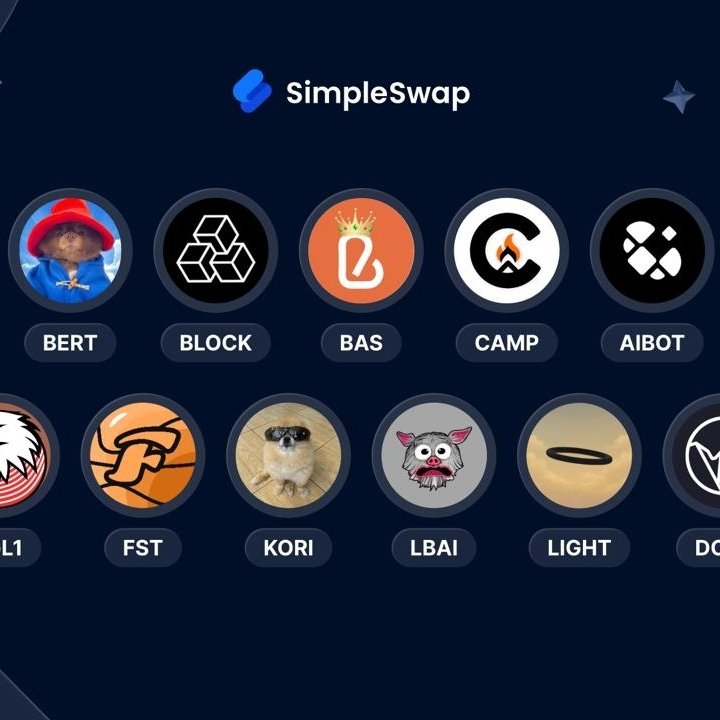
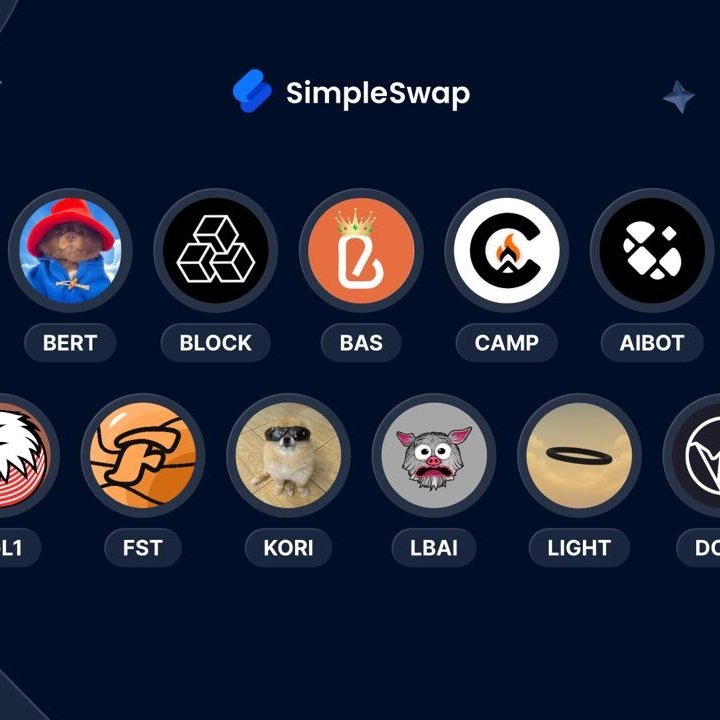
Community asked. We delivered. ✅
Meet the new lineup of coins now live on SimpleSwap. Which one are you most excited about? 🔥
#SimpleSwap #CryptoCommunity #DeFi #Altcoins
1
2
114
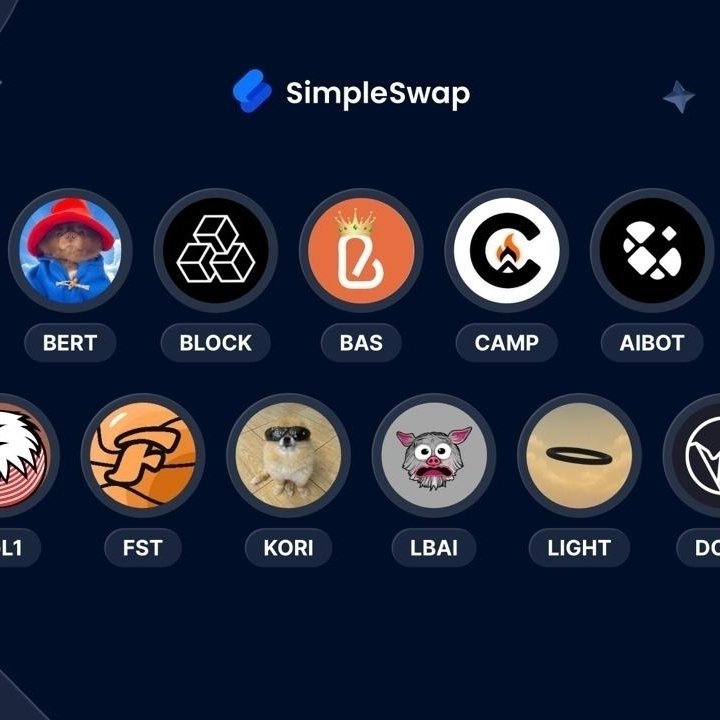
Attention crypto explorers!
SimpleSwap has expanded its universe with fresh tokens. Ready to swap smarter? 🌌
#Crypto #SimpleSwap #AltcoinGems #Blockchain
1
88
Swap your way into the future.
More coins. More freedom. Zero limits.
That’s the SimpleSwap advantage. 🚀
#Crypto #SimpleSwap #Blockchain #CryptoTrading
39
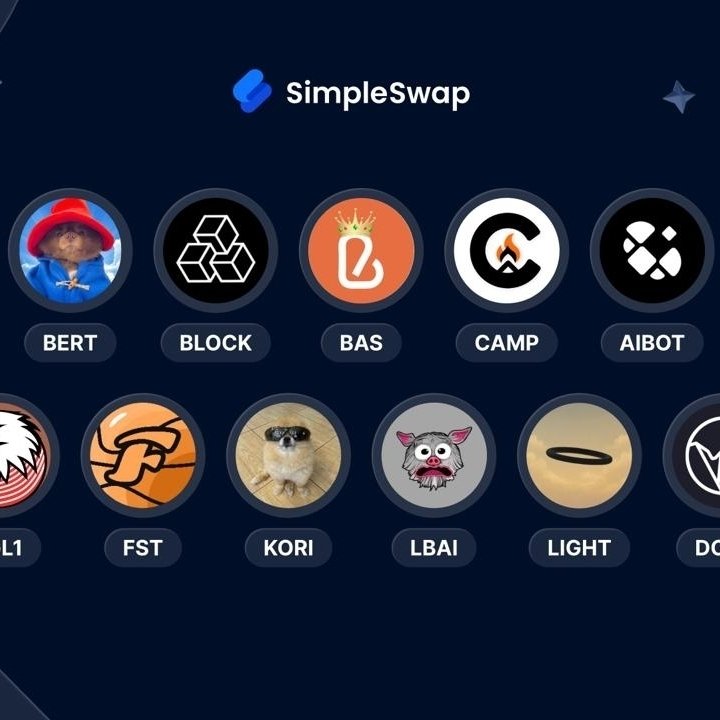
Say hello to $KORI, $LBAI, $FST, and friends 👋
Available NOW on SimpleSwap. Fast, easy, secure.
#SimpleSwap #CryptoExchange #Altcoins #DeFi
32
Crypto never sleeps and neither do we.
Check out the latest listings on SimpleSwap and keep your portfolio shining.
#Crypto #SimpleSwap #NewListing #AltcoinSeason
32
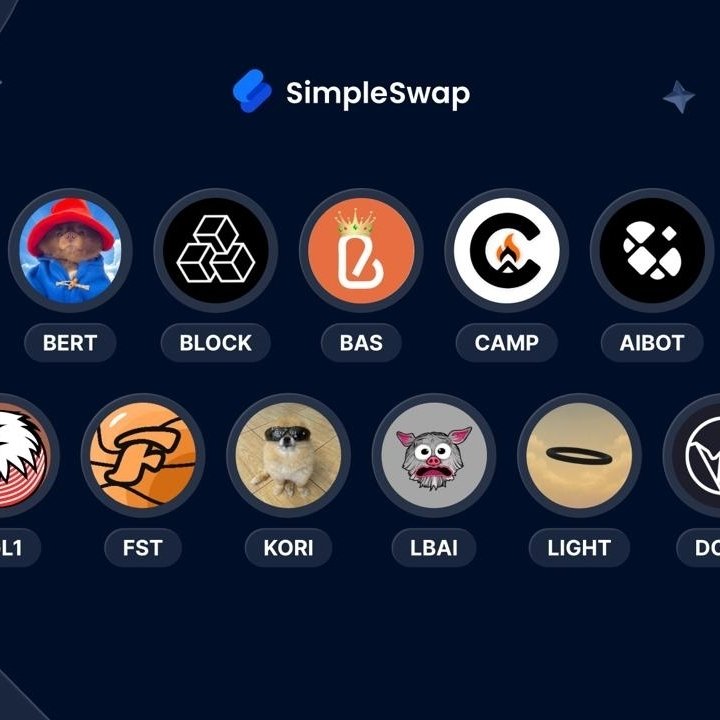
No sign-ups. No hidden fees.
Just smooth swaps for the newest tokens in town. Welcome $BAS, $CAMP, $LIGHT, and more! ⚡
#SimpleSwap #CryptoTrading #NewListing #Altcoins
25
New projects, same mission: making crypto simple.
Discover the latest tokens on SimpleSwap today! 🚀
#CryptoExchange #SimpleSwap #CryptoNews #DeFi
20
From $ARIA to $DOLO, SimpleSwap’s got your swap journey covered.
Seamless. Fast. Limitless. 🌍✨
#Crypto #DeFi #SimpleSwap #Blockchain #Altcoins
15
Another week, another wave of listings 🔥
Your favorite projects are now tradable on SimpleSwap. Which one are you grabbing first? 👇
#CryptoNews #SimpleSwap #CryptoTrading #Altcoins
13
Risk or stability? 🚀 or steady? 📊
Your crypto portfolio = your identity.
What’s yours? 💼
#CryptoInvestor #SimpleSwap
1
3
67
Simple choices. Big rewards.
Pick your crypto portfolio and claim your chance at 100 USDT!
#CryptoTrading #SimpleSwap
22
Choosing your portfolio today could be tomorrow’s breakthrough.
Where are you putting your bets?
#Crypto #SimpleSwap
22