This year, Densho turns 30.
Executive Director Naomi Ostwald Kawamura reflects on the organization’s past, present, and future, honoring the community that built Densho and addressing the urgent work of protecting public history in an increasingly divided moment.
He and his wife returned to New York in 1956 where they spent the next sixteen years, before returning to the Islands in 1972.
Learn more about Satoru Abe and other Nisei Notables who would have turned 100 in 2026 at densho.org/catalyst/nisei-no…
“Two Figures in the Forest” citation: Satoru Abe (American, born Hawai‘i, 1926). Two Figures in the Forest, 2002. Copper cutout, wood base. Gift of Timothy Y.C. Choy in honor of Warren and Carolyn Luke, 2014 (2014-5-04)
After marrying Ruth Tanji, a textile and fashion designer from Hawai‘i whom he met in New York, the couple returned to Honolulu, where Abe became part of a group of young artists that met at the Metcalf Chateau.
Abe was born and raised in Honolulu and received his first art training there before venturing to California in 1948 and eventually moving to New York City.
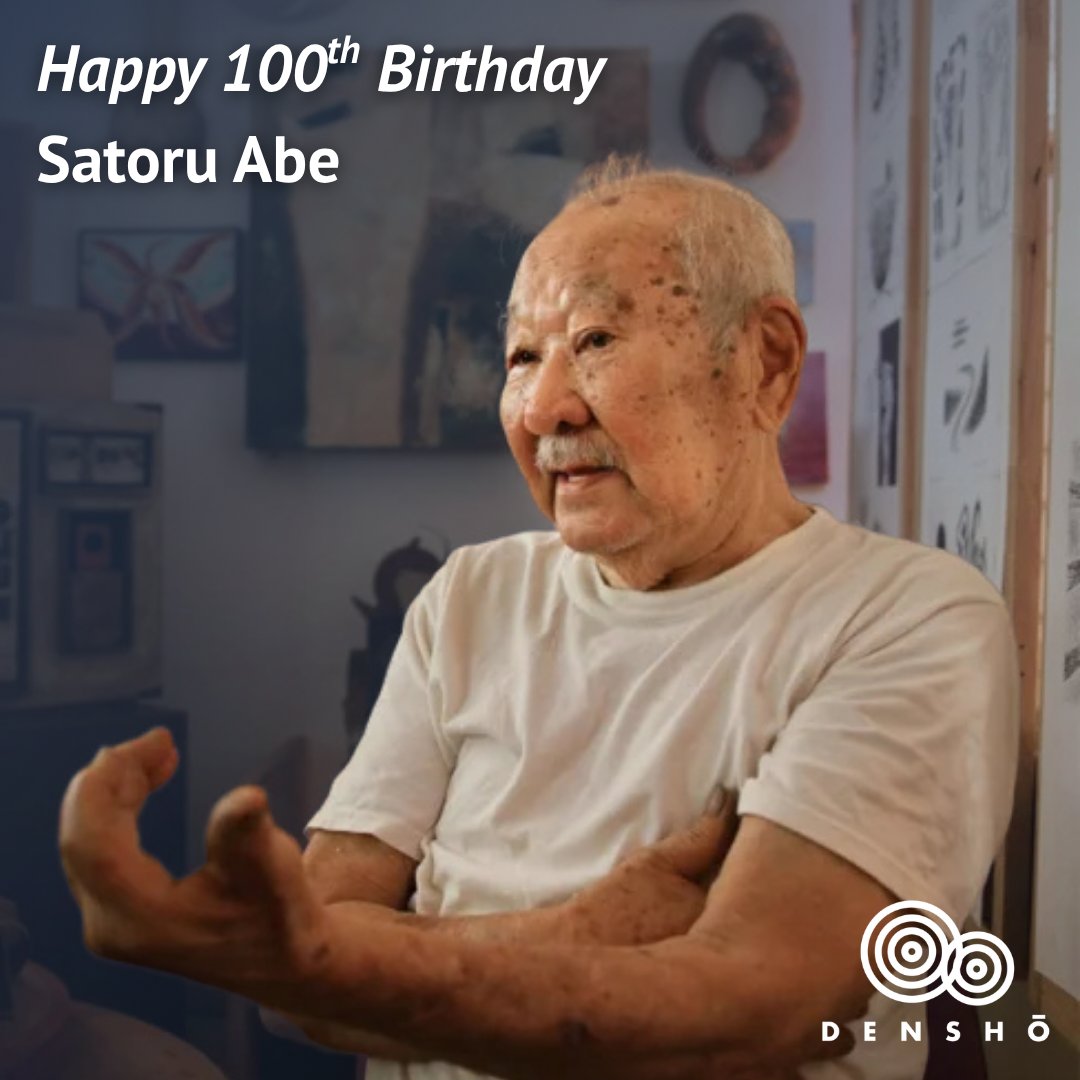
Known for expanding the boundaries of art in the decades after World War II, Satoru Abe is someone we want to celebrate today on what would’ve been his 100th birthday.
ALT Densho branded graphic, text in the top left-hand corner reads: "Happy 100th Birthday Satoru Abe". Portrait photo of Satoru Abe in an art gallery that has white walls with various artworks hanging. The background is faded slightly with a navy hue.
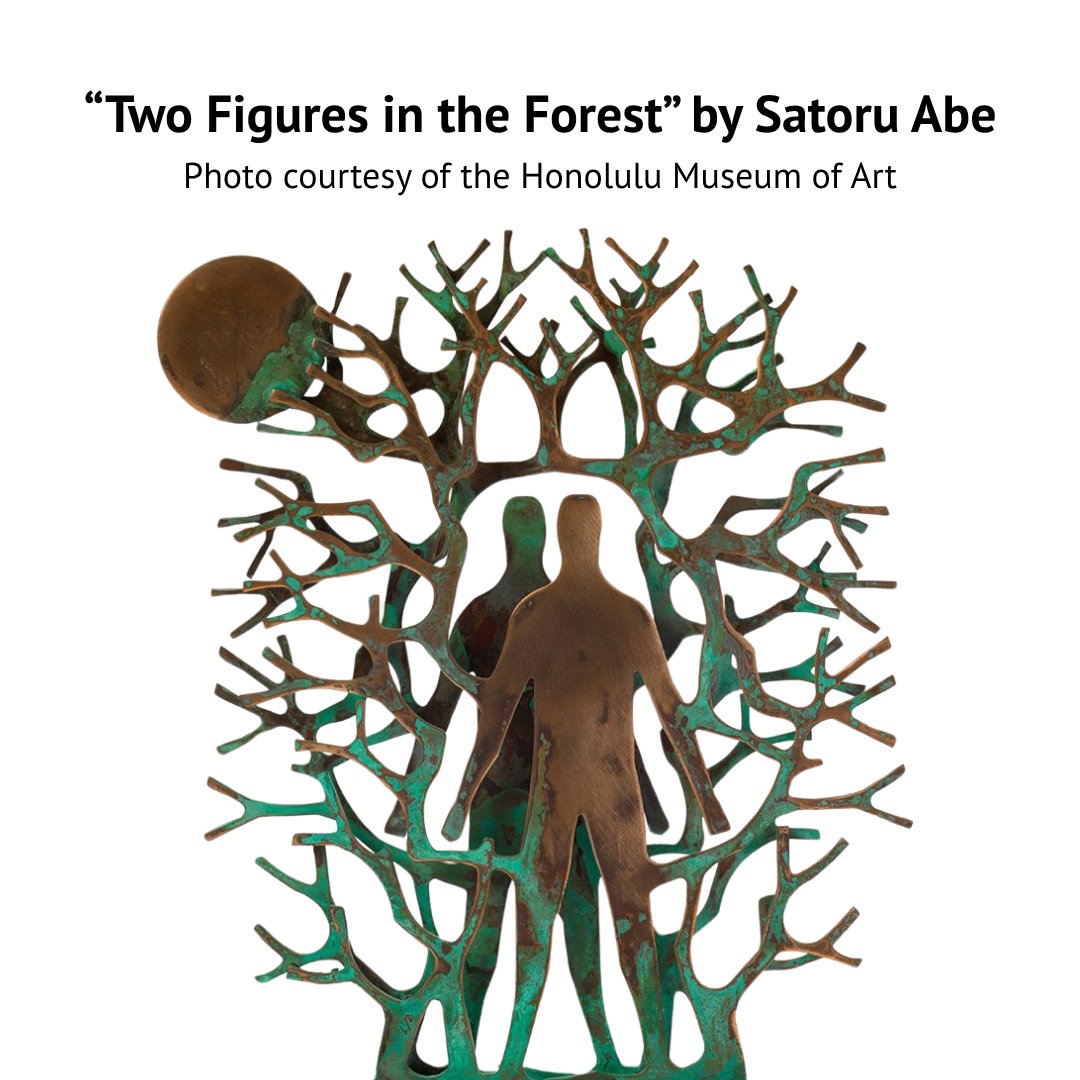
ALT Image of Satoru Abe's "Two Figures in the Forest" metal sculpture. Text at the top reads, "'Two Figures in the Forest' by Satoru Abe. Photo courtesy of the Honolulu Museum of Art"
Though he began as a painter, Abe is best known for his metal and wood sculptures, which are often characterized by distinctive tree-like forms that seem to grow organically.
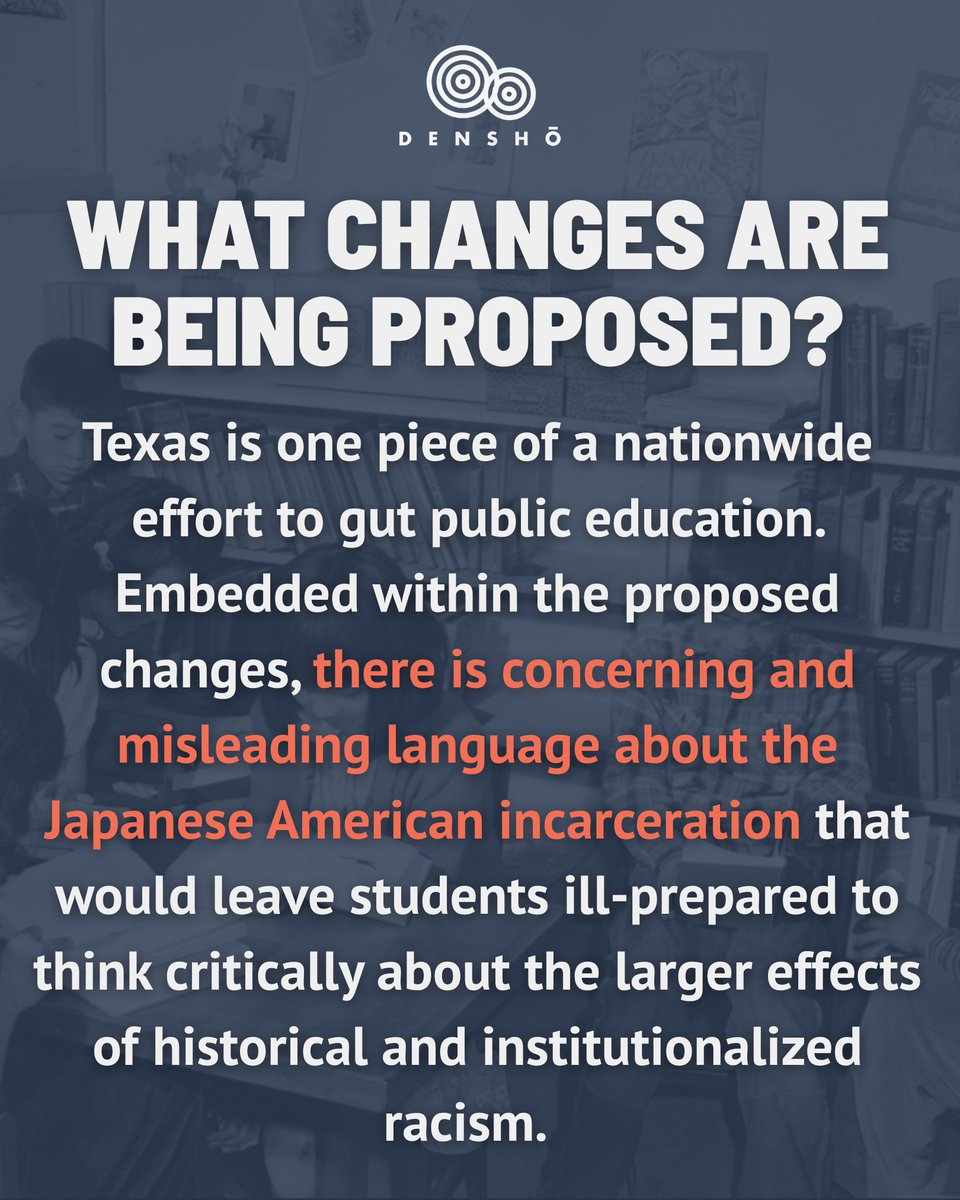
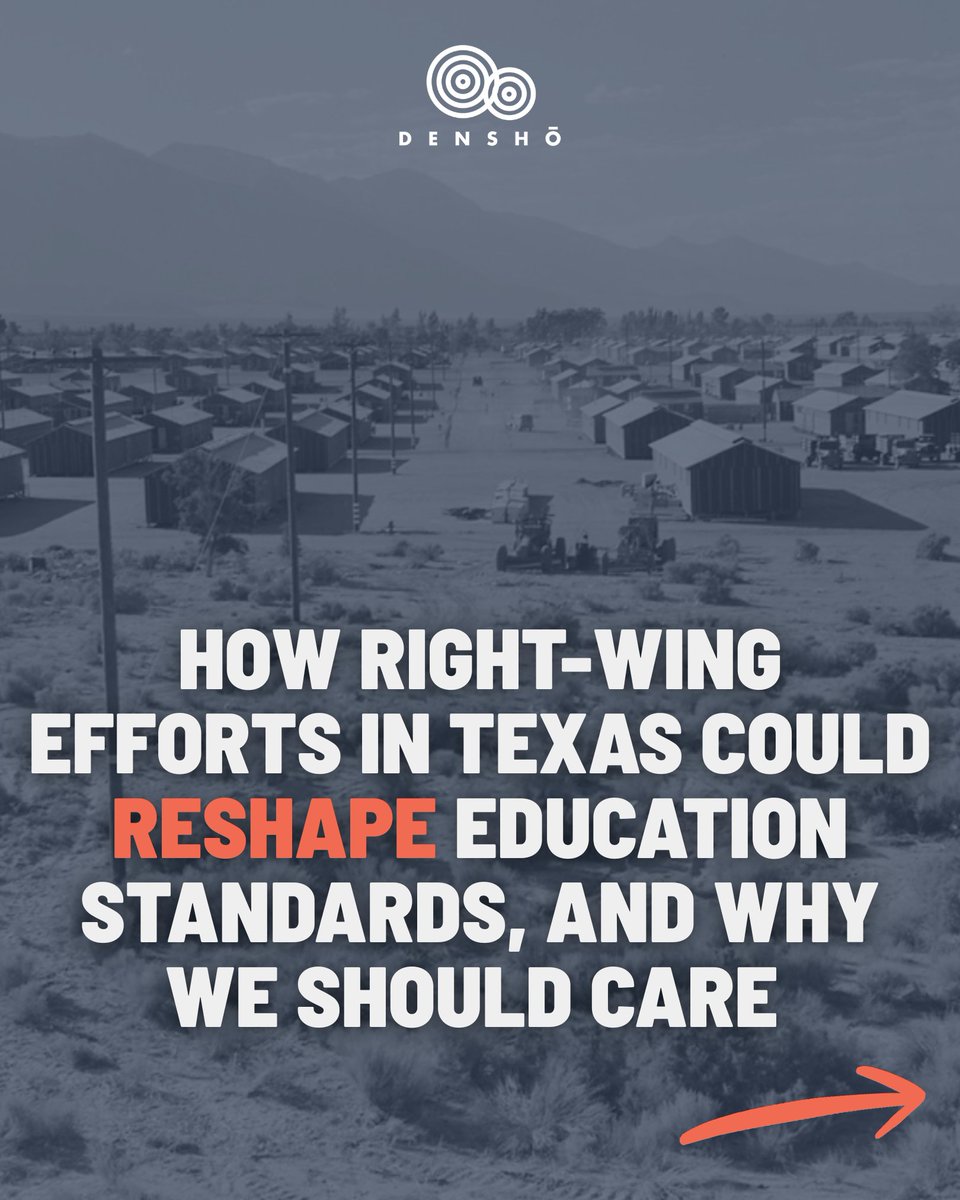
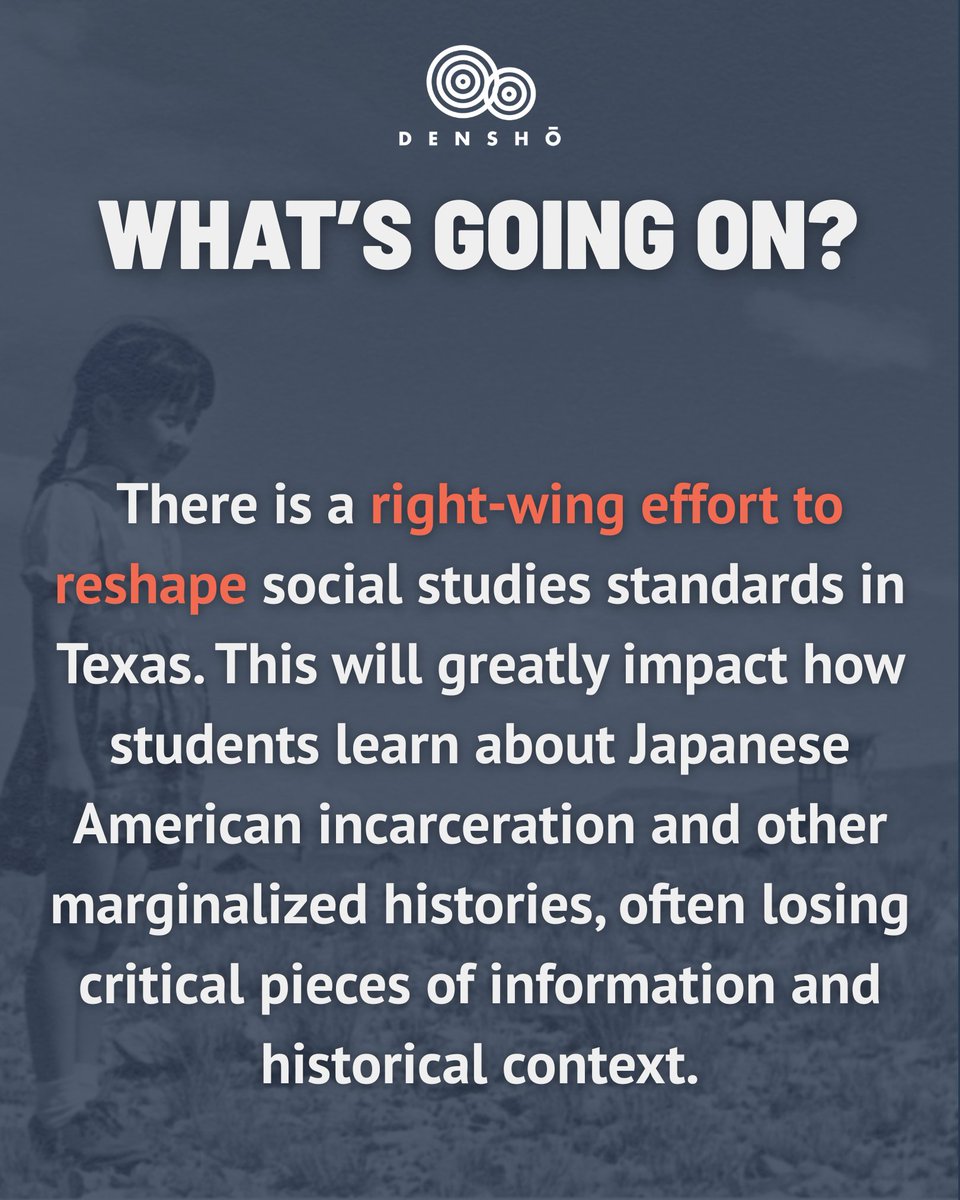
A politically-charged fight is currently underway in Texas, affecting revisions and updates to the state’s social studies standards, which could affect history education across the whole country.
Densho recommends adding a new standard: “analyze the domestic impact of World War II on civil liberties, including the forced removal and incarceration of Japanese Americans under Executive Order 9066 and the subsequent legal challenge in Korematsu v. United States.”
Provide public comment (especially if you’re in Texas) by June 15 at 5:00 pm CT. See our recent blog post for specific incarceration-related standards that you can comment on: densho.org/catalyst
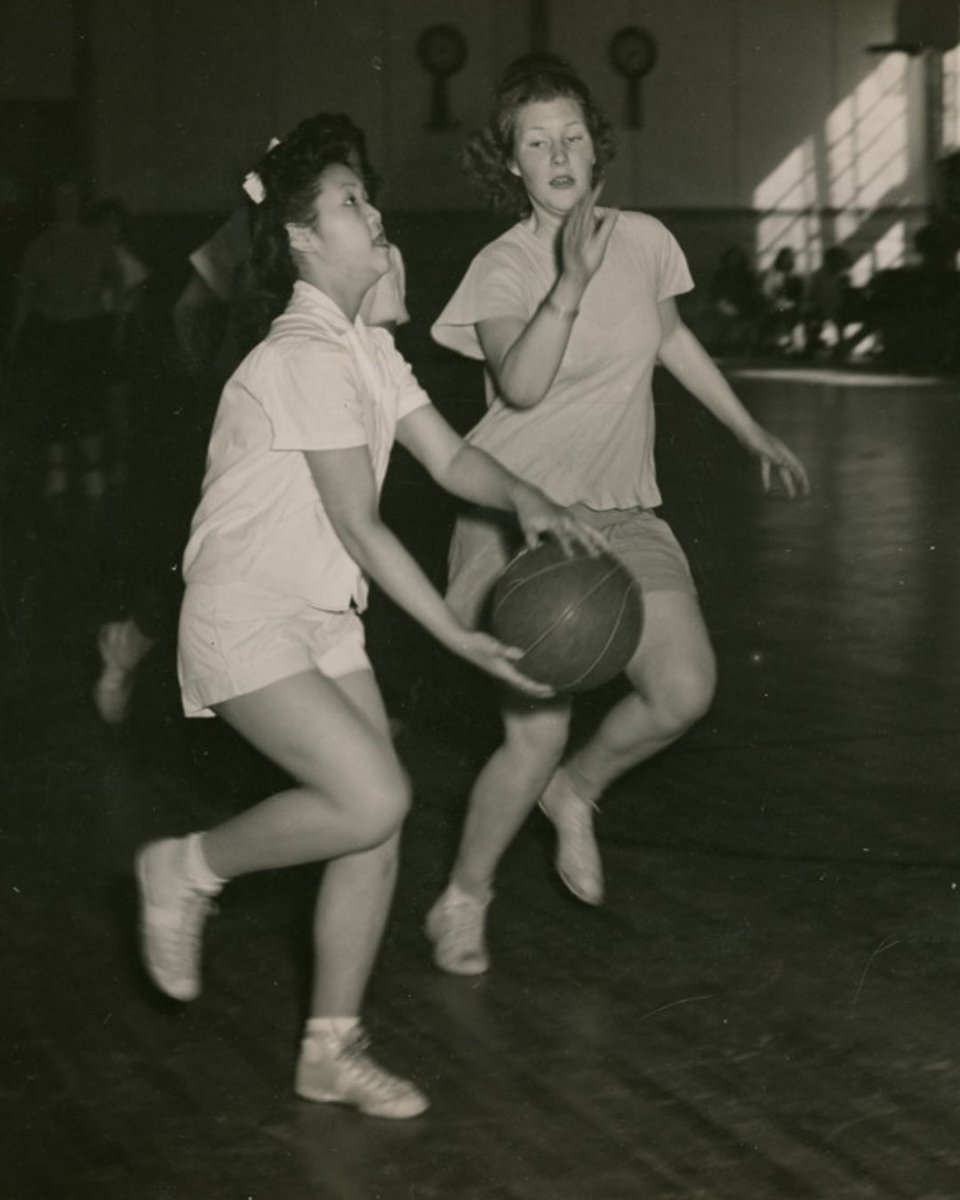
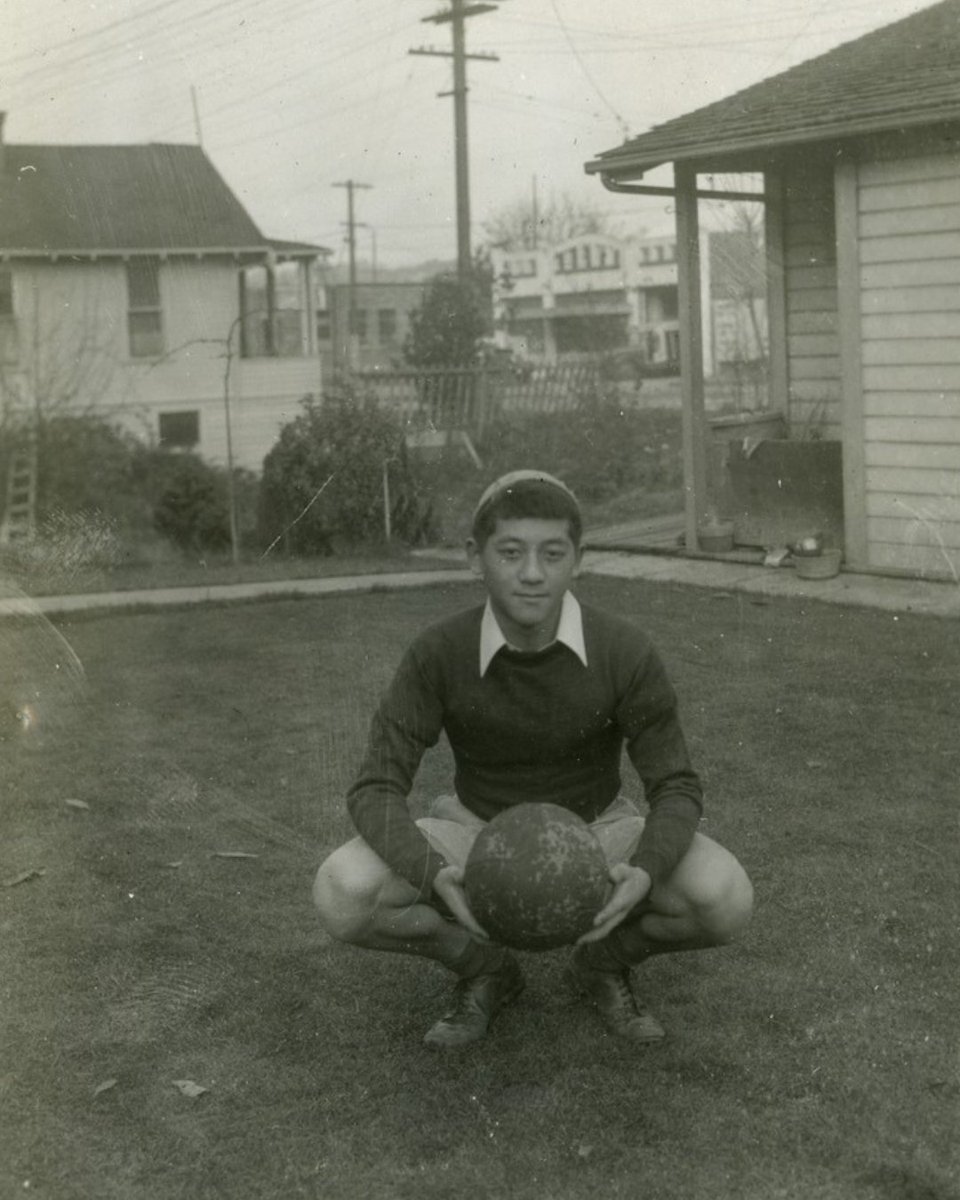
As the World Cup starts today across North America, we wanted to take note of the power of sports to unify people across the world, even during times of global uncertainty.
ALT Black-and-white photo of a young Nisei boy crouching in a backyard, holding a round ball with both hands. He wears a dark long-sleeve sweater over a collared shirt and shorts. Residential houses and utility poles are visible in the background.
ALT Black-and-white photo of a group of Japanese American men playing football on a large dirt field. Mountains are visible in the background, along with barracks. Players are mid-action, running and tackling.
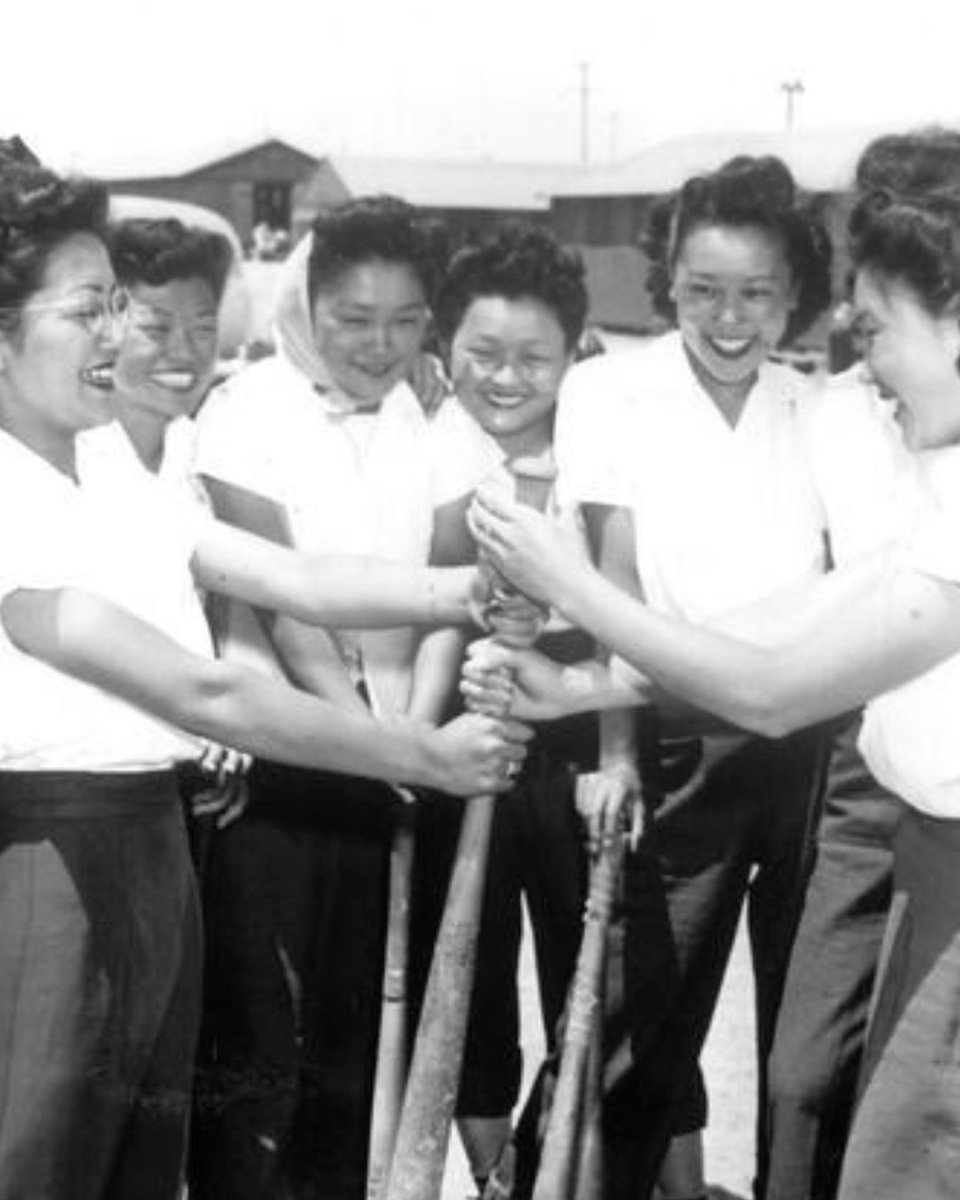
ALT Black-and-white photo of six smiling Japanese American women in white shirts, gathered together and gripping a baseball bat in a classic "pick teams" hand-over-hand stacking pose. Barracks are faintly visible in the background.
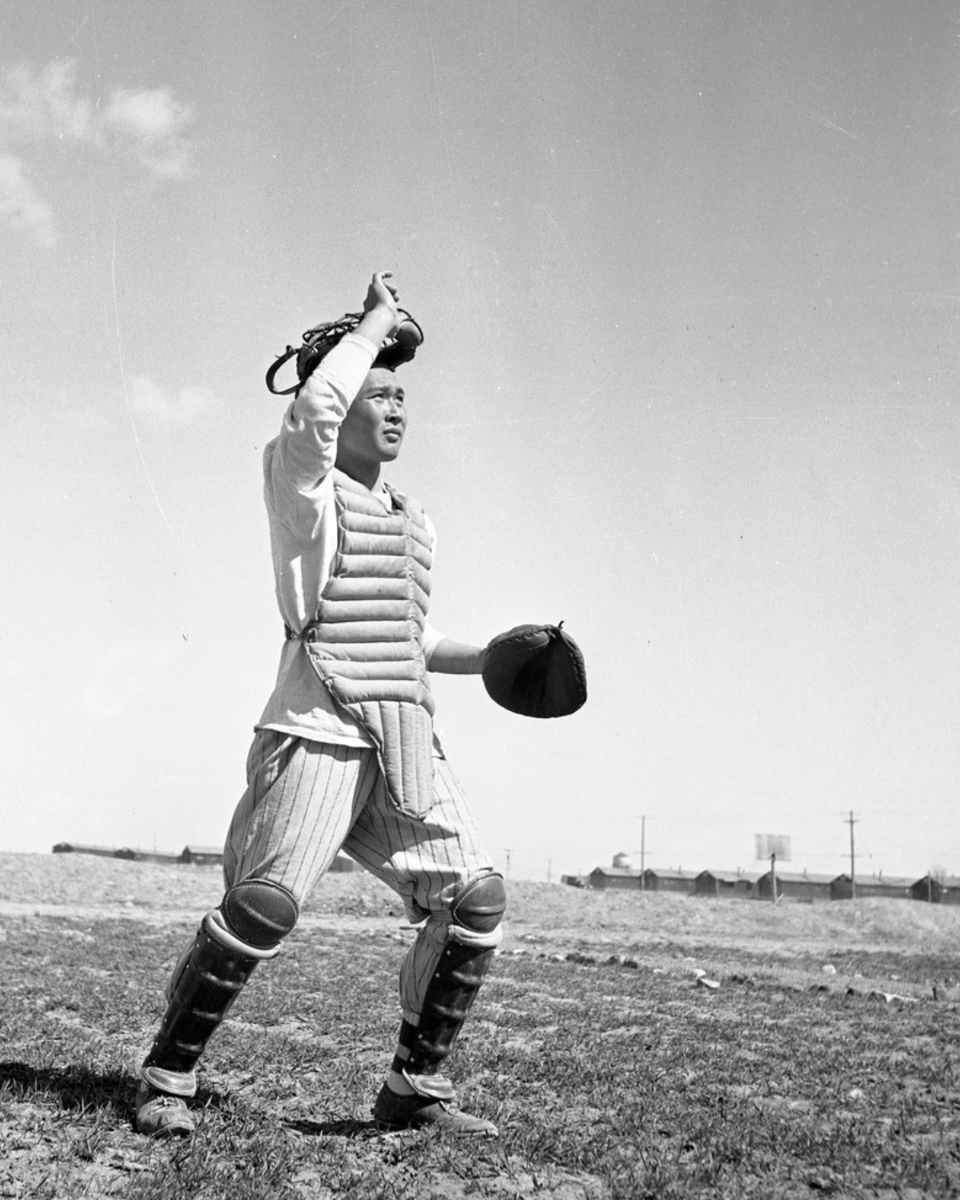
ALT Black-and-white photo of a young Japanese American man in full baseball catcher's gear — chest protector, shin guards, and mitt — looking into the distance. He stands on an open dirt field with barracks visible in the distant background.
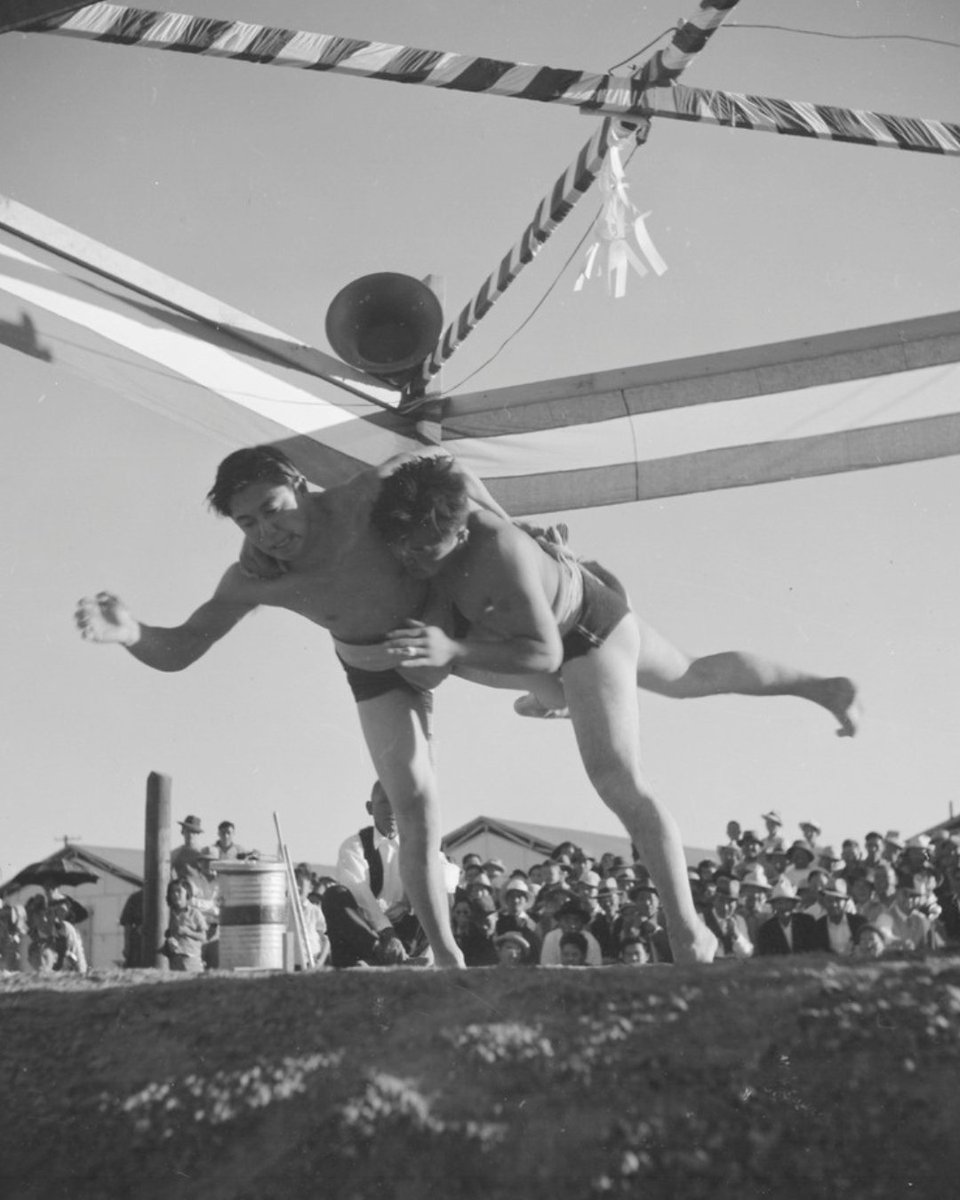
9) Gila River spectators at camp watch two sumo wrestlers hold onto each other as they both lose balance from the National Archives and Records Administration.