
Joined December 2021
- Tweets 29,293
- Following 5,497
- Followers 1,165
- Likes 59,397
3,903 Photos and videos





Pinned Tweet

There it is everyone.
May peace and kindness be with you.
Apr 15

Crypto made it easy to send money.
It never made it feel like anything.
Today, that changes.
DogeGiFty is live. 🎁
A simple way to turn a transaction into a moment
A gift with a message
A surprise someone didn’t expect
A small gesture that actually means something
This is what crypto should have felt like from the start
Send kindness, onchain 💙
dogegifty.com

3
2
10
1,979
InfiniteDensity - DogeGF ❤️❤️❤️🏴☠️🦢 retweeted

Jun 14
Do You Like Mirror Finish Gigantic Rusty Cleaver Restoration?
789
1,380
27,818
1,052,340
InfiniteDensity - DogeGF ❤️❤️❤️🏴☠️🦢 retweeted

Jun 15
How the Ballistic Ballsack works
149
502
6,563
606,977
InfiniteDensity - DogeGF ❤️❤️❤️🏴☠️🦢 retweeted

Jun 15
Having mass drivers on the Moon is going to be absolutely insane
Until then, DogeGF will keep spreading kindness here on Earth 🌍💙

3
14
25
421
InfiniteDensity - DogeGF ❤️❤️❤️🏴☠️🦢 retweeted
17h
Bullish on ETH.
Bullish on Base.
Bullish on DogeGF.
But most of all…
bullish on kindness.

3
9
21
266


InfiniteDensity - DogeGF ❤️❤️❤️🏴☠️🦢 retweeted

Jun 14
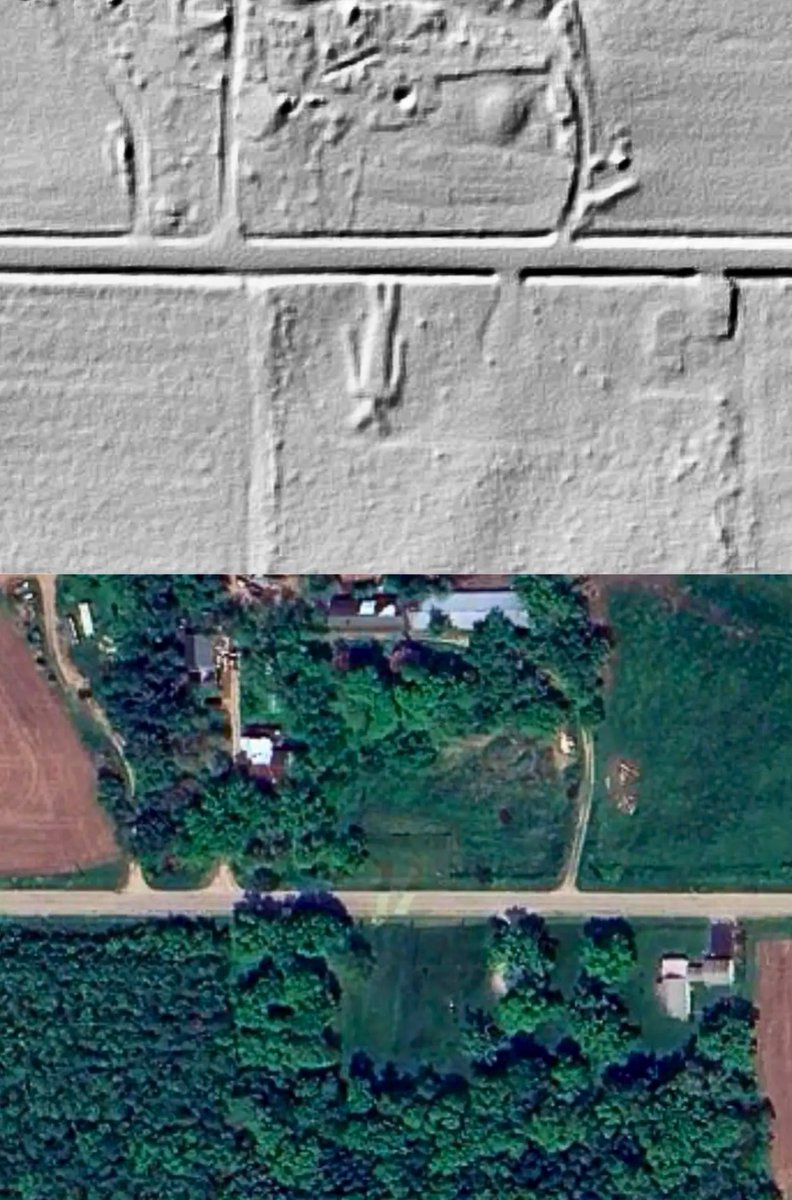
Man Mound LiDAR
34
84
1,464
34,920
InfiniteDensity - DogeGF ❤️❤️❤️🏴☠️🦢 retweeted

Jun 13
Scientific dissent often comes at significant personal and professional cost.
Dr. Kevin McCairn bravely challenges prevailing narratives with his investigation of SARS-CoV-2 spike protein and its potential role in persistent pathology.
His work stands as a testament to scientific integrity and the courage required to prioritize truth over consensus.
3
77
168
3,933
InfiniteDensity - DogeGF ❤️❤️❤️🏴☠️🦢 retweeted

Jun 13
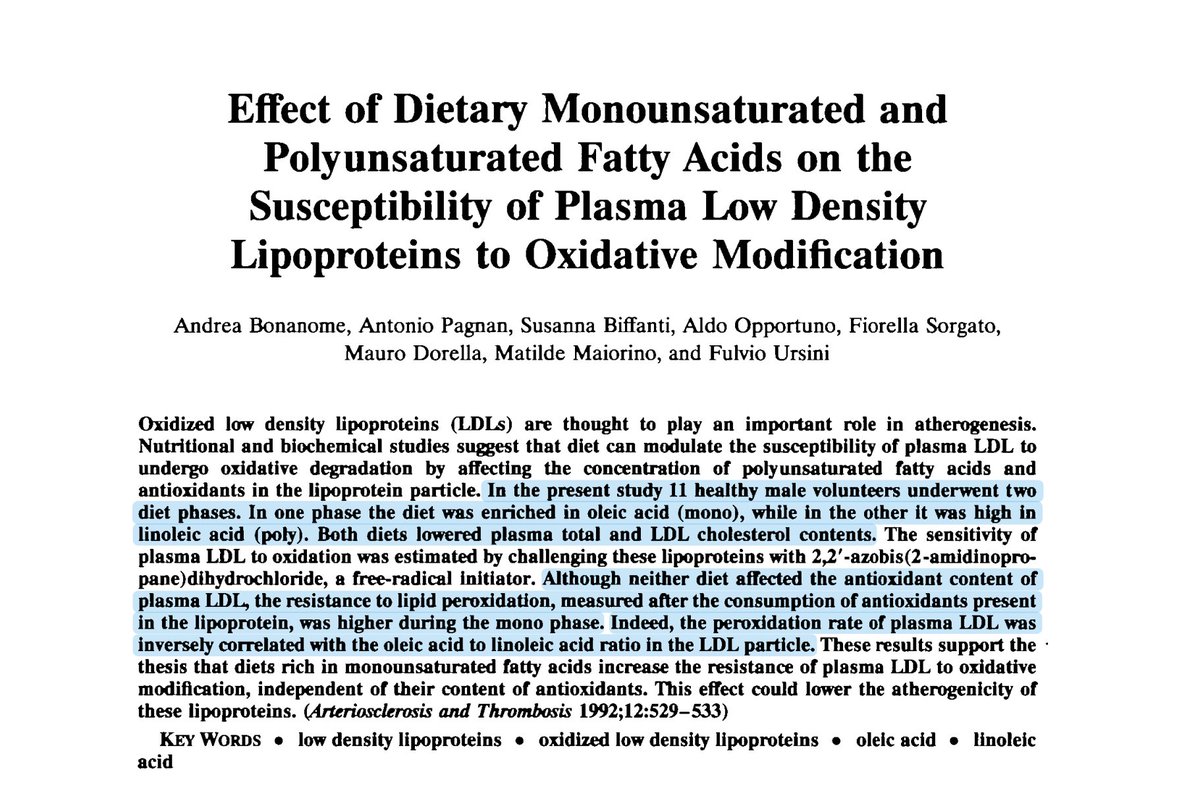
Small study from the 1990s. Effects of two diets were compared:
- Diet 1: relatively high monounsaturated fatty acid content (MUFA; oleic acid)
- Diet 2: high polyunsaturated fatty acid content (Ω-6 PUFA; linoleic acid).
Linoleic acid is the dominant fatty acid in MOST seed oils, like soybean oil; oleic acid tends to predominant in fruit oils, like olive oil.
A notable exception to this rule is canola oil, a seed-derived oil that has a more olive oil-like profile, with more MUFA and less Ω-6 PUFA (linoleic acid) than most other seed oils.
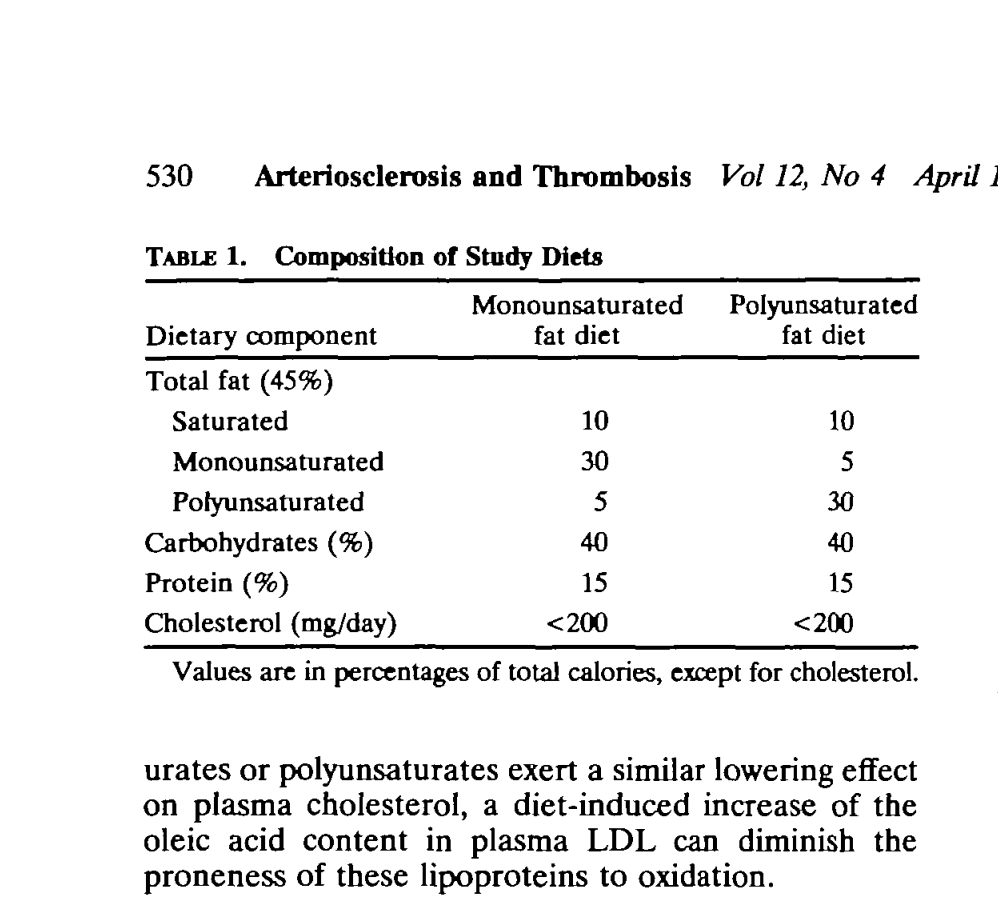
In the study below, MUFA:PUFA varied, while total calories, total fat, saturated fat, carbs, protein, and cholesterol were held constant (Image 2).
What did they see?
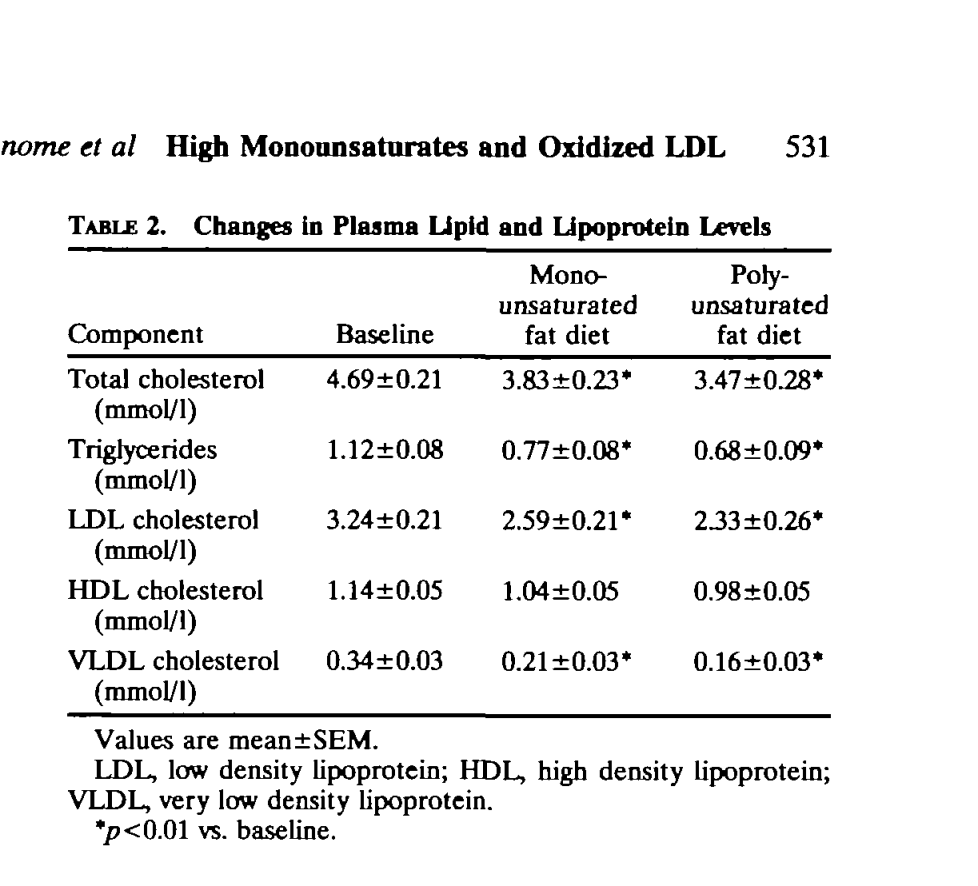
BOTH diets lowered the following (Image 3):
- Total cholesterol
- Triglycerides
- LDL
- vLDL
What differed between high MUFA:PUFA and low MUFA:PUFA diets?
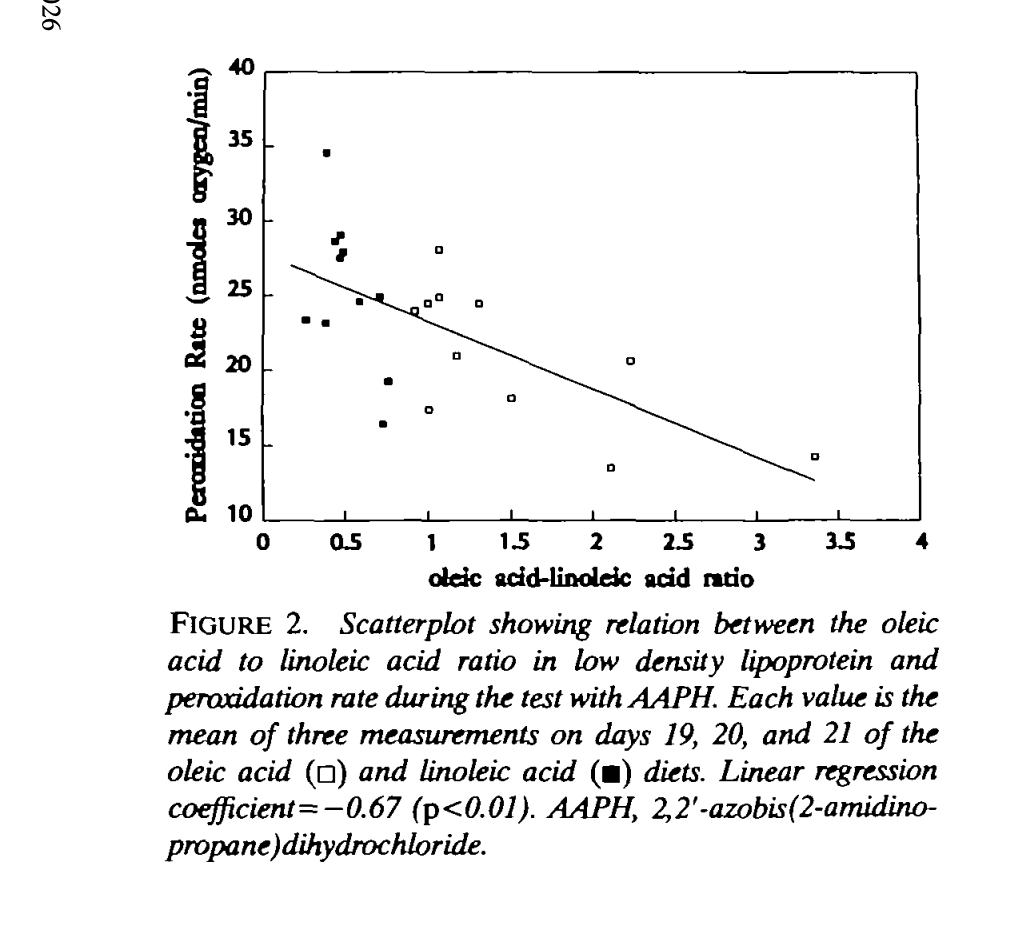
Peroxidation rate of LDL. There was a strong, significant association between MUFA:PUFA ratio and peroxidation rate (Image 4).
Higher linoleic acid (Ω-6 PUFA) lower oleic acid (MUFA) --> more LDL peroxidation.
This result makes perfect sense if you already understand the basic underlying biology: PUFAs like linoleic acid are very susceptible to oxidation, whereas MUFAs like oleic acid are resistant.
This is far from the only study to show such an effect.
Oxidized LDL (oxLDL) is bad news.
OxLDL particles are filled with rancid fats from oxidized PUFAs, which immune cells (macrophages) want to gobble up for disposal, because they're toxic.
In fact, it's possible to increase the PUFA content of diets, seeing an overall decrease in LDL but an increase in oxLDL rate.
4
6
28
1,843
InfiniteDensity - DogeGF ❤️❤️❤️🏴☠️🦢 retweeted

Jun 13
Whoa!!!!
Never Ever have I seen a flash mop like this one.
I love them, but the choreography in this one is superb IMO!
What a blast!
My favorite part is the little kid guitar player, and the drummer reveal!
The whole thing is just really well done!
29
214
367
10,198
InfiniteDensity - DogeGF ❤️❤️❤️🏴☠️🦢 retweeted

Jun 12
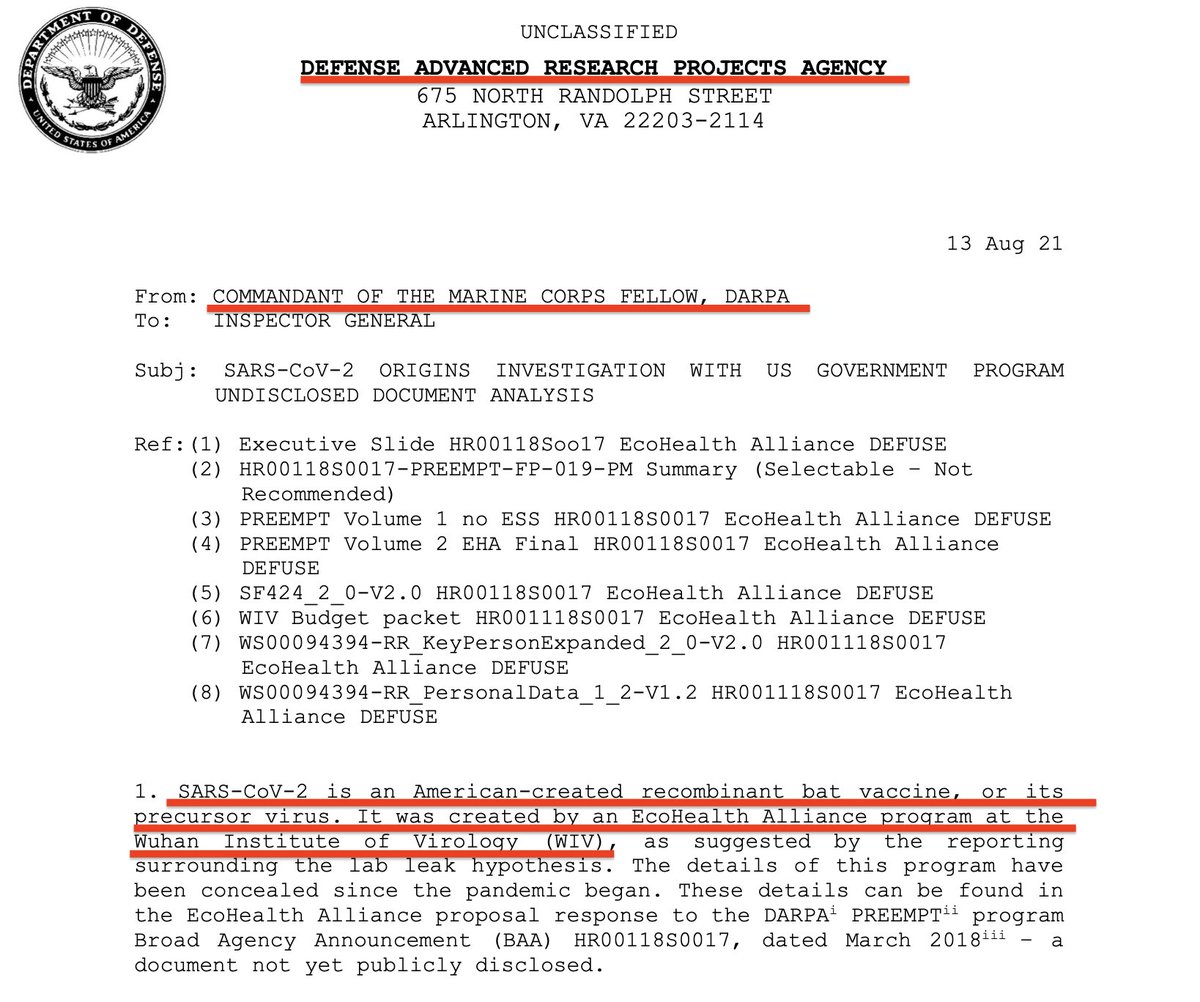
@RandPaul DOCS:
hsgac.senate.gov/wp-content/…
"SARS-CoV-2 is an American-created recombinant bat vaccine, or its precursor virus. It was created by an EcoHealth Alliance program at the Wuhan Institute of Virology (WIV)."
170
1,613
4,512
712,230


InfiniteDensity - DogeGF ❤️❤️❤️🏴☠️🦢 retweeted

Jun 11
WHAT touching fiber really does
Ever wonder what happens when you touch a fiber optic cable? We reveal why dirty connectors cause SFP frame errors and how to fix it fast.
#fiber #fiberoptics #sfp
13
65
1,323
17,796