
@Boomradiouk Weeknights at midnight/Weekdays on Boom Light from 9am boomradiouk.com/derek-webste…
Joined February 2009
- Tweets 7,631
- Following 986
- Followers 1,403
- Likes 8,190
1,279 Photos and videos
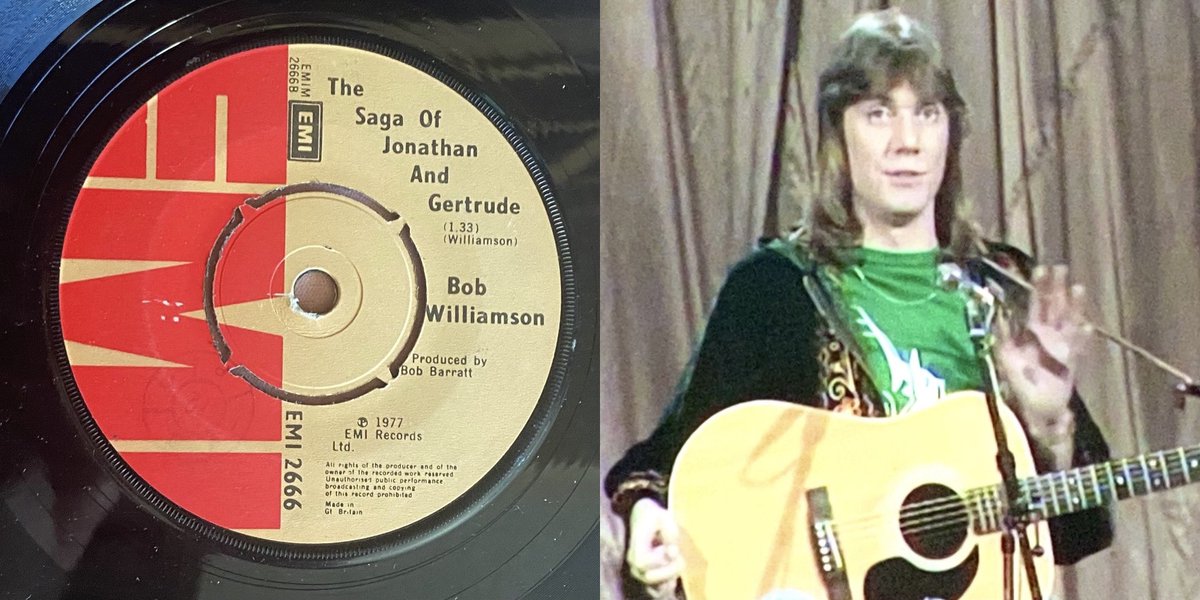
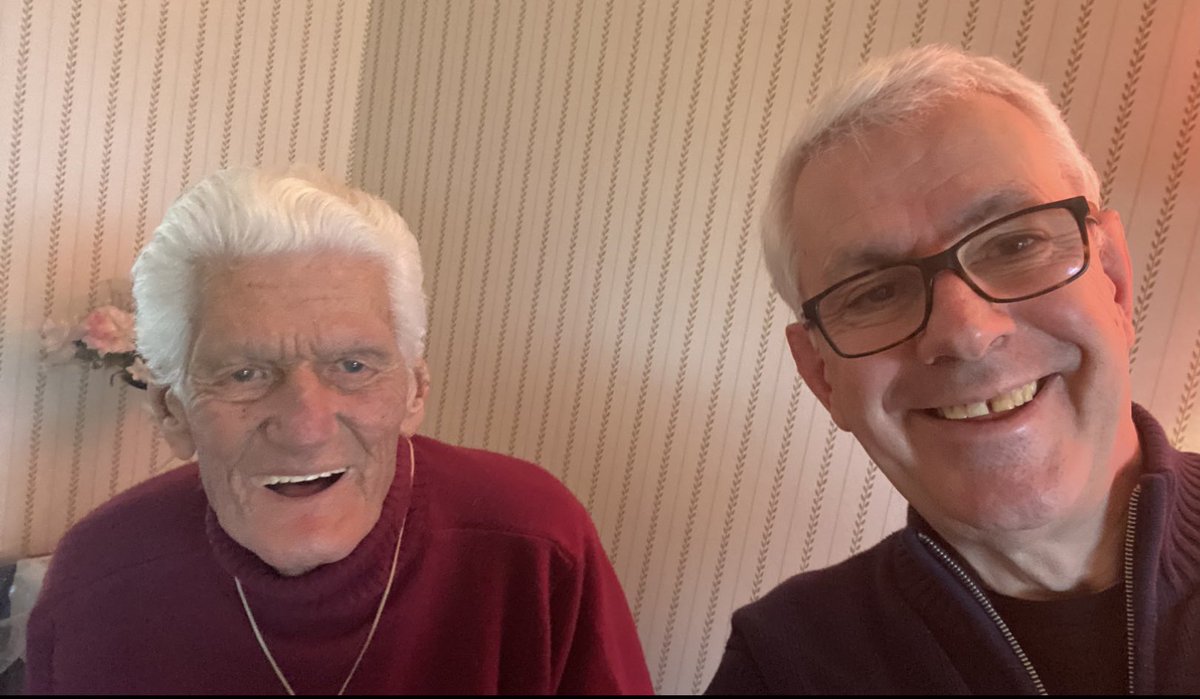
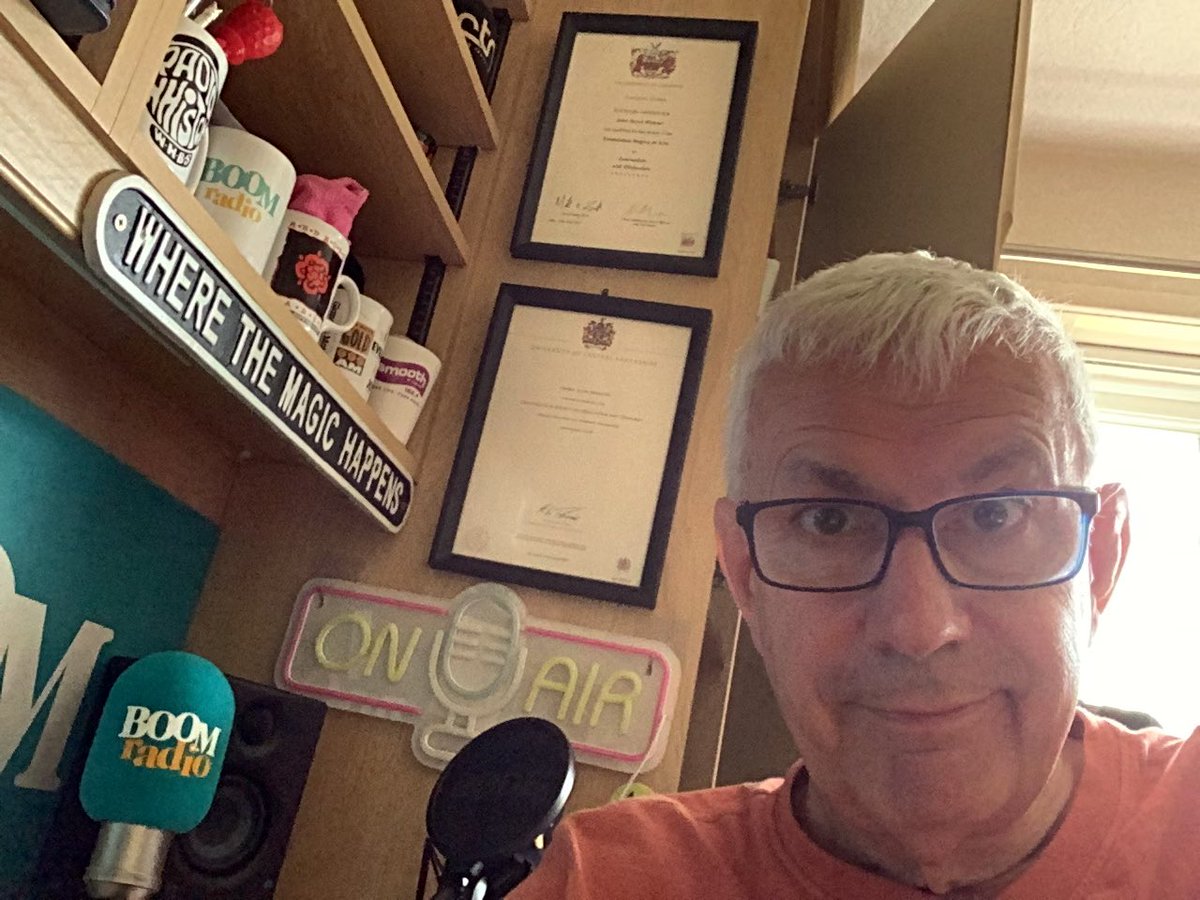
This is very sad. One of the true greats. He really knew how to build a music show and make every record sound so very special. Bob Harris really will be missed.
Jun 4

Legendary broadcaster Bob Harris has decided to step down from hosting his Radio 2 shows, Radio 2 Country and Sounds of the 70s
More ➡️ bit.ly/43LfZZ1
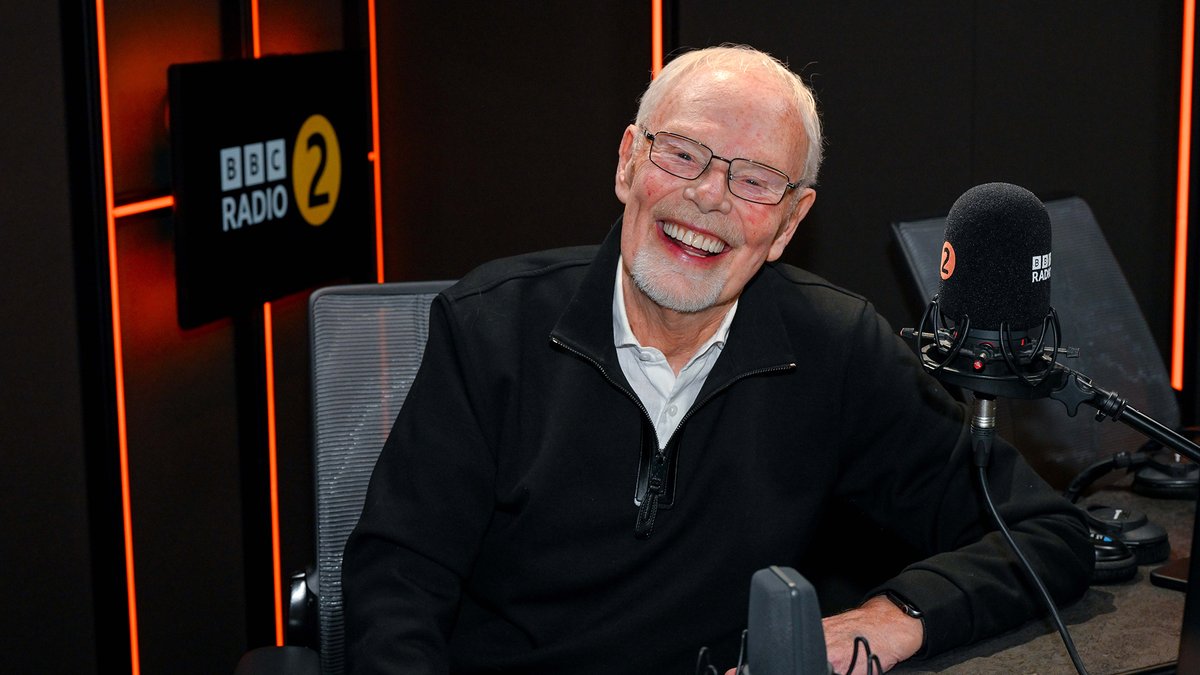
ALT A man in a dark zip neck top and white shirt smiles to camera, laughing whilst sitting behind a desk in the BBC Radio 2 studio
3
7
119
6,065

May 28
Thank you to @airchecks for sharing edited highlights of my @BoomRadioUK Night Ride show from last night.
May 28

New audio : @BoomRadioUK with @DerekWebster (May 28th 2026). We remember Derek from his Red Rose Radio days!
6
115
May 26
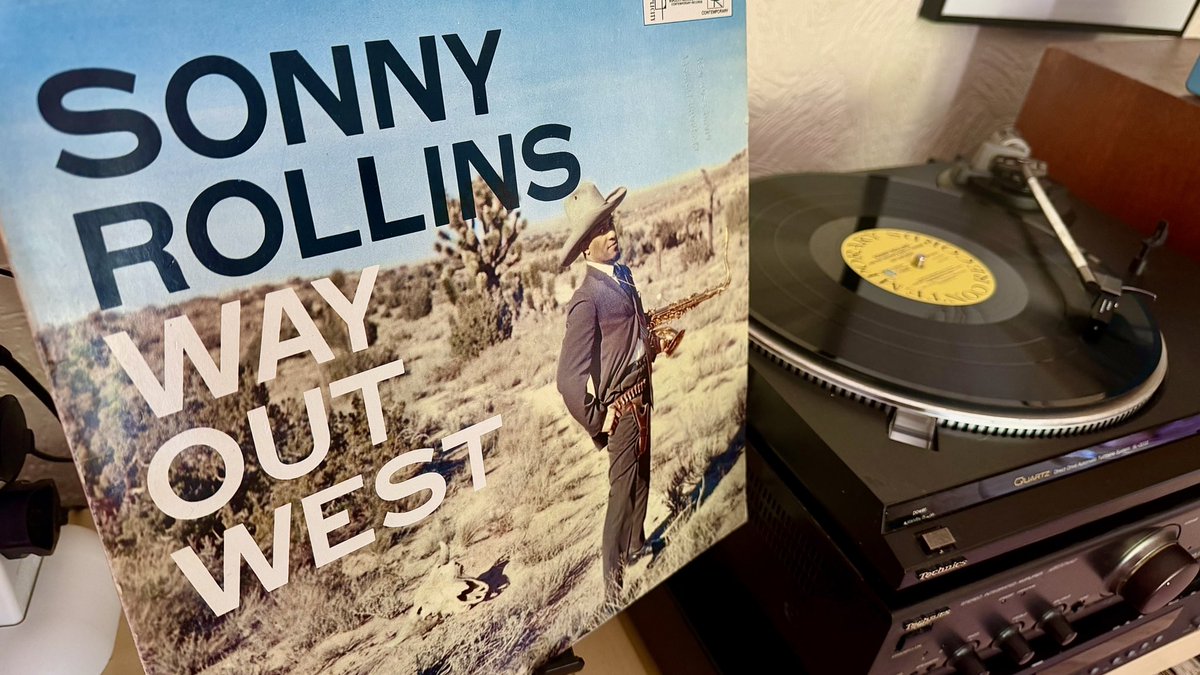
Sonny Rollins, one of the jazz greats passed away in New York yesterday at the age of 95.
Starting the day by playing one of my favourite albums: Way Out West from 1957 with Ray Brown on bass and Shelly Manne on drums.
5
131
Apr 26
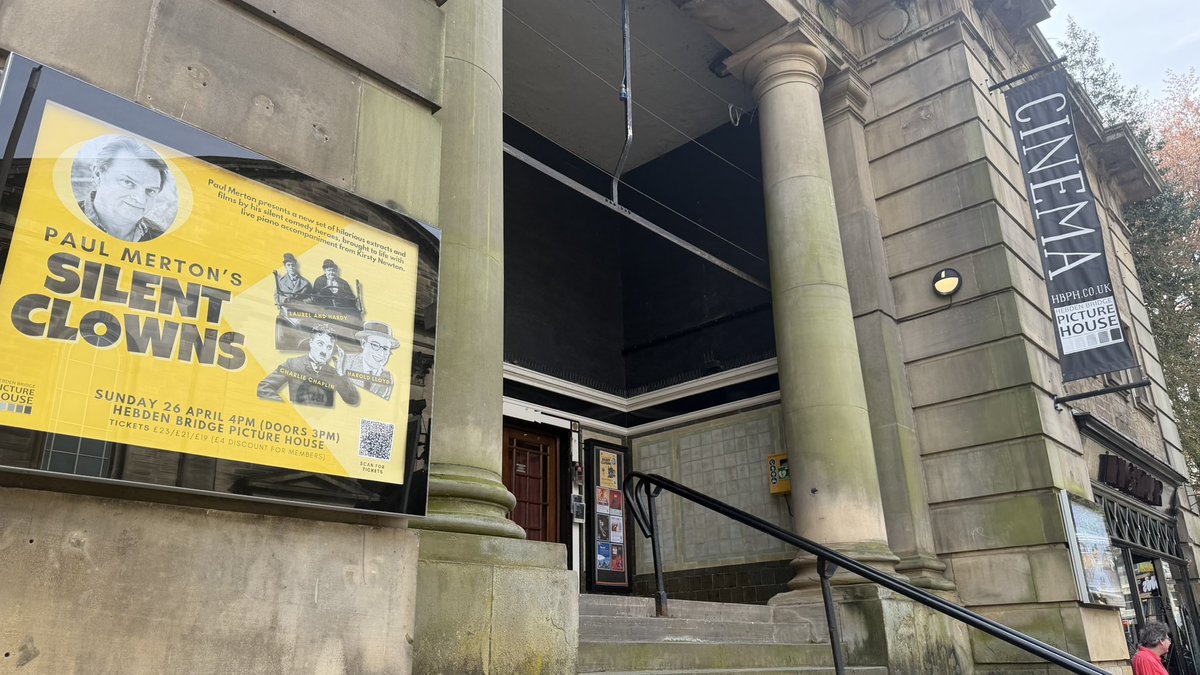
A couple of hours of slapstick silent movies on the way, presented by Paul Merton with piano accompaniment by Kirsty Newton. Bring on the laughs! @hbpicturehouse
1
2
84
Derek Webster retweeted

Apr 22
Great piece of audio production just after 1pm today on @downtownradio as they move from the studios at Kiltonga, Newtownards, their home since 1976, to Belfast Harbour's City Quays 3
3
9
47
9,246
Apr 17
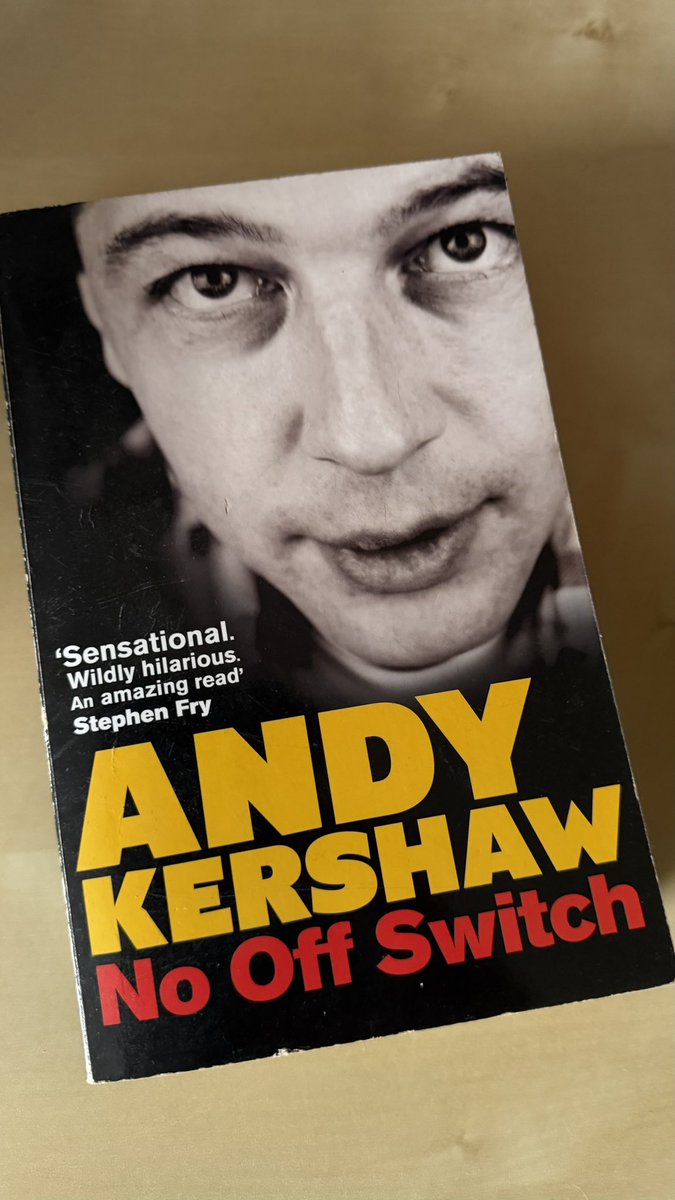
Sad to hear Andy Kershaw has died. He championed overlooked artists and World Music for many years on BBC Radio 1 and later Radio 3.
I met Andy a few years ago when he joined an impromptu Sunday afternoon music festival, bringing Malian music to the streets of Todmorden.
6
452
Good to see my old mate and former colleague John Gillmore featured on Live Luke’s Radio Greats.

Really delighted to involve @Gillylancs in this week’s edition of #RadioGreats!
From a career across Lancashire on stations including #RedRose, #TheBay and @BBCLancashire, there are lots of fun stories in this weeks edition!🌹📻
buzzsprout.com/1770277/episo…
4
339
Derek Webster retweeted

Mar 27
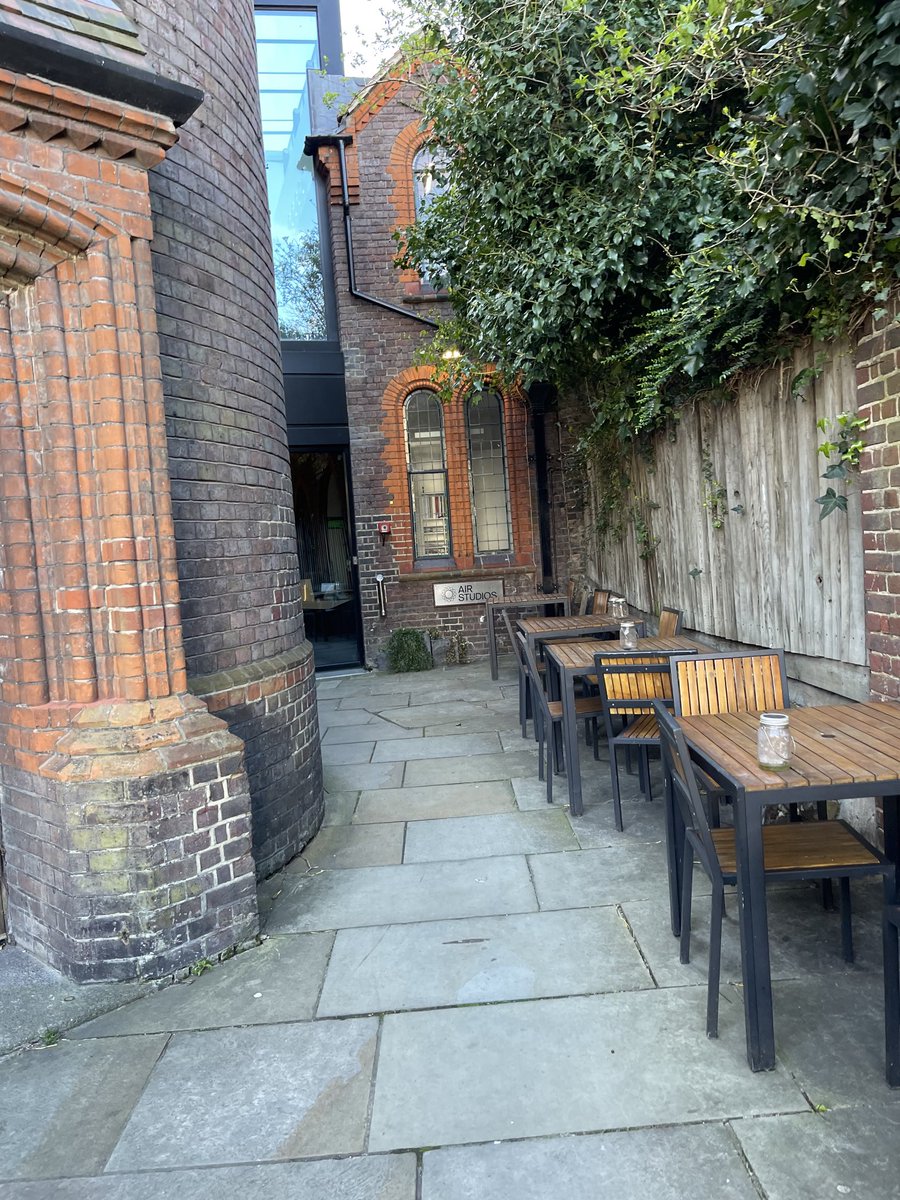
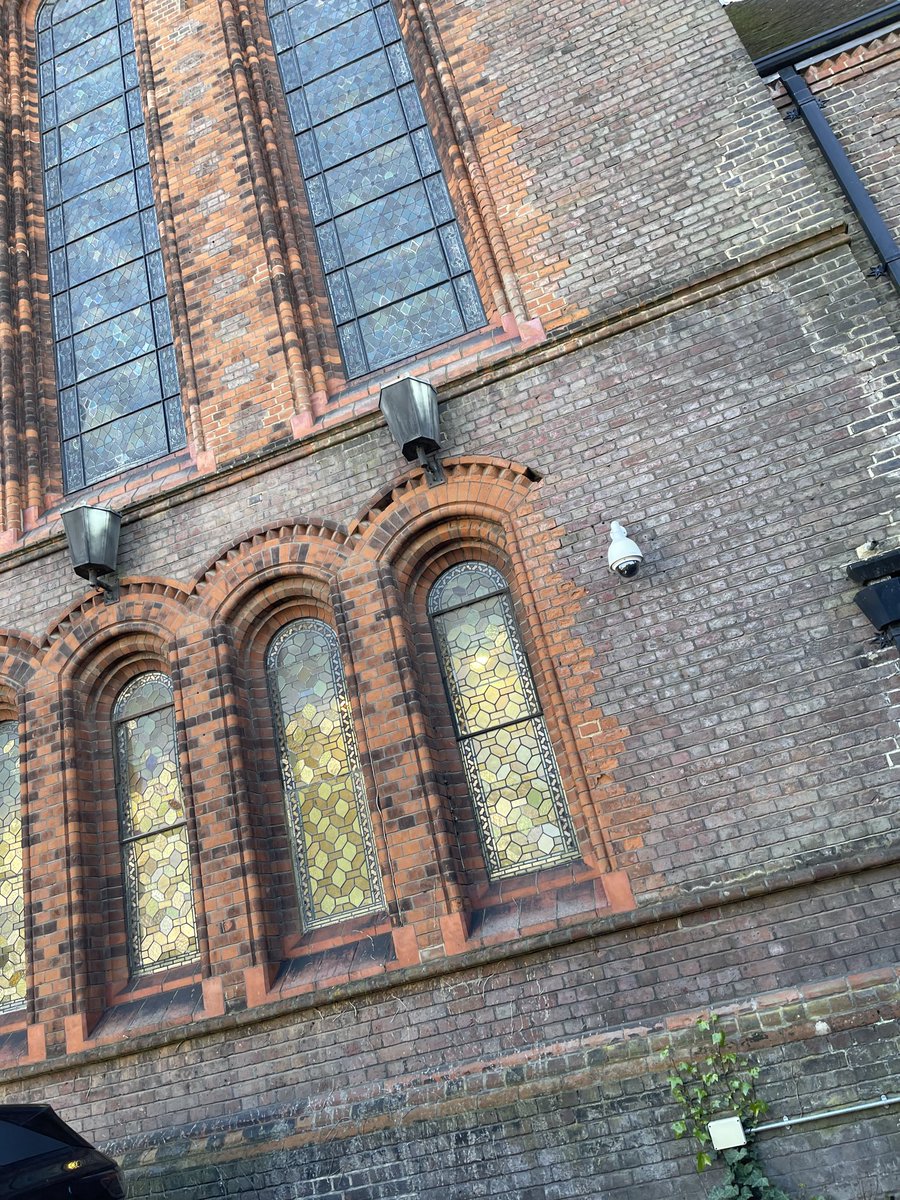
Back at one of my favourite studios yesterday AIR, Hampstead. A great day with the Monarchs Blues Band, winners of @BoomRadioUK competition. Cut two tracks. My pal Haydn Bendall was engineering and there were various famous pals popping in and out, actually, Darling. 😘
6
7
68
2,318
Mar 12
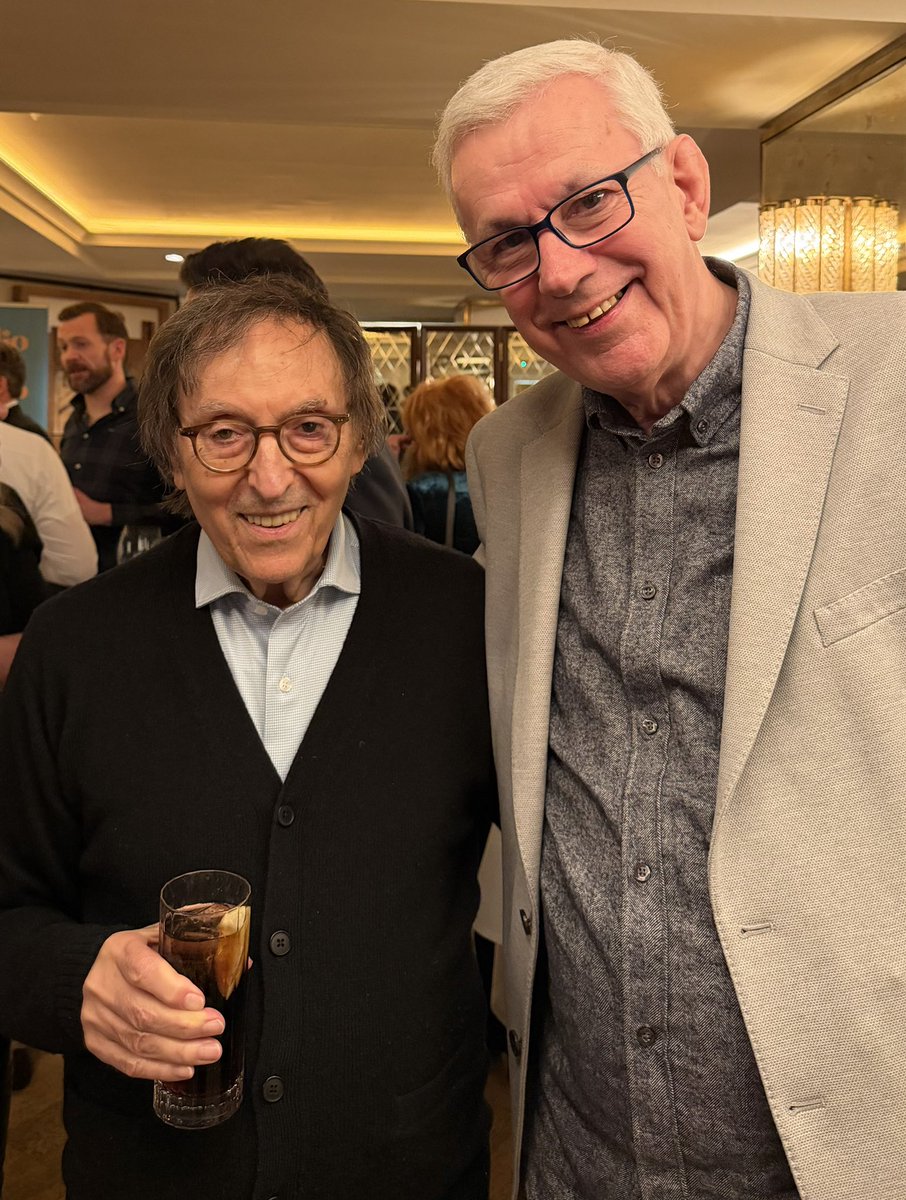
A good night was had at The Ivy in London celebrating 5 years of @BoomRadioUK
It’s not every day you get to meet an Academy Award winner. Here I am with celebrated lyricist Don Black who has his own show on Boom Light Sunday afternoons.
8
318
Feb 28
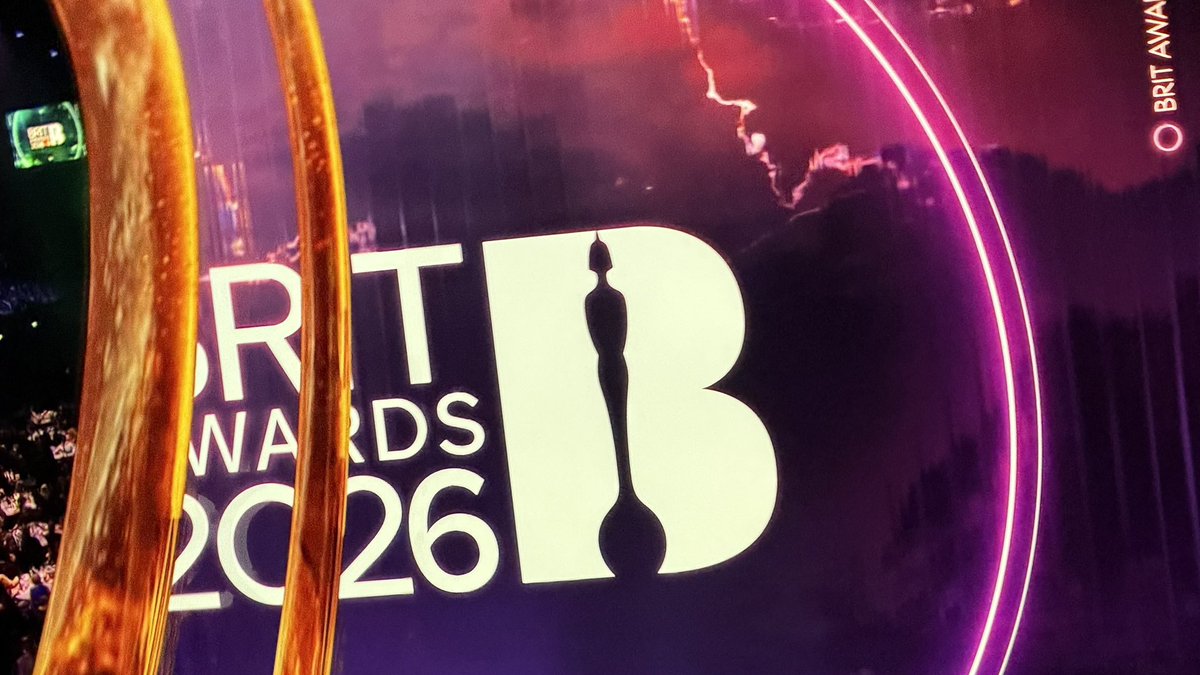
Good to see radio presenters Andy Peebles and Colin Berry remembered in the obituary section of the Brit Awards from Manchester.#BRITsAwards
8
1,003
Feb 21
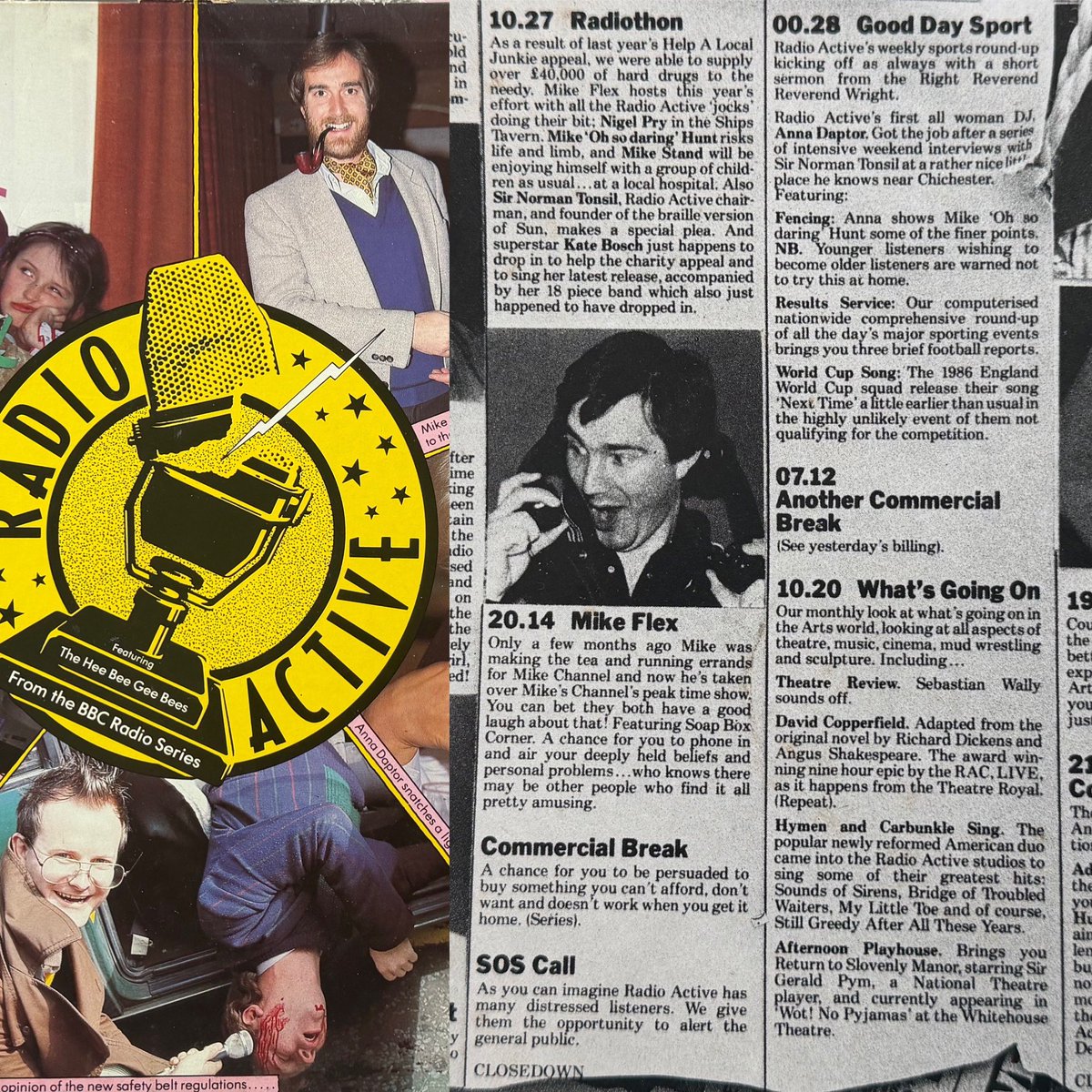
Before Alan Partridge there was BBC Radio 4’s RADIO ACTIVE to satirise local radio. Just rediscovered my LP of the series which ran from 1980 to 1987. At least we had local radio then.
1
1
6
341
Feb 14
Boom Rock marks its 2nd birthday by counting down a playlist of amazing album tracks voted by listeners. From 10am Saturday…. And listen again on the @BoomRadioUK App.
boomradiouk.com/player/boom-…
2
49
Feb 13
RADIO DAY 2026 derekblogster.wordpress.com/… via @DerekWebster
A brief blog on #RadioDay2026 and my part in it. #RadioDay2026
4
99
31 Dec 2025
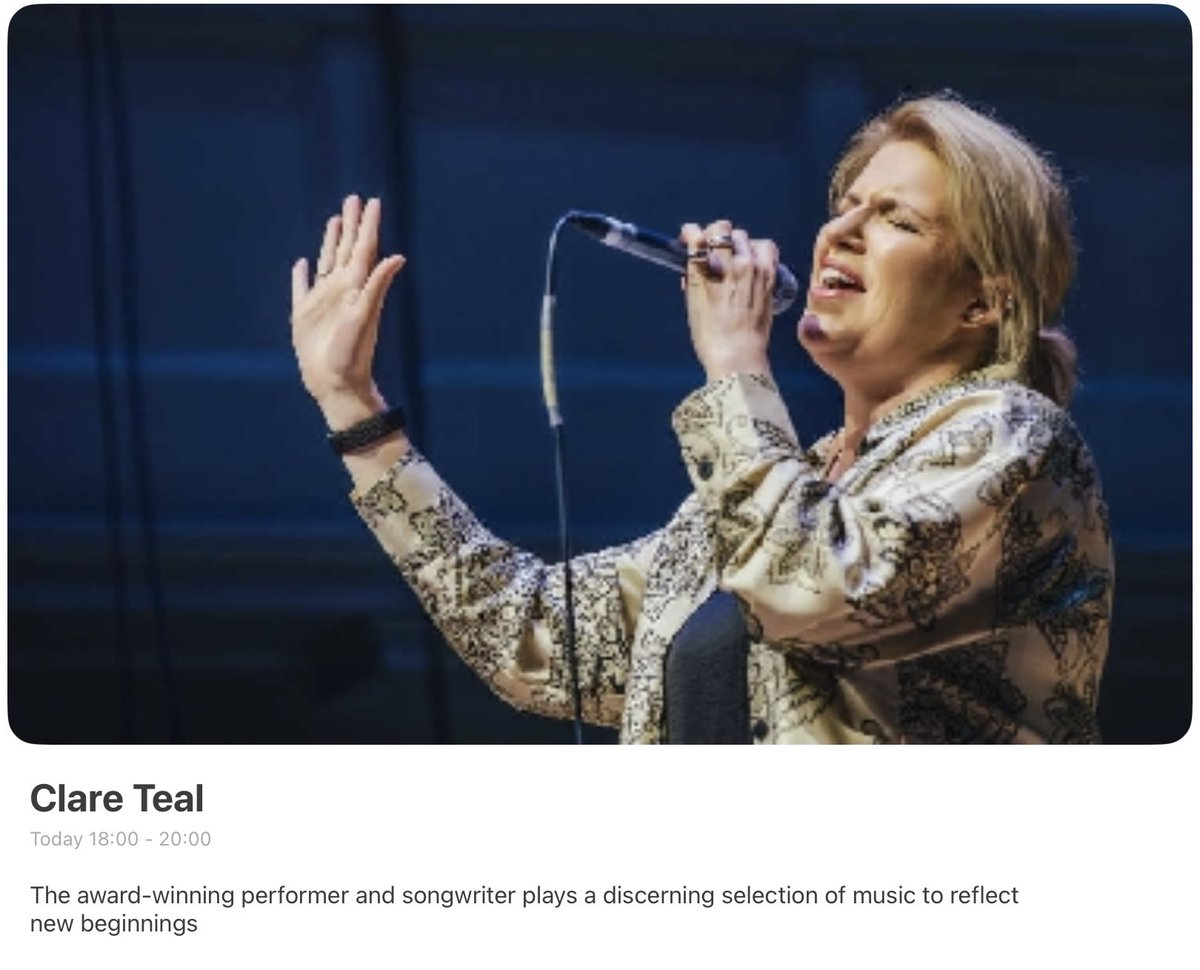
Looking forward to New Year’s Eve with @clareteal 6pm on Boom Light.
Swinging songs from Sinatra, Ella , Basie and more.
It’s been a great year for Boom Light which has grown beyond expectations with more to come in 2026! @BoomRadioUK
boomradiouk.com/player/boom-…
1
1
6
372
21 Dec 2025
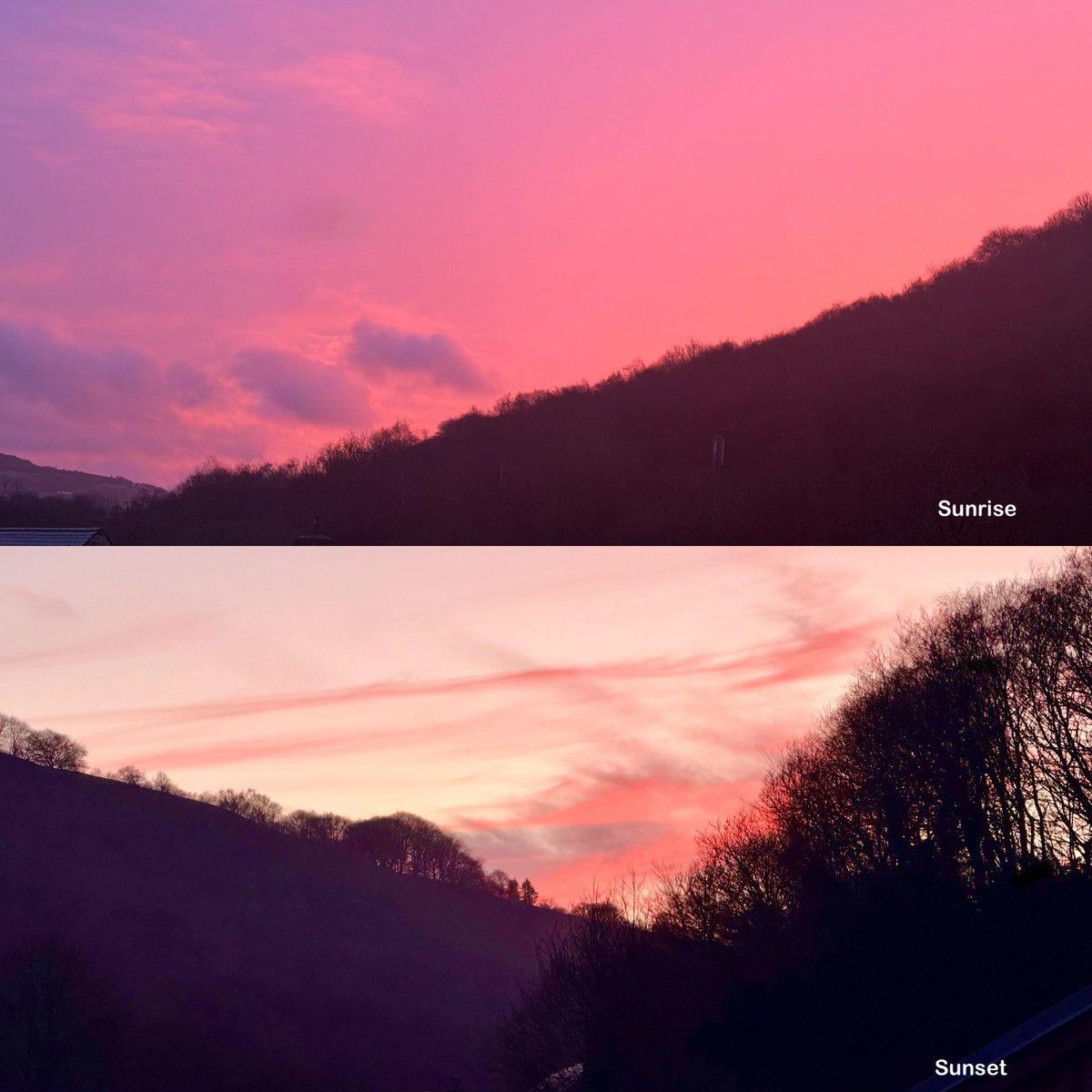
On Winter Solstice day there’s not much chance of seeing sunshine but here’s one I prepared earlier, on a crispier December dawn and sunset earlier in the week.
Happy Winter Solstice ☀️
youtu.be/Su88LXgQR0o?si=C39W…
3
123
Derek Webster retweeted

5 Dec 2025
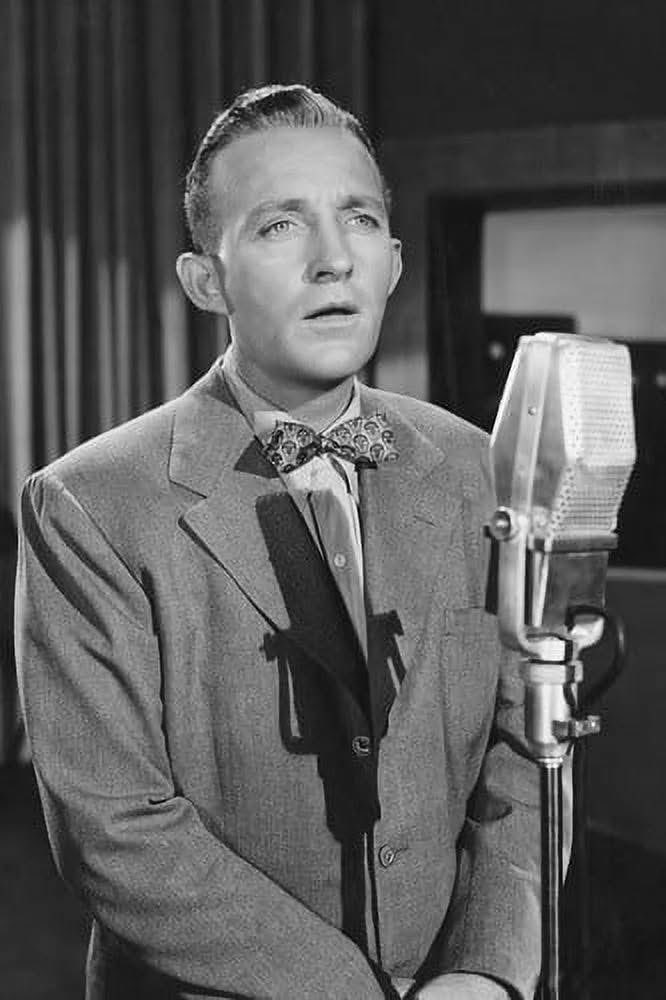
“Bing had the bravura, but except in his early days it wasn’t obvious. Starting his career in the 1920s, he was the man on the spot when the microphones got good enough to be canoodled with, as if they had hair to be stroked. Released from the necessity to project, he could concentrate on shaping a sung note so that it sounded like speech. Other singers were slower to catch on, and some of them never caught on at all. In any film musical starring Dick Powell you can hear – and what is almost worse, see – what happened to a singer when, even if miming to playback, he continued to project as if he weren’t being amplified. He looked as if his vocal chords hurt like piles. Bing went in the other direction, as if the microphone could hear him think. In this endeavour, he was lucky with the natural attributes of his voice. Often characterized as a pleasant light baritone, it had a tenor top to it, conferring the precious gift of allowing him to relax into the upper register. A singer can have a note-perfect two and a half octave range and no flexibility at all. What counts is the capacity to negotiate the tricky intervals, and Bing could do an instantaneous octave jump that left the second note ringing as clear and open as the first.” - Clive James #bingcrosby
2
19
105
1,418
27 Oct 2025
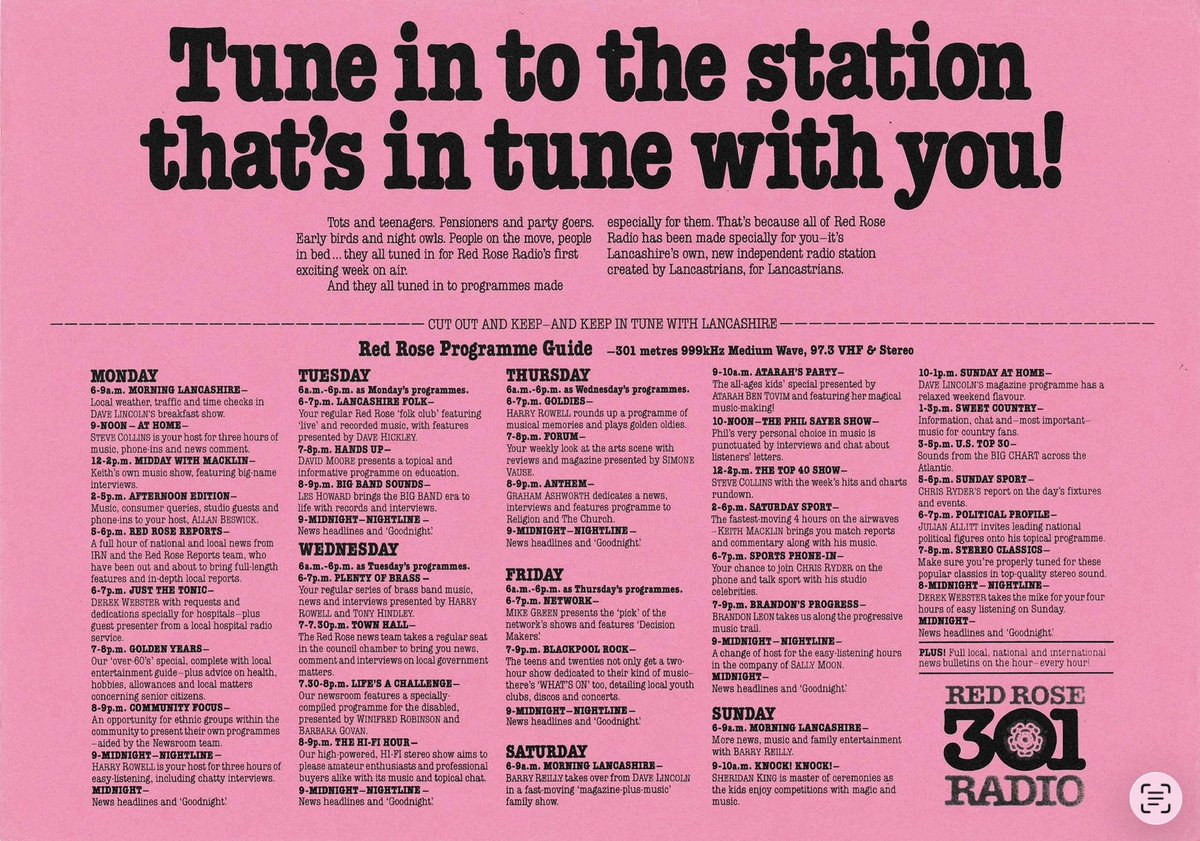
Me on Lancashire’s Red Rose Radio the Superpower 97.4 FM in 1989. A great radio station.
27 Oct 2025
1
10
567
19 Oct 2025
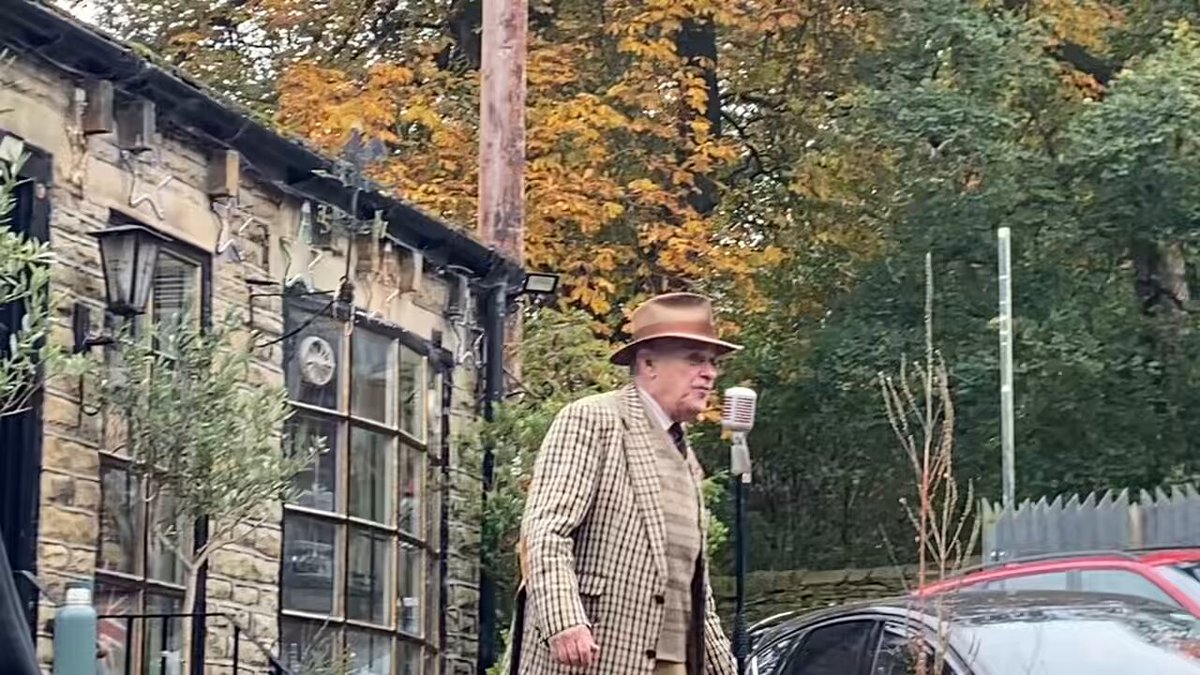
Good to hear Paul Harper singing on Haworth high street yesterday with his tribute to 1930s crooner Al Bowlly. #nostalgia #1930s #vintage
1
118
11 Oct 2025
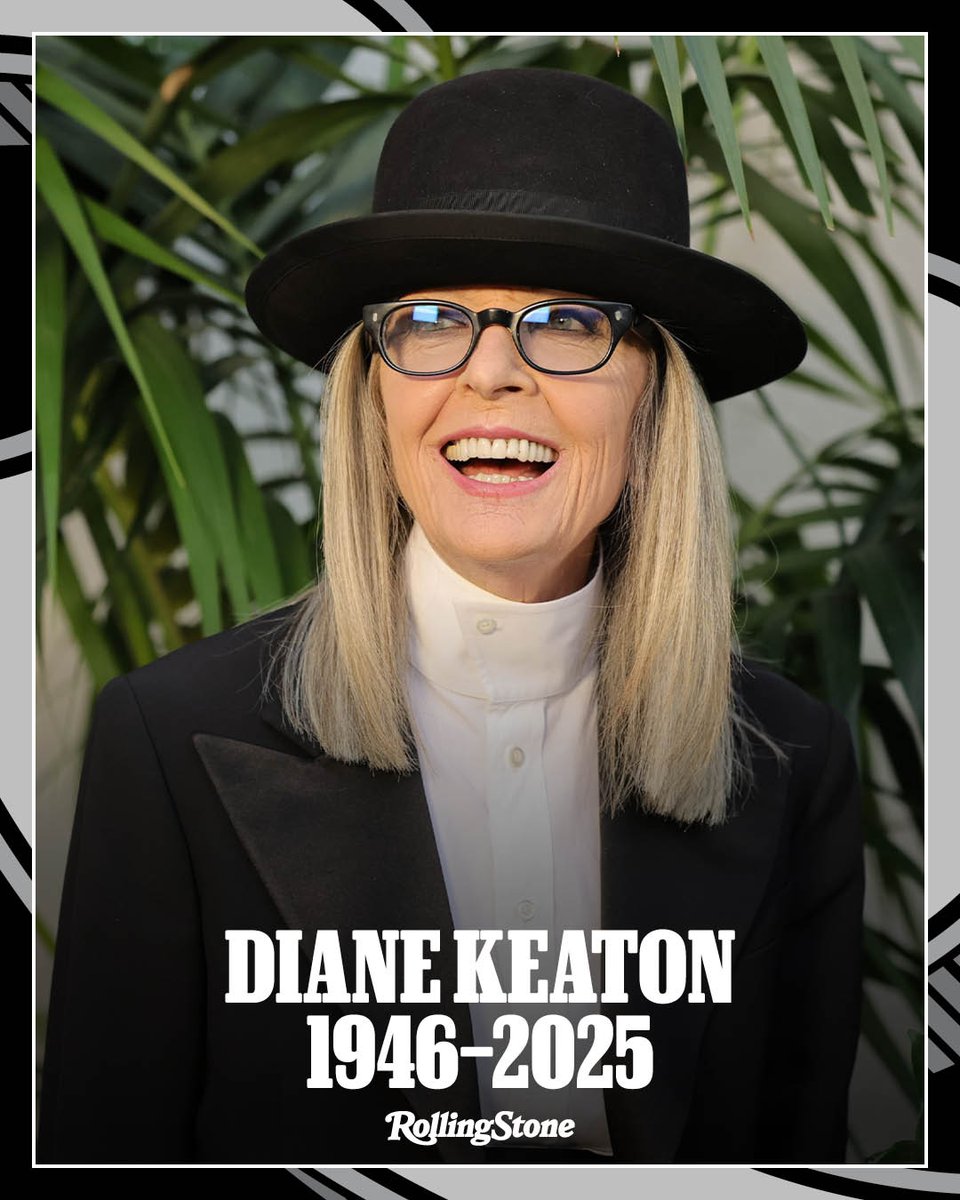
Sad to hear that Diane Keaton has died…. Annie Hall and The Godfather, two of my favourite films.
11 Oct 2025

Diane Keaton, the Oscar-winning actress known for a prolific career in uplifting comedies, a quirky sense of fashion, and a penchant for drinking red wine with ice cubes, has died at the age of 79.
More on her life and legacy: rollingstone.com/tv-movies/t…
234