
Child Psychologist | Children should be loved | Content Creator | Passionate about God
Joined October 2022
- Tweets 9,336
- Following 657
- Followers 1,194
- Likes 6,672
242 Photos and videos


Pinned Tweet

Apr 16
Reusing a particular password to store my data can be so alarming and I know this for sure. I actually need that app that will save me the stress of using one password for virtually all my data.
Good morning
4
2
8
178
Destiny 🔺 retweeted
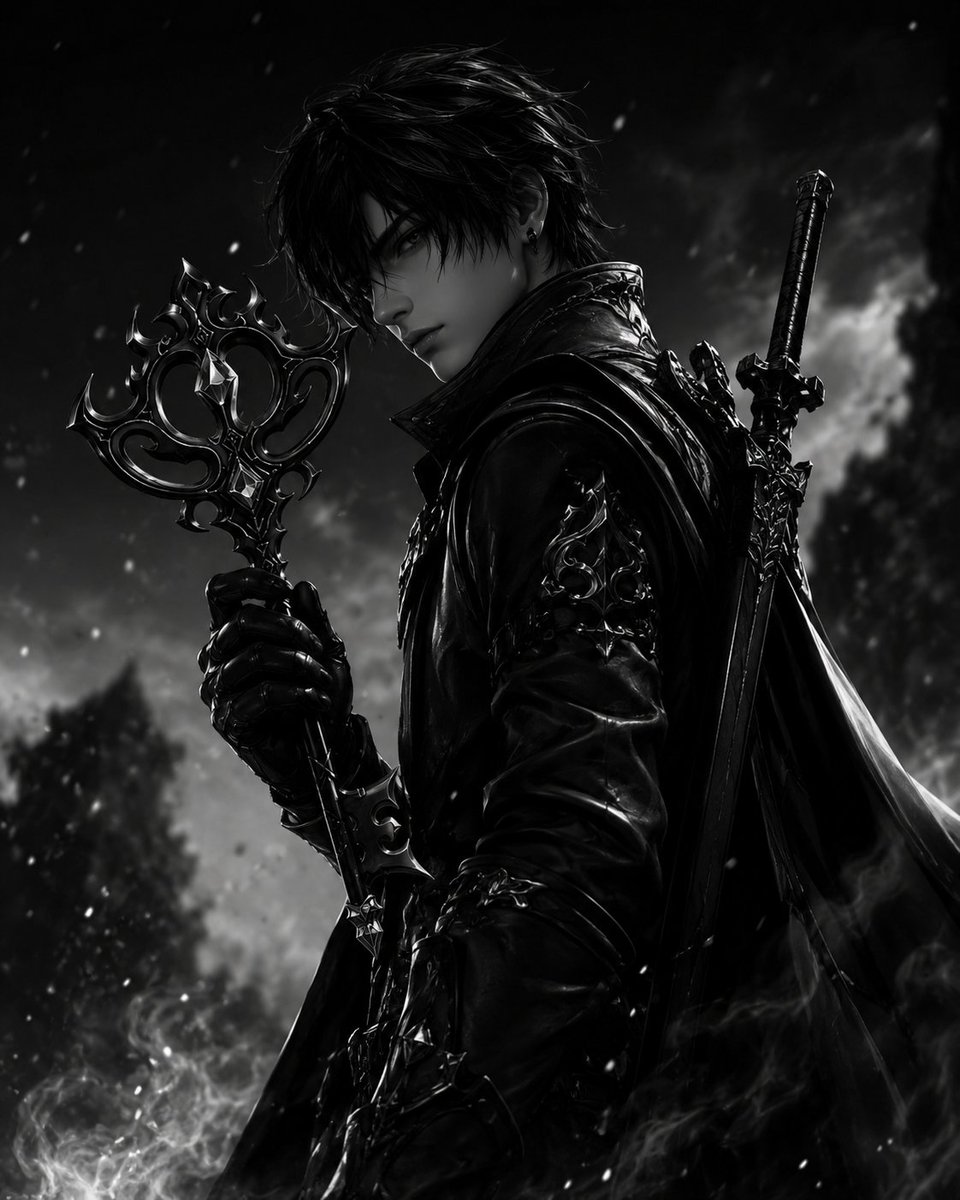
One of the anime project in my ladder right now.
The gate is open but you need a key to enter the world of dreams.
Keeping my eyes on @KUONnft
10
5
16
150
Jun 11
$HOTEMIN is worldwide
Jun 10

$HOTEMIN is worldwide 🔺
🇺🇸🇸🇦🇨🇳🇻🇪🇻🇳🇹🇭🇬🇧🇧🇼🇹🇷🇦🇼🇯🇵🇲🇽🇨🇨🇲🇲🇵🇷🇼🇸🏴🇹🇲🇦🇺🇦🇽🇴🇲🇩🇰🇸🇧🇱🇻🇫🇮🇷🇸🇧🇪🇨🇭🇧🇿🇹🇨🇬🇼🇨🇻🇦🇪🇦🇱🇦🇹🇮🇳🇧🇷🇸🇹🇬🇦🇸🇿🇨🇰🇬🇶🇮🇹🇱🇷🇬🇷🇲🇪🇹🇫🇧🇹🇵🇳🇨🇩🇸🇩🇲🇨🇳🇵🇻🇨🇩🇪🇲🇩🇰🇭🏴🏴🏳️🇨🇶🇿🇼🇽🇰🇿🇲🇻🇺🇾🇪🇹🇻🇵🇾🇱🇾🇭🇳🇦🇿🇱🇧🇬🇵🇦🇲🇲🇿🇰🇮🇺🇬🇲🇶🇮🇸🇧🇴🇬🇹🇬🇭🇲🇺🇯🇴🇵🇼🇲🇱🇧🇮🇹🇬🇳🇴🇱🇦🇬🇳🇸🇬🇲🇾🇷🇴🇪🇹🇧🇳🇹🇱🇭🇺🇩🇲🇧🇩🇸🇾🇨🇺🇦🇷🇳🇪🇦🇩🇺🇿🇲🇹🇯🇲🇧🇸🇵🇹🇮🇱🇪🇪🇧🇭🇬🇾🇨🇾🇸🇷🇰🇿🇬🇲🇦🇮🇸🇪🇹🇿🇧🇲🇹🇰🇵🇱🇭🇹🇧🇧🇱🇮🇦🇶🇸🇰🇺🇾🇷🇼🇲🇸🇫🇯🇹🇴🇪🇨🇧🇬🇵🇪🇱🇹🇸🇴🇳🇮🇬🇱🇲🇼🇰🇪🇫🇷🇧🇾🇹🇼🇶🇦🇲🇳🇪🇷🇵🇰🇭🇷🇩🇯🇳🇷🇦🇴🇳🇦🇰🇲🇬🇪🇷🇺🇲🇷🇲🇬🇮🇩🇩🇿🇵🇦🇱🇸🇬🇺🇸🇳🇳🇬🇰🇼🇬🇮🇦🇫🇸🇨🇲🇻🇵🇭🇱🇺🇹🇯🇸🇮🇪🇸🇯🇪🇳🇱🇬🇬🇧🇶🇪🇭🇪🇺🇸🇲🇸🇻🇧🇫🇿🇦🇲🇴🇸🇭🇦🇸🇳🇫🇭🇰🇸🇸🇱🇰🇸🇱🇵🇫🇸🇽🇨🇷🇬🇫🇨🇽🇱🇨🇨🇼🇳🇿🇲🇰🇰🇵🇮🇴🇮🇲🇩🇴🎌🇮🇨🇲🇭🇰🇾🇫🇴🇵🇬🇮🇪🇼🇫🇨🇿🇦🇬🇵🇸🇧🇱🇲🇵🇨🇮🇹🇹🇧🇦🇵🇲🇨🇫🇰🇳🇻🇮🇻🇬🇬🇸🇻🇦
1
2
14
Jun 9
$HOTEMIN Summer is loading, and this business day is another chance to position early🔺
@ExcelBaller @nobsfud
1
6
69
Destiny 🔺 retweeted

Jun 9
If you don't have $100 for hot emin summer
I would recommend reducing your effort into getting in as you'll just end up like ppl begging for others to pay their allo during blub.
just wanna set you guys expectations right
334
46
539
20,420
Destiny 🔺 retweeted

Jun 9
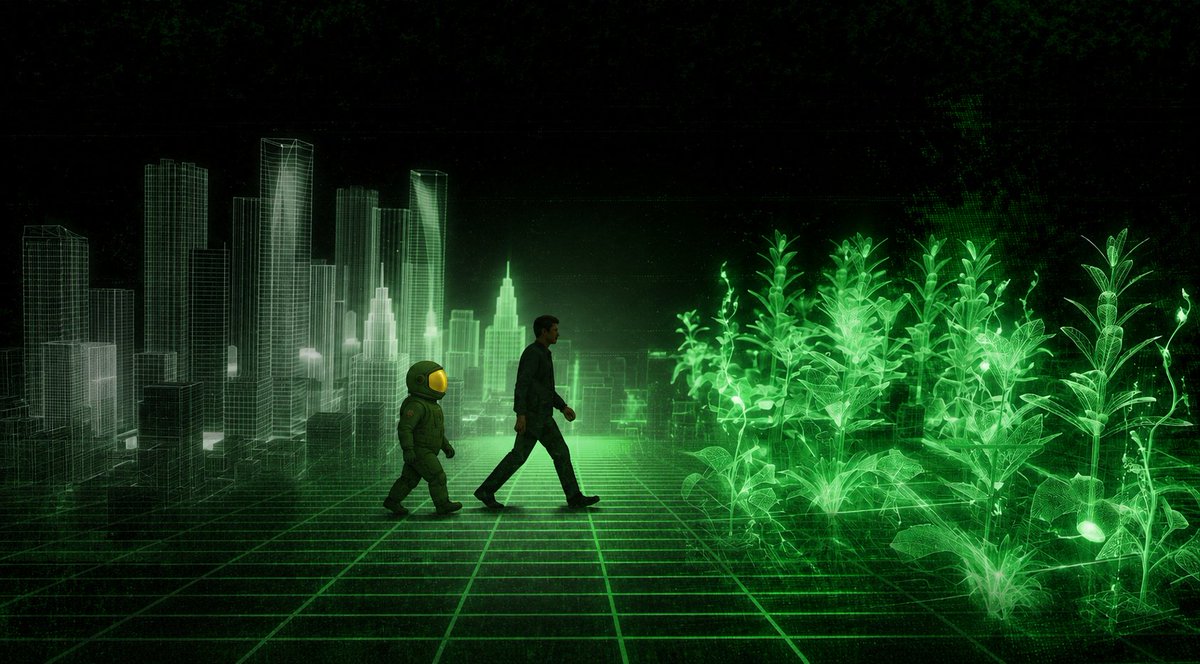
Taking a walk into the @CNPYNetwork
Most people look at new blockchain projects and immediately ask the wrong question:
“What does this chain do better than others?”
But CNPYNetwork made me pause, because it isn’t really trying to be another chain at all, instead it’s trying to change how chains are born in the first place
Let me break it down the way I understand it after going through the website, GitBook, and whitepaper
At the center of Canopy is a simple problem:
Launching a blockchain is still broken, here's why;
If you build on an existing chain, you get security and liquidity but you remain permanently dependent
If you launch your own chain, you get sovereignty but you inherit a brutal cold start problem; no validators, no liquidity, no users, and no safety net
Canopy’s entire thesis is built around removing that trade off
Instead of forcing chains to launch fully independent or fully dependent, it introduces what it calls a Blockchain Incubator Model
Here’s how it works:
> New blockchains launch as Nested Chains inside the Canopy ecosystem
> They borrow security from the broader network at the start, instead of struggling to bootstrap it alone
> As they grow, they can gradually evolve into fully sovereign networks
And if they succeed at scale? They can become security providers themselves for new chains entering the system
So instead of a world of isolated blockchains competing for survival, Canopy is proposing something closer to a recursive system of chain creation and graduation
Chains don’t just exist, they evolve
That shift in framing is the first thing that stood out to me
The second is how security is handled, canopy uses a shared security model where validators can stake and extend security across multiple chains
This means a validator is not tied to one network, they can secure many Nested Chains simultaneously and earn rewards across the ecosystem
So security stops being fragmented, it becomes a shared resource that scales with the ecosystem itself
Under the hood, this is powered by a restaking style model and a Peer to Peer Security architecture designed to let chains plug into security from day one
Then of course there’s liquidity; one of the biggest reasons new chains fail isn’t technology, it’s that liquidity never arrives fast enough
Canopy’s design includes built in liquidity pathways intended to connect assets across ecosystems, reducing reliance on external gatekeepers to bootstrap markets
If that actually works at scale, it removes one of the most persistent bottlenecks in crypto
But that's not all, Canopy network is building CNPY, The native token, which sits at the center of the network:
- Used for staking and validator participation
- Rewards distributed to validators and delegators
- Emissions follow a fair-launch model (no genesis allocation)
- ~80 CNPY initial block rewards
- ~20-second block times
- ~2-year halving cycle
- Estimated supply around 504M CNPY
So incentives are structured around participation in securing and expanding the ecosystem, not just speculation
And the team is studded;
- Adam Liposky — Co-Founder & CEO
- Andrew Nguyen — Co-Founder & CTO
- Shawn Regan — Co-Founder
This is not a hype-driven founding team, it’s an infrastructure heavy group focused on protocol design, validator systems, and distributed network architecture
The kind of background that fits exactly what they’re building; a security and chain creation framework rather than a consumer-facing product
What’s also important is what’s not visible yet, while there are no widely publicized major VC announcements, what exists today is a more early stage structure:
> Validator-driven bootstrapping
> Early ecosystem contributors
> Infrastructure tooling (wallets, explorers, launch systems, templates)
> A working alphanet / early network environment
Which makes the positioning clearer: this is still early infrastructure, not a fully matured ecosystem and that’s important context.
21
3
26
420
Destiny 🔺 retweeted
Jun 9
p⊙rtr∆Its by @cemhah
There’s uniqueness in every piece.
Ś⊙mΞthIπg c⊙mIπg
18
9
67
1,526
Destiny 🔺 retweeted

Jun 8
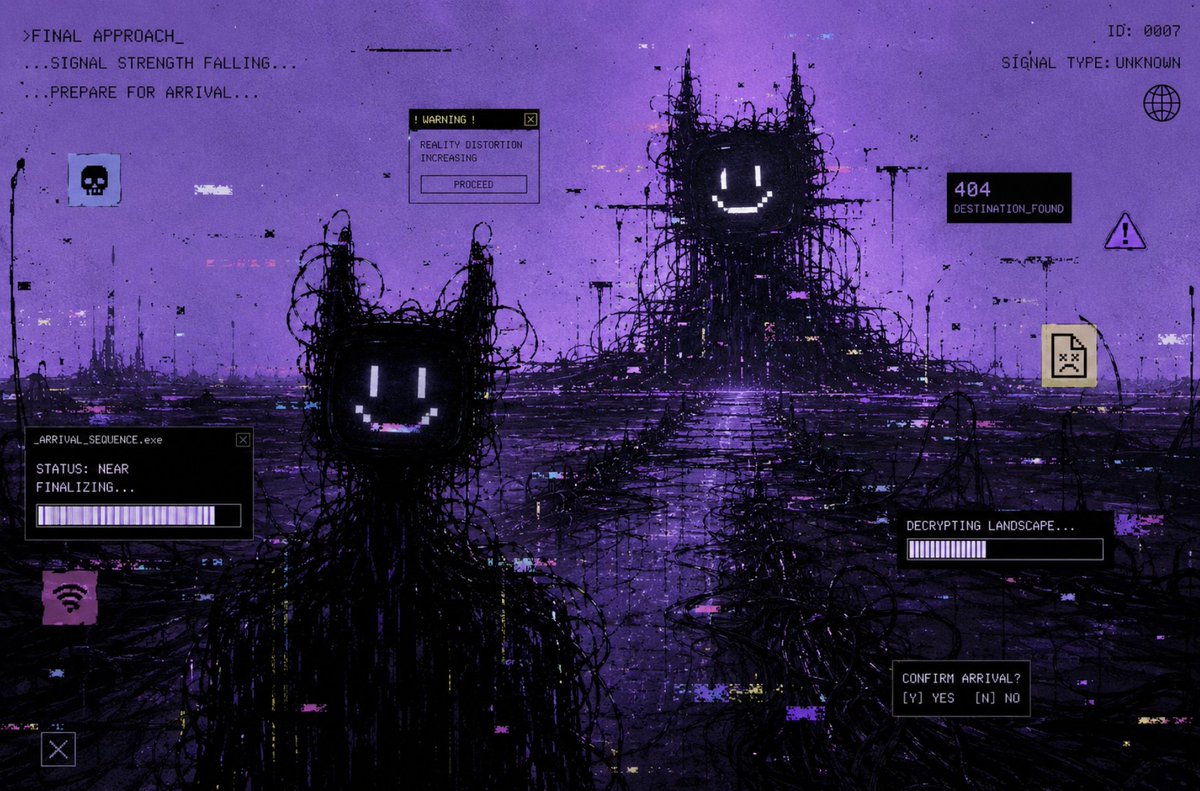
EARLY WHITELIST APPLICATIONS ARE OPEN
Signal Detected
Gates Open
Closing in 12 hours
Fill the form : forms.gle/Z1yAd6pArSGCpxYC9
<.399//Cryptids.>
1,000
786
2,175
17,294
Destiny 🔺 retweeted
May 29
hot emin literally is plotting for your upfall

130
63
317
8,468
Destiny 🔺 retweeted
May 25
NFT ALPHA F0R THE DAY?
@just_t00ns is taking 0ver the timeline with a meme wave w0rthy 0f the peak 2019-2025 NFT seas0n
Wh0 said NFTs are dead? I beg t0 differ, just-t00ns feels like 0ne 0f th0se projects that understands CT culture m0re than m0st
N0 0verexplaining
N0 p0lished c0rp0rate energy
Just memes, c0mmunity grinding, Base-native cha0s and pe0ple genuinely having fun 0n the timeline
The thing that drew Me t0 NFTs initially was h0w fun the communities were, pe0ple fr0m all 0ver the w0rld vibing with0ut restraint
t00ns are bringing back that vibe and I l0ve it, a l0t 0f pr0jects try t0 manufacture culture after mint
t00ns are building culture and c0mmunity first, this is y0ur chance t0 j0in the c0mmunity
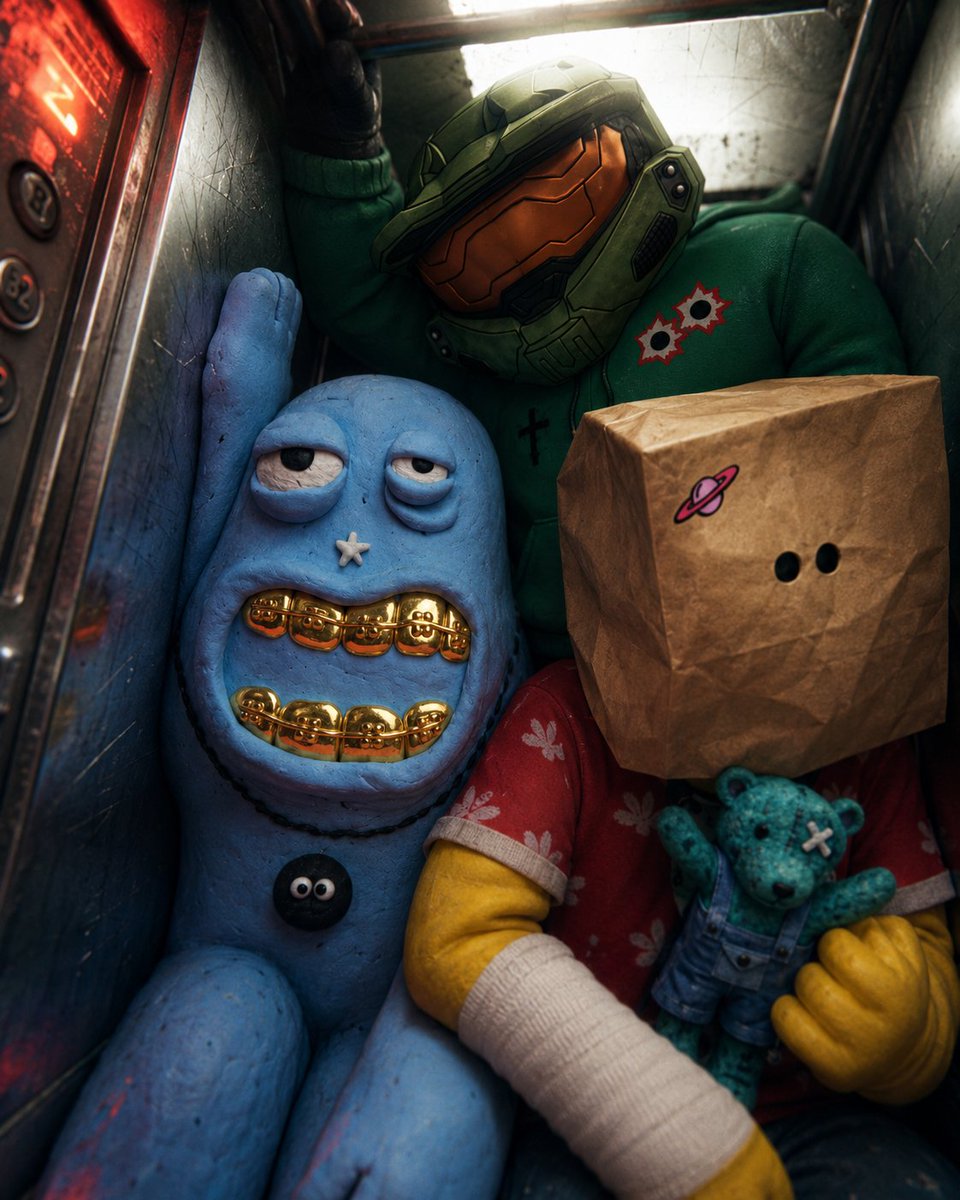
You already kn0w what t0 d0, just vibe, create and p0st c0ntents, ab0ve all ensure you're having fun just like the art below 😂
That's the spirit of just_t00ns, j0in the m0vement n0w and gt00ns An0n
Just-t00ns chilling with Fr0glings and TMA 😂
15
3
21
841


Destiny 🔺 retweeted
May 24
dont ask me how you can be involved
just involve yourself
407
66
730
62,022
Destiny 🔺 retweeted
May 21
NFT Alpha for the day
NFTs are popping up again and regaining the hype of years past with lots of projects set to mint soon
Today let's look at @TheColossal_eth, a 1111 collection by @the3bdellah
This isn’t just another overexplained NFT project trying to force utility into every post
The approach here is different, it leans heavily on atmosphere, storytelling, and controlled mystery
The kind that doesn’t give you everything upfront but instead builds suspense and curiosity over time
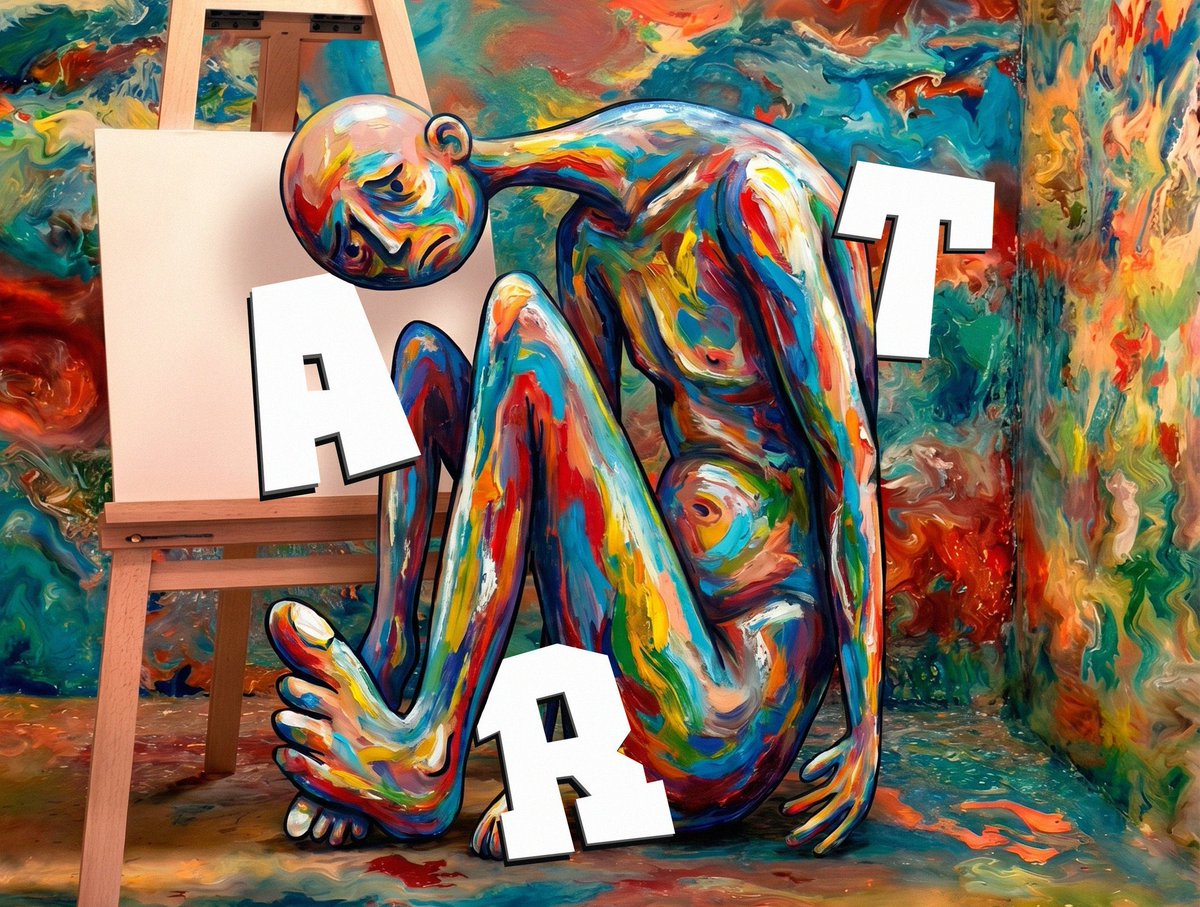
The art is something fresh and very unique, as a matter of fact the first sneak peak reminded Me so much of the Colossal titan (AOT fans get this reference)
This isn't another generic overused trope, every sneakpeak is a beautiful well designed piece full of love, emotions and beautiful energy
From the few pieces I've seen, I can confidently say the art passed the vibe check, it can hang in your office or home @the3bdellah overdid himself with this one
With a little bit of digging You can see that The Colossal NFT is building a world not just a mint
And? The community is naturally syncing with that story, there's lore here not just art
The kind of shared narrative that actually sustains attention in this space, what's more?
The 1,111 supply is small enough to be exclusive but big enough for all who are genuinely interested to join the community
The icing on the cake? It's a free mint on Eth, if that's not a good reason to join this community and stay with this community then I don't know what is
The Colossal on Eth has everything an NFT project needs to succeed, now it's just left to the team to correctly ride the waves and build something phenomenal
Will you be there? Something big is coming, I wouldn't miss it for anything and neither should you anon
Follow the socials here 👇🏾 and turn on notis
Project X: x.com/TheColossal_eth
Artist: x.com/the3bdellah
Apply up for whitelist here 👇🏾
thecolossal.xyz
Wishing you luck anon and remember
Only 1111 will exist
26
5
28
1,263
May 14
Currently ranked #62865 as Rookie on @candora_io.
Fair execution isn’t a feature. It’s the foundation.
Join my network:
candora.io/?ref=CAN-921546
18
Destiny 🔺 retweeted

May 12
Someone bought 50 bags of cement when it was sold at 11k he didn't carry it as at the time he paid, he now wants to carry it the seller refused release the goods because the price has changed (even though he paid in full)
1,206
784
6,768
618,499
May 12
I just claimed my Early Access spot on @claudersfun.
Limited spots — get yours: clauders.fun/?invite=359LQ
x.com/claudersfun/status/205…
2
Destiny 🔺 retweeted

May 12
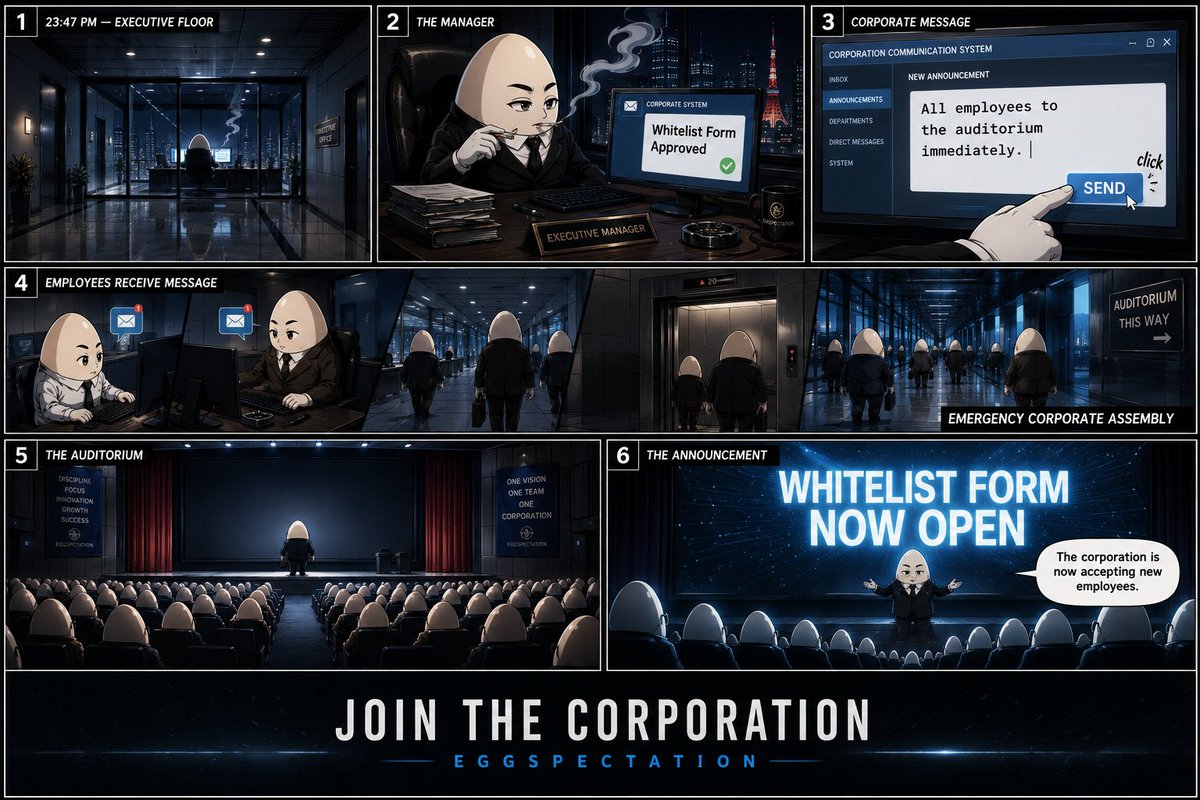
Grab your spot!
Won’t stay open for long
Limited selection
eggspectation.xyz/form
579
565
1,456
47,879
Destiny 🔺 retweeted
May 12
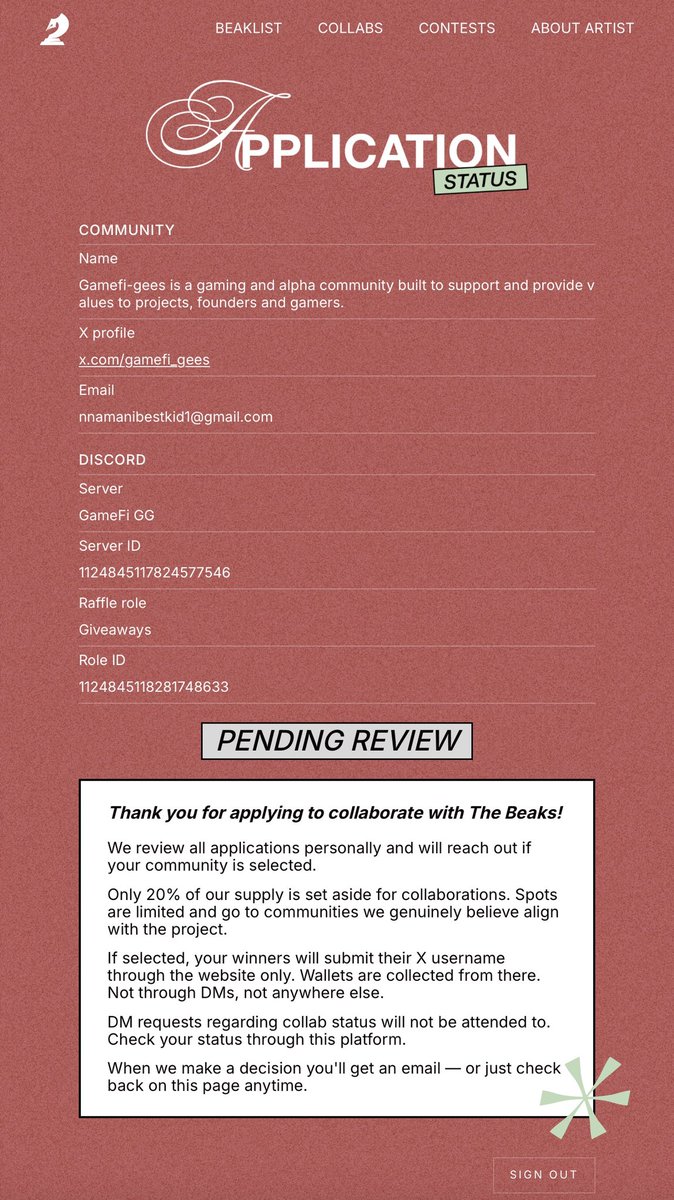
Just submitted a collab form for @Gamefi_Gees x @thebeaksart
I hope we make it in.
NFTs
May 12

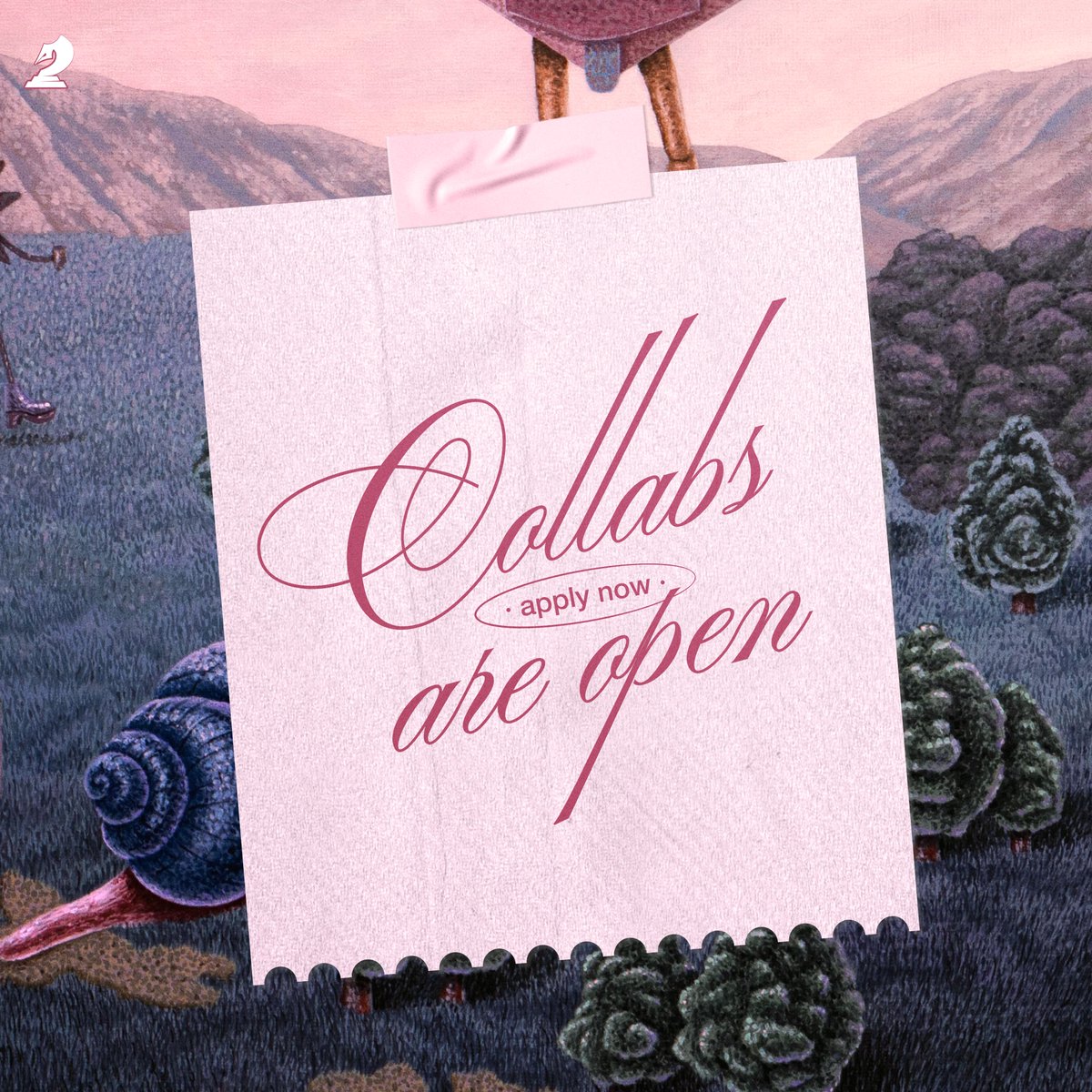
Collaboration is now live 🦩
If your community is serious about The Beaks, this is your moment.
Spots are limited.
We review every application manually. Only communities that genuinely align with what we are building get selected.
How it works:
- Sign in with Discord
- Fill out your community details
- Tell us what support you can offer
- Answer three questions about the project
If approved raffles will be hosted via our website
No collaboration request via dms
Visit beaks.site to apply
22
11
26
1,000