
Metal Detectives Group / Metal Detecting News. #metaldetecting #metaldetectives #detectival #metaldetectinguk
Joined June 2011
- Tweets 21,474
- Following 4,839
- Followers 15,404
- Likes 40,680
5,121 Photos and videos







Metal Detectives Group retweeted

🚨🇬🇧 Meanwhile in the UK
Buckinghamshire Council have spent over £819Million on funding Taxis over the last 5 years.
This is the UK Equivalent to the Minnesota Somali Daycare Scam. Guess who owns all the Taxis…..


209
2,243
6,114
267,282

A new meme — a man was sitting in a work video call while riding a roller coaster
When his boss asked about the shaking, the employee calmly replied that he forgot to close the window.
Community note
The video shows a staged promotional skit for a roller coaster attraction in Ulsan, South Korea, not a genuine work video call. youtube.com/watch?v=pvumkI… futurism.com/advanced-trans…
110
1,312
14,984
1,357,527
Metal Detectives Group retweeted

Jun 15
In 1960, David Latimer planted a spiderwort sprout inside of a large glass jar, added a quarter pint of water, and then sealed it shut.
He opened the bottle for the first time only 12 years later, in 1972, to add some water and then sealed it for good.
The self-contained ecosystem flourished for more than 60 years as a perfectly balanced garden and self-sufficient ecosystem.
The bacteria in the compost ate the dead plants and broke down the oxygen released, turning it into carbon dioxide, essentially forming a microcosm of Earth.

200
1,598
9,606
387,279
Metal Detectives Group retweeted

🚨🇬🇧 BREAKING: Petition to stop the social media ban.
kids are having none of it.
Let’s get some signatures on this petition to stop the social media ban.
Anyone with half a brain knows this isn’t about child safety it’s about sneaking in Digital ID through the back door.
Please sign and share 🙏🏼 🇬🇧🫡❤️
Petition: Do not ban social media for under 16s
petition.parliament.uk/petit…
244
2,015
4,271
101,387
Metal Detectives Group retweeted

Jun 15
A large tree trunk has been uncovered beneath a glacier in the Alps, dated to around 6,000 years ago.
The species is Swiss stone pine. Today, trees of that type cannot grow at that altitude because it is far too cold.
6,000 years ago aligns with the Holocene climate optimum, a time when temperatures were far higher than now, even with far less atmospheric CO2.
Earth's climate is cyclical and Mother Nature self-regulates.
Narratives of doom serve political aims, not reality.
236
4,187
13,320
346,331
Mosby’s Treasure: Legend and Historical Context
One of the most enduring Civil War treasure legends centers on Confederate Colonel John Singleton Mosby, known as the “Gray Ghost” for his daring guerrilla raids in northern Virginia. The story claims that after his famous raid on Fairfax Court House in March 1863, Mosby buried a valuable hoard of gold, silver, jewelry, and family heirlooms in the Virginia woods, never to recover it. While the raid itself is well-documented history, the buried treasure appears to be later folklore rather than verified fact.
The Famous Fairfax Court House Raid
On the night of March 8–9, 1863, Mosby led 29 men on a bold operation deep behind Union lines at Fairfax Court House, Virginia (about 10 miles from Washington, D.C.). Moving stealthily in darkness and rain, they avoided detection, cut telegraph lines, and entered the town without firing a shot.
Mosby captured Union Brigadier General Edwin H. Stoughton (awakened in bed), two captains, around 30 enlisted men, and approximately 58 horses. The raiders withdrew safely with their prisoners and mounts, using evasive routes to confuse potential pursuers. The exploit embarrassed Union forces, delighted Confederate leadership (including Robert E. Lee and J.E.B. Stuart), and boosted Mosby’s reputation as a master of partisan warfare.
Contemporary accounts and Mosby’s own memoirs detail the prisoners and horses but make no mention of seizing or transporting significant quantities of gold, silver, or heirlooms.
The Treasure Legend
According to popular retellings that emerged years later, Mosby’s men also acquired sacks containing roughly $350,000 (in 1860s value, equivalent to millions today) in gold, silver, jewelry, and valuables that Union troops had allegedly looted from Southern homes. Pursued by Union forces on the return journey, Mosby supposedly ordered the treasure buried for safekeeping between two large pine trees (sometimes located near the route between Fairfax and areas like Warrenton or Culpeper). He marked the trees with an “X” carved into the bark. Only he and a trusted sergeant knew the exact spot.
Later attempts to retrieve it reportedly failed: a party sent by Mosby was said to have been captured and executed by Union troops. Mosby never returned himself, even after the war, and supposedly took the secret to his grave in 1916. Variations place the burial site in Fairfax County or nearby Fauquier County woods.
Historical Accuracy and Skepticism
Historians and researchers examining primary sources — including Mosby’s memoirs (Mosby’s War Reminiscences) and accounts by his Rangers — find no reference to any such treasure, its capture, or burial. The raid’s documented spoils were military: prisoners and horses. The treasure story likely grew from romanticized post-war folklore, treasure-hunting tales, and the general chaos of guerrilla warfare where small amounts of valuables were sometimes taken.
No contemporary documents or archaeological evidence support the existence of the hoard. Like many “lost treasure” legends, it blends a real historical event with embellishment for drama.
Legacy and Searches
The tale has inspired generations of treasure hunters to scour the woods of Fairfax and surrounding counties, metal detectors in hand, but no major discovery has ever been confirmed. It remains a colorful piece of Virginia folklore, symbolizing the daring of Mosby’s Rangers and the lost fortunes of war. Mosby himself lived a long post-war life as a lawyer, U.S. diplomat, and Republican, never publicly referencing any buried riches.
The legend endures because it captures the intrigue of guerrilla warfare, hidden wealth, and unsolved mysteries from America’s bloodiest conflict. While the Fairfax Raid was a genuine feat of audacity, the buried treasure is best understood as romantic myth layered atop solid history.
7
1,261
King John’s Lost Treasure in The Wash: Fact, Legend, and Historical Context
In October 1216, amid the turmoil of the First Barons’ War, King John of England suffered a significant setback when part of his baggage train was lost in the tidal marshes and estuary known as The Wash, on the border between Lincolnshire and Norfolk.
This event, recorded by contemporary chroniclers, has grown into one of England’s most enduring legends — the supposed loss of the Crown Jewels and vast royal treasure. While a real misfortune occurred, the full story is more nuanced than popular tales suggest.
Historical Background
King John (reigned 1199–1216) faced rebellion after years of heavy taxation, military failures (including the loss of many continental territories), and disputes with the barons and the Church. The sealing of Magna Carta in 1215 failed to bring peace; civil war erupted, with barons inviting Prince Louis of France to invade.
By late 1216, John was campaigning in eastern England. He had been in King’s Lynn (then Lynn) and was heading toward Newark. To speed his journey, he reportedly took a safer inland route via Wisbech, while ordering his slower baggage train to take a more direct crossing over the treacherous flats of The Wash (or associated river crossings like the Wellstream).
What Happened?
On or around October 12–13, 1216, the baggage train encountered disaster. The primary account comes from Roger of Wendover in his Flores Historiarum:
“…in crossing the river Wellester, [John] lost all his carts, waggons, and baggage horses, together with his money, costly vessels, and everything which he had a particular regard for; for the land opened in the middle of the water and caused whirlpools which sucked in every thing, as well as men and horses…”
Other chroniclers, such as Ralph of Coggeshall, mention the loss of “diverse household effects.” The incoming tide, quicksands, and soft ground likely caused wagons to bog down and be swamped. John himself survived, reaching Swineshead Abbey, where he fell ill (possibly dysentery, exacerbated by grief over the loss). He died on October 18 or 19 at Newark Castle.
What Was Lost?
The baggage train carried valuables important for a mobile royal court during wartime: money, plate (gold and silver vessels), jewelry, administrative documents, arms, tents, and provisions. John was known to travel with significant personal treasure for security and display.
Popular legend claims it included the English Crown Jewels and regalia. However, historians note this is uncertain. Some items from John’s collection appear to have survived for Henry III’s coronations (e.g., a crown, sword, and other regalia used in 1216/1220). Other pieces, such as those associated with John’s grandmother Empress Matilda, disappear from records around this time, lending some support to partial losses.
Chroniclers may have exaggerated the scale for dramatic effect, emphasizing John’s misfortunes. No full inventory of the lost items exists, and some goods were likely recovered or diverted.
Searches and Modern Investigations
The exact location remains unclear due to dramatic changes in the landscape over 800 years — land reclamation, shifting rivers, and silt deposition have altered The Wash significantly. Searches using early 20th-century methods, resistivity surveys in the 1970s, and more recent archaeological work (e.g., near Tydd St Giles or in advance of a solar farm) have found minor artifacts but no major hoard of gold or jewels.
The treasure, if substantial and still there, would likely be scattered, corroded, or buried deep under silt. Gold and silver could survive, but organic items would not. Some speculate locals recovered items quietly over centuries.
Legacy
The event contributed to the narrative of John’s troubled reign and “Bad King John” reputation. It symbolizes the chaos of his final days and has inspired treasure hunts, books, TV shows, and folklore. #fyp #treasure #story #archaeology
3
6
694
Metal Detectives Group retweeted

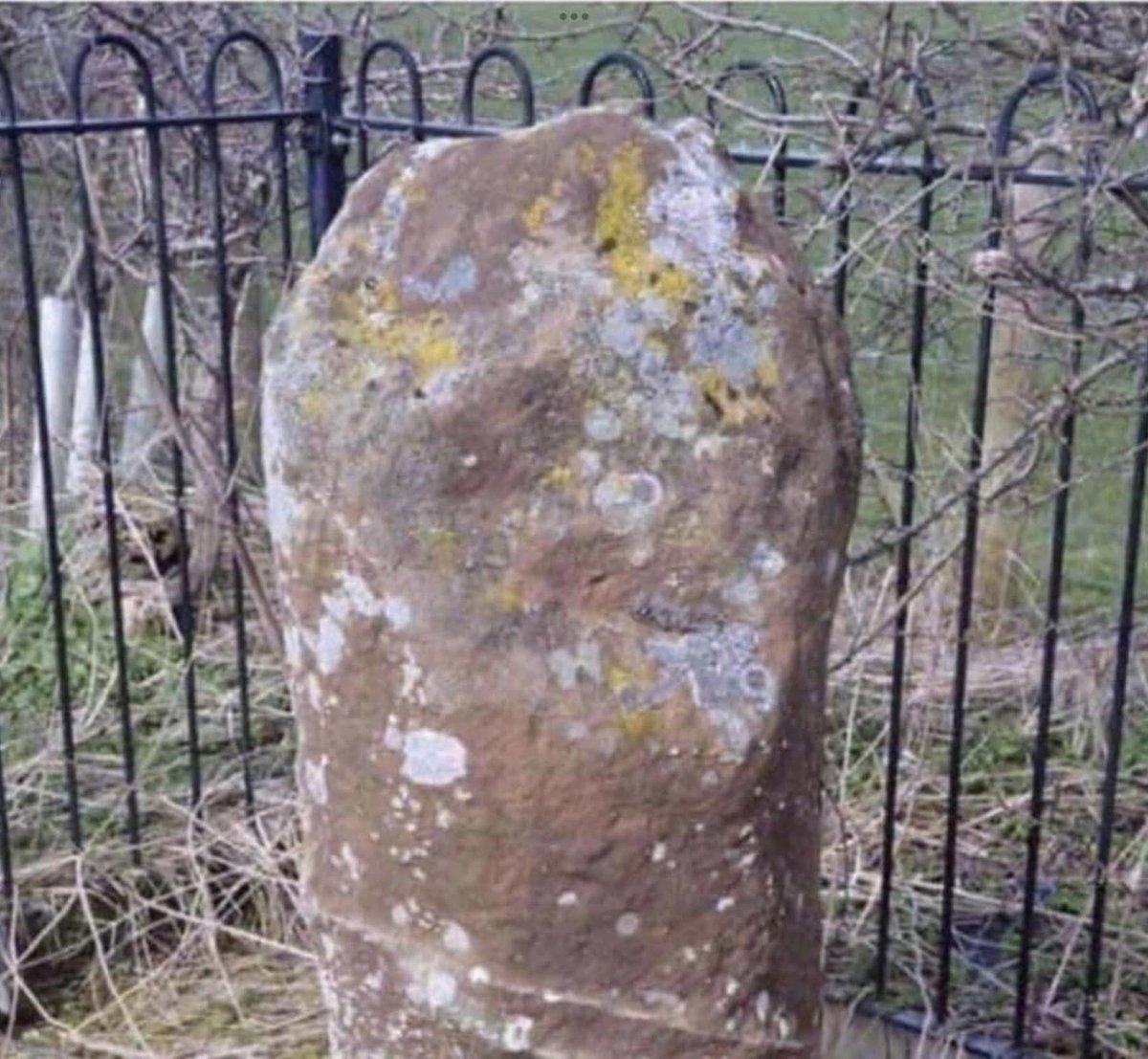
Breaking News:-
Historians have discovered the grave of what they believe to be the UK’s oldest ever living man in Yorkshire.
He was 193 and his name was Miles from London.
107
298
3,678
127,521
Metal Detectives Group retweeted

🏛 Spolia Alert!
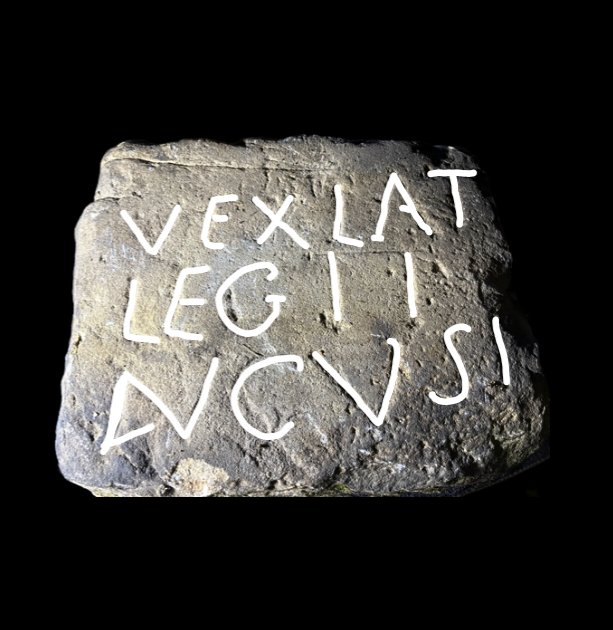
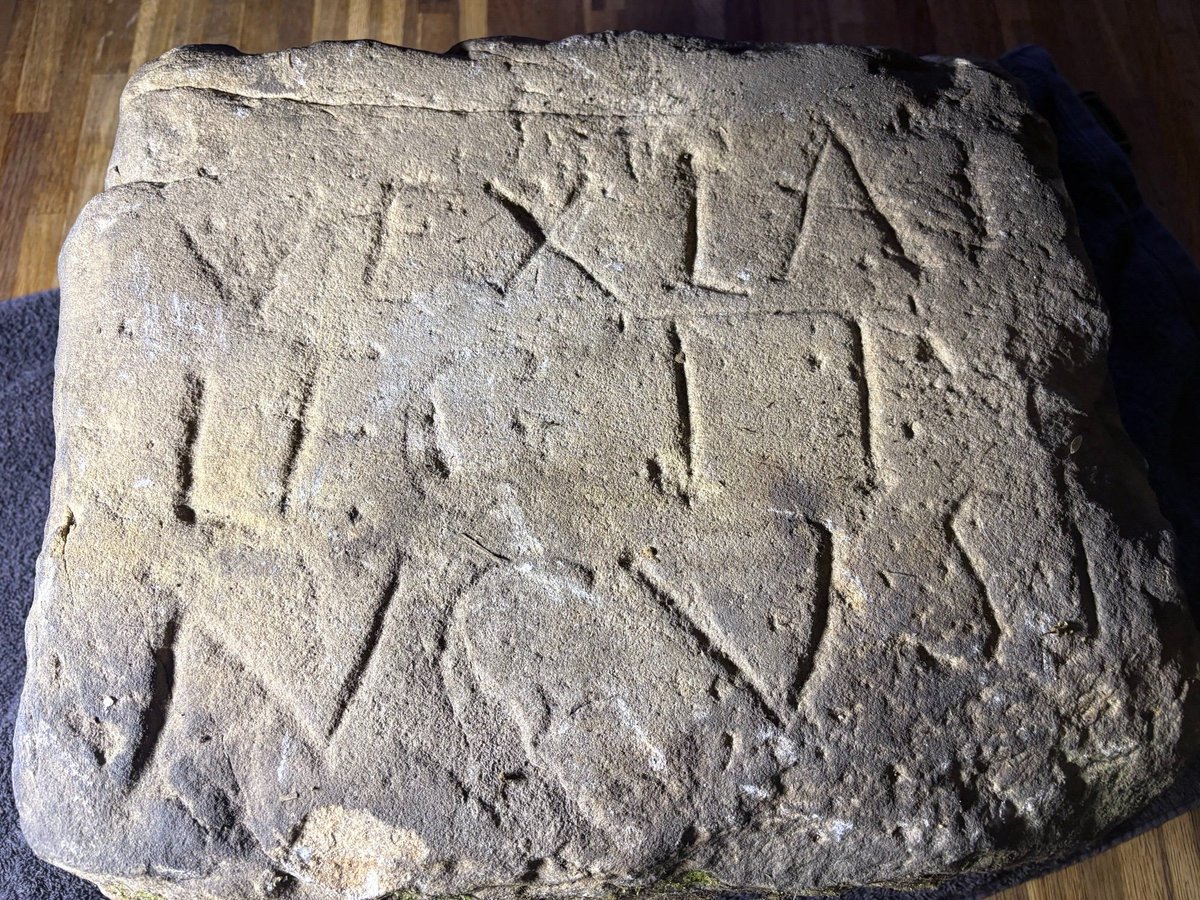
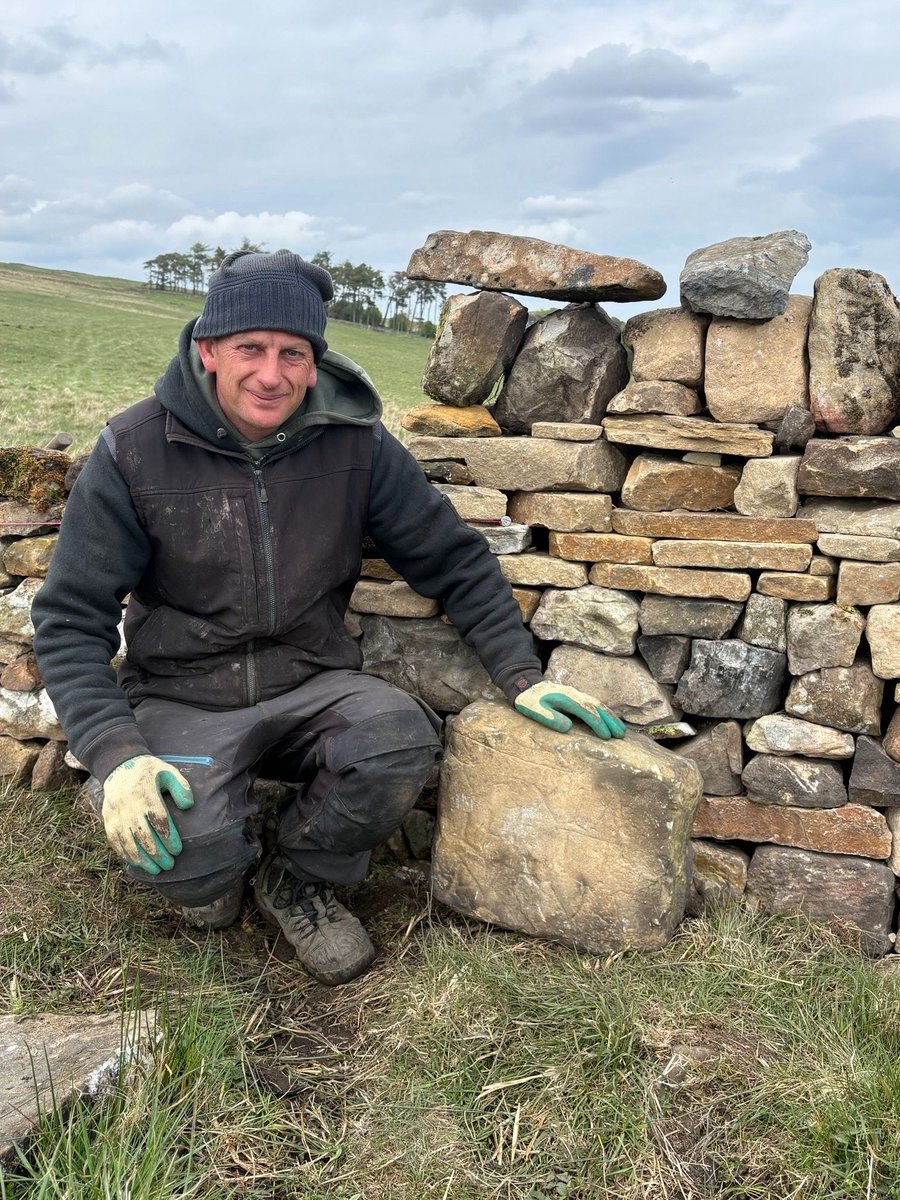
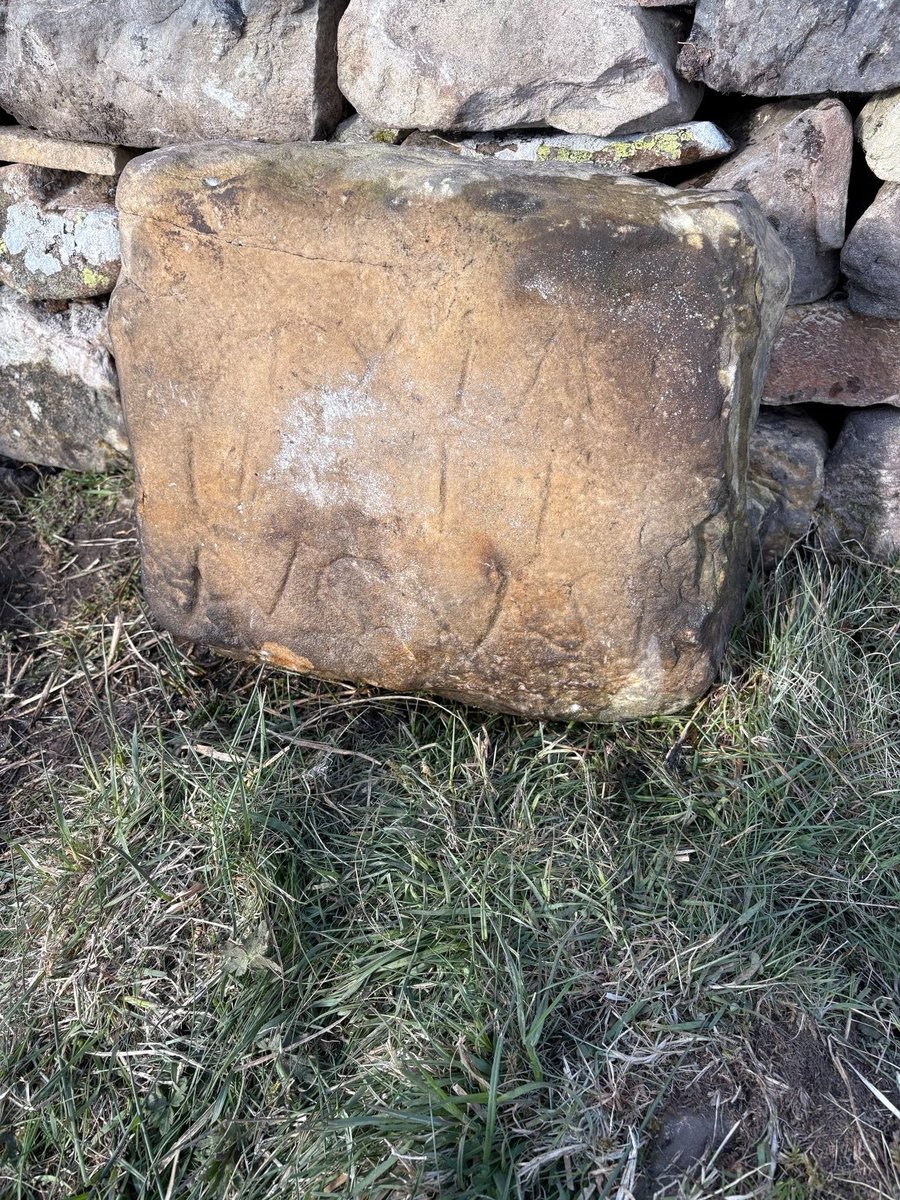
New Roman Inscription Found Near Hadrian’s Wall
Work to rebuild a collapsed drystone farm wall has uncovered a Roman inscription thought to have originally formed part of Hadrian’s Wall.
📰 A Whole Lot of History open.substack.com/pub/histor…
5
40
203
8,050
Metal Detectives Group retweeted

Jun 6
82 years ago, on the beaches of Normandy, brave British and Allied forces changed the course of history forever.
We must never forget the service and sacrifice of those courageous men and women.
Our debt to them can never be repaid.

ALT Image shows Troops of 3rd Infantry Division on Queen Red beach, Sword area. With the text over the top saying 'D-Day, 6 June 1944'
14,756
1,930
10,627
4,442,035
191
Metal Detectives Group retweeted

May 31
At this point prices in The UK are just made up:
What do you mean a return train to London is £140?
How is a weekend away in England £600? I can go abroad for a week for that!
Why is a house that was £700 a month a few years ago now £1500 a month?
How is a full tank of fuel now costing more than £100?
Why is my car insurance going up every year on the same car with no claims?
How is 2 carrier bags of shopping costing me nearly £100?
We're honestly done aren't we.
847
4,572
29,038
856,735
Metal Detectives Group retweeted

May 25
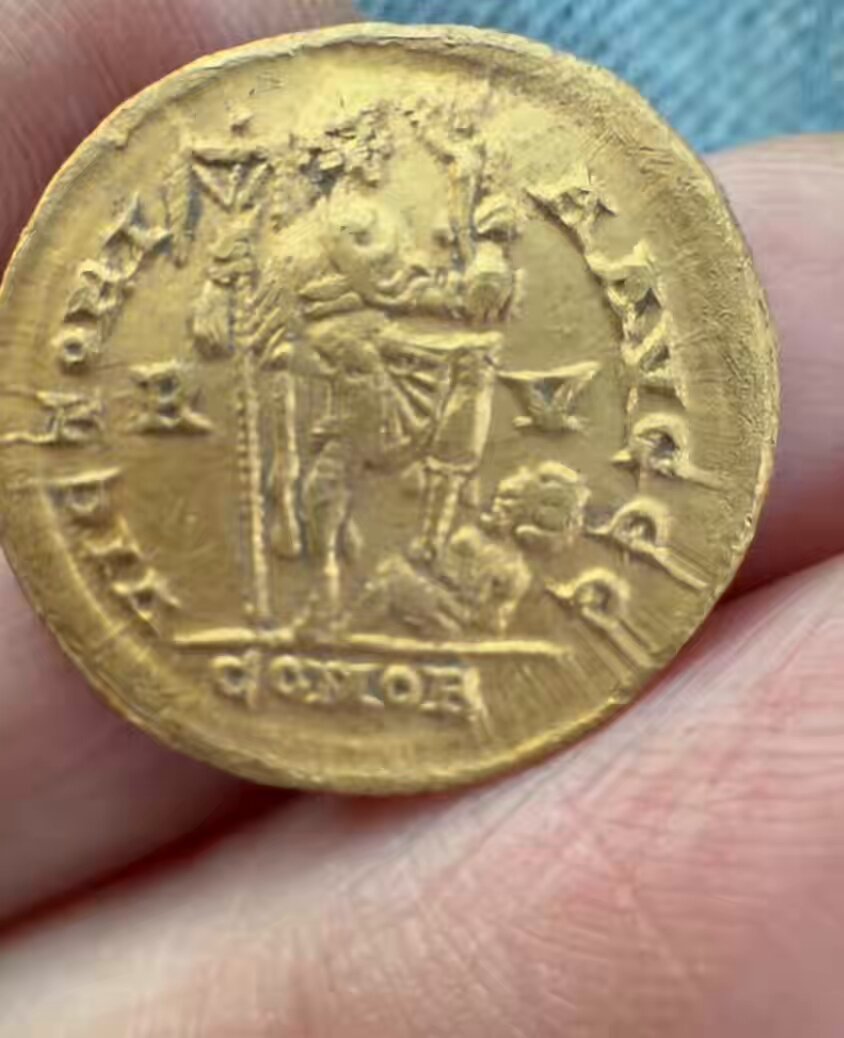
A gold aureus of Emperor Hadrian that was minted sometime between AD 128 & 129. This gives an idea of the high relief (extent to which a design rises above the flat surface) of Roman coins of the period. This example is from the collection of The Hunterian.
3
15
119
2,885
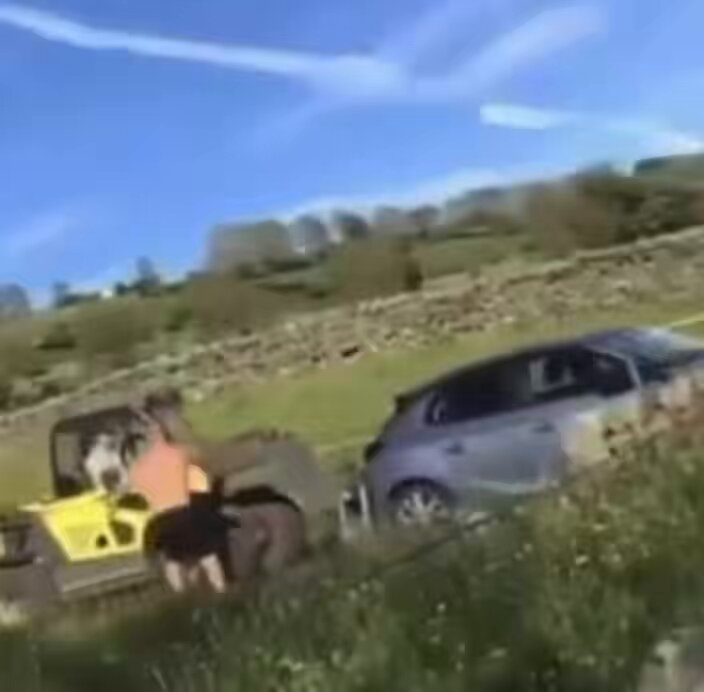
Get off my land!
When you don’t respect the countryside and the farmers / landowners things like this can happen.
Same goes if you are given permission, don’t block gateways, tracks, paths and basically don’t be a twat and use your brain 🧠
Be respectful of the land and others access and property and avoid 💩 like this happening.
#farmlife
#farming
#metaldetectinguk
#metaldetecting
3
4
22
3,428
Metal Detectives Group retweeted

The UK just “smashed” its May temperature record… but here’s the part the Met Office conveniently leaves out:
The PREVIOUS record was set in 1922.
That’s 104 years ago.
Long before SUVs, private jets, or modern CO₂ emissions. Heathrow Airport didn’t even exist yet. The area was literally farmland and small villages.
So if a 1922 heatwave could produce nearly identical temperatures in a world with ~130 ppm less CO₂, maybe, just maybe, natural variability plays a much bigger role than the panic merchants admit.
May 25

Temperatures at Heathrow have recently reached 33.5°C, provisionally beating the all-time May record
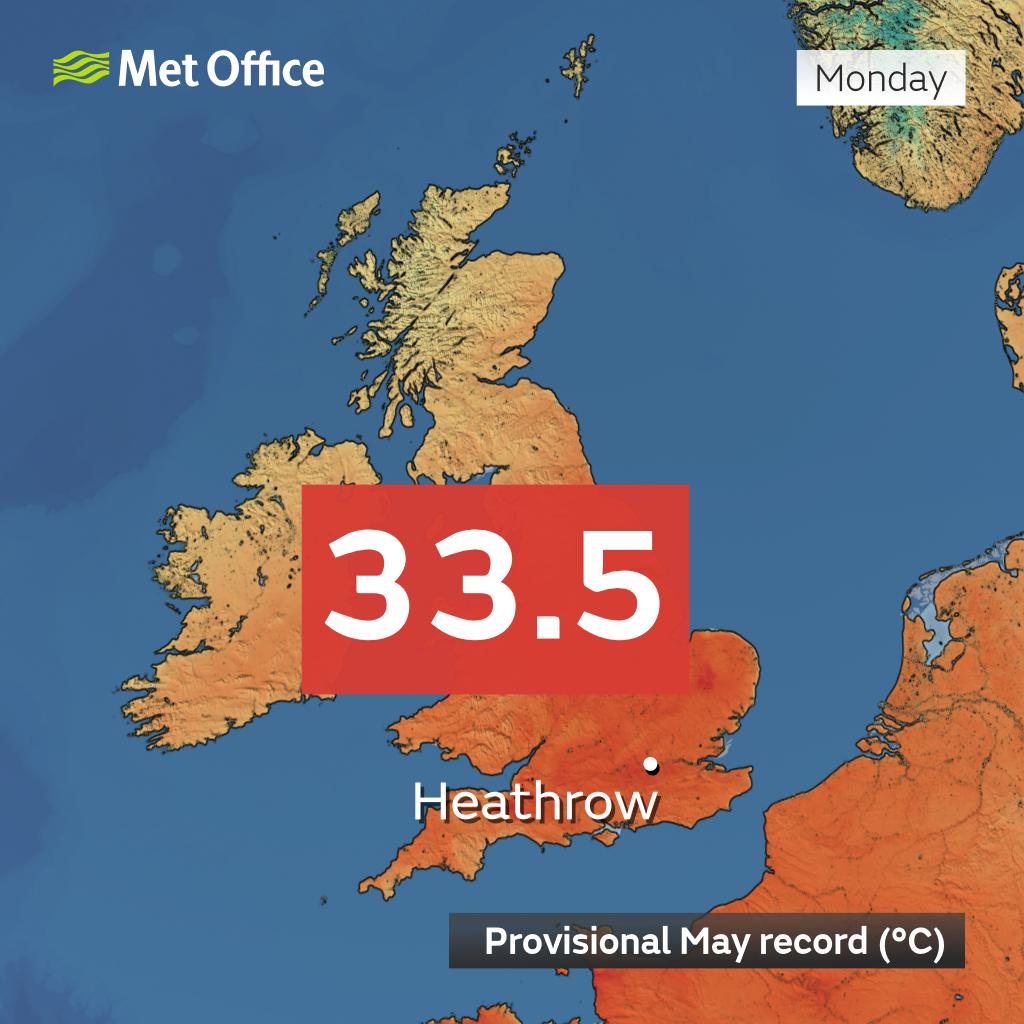
ALT A map of the UK showing 33.5C at Heathrow.
847
4,971
16,864
748,922