
Joined November 2023
- Tweets 83
- Following 109
- Followers 23
- Likes 335
9 Photos and videos

anjali retweeted

May 23
at this age? focus on your career & goals. save money & travel. we can no longer afford to waste time again. focus on things that matter in the long run. you will never be this young again.
3
685
3,010
36,526
anjali retweeted

May 22
somebody said "rockbottom is actually a trampoline" and i have never felt so alive
115
11,388
69,090
802,876
anjali retweeted

May 2
You’re not an AI Engineer until you understand these terms:
• 🧠 Embeddings → Numerical meaning of text/data
• 🔍 Vector DB → Similarity search storage
• 📚 RAG → Retrieval-Augmented Generation
• 🎯 Fine-Tuning → Task-specific model training
• 🪶 LoRA → Lightweight fine-tuning method
• ⚡ Quantization → Smaller/faster models
• 🧵 Context Window → Model memory limit
• 🔄 Function Calling → Structured tool usage
• 🛡 Guardrails → Output constraints/safety
• 📏 Eval Frameworks → Measure model quality
• 🧮 Tokenization → How text becomes tokens
• 🚀 KV Cache → Faster inference reuse
• 🔥 Hallucination → Confident wrong output
• 🪝 Prompt Chaining → Multi-step workflows
Building demos is easy.
Production AI is not.
37
130
1,232
60,154
anjali retweeted

May 2
AI engineers are printing money right now.
But only if they know this:
Most people are learning the wrong things.
Courses won’t get you hired.
Skills will.
Here’s what actually pays in 2026:
→ Building end-to-end LLM systems
(not just calling APIs)
→ Working with real data pipelines
(cleaning, chunking, retrieval)
→ RAG that actually works in production
(not tutorial-level demos)
→ Inference optimization
(vLLM, batching, caching)
→ Evaluations
(DeepEval, human feedback loops)
→ Agents (only where needed)
(LangGraph > hype wrappers)
What companies actually want:
→ Someone who can ship
(not just experiment)
→ Someone who understands tradeoffs
(latency vs cost vs quality)
→ Someone who can debug broken outputs
(not blame the model)
→ Someone who thinks in systems
(not prompts)
The gap is simple:
Most people are learning tools.
Few people are building systems.
That’s where the money is.
If you’re learning AI right now:
Stop collecting certificates.
Start shipping projects.
9
56
333
18,774
anjali retweeted

Apr 28
Kobe Bryant once said:
“I have nothing in common with lazy people who blame others for their lack of success. Great things come from hard work and perseverance. No excuses.”
55
670
3,919
83,544
anjali retweeted

Apr 28
Imagine looking back one day and realizing you were brave enough to chase the life you truly wanted and it worked.
81
1,237
8,407
106,441
anjali retweeted

Apr 28
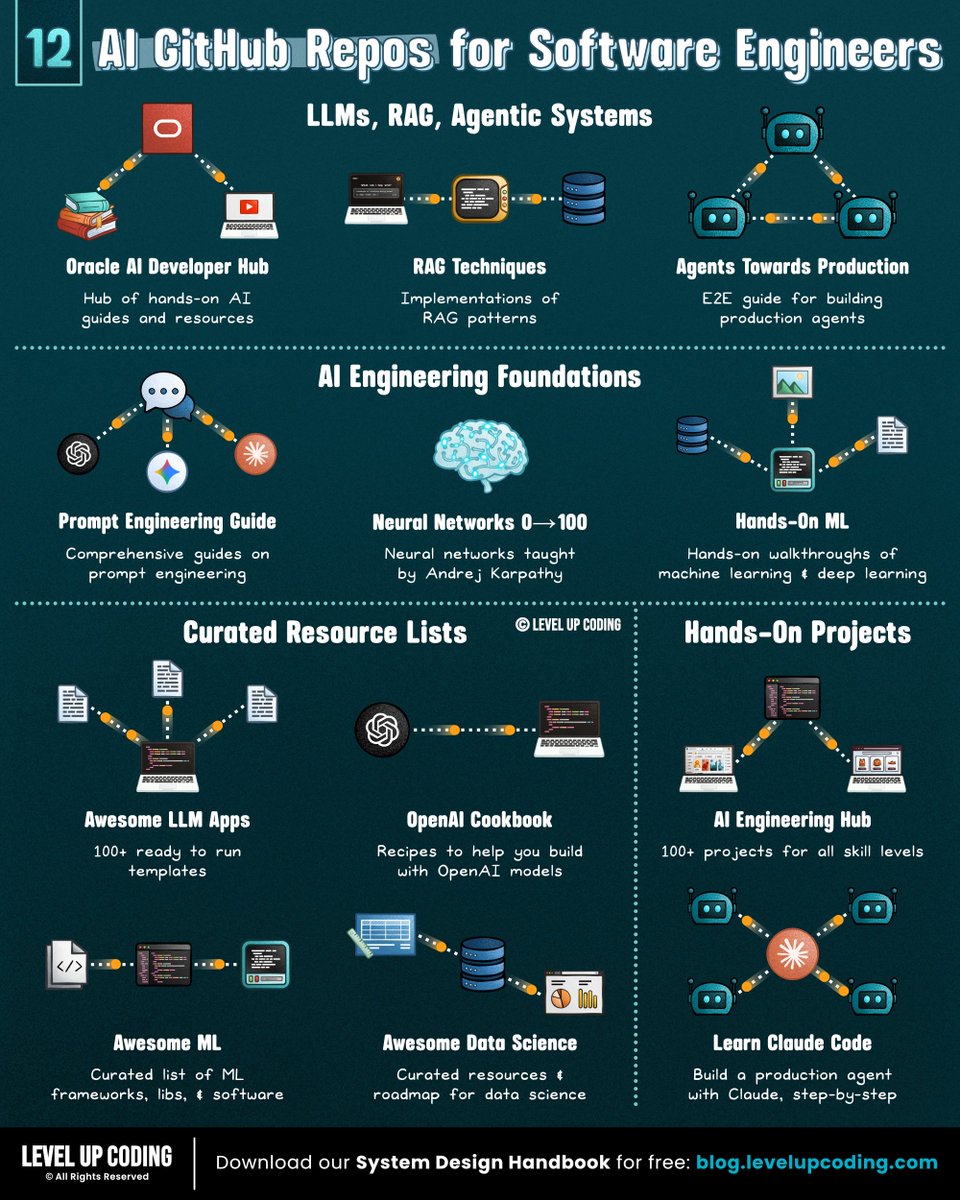
12 GitHub repos to improve at AI engineering (categorized):
𝗟𝗟𝗠𝘀, 𝗥𝗔𝗚 & 𝗔𝗴𝗲𝗻𝘁𝗶𝗰 𝗦𝘆𝘀𝘁𝗲𝗺𝘀
1) Guides to build RAG, agents, vector search
↳ lucode.co/ai-developer-hub-o…
2) RAG patterns
↳ github.com/NirDiamant/RAG_Te…
3) E2E guide for building agents
↳ github.com/NirDiamant/agents…
𝗔𝗜 𝗘𝗻𝗴𝗶𝗻𝗲𝗲𝗿𝗶𝗻𝗴 𝗙𝗼𝘂𝗻𝗱𝗮𝘁𝗶𝗼𝗻𝘀
4) Prompt engineering
↳ github.com/dair-ai/Prompt-En…
5) Hands-on ML deep learning
↳ github.com/ageron/handson-ml…
6) Neural networks
↳ github.com/karpathy/nn-zero-…
𝗖𝘂𝗿𝗮𝘁𝗲𝗱 𝗥𝗲𝘀𝗼𝘂𝗿𝗰𝗲 𝗟𝗶𝘀𝘁𝘀
7) Examples building with openAI
↳ github.com/openai/openai-coo…
8) Ready to run templates
↳ github.com/Shubhamsaboo/awes…
9) ML frameworks, libs, & software
↳ github.com/josephmisiti/awes…
10) Data Science resources
↳ github.com/academic/awesome-…
𝗛𝗮𝗻𝗱𝘀-𝗢𝗻 𝗣𝗿𝗼𝗷𝗲𝗰𝘁𝘀
11) 100 projects
↳ github.com/patchy631/ai-engi…
12) E2E project with Claude Code
↳ github.com/shareAI-lab/learn…
If you're serious about AI engineering, this repo is worth bookmarking (star it): lucode.co/ai-developer-hub-o…
It’s not just theory; you’ll find:
• Full AI apps and reference implementations
• Jupyter notebooks for RAG, agents, and vector search
• Practical guides on agent architecture and memory systems
If you found this list useful, star the repo so you can come back to it later (and support more content like this)
What other AI GitHub repos should be on the list?
——
♻️ Repost to help others learn AI engineering.
🙏 Thanks to @Oracle for sponsoring this post.
➕ Follow me ( Nikki Siapno ) to improve at AI engineering.
9
112
456
25,639
anjali retweeted
Apr 28
I'm in love with this sentence:
“Forgive yourself for not knowing earlier what only time could teach.”
49
1,441
8,342
151,283
anjali retweeted

Apr 28
SOFTWARE ENGINEERS,
This 24 minutes video will teach you how to actually prompt Claude.
Not only Claude, basically any LLM.
Anthropic's own team leading this workshop.
Worth more than thousand bucks, Available FREE.
Watch NOW.
Bookmark for LATER.
20
217
927
86,614
anjali retweeted

Apr 22
Why is no one talking about this?
@nvidia is offering around 80 AI models via hosted APIs absolutely for free.
You get access to MiniMax M2.7, GLM 5.1, Kimi 2.5, DeepSeek 3.2, GPT-OSS-120B, Sarvam-M etc.
This plugs straight into OpenClaude, OpenCode, Zed IDE, Hermes agent and even with Cursor IDE.
Setup:
– Grab API key: build.nvidia.com/models
– base_url = "integrate.api.nvidia.com/v1"
– api_key = "$NVIDIA_API_KEY"
– select model (e.g. minimaxai/minimax-m2.7)
If you’re building or experimenting, this is basically free inference.
Lock in and start building today anon.
Thank me later.
543
1,864
18,380
1,670,500
anjali retweeted

Apr 24
Best YouTube Channels To Crack Tech Interviews (2026)
1. DSA – NeetCode
2. LeetCode Patterns – Abdul Bari
3. System Design – Gaurav Sen
4. Mock Interviews – Pramp
5. FAANG Prep – Tech Dummies
6. Coding Rounds – Nick White
7. Behavioral – Jeff H Sipe
8. Problem Solving – Back To Back SWE
9. Deep DSA – Errichto
10. Interview Strategy – Exponent
11. Resume Career – Self Made Millennial
12. Real Interview Qs – Clément Mihailescu
13. Advanced DSA – William Lin
14. CS Basics – MIT OpenCourseWare


47
218
1,723
69,923
anjali retweeted
Apr 23
I’m in love with this sentence:
“Discipline looks boring until you see what it builds.”
129
7,241
35,408
471,150
anjali retweeted

Apr 7
You can't dream beyond your level of exposure, that's what travelling and reading more gives you.
142
7,706
30,922
412,970
anjali retweeted

Mar 29
A small thread of JavaScript questions asked in 12 LPA interviews.
6
21
193
14,932

Feb 3
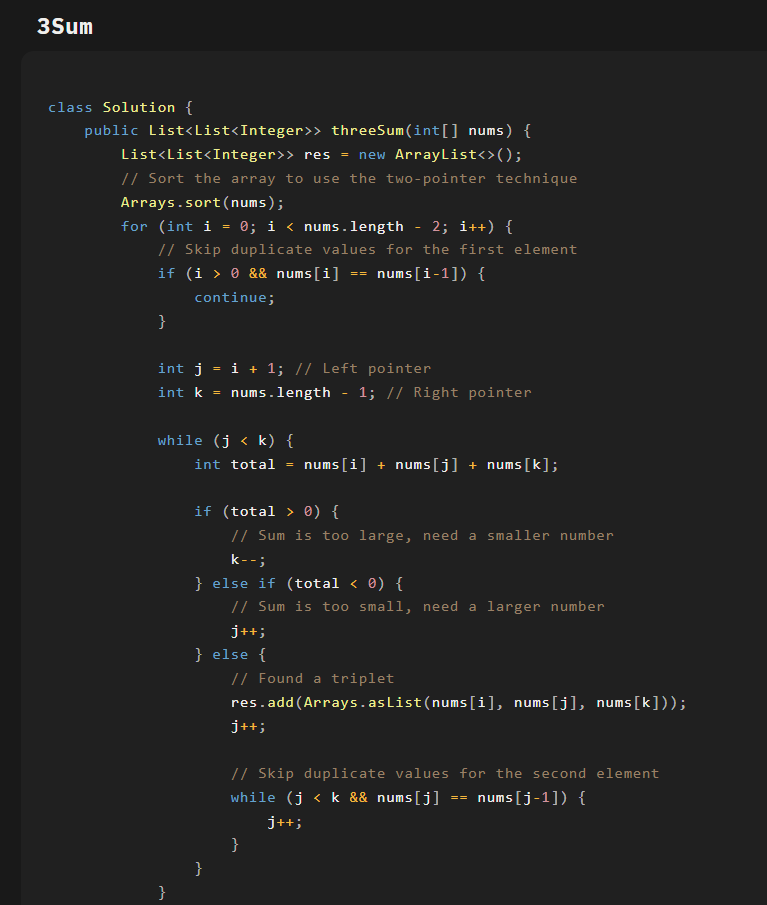
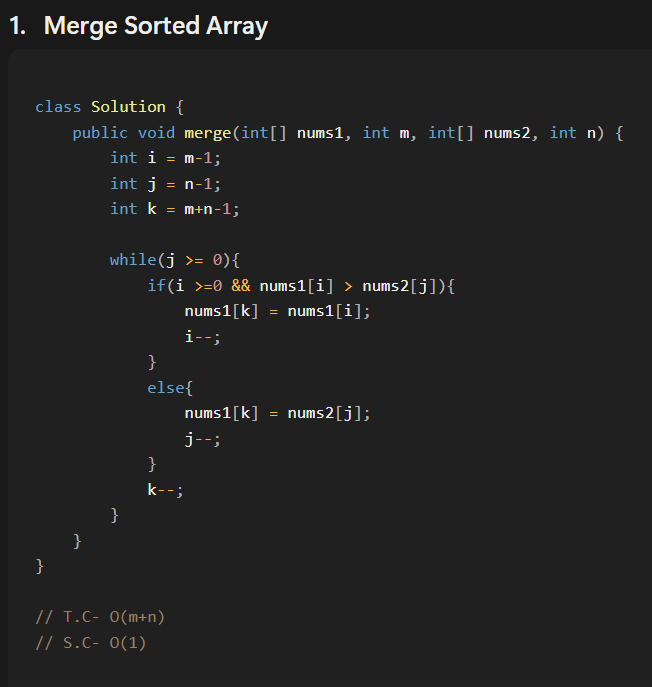
DAY 02 of #100DaysOfCode
Here is my activity log :
🎯Problems Solved:
1- Merge Sorted Array
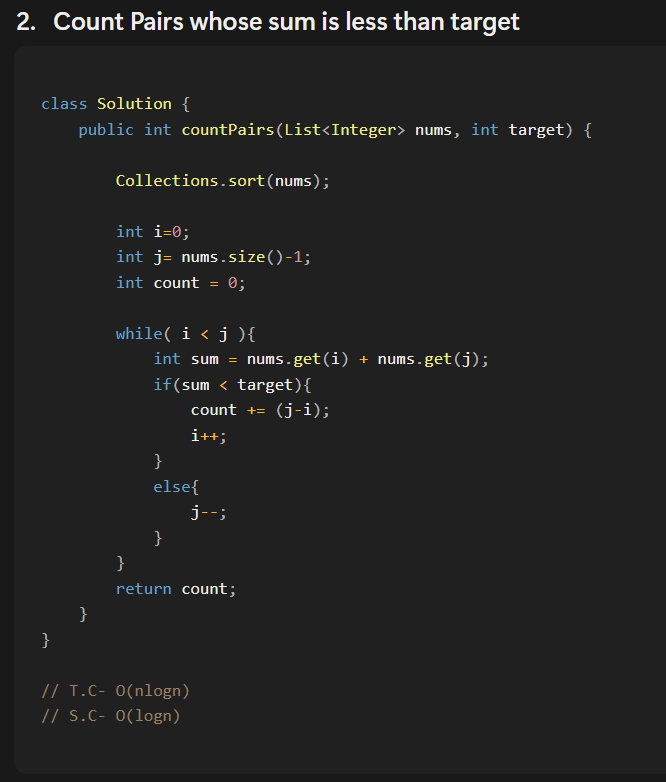
2- Count Pairs Whose Sum is Less than Target
3- Two Sum
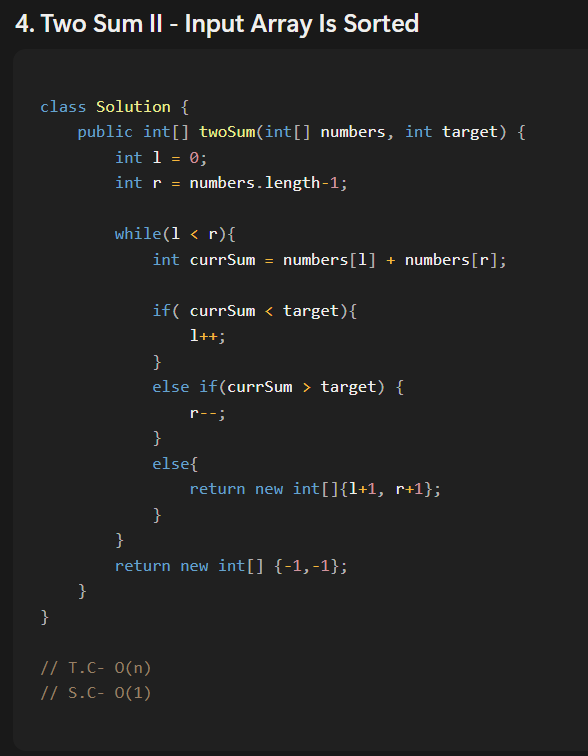
4- Two Sum II - Input Array Is Sorted
5- 3Sum
#DSA #LearningInPublic #TwoPointers #DSAinJava
2
59
Feb 2
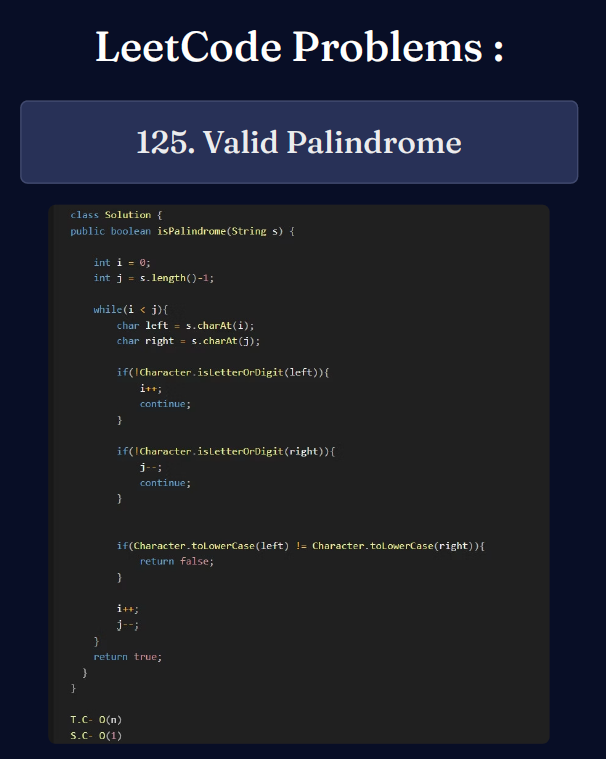
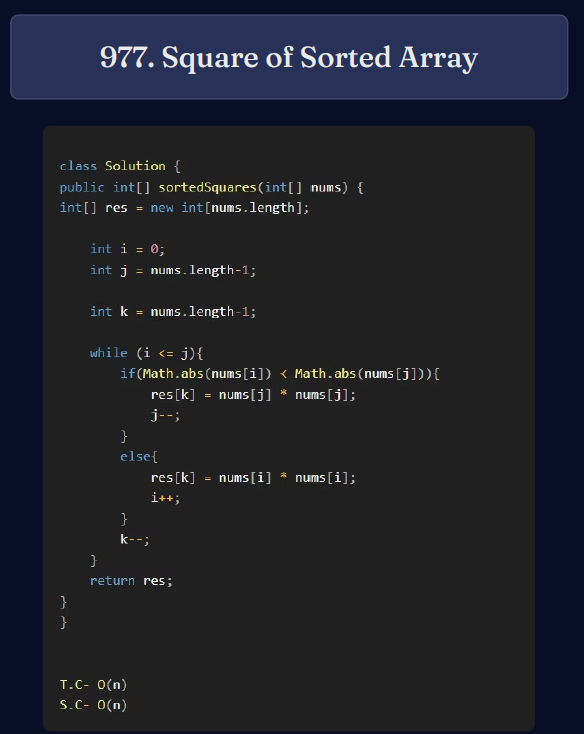
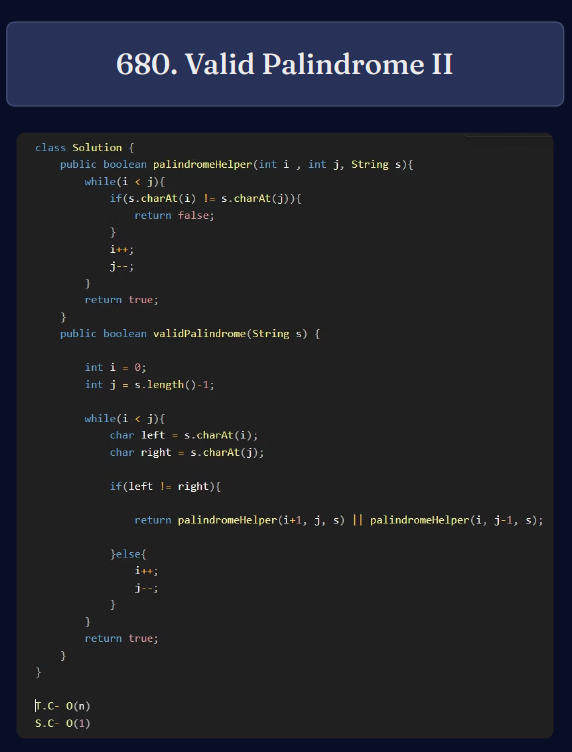
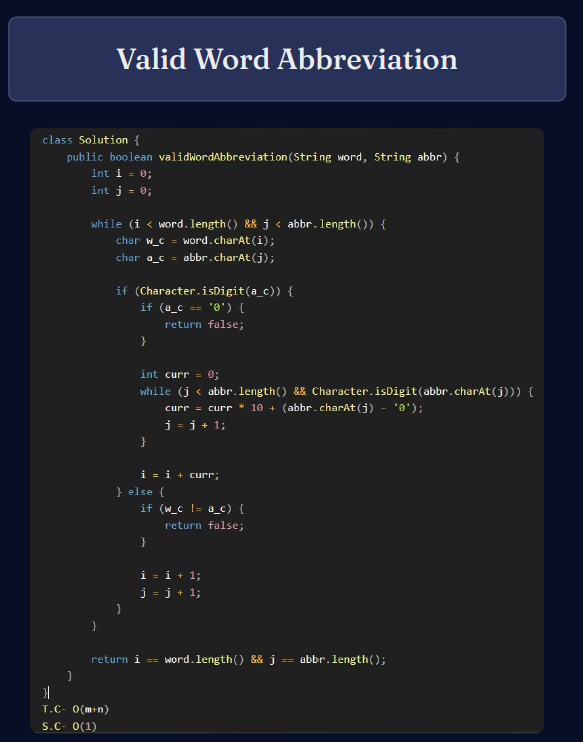
DAY 01 of #100DaysOfCode
Here is my activity log :
Pattern: Two Pointers
🎯Problems Solved:
1. Valid Palindrome
2. Reverse a String
3. Squares of a Sorted Array
4. Valid Palindrome II
5. Valid Word Abbreviation
#DSA #LearningInPublic #TwoPointers #DSAinJava
1
13
Feb 2
Today marks the initial day of my #100DaysOfCode where i will share my DSA preparation journey! I'm shifting my focus from traditional topic-wise learning to a Pattern-Based Approach.
I'll be posting my daily progress here to stay accountable.
#DSA #LearningInPublic #Java
1
7
anjali retweeted

Jan 6
Instead of watching a 2-hour movie, watch this masterclass on AI coding and thank me later.
9
198
901
68,021
anjali retweeted

Jan 17
I never relied on just one playlist/resource for DSA.
In my 4 years of college I explored almost all the YT channels and this is what I felt (personally).
For a well structured resource - Striver (best)
Specifically DSA in java - kunal kushwaha
Topic wise ->
Arrays - Striver
Linked List - striver
Binary Search - striver
Tree - Striver (best)
Graph - Striver (best)
Recursion - Aditya Verma
Stack - Aditya Verma (best)
Sliding Window - Aditya Verma
Dynamic Programming - Aditya Verma (best)
To track your progress with curated problems ->
As a beginner -> striver's A2Z sheet (tuf)
-> Love Babbar's 450
For interview purpose -> Striver's Blind 75/sde sheet (tuf)
These all resources are my personal choices which I personally felt best. No biasness.
27
152
1,058
49,375