
Users have the right of non-discrimination of the services and apps they use, based on platform control by hardware companies.
Joined February 2022
- Tweets 31
- Following 43
- Followers 12
- Likes 19
Photos and videos
Pinned Tweet

21 Feb 2022
The biggest threat to #NetNeutrality is the fact that big technology companies use their control over the “middle layers” (stores and operating systems) as a way to control network use and access to third-party information and services.
1
1
Device Neutrality retweeted

5 Jul 2022
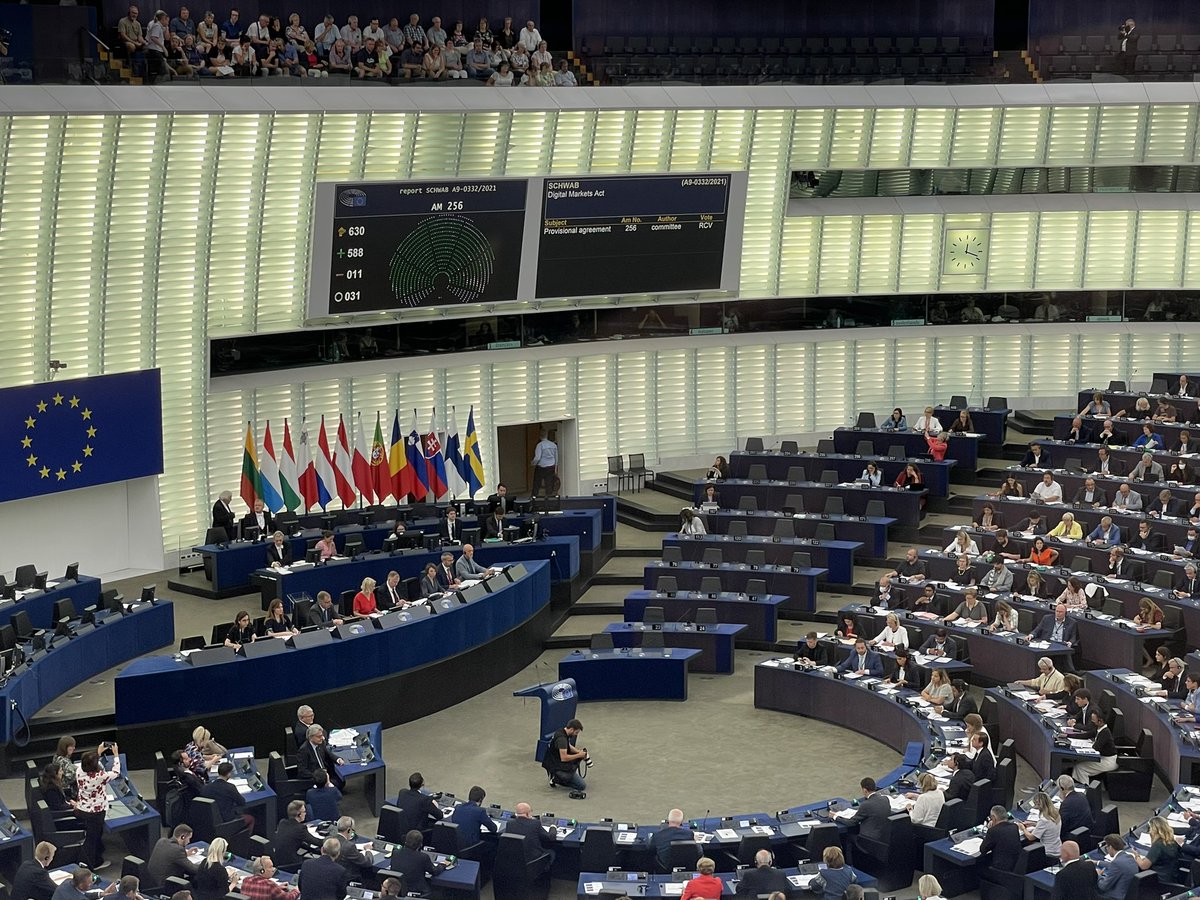
Final vote on #DMA. The 🎲 was thrown: the game is on (again?), with new rules, new game board, old players but perhaps new players will join soon…now let’s start playing it 💪🏻💪🏻💪🏻#DMAenforcement 🇪🇺 #Competition #DigitalMarketsAct
3
6
27
Device Neutrality retweeted

9 Jun 2022
Big Tech is dropping $36 million to mislead and scare Congress about bipartisan and popular reforms that would ensure a fair digital marketplace. It’s time to pass the #OpenAppMarketsAct and to hold #BigTech accountable. wsj.com/articles/big-tech-ha…
1
13
20
Device Neutrality retweeted

23 May 2022
Tinder owner Match signs temporary agreement with Google to use non-Play Store payment system 9to5google.com/2022/05/23/ma… by @iamdamienwilde
4
28
Device Neutrality retweeted

11 May 2022
#DMA EU ambassadors approved the final text one hour ago, there were no interventions.
1
29
108
8 May 2022
The Commission will be prepared to act against any violations made by “gatekeepers” — a classification that includes Meta, Apple, Google, Microsoft, and Amazon — #dma #deviceneutrality

The EU could start enforcing rules to regulate Big Tech in spring 2023 theverge.com/2022/5/8/230626…
7 May 2022
We’re making some changes to our #DeviceNeutrality FAQ "Why is device neutrality important?". Including the feedback we received from you via Twitter and Mastodon. What do you think we should cover? #freesoftware deviceneutrality.com/faq/
2
2
5 May 2022
4 May 2022

We have the tools at our disposal to promote a free, fair & competitive app marketplace and to debunk unfounded security claims from tech giants looking to maintain their monopoly. Developers deserve a chance to compete. Pleased to work with @appfairness
inquirer.com/opinion/comment…
28 Apr 2022
Even after purchase, customers do not really own their devices. They are not able to do what they want with their very own devices. If you cannot install the software you want on your own device – you don’t own it. #deviceneutrality
1
28 Apr 2022
Connected services as well as the software on connected devices and applications must offer interoperability and full functionality of a device's initial purpose with the use of Open Standards. #deviceneutrality
1
Device Neutrality retweeted

27 Apr 2022
If you cannot install the software you want on your own device – you don’t own it. 38 organizations demand the right to access and to reuse hardware fsfe.org/news/2022/news-2022…, full letter to EU Legislators here fsfe.org/activities/upcyclin… #ecodesign #RightToRepair #freesoftware #nuug
1
11
26
Device Neutrality retweeted

15 Feb 2022
We need #deviceneutrality now!
14 Feb 2022

The 30% gets so much focus, but this is the real problem with the App Store. Until Apple allows alternate means of distribution, they shouldn’t reject any apps except for malware/scams. Who cares if only 10 people find it useful, or it’s the 100th entry in a crowded category?
3
4
Device Neutrality retweeted
26 Mar 2022
my #deviceneutrality proposal, blocked by lobbies at the very final vote after being voted with unanimity in all committees and lower house (you should remember) has been taken on by the Commission and become a cornerstone of the DMA. Excellent news!
@mathewi
2
11
Device Neutrality retweeted

30 Mar 2022
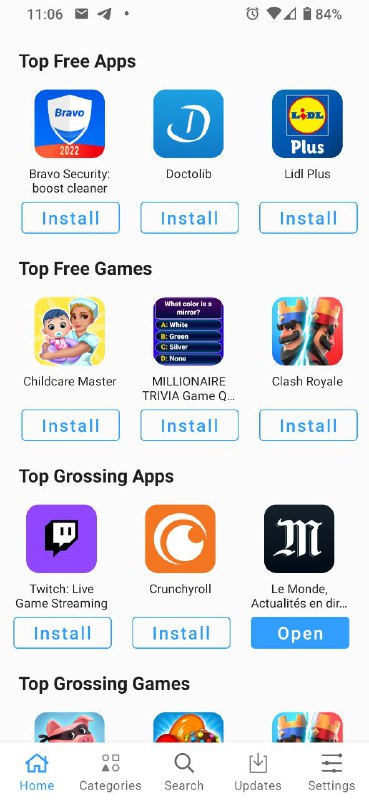
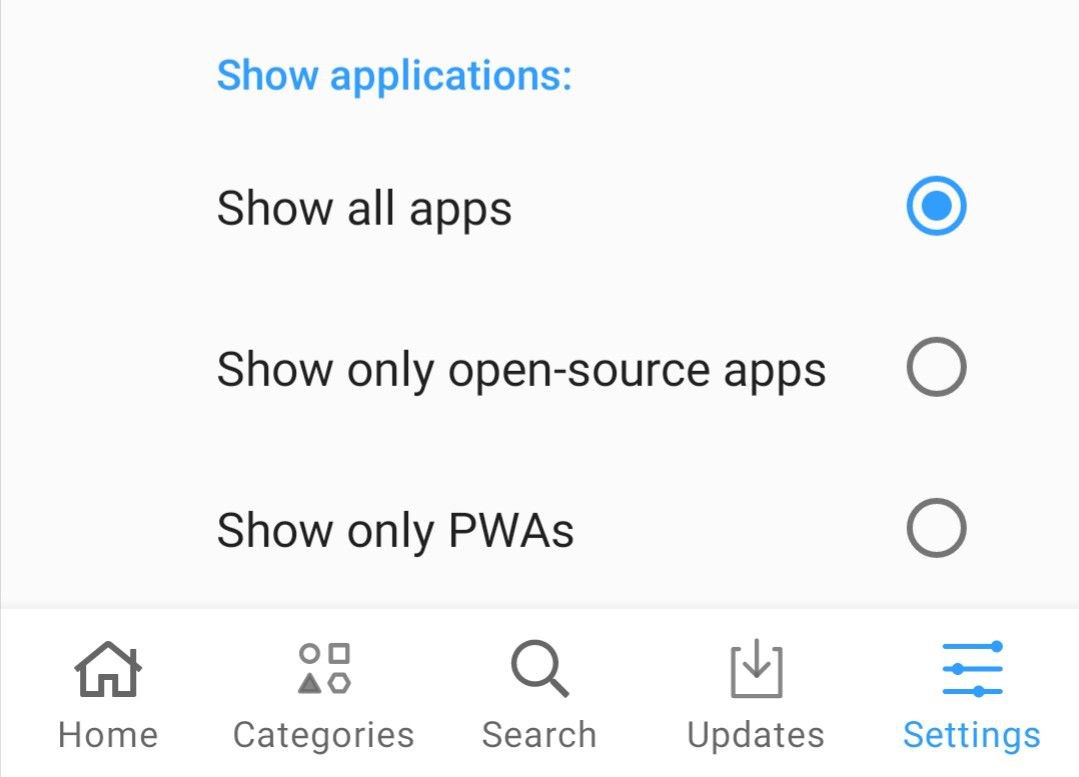
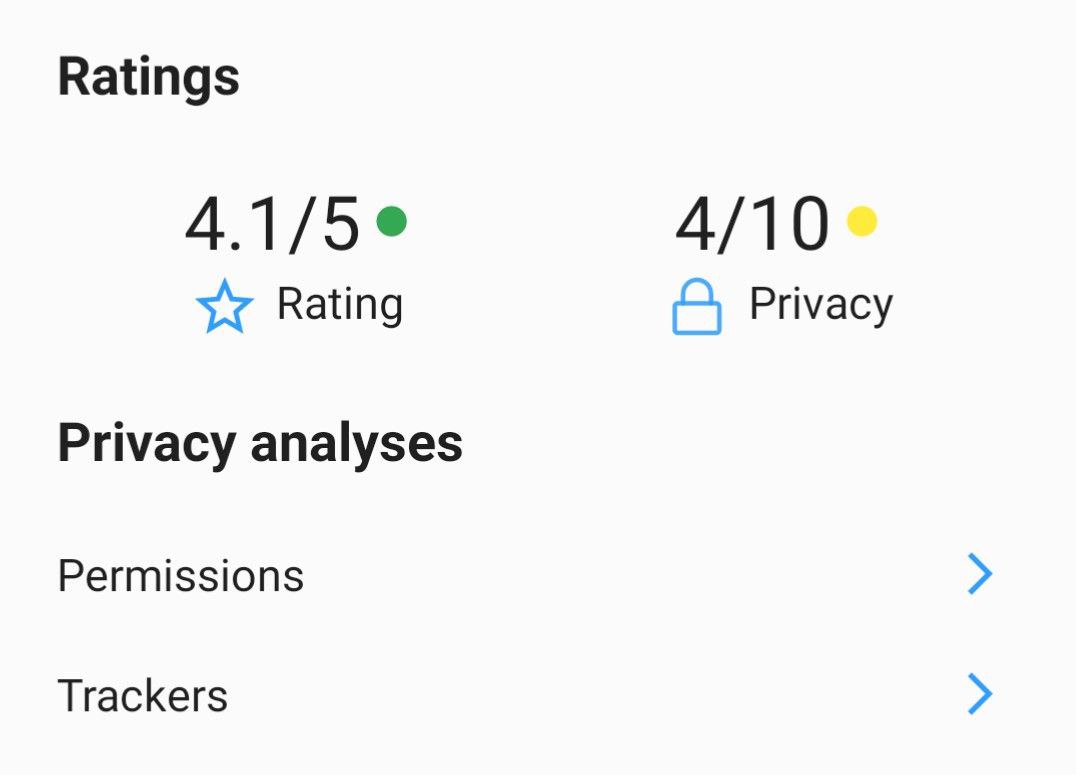
We have started to push "App Lounge" to /e/OS (dev) 🚀
Our new app installer now offers 100% of the g-play catalog for free apps 🎇 Soon paid apps too.
And also with open source apps from FDroid and PWAs 🎁 and the privacy score 👁️
Everything in a consistent user experience.
6
24
58
Device Neutrality retweeted

28 Feb 2022
We're seeking feedback on our discussion paper outlining options for reform to address concerns about possible competition and consumer harms arising on digital platforms. Submissions close 1 April. accc.gov.au/media-release/fe…
2
6
4
Device Neutrality retweeted

21 Feb 2022
Apple has proven that there is a safe way to allow apps outside of their store with the Mac and it has led to better software for consumers…
1
1
16
21 Feb 2022
The biggest threat to #NetNeutrality is the fact that big technology companies use their control over the “middle layers” (stores and operating systems) as a way to control network use and access to third-party information and services.
1
1
21 Feb 2022
These companies – which control stores, devices, and entire platforms – have progressively widened the gap between users and technology. This has resulted in the degradation of the information access value chain, which is increasingly used to impose their services.