
Joined May 2024
- Tweets 664
- Following 245
- Followers 39
- Likes 517
79 Photos and videos
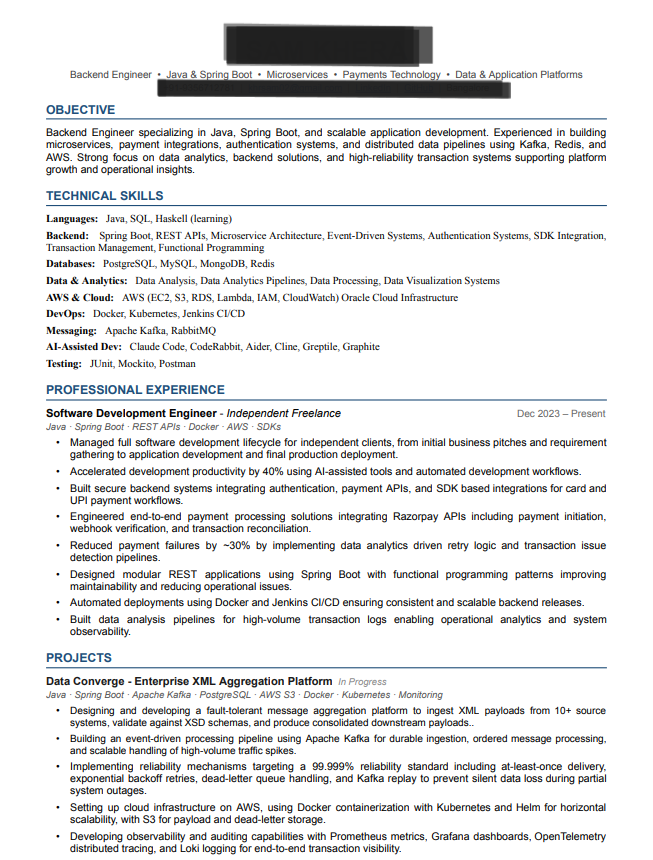
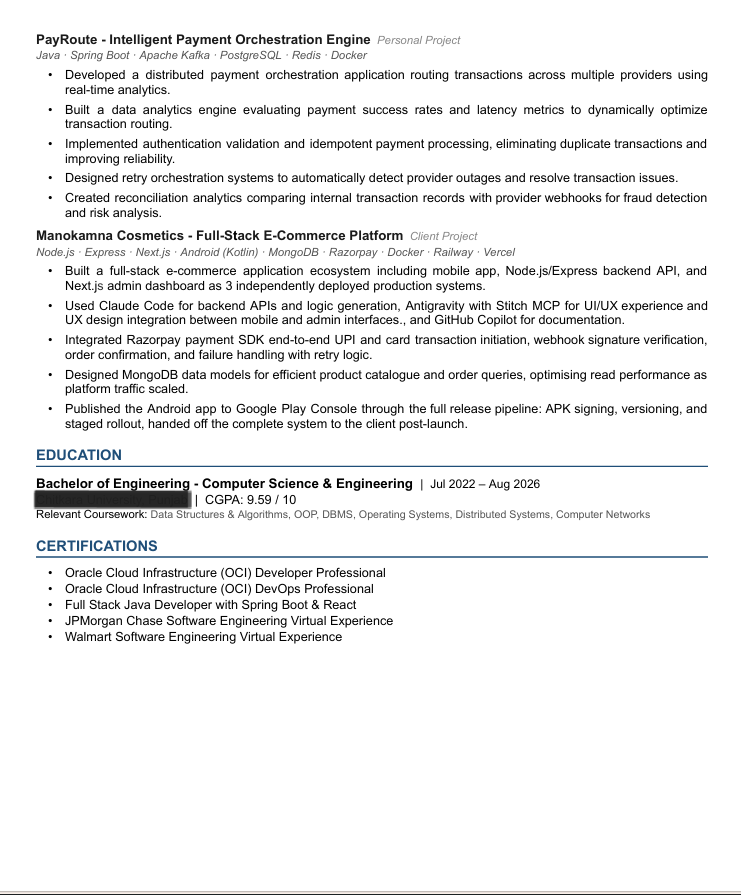
I applied to 50 Jobs, What’s Wrong with my Resume? (Freelancer looking for Backend Intern Role)
10

11 Aug 2025
@snitchindia This is ridiculous! Ordered 5 items worth ₹5804, returned all & paid ₹300 return charges - refund should be ₹5504. But you gave only ₹4911!
Why? Because you refunded a ₹1007 shirt twice (₹932 after charges) instead of refunding my ₹1600 shirt.
1
22
11 Aug 2025
Your support is a joke - refused to check, called it “cancellation,” & ended the chat. This isn’t just about money - it’s about the wasted time, frustration, and sheer inconvenience you caused. Is this how you treat customers?
21
14 Oct 2024
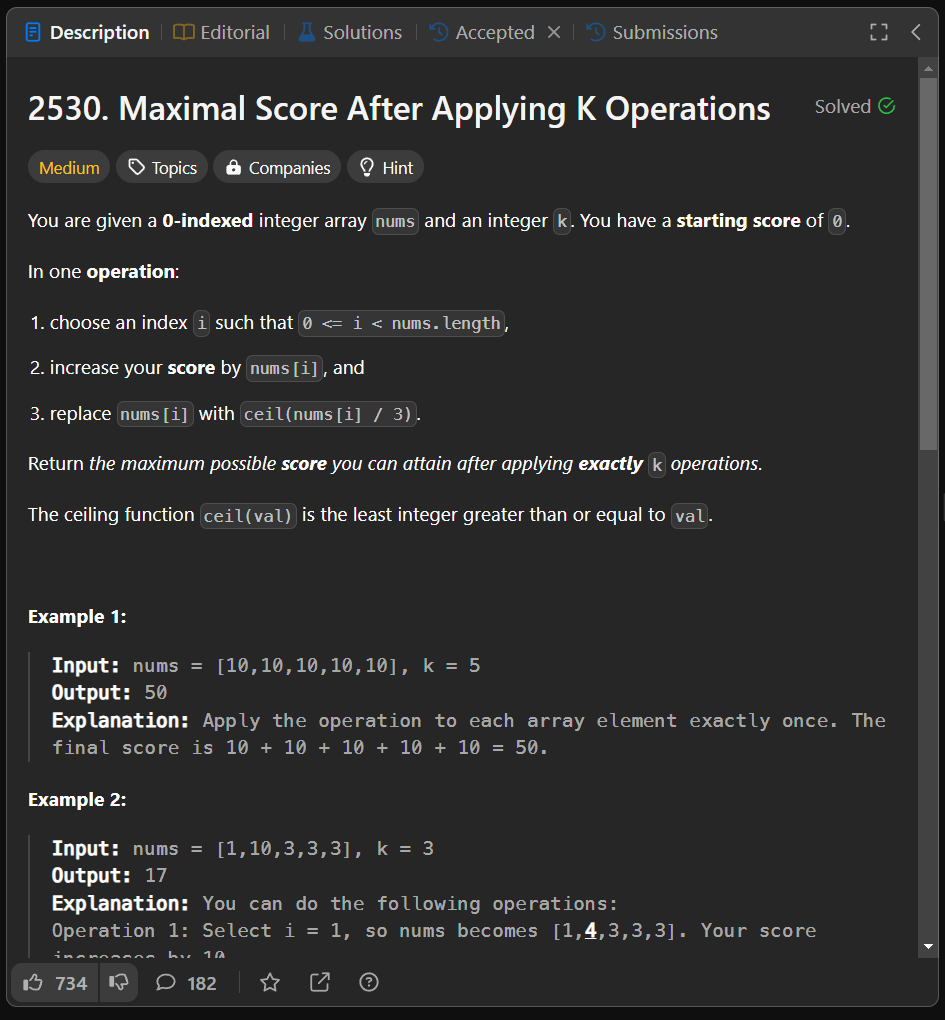
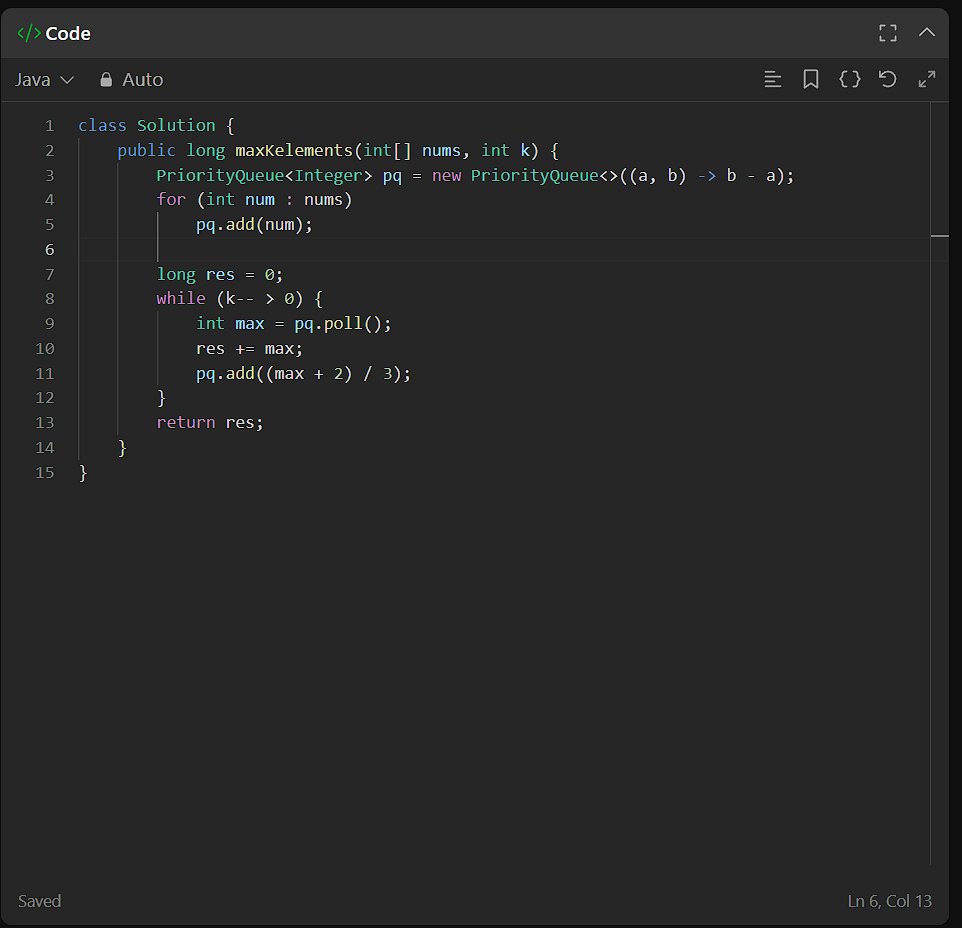
Time Complexity:
The overall complexity is O(k log n), where n is the size of the array. This comes from the cost of heap operations for each of the k operations. (8/9)
1
2
22
14 Oct 2024
Thinking Process:
By leveraging a max-heap to always grab the largest number and minimizing it after each operation, we ensure that the solution remains optimal within the given constraints. (9/9)
2
22
13 Oct 2024
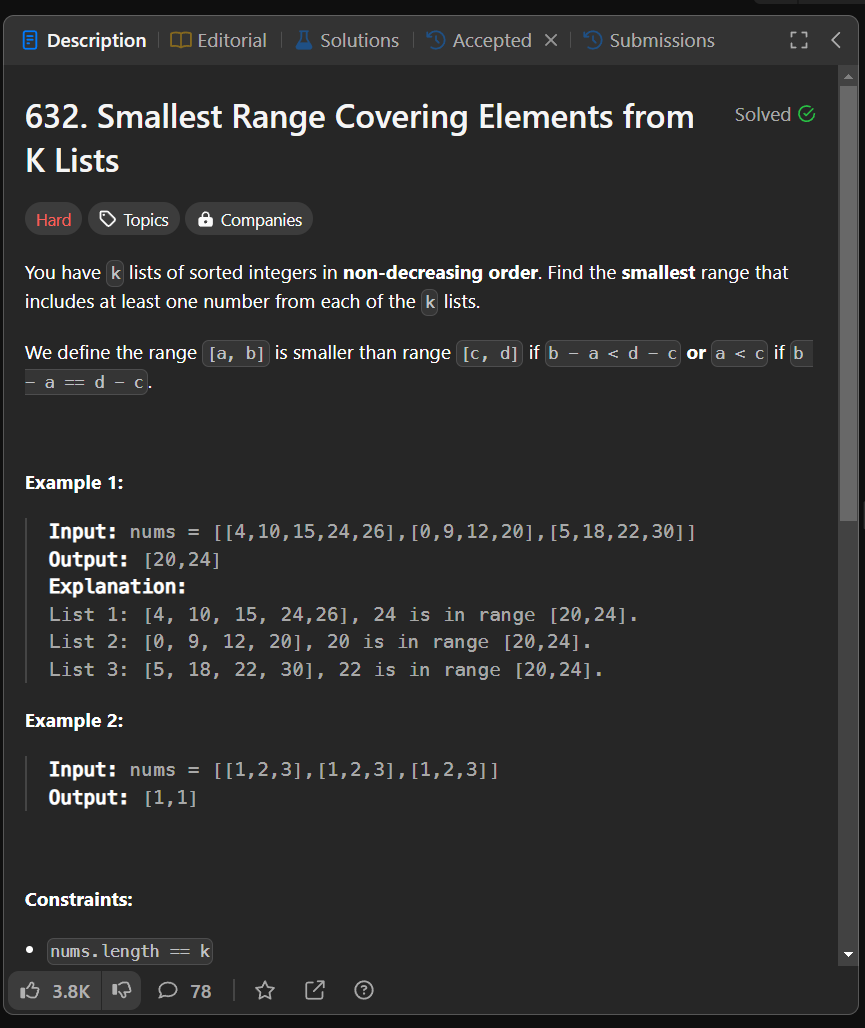
Priority Queue Approach:
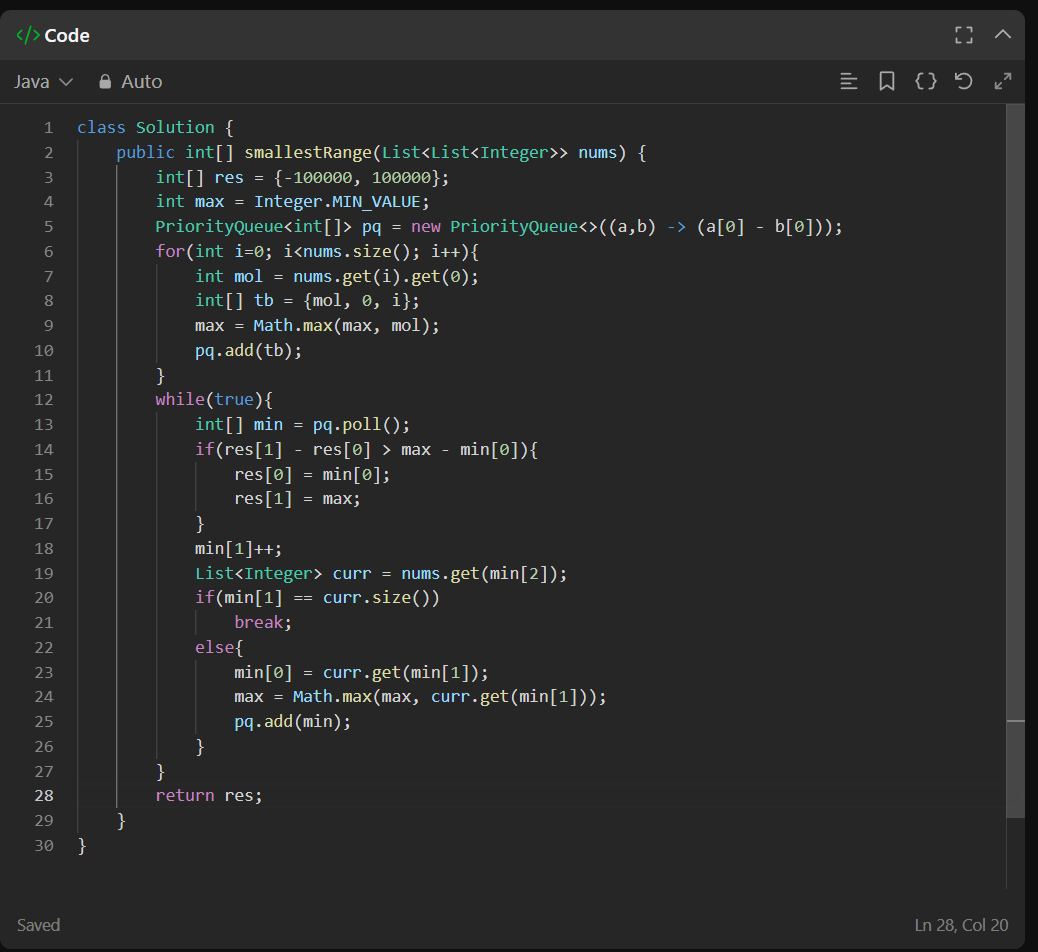
We can maintain a priority queue to keep track of the smallest elements across all lists. Initially, we insert the first element of each list into the queue. (3/9)
1
3
43
13 Oct 2024
Time Complexity:
The overall complexity is O(n log k), where n is the total number of elements across all lists, and k is the number of lists due to maintaining the priority queue. (8/9)
1
2
44
13 Oct 2024
Thinking Process:
By leveraging the sorted order of each list and using a priority queue to track the smallest and largest elements, we efficiently narrow down the smallest possible range! (9/9)
2
39