
Dialogue Earth is not currently actively updating this account. Check out our website for updates and our environmental journalism.
Joined July 2008
- Tweets 18,521
- Following 2,884
- Followers 14,088
- Likes 3,540
3,490 Photos and videos






Pinned Tweet

Dialogue Earth is not currently actively updating this account. Click here to see our other social media channels and our website:
lnk.bio/dialogue.earth
1
583
Dialogue Earth retweeted

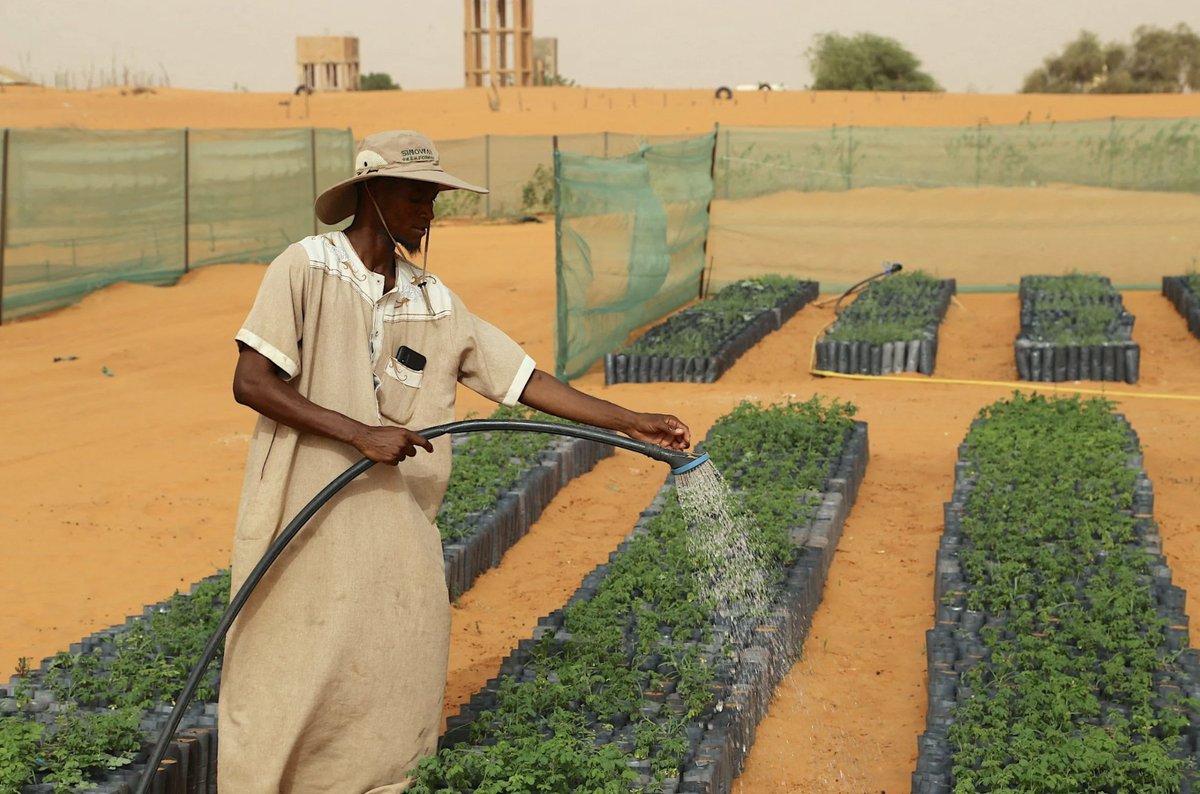
Can trees be your family?
Adopting trees as family members is becoming part of the culture in India's Thar Desert. The results? Nearly 2 million families are now raising green sons and daughters.
Read this beautiful story by Moushumi Basu:
dialogue.earth/en/forests/in…
9
16
719
Dialogue Earth retweeted
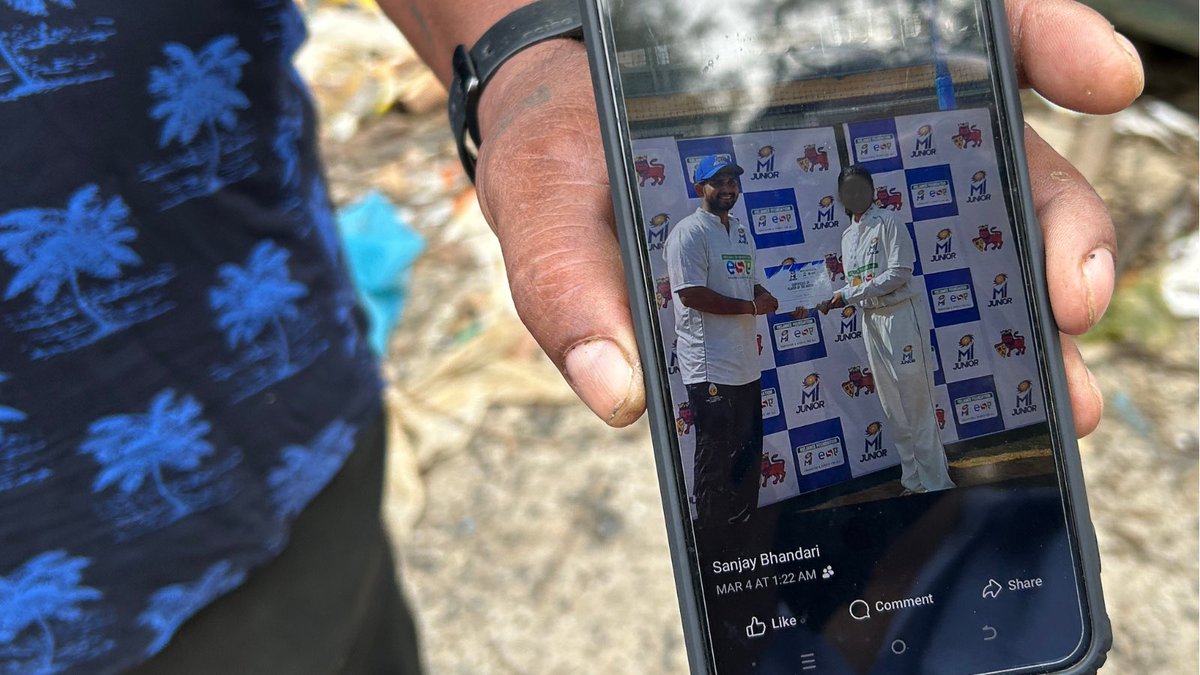
"My daughter wants to become a cricketer. If my fishing stops, how will she move forward?”
A coastal road, which threatens fishing grounds, could change the lives of fishers like Sanjay Bhandari in Mumbai’s Charkop.
More here:
dialogue.earth/en/nature/mum…
1
11
18
724
Dialogue Earth retweeted
India's Aravalli range needs protection from rampant illegal mining. Many native communities are already fighting, and now a legal challenge over its definition adds to the threat.
In my story: what makes a hill an Aravalli, and the fight to protect it.
dialogue.earth/en/nature/the…
2
61
116
2,440
Dialogue Earth retweeted
Yes, AI is drinking water. But whose water is it?
In India, data centres risk deepening environmental stress and caste inequities, built on the thirst of those who already have the least, argues this piece:
dialogue.earth/en/water/whos…
2
33
55
999
Dialogue Earth retweeted
As Mumbai's mangroves are cleared for a new coastal road, the city's natural flood defence and the lifeline of its Koli community are disappearing in real time.
Read the story here: dialogue.earth/en/nature/mum…
9
136
200
6,273
China has joined Chile and Belgium in the bid to host the secretariat of the High Seas Treaty.
💬 The bid “marks a significant escalation in China’s engagement,” says Li Shuo of China Climate Hub.
🔗 Read: loom.ly/4mUEbM8
✍️ Jiang Mengnan, Daniel Cressey, Regina Lam
2
3
488
In 2023, the Zhuangshang “solar” village of the Shanxi province was named a “zero-carbon energy demonstration village”.
Solar villages are not all sunshine, however.
🔗 Read the full story: loom.ly/KRJfoyA
✍️ Zhang Wei
1
212
In an increasingly climate-sensitive world, Southeast Asia approaches a critical juncture. Climate action, or inaction, can shape its economic credibility and reputation.
🔗 Read the full story: loom.ly/xt4EG0E
✍️ Muyi Yang, Putra Adhiguna
2
166
“Red-tagging” occurs when government task forces accuses individuals and groups involved in community projects, such as disaster relief and delivering solar-powered water pumps, of having links with communism or terrorism.
🔗 Read: loom.ly/AyGFLmw
✍️ Raymund Villanueva
1
1
213
There is no water crisis, we have a bigger problem — water bankruptcy.
"No country is immune from the risk of water bankruptcy." @KavehMadani tells Dialogue Earth.
🔗: loom.ly/wVbDfV4
4
125
Climate adaptation in China isn’t only top-down.
From flood-hit villages to government message boards, citizens are organising, petitioning and planning for climate risks long before policy catches up.
✒️Niu Yuhan
loom.ly/Yc9xxdA
1
119
🚗 🪫 Electric vehicle sales in Brazil are rising fast, driven largely by Chinese brands. But a major question remains: who is responsible for used batteries once they reach the end of their life?
✍️Lilian Caramel
loom.ly/1r3nYVU
1
1
126
China’s footprint in Latin America is changing fast. Loans are drying up, investments are shifting, and US–China tensions are pushing governments to rethink their alliances. EV tech and targeted financing are now doing the heavy lifting.
✍️ @ferminkoop
loom.ly/Xfc98JM
1
2
194
💧 As pistachio farming expands in desert regions such as Argentina’s San Juan province, its growth is running up against a severe water crisis.
How sustainable is this increasingly popular crop?
✍️ & 📷: @jorgelahiba & @celinamuttilove
loom.ly/JbVT18k
2
3
146
On 7 January the U.S president Donald Trump cut ties with 66 international bodies as he continued a push to dismantle US involvement in global efforts to fight climate change and safeguard biodiversity, as well as wider multilateralism.
loom.ly/h-OwSAM
1
83
Bolivia’s new president wants to balance relations with China while opening up more to the US.
“In the name of saving the crisis, we will end up raffling off or sacrificing areas, ecosystems and communities” @OsCampanini of @cedib_com.
✍️ @rociolloret
loom.ly/baBhiZU
4
7
191
“We know that the planet will find a way to survive. The question is if humanity will cope with the transition” - Hana Jurikova, University of St Andrews
🔗 loom.ly/Njtx8U8
✍️ @anna83nap
2
128
"Participating in the COP as an Indigenous communicator is like walking with feet in two different worlds" writes Shuar journalist Dunio Chiriap Jimbicti (@dunioch).
loom.ly/fcF3F9s
1
2
129
In 2026, Türkiye will be host and president of COP31, while Australia takes on the role of “president of negotiations”. If executed well, next year’s co-presidency could provide the creative diplomacy and bridge-building climate negotiations need.
🔗: loom.ly/lHMqW6Y
3
3
145