
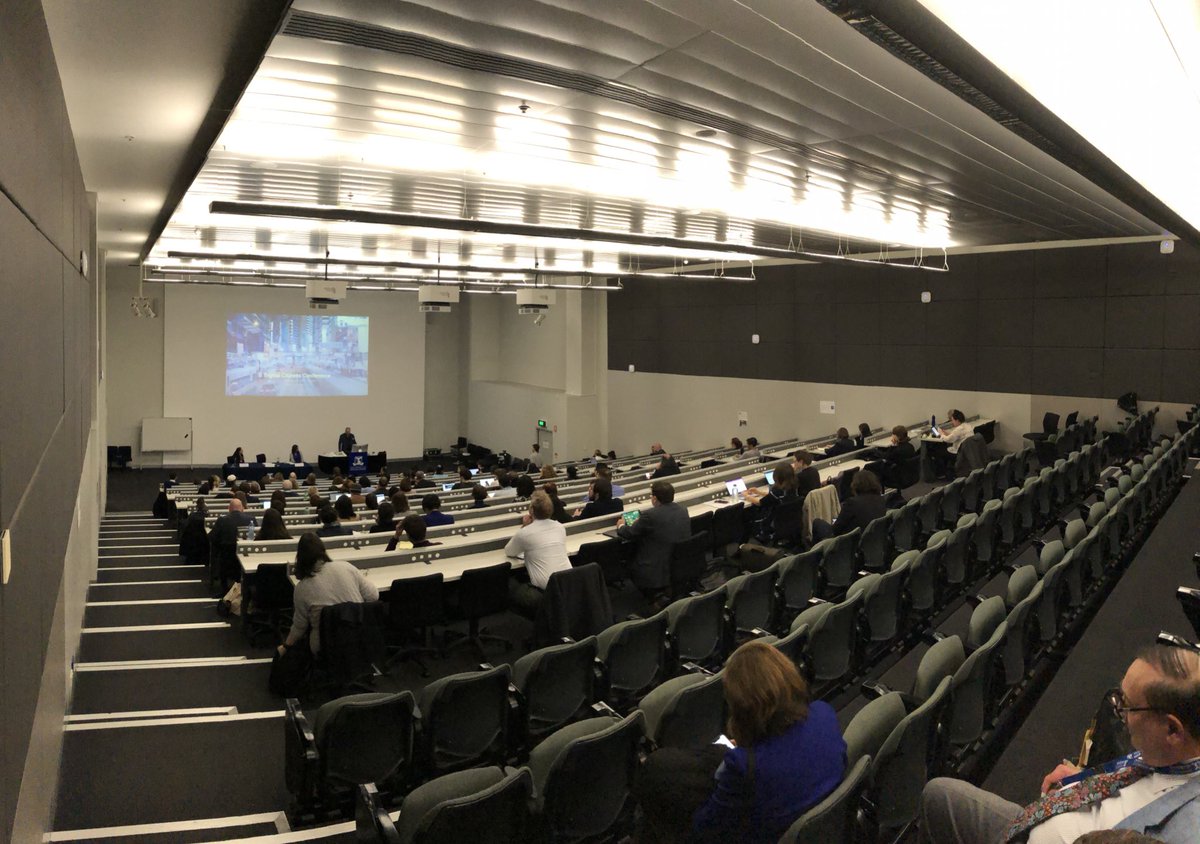
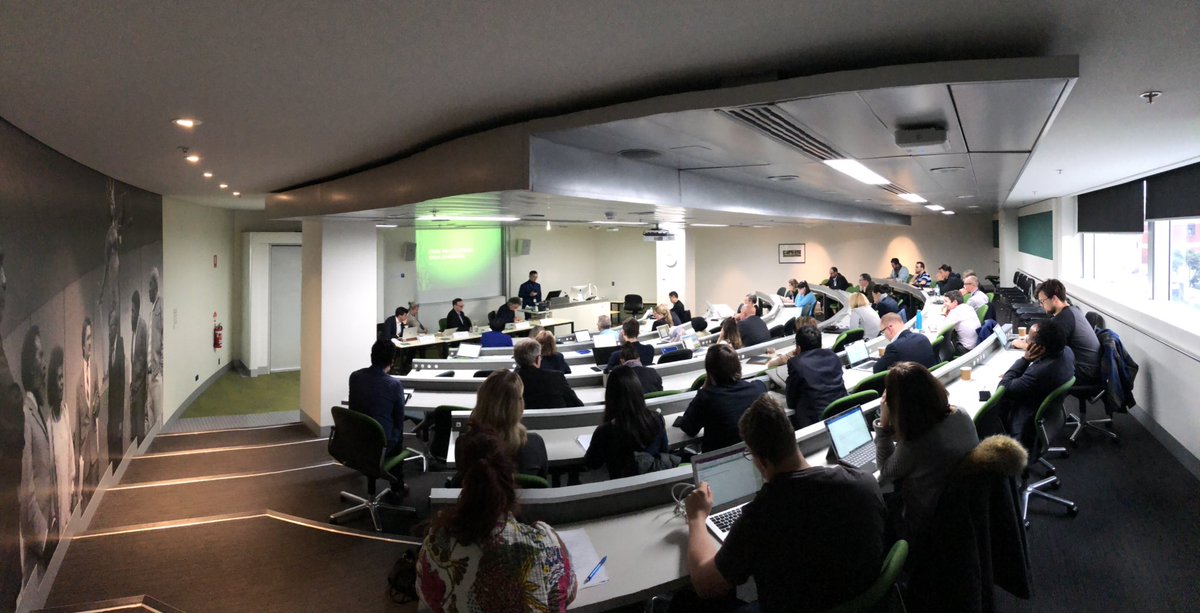
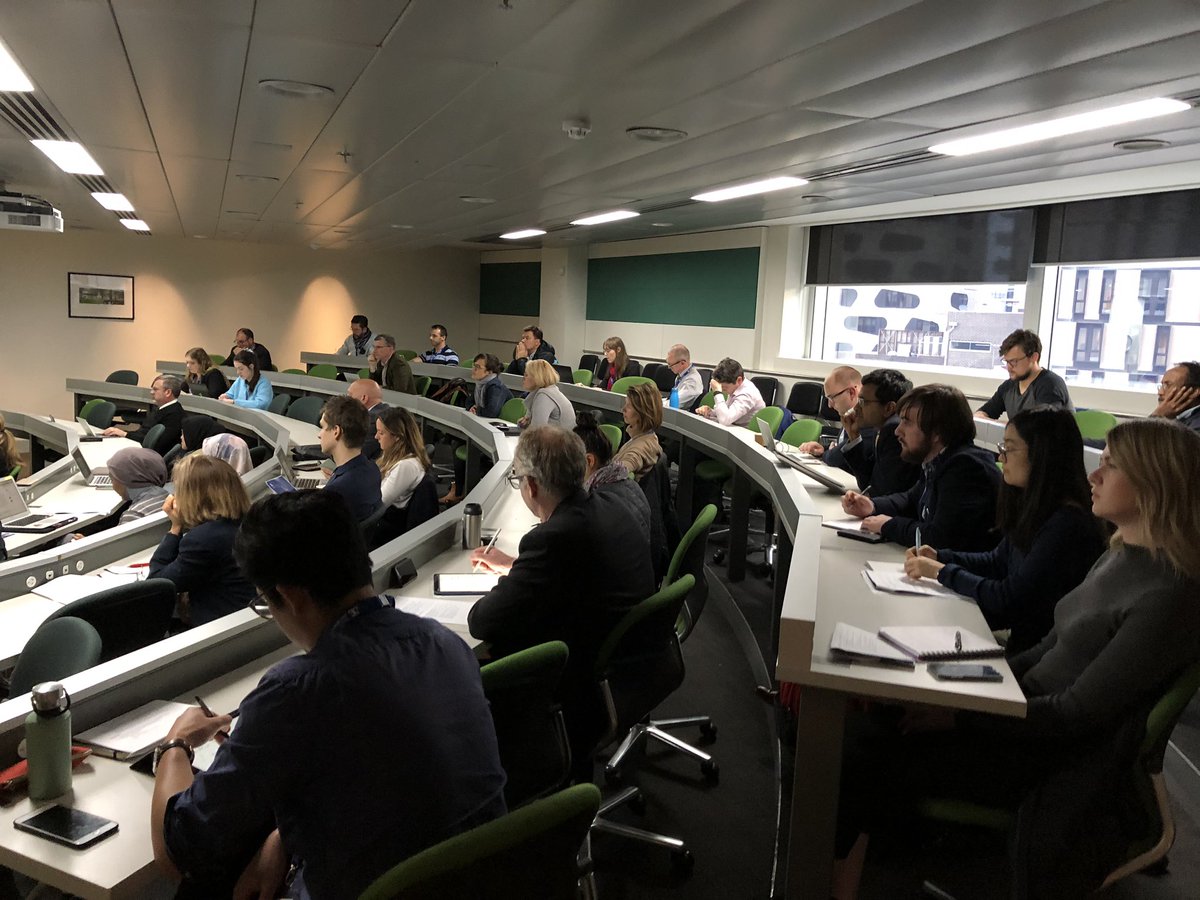
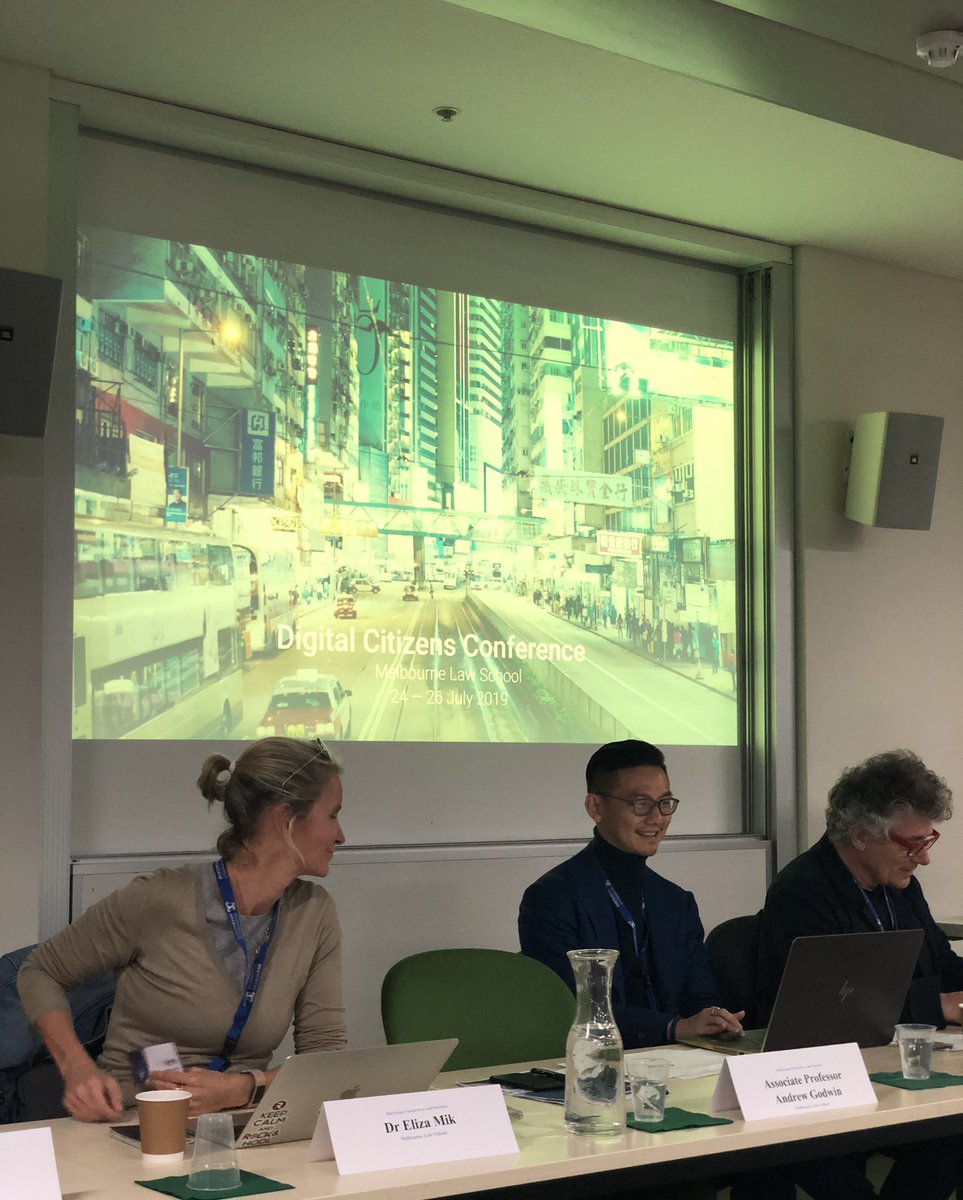
The Digital Citizens Conference runs from 24 - 26 July 2019 and brings together members of academia, industry and government with an interest in law and tech.
Joined May 2019
- Tweets 100
- Following 89
- Followers 135
- Likes 80
43 Photos and videos


Pinned Tweet

9 May 2019
The Digital Citizens Conference will bring together members of academia, industry and government with an interest in law and technology, and explore the rights of citizens in a rapidly changing technological environment.
For more information: law.unimelb.edu.au/digital-c…
3
5
30 Jul 2019
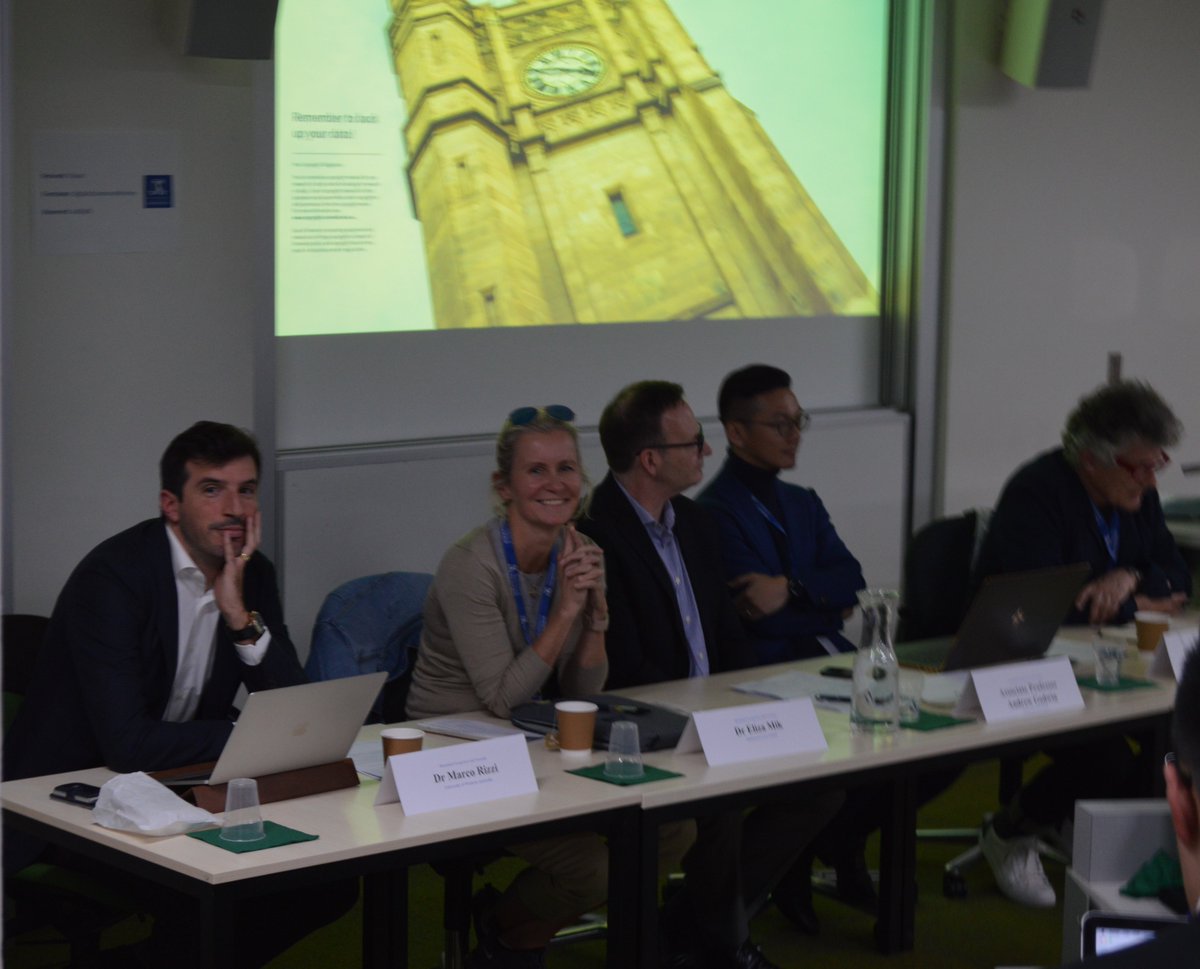
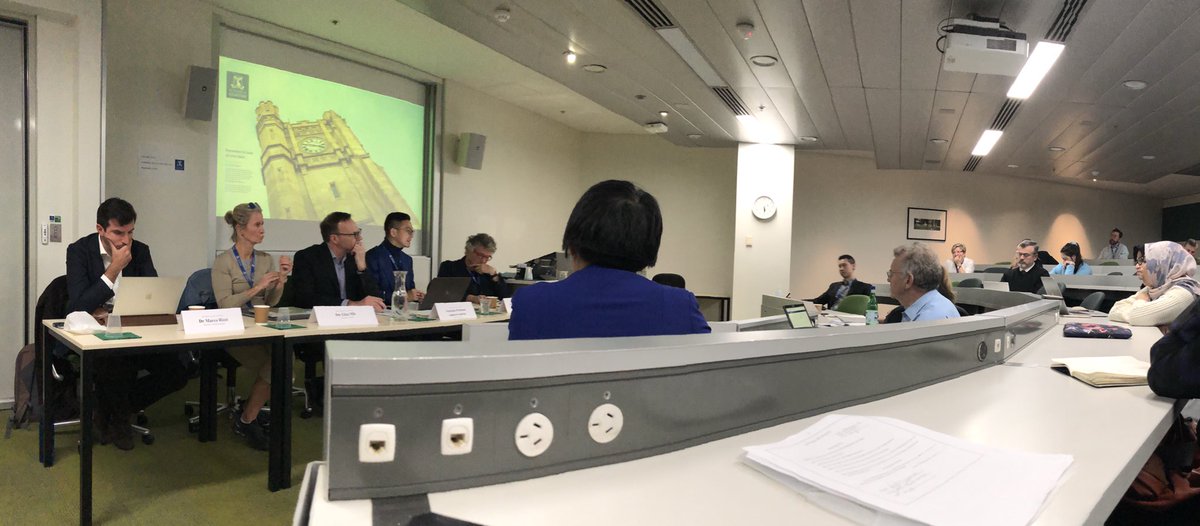
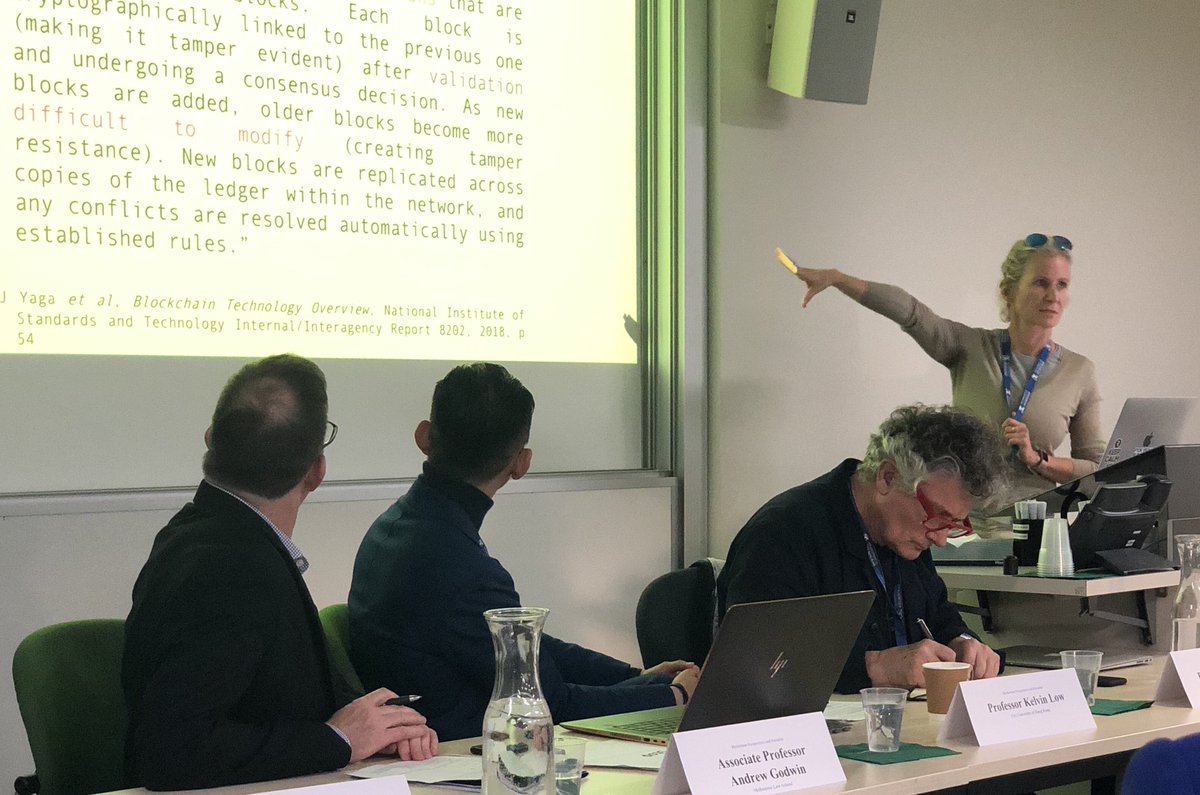
Dr Eliza Mik and @Marcorizzi83 finding the fun in #blockchain perspectives and potential at the #DigitalCitizensConference last week. #DigCitz2019
3
Digital Citizens Conference retweeted

26 Jul 2019
The @acccgovau has, a few mins ago, release its final digital platforms report:
‘Consumers are not .. informed about how their data is collected and used and have little control [over it]’.
Lawyers tables will be buzzing at @DigCitzCon
@CPRC_research
accc.gov.au/media-release/ho…
7
11
26 Jul 2019
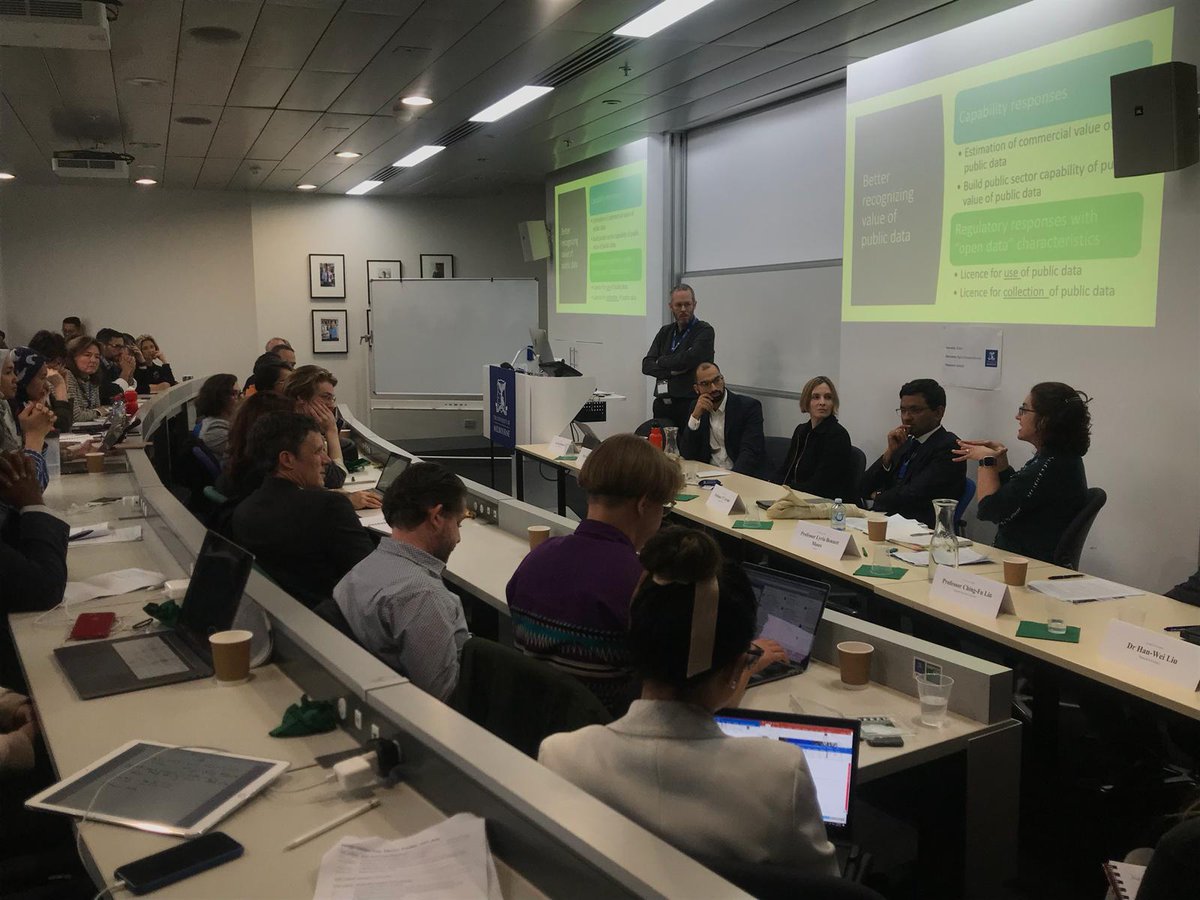
Further in the AI and Governance, @hanweiliu discusses the six labels of self-driving cars and the issues stemming from the Vienna Convention on Road Traffic, public morals and ethical choices and the implications for international trade law #DigCitz2019
3
12
26 Jul 2019
“And finally ... let’s kill Facebook” @PaulbernalUK opening the Media session this morning with some big ideas #DigCitz2019 #DigCitzConf
4
4
25 Jul 2019
“The fundamental of policy-making is tradeoffs”
Dr @AndreaSiodmok suggests we can make policy-making more human by bringing user-experience to the fore. #DigCitz2019
1
8
10
25 Jul 2019
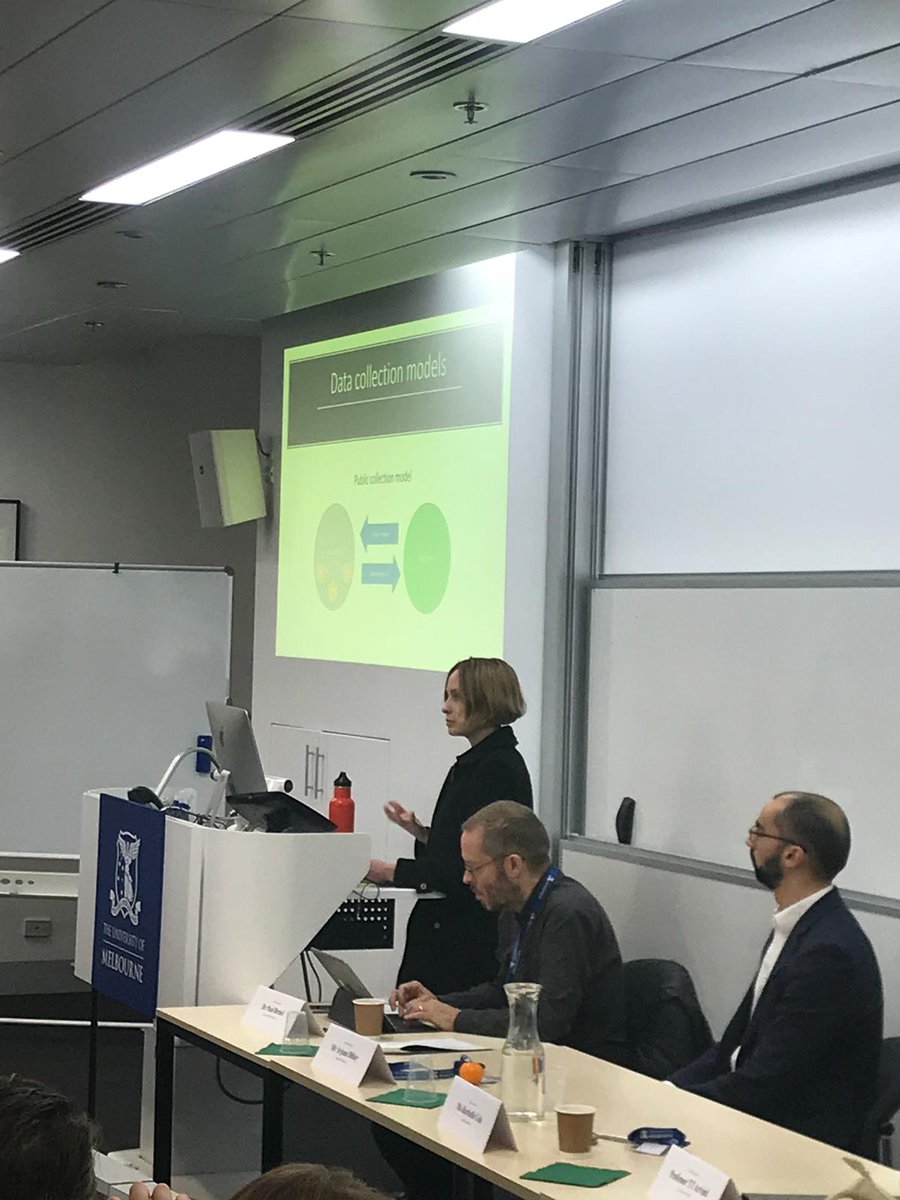
Dr @AndreaSiodmok speaking now about "pushing the boundaries, bringing new ideas into government and opening-up policy-making" using the 3 big Ds: Design, Digital and Data. #DigCitz2019
25 Jul 2019
Just some of the great examples of good legal design being raised by Dr @margarethagen now #DigCitz2019
💡Just fix: justfix.nyc/
💡Reddit Divorce Bot: medium.com/@ahnora/the-reddi…
💡Outlier Media: outliermedia.org/
💡Pajama Court: govtech.com/civic/SXSW-2019-…
6
6
25 Jul 2019
Dr @margarethagen: A good legal service will
👉 Give a sense of control
👉 Be responsive
👉 Read my mind
👉 Take off the burden
👉 Recognise humanity
#DigCitz2019
1
25 Jul 2019
Dr @margarethagen's Design-driven innovation principles:
- Connecting to the lived experience of litigants to design
- Craft solution with stakeholders
- Testing ideas in an experimental and agile methodology
3
3
25 Jul 2019
We're very excited to finish up Day 2 with discussion on 'Human Centred Design' with @garycazalet, @margarethagan and @AndreaSiodmok! #DigCitz2019
1
25 Jul 2019
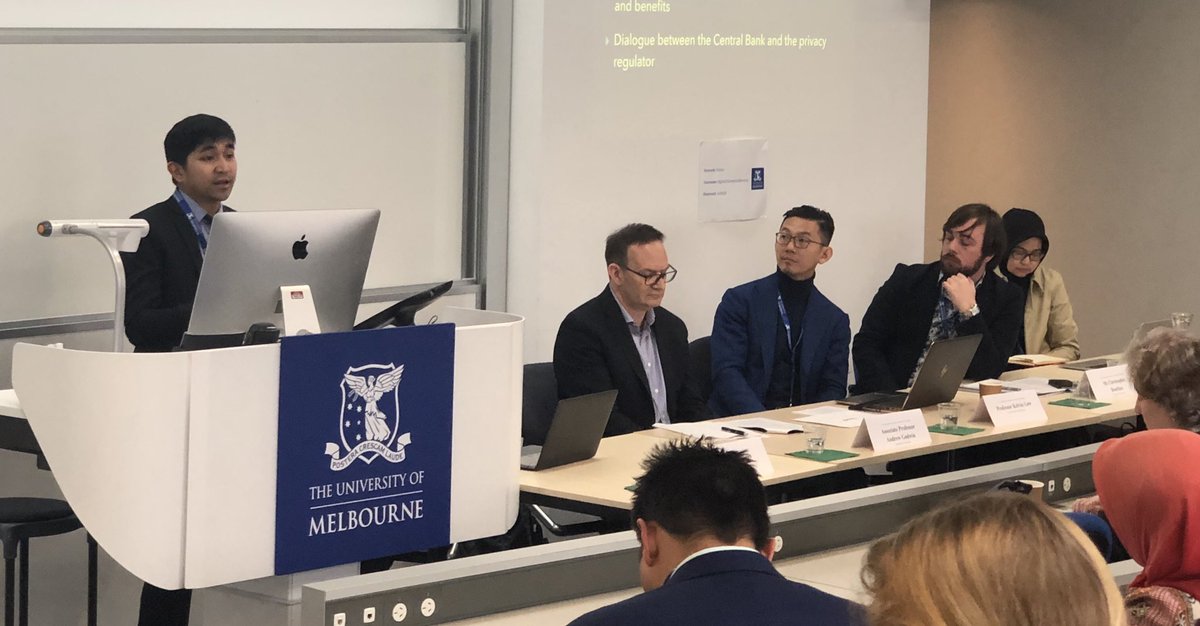
“All of these problems are human problems. The Blockchain can’t solve them”
Prof Kelvin Low pulling apart the Blockchain bandwagon. #DigCitz2019
3
6
25 Jul 2019
Equity and Algorithms?
@MarcoRizzie83 says the trust and reliance that a party places on the algorithm in algorithmic contracts is akin to relationships of trust and confidence.
This may mean equitable relief from Undue Influence may be available. #DigCitz2019
2
25 Jul 2019
“Just imagine you have all your data, your digital ID, on a cheap $40 Android phone. How is that not a honeypot?”
Dr Mik continues the “Pause the Blockchain Revolution” movement! #DigCitz2019
2
3
25 Jul 2019
“We have to distinguish the quality of the storage mechanism vs the quality of the data being stored.”
Dr Mik questioning the Blockchain hype #DigCitz2019
1
4
25 Jul 2019
Prof Kelvin Low outlines some problems with Smart Contracts:
1. They’re not really contracts
2. They’re blind and deaf (and maybe dumb as well?)
3. Blockchain is trustworthy, but are oracles trustworthy?
#DigCitz2019
1
1
25 Jul 2019
Ethereium, using Solidity, has 100 bugs per 1000 lines of code in 2016: 10% error rate.
Prof Kelvin Low advises “use it if you, you know…” #DigCitz2019
2
25 Jul 2019
Does Blockchain democratise?
Prof Kelvin Low says “there is remarkable centralisation in coding” and the only people with real choice are the miners. But, Mining power is oligopolistic. #DigCitz2019
3
2