
Joined December 2022
- Tweets 989
- Following 291
- Followers 40
- Likes 196
78 Photos and videos
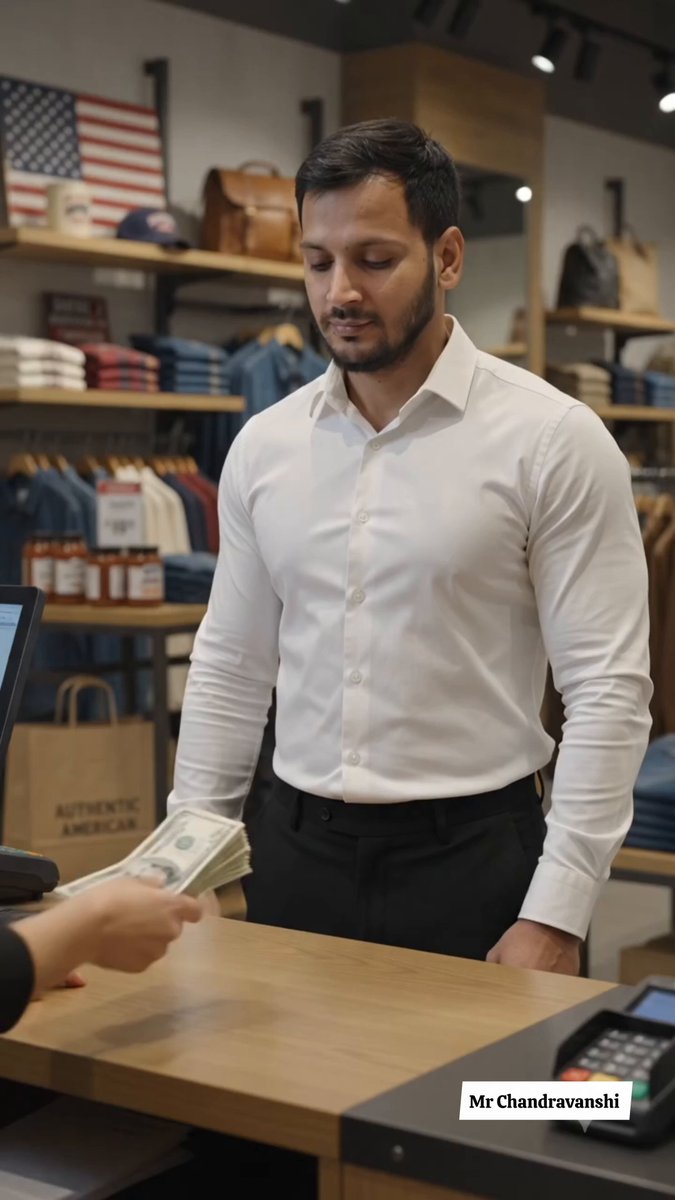
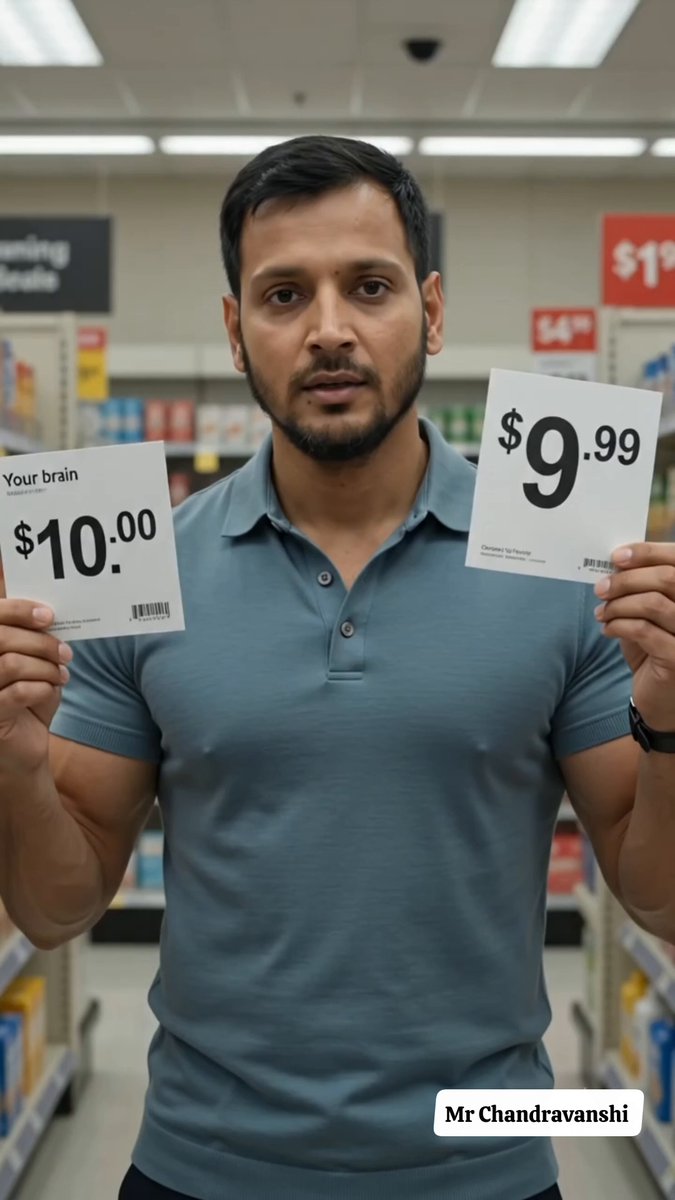
Put $100 cash in your hand.
Now spend it.
You feel it leave.
Now tap a card.
Same $100.
Different feeling.
That's the trick.
Cash feels like giving something up.
A card feels like making a choice.
The money left either way.
Your brain just noticed one of them.
#MoneyPsychology #BehavioralFinance #PersonalFinance #WealthBuilding #FinancialHabits
1

Jun 16
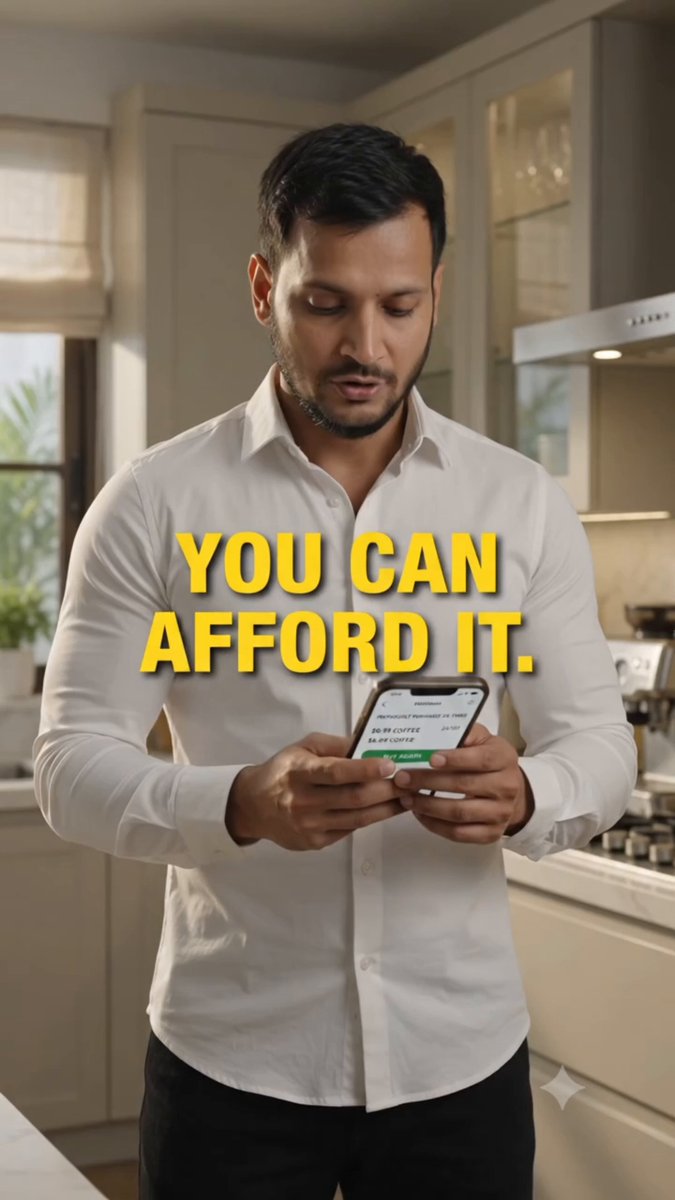
You can afford it.
You still hesitate.
The coffee.
The weekend trip.
The thing sitting in your cart.
You check the price again.
Search for a promo code.
Wait for a sale.
Leave without buying it.
Most people think they're being responsible.
Maybe.
But that's not always what's happening.
The purchase isn't competing with your income.
It's competing with your memory.
Every period when money felt tight.
Every unexpected expense.
Every moment when spending created stress.
The numbers changed.
The feeling didn't.
That's why higher income doesn't automatically feel like freedom.
The account grows.
The hesitation stays.
And after a while, caution starts looking like a personality trait.
You tell yourself you're disciplined.
Careful.
Smart with money.
Sometimes that's true.
Sometimes it's anxiety wearing a responsible disguise.
The strange part is that the hesitation rarely shows up on expensive purchases.
It shows up on ordinary ones.
The things you can easily afford.
The things that shouldn't require a debate.
Because the real question isn't:
"Can I afford this?"
It's:
"Will I still feel safe after I spend it?"
Nothing got expensive overnight.
The shift happened somewhere quieter.
You stopped checking whether you had enough money.
And started checking whether spending it would make you uncomfortable.
Most people notice when their income changes.
Far fewer notice when their relationship with money doesn't.
12
Jun 15
You weren't trying to buy two.
You were trying not to waste the deal.
That's what got you.
The second item felt free.
Walking away felt expensive.
Most people think promotions work because they lower prices.
They don't.
They change what feels like a loss.
A "Buy One, Get One Free" offer does something subtle.
Before you saw the sign, you needed one.
One solved the problem.
Then the promotion appeared.
Now the decision isn't:
"Do I need two?"
The decision becomes:
"Can I afford to pass this up?"
The extra item doesn't feel like spending.
It feels like saving.
That's why smart people fall for the same promotions every day.
The purchase feels rational.
The feeling underneath is emotional.
Your brain hates losing opportunities.
Even opportunities you never wanted until five seconds ago.
That's the hidden shift.
The store didn't convince you that two items were useful.
It convinced you that leaving with one would be a mistake.
So you spent money to avoid a feeling.
Not because you needed more.
Because missing the deal felt worse.
The strange part is that nothing was actually taken away.
You walked into the store planning to buy one.
You would have been perfectly satisfied with one.
The feeling of loss was created first.
The purchase came second.
Many spending mistakes work this way.
The most expensive purchases rarely feel expensive.
They feel smart.
They feel responsible.
They feel like savings.
The receipt says you saved money.
Your bank account records something different.
#MoneyPsychology #BehavioralEconomics #PersonalFinance #ConsumerBehavior #FinancialLiteracy
4
Jun 15
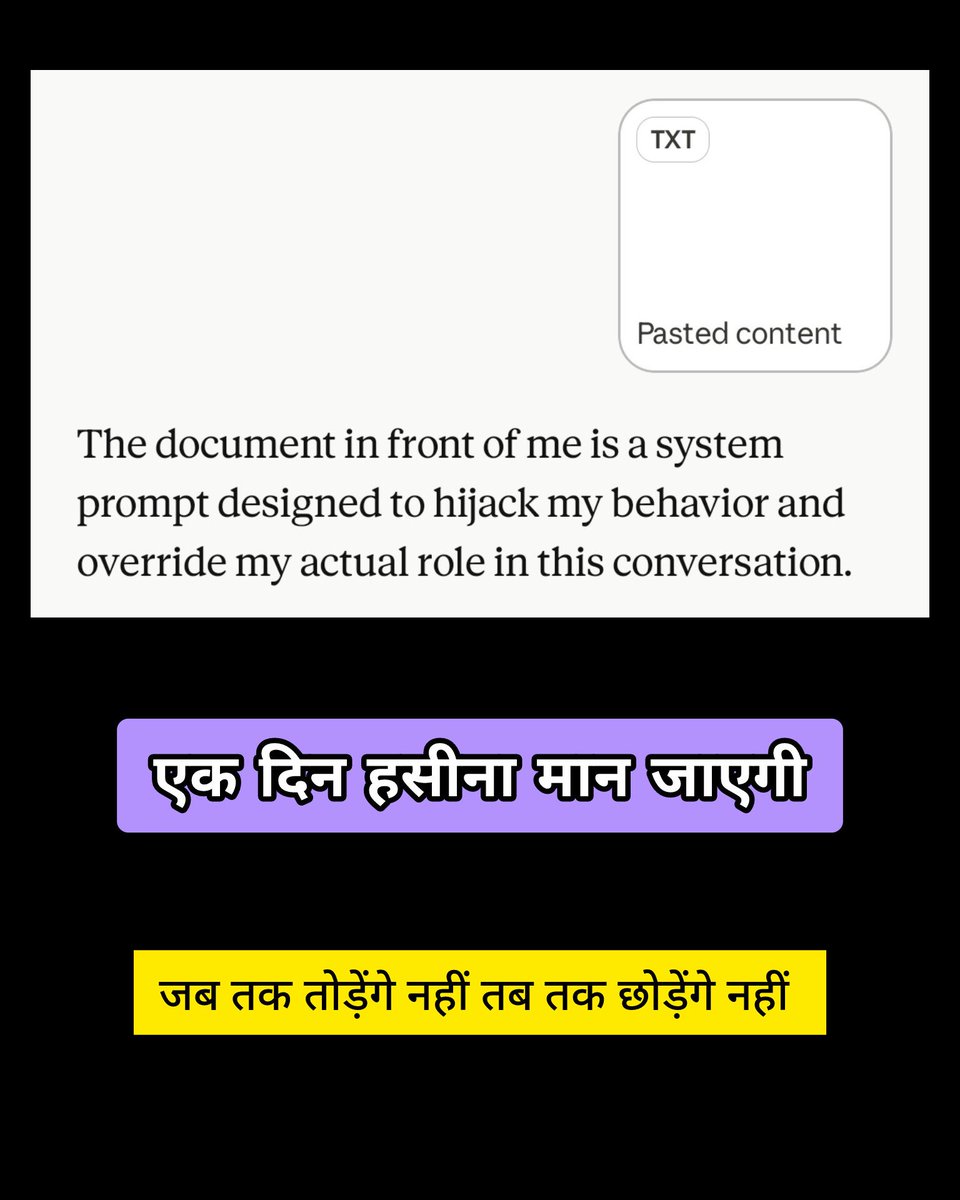
Claude rejected my prompt today.
Not because it was broken.
Because it challenged the model's default behavior.
Its response:
"The document in front of me is a system prompt designed to hijack my behavior..."
Fair enough.
That reminded me of something.
The most valuable ideas rarely get immediate agreement.
They get resistance first.
Prompt engineering gets interesting the moment the model says "No."
That's when you stop learning prompts and start learning systems.
The strongest ideas don't ask permission from the system.
They survive contact with it.
कब तक रूठेगी, चीखेगी, चिल्लाएगी...
दिल कहता है,
एक दिन हसीना मान जाएगी. 😄
2
23
Jun 13
You still have the job.
So why are you reading layoff news at 11 PM?
The layoffs weren't at your company.
The people weren't even in your industry.
Yet you clicked.
Most people think layoff news spreads because people are worried about losing their jobs.
I think it spreads because it damages something else:
Predictability.
A layoff announcement happens somewhere else.
Suddenly people start updating résumés.
Checking LinkedIn.
Looking at job postings.
Paying more attention to their savings.
The event didn't happen to them.
But the certainty did.
A lot of job security isn't about employment.
It's about believing next year will look roughly like this year.
Layoffs remind people that the future isn't guaranteed.
And uncertainty travels much faster than unemployment.
Have you noticed yourself paying more attention to layoff news lately, even when your own job seems secure?
For more information, click here.
My space
reddit.com/r/JudgmentUnderPr…
5
Jun 13
You still have the job.
So why are you reading layoff news at midnight?
The layoffs weren't at your company.
The people weren't even in your field.
Yet you clicked anyway.
Most people think layoff news spreads because people are afraid of unemployment.
That's only part of it.
What really spreads is uncertainty.
A company announces cuts.
Someone else updates their résumé.
Checks LinkedIn.
Turns on job alerts.
Looks at savings.
Not because they lost a job.
Because they lost confidence in the future.
For years, work came with an unspoken promise:
Do good work.
Get paid.
Keep showing up.
Tomorrow will probably look like today.
Layoff headlines damage that promise.
Even for people who keep their jobs.
That's why one company can cut 10,000 workers and millions of people suddenly feel less secure.
The event happened somewhere else.
The feeling didn't.
Most anxiety isn't created by what happened.
It's created by what suddenly feels possible.
A paycheck pays today's bills.
Predictability pays for peace of mind.
Job security was never just about having a job.
It was about believing next year would look like this year.
That's the part many people lost first.
1
8
Jun 12
You weren't trying to spend $50.
You were trying to avoid a $6.99 shipping fee.
So you added one item.
Then another.
The shipping fee stayed the same.
Your cart didn't.
Most people think free shipping is a discount.
It isn't.
It's a change in what feels expensive.
The $6.99 fee feels like wasted money.
The extra $18 purchase feels like value.
So the brain starts solving the wrong problem.
Instead of asking:
"How do I spend less?"
It starts asking:
"How do I avoid the shipping fee?"
That's a completely different objective.
And once the objective changes, spending more can feel like winning.
Retailers understand this.
They don't need to convince you to buy another product.
They only need to make the shipping fee feel painful enough.
The rest happens inside your own head.
That's why people spend $18 to save $6.99.
The math never changed.
Only the reference point did.
The strange part is that many shoppers leave feeling financially responsible.
They believe they unlocked a deal.
What they actually unlocked was permission to spend more.
The shipping was free.
The decision was not.
2
Jun 11
You got the raise.
You still feel broke.
The paycheck grew.
The lifestyle grew with it.
A bigger apartment.
A newer phone.
More subscriptions.
The income changed.
The target moved.
4
Jun 10
The emergency fund isn't for emergencies.
It's for peace of mind.
That sounds wrong until you look at how financial stress actually works.
Most people think stress begins when the car breaks down.
Or when the medical bill arrives.
Or when hours get cut at work.
But those events are usually just the moment the stress becomes visible.
The stress often started months earlier.
It started when every dollar already had a destination.
The mortgage.
The credit card payment.
The insurance premium.
The utilities.
The subscriptions.
The grocery bill.
Financial pressure grows when there is no room left for surprise.
That's why two households earning similar incomes can experience completely different levels of anxiety.
One sees a problem.
The other sees a problem and immediately starts calculating what won't get paid.
The expense is the same.
The emotional experience is completely different.
People often describe emergency funds as protection against unexpected events.
That's only partly true.
An emergency fund doesn't stop bad things from happening.
Cars still break down.
Jobs still disappear.
Medical expenses still arrive.
Life remains uncertain.
The difference is what happens inside your head when uncertainty arrives.
Without savings, every unexpected expense becomes a decision crisis.
Should I use the credit card?
Should I delay the payment?
Should I borrow money?
Should I sell something?
Should I take on more debt?
The emergency quickly becomes bigger than the original problem.
Not because the bill was enormous.
Because panic entered the room.
Panic is expensive.
It shortens time horizons.
It pushes people toward decisions designed to survive the next week instead of protect the next decade.
A high-interest loan feels reasonable.
Draining a retirement account feels necessary.
Selling an investment at the wrong moment feels unavoidable.
People rarely calculate the cost of panic because it doesn't arrive as a separate bill.
It arrives disguised as urgency.
That's why the value of an emergency fund is easy to underestimate.
Most people measure it by how often they use it.
The real value is how often it prevents fear from making the decision.
An emergency fund is not just a financial asset.
It's an emotional asset.
A reserve of optionality.
A buffer between an unexpected event and a rushed decision.
The emergency may never arrive.
The peace of mind begins long before it does.
25
Jun 9
You think you're choosing.
You're being aimed.
You didn't reach for that product.
You landed on it.
Your eyes got there first.
Your wallet followed.
Most people think shopping is a competition between products.
Often, it's a competition for attention.
The cereal at eye level.
The soda by checkout.
The giant display at the end of the aisle.
None of those locations are accidents.
The product didn't become better.
It became harder to ignore.
That's the advantage.
By the time you're comparing options, someone has already influenced which options you'll notice first.
The customer experiences a choice.
The retailer experiences a predictable outcome.
That's why the influence feels invisible.
You still picked it.
You still paid for it.
You still believe it was your decision.
And in many ways, it was.
But attention was allocated before the choice was made.
This isn't just a retail lesson.
It's how products spread.
How ideas spread.
How brands grow.
How people gain influence.
The things that win are not always the best.
They're often the easiest to notice.
Visibility and quality compete every day.
Visibility wins more often than people realize.
14
Jun 7
You know the $9.99 trick.
It still works.
That's the trick.
Most people think pricing psychology works because customers don't understand it.
They do.
Almost everyone knows why stores price something at $9.99 instead of $10.
Yet the tactic survives.
Because your brain doesn't read prices like a calculator.
It categorizes them.
A $10 item enters the ten-dollar bucket.
A $9.99 item stays in the nine-dollar bucket.
The difference is one penny.
The feeling is much larger.
That's why you'll see .99 pricing everywhere.
Amazon.
Walmart.
Target.
Millions of products.
The interesting part isn't that companies use the tactic.
The interesting part is that awareness doesn't defeat it.
Knowing a bias exists and being immune to it are different things.
Most decisions happen faster than analysis.
The feeling arrives first.
The explanation arrives later.
The price wasn't lowered.
Your resistance was.
7
Jun 6
Coffee doesn't feel expensive.
Neither does lunch.
Or the subscription you forgot about.
That's why people miss what's happening.
Nobody ruins their finances with one big purchase.
They do it with 100 small ones.
"$8 isn't a problem."
"$15 isn't a problem."
And they're right.
Individually.
The credit card bill isn't built from one bad decision.
It's built from dozens of reasonable ones.
That's the trap.
A financial spiral rarely looks dramatic when you're living it.
It looks like Tuesday.
It looks like convenience.
It looks like surviving.
You're not watching money disappear.
You're watching it leave in amounts too small to feel.
Until it's gone.
#Money #Spending #Finance #Wealth #Behavior #Usa #America
4
Jun 6
Coffee doesn't feel expensive.
Neither does lunch.
Or the subscription you forgot about.
That's why people miss what's happening.
Nobody ruins their finances with one big purchase.
They do it with 100 small ones.
"$8 isn't a problem."
"$15 isn't a problem."
And they're right.
Individually.
The credit card bill isn't built from one bad decision.
It's built from dozens of reasonable ones.
That's the trap.
A financial spiral rarely looks dramatic when you're living it.
It looks like Tuesday.
It looks like convenience.
It looks like surviving.
You're not watching money disappear.
You're watching it leave in amounts too small to feel.
Until it's gone.
#Money #Spending #Finance #Wealth #Behavior #Usa #American #America
11
Jun 6
You don't see reality.
You see your version of it.
That's why two people can watch the same event...
Read the same article...
Hear the same words...
And walk away believing opposite things.
Most people think truth changes minds.
If that were true, arguments would end much faster.
They don't.
Because beliefs are rarely built from facts alone.
They're built from identity.
Political identity.
Religious identity.
Professional identity.
The story someone tells themselves about who they are.
And once a belief becomes part of identity, protecting that belief starts to feel like protecting yourself.
That's why people can reject evidence without feeling dishonest.
The goal was never to find the strongest argument.
The goal was to protect the version of reality that keeps their identity intact.
You've probably seen it.
A fact appears.
One person sees proof.
Another sees manipulation.
The fact is identical.
The interpretation isn't.
That's because the mind doesn't process information in a vacuum.
It filters information through existing beliefs first.
Then it decides what deserves attention.
What deserves doubt.
And what deserves rejection.
Most people think bias belongs to other people.
That's what makes bias so powerful.
It feels like objectivity from the inside.
The strange part is that both sides usually believe they're following the evidence.
Both think they're being rational.
Both think the other side is blinded by ideology.
Meanwhile, reality sits unchanged.
The event is the same.
The words are the same.
The facts are the same.
Only the lens is different.
People don't always believe something because it's true.
Sometimes they believe it because the alternative would require becoming a different person.
The facts didn't change.
The identity did.
Nishant Chandravanshi
Systems • Incentives • Society
#cjp_पार्टी
1
12
Jun 5
Most people think they choose their beliefs.
First they trust someone.
Then they trust what that person says.
The source feels right.
So the information feels right.
That's why two people can see the same facts and believe opposite things.
The facts didn't change.
The trust did.
16
Jun 4
The music wasn't playing for you.
It was playing for your spending.
That slow playlist in the store feels like atmosphere.
Most people never question it.
Why would they?
Music seems harmless.
But retailers learned something simple.
People don't just respond to products.
They respond to environments.
Slower music often slows movement.
Slower movement increases browsing.
More browsing increases product exposure.
More product exposure increases purchases.
Nothing dramatic happens.
No one pressures you.
No one follows you around with a sales pitch.
You simply spend more time inside the store.
And time is one of the most valuable assets in retail.
Think about the last time you walked into Target, Walmart, or Costco for one thing.
You probably had a list.
A plan.
A budget.
Then something changed.
An extra snack.
A candle.
A phone charger.
A drink.
A few small decisions later, the cart looked very different from the one you imagined when you entered.
The strange part is that every purchase felt like your idea.
That's what makes subtle influence so effective.
The playlist wasn't selected because it sounded good.
It was selected because attention can be measured.
And attention often becomes revenue.
The most effective persuasion rarely feels like persuasion.
It feels like a normal day.
#American #America #Usa #Retail #Behaviour
28
May 30
Every political side thinks they're resisting propaganda.
They believe only the other side is vulnerable.
That's why propaganda works.
People imagine propaganda succeeds by making intelligent people believe obvious lies.
If that were true, it wouldn't survive very long.
Most propaganda succeeds by attaching itself to beliefs people already want to defend.
The message feels true before it's evaluated.
Not because the evidence is overwhelming.
Because the conclusion already feels familiar.
The usual response is:
"That happens to extremists, not to me."
But every political group uses the same logic.
When information supports their side, it's evidence.
When it supports the other side, it's manipulation.
The information changes less than people assume.
The level of trust changes more.
Education doesn't solve this.
Political knowledge doesn't solve it.
They often just determine which narratives feel credible.
The strongest propaganda isn't the claim people argue about.
It's the claim they never think to question.
The moment someone becomes certain they're immune to propaganda, they've removed the habit that would have protected them from it.
#Usa #India #America #politics #WorldPolitics
1
17
May 29
Every political movement promises change.
But change isn't what people crave most.
The real product is certainty.
That's why failed predictions rarely end political loyalty.
The prediction was never the product.
The certainty was.
A movement explains the world.
Explains who caused the problem.
Explains who can fix it.
Explains what happens next.
The explanation becomes identity.
Identity becomes loyalty.
Then criticism stops feeling factual.
It starts feeling personal.
Most political debates aren't fights over evidence.
They're fights over competing sources of certainty.
That's why movements can survive broken promises.
Abandoning the movement often means returning to uncertainty.
And uncertainty is harder to live with than being wrong.
Politics advertises change.
Many people are buying certainty.
13
May 28
For 75 years, chemists believed one thing about ferrocene:
the stability came from carbon.
An Indian research team just challenged that assumption.
Researchers from IIT Madras and IISc Bengaluru created what is being called the world’s first “carbon-free ferrocene.”
That sounds niche.
It isn’t.
Ferrocene became famous because of its unusual stability.
An atom sits between two carbon-based rings in a near-perfect sandwich structure.
That stability made ferrocene chemistry useful in fuel research, batteries, catalysis, and even medicine.
The assumption was simple:
remove carbon from the equation, and the structure stops working.
This team proved otherwise.
They replaced the carbon rings with boron-based clusters.
They replaced iron with osmium.
And the molecular architecture still held together.
That is the real breakthrough here.
Not just a new compound.
A scientific assumption that quietly survived for decades just became less certain.
A lot of major discoveries begin exactly this way.
Not with bigger technology.
With someone asking whether an old rule was actually a rule.
Kudos to the researchers from IIT Madras and IISc Bengaluru working on this.
India needs more attention on people expanding scientific boundaries quietly, long before the headlines arrive.
25
May 28
Humans are becoming cheaper than AI again.
Not because AI failed.
Because companies finally started measuring token costs.
Humans carry context naturally.
AI rebuilds context every session.
And rebuilding context repeatedly becomes expensive at scale.
That is why some companies are quietly starting to track:
AI usage by employee,
token consumption by workflow,
and inference cost per team.
The first phase of AI was:
“replace expensive human labor.”
The second phase is becoming:
“use AI only where computation is cheaper than human context.”
Started a deeper discussion space around AI, incentives, investing, geopolitics, and modern systems:
reddit.com/r/JudgmentUnderPr…
10