
Open source project working on Visual MetaFont editor, parametric fonts, Arabic text justification and Quran typesetting. Sponsored by @tarteelAI
Joined March 2020
- Tweets 129
- Following 1
- Followers 593
- Likes 32
38 Photos and videos
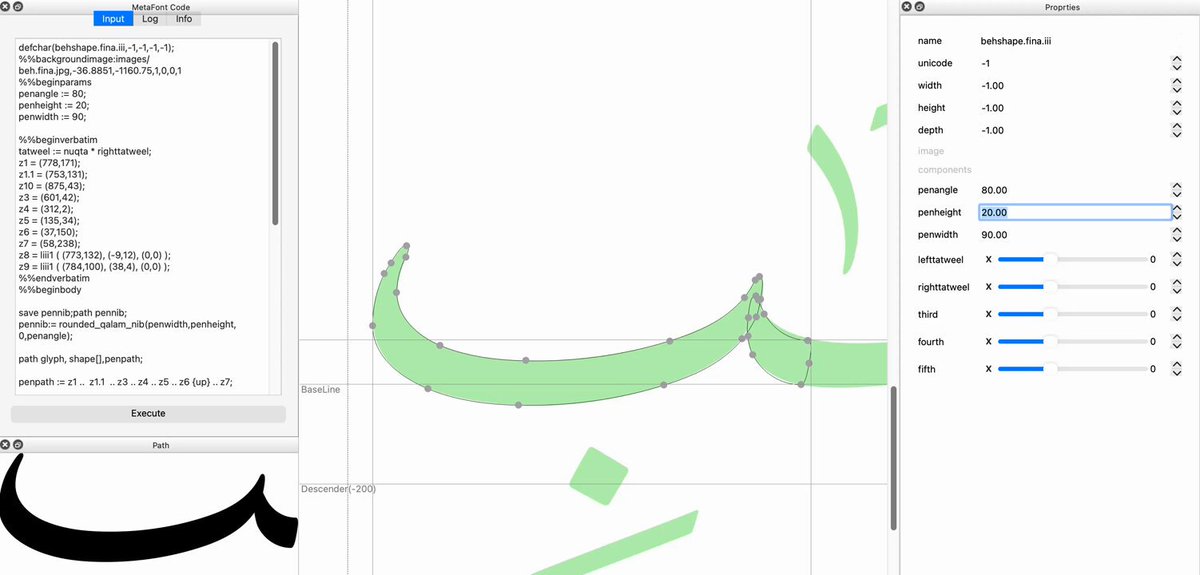
A new direction I’m exploring for DigitalKhatt:
Model how a calligrapher writes instead of drawing glyph outlines.
A parametric qalam follows a trajectory with a variable pen angle.
Different styles and weights can then emerge naturally by changing the qalam geometry.
6
133
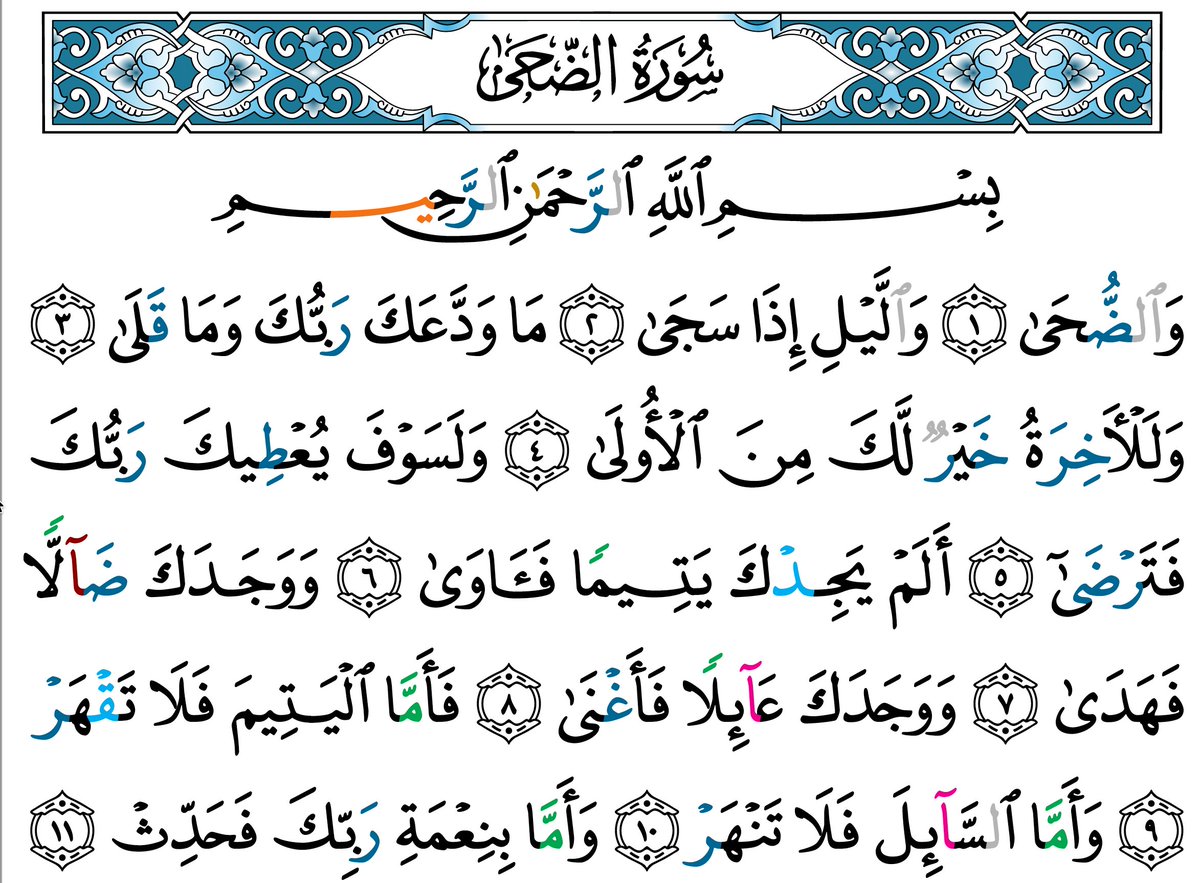
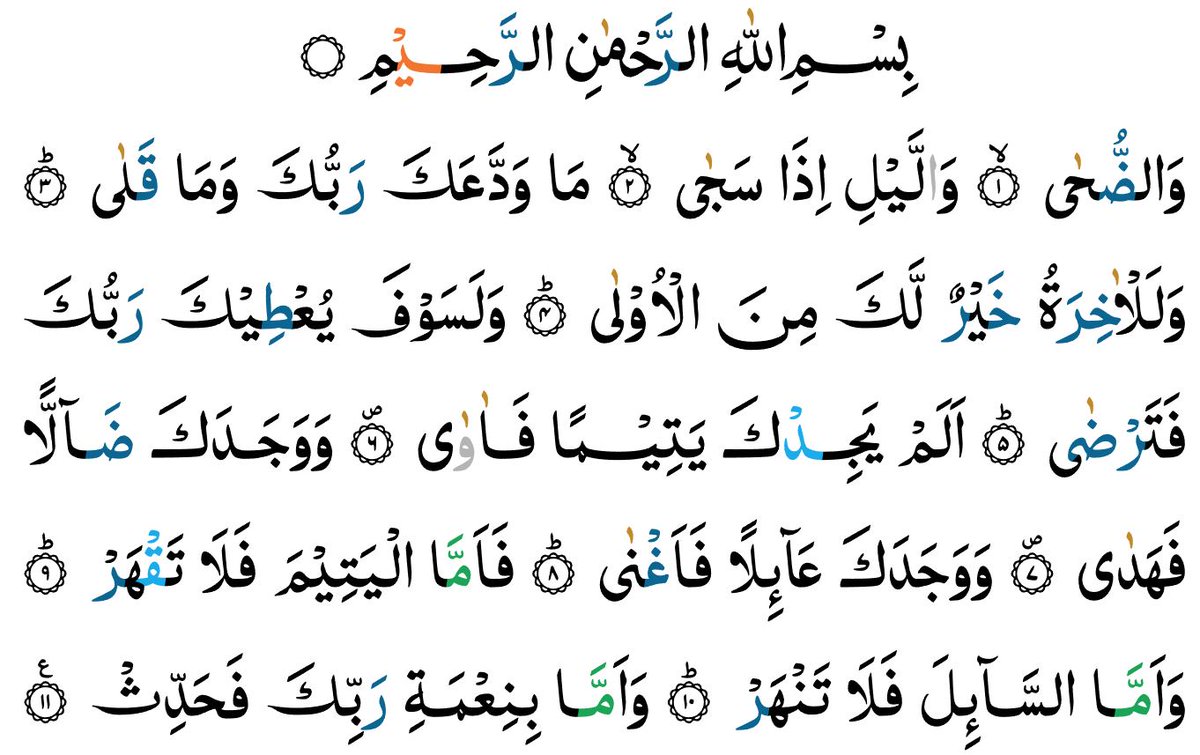
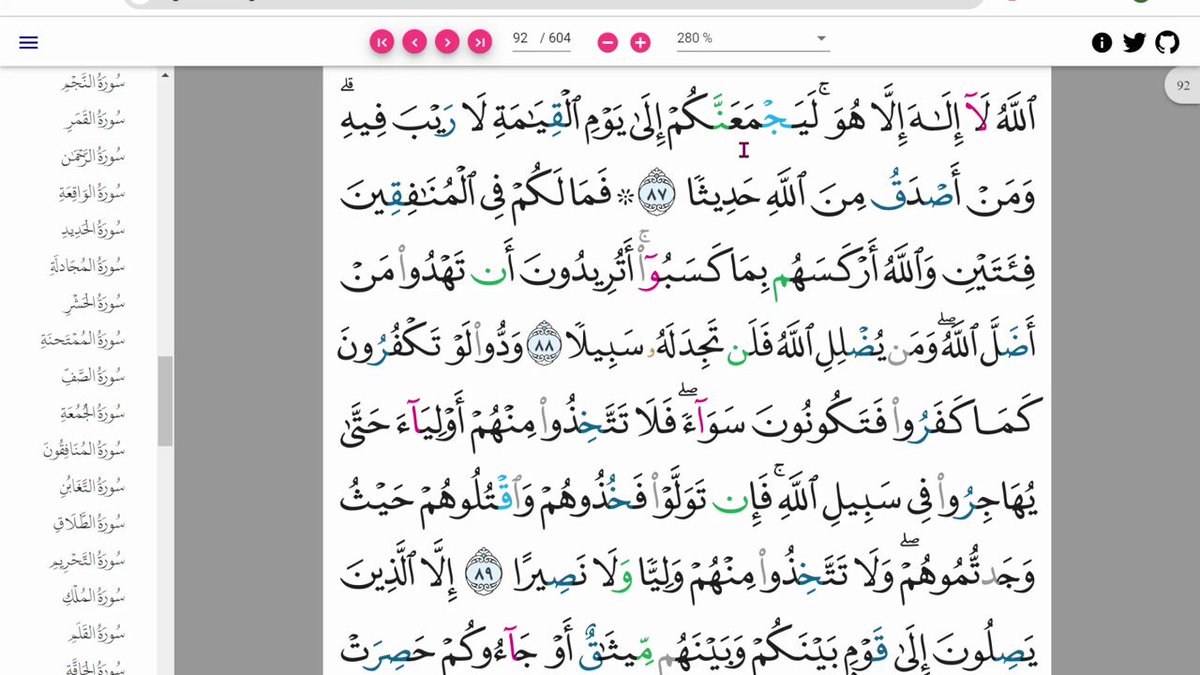
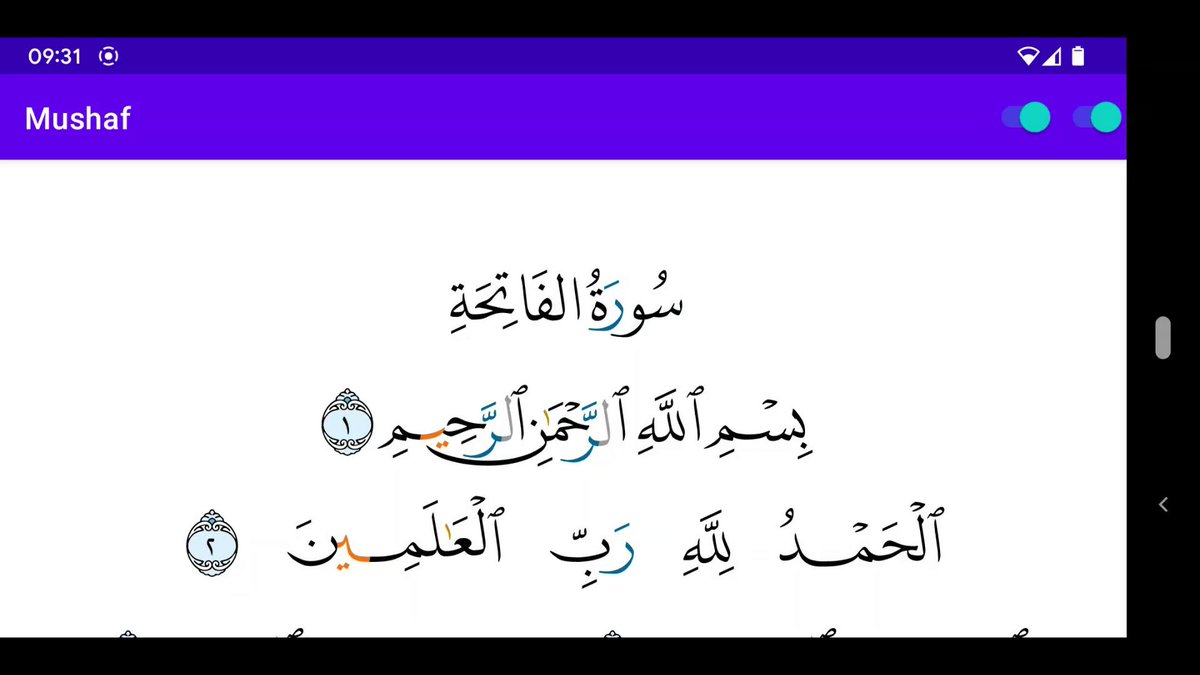
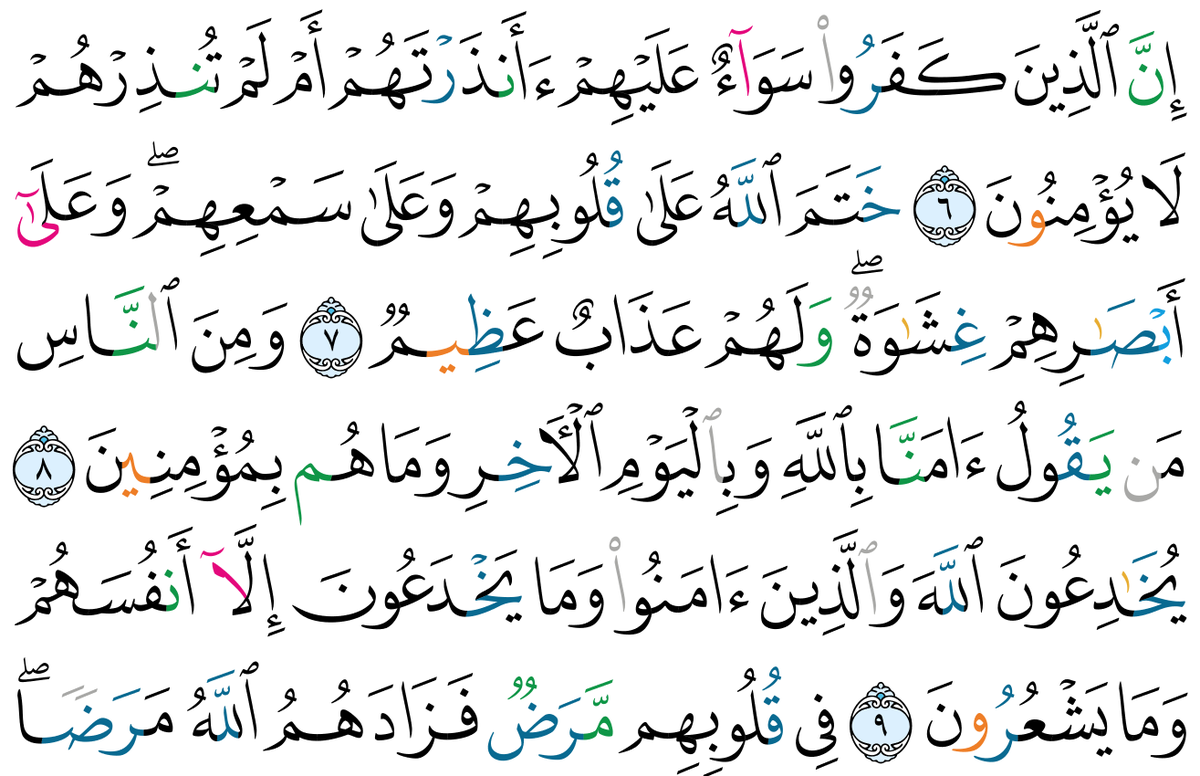
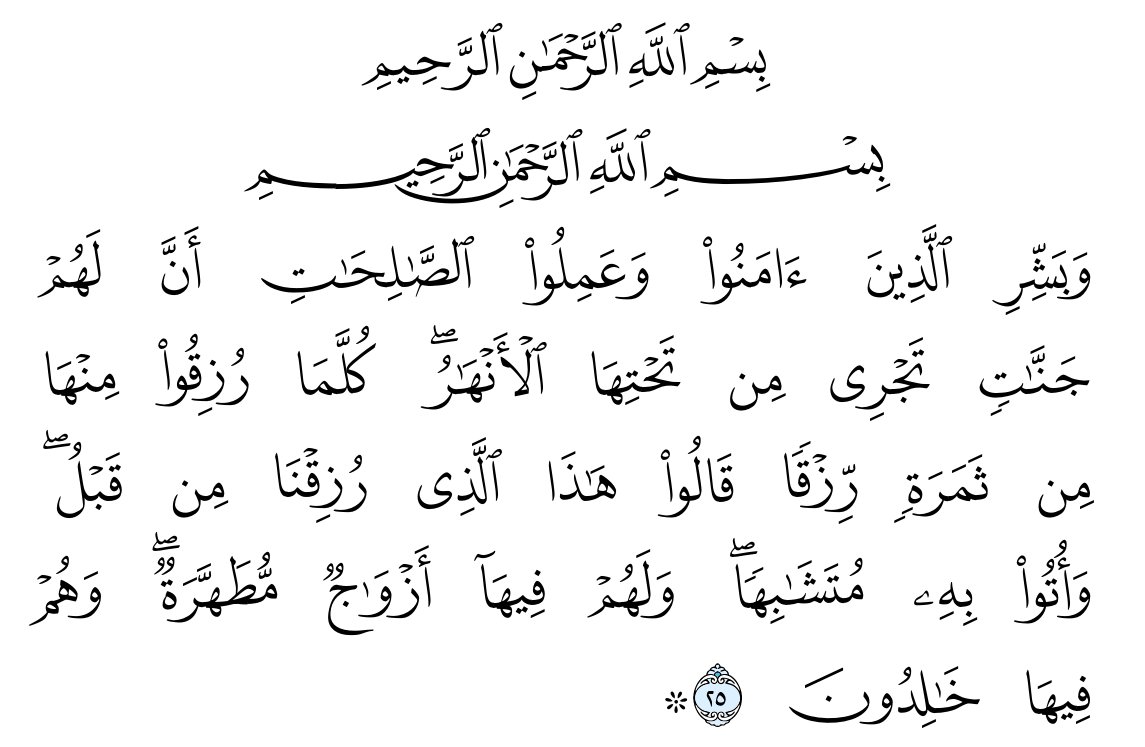
Here is an experimental Old Madinah Mushaf with tajweed coloring.
It uses a constraint solver for automatic mark positioning and collision avoidance, alongside advanced Arabic justification.
This work is still under development and may contain errors.
github.com/DigitalKhatt/oldm…
1
4
394

18 Dec 2024
Working on a new IndoPak variable font (github.com/DigitalKhatt/indo…).
You can find a demo of the Mushaf using this font at digitalkhatt.org/hb/indopak1….
3
1
8
2,648
14 Aug 2024
A new version of the DigitalKhatt font based on Madinah Mushaf from 1441 Hijri is available at github.com/DigitalKhatt/madi… (not yet supported on Safari).
Here is a demo of the Mushaf using harfbuzzjs and a frontend justification: digitalkhatt.org/hb/newmedin….
7
6
25
3,446
1 Aug 2024
I have started preparing documentation if anyone wants to design a new font or improve existing fonts using the Visual MetaFont tool.
github.com/DigitalKhatt/visu…
1
18
1,989
9 Jul 2024
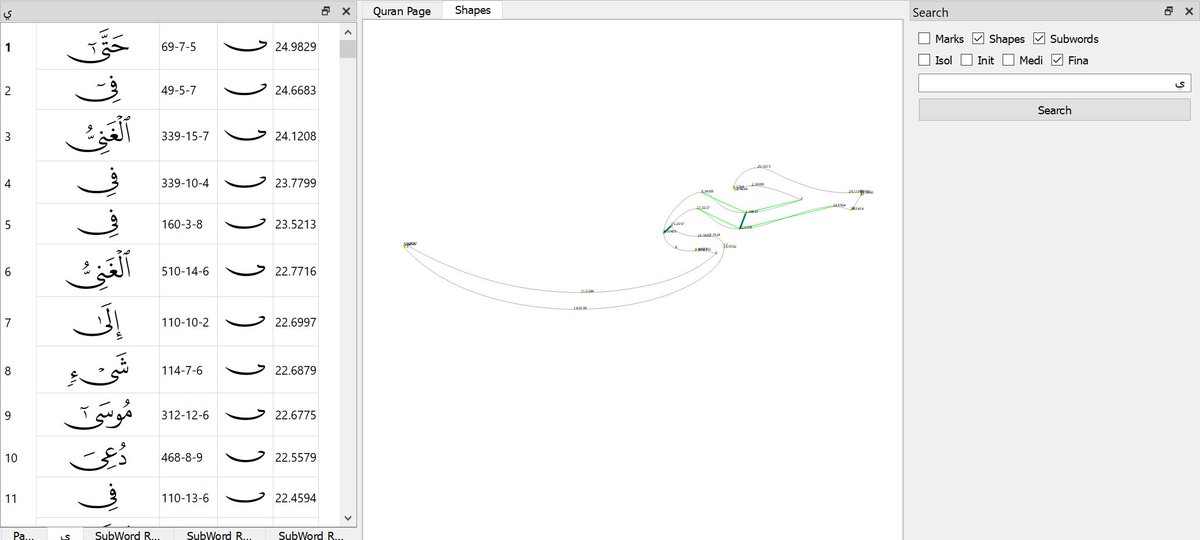
I continued working on character segmentation at github.com/DigitalKhatt/medi…. There are still many incorrectly segmented words, but for correct words, the character shapes resulting from a search are displayed in the order of their widths as for the final Yeh below.
2
2
11
1,413
1 May 2024
A new demo using harfbuzzjs is available at digitalkhatt.org/hb/oldmedin….
Using HarfBuzz directly allows different features per character in the same run. The justification logic is now on the frontend, which makes it possible to study and implement different justification strategies.
1
2
11
1,654
16 Feb 2024
DigitalKhatt is proud to announce funding from @tarteelAI to support full time development on DigitalKhatt, contributing to Tarteel's mission of increasing accessibility to the Quran globally.
We are excited by the accelerated progress & technology this collaboration will unlock!
1
7
39
3,819
31 Jan 2024
A new demo of the old Mushaf al-Madinah is available at digitalkhatt.org/otf/oldmedi… (not yet available on WebKit browser).
The demo uses JavaScript, CSS and OpenType instead of WebAssembly and MetaFont (digitalkhatt.org).
Source code and font : github.com/DigitalKhatt/digi…).
3
16
61
6,331
2 Jan 2024
I'm experimenting a new implementation using only standard WEB components (HTML, CSS, JavaScript) and OpenType.
We can now have search, copy, and interaction capabilities with improved justification.
This looks promising.
Here a simple implementation ex. : digitalkhatt.org/assets/exam…
4
3
27
3,900
28 Dec 2023
I'm working on a new variable font of the old Uthman Taha' script which is used around the world in many masahifs such as the old Madina musha.
Here is an example of the last 4 pages: digitalkhatt.org/assets/exam….
2
6
35
5,030
17 Jul 2023
I made a demo of DigitalKhatt on Android from which you can adapt it to your needs.
It is based on HarfBuzz, Skia and OpenType variable font instead of MetaPost. So I was able to license it under MIT to make it available for proprietary software as well.
github.com/DigitalKhatt/mush…
5
2,514
16 Apr 2023
Here is the third page of Madinah Mushaf in SVG format with the tajweed colors (added manually for now) after automatic character segmentation of the vectorized file of the handwritten Madinah Mushaf. You can find the SVG file at digitalkhatt.org/assets/svg/…
2
3
11
3,519
14 Apr 2023
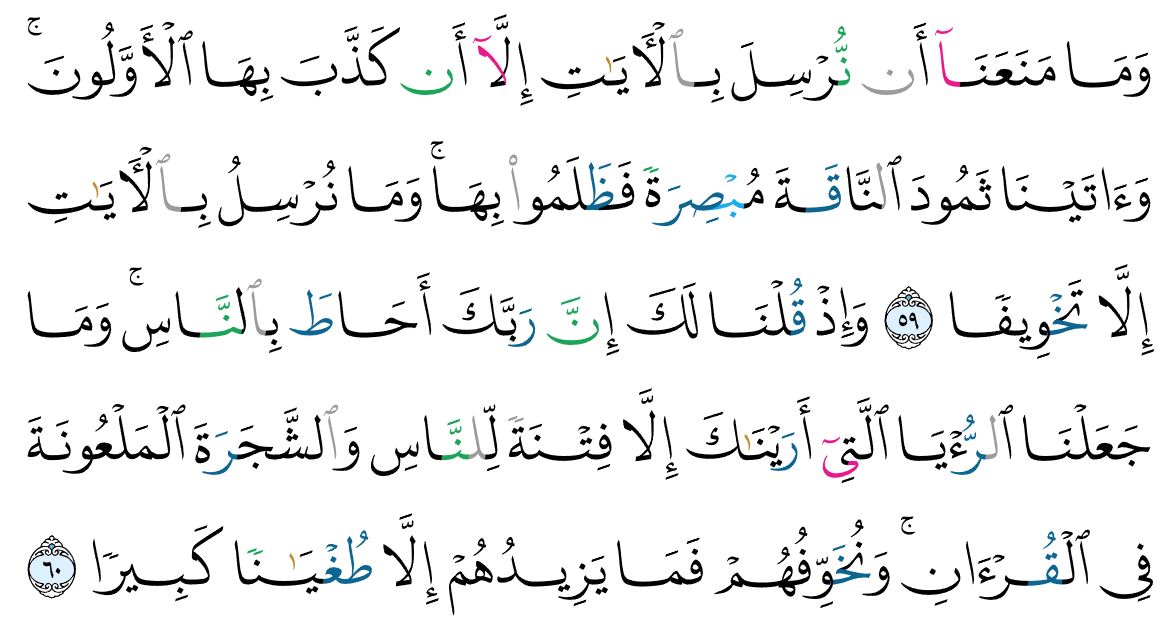
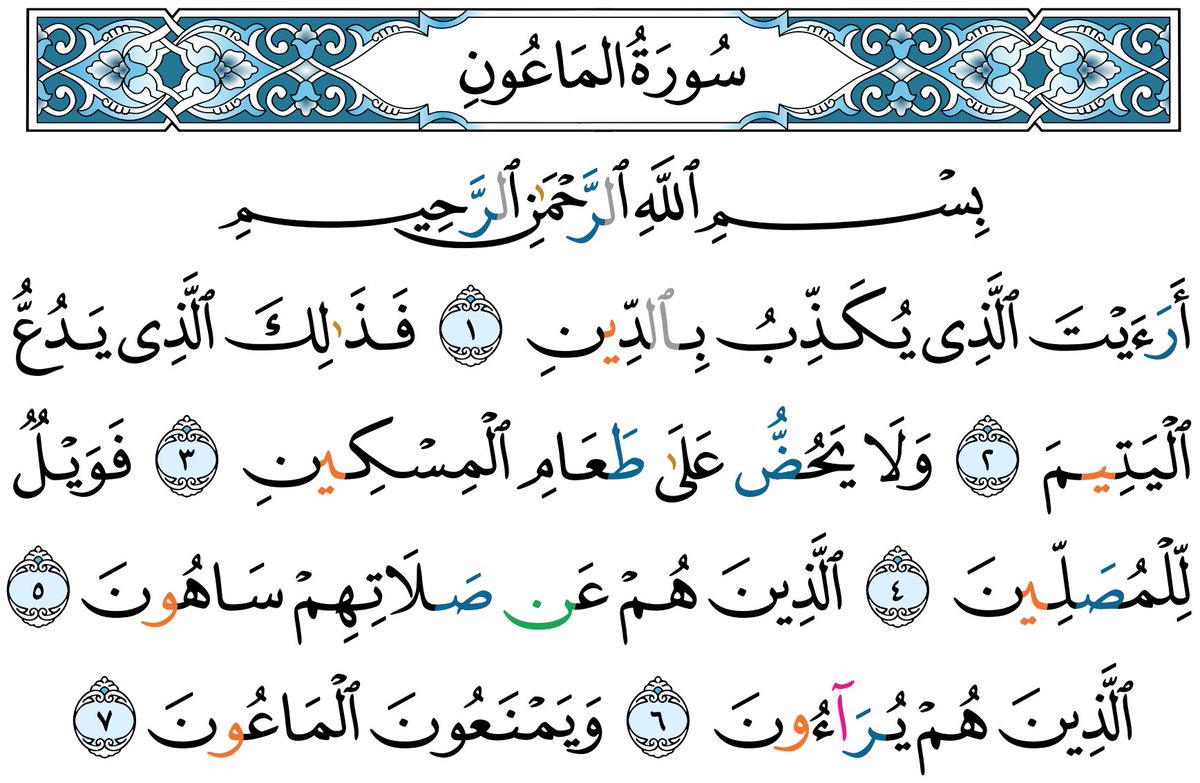
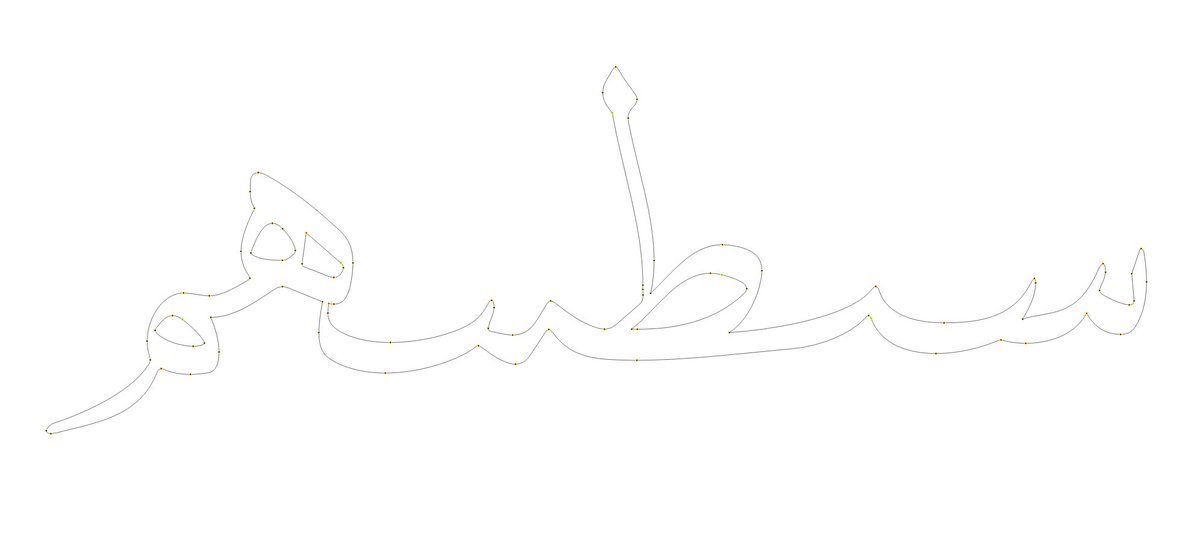
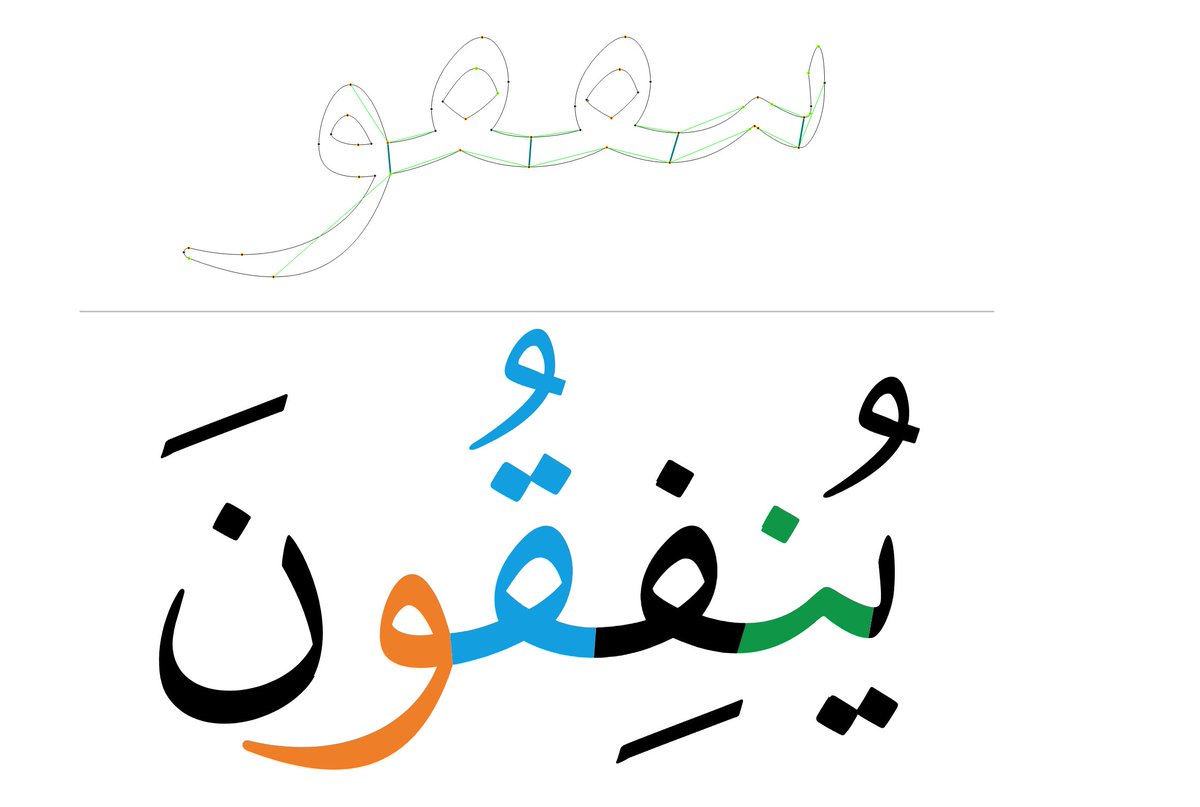
I started to implement character segmentation. This is a long process because multiple characters can have multiple join shapes and types. The example below shows how the subword is segmented based on extrema and sharp turns and the result when applying tajweed colors.
5
1
26
3,999
18 Mar 2023
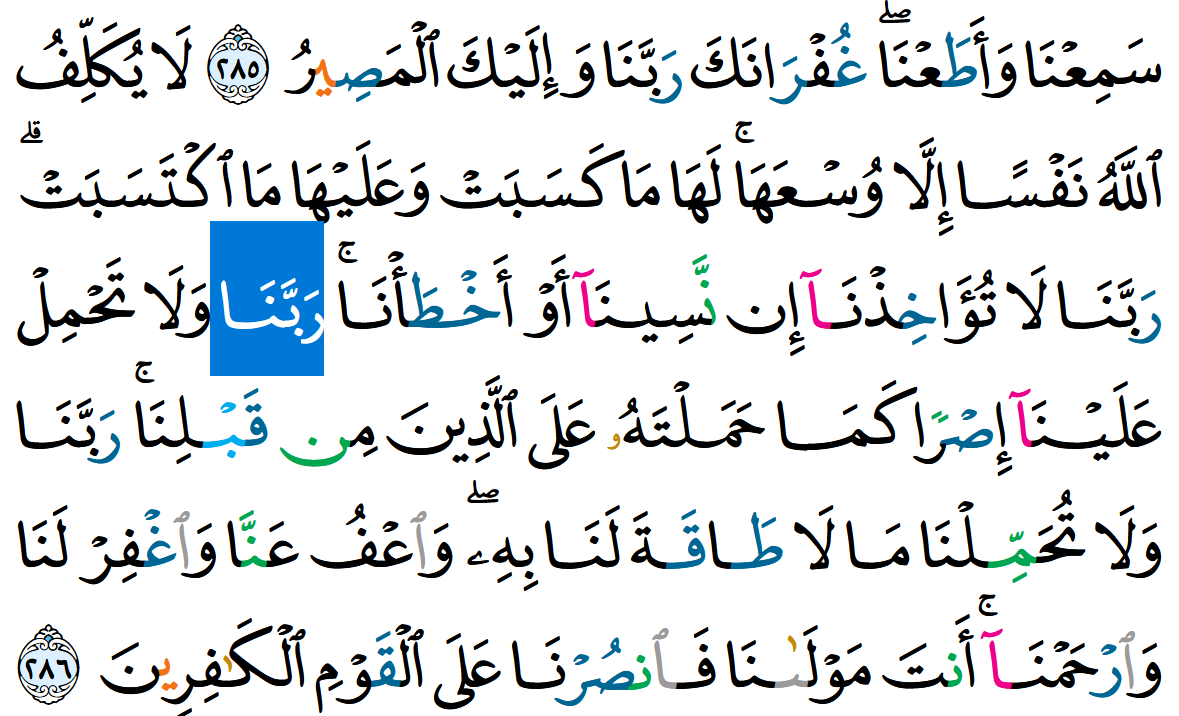
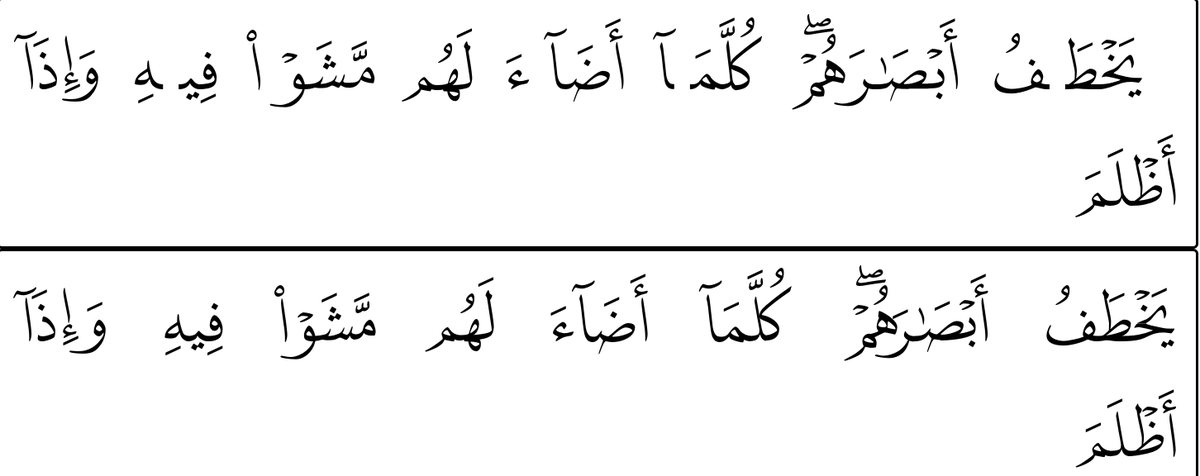
An update to the OpenType Madina font is available at github.com/DigitalKhatt/madi… with the example below.
2
1
35
4,591
25 Feb 2023
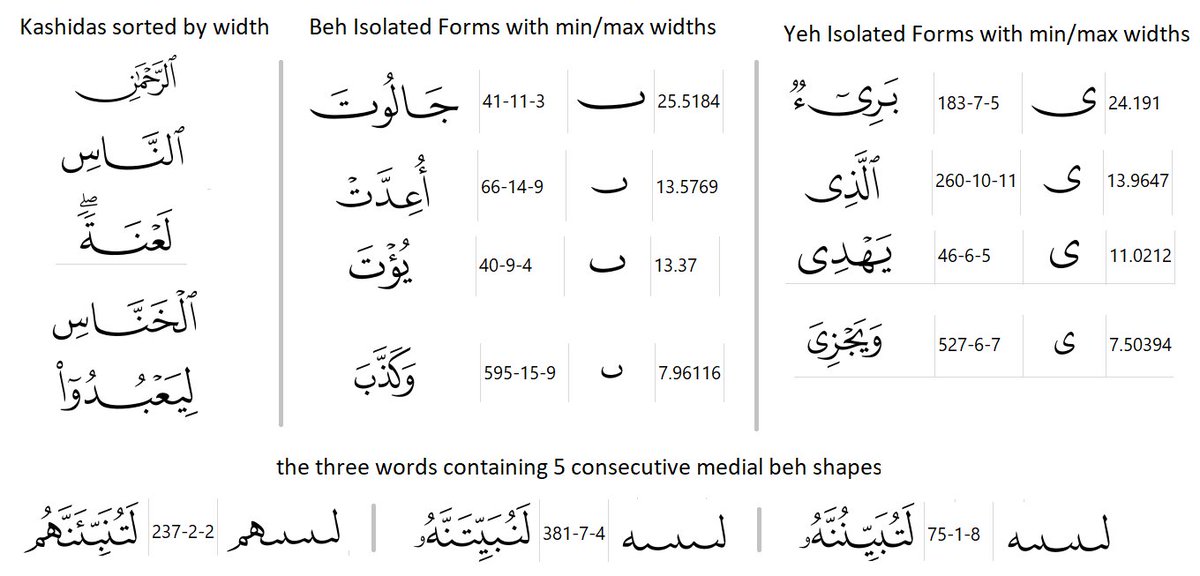
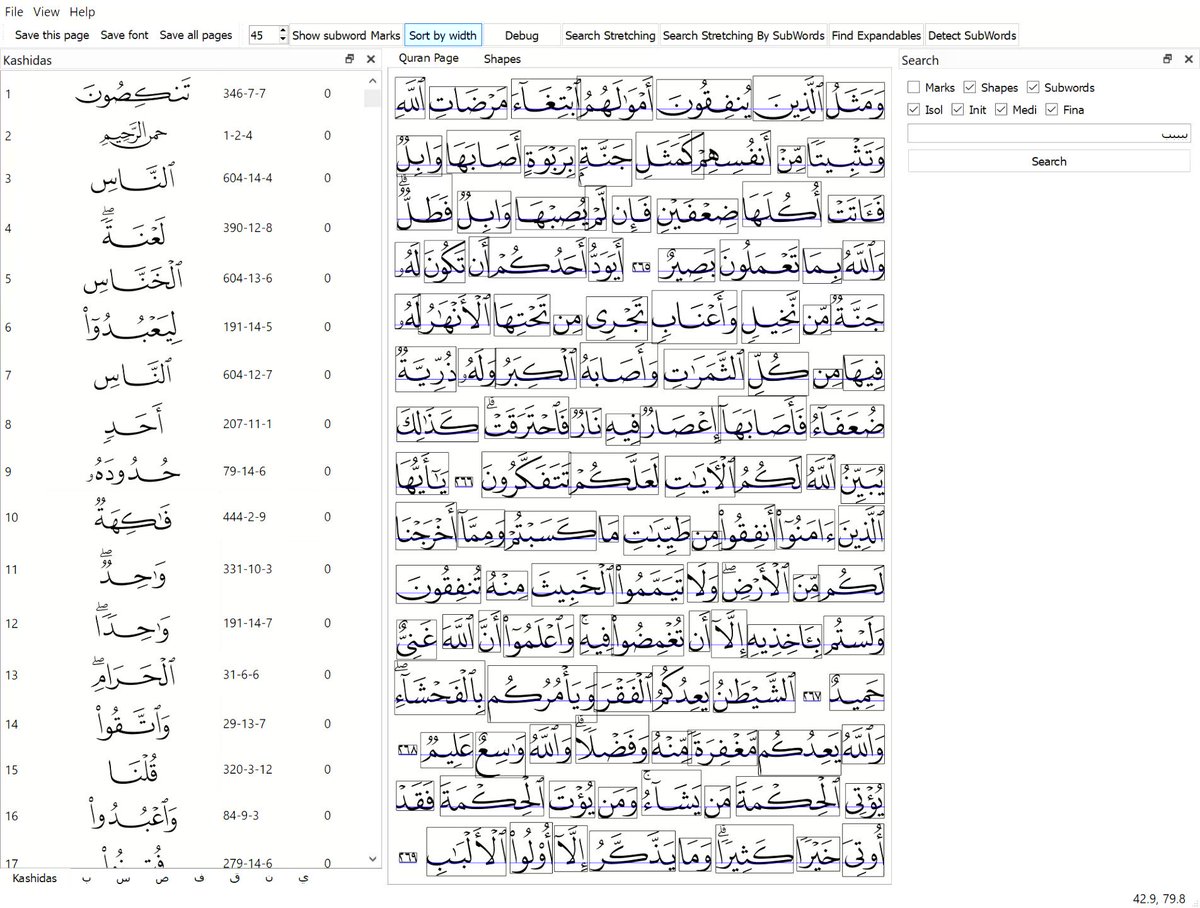
You can find the Medina Mushaf Analyzer source code at github.com/DigitalKhatt/medi…. It was developed to help me design the DigitalKhatt variable font by determining the different letter widths and shapes. Below are examples of results obtained from the tool.
4
3
31
8,772
18 Feb 2023
I found a vectorized file of the handwritten Madinah Mushaf at dm.qurancomplex.gov.sa/hafsd…. I associated it with the equivalent Unicode text so that I could infer certain font characteristics and justification rules. I'm still discovering but I think it's worth the effort.
7
18
130
16,485
DigitalKhatt retweeted
21 Jan 2023
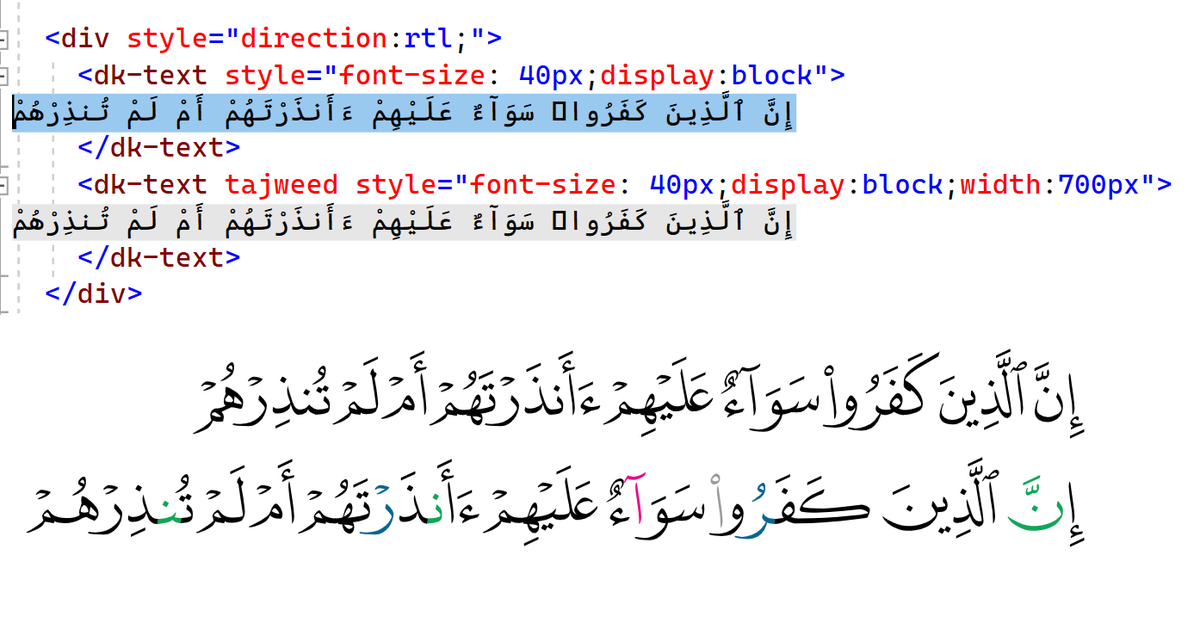
I uploaded a Web Component example at github.com/DigitalKhatt/digi….
2
1
4
1,517
11 Jan 2023
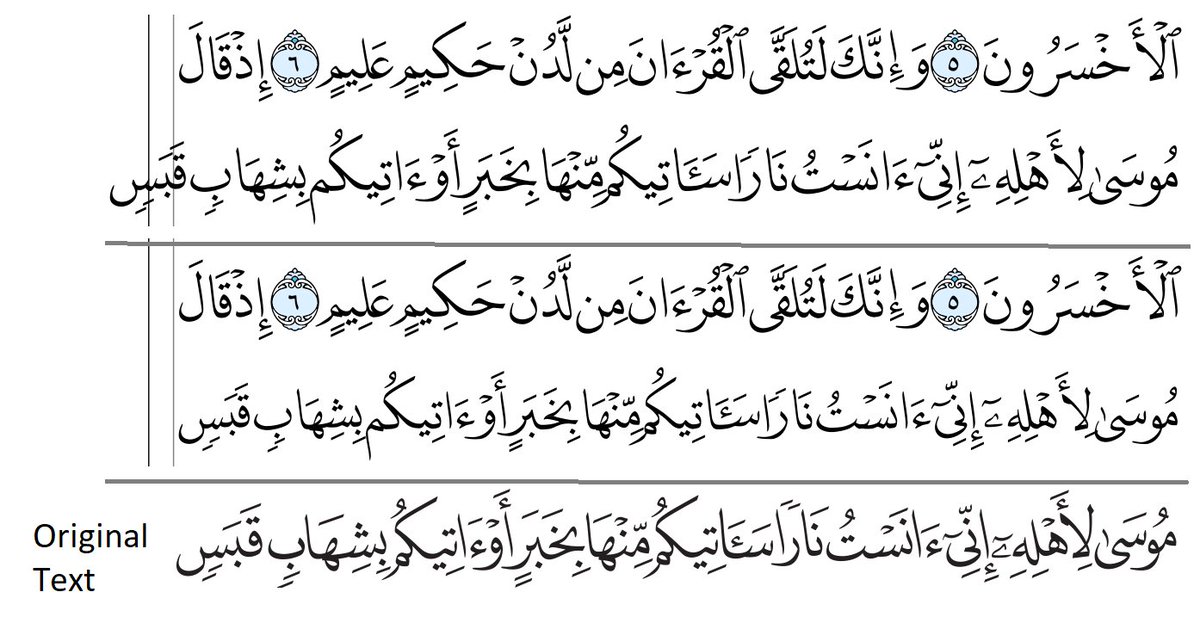
I added the possibility to decrease the font size in case of line overflow (digitalkhatt.org). This allows to specify a larger font size and minimize excessive stretching and word spacing. An intermediate solution until more improvement in the font and justification rules.
4
2,486
26 Dec 2022
A preliminary version of a LuaLaTeX package is available at github.com/DigitalKhatt/lual….
3
1,356