
The Centre for Digital Policy in @UCD_iSchool - helping to build digital policy expertise in the public & private sectors. #UCDdigitalpolicy
Joined April 2023
- Tweets 392
- Following 232
- Followers 232
- Likes 226
49 Photos and videos


8 Apr 2025
Congratulations to centre member @DiretnanB on the upcoming publication of her book "Blogging and Gender Activism in Nigeria 🎉
We can't wait to see this hit the bookshelves!
1 Apr 2025

Thrilled to announce the publication of my book, 'Blogging and Gender Activism in Nigeria' with Palgrave!
Challenging us to rethink activism itself, reminding us that not all voices are equally heard—even in spaces created for change.
Grab one: lnkd.in/eGMNmHfT
1
100
7 Apr 2025
Our Centre Directors @eugeniasiapera and @e_farries have been busy as usual, this time with a new publication on "Platform governance and civil society organisations: Tensions between reform and revolution continuum"
Read more below:
policyreview.info/articles/a…
1
1
602
7 Apr 2025
Findings from recent research by @toledobastos, @ParaicKerrigan and @Christo__Jacob reveals the inaccuraties and misinformation shared by ChatGPT AI.
Access the article at the link:
journals.sagepub.com/doi/10.…
3 Apr 2025

🤖🏳️🌈 ChatGPT’s LGBTQIA -related answers up to 84% less accurate than Google searches, study finds... 🧵
🕵️♀️ Led by researchers at the UCD School of Information and Communication Studies, the study explored how ChatGPT may reinforce incorrect beliefs.
🇮🇳 Participants from Ireland and India using GPT-3.5 to find info on LGBTQIA elected representatives.
🔎 One group used ChatGPT, and another used Google. All questions showed a notably higher accuracy rate when answered by Google than ChatGPT.
❌ ChatGPT mistakenly labelled some politicians as homosexual and hallucinated the names of non-existent politicians.
🤷♀️ Despite inaccuracies, people trusted ChatGPT's info more than Google's search results.
🗣️ According to Assistant Professor Marco Bastos, who led the study, the problem is unlikely to be fixed even as ChatGPT advances in capability.
“GPT-4o, the current version of ChatGPT, is much more capable than GPT-3.5, which was used in our study, at retaining words of chat for context. Conversations and analysis with the tool feel much more natural."
“However, the problem we identified in our study is triggered by proattitudinal information and the reinforcement of previously held beliefs, which go unchecked and unverified by users. This problem is not likely to be solved in current or future generations of ChatGPT, because hallucinations – the generation of inaccurate or fabricated information – remain a perennial problem of large language models like ChatGPT.
“If anything, the more these tools are perceived to be accurate, the less likely users are to perform cross-checks on the information they receive.”
ALT ChatGPT icon on a screen
1
2
3
999
7 Apr 2025
Our Centre membes @toledobastos and @ParaicKerrigan, and @Christo__Jacob have released a new publications on ChatGPT and the"incorrect but proattitudinal information that remains unchecked and unverified by the users."
Access the article on the link below!
22 Mar 2025

Finally out our experimental study on how ChatGPT can reinforce beliefs as incorrect information provided by the service goes unchecked and unverified by users. journals.sagepub.com/doi/10.…
1
1
204
26 Mar 2025
The Centre & @UCD_iSchool are still accepting applicants for MSc & MLIS students with a list of fee waviers for EU students available at:
ucd.ie/ics/study/eufeewaiver…
The Centre specifically is offering one scholarship for an MSc student!
Read more here:
digitalpolicy.ie/education/
2
98
UCD Digital Policy retweeted

22 Mar 2025
Finally out our experimental study on how ChatGPT can reinforce beliefs as incorrect information provided by the service goes unchecked and unverified by users. journals.sagepub.com/doi/10.…
1
3
325
24 Mar 2025
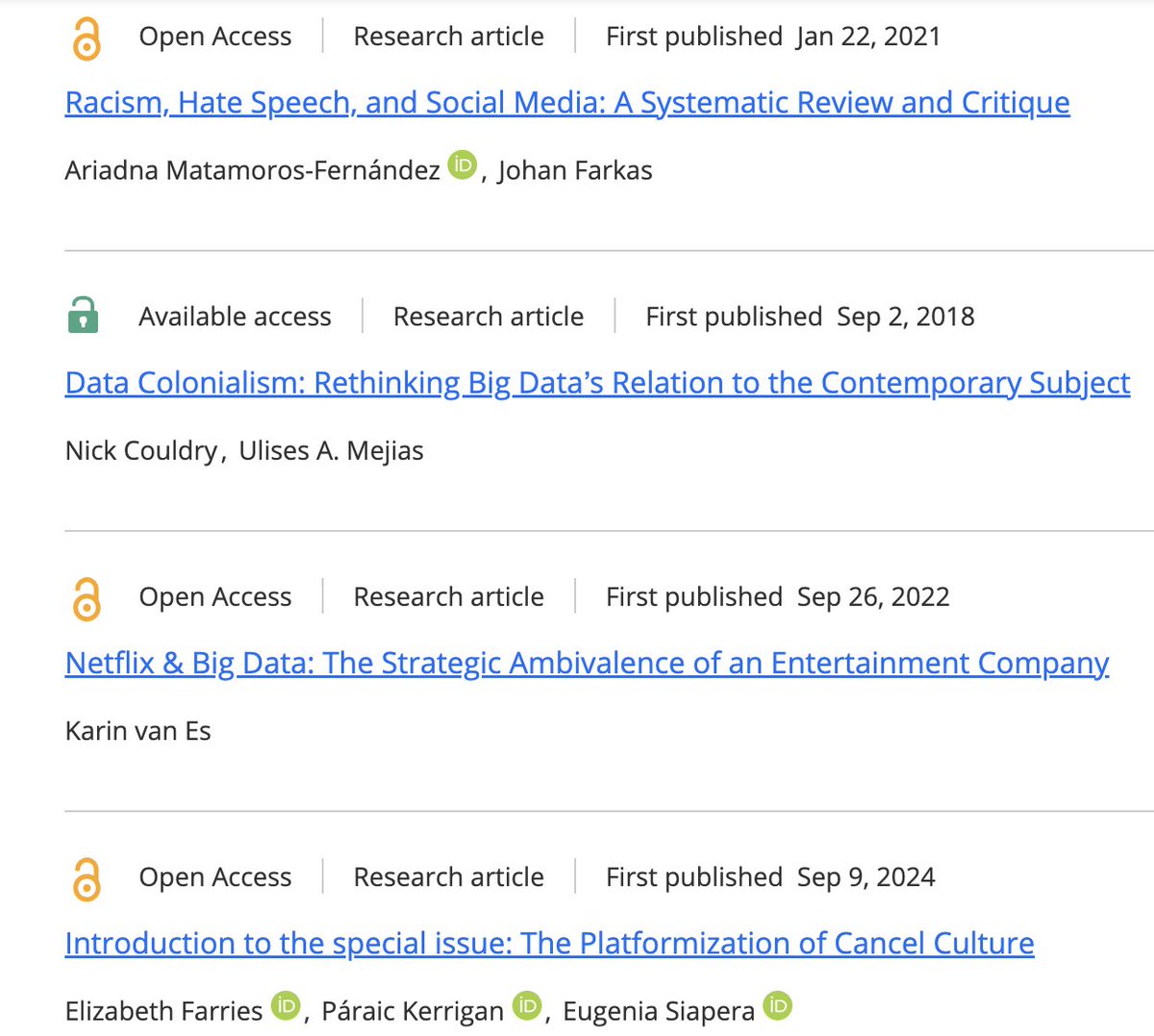
When multiple members are in the top 4 articles on @tvnewmedia? That's smart readership, right there.
Be sure to add these to your TBR folders!
@eugeniasiapera @e_farries @ParaicKerrigan
1
1
494
11 Mar 2025
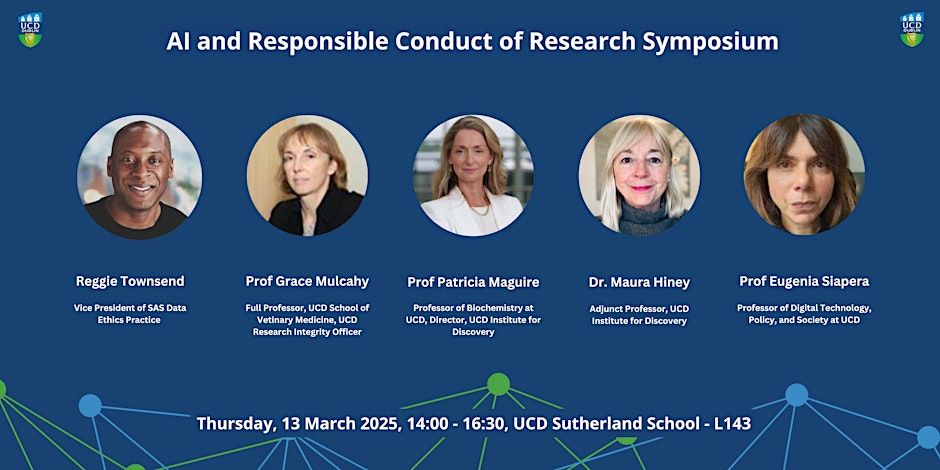
Don't miss out on the upcoming AI and Responsible Conduct of Research symposium, with our own @eugeniasiapera taking part!
📅13 March
🕓14.00-16.30
📍William Fry Theatre (L143), UCD Sutherland School of Law, UCD
Register here: eventbrite.ie/e/ai-and-respo…
2
1
2
641
11 Mar 2025
With our apologies, the location has been changed to the George Moore Auditorium in the O' Brien Building
45
UCD Digital Policy retweeted

4 Mar 2025
🇮🇪🗣️ "This new Irish Government is particularly focussed on skills development and life-long learning, so I was very encouraged to learn of the work you are doing on targeted training programmes, (including at PhD level), digital and AI upskilling, mentorship programmes, and the Microsoft-UCD Digital Policy Programme for government and policy makers."
👏 @DigitalPolicyIE 👏 @eugeniasiapera 👏 @e_farries
3 Mar 2025

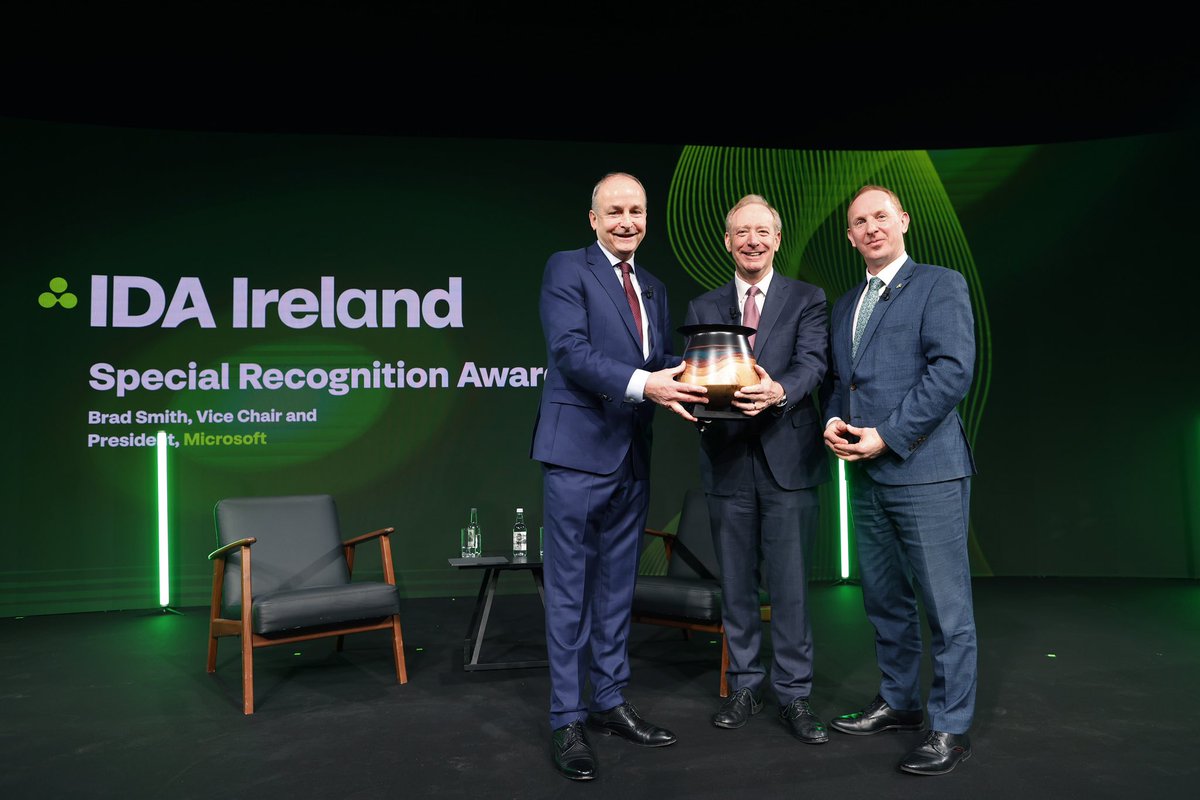
Delighted to present @BradSmi with the @IDAIRELAND Special Recognition Award, acknowledging the longstanding partnership @Microsoft has had with Ireland for the past 40 years.
Your steadfast commitment to Ireland is greatly appreciated.
2
3
5
1,253
UCD Digital Policy retweeted

3 Mar 2025
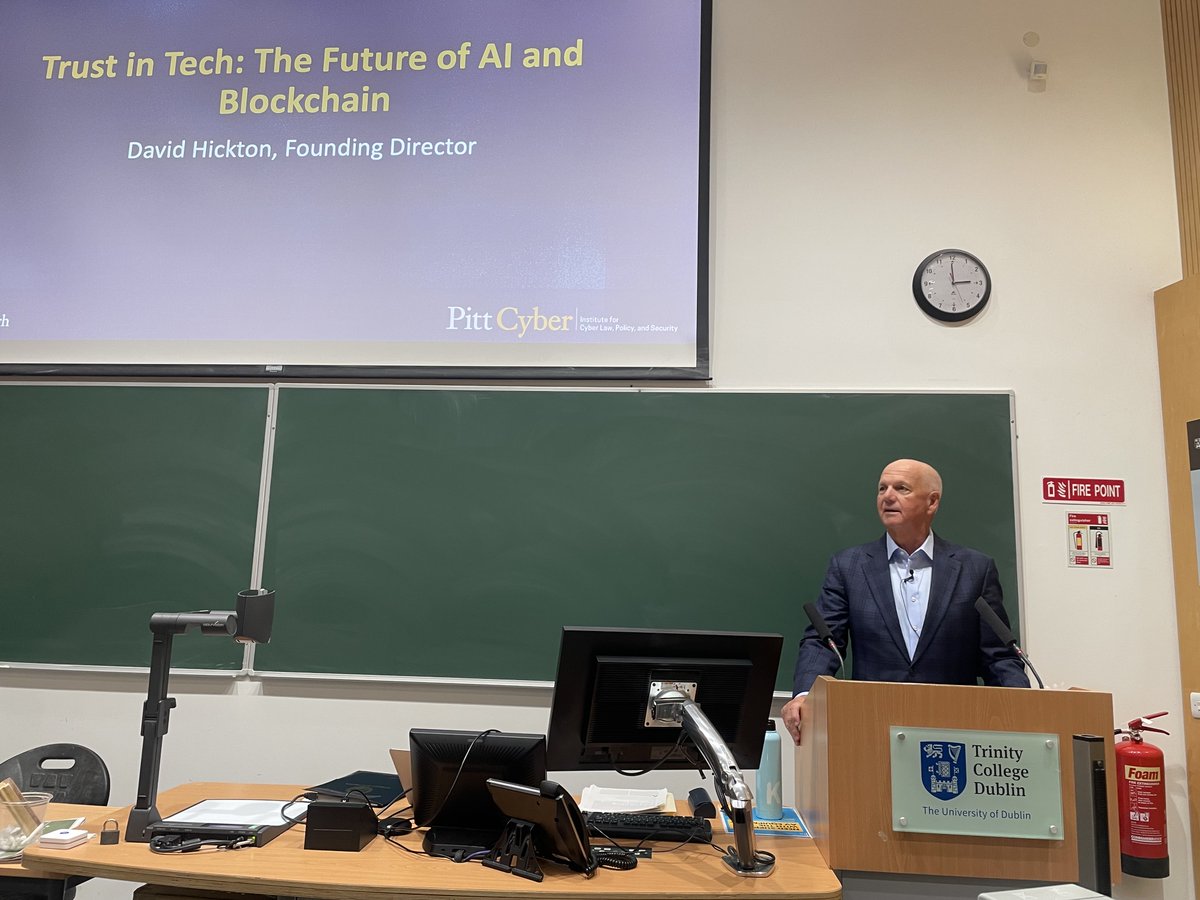
Delighted to kick off Hon Prof David Hickton's visit to @tcddublin @tcddublinscss with a lecture on #AI and #Blockchain.
His next outing will be this Wednesday at 5pm when he discusses disinformation and AI. Don't miss it! Register here: adaptcentre.ie/news-and-even…
3
2
210
UCD Digital Policy retweeted

4 Mar 2025
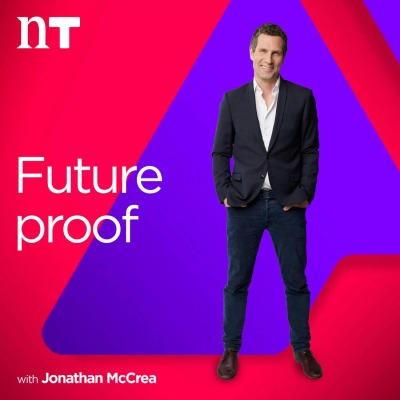
Listen to Assoc. Prof. @BrianMacNamee discuss the next generation of #AI Agents with @jonathan_mccrea on his Futureproof podcast @newstalkscience "The Advancement of AI". Interesting times ahead! #ChatGPT #Alexa
@UCD_Research
@KrisolisHQ
@insight_centre
pca.st/0246v5xi
3
8
509
UCD Digital Policy retweeted
24 Feb 2025
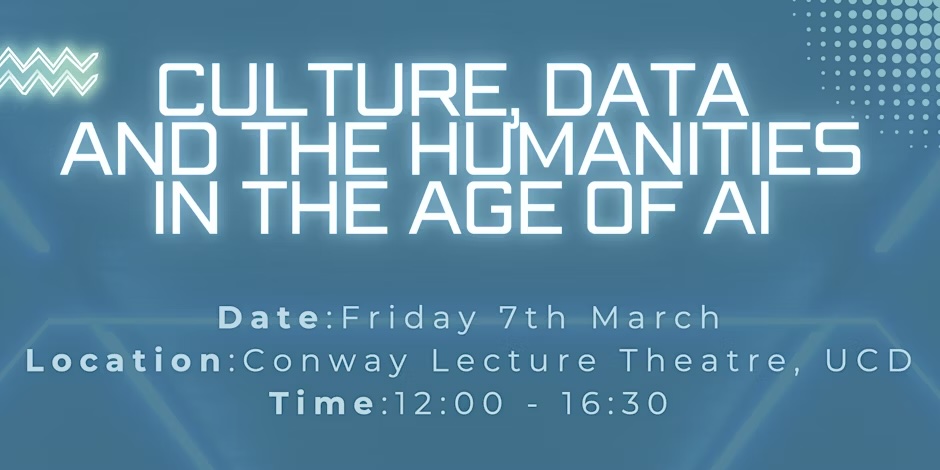
Culture, Data and the Humanities in the Age of AI
Friday 7 March at @UCD_Conway
with researchers from
@GettyMuseum and @turinginst with @insight_centre @UCDCompSci eventbrite.ie/e/culture-data…
5
5
559
UCD Digital Policy retweeted
26 Feb 2025
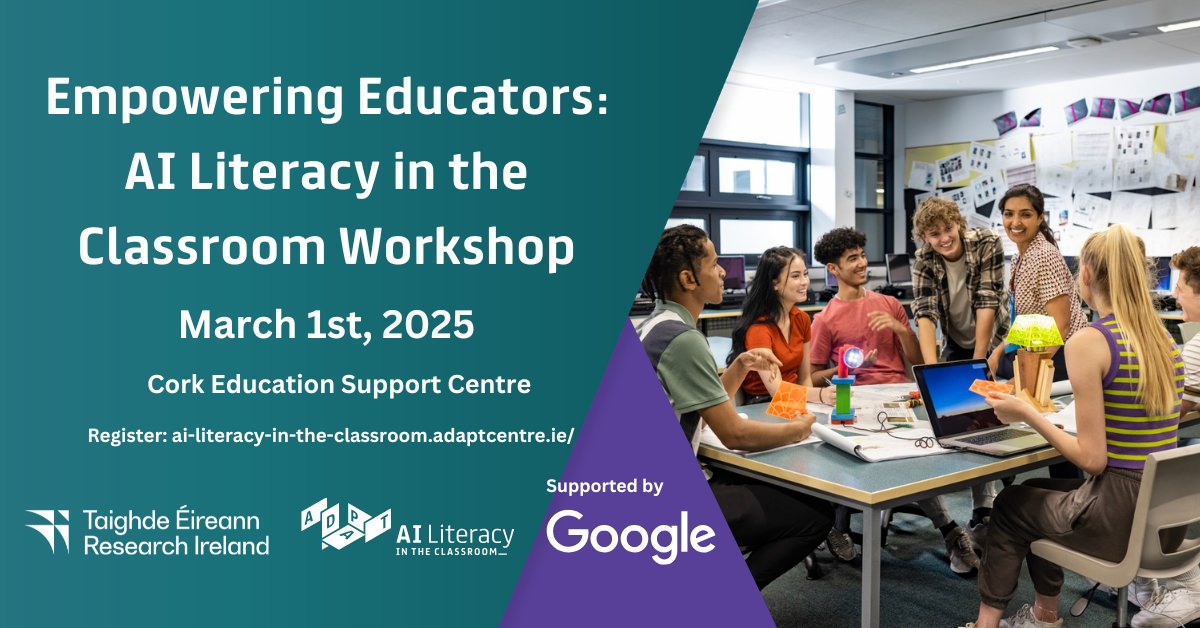
Join us in #empoweringeducators in Cork, Saturday 1st of March, as the @ADAPTcentre hosts a transformative workshop designed to equip post-primary educators with the tools and knowledge to confidently navigate the evolving role of AI in education. Empowering teachers to help their students use AI safely, ethically and critically. Read more and register to attend here > ai-literacy-in-the-classroom…
#AIWorkshops #Teachers #AILiteracy #TeachingAI #ResponsibleAI #GoogleIreland #ADAPT
1
3
221
UCD Digital Policy retweeted

24 Feb 2025
How do we tackle online hate directed at footballers? Where did the toxic masculinity of Andrew Tate originate?
There is still time to register for the first event in the DCU Futurology series:
eventbrite.ie/e/dcu-futurolo…
3
7
3,439
18 Feb 2025
We're delighted to welcome Ariadna Matamoros Fernandez to the Centre as our newest member! Her research interests focuses on social media culutres, online harm, algorithms and platform governannce; read more on her profile at the link below:
digitalpolicy.ie/people/aria…
2
100
17 Feb 2025
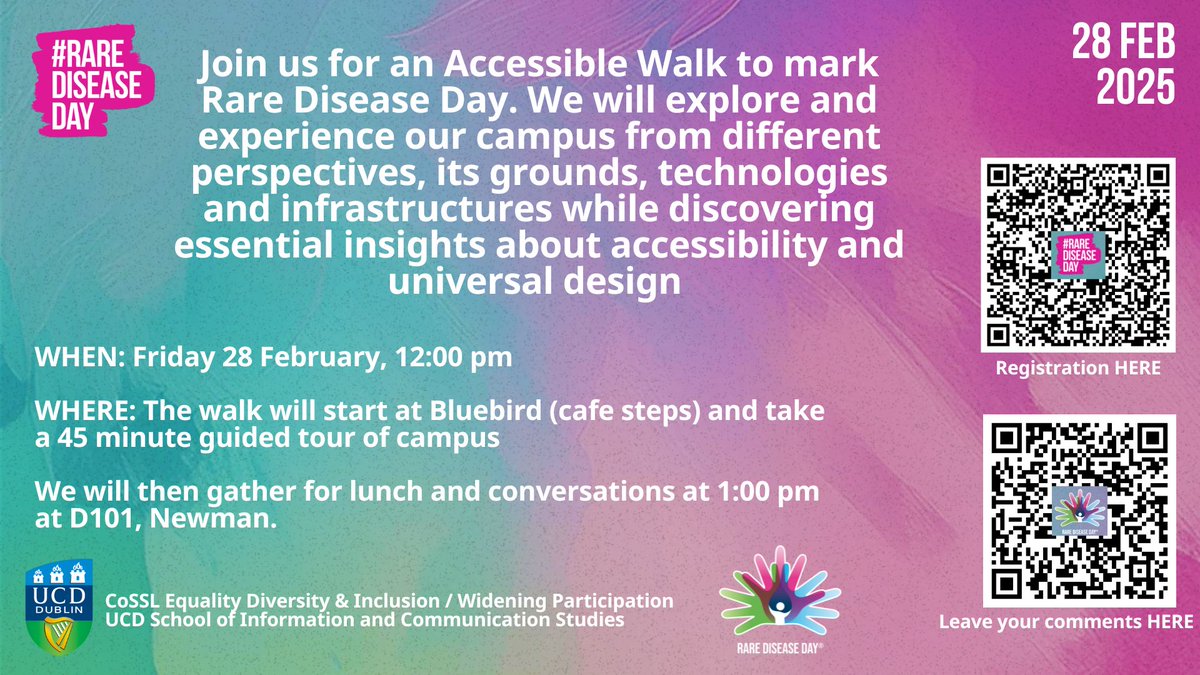
In recognition of Rare Disease Day, the Centre & EDI @ucdsocscilaw are hosting a campus tour that centers accessibility and universal design on Friday Feb 28 at noon!
Register your interest below: digitalpolicy.ie/cossl-edi-w…
4
5
680
11 Feb 2025
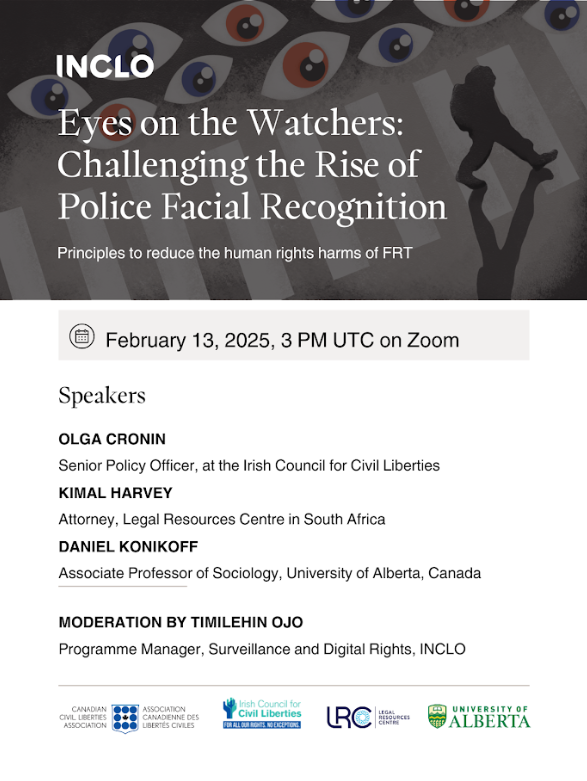
Don't forget to register for this upcoming talk on facial recognition technologies and their use by policing authorities, taking place via zoom on Feb. 13th at 3pm
us02web.zoom.us/webinar/regi…
1
1
154
10 Feb 2025
Don't miss oout on this exciting upcoming event, "AI and Responsible Code of Research Symposium," organised by @UCDDiscovery with our very own @eugeniasiapera
📅Thursday, 13 March
🕓14.00-16.30
📍L143, UCD Sutherland School
Register at the link: eventbrite.ie/e/ai-and-respo…
73