Sociologist FOUNDER—#BigOnNewAge Society—Supreme Mobilizer, of the FANBASE called #TheMassesMovement🔗 | SEE @DiokpaSocialHQ, @OneoddOrg & @GrindgroupHq
Joined January 2024
- Tweets 7,414
- Following 148
- Followers 509
- Likes 3,759
536 Photos and videos
Pinned Tweet

Citizens kokome ni,
While other bloggers are building communities for cruise, gist, gossip, entertainment, celebrity news, lifestyle, comedy and fun, we believe there is nothing funny about Nigeria, so, we are building a community for devt.
Follow @Diokpa_Co for devt content.

Society is sick and citizens are the problem of society 💊
— Diokpa 2023
3
1
3
2,247
Soc. Diokpa-drm | sOCioloGist 🌊⚙️🧭💊 retweeted

13h
Every morning is a fresh opportunity to decide who you will be and what kind of life you will build. Your future is not shaped by luck alone. It is shaped by the choices you make every single day. The habits you create, the discipline you practice, and the attitude you carry are the building blocks of the life you desire.
Do not compare your journey to anyone else's. Every person has a unique path, a unique pace, and a unique purpose.
The only competition that truly matters is becoming a better version of yourself than you were yesterday.
29
49
163
2,884
Soc. Diokpa-drm | sOCioloGist 🌊⚙️🧭💊 retweeted

It’s Thursday 18 of June, maybe I will spend all day #assdressing your #diasporic_ass and yes am fucking bitter.
The truth can’t be sugarcoated, you #diasporians are viruses to the progress of africa.

All because your primary school friends refused to give you some money?
Just leave the Wattsapp group for them no need to be insanely bitter.
1
1
2
133
Soc. Diokpa-drm | sOCioloGist 🌊⚙️🧭💊 retweeted
A Virus can’t survive without its host.
#Whiteness is the endless desire to build an #Artificial_Heaven, cos #the_Earth demands oneness with nature and the #necessary_sufferings to preserve her.
We have seen the power of hate, and we most hold on to it; never to throw it away.
Jun 17

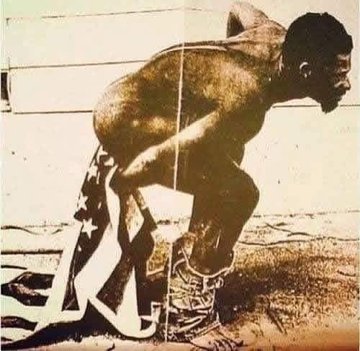
This was how Patrice Lumumba was arrested and later kiIIed by the Belgian army and the United States of America on the soil of DR Congo 🇨🇩 💔💔💔😭😭😭
1
1
1
118
Soc. Diokpa-drm | sOCioloGist 🌊⚙️🧭💊 retweeted

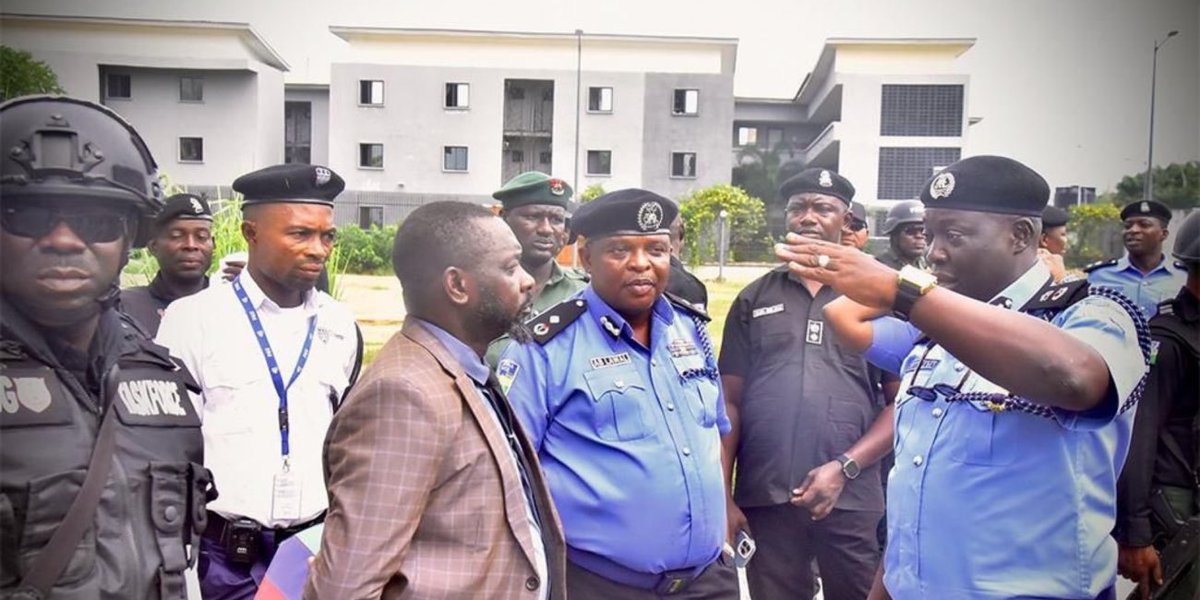
Lagos Deploys Drones as Pan-Atlantic University Lifts Lockdown Following Security Sweep Triggered by Video of Suspected B@ndits
40
46
488
16,713
Soc. Diokpa-drm | sOCioloGist 🌊⚙️🧭💊 retweeted

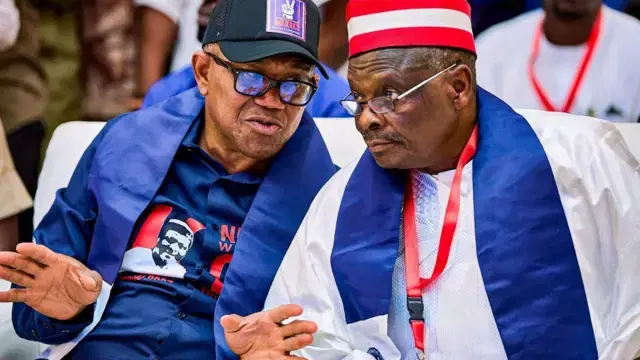
NDC exempts Obi, Kwankwaso from anti-defection oath
vanguardngr.com/2026/06/ndc-…
11
30
154
6,840
Soc. Diokpa-drm | sOCioloGist 🌊⚙️🧭💊 retweeted

Jun 17
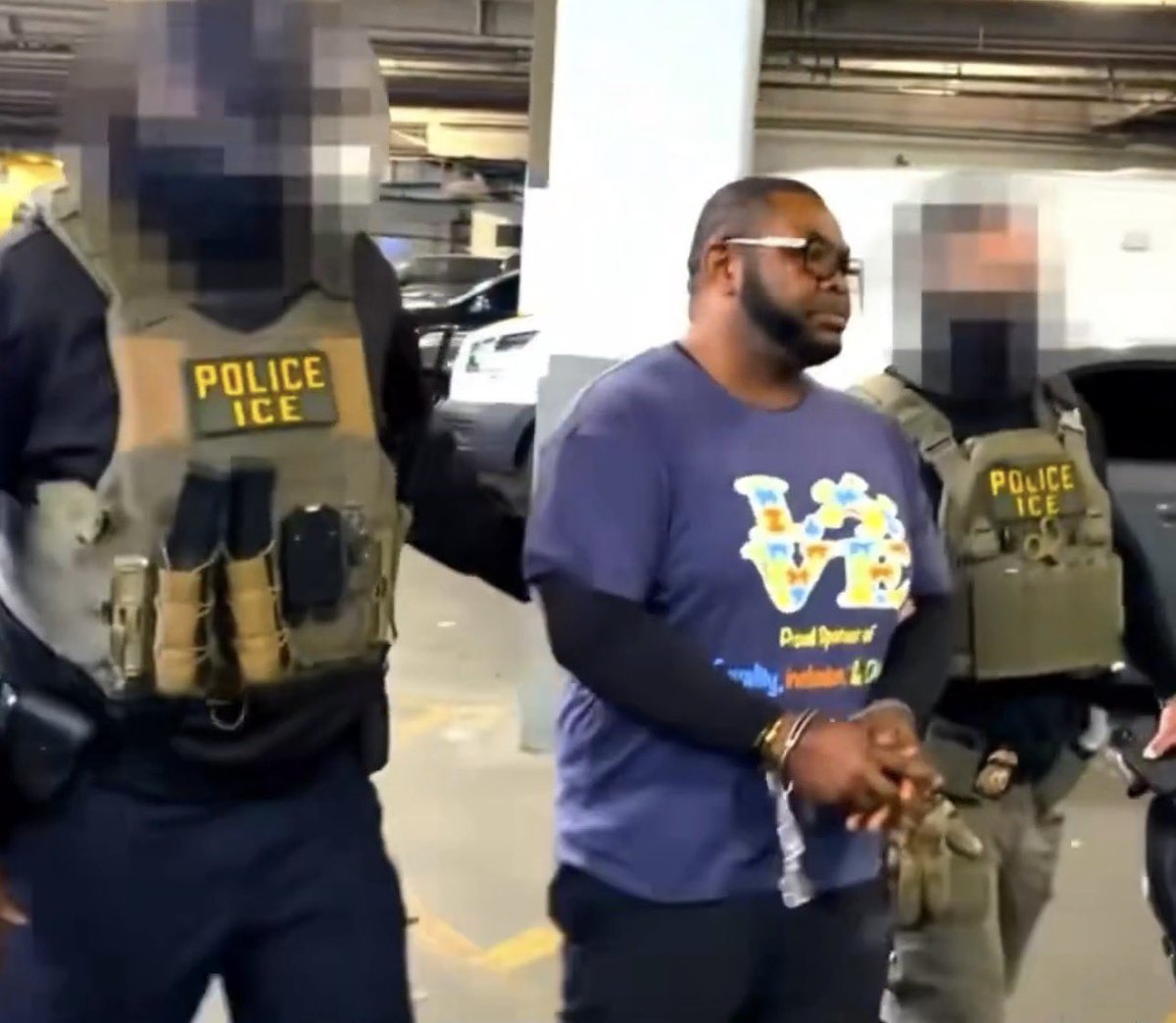
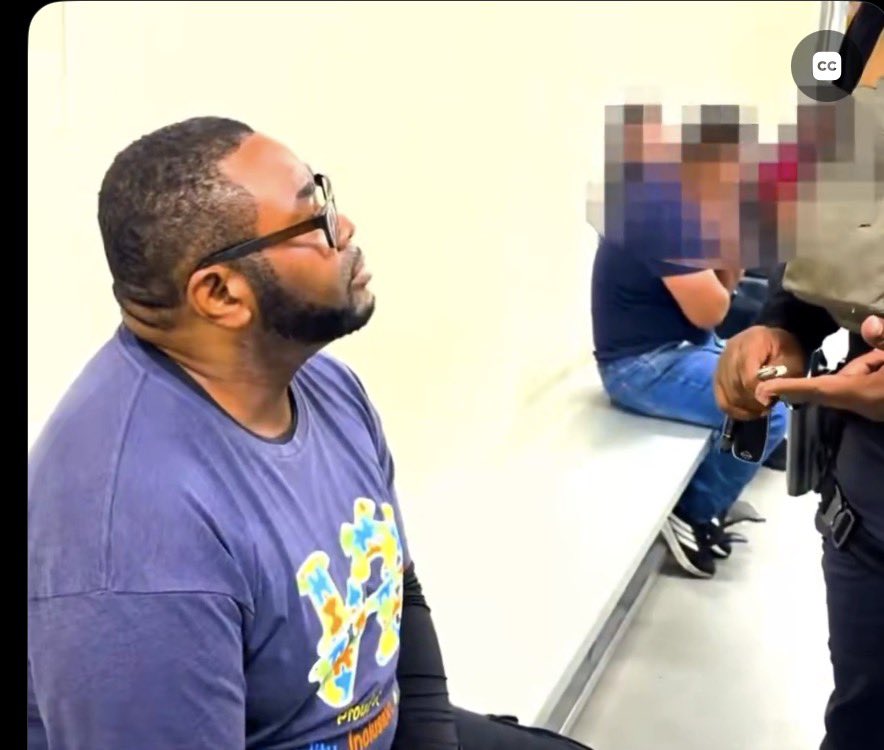
JUST IN: ICE has deported Nigerian man, Olatunde Abiodun Olusanjo from USA 🇺🇸over multiple s£xual offense convictions
420
698
2,843
152,206

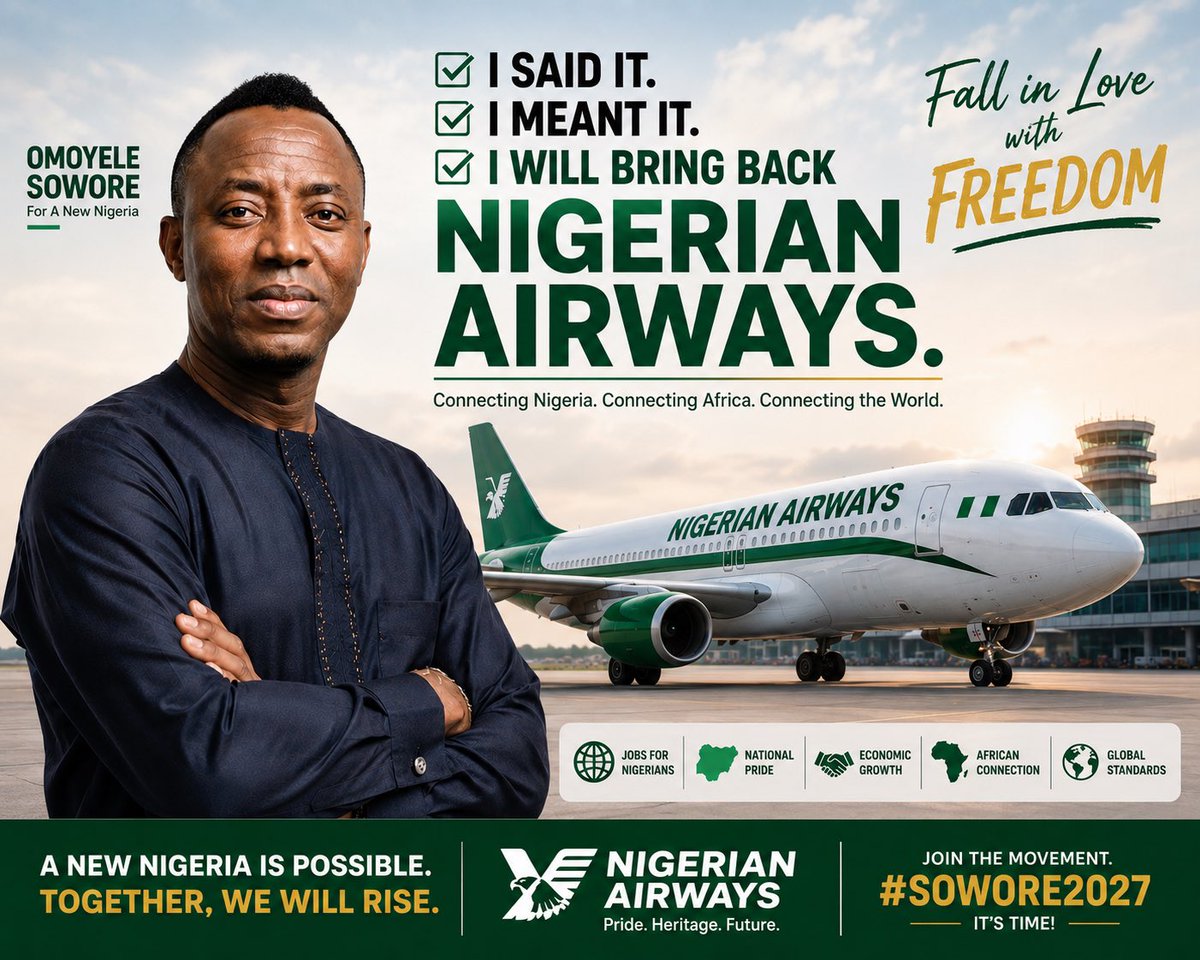
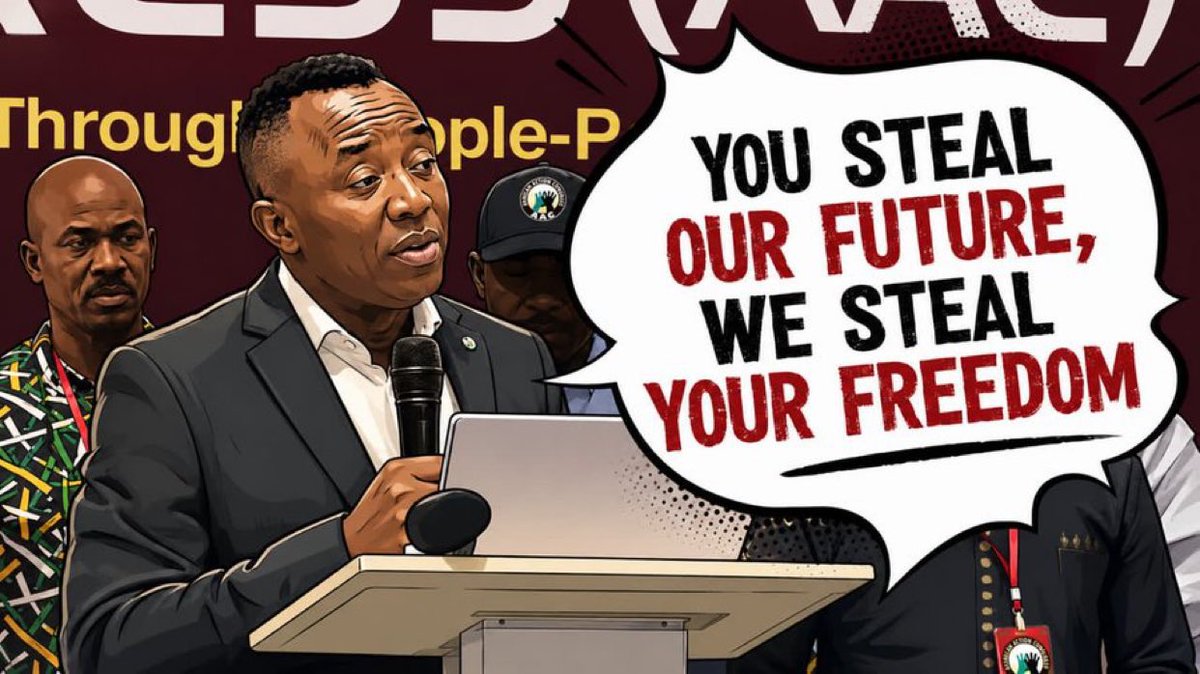
It was all planned, the associated use of lawfare against our comrade leader & presidential candidate Omowole Sowore. No matter how hard they try, we remain resolute.
The more they come after us, the harder they will Fall - dem never hear anything at all, dem go hear pansa pansa
6
19
177
Soc. Diokpa-drm | sOCioloGist 🌊⚙️🧭💊 retweeted

Jun 16
It may be difficult for some compatriots to hear, but a nation governed by a leader @officialABAT involved drug-trafficking stands little chance of getting its moral compass right.
When those at the very top set the tone, the institutions responsible for upholding integrity are inevitably shaped in that image.
That is why officials such as @OfficialDSSNG Director-General Tosin Ajayi owe their loyalty not to the Nigerian people, but to the interests of the cartel.
They should all be reminded, as we have repeatedly reminded public officials intoxicated by naked power, that no abuse of power lasts forever. A day of reckoning is always near. #RevolutionNow
244
281
787
36,063
Thank you Sociology, for discovering, colonizing, and imprisoning me.
14
Your father is crazy

15
I promise you, that;
1. EXPERIENCE is not the best teacher, REALISATION is.
2. IDEAS don't rule the world, ACTIONS do.
3. Sociology is not the study of human SOCIETY (the world), rather, it's the niched study of human SOCIALITY (interactions, networks, sociographics…)
26
Didirin ni uncle Davido
His uncle is dunce and dekpe
Jun 13

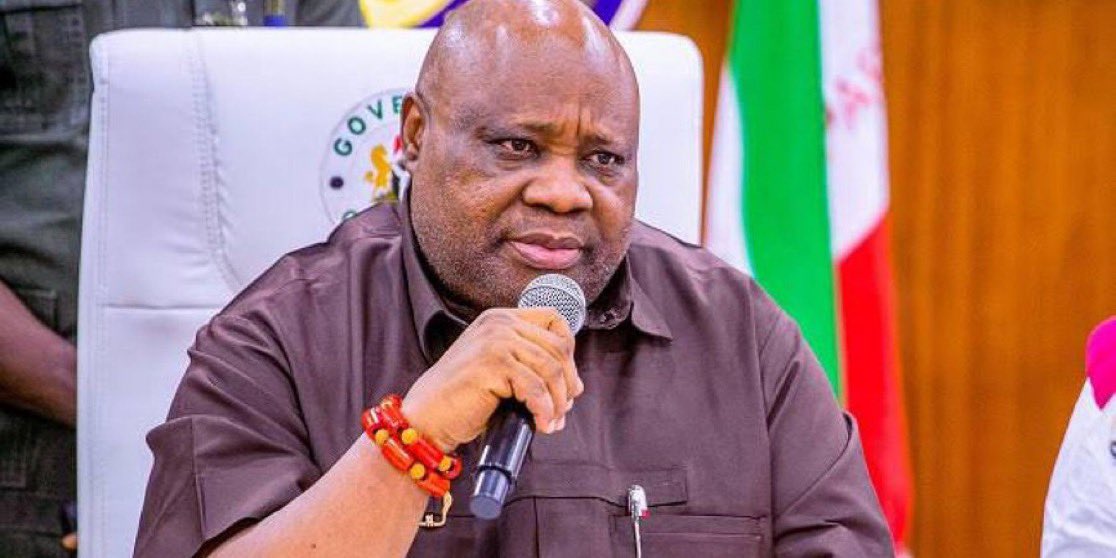
“I am supporting Tinubu because he has roots in Osun State, and because it is the turn of the South. Nigerians should please give him time to implement his reforms”
— Governor Adeleke.
37
Soc. Diokpa-drm | sOCioloGist 🌊⚙️🧭💊 retweeted

Jun 12
There is zero dignity in playing civilized in a racist, parasitic system designed to drain you. Blacks must become predators: ruthless predators in finance, psychological warfare, industry, economics, commerce, and above all, in the ruthless education and shaping of our children.
14
134
387
4,720
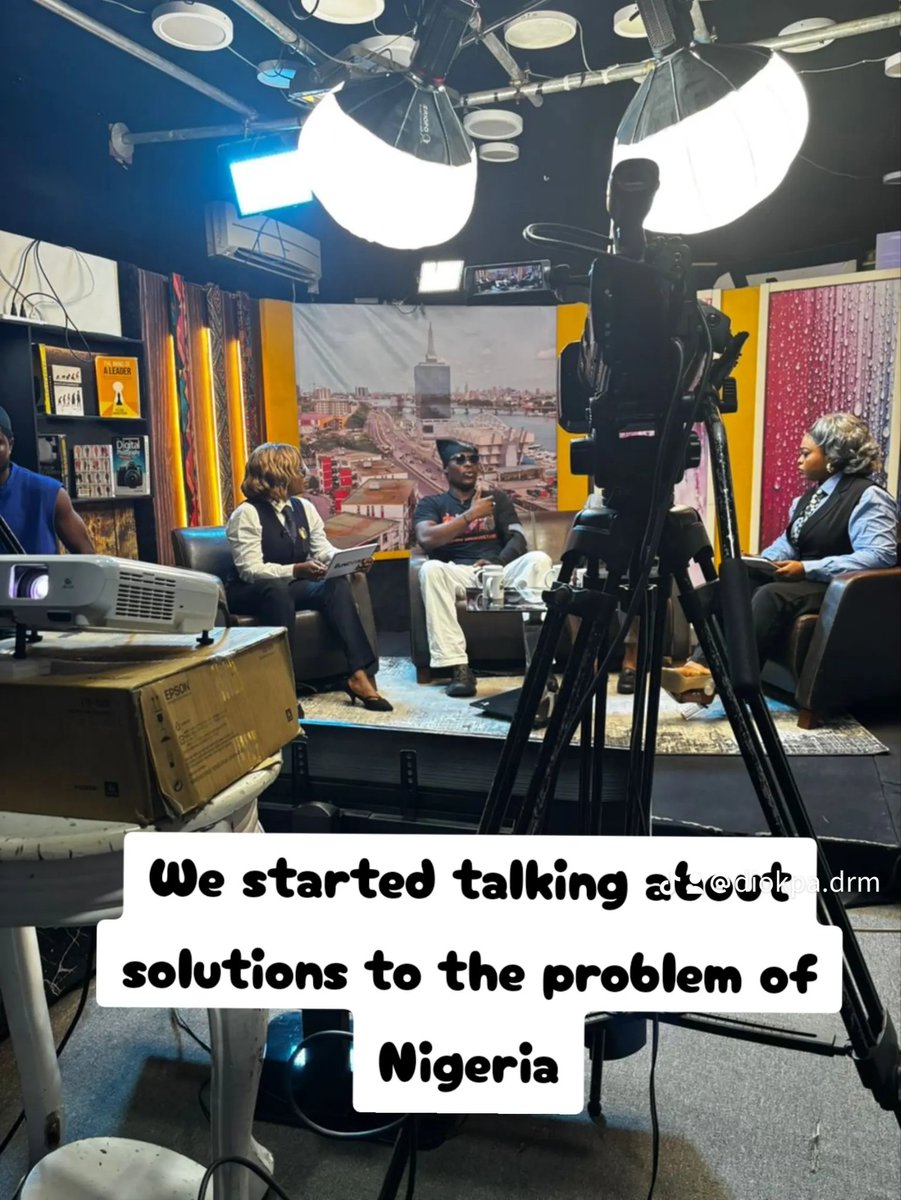
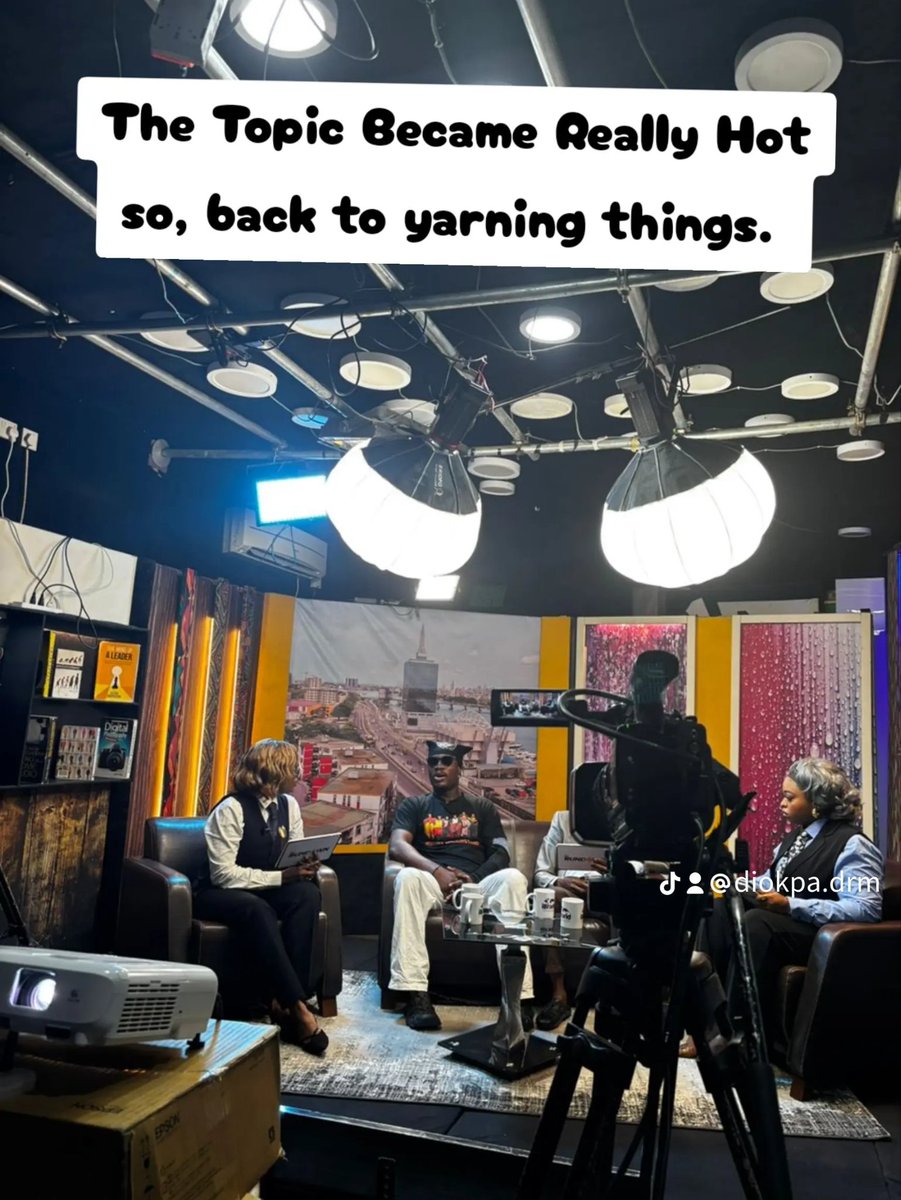
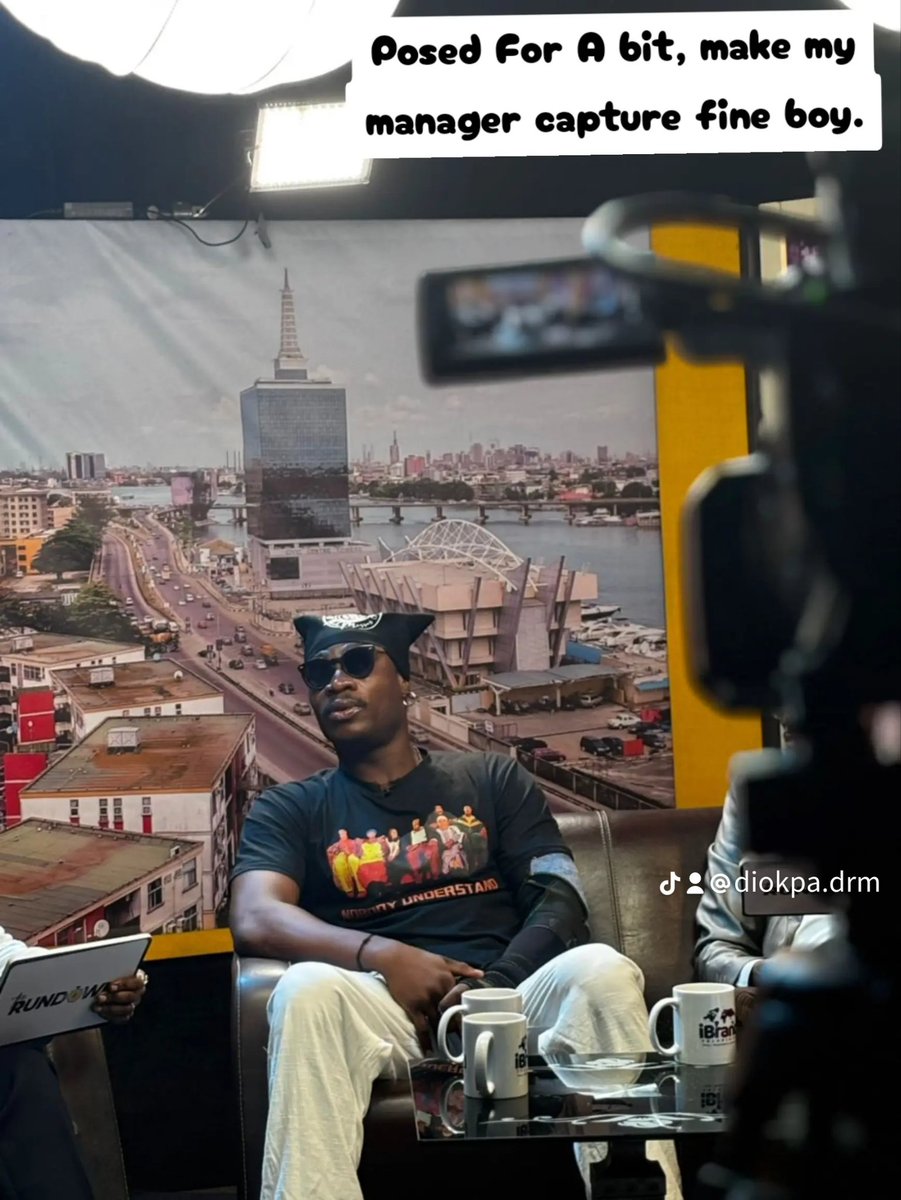
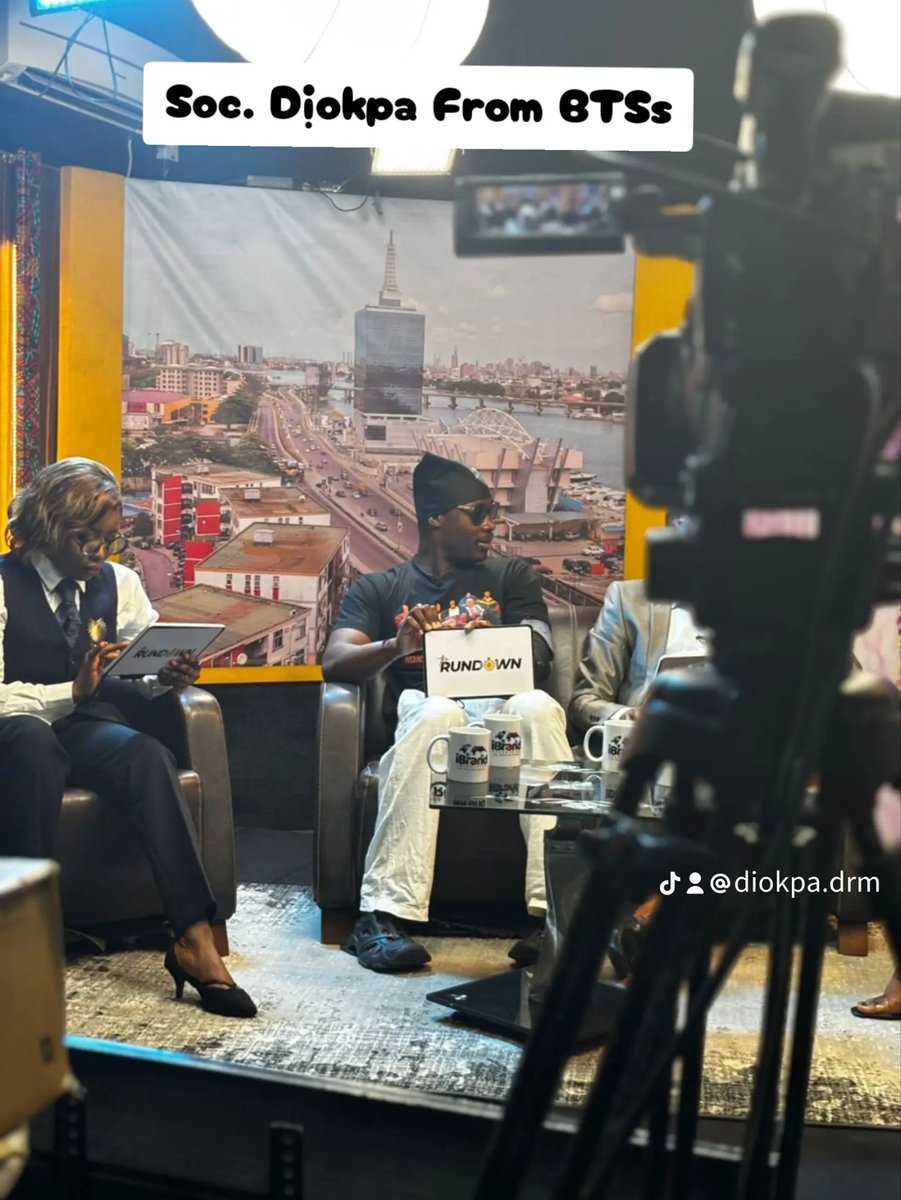
Today with Ibrandtv Media | We discussed the several multi-layered issues affecting the progress of Nigeria.
From insecurity to democracy, to civility, to the masses' political apathy & incapacitation and more.
13
Woman wey go stress you, na from first two days you go don know.
Take this update play.
1
16
Soc. Diokpa-drm | sOCioloGist 🌊⚙️🧭💊 retweeted

Jun 11
Alright, luna.tic. You can now return to picking & eating of trash. As long as you don't bite, you'll live long in your ma.dness.
1
3
65
Soc. Diokpa-drm | sOCioloGist 🌊⚙️🧭💊 retweeted

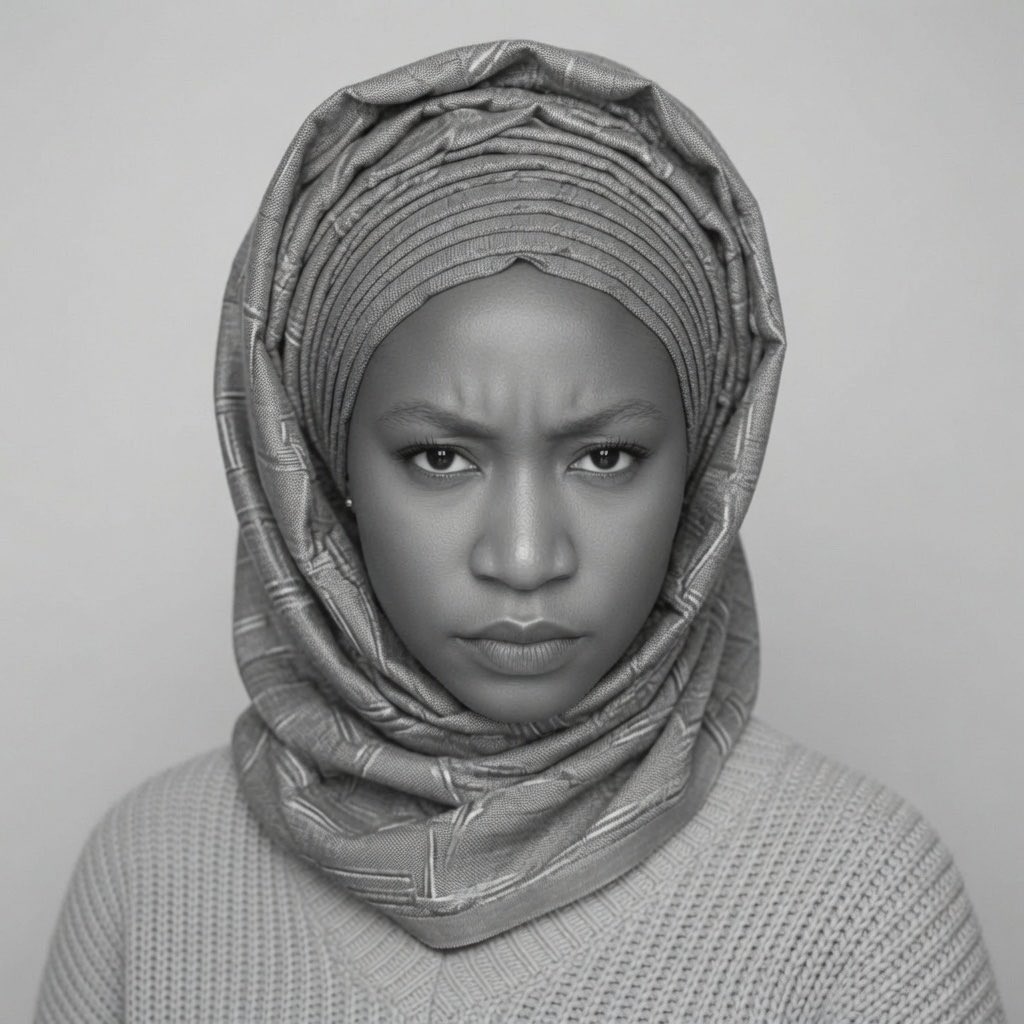
I met someone who said:
“You should probably focus more on Northern leaders keeping your region in poverty due to misrule, financial mismanagement and the overwhelming influence of Islam rather than trying to influence the sentiments and bias of Southerners.”
Then, when I told him he couldn’t tell me what to do with my own platform, he decided to play the “you’re a lady” card.
In my mind, I found that fascinating.
Not because he disagreed with me. People are free to disagree.
But because some people seem to believe that if a Northern woman speaks about stereotypes, identity or culture, she must first seek permission from them on what topics she is allowed to discuss.
Apparently, there is an approved list of subjects they think I should focus on.
And if I choose something else, they become upset.
Here’s the thing.
A person can talk about governance and talk about stereotypes.
A person can discuss poverty and discuss prejudice.
A person can criticise leaders and challenge misinformation.
These conversations are not mutually exclusive.
The assumption that Northern stereotypes should be left unchallenged until every political problem is solved is absurd.
Nobody tells people discussing anti Igbo stereotypes to stop until corruption ends.
Nobody tells people challenging stereotypes about the Niger Delta to remain silent until unemployment disappears.
Nobody tells people celebrating Yoruba culture to wait until every governance issue is fixed.
Yet somehow, when Northerners challenge misconceptions about the North, some people suddenly become gatekeepers of what is and isn’t an acceptable conversation.
And then came the “lady” comment.
Which revealed something important.
For some people, the issue is not actually the argument.
The issue is that a woman refused to be instructed.
A woman disagreed.
A woman declined to accept that a stranger gets to dictate the purpose of her platform.
The irony is that many of the same people who claim to support free expression become uncomfortable the moment a Northern woman exercises hers.
My platform exists to discuss the things I choose to discuss.
Not the things strangers assign to me.
If someone wants to focus exclusively on governance, they are free to do so.
If I want to challenge stereotypes while also discussing broader issues, that is equally my right.
The beautiful thing about social media is that everyone gets a platform.
The unfortunate thing is that some people think they get yours too.
ImANorthernGirl
8
8
23
765
Freewill is free,
Willpower is paid.
DIOKPASAIDSO.
Citizens kokome ni,
While other bloggers are building communities for cruise, gist, gossip, entertainment, celebrity news, lifestyle, comedy and fun, we believe there is nothing funny about Nigeria, so, we are building a community for devt.
Follow @Diokpa_Co for devt content.
17
The real realization to NEVER TRUST ANYONE.

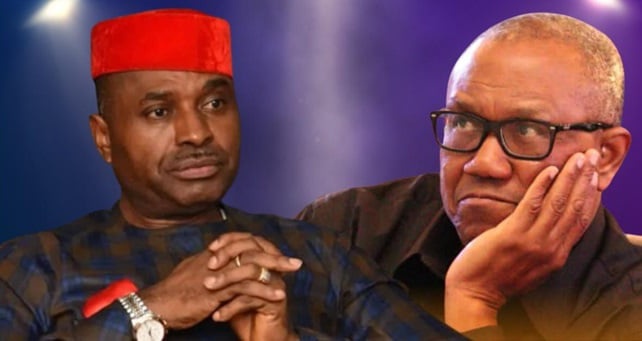
UPDATE: Okonkwo to Obi: Sue me and I may be forced to reveal confidential information about you
31
Soc. Diokpa-drm | sOCioloGist 🌊⚙️🧭💊 retweeted

Jun 8
I will donate like mad!
I am donating for my survival and the survival of my unborn children… I will donate like crazy!!!
Peter Obi raised 1.4 billion in 2023 apart from private necks and stuff this a a man that bought a house of 1 million dollars before becoming governor.
You are so dense and clueless! Very pathetic in displaying ignorance
Jun 7

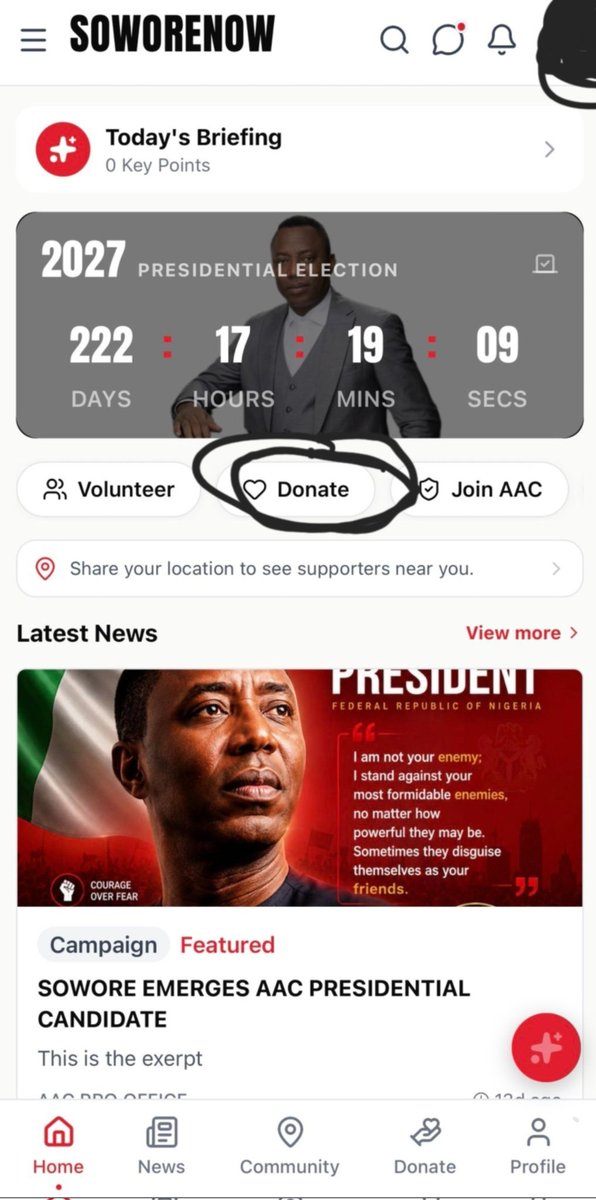
The screenshot of the app interface was seen in his comment section.
Sir Sowore has opened an app for people to join his presidential campaign 👏👏 .
What do you notice? 😂🤐 🤐 🤐
4
13
54
1,183