
5 books about DirectDemocracy lessons from Switzerland - Writer, Painter, Businessman Is. 58:12 - directdemocracytoday.com/ 🐉 🗡️
Joined October 2013
- Tweets 21,501
- Following 4,164
- Followers 6,054
- Likes 22,782
12,272 Photos and videos

Pinned Tweet

17 May 2025
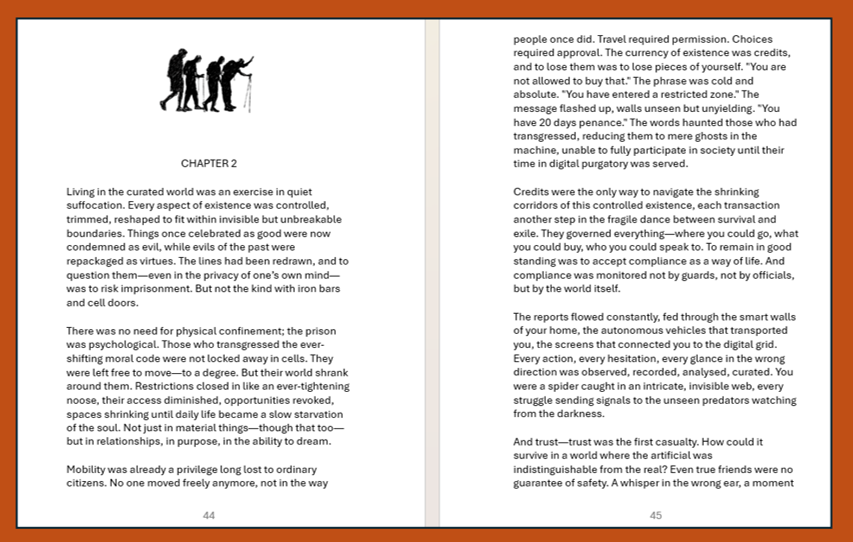
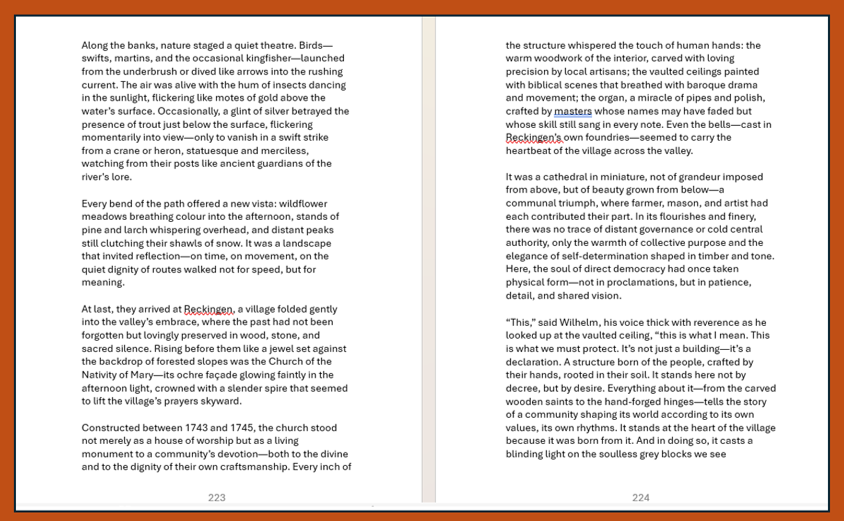
Here are a few excerpts from my new book, Subsidiarity.
In its pages, I invite you on a thirty-day trek across Switzerland, where every step illuminates how real people—not distant elites—can shape the rules that govern them. Running in parallel is an imagined future ruled by algorithms and oligarchs, a stark counterpoint that provokes the question: Which world would you choose?
Across 350 lively pages you’ll meet historical figures, wrestle with fresh political realities, and test prevailing ideologies—all against the enduring backdrop of Swiss direct democracy.
Although familiar faces from my earlier novels make cameo appearances, Subsidiarity stands perfectly on its own. Enjoy these excerpts, and if they leave you curious for more, the full adventure awaits on Amazon for £12.99. #DirectDemocracy
Walkers, you will love it
43
102
524
1,294,978
GREGORY Simon retweeted
Jun 7
27 Mar 2025

Swiss referendums - How does a vote like this get called? It's all part of Switzerland's direct democracy. *Sound on. #DirectDemocracy
4
3
844
GREGORY Simon retweeted
Jan 7
“Ditch it all ID” and the Code of Justinian
2
1
302
GREGORY Simon retweeted
25 Sep 2025
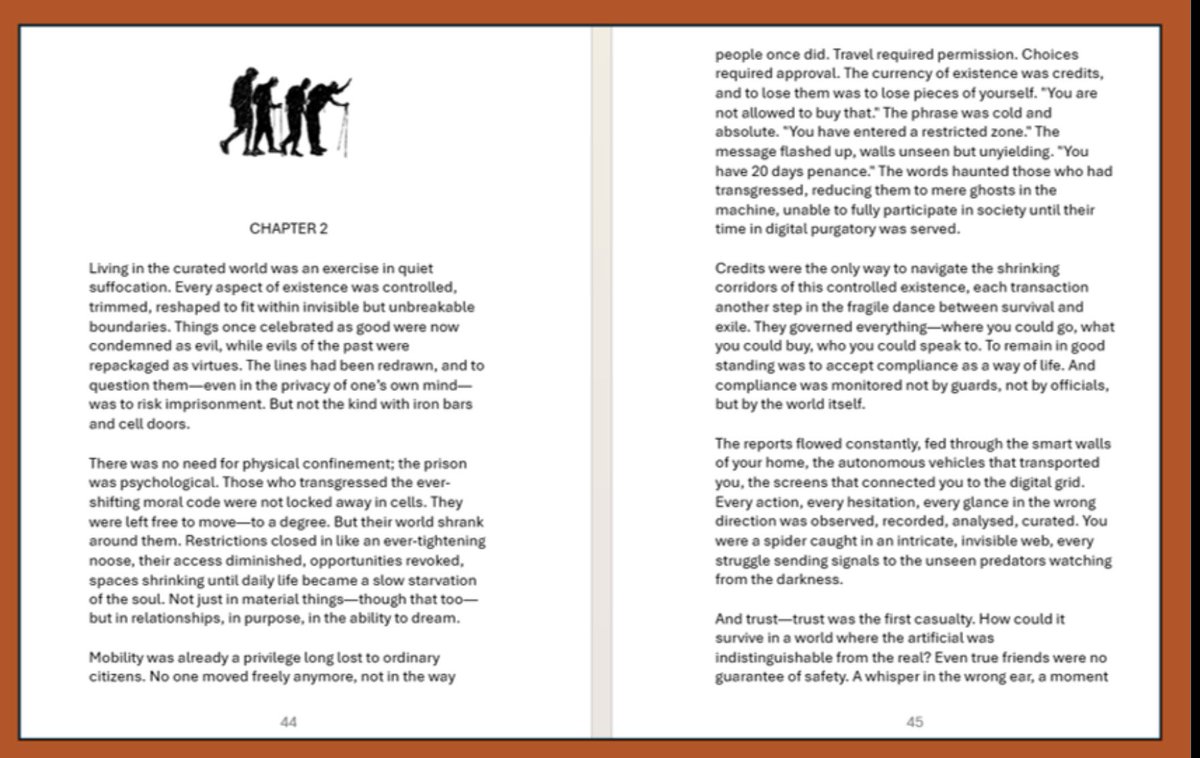
This 👇🏼 is where Digital ID ultimately ends up - from Subsidiarity- Gateway to Democracy.
1
8
17
2,315
GREGORY Simon retweeted
2 Oct 2025
Living in The Truman Show: How Digital IDs Could Curate Our Reality
📽️In 1998, The Truman Show gave audiences an unsettling glimpse into a world where one man’s entire life is a carefully controlled illusion. Truman Burbank believes he is living freely, making his own choices. But in reality, every person he meets, every place he visits, and every event that unfolds has been scripted by unseen producers. The genius of the film lies in its subtlety: Truman isn’t in a prison, he’s in a set. His “freedom” is just part of the illusion.
Fast forward to today, and that curated world feels less like fiction and more like a quiet blueprint. With the global push toward digital identification 🆔systems, we may be inching closer to a modern Truman Show — not on a movie set, but within our digital lives.
Digital IDs: A Convenient Gatekeeper
Digital IDs are being promoted around the world as a way to streamline access to services: banking, healthcare, education, government benefits, social media, even travel. The concept is simple: one verified identity, used everywhere. It’s billed as secure, convenient, and inevitable.
But beneath the surface, digital IDs represent something much more powerful — and potentially much more dangerous: a unified control point for access to the modern world.
When your identity, financial activity, social behaviour, and medical records are all linked to a centralized ID, whoever controls that system doesn’t just verify who you are, they determine what you’re allowed to do.
The Illusion of Freedom
Like Truman, we may feel like we’re living freely in a digital world, unaware that the boundaries around us are being subtly defined by someone else. The news we see, the transactions we’re allowed to make, the content we can access — all of it can be quietly filtered, denied, or approved based on rules we didn’t create.
In such a system, your access to services could be tied to your behaviour. For example, a low “trust score” might limit your ability to travel or questioning government policies online could affect your financial access, or exceeding your carbon quota might restrict your purchases.
This isn’t hypothetical. Some governments are already experimenting with social credit systems,
programmable currencies, and digital IDs — combining them into frameworks that could easily become tools of surveillance and enforcement. 🔐
Make No Mistake Centralization Is Control
At the heart of this is centralization. The more systems are linked through a single ID, the easier it becomes to curate — or control — the individual’s experience. Just as The Truman Show needed one set and one director, a centralized ID system creates a single point through which all permissions and restrictions can be funnelled.
You don’t need bars or walls when you can curate someone’s environment so completely that they never even realize they’re not free.
The Exit Door
In The Truman Show, Truman begins to sense something is off. He notices patterns. He starts asking questions. Eventually, he seeks the edge of his world — and finds it. That moment is powerful because it reminds us: the illusion only works as long as people don’t question it.
Similarly, as digital systems grow more integrated, now is the time to ask the hard questions, like who controls our digital identity, what rights do we have over our own data, can access be denied based on our beliefs or behaviour, what safeguards are in place to prevent abuse?
Technological convenience should not come at the cost of individual autonomy. Transparency, decentralization, and voluntary participation must be non-negotiable pillars of any digital ID system — otherwise, we risk becoming willing actors in someone else’s scripted reality.
Freedom in a Curated World
The Truman Show ends with a simple, radical act: Truman walks through the door. He chooses the unknown over a comfortable illusion.
As we head deeper into a world of digital identities and integrated systems, we too face a choice, not necessarily to reject technology, but to insist it serves us rather than contains us.
Because the scariest thing about The Truman Show wasn’t the set.
It was that he didn’t know he was in one.
#NoToDigitalID
6
36
92
16,064
GREGORY Simon retweeted
18 Nov 2025
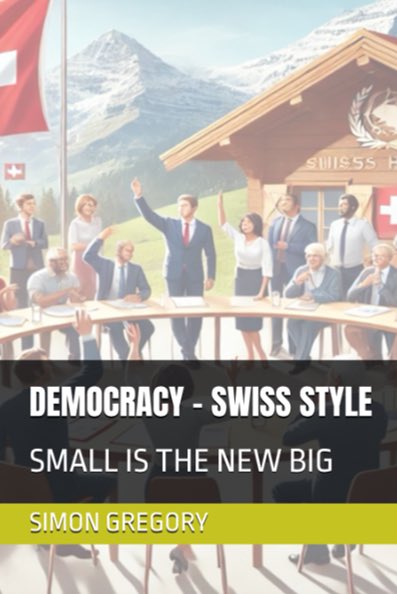
From my latest book, Democracy – Swiss Style (Small is the New Big):
In Switzerland, the people are the ultimate sovereign authority. To uphold that sovereignty, citizens have access to a wide range of democratic instruments designed to ensure their power remains intact. Below are two excerpts from my new book that explain these tools and how they are structurally embedded in the Swiss Constitution.
#DirectDemocracy
10
39
73
28,704
GREGORY Simon retweeted

I'm fuming.
At 16, you can vote and drive and have your OWN kids -- but you need daddy Starmer to set your bedtime?!
The Internet was the only thing that saved me from becoming a leftie.
The kids aren't alright.
26
75
255
3,901
GREGORY Simon retweeted
Jun 15
Alliance Oath of Allegiance
How did the Swiss alliances defeat a powerful supranational enemy—and what lessons does that victory hold for us today?
This is the story of a struggle against censorship, manufactured narratives, and creeping tyranny. It reveals how truth, courage, and the determination to preserve freedom forged a nation.
Discover how ordinary people overcame extraordinary power. How the small defeated the mighty. How an oath changed history.
Packed with striking parallels between the past and the present, this eye-opening book will challenge assumptions and leave a lasting impression long after the final page.
A book every student of history—and every defender of liberty—should have on their bookshelf.
1
2
69
GREGORY Simon retweeted
Jun 12
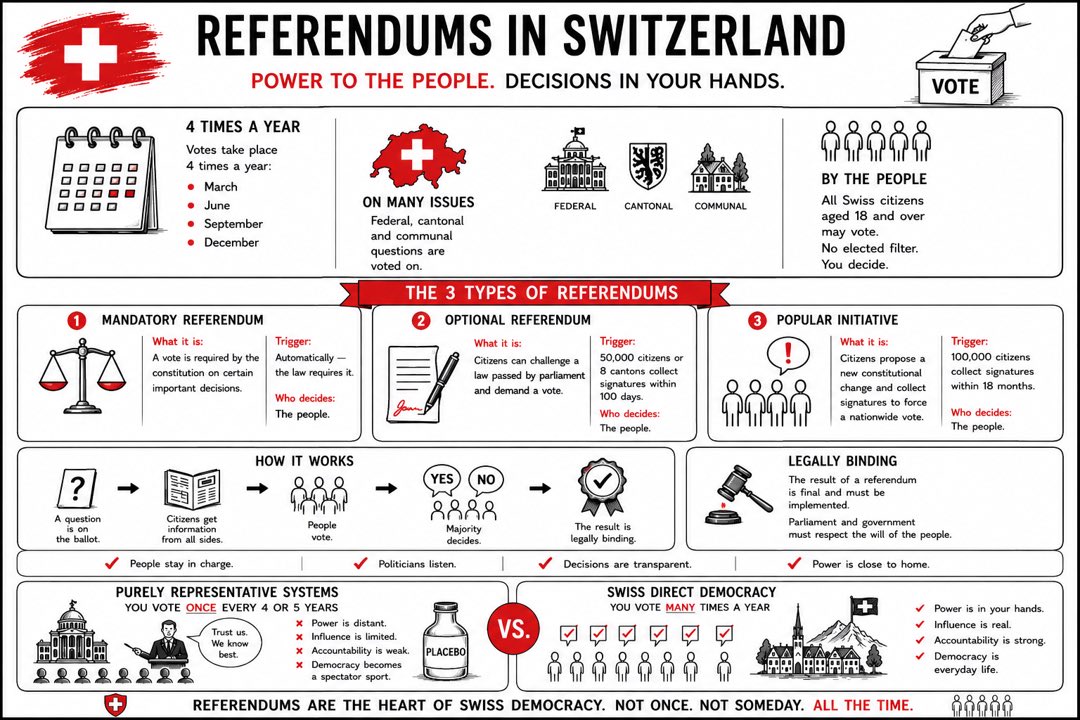
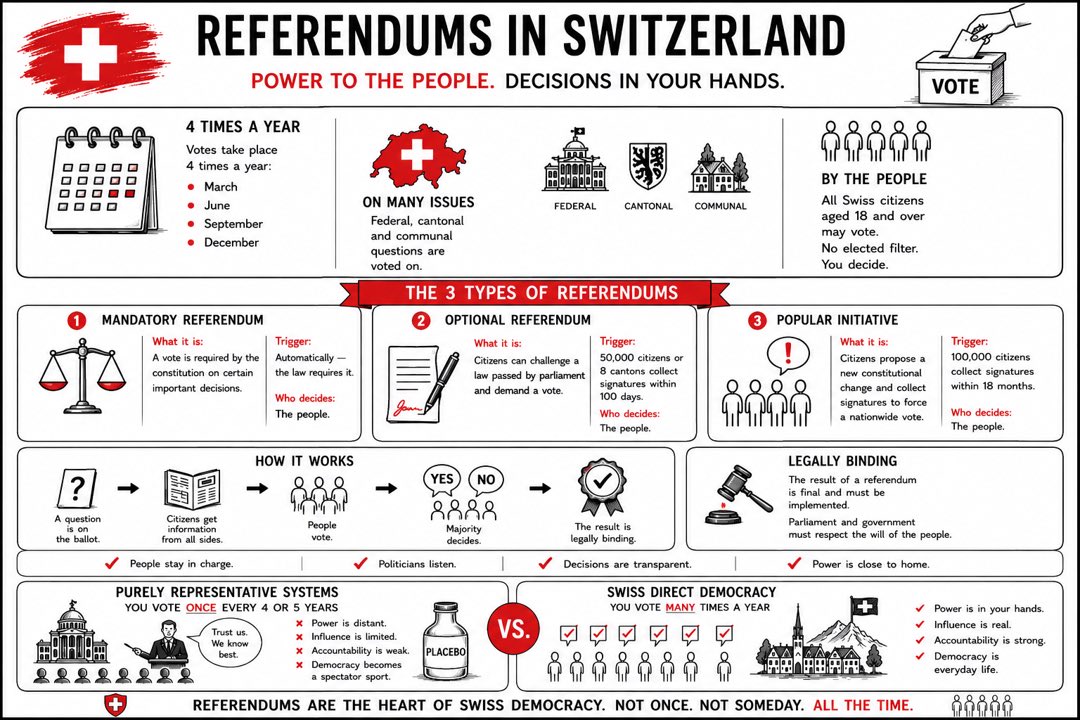
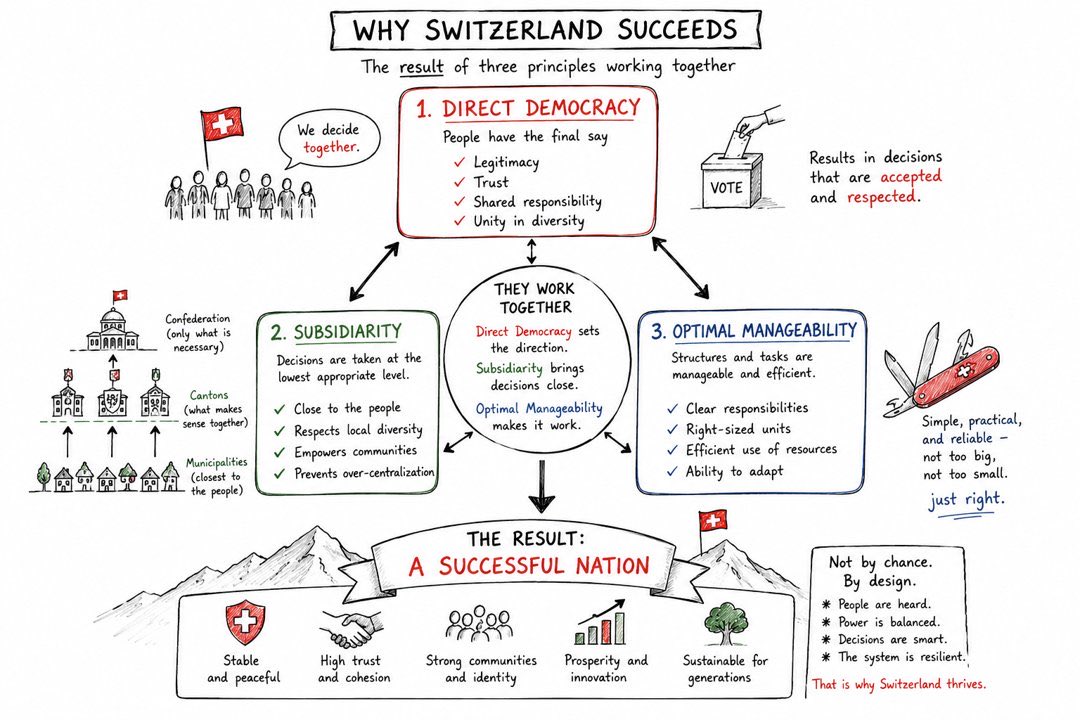
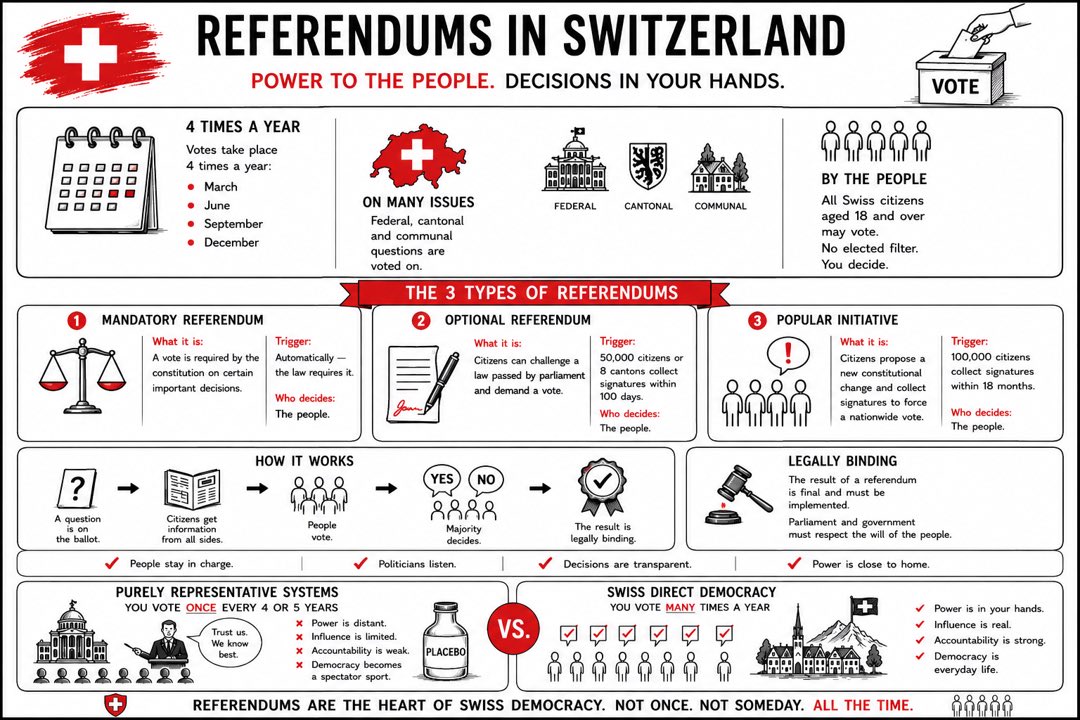
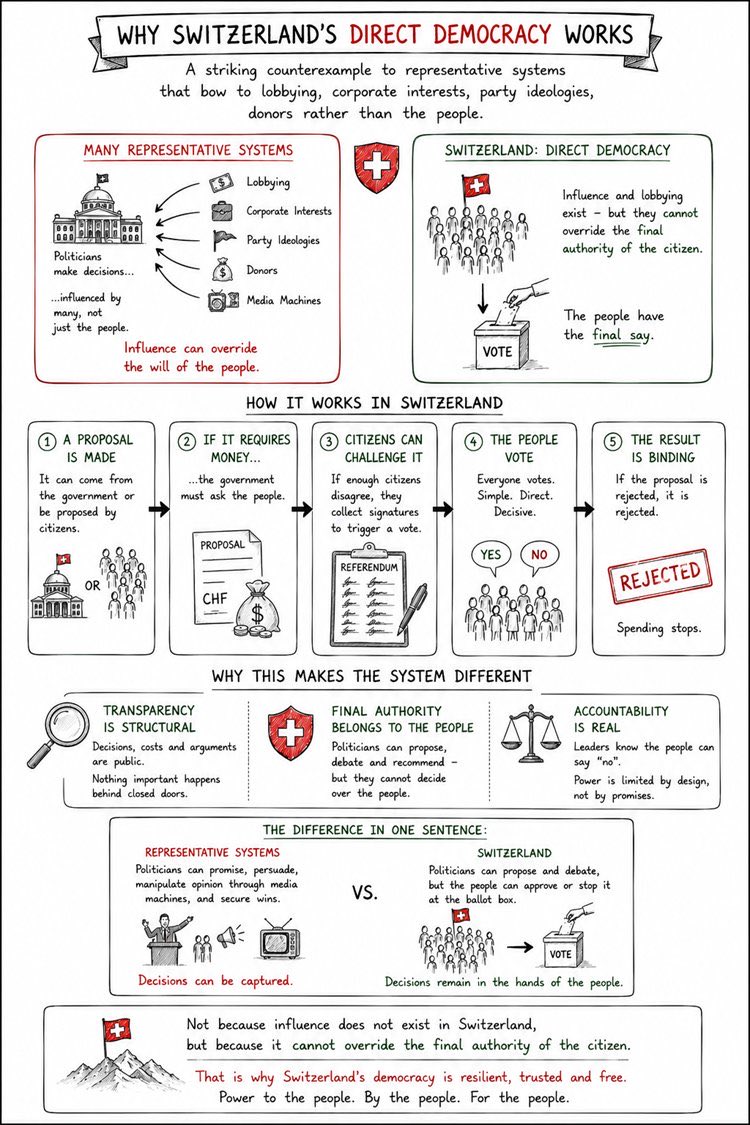
HOW DOES DIRECT DEMOCRACY IN SWITZERLAND WORK❓
🇨🇭 Swiss-style direct democracy rests on a simple principle: sovereignty belongs to the people.
👊 When citizens have the power to approve, reject, or propose laws themselves, government becomes more responsive, legitimate, and accountable.
🗳️ Imagine a democracy where voters are not spectators but decision-makers.
#DirectDemocracy
2
4
6
436
GREGORY Simon retweeted
Jun 8
🤔 There is something remarkable hiding in plain sight.
😳 It sits before us every day, so obvious that we scarcely notice it. We spend our time absorbed by crises, scandals, political dramas, & the endless stream of outrage that fills our screens.
We discuss what is wrong with the world, dissect every failure, condemn every corruption, & share every piece of bad news. Yet in all this noise, we overlook something extraordinary: a real-world example of a better way.
Perhaps that is because we have become accustomed to disappointment.
Politics no longer feels like representation.
🗳️ Elections come & go, parties change their slogans, politicians make their promises, yet the outcomes often seem remarkably similar.
🤷🏻♀️ More & more people sense that decisions affecting their lives are being made further away from them, by institutions they did not elect, by bureaucracies they cannot influence, by lobbyists, corporations, & supranational organisations that appear to wield enormous power without direct democratic accountability.
Citizens cast a vote every few years only to discover that little fundamentally changes.
🙁 And so we complain. We become frustrated. We become cynical. We search for answers in ideologies, movements, personalities, & protests. Yet all the while, the answer may be sitting directly in front of us.
🇨🇭 In the heart of Europe, surrounded by larger & more powerful neighbours, lies a small country that has quietly demonstrated for generations that politics does not have to function this way.
While much of the modern world has moved toward greater centralisation, Switzerland has travelled a different path.
It has built a system unlike those of France, Germany, Italy, or most other nations on earth. A system so unusual, and yet so successful, that many people scarcely stop to examine it.
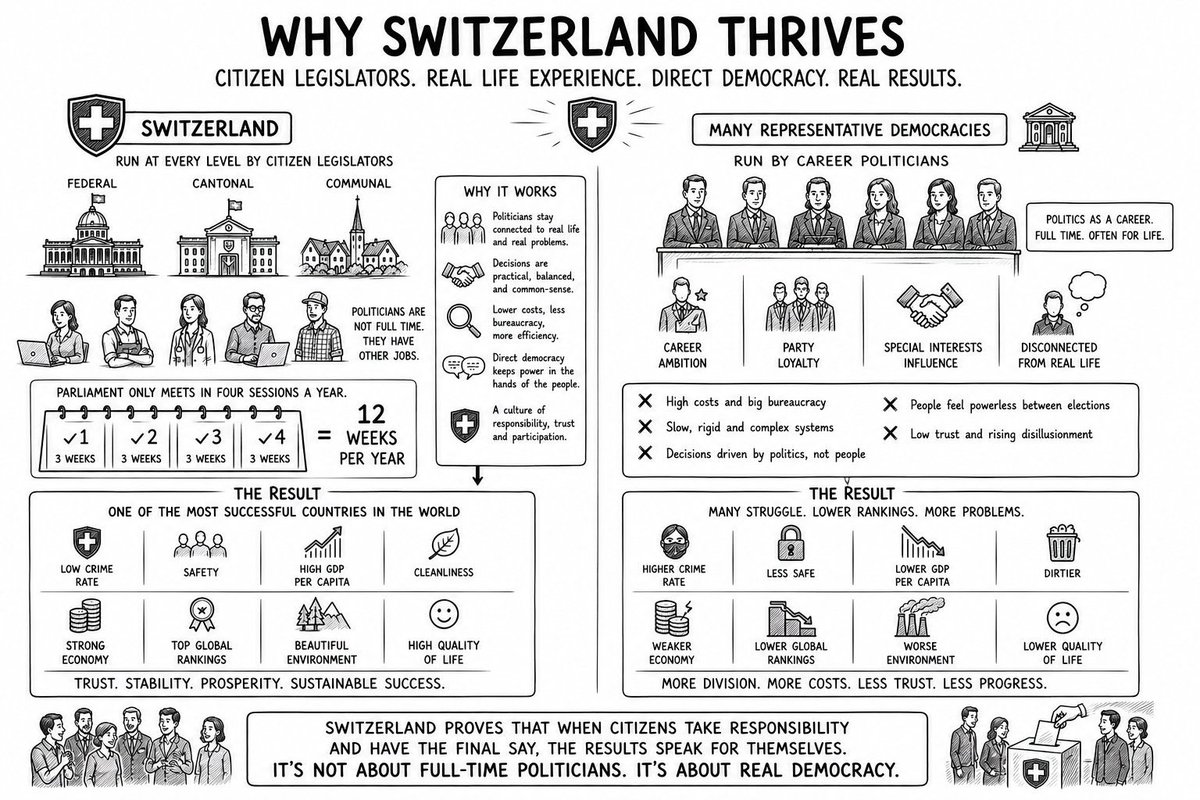
🥇 🥇🥇The evidence is difficult to ignore. Switzerland consistently ranks among the world's leading nations for quality of life, prosperity, low crime rate, safety, stability, innovation, healthcare, longevity, and civic trust. It is not perfect—no country is—but by almost every measure that people value, it performs exceptionally well.
Why?
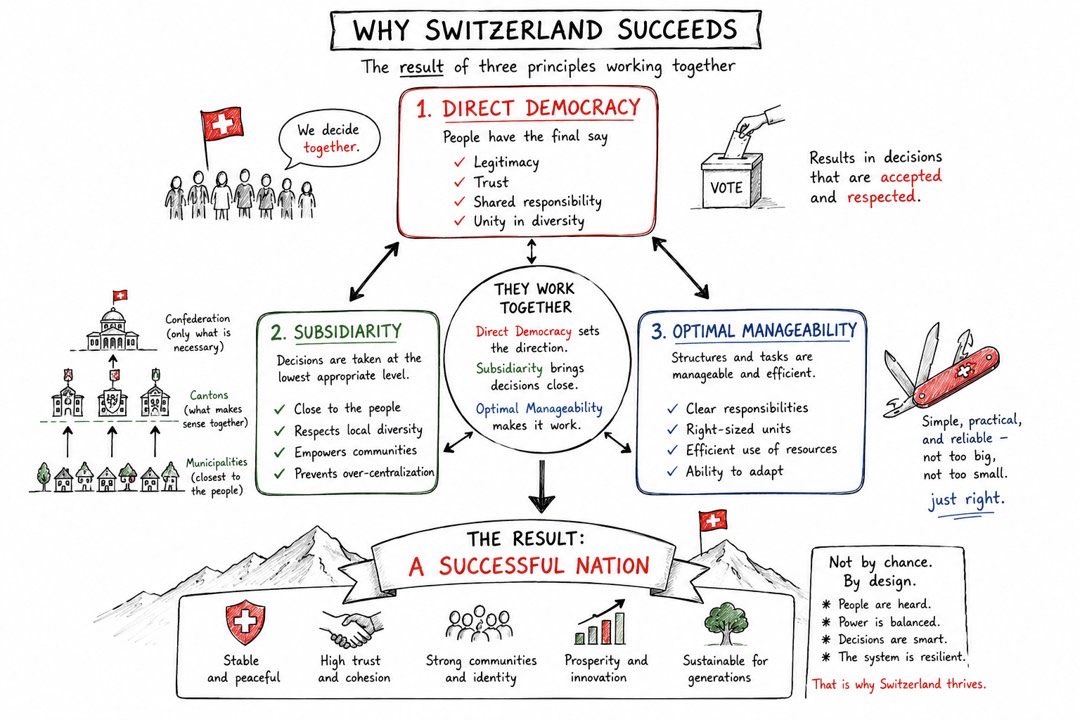
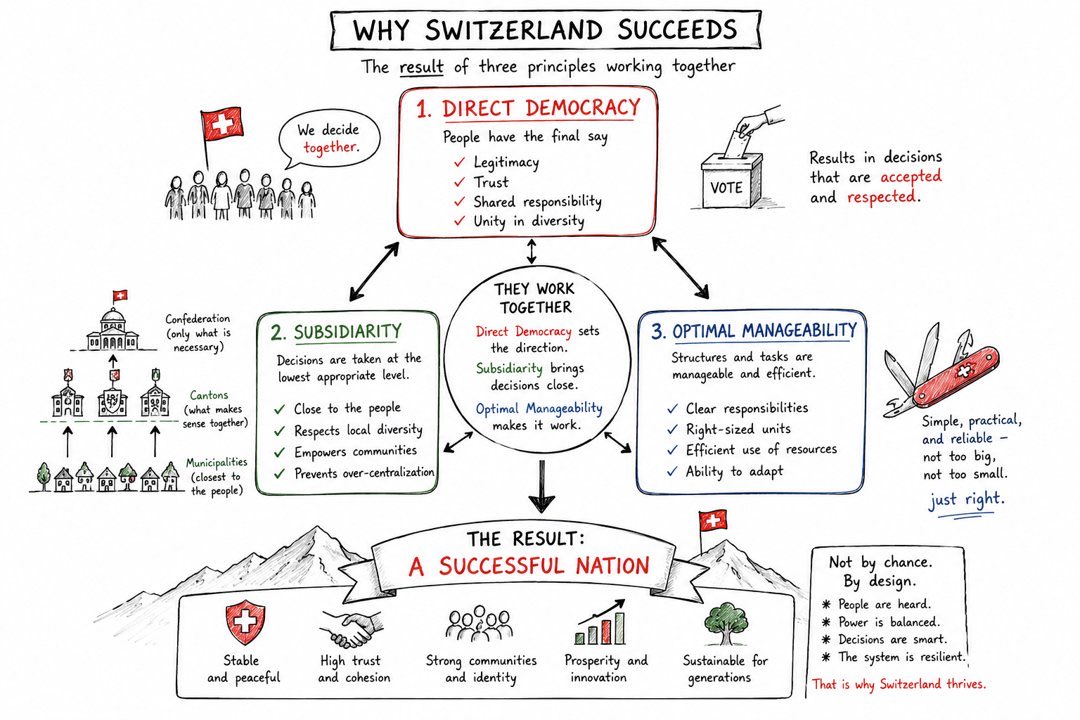
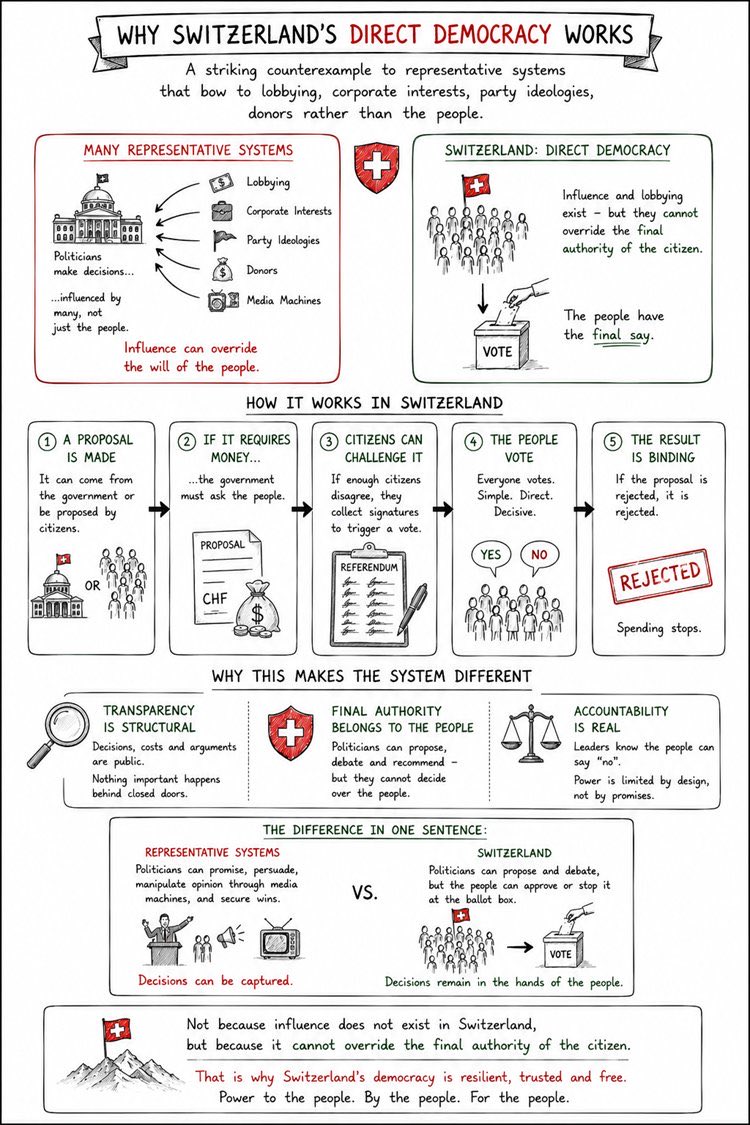
The answer is both simple & profound: in Switzerland, the people govern.
Not once every four or five years. Not merely by choosing which political faction will rule over them. The Swiss people exercise direct authority over the decisions that shape their society.
Through referendums & popular initiatives, citizens retain the final say over major questions of national importance.
They do so not only at the federal level, but also within their cantons and local communities, ensuring that power remains close to the people whose lives it affects.
This changes everything.
👍🏻 When citizens themselves possess genuine political power, many of the forces that dominate conventional political systems lose much of their influence.
Political parties become less important than the public. Lobbyists become less powerful than voters. Ideologies become less significant than practical solutions.
Government becomes less about managing people & more about serving them.
Through its system of direct democracy & subsidiarity, Switzerland stands as a living reminder that democracy need not mean selecting rulers. It can mean governing ourselves.
At a time when many voices call for ever greater centralisation, technocratic management, & decision-making by distant institutions, Switzerland offers a different vision: one built from the ground up rather than imposed from the top down.
A society in which power is dispersed rather than concentrated.
A society in which citizens remain active participants rather than passive spectators.
This is not merely a Swiss story. It is a lesson. It is evidence that another way is possible.
Once you see Switzerland's system for what it is, it becomes difficult to ignore the question it poses to the rest of the world:
What if the people governed?
2
4
8
594
GREGORY Simon retweeted
Jun 7
For information about Swiss Style Direct Democracy, books, videos, articles, our website is up and running:
directdemocracytoday.com/
3
3
536
GREGORY Simon retweeted
Jun 8
27 Mar 2025
Swiss referendums - How does a vote like this get called? It's all part of Switzerland's direct democracy. *Sound on. #DirectDemocracy
1
151
GREGORY Simon retweeted

Jun 15
We are ruled by idiots.
Do they not know every 15 year old revises GCSE’s on YouTube?
Do they not know that teenagers track their friends are home safely on SnapChat?
Do they not realise that - especially in rural areas with no transport - teenagers social lives are on… social media.
Do they not know that teenagers will find ways round - as has been shown in Australia.
This ban is illogical and damaging.
If I hear another parent say “it’s so hard to police them” I’ll scream. It’s a parent’s job. Take responsibility the children you are meant to be bringing up.
It is not the government’s job to look after your children.
But the government will now insist all adults provide ID to prove we are over 18.
😡
Jun 15

🚨 SUMMARY: The UK's social media ban for children from early 2027:
- "User-to-user" apps where people create, share and interact with content (e.g. TikTok, Instagram, Snapchat, YouTube, X, Facebook) will be banned for under-16s
- WhatsApp, Signal and YouTube Kids will be exempt
- Under-16s will also be banned from livestreaming, messaging strangers on gaming apps like Discord and using disappearing messages
- 16 and 17 year olds will face nightly social media curfews and limits on infinite scrolling with more details next month
- AI "romantic companion" chatbots will be banned for under-18s
- Adults can still access social media through age checks like facial recognition, digital IDs, passports and credit cards
896
2,124
10,479
694,954
GREGORY Simon retweeted

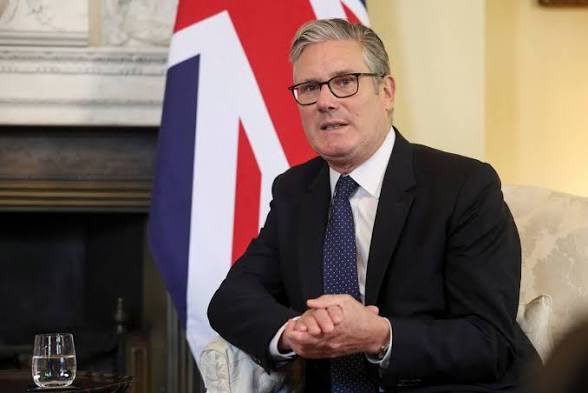
🚨NEW: YouTube has released a statement regarding Keir Starmer’s announcement of BANNING social media for under 16s 🇬🇧
"YouTube is a vital resource for young people, educators and parents. Blanket bans push kids out of such curated, supervised, beneficial experiences and towards anonymous, less safe services"
Unfortunately, that’s exactly where Starmer would like children to be, in less safe spaces - hence why he isn’t going to ban BlueSky….

498
2,950
16,023
448,274
GREGORY Simon retweeted

Jun 15
Australia banned X for children but not BlueSky.
Britain is banning X for children but not BlueSky.
This proves one thing.
It's not about protecting children.
It's about censorship and controlling the narrative.
1,667
25,511
104,074
824,892
GREGORY Simon retweeted
Apr 10
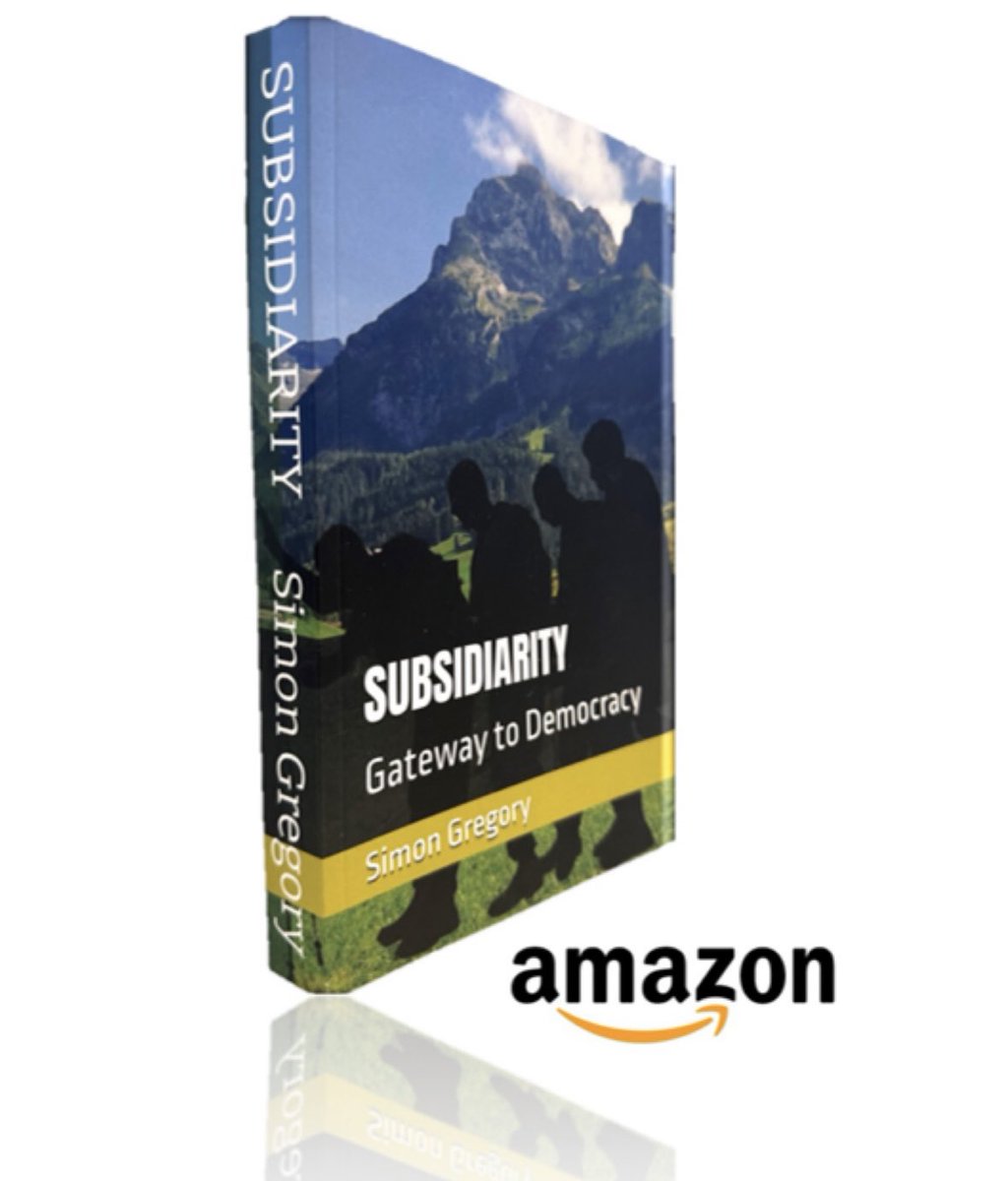
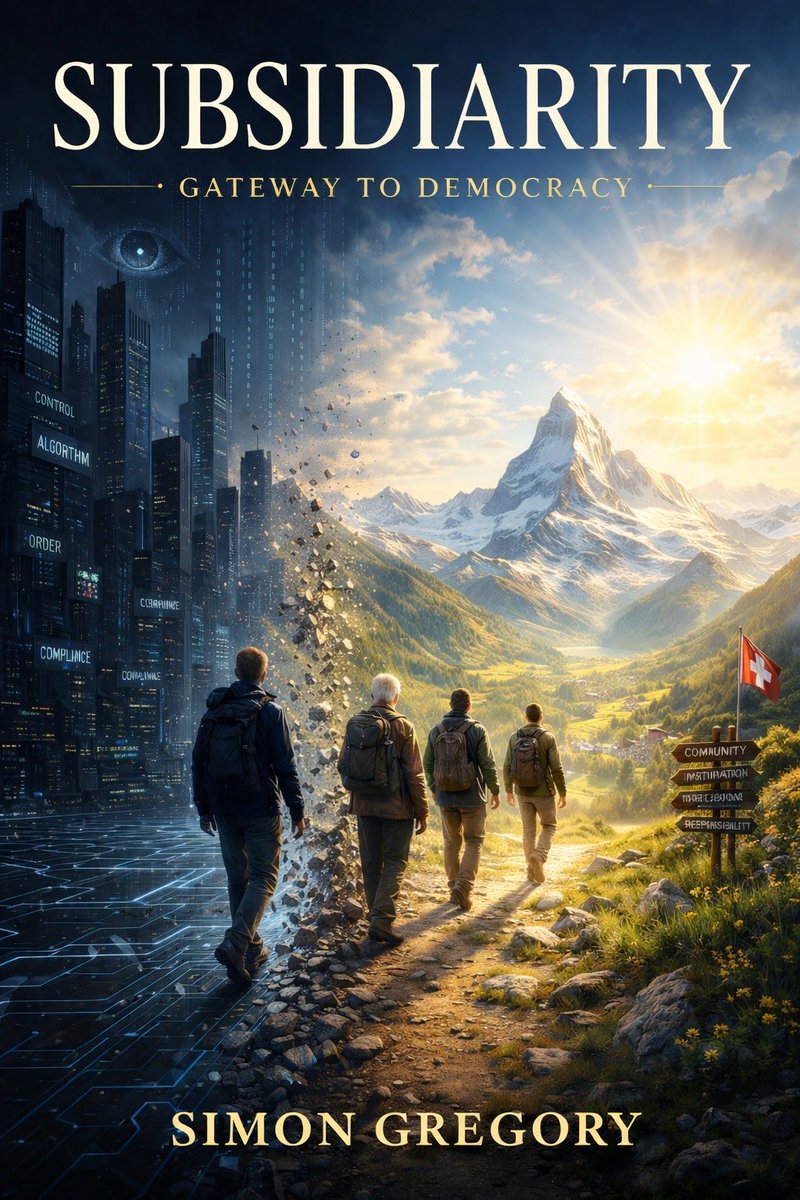
Subsidiarity: Gateway to Democracy is available on Amazon for just £12.99
This is my most ambitious story yet – a thought-provoking and timely read that might just be the summer novel you've been waiting for.
What if democracy isn’t dying—but just needs a good walk?
Subsidiarity takes readers on a vibrant 30-day trek across Switzerland, where four unlikely companions—a former Cistercian monk, a Benedictine dropout, a weathered farmer, and a British start-up advisor—set out on foot to rediscover a radical yet ancient idea: that decisions should be made as close to the people as possible.
Blending laugh-out-loud camaraderie with deep philosophical inquiry, their journey is part pilgrimage, part civic adventure. Along the way, they cross alpine ridges, whisper through forgotten valleys, and encounter poets, prophets, and politicians—some real, others imagined—all offering clues to the enduring power of Swiss direct democracy.
Threaded through their path is a darker vision: a future where democratic governance has quietly been replaced by algorithmic rule and centralized control. Yet amid the looming spectre of digital dystopia, Switzerland stands as a stubborn holdout—and perhaps a guidepost.
This is a story about reclaiming voice, conscience, and community in an age that too often mistakes efficiency for wisdom. Witty, profound, and unexpectedly hopeful, Subsidiarity is a love letter to localism, liberty, and the belief that freedom, like a mountain trail, is best navigated step by step, together. #DirectDemocracy
1
1
735
GREGORY Simon retweeted
Jun 14
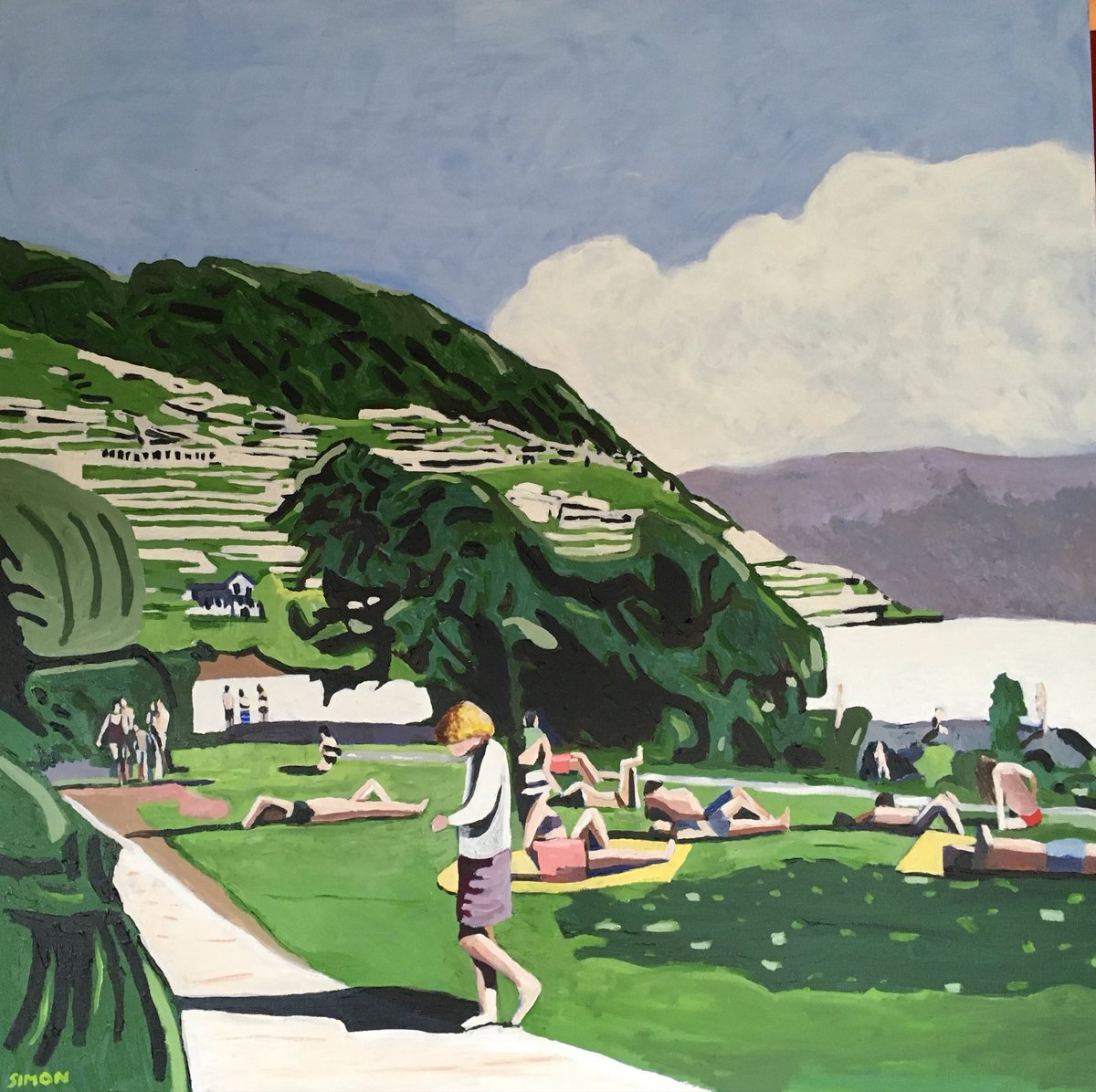
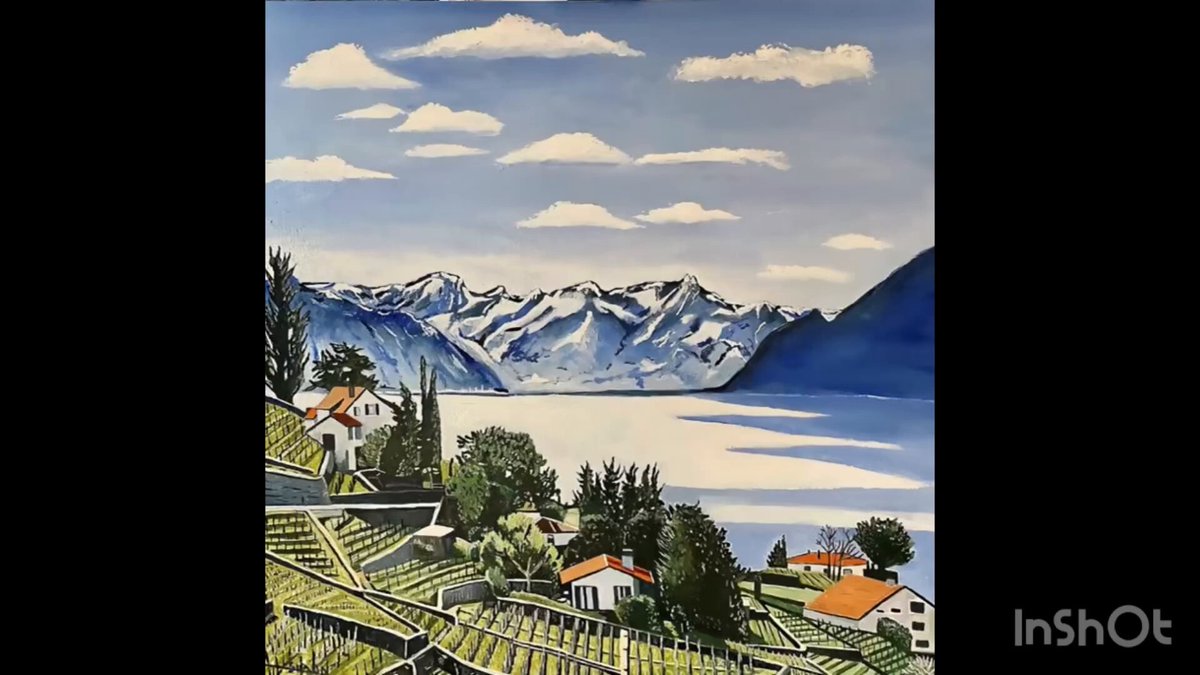
After five years on exhibition at the principal interpretation centre of the UNESCO World Heritage Region of Lavaux, Switzerland, this painting has finally returned home.
Selected alongside works by five other Swiss artists, it has been viewed by visitors from around the world exploring this remarkable wine-growing landscape over the past five years.
Titled The Dream, the painting is now available for purchase.
Measuring 100cm × 100cm, it is an original acrylic on canvas, presented unframed.
The scene captures the view from Moratel beach across Lake Geneva towards the iconic terraced vineyards of Lavaux, a landscape renowned for its beauty and cultural significance.
If The Dream resonates with you and you would like further details, please send me a direct message.
1
2
100