
GoK Employee || Political Aide || Historian || Views Expressed Here, My Own || KUMI BILA BREAK 🇰🇪
Joined July 2012
- Tweets 88,038
- Following 900
- Followers 375,644
- Likes 39,586
5,502 Photos and videos








Pinned Tweet

12 Dec 2025
That we find William Ruto at the tail end of Raila Odinga is a blessing to Kenya. A visionary handed over to a builder. There is no vacuum in the race.
11
56
264
82,614
D I K E M B E retweeted

The Linda Mwananchi political grouping shouldn't be in a hurry to cut deals with the rest of the opposition. There is little difference between UDA & the 'United Opposition'. Both are made up of legacy politicians who can't deliver the transformation the country needs. 🧵
10
17
38
4,035
D I K E M B E retweeted

With respect, an appeal is won or lost on substantive legal questions, not on speculative debates about page numbering.
If there are genuine concerns regarding the integrity of the judgment, those issues should be raised through proper judicial procedures and supported by evidence. However, the central task before the appellate court will be to determine whether there were errors of law, violations of constitutional rights, procedural irregularities, or misapplications of legal principles that materially affected the outcome.
The right to a fair hearing, due process, jurisdictional questions, evidentiary standards, and constitutional compliance are the kinds of issues that typically determine appeals ,not whether a judgment was announced as 350 pages and later circulated as 286 pages.
Jun 13

On 8th June, 2026, at approximately 12:30 PM, during the delivery of H.E. Rigathi Gachagua’s impeachment judgment, Hon. Justice Erick Ogola informed the advocates present that the court was delivering a 350-page verdict. However, the parties were subsequently served with a judgment consisting of only 286 pages. This means that the judgment falls short by 64 pages.
What happened to the 64 pages?
Who altered the judgment?
Why was it altered?
Who benefits from the alterations?
How should this judgment of 286 pages, instead of the stated 350 pages, now be treated?
5
18
55
9,340
Voters are not LSK students

“Voters must see beyond religious rhetoric that hides political tricks.” ~ Edward Buri
3
341
D I K E M B E retweeted

Here is Edwin SIFUNA confirming that he is willing to work with Rigathi Gachagua
Baba was categorically clear that we can work with anyone except Rigathi Gachagua because, to us, he remains unacceptable
So, wewe, Sifuna enda kwa Wamunyoro peke yako. We are not boarding
122
18
119
13,601
D I K E M B E retweeted

Like seriously? The bitterness in the Wamunyoro camp is on another level.
Having sensed defeat in Ol Kalou, they've now resorted to incitement and desperation tactics.
The people will have the final say.
3
5
7
723
D I K E M B E retweeted

Under President Ruto's leadership, Kibra slum dwellers will finally have dignified access to proper permanent housing and security.
30
23
99
4,334
D I K E M B E retweeted

Ruto’s candidates will win most seats in Nairobi.
Don’t be duped by the children in diapers called Linda Mwananchi.
211
55
439
27,589
There will be no action from @DCI_Kenya and @NCIC_Kenya.
Normal. But,,,
How will these people form a coalition with any law abiding opposition group?
8
12
23
2,603
Is economy doing badly for these people? Hahaha!!!!

Former LSK President Faith Odhiambo appears to be moving closer to the inner circle of the Linda Mwananchi team.
She has been spotted in the same vehicle as Edwin Sifuna and Babu Owino.
Interesting.
2
3
18
2,027
Kenya will not return to the entrenched tribalism and impunity of the Kibaki years in power.

Its all fun and games calling us primitive tribalists and treating us like subpar citizens until it's time to pay the price. @RobertAlai @gabrieloguda @Disembe the lessons will be learned in August next 2027. They'll come hard and severe.
1
3
5
1,383
SIFUNA WITHOUT RAILA ODINGA IS LIKE SHIKUKU WITHOUT JARAMOGI OGINGA ODINGA.

The CROWNING OF A KING!
Anakonda and his affordable supporters think this is a movie!
This movement is like THUNDERSTORM, you can't stop it.
Sisi ndio SIFUNA!
Thika is MASSIVE!
27
7
28
3,269
Perhaps i’m the only Kenyan with the copy of Irungu Kangata’s letter to Uhuru Kenyatta dismissing his 2018 handshake with Raila Odinga.
There was no way he was going to stay.
Eventually only Hon. Kimani Ichungwah may stay…
May 4

You expected Irungu Kangata who wrote a letter to Uhuru Kenyatta dismissing his handshake initiative to unite and consolidate the country, to support Ruto who has opened his govt to people Irungu Kangata would never have wanted to be anywhere near power?
Rigathi Gachagua’s primitive tribalism is easy to deal with. The man is unsophisticated. He’s malleable and easy to recast.
The likes of Kangata are hardcore, educated, toxic and primitive tribalists.
He reminds me of the Alawite Ba’ath Party elites of the deposed Bashar regime.
There’s no way he would back President Ruto for re-election or stay in UDA.
Will end up in DCP, or even worse.
1
4
13
2,669
Methu’s son in 2042.

2
5
12
1,985
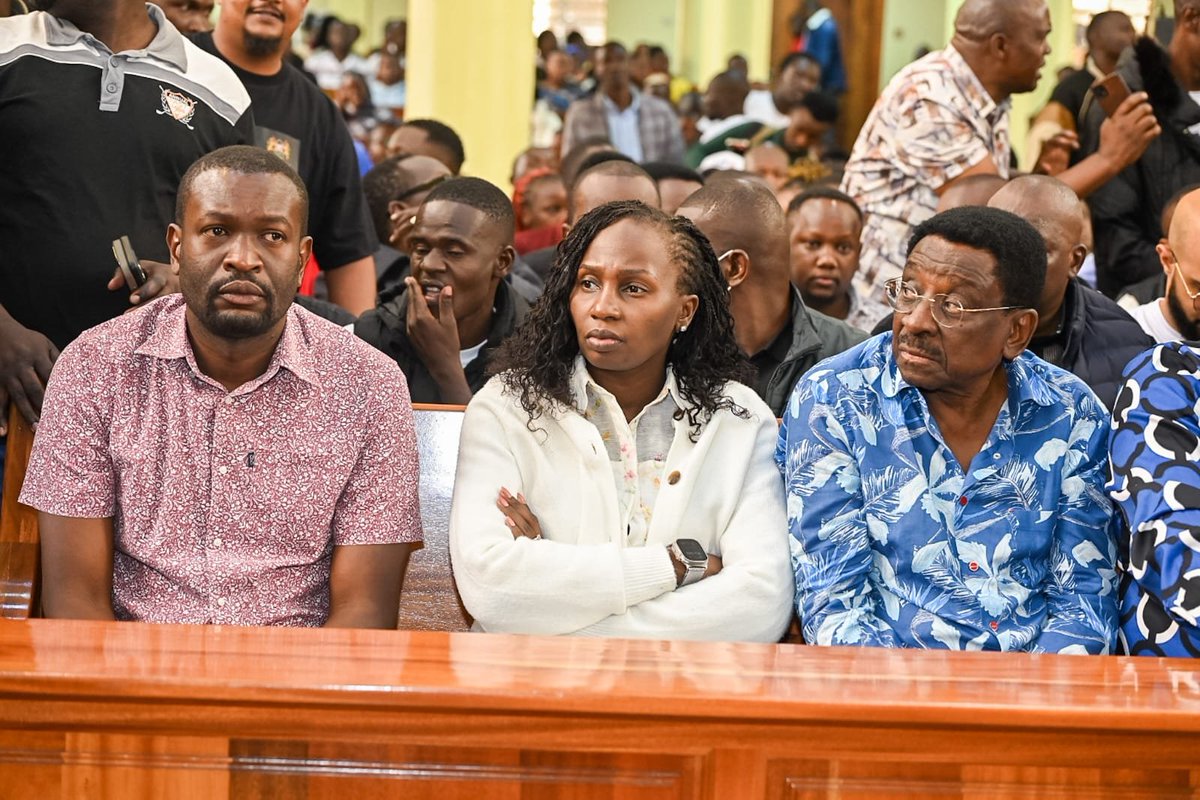
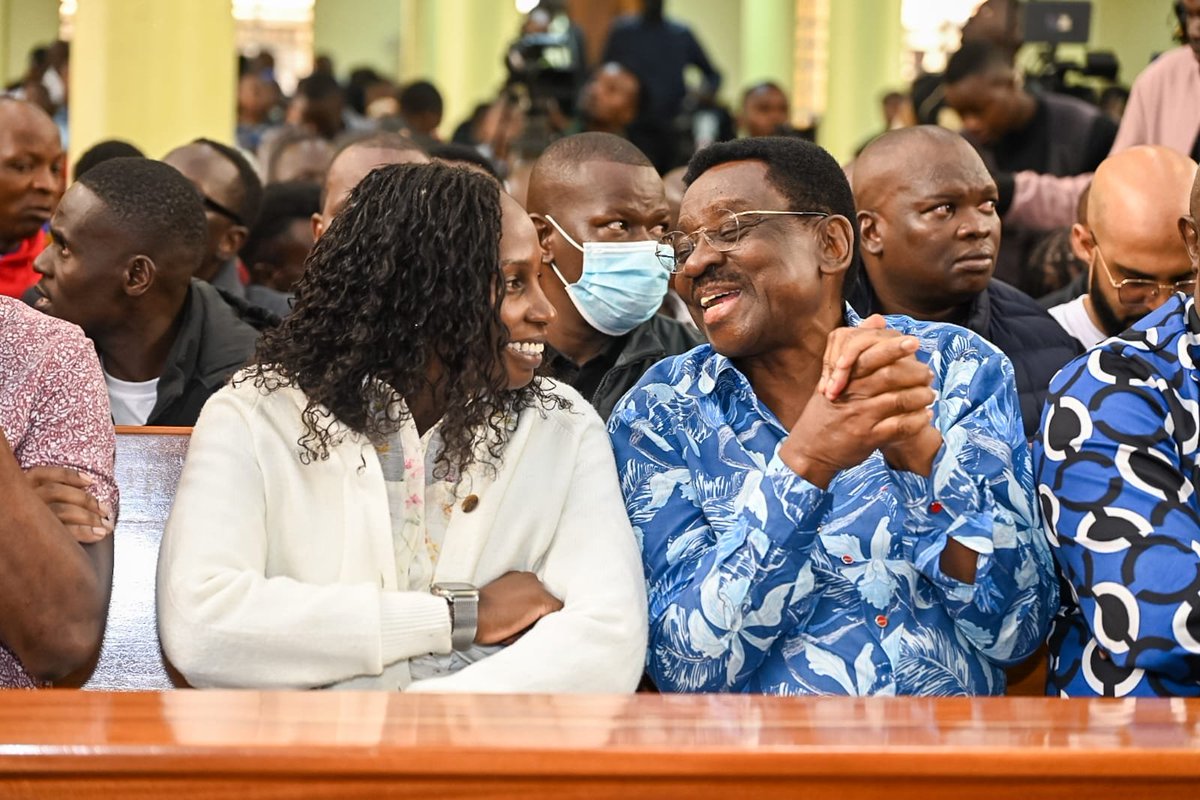
90% of congregants in that church never heard the ‘prayers’.
This level of historical revisionism is sad.

James Orengo: President Uhuru Kenyatta prayed for Raila to be the president of Kenya. Let nobody say i was sent by Uhuru Kenyatta but I'm saying all this as a friend and thank him.
4
4
10
1,101
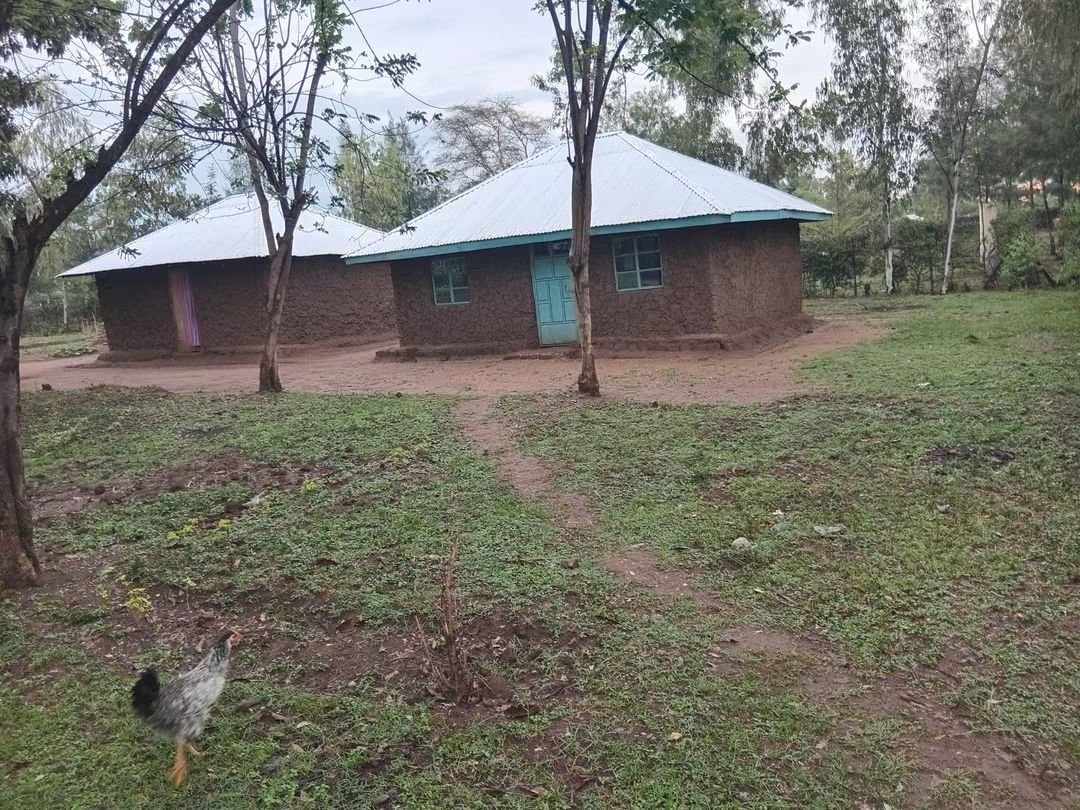
Your house?

Most people from the Nyanza region claim to be extremely rich. Not to hate, but truth be told, many of them brag a lot. On my way to Kisii via Kisumu, I've noticed that mud-walled houses dot the region all the way from Kisumu Town to Ahero, Katito, Sondu, and even beyond. The houses have a very similar design. What motivates these "millionaires" to build small mud-walled structures?
1
4
1,538
D I K E M B E retweeted

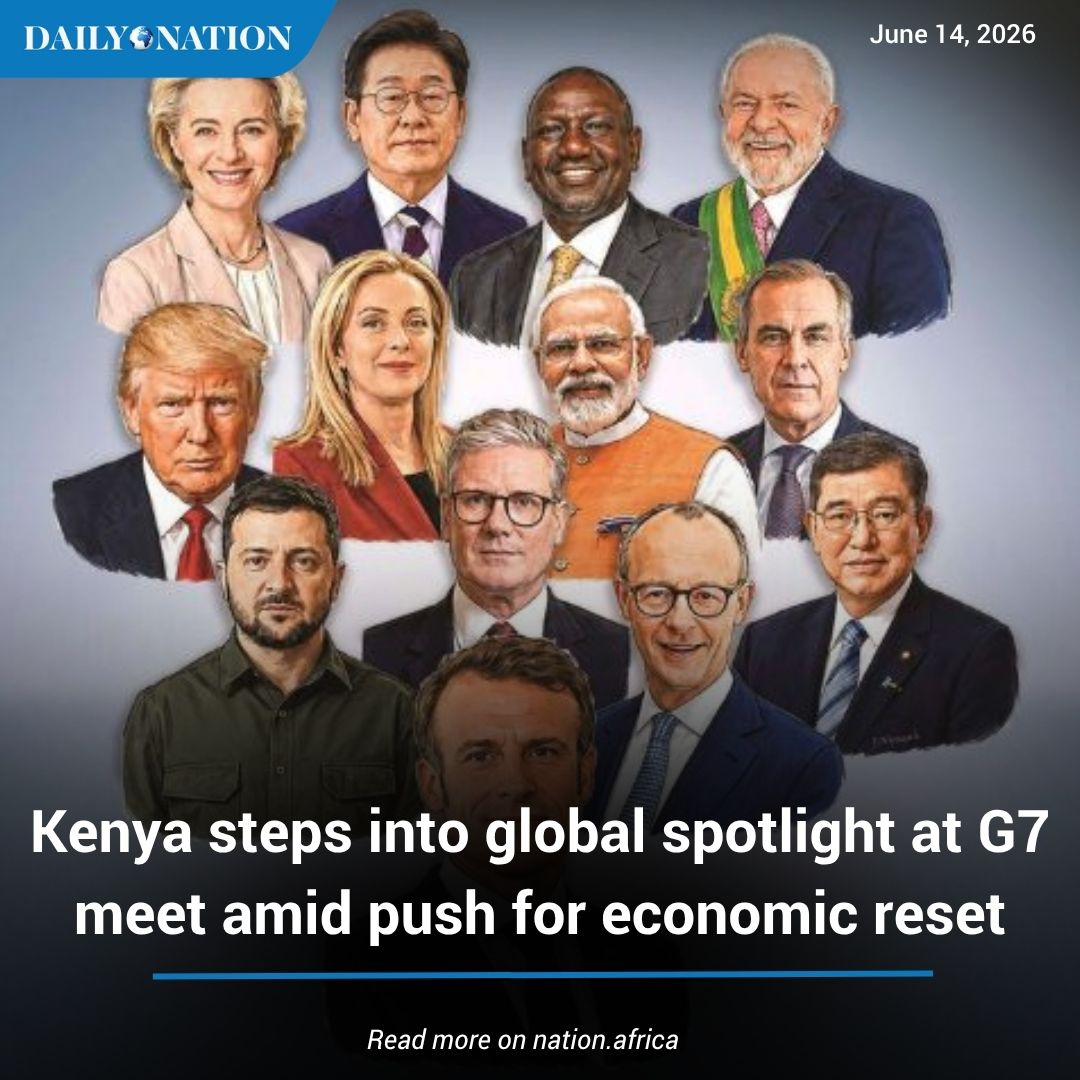
Kenya’s invitation to participate in the Group of 7 (G7) summit in Evian, France, which starts on Monday, June 15, has placed the East African country in the spotlight as some of the world’s most powerful economies discuss critical global issues.
Kenya is the only African country invited to attend this year’s G7 Leaders’ Summit, taking place from June 15–17, 2026, reportedly replacing South Africa. Read more: zurl.co/bekai
33
78
168
16,679
Also, those “former toilets” being sold next to Baba should DISCARDED.

"Strongly encouraged"?
They need to be forced!
Also those disgusting ugly carpenter shops as you approach Talanta need to be done away with.
1
6
956
D I K E M B E retweeted
Mdosi asked why Hon Alai is now smooth.
Alai is shaving everything gradually because of Methu has messed growing hair.
All those supporting the president must now go bald.




65
42
402
43,629
Kenya has over 80 parties. They can jump to any of the 80.
15h

ODM was really set for success this time round. Imagine if they all backed sifuna and babu, ingekua kazi raisi sana walai. On a serious, if ODM fronted sifuna for presidency wangeshinda kura mapema sana.
Lakini tumbo za akna wanga aziwezi kubali, very jealous humans.
3
3
12
1,597
Doomed voyage.

“Do not despise these small beginnings, for the Lord rejoices to see the work begin, to see the plumb line in Zerubbabel’s hand.”
~Zechariah 4:10
Sisi tuko church. Nyinyi je?


1
2
13
1,226