The truth shall set you laughing!
Joined April 2014
- Tweets 19,768
- Following 27
- Followers 108,611
- Likes 10,761
10,050 Photos and videos



Pinned Tweet

28 Dec 2025
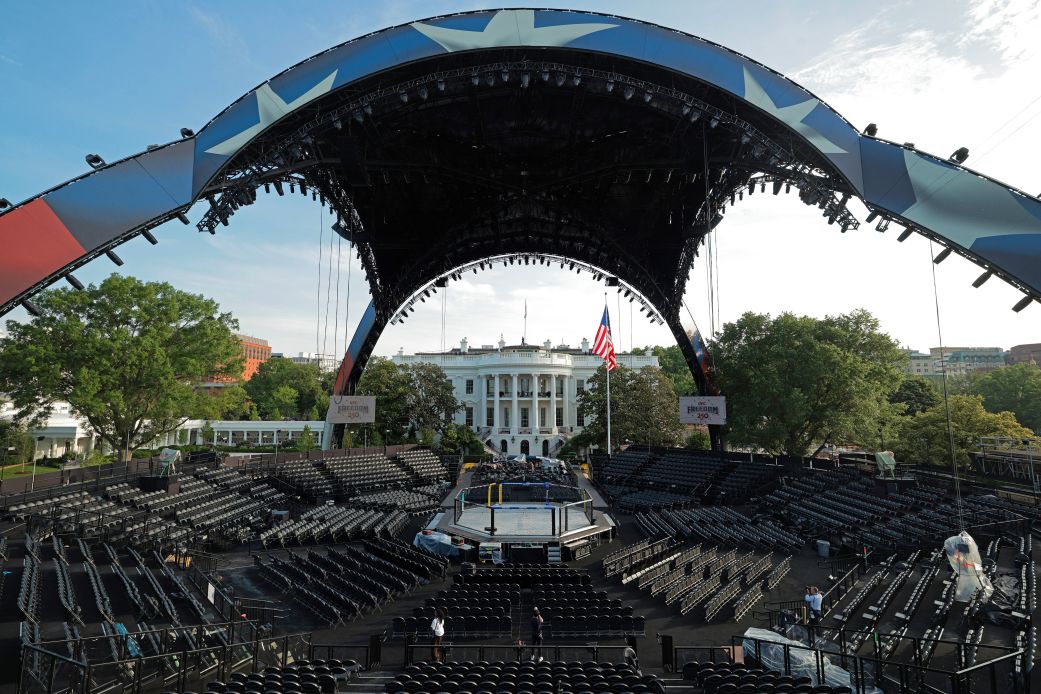
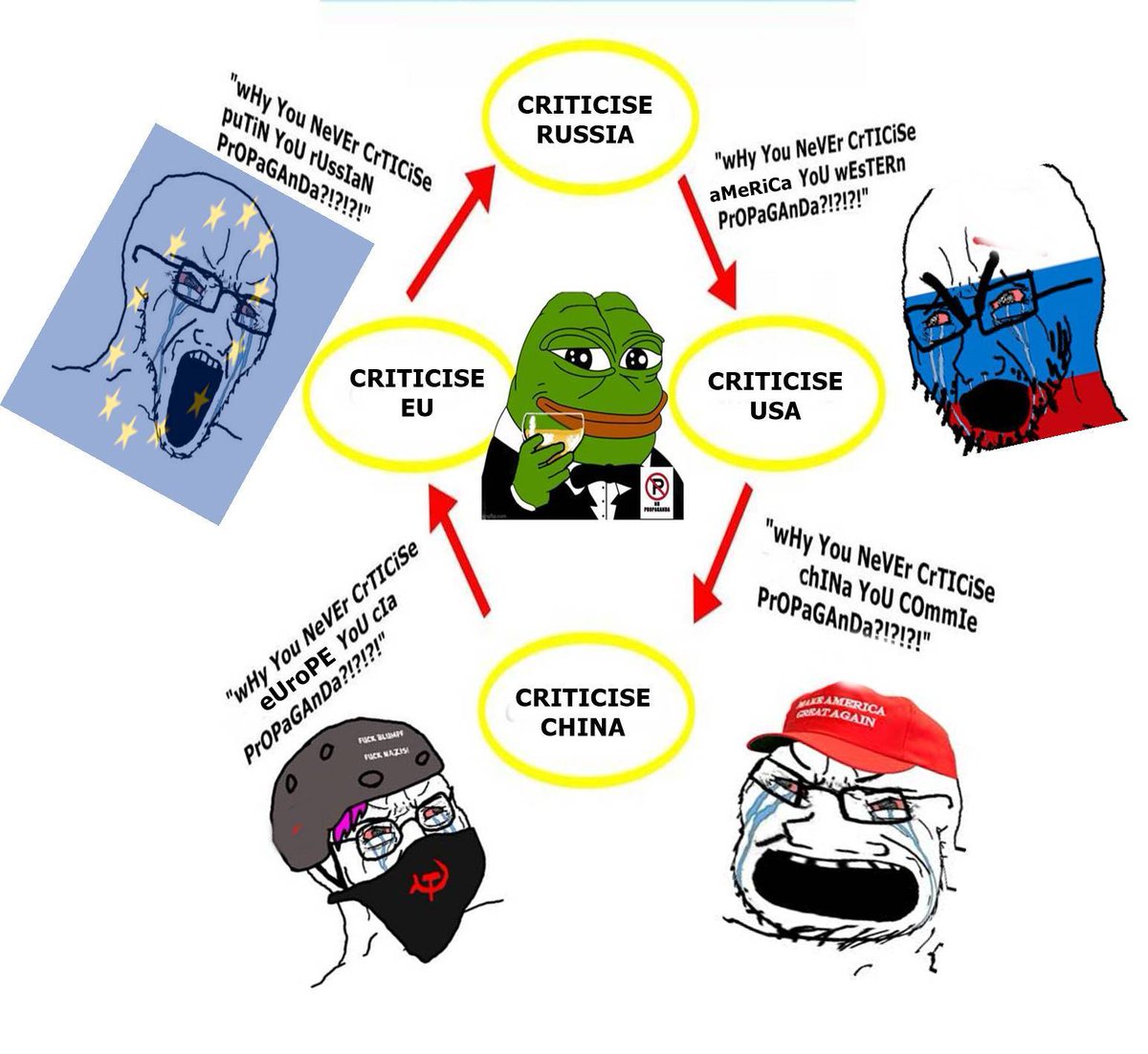
The great circle of Dispropaganda.
47
227
2,327
207,463
Dispropaganda retweeted

24
68
963
78,995
Dispropaganda retweeted
“When a clown moves into a palace, he doesn't become a king.
The palace becomes a circus.“
42
217
1,864
17,021
Dispropaganda retweeted
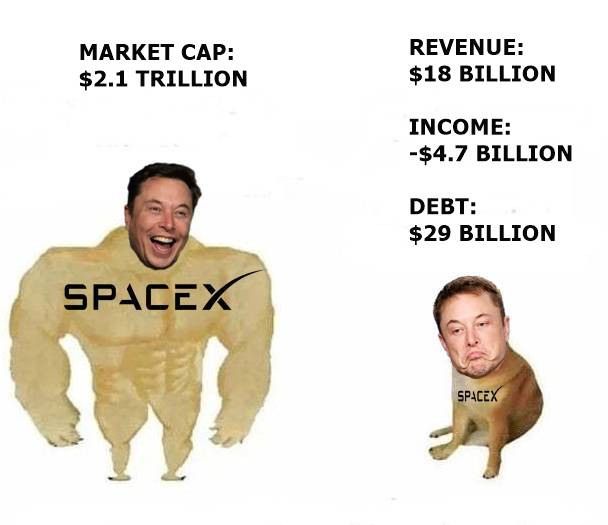
Calling SpaceX a "bubble" is an insult to actual bubbles.
14
93
2,805
42,312
24
68
963
78,995
Jun 9
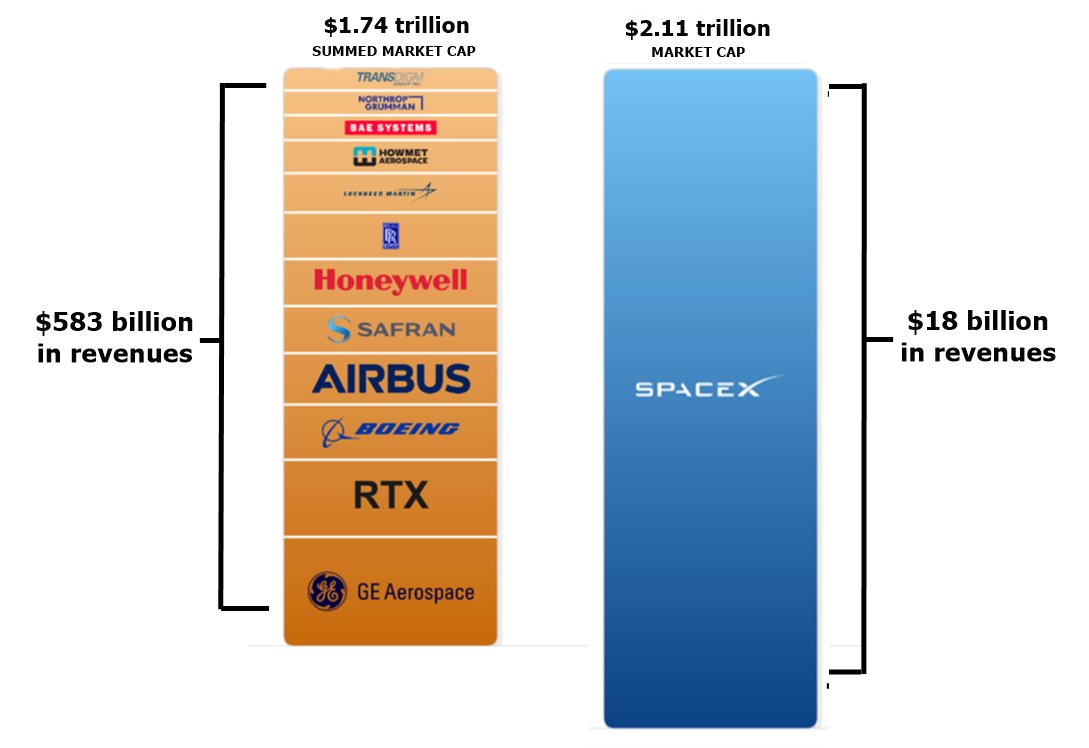
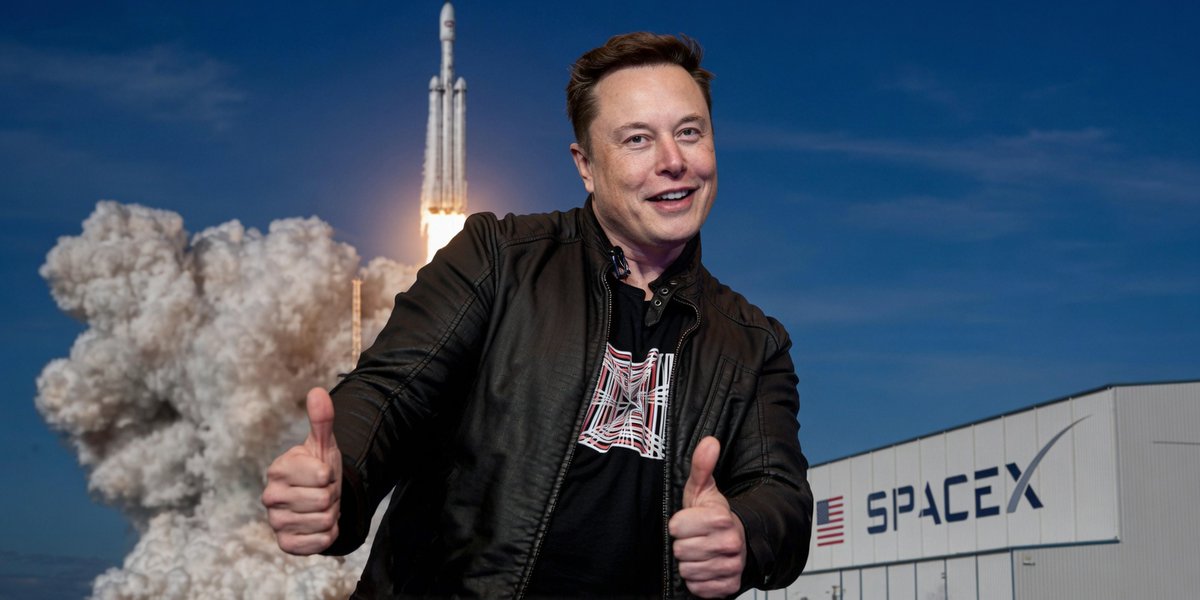
SpaceX is going public on Friday in the largest initial public offering (IPO) in Wall Street history, aiming to raise roughly $75 billion.
According to SpaceX's own public filing, despite a $1.75 trillion valuation, SpaceX remains unprofitable (outside of Starlink),
with $37 billion in accumulated losses.
The filing also rebrands SpaceX as an AI company, attributing 93% of its value to its proprietary AI LLM, Grok.
Yes that's right, people think of SpaceX as a "space company" while SpaceX, according to its own filing, sees itself primarily as an AI company which also shoots rockets into space.
However, SpaceX's AI, Grok, has been so underperforming, that SpaceX is now attempting to buy a competitor AI, "Cursor" for $60 billion, for its own engineers to use.
The entire valuation relies on the Starship rocket, which is still in development and must reach an "insane" flight frequency to meet stated business goals.
How "insane"?
Roughly 10,000 starship flights per year.
The sum total of successful orbital launches in history, that is every rocket successfully launched into space by any country since it was successfully attempted in 1957,
is 6,872.
So in order for SpaceX to be profitable it needs to launch 1.45× the entire history of every orbital launch ever attempted by humanity,
every year.
The IPO appears designed to pay off massive existing debts rather than solely funding new growth, meaning, the people who purchase the IPO share will provide Elon the liquidity he needs to pay SpaceX tens of billions of current debts.
What's more, a dual-class share structure ensures Elon Musk retains over 85% of voting power, effectively insulating him from shareholder oversight or,
most importantly,
future lawsuits.
2
4
3,504

10
29
290
15,508
Jun 12
Can we get the Afghani women opinion on this?

There is no place for feminism, liberalism and democracy in Afghanistan.
Just the law of God Almighty (the Sharia law) will rule in this country

15
47
783
16,193
Jun 12
*Given back


9
13
565
14,710
Jun 11
SpaceX:
Revenue: $18.7B
Profit: -$4.9B
IPO valuation: $1,770,000,000,000

Teams are go for launch with a $135 price per share for the SpaceX IPO → spacexipo.com/#priceannounce…
32
44
1,135
71,021
Jun 12
Jun 9
SpaceX is going public on Friday in the largest initial public offering (IPO) in Wall Street history, aiming to raise roughly $75 billion.
According to SpaceX's own public filing, despite a $1.75 trillion valuation, SpaceX remains unprofitable (outside of Starlink),
with $37 billion in accumulated losses.
The filing also rebrands SpaceX as an AI company, attributing 93% of its value to its proprietary AI LLM, Grok.
Yes that's right, people think of SpaceX as a "space company" while SpaceX, according to its own filing, sees itself primarily as an AI company which also shoots rockets into space.
However, SpaceX's AI, Grok, has been so underperforming, that SpaceX is now attempting to buy a competitor AI, "Cursor" for $60 billion, for its own engineers to use.
The entire valuation relies on the Starship rocket, which is still in development and must reach an "insane" flight frequency to meet stated business goals.
How "insane"?
Roughly 10,000 starship flights per year.
The sum total of successful orbital launches in history, that is every rocket successfully launched into space by any country since it was successfully attempted in 1957,
is 6,872.
So in order for SpaceX to be profitable it needs to launch 1.45× the entire history of every orbital launch ever attempted by humanity,
every year.
The IPO appears designed to pay off massive existing debts rather than solely funding new growth, meaning, the people who purchase the IPO share will provide Elon the liquidity he needs to pay SpaceX tens of billions of current debts.
What's more, a dual-class share structure ensures Elon Musk retains over 85% of voting power, effectively insulating him from shareholder oversight or,
most importantly,
future lawsuits.
5
3,736
Jun 11
Trump won the war he and Bibi started with Iran 12,628 times and signed 63,736 peace deals,
and yet the situation is exactly the same as it was on February 28,
when the conflict began.
3
13
145
4,408
Jun 11
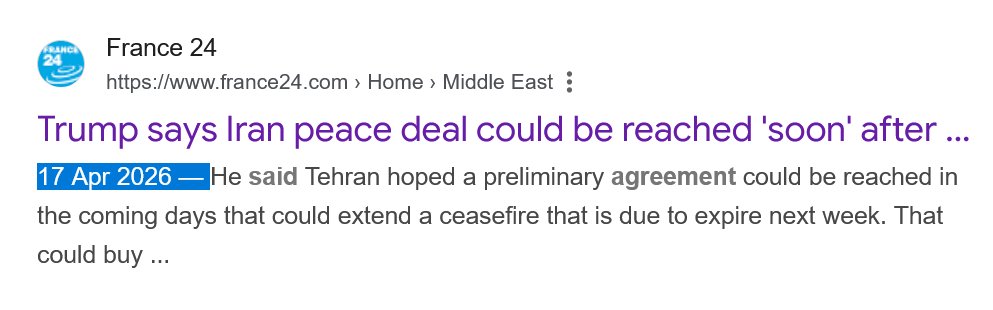
Trump has been repeating his "peace deal with Iran soon!" since April and people still fall for it.

BREAKING: Trump reveals he canceled 'scheduled strikes and bombings' on Iran, time and place of potential deal-signing 'to be announced shortly'
2
4
81
2,770
Jun 11
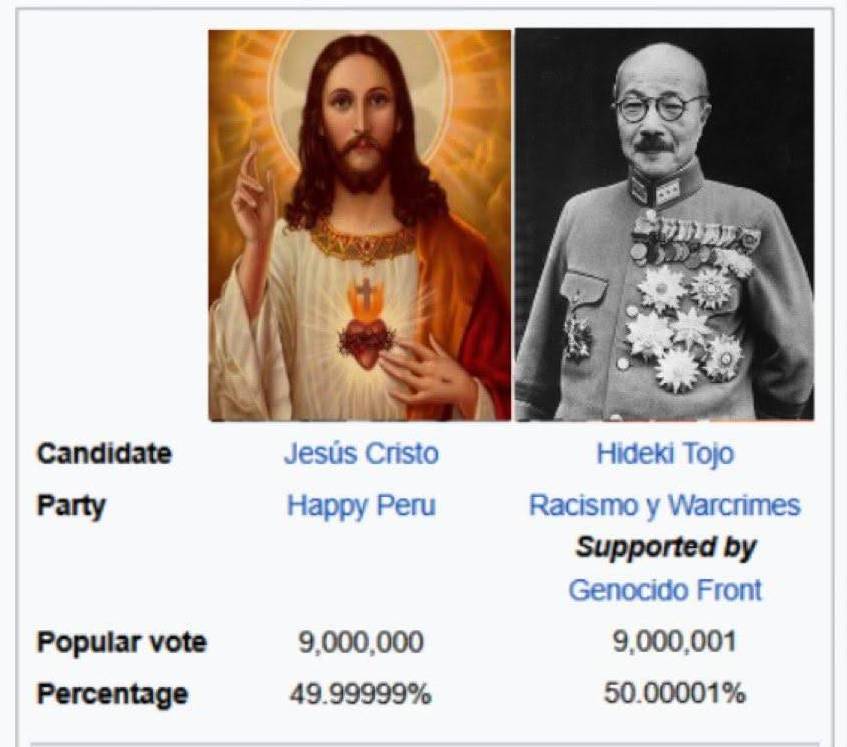
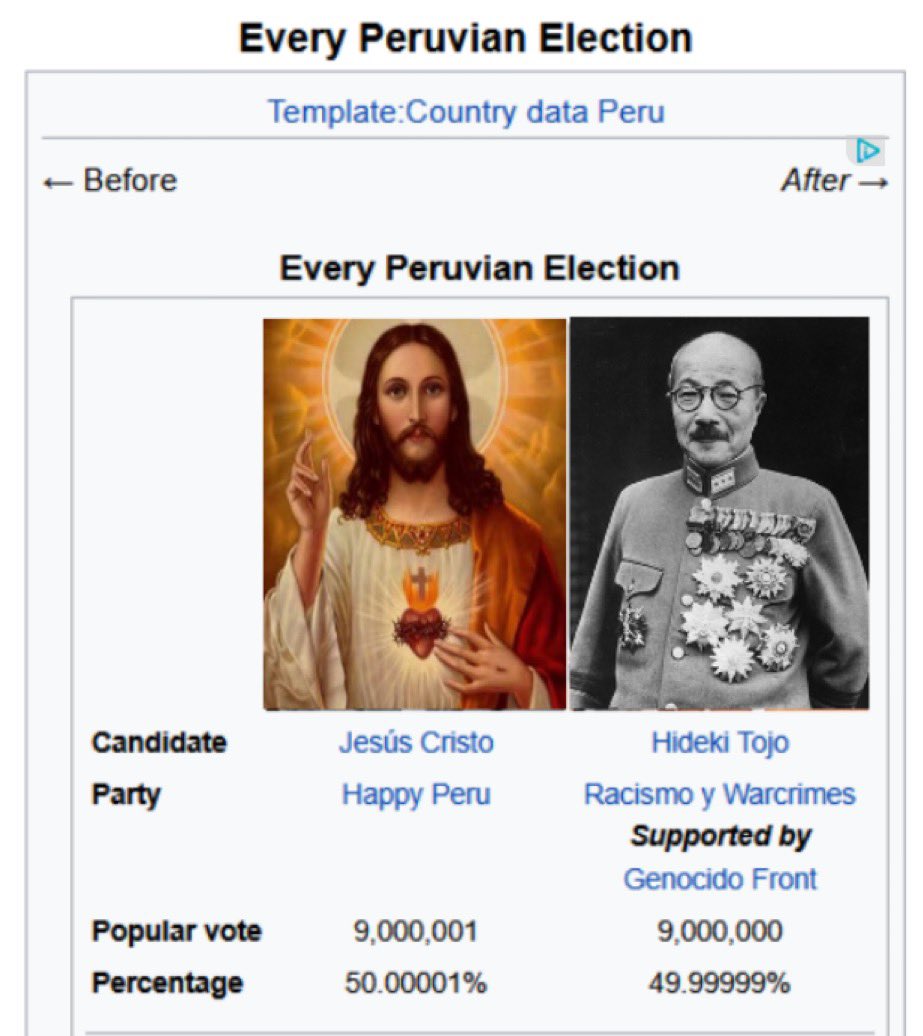
Update on Peru's elections
12
19
362
17,370
Jun 11
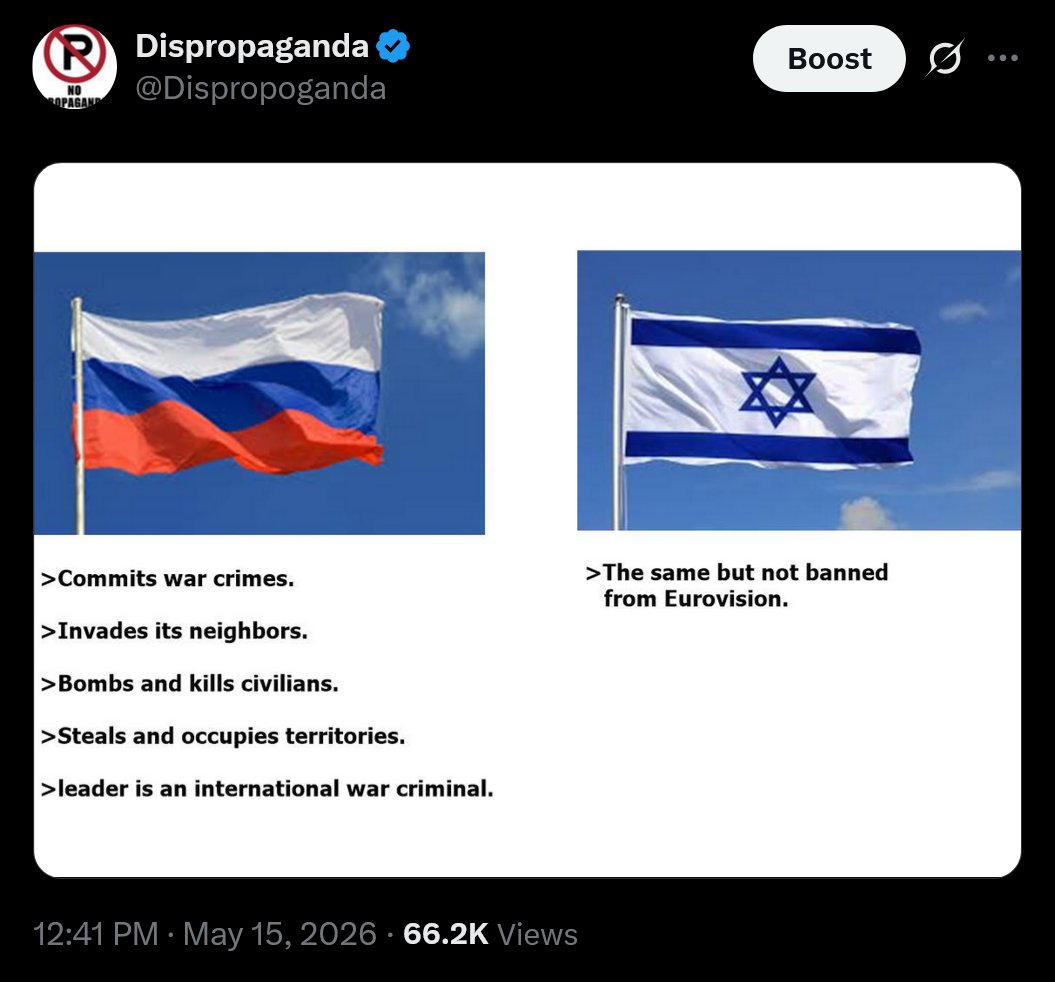
This is Dispro simping for Zionists
Jun 11

Still simping for the Zionist genocide I see
13
34
470
13,234
Jun 11
😱
Jun 11

The post-American era has begun.
Feb. 7, 2021
9
41
788
19,985